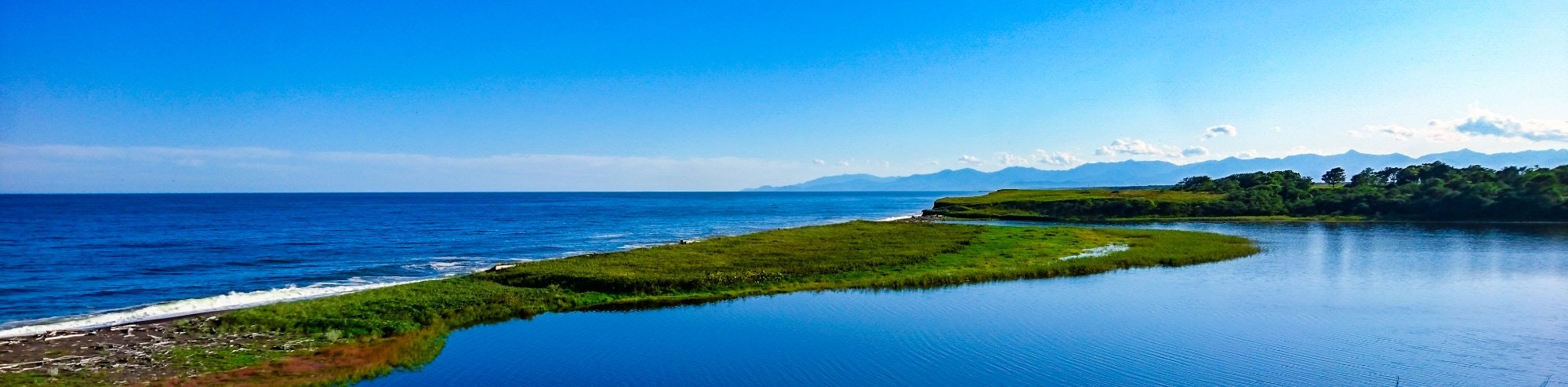

Hello to everyone who watches Cool Japan! This is the Taiki Town Tourism Association.
This account provides attractive information that makes you want to visit Taiki Town, Hokkaido.
Since around 1985, Taiki Town has been conducting aerospace-related experiments with the goal of "space community development."
You can also fully enjoy leisure and activities where you can get in touch with nature!
Please look forward to the latest information and deals of Taiki Town!
This account provides attractive information that makes you want to visit Taiki Town, Hokkaido.
Since around 1985, Taiki Town has been conducting aerospace-related experiments with the goal of "space community development."
You can also fully enjoy leisure and activities where you can get in touch with nature!
Please look forward to the latest information and deals of Taiki Town!
This text has been automatically translated.
Show original text
Show original text


Taiki Tourism Association posted.
![[Image1]Cherry blossoms around town are now at their best.You can see them in full bloom all over town, at p](https://img.cooljapan-videos.com/files/member_posts/image/1af79203334e61cad9ce358a0671480330584003.jpg)
![[Image2]Cherry blossoms around town are now at their best.You can see them in full bloom all over town, at p](https://img.cooljapan-videos.com/files/member_posts/image/f5de42587e48d875f7e79b76847092d041d73e2e.jpg)
![[Image3]Cherry blossoms around town are now at their best.You can see them in full bloom all over town, at p](https://img.cooljapan-videos.com/files/member_posts/image/76ccc5544445d310e919b3e2ae3ec98b6222b9a1.jpg)
![[Image4]Cherry blossoms around town are now at their best.You can see them in full bloom all over town, at p](https://img.cooljapan-videos.com/files/member_posts/image/02b6846be0f4702d632e8c1d262d5fd13232057b.jpg)
Cherry blossoms around town are now at their best.
You can see them in full bloom all over town, at places like Moiwa-yama Forest Park, Hakurin Park, and Taiki Shrine.
Come and enjoy the cherry blossoms alongside the carp streamers✨
This text has been automatically translated.
Show original text
Show original text
Taiki Tourism Association posted.
![[Image1]🎏 Announcement: Rekifune River Clear-Stream Koinobori Display 🎏The 2024 Rekifune River Clear-Stream](https://img.cooljapan-videos.com/files/member_posts/image/46c53b105160174eefed4b17098e90802bcd9bd0.jpg)
![[Image2]🎏 Announcement: Rekifune River Clear-Stream Koinobori Display 🎏The 2024 Rekifune River Clear-Stream](https://img.cooljapan-videos.com/files/member_posts/image/600c106fd779431f2e54d1c4eb7e81578891db48.jpg)
![[Image3]🎏 Announcement: Rekifune River Clear-Stream Koinobori Display 🎏The 2024 Rekifune River Clear-Stream](https://img.cooljapan-videos.com/files/member_posts/image/40e0475b2ff947e76097a3339de91cd453b9024f.jpg)
![[Image4]🎏 Announcement: Rekifune River Clear-Stream Koinobori Display 🎏The 2024 Rekifune River Clear-Stream](https://img.cooljapan-videos.com/files/member_posts/image/c4c990522e328c41145934c111c4497b32728b9f.jpg)
![[Image5]🎏 Announcement: Rekifune River Clear-Stream Koinobori Display 🎏The 2024 Rekifune River Clear-Stream](https://img.cooljapan-videos.com/files/member_posts/image/faa3c26eada403226e329f1559badfcbeffe1bd0.jpg)
🎏 Announcement: Rekifune River Clear-Stream Koinobori Display 🎏
The 2024 Rekifune River Clear-Stream Koinobori display is open from April 19.
Display period: from Friday, April 19 to Monday, May 6.
The Rekifune River Clear-Stream Koinobori is a spring tradition in Taiki Town that stretches colorful carp streamers across the full width of the Rekifune River each year from late April to early May.
This year we increased the number of koinobori, letting them swim from one bank of the Rekifune River across the river and up over the riverbed.
On Sunday, May 5 a mini event for children will be held.
Enjoy a bouncy dome, maze, smart-ball games, a balloon kite exhibit, a dance performance by the Taiki Town street dance circle, a Mölkky experience, plenty of fun activities, and delicious food!
We look forward to your visit!
Date and time: Sunday, May 5, 10:00–14:00
Location: Taiki Bridge Riverscape Plaza
This text has been automatically translated.
Show original text
Show original text
Taiki Tourism Association posted.
![[Image1]- Outdoor Field in Taiki Town -A video showcasing Taiki Town’s natural beauty and outdoor activities](https://img.cooljapan-videos.com/files/member_posts/image/7b89db365b49e5ff9f89aec317314a312683fb11.jpg)
![[Image2]- Outdoor Field in Taiki Town -A video showcasing Taiki Town’s natural beauty and outdoor activities](https://img.cooljapan-videos.com/files/member_posts/image/5484ad744732cf5de6f9075ecc78b295dec2edbe.jpg)
![[Image3]- Outdoor Field in Taiki Town -A video showcasing Taiki Town’s natural beauty and outdoor activities](https://img.cooljapan-videos.com/files/member_posts/image/978a767030780ddb2586adc33103fc14937880dc.jpg)
![[Image4]- Outdoor Field in Taiki Town -A video showcasing Taiki Town’s natural beauty and outdoor activities](https://img.cooljapan-videos.com/files/member_posts/image/c6e0aeaa1fa7addff1b61e5717cf1157278ecf1c.jpg)
![[Image5]- Outdoor Field in Taiki Town -A video showcasing Taiki Town’s natural beauty and outdoor activities](https://img.cooljapan-videos.com/files/member_posts/image/310d7fd0f75b70b0efc799da386ed9d21384f4e8.jpg)
![[Image6]- Outdoor Field in Taiki Town -A video showcasing Taiki Town’s natural beauty and outdoor activities](https://img.cooljapan-videos.com/files/member_posts/image/bff8c869aebea717aad0c5064212034787d261ce.jpg)
- Outdoor Field in Taiki Town -
A video showcasing Taiki Town’s natural beauty and outdoor activities, produced mainly by the local revitalization team in charge of outdoor promotion, has been completed!
It introduces a variety of activities you can enjoy in Taiki Town year-round, including birdwatching, fishing, gold panning, and wakasagi (pond smelt) fishing.
The video is posted on Taiki Town’s official YouTube channel, so please search for it!
This text has been automatically translated.
Show original text
Show original text
1 Comment(s)
Taiki Tourism Association posted.
![[Image1]Deep Spots in Taiki Town📍Site of the Former JNR Hiroo Line Taiki StationIn Taiki Town, you can still](https://img.cooljapan-videos.com/files/member_posts/image/6b0e350d0c93f57fb389f4c4a9b5050cc4e32f20.jpg)
![[Image2]Deep Spots in Taiki Town📍Site of the Former JNR Hiroo Line Taiki StationIn Taiki Town, you can still](https://img.cooljapan-videos.com/files/member_posts/image/24fe159ae444ef57940d7d9a5615034f1d19c979.jpg)
![[Image3]Deep Spots in Taiki Town📍Site of the Former JNR Hiroo Line Taiki StationIn Taiki Town, you can still](https://img.cooljapan-videos.com/files/member_posts/image/d9af0294b5917927d2703546e739b4faa707fe37.jpg)
![[Image4]Deep Spots in Taiki Town📍Site of the Former JNR Hiroo Line Taiki StationIn Taiki Town, you can still](https://img.cooljapan-videos.com/files/member_posts/image/5e1759ae980edb0069ce8ad7e84339611b943add.jpg)
![[Image5]Deep Spots in Taiki Town📍Site of the Former JNR Hiroo Line Taiki StationIn Taiki Town, you can still](https://img.cooljapan-videos.com/files/member_posts/image/6b27d754d64a2d627be24a0f16bbec86e0210c7d.jpg)
![[Image6]Deep Spots in Taiki Town📍Site of the Former JNR Hiroo Line Taiki StationIn Taiki Town, you can still](https://img.cooljapan-videos.com/files/member_posts/image/210c13731e51a3bcf0fe4182a53944fef304f8d2.jpg)
Deep Spots in Taiki Town
📍Site of the Former JNR Hiroo Line Taiki Station
In Taiki Town, you can still find the remains of the station building from the Hiroo Line, the railway that linked Obihiro and Hiroo and ran until 1987.
Taiki Station opened in 1930, and at its peak it reportedly handled more than 1,000 passengers a day.
The former track area is now a plaza called Taiki Traffic Park, but the station building still stands.
You cannot enter the building, but looking through the windows you can see the ticket gate and waiting room still preserved inside.
The platform area still shows the station sign and a signal lever.
In Hakubayashi Park, north of Taiki Town Hall, a steam locomotive, No. 59611, which served around Hokkaido and ran on the Hiroo Line until 1975, is on display.
It was installed thanks to efforts by local steam locomotive enthusiasts.
Why not come and feel the traces of the railway that once ran through Taiki Town?
This text has been automatically translated.
Show original text
Show original text
Taiki Tourism Association posted.
![[Image1]Want to try gold panning in Taiki Town?Gold panning, recently talked about because of the hit movie](https://img.cooljapan-videos.com/files/member_posts/image/933f0a5e384f91cf622f81059afea0d2761d400a.jpg)
![[Image2]Want to try gold panning in Taiki Town?Gold panning, recently talked about because of the hit movie](https://img.cooljapan-videos.com/files/member_posts/image/8e6f022815b2fd67529651cd79c7c0b0e5d54d79.jpg)
![[Image3]Want to try gold panning in Taiki Town?Gold panning, recently talked about because of the hit movie](https://img.cooljapan-videos.com/files/member_posts/image/5a7c05e10e70332eb010358912e8d78fc7d3889e.jpg)
![[Image4]Want to try gold panning in Taiki Town?Gold panning, recently talked about because of the hit movie](https://img.cooljapan-videos.com/files/member_posts/image/bc98bbb4b6c0e08ba1ba9c8a05205675a2e89303.jpg)
![[Image5]Want to try gold panning in Taiki Town?Gold panning, recently talked about because of the hit movie](https://img.cooljapan-videos.com/files/member_posts/image/a2a3364fe96a1cd83f4a46045a26249f1e0854d1.jpg)
Want to try gold panning in Taiki Town?
Gold panning, recently talked about because of the hit movie Golden Kamuy, can still be experienced the old-fashioned way on the Rekifune River in Taiki Town!
The peak period for gold recovery on the Rekifune River is said to have been from the 1890s into the Taisho era, roughly the same time when the bullion battles in Golden Kamuy take place.
Taiki Town also provided some cooperation for the movie’s gold panning scenes.
See if you can spot Taiki Town in the end credits!
This year’s gold panning season is scheduled to start around Golden Week.
Come and give it a try!
This text has been automatically translated.
Show original text
Show original text
1 Comment(s)
Taiki Tourism Association posted.
![[Image1]Recent view of Rekifune RiverIt is mid to late January, and the cold has deepened in Taiki Town.The](https://img.cooljapan-videos.com/files/member_posts/image/553f1327bab949a11aafb24cf03fbb15ada30aef.jpg)
![[Image2]Recent view of Rekifune RiverIt is mid to late January, and the cold has deepened in Taiki Town.The](https://img.cooljapan-videos.com/files/member_posts/image/887833aefb6f48109101a21d01ba9f5b5cb6faf5.jpg)
Recent view of Rekifune River
It is mid to late January, and the cold has deepened in Taiki Town.
The Rekifune River running through Taiki Town has frozen over considerably 🧊
I compared photos of the Rekifune River seen from Furusato Bridge from last autumn and from this month.
Temperatures will drop further, and the frozen sections are expected to grow!
Will it freeze over completely…?
This text has been automatically translated.
Show original text
Show original text
1 Comment(s)
-
ID:1The winter scenery is also wonderful❅This text has been automatically translated.
Show original text
Taiki Tourism Association posted.
![[Image1]Happy New Year 2024!Happy New Year!🌅We look forward to your continued support in 2024!On January 1st](https://img.cooljapan-videos.com/files/member_posts/image/21bbcb94993b68979d63103d5c1e17a3bcf52196.jpg)
![[Image2]Happy New Year 2024!Happy New Year!🌅We look forward to your continued support in 2024!On January 1st](https://img.cooljapan-videos.com/files/member_posts/image/9d6f318f2a1a1ffbf0a03323b2cce2689ae69801.jpg)
Happy New Year 2024!
Happy New Year!🌅
We look forward to your continued support in 2024!
On January 1st, we saw the first sunrise of the year through gaps in the clouds at Bansei Onsen✨
Afterward, the Hidaka Mountain Range came into clear view on a beautiful day🏔
We hope many people will come visit Taiki Town again this year!
This text has been automatically translated.
Show original text
Show original text
1 Comment(s)
-
ID:1The snowy mountains are beautiful ✨This text has been automatically translated.
Show original text
Taiki Tourism Association posted.
![[Image1]Announcement: Bansei Onsen Open on New Year’s Day♨️Bansei Onsen will be open on January 1, 2024 for](https://img.cooljapan-videos.com/files/member_posts/image/3e2727074ffb2478e4a1d349adf42d53fdb3d6de.jpg)
![[Image2]Announcement: Bansei Onsen Open on New Year’s Day♨️Bansei Onsen will be open on January 1, 2024 for](https://img.cooljapan-videos.com/files/member_posts/image/a4e61860083779a5ef241f6600e1326817f5eb66.jpg)
![[Image3]Announcement: Bansei Onsen Open on New Year’s Day♨️Bansei Onsen will be open on January 1, 2024 for](https://img.cooljapan-videos.com/files/member_posts/image/cbca0ac48eccd78090ec888e24651093414d35a0.jpg)
![[Image4]Announcement: Bansei Onsen Open on New Year’s Day♨️Bansei Onsen will be open on January 1, 2024 for](https://img.cooljapan-videos.com/files/member_posts/image/dbfc8816310e85c9ac95906346e6b82f44506ed5.jpg)
Announcement: Bansei Onsen Open on New Year’s Day♨️
Bansei Onsen will be open on January 1, 2024 for New Year’s Day hours!
If the weather is clear, you can soak in the hot springs while watching the first sunrise rise from the Pacific Ocean 🌅
How about starting the new year with your first bath at Bansei Onsen, with a sea view?
The waters at Bansei Onsen are highly concentrated iodine springs, among the strongest in Japan. Iodine is found in mouthwash, dietary supplements, and antiseptics, and is said to have antibacterial and moisturizing effects. The hot water is also praised for keeping the body warm for a long time and for making it hard to catch a chill after bathing.
Spend the New Year healthy by taking a bath at Bansei Onsen!
Open from 6:00 AM to 3:00 PM (dining hall open from 7:00 AM to 3:00 PM; last order at 2:00 PM).
<New Year Holiday Hours>
2023 (Reiwa 5): Open through Saturday, December 30 ※Dining hall and lodging available through Thursday, December 28
2024 (Reiwa 6)
January 1 (Monday): Open 6:00 AM–3:00 PM (dining hall 7:00 AM–3:00 PM; last order 2:00 PM)
※Complimentary shuttle bus will not operate
January 2 (Tuesday): Open
January 3 (Wednesday)–January 8 (Monday): Regular hours
January 9 (Tuesday)–January 12 (Friday): Closed
January 13 (Saturday) onward: Regular hours (closed every Tuesday through March)
Bansei Onsen
Address: Bansei 2, Taiki Town
Phone: 01558-7-8161
Hours: April–September: 8:00 AM–9:00 PM (last admission 8:00 PM)
October–March: 9:00 AM–9:00 PM (last admission 8:00 PM)
Closed: April–September: No closures October–March: Tuesdays closed
This text has been automatically translated.
Show original text
Show original text
1 Comment(s)
-
ID:1The iodine spring was the iodine 😯 of that mouthwashThis text has been automatically translated.
Show original text
Taiki Tourism Association posted.
![[Image1]🌊Have you heard of a “torchka”?🌊“Torchka” comes from the Russian word for “point” or “position.” It](https://img.cooljapan-videos.com/files/member_posts/image/8f149c71b77defaf05089a3bb9c025fd26244e36.jpg)
![[Image2]🌊Have you heard of a “torchka”?🌊“Torchka” comes from the Russian word for “point” or “position.” It](https://img.cooljapan-videos.com/files/member_posts/image/5532efefd453f6543bec35f02205c45c69ae8e11.jpg)
![[Image3]🌊Have you heard of a “torchka”?🌊“Torchka” comes from the Russian word for “point” or “position.” It](https://img.cooljapan-videos.com/files/member_posts/image/81cc3b89ec99ecaaff9846c92db20e87d7ce27d4.jpg)
![[Image4]🌊Have you heard of a “torchka”?🌊“Torchka” comes from the Russian word for “point” or “position.” It](https://img.cooljapan-videos.com/files/member_posts/image/17f2263a9eb44fb44f03dd8d08754fbe373aa312.jpg)
![[Image5]🌊Have you heard of a “torchka”?🌊“Torchka” comes from the Russian word for “point” or “position.” It](https://img.cooljapan-videos.com/files/member_posts/image/d687fed629a93c1f83fcc6aef24135695e4d9c98.jpg)
![[Image6]🌊Have you heard of a “torchka”?🌊“Torchka” comes from the Russian word for “point” or “position.” It](https://img.cooljapan-videos.com/files/member_posts/image/13812769431c9fb84ca5172d0b37a78ad2e55944.jpg)
🌊Have you heard of a “torchka”?🌊
“Torchka” comes from the Russian word for “point” or “position.” It refers to small reinforced defensive emplacements made of concrete and other materials to protect militarily important sites.
The torchkas along Taiki Town’s Pacific coast were built in large numbers near the end of the Pacific War to prepare for a possible US landing on the home islands, but they were never used and the war ended.
Many remain today because they were built solidly with concrete. Despite erosion from waves, rain, and wind, they survive as historically valuable war relics.
You can find them along the shore, partially buried in sand, and inland in various locations.
The torchka known as “Asahihama Torchka,” set within a windbreak forest, has been developed for visitors and is open for viewing, so please consider visiting.
⚠️The areas around torchkas often include sandy beaches and rough terrain, so please take care when driving there.
This text has been automatically translated.
Show original text
Show original text
2 Comment(s)
-
ID:2I saw it for the first time & I knew it.
There are still many things I don't know about JapanThis text has been automatically translated.
Show original text
-
Taiki Tourism Association posted.
![[Image1]Autumn colors around Taiki Town are at their peak✨From popular spots like Sakashita Senkyo and Keise](https://img.cooljapan-videos.com/files/member_posts/image/7c4afc033060ab7eae82ef157f8a9f317df27ae4.jpg)
![[Image2]Autumn colors around Taiki Town are at their peak✨From popular spots like Sakashita Senkyo and Keise](https://img.cooljapan-videos.com/files/member_posts/image/d27fdcea540c867d67193aff85e2309e0bf4c9ea.jpg)
![[Image3]Autumn colors around Taiki Town are at their peak✨From popular spots like Sakashita Senkyo and Keise](https://img.cooljapan-videos.com/files/member_posts/image/d80919f2c231aaa2718690ad06fe515f58c34568.jpg)
![[Image4]Autumn colors around Taiki Town are at their peak✨From popular spots like Sakashita Senkyo and Keise](https://img.cooljapan-videos.com/files/member_posts/image/bd033598a0524844039156742f86b1f090f4e2a8.jpg)
Autumn colors around Taiki Town are at their peak✨
From popular spots like Sakashita Senkyo and Keiseki Bridge to other areas around town, the fall foliage is in full splendor.
You might spot unexpectedly beautiful scenes even during a casual drive!
Come and experience the beauty of autumn🍁
This text has been automatically translated.
Show original text
Show original text