
Hello COOL JAPAN VIDEOS viewers!
Nishiokoppe Village This is Kurashima of the Regional Revitalization Cooperation Volunteers (in charge of tourism).
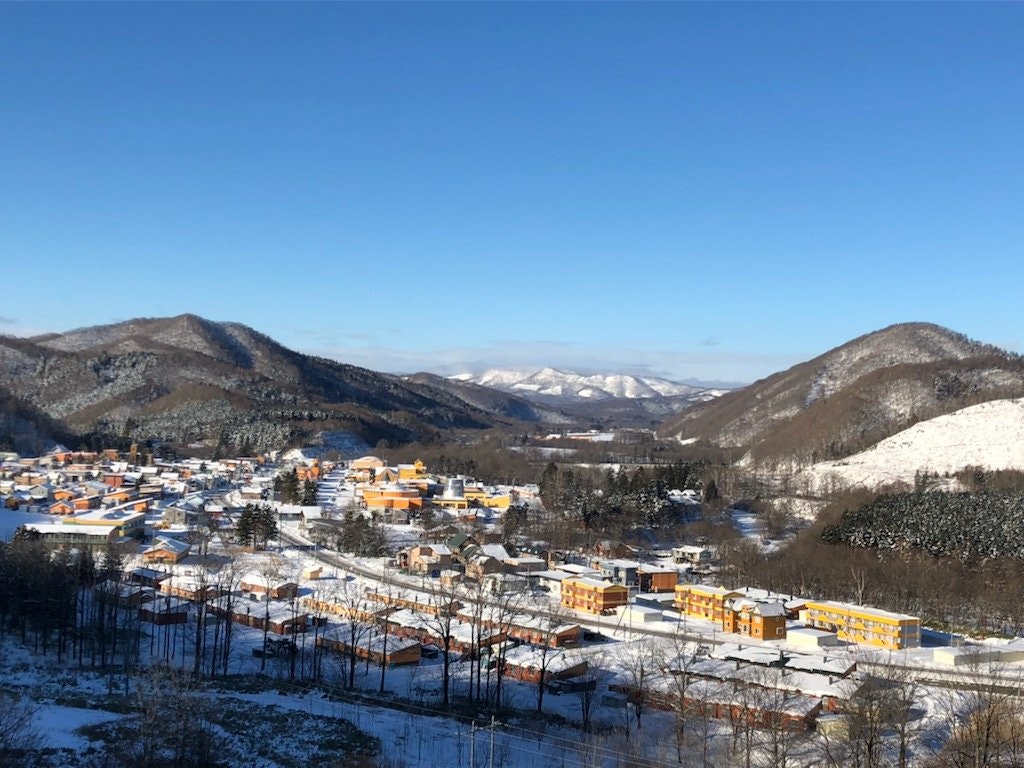
Located in the eastern Hokkaido region, it has a population of 1,002 (as of the end of July 2023 (Reiwa 5)), and is surrounded by nature, with forests occupying about 90% of the village's area.
Nishiokoppe Village is also famous as a guitar production area, and currently 20,000 guitar bodies are made every year.
You can enjoy various experiences such as beautiful scenery and delicious gourmet food in Nishiokoppe Village.
We will deliver Nishiokoppe Village events, sightseeing information, and daily scenes, so thank you!
Nishiokoppe Village This is Kurashima of the Regional Revitalization Cooperation Volunteers (in charge of tourism).
Located in the eastern Hokkaido region, it has a population of 1,002 (as of the end of July 2023 (Reiwa 5)), and is surrounded by nature, with forests occupying about 90% of the village's area.
Nishiokoppe Village is also famous as a guitar production area, and currently 20,000 guitar bodies are made every year.
You can enjoy various experiences such as beautiful scenery and delicious gourmet food in Nishiokoppe Village.
We will deliver Nishiokoppe Village events, sightseeing information, and daily scenes, so thank you!
This text has been automatically translated.
Show original text
Show original text

Nishiokoppe, Hokkaido posted.
![[Image1]【Happy Halloween】Entering the Forest Art Museum](https://img.cooljapan-videos.com/files/member_posts/image/ccc591805942b3c9e44d1ff76340a2be49e89980.jpg)
![[Image2]【Happy Halloween】Entering the Forest Art Museum](https://img.cooljapan-videos.com/files/member_posts/image/f5081629cdb59c7e48fd564e6d3bc4848de0f9b1.jpg)
![[Image3]【Happy Halloween】Entering the Forest Art Museum](https://img.cooljapan-videos.com/files/member_posts/image/675529856973ffce3c08bb37cbd7e7cf434a86bc.jpg)
![[Image4]【Happy Halloween】Entering the Forest Art Museum](https://img.cooljapan-videos.com/files/member_posts/image/1629110194a859f9f084c2a087d069e11a370758.jpg)
![[Image5]【Happy Halloween】Entering the Forest Art Museum](https://img.cooljapan-videos.com/files/member_posts/image/2b2756ba6db5fe2f6db7b62f34c4b64cb0ed7317.jpg)
![[Image6]【Happy Halloween】Entering the Forest Art Museum](https://img.cooljapan-videos.com/files/member_posts/image/0d59b19f2f60973487571404f8a4d4699906ff3f.jpg)
![[Image7]【Happy Halloween】Entering the Forest Art Museum](https://img.cooljapan-videos.com/files/member_posts/image/2ee5a99b14cd876fb1bdd703eac2b394b341c810.jpg)
![[Image8]【Happy Halloween】Entering the Forest Art Museum](https://img.cooljapan-videos.com/files/member_posts/image/80d30e1c5e0bf11ad8327f69238deec5e7cd5c56.jpg)
![[Image9]【Happy Halloween】Entering the Forest Art Museum](https://img.cooljapan-videos.com/files/member_posts/image/fb15a9cd34a25dddaf9ce6e0311f79bd03a26a17.jpg)
![[Image10]【Happy Halloween】Entering the Forest Art Museum](https://img.cooljapan-videos.com/files/member_posts/image/d649eeeca669d8b159ef7c76141ce6bf56a190f8.jpg)
![[Image11]【Happy Halloween】Entering the Forest Art Museum](https://img.cooljapan-videos.com/files/member_posts/image/89a8056cf55e2103d59cd56e72f49408beb44d6b.jpg)
【Happy Halloween】
Entering the Forest Art Museum "komu," the atmosphere was different than usual!
It feels a bit mysterious, yet somehow cute.
But it might be a little scary too.
Enjoy the limited-time Halloween display! 🎃
【Forest Art Museum "komu"】
On Friday, October 30th, it's Halloween Night 🌙
Have you decided what costume to wear?
Of course, you don't have to dress up!
On this day only,✨
from 18:00 to 20:00, admission is free for everyone.
We are preparing Halloween events and looking forward to seeing you!
Contact:
0158-87-2600
#Nishiokoppe Village #komu #Halloween
#Display #I want some sweets.
This text has been automatically translated.
Show original text
Show original text
Nishiokoppe, Hokkaido posted.
![[Image1]Enjoy Halloween Night at Komu!We are excited to announce a Halloween event at the Forest Art Museum](https://img.cooljapan-videos.com/files/member_posts/image/7adc21cd3081387349a8df0899465a1cfa95f3d3.jpg)
Enjoy Halloween Night at Komu!
We are excited to announce a Halloween event at the Forest Art Museum "Komu"!📢
On the night of Friday, October 30th
We will be open for special evening hours at Komu!👻🎃🧙♀️
We will temporarily close at 5 PM, and the Halloween event will start at 6 PM!!
Entrance will be free for everyone until 8 PM!
Together with the Puppet Play Circle Doremi
We have prepared fun activities related to Halloween and are looking forward to your visit.
You might receive some candy if you complete the missions!?
Dress up in your best costumes
And let’s enjoy the night before Halloween together!
We invite you and your family or friends to come and join us!
Contact:
0158-87-2600
#Nishiokoppe Village #Komu #Halloween
#Evening Opening Hours #Puppet Play Circle Doremi
This text has been automatically translated.
Show original text
Show original text
Nishiokoppe, Hokkaido posted.
![[Image1]In a garden glowing with autumn colors, enjoy a cup of tea.On a night illuminated by the Mid-Autumn](https://img.cooljapan-videos.com/files/member_posts/image/ab86bb444aa51b02c8c3005b3712df3e8e8ad7dd.jpg)
![[Image2]In a garden glowing with autumn colors, enjoy a cup of tea.On a night illuminated by the Mid-Autumn](https://img.cooljapan-videos.com/files/member_posts/image/e22d2621dcec9f635dad49fb9d558225fed6b67c.jpg)
![[Image3]In a garden glowing with autumn colors, enjoy a cup of tea.On a night illuminated by the Mid-Autumn](https://img.cooljapan-videos.com/files/member_posts/image/cefad0785e437edceb97d9239f75fbf176869f8d.jpg)
![[Image4]In a garden glowing with autumn colors, enjoy a cup of tea.On a night illuminated by the Mid-Autumn](https://img.cooljapan-videos.com/files/member_posts/image/940b1b0b46fec106b9c11286c37b677624f7bc29.jpg)
![[Image5]In a garden glowing with autumn colors, enjoy a cup of tea.On a night illuminated by the Mid-Autumn](https://img.cooljapan-videos.com/files/member_posts/image/7bb1b9fb6cbe65756ebef5717507aac4e6c2471f.jpg)
![[Image6]In a garden glowing with autumn colors, enjoy a cup of tea.On a night illuminated by the Mid-Autumn](https://img.cooljapan-videos.com/files/member_posts/image/f7c0a414948d334a8eadef3ade7e2d2b581b33da.jpg)
![[Image7]In a garden glowing with autumn colors, enjoy a cup of tea.On a night illuminated by the Mid-Autumn](https://img.cooljapan-videos.com/files/member_posts/image/fc18d2d636c0b91bfe1cb678f06402eb937ecece.jpg)
![[Image8]In a garden glowing with autumn colors, enjoy a cup of tea.On a night illuminated by the Mid-Autumn](https://img.cooljapan-videos.com/files/member_posts/image/131023a3085001f697dbeeaa9d25809097b0bf67.jpg)
![[Image9]In a garden glowing with autumn colors, enjoy a cup of tea.On a night illuminated by the Mid-Autumn](https://img.cooljapan-videos.com/files/member_posts/image/31d83134543d42253d0e245b228dcb8aa092473d.jpg)
![[Image10]In a garden glowing with autumn colors, enjoy a cup of tea.On a night illuminated by the Mid-Autumn](https://img.cooljapan-videos.com/files/member_posts/image/a97db203ef084e242d624b8f4e66debfb66c3f2a.jpg)
![[Image11]In a garden glowing with autumn colors, enjoy a cup of tea.On a night illuminated by the Mid-Autumn](https://img.cooljapan-videos.com/files/member_posts/image/2836738ad14d0013a4763a6f42abaefe168e39d3.jpg)
![[Image12]In a garden glowing with autumn colors, enjoy a cup of tea.On a night illuminated by the Mid-Autumn](https://img.cooljapan-videos.com/files/member_posts/image/311deb82b9677080664ac1495e2d49f2c1c8b723.jpg)
![[Image13]In a garden glowing with autumn colors, enjoy a cup of tea.On a night illuminated by the Mid-Autumn](https://img.cooljapan-videos.com/files/member_posts/image/61987560cb30231a982a0319640182e2a06db65f.jpg)
In a garden glowing with autumn colors, enjoy a cup of tea.
On a night illuminated by the Mid-Autumn Moon.
The pure Japanese garden, Korakuen, was lit up as if the moonlight had descended, allowing us to relish the night foliage instead of night cherry blossoms.
Walking along the path of light from the garden entrance,
we could see the illuminated autumn leaves and pavilions on both the right and left.
Without the prepared lighting,
the night Korakuen would be so dark that one couldn't distinguish between the soil and the roots of the trees.
The sight of leaves, stones, moss, and lanterns floating in the darkness due to the various lights was truly wonderful.
The redness of the autumn leaves was more vivid than during the day and burned into the back of my eyelids.
On the night of the illumination,
a tea ceremony was held at the tea room, Korakutei, within the garden.
The tea utensils were adorned with autumn leaves, and the sweets and tea bowls also revealed the essence of autumn.
While savoring the sweetness of the sweets and the warmth of the tea,
we fully enjoyed the autumn tea ceremony.
-
This illumination project
was held for the third time, following last autumn and this spring.
Thanks to this event, we met many villagers visiting Korakuen for the first time,
those who look forward to coming every time,
and visitors from nearby towns, among others.
May this wonderful garden
continue to be a cherished place for many in the future.
Korakuen will be closed for the winter,
so in the remaining few days, I would be delighted if you could come and visit.
This text has been automatically translated.
Show original text
Show original text
Nishiokoppe, Hokkaido posted.
![[Image1]The traveling bookstore and candy shopIn September, the traveling Yukimichi Bookstore was held atKob](https://img.cooljapan-videos.com/files/member_posts/image/893df78aeb7d16c79f94a886660cb9a5611c0a7a.jpg)
![[Image2]The traveling bookstore and candy shopIn September, the traveling Yukimichi Bookstore was held atKob](https://img.cooljapan-videos.com/files/member_posts/image/af9aa39a3ba9b5639837c237528e7c0fb971e85f.jpg)
![[Image3]The traveling bookstore and candy shopIn September, the traveling Yukimichi Bookstore was held atKob](https://img.cooljapan-videos.com/files/member_posts/image/4a3f525af1d114c42f2a1758887a39fcbd2086d0.jpg)
![[Image4]The traveling bookstore and candy shopIn September, the traveling Yukimichi Bookstore was held atKob](https://img.cooljapan-videos.com/files/member_posts/image/43f9ecb8a02832a6f8c2a7cd0d215a533ef097fa.jpg)
![[Image5]The traveling bookstore and candy shopIn September, the traveling Yukimichi Bookstore was held atKob](https://img.cooljapan-videos.com/files/member_posts/image/d46fcabbbe7b8fb3008b0d2b9381ba3ff433f5a5.jpg)
![[Image6]The traveling bookstore and candy shopIn September, the traveling Yukimichi Bookstore was held atKob](https://img.cooljapan-videos.com/files/member_posts/image/4b32240c3fd72a01e68d866d2914fb3ad4b46b95.jpg)
![[Image7]The traveling bookstore and candy shopIn September, the traveling Yukimichi Bookstore was held atKob](https://img.cooljapan-videos.com/files/member_posts/image/dd2f13a616d6cc41d1fe0a54571a5da052d4ccc4.jpg)
![[Image8]The traveling bookstore and candy shopIn September, the traveling Yukimichi Bookstore was held atKob](https://img.cooljapan-videos.com/files/member_posts/image/5e01362236d49cbfab6f1fccc465fd7d1eb80935.jpg)
![[Image9]The traveling bookstore and candy shopIn September, the traveling Yukimichi Bookstore was held atKob](https://img.cooljapan-videos.com/files/member_posts/image/dd509a21ac2a9f631d3c53d5d258d6677b17aec0.jpg)
![[Image10]The traveling bookstore and candy shopIn September, the traveling Yukimichi Bookstore was held atKob](https://img.cooljapan-videos.com/files/member_posts/image/063ace0a0312e285ad26fd0d9c96184c568c51bd.jpg)
![[Image11]The traveling bookstore and candy shopIn September, the traveling Yukimichi Bookstore was held atKob](https://img.cooljapan-videos.com/files/member_posts/image/8ec8695393bf6b425904208572a2da60ee8952d4.jpg)
![[Image12]The traveling bookstore and candy shopIn September, the traveling Yukimichi Bookstore was held atKob](https://img.cooljapan-videos.com/files/member_posts/image/ca85a7344fe52e4e0f3c033c7dac39289bcc629f.jpg)
The traveling bookstore and candy shop
In September, the traveling Yukimichi Bookstore was held at
Kobanko📚
Books about horses and bears, books on succulents and fungi, and books on beautiful libraries around the world were all present.
Each book piqued my curiosity.
The succulent seedlings in the basket were adorable too🌿
On this day, there was also a booth from the candy shop "Egao-ya" in Monbetsu!
Next to the children happily choosing sweets, I found snacks I used to enjoy and got really excited.
Not only shopping
but also satisfying small hunger and playing with Lego blocks...
While everyone spent their time as they pleased,
I flipped through the intriguing books.
It was so cozy that I ended up spending more time than planned.
The next traveling Yukimichi Bookstore will be
on Saturday, October 24th, from 12 PM to 4 PM.
Please look forward to it.
#Nishiokoppe Village #Traveling #Bookstore #Candy shop #Kobanko
This text has been automatically translated.
Show original text
Show original text
Nishiokoppe, Hokkaido posted.
![[Image1]Introducing the Setoushi-kun Ballpoint Pen!A new ballpoint pen featuring the design of Setoushi-kun](https://img.cooljapan-videos.com/files/member_posts/image/f15ff02e98fe9d60ab20cfdda137fdd544d6b210.jpg)
Introducing the Setoushi-kun Ballpoint Pen!
A new ballpoint pen featuring the design of Setoushi-kun has been created!
This pen writes with black ink🖋
Check out the images to see how it looks on paper.
Available for purchase at Hotel Rimu and Roadside Station Kamu.
The price is 400 yen, including tax.
Perfect as a travel companion, a gift for friends, or just for yourself!
#Nishiokoppe Village #New Product
#Setoushi-kun #Ballpoint Pen #Hotel Rimu
This text has been automatically translated.
Show original text
Show original text
Nishiokoppe, Hokkaido posted.
![[Image1]【Delicious Autumn Marche】How was your Silver Week?I enjoyed some delicious food at the Nishiokoppe M](https://img.cooljapan-videos.com/files/member_posts/image/8c1edd86cb4d91e77a3215a2a65c515e6280e38c.jpg)
![[Image2]【Delicious Autumn Marche】How was your Silver Week?I enjoyed some delicious food at the Nishiokoppe M](https://img.cooljapan-videos.com/files/member_posts/image/83427095ee0c29bec960c0b1f2afd3f4b7705b27.jpg)
![[Image3]【Delicious Autumn Marche】How was your Silver Week?I enjoyed some delicious food at the Nishiokoppe M](https://img.cooljapan-videos.com/files/member_posts/image/9ad00bb01e2c64e1441a3a01b3f9888e2e4f92b8.jpg)
![[Image4]【Delicious Autumn Marche】How was your Silver Week?I enjoyed some delicious food at the Nishiokoppe M](https://img.cooljapan-videos.com/files/member_posts/image/bdb334cbfb59fa4673e06dc083ad304d5ff01481.jpg)
![[Image5]【Delicious Autumn Marche】How was your Silver Week?I enjoyed some delicious food at the Nishiokoppe M](https://img.cooljapan-videos.com/files/member_posts/image/cbd56a674246856254e7d2fab31682692f8940e0.jpg)
![[Image6]【Delicious Autumn Marche】How was your Silver Week?I enjoyed some delicious food at the Nishiokoppe M](https://img.cooljapan-videos.com/files/member_posts/image/7420abca27e1c2a5cbd4cdf762923694e4326518.jpg)
![[Image7]【Delicious Autumn Marche】How was your Silver Week?I enjoyed some delicious food at the Nishiokoppe M](https://img.cooljapan-videos.com/files/member_posts/image/5c1191807dd1c548e6e5e8380149e0e250e59636.jpg)
![[Image8]【Delicious Autumn Marche】How was your Silver Week?I enjoyed some delicious food at the Nishiokoppe M](https://img.cooljapan-videos.com/files/member_posts/image/e4a111cade7de57894e5624a4fa4a40009acebc4.jpg)
![[Image9]【Delicious Autumn Marche】How was your Silver Week?I enjoyed some delicious food at the Nishiokoppe M](https://img.cooljapan-videos.com/files/member_posts/image/724178444cc1b2bcb005111497458725ae3e7d2f.jpg)
![[Image10]【Delicious Autumn Marche】How was your Silver Week?I enjoyed some delicious food at the Nishiokoppe M](https://img.cooljapan-videos.com/files/member_posts/image/76d9d4ebc069d7d122cd86fbf5e4561caa24bb29.jpg)
![[Image11]【Delicious Autumn Marche】How was your Silver Week?I enjoyed some delicious food at the Nishiokoppe M](https://img.cooljapan-videos.com/files/member_posts/image/8496a8e0b988e0aa39f01a7ccebece52e42619b6.jpg)
![[Image12]【Delicious Autumn Marche】How was your Silver Week?I enjoyed some delicious food at the Nishiokoppe M](https://img.cooljapan-videos.com/files/member_posts/image/5514afd04279dfac12b3ade9e8e4da8d89d757c8.jpg)
![[Image13]【Delicious Autumn Marche】How was your Silver Week?I enjoyed some delicious food at the Nishiokoppe M](https://img.cooljapan-videos.com/files/member_posts/image/fdecd3554aab4769417b4b315ca3c9b5361cc704.jpg)
【Delicious Autumn Marche】
How was your Silver Week?
I enjoyed some delicious food at the Nishiokoppe Marche held at the Roadside Station "Kamu"!
For two days, on September 20th and 21st, there were various food stalls and a children's festival, featuring locally grown vegetables from Nishiokoppe Village and used books for sale.
The first thing I tried was tempura of yamabe and udon.
The udon already had vegetable tempura on top, but adding the yamabe tempura made it even more satisfying.
Then, I shared some Ezo deer balls with an acquaintance🤤
This dish contains stewed deer meat instead of octopus in takoyaki.
It's a must-try for those who love flour-based foods.
Next to that tent, I got souvenirs from the super ball scooping and candy fishing.
At the vegetable sales booth,
there were pumpkins, leeks, and many types of potatoes for sale.
It was fun to imagine what they would taste like once cooked while choosing them.
On the second day of the marche,
the Meguru Honya Nekoze made its debut with used book sales, making it a lively autumn marche📖
Although there were times when it rained heavily,
thank you to everyone who came out.
We look forward to seeing you at next year's spring marche!
#Nishiokoppe Village #Marche #Kamu #Roadside Station #Stalls
This text has been automatically translated.
Show original text
Show original text
Nishiokoppe, Hokkaido posted.
![[Image1]【Chuei Yoshikawa Acoustic Guitar Live】On the night of September 20than acoustic guitar live performa](https://img.cooljapan-videos.com/files/member_posts/image/8f5dd2981efa6f80edb3fde47da2e909decb6e61.jpg)
![[Image2]【Chuei Yoshikawa Acoustic Guitar Live】On the night of September 20than acoustic guitar live performa](https://img.cooljapan-videos.com/files/member_posts/image/6c7b470c38197fdb546fd8de8550808a4778ddb2.jpg)
![[Image3]【Chuei Yoshikawa Acoustic Guitar Live】On the night of September 20than acoustic guitar live performa](https://img.cooljapan-videos.com/files/member_posts/image/bf7757a876b10b2836c617959fa85b3ad9cd6a11.jpg)
![[Image4]【Chuei Yoshikawa Acoustic Guitar Live】On the night of September 20than acoustic guitar live performa](https://img.cooljapan-videos.com/files/member_posts/image/3f3fd2c1a6122937082ef8b73abd4878be0bb4b0.jpg)
![[Image5]【Chuei Yoshikawa Acoustic Guitar Live】On the night of September 20than acoustic guitar live performa](https://img.cooljapan-videos.com/files/member_posts/image/861b31eea1cdc074dab06cfd4e2a88e756e2b20e.jpg)
![[Image6]【Chuei Yoshikawa Acoustic Guitar Live】On the night of September 20than acoustic guitar live performa](https://img.cooljapan-videos.com/files/member_posts/image/f36db60e2e49e5e513f790b691adba07402263dd.jpg)
【Chuei Yoshikawa Acoustic Guitar Live】
On the night of September 20th
an acoustic guitar live performance by Chuei Yoshikawa took place.
The venue was Kobanko Banko, which just opened this year.
The former Nishiokoppe branch of the Kitami Shinkin Bank is now fully utilized as a community hub for the villagers.
Since I listened to last year's autumn live performance,
I had been eagerly awaiting this year's live show by Yoshikawa.
When the live performance began and I heard the sound of the acoustic guitar, my ears rejoiced, feeling the sound I had been longing for.
Fingers strumming the guitar strings freely.
Not only the guitar notes played like singing, but also the overlapping voice of Yoshikawa moved my heart.
I was particularly drawn into the sounds expressing nature, like grasslands and the earth. The deep, low voice that seemed to shake the ground was truly wonderful.
There was also a performance by a duo of villagers, creating a warm atmosphere throughout the time.
The food prepared at the venue was delicious, making for a night that satisfied both my ears and my stomach immensely🌙
While listening to the album I purchased, I am looking forward to Yoshikawa's return to the village with anticipation for another year.
#Nishiokoppe Village #Chuei Yoshikawa #Acoustic Guitar
#Live #Kobanko Banko
This text has been automatically translated.
Show original text
Show original text
Nishiokoppe, Hokkaido posted.
![[Image1][Mochitsuki Challenge]At the Shinto Shrine Festival in Nishiokoppe District,the Women's Association](https://img.cooljapan-videos.com/files/member_posts/image/fa160d391757b4b6a61d8f9a838efa7c8a4f3206.jpg)
![[Image2][Mochitsuki Challenge]At the Shinto Shrine Festival in Nishiokoppe District,the Women's Association](https://img.cooljapan-videos.com/files/member_posts/image/3b174ff1c940863f05c54f8d270a5ac0e3bfdb73.jpg)
![[Image3][Mochitsuki Challenge]At the Shinto Shrine Festival in Nishiokoppe District,the Women's Association](https://img.cooljapan-videos.com/files/member_posts/image/e4c2aa383c119822b5050f8b2c13f54aee46d41e.jpg)
![[Image4][Mochitsuki Challenge]At the Shinto Shrine Festival in Nishiokoppe District,the Women's Association](https://img.cooljapan-videos.com/files/member_posts/image/c49a912a345d640a16bbb181c6f6d97546d01b0c.jpg)
![[Image5][Mochitsuki Challenge]At the Shinto Shrine Festival in Nishiokoppe District,the Women's Association](https://img.cooljapan-videos.com/files/member_posts/image/e8dbc7ab03d5b7d80a123cee44d1d8dd28dc3c2d.jpg)
![[Image6][Mochitsuki Challenge]At the Shinto Shrine Festival in Nishiokoppe District,the Women's Association](https://img.cooljapan-videos.com/files/member_posts/image/d6aed94290b341c986628a817c62df6a7703f644.jpg)
![[Image7][Mochitsuki Challenge]At the Shinto Shrine Festival in Nishiokoppe District,the Women's Association](https://img.cooljapan-videos.com/files/member_posts/image/9b0ad7efb5bad3ec04530ea6bb1b9631271f7b7e.jpg)
![[Image8][Mochitsuki Challenge]At the Shinto Shrine Festival in Nishiokoppe District,the Women's Association](https://img.cooljapan-videos.com/files/member_posts/image/65f99e4b7eef73946efa437c6d20c2f210fd1cc7.jpg)
![[Image9][Mochitsuki Challenge]At the Shinto Shrine Festival in Nishiokoppe District,the Women's Association](https://img.cooljapan-videos.com/files/member_posts/image/6b9d92abac984208f10d356852dd2dd6b7b7aa49.jpg)
[Mochitsuki Challenge]
At the Shinto Shrine Festival in Nishiokoppe District,
the Women's Association of the Chamber of Commerce tours various neighborhoods with the portable shrine, and after the rituals, they have a tradition of throwing rice cakes to the attendees.
This time, we will introduce the preparation of those rice cakes.
The amount of glutinous rice prepared is a total of 55 kg, combining both white and red rice cakes.
A few members of the Women's Association gathered in the morning to soak the glutinous rice.
After dispersing once, 40 participants gathered at 4 PM for the mochi pounding.
Villagers and cottage guests, in addition to the Women's Association, also joined in!✨️
While a machine is used for the "pounding" part,
the more people there are to quickly finish tasks such as cooking, tearing, shaping, cooling, and bagging, the better.
Once the mochi is pounded, it becomes a race against time.
Starch powder is spread on the work table, and the freshly pounded mochi is quickly torn apart.
Since the mochi is extremely hot,
we put on thick gloves and managed to tear it apart.
Once shaped nicely while still hot, it needs to be cooled down!
If it is bagged without cooling, it will mold, so the cooling process is very important.
Once round, small, and cooled mochi is ready, it is bagged and the process is complete.
Thanks to the wonderful teamwork, all the mochi (about 2,300 pieces!?) were successfully bagged.
After about three hours of focused work, we filled our stomachs with handmade udon and pickles before dispersing.
I feel that these behind-the-scenes tasks add more color to the festival atmosphere.
This big job happens once a year.
I secretly look forward to next year as well.
#Nishiokoppe Village #Mochitsuki #Shinto Shrine Festival #Red and White Mochi #We did our best.
This text has been automatically translated.
Show original text
Show original text
Nishiokoppe, Hokkaido posted.
![[Image1]【A Night of Performing Arts and Celebration】On a night in September.This year, the Nishiokoppe Villa](https://img.cooljapan-videos.com/files/member_posts/image/d3e21f47af1d6596e11c324be83c687f57c97e3e.jpg)
![[Image2]【A Night of Performing Arts and Celebration】On a night in September.This year, the Nishiokoppe Villa](https://img.cooljapan-videos.com/files/member_posts/image/d7fca6f86d75891553f5c35780ce109e30884c00.jpg)
![[Image3]【A Night of Performing Arts and Celebration】On a night in September.This year, the Nishiokoppe Villa](https://img.cooljapan-videos.com/files/member_posts/image/41d7de40c77da420631e9eb29fd91b62eba92d7c.jpg)
![[Image4]【A Night of Performing Arts and Celebration】On a night in September.This year, the Nishiokoppe Villa](https://img.cooljapan-videos.com/files/member_posts/image/7d3df6867d7f54222f0e1ccf50ef99f49701bcec.jpg)
![[Image5]【A Night of Performing Arts and Celebration】On a night in September.This year, the Nishiokoppe Villa](https://img.cooljapan-videos.com/files/member_posts/image/b5c120ec6e39f4f9db65dfaf77ddd6dff2e6b2b9.jpg)
【A Night of Performing Arts and Celebration】
On a night in September.
This year, the Nishiokoppe Village Performing Arts Festival was held 🎉
In the performing arts section,
there were performances of traditional Japanese drumming, acting, band music, and dance,
making for a nearly two-hour showcase filled with expressions and music.
In the latter half, during the karaoke section,
eight villagers took to the stage to passionately sing their favorite songs 🎤
As for the audience,
they enjoyed chatting with acquaintances while savoring food and drinks purchased from the stalls, and cheering on the performers with all their might.
Some were even seen waving glow sticks to support the karaoke ⚡️
Setoushi-kun seemed to enjoy the yakitori as well 🤤
We are grateful to everyone who participated, set up stalls, and helped behind the scenes,
and to all the attendees who came on that day.
Thank you for a wonderful night!
This text has been automatically translated.
Show original text
Show original text
Nishiokoppe, Hokkaido posted.
![[Image1]](https://img.cooljapan-videos.com/files/member_posts/image/f6f358bbd25a08f68411a4bbde0b4ceb5f1e18ba.jpg)
![[Image2]](https://img.cooljapan-videos.com/files/member_posts/image/61c247a5060007ec5f4b9e93840c11e78b139eb0.jpg)
![[Image3]](https://img.cooljapan-videos.com/files/member_posts/image/4f5a25767d3d0fb77d9b9f87e3d4df09222d4d16.jpg)
![[Image4]](https://img.cooljapan-videos.com/files/member_posts/image/0fbc9736ddcd876c8c23ef44beb2e98aec016acb.jpg)
![[Image5]](https://img.cooljapan-videos.com/files/member_posts/image/86bd3091b53ba92aa8721d71b746d1320320724e.jpg)
![[Image6]](https://img.cooljapan-videos.com/files/member_posts/image/189bc205c6efbc3937c575b5265510434ce3497a.jpg)
![[Image7]](https://img.cooljapan-videos.com/files/member_posts/image/9e3763ef0bf1d367188493d43b59e543f28dafc0.jpg)
![[Image8]](https://img.cooljapan-videos.com/files/member_posts/image/291c35789f2a5b6e6bfda3bc4e78f488d49059cd.jpg)
![[Image9]](https://img.cooljapan-videos.com/files/member_posts/image/03c088687f16d63a1ea1b11a6e63743044eb237b.jpg)
![[Image10]](https://img.cooljapan-videos.com/files/member_posts/image/86e1d23fdcf5fd00a71608605cfba01f3a61d427.jpg)
"Wasshoi, wasshoi"
The Kamiokoppe District held its Shinto shrine festival on September 7,
while the Nishiokoppe District celebrated on September 11.
This is an important community event where residents come together to participate.
In both districts, people gather in front of the shrine, and the portable shrine procession parades through the town.
Banners and large fans contrasted beautifully against the blue sky.
Since I usually travel by car, this might have been the day I walked the most all year.
The sounds of drums and flutes accompany the shouts of "wasshoi" echoing throughout the town.
Adults who can drink during the day also enjoy sacred sake 🍶
In the Nishiokoppe District,
the lion dance performers and tengu meet.
Chigo and elementary school students in happi coats walked a lot as well.
#Nishiokoppe Village #Shinto shrine festival #Gratitude #Portable shrine procession #Rice cakes
This text has been automatically translated.
Show original text
Show original text