-
Article
-
Channel
-
Region
-
Season
-
Tag
Articles
-
 Video article 2:10
17END - A Beautiful Attraction on Miyakojima Only Seen at Low Tide! A Guide to the White Sandy Beaches and Clear Waters in Okinawa
Travel Nature Things to Do- 333 plays
- YouTube
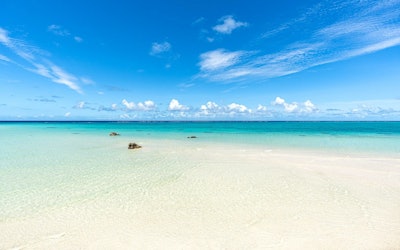
Miyakojima '17END': Video Introduction This video, titled "[8K 60P] 17END - A Beautiful Beach on Miyakojima, Okinawa, Japan" ([8K60P] 17END 宮古島の絶景ビーチ Beautiful Beach Miyako,Okinawa,Japan), was uploaded by "Saha Entertainment TV." Miyakojima (Miyako Island), the pride of Okinawa, has many beautiful beaches. Among them, Yonaha Beach (Yonaha Maehama Beach) is famous as one of the most beautiful beaches on the island. However, these actually a beach that is even more beautiful than Yonaha Beach... That is '17END.' The name 17END comes from the fact that the runway is angled at 170 degrees from north (0 degrees), and the runway identification number is 17. The 'END' portion comes from the aviation term "Runway End" where the beach is located. 17END is a fantastic beach that can be seen only when certain conditions are met. Before going any further though, be sure to check out the beauty of the beach in this 8K video. 17END - A Phantom Beach With White Sand and Clear Blue Waters! Photo:17END, a phantom beach Next, we'll go over some of the charms of 17END, a fantastic beach that can only be seen when the weather and tides are in harmony. [17END Attraction #1] White Sandy Beaches and Clear Blue Waters The beautiful white sand and the clear turquoise blue sea make this beach one of the most beautiful spots on Miyakojima. [17END Attraction #2] Awesome Airplanes Overhead! The island is located directly behind Shimojishima Airport, so if you time it right, you can watch airplanes take off and land up close. It is also the only place in Japan where visitors can watch touch-and-go landing drills. [17END Attraction #3] Breathtaking Sunsets Although famous for its white sandy beaches and clear blue waters, 17END is also known for its beautiful sunsets, with the sky and sea turning to vibrant shades of orange. 17END is a photogenic spot, as it offers an unobstructed view of the ocean. Things to Do at 17END Photo:People enjoying the beach at 17END At 17END you can do more than just walk along the beach and admire the spectacular views. Swimming is also allowed in the clear blue waters. If you make reservations at one of the marine shops nearby, you can even try SUP (Stand-up Paddleboarding) and have a blast while enjoying the water. In addition, you can take a jet ski tour to a mysterious cave at 17END while enjoying the beautiful beach to your heart's content. When the weather is nice, we also recommend renting a bicycle to cross Irabu Ohashi Bridge and exploring the area from Irabu Island to Shimoji Island. Location and Access Information for 17END, Miyakojima Photo:Shimojishima Airport, Miyakojima, Okinawa If you're considering visiting 17END, please keep in mind that you have to visit at low tide. At low tide, the pure white beach is revealed, but at high tide, the beach is submerged, and cannot be seen. Located on Shimoji Island, a remote island on Miyakojima, access is a 10-minute drive from Shimojishima Airport. Vehicles are not allowed on the beach, so please use a nearby parking lot. There are no lifeguards on duty at the beach either, and because there are places where rip currents occur, be sure to check dangerous places in advance and avoid them during your visit. Be sure to take care of your belongings as well. Summary of 17END If you still haven't watched the video yet, we definitely recommend checking it out as you can see hear the sound of the wind and waves while viewing the beautiful waters of the beach. 17END is a fantastic beach located on Shimoji Island, a remote island of Miyakojima, which only appears at low tide. By carefully monitoring the weather conditions and tides, you'll have a higher chance of seeing this fantastic beach. It's a spectacular spot that Miyakojima takes pride in, and you should definitely see it of you have the chance. For lodging, there are hotels available on Shimoji Island as well as on the neighboring Irabu Island. Some people say that of all the beaches on Miyako Island, 17END is by far the most beautiful. Come and see the sandy white beaches and clear blue waters with your own eyes! The amazing scenery will surely make for a memorable part of any trip to Okinawa. 【Official Website】Shimoji Island | Miyakojima | Official Okinawa Travel Guide https://visitokinawajapan.com/destinations/miyako-islands/shimoji-island/ 【TripAdvisor】Shimoji Island https://www.tripadvisor.com/ShowUserReviews-g680765-d1373557-r426945332-Shimojishima_Island-Miyakojima_Okinawa_Prefecture.html -
 Video article 2:23
Enjoy a Powerful Rafting Trip on Tokushima Prefecture's Yoshino River in Central Shikoku! Experience an Exhilarating Whitewater Adventure in This Video!
Things to Do- 105 plays
- YouTube
四国ライオンアドベンチャーの吉野川ラフティング紹介動画について こちらの動画は「アウトドア撮影隊 GOAT」が公開した「【吉野川ラフティング】 「四国ライオンアドベンチャー」公式movie (2016.07.22公開)」です。 迫力満点の川下り!時には岩の上から水面へジャンプ! 日本観光にでは綺麗な清流でラフティングを楽しんでみませんか? 四国のど真ん中を流れる吉野川では吉野川ラフティングが人気のアクティビティです。 今回紹介する動画は近年、訪日外国人にも人気の吉野川ラフティングをピックアップ! 四国ライオンアドベンチャーで「吉野川ラフティング」を楽しもう! 四国の徳島県小歩危(こぼけ)で吉野川ラフティングを体験できるのが四国ライオンアドベンチャー。 吉野川は激流として有名ですが、経験豊富なインストラクターが付き添い、安全に吉野川ラフティングを楽しむことができます。 四国ライオンアドベンチャー「吉野川ラフティング」の1日コースの見所 まず、受付が済んだら、移動中のバスで安全講習。 その後、川に着いたらボートに移りスリル満点の吉野川ラフティングの旅へ出発! 最初の難関が鉄橋の下の瀬。 動画に出てくる激流をこれから超える吉野川ラフティングの開幕です。 鉄橋の下の瀬を越えると森囲いの瀬で「小歩危」最大の難関。 別名でモーニング グローリーとの名を持ちます。 次にくる大滝の瀬は多くのボートが転覆するポイント。 ここを超えたら美味しいランチが待っています。 ランチを食べた後も「吉野川ラフティング」を堪能! 午後は曲がり戸の瀬。 小歩危最大の格差に挑戦です。 ここを越えたら後はゴールを目指すだけ。 ゴールに着いたら吉野川ラフティングをまた体験したいと思うはずです。 今日1日で吉野川の美しさや自然に満足したことでしょう。 四国ライオンアドベンチャー「吉野川ラフティング」をおすすめする理由 四国ライオンアドベンチャーは四国でも一番綺麗な小歩危(こぼけ)渓谷でラフティングを楽しめます。 また、粗谷渓谷(いやだにけいこく)にも近く、宿泊場所も多数あります。 疲れたら一泊してゆっくりされてみてはいかがですか? 四国ライオンアドベンチャー「吉野川ラフティング」紹介まとめ 四国ライオンアドベンチャーのコースの特徴は1日・半日コース(要予約)を選べます。 体力に少し自信がない方は半日コース。 吉野川ラフティングを満喫したい人は存分に1日体験。 みなさんも四国ライオンアドベンチャーで吉野川ラフティングを満喫してみてはどうでしょうか。 -
Video article 2:41
Video showing when the flowers are at their best and how to enjoy them at National Takino Suzuran Hillside Park, Sapporo, Hokkaido! Enjoy the magnificent nature in each season!
Travel Things to Do Nature- 94 plays
- YouTube
Video introduction of "National Takino Suzuran Hillside Park" in Sapporo, Hokkaido This video, titled "A Summer Recommendation" (夏のおすすめ), was uploaded by "Takino Suzuran Hillside National Park" (国営滝野すずらん丘陵公園). Takino Suzuran Hillside National Park is located in Sapporo, Hokkaido, and is known as the only national park in Hokkaido. With seasonal flowers and forests where visitors can stroll and enjoy beautiful natural scenery, the park is a popular spot for the people of Sapporo and tourists alike. Check out the video to see flowers blooming in the short summer season, as well as highlights and things to do at Takino Suzuran Hillside National Park. Takino Suzuran Hillside National Park - Enjoy Flowers in All 4 Seasons! Photo:Tulips at Takino Suzuran Hillside National Park At Takino Suzuran Hillside National Park, visitors can enjoy various kinds of seasonal flowers from spring to autumn. Here, we'll introduce the best time to see flowers in the park. Flowers that are at their best in spring (April to May): Pansies, violas, lily of the valley, tulips Among the representative flowers of spring, tulips and lily of the valley are so popular that events are held in conjunction with their blooms. Flowers that are at their best in summer (June to August): Lavender, allium, nepeta, and sunflowers In summer, flowers bluish-colored flowers, such as lavender, Hokkaido's representative flower, can be seen in full bloom. The sunflowers that bloom all over the area under the sunlight are a spectacular sight. Flowers that are at their best in autumn (September to October): summer cypress, dahlias, and cosmos In autumn, white, pink, deep pink, and various varieties of cosmos swaying in the wind are popular among tourists. Visitors can also enjoy many varieties of dahlias in full bloom. Things to Do at Takino Suzuran Hillside National Park From Spring to Fall Photo:Takino Suzuran Hillside National Park, Ashiribetsu Falls Takino Suzuran Hillside National Park isn't just a place for viewing flowers. Here we'll introduce other ways to enjoy the Takino Suzuran Hillside National Park from spring to autumn. ●Takino Forest Zone: East Area An area where visitors can enjoy playing in a forest. Morimino Tower, which offers a panoramic view of the surrounding forest, a place to enjoy playing in water, and large playground equipment, makes this area very popular with children. ●Takino Forest Zone: West Area In spring, visitors can observe wildflowers, in summer they can enjoy spotting various wildlife and insects in the rice paddies and streams, and in autumn, based on the theme of "symbiosis between people and nature," they can enjoy the remains of houses and charcoal-making sites. ●Keiryu Zone In the Keiryu Zone, visitors can enjoy cycling while viewing four beautiful waterfalls, including Ashiribetsu Falls, selected as one of the Top 100 Waterfalls in Japan, as well as seasonal flowers. There's also a fishing pond and barbecue area where families can enjoy playing and eating together. ●Central Zone The central zone includes a large flower garden where you can feel Japan's four seasons, 'Kodomo no Tani' (Children's Valley) where kids can play on large playground equipment, and Mori no Sumika, a place to play in the forest. It's also an area where both children and adults can enjoy themselves as there is a secret spot with an viewing platform and an astronomical observatory. Enjoy the Snow at Takino Suzuran Hillside National Park's Snow World in Winter! Takino Suzuran Hillside National Park is a ski slope where visitors can enjoy playing in the snow in winter. In addition to skiing and snowboarding, snowshoeing is also popular, allowing visitors to roam freely on the fresh snow! In addition, you can enjoy a full range of winter activities such as hiking in the snow with walking skis, snow marathons, and snow tubing. Summary of Takino Suzuran Hillside National Park Photo:Takino Suzuran Hillside National Park, east entrance If you haven't checked out the video yet, be sure to give it a watch! At Takino Suzuran Hillside National Park, you can see wild birds and other wildlife, such as chipmunks, Ezo squirrels, and foxes. You can enjoy flowers throughout Japan's four seasons, and you can take beautiful photos of the autumn foliage during fall. To get to Takino Suzuran Hillside National Park, it's a 35-minute bus ride from Makomanai Subway Station, and a 5-minute walk from the nearest bus stop. Parking is available for visitors coming by car. Due to measures against the novel coronavirus, there may be restrictions on facilities, so we recommend checking for up-to-date information in advance. Takino Suzuran Hillside National Park is a great place to see, feel, and play in nature throughout the four seasons. Pets are allowed in the park, although they must be leashed. Consider visiting with the family, including the family pet, and enjoying the outdoors together! 【Official Website】Takino Suzuran Hillside National Park – Official Website https://www.takinopark.com/ 【TripAdvisor】Takino Suzuran Hillside National Park https://www.tripadvisor.com/Attraction_Review-g298560-d1384143-Reviews-Kokuei_Takino_Suzuran_Hillside_National_Park-Sapporo_Hokkaido.html -
Video article 1:36
The Pikachu Jet BC2 – Until When Can You Ride It? Watch the Second Pikachu Jet's Takeoff and Landing at Haneda Airport + A Look Inside the Cabin and More!
News Transportation Travel- 55 plays
- YouTube
Pikachu Jet Video Introduction This video, titled "[SKYMARK]☆Pikachu Jet BC2 Inaugural Video" (【SKYMARK】☆ピカチュウジェットBC2 就航記念動画☆), was uploaded by "- SKYMARK CHANNEL -" (スカイマーク チャンネル - SKYMARK CHANNEL -). This video introduces the BC2, the second aircraft of the "Pokémon Air Adventures" project, from its arrival at Haneda Airport to its first flight. The cute design of the Pikachu Jet with the image of the sea and Pikachus scattered throughout the cabin will help hype up your trip. Check out the video to see the Pikachu Jet's takeoff and landing, as well as a look inside the aircraft. About the Pikachu Jet BC2 and an Overview of the Cabin Source :YouTube screenshot The first Pikachu Jet (BC1) began service in June 2021 as part of the "Pokémon Air Adventures" Project. This video introduces the second Pikachu Jet, the BC2, which entered service on May 30, 2022. It's a great video where you can see the No. 1 and No. 2 Pikachu Jets together. [Video] 0:36 - BC1 and BC2 Pikachu Jets Pikachu, the famous Pokémon character, has been featured in video games and anime to express the joy of adventure. The "Pokémon Air Adventures" project was created with the aim of promoting the aviation and tourism industries with such Pokémon. The Pikachu Jet flies primarily to and from Okinawa and to airports served by Skymark flights. The design of the Pikachu Jet BC2 is inspired by the Okinawan sea. The design is fun and cute, with a large Wailord, Pikachu, Shaymin, Magikarp, and other Pokémon all over the aircraft! It's really photogenic and great for taking Instagram photos! Commemorative medals, mini pouches, and model planes are available for purchase on board the Pikachu Jet as well. There is also a special offer where children will receive a keychain plush of the specially painted plane (while supplies last). Keep an eye out for Pokémon on boarding passes, flight attendants' aprons, in-flight decorations (headrest covers, seat guides, etc.), equipment, in-flight services, and more. Pikachu can even be seen making an appearance in the Skymark uniform! [Video] 0:42 - Pikachu and the Pikachu Jet Operation Schedules and How to Ride the Pikachu Jet The Pikachu Jet operation schedule is currently being on the official Pikachu Jet website with plans through September 30, 2022. If you book your ticket according to the routes and times announced in this operation schedule, you will have a higher chance of riding on the Pikachu Jet. (Please note that the aircrafts are subject to change without notice.) Pikachu Jet BC2 – Flying Routes To/From Okinawa Photo:The Pikachu Jet BC2 The main routes served by the Pikachu Jet BC2 are as follows: Haneda - Naha Haneda - Sapporo (Shin-Chitose) Haneda - Kobe Sapporo (Shin-Chitose) - Haneda Kobe - Haneda Kobe - Nagasaki Nagasaki - Kobe At Naha Airport, the Skymark domestic flight counters and check-in machines are decorated with Pikachus! If you're a Pokémon fan, be sure to snap some photos. A special "Pokémon Air Adventures Pikachu Jet" store is also located inside the JAL side of the RYUBO Department Store on the 2nd floor of the Naha Airport Domestic Terminal. You can buy Okinawan souvenirs with a special Pikachu design here. In addition, airport vehicles will be wrapped in Pikachu-designs to add to the excitement. All the Pikachus! Yui Rail and Bus Tours! Pikachu and friends are also on the Okinawa Urban Monorail (nicknamed "Yui Rail") connecting Naha Airport and Urasoe! The operation schedule for this service will be posted on the Yui Rail website every Friday. Be sure to check it out in advance. If you're a Pikachu lover, you can also join the "Pokémon Air Adventures: Okinawa de Asobo" tour. You can enjoy Pikachu to your heart's content by receiving Pokémon goods and touring tourist facilities on a Pokémon-themed bus. Summary of the Pikachu Jet This article introduced the specially painted Pikachu Jet. A one-day flight from Ibaraki Airport was also available, but this flight is already sold out. If you'd like to board the Pikachu Jet, we recommend checking the flight schedule and making a reservation. If you broaden your criteria to include the first plane as well, you'll have an even better chance of getting on the plane. We hope you get the chance to board a Pikachu plane and have an exciting trip! The Pikachu Jet and other specially painted planes are very popular with airplane/airport photographers, and some people have even posted pictures of the first and second planes together on Instagram. There's even going to be a special collab with Pokémon GO as well, so be sure to keep an eye out for some special Pikachus! [Official Website] Skymark - Summer Memories with the Pikachu Jet https://www.skymark.co.jp/en/campaign/flying-pikachu/?cp=topmv1flying-pikachu-en -
Video article 9:41
Yubara Onsen in Maniwa, Okayama Is a Tourist Spot With a Variety of Seasonal Attractions! The Different Faces of Nature Will Create Lifelong Memories!
Local PR Travel- 54 plays
- YouTube
四季を通じて自然豊かな温泉の郷「湯原温泉」について こちらの動画は「真庭市公式チャンネル」が公開した「湯原温泉」です。 湯原温泉は岡山県にある自然豊かな温泉郷です。 昔から自噴する温泉が数多く存在し、湯治客や観光客で賑わってきました。 また古墳時代より「たたら製鉄」が盛んだったエリアで、金山(製鉄後のくず鉄を積んでできた山)や史跡がそこかしこに残っています。 人気アニメ「もののけ姫」にもたたら場が登場し、そのモデルが湯原温泉郷だったと言われており、聖地巡礼の場としても旅行客の人気を集めています。 岡山県湯原温泉郷のイベント情報 湯原温泉では夏の季節はイベント満載ですが何と言っても「はんざき祭り」が一番の目玉です。 このお祭りは日本の特別天然記念物に指定されているオオサンショウウオ(岡山の方言ではんざき)にちなんだお祭りで、「はんざき山車(はんざきねぶた)」が湯原温泉郷を練り歩きます。 華やかな道中ばやしが鳴り響き盆踊りも開催! また美甘夏まつりで行われる花火大会は中国山地の山々に音が反響するので海辺の花火大会よりも迫力満点でとても人気のあるイベントです。 さらに秋には紅葉、冬は雪見風呂や冬至のゆず湯、雪景色の中のキャンドルファンタジー、正月明けのしし祭り、6月の砂湯が人気の露天風呂の日など、湯原温泉では一年を通じてさまざまなイベントを楽しむことができます。 岡山県湯原温泉郷のグルメ情報 清流と山間の自然あふれる湯原温泉では毎年1月になると伝統的な「しし祭り」が開かれ多くの人がご当地グルメのイノシシ料理を楽しみます。 そして清流釣りの本場としても人気のスポットなので、ヤマメやイワナ、マスなどの川魚料理が多くの観光客に愛されています。 ホテルや旅館では本格的な山の幸をふんだんに使った郷土料理をお楽しみいただけますよ。 岡山県湯原温泉郷周辺の観光スポット情報 はんざきセンターはオオサンショウウオに関する資料や湯山温泉郷との文化・歴史的なつながりを示す資料を展示している隠れた観光名所です。 また「はんざき祭り」のルートには「はんざき大明神」の祠があり、ここもおすすめの穴場景観地。 ご祭祀のオオサンショウウオがとても可愛いと評判なのです。 湯原温泉郷旅行では絶対に外せないインスタ映えポイントとしておすすめ。 さらに、絶景好きな方やダムマニアにとって欠かせない景勝地が「湯原ダム」です。 湯原ダムは昭和23年に岡山県が立案し昭和30年に完成した歴史あるダムです。 今でも湯原温泉郷の大切な水源として、また電力供給源として活躍しています。 スポーツ好きな方は湯原温泉トライアスロン大会がおすすめ! そしてとっておきの観光スポットをもう一つ!温泉街の中央に位置する温泉薬師堂をご紹介。 温泉薬師堂は無くしたものが返ってくるお薬師様として信仰を集め、すぐ近くから温泉がこんこんと湧き出ているので手湯足湯が無料で楽しめるんです。 湯原温泉郷紹介まとめ 湯原温泉郷へのアクセスは米子自動車道湯原ICより約3キロ、JR岡山駅またはJR中国勝山駅から路線バスを乗り継いで湯原温泉バス停のご利用が便利です。 湯原温泉郷に旅行するなら日帰り温泉が楽しめる湯元温泉館にも足をお運びくださいね。 -
Video article 4:32
Ubara Beach in Katsuura City, Chiba Prefecture, with its white torii gate, is as clear as Okinawa! Drone footage of surfers is also available.
Travel Things to Do Nature- 440 plays
- YouTube
Video introduction of "Ubara Beach" in Katsuura City, Chiba Prefecture This video, titled "Katsuura [Ubara Beach Surfing] Aerial Drone Footage in 4K" (勝浦「 鵜原海岸サーフィン」ドローン空撮 4K Drone Japan Surf), was uploaded by "7Sky Creative – Drone Boy" (ドローン男子 7sky creative). Ubara Beach is located in Katsuura, Chiba, in Japan's Kanto Region, and is part of Minami-Boso Quasi-National Park. The water at Ubara Beach is so clear that it has been called "the Okinawa of Kanto." With its rias coastline, Ubara Beach is a sightseeing spot where visitors can enjoy not only swimming in shallow waters, but also hiking courses and other outdoor activities. Be sure to check out the video showing aerial footage of Ubara Beach and surfing, taken via drone. Ubara Beach – A Slice of Okinawa in Chiba! Photo:Ubara Beach, Chiba Prefecture Ubara Beach in Katsuura, Chiba, is characterized by its clear waters and beautiful, pristine sandy beaches, and has been selected as one of the Top 100 Beaches in Japan. In summer, a beach is opened in the center of the sandy beach facing Ubara Bay, attracting many people. In addition to swimming and playing on the beach, the area is also known for marine activities, such as snorkeling and surfing. The Ubara Coast, which includes the Ubara Beach, is also known as a fishing spot, where you can catch fish, such as Japanese whiting, Japanese halibut, and Japanese black porgy. The beach is well equipped with beach houses, changing rooms, toilets, and other facilities, and is a popular destination for families in the summer. Please note that jellyfish are present during the Obon season (Aug. 13 - Aug. 15), so please be careful when swimming in the sea. The White Torii Gate of Ubara Beach – The Perfect Photo Spot Photo:The white torii gate at Ubara Beach, Chiba Prefecture The white torii gate that stands on the Ubara Beach belongs to Yasaka Shrine, and is a tourist attraction that attracts many visitors to the area. The reason for its popularity is that, unlike the vermillion torii gates at most shrines, this torii gate is pure white. The beautiful contrast between the blue seas and skies and the white torii gate attracts many instagrammers and photographers. Also on the Ubara Coast, the "Ubara Daimyo Gyoretsu" is held every year on the fourth Saturday in July. This is a spectacular procession of daimyo that is celebrated along with "Ohamaori," a festival in which a portable shrine leaving Yasaka Shrine makes its way to the white torii gate. The procession parades through the town of Ubara and along Ubara beach for several hours with loud chanting. You can see the white tower in the video. [Video] 2:56 - The White Torii Gate of Yasaka Shrine Other Popular Beaches in Katsuura, Chiba Photo:Moriya Beach, Chiba Prefecture In addition to Ubara Beach, there are other attractive beaches in Katsuura as well. Below are two such beaches. [Moriya Beach] Moriya Beach, like Ubara Beach, is located in Minami-Boso National Park, with beautiful scenery, including reefs and sandy beaches, and has also been selected as one of the Top 100 Beaches in Japan by the Ministry of the Environment. Watashima Island is a small island located 170 meters offshore, and is a distinctive feature of the beach. [Okitsu Beach] This beach faces Okitsu Port, and is known for its calm waves that allow for swimming. It has been selected as one of the "100 Best Beaches for Swimming" by the Ministry of the Environment, and is a popular beach for families. Summary of Ubara Beach, Chiba If you still haven't seen the video showing Ubara Beach be sure to check it out! It's a popular tourist spot for families as well as anglers, surfers, and people who enjoy marine sports. If you're planning on visiting, be sure to check the weather and wave reports in advance so you can enjoy swimming, surfing, and other marine sports to the fullest. Ubara Beach is just a 5-minute walk from Ubara Station via the JR Sotobo Line, and has a parking lot that can accommodate 300 cars. If you're planning to stay overnight during your sightseeing trip to Katsuura, Chiba, you can stay at a guest house or hotel near Ubara Beach, or if you want to enjoy some barbecue, you can use an auto-camping site. Bottle rockets are prohibited on the beach, but hand-held fireworks are allowed, so feel free to bring your own fireworks if you're staying overnight. Make some summer memories at Ubara Beach this summer in Chiba! 【TripAdvisor】Ubara Beach https://www.tripadvisor.com/Attraction_Review-g1021249-d2241695-Reviews-Ubara_Beach-Katsuura_Chiba_Prefecture_Kanto.html -
Video article 19:15
The Grandeur of Nature on Tokunoshima in the Amami Islands! Kagoshima Prefecture's World-Class Tourist Attractions Are a Tropical Paradise That Should Be on Your List of Places to See!
Local PR- 91 plays
- YouTube
鹿児島県奄美市エリアの絶景をご紹介! こちらの「徳之島観光「島たび」(ロングバージョン)」は、鹿児島県の南に位置する奄美群島の一つである徳之島の絶景が堪能出来る動画となっています。 雄大な自然の景色が特徴の徳之島。 日本の自然を思う存分に堪能できる絶景観光スポットとなっています。 また、日本の歴史や文化を知ることが出来る建造物も数多くあり、島唄、美味しいご当地グルメ等、見どころが目白押しです。 今回はそんな日本の鹿児島県奄美群島の一つである徳之島について、詳しく紹介をしていきます。 徳之島には珍しい動植物が沢山! 奄美群島の中でも二番目に大きいとされる徳之島は、『東洋のガラパゴス』と言われるほどに数多くの貴重な動植物を有しています。 森の中には、徳之島固有種でもあるアマミノクロウサギが、海には最大の野生動物とされるザトウクジラや日本一と言えるくらい多くのウミガメが生息していたりと、本州では中々お目にかかれないような動物が多く生息しており、中には絶滅危惧種の生物もいます。 鹿児島県奄美群島・徳之島の観光名所! 奄美群島・徳之島周辺の観光スポットは、いずれも自然が織りなす美しい絶景が魅力。 インスタ映えする景色には事欠きません。 現在の天皇陛下が皇太子時代に訪れたことが由来で、動画2:48に紹介されている畦プリンスビーチ、動画4:25で紹介されている樹齢300年以上のソテツで構成された金見崎ソテツトンネル、動画5:03で紹介されている釣りやダイビングの地として有名なトンバラ岩、徳之島の魅力溢れる断崖絶壁の地である犬の門蓋など、多くの観光スポットが存在します。 特に動画6:23で紹介をされているメガネ岩や動画14:13で紹介されている樹齢300年にもなるガジュマルは、その特徴的な見た目からインスタ映えスポットとして注目を集めています。 見るだけでは終わらない鹿児島県奄美群島・徳之島の魅力! 日本でも屈指の観光名所である鹿児島県奄美群島・徳之島ですが、勿論見るだけでは終わりません。 まずは動画10:55で紹介されている島レストラン「ヤドゥリ」で徳之島のご当地グルメに舌鼓を打つのも悪く無いでしょう。 その後は、夜行貝のペンダントを実際に作ることが出来る「夜行貝ブルーシェル」で伝統工芸を、三味線教室で伝統文化を体験するのもおすすめです。 これらの他にも、時期によってはトライアスロンやサーフィン等のマリンスポーツ、キャンプも楽しむことが出来るので、鹿児島県奄美群島・徳之島を余すところなく堪能しましょう。 鹿児島県奄美群島・徳之島の魅力紹介まとめ 貴重な動植物を多く残す、鹿児島県奄美群島・徳之島について紹介をさせて頂きました。 綺麗な自然ならではの景色と生物、そして全国でも希少な闘牛など、動画でたっぷりと堪能出来るので、ぜひご覧下さい。 見るだけでなく体験もして楽しむことが出来る鹿児島県奄美群島・徳之島。 ぜひ動画とこの記事を参考に、観光を検討してみてはいかがでしょうか? -
Video article 3:19
The Brilliant Techniques of Aikido Will Send Your Opponent Flying! Learn About the Traditional Japanese Martial Art Passed Down From Generation To Generation!
Sports- 411 plays
- YouTube
A Look at Aikido, a Traditional Japanese Martial Art This video, titled “Aikido&Jiu-Jitsu&Ninja techniques - Shirakawa Ryuji shihan,” was released by “Aikido Shinburenseijuku.” Aikido is a martial art that was first developed in the Taisho (1912-1926 AD) and Showa (1926-1989 AD) periods. The history of Aikido began with the study of martial arts by its founder, Morihei Ueshiba. Later on, when Aikido was invented, the number of people practicing martial arts increased rapidly. Today, Aikido is divided into various schools, and many people, from children to adults, practice it at schools in Japan and around the world. Try Your Hand at Aikido, a Traditional Japanese Culture! Photo:Aikido The appeal of Aikido is that it's a martial art where one can learn defensive techniques based on body movements focused on maximizing potential energy and breathing techniques. In order to master Aikido, it is important to learn the techniques one by one through training with other practitioners. In the Japanese martial arts, there is a concept called "心技体" (Shin-Gi-Tai - heart, technique, physique). This refers to the idea of growing while maintaining a balance between mental strength (精神力/heart - 心), skill (技術/technique - 技), and physique (体力, body - 体). When practicing in the dojo, it is important to not only move your body, but also to remember the rules and learn proper etiquette. The Techniques Used in Aikido Photo:Aikido The video introduces techniques such as Shiho-nage, Irimi-nage, Kotegaeshi, Ikkyo, Tenchi-nage, Kokyu-nage, Sumi-Otoshi, and Kaiten-nage. Aikido techniques are created based on scientific analysis of the human body's characteristics and motor skills. Having said that, Aikido is not about competing with others or deciding who wins or loses, so there are no matches or competitions. Summary of Aikido, a Traditional Japanese Martial Art Photo:Aikido Shinburenseijuku introduced in the video is one of the largest dojos in Japan's Tohoku region. There are Aikido dojos and classes all over Japan, making it easy for people to experience the traditional Japanese martial art. If you're interested in wearing an aikido uniform (gi) and practicing traditional Japanese aikido techniques, consider visiting an Aikido dojo in Japan! -
Video article 13:03
Heart Rock – A Power Spot for Love on Kouri Island in Okinawa! Beautiful Beaches and Crystal-Clear Waters
Travel Nature Things to Do- 212 plays
- YouTube
The Spectacular Beaches of Kouri Island, Okinawa: Video Introduction This video, titled "Superb Beaches on Kouri Island ( Okinawa, Japan ) / Spectacular Views of Japan," was uploaded by "HealingJapanTV." In the video, you can enjoy beautiful visuals and the sound of waves at Kouri Ohashi Bridge by Tinu Beach, as well as footage of Heart Rock, and more. Be sure to check it out! Kouri Island – Features of the Unique Sightseeing Spot in Okinawa, Japan Photo:Kouri Ohashi Bridge Kouri Island (Kourijima) is located in Nakijin, a village in Okinawa Prefecture, in Japan's Kyushu region. Although the island is small enough that a 10-minute drive will take you around the whole island, it's visited by many tourists each year. Kouri Island is famous for its sightseeing spot, Kouri Ohashi Bridge. It's a 2-km-long bridge connecting Yagaji Island and Kouri Island, and when it opened in 2005, it was the longest free bridge over a remote island in Japan. The blue ocean seen from Kouri Ohashi Bridge is beautiful and has been the setting for commercials, TV dramas, and movies in Japan. There is also a unique rock formation near the bridge that looks like a shisa facing to the side. Around Kouri Ohashi Bridge, there are several observatories from which you can view the bridge itself. In the video, you can see the view from the Unten Observation Deck and from the observatory in Unten Forest Park. [Video] 0:04 - Kouri Ohashi Bridge Kouri Island, also known as Kuijima (恋島) in Japanese, making it a popular power spot for couples, as the nickname literally means 'Love Island' in Japanese. With blue skies, crystal clear waters, and several beautiful beaches, it's a popular tourist spot. Kouri Island is also known as the "Island of Love" or "Island of Gods" based on a legend of the Okinawan version of "Adam and Eve," making Tinu Beach's Heart Rock a must-see tourist attraction. Heart Rock – A Famous Power Spot on Kouri Island's Tinu Beach Photo:Heart Rock, Kouri Island, Okinawa [Video] 9:12 - Heart Rock As the name suggests, this spot is popular for its heart-shaped rock, which is popular for photography. Heart Rock became popular after it was used in a Japanese airline commercial. It's famous for two rocks that overlap and look like a heart, but it's also popular for the upside-down heart that forms between two overlapping rocks. It is said that seeing Heart Rock will make one's love come true, making it a popular destination for couples. If you're planning to visit Heart Rock, we recommend going by car. From Naha Airport, take Naha Nishi Road (那覇西道路) and get on the Okinawa Expressway (沖縄自動車道) (toll-free) from the Nishihara IC (西原IC). Exit at the Kyoda IC (許田IC), the final stop on the way to Nago, and drive to Kouri Island via Yagaji Island while seeing the beautiful view from Kouri Ohashi Bridge. Both free parking lots and paid parking can be found around Tinu Beach. Kouri Island can be reached in about an hour and a half from Naha Airport. The scenery on the way to the island is beautiful, so time will pass quickly. We recommend checking high and low tide times in advance. Beautiful Beaches to Visit on Kouri Island Photo:Plums on Kouri Island Kouri Island has other beautiful beaches in addition to Tinu Beach. ・Kouri Beach Kouri Beach is a beautiful, sandy white beach with shallow waters near Kouri Ohashi Bridge. It's dotted with fashionable cafes and is popular with families with small children. [Video] 3:55 - Kouri Beach ・Tokei Beach Tokei Beach, located at the northernmost tip of the island on the other side of Kouri Ohashi Bridge, is a quiet and beautiful natural beach. It can be reached by walking along a grassy path. The water is crystal clear, and swimming is possible outside of low tide. It is small but quiet, and you can enjoy the atmosphere of a semi-private beach here. ・Peace Beach Like Tokei Beach, this is also a secluded beach. After passing through a small forest-like pathway, the view opens up to reveal the beautiful ocean. At low tide, you can walk to the outer reef. When swimming, be careful as the water may be deep in some places. Tokei Beach and Peace Beach, are two secluded beaches located side by side on the north side of Kouri Island. Must Try Foods on Kouri Island! If you're looking to try the local cuisine, Kouri Island is known for its delicious seafood. One dish you've got to try is the sea urchin donburi (uni-don) at Shirasa Shokudo. The uni-don set meal, which comes with a large helping of fresh sea urchins caught on Kouri Island, is reasonably priced at 2,000 yen! Shirasa Shokudo also offers overnight accommodations. The garlic shrimp at KOURI SHRIMP, where you can enjoy Hawaiian-style snacks, is also very popular and they even offer take out as well. We also recommend checking out local cafes where you can enjoy gourmet food while taking in the spectacular views! Cafe Fukurubi, not far from Tinu Beach, where Heart Rock is located, is also a great place where you can enter even in a swim suit. Lunch on the terrace while feeling the ocean breeze at this stylish and fashionable café makes for a wonderful experience. Be sure to take a photo with the ocean in the backdrop during your visit. It's popular on Instagram for being photogenic! Summary of Kouri Island, Okinawa Photo:Heart Rock, Kouri Island, Okinawa Kouri Island is so small that it can be circled in about 10 minutes by car. Also known as 'Love Island,' the island has a legend an Okinawan version of "Adam and Eve," and is visited by couples from all over Japan. Another interesting feature is that the shape of Heart Rock changes depending on the angle from which you view it. Be sure to try viewing it from different angles! Snorkeling and other marine activities can be enjoyed in the beautiful waters of Kouri Island, but since the island is crowded during tourist season, we recommend making reservations in advance. Also, the view from the Unten Observatory and Kouri Ocean Tower, which opened in 2013, is a must-see. Be sure to stop by. Even if you're staying at a hotel on the main island of Okinawa, you can easily visit the island via car. If you want to see the nature and waters of Kouri Island, or if you want to try delicious sea urchin bowls or garlic shrimp, definitely check it out! If you still haven't yet, be sure to check out the video as it gives you a good idea of what you can expect on the island. 【TripAdvisor】Kouri Island https://www.tripadvisor.com/Tourism-g14139570-Kouri_jima_Nakijin_son_Kunigami_gun_Okinawa_Prefecture-Vacations.html -
Video article 3:12
Chamomile in full bloom enjoyed from the treehouse at Chamitsure no Sato in Kitaazumi-gun, Nagano Prefecture! Surrounded by flowers, why not experience what it is like to be in a fairy tale world?
Travel Nature- 81 plays
- YouTube
Video introduction of "Chamitsure no Sato" in Kitaazumi-gun, Nagano Prefecture This video, titled "[4K] A Tree House & Chamomile Flower Garden in Fairy-Tale-Like Place. Kamitsure No Sato (Nagano Prefecture)" ([4K] おとぎの国のツリーハウス&カモミールのお花畑。カミツレの里(長野県) Fantasy Tree House in Fairyland,Kamitsure-no-sato,NAGANO.), was uploaded by "AQUA Geo Graphic." The video features scenery of the likes you'd find in a fairy tale, with a treehouse surrounded by beautiful German chamomiles in full bloom. Be sure to check it out. Kamitsure no Sato – A Tourist Attraction in Nagano Prefecture Photo:A field of chamomile Kamitsure no Sato is located in Ikeda, Kitaazumi, Nagano, in Japan's Koshin-etsu Region and is a popular sightseeing spot in Nagano Prefecture. Kamitsure is chamomile in Japanese. Kamitsure no Sato is a tourist attraction rich in nature, with a factory that grows chamomile and manufactures and sells products using said chamomile, as well as a lodging facility, Yasuesou. When the chamomile is in full bloom, the area is filled with the sweet and gentle scent of the flowers. Standing amidst the chamomile garden is a treehouse, a popular sightseeing spot in Kamitsure no Sato. The charm of the treehouse at Kamitsure is that anyone can freely use it. The chamomile fields in full bloom can be viewed from the treehouse as well. The treehouse, which looks like something out of a fairy tale, is great for taking Instagram photos as well. Events at Kamitsure no Sato Various events are also held at Kamitsure no Sato. The "Nature Experience Class" has been held for 16 years, ever since pediatric and dental doctors brought their children with allergies and atopic dermatitis to Kamitsure no Sato. In addition, there's a chamomile harvesting event in early June each year. One of the major events is the "Ikedamachi Hirotsu Kamitsure Matsuri" (いけだまちひろつカミツレ花まつり), a festival held in early June when the chamomiles are in full bloom. The festival includes a walk through chamomile fields, a chamomile harvesting experience, and sales of products manufactured at Kamitsure no Sato. Bloom Dates and the Language of Flowers for Chamomiles in Japanese Culture Chamomile is a type of herb native to the Mediterranean region. It is also known for its harvested flowers and leaves, which are dried and used to make tea and traditional medicines. The flowering season for chamomile is from May to September in Japan. The flowers have small, white petals and a sweet fragrance. According to the language of flowers, the chamomile is associated with the birthdays February 14, March 14, and November 3. The meaning of the chamomile is "perseverance in adversity" and "strength in adversity." Yasuesou Bio Hotel and the Tree House at Kamitsure no Sato Source :YouTube screenshot Kamitsure no Sato has an accommodation facility, Yasuesou, attached to it. This inn offers the aroma and warmth of wood made from local Shinshu timber. Certified by Bio Hotels Japan, guests can enjoy meals made with organic vegetables at Yasuesou. In addition, for lunch during your stay, you can enjoy a boxed lunch with pesticide-free rice and seasonal ingredients. Yasuesou pays extra attention to not just the food, but the bathing facilities as well. "Hanamitsu Koi no Yu" is a bath that uses water from Japan's Northern Alps, which is boiled in a wood-chip boiler, and chamomile extract, extracted through a special process, is added to the water. In addition, visitors can freely use special skin care and hair care items containing chamomile extract. Furthermore, the guest rooms are named after trees used as building materials at Yasuesou, for example, "Sugi" (Cedar) and "Hinoki" (Cypress). Bedding is made of organic cotton and down, and even the detergent used for laundry is carefully selected to create a comfortable environment for guests. Summary of Kamitsure no Sato in Nagano, Japan Azumino, where Kamitsure no Sato is located, is home to many other tourist attractions as well. A two-minute drive from Yasuesou is a 250-year-old tree called Nanairo O-kaede (七色大カエデ). This large tree shows its seven beautiful colors every year from October to early November. Its fresh greenery can also be enjoyed during spring and summer, and it has become a symbol of the town of Ikeda, where Kamitsure no Sato is located. The beauty of the Northern Alps from Azumino is nothing short of breathtaking, attracting the eyes of many tourists. The sweet scent of chamomile and the fairy-tale-like world of the treehouse are just two of the many attractions that visitors can experience. When sightseeing in Nagano, consider stopping by Kamitsure no Sato, a place where you can experience the gentleness of nature! -
Video article 11:36
Making Delicious Shaved Ice With Fresh Fruit. Frozen Treats and ASMR to Cool Off and Relax This Summer
Food & Drink Life & Business- 74 plays
- YouTube
ASMR Shaved Ice Made With Fresh Fruit: Video Introduction This video, titled "Variety of Shaved Ice! Watermelon, Peach, Melon, Pineapple," was uploaded by "Chocolate Cacao." In this video, you'll learn how to make delicious shaved ice using fresh fruit. The video also features some relaxing ASMR! The sounds of cutting and crushing fruits, shaving flavored ice, etc. are a treat for the ears, making this video perfect for ASMR enthusiasts. Be sure to check out the video as you follow along with this article. How to Make Shaved Ice With Fresh Fruit and Chocolate Milk! Source :YouTube screenshot Here are the delicious fresh fruit shaved ice recipes shown in the video. ●Watermelon Shaved Ice ・Cut off the ends of a sliced watermelon so that it can be used as a bowl (to be frozen later). ・Hollow out the inside, remove the seeds, and freeze in the container for shaved ice. ・Serve in the frozen container. [Video] 0:43 - How to Make Shaved Ice With Fresh Watermelon In the video, cocoa is added to the finished watermelon shaved ice. It is an unexpected combination, but apparently it goes well together. ●Melon Shaved Ice ・Cut the melon in half, remove the seeds, and mash the melon while hollowing out the inside with a spoon. ・The melon rind is also used as a bowl, so freeze the melon and its contents separately. ・Place the shaved melon ice in the frozen bowl. [Video] 2:29 - How to Make Shaved Ice With Fresh Melon The cocoa doesn't seem to go well with the melon as much as with the watermelon, but the melon shaved ice itself seems to be very delicious. ●Peach Shaved Ice ・Cut the peaches in half, remove seeds, and peel. ・Cut the peaches into pieces so that they can be easily packed in the containers, mash them in a bowl, and freeze them in the containers. ・When frozen shave and serve in a glass bowl. [Video] 1:47 - How to Shaved Ice With Fresh Peaches Cocoa doesn't go well with peach shaved ice, as you might imagine. It seems to be best with no chocolate. ●Pineapple Shaved Ice ・The pineapples shaved ice also uses the rind as a bowl, so remove the leaves, avoid the core, and hollow out the inside. ・Cut off the core and freeze the contents and container separately. ・Place the frozen contents in the pineapple bowl. [Video] 3:09 - How to Make Shaved Ice With Fresh Pineapple In the video they recommend no cocoa for this one either. The coolness of the pineapple is delicious and great for cooling off in the summer heat. ●Chocolate Shaved Ice [Ingredients] Milk: 100 ml Granulated sugar: 12g Cocoa powder: 6g Couverture chocolate (70% cocoa content): 30g Fresh cream (45% fat): 30 ml ・Chop the couverture chocolate. ・Mix the milk with the granulated sugar and cocoa powder over low heat. ・Add the chopped couverture and mix well. ・Turn off the heat, stir in the cream, remove from heat and freeze. ・Shave the frozen chocolate with a shaved ice machine and serve. [Video] 4:01 - How to Make Shaved Ice With Frozen Chocolate Fluffy Shaved Ice With a DOSHISHA Shaved Ice Machine In Japan, this kind of shaved ice, with its fluffy yet crunchy texture is the most common type you'll find. Pearl Life's shaved ice machine used in the video can make frozen fruit shaved ice with the same texture. The latest model from Doushisha, which sells a number of electric shaved ice machines, can reproduce the fluffy, crunchy texture as well as a thicker texture, making it possible to enjoy shaved ice just like you'd get at a restaurant. Tokyo, Kyoto, and Osaka: 3 Places to Enjoy Delicious Shaved Ice Made With Fresh Fruit! Not many stores offer shaved ice using fresh fruit. Here we'll introduce some of the most delicious and Instagrammable shaved ice stores that use fresh fruit. [Tokyo] ・Cochill Juice - (Kameido) This shaved ice is made from with whole Shizuoka BENI-HOPPE strawberries, produced by a fruit juice specialty store. This fresh fruit shaved ice is seasonal, so it's definitely worth trying during the summer months. [Kyoto] Yukinoshita (雪ノ下) (Kyoto Headquarters) (Nakagyo, Kyoto) This shaved ice made from fresh fruit is made by a store famous for its pancakes. Please note that reservations are required to enter the store. [Osaka] Kakigoran (かきごおらん) (Kita, Osaka City) Kakigoran offers shaved ice made from fresh fruits without using any water. You can enjoy luxurious shaved ice made with popular fruits. Summary of Shaved Ice With Fresh Fruit Did you enjoy the tasty-looking shaved ice and soothing ASMR? Shaved ice is a popular sweet treat in the hot summer months in Japan and is easy to make at home. Nowadays, you can even use a store-bought shaved ice machine to enjoy shaved ice like it's served at a restaurant. Frozen fruit shaved ice using fresh fruit from convenience stores in Japan is easy to make. By topping the fluffy, crunchy ice with syrup, ice cream, chocolate, and other toppings, you can enjoy your own original shaved ice treat. You can make it even more stylish by using the fruit rinds as a bowl. Try making some delicious and stylish shaved ice this summer and enjoy the sunny weather! -
Video article 3:37
Spend a Relaxing Time in Kamakura, Kanagawa. One of the Most Popular Tourist Spots in the Kanto Region, Kamakura Has Natural Landscapes, History, Culture, and Food to Give You a Satisfying Trip!
Local PR- 26 plays
- YouTube
神奈川県鎌倉市のプロモーション動画について こちらの動画は「鎌倉市公式チャンネル」が公開した「鎌倉市プロモーション動画」です。 こちらの動画は神奈川県鎌倉市のイメージを掴むのにうってつけの動画です。 日本の文化や神奈川県鎌倉市の街並みを知るのにチェックしてみてはいかがでしょうか? 動画の0:26より江ノ電、0:34よりサーフィンを楽しんでいる人、1:27より鎌倉市の恵まれた気候により育まれた野菜の数々とたくさんの名物や文化についてご覧になることができます。 他にも動画の1:48でご覧になれる人力車もポイント。 日本の文化を楽しむためにも神奈川県を観光する際は人力車に一度乗って観光するのも良いかもしれません。 神奈川県鎌倉市とは 鎌倉市は神奈川県にある市で日本有数の観光地の1つ。 1252年に造立が開始された高徳院にある鎌倉大仏や、神奈川県鎌倉市の象徴とも言われている鶴岡八幡宮など魅力的な観光スポットが数多く存在します。 神奈川県を訪れるなら鎌倉市は選択肢に入れておきたいところです。 神奈川県鎌倉市を観光する際のポイント 神奈川県鎌倉市を訪れる際、いくつかポイントが存在します。 是非参考にしていただけると幸いです。 鎌倉市を楽しむポイントは ・インスタ映えする景色を撮る ・鎌倉ハイキングコース ・鎌倉小町通り の計3つが挙げられます。 ・神奈川県鎌倉市でインスタ映えする景色を撮る 神奈川県鎌倉市にはインスタ映えする絶景が数多く存在します。 報国寺(竹寺)と呼ばれる寺の竹林や、人気漫画バスケットボール漫画「スラムダンク」の聖地として知られている鎌倉高校駅前の踏み切りなどが挙げられます。 ・鎌倉ハイキングコース 神奈川県鎌倉市には天園ハイキングコースや祇園山ハイキングコースといったハイキングコースがあります。 神奈川県鎌倉市で自然に触れたい方は観光プランに入れることをおすすめします。 ・鎌倉小町通り 鎌倉小町通りは土産物屋や飲食店が多く並んでおり、グルメを楽しみたい方ならチェックしたい場所。 魅力的な雑貨もあるので、お土産を購入してはいかがでしょうか? 大仏やアジサイと神奈川県鎌倉市の文化をモチーフにした商品がいくつも発売されています。 神奈川県鎌倉市紹介まとめ 日本にはさまざまな文化が根付いており、神奈川県をはじめ日本各地を訪れた際は各地の文化や歴史などに触れてください。 今回の動画は神奈川県鎌倉市の文化や街並みをイメージするのにうってつけです。 神奈川県鎌倉市周辺のエリアに興味がある方は一度ご覧ください。 -
Video article 2:22
Experience a Work Vacation in Tokushima Prefecture! the Luxury of Working While Vacationing in the Great Outdoors!
Local PR Things to Do- 33 plays
- YouTube
徳島県にし阿波でのワーケーションに興味がありませんか? こちらの動画は 「徳島県チャンネル」が公開した「徳島県にし阿波地域プロモーション動画~Nishi-Awa, ideal Workation area in Japan~」です。 ワーケーションとは「ワーク(仕事・勤務)」と「バケーション(休暇)」を組み合わせた造語で、「仕事とバケーションを一緒にする」 という意味です。 旅行先やリゾート地でバカンスを楽しみながら働きたい!と考えている人には徳島県にし阿波でのワーケーションはおすすめです。 徳島県にし阿波ってどんなところ? にし阿波は徳島県の北西部に位置し、美馬市、三好市、つるぎ町、東みよし町をエリアとする観光圏域です。 その8割以上を北部の阿讃山脈や南部の四国山地の森林が占め、中央部には日本三大暴れ川の1つとして数えられ四国三郎の異名を持つ吉野川が西から東へ流れています。 四季折々の表情を見せる美しい自然環境を有する地域として、にし阿波ではその自然を生かしたアクティビティ体験を行うことができます。 森林では山登りやトレッキング、河川では急流を利用したラフティングが特に人気です。 にし阿波ではグルメも歴史観光も欠かせません。 にし阿波にはそば米雑炊、でこまわし、ひらら焼きといった郷土料理があります。 これらは祖谷地方の水はけの良い急峻な斜面で栽培されたジャガイモやソバ、吉野川や祖谷川などで取った川魚等を利用したものです。 徳島県にし阿波のワーケーションで地域・国際交流 徳島県にし阿波は全国の13観光圏とともに滞在プログラムの誘致に取り組んでいます。 にし阿波にITサテライトオフィスを開設し、IT企業などがテレワークでのワーケーションを実践しています。 コワーキングスペースとして日本家屋をリノベーションしたオフィススペースがあり、Wi-Fi、プリンター、プロジェクターとスクリーンなどが利用できます。 そして、一部の施設では宿泊設備スペースも完備。 地域の人々との交流を楽しみながら新しいワークスタイルに挑戦するなら、にし阿波はベストな選択といえるでしょう。 オフィススペースの様子は、こちらの動画の0:14から紹介されています。 実際にコワーキングスペースで働く人たちの姿もご覧になることもできます。 徳島県にし阿波のワーケーション紹介まとめ 日本有数の美しい自然に恵まれているにし阿波のある徳島県は、東京から飛行機で2時間、大阪からは車で3時間の距離にあります。 地域の人々との交流、歴史ある街並み、伝統文化との触れ合いが、人生においての貴重な経験と何事にも代えがたい感動を与えてくれるに違いありません。 徳島県にし阿波でのワーケーションに興味があるなら今すぐ行動に移すことをおすすめします。 -
Video article 18:23
Shinshu Ueda Fireworks Festival" in Ueda City, Nagano Prefecture is raining fire sparks! The fireworks up close are a sight to behold! A spectacular display of beauty created by local pyrotechnists!
Festivals & Events Travel- 198 plays
- YouTube
The Shinshu Ueda Fireworks Festival of Ueda, Nagano: Video Introduction This video, titled "[4K] An Up-Close & Powerful Display! Sparks Rain From Above! The Shinshu Ueda Fireworks Festival 2018 Highlights" ([4K] 激近大迫力!- 火の粉が上から降ってくる - 信州上田大花火大会 2018 ハイライト - Shinshu Ueda Fireworks 2018 Highlights -), was uploaded by "AQUA Geo Graphic." When is the Shinshu Ueda Grand Fireworks Festival 2024? Photo:Ueda from the Arato Castle Ruins Ueda, Nagano, located in Japan's Koshin'etsu region, is known as the birthplace of the three generations of Sanada, one of the most influential clans in Japanese history, and is a popular tourist destination with its historical and cultural heritage, magnificent nature, and hot springs that can be enjoyed in Japan's four seasons. The historical atmosphere of the city has led to it being used as a filming location for movies and TV dramas. Since it was the setting for the animated movie Summer Wars, some fans go on a tour of the places that served as models in the movie itself. The Shinshu Ueda Grand Fireworks Festival is held every year on August 5 on the banks of the Chikuma River (downstream from Tsuneda Shinbashi Bridge) in Ueda City, Nagano Prefecture, and usually attracts over 100,000 spectators. About 8,000 fireworks, including starmines, are launched into the air. The dates and times of the 37th Shinshu Ueda Grand Fireworks Festival in 2024 are as follows. Date and time: Monday, August 5, 2024 from 19:00 Street stalls and other vendors are scheduled to open in 2024. Fire sparks falling? What are the attractions and highlights of the "Shinshu Ueda Grand Fireworks Festival"? Photo:Shinshu Ueda Fireworks Festival 2018 The Shinshu Ueda Fireworks Festival consists of a competition among three local fireworks companies. ・Beniya Aoki Fireworks (紅屋青木煙火店) ・Shinohara Fireworks (篠原煙火店) ・Musha Fireworks (武舎煙火工業) The Shinshu Ueda Fireworks Festival, which has become a summer tradition in Ueda, Nagano, is made possible by the advanced technology of three local firework companies. Normally, 3,000 stars are packed into a firework shell. If even a few of them are out of alignment, the resulting explosion will be lackluster. It is no exaggeration to say that the Shinshu Ueda Fireworks Festival is a success due to the incredibly skilled pyrotechnicians. The Shinshu Ueda Fireworks Festival – Up Close and Personal The Shinshu Ueda Fireworks Festival is a popular fireworks display in Nagano Prefecture because of its diverse program. The night sky is completely lit up as approximately 10,000 fireworks of various sizes are launched, centering on the gorgeous starmine and musical fireworks. In addition, the finale, a series of launches, is a spectacle that captivates the audience. The powerful music and the continuous launching of fireworks herald the arrival of summer in Ueda. One of the reasons why the Shinshu Ueda Fireworks Festival is said to be so powerful is that the spectator seats are close to where the fireworks are launched. Because of the proximity, the spectators are sometimes sprayed with sparks from the fireworks. Popular Tourist Spots in Ueda City, Nagano Prefecture Here are two popular tourist attractions. Ueda Castle and Ueda Castle Ruins Park In addition to the East Toraguchi Yaguromon gate, North Yagura, and South Yagura, the stone wall with the "Sanada-ishi" stone, which is 2.5 meters high and 3 meters wide, is a popular photo spot. The "Ueda Castle Thousand Cherry Blossoms Festival" is held in spring and attracts many visitors. Rice terraces in Inakura This is a spot where you can enjoy the cityscape of Ueda City and the scenery of terraced rice paddies at the same time. The best time to view the terraced rice paddies is from late May to late October. There are several yokoana burial mounds dating back to the 700s along the rice paddies, providing an original Japanese landscape. Summary of "Shinshu Ueda Grand Fireworks Festival" in Ueda City, Nagano Prefecture The Shinshu Ueda Grand Fireworks Festival is a summer tradition. It is conveniently located just a 5-minute walk from Ueda Station, where the Shinkansen bullet train stops, and is also close enough to take a day trip from Tokyo. If you would like to experience not only the beauty of the fireworks seen in this video of the Shinshu Ueda Fireworks Festival, but also the power sounds and vibrations, considering seeing the fireworks in person. ◆The 37th Shinshu Ueda Grand Fireworks Festival in 2024 Date: Monday, August 5, 2024 from 19:00 Place: Chikuma River riverbed (downstream of Tsuneda Shinbashi Bridge) Access:Public transportation: JR Ueda Station, Shinano Railway Ueda Station, Ueda Electric Railway Ueda Station→5 min. walk Car: 6 km 15 min. from Ueda Sugadaira IC of Joshinetsu Expressway via Route 144 Parking: No parking (please use pay parking lots around the venue) -
Video article 0:40
Mysterious giant salamander appears in the Kamo River in Kyoto City, Kyoto Prefecture! The ecology of this “living fossil” designated as a special natural monument is introduced!
Living Things- 5.57K plays
- YouTube
Video Introduction of “Giant Salamander” Appeared in Kamogawa River, Kyoto, Japan This is a video of the Giant Salamander, a protected species, that appeared in Kyoto's Kamo River. The giant salamander is the world’s largest amphibian. The characteristics of giant salamanders is their large body, which is approximately 150cm (~5 ft.) long. Giant salamanders have not changed in form since ancient times, and as such, they are referred to as "living fossils." What Are Giant Salamanders? Photo:Giant salamander Japanese Giant Salamanders belong to the animalia kingdom, chordata phylum, and amphibia class. They are also referred to as "Hanzaki" in Japanese. It is an endemic species living in the south western part of Japan. The mucus giant salamanders secrete on their skin smells like Japanese pepper (Sansho), so they are called "Sansho Uo" in Japanese. Chinese giant salamanders are very similar to Japanese giant salamanders. There's not much difference between Japanese giant salamanders and Chinese giant salamanders, and it is difficult to identify them based on appearance. In China, there is a theory that earthquakes occurs when giant salamanders appear. Are There Many Giant Salamanders Living in Kyoto's Kamo River? Photo:Kyoto As you can see in the video, giant salamanders are often seen in Kyoto's Kamo River basin. However, according to genetic research in the Kyoto area, the native species are extinct and the ones currently living in the city are likely to be non-native, hybrids, or a new species. In Kyoto, heavy rains and typhoons often cause the Kamo River to flood. After it rains, you can find salamanders that were washed downstream from Kumogahata village. The video begins with a giant salamander, over 1 meter in length, walking slowly along the path. It stops moving after 0:07, but you can see it slowly raising its head a couple of times. Giant Salamanders at the Kyoto Aquarium! Photo:Giant salamander At Kyoto Aquarium, there is a special display area of giant salamanders, and if you're lucky, you may even hear their low guttural call. You can also buy stuffed giant salamanders at the aquarium's souvenir shop. At the aquarium, more research is being done on giant salamanders. According to studies, the average life expectancy of a Giant Salamander is 80 years, but some live more than 200 years. Summary of the Giant Salamander at Kamo River Source :YouTube screenshot Many of you may have been surprised by the sheer size of the salamander in the video. There are many reports of salamander sightings along the Kamo River, so it's a good place to stop by when sightseeing in Kyoto. You can also visit the Kyoto Aquarium to learn more about the biology of the Japanese giant salamander. 【Official Website】Kyoto Aquarium- A short walk from Umekoji-Kyotonishi Station https://www.kyoto-aquarium.com/ -
Video article 10:18
A Diving Video on Minna Island, Tokushima! Explore the Croissant Shaped Island Surrounded by Coral Reefs and Blue Waters
Things to Do Travel Nature- 58 plays
- YouTube
Diving on Minna Island: Video Introduction This video, titled "Diving School Kaitei Shounen|Okinawa|Minna Island Tour" (ダイビングスクール海底少年 沖縄 水納島ツアー), was uploaded by "Diving & Snowboarding KAITEISHOUNEN" (ダイビング&スノーボードKAITEISHOUNEN). It introduces diving at Minna Island, a remote island in the northern part of Okinawa's main island. Be sure to check out the underwater footage of the beautiful, clear waters of Minna Island before reading on. About Minna Island Photo:Minna Island, Okinawa Minna Island is located in the northern part of Okinawa's main island. To get there, you'll have to take the high-speed boat "New Wing Minna" from Toguchi Port, which takes about 15 minutes. The island was uninhabited in the past, but is now a small island with a population of about 50 people. Minna Island is also called "Croissant Island" because it's shaped like a croissant when viewed from above. Surrounded by crystal clear waters and coral reefs, the island attracts as many as 60,000 tourists a year. Minna Island is one of the most popular tourist destinations on the main island of Okinawa, where visitors can enjoy scuba diving, as well as snorkeling, banana boating, and other activities. Diving Spots on Minna Island Photo:The waters of Okinawa One of the most attractive features of Minna Island is its crystal-clear waters! There are days when the water level exceeds 40 meters. Scuba diving is the best way to enjoy the beautiful underwater world of Minna Island. There are many diving spots on Minna Island as well. The most famous diving spots are: Todaishita, Yellow Fish Rock, Wasawasa, Popeye, Olive, Cable, Yosuji no Ne, and Portside. The dive sites offer many beautiful coral formations and colorful tropical fish that can only be seen there, as well as schools of lionfish and snappers. Snorkeling Spots on Minna Island Additionally, scuba diving on Minna Island is very popular among snorkelers, as large, colorful fish can be seen everywhere without having to go to these dive sites. Here are some recommended snorkeling spots. ・Minna Beach ・Kamomeiwa Beach ・Todaishita Beach ・Konan Beach ・Nishi no Hama Beach Tons of Fun on Minna Island Beach Photo:Minna Island Beach Scuba diving is just one of the many ways to enjoy Minna Island. At Minna Beach, you can enjoy swimming, marine sports, and a variety of other activities! Activities include snorkeling in the Blue Cave, banana boating, water skiing, parasailing, and more. One-day tours that include these activities are very popular. If you sign up for a tour, you can enjoy the activities without having to bring any of your own equipment. There are also guesthouses and other lodging facilities on Minna Island. After the day-trippers have gone home, you can enjoy the quiet atmosphere of the remote island. Do You Need a Certification/License to Dive at Minna Island Photo:Minna Island, Okinawa Many divers enjoy scuba diving in the beautiful waters of Minna Island. Diving that tourists can also enjoy is called experience diving. In general, a certification (license) is required to scuba dive. However, for diving tours held at tourist spots, such as experience diving, you'll be taught basic diving techniques, how to breathe, and pressure equalization by an instructor in advance. An instructor will also be with you during the dive, so you can dive even without a license. Other types of scuba diving include commercial diving for underwater civil engineering and undersea bottom surveys (for occupational diving, air-powered diving is the most common method) and technical diving, which is enjoyed as an "extreme sport" by experienced and certified divers. Free diving, which does not use any equipment like scuba diving, is also well known as an "extreme sport," similar to technical diving. If you want to explore the beautiful waters of Minna Island and other islands to the fullest, consider getting a diving license. Once you have a license, you can enjoy diving freely within the limits of safety with a buddy, and without the need for an instructor. Summary of Minna Island Minna Island is a beautiful island surrounded by beautiful blue waters and coral reefs, and is one of the best diving spots on mainland Okinawa. Furthermore, it's a sightseeing spot where you can enjoy not only scuba diving, but a variety of other marine sports as well. Regardless of your age or gender, you can experience an unforgettable trip of a lifetime on this beautiful island in Okinawa. The breathtaking nature of Minna Island awaits you! 【TripAdvisor】Minna Island https://www.tripadvisor.com/Attraction_Review-g1120808-d1373574-Reviews-Minnajima_Island-Motobu_cho_Kunigami_gun_Okinawa_Prefecture.html -
Video article 3:34
Kusarigamajutsu - Learn About the Japanese Martial Art Used by Ninja and Samurai!
Sports Traditional Culture History- 722 plays
- YouTube
The Ancient Japanese Martial Art - Nito Shinkage Ryu Kusarigama Jutsu This video, titled "Nito Shinkage Ryu Kusarigama Jutsu," was created by "bushinjuku." It's an introductory video of "Nito Shinkage Ryu Kusarigama Jutsu," a traditional Japanese martial art that involves wielding dual "kusarigama," a chain and sickle weapon with a metal weight attached to the end of the chain. The footage of the techniques, which require a combination of spirit, skill, and strong physique, is truly captivating. In this article, we'll introduce the origins and history behind the ancient Japanese martial art Nito Shinkage Ryu Kusarigama Jutsu. About Nito Shinkage Ryu Kusarigama Jutsu Source :YouTube screenshot Nito Shinkage Ryu Kusarigama Jutsu was developed as a way for peasants to protect themselves using a sickle and chain as they could not carry swords. Nowadays, you can learn how the sickle and chain would have been used as a weapon by watching demonstrations performed by Nito Shinkage Ryu Kusarigama Jutsu practitioners. You can watch a typical demonstration in this video from 0:13. The martial art is gaining huge popularity worldwide. Nito Shinkage Ryu Kusarigama Jutsu is a martial art in which the practitioner utilizes a dual sickle-and-chain to take down an opponent. A heavy weight is attached to the end of the chain which aids in attacking and defending against an enemy. You can see how this is used from 0:58 in the video. The weight at the end of the chain can also be used to disarm an opponent. You can see how this is done at 1:46 in the video. From 3:10, you can also watch footage of the weight being used to smash plant pots from a distance, something that requires great skill and technique. Nito Shinkage Ryu Kusarigama Jutsu is steadily gaining popularity, and as well as demonstrations like the one in the video, there are also Nito Shinkage Ryu Kusarigama Jutsu competitions and mixed style competitions with Kendo practitioners being held. The Origin and History of Nito Shinkage Ryu Kusarigama Jutsu Source :YouTube screenshot Nito Shinkage Ryu Kusarigama Jutsu started as a form of self-defense, after that Ju-jitsu developed as a form of unarmed combat and following that, Kendo (a form of fencing with Japanese swords). Near the end of the Edo Period (1853-1868 AD) it was still a well-kept clan secret, with varying schools or styles (such as Otomeryu) only being passed down to other clan members. The Shinmen Nito Shinkage Ryu school (opened by Shinmen Bensuke) derived from a two-sword fighting style called Niten Ichi Ryu passed down by Miyamoto Musashi. By the time the third generation master Matsumura Yoshitaka appeared, the "Shinmen" part of the name had ceased to be used. Currently the fifth generation master Shimamura Shu passes down the ancient practice of Nito Shinkage Ryu Kusarigama Jutsu through his training. He is based in the city of Kochi, in Kochi Prefecture . Summary of Nito Shinkage Ryu Kusarigama Jutsu, a Traditional Japanese Martial Art The video "Nito Shinkage Ryu Kusarigama Jutsu," created by "bushinjuku," shows masters of the ancient martial art demonstrating a variety of techniques. The popularity of Japanese ninja and samurai has brought about a rise in the number of people overseas undertaking Japanese martial arts training such as Ju-jitsu, Kendo, and Karate to name just a few. There has also been an increase in the number of foreigners making visits to Japan to receive further training in the homeland of their martial art. The techniques performed in this video, which require a high level of skill and are the result of many years of training, are nothing short of impressive. This video is a must-watch for all Japanese martial arts fans! 【Official Website】Nihonkobudoukoukai, Nito Shinkage Ryu Kusarigama Jutsu http://www.nihonkobudokyoukai.org/martialarts/077/ -
Video article 5:23
The best fireworks display in Japan chosen by pyrotechnicians! Video of "Shinmei's Fireworks" in Nishiyashiro-gun, Yamanashi Prefecture! The highly artistic and colorful lights that decorate the jet-black night sky are breathtaking!
Festivals & Events- 380 plays
- YouTube
Video introduction of "Shinmei no hanabi" fireworks display in Nishiyashiro-gun, Yamanashi Prefecture This video, titled "[4K] The No. 1 Fireworks Display in Japan, as Selected by Pyrotechnicians - Shinmei Fireworks 2019 Grand Finale - (shot on BMPCC4K)" ([4K] 花火師が選ぶ日本一の花火大会 神明の花火 2019 グランドフィナーレ - Shinmei Fireworks 2019 Grand Finale - (shot on BMPCC4K)), was uploaded by "AQUA Geo Graphic." About the Shinmei Fireworks Festival Photo:The Shinmei Fireworks Festival grounds near the Fuefuki River The Ichikawamisato Furusato Summer Festival, known as 'Shinmei Fireworks,' the largest of its kind in Yamanashi Prefecture, is a fireworks display with rich tradition and history. The video provides an authentic view of the grand finale for the 31st Shinmei Fireworks Festival in 2019. Held on the banks of the Fuefuki River in Ichikawamisato, Yamanashi, in Japan's Koshin'etsu Region, a total of 20,000 colorful fireworks, including massive mortars, colored the night sky. Originally, the Shinmei Fireworks Event was held as an annual event, with tours organized to enjoy the Shinmei Fireworks Festival while staying at a nearby hotel, and tickets for the paid spectator seating area sold out. The best fireworks display in Japan! When is "Shinmei no Hanabi 2024" in Yamanashi Prefecture? Due to the new coronavirus, the 32nd event was cancelled, and the 33rd event was held with shortened hours and no audience, with a surprise live-streaming by the organizing committee. The 34th event was held with an audience for the first time in three years. The schedule for the Shinmei Fireworks in 2024 is as follows. 【The 36th Shinmei Fireworks】 Date: Wednesday, August 7, 7:15 p.m. Location: Fuefukigawa riverside, downstream of Sangun Bridge, Ichikawa Sango, Nishiyashiro-gun, Yamanashi The History of the Shinmei Fireworks Festival Photo:A statue of Takeda Shingen, Yamanashi, Japan The origin of the Shinmei Fireworks Festival dates back to Japan's Warring States Period, when the famous warlord Takeda Shingen sent up smoke signals in battle. It is said that the exact location where the Shinmei Fireworks Festival originated is a shrine dedicated to Jinzaemon, who introduced paper-making techniques to the people during Japan's Heian period (794-1185), thereby enriching the lives of the people. The town also prospered as a washi (traditional Japanese paper) production center, and 'Ichikawa Washi' became an essential part of fireworks making. During the Edo period (1603-1867), Ichikawa Hanabi was one of the three most famous fireworks in Japan, and the town became known for its fireworks because of this. Art Created by Japan's Best Pyrotechnicians It's said that about half of the fireworks makers in Yamanashi Prefecture were located in Ichikawa, and there was a time when about 10% of the households in the town were involved in making fireworks. Local pyrotechnicians are in charge of launching fireworks in the town dubbed 'Fireworks Town.' Saikienka Honten and Marugoh, which have won awards throughout Japan, will create a spectacular fireworks show with music and colorful fireworks. The Shinmei Fireworks Festival is a spectacular display of fireworks, which are greatly affected by the weather, wind, and wind direction, but are so artistically and beautifully presented here. A Moving Performance of Music and Colorful Fireworks Photo:The Shinmei Fireworks Festival, Yamanashi, Japan The exquisite programming of the starmine by MARUGOH Fireworks, which delivered a knockout sensation in the grand finale, was a showstopper, with many people being blown away by the awesome display. The rainbow-colored fireworks moved to the music as if they were living creatures, making it feel like watching a musical. While vivid colors are mainstream for Japanese fireworks, pastel colors such as pale light blue and lemon yellow gracefully danced in the jet-black night sky. Summary of the Shinmei Fireworks Festival The Shinmei Fireworks Festival, one of Japan's representative fireworks shows, is a fireworks display filled with the passion of pyrotechnicians, which continues to evolve. In this video, you can feel the passion of the pyrotechnicians' souls while watching a fireworks show that can be enjoyed even via video. You'll feel like you've went to a fireworks show yourself after watching the video! 【TripAdvisor】The Shinmei Fireworks Festival https://www.tripadvisor.com/Attraction_Review-g1121175-d10019707-Reviews-Shimmei_Fireworks-Ichikawamisato_cho_Nishiyatsushiro_gun_Yamanashi_Prefecture_K.html -
Video article 3:47
The End of the Tokugawa Shogunate and the Start of Japan's Development Began Here! The "Kosuge Slip Dock": A World Heritage Site in Nagasaki!
History- 71 plays
- YouTube
The World Heritage site, Kosuge Slip Dock This video, titled "The World Heritage site and Birthplace of the Modern Shipyard 'Kosuge Slip Dock'" (世界遺産、日本の近代造船所発祥の地「小菅修船場跡」), was released by "videopro8570495." The first Western style dock in Japan, Kosuge Slip Dock is registered as a World Heritage site. It is in Kusuage, Nagasaki city, Nagasaki prefecture, Kyushu and is the birthplace of the modern shipyard. It was completed in December 1868. This Western style dock is used for repairing ships. The pulling device, powered by the oldest steam boiler in Japan, is installed here. The Western style dock has a steam engine boiler called “a slipway” with a platform for pulling the ship. The slipway was called “Abacus Dock” because it looks like an abacus. “Abacus Dock” is shown from 0:55 in the video. Also, the boiler that makes steam and the device to pull the 1,000 ton ship is shown from 3:12 in the video. The History of the Kosuge Slip Dock Source :YouTube screenshot The Kosuge Slip Dock was planned by Thomas Blake Glover who was a Scottish trader and the Satsuma Domain Warlords, such as the Ten Great Nobles of the Restoration, Komatsu Kiyokado and Godai Tomoatsu. The foreign ship repair facility and shipyard, was completed in 1868. The next year, Thomas Glover ran out of funds in the arms trade. He sold the Kosuge Slip Dock to the Meiji Government and it became a facility managed by the Nagasaki Iron Factory and owned by Mitsubishi. After the takeover, it grew to become the current Nagasaki Dockyard of Mitsubishi Heavy Industries, but the business scale was reduced as the ships became larger. During World War II, the company produced small military ships and managed to make a small comeback, but after the war in 1953, it was closed down. Now, the oldest brick building is designated as a historic site of Japan. Its unique brick was called a konjak brick. In 2015, it was registered as a UNESCO World Heritage site as the “Site of Japan’s Meiji Industrial Revolution: Iron and Steel, Shipbuilding and Coal Mining.” The brick-building is shown from 1:11 in the video. The Mystery of the Kosuge Slip Dock Photo:Kosuge Repair Dock Old Site Kosuge, Nagasaki city, Nagasaki prefecture was the ideal place for pulling in and pulling out ships, because it has a small cove that extends into the land, but it still remains a mystery why the Satsuma clan was able to locate a shipyard in Nagasaki, which was outside of their domain. There are four theories: 1. The economic power of the Satsuma clan extended to Nagasaki 2. Kosuge was under the shogun's jurisdiction 3. The shogunate needed a ship repairing dock 4. A trader patronized by Nagasaki was an applicant for construction The Kosuge Slip Dock, a Sightseeing Location in Nagasaki Source :YouTube screenshot The Kosuge Slip Dock is famous not only for its history, but also as a tourist site. The cottage for pulling up the ships, is open during weekends. The boiler and the huge gear is really something else. You can go to Kosuge, Nagasaki city, Nagasaki prefecture by taking a Nagasaki bus from JR Nagasaki station to Kosugemachi. It's about a 15 minute ride and 5 minutes walk. There is no parking available, so we highly recommend using public transportation. Feel the History of the End of the Tokugawa Shogunate at the Kosuge Slip Dock a World Heritage Site in Nagasaki Source :YouTube screenshot Did you like the article? The breathtaking views are even more powerful if you learn more about the history and background that played an important role in the history of shipyards at the end of Edo period. Please visit the Kosuge Slip Dock World Heritage site when you go to Nagasaki! There are nearby hotels for you to stay at as well. ◆Kosuge Slip Dock◆ 【Address】5 Kosugemachi, Nagasaki city, Nagasaki Prefecture, 850-0934 【Access】A 15 minutes bus ride from JR Nagasaki station to Kosugemachi and then a 5-minute walk 【Entrance fee】None 【Parking】None 【Telephone No】095-829-1314 【Official Website】DISCOVER NAGASAKI official visitor guide https://www.discover-nagasaki.com/ 【Tripadvisor】Kosuge Repair Dock Old Site https://www.tripadvisor.com/Attraction_Review-g298568-d4952490-Reviews-Kosuge_Repair_Dock_Old_Site-Nagasaki_Nagasaki_Prefecture_Kyushu.html -
Video article 4:22
Sanuki Kagari Temari - A Traditional Handicraft of Takamatsu, Kagawa. Enjoy an Inside Look At How the Beautiful Patterns Are Made!
Traditional Culture Traditional Crafts- 326 plays
- YouTube
Sanuki Kagari Temari! This time, we'll be taking a look at the video "Sanuki Kagari Temari" (讃岐かがり手まり) released by "Japan Video Topics," that introduces Sanuki Kagari Temari. Sanuki Kagari Temari is a traditional handicraft that has been made in Takamatsu, Kagawa, in Japan's Shikoku region (四国地方, Shikoku-Chiho), for many years. With its elegant patterns, Sanuki Kagari Temari has been popular as a trinket for women and children. The beautiful patterns of cherry blossoms, maple trees, and cute animals are something you'll never get tired of looking at. Nowadays, they are also popular as decorative goods. Sanuki Kagari Temari has been popular among common people since the mid-Edo period (around 1700-1800 A.D.) as a fun activity to enjoy on New Year's Day, and has been handed down to the present day over a long period of time. How Sanuki Kagari Temari is Made Source :YouTube screenshot You can see how Sanuki Kagari Temari are made from 0:53 in the video. The cores of Sanuki Kagari Temari are made of rice husks. They are then wrapped completely with cotton thread to shape them into beautiful balls. When making Sanuki Kagari Temari, a dividing line is drawn with thread to serve as a guiding line for drawing patterns. The guiding lines for drawing detailed patterns are all wrapped by hand. This process can be seen from 1:08 in the video. The next step is to make the pattern by hand using marking pins. As the craft maker puts the thread together, a beautiful geometric pattern is created on the ball. The cotton threads used to sew the Sanuki Kagari Temari are dyed with natural plant dyes, a process called "Kusaki-Zome." There are around 140 different colors that can be used to color the cloth. Try Your Hand at Making Sanuki Kagari Temari! Source :YouTube screenshot If you want to experience making Sanuki Kagari Temari, check out the website of the "SANUKI KAGARI TEMARI Preservation Association." The website offers an online shopping section where you can buy handicraft kits that help you experience Sanuki Kagari Temari easily. Why not buy a set and enjoy making your own colorful Sanuki Kagari Temari? There are also workshops in Kagawa Prefecture where you can learn how to make and play with Sanuki Kagari Temari. Summary of Sanuki Kagari Temari, a Traditional Japanese Craft Source :YouTube screenshot In this article, we introduced Sanuki Kagari Temari, a traditional craft of Kagawa Prefecture. This video was made for those who are interested in Japanese culture, life, and customs. Sanuki Kagari Temari is the perfect souvenir to commemorate your trip to Kagawa Prefecture. You can buy Sanuki Kagari Temari products online as well, so if the video has you interested, be sure to check out their online store. 【Official Website】 SANUKI KAGARI TEMARI http://www.eiko-temari.jp/ -
Video article 3:03
Hatchohama Beach in Kyotango, Kyoto! A Popular Surfing Spot via Powerful Aerial Footage!
Nature Travel Things to Do- 209 plays
- YouTube
Aerial video introduction of “Hatchohama Surfer” in Kyotango City, Kyoto Prefecture This video, titled "Drone Aerial View of Surfers in Hamazume and Hatchohama, Kyotango 4K" (京丹後市浜詰・八丁浜のサーファーをドローン4K空撮。Drone aerial view of surfers in Hamazume and Hatchohama, Kyotango City), was uploaded by "Office WADA." Hatchohama Beach (Hatchohama Seaside Park) – A Beach Overlooking the Sea of Japan Photo:Hatchohama Beach in Kyotango, Kyoto Overlooking the beautiful Sea of Japan, Hatchohama Beach is a popular spot for families with children, as they can play on the multipurpose grass playground and in the park. Hatchohama Beach is open from July to August, but fishing and other activities can be enjoyed in other seasons as well. Hatchohama Beach is also known as a surfing spot, with good waves in winter. Buses to the beach are available from Amino Station. If you're drive your own car, two parking lots are available at Hatchohama Seaside Park, but please note that they are closed outside of business hours (8:00 AM - 6:00 PM). Located nearby is Obama Beach, where visitors can enjoy the sea of Kyoto. In the video, you can see the entirety of Hatchohama Beach via aerial footage. [Video] 0:13 - Hatchohama Beach Hatchohama Beach Is a Popular Surfing Spot! Photo:Sunset at Hatchohama, Kyotango, Kyoto As we mentioned previously, Hatchohama Beach is a popular spot for surfers. It's especially popular in the fall and winter, when surfing is at its best. There are also websites with live cameras of the area, so you can check wave information in advance. It may prevent you from visiting during bad weather or when the waves aren't so good for surfing. In the video, you can see many surfers having fun catching waves. [Video] 0:50 – Surfers Also popular is Hamazume Beach (Yuhigaura Beach), where beautiful sunsets can be seen. The sunset over the ocean is famous in review websites, and the reddish hue of the ocean is said to be truly spectacular. It's a perfect spot for those any photographers or instagrammers. Summer Fireworks at Hatchohama Beach – A Must See Event Photo:A fireworks show The Asamogawa Minazuki Festival and Noryo Fireworks Festival held at Hatchohama Beach at the end of July are big summer events that both the town and tourists come to see. During the daytime, the mikoshi parade is held, and the highlight of the festival is the parade over the water, where the voices of the float carriers echo through the air and many people gather to watch. At night, the Noryo Fireworks Festival is held from the bank of the Asamogawa Fishing Port. You can also view the powerful fireworks from Hatchohama Beach. In May, the Self-Defense Forces also hold an event called Kyogamisaki Air Festa. This event includes an exhibition of Self-Defense Forces equipment and a program in which airplanes fly over the venue. There are also performances by a music band and a hands-on corner. This is an opportunity to experience the activities of Japan's Self-Defense Forces, which you wouldn't normally have the chance to see. Summary of Hatchohama Beach (Hatchohama Seaside Park) Hatchohama Beach can be enjoyed by day-trip tourists, but we suggest that you take advantage of opportunities like summer vacation to plan a relaxing overnight stay. There are hotels, cottages, and campgrounds in the area. For those who want to enjoy not only swimming but also the surrounding sightseeing spots and nighttime events, we recommend staying overnight. Enjoy a visit to the sea in Kyoto and make your summer vacation a memorable one. The beautiful scenery is sure to satisfy people of all ages. If you still haven't yet, be sure to check out the aerial video of Kyotango's beaches! 【Official Website】Hatchohama Beach – Visit Kyotango, Kyoto's Getaway|Kyotango City Tourism Association https://visitkyotango.com/things-to-do-spot/hachohama-beach/ 【TripAdvisor】Hatchohama Beach – Obama Beach https://www.tripadvisor.com/Attraction_Review-g1023401-d1424604-Reviews-Hacchohama_Kobama_Beach-Kyotango_Kyoto_Prefecture_Kinki.html -
Video article 5:09
The Beautiful, Shiny "Kanazawa Gold Leaf" of Kanazawa, Ishikawa Is an Essential Part of Japan's Traditional Culture of Decorating Luxury Goods. How Are the Beautiful Products Made? Check Out This Video To Find Out!
Traditional Crafts- 257 plays
- YouTube
Kanazawa Foil, a Traditional Craft of Kanazawa City, Ishikawa Prefecture, Japan - Production Video Introduction This video, titled "手技TEWAZA「金沢箔」kanazawa gold leaf/伝統工芸 青山スクエア Japan traditional crafts Aoyama Square," was released by Japan Traditional Crafts Aoyama Square (伝統工芸 青山スクエア). In Japan, gold leaf is vital to the decoration of buildings and stone monuments, such as the ones introduced at 3:45 in the video, as well as various products, including bowls, dolls, folding screens, fans, and more. Gold leaf is also used to decorate Japanese food and sweets. The video shows how beautiful products are made with gold leaf. Enjoy the beauty of the traditional craft in the video. Kanazawa Gold Leaf, a Traditional Japanese Craft - How It's Made Photo:Gold leaf The manufacturing process of gold leaf begins with a process called "kin-awase" (金合わせ, melting silver and copper together with the gold). Gold alone is too soft, so small amounts of silver and copper are mixed into the material. This material is melted and then shaped. The gold plate, like the one shown at 1:48 in the video, is stretched thin in a process called "nobe-gane" (延金). A high level of skill is required to make the gold foil approximately 1/10,000th of a millimeter thick. The gold leaf is stretched thinly with a foil-striping tool, and finally transferred to Japanese paper and cut evenly, completing the Kanazawa gold leaf process. Purchasing Kanagawa Gold Leaf Products Photo:Gold leaf With the opening of the Hokuriku Shinkansen (bullet train), the number of tourists visiting Kanazawa is increasing year after year. If you're planning a trip to Kanazawa, we recommend visiting workshops, such as Hakuichi (箔一), and purchasing traditional Kanazawa gold leaf products made by a traditional craftsman as a gift or for yourself. Gold leaf may seem pricey, but there are surprisingly reasonably priced items, so be sure to check out the numerous products for sale. Summary of Kanazawa Gold Leaf Photo:Gold leaf This time, we introduced Kanazawa gold leaf, a traditional Japanese craft, and how it's made. Kanazawa gold leaf is a traditional craft designated by the Minister of Economy, Trade and Industry as such, and is one of the most representative traditional crafts of Kanazawa. On your trip to Kanazawa, we recommend experiencing Japanese culture at a hands-on class where you can make your own Kanazawa gold leaf and enjoying gourmet food made with Kanazawa gold leaf! 【Official Website】 Hakuichi https://www.hakuichi.co.jp/en/company/ -
Video article 6:51
Enjoy the wonderful Japanese garden scenery in Kyoto City, Kyoto to your heart's content in this video! The Japanese landscape of harmony in Japan is breathtakingly beautiful!
Travel- 109 plays
- YouTube
Video introduction of beautiful garden scenery in Kyoto City, Kyoto Prefecture This video, titled “[4K] The Gardens of Kyoto / from January to June [4K] 京都の庭園・1月から6月,” was released by “Yurara Sarara.” The video shows the scenery of Kyoto's gardens from winter to early summer. There are many beautiful gardens in Kyoto that are great for posting to your Instagram! In this article, we’ll introduce information about gardens and sightseeing routes in Kyoto that will allow you to discover the beauty of Japan! The Beautiful Snowy Park in the Video Photo:Sanzen-in Temple, Kyoto The quiet, snowy garden introduced at 0:12 in the video is Sanzen-in Temple, a popular sightseeing destination. In the northern part of Kyoto City, there are many places of interest where you can see spectacular snowscapes. During winter in Kyoto, you can see beautiful camellia and plum blossoms. The view of the snow falling on the petals of the flowers is a very special sight. Must-See Gardens During Spring in Kyoto Photo:The rock garden at Ryoanji Temple, Kyoto From 2:43 in the video, you can see the beautiful cherry blossoms bloom all over Kyoto in spring, providing a breathtaking view of the city. The area around Okazaki, where Heian Shrine and Nanzenji Temple are located, is another popular destination among tourists for its historical museums and spacious parks. There's also the Katsura Imperial Villa, where you can experience Japanese architectural culture, and Ryoan-ji Temple, famous for its stone garden that uses with 15 different types of stones. Be sure not to miss the breathtaking sight of cherry blossom petals dancing across the rock garden created using stones and sand. Gardens With the Best Early Summer Atmosphere in Kyoto Photo:Tofukuji Temple, Kyoto We highly recommend visiting Kyoto's beautiful gardens during late spring-early summer, as this is when the fresh greenery is most vibrant. We recommend checking out Tofukuji Temple, introduced at 4:39 in the video, and Tadasu no Mori at Shimogamo Shrine. Nonomiya Shrine in Arashiyama, a place that appears often in classical Japanese literature, is another destination that many tourists come to to heal. At 5:51 in the video, you'll see a beautiful view of Murin-an, a quiet spot where you can enjoy green tea while admiring the garden created by Ogawa Jihei. The garden offers a spectacular view of Kyoto's fresh greenery, and in fall, it's decorated with the vibrant colors of the autumn leaves. Visiting the garden in different seasons will allow you to enjoy a new experience each time. Summary of Kyoto’s Beautiful Gardens Photo:Autumn foliage at Heian Shrine, Kyoto The video “[4K] The Gardens of Kyoto / from January to June [4K] 京都の庭園・1月から6月” introduces many of the beautiful gardens that Kyoto has to offer. By watching the video, you’ll get a good idea of what to expect when visiting Kyoto’s gardens, and also find some beautiful locations, including famous temples, hidden gardens, and popular parks, to throw on your itinerary for when you visit Kyoto! Be sure to check out the video to enjoy the beautiful scenery of Kyoto! -
Video article 2:03
Get a Taste of Summer With Some Refreshing Ramune! Learn How to Open Ramune and Dispose of the Delicious Drink's Bottles!
Food & Drink Things to Do Traditional Culture- 279 plays
- YouTube
Video Introduction This video, titled "How to open Ramune??a marble in a bottle?," was uploaded by "Food Tripping," a channel that introduces all sorts of foods, both from Japan and around the world. How to Open Ramune, a Popular Summertime Drink in Japan Photo:How to open a Ramune bottle Ramune is a popular summertime drink in Japan. If you've never tried the drink before, or even heard of it, then you're missing out! Ramune has been around for quite a long time now, but if you've never had it before you might struggle with how to open it. Check out the video to see how to open a ramune bottle. [Video] 0:42 - How to open a Ramune bottle To open a Ramune bottle, remove the plastic wrapper along the perforations. Then, hold the special plunger that comes with the bottle in your hand. While holding the bottle with your other hand, push the plunger into the mouth of the bottle, and the marble that served as the stopper will fall down into the bottle. Disposing of Ramune Bottles These old-fashioned Ramune bottles are made of glass. Therefore, some people may not know how to dispose of them. Glass Ramune bottles must be disposed of according to the regulations of each municipality in Japan. Alternatively, they are sometimes accepted by supermarkets and liquor stores. In the case of glass Ramune bottles, it's possible to reuse them, so it is best to return them to the place where you purchased the Ramune. Why Ramune Has a Marble Inside It Photo:Ramune Today, ordinary ramune bottles are corked with a marble. By dropping the marble, the stopper is released and the Ramune is ready to drink. Ramune itself is delicious but the bottle is also fun to open and can leave you feeling nostalgic. If you had the joy of opening drinks like this or eating snacks with an extra element of fun added in when you were a kid. When Ramune bottles were first sold, they were sealed with a cork instead of a marble. However, because of the high price of cork and the fact that it drained the carbonation of the Ramune, marbles were conceived as an alternative. According to one theory, the marble method was developed in England in 1872, and imported to Japan in 1887, where the marble Ramune bottle became widespread. Later, however, the use of PET bottles and other bottles became popular as substitutes for glass Ramune bottles in Japan, leading to many manufacturers discontinuing the use of glass Ramune bottles. The old-fashioned marble stopper Ramune bottle is a summertime tradition in Japan and is considered the original Ramune. Although the glass bottle style is decreasing due to the rise of PET bottles, Ramune bottles are once again attracting attention on Japanese social media, such as Instagram. Where to Buy Ramune in Japan Photo:A Ramune bottle It might be difficult to find Ramune if you aren't actively looking for it. However, they're sold at supermarkets and candy stores in Japan, so if you manage to find them at a supermarket, consider trying it out! A case of 30 200 ml bottles costs about 3,000 yen (~$22 USD), so you can enjoy the refreshing taste of bottled Ramune for about 100 yen per bottle. Summary of Ramune, a Tasty Drink to Cool of During Japan's Hot Summers In this article, we introduced Ramune, a popular summertime drink/tradition in Japan. If you've never had the chance to try Ramune, definitely give it a try. You even get a free marble to play around with afterwards! Recently, bottled Ramune has been popularized on Japanese social media among the younger generation because of its retro look and how photogenic it is on Instagram. If you're a fan of anime/manga and light novels, you may have even heard about Ramune from the light novel "Chitose is in the Ramune Bottle." Originally, Ramune is said to have originated from lemonade, which was created in England, and its refreshing taste and cool feeling are what make it so great for summer. If you're craving some Ramune after reading this, don't be shy, pick up a bottle next time you see it!