-
Article
-
Channel
-
Region
-
Season
-
Tag
Articles
-
 Video article 18:24
What Dangers Lie in the Galapagos of the East? Come, Experience a 24-Hour Adventure in the Ogasawara Islands, an Unexplored Region of Tokyo!
Things to Do- 39 plays
- YouTube
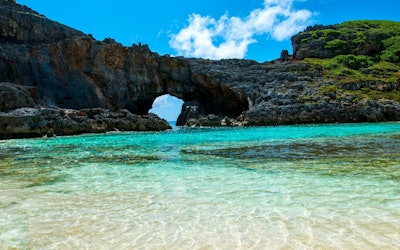
This video, titled "Tokyo Scuba Diving Adventure | OGASAWARA ★ ONLY in JAPAN," was released by "ONLY in JAPAN." It takes 24 hours to get from Tokyo to the Ogasawara Islands, which are registered as a world natural heritage site. The unique natural environment is called the "Galapagos of the East" and the pristine nature and ecosystems are overwhelming. While introducing Ginny Beach, which can only be reached from the sea, and Minami Island, with its unique scenery, the diving shown in the video is absolutely breathtaking! The lush waters, where you can see massive sharks and dolphins, are very popular with divers from around the world. The video also includes English audio, so if you don't speak any Japanese, don't worry! This video will give you a ton of information on the Ogasawara Islands! -
 Video article 3:37
Spend a Relaxing Time in Kamakura, Kanagawa. One of the Most Popular Tourist Spots in the Kanto Region, Kamakura Has Natural Landscapes, History, Culture, and Food to Give You a Satisfying Trip!
Local PR- 26 plays
- YouTube
神奈川県鎌倉市のプロモーション動画について こちらの動画は「鎌倉市公式チャンネル」が公開した「鎌倉市プロモーション動画」です。 こちらの動画は神奈川県鎌倉市のイメージを掴むのにうってつけの動画です。 日本の文化や神奈川県鎌倉市の街並みを知るのにチェックしてみてはいかがでしょうか? 動画の0:26より江ノ電、0:34よりサーフィンを楽しんでいる人、1:27より鎌倉市の恵まれた気候により育まれた野菜の数々とたくさんの名物や文化についてご覧になることができます。 他にも動画の1:48でご覧になれる人力車もポイント。 日本の文化を楽しむためにも神奈川県を観光する際は人力車に一度乗って観光するのも良いかもしれません。 神奈川県鎌倉市とは 鎌倉市は神奈川県にある市で日本有数の観光地の1つ。 1252年に造立が開始された高徳院にある鎌倉大仏や、神奈川県鎌倉市の象徴とも言われている鶴岡八幡宮など魅力的な観光スポットが数多く存在します。 神奈川県を訪れるなら鎌倉市は選択肢に入れておきたいところです。 神奈川県鎌倉市を観光する際のポイント 神奈川県鎌倉市を訪れる際、いくつかポイントが存在します。 是非参考にしていただけると幸いです。 鎌倉市を楽しむポイントは ・インスタ映えする景色を撮る ・鎌倉ハイキングコース ・鎌倉小町通り の計3つが挙げられます。 ・神奈川県鎌倉市でインスタ映えする景色を撮る 神奈川県鎌倉市にはインスタ映えする絶景が数多く存在します。 報国寺(竹寺)と呼ばれる寺の竹林や、人気漫画バスケットボール漫画「スラムダンク」の聖地として知られている鎌倉高校駅前の踏み切りなどが挙げられます。 ・鎌倉ハイキングコース 神奈川県鎌倉市には天園ハイキングコースや祇園山ハイキングコースといったハイキングコースがあります。 神奈川県鎌倉市で自然に触れたい方は観光プランに入れることをおすすめします。 ・鎌倉小町通り 鎌倉小町通りは土産物屋や飲食店が多く並んでおり、グルメを楽しみたい方ならチェックしたい場所。 魅力的な雑貨もあるので、お土産を購入してはいかがでしょうか? 大仏やアジサイと神奈川県鎌倉市の文化をモチーフにした商品がいくつも発売されています。 神奈川県鎌倉市紹介まとめ 日本にはさまざまな文化が根付いており、神奈川県をはじめ日本各地を訪れた際は各地の文化や歴史などに触れてください。 今回の動画は神奈川県鎌倉市の文化や街並みをイメージするのにうってつけです。 神奈川県鎌倉市周辺のエリアに興味がある方は一度ご覧ください。 -
Video article 8:09
Hakone Shrine in Ashigarashita-gun, Kanagawa Prefecture is one of the leading power spots in the Kanto region! Introducing the highlights of the popular tourist spots in the area where many people come to seek good fortune!
Art & Architecture- 239 plays
- YouTube
Video introduction of "Hakone Shrine" in Ashigarashita-gun, Kanagawa Prefecture This video, titled “Hakone Shrine” (箱根神社), was uploaded by k_sada. It introduces Hakone Shrine, located on the shore of Lake Ashinoko in Hakone, Kanagawa. Hakone Shrine is a popular power spot that can be easily accessed from Japan’s Kanto region. The video covers every corner of Hakone shrine and is a must-see for anyone traveling to Hakone. Be sure to check it out and maybe a little luck will rub off on you as well! A Look at the Charms of Hakone Shrine Photo:Hakone Shrine's main shrine approach, Kanagawa Prefecture Hakone Shrine is famous as one of the most powerful power spots in Japan's Kanto region, and is said to improve one's luck for success, as well as bless people with economic fortune, wish fulfillment, success in marriage, love, and health. The main approach to the shrine, the fifth torii gate, Shinmon gate, the kagura hall, and the ceremony hall, all of which can be seen from 0:20 in the video, are also places we recommend stopping by when visiting Hakone Shrine. Popular spots that you won't want to pass up are Anzu-sugi (a cedar tree to pray for safe childbirth), Soga Shrine, the fourth torii gate, the Kagura Repository, the lake-bottom tree, the Ebisu Shrine, and the torii of peace. The History of Hakone Shrine and When It Was Built Photo:Ryujinsui at Kuzuryu Shrine, Kanagawa Prefecture Hakone Shrine has a long history, and it is even mentioned in books from the Kamakura Period (~1185-1333 AD). Many warlords have visited and worshipped in Hakone. In particular, Minamoto no Yoritomo is said to have worshipped at Hakone Shrine. It was burned down once by Toyotomi Hideyoshi, but the shrine’s main building was rebuilt by Tokugawa Ieyasu. A new shrine, which can be seen at 3:03 in the video, was built at Kuzuryu Shrine and many people still come to visit it today. Popular Tourist Spots Near Hakone Shrine Photo:A sightseeing ship on Lake Ashinoko, Kanagawa Prefecture In addition to the shrines, Hakone has many other tourist spots in the neighborhood. From Shinjuku, the Odakyu Line runs to Hakone-Yumoto, and the Odakyu Romancecar is a very popular train. It takes about 85 minutes to reach Hakone-Yumoto from Shinjuku. On weekends, many people enjoy the sightseeing boats on Lake Ashinoko and the hot springs where you can relax. In addition to the tourist attractions, we also recommend visiting festivals, such as the Hakone Shrine Setsubun Festival and the Kosui Festival. Hakone Shrine, Hakone Motomiya Shrine, and Kuzuryu Shrine are known as Hakone Sanja Mairi (箱根三社参り, Hakone Three Shrine Visit), and many people visit all three shrines. We also recommend picking up a shuin stamp and buying omamori charms for good luck and for souvenirs. Hakone, with its high elevation, has many viewpoints from which you can see Suruga Bay, the Izu Peninsula, Sagami Bay, and the Shonan coast when the weather is favorable. Summary of Hakone Shrine Photo:Hakone Shrine's torii gate This video introduced Hakone Shrine in Hakone, Kanagawa. Hakone Shrine is easily accessible thanks to its parking lot and good transportation. A leisurely walk around Hakone Shrine will help you relax and get your daily exercise in. Of course, don't forget to take pictures of the beautiful scenery, as Hakone Shrine is quite Instagram-worthy! 【Tripadvisor】Hakone Shrine / Kuzuryu Shrine https://www.tripadvisor.com/Attraction_Review-g298171-d319902-Reviews-Hakone_Shrine_Kuzuryu_Shrine_Singu-Hakone_machi_Ashigarashimo_gun_Kanagawa_Prefect.html -
Video article 3:18
Watch a video of the mysterious sight of "Fujindo," the largest limestone cave in the Kanto region with a total length of 2.2 km in Tano County, Gunma Prefecture. The spectacular view of stalactites, which take 100 years to grow 1 cm, is also a famous power spot!
Nature- 197 plays
- YouTube
Sightseeing Video Introduction of "Fujindo" Cave, a limestone cave in Tano County, Gunma Prefecture, Japan This video, titled "The Largest Limestone Cave in Kanto!" (関東最大級の鍾乳洞 『不二洞』), shows a fabulous view of the Limestone cave located in Gunma. There are many mysterious limestone caves found throughout Japan. Of all the limestone caves, Fujido Cave, located in Kawawa Nature Park in Ueno-village, Tano District is the largest in the Kanto region, with an astonishing length of 2.2 km. Fujido is designated as a natural monument of Gunma Prefecture. If you explore inside of the Fujido, you're sure to have an extraordinary experience! You can see a number of breathtaking views in the video. Be sure to check it out to see the mysterious Fujido Cave! Fujido Cave Photo:Fujido Cave A limestone cave is a natural cave that is formed over a long period of time by the gradual erosion of limestone rock due to the inflow of underground water. It's said that the Ueno-village area, where Fujido Cave is located, was once covered with a deep virgin forest. Villagers in the area discovered the cave about 1,200 years ago, and since then, the cave has been used as a place for Buddhist training. In the Fujido Cave, the Fujido Yayoi Matsuri (festival) is held every March. Through the festival, people pray for the safety of the Fuji cave, the largest cave in the Kanto region. Highlights of Fujido Cave! Source :YouTube screenshot You can see the exploration of Fujido Cave at 0:38 in the video. At the end of a 120-meter underground tunnel, visitors climb up a 40-meter pit staircase to find a spacious limestone cave. The cave is kept cool throughout the year at a temperature of about 11 degrees Celsius(51.8°F). In the limestone cave, there are a lot of Instagram worthy spots made by nature such as the "Five Colored Clouds" (0:54), "Yama's Staff of Pilgrimage" (1:25), "Dragon King Falls" (1:44), and "Nyoraido" (2:02) and many more. There’s a legend about "Yama’s Staff of Pilgrimage" that says if you make a wish and touch it seven times, your wish will come true. Source :YouTube screenshot Inside of the cave, there are 45 spots named after Buddhist beliefs. At 2:17 in the video, you'll see a sparkling tower made of limestone. This tower, called "Renge-no-To" (Lotus Tower) is the largest stone in the cave. Next, at 2:34 you can see "Hi-no-Hashira" (The Pillar of Flame), and at 2:49 the sacred spot known as "Gohyaku-Rakan." It is said that it takes about 100 years for the limestone to grow 1 cm. Next time you visit Fujido, pay attention to the artistic shape of the cave and try to comprehend the amount of time it took to form. Summary of Fujido Cave, the Largest Cave in the Kanto Region Photo:Fujido Cave A limestone cave is a mysterious phenomenon created by nature. In recent years, the area around the Fujido Cave has become a popular power spot. Inside the cave you can also see the lit-up limestone, as shown in the video. Since the footing in the cave is not very good, we recommend that you wear comfortable clothes and shoes that are easy to get around in. If you're looking to travel to some of Japan's best-kept secrets, come to the mysterious Fujido Cave and experience the beauty of mother nature. Check out the video and feel for yourself the deep history and wonder concealed within the Fujido's limestone walls! ◆Fujido Cave◆ 【Address】665 Kawawa, Ueno-village, Tano Gun, Gunma Prefecture 【Access】35 minutes by car from Shimonita Interchange on the Joshinetsu Expressway 【Hours】9:00 AM - 4:30 PM ※ 9:00 AM 〜 4:00 PM in November, 10:00 AM〜 3:00 PM from December to mid March 【Closures】Open year round 【Average time spent here】About 40 minutes 【Parking】Available 【Telephone】 0274-59-3117 【Entrance fee】Adults 800 yen/Elementary and middle school students 500 yen (※ as of November 2019) -
Video article 1:52
6 Million Lights at "Lake Sagami Illumillion," One of the 3 Great Illuminations of the Kanto Region! Create Life-Long Memories at Lake Sagami Pleasure Forest in Sagamihara, Kanagawa Prefecture!
Things to Do Festivals & Events- 127 plays
- YouTube
Lake Sagami Illumillion! This time, we'll introduce the video "Lake Sagami Illumillion 2019-2020 Digest" (さがみ湖イルミリオン2019-2020ダイジェスト), publicized by "Lake Sagami Pleasure Forest." Lake Sagami Illumillion is an illumination event held at Lake Sagami Pleasure Forest in Sagamihara City, Kanagawa Prefecture, in Japan's Kanto Region. The video contains highlights of Lake Sagami Illumillion's 2019-2020 season. What Kind of Illumination Events Are There at Lake Sagami Illumillion? Source :YouTube screenshot There are many events at Lake Sagami Illumillion, including Rainbow Lift, shown at 0:04 in the video, the Hot Air Balloon of Light, which can be seen at 0:18 in the video, and more! From 0:34 in the video, you can see the City of Light and Music, the main attraction of Lake Sagami Illumillion 2019, in detail. Spots such as the Zoo of Light, the Flower Garden of Light and the Aquarium of Light are also shown in the video, so please take your time and enjoy it. Lake Sagami Illumillion Photo:Sagamihara Illumination Lake Sagami Illumillion is a popular event chosen as one of the 3 great illuminations of the Kanto Region. An astonishing 6 million lights are used for the event. In addition to the spots introduced in the video, there are many other mysterious areas such as the Sea of Light, Tulip Lane, Fantasy Walk: The Seven Colored Galaxy, Illumillion Tree, full of Christmas spirit, The Fortress of Trickery/The Maze of Light, and more! We recommend enjoying the nighttime attractions, such as the Ferris Wheel of Life, Pilot Paradise, or seeing a show. About Lake Sagami Pleasure Forest Lake Sagami Pleasure Forest is a leisure destination located in Wakayanagi (若柳,Wakayanagi), Midori Ward (緑区, Midoriku), Sagamihara City, Kanagawa Prefecture. The amusement park area is popular for its outdoor sports facilities, such as the attractions of Paddington Town, the thrill ride "Ozoratengoku," and the "Muscle Monster" athletic facility. There is also a barbecue area, a souvenir shop, and a spot where you can enjoy spending time with your pets. Summary of Lake Sagami Illumillion Source :YouTube screenshot At Lake Sagami Pleasure Forest's popular "Lake Sagami Illumillion" event, you too can enjoy the stunning illumination featured in the video. Event times and lighting schedules change every year, so be sure to check the website before heading out. Please note that it is very crowded on weekends. We recommend taking a bus tour to visit. ◆Lake Sagami Pleasure Forest Facility Information◆ 【Address】〒252-0175 1634 Wakayanagi, Midori Ward, Sagamihara City, Kanagawa Prefecture 【Access】An 8-minute bus ride from JR Sagamihara Station 【Admission Fee】Adults:1800 yen Children:1100 yen 【Hours】Weekdays 10:00〜16:00, Weekends 9:00〜17:00 【Closures】Irregular 【Parking】Available 【Telephone】0570-037-353 【Official Website】Lake Sagami Pleasure Forest https://www.sagamiko-resort.jp/ 【Tripadvisor】Lake Sagami Pleasure Forest https://www.tripadvisor.com/Attraction_Review-g1021282-d1881044-Reviews-Sagami_Lake_Resort_Pleasure_Forest-Sagamihara_Kanagawa_Prefecture_Kanto.html -
Video article 2:10
Cruise Through the Canals of Tokyo and Discover a Side of Japan You Never Knew Existed! Futuristic Waterbuses, Traditional Yakatabune, and Beautiful Fireworks!
Travel- 72 plays
- YouTube
Cruising Through the Canals of Tokyo This video, titled, "Charming Boat Trips|PR Video|Tokyo Boat Trips (Full ver.)" (舟運や水辺の魅力を伝えるPR動画 東京舟旅), was released by "東京都 Tokyo Metropolitan Government." It shows boat trips through the rivers of Tokyo. There are a number of cruise courses on the rivers of Tokyo and in the Port of Tokyo. These courses offer fascinating scenery as seen in the video. Cruise courses along the Sumida River (隅田川, the Sumida-Gawa), the Nihonbashi River (日本橋川, Nihonbashi-Gawa), the Kanda River (神田川, Kanda-Gawa), the Meguro River (目黒川, Meguro-Gawa), and other canals are a popular way to see a different side of Tokyo. Popular Cruising Spots in Tokyo, as Shown in the Video Photo:Tokyo Mizumachi and Tokyo Sky Tree, Tokyo, Japan The cruise along Tokyo Sumida River takes you past Tokyo Tower, Tokyo Skytree, Odaiba Rainbow Bridge, and other famous landmarks in Tokyo. The night view of Tennozu, the container terminals, and the Tokyo Gate Bridge are also featured in the video from 1:35. The advantage of a cruise like the ones shown in the video is that you can get a detailed guide about the sights during the tour, which will help you better understand the attractions of Tokyo. If you're interested in enjoying a cruise in Tokyo, visit "Tokyo Mizumachi," which connects Asakusa and Tokyo Sky Tree Town, or Gotanda River Station, a pier for cruise ships. Explore the Tokyo Waterfront on a Cruise With the Video Photo:Yakatabune in Odaiba, Tokyo Tokyo's rivers and seashores are spacious, and there are a variety of cruise operations in the area. This includes waterbus "Himiko," the amphibious bus "Tokyo No Kaba," and "Sakura" of the Tokyo Waterfront Line. The boats and ferries around Tokyo offer regular courses to typical sightseeing spots, such as Harumi, Ariake, and Aomi, as well as events for special courses. The Yakatabune course with a beer garden is growing in popularity, as it allows participants to enjoy viewing the cherry blossoms at night, fireworks, and autumn leaves in the tatami room on the boat. In October 2020, an event called "Sora, Umi, Daichi Tsunagu Minato Fes 2020" (roughly "a port that connects the sky, the sea, and the earth") was held in Tokyo, and it was a great success. Summary of Tokyo Waterfront Cruising Photo:Tokyo, Cruise Ship As shown in the video, cruises in Tokyo are a fascinating activity that offer completely different scenery depending on the season and time of day. Enjoy an unforgettable trip around the rivers of Tokyo. Those looking to enjoy a cruise in Tokyo, be sure to check out the Suitown Tokyo website. It's marked by the "SUITOWN HEART," the symbol of SUITOSOZO. 【Official Website】Tokyo Boat Trips|Suitown Tokyo https://www.suitown.jp/en/ -
Video article 14:46
Togoshi Ginza Shopping Street, the Number One Shopping Street in Tokyo, Is Lined With More Than 400 Shops! There’s a Ton of Gourmet Food to Be Had on This 1.3 KM Strip!
Shopping- 187 plays
- YouTube
Video introduction of "Togoshiginza Shopping Street" in Toyomachi, Shinagawa-ku, Tokyo This time, we introduce the popular Togoshi Ginza shopping district, that has been featured in a number of magazines and t.v. programs, through a video called "Walking around Togoshi Ginza-Tokyo - Togoshi Ginza Shopping Street-4K Ultra HD" (Walking around Togoshi Ginza - Tokyo - 戸越銀座商店街 - 4K Ultra HD). This video will have you feeling as if you're actually taking a stroll through the popular shopping district located in Toyomachi, Shinagawa. This camera is fixed from the cameraman's point of view, making it an almost virtual reality experience. The History of the Togoshi Ginza Shopping District Photo:Togoshi Ginza Station The name Togoshi Ginza comes from Togoshi Ginza Station on the Tokyu Ikegami Line. Togoshi Ginza street is an old shopping district that grew around the stores concentrated around Osaki in Shinagawa, due to the opening of the Tokyu Ikegami Line in 1927. Today, it goes by the name Togoshi Ginza Shopping Street, and is made up of three shopping street associations: Togoshi Ginza Shoeikai Shopping Street, Togoshi Ginza Shopping Street, and Togoshi Ginza Roku Shopping Street. There are about 400 shops. It's also famous as Japan's longest shopping street with a total length of 1.3 kilometers. Nowadays, there are many shopping streets in Japan called "〇〇Ginza" (pronounced Maru Maru Ginza), but the one on Togoshi-Ginza shopping street was actually the first in Japan. It's located next to Togoshi Ginza Station on the Tokyu Ikegami Line, but there's also the JR Yamanote Line's Gotanda Station within walking distance, so it' s easy to get around. You can see the Tokyu-Ikegami Line railroad crossing at 10:32 in the video. The restaurant is crowded with businessmen and housewives at lunchtime on weekdays. Togoshi Ginza Station- More History Photo:Tokyo downtown from above Besides the origin of Togoshi Ginza's name, there's also the origin of the shopping district itself. This actually has to do with the Great Kanto Earthquake of 1923. The unprecedented catastrophe caused devastating damage in a large area from downtown Tokyo to Hiratsuka, Kanagawa Prefecture. At that time, the Shinagawa area was an industrial zone where many people gathered, but after the Great Kanto Earthquake, people who had lost their homes gathered here to start businesses a resurrect the local economy, thus forming the shopping district. The "Ginza" part of "Togoshi Ginza" is said to have originated around the time that shops began to gather in the Togoshi area, when locals gathered up the brick debris in Ginza and used it to improve the drainage of the once poorly drained streets of Togoshi. Things to Do on Togoshi Ginza Shopping Street Source :YouTube screenshot The best way to enjoy the Togoshi Ginza shopping street is by munching on snacks as you window shop. In the Togoshi Ginza shopping district, there's bakeries, Togoshi Ginza croquette, ramen, dumplings, fried chicken, popular cafe sweets, taiyaki, pork rice bowl, pork wrapped rice ball skewers, and more. For souvenirs, there's a ton of local gourmet foods such as Togoshi Ginza brand confections, donuts, and the sweets of Goto Kamaboko shown at 1:35 in the video. There are also convenience stores, pharmacies, clothing stores, cafes and supermarkets. On holidays, get a map in one hand and food in the other and browse the streets of Togoshi Ginza while munching on some delicious food. We pretty much recommend anything in Togoshi Ginza, as nearly every shop has good reviews. Summary of the Togoshi Ginza Shopping Street Photo:Togoshi Ginza Shopping Street The Togoshi Ginza shopping street, chosen as one of the top shopping districts in Japan, also has its own homepage as well! The mascot character Ginjiro Togoshi gives a detailed introduction of the shopping district, including opening hours of shops, nearby hotels, parking lots, tour information, and more. The Togoshi-Ginza shopping district has also introduced a project to eliminate the need for electrical poles, with the aim of becoming a clean, fun, popular shopping arcade that will continue to develop into the future. 【Official Website】Togoshi Ginza Shopping Street Official Site https://www.togoshiginza.jp/en/ 【Tripadvisor】Togoshi Ginza Shopping Street Official Site https://www.tripadvisor.com/Attraction_Review-g1066854-d6536297-Reviews-Togoshiginza_Shopping_Street-Shinagawa_Tokyo_Tokyo_Prefecture_Kanto.html -
Video article 11:27
Stroll Through Tokyu Hands, One of Japan's Most Popular Shopping Centers! Japanese Goods Are Very Popular All Over the World! You Can Even Find Souvenirs Here as Well!
Shopping- 31 plays
- YouTube
This video, titled "TOKYU HANDS Ikebukuro | Tokyo Stationery Store Tour - 東急ハンズ池袋店," was released by "rainbowholicTV." This video shows the Tokyu Hands Ikebukuro store in Toshima City, Tokyo. Tokyu Hands is a store that stocks a wide range of products, including household goods, and has a nationwide presence. In this video, they walk from the nearby JR Ikebukuro Station to the Tokyu Hands Ikebukuro location and introduce the extensive stationery department. The cute and useful items they have available are endless! -
Video article 2:56
Enjoy Bird Watching at This Bird Oasis in Tokyo! Introducing Bird Watching & Photography Spots!
Living Things- 239 plays
- YouTube
Bird Watching in Tokyo, Japan – Video Introduction This video, titled "An oasis where Japanese wild birds gather /4K," was uploaded by "Birdlover.jp," a channel that introduces rare and seasonal wild birds found in Japan. Birds You Can Observe in Tokyo Tokyo is the capital of Japan. Despite being the largest urban area in Japan, even in the Tokyo metropolitan area, there are many wild birds to be seen. In the parks of Tokyo, you can see a wide variety of birds, including brown-eared bulbuls, pale thrushes, hawfinches, dusky thrushes, sandpipers, brown-headed thrushes, white-cheeked starlings and many more. Brown-Eared Bulbuls, Pale Thrushes, Hawfinches, and Dusky Thrushes – A Look at the Birds in the Video Photo:Pale thrush While birdwatching in Tokyo, you can see many different types of wild birds. Here are some characteristics of each. Brown-Eared Bulbuls: Gray plumage with a pattern of white spots on their bellies. They have a high-pitched call. Their beaks are elongated at the tip to suck nectar from flowers. Pale Thrushes: About the size of a brown-eared bulbul, the pale thrush has a cute appearance. They can sometimes be seen flitting about parks. Hawfinches: Larger than sparrows and characterized by their sharp eyes. You can see a hawfinch drinking water in the video. [Video] 1:30 - A Hawfinch Drinking Water Dusky Thrushes: The white line above their eyes looks like an eyebrow. They fly from Siberia to Tokyo in winter and stay in Japan until around April. Bird Watching & Photography Spots Photo:Inokashira Park So where can you see wild birds in Tokyo? Here are some spots we recommend for birdwatching and photographing wild birds. ・Inokashira Onshi Park In 1917, Inokashira Onshi Park was opened as Japan's first suburban park. It is a popular spot for birdwatching and bird photography. ・Mizumoto Park The largest park in Tokyo's 23 wards, Mizumoto Park is a popular place to watch kingfishers, grey herons, and other birds. ・Tokyo Port Wild Bird Park Tokyo Port Wild Bird Park was originally built on land reclaimed from the sea. It is said that wild birds naturally gathered in the park due to its favorable environment. Many wild birds can be seen here, including warbling white-eyes, Japanese tits, sandpipers, plovers, ducks, and more. ・Meiji Jingu Shrine Kingfishers, woodpeckers, and pale thrushes can be seen at Meiji Jingu Shrine. Although Meiji Jingu Shrine is located in Harajuku, it is home to a large number of wild birds, which is unexpected given its urban setting. ・Kiyosumi Garden At Kiyosumi Garden, you can see white-cheeked starling, eastern spot-billed ducks, and Eurasian wigeons. The Japanese garden is an attractive place to observe many wild birds amongst lovely scenery. ・Shinjuku Gyoen Shinjuku Gyoen is known as a unique bird-watching spot in central Tokyo, where visitors can observe goshawks, tits, and other birds. The Wild Bird Society of Japan The Wild Bird Society of Japan, Tokyo was formed on September 13, 1947 and is dedicated to bird watching and bird conservation. The organization engages in a variety of activities, including observing wild birds in Tokyo with other members, and conducting conservation activities in parks where wild birds are found. Summary of Bird Watching in Tokyo Photo:Bird watching Some people may find it hard to imagine that there are so many wild birds in Japan's capital, Tokyo. But in reality, many wild birds can be seen in the city, including at places like Tokyo Port Wild Bird Park, Shinjuku Gyoen, and Meiji Jingu Shrine. Bird-watching events held by the Wild Bird Society of Japan, Tokyo, can be enjoyed by beginners as well. Another attraction is that you can observe different types of wild birds throughout Japan's four seasons: warbling white-eyes and brown-eared bulbuls in spring, dusky thrushes and pale thrushes in winter, and so on. If you visit any of the places introduced here, be sure to listen for the sounds of birds. You may discover the charms of bird watching even in the big city. -
Video article 14:34
Take a Leisurely Stroll Through Tokyo at Ginza's Pedestrian Paradise, "Hokoten"! Check Out This Video to Learn About One of the Most Crowded Shopping Districts in Japan!
Travel Shopping- 506 plays
- YouTube
Video introduction of "Pedestrian Paradise" in Ginza, Chuo-ku, Tokyo This video is "Walking through Ginza chuo-dori (pedestrian paradise), Tokyo-Long Take [Tokyo / Ginza / Hokoten] 4K"(Walking through Ginza chuo-dori(pedestrian paradise), Tokyo - Long Take【東京・銀座/ホコ天】 4K). It introduces the pedestrian paradise "Hokoten" in Ginza, Tokyo, and is produced by "NIPPON WANDERING TV." When it comes to shopping, Shinjuku and Ginza are very popular with foreign tourists as the highlight of Japan sightseeing. In this article, we will introduce the Ginza pedestrian paradise, a major shopping and dining location, as well as tourist attractions and other events. This video is shot in beautiful 4K quality, and is shot in just a 1,100 meter space from the Ginza street intersection to the Ginza 8-chome intersection. Although it is a simple video with no background music or narration, it reflects the city scenery realistically, and makes you feel like you're really strolling around the pedestrian paradise. Japan's Top Location for Shopping and Dining! the History of Ginza’s Pedestrian Paradise! Photo:Fifth Avenue Pedestrian paradises are said to have started on Fifth Avenue in New York in the United States during the 1960's and 1970's. In Japan, it's nicknamed “Hokoten” for short. This is an event where a part of the main street, where traffic is usually heavy, is prohibited to vehicles, allowing the public to walk around freely. It is said that Japan's first pedestrian paradise began in Asahikawa City, Hokkaido. Surprisingly, it was in the north, and not in Tokyo. Ginza's first pedestrian paradise happened in 1970 and was very popular. Later they were held in Shinjuku, Ikebukuro and Asakusa. Shopping is easy because the entire road can be traversed freely, and the pedestrian paradise in Ginza is particularly popular under the nickname “Silver Bra.” The video shows many people enjoying the pedestrian paradise. Shopping & Delicious Food! The Beauty of Ginza's Pedestrian Paradise! Photo:Ginza department store Ginza’s pedestrian paradise closes part of the main street (Chuo Dori), one of Japan's premier shopping districts, and is loved by many people. It is often used for TV interviews, and you can freely walk through the long-established department stores such as Matsuya Ginza, GINZA SIX, Mitsukoshi, and also through the city of Ginza where brand name shops line the streets! It has been introduced overseas as a holiday promenade, and many foreign tourists visiting Japan enjoy pedestrian paradise. Pedestrian Paradise is also a great place to enjoy window shopping at department stores and brand name stores. Of course, you can enjoy not just shopping, but also movies and delicious food. When Does the Pedestrian Paradise Happen Ginza's pedestrian paradise is very lively, gorgeous and popular, as it is performed on the video. Famous, is Ginza's main road, Chuo-dori, which is said to have the highest land prices in Japan. It happens every Saturday, Sunday and on holidays. It runs from noon to 6:00 pm from April to September, and from noon to 5:00 pm from October to March. Around Chuo-dori there are many well-established department stores such as Mitsukoshi, restaurants, brand shops and duty-free shops, and there are also hotels on a separate street. Since it happens on the weekend, it is can be very crowded, so we recommend using public transportation, such as the subway and JR lines. Ginza’s Pedestrian Paradise Event Information Photo:Ginza 3-chome In the area around Ginza, many events are held every week in conjunction with pedestrian paradise. Rest areas are set up around Chuo-dori, so you can enjoy a leisurely stroll in the middle of Tokyo. In autumn, there's "Autumn Ginza." We recommend checking it out! During the festival, a JAZZ orchestra and brass band team will parade around the pedestrian paradise. Access to Ginza, Japan's Prime Location Access to Ginza's Pedestrian Paradise is as follows: ・ Tokyo Metro Ginza Station ・ JR East Yurakucho Station These two are very convenient. Please note that cars and bicycles are not allowed in the pedestrian zone. Summary of Ginza's Pedestrian Paradise Photo:Pedestrian paradise in Ginza The pedestrian paradise, that monopolizes Ginza, the number one shopping district in Japan, is held every weekend and on holidays. Please enjoy the 4K video that makes you feel as though you're wandering around Ginza, one of Japan's leading shopping spots. If you're going to Ginza for the first time, you may want to take notes while watching the video! 【Official Website】Tokyo Ginza Official https://www.ginza.jp/en/townguide/trafficinfo 【Tripadvisor】Ginza https://www.tripadvisor.com/Tourism-g14129573-Ginza_Chuo_Tokyo_Tokyo_Prefecture_Kanto-Vacations.html -
Video article 4:03
What Was Life in Tokyo Like Over 100 Years Ago? Find Out With This Rare Footage of Tokyo During the Taisho Period!
Life & Business History- 3.62K plays
- YouTube
Rare Footage of Tokyo From More Than 100 Years Ago! This video, titled "Footage of Tokyo From More Than 100 Years Ago (With Sound)" (東京の昔の映像 (音声あり)), was uploaded by "Final A." Have you ever wondered what life was like in Tokyo more than 100 years ago? Perhaps you've seen pictures in textbooks or studied it at school, but probably very few people have seen actual footage of what life was like back then. In this video, you can get a glimpse of what life was like in Tokyo around 1913-1915. The Lives of Tokyoites More Than 100 Years Ago Source :YouTube screenshot From 0:04 in the video, you can see many people walking around dressed in hakama (袴). You can also see children playing with a ball called a "mari" (毬) from 2:59. At the time, it was common for children to spend their days playing with traditional toys such as a mari (temari). As you can tell from the video, at the time, the majority of people were dressed in what would be considered traditional Japanese style clothing today. The streets were lit using fixed paper lanterns called "andon" (行灯). The population of Tokyo at the time was approximately 3 million. The population of the whole of Japan was approximately 50 million, less than half of what it is today. From 2:42 in the video, you can see how the area around Senso-ji temple (浅草寺) in Asakusa (浅草), Tokyo was just as busy then as it is nowadays. Tokyo From 1913-1915 Source :YouTube screenshot The Taisho period lasted only 15 years (1912-1926) but is well known because of the Great Kanto Earthquake (関東大震災). Many other important events also took place during the same time period. The most famous of those being World War I which started in 1913. In 1914, the first department store "Mitsukoshi Gofukuten" (三越呉服店) (currently known as Nihombashi Mitsukoshi Main Store) opened in Japan, and the familiar lion statue, as well as escalators and elevators quickly became the talk of the town. At the time, the toy industry and product development were flourishing and it was the beginning of modernization in Japan. Tokyo Station (東京駅) was also opened in 1914. The station must have been very crowded at the time due to the large number of passengers travelling to and from the station. More About the History of Tokyo Source :YouTube screenshot In 1886, Tokyo prefecture (currently known in Japanese as Tokyo-to (東京都) was given the name Tokyo-fu (東京府). From the beginning of the Taisho period, there was a dramatic increase in the population of Tokyo. During the Meiji period (明治時代, meijijidai), the Tokyo area changed a great deal as Japan changed from being a country of agriculture to a country focused on industry. In the video, you can see that the most common mode of transportation was the rickshaw, however, the rickshaw was gradually replaced with bicycles and cars. At the time, there were many water wells in Tokyo and the water quality was also very good. Summary of Tokyo From 100 Years Ago Even if you aren't Japanese it's easy to feel a sense of nostalgia from this video. This rare footage offers a glimpse at what life was like over 100 years ago in Japan. It's invaluable footage that really allows us to see how far Japan and the rest of the world has come in such a short time. -
Video article 5:45
Ginza, Tokyo - A Battlefield for Antenna Shops! A Look at the Exciting Antenna Shop Cooperation Event!
News Shopping- 100 plays
- YouTube
Antenna Shops in Ginza and Yurakucho! “Strengthening Cooperation! Antenna Shop Battlefield(連携強化! アンテナショップ激戦区),” created by “Tokyo MX,” is a news clip that was broadcast on January 18th, 2017. There are many antenna shops that are operated by local governments and companies from all over Japan. Antenna shops are shops that sell local products, foods, traditional crafts and souvenirs. There are also sightseeing information booths and restaurants/cafés that sell local cuisine and sweets. It is like a showroom and gallery for local governments. As you can see at 0:27, there are a lot of antenna shops inGinza and Yurakucho, creating a sort of "antenna shop war-zone." In this article we'll introduce popular products at antenna shops in Yurakucho. Be sure to follow along with the video! Antenna Shops around Yurakucho Source :YouTube screenshot The antenna shop battlefield from Yurakucho to Ginza is 300 meters in diameter. According to research, annual sales of Hokkaido Dosanko Plaza reached over one billion yen; 100 million yen of which is from soft-served ice cream. You can see the survey results at 0:35 in the video. Soft-served ice cream costs 350 yen (~$3.50 USD), which means there are a lot of people visiting this place. At 2:18 in the video, you can see Hiroshima Brand shop TAU and Okinawa Ginza Washita Shop, which have sales between 700 million and 1 billion yen. As introduced at 1:45, Oishii Yamagata Plaza sells "tama konjac," a local specialty, as well as fresh local vegetables from Yamagata. Antenna Shop Cooperation Source :YouTube screenshot The antenna shops around Yurakucho cooperated to bring more visitors to the area. The "National Men's Ekiden Stamp Rally," a coordinated event that ran from January 6th to the 22nd in 2017, was a stamp rally event to visit 16 shops in the Yurakucho area with a stamp collecting card. If you collected seven stamps, you could enter to win a gift from the local government and merchandise for Ekiden. The main antenna shop during the event is “Hiroshima Brand shop TAU.” The branch manager talks about why he started the event and introduces the popular product “Hassaku Orange Rice Cakes” during his interview. Summary of Yurakucho's Antenna Shops Photo:Raw Yatsuhashi “Strengthening Cooperation! Antenna Shop Battlefield” introduces how lively the antenna shops in Yurakucho are. There are other antenna shops in Kochi, Tokushima, Kagawa, Hakata, Akita, Toyama, Osaka and Shizuoka as well. There's also Hokkaido Foodist and Kyoto Kan around Yaesu, Tokyo. The antenna shops in Ikebukuro, Kansai, Fukuoka, Nagano, Aomori, Gifu, and Aichi are gaining popularity as well. Be sure to check out the homepage to see store hours and holidays. Enjoy buying local products from all over Japan in the heart of Tokyo! -
Video article 9:31
Marunouchi Building (Marunouchi Building), located in Chiyoda-ku, Tokyo, is a fashionable shopping spot near Tokyo Station! Enjoy the feeling of actually shopping with the super clean 4K video!
Shopping- 31 plays
- YouTube
This video, titled "丸ビル Marunouchi Building 【Japan Street View】GoPro Hero7 4k," was released by "Japan Street View." The Marunouchi Building, commonly known as the Maru Building, is a building with a mix of office buildings and shopping malls. Built in 1923, it is an extremely historic building, and was often referred to as the "best building in the east." The Maru Building was the first building in Japan to have both an office building and a shopping mall, and it is a building that symbolizes Tokyo in Japan. In this video, they take a walk through the Maru Building, so if you're interested in shopping in Tokyo, consider giving it a watch! -
Video article 0:44
A Bizarrely Designed Building in the Middle of Ginza! The Design That Makes Everyone Stop and Look up Was Inspired by Traditional Japanese Crafts
Art & Architecture- 30 plays
- YouTube
This video, titled "A Unique Building in Ginza: Based on the Theme of 'Sukashibori' (16/06/15)" (銀座にユニークなビル出現・・・「透かし彫り」がテーマ(16/06/15)), was released by "ANNnewsCH." The Ginza Place building, which opened in 2016 at the Ginza 4-Chome intersection, has 11 floors above ground and two basement levels, and is based on a traditional craft called "Sukashibori" (openwork/pierced work/fretwork) that involves creating patterns on thin sheets of wood. It contains a Sony showroom, an event space, restaurants, and many other areas, and as a "landmark for creating the Ginza of tomorrow," it serves as a base for contributing to the creation of a district in Ginza that communicates new values and a future for the world from Japan. The architect in charge of the exterior design was Klein Dytham Architecture, an internationally acclaimed firm with a deep knowledge of Japan. -
Video article 19:46
Shopping in Azabu Juban, the Most Exclusive Shopping District in Japan! Strolling Through a City Loved by Celebrities!
Shopping- 39 plays
- YouTube
This video, titled "Walking around Azabu Juban Minatoku, Tokyo - Long Take【東京・麻布十番】 4K," was released by "NIPPON WANDERING TV." Azabujuban in Tokyo's Minato Ward is a "fashionable adult nightlife district" where the wealthy live. It's famous for its concentration of celebrity shops and restaurants where celebrities pop in for a night out. In this video, they take a stroll through Azabujuban and introduce the glamorous streets. During the walk, you can see mothers and commuters out with their children. You'll find cafes, soba noodle shops, and confectionery shops where you can stop by for a bite to eat. Enjoy the relaxing atmosphere of Azabujuban in this video! -
Video article 33:11
Is It True That the Yurikamome Line That Runs Through Tokyo's Odaiba Area Isn't a Monorail? Check Out How the Yurikamome Works and the Popular Tourist Attractions Along the Route!
Transportation- 36 plays
- YouTube
This video, titled "Tokyo Yurikamome Train Side Window View - 4K," was released by "NIPPON WANDERING TV." The Yurikamome Line runs from Shimbashi Station in Tokyo's Minato Ward to Toyosu Station in Koto Ward. It is officially called the Tokyo Rinkai Shin Kotsu Seaside Line (東京臨海新交通臨海線) and is operated by Yurikamome, Inc. At first glance, Yurikamome looks like a monorail, but it is actually a new transportation system called an AGT (automated guideway transit), which is slightly different from a monorail. The Yurikamome provides convenient access to Odaiba, Toyosu Market, and Tokyo Big Sight, among other famous tourist destinations. Enjoy the view of Tokyo skyline and Rainbow Bridge from the window of the Yurikamome! -
Video article 19:08
Complete Guide to Tokyo’s Top 10 Winter Illuminations 2025 | Breathtaking Light Displays You Can Enjoy While Sightseeing
Travel Things to Do- 63 plays
- YouTube
Top 10 Winter Illuminations in Tokyo: A Complete Guide for Sightseeing Winter in Tokyo is the most romantic time of year, when the entire city glows with dazzling lights. The featured video, “【4K】Tokyo Illuminations Top 10 2024–2025” , takes viewers through 10 major illumination spots in stunning 4K quality. Whether you are a first-time visitor or a Tokyo local, you will surely discover new places to add to your must-see list. This article summarizes the illumination schedules, highlights, accessibility, and photo tips featured in the video in a clear, travel-friendly format. It also answers common questions like “Where should I start?” and “Is this a good place for a date or sightseeing?”, helping you enjoy the best of Tokyo’s winter lights. Tokyo Skytree: A Towering Tree and Breathtaking Skyline Views Lighting period: 2025/11/6–12/25 (some until 2026/3/1)|Hours: 16:00–23:00 Photo: Illumination at Tokyo Skytree Town Skytree Town features a giant 45-meter Christmas tree. The layers of light become more three-dimensional as you approach, making it photogenic from any angle. The Skytree itself is illuminated with a different themed design each day, offering a fresh experience every visit. From the observation deck, you can enjoy a unique “skyline night view,” overlooking the illuminations from above. It’s also highly accessible, located just steps from Oshiage Station. Official Website: https://www.tokyo-skytree.jp/en *This location appears around 0:08 in the video. Shibuya “Blue Cave”: Walk Through a Tunnel of Deep Blue Light Lighting period: 2025/12/4–12/25|Hours: 17:00–22:00 Photo: Ao no Dokutsu (Blue Cave) Illumination in Shibuya, Tokyo The “Blue Cave” is Shibuya’s signature winter illumination. The entire street is filled with deep blue lights, creating a dreamlike atmosphere reminiscent of being underwater. The shimmering reflections on the tree-lined path create a long, breathtaking tunnel. The straight-line composition when viewed from the center makes it a perfect spot for photos, even on a smartphone. It’s especially popular among couples and young visitors, with easy access from Shibuya Station. Official Website: https://shibuya-aonodokutsu.jp *This location appears around 3:09 in the video. Harajuku & Omotesando: Classic Champagne-Gold Illuminations Lighting period: 2025/12/1–12/28|Hours: Sunset–22:00 Photo: Christmas Illuminations in Harajuku and Omotesando, Tokyo The champagne-gold lights adorning the zelkova trees along Omotesando have become a symbol of Tokyo winters. Reflections from the brand storefronts combine with the illuminations, bathing the entire street in warm, elegant light. From the pedestrian bridge, the illuminated avenue looks like a golden river, making it a favorite spot among tourists. It’s easy to combine with shopping or a walk, making it an ideal part of any Tokyo itinerary. *This location appears around 4:36 in the video. Ebisu Garden Place: A Refined Setting with One of the World’s Largest Baccarat Chandeliers Lighting period: 2025/11/8–2026/3/1|Hours: 16:00–23:00 Photo: Illumination at Yebisu Garden Place in Tokyo Ebisu Garden Place is a beloved destination for winter dates. Ebisu Garden Place is famous for its Baccarat chandelier, one of the largest in the world、which is master-crafted and has an iconic delicate sparkle. A single ruby-colored crystal placed at the center is said to bring good luck, subtly drawing attention from visitors. With its European-inspired atmosphere, the area offers photogenic scenes at every turn. Official Website: https://event.gardenplace.jp/special/2025christmas *This location appears around 6:18 in the video. Tokyo Midtown Roppongi: Immersive Light-and-Sound Displays Held annually from mid-November to around December 25 (2025: 11/13–12/25) 5:00 PM – 11:00 PM (Light show approx. 3 minutes) Photo: Illumination at Tokyo Midtown The Starlight Garden on the lawn features synchronized light-and-sound shows that ripple like waves, creating an immersive, cosmic-like experience. The illuminated path along the sidewalk is soothing to walk through, and video footage captured here often looks as if you’re being pulled into the light. With strong artistic appeal, this spot is ideal for both dates and sightseeing. Official Website: https://en.tokyo-midtown.com *This location appears around 8:20 in the video. Roppongi Hills Keyakizaka: A Stunning Collaboration with Tokyo Tower Lighting period: 2025/11/4–12/25|Hours: 17:00–23:00 Photo: Illumination on Keyakizaka Street at Roppongi Hills, Tokyo Keyakizaka Street in Roppongi Hills transforms into a 400-meter slope illuminated in blue and champagne gold. The most popular view is from the middle of the slope, where Tokyo Tower aligns perfectly with the lights—a classic photo spot that draws crowds every year. Its stylish, urban atmosphere makes even a simple walk feel cinematic. Official Website: https://www.roppongihills.com/sp/christmashills/102 *This location appears around 10:48 in the video. Marunouchi Illuminations: A Sophisticated Night Walk Through the Business District Lighting period: 2025/11/13–2026/2/15|Hours: 16:00–23:00 (until 24:00 in December) Photo: Illumination in Marunouchi, Tokyo Marunouchi’s illuminations offer a calm, refined atmosphere. The trees along the street are festooned with Champagne-gold LEDs that are a perfect match for Marunouch's clean, straight-lined avenues. You can also enjoy the lights and displays at nearby buildings like Marunouchi Building and KITTE, making this area popular for evening strolls. Located within walking distance of both Yurakucho and Tokyo Stations, it fits easily into sightseeing plans. In addition, during "Marunouchi Street Park 2025 Winter", a large-scale Christmas market will be held along Marunouchi Naka-dori Street in Tokyo from Thursday, November 13 to Thursday, December 25, 2025, allowing visitors to enjoy the event together with the beautiful illuminations. Official Website: https://www.marunouchi.com/en/pickup/event/7982 *This location appears around 12:16 in the video. Tokyo Midtown Hibiya: Artistic Illuminations in the Theater District Lighting period: 2025/11/13–2026/2/28|Hours: 16:00–23:00 Photo: Illumination at Tokyo Midtown Hibiya Hibiya’s illuminations stand out for their artistic, cinema-inspired design. The colors and motion of the lights are carefully choreographed, reflecting the district’s theatrical character. The light lines around the fountain plaza appear to sway with the wind and foot traffic, creating a unique blend of natural and urban elements. Combine the visit with a walk to the Imperial Palace Outer Gardens for a route filled with both serenity and illumination. Official Website: https://www.hibiya.tokyo-midtown.com/xmas/en *This location appears around 14:36 in the video. Odaiba: One of Tokyo’s Premier Night Views with Sea, Lights, and Cityscape Lighting period: 2025/11/21〜2025/12/25 Photo: Christmas Illuminations in Odaiba, Minato City, Tokyo Odaiba offers a distinctive nightscape where seaside views meet winter illuminations. The “YAKEI Illumination” at DECKS Tokyo Beach features lights that sway in the sea breeze, perfectly complementing Rainbow Bridge and Tokyo Tower. In December, fireworks events enhance the experience, creating the ultimate winter trio: illuminations, night views, and fireworks. Shopping, restaurants, and the Ferris wheel provide plenty of ways to enjoy the area. Official Website: https://www.tokyo-odaiba.net/illumination2025 *This location appears around 15:46 in the video. Tokyo Dome City & LaQua: Illumination, Attractions, and Hot Springs in One Place Lighting period: 2025/11/17–2026/3/1|Hours: 17:00–24:00 Photo: Illuminations at Tokyo Dome City & LaQua Tokyo Dome City offers the rare experience of enjoying illuminations while exploring attractions. Each area has a different theme, offering fresh views with every step. Viewing the lights from the rides is something you can only experience here, making it especially popular among families. Combine it with the LaQua hot spring facility for the perfect winter course: lights → fun → relaxation. Official Website: https://www.tokyo-dome.co.jp/en/illumination *This location appears around 17:35 in the video. Tips for Enjoying Winter Illuminations in Tokyo ・Weekdays right after the lights turn on or after 9 PM are usually less crowded ・Use night mode and stabilize your phone to reduce blur ・Dress warmly (gloves and heat packs recommended) ・For dates: Ebisu → Roppongi → Tokyo Tower ・For sightseeing: Skytree → Marunouchi → Odaiba Summary: Enjoy a Tokyo Winter Wrapped in Light All 10 spots introduced here are essential winter illumination experiences in Tokyo. Watching the video before your visit helps you appreciate the scale and atmosphere even more when walking through the city. Enjoy one-of-a-kind winter views as you stroll around the city and create unforgettable nights in Tokyo. .caption-heading-2 { font-weight: bold; font-size: 1.7rem; margin-bottom: 15px; max-width: 800px; margin-left: auto; margin-right: auto; margin-top: 60px; } .mod-article-caption .caption-text { margin-bottom: 40px; } .caption-information-table { background-color: #efefef; margin-top: -20px; margin-bottom: 50px; padding: 20px; border-radius: 8px; width: 90%; margin-left: auto; margin-right: auto; } .caption-information-table.blue { background-color: #fffaef; } .caption-information-table .title { font-weight: bold; font-size: 1.7rem; } @media screen and (max-width: 1024px) { .caption-information-table { width: 95%; padding: 30px 15px 30px 15px; } } .caption-heading-table .caption-text li { line-height: 2.5rem; margin-top: 1.3rem; } .mod-article-caption .caption-heading { position: relative; border-left: 5px solid #ff1300; padding-left: 10px; margin-top: 60px; } .mod-article-caption .caption-text { margin-bottom: 50px; } .mod-article-caption .caption-heading-table { width: 95%; padding: 30px 15px 1px 15px; margin-left: auto; margin-right: auto; } .caption-heading-table ul{ counter-reset: listnum; /* カウンターをリセット */ list-style: none; /* 標準のスタイルは消す */ font-size: 1.5rem !important; margin-bottom: 15px; } .caption-heading-table ul.list-style-number-jp>li{ margin-left: 1.1em; text-indent: -1.1em; font-weight: bold; } .caption-heading-table ul.list-style-number-jp>li::before{ counter-increment: listnum; /* counter-resetと同じ文字列 */ content: counter(listnum); /* カウントした数に応じて番号を表示 */ content: counter(listnum) ". "; } /*.list-style-dot { list-style: "↓"; }*/ .list-style-dot>li::before{ content:"↓ "; } .list-style-dot>li { padding-left: 1.8rem; margin-left: 1.1em; text-indent: -1.1em; line-height: 2rem !important; margin-top: 1rem !important; } .separation_line { border-width: 0 0 8px; border-style: solid; border-image: url('data:image/svg+xml,') 0 0 100% repeat; width: 216px; margin:auto; margin-bottom: 50px; } .line-height-text { line-height: 3.7rem !important; } .readMoreContainer { position: relative; height: auto; max-height: 300px; overflow: hidden; transition: max-height 0.6s; } .readMoreContainer::after { content: ""; position: absolute; top: 0; left: 0; z-index: 0; display: block; width: 100%; height: 100%; transition: 1s; background: linear-gradient(to bottom, transparent 40%, #efefef 100%); pointer-events: none; } .readMoreContainer.show:after { z-index: -1; opacity: 0; } .readMoreBtn { display: block; margin: 0 auto; padding: 8px 40px; border: 0; color: #ffffff; background-color: #ff1300; cursor: pointer; border-radius: 5px; margin-bottom: 20px; } .readMoreBtn:hover { opacity:0.7; } -
Video article 13:57
A Relaxing Stroll Through Tochigi Prefectural Central Park in Utsunomiya, Where Autumn’s Water and Greenery Shine — Discover the Beauty of Its Seasonal Gardens and Four Scenic Ponds
Travel- 24 plays
- YouTube
What Is Tochigi Prefectural Central Park? Located in Utsunomiya City, Tochigi Prefecture, Tochigi Prefectural Central Park is a prefectural urban park developed that brings together“Water, Greenery, and Culture.” Within the park are four ponds—Chinshō Pond, Shōwa Pond, Omokage Pond, and Mutsubi Pond—each creating its own distinct scenery that can be enjoyed throughout the seasons. The park was developed as part of a commemorative project celebrating the 50th anniversary of Emperor Shōwa’s reign, with construction beginning in 1977 and the park opening in October 1982. It is a charming place where open landscapes and cultural facilities coexist in perfect harmony. Here, we’ll introduce the park’s highlights, ways to enjoy it in each season, photo spots, and the attractions of the nearby Tochigi Prefectural Museum—all in a gentle, easy-to-read tone. Highlights of Tochigi Prefectural Central Park Photo: Central Park, Utsunomiya City, Tochigi Prefecture ● Sunken Garden (Western-style Garden) Located at the park’s entrance, the Sunken Garden is designed in a “sunken” style, with the ground level slightly lower than its surroundings, creating an open view that extends toward the sky. Inspired by European garden design, it features beautiful seasonal flowerbeds and tree-lined walkways, offering a refreshing space where visitors can feel the changes of the seasons. Depending on the time of day, the light changes dramatically—bright and vibrant at noon, then softly tinted with orange hues in the evening. With many benches available, it’s a place where you’ll want to take your time and relax. ● Shōwa Pond and the Great Fountain Shōwa Pond, located in the center of the park, is its symbolic feature. The wide water surface reflects the sky and changes expression with the wind. The large fountain that shoots up about 20 meters high is quite dynamic, and on sunny days, the water sparkles beautifully in the light. Walking paths encircle the pond, and visitors can be seen jogging, reading on benches, or simply relaxing. The sound of the fountain acts as a soothing natural background, creating a peaceful atmosphere. ● Japanese Garden (Mutsubi Pond and Shōkei Bridge) At the back of the park lies the Japanese Garden, a tranquil area where nature and serenity harmonize beautifully. At its center, Mutsubi Pond reflects maple trees and pines on its calm surface, especially stunning in autumn when the colorful leaves are mirrored on the water. Many photographers visit during this season to capture the scene’s quiet beauty. The garden’s symbolic Shōkei Bridge crosses the center of the pond, and the view changes depending on where you stand. The plants and stone arrangements are perfectly balanced, making it a popular spot for photos. The sounds of wind and water resonate through the garden, creating a calm and peaceful environment that feels far removed from the city. ● Omokage Pond (In front of Tochigi Prefectural Museum) Omokage Pond, located in front of the Tochigi Prefectural Museum, is the most serene of the park’s four ponds. The building and surrounding trees are beautifully reflected on its surface, changing expression dramatically with the seasons and weather. In spring, the soft green of new leaves brightens the area; in summer, the shadows deepen; in autumn, colorful foliage paints the water; and in winter, the crisp air and clear reflections create a tranquil beauty—perfect for those who enjoy quiet moments in nature. Enjoying the Park Through the Four Seasons Photo: Cherry Blossoms at Central Park, Utsunomiya City, Tochigi Prefecture ● Spring As spring arrives, the park begins to bloom with color. The flowerbeds in the Sunken Garden are filled with cheerful blossoms, while cherry trees around Shōwa Pond create soft pink reflections on the water, forming a scene unique to springtime. In the Japanese Garden, the fresh green maples sprout new leaves, filling the area with a vibrant energy that lifts your spirits as you stroll through. ● Summer During summer, the trees are at their greenest, and the shade throughout the park provides a pleasant coolness. Around Shōwa Pond, breezes flow easily, and in the evenings, the air becomes refreshingly cool, making it a great time for a leisurely walk. The spacious lawns are popular for picnics and relaxing under the trees, offering the laid-back atmosphere of summer. Photo: Autumn leaves at Central Park, Utsunomiya City, Tochigi Prefecture ● Autumn Autumn is one of the most popular seasons at Tochigi Prefectural Central Park. The paths are covered with colorful foliage, creating a beautiful “tunnel of autumn leaves.” At Mutsubi Pond in the Japanese Garden, the reflections of the leaves are especially stunning, attracting many photographers. At Shōwa Pond, the combination of the fountain and autumn colors creates a scene that is both dynamic and serene. The flowerbeds in the Sunken Garden also bloom with autumn flowers, filling the park with a warm and calm atmosphere—perfect for a stroll. ● Winter In winter, the structural beauty of the gardens is most visible. In the Japanese Garden, the bare branches and stone arrangements stand out clearly, creating dramatic contrasts. At Omokage Pond, the crisp winter air enhances the reflections, and on clear mornings, the water surface mirrors the sky like glass. It’s an ideal time to quietly enjoy nature’s stillness. What Can You See at the Tochigi Prefectural Museum? The Tochigi Prefectural Museum, located adjacent to the park, is a comprehensive museum showcasing the prefecture’s nature, history, and culture. Its exhibits cover a wide range of themes, including: ・Historical materials related to Tochigi Prefecture ・Specimens of plants, animals, and minerals ・Exhibits on ancient ruins and folk culture ・Artifacts related to crafts and fine arts ・Special and seasonal exhibitions The museum offers something for visitors of all ages. In addition to the indoor exhibits, the surrounding walking paths are also worth exploring. Many trees are labeled with their species names, allowing visitors to enjoy a casual nature walk while learning about the local flora. Together with the serene Omokage Pond, the area offers a unique blend of “nature and culture” in one visit. Best Photo Spots Photo: Central Park, Utsunomiya City, Tochigi Prefecture Tochigi Prefectural Central Park is full of “photo-worthy” views. Each season offers different scenery, making it a perfect destination for photography enthusiasts. ● Sunken Garden Great for wide-angle shots that include the open sky. The flower colors change dramatically with the seasons, so every visit feels fresh and new. ● Shōwa Pond (Great Fountain) The mood of the pond changes completely depending on the time of day—morning, midday, or evening. The reflection of sunlight on the water and the golden glow at sunset are particularly beautiful. ● Mutsubi Pond (Japanese Garden) Especially popular during autumn, when still days allow the colorful leaves to reflect perfectly on the water. It’s a spot filled with classic Japanese charm. ● Shōkei Bridge Standing at the center of the bridge gives you a perfectly balanced view on both sides, ideal for capturing the depth and harmony of the garden. ● Omokage Pond Known for its calm reflections of trees and buildings, this spot offers a quiet beauty that changes with the weather and seasons. ● Tree-Lined Paths The paths circling the park transform completely with the seasons—especially in autumn, when they become a stunning “corridor of red leaves.” Access ・By train: About 15 minutes by local bus from JR Utsunomiya Station or Tobu-Utsunomiya Station. Get off at “Chūō Kōen / Hakubutsukan-mae.” ・By car: Parking available (arriving early is recommended during busy times). Basic Information ・Address: 2-50 Mutsumichō, Utsunomiya City, Tochigi Prefecture ・Opening Hours: March–September: 5:00–20:00 October–February: 5:30–18:00 ・Closed: Open year-round ・Admission: Free Official Website Summary Tochigi Prefectural Central Park is a beautiful urban park where four ponds and a blend of Japanese and Western gardens create a rich, scenic landscape. With cherry blossoms in spring, lush greenery in summer, vibrant foliage in autumn, and serene stillness in winter, each season offers its own distinct charm. Autumn is especially breathtaking, with reflections of colored leaves and a tranquil garden atmosphere that soothes the heart. It’s a place where you can enjoy both nature and culture—take a leisurely walk and experience the beauty of the changing seasons. -
Video article 8:56
Explore Nikko Toshugu, A Colorful Shrine Dedicated to Famous Shogun Tokugawa Ieyasu, with Ornate Gates and Animal Carvings
Art & Architecture- 140 plays
- YouTube
Toshogu Shrine - Nikko - 日光東照宮 - 4K Ultra HD Video Introduction Located in Nikko City, Tochigi Prefecture, Nikko Toshogu Shrine is a renowned Shinto shrine dedicated to Tokugawa Ieyasu. It is registered as a UNESCO World Heritage Site and is one of Japan's top tourist attractions. The featured YouTube video, "Toshogu Shrine - Nikko - 日光東照宮 - 4K Ultra HD," vividly captures the shrine’s majestic presence and seasonal beauty in immersive 4K footage. What is Nikko Toshogu Shrine in Nikko City, Tochigi? Nikko Toshogu Shrine enshrines Tokugawa Ieyasu, the founder of the Tokugawa Shogunate, as the deity "Toshogu Daigongen." It was established in 1617 and later underwent extensive renovations under the third shogun, Tokugawa Iemitsu, resulting in its current ornate appearance. Along with Rinnoji Temple and Futarasan Shrine, it was registered as a UNESCO World Heritage Site in 1999 as part of the "Shrines and Temples of Nikko." Highlights of Nikko Toshogu Shrine: Yomeimon, the Three Wise Monkeys, and the Sleeping Cat Photo: Nikko Toshogu Shrine, a World Heritage Site in Tochigi Prefecture One of the main attractions at Nikko Toshogu Shrine is the splendidly decorated Yomeimon Gate, adorned with vibrant carvings. Due to its captivating beauty, it is often called "Higurashi-no-mon" (the gate you never tire of looking at). Each carving tells a story、drawing upon sources ranging from Chinese legends to mythical creatures and scenes from Japan’s seasonal nature, making it a truly mesmerizing sight. Photo: The Three Wise Monkeys at Nikko Toshogu Shrine Another famous feature is the carving of the Three Wise Monkeys—"See no evil, speak no evil, hear no evil." This is part of eight monkey carvings on the sacred stable, symbolizing the moral teaching for children to grow up with innocence. It also has humorously depicts various life lessons, making it a popular spot for photos. Photo: Wood carving of the Sleeping Cat at Nikko Toshogu Shrine Further into the shrine grounds, you’ll encounter the famous wooden carving of the Sleeping Cat attributed to Hidari Jingoro. Though the cat appears to be asleep, a sparrow is carved on the back side, symbolizing peace and coexistence. It’s said to reflect Tokugawa Ieyasu’s wish for peace. The carving was restored in 2016 for the first time in about 60 years. It is located along the path leading to the Inner Shrine (Okumiya), up about 200 stone steps. Visit Tokugawa Ieyasu’s Mausoleum—A Sacred Site Surrounded by Forest Photo: Grave site of Tokugawa Ieyasu at Nikko Toshogu Shrine Passing through the Sleeping Cat Gate and climbing the 207 moss-covered stone steps, you’ll reach the Inner Shrine (Okumiya), the mausoleum of Tokugawa Ieyasu. Though simple in design, this sacred site is surrounded by towering cedar trees and exudes a profound spiritual presence. The path to the mausoleum is enveloped in the sound of rustling leaves, creating an almost otherworldly atmosphere. Visiting in the early morning or late evening offers a tranquil experience away from the crowds, allowing you to feel a slower passage of time and leaving a lasting impression. Visitor Information and Access Guide Admission Fee (as of June 2025) ◎ Adults (including high school students): 1,600 yen ◎ Elementary & Junior High School Students: 550 yen ◎ Combo ticket with the Treasure Museum: 2,400 yen for adults, 870 yen for children *Audio guides available in Japanese, English, and Chinese for an additional 500 yen Recommended Time Allow about 1.5 to 2 hours for a leisurely tour of the shrine grounds. Access ◎ From JR Nikko Station / Tobu Nikko Station → Tobu Bus Take the "World Heritage Tour" or "Chuzenji Onsen" route for about 10 minutes. Get off at either "Omotesando" or "Nishisando Iriguchi," then walk 5–10 minutes. ◎ From Tokyo, take the Limited Express "Spacia" from Asakusa Station to Tobu Nikko (approx. 1 hour 50 minutes), or take JR from Tokyo to Utsunomiya to Nikko (approx. 2–2.5 hours). Convenient for day trips. ◎ Signage and audio guides are available in English for foreign visitors, making the site tourist-friendly. Nearby Attractions and Recommendations Photo: Rinnoji Temple While visiting Nikko Toshogu Shrine, be sure to also explore the adjacent Rinnoji Temple and Futarasan Shrine. These three sites together form the World Heritage "Shrines and Temples of Nikko" and are especially photogenic during spring’s fresh greenery and autumn foliage seasons. They are also great spots for collecting goshuin (temple/shrine stamps), available at four locations: beside Yomeimon Gate, in front of the Main Gate, at the Worship Hall, and at the Inner Shrine. For a relaxing break during your visit, try local specialties like yuba (tofu skin) cuisine and traditional sweets. Many restaurants along the approach and temple town offer dishes like yuba set meals, yuba rice bowls, and matcha parfaits, a perfect match for enjoying the cultural ambiance. Conclusion Nikko Toshogu Shrine is a rare place where architecture, sculpture, and nature harmoniously blend, offering a unique opportunity to experience the traditional beauty and spirituality of Japan. We invite you to visit in person and immerse yourself in its majestic atmosphere. [Official Website] https://www.toshogu.jp/ -
Video article 4:34
Amazing Aerial Footage of Tokyo and Yokohama! Enjoy the Nightscapes of these Cities in Beautiful 8K!
Travel- 730 plays
- YouTube
Beautiful Night Views of Tokyo and Yokohama! This video, titled "Japan Night Aerials in 8K," was produced by Armadas. This video was made using aerial footage of Tokyo Tower, Rainbow Bridge, Tokyo Sky Tree, and other beautiful views of the nightscapes of Tokyo and Yokohama. The aerial views of the Tokyo and Yokohama nightscapes from a helicopter are absolutely stunning. Highlights of Tokyo and Yokohama's Nightscapes The centers of Japan, including places like Shinjuku and Yokohama, are usually overcrowded with people and things, but what you see in this video are simply beautiful views of each city without all of the crowds. The beauty of Japan lies not only in the mountains and rivers, but also in the urban landscapes. Especially in Tokyo and Yokohama, there are many people, which leads to more buildings being built and more people gathering and lighting up the area. These dazzling lights and buildings create wonderful nightscapes. Nowadays, Tokyo's population has surpassed 9 million, and the crowds in the city are becoming more and more stressful by the day. Yokohama is just as overpopulated as Tokyo, but the night view of Tokyo and Yokohama shows no sign of such internal deterioration. You can even feel the frustration and stress of daily life melting into the nighttime scenery of Tokyo and Yokohama, which can only be experienced through aerial photography. One of the ways to enjoy this film is to compare Yokohama and Tokyo. This too is only possible thanks to aerial photography... Try to compare the intensity of the light and the number of buildings. You're sure to find something about Tokyo and Yokohama that you never noticed before. Summary of the Beautiful Aerial Footage of Tokyo and Yokohama This video gives beautiful aerial views of Tokyo and Yokohama. We highly recommend checking it out. You'll see another side of Tokyo and Yokohama that you won't find walking through the city during the day. -
Video article 3:21
Nagatoro Auto Campground, Chichibu-gun, Saitama Prefecture, for families, is very popular among female campers! Well-equipped tent sites, accommodations, and water activities are also available!
Things to Do- 124 plays
- YouTube
A Campsite Close to Tokyo NAGATORO AUTO CAMP SITE in Saitama is conveniently located approximately two hours from Tokyo by car. Camping is very popular in Japan today, where visitors can escape the hustle and bustle of the city and enjoy the great outdoors. The spacious site is equipped with both camping and glamping facilities, as well as bungalows. Many people use these facilities to immerse themselves in nature and get away from their day-to-day troubles. Video introduction of Nagatoro Auto Campsite, Nagatoro-cho, Chichibu-gun, Saitama Photo:Nagatoro Gorge This video, introducing NAGATORO AUTO CAMP SITE in Nagatoro, Saitama via aerial footage, was uploaded by "Campism." NAGATORO AUTO CAMP SITE is a vast family campground located in Nagatoro, Saitama, a town rich in nature. It's also popular for water-based activities! The campground offers a full range of accommodations, including camping, glamping, and bungalows. There are also barbecue spaces and a riffle where campers can play in the river, as well as facilities that accommodate female campers. A variety of camping styles can be enjoyed here. 7 Types of Tent Sites! Women-Only, Solo Sites, and More! Photo:Camping at night There are seven types of tent sites available for camping! Women-only and solo sites are also available. P: Premium Site M: Forest Site S: Starry Sky Site A: Aozora Site V: View Site H: Hammock Site D: Dog Free Site [Video] 0:45 - The different tent sites The spacious "view site" is an area along the river paved with bricks. The main reason for its popularity is that it overlooks the lovely Arakawa River. The "Premium sites" are individually separated and private, taking advantage of the natural terrain along the river. Perfect for those who want to enjoy camping with just family and friends! The "Girls' Site," for women only, is often used for events. Located in the central area of NAGATORO AUTO CAMP SITE, the "Aozora Site" is a spacious site with a view of the blue sky on clear days. There's also the "Hammock Site" popular among families, "Starry Sky Site" where you can gaze at the stars on a clear night, and the "Forest Site" surrounded by trees through which the sunlight filters through beautifully. Furthermore, there's the "Dog Free Site," which is fenced off for campers with dogs so that they can enjoy some time off their leashes. The Solo Site provides exclusive campsites for one person, which is great for solo campers looking to camp in this location. A Full Range of Accommodations, Including Popular Glamping Accommodations and Bungalows Source :YouTube screenshot NAGATORO AUTO CAMP SITE also offers a full range of accommodations, including the popular glamping and bungalow facilities. Glamping is a stylish way to enjoy camping, and there are two types of rooms to choose from. There are indoor glamping tents where guests sleep in tents pitched indoors, and glamping cottages with stylish bohemian and oriental-style interiors, each with rooms for 2 and 4 persons, respectively. All bungalows are equipped with a roof and a kamado (Japanese-style cooking stove), so you don't have to worry about the weather. There are a variety of types to choose from, including standard wooden bungalows, bungalows unique to this area, and bungalows with Wi-Fi and pet-friendly facilities. [Video] 2:20 - A look at the accommodations NAGATORO AUTO CAMP SITE - Comfy for Female Campers and Small Children! Source :YouTube screenshot NAGATORO AUTO CAMP SITE has a full range of facilities for female campers and small children. A brightly lit women-only powder room and women-only shower room are available, as well as "Waku Waku Hiroba," and "Ehon no Heya" (lit. "Picturebook Room"), two spaces for small children to play. A wide range of products are sold at the local store, from food and seasonings to kitchenware, daily necessities, outdoor goods, and official NAGATORO AUTO CAMP SITE goods. Tools, such as pots, pans, BBQ stoves, and cooler boxes can be rented here as well. Summary of NAGATORO AUTO CAMP SITE There are various sightseeing spots around NAGATORO AUTO CAMP SITE. You can enjoy fishing in the river as well, but we recommend playing in the river and soaking up the sun. Nagatoro Line Kudari is an exciting boat ride down the Arakawa River, and popular activities such as SUP (Stand Up Paddle Boarding) and rafting can also be experienced here as well. Other attractions include Mukuge Nature Park, where visitors can enjoy seasonal flowers, and Hodosan Shrine, one of the three shrines in Chichibu and awarded a Michelin Star by the Michelin Green Guide Japan. In addition, there are various tourist attractions, such as the Saitama Prefectural Museum of Nature, which exhibits plants and fossils found in Chichibu and Nagatoro, Nagatoro Iwadatami, formed from uplifted schist, and a day spa to soothe the body and mind. The video shows the charms of NAGATORO AUTO CAMP SITE surrounded by rich nature via beautiful drone footage. Be sure to check it out. Consider visiting NAGATORO AUTO CAMP SITE, a great place for female campers and an area close to central Tokyo where even small children can enjoy themselves! NAGATORO AUTO CAMP SITE Facility Information 【Address】559-1 Ido, Nagatoro, Chichibu District, Saitama 369-1312 By car: 20 minutes from the Hanazono Interchange via the Kanetsu Expressway. By train: 20 minutes on foot from Nogami Station via the Chichibu Railway line. 【Phone】0494-66-0640 【Fax】0494-66-0441 【Camping Season】March 10 - December 26 【Campsite Office Hours】9:00~17:00 【Pricing】 Camping: ¥2500~ (Excluding women only and solo camping) Glamping: ¥19,000~ Bungalows: ¥11,000~ (If air-conditioned) ※Fees vary by type of camping and season. A separate facility use fee of 600 yen for adults and 300 yen for children (free for preschool children) is required for each night of stay. 【Reservations】Reservations can be made through the "Availability Search/Online Reservations" on the official home page. (The blue box) 【TripAdvisor】NAGATORO AUTO CAMP SITE https://www.tripadvisor.com/Hotel_Review-g1121091-d13295986-Reviews-Nagatoro_Auto_Campsite-Nagatoro_machi_Chichibu_gun_Saitama_Prefecture_Kanto.html -
Video article 11:05
Stroll Around Shibuya 109 in Tokyo, a Mecca for Gals! A Look at Marukyu, Where You Can Enjoy Japan’s Kawaii Culture and the Hottest Fashion Among Japan’s Youth!
Shopping- 362 plays
- YouTube
Introducing Shibuya 109! This video, titled "Shibuya 109 Walk - Tokyo - 渋谷 109," is a 4K introductory video showing the inside of Shibuya 109, a popular place among Japan's youth. Shibuya 109 is a shopping mall, also referred to as "Marukyu." There are many shops selling women’s clothing, shoes, beauty products and accessories, as well as costumes for cosplays. This video shows you around the inside of Shibuya 109. The amazing 4K quality will have you feeling like you're actually in the shop. Be sure to look at all of the fashionable shops shown in the video! Shibuya 109: History and Origins Photo:109 Shibuya 109 is a fashion building that opened in 1979, managed by Tokyu Malls Development. Besides the main store in Shibuya, there's also stores in Abeno Osaka, Kagoshima, and Hong Kong. The secondary name "Marukyu" comes from the last two numbers of 109; '0' pronounced "maru" and '9' pronounced "kyu" in Japanese. Deemed a "mecca for high school gals," many young girls visit Shibuya 109 everyday. It's not just for young people living in Tokyo, either. It's also a famous sightseeing spot for school field trips in Tokyo, as well as foreign tourists. The Shops of Shibuya 109 Source :YouTube screenshot At Shibuya 109, there are fashion items for both women and men, including shoes, fancy goods, cosmetic items, lingerie, swim wear, and places for taking "purikura " photos. There's plenty to do, so you'll never get bored. Besides fashion brand shops, there's also many cafes and restaurants as well. You can see the restaurants in the video from 9:43. Mogumogu stand, where you can enjoy trying food at various restaurants, is especially popular among young women. Many girls visit here to buy tapioca and strawberry candy that look great on Instagram. The beauty salon inside Shibuya 109 is very popular among women as well. At Shibuya 109, temporary pop-up stores, including collaborations with popular artists and Pokemon, appear from time to time as well, so be sure to keep your eyes peeled for them. In front of the entrance to Shibuya 109, facing the scramble crossing, there is an event space called 109 Square. This places gets packed with young people during events. Summary of Shibuya 109 Photo:109 On the official Shibuya 109 website, you can check out the floor guide, and also find information on sales and events. There is also an official mail order service, so you can enjoy shopping online as well. If you're interested in Japan's "Kawaii" or "gal" cultures, be sure to stop by Shibuya 109! Don't forget to watch the video to experience window shopping at Shibuya 109 as well! ◆SHIBUYA109 General Facility Information◆ 【Address】29-1, Dogenzaka 2 chome, Shibuya-ku, Tokyo 【Access】A 3 minute walk from JR Shibuya Station 【Hours】Shopping 10:00-21:00, Cafes and restaurants 11:00-23:00 【Closures】None 【Parking】None 【Phone number】 03-3477-5111 【Official website】SHIBUYA109 https://www.shibuya109.jp/ -
Video article 11:32
Sumo Wrestling: A Martial Art and the Traditional National Sport of Japan Associated With Shinto. A Thrilling, World-Class Sport, Whose Spectacular Matches Fascinate Spectators!
Sports- 463 plays
- YouTube
A Look at Japan's Sumo Wrestling "Sumo Match - Tokyo - 相撲" is a video produced by TokyoStreetView – Japan The Beautiful, featuring Japan’s national sport! Sumo is a traditional martial art loved by the masses since old times in Japan. As the matches are held internationally, the sport has many overseas fans and is capturing the world’s attention. Matches between top wrestlers in the sumo rankings such as Yokozuna or Ozeki, are very spectacular and spectators can fully enjoy the thrilling matches. The video features footage of a match between sekitori (a sumo ranking) during the New Year’s tournament held in January 2017. Check out Japan’s spectacular sport - sumo wrestling! About Sumo – Japan’s National Sport Photo:Sumo Wrestling The first written record of sumo in Japan is said to be found in a Shinto document called Kojiki. Sumo matches used to be held as rituals and festivals dedicated to the deities and was mostly loved by nobles. After gaining popularity among the masses during the Edo period (1603 – 1868 AD), sumo has been enjoyed as a form of entertainment and sport in Japan. Today, matches are held both nationwide and internationally and many Japanese and foreigners enjoy it. The manners and conventions rooted in the rituals are passed down and given special importance even in modern sumo wrestling. The Excitement of Sumo Source :YouTube screenshot As the national sport of Japan, sumo wrestling starts from matches between low-ranking wrestlers, and matches between makuuchi (senior-grade wrestlers) are held in the evening. Honbasho refers to the official tournaments that decide the rankings and rewards of the wrestlers and six tournaments are organized throughout the year: the first tournament in January (Tokyo), the spring tournament in March (Osaka), the summer tournament in May (Tokyo), the Nagoya tournament in July, the autumn tournament in September (Tokyo), and finally, the Kyushu tournament in November (Fukuoka). Many Japanese people have probably watched the official tournaments aired on NHK (the national broadcaster in Japan). Some may have a stiff image of the national sport, but that's not true at all. Spectators can enter the venue at any time and watch the match in a relaxed manner while eating and drinking. Matches between senior-grade wrestlers are a must-watch and you'll surely get excited watching the spectacular matches between well-built wrestlers. Spectators get excited during matches, especially when a maegashira (the lowest grade of the highest ranking sumo class) wins against a yokozuna (the highest ranking sumo class) champion, as well as in deciding matches. Tickets and information of those exciting sumo wrestling matches are available on the official website of Nihon Sumo Kyokai. The Flow of a Sumo Match Source :YouTube screenshot As you can see at 0:22 in the video, wrestlers step into the ring with their colorful ornamental aprons before a match. As businesses can offer rewards to support wrestlers, the “reward banners” with the names of those businesses go around the ring as you can see at 3:14 in the video. With the company names printed on the program of the matches and publicly announced, those businesses play a similar role to sponsors in other sports. Before a match, a ritual called "chirichouzu" is held. You can see this at 3:08 and 7:52 in the video. This is a declaration "to fight fair and square without any weapons." Source :YouTube screenshot Next, the wrestler creates distance from the opponent, bends forward, and places his hands on the ground. This is called "shikiri" (仕切り). Then, with the signal of the referee, the wrestlers push each other. This is called "tachiai" (立合い). This series of events can be seen in the video. There are different means of attacking, such as thrusts, slapping, and body strikes. Kimarite (決まり手, winning move) refers to the move that the opponent is defeated by. Punching and grabbing the opponent's hair are prohibited moves in sumo. Summary of Japan’s National Sport Photo:Sumo "Sumo Match - Tokyo - 相撲," produced by TokyoStreetView – Japan The Beautiful, features conventions before matches and match footage of Japan’s national sport. From the cultural aspect of sumo that originates from Japanese Shinto to the spectacular matches, the video shows the sport at its best. Sumo is a fascinating martial art that a wide range of people including those who are interested in Japanese culture and martial arts lovers can enjoy! 【Official Website】Nihon Sumo Kyokai Official Website http://www.sumo.or.jp/En/ -
Video article 11:04
A stroll through Nakano Broadway, a mecca for subcultures in Tokyo's Nakano Ward! The chaotic facility, a center of pop culture and subculture, is filled with dreams.
Shopping- 170 plays
- YouTube
Video introduction of Nakano Broadway in Nakano Ward, Tokyo This video, titled "【Nakano, Tokyo】Walking around Nakano Broadway(【中野 東京】中野ブロードウェイを散策)," allows you to experience the famous out-of-the-way tourist destination in Nakano Ward (中野区, Nakanoku), Tokyo: Nakano Broadway. They say Nakano Broadway has everything. And it's probably not much of a stretch to say so. It's a chaotic place where everyone’s needs are met. It has become particularly famous for its subculture, which attracts huge numbers of foreign tourists visiting Tokyo. It is known as "the mecca of subculture", "post-Akihabara" and so on. In this article, we will introduce Nakano Broadway in detail alongside the video. What Is Nakano Broadway? And What Does Is Look Like? Source :YouTube screenshot Nakano Broadway is a commercial complex constructed at the end of Nakano Sun Mall Shopping Center (中野サンモール商店街, Nakano Sun Mall Shotengai) in 1966, which combined a shopping center with housing. The lower floors are dedicated to the use as a shopping center and the floors above are for housing. You can actually live in Nakano Broadway as some rooms are up for rent, although it is a bit pricey due to its location. From 0:33 in the video, you can take a walk through Nakano Sun Mall Shopping Center from the North Exit of JR Nakano Station. At first, you might be surprised at the number of shops in the shopping street. Nakano Sun Mall Shopping Center is famous for having countless watch shops, but besides that, there are many bubble tea stands, cafes, soft-serve ice cream shops, and restaurants offering lunch. Photo:Nakano Broadway Nakano Broadway stands right in front at the end of Nakano Sun Mall Shopping Center. This can be seen from 4:05 in the video. Take a step in and a chaotic world in a different dimension greets you! Around 300 shops squeeze inside the building. They specialize in manga, anime, figures, toys, and recently, 3D printers and Bitcoin. Curious as to why Nakano Broadway came to be known as the epicenter of pop culture and subculture? A company called "Mandarake," which played a major role in bringing Nakano Broadway to the world stage, was a particularly important stakeholder in regards to this. What Is Mandarake? Photo:Nakano Broadway, Mandarake Mandarake, which inextricably shares history with Nakano Broadway, started as a secondhand bookshop. At first, its specialization didn’t match the surrounding environment, but it became exceedingly popular as many Otaku, more interested in subculture than in pop culture, visited the place partly due to its location. Soon, the company Mandarake was founded. It gained a lot of fans by contributing to the permeation of subculture through launching many new shops inside Nakano Broadway dedicated to manga and anime for popular demand, and figures, diorama, video games and gaming arcades for hard core fans. As a result, it has grown to be known today as "the mecca of subculture," and a stunning number of foreign customers visit every day, thanks to the global popularity of otaku culture. Walking around and visiting the many different shops is certainly exciting, but you can even sell your own goods using the "rental showcase" system. Mandarake can be seen throughout the video, so if you’re interested, be sure to check it out. Summary of Nakano Broadway in Tokyo Source :YouTube screenshot In this article we introduced Nakano Broadway, now one of the most famous otaku sites, not only in Tokyo, but in all of Japan. It's the epicenter of pop culture and subcultures in Japan, and many people, both Japanese and foreigners alike, visit it every day, owing partly to its easy accessibility, being located near JR Nakano Station. A whopping 10 million people visit there annually. Nakano Broadway guarantees a fulfilling experience for every visitor! If you're traveling to Tokyo, we highly recommend visiting Nakano Broadway! ◆Nakano Broadway Facility Information◆ 【Address】5-52, Nakano, Nakano Ward, Tokyo 161-0001 【Access】5-minute walk from JR Nakano Station 【Hours】10:00-20:00 (Be careful as this varies by location) 【Closures】Vary by location 【Parking】No parking lot provided 【Telephone No】03-3388-7004 【Official Website】Mandarake HOME – MANDARAKE https://order.mandarake.co.jp/order/?lang=en