-
Article
-
Channel
-
Region
-
Season
-
Tag
Articles
-
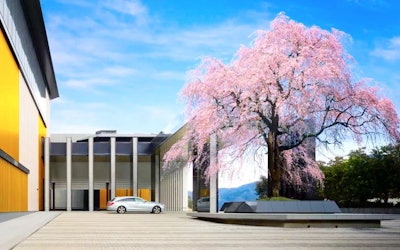 Video article 3:14
Exquisite cuisine and hot springs at "Exhive Yugawara Rikyu" in Ashigarashita-gun, Kanagawa Prefecture! An extraordinary space where you can enjoy luxury awaits you!
Hotel & Japanese Inn- 374 plays
- YouTube
Video Introduction of "EXIVATE Yugawara Rikyu" in Ashigarashita-gun, Kanagawa Prefecture, Japan If you're thinking to yourself "I want to stay somewhere luxurious when I visit Japan" then look no further than Xiv Yugawara Rikyu! Check out the video “Xiv Yugawara Rikyu PV,” created by “Resort Trust Official.” It introduces a membership-only luxury resort hotel called Xiv Yugawara Rikyu. This hotel is used by VIPs and is very popular on review sites. The facilities are photogenic, food is delicious, and it has a lot of attractions. This video will make you want to stay at this hotel. In this article, we'll introduce the attractions of Xiv Yugawara Rikyu. Delicious Food at XIV Yugawara Rikyu Source :YouTube screenshot At Xiv Yugawara Rikyu, you can enjoy a variety of exquisite cuisine. There's a teppan-yaki restaurant where guests can enjoy the finest of seasonal ingredients, as well as an Italian restaurant where you can dine in an open space. There's also a Chinese restaurant with a beautiful yin and yang interior with a variety of dishes to choose from. In addition, Xiv Yugawara Rikyu offers a wide range of other gourmet services such as Japanese cuisine and a buffet breakfast, all of which use a variety of ingredients from the sea and mountains. You can check out some of the beautiful dishes at 2:06 in the video. Relaxing Hot Springs at Xiv Yugawara Rikyu Source :YouTube screenshot Make sure to visit the hot springs when staying at Xiv Yugawara Rikyu. There are 4 different types of outdoor hot springs at Xiv Yugawara Rikyu: Takebayashi-no-yu, Tsukimi-no-yu, Iwami-no-yu, and the single person baths, each of which have their own unique features. It's perfect for hot spring lovers. There are also dry saunas, private baths for a fee, and a range of other amenities. br> The benefits of each bath are as follows: ■Iwami-no-yu Spring qualities: Sodium, calcium chloride, sulfate (alkaline). Effective against: burns, scars, chronic skin diseases, neuralgia, arthralgia, chronic digestive diseases, cold sensitivity, and fatigue. Aids in relaxation and promotes beautiful skin. ■Single Person Baths Spring qualities: Sodium, calcium chloride, sulfate (alkaline) Effective against: burns, scars, chronic skin diseases, neuralgia, arthralgia, chronic digestive diseases, cold sensitivity, and fatigue. Aids in relaxation and promotes beautiful skin. ■Tsukimi-no-yu Spring qualities: Simple alkaline hot spring Effective against: neuralgia, arthralgia, chronic digestive diseases, and cold sensitivity. Aids in relaxation and promotes beautiful skin. ■Takebayashi-no-yu Spring qualities: Simple hot spring Effective against: neuralgia, arthralgia, chronic digestive disease, sensitivity to cold and fatigue The feeling of getting into an open-air bath while admiring the beautiful nature of Yugawara is unbeatable! Take a break from your daily grind at these hot spring spots. The hot springs are shown at 1:31 in the video. How to Spend Your Day at Xiv Yugawara Rikyu The interior of XIV Yugawara Rikyu is an extraordinary space that utilizes the traditional Japanese beauty motif “Rimpa modernism,” where you will be greeted with traditional and modern designs in the four colors: gold leaf, jet black, oboro silver, and white sesame. Admire the amazing entrance and beautiful gardens surrounded by the main building. Places to See at Xiv Yugawara Rikyu Be sure to enjoy the tourist attractions in Yugawara. There are so many places to visit, such as Makuyama Park, Yugawara Plum garden, Hakone Turnpike Daikanyama Parking Lot,Anest Iwata Sky Lounge, Fudou Waterfall, Ningenkokuhou Museum, Nishimura Kyotaro Museum, Yugawara beach, Gojo Shrine, Choritsu Yugawara Museum, and more. Also, there are places where you can enjoy hot springs, like Doppo-no-yu and Miyakami-no-yu. Summary of Xiv Yugawara Rikyu Source :YouTube screenshot The video “Xiv Yugawara Rikyu PV,” created by “Resort Trust Official,” introduces the popular luxury resort hotel. Its hot springs and restaurants are loved by VIPs, and there's a ton of places to visit in the area. You need to be a membership in order to stay here, so be sure to check out the official website for prices and reservations. The hotel definitely won't fail to impress, and it's a great way to relax. ◆Xiv Yugawara Rikyu◆ 【Address】631-1 Miyakami, Yugawara-machi, Ashigarashimo-gun, Kanagawa Pref. 259-0314 Japan 【Access】Approximately 30 minutes from the Ishibashi Interchange on the Odawara-Atsugi Road or Seisho Bypass 【Parking】Available 【Phone number】0465-60-2555 【Tripadvisor】XIV HakoneRikyuHakonemachiAshigarashimogun https://www.tripadvisor.com/Hotel_Review-g298171-d16780381-Reviews-XIV_Hakone_Rikyu-Hakone_machi_Ashigarashimo_gun_Kanagawa_Prefecture_Kanto.html -
 Video article 1:23
A blissful moment at a luxury ryokan where you can feel the spirit of hospitality. The charm of "Meiseki no Yado KAGETSU" located in the center of Ishiwa Onsenkyo in Fuefuki-shi, Yamanashi Prefecture, is shown in the video.
Hotel & Japanese Inn Travel- 256 plays
- YouTube
Video Introduction of "Meiseki no Yado Kagegetsu", a hot spring inn in Ishiwa, Fuefuki-shi, Yamanashi Prefecture Produced by “MDK TV”, this video is titled "The luxury inn at Isawa Onsen, in Yamanashi Prefecture, Stone Monument Inn - Kagetsu"(山梨県石和温泉の高級旅館 銘石の宿 かげつ - www.isawa-kagetsu.com -), and it is an introductory video for Stone Monument Inn - Kagetsu. "Stone Monument Inn - Kagetsu" is popular on hotel review websites and so on because it offers the best hospitality services available. Access is about 10 minutes by car from Ichinomiya Misaka IC on the Chuo Expressway, and about 5 minutes by train from Isawa Onsen Station on the JR Chuo Line. There is also a shuttle bus from the station. This article, along with the video, introduces the appeal of the luxury inn "Stone Monument Inn - Kagetsu", which has been selected as one of the top 100 inns in Yamanashi Prefecture for 34 consecutive years. The video introduces a beautiful Japanese garden and delicious Kaiseki cuisine, so we recommend checking it out. Stone Monument Inn - Kagetsu Source :YouTube screenshot Located in Fuefuki City (笛吹市, Fuefuki shi), Yamanashi Prefecture, Stone Monument Inn - Kagetsu was established in 1906 (Meiji 39) and is a long-established inn loved by various artists and cultural figures. It is easily accessible from Tokyo and is very popular as a hotel for travel and sightseeing. One of the highlights of the “Stone of Monument Inn - Kagetsu” is the Japanese garden, where you can enjoy a variety of seasonal views. The 5,000 tsubo (traditional unit of land area, approx. 3.31 square meters) site has been completed over several decades with the artificial hill, built with stones collected from all over the country, and top-class landscaping techniques. Your heart will be healed by the beautiful garden with a pure Japanese atmosphere. In the garden, you can also watch the Nishikigoi as the swim through the pond. It is very relaxing. Since it is a photo-friendly spot, you can have fun taking commemorative photos for Instagram and feeding the koi. At 0:30 in the video, you can see the aerial footage of the Japanese garden by drone. What's more, the garden of Stone Monument Inn - Kagetsu was the first Japanese garden that used 3D projection mapping in a Japanese hot spring. This beautiful scenery that blends modern technology with Japanese traditions, can be found at 0:58 in the video. The In-House Facilities of Stone Monument Inn - Kagetsu Source :YouTube screenshot "Stone Monument Inn - Kagetsu" has many facilities that can heal both mind and body. Please use the 24 hour large open-air bath where you can relax in the hot springs while enjoying the beautiful scenery. The springs can be seen at 0:54 in the video. If you're looking for some luxury, you can enjoy the hot springs in the open-air baths. You can also receive aromatherapy and try the aroma salon as well. After enjoying the hot springs, relax in the rest area, coffee lounge, mahjong room, or Club Stone where you can enjoy karaoke. There is also a garden pool, so you can feel the full resort experience. There are also stalls for buying souvenirs such as Koshu Inden, Kikyo Shingen Mochi, and Koshu Wine, all which make great gifts or personal treats. There is also a banquet hall available for corporate meetings and company trips. There's a little bit of everything at Stone Monument Inn - Kagetsu, so take your time and relax how you want to. Guest Rooms and Accommodation Information for Stone Monument Inn - Kagetsu Located in the Isawa Onsen village, Stone Monument Inn – Kagetsu offers beautiful Japanese-style rooms overlooking the Japanese garden. Kagetsu's accommodations are divided into the Central Hall, South Hall, East Hall, West Hall, and Back Hall, and each room has a different atmosphere. Amenities are also available, so there's no need to bring your own. When you stay, there are various plans for families and couples, so you can choose the plan you like. Please check the travel site and official website, as the room rates for hotel reservations vary depending on the season, room, plan, and tour. There is also a day plan to enjoy lunch and relax at the hot springs. Dining at Stone Monument Inn – Kagetsu Source :YouTube screenshot The prestigious inn in Yamanashi Prefecture, Stone Monument Inn - Kagetsu, offers excellent meals such as kaiseki (a traditional Japanese meal brought in courses) and seasonal dishes as well. At the restaurant "Togentei," the head chef puts his heart into his cuisine to create beautiful, delicious gourmet dishes. Specially made with Koshu beef that melts in your mouth. This can be seen from 0:45 of the video. Sightseeing Around Stone Monument Inn - Kagetsu Photo:Fuefuki Togenkyo There are various sightseeing spots around Isawa Onsen in Fuefuki, where Stone Monument Inn - Kagetsu is located. Fuefuki Togenkyo where peach blossoms bloom, Mars Yamanashi Winery where you can enjoy Koshu wine, Lumiere Winery and Monde Brewery, Prefectural Museum Kajiam, Shakado Archaeological Museum, Satono Station Ichinomiya, which has many souvenirs, and Misaka Toge, where you can enjoy superb views of Mt.Fuji. Be sure to check them out if you're planning on making a trip to Kagetsu, and don't forget to taste local specialties such as "hoto" while you're at it. Summary of Stone Monument Inn - Kagetsu The video about “Stone Monument Inn - Kagetsu, a luxury inn at Isawa Onsen in Yamanashi Prefecture, was created by "MDK TV." If you want to stay at a luxury inn with one of Japan's most amazing hot springs, be sure to watch the video and experience the splendor of the famous Stone Monument Inn - Kagetsu. Experience a healing experience at Stone Monument Inn – Kagetsu; the luxury inn where you can experience hot springs, a Japanese garden, sublime cuisine, and more. Stone Monument Inn - Kagatsu 【Address】385 Kawanakajima, Isawa-cho, Fuefuki-shi, Yamanashi Prefecture 406-0024 【Access】About 10 minutes from Chuo Expressway Ichinomiya Misaka IC / 5 minutes by car from JR Chuo Toku, Isawa Onsen Station 【Parking】Available. About 70 units. 【Telephone No】055-262-4526 【Official Website】 Luxury Inn of Isawa Onsen, Yamanashi Prefecture https://www.isawa-kagetsu.com/en/ 【Tripadvisor】 Stone Monument Inn – Kagetsu https://www.tripadvisor.com/Hotel_Review-g1021447-d1065069-Reviews-Kagetsu-Fuefuki_Yamanashi_Prefecture_Koshinetsu_Chubu.html -
Video article 6:38
Mishakaike Pond, Full Of Fresh Greenery and Nature! The Locals Have Loved This Beautiful View for Years, and It Doesn't Leave You With Any Feelings Other Than Excitement!
Nature- 255 plays
- YouTube
This video, titled "Fresh Greenery at Mishakaike Pond "'A Place I Want to Visit Before I Die! Scenery of Japan" Okutateshina|Japan's Mishakaike Pond in Summer|Downconvert 4K Video to 2K|Natural Landscape Photography" (新緑の御射鹿池「死ぬまでに行きたい!日本の絶景」奥蓼科 Japan Mishaka pond of summer Downconvert 4k shot video by 2k 自然風景映像), was released by "Yatsugatake21_4K_Japan." This video introduces Mishakaike Pond, which was the motif of the famous Japanese painter Kaii Higashiyama's work. Mishakaike Pond in Chino City, Nagano Prefecture was actually created at the beginning of the Showa Period (1926-1989) as an agricultural reservoir, and has now been selected as one of Japan's Top 100 Ponds by the Ministry of Agriculture, Forestry and Fisheries. The beautiful scenery, which can be called a true mystery of nature, is unforgettable, and it is one of the most famous sightseeing spots in Japan that you should be on your bucket list. Please enjoy the beautiful scenery of Mishakaike Pond in the video. -
Video article 16:32
Kutani Ware: A Style of Traditional Japanese Porcelain in Ishikawa Prefecture, Characterized by Its Elaborate Use of Brilliant Colors. Find Out Where to Get Your Hands on These Works of Art!
Traditional Crafts History- 275 plays
- YouTube
Introducing Kutani Ware! This article introduces Kutani ware alongside the video "Traditional Japanese Crafts・Kutani Ware Glazing" (日本の伝統工芸品・九谷焼の染め付け). Kutani ware started around the Edo Period (1603-1868) in Kanazawa city, Ishikawa in Japan's Hokuriku region. It was originally called Kokutani ware. Today, Komatsu-city, Kaga-city, and Noumi-city are famous for the production of Kutani ware. The piece in the video is by Kamide Chouzaemon, one of Japan's leading Kutani pottery makers. The video is only about a minute long, but it shows the amazing dyeing technique used to make the beautiful, traditional Japanese pottery. How Kutani Ware Is Made Source :YouTube screenshot The signature liquid cobalt oxide is used to dye Kutani ware, which gives us a feel for Japanese culture. Kutani ware is produced by using a thin brush to draw precise patterns which requires the skills of a master craftsman. Patterns are drawn on the Kutani ware, using the brown cobalt oxide as a base material, after which they are fired in a kiln. From there, the color of the brown cobalt oxide changes into a beautiful shade of blue. This method of painting Kutani ware using blue, green, yellow, purple, and red within its patterns is called Kutani Gosai. Where to Purchase the Kutani Ware Kutani ware, made by famous craftsmen and artists, is considered an art, and can be rather expensive. However, there is some Kutani ware sold at reasonable prices. Kutani ware can be viewed and purchased at museums and porcelain/ceramics markets in Kanazawa. They have Kutani ware bowls, small plates, teacups, china bowls, tea pots, vases, and more. You can buy different pieces and incorporate them into your daily life. Their products are also available on the internet through retailers such as Amazon and Rakuten. Enjoying a Kutani ware demo at a workshop also makes for a memorable experience. By adding Kutani ware to your table, you can appreciate Japanese traditional culture more deeply. Summary of Japan's Traditional Kutani Ware Source :YouTube screenshot As you can see in the video, each piece of Kutani ware is hand dyed by a craftsman. The dyeing process of Kutani ware has been handed down for hundreds of years. Be sure to watch the video to see the amazing craftsmanship of Kutani ware craftsmen. -
Video article 1:59
The Izu Islands' Niijima Island is a paradise with spectacular scenery that is hard to miss!Tokyo's Niijima Village is a resort area only 35 minutes from central Tokyo
Local PR Travel- 619 plays
- YouTube
Niijima, Izu Islands, Niijima Village, Tokyo - Video Introduction The video “Niijima - The other Side of Tokyo : 80 Days Travel” created by “TokyoStreetView - Japan The Beautiful,” is a promotional video that introduces the beautiful "Niijima," in the Izu islands. Many people might not have heard the “Niijima” before. Although Niijima is part of Tokyo, it has a warm climate all year round. The beaches are reminiscent of one's you'd find in Hawaii. There are so many things to see in Niijima, so sit back, relax, and enjoy the views. This article will talk about some scenic locations on Niijima, full of nature, and great for taking Instagram photos. The video is only 2 minutes long, but there's no shortage of things to see. Popular Tourist Spots in Niijima Photo:Aerial view of Niijima Niijima, in the Izu islands, is located south of Japan's main island, Honshu. Niijima village is actually part of Tokyo. Unlike the big city Tokyo, Niijima is an island overflowing with nature, beautiful beaches, and ocean. Niijima attracts a lot of tourists, and it is also a popular surf spot, with the world championships occasionally being held there. Check out the video from 0:11 to see how beautiful Niijima's ocean is. You can also visit the historical temples and enjoy swimming in the ocean. You'll have no regrets after your visit to Niijima. Niijima can be accessed by either ferry or plane. If you would like to spend some quality time on the ferry, we recommend taking the ferry from either Tokyo Takeshiba Pier, or the one from Shimoda Port in Shimoda, Shizuoka. If you would like to save travel time however, we recommend you fly from Tokyo Chofu Airport. By high speed jet ferry, it takes about 2 hours and 20 minutes. Large passenger ships take about 10 hours and 35 minutes. From Shimoda Port, it will take 2 hours and 40 minutes. The flight time from Chofu Airport is just 35 minutes. Niijima tours are available with different plans. If you're looking to spend a couple nights in Niijima, be sure to check the tour packages to see which package fits your plan. Sightseeing Spots at Niijima Photo:Habushiura Beach There are so many different tourist spots around Niijima: beautiful scenic ocean views, relaxing hot springs, and an observatory where you can see a panoramic view of Niijima. If you would like to enjoy the beaches, we recommend “Mamashita Beach,” “Habushiura Beach,” “Honsonmae Beach,” “Kurone Beach,” “Wada Beach,” and “Wakagomaehama Beach.” If you want to relax in the hot springs, we recommend “Yunohama Hot Springs,” or “Mamashita Hot Springs.” For scenic views, try visiting “Ishiyama Observatory,” and “Fujimitoge Observatory.” Fujimitoge Observatory offers an all inclusive view of the ocean, mountain, and the city. At Ishiyama Observatory, you can look over Shikinejima and other islands. Besides these popular tourist spots, there's Daisan Oji Shrine and Miyahara Sakagura where you can experience Japanese culture. There are also popular activities such as “Dolphin spotting.” From 0:08 in the video, you will see many different places and activities you can enjoy in Niijima. Be sure not to miss out on all it has to offer! When you visit Niijima, don't forget to try the fresh seafood as well! There are so many restaurants to have lunch and dinner at on Niijima. Popular gourmet food of the Izu islands includes, “Kusaya,” “Shima Sushi,” and Red Squid Yakisoba.” Summary of Izu Islands' Niijima How did you enjoy the video of the beautiful "Niijima," located in the Izu Islands? There are fun events and festivals throughout the year in Niijima, such as the “Niijima Triathlon,” “Niijima Open Water Swimming,” Niijima O-Odori (dancing event),” the “Islanders Festival,” “Niijima Aquathlon,” the “Niijima International Glass Art Festival and the “Jusan Shrine Festival.” You'll be surprised such a beautiful island is only 30 minutes away from the large city Tokyo. It will be an unforgettable trip. 【Official Website】Tokyo Niijima Village. Village Office Website https://www.niijima.com/ 【Official Website】Niijima Tourism Association - Niijima Tourism and Accommodation Information https://niijima-info.jp/ -
Video article 4:02
A Myriad of Tourist Attractions Await You in Hidaka Village, Kochi Prefecture! Enjoy a Relaxing Vacation in the Village Alongside the Niyodo River, the Cleanest Stream in Japan!
Local PR Travel- 615 plays
- YouTube
Hidaka's Promotional Video This video, titled "Hidaka, Kochi Prefecture Promotional Video," introduces Hidaka in Takaoka County (高岡郡, Takaokagun), a little-known tourist site with beautiful scenery. Hidaka carries out a number of tourism promotions under "Ryoma Challenge" to reinvigorate the community. The village is home to hundreds of artistic landscapes and fascinating tourist spots. Hidaka stands around 16 km away from Kochi City, Kochi Prefecture, and is about 30 minutes away by car. This 4-minute clip encapsulates the vast wonders of Hidaka. Yes, such an attractive village exists in Kochi Prefecture! Please, enjoy the video. Recommended Tourist Sites Source :YouTube screenshot The Nagoya Sinking Bridge (名越屋沈下橋, Nagoya Chinkabashi), the tasteful bridge introduced at the beginning of the video, abridges the Niyodo River captured at 3:29 in the video. You'll get to enjoy photogenic scenery by getting a ride on a Yakatabune in the miraculous Niyodo River; the river with the cleanest water in Japan. The Niyodo River Cycling Course, Kusaka River Retention Basin (日下川調整池, Kusakagawa Choseichi) and the nature around Mt. Otaki (大滝山, Otakisan) are some of the most recommended tourist sites. The vast Hidaka is also abound with golf courses such as Green Feel Golf Club and Mt. Nishiki (錦山, Nishikiyama) Country Club. Hidaka hosts Cosmos Festival and a fireworks festival, so we recommend scheduling your vacation around the events. The Historical Sightseeing Spots of Hidaka Photo:Saruta Cave Tosaninomiya Omura Shrine (土佐二宮小村神社, Tosaninomiya Omurajinja), introduced from 0:35 in the video, stores Wooden Bosatsu Masks (木造菩薩面, Mokuzo Bosatsu Men), designated as an Important Cultural Property by the government, and Kondosokantachigoshirae・Tachimi (an ancient sword), a National Treasure. Botan Cedar (牡丹杉, Botansugi), planted in the shrine property, is said to have torched itself when there was something unusual in the village. Hidaka Washi Factory (ひだか和紙工場, Hidaka Washi Kojo), which produces a traditional local specialty of Hidaka, ‘Yakimonozukuri Mohei Kiln (茂平窯, Moheigama)’ in Mohei’s Village (茂平の里, Moheinosato), Ono Kuwa Factory (大野くわ製造処, Onokuwaseizoudokoro) and Hidaka Sake Brewer Hall (日高酒造ホール, Hidakashuzohoru) are places to visit! Exploring the Saruta Cave (猿田洞, Sarutado) introduced from 3:12 in the video is definitely an unforgettable experience as well! Dining in Hidaka Photo:Tea Plantation Introduced from 1:05 in the video, is Tosa Tea (土佐茶, Tosacha) of Kiriyama Tea Field (霧山茶園, Kiriyamachaen). Hojicha, made from tea leaves cultivated in a warm climate, is unbelievably delicious! The sweets using sugar tomatoes, Imokenpi, and Imo Chips, both a product of Imoya Kinjiro Hidaka Honten, are popular in Hidaka. In addition, Hidaka is famous for Omurice (Omelette rice). If you are visiting Omurice Street (オムライス街道, Omurice Kaido), be sure to enjoy the special Omurice lunch at "Mura Café Hidaka," a restaurant located inside Village Station Hidaka, Summary of Hidaka Hidaka is popular for its calm climate. Currently, its population is just below 5,000, but migrants have increased as of late. Many Onsen Ryokan (hot spring inns) and hotels are located in Hidaka, so you can enjoy luxurious tourist routes over the course of a few days. If you are interested in the tasteful scenery shown in the video, be sure to give Hidaka a visit! 【Tripadvisor】Hidaka https://www.tripadvisor.com/Tourism-g1121460-Hidaka_mura_Takaoka_gun_Kochi_Prefecture_Shikoku-Vacations.html -
Video article 2:54
The Jonamagashi of Kanazawa, Ishikawa Are Works of Art! A Look at the Confectioneries That Express the 4 Seasons of Japan - A Feast for the Eyes and Mouth!
Food & Drink- 391 plays
- YouTube
What is the pride of Kanazawa City, Ishikawa Prefecture, Hokuriku Region, and its food culture Kami-gashi? This video, titled "Jonamagashi: Kanazawa Food Culture, Seasonal Japanese Sweets|nippon.com" (上生菓子:四季を彩る金沢の菓子文化| nippon.com), was created by "nippon.com." Kanazawa City in Ishikawa Prefecture was a castle town of the Kaga domain during the Edo Period, and the traditional Japanese sweets produced here are some of the best in Japan, on par with those produced in Kyoto (京都府) and Matsue, Shimane (島根県松江市). There are three main types of Wagashi (traditional Japanese sweets): Higashi (干菓子), Namagashi (生菓子), and Jonamagashi. Of these three types of wagashi, Jonamagashi is thought to have played an integral role in the development of tea ceremony culture in Japan. Kanazawa is a city steeped in culture and history, second only to Kyoto in Japan, and has a tradition of producing high quality, artistic Jonamagashi famously decorated with gold leaf. A high level of skill is required to make Jonamagashi, which is what makes them so special amongst Japanese sweets. They are a confectionary that appeals to all five senses and are a great way to celebrate the changing of the seasons. The History of Jonamagashi and Tea Ceremony Photo:Tea Ceremony Tea ceremony in Japan dates back to the Azuchi-Momoyama Period when it was systematized by Sen no Rikyu (千利休) who is considered the founder of tea ceremony. It wasn't until the 1,700's, during the genroku portion of the Edo Period, that tea ceremony really spread throughout the rest of Japan, and Kanazawa is thought to be the birthplace of Noto (能登) Jonamagashi. Tea ceremony is held based on a particular theme, and the tools used vary depending on the chosen theme. This is called "dougugumi" (道具組). Wagashi are carefully selected and only those which complement the tools used in tea ceremony are chosen. This is also taken into consideration when creating Jonamagashi, resulting in a variety of beautiful shapes and designs. Artisan wagashi makers must channel all of their skills into the creation of one type of wagashi. You can hear Ishikawa Prefecture Tea Ceremony Association representative Sosui Oshima (大島宗翠) speak more about the subject from 0:54 in the video. How To Make Jonamagashi Source :YouTube screenshot Second generation wagashi maker Hironobu Yoshihashi of the well-established wagashi store "Yoshihashi" (吉はし), which has been in business for over 70 years, is featured in the video from 1:17. Enjoy watching the skilled hands of the artisan wagashi makers. Since Japan has a very warm and humid climate, a high proportion of sugar is necessary to preserve the wagashi. However, in the past, sugar was a luxury product that could only be afforded by the rich and wealthy. A great deal of thought and care is put into the taste, texture, design and feel of Jonamagashi. Jonamagashi are often referred to as the ultimate wagashi, with an extremely high level of artistic quality. From 1:58 in the video, you can take a look at Jonamagashi which have been designed to represent each month of the year. Summary of Kanazawa's Jonamagashi Source :YouTube screenshot From 0:45 in the video, you can see "Ajisai" (紫陽花), the most famous Jonamagashi. This is one of the items available for purchase at Kanazawa's wagashi store, "Yoshihashi". You can purchase Jonamagashi from Yoshihashi by ordering online before visiting the store. Beautiful Jonamagashi from the wagashi store Yoshihashi are the perfect souvenir to take home from your trip to Kanazawa! Jonamagashi are also a great way to enjoy the changing seasons, a treat which is pleasing for both the eyes and taste buds! -
Video article 2:52
Experience the great outdoors in Kiso-cho, Kiso-gun, Nagano Prefecture! Refresh your mind and body with canoeing and mountain yoga in the forests of Shinshu, a green-filled region in Nagano Prefecture!
Local PR Things to Do Travel- 78 plays
- YouTube
Video introduction of activities in Kiso Town, Kiso County, Nagano Prefecture If you're interested in enjoying fun activities in Nagano prefecture, we highly recommend you check out this video! This video, titled "Tons of Fun in Nagano Prefecture! Kiso Edition" (信州でアクティビティを楽しもう!~木曽 編~), created by "Shinshu Furusato Wari Channel" (信州ふるさと割チャンネル), introduces various activities in the Kiso area. Kiso in Nagano prefecture is gaining popularity as a spot to enjoy various outdoor activities, such as canoeing at the beautiful, yet not-well known, Ontake lake (御岳湖), or taking part in a yoga classes at Mt. Ontake (御嶽山). There's plenty of fun activities for you to try in Kiso, all packed into this short 3 minute long video! Make sure you get the most out of your trip to Nagano prefecture by trying out some of the activities featured in this video! Activities to Try Out at Mt. Ontake Source :YouTube screenshot Kiso is a beautiful town in Nagano prefecture, surrounded by nature and situated at the foot of Mt. Ontake. Mt. Ontake is popular among mountain climbers, and thanks to the Ontake Ropeway (御岳ロープウェイ) beginners can also enjoy the scenery from the top of the mountain. It's the perfect spot to take photos. Don't forget to share them on your Instagram! You can take a look at the scenery from 1:51 in the video. There are several mountain retreats situated halfway up the mountain for those who wish to stay overnight. There are many fun tours and activities to take part in as well, including lunch and yoga on the mountain. For those who wish to be one with nature, we highly recommend taking part in one of the outdoor yoga classes. At 2:21 in the video, you can see students practicing yoga on top of Mt. Ontake under the beautiful blue sky. It provides a great opportunity to refresh both your body and mind. Lake Activities in Kiso, Nagano Source :YouTube screenshot At the foot of Mt. Ontake lies Ontake lake and Lake Shizenko (自然湖). In the village of Otaki (王滝), you can take part in the "Ontake Adventure Shizenko Nature Canoe Tour" (おんたけアドベンチャー自然湖ネイチャーカヌーツアー), and at Ontake lake you can try out "Ontake Lake Canoe Touring" (おんたけ湖カヌーツーリング). Even if you're a complete beginner, you can still take part in the canoe tours as there will be instructors to guide you along the way. Canoeing amidst the beautiful scenery of Nagano prefecture is an experience that you can't afford to miss! You can take a look at the canoe tours from 0:13 in the video. As you can tell from the video, the view of Kiso from the canoe is really something special! There are many tours and activities to enjoy in the beautiful town of Kiso! Summary of Kiso, Nagano The town of Kiso suffered a lot of damage due to the eruption of Mt. Ontake in 2014. However the town is recovering and the number of tourists is increasing every year. There are now many facilities where you can enjoy activities such as those featured in this video. If you haven't yet, be sure to check out the video and take a look at the beautiful scenery Kiso has to offer. After watching the video, you're sure to want to take a trip to Kiso and experience it all for yourself! -
Video article 1:31
Sail out From Otaru, Hokkaido on the Scenic Blue Cave Cruise! Witness the Enchanting Cobalt Blue Ocean and Make Great Memories!
Things to Do Travel- 534 plays
- YouTube
About Hokkaido's Blue Cave Cruise Promotional Video This promotional video, titled "Otaru, Hokkaido - Tsuusen's Original Blue Cave Cruise" (【北海道・小樽】元祖!青の洞窟クルーズbyツウセン), was released by "ACTIVITY JAPAN." It focuses on the Blue Cave Cruise that sails out from the Otaru Canal and goes around the Marine Park. The well-organized cruise tour takes you to the best sightseeing spots by boat, so you can enjoy Hokkaido's vast sea. The video captures the cobalt blue ocean and the marvelous sunset. This article will delve into some of the charms of Otaru, Hokkaido's Blue Cave Cruise. About the Blue Cave Cruise Source :YouTube screenshot Sailing out from the Otaru Canal, the Blue Cave Cruise offers you a great experience to enjoy the vast sea of Hokkaido. Sea birds elegantly flying in the air, the stunning rocks structures... you'll probably even see a dolphin or shark on your way there as well. This coastal area was once called "Shu-ya" in Ainu language, which can be loosely translated as "Kettle Rock". The main attraction of the cruise is the blue cave located on the shore in Niseko-Shakotan-Otaru Kaigan Quasi National Park. When you enter the cave, you'll notice how the water turns turquoise blue. In the video, the boat enters the cave at 0:17. The awesome beauty of the blue pool inside the cave is certainly worth seeing. photo: Otaru's Blue cave entrance Located on the shore of Shakotan Peninsula, the blue cave was formed by strong sea waves. It's known for its apparent luminescent quality, imparted by the light passing through the openings. Its unique geographical formation and the angle of the sunlight flooding in create a series of magical scenes. Other marine activities, such as snorkeling, sea kayaking, boat cruises, and rafting are also offered in the area. When you hear "blue cave," it might be the Blue Grotto in Italy that first comes to mind. Japan, however, features several blue sea caves including the one in Otaru. Some other well known blue caves in Japan are: - Hachinoheana in Iwate Prefecture - Dogashima Sea Cave Skylight in Shizuoka Prefecture - Cape Maeda in Okinawa - San-in Coast National Park in Hyogo Prefecture. Highlights of the Blue Cave Cruise Source :YouTube screenshot The cruise offers you a great opportunity to take in the natural beauty of Hokkaido. You can enjoy a quiet time admiring the beautiful expanse of the sea, and the luxury of having the aromatic sea breeze fill your nose as it brushes your cheeks. If the weather is clear you can catch a gorgeous sunset, as seen in the video from 1:05. Sea birds, such as seagulls, black-tailed gull, and white-tailed sea eagles often fly around the cruise boat and you can enjoy feeding them as well. This is shown in the video at 0:58. Information About Hokkaido's Blue Cave Cruise Photo: Otaru station platform Hokkaido's Blue Cave Cruise is offered for a limited time between late spring and early autumn. Otaru port is 5 minutes by car and 13 minutes on foot from JR Otaru station, and the port has 10 free parking lots. The 80-minute cruise will take you to 10 different viewpoints. You need to make your reservation in advance either by phone or on their official website. As of April 2020, the tour costs 5500 Yen (~$51 USD) for Adults, and 3000 Yen (~$28 USD) for Children and Toddlers. Cold weather protection is offered on the cruise, but we recommend wrapping yourself well just in case. Summary of Hokkaido's Blue Cave Cruise Photo:Otaru, Blue Cave Cruise The video "Otaru, Hokkaido - Tsuusen's Original Blue Cave Cruise" introduces the Blue Cave Cruise in Hokkaido. The video is composed of beautiful images of the stunning turquoise sea and the clear blue pool glowing in a mysterious pitch-black cave. You'll definitely want to check it out after seeing the video! 【Tripadvisor】Blue Caves Hokkaido's Blue Cave Cruise -
Video article 4:24
Breathe in the Fantastic Atmosphere at Kameiwa Cave in Kimitsu, Chiba! It's Like Being Lost in a Mystical World!
Nature- 408 plays
- YouTube
千葉県君津市エリアの絶景である亀岩の洞窟・濃溝の滝が堪能出来る動画の紹介 こちらの「[ 4K Ultra HD ] 神秘の絶景 新緑の亀岩の洞窟(濃溝の滝) - Nomizo Falls in Spring - (shot on Samsung NX1)」は、日本の千葉県君津市の清水渓流公園内にある絶景『亀岩の洞窟(濃溝の滝)』についての紹介動画です。 日本の和の雰囲気をたっぷりと感じさせる新緑の景色が魅力の亀岩の洞窟・濃溝の滝、例えるなら、アニメ『ジブリ』の舞台のような場所といったところでしょうか。 新緑に囲まれた空間で、日々の喧騒から離れて疲れを癒せる亀岩の洞窟・濃溝の滝。 今回はそちらについて、動画と共に紹介をさせて頂きます。 インスタ映え間違い無し!絶好の写真スポット! 現実とは別世界のような雰囲気を醸し出している亀岩の洞窟・濃溝の滝。 フォトジェニックな奇岩風景と場所の数々、そしてパワースポットでもあるということから、SNSでも人気の千葉県の観光名所となっています。 特に有名なのが、動画の冒頭よりご覧になることの出来るハート型の光芒です。 自然が織り成す絶景は、千葉県に来たなら必見の絶景です。 しかし注意点があります。 この光景を見ることができるのは、3月、9月のお彼岸の時期の早朝だけ。 綺麗に写真を撮るには、限られた角度の場所(いわゆる穴場)出ないといけないので、事前のリサーチが必要です。 そしてもう一つが、ホタルの乱舞を見ることが出来る長い木道と幸福の鐘です。 その年によって時期に多少の違いはありますが、大体5月~8月にかけてホタルを見ることが出来るので、千葉県君津市への観光の際には、ぜひ検討してみてください。 木道の奥には『幸福の鐘』と呼ばれる小さな鐘があります。 そこが一連のルートのゴールとされていて、記念写真を撮影される観光客も多いそうです。 亀岩の洞窟・濃溝の滝の温泉とグルメ! 自然の中を見て回れば疲れは溜まってしまうもの。 そんなときはやはり温泉とグルメで体を癒すのが良いでしょう。 亀岩の洞窟・濃溝の滝のある周辺には様々な施設があり、『濃溝温泉千寿の湯』もまたその一つです。 渓谷を見下ろしながらの温泉は、まさに至福の時でしょう。 また味覚狩り、チーズ作り体験等のアクティビティがあるマザー牧場で、ご当地グルメを堪能するのも、千葉県君津市での観光の際にはおすすめの名所です。 千葉県君津市の亀岩の洞窟・濃溝の滝魅力紹介まとめ 幻想的な雰囲気いっぱいの亀岩の洞窟・濃溝の滝。 動画でその魅力を堪能することが出来るので、ぜひご覧下さい。 東京からもアクセスしやすく交通手段が豊富で、関東圏の方は手軽に観光できることでしょう。 千葉県への観光考えている方はぜひ立ち寄られてみてはいかがでしょうか? -
Video article 3:34
Spend a Blissful Time in Atera Valley in Nagano Prefecture's Kiso District, a Place of Fresh, Greenery! The Murmuring of the River, Full of Negative Ions, Will Soothe Your Soul!
Nature- 193 plays
- YouTube
長野県の美しき景観「阿寺渓谷」紹介動画について こちらの動画は「haruyuki onoue」が公開した「新緑とエメラルドグリーンの阿寺渓谷・4K」です。 長野県木曽郡大桑村には現代日本で失われつつある雄大な景色・自然が楽しめる地があります。 こちらの動画で紹介する阿寺渓谷です。 こちらの記事では阿寺渓谷の魅力からその周辺情報に至るまでチェックしておくべき情報をまとめました。 長野県木曽郡大桑村の阿寺渓谷とは 阿寺渓谷は厳密に言うと、長野県と岐阜県にまたがっている阿寺山地を源流とし それを皮切りに支流の阿寺川は長野県が誇る一級河川の木曽川に流れ着くまでのほぼ全域を指します。 源流から木曽川に流れ着く過程で吉報の滝や犬帰りの淵などの名所・絶景スポットが点在しています。 またこの流域には学術面から文化的な一面を覗かせており、日本でもココ一帯だけにしか存在しないような希少種の生物や植物があるのです。 全長約20kmの阿寺渓谷のうち管理区間が約2/3となっています。 管理区間のうち阿寺渓谷入口からキャンプ場までをウォーキングで景色を見ながら散策することが一般的となっています。 さらに釣りの名所として阿寺渓谷は知られています。 阿寺渓谷へのアクセスおよび周辺情報 マイカーで向かう場合は阿寺渓谷入口付近に駐車場があります。 阿寺渓谷入口からすでにヒノキや岩などが見え、そこからでも雄大な自然を感じ取ることができます。 特に夏季は観光客が増加するシーズンですので、交通規制がかかってしまい不便な思いをしてしまうかもしれません。 鉄道を利用する人はJR野尻駅で降りて、そこからシャトルバスを利用しましょう。 長野県の美しき景観「阿寺渓谷」の楽しみ方 阿寺渓谷と言えばやっぱりエメラルドグリーンの清流とその周りにある新緑のヒノキ美林でしょう。 川のせせらぎと水しぶきがマイナスイオンを与え、癒されますね。 さすが長野県の信州が誇る人気スポット! さらに上流へ行くと『美顔水』という湧き水が流れていてそこで顔を洗うと色白美人になると噂されているので、それを求めてやってくる人もいます。 また自然を満喫する目的と合わせハイキングにもなります。 気候が変わる秋に訪れるとエメラルドグリーンの清流はそのままに周りの美林が紅葉へ姿を変えているので、夏とは違う景色が楽しめます。 長野県の美しき景観「阿寺渓谷」紹介まとめ 長野県が全国に誇る新緑とエメラルドグリーンが特徴的な阿寺渓谷について紹介しました。 長野県に訪れるなら阿寺渓谷は外せません! 美しい絶景を写真に収めてあなたの歴史の1ページに! -
Video article 2:36
Hashihaka Kofun - Exploring the Mysteries of Japan's Ancient Burial Mound in Nara. Solving Puzzles With Modern Technology!
History- 1.46K plays
- YouTube
Hashihaka Kofun This is the online video "Visit the History Books - Nihon Shoji - Nara / Hashihaka Kofun(史書を訪ねて 「日本書記」 奈良・箸墓古墳)" produced by the Yomiuri Shimbun. It introduces the oldest burial mound in Japan, found in Nara Prefecture in the Kansai region. The Hashihaka Kofun is a repellent round tumulus that is over 200 meters long. Hashihaka Kofun is said to have been built in the late 3rd century, between the Yayoi period (c. 300 BC to c. 250 C.E.) to the Kofun period (c. 350 to C.C. 700). The Imperial Household Agency manages it as the tomb of Emperor Korei's daughter and therefore, entry is forbidden. The greenery covering Hashihaka Kofun has been designated as a natural scenic monument of the historical site, and the surrounding moat has been selected as one of the top 100 reservoirs in Japan. Feel the atmosphere of the mysterious Hashihaka Kofun from the video. The Oldest Keyhole-Shaped Tomb Source :YouTube screenshot According to the Nihon Shoki (Chronicles of Japan), Hashihaka Kofun is said to be the tomb of the daughter of Emperor Korei. It is also said that there are similarities between the queen of Yamatai, Himiko, who is described in literature such as Gishi Wajinden. Some researchers have argued that there has been controversy over the birth of the Yamato kingship and the position of the Hashihaka Kofun. As you can see from 0:54 in the video, the Municipal Burial Culture Center in Sakurai City, stores a plate-shaped "Shibayama Stone" excavated near Hashihaka Kofun. Shibayama stone is believed to have been used to build the stone chamber, and it is said that it was taken from basalt excavated in Kashiwara City, Osaka Prefecture, about 18 km west of Hashihaka Kofun. In addition, many excavated items such as earthenware and wooden products have been confirmed. Muon survey of Hashihaka Kofun Source :YouTube screenshot In the past, archaeological / historical researchers and others have entered Hashihaka Kofun with permission from the Imperial Household Agency, but the mystery of Hashihaka Kofun has not been clarified. In 2012, a three-dimensional laser measuring device mounted on a helicopter was used, revealing a detailed portrait. Also, in January 2020, Kashihara Archaeological Research Institute, which studies Hashihaka Kofun, announced that it would investigate the internal structure from outside using elementary particles called "muon" that penetrate substances. Attention is being paid as to whether future research results will lead to the unraveling of Hashihaka Kofun. According to many years of research, Hashihaka Kofun is said to be a rare burial mound in Japan, with no traces of invasion from tomb raiders. Summary of Hashihaka Kofun Photo:Sakurai Line In this article, we introduced Hashihaka Kofun. There is a group of ancient tombs in the center of Machiko, located mainly at Hashihaka Kofun in Sakurai City, Nara Prefecture. Access to Hashihaka Kofun is a 15-minute walk from Makimukai Station on the JR Sakurai Line. There is also a parking lot. Is it really Himiko's tomb? Soak in the magnificent atmosphere and solve the ancient puzzle. 【Official Website】The Official Nara Travel Guide https://www.visitnara.jp/ -
Video article 2:22
Kibune Shrine in Kyoto City, Kyoto Prefecture, is one of the most famous power spots in Japan dedicated to the god of water! Watch a video of the deep green of early summer at the historic Kibune Shrine!
Art & Architecture- 285 plays
- YouTube
Kibune Shrine” in Kyoto City, Kyoto Prefecture, Japan Video Introduction This video, titled "Kifune Shrine in Early Summer / Kifune Jinja / KyotoiitokoVideo" (初夏の貴船神社 / Kifune Jinja / 京都いいとこ動画) was created by "KyotoiitokoVideo." It's an introductory video featuring Kifune Shrine, located in Kyoto city, Kyoto prefecture (京都府京都市). Many people visit Kifune Shrine in search of luck in marriage and it is also known as a famous power spot. In this article we'll introduce, alongside the video, one of the top sightseeing spots in Kyoto: Kifune Shrine. The History and Origin of Kifune Shrine Photo:The main shrine of Kifune Shrine, Kyoto Kifune shrine in Kyoto, a shrine dedicated to the god Takaokami (高霞神), is the head shrine of all of the Kifune shrines in Japan, of which there are approximately 450 in total. It is listed in the Engi Shiki and is considered one of the top 22 most important Shinto shrines in Japan. Kifune shrine is an ancient shrine featured in the oldest records of Japan, such as the Kojiki (古事記, "Records of Ancient Matters") and the Nihon-shoki (日本書紀, "The Chronicles of Japan"). Things to Do at Kifune Shrine Photo:Water divination at Kifune Shrine Beyond the stone staircase that climbs from Kibune River lies the main building of Kifune shrine as well as other smaller buildings where you can purchase goshuin seal stamps or good luck charms called "o-mamori." Here you can try drawing one of the popular water divination slips known as "mizuuranai-mikuji" (水占みくじ). Two horse statues can be found on the grounds of Kifune shrine and it is thought that this was the birth place of the Ema plaques (絵馬). 700 meters upstream of Omoi River (思ひ川) you'll find the rear shrine, and if you make it here you'll have completed "sanshameguri" (三社巡り), which means that you've visited all three areas of the shrine. It is said that a sacred dragon's cave lies within the rear shrine. You can see the rear shrine from 1:03 in the video. Several events are held at Kifune shrine each year, such as the Kifune festival (貴船まつり), Nagoshi no Oharae (夏越の大祓式), Kifune water festival (貴船の水まつり) and the Tanabata festival "Sasa no Sekku" (笹の節供) which is famous for its beautiful bamboo grass decorations. On top of Kifune Shrine's beautiful summer scenery, you can also enjoy the amazing cherry blossom viewing spots in spring and stunning natural scenery in fall in the surrounding area. The area is often lit up in the evening, attracting lots of visitors! A special prayer is held on the first "day of the ox" of every month. Sightseeing and Restaurants in the Surrounding Area Photo:Kawadoko in Kibune, Kyoto Make sure to stop by a Kawadoko (川床) on your trip to Kibune! Kawadoko means "streambed" in Japanese, but it refers to the raised platforms that are constructed over the streambeds in summer to keep visitors cool. Stopping at Kawadoko for lunch is guaranteed to make for an unforgettable experience! We highly recommend the following restaurants which are located in the surrounding area: Kuramadera (鞍馬寺), Hyoue café(兵衛カフェ), Ryouri Ryokan Kibune's Ugenta (右源太) and Sagenta (左源太), Kifune Kurabu (貴船倶楽部) and Toriyachaya (鳥屋茶屋). Kifune Shrine Introductory Video Summary Photo:Kifune Shrine, Kyoto The Kibune area, which boasts a cooler temperature than Kyoto basin (京都盆地), is the perfect place to beat the summer heat! Let the running water of the Kifune river, the source of both the Yodo River (淀川) and Kamo River (鴨川), reinvigorate your body on a hot summer's day! Make sure to take lots of photos of the stunning natural scenery at Kifune Shrine so you can share them on SNS later! ◆Kifune Shrine Facility Information◆ 【Address】180 Kuramakibunecho, Sakyo Ward, Kyoto, 601-1112 (〒601-1112 京都府京都市左京区鞍馬貴船町180) 【Access】From Eizan Electric Railway Kibuneguchi Station, take the Kyoto Bus and get off at Kibune Station. From there it's 5 minutes on foot. 【Admission Fee】Entry is free of charge, Mizuuranai-mikuji: 200 yen for 1 fortune, sacred shrine water: 500 yen for 1 container 【Hours】6:00 a.m. - 6:00 p.m. 【Closures】Open year-round 【Parking】Available (25 spaces, 500 yen for 2 hours) 【Phone】075-741-2016 【Tripadvisor】Kifune Shrine https://www.tripadvisor.com/Attraction_Review-g298564-d1386169-Reviews-Kifune_Shrine-Kyoto_Kyoto_Prefecture_Kinki.html -
Video article 6:00
There Are an Infinite Number of Ways To Enjoy Yourself at the Ancient Jindaiji Temple in Chofu, Tokyo! In This Relaxing Environment, You May Even Be Greeted by Gegege no Kitaro!
Art & Architecture- 144 plays
- YouTube
Video introduction of "Jindaiji" in Chofu City, Tokyo This video, titled "Tokyo Jindai-Ji - 深大寺 - 4K Ultra HD," was released by "TokyoStreetView - Japan The Beautiful." Jindaiji Temple in Chofu, Tokyo is one of the oldest temples in Tokyo, second only to Sensoji Temple. Stroll around the elegant grounds as you search for goshuin stamps and try out the local delicacies. Enjoy the soothing atmosphere of Jindaiji Temple through the video! What Is the Jindaiji Temple? A Look at the Temple's History Photo:Jindaiji, Chofu, Tokyo The temple’s name is derived from Jinja-Daio (深沙大王), the Buddhist water god who protected the Chinese monk Xuanzang (玄奘三蔵) as he travelled to Tianzhu (天竺) in search of Buddhist scriptures. During the year 733, (the Nara Period), Jindaiji Temple was founded by Manku Shonin (満功上人) as a temple of the Hosso sect. In 859, during the Heian Period (794-1185), the temple was converted to the Tendai sect. Following that, 800 years later in 1646 and again in 1865 during Edo Period, the temple was twice devastated by fires. The current main hall was reconstructed during the Taisho Period (1912-1926). Next to Jindaiji Temple, you'll find the Jindai Botanical Gardens. The gardens were once formally part of the temple grounds. The temple's principal object of worship is the figure of the Amida Buddha (Amitabha) placed in the main hall. Other sacred items are enshrined in the temple as well. These include the copper seated statue of the Gautama Buddha (銅造釈迦如来倚像) designated a National Treasure, the Bonsho (梵鐘, temple bell) designated an Important Cultural Property, and the 12-armed Goddess of Mercy, Kannon (Avalokiteshvara) (十二支観世音). Must-See Events at Jindaiji Temple! Photo:Daruma Doll Market The Jindaiji Daruma Doll Market is one of Japan’s three large daruma doll markets. There is a "Booth of Enlightenment" (開眼所) where you can have special Sanskrit characters painted on your daruma's eyes. Other festivals include the Ganzan Daishi Festival (厄除元三大師大祭), the Jindaiji Hozuki Festival (深大寺鬼燈まつり), the Jindaiji Soba Festival (そば守観音供養祭), and the Pet Memorial Service (動物大法要). Recommended Tourist Spots and Food Near Jindaiji Temple Photo:Jindaiji and Kitaro Chaya, Chofu, Tokyo Chofu, where Jindaiji Temple is located, is where the manga artist Shigeru Mizuki lived more than half of his life. At Jindaiji Temple, you can find Yokai Café Kitaro Chaya (鬼太郎茶屋), a yokai map of Japan, and even a yokai gallery. As seen from 0:13 in the video, the front of the café features Kitaro and Mouse Man, two characters who appear in the anime and manga "GeGeGe no Kitaro." As seen from 2:16 in the video, Jindaiji Temple is famous for its soba, with many soba shops on the temple grounds. Besides that, visitors can also try their hand at making pottery at the Jindaiji Kiln (深大寺窯). You can also visit the beautiful Fudo Falls (不動の滝) and walk along the deck. Nearby are more areas that are fun to explore, such as the Jindai Botanical Gardens, Yumori no Sato Onsen (湯守の里), the National Astronomical Observatory of Japan (国立天文台), as well as Chofu Airport (調布飛行場). Summary of Jindaiji Temple Photo:Cherry blossoms and the cityscape of Chofu, Jindaiji Jindaiji Temple is an area full of greenery, where you can relax even in the heart of the city. If you've fallen in love with the atmosphere through the video, definitely make a trip down to Jindaiji Temple! ◆Jindaiji Temple Facilities Overview◆ 【Address】5-15-1 Jindaiji-moto-machi, Chofu, Tokyo 【Access】A 25-minute walk from Chofu Station on the Keio Line (京王線調布駅), or a 1-minute walk from the Jindaiji bus-stop 【Hours】9:00 AM - 5:00 PM 【Parking】Available in the Jindai Botanical Gardens 【Telephone No】042-486-5511 【Official Website】Jindaiji Temple Homepage【Ganzan Daishi Festival】Chofu, Tokyo https://www.jindaiji.or.jp/en/ 【Tripadvisor】Jindaiji Temple https://www.tripadvisor.com/Attraction_Review-g1060905-d1373812-Reviews-Jindai_ji_Temple-Chofu_Tokyo_Prefecture_Kanto.html -
Video article 2:38
Kujukushima in Nagasaki Has a Total of 208 Islands, and It Contains the Highest Density of Islands in Japan! Check Out the Superb View at the Tenkaiho Observatory!
Nature- 262 plays
- YouTube
Introducing Nagasaki Kujukushima Tenkaiho The video “Kujukushima Tenkaiho 8KHDR(Kujukushima Tenkaiho 九十九島 展海峰 8KHDR),” created by “Japan Explorers,” is a promotional video introducing the popular tourist spot “Kujukushima Tenkaiho,” part of the Saikai National Park in Sasebo, Nagasaki. Kujukushima is easily accessed from Sasebo station, (home to the popular tourist spot “Nagasaki Huis Ten Bosch”) taking only about 30 minutes to reach by car. It's an area of ocean 25 km north of Sasebo Port, dotted with islands. Many people visiting Kujukushima visit Nagasaki's Huis Ten Bosch and vice versa. The scenic view from the Tenkaiho observatory in Kujukushima, is introduced in the video with a famous Japanese song called “Jupiter.” Enjoy the contrast of the green islands and blue ocean as far as the eye can see. The Top 100 Landscapes of Japan - Kujukushima Photo:Tenkaiho rapeseed field Kujukushima is an archipelago located in the north of Nagasaki, 25 km from the west coast of the Kita-Matsuura Peninsula. It contains the highest density of islands in Japan. The word “Kujuku” means 99, but there are actually a total of 208 islands. There are only 4 inhibited islands, and they are: Kuroshima, Takashima, Maejima, and Toudomari. The rest are uninhabited. There are 4 observatories as well. Tenkaiho, Yumiharidake Observatory, Ishidake Observatory, and Kujukushima Hakkei. Tenkaiho is the one introduced in the video. From Tenkaiho, you can enjoy a panoramic view of Kujukushima which is included in the "100 Landscapes of Japan." The most popular view among photographers is of the cruise ship weaving through Kujukushima. It's also great for taking Instagram pictures, and many young adults come here to take photos. You can see the full view of Kujukushima from Tenkaiho in the video. Tenkaiho is also a popular spot for tourists who come to see the flowers. In the spring, rape blossoms are in full bloom and more than 150,000 cosmos bloom in the fall. There are also cherry blossoms and a night view as well. Sightseeing Around Kujukushima's Tenkaiho Photo:Scenery from Ishidake Observatory Among the observation decks, the most popular one for viewing the sunset is the Ishidake Observatory, where the silhouettes of islands floating in the sunset are as beautiful as an ink painting. You can also experience the view from the ocean by cruise ship or on a sailboat. The Kujukushima Pleasure Boat "Pearl Queen" is popular among tourists as you can see the southern islands of Kujukushima up close on a 50 minute cruise. While listening to the explanations of the legends and lore that remain on the island of Kujukushima, you begin to imagine its rocks turning into lions and turtles. On top of that, you can also experience the sunset cruise, where you can see the beautiful sun setting between the islands. There's also Kujukushima Aquarium Umikirara, and the Kujukushima Zoological and Botanical Garden Morikirara at Pearl Sea Resort. At 0:24 in the video, you can see the 2 ships floating in the distance. Sea kayaking, yachting, swimming and other marine sports that take advantage of Kujukushima Island's topography are also popular. From Sasebo Port, where Kujukushima is located, you can also take a ferry to enjoy sightseeing at the Goto Islands. Dining in Kujukushima Photo:Grilled oysters If you're going to Sasebo, you've got to try the Sasebo Burgers and fresh seafood. Kujukushima oysters are a famous winter food as well. In November and February, they hold the Kujukushima Oyster Festival. It's a fun event with 400 grills and endless oysters! Visitors can experience grilling their very own oysters too. Kujukushima rice crackers (from Kujukushima Group CO.,LTD.), Kujukushima Iriko Somen (a type of thin noodles), and Kujukushima puffer-fish, are some of the other popular foods in Kujukushima. A little-known souvenir spot on Kujuku Islands is "Kujukushima Namino Michi," a direct sales outlet on the westernmost tip of the Japanese mainland. It is a very small roadside station, but there are variety of fresh vegetables and sea food. It is a very small roadside station, but you can buy local vegetables and seafood here, as well as enjoy the local gourmet food of Kujukushima. Summary of Kujukushima With it's vast blue seas and incredible islands, it has to be one of the best natural landscapes in the world. The video shows some amazing views, so be sure to check it out if you still haven't yet. If you're looking for a vacation why not stop by Kujukushima? You definitely won't regret it. Sightseeing is also very convenient as there are several hotels around Kujukushima. There's also the Sasebo Convention & Visitors Association which is very useful for travelers. Gather your information beforehand and enjoy your trip to Kujukushima! 【Tripadvisor】Tenkaiho https://www.tripadvisor.com/Attraction_Review-g298217-d1820255-Reviews-Tenkaiho-Sasebo_Nagasaki_Prefecture_Kyushu.html -
Video article 3:30
An in-depth look at Funabashi Andersen Park, the third most popular theme park in Japan, in Funabashi City, Chiba Prefecture! A million ways to have fun! The vast site, which is equivalent to seven times the size of the Tokyo Dome, is filled with activities that everyone from children to adults can enjoy!
Things to Do Travel- 182 plays
- YouTube
Funabashi Andersen Park, Funabashi City, Chiba, Japan Video Introduction This video, titled "Andersen Park PR Video [Main Part]" (アンデルセン公園 PR動画「本編」), produced by “parkfunabashi,” is a sightseeing guide to Funabashi Andersen. Funabashi Andersen Park is located in Funabashi city, Chiba Prefecture in the Kanto region. It opened in 1987 as “Wanpaku Park” The park is the size of 7 Tokyo Domes! Inside the vast park, there are no roller coasters or game consoles, but it ranks third in the most popular theme parks in Japan on the world-renowned travel website TripAdvisor, behind only “Tokyo Disneyland” and “Tokyo Disney Sea”! Why is Funabashi Andersen Park so popular? In this article, we'll go over each zone and introduce the charm of Funabashi Andersen Park. After watching the video, you'll be packing your bags! Funabashi Andersen Park’s “Wanpaku Kingdom Park” Photo:Wanpaku Kingdom (Funabashi Andersen Park・lawn area) Funabashi Andersen Park is a place where you can enjoy lots of activities. In the Wanpaku Kingdom Park, which is introduced at 0:41 in the video, both children and adults can play. It's a nostalgic experience for adults and you can enjoy it as if you were a child again. There are hands-on activities such as Wanpaku Castle, the Forest Athletics Course, Wanpaku Ball Island, the animal petting plaza, where you can pet sheep and goats, and a colossal slide. Another fun experience for children is riding the deformed bicycles. Funabashi Andersen Park’s “Fairy Tale Hill Zone” Photo:Windmill and tulip You can also visit the Fairy Tale Hill Zone, a popular date spot featured at 1:11 in the video. This zone is recreating the Danish countryside from the 1800s, and there is a large windmill reminiscent of Holland as well as a fairytale hall, farmhouse, and community center. You can also take a ride in Funabashi's unique row boats at Sun Pond, or relax at the boat house by the pond. Fairy Tale Hill Zone is filled with 50,000 flowers of 100 varieties at any one time. Funabashi Andersen Park’s “Children's Art Museum Zone” The Children’s Art Museum Zone, which is shown at 1:39 in the video, is an interactive museum where you can enjoy creative activities at 8 ateliers. In the workshop room, visitors can try their hand at arts and crafts. At the Weaving Atelier, visitors can try their hand at weaving, and at the Andersen Studio, you can dress up in costumes from the children's story Thumbelina and act out a play as the characters. There are also studios for printmaking, food, dyeing, ceramics, and woodworking. Funabashi Andersen Park’s “Nature Experience Zone” Funabashi Andersen Park’s Nature Experience Zone, which is shown at 2:11 in the video, is made of existing forests and wetlands and you can enjoy the beautiful natural scenery of each season. Funabashi Andersen Park’s “Castle of Flowers Zone” Photo:Topiary of the Heart Introduced at 2:19 in the video, the Flower Castle Zone has objects and playground equipment inspired by Hans Christian Andersen's fairytales. The Topiary of the Heart is a popular Instagram-worthy attraction. The Kids Garden has play equipment suited for smaller children, so it's perfect for visiting with your children. Summary of Funabashi Andersen Park As introduced in the article and video, there are lots of enjoyable zones at Funabashi Andersen Park. After playing around you'll probably be hungry as well. Funabashi Andersen Park has plenty of options for food. With places like “Boathouse,” “Food Shop,” “Alto Ponte,” “Restaurant Marchen,” and “Barbeque,” there's plenty to choose from! There are also events held on a weekly basis at the event dome. There's so many ways to enjoy Funabashi Andersen Park, which is why it ranks 10th on the list of Asian theme parks. In the video, you'll see many smiling faces as people enjoy their time at Funabashi Andersen Park. We hope that this article and the video helped you to understand the appeal of Funabashi Andersen Park, the third most popular theme park in Japan. We hope that you and your family will have a great time at the attractive spots introduced in the video. ◆Funabashi Andersen Park◆ 【Address】525 Kanehoricho, Funabashi City, Chiba Prefecture 【Access】5 minute walk from “Kenmin no Mori” bus stop (Take the bus from JR Funabashi Station) 【Admission fee】Regular /¥900, High School/¥600, Elementary/Jr. High School /¥200, Small Children (over 4yrs.) /¥100 (As of November 2019) 【Hours】9:30~16:00 【Closures】Mondays (National Holidays, Spring, Summer, Winter Vacations are all open) 【Parking】Available (¥500 for a full-size car) 【Telephone】047-457-6627 【Official Website】Funabashi Andersen Park, Funabashi City, Chiba Prefecture https://www.park-funabashi.or.jp.e.akq.hp.transer.com/and/ 【Tripadvisor】Funabashi Andersen Park https://www.tripadvisor.com/Attraction_Review-g1021147-d1423677-Reviews-Funabashi_Andersen_Park-Funabashi_Chiba_Prefecture_Kanto.html -
Video article 3:20
Soak up the Beautiful Scenery Around the Oi River and Enjoy the Fascinating Historical Sites in Shimada, Shizuoka! Don’t Miss the Steam Locomotive Running Through Town, Either!
Local PR- 229 plays
- YouTube
Shimada, Shizuoka "Shimada, Japan in 8K HDR – Shimada Together with Oi River" (島田市 大井川と生きるまち) is a video created by "Shimada JAPAN," which introduces the charms of Shimada in Shizuoka Prefecture. Shimada is a tourist destination replete with attractions such as the beautiful Oi River flowing through the city, historical sites, and local specialties like green tea. It's a place rich with nature and abundant with photogenic spots perfect for your Instagram. It's a well-recommended destination for anyone seeking to enjoy the scenery and different food cultures of Japan. In this article, you'll find some of the most famous tourist attractions and hidden areas in Shimada, Shizuoka Prefecture. The Attractions of the Famous Tourist Destination Shimada, Shizuoka Source :YouTube screenshot Shimada, Shizuoka Prefecture, in the Tokai Region (東海地方, Tokai-chiho) is a place of various attractions such as culture and history, centered on scenic spots with beautiful nature. The Oi River that cuts through Shimada is the symbol of the town and there are many popular sightseeing spots in the vicinity. Particularly popular is the Oigawa Main Line (大井川本線, Oi-gawa Honsen) operated by Oigawa Railway Company (大井川鐵道株式会社, Oi-gawa Tetsudo Kabushiki-gaisha) which is full of opportunities to take nice photos with its rare steam locomotives and beautiful scenery. Thomas from Thomas & Friends is here as well. There are many highlights, such as the nostalgic, wooden Ieyama Station, the historic railway bridge, the sight of a steam locomotive running through town, and the cherry blossoms in the spring. We recommend visiting Kawane Onsen Fureai Spring (川根温泉ふれあいの泉, Kawane Onsen Fureai-no-Izumi) and Roadside Station Kawane Onsen (道の駅川根温泉, Michi-no-eki Kawane Onsen) to relax and wind down after a day of sightseeing. In the video, you can see Kawane Onsen Sasamado Station from 1:11 and the steam locomotive from 2:24. In front of Shin-Kanaya Station, which is the base of the Oigawa Railway, there is an SL express ticket sales counter, a souvenir shop, a coffee shop, and the SL Museum at Plaza Loco. Shimada is famous as "the most green tea-loving city on earth" and produces delicious tea leaves. This is shown at 0:11 in the video. You can also see how the artisans make green tea. The production of other seasonings such as miso and soy sauce, which can be seen at 1:46 is also popular. Shimada is also characterized by its mild climate, which is pleasant all year round. Enjoy touring around Shimada on a beautiful sunny day! Historical Sites in Shimada, Shizuoka Source :YouTube screenshot Shimada, Shizuoka Prefecture, is full of tourist sites where you can learn about Japan's history. Chimanji Temple (智満寺, Chiman-ji), which can be seen at 1:03 in the video, is a temple with a long history and is said to have been revered by warlords, such as the Tokugawa Shogun. The main deity, the Senju Kannon, has been designated an Important Cultural Property, and its imposing form is a sobering sight. Suwahara Castle Ruins (諏訪原城跡, Suwahara-joseki) is the ruins of a historic castle from the Warring States Period (戦国時代, Sengoku-jidai) and where Suwa-daimyojin (諏訪大明神, Suwa-daimyojin) was enshrined. The ruins are surrounded by tea fields creating a unique landscape. There are also many other historical sites, such as the Shimada-shuku Oi River Kawagoshi Ruins (島田宿大井川川越遺跡, Shimada-shuku Oi-gawa Kawagoshi-iseki), Oi Shrine (大井神社, Oi-jinja), the Fujinokuni Tea Museum (ふじのくに茶の都ミュージアム, Fuji-no-kuni Cha-no-miyako Museum), Shimada Museum (島田市博物館, Shimada-shi Hakubutsukan), and more. Scenic Areas in Shimada, Shizuoka Shimada, Shizuoka has many places where you can enjoy the natural scenery as well. Makinohara Park (牧之原公園, Makinohara-koen), is a signature scenic spot in Shimada with Mt. Fuji (富士山, Fuji-san) in front of it, Suruga Bay to the right, and the Minami-Alps (南アルプス, Minami-Alps) to the left. From here, you can observe the Oi River and the tea fields, capturing every the beautiful natural scenery of Shimada. Other places we recommend are Horai Bridge (蓬莱橋, Horai-bashi), shown from 2:09 in the video, Shimada Rose Hill Park (島田市ばらの丘公園, Shimada-shi Bara-no-oka Koen), and Makinohara Highland (牧之原台地, Makinohara-daichi). You can see a spring view with blooming cheery blossoms at 2:45 in the video as well. You can also enjoy festivals and events such as the Kawane Sakura Festival (かわね桜まつり, Kawane Sakura-matsuri), where thousands of Somei Yoshino cherry trees are in full bloom. Summary of Shimada, Shizuoka Source :YouTube screenshot "Shimada, Japan in 8K HDR – Shimada Together with Oi River," created by "Shimada JAPAN," is a video introducing the nature and culture of Shimada, Shizuoka Prefecture. One day is probably not enough to look around the city with all of the appealing tourist attractions it has to offer, but there are many hotels in the area, so you can also stay overnight. Shimada in Shizuoka Prefecture is a great place to visit for those looking to relax in the tranquil landscape of Japan. Consider visiting Shimada, Shizuoka Prefecture, on vacation to rid yourselves of all the stress and exhaustion of everyday life. 【Official Website】Shimada, Shizuoka Prefecture City Hall Homepage https://www.city.shimada.shizuoka.jp/ -
Video article 2:15
Hiking at Yoshino Kumano National Park at Higashi-Odaigahara! There Are Many Highlights, Including Beautiful Scenery Woven by Nature and Powerful Cliffs!
Nature- 80 plays
- YouTube
奈良県・吉野熊野国立公園「東大台ヶ原」紹介動画の見どころ この動画は「atsushi matsumoto」が公開した奈良県・吉野熊野国立公園「東大台ヶ原」を紹介した公式プロモーション動画「奈良県・吉野熊野国立公園「東大台ケ原」公式プロモーション(春夏編)」であり、東大台ヶ原における綺麗な自然の変化を高画質で楽しむことが出来る。 「東大寺」や「奈良公園」など日本屈指の観光地である奈良県。 ここには日本の国立公園に指定されている「吉野熊野国立公園」が存在する。 この記事では吉野熊野国立公園の中でも「東大台ヶ原(ひがしおおだいがはら)」エリアのハイキングコースやおすすめの楽しみ方などを紹介する。 奈良県・吉野熊野国立公園「東大台ヶ原」とは? 吉野熊野国立公園は、1936年に日本の国立公園に指定された自然豊かな公園であり、総面積61,406haという広大な地域は、奈良県・三重県・和歌山県にまたがっている。 また公園のほとんどは奈良県に属しており、大きく分けて山岳部・河谷部・海岸部に分類される。 吉野熊野国立公園の山岳部に属している「大台ヶ原山」は、奈良県と三重県の県境にある山で、「日本百名山」「日本百景」「日本の秘境100選」に選ばれるほど、日本でも有数の景勝地として観光客が訪れる。 大台ヶ原山に建設されている「大台ヶ原ビジターセンター」では大台ヶ原山の歴史や文化を学ぶことができる観光施設だ。 また、ビジターセンターより東側の「東大台ヶ原」では一般開放されたハイキングコースがあり、日本の四季を楽しむ事ができるため、観光客に人気だ。 充実したハイキングコースは初心者でも楽しめる! 東大台ヶ原では日本の四季を楽しむ事ができるハイキングコースが観光客に人気である。 ハイキングコースのスタート地点となる大台ヶ原ビジターセンターには駐車場があるため、気軽に観光で来ることが出来る。 ハイキング初心者の方にもおすすめだ。 東大台ヶ原のハイキングコースには様々な見どころが存在し、コースのほとんどは遊歩道により整備されている。 「苔探勝路(こけさがしかつみち)」ルートは、かつて苔が生い茂るほどの自然だったが、現在は苔を再生させるため生物の侵入を妨げる柵が設けられている。今は、ササを多く見ることが出来る。 「中道」ルートは、自然の変化と鳥たちのさえずりを感じることができる場所だ。 東回りのルートにある展望台「日出ヶ岳」は、大台ヶ原山の山頂であり、遠くに富士山が見えることもある。また、倒木が広がる「正木峠」やシロヤシオの自生地である「シロヤシオのトンネル」も見どころだ。 西回りのルートでは、「シオカラ谷」の吊橋を越えると「シャクナゲ群落」があり、5月から6月にかけて綺麗なシャクナゲがトンネルを作る。 また、約800メートルの断崖絶壁の絶景を楽しめる「大蛇嵓(だいじゃぐら)」は、インスタ映えするスポットだ。 日本の四季を楽しみたいという方におすすめの季節は、シャクナゲの咲く5月から6月ごろや紅葉の季節である11月ごろだ。 姿を変えた東大台ヶ原を見ることが出来るだろう。 奈良県・吉野熊野国立公園「東大台ヶ原」紹介動画まとめ 奈良県・吉野熊野国立公園「東大台ヶ原」の魅力を紹介した。 東大台ヶ原は、自然を肌身で感じることができるハイキングにおすすめの観光地だ。 動画をご覧になって東大台ヶ原が気になった方は、ぜひ観光に行ってみてはいかがだろうか。 東大台ヶ原のハイキングコースへのアクセスは、車で大台ヶ原山の麓から国道169号線を抜け、大台ヶ原ドライブウェイを通ることで到着できる。 この道は自然環境の変化によりたびたび通行止めになるため、東大台ヶ原を観光に訪れる際は、事前に気候を調べて行くと良いだろう。 -
Video article 3:00
Hotel Shoho - A Luxury Hotel Inside a Hot Spring Resort in Matsumoto, Nagano. See the Amazing Facilities and Delicious Cuisine Offered at One of Japan's Top 100 Hotels!
Hotel & Japanese Inn Food & Drink Travel- 239 plays
- YouTube
Shinshu Matsumoto Utsukushi-ga-hara Onsen "Hotel Shoho" in Matsumoto City, Nagano Prefecture Video Introduction Hotel Shoho, introduced in this video, is a famous hot spring hotel in Shinshu (信州, Shinshu) Matsumoto (松本,Matsumoto) in Nagano Prefecture (長野県, Nagano-Ken) Here, you can enjoy Japanese cuisine with excellent ingredients, and spectacular views of the Northern Alps from the open-air baths using natural hot spring water. Hotel Shoho has received high reviews on review and comparison websites. The hotel has also been selected as one of the "Top 100 Hotels and Ryokans" in Japan, as selected by professionals, so we mean it when we say that this hotel is worth the visit. In this article, we will introduce you to the interior facilities of the Japanese modernist (hotel-style ryokan) onsen inn, filled with the rich nature of Shinshu, healing, relaxation, and hospitality. Sit back and enjoy a taste of this luxury hotel style onsen ryokan (Japanese style hot spring inn)! Enjoy Some of the Finest Gourmet Food in Japan at Hotel Shoho Source :YouTube screenshot First, we’ll introduce three restaurants in Hotel Shoho, all of which offer dishes using local ingredients from Shinshu. At ‘Shunsai Dining Shinshu,’ they offer freshly prepared dishes, such as Shinshu beef in an open kitchen, and the guests enjoy the meal in a private room. The second restaurant is the Japanese restaurant ‘Shokusai Kamikochi,’ which boasts a private space that offers freshly cooked Shinshu brand ingredients. We recommend this restaurant for small groups. The third one is the dinner / Izakaya style restaurant ‘Kihachi.’ Here, you can enjoy more than 40 kinds of local Sake. The Japanese cuisine, cooked by the first-class Itamae chef utilizing the bounty of the mountain, served side-by-side with local Shinshu Sake, are beautifully arranged. Be sure to take some pictures for your instagram! The Hotel Spectacular Views of Shoho's Prized Guest Rooms and Splendid Open-Air Baths Source :YouTube screenshot Hotel Shoho has both Japanese-style rooms and western-style rooms, and each room is equipped with an onsen bath. In the VIP room on the top floor, you can enjoy a large panoramic view in the open-air bath. The pride of Hotel Shoho is the open-air bath overlooking the Northern Alps and Matsumoto Castle. You can enjoy the scenic beauty of Matsumoto while soaking in a relaxing hot spring. The open-air bath is open from 3 PM to 11 PM for women and from 6 AM to 11 AM for men. You can also walk around the hotel wearing a Yukata. Sightseeing Around Shinshu Matsumoto ©Suganu0405 Modifying The area around Shinshu Matsumoto is a land surrounded by the Northern Alps, with scenic spots such as Azumino, Kamikochi and the national treasure Matsumoto Castle. Kamikochi is one of Japan's leading mountain resorts, and is a popular tourist sight, with 2 million people visiting the location every year to enjoy mountain climbing and hiking. The water of the rivers and ponds is crystal clear and are famous for their shiny emerald color. If you want to enjoy the great outdoors of Shinshu on your sightseeing tour around Hotel Shoho, you've got to check out Utsukushigahara plateau! Utsukushigahara Onsen has footbath and a one-day bath as well, making it a popular spot where guests at Hotel Shoho can spend their time relaxing. Shinshu is known for its harsh climate, but is blessed with colorful natural scenery, such as cherry blossoms in spring, greenery in summer, autumn leaves in the fall, and beautiful snowscapes in winter, allowing guests to enjoy a variety of beautiful scenery no matter when they visit. Summary of Hotel Shoho The Hotel Shoho official website is updated with day trip plans and other various events. Amenities for children are also provided, making it a great place for family trips as well. Rates vary by plan, season, and day of the week. Due to the popularity of this inn, we recommend booking as soon as possible. The video also gives a look at the atmosphere of Hotel Shoho's rooms, restaurants, and hot springs. We hope this article has inspired you to visit Hotel Shoho; It's definitely worth the visit! There's a free shuttle bus available by the police station near JR Matsumoto Station that will take you to Hotel Shohoho. Remember, when booking your trip, the sooner the better! ◆Hotel Shoho Facility Overview◆ 【Address】527 Yamabe, Matsumoto City, Nagano Prefecture 〒390-0221 【Access】20 minutes by taxi from Matsumoto Station on the JR Chuo Line 【Parking】Available 【Tel】+81 263-38-7711 【Official Website 】Hotel Shoho http://www.hotel-shoho.jp/en/ -
Video article 3:07
Amanohashidate - One of the Three Most Scenic Spots in Japan. Power Spots and Popular Tourist Attractions Around Amanohashidate to Make Your Trip to Kyoto 110% Fun!
Travel- 646 plays
- YouTube
Amanohashidate - One of the Three Most Scenic Spots in Japan This video, titled JG☆☆☆☆☆4K HDR Kyoto, Amanohashidate (Special Scenic Beauty)" (JG☆☆☆☆☆4K HDR 京都 天橋立(特別名勝)), created by “JAPAN GEOGRAPHIC” is a promotional video that introduces “Amanohashidate,” a sandbar in Miyazu Bay (宮津湾, Miyazuwan), Tango, on the Sea of Japan, in northern Kyoto, as well as nearby sightseeing spots. Along with “Mutsunomatsushima” in Miyagi and “Akinomiyajima” in Hiroshima, “Amanohashidate” located in Miyazu, Kyoto is listed as one of the "Three Views of Japan," attracting many tourists with its mystical scenery. Located about two hours from Kyoto Station by train, Amanohashidate is an area where you can enjoy spectacular natural landscapes, historical sites, and mysterious power spots, which are quite different from sightseeing in downtown Kyoto. It is said that from about 7 to 8,000 years ago, the sand from rivers was deposited in an almost straight line due to collisions of ocean currents, and then an earthquake 2-3,000 years ago caused the accumulated sand to appear on the sea, and has continued to grow even to this day. It took thousands of years to create Amanohashidate as we know it today. You can see the mysterious and beautiful scenery that nature has created in 4K. Other sightseeing spots around it are introduced as well. There are so many spots to see around Amanohashidate! Two Observatories Where You Can Try “Matanozoki” at Amanohashidate Photo: Matanozoki at Amanohashidate Amanohashidate, with its sandy pine tree and spit beaches, is 20-170m wide and 3.6 km long, and is called "Amanohashidate" because of its slender, bridge-like appearance from the sky (The kanji roughly translates to "heavenly bridge"). Amanohashidate can be seen from the observatories at Amanohashidate View Land and Amanohashidate Kasamatsu Park. If you try “Matanozoki” (looking at Amanohashidate from between your legs upside down), you'll have to face away from Amanohashidate to see it. This makes the sky and the ground upside down and it looks like a bridge in the sky when viewed from “Kasamatsu Park” in the north, and it looks like a dragon flying in the sky when you look at it from “Amanohashidate View Land” in the south. At Kasamatsu Park, you can climb up to the observatory using a lift or cable car while looking at the beautiful scenery of cherry blossoms in spring. You can also enjoy seasonal flowers, such as hydrangea and beautiful autumn leaves. The top of the mountain where Amanohashidate View Land is located, can be reached by a lift, a ropeway and a cable car. On top of the mountain, there is a facility that even children can enjoy, with a ferris wheel and go-carts. You can see the ride to the top and a view of Amanohashidate at 0:28 in the video. Don't forget to bring your camera if you go! Historical Locations and Sightseeing Around Amanohashidate Photo:Three Views of Japan, Amanohashidate, Rotating bridge Chionji Temple is known for the wiseman Monju-san, and is visited by many students before taking their entrance exams. Monjudo Hall (the main hall) and Amanohashidate are depicted in the national treasure "Amanohashidatezu" by Sesshu. Also, Manai Shrine, located in the inner shrine of the prestigious Kano Shrine, called Moto Ise, is a famous power spot. Shishizaki Inari Shrine, with its red torii gate and approximately 1,000 "Mitsuba Azaleas" that turn the surface of the mountain pink in spring, and Seisouji Temple, with its magnificent five-story pagoda, are popular tourist spots. The temples and shrines around Amanohashidate are introduced at 1:52 in the video. Another popular tourist spot is Kaisen Bridge. It's a bridge that rotates to let ships pass, and connects “Amanohashidate” and “Monjudo.” It's a very popular place for taking photos. You can watch the bridge rotating at 2:05 in the video. Next to Kaisen Bridge is Amanohashidate Hot Spring Street. Chie-no-yu is a facility with an outdoor hot spring and an open-air bath, and there are other hot spring facilities where you can take a day trip to relax and recover from the fatigue of your travels as well. Amanohashidate is lined with 5,000 pine trees and has a sandy shore, making it a popular destination that many people visit every summer. The bridge can be crossed on foot or by bike. Isomizu is popular among tourists because of its mysterious fresh water gushing up from the sand surrounded by the sea. Many of Japan’s top 100! Famous place in “Amanohashidate” Kyoto “Amanohashidate” is home to many "top 100's." Amanohashidate is listed as on of the “100 Best Pines in Japan,” and “Isomizu” is listed on “Japan's 100 remarkable waters,” “Top 100 Roads of Japan”, “100 Best White Sands and Clear Pines in Japan,” “100 Best Historical Sites of Beautiful Japan,” “100 Best Historical Parks in Japan,” and “Top 100 Geological Sites in Japan.” Summary of Amanohashidate Photo:Amanohashidate, Lift and cable car This article introduced the history and sights of Amanohashidate alongside the video. We hope this article has shown you the beauty of Amanohashidate. There is a lot more information about sightseeing that we couldn't include in this article in the video. It's a beautiful 4K video, so be sure to take a look and see the sights we introduced in this article! Amanohashidate is a must visit spot where you can fully enjoy the beautiful sea and natural scenery. Consider putting it on your itinerary for your next trip to Japan! ◆Amanohashidate◆ 【Address】314-2 Monju, Miyazu, Kyoto 626-0001 【Access】A short distance from Tantetsu Amanohashidate Station 【Parking】Payed parking lot available 【Telephone】0772-22-8030 【Tripadvisor】Amanohashidate https://www.tripadvisor.com/Attraction_Review-g1023393-d1164917-Reviews-Amanohashidate-Miyazu_Kyoto_Prefecture_Kinki.html -
Video article 2:00
Enjoy a Special Holiday at Higashiyama Onsen's Harataki. This Must-See Video Will Have You Feeling Like You Traveled to Various Sightseeing Spots in Aizuwakamatsu, Fukushima!
Hotel & Japanese Inn Travel- 280 plays
- YouTube
Higashiyama Onsen's "Harataki" in Aizuwakamatsu, Fukushima This video, titled "Introduction to Harataki long version" was made by "Harataki, an Inn at the Source of a Private Spring" (自家源泉の宿 原瀧). It introduces a Japanese ryokan in Aizuwakamatsu, Fukushima in Japan's Tohoku region. The Japanese ryokan "Harataki" is a popular hotel on comparison and review sites. Aizuwakamatsu city is known as "the town of the Byakkotai" (The White Tiger Unit). On Mt. Iimori, near Harataki, the annual Byakkotai Graveside Sword Dance is held in memorial of the Byakkotai. At Tennei-ji Temple in Aizuwakamatsu, the grave of the head of the Shinsengumi, Kondo Isami, can be found. For those interested in Japanese history, we recommend planning a trip to Aizuwakamatsu, Fukushima Prefecture to coincide with these events. You should definitely book in advance to stay at the Japanese ryokan "Harataki." This video shows two women enjoying a girls' trip to the Japanese ryokan "Harataki". Be sure to check it out and enjoy the feeling of traveling to Fukushima Prefecture. A Look at Harataki, in Aizuwakamatsu Source :YouTube screenshot The area around Aizuwakamatsu is an attractive hot spring town with a distinctly Japanese flavor. Dressed in yukatas, you can enjoy the unique pleasures of the hot spring town, such as strolling around and enjoying gourmet food, winning prizes at the shotting gallery (Cork guns). This can be seen in the video at 1:01. At Hirataki a high quality, self-spring free-flowing hot spring, you can enjoy a luxurious open-air bath, the observation bath, the large public bath "Sen-nin-buro," and all four private observation baths "Takimi Onsen," "Tsukimi Onsen," "Yukimi Onsen," and "Hoshimi Onsen." The hot springs are available for day trips as well as for overnight guests. You can see the Onsen at 0:14, 0:30, and0:57 in the video. As seen at 1:07 in the video using the footbath is one of the recommended ways to spend your time at Harataki. You can relax physically and mentally by bathing your feet while wearing a Yukata. The quality of the spring is sulfate, and it is effective against: arteriosclerosis, cuts, burns, chronic skin diseases, physical weakness in children, chronic gynecological diseases, nerve pain, muscle aches, joint aches, stiff shoulders, motor paralysis, stiff joints, contusions, twisted joints, chronic digestive diseases, hemorrhoids, excessive sensitivity to cold, and it also aids in post illness recovery, has a soothing effect, and propagates health enhancement. Enjoy the Superb Japanese Cuisine of “Harataki” Source :YouTube screenshot From 0:38 and 1:10 in the video, the chefs of the Japanese inn Harataki show their craftsmanship in quickly preparing Japanese dishes using local ingredients and seasonal bounties from Aizu. It is a special kind of hospitality cooking by the chefs. At Dining Takigawa, a dining room with a modern Japanese ambience, you can enjoy appetizers, such as sashimi and hot pot, as well as a "half-buffet" meal. As you can see at 1:32 in the video, when the weather is nice, you can enjoy a gourmet Japanese meal on a Kawadoko, a riverside dining room built over water; One of the most popular places in Aizuwakamatsu. The riverbed cuisine served by the natural, clear waters of the Yugawa River in Aizuwakamatsu, using a variety of seasonal ingredients, is truly exquisite. As you can see from 0:25 in the video, in the vicinity of Harataki, the famous Kitakata ramen is served. This local specialty can be eaten for lunch or after a walk, and we definitely recommend trying it. Another local delicacy is sauce katsu-don. Information About Facilities at "Harataki" There are many popular tourist spots in and around Aizuwakamatsu, Fukushima. You can enjoy relaxing at "Tea Lounge・Lobby," try the "fashionable Yukata rental service area," pick up snacks at "Natsukashi-ya," or check out "Lounge KANAKANA," and "karaoke box." A variety of toiletries are available as well. Sightseeing Information around "Harataki" in Aizuwakamatsu Higashiyama Onsen, Fukushima Photo:Tsuruga Castle The area around Aizuwakamatsu, Fukushima is packed with popular sightseeing spots. "Haikara-san Akabe" is a convenient bus for sightseeing in and around Aizuwakamatsu, Fukushima and it runs every 30 minutes. Some sightseeing spots in the area include: "Tsuruga Castle," "Iimori Hill," "Aizu Samurai Residences," "Matsudaira Family Cemetery," "Oyakuen," "Aizu Nisshin," "Nanokamachi Street," "Tea Room Rinkaku," "Byakkotai Museum," "Sazaedo," and "Nogushi Hideyo Memorial Hall." There are some souvenir shops such as "Shiroki lacqueware," "Suehiro Brewing Kaeigura," "Hoshiban," "Momen Ito," "Nagatoya," and an "akabeko painting experience." Be sure to check some of these out during your visit to Harataki! Summary of Higashiyama Onsen in Aizuwakamatsu, Fukushima Prefecture This time, we introduced a video on how to enjoy your stay at the Japanese ryokan "Harataki" at Aizuwakamatsu Higashiyama Onsen. The historical Japanese ryokan Harataki is a popular sightseeing spot where you can feel the beauty of nature. Enjoy your special holiday in your own way, whether it's strolling through an Instagram-worthy hot spring town or taking a dip inside the hot springs! Room rates and prices vary by season and plan, so be sure to check the official website and travel websites for more details. ◆Aizu Higashiyama Onsen Harataki◆ 【Address】Higashiyama Yumoto, Aizuwakamatsu, Fukushima 【Access】About 20 minutes by car from Aizuwakamatsu IC, pick-up bus from Higashiyama Onsen Station and the samurai residence 【Tel】+81-0242-26-4126 【Official Website】Aizu Higashiyama Onsen Harataki|Official Web Site https://www.yumeguri.co.jp/inbound/?lang=en 【Tripadvisor】Harataki https://www.tripadvisor.com/Hotel_Review-g780850-d1084672-Reviews-Harataki-Aizuwakamatsu_Fukushima_Prefecture_Tohoku.html -
Video article 3:33
Okayama Castle Attracts Many Tourists to Okayama, Okayama Prefecture With Its Beautiful Black Figure! The Historically Valuable Exhibits of the Warring States Period Are Guaranteed to Captivate!
Art & Architecture- 105 plays
- YouTube
Introducing Okayama Castle! "【Touken World】「Okayama Castle - A Castle of Swords and Armor|Armor Displays in the Castle|YouTube Video" (【刀剣ワールド】「岡山城」刀剣・甲冑に会える城|刀剣・甲冑展示の城郭 YouTube動画), released by "Virtual Sword Museum [Touken World]," is a video that introduces the popular tourist spot Okayama Castle, located in Okayama prefecture. At Okayama Castle, there many historically valuable artifacts on display, such as the popular sword "Tachi Unsho," or the armor that belonged to Hanabusa Masanari. In this article, we'll talk about Okayama Castle and the swords/armor that are exhibited inside of the castle. For those interested in Japanese history, this video is a must watch. Be sure to follow along with the video as we introduce Okayama Castle! About Okayama Castle Photo:Okayama Castle Okayama Castle is a Hirayama-type castle built in the Teikaku style. It is designated as a national historic site and stands in Kita-ku, Okayama city, Okayama prefecture. The castle was built by Ukita Hideie, a member of the Council of Five Elders of the Toyotomi family and a feudal lord in the Warring States period, under the guidance of Hideyoshi Toyotomi. The historic castle was completed in 1597 after eight years of work. The 3-layer, 6 story castle tower was burnt down during the air raids in 1945; however, it was rebuilt in 1966 and the room of the castle's lord was also restored. Okayama Castle’s castle tower is said to have been modeled after the castle tower of Oda Nobunaga’s Azuchi Castle. The base of the castle tower is unique in that it is in the shape of an irregular pentagon and its appearance changes depending on where it is viewed from. As you can see from 0:26 in the video, Okayama Castle stands on a small hill along the Asahikawa River and the river runs through the east outer moat of the castle. The characteristic of Okayama Castle is its beautiful black appearance reminiscent of a crows feathers. It is also referred to as “Crow Castle” and “Golden Crow Castle.” The stone wall of the ruins of Honmaru which can be seen from 1:31 in the video, is a valuable spot for capturing the appearance of the castle as it once was. From 1:52 in the video, you can see the legendary sword "Tachi Unsho," armor used by Hanabusa Masanari, and the armor of Ukita Hideie, Kobayakawa Hideaki, and Ikeda Terumasa. There are many things to see in Okayama Castle, such as the Moon Viewing Tower and Western Observation Tower, registered as Important Cultural Properties, and “Omoteshoin,” the biggest palatial residence within the grounds of Okayama Castle. Tourist Information for Okayama Castle Photo:Okayama Castle at night Access to Okayama Castle is as follows: To get to Okayama Castle, take the streetcar from Okayama Station toward Higashiyama, get off at the Joka stop and it's 10 minutes walking. If you are coming by car, it's a 20-minute drive from the Okayama Interchange. Admission to the castle is ¥320 for adults and ¥130 for elementary and junior high school students during the permanent exhibition period, and ¥160 for adults and ¥65 for elementary and junior high school students when exhibitions are being changed. Various events are held at Okayama Castle as well. At the “Autumn Ujo Togenkyo” event that is held every November, the castle tower of Okayama Castle and its surroundings are lit up by illuminations and you can enjoy the magical scenery. In the spring, you can enjoy the beautiful cherry blossoms. There is a lot of information posted on the official website, including maps of the area and the annual calendar. There are also many hotels around Okayama Castle, so even if you're coming from afar for sightseeing, you shouldn't need to worry about lodging. Okayama prefecture also has a variety of local gourmet foods such as “Demi Katsu-don” and “Ebi meshi,” so you can enjoy sightseeing in the area while eating delicious food. Summary of Okayama Castle Source :YouTube screenshot "【Touken World】「Okayama Castle - A Castle of Swords and Armor|Armor Displays in the Castle|YouTube Video," released by "Virtual Sword Museum [Touken World]," introduces the allure of Okayama Castle. Okayama Castle is a black, beautiful Japanese castle. They also have illumination events where you can enjoy beautiful views. If you visit Okayama Castle, you can get a goshuin stamp to commemorate your trip to Okayama as well! 【Official Website】Okayama Castle – The Jet Black Castle That Gleams by the River https://okayama-kanko.net/ujo/english/index.html 【Tripadvisor】Okayama Castle https://www.tripadvisor.com/Attraction_Review-g298134-d323963-Reviews-Okayama_Castle-Okayama_Okayama_Prefecture_Chugoku.html -
Video article 2:04
Spur-Of-The-Moment Sightseeing in Chiba Prefecture! Wilderness, Historical Buildings, and Amusement Parks! Is It Possible to Have So Many Attractions in One Place?
Local PR Travel- 586 plays
- YouTube
From Historic Buildings to the Great Outdoors! Get a Taste of Japanese Culture With a Visit to Chiba Prefecture! This video is “CHIBA promotion movie (120-sec 2nd version)【2017】” (【2017】千葉県イメージアップ動画(120秒)), created by the Official Chiba PR Channel. Chiba prefecture is excellent not only for its magnificent natural scenery, such as the sea and mountains, but also for its many historical and cultural monuments. Chiba prefecture is full of attractive characteristics of Japan. As a door to Japan, Narita Airport welcomes many foreign visitors with the Japanese spirit of hospitality every day. In this article, we will introduce amazing sightseeing spots in Chiba prefecture. Be sure to follow along with the video. Enjoy All Four Seasons in Chiba! Photo:Boso Flower Line, Chiba If you visit Minamiboso in Chiba, you can enjoy driving through the Boso Flower Line with colorful flowers in bloom between January and April. If you want to go swimming in the sea or enjoy fireworks, it’s best to go in July or August. In fall, it’s worth going to watch the "Ohara Naked Festival" in Isumi, where more than ten portable shrines are thrown into the sea all at once. You can see it at 1:06 in the video. At Kameyama Lake in Kimitsu, you can try cycling, hiking, boating, and fishing. Many tourists visit there during fall. You can see the beautiful autumn leaves at Kameyama Lake from 1:19 in the video. Kominato Railway is a retro-inspired local train line running around Ichihara city, Chiba. There are nostalgic atmospheres along the railway lines and station buildings, and they are often used for shooting TV dramas and commercials. In spring, the area around the railway track is filled with rapeseed, and you can see the scenery as if you were running on a yellow carpet. This video shows Kominato Railway running through yellow fields filled with rape blossoms from 2:04. Surrender to the Nature of Chiba Prefecture Photo:Mt. Nokogiri, Chiba A tour of the majestic oceans and mountains, is an essential part of any visit to Chiba Prefecture. You can enjoy hiking and climbing at Mt. Nokogiri, which is famous for its panoramic view of Futtsu Cape in Tokyo Bay, and fruit picking experiences such as strawberry picking. Byobugaura in Choshi City, Chiba Prefecture, introduced at 0:56 in the video, is a rough-hewn cliff formed by wave erosion, and is so spectacular that it has been called the "Dover of the East." As Chiba prefecture is surrounded by the sea, you can also try marine sports like kite-surfing or enjoy whale watching. Historical Monuments and Cultural Spots Photo:Naritasan Shinsho-ji Temple Naritasan Shinsho-ji Temple is famous for Hatsumode (the first shrine visit of New Year). Approximtely three million people visit the temple for Hatsumode. Many tourists visit this temple throughout the year, not only for worship and sightseeing, but also for experiencing Japanese culture, such as Gogoma and Zazen. This video introduces some of Chiba Prefecture's most famous historical attractions, including Tateyama Castle, a koto (Japanese harp) performance at Tojo House, and Kotokuji Temple. Also, Suigo Sawara, (the image at the top of this article), is known as “Little Edo in Hokuso,” This is an artistic town where buildings from the Taisho period still remain. During the Edo period, wholesalers and breweries used to line the banks of the Ono River. Fortunately, this town survived World War II and was not damaged during the war. In 1996, it was registered in the "Groups of Traditional Buildings," and many buildings are still used as restaurants and shops to this day. One of the pleasures of sightseeing in Sawara is visiting the chic townscapes on a boat operated by a sento (a traditional Japanese boatman). Popular Sightseeing Spots to Visit! This isn't everything Chiba has to offer either. A day trip to Chiba is also possible from Tokyo, so you can visit Chiba easily for a date or family day trip. In addition to the spots in this video, you can also visit Tokyo Disney Land, Tokyo Disney Sea, Kamogawa Sea World, Mother Farm, Mitsui Outlet Park, Funabashi Andersen Park, Nomizo Waterfall, Oyama-Senmaida, Umihotaru, IKSPIARI, La La Port Tokyo-Bay, ZOZO Marine Stadium, Chiba Prefectual Museum of Art, Sanyo Media Flower Museum, AEON Mall Makuhari New City, Choshi Fishery, Tokyo German Village, Yoro Keikoku, and more. Find your favorite sightseeing spot in Chiba! Popular Local Food in Chiba Don't miss out on the food when traveling to Chiba, either. Chiba has a wide range of local dishes, such as a namero (minced fish) bowl, a fresh water bowl, Katsuura dan-dan noodles, and even peanuts. Which local food in Chiba are you interested in most? Overview of Chiba Sightseeing Introduction Chiba prefecture is the best place for a day trip in Japan, and it's very close to the capital Tokyo. If you want to fully enjoy your stay in Chiba, we recommend booking an overnight stay at a one of the nearby hotels. There are plenty of hot springs, hotels, and inns in the area. It's a great way to casually experience Japanese culture through nature, hot springs, historical monuments, etc. The video introduces many events, activities, sightseeing spots, and photogenic scenery that we couldn't get to in this article, such as the Tateyama Bay Fireworks Festival, marine sports, and the Chiba Aqua Marine Marathon. Be sure to take a look at the video and see what else Chiba has to offer. You can enjoy traveling in Chiba however you like, so take your time planning out everything you want to do before visiting. Also take a look at the websites below for more information about what Chiba has to offer. 【Official Website】Chiba Prefectural Government Website https://www.pref.chiba.lg.jp/english/index.html 【Official Website】Official Chiba Travel Guide http://japan-chiba-guide.com/en/index.html -
Video article 8:34
Lovely Wild Birds Help People Feel at Ease! A Video Featuring More Than 30 Species of Wild Birds, Native to Japan. How Many Do You Know?
Living Things- 177 plays
- YouTube
The Wild Birds of Japan! This 8 and half minute video titled "The Wild Birds of Japan- Video Compilation 2 (HD)" (日本の野鳥 動画集 2 (HD)), promotes the beautiful wild birds native to Japan. In this video you can see all different types of birds, from common species you might see around town, to rare species that you wouldn't normally get a chance to see. A Glimpse Into the Wild Bird of Japan Source :YouTube screenshot The wild birds shown in this video are as follows . The long-tailed bushtit [from 0:00 ], the great spotted woodpecker [from 0:18 ], the pygmy woodpecker [from 0:35 ], the varied tit [from 0:41 ], the little tern [from 1:01 ], the black-tailed gull [from 1:20 ], the coot [from 1:30 ], the whooper swan [from 1:45 ], the spot-billed duck [from 2:20 ], the Eurasian wigeon [from 2:32 ], the common pochard [from 2:51], the green pheasant [from 3:11], the black kite [from 3:31], the swallow [from 3:46], the little grebe [from 4:06], the white-bellied green pigeon [from 4:23], the Eurasian bullfinch [from 4:48], the reed bunting [from 4:54], the azure-winged magpie [from 5:13], the oriental greenfinch [from 5:24], the narcissus flycatcher [from 5:32], the Japanese white-eye [from 5:53], the great tit [from 6:14], the tree sparrow [from 6:29 ], the pale thrush [ from 7:06], the blue rock-thrush [from 7:12], the great cormorant [from 7:21], the grey heron [from 7:37], the common sandpiper [from 7:45], the large terek sandpiper [from 7:55], the far eastern curlew [from 8:04], and the black-winged stilt [from 8:14]. What Kinds of Wild Birds Are There? Source :YouTube screenshot The wild birds shown in this video are general species. Not just birds that live in the mountains of Japan, but waterfowl and sea birds also fit into this category. The wild birds living all across Japan are migratory birds. Birds that come to Japan in the spring and stay for the summer are called summer birds, and birds that come to Japan in autumn and stay for the winter are called winter birds. Wild birds which stray into Japan because of typhoons called "stray birds". And of course, the birds that stay in one place year round are referred to as non-migratory birds. Find the Wild Birds Shown in This Video! Photo:Dusky thrush Besides the wild birds shown in this video, there are many birds such as crows, chats, bull-headed shrike, and grey starling that inhabit Japan. You can enjoy a nice time bird watching and listening to their singing, or you can take some lovely photos of birds at feeding stations. When you go bird watching, we recommend wearing rain boots. Japan's Wild Birds Wrapped Up As you can see from this video, many wild birds live in Japan. You can find lovely birds not only in mountainous areas but also in towns. There is the "Wild Bird Society" that specifically observes Japan's wild birds. If you're interested in different species of birds or their ecology, you can participate in bird watching with the Wild Bird Society as well!