-
Article
-
Channel
-
Region
-
Season
-
Tag
Articles
-
 Video article 2:38
Located in the Western Part of the Tokyo Metropolis, Hachioji Is Home to the World Famous Mt. Takao. A Mixture of Great Foods, Sightseeing and History That Offers Endless Fun!
Local PR Travel- 314 plays
- YouTube
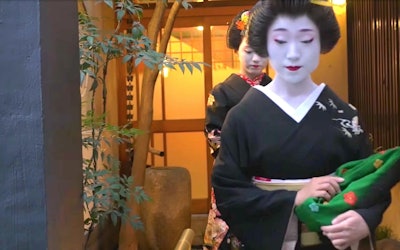
About Hachioji's Promotional Tourism Video The video, titled "Hachioji Promotional Video 'Colorful Life'" (八王子市シティプロモーション動画「Colorful Life」), was uploaded by "HachiojiCityOffice." It captures the various charms of Hachioji. Being a part of the Greater Tokyo metropolitan area, Hachioji features many shopping districts such as "CELEO," a mall that is attached to the station. But being the closest hiking destination from Tokyo is what makes it popular among the city dwellers who day trip up there to get some fresh air. Hosting as many as 23 university campuses, Hachioji is also known as a college town. There are many historical and cultural sites where one can be exposed to Japanese culture and tradition as well. In this article, we'll introduce popular tourist spots in Hachioji alongside the video. The video includes a powerful image of a basketball game that the local team, "Tokyo Hachioji Bee Trains," is playing in. It also showcases the natural scenery that makes Hachioji a popular day-trip destination for local Tokyoites. Take a Hike and View Hachioji From the Summit of Mt. Takao Source :YouTube screenshot Hachioji is a popular natural recreational area in Tokyo. From 0:06, the video captures refreshing images of Hachioji's natural environment such as the "Takatsuki paddy field zone" (the largest agricultural zone in the Tokyo metropolitan area), or the stunning rows of Ginkgo trees. Mt. Takao is the most popular natural attraction in Hachioji. The 2,000 ft. tall mountain debuts at 0:32. Awarded 3 stars by the Michelin Green Guide, it is the most visited mountain in the world, with 2.6 million visitors annually. There's also a chair lift and cable-car that can take you halfway up the mountain, which makes it suitable for casual climbers as well. Climbers can enjoy a beautiful view and magnificent autumn colors, as well as the get an overlook of the city of Tokyo. Source :YouTube screenshot Introduced from 1:09 is "Takaosan Beer Mount," a renowned beer garden where we you can enjoy a stunning night view from up high. It even offers a view of the urban core of Tokyo or Yokohama on clear days. The open air beer garden and breathtaking view are sure to get you in the spirit for some spirits! The temple introduced at 2:03 is Mt. Takao Yakuoin, which is said to be a very spiritual site. The statue found by the cable-car stop is of Saburo Kitajima, a well-known Japanese enka singer who lives in Hachioji. The statue is popular among Instagrammers! Hachioji’s Gastro Culture! Source :YouTube screenshot Don't forget to explore the foodie attractions during your trip to Hachioji. The video introduces some recommended restaurants and local dishes as well. Spotlighted from 0:39 is a bakery "Boule Beurre Boulangerie". The specialties here are the butter-rich croissants or pain au fruit with walnuts. Photo:Hachioji Ramen Hachioji Ramen is a great choice for lunch as well! Its distinguishing features are the simple soy sauce-based soup and the chopped onion topping. There are also many different Hachioji Ramen specialty restaurants around the train station. The most celebrated ramen restaurant is "Goemon" located by the JR Chuo Line Nishihachioji Station, which is introduced at 0:55. The image is sure to make your mouth water. Other hidden gems throughout the city include "Nameko-jiru" (Miso-soup with Nameko mushrooms) of Shiroyama Chaya, a tea-house that sits on the summit of Shiroyama, the Konnyaku of the long standing shop "Nakano-Ya," or the old-fashioned izakaya "Shimura Hall"'s Satsuma-age (deep fried fish paste). "Hachioji Neapolitan," a favorite among the locals, is also a must-try. In 2019, the breakout TV celebrity Roland opened his bubble tea store "The Pearl" in Hachioji. Hachioji also features farmers' markets such as "FIO" (FIO野菜直売所) or "Juke Juke" (ジュークジューク) to provide a direct sale of locally grown organic vegetables. Japanese History and Culture in Hachioji Source :YouTube screenshot There are many cultural or historic sites and events in Hachioji. The Hachioji Festival in August is the city's primary event. The parade floats, gorgeous Mikoshi (portable shrines) carried around the city, and the Lion Dance performance are the highlights of the festival that attract many visitors from the Kanto area. Some other notable cultural or historic sites/events are: Hachioji Kuruma Ningyo (a traditional puppet theater), Hachioji Geisha, Hachioji Firework Festival, Tokyo Fuji Art Museum, Mt. Takao Trick Art Museum, Musashi Imperial Graveyard, Takaosan Yakuoin Yukiji Temple, Hachioji Castle, Takiyama Castle, Nakamachi Kurobei (black wall) district (a remnant of old geisha district), and the Okuda silkscreen factory. The rows of ginkgo trees shown in the video from 0:53 were planted by the Imperial Household Agency in 1929 to commemorate the completion of the Musashi Imperial Graveyard. The annual Ginkgo Festival is held in November along the Koshu Kaido Road where the stunning ginkgo trees are lined up. A Summary on the Introduction of Hachioji Photo:Hachioji, Minamiasa River cherry blossoms The Hachioji promotional video captures the charm of the city that's a hometown to many different Japanese musicians, comedians, and TV personalities. Featuring Mt. Takao that captures the attentions of instagrammers, Hachioji is a great destination for a wide range of travelers. Having turned 100 years old in 2018, Hachioji is a city loved by many people. We definitely recommend giving it a visit! 【Tripadvisor】Hachioji https://www.tripadvisor.com/Tourism-g1060898-Hachioji_Tokyo_Prefecture_Kanto-Vacations.html -
 Video article 44:30
Rishiri Island in Rishiri-gun, Hokkaido is a remote island rich in nature that can be reached directly by ferry from Wakkanai! Enjoy the summer on Rishiri Island by climbing Mt. Rishiri, cycling, and other activities, as well as enjoying fresh sea urchins, a specialty of Rishiri, and other local seafood!
Local PR Travel Nature- 784 plays
- YouTube
■Table of Contents What Kind of Place is Rishiri Island? Recommended Tourist Attractions in Rishirifuji Otatomari Marsh, the Most Popular Tourist Attraction on Rishiri Island Hime Marsh, a Tourist Attraction Famous for Its Reflection of the Upside-Down Rishiri Fuji Shiroi Koibito no Oka, the Package Design for a Famous Hokkaido Confection 3 Popular Cycling Courses on Rishiri Island Rishiri Saikuru Road Rishirifuji Green Line Rishiri Island Blue Line Rishiri Island Fureai Cycling Tour, a Popular Event on Rishiri Island Activities to Try On Rishiri Island Family Campsite Yuni – Enjoy Island Camping Under the Stars Rishirifuji Onsen – Relax and Rejuvenate After a Long Day of Traveling Water Sports on Rishiri Island Rishiri Yu-Yu Running, a Popular Marathon Around the Island Hiking on Mt. Rishiri – A Climbing Guide for Beginners and Advanced Climbers Climbing Season: June to September Mt. Rishiri Hiking Trails Oshidomari Hiking Trail (Beginner - Intermediate Hiking Trail) Kutsugata Hiking Trail (Advanced Hiking Trail) The Best Foods on Rishiri Island The Mouthwatering Sea Urchin of Rishiri Island Rishiri Island, a Treasure Trove of Seafood Delicacies Popular Souvenirs on Rishiri Island How to Get to Rishiri Island How to Get to Rishiri Island by Airplane How to Get to Rishiri Island by Ferry An Unforgettable Travel Experience Awaits You on Rishiri Island! What Kind of Place is Rishiri Island? This video, titled "Rishiri Island, Hokkaido - Cycling PR Video (Long Version) - Summer Edition" (北海道利尻島 サイクリングPR動画 ロングver ~夏編~), was uploaded by "Rishirifuji Town Hall." The video tells the story of one woman, tired from her daily life in the city, who travels to Rishiri Island in Hokkaido in the summer in search of escape. The vast skies and expansive landscape of Rishiri Island are not something that can be conveyed simply by glancing at a travel brochure. The footage shown in the video captures the excitement that one can experience by physically visiting Rishiri Island. Be sure to check out the video for a tour of Rishiri Island by rental bicycle, and experience the culture, gastronomy, and warm interactions with the local people of Rishiri Island. Photo:Mt. Rishiri (Rishiri Fuji), Rishiri Island, Hokkaido Rishiri Island is a small island with a circumference of 60 km, that can be toured via car in just 1.5 hours, and is full of delectable delicacies to indulge in! This article will provide information on tourist attractions on Rishiri Island during the tourist season from early summer to autumn. Enjoy the spectacular views of the upside-down Rishiri Fuji, Shiroi Koibito no Oka, as well as outdoor activities, such as camping, hiking, and cycling, and seafood delicacies made using freshly caught sea urchin from Rishiri Island. We'll also go over how to get to Rishiri Island, so if you're thinking about traveling to Rishiri Island, be sure to stay tuned for all of this useful information! Recommended Tourist Attractions in Rishirifuji Rishiri Island is located in the Sea of Japan in northern Hokkaido and has a population of around 2,200. The name "Rishiri" comes from the Ainu word "Riishiri," which means "Island with tall mountain(s)," a reference to Mt. Rishiri, located directly in the center of the island. Located approximately 52 kilometers west of the city of Wakkanai, the northernmost point of Japan, the island can be reached via ferry in roughly 1 hour and 40 minutes. During the summer months, June through August, when the island is busy as a tourist destination, the average temperature in Rishirifuji stays below 68°F. Because the temperature varies depending on the weather and time of day, it's recommended that you bring something you can easily throw on and take off, as it's cool and comfortable in the summer as well. Rishiri Island consists of two towns, Rishirifuji and Rishiri. This article will introduce selected tourist attractions and things to do in Rishirifuji. Otatomari Marsh, the Most Popular Tourist Attraction on Rishiri Island Photo:Otatomari Marsh, Rishiri Island, Hokkaido Located in the southeastern part of the island, Otatomari Marsh is the largest lake on Rishiri Island. You can see Otatomari Marsh, the most popular tourist attraction on Rishiri Island, starting at 21:54 in the video. Otatomari Marsh is located on the opposite side of the island from the port of Oshidomari, and can be reached via bus in approximately 35 minutes. If you visit Otatomari Marsh, we highly recommend a walk along the promenade. On the well-maintained 1-kilometer long, 30-minute walking trail, visitors can enjoy a spectacular view of Mt. Rishiri and the seasonal vegetation in the area. Moreover, if the weather and other conditions are right, you can even see Rishiri Fuji (Mt. Rishiri) reflected upside down on the surface of the lake. The beautiful blue surface of the lake, surrounded by a forest of Sakhalin spruces, is so beautiful that it's no wonder it's called the best tourist attraction on Rishiri Island. Rishiri Island is known as the area where cherry blossoms bloom the latest in Japan. On the Otatomari Marsh boardwalk, you can enjoy cherry blossom viewing in early June. In the video, you can see Otatomari Marsh in its entirety via aerial footage, and you'll be amazed at the natural beauty stretching as far as the eye can see. Photo:Minamihama Marsh, Rishiri Island, Hokkaido Around Otatomari Marsh is the largest marshland on Rishiri Island, Numaura Marsh, which has been designated as a Natural Monument by the town of Rishirifuji. The marshland is called "Mikazukinuma" (lit. "Crescent Moon Marsh"), and is said to be a phantom swamp because it can only be seen for a couple months during the winter when there is snow on the ground. At the rest house in the parking lot of Otatomari Marsh, visitors can purchase snacks made from freshly caught seafood from Rishiri, such as scallops baked in butter and grilled whelks, as well as souvenirs like Rishiri Kombu, the high-quality dried seaweed of Rishiri. Otatomari Marsh Information 【Address】Numaura Oniwaki, Rishirifuji, Rishiri District, Hokkaido 097-0211 【Telephone】0163-82-2201 (Tourist Information Center in Oshidomari Ferry Terminal) 【Parking】29 cars 【Access】Take the Soya Bus (宗谷バス) bound for Oniwaki (鬼脇) from Oshidomari Port and get off at Otatomari-numa (オタトマリ沼) (approx. 35 mins). Hime Marsh, a Tourist Attraction Famous for Its Reflection of the Upside-Down Rishiri Fuji Another popular tourist attraction on Rishiri Island is Hime Marsh (Himenuma Marsh), where visitors can enjoy a spectacular view of the natural scenery of the town of Rishirifuji. Hime Marsh can be seen from 18:00 in the video. Photo:Hime Marsh, Rishiri Island, Hokkaido Hime Marsh is a unique marsh surrounded by nature, located approximately 2 km (1.2 miles) southeast of Oshidomari Port, the gateway to Rishiri Island. A 100-meter walk along a well-maintained promenade from the nearby parking will take you to Hime Marsh. On the way to the promenade you'll find Memory Bridge (想い出橋) (video 18:17~), a suspension bridge spanning the Omobetsu River, which is surrounded by greenery and has a wonderful atmosphere. The murmur of the river below is therapeutic. The main attraction of Hime Marsh is the reflection of the upside-down Rishiri Fuji (another name for Mt. Rishiri) on the surface of the pond. From early- to mid-morning is the best time to see the upside-down Rishiri Fuji, as the surface is of the pond is still undisturbed by the sun and there are few waves caused by the wind. Hime Marsh is also a popular photo spot on Rishiri Island for capturing fantastic photos. Photo:Rishiri Fuji at Hime Marsh, Rishiri Island, Hokkaido Hime Marsh, with a circumference of approximately 800 meters (~2,600 ft) and a depth of 2 meters (6.5 ft), is said to be the remains of an explosion crater, and it looks as though the ground has been gouged out. The lakeside promenade, designated as Himenuma Park, is home to wild birds and plants that will make the 20-minute walk around it a memorable one. From the Himenuma Observatory, you can enjoy a panoramic view of Cape Peshi and Oshidomari Port, which are sure to be an unforgettable part of your trip! Hime Marsh is an artificial pond made of a small marsh and spring water, which was created about 100 years ago in 1917, and is full of trout that were released into it. Knowing facts and tidbits of information like this will make your trip to Rishiri Island even more enjoyable. There are restrooms in the parking lot and a store in front of Hime Marsh, making it a great place for cyclists to take a break during their trip to Rishiri Island. Hime Marsh Information 【Address】Wannai Oshidomari, Rishirifuji, Rishiri District, Hokkaido 097-0101 【Operation Period】May-October 【Telephone】0163-82-2201 (Tourist Information Center in Oshidomari Ferry Terminal) 【Parking】16 cars 【Access】Take the Soya Bus (宗谷バス) bound for Oniwaki (鬼脇) from Oshidomari Port, get off at Himenuma-guchi (姫沼口) (5 min.), and walk 30-40 minutes. Shiroi Koibito no Oka, the Package Design for a Famous Hokkaido Confection Photo:Shiroi Koibito no Oka, Rishiri Island, Hokkaido Shiroi Koibito no Oka (White Lover's Hill) (video 20:40) is a new tourist attraction in Rishirifuji that was created in 2014. It's a 35-minute bus ride from Oshidomari Port, a 15-minute walk from Otatomari Marsh, and is located on the coast across Route 108 from Otatomari Marsh. The official name of Shiroi Koibito no Oka is "Numaura Observatory." From the hill, you can see Mt. Rishiri over Otatomari Marsh, the Numaura Coast on the ocean side, and mainland of Hokkaido beyond the magnificent Sea of Japan, providing a spectacular panoramic view of the island. It's a must-see view when visiting Rishiri Island. Shiroi Koibito no Oka (White Lover's Hill) is depicted on the package of "Shiroi Koibito," a delicious cookie and popular souvenir from Hokkaido. The picture on the package of the cookies is a depiction of a snow-covered Mt. Rishiri seen from this area. Shiroi Koibito is a western-style confectionery made of chocolate sandwiched between crispy cookies and sold by Ishiya, a confectionery manufacturer in Sapporo, Hokkaido, and is one of the most popular souvenirs in Hokkaido, selling approximately 200 million pieces annually since 1976. If you propose on Shiroi Koibito no Oka and bring a photo taken there to the Rishirifuji Tourism Association office at Oshidomari Ferry Terminal, you'll receive a proposal certificate officially approved by Ishiya, the manufacturer of Shiroi Koibito. It will be a treasured memory of your travels in Hokkaido and a lifetime memory for you and your partner. Shiroi Koibito no Oka Information 【Address】Rishirifuji, Rishiri District, Hokkaido 097-0211 【Operation Period】May-October 【Telephone】0163-82-1114 (Rishirifuji Industry, Commerce, and Tourism Promotion Division) 【Parking】10 cars 【Access】Take the Soya Bus (宗谷バス) bound for Oniwaki (鬼脇) from Oshidomari Port, get off at Otatomari-numa (オタトマリ沼) (approx. 35 mins). 3 Popular Cycling Courses on Rishiri Island The video shows a woman on a trip to Rishiri Island who tours the island while cycling from one attraction to the next. Rishiri Island is known as one of the best cycling spots in Japan. Cycling on Rishiri Island through the beautiful natural scenery of Hokkaido while feeling the pleasant breeze of northern Japan is an experience that will make you oblivious to the passing of time and help wash away your fatigue. Cyclists gather from all over Japan to enjoy the spectacular natural scenery of Hokkaido. Photo:Image of cycling, Rishiri Island, Hokkaido The following is a list of recommended cycling courses on Rishiri Island: ・Rishiri Saikuru Road (利尻・彩くるロード) ・Rishiri Fuji Green Line (利尻富士グリーンライン) ・Rishiri Island Blue Line (利尻島絶景ブルーライン) Here are the characteristics of each course. Rishiri Saikuru Road The course is enjoyable for beginners as there are relatively few major ups and downs, but it is suitable for those who are confident in their physical strength as it circles the island's approximately 60-kilometer (~37.3 miles) circumference. A 24.9 km (15.5 miles) bicycle path is provided along the course, and you can rent a bicycle in Oshidomari to start your cycling tour. If you ride clockwise, you can ride along the west coast in the evening, and you may be able to see a beautiful sunset. The course will take about 7 hours if you ride at a speed of 8 km/h (5 mph) while slowly taking in the natural scenery, so it's recommended that you leave around 9:00 a.m. to return before the sun sets. During your cycling tour, you can visit the following tourist attractions on Rishiri Island. Photo:A beautiful sunset, Rishiri Island, Hokkaido Rishiri Saikuru Road Course Oshidomari Ferry Terminal → Rishirifuji Onsen → Wannai Ohashi Bridge (湾内大橋) → Hime Marsh → Oniwaki → Shiroi Koibito no Oka → Otatomari Marsh → Minamihama Marsh → Senhoshimisaki Park → Reiho Yusui (麗峰湧水) → Itsukushima Benten Shrine of the North (北のいつくしま弁天宮) → Neguma no Iwa/Jinmen Iwa (寝熊の岩・人面岩) → Kamui Kaigan Park → Rishiri Athletic Park (利尻町運動公園) → Rishiri Forest Park (利尻町森林公園) → Fujino Park (富士野園地) (video 7:13) → Yuhigaoka Observatory → Rishirifuji Onsen and Footbath (利尻富士温泉・足湯) → Oshidomari Ferry Terminal Photo:Rishiri Saikuru Road cycling map Rishirifuji Green Line A short course for families to enjoy the streets of Rishirifuji with a total distance of 6.5 km (4 miles) and taking approximately 1 to 2 hours to complete. You can stop at popular tourist spots in Rishirifuji in the northern part of Rishiri Island, such as the Yuhigaoka Observatory where you can see a beautiful sunset over the Sea of Japan and Rebun Island, Umi no Eki Oshidomari (video 4:45), and the Cape Peshi Observatory (Lighthouse of Love). Rishirifuji Green Line Course Oshidomari Ferry Terminal → Rishirifuji Onsen → Fujino Park (video 7:13~) → Izumi no Fukuroma → Oshidomari Ferry Terminal Photo:Rishiri Fuji Green Line cycling map Rishiri Island Blue Line A casual, easygoing cycling course that takes around 2 to 3 hours to complete and covers a total distance of 18 km (~11.2 miles), taking cyclists around popular tourist attractions in the town of Rishirifuji in the northern part of Rishiri Island. A bicycle path is maintained for bicycles only, so you can enjoy a safe cycling tour. Depending on the season, you can see people fishing from the shoreline, as well as kelp laid out in rows to dry with Rishiri Fuji in the backdrop, a view that is unique to this port town. From Wanai Ohashi Bridge (湾内大橋), you can enjoy a spectacular panoramic view of the blue sea and Mt. Rishiri. Photo:Cape Peshi, cycling course Photo:Kelp being laid out to dry Rishiri Island Blue Line Course Oshidomari Ferry Terminal → Nozuka Observatory → Hime Marsh → Wanai Ohashi Bridge → Rishirifuji Onsen → Oshidomari Ferry Terminal Photo:Rishiri Island Blue Line Course cycling map Rishiri Island Fureai Cycling Tour, a Popular Event on Rishiri Island In late August, the Rishiri Island Fureai Cycling Tour (利尻島一周ふれあいサイクリング) is held. Rishiri Island residents and cycling enthusiasts from all over Japan participate in this event because they can enjoy the beautiful views of Rishiri Island and experience the nature of the island firsthand. This is an event where you can ride a bicycle around the island with many other participants while experiencing the island's charms to the fullest. Photo:Rishiri Island Fureai Cycling Tour Before you start cycling, be sure to pick up a cycling map. The map is a detailed guide to the entire cycling course on Rishiri Island, so it will not only help you choose the right course, but also ensure that you don't get lost along the way. Please rest assured that you can have an enjoyable cycling tour, as there are bike stands, tools, and air tanks available at various locations on Rishiri Island. If you're looking to enjoy a casual cycling experience on Rishiri Island, we recommend using the rental bicycles. Some inns rent bicycles exclusively to guests, so be sure to check with them in advance if you wish to use one. Electric bicycles are also available for rent, so those lacking confidence in their physical strength or those who have never cycled for long periods of time need not worry. Prices for rental bicycles range from approximately 1,500 yen to 3,000 yen ($10 to $20 USD) per day. When cycling on Rishiri Island, please keep in mind that the course around Rishiri Island is quite long, taking about 7 hours to complete, so it's important to pay attention to your physical condition as well as your equipment. Also, as the island coexists with nature, be sure to act in a manner that respects the natural environment. Activities to Try On Rishiri Island When visiting Hokkaido, there's plenty of things to do that allow you to enjoy the natural wonders of the island. Family Campsite Yuni – Enjoy Island Camping Under the Stars Photo:A starry sky on Rishiri Island This remote location, far from the city, offers an unparalleled view of the starry night sky as far as the eye can see. It's a bucket list experience in Hokkaido, where you can fall asleep with a smile on your face. Because there is little light pollution on Rishiri Island, you can enjoy an extraordinary time seeing the Milky Way and watching shooting stars. There are five campgrounds on Rishiri Island, and this article will introduce Family Campsite Yuni (ファミリーキャンプ場ゆ~に), located in the town of Rishirifuji. Located in Rishirifuji Amenity Park (利尻富士町アメニティパーク), a 5-minute drive from Oshidomari Port, Family Campsite Yuni is across the street from Rishirifuji Onsen (Rishirifuji Spa), the northernmost natural hot spring in Japan. This campground is popular among campers who seek the to enjoy an open-air hot spring while camping. At Family Campsite Yuni, there are bungalows and cottages available, and there are plenty of rental items, including tents and sleeping bags. You can also purchase supplies such as charcoal and barbecue equipment, so you and your friends or family can visit empty handed. From the campground, you can see the summit of Mt. Rishiri, making it a popular place to stay before or after hiking the mountain. The campground is relatively new and clean, and reservations are not required for tent sites, making it a convenient place to enjoy the outdoors. Photo:Family Campsite Yuni, Rishiri Island, Hokkaido Family Campsite Yuni Information 【Address】Sakaemachi Oshidomari, Rishirifuji, Rishiri District, Hokkaido 097-0101 【Operation Period】May 1 - October 31 【Parking】29 cars 【Admission Fee】Adults: 520 yen, Elementary school students and younger: 310 yen ※As of June, 2023. Rishirifuji Onsen – Relax and Rejuvenate After a Long Day of Traveling Photo:Outdoor baths at Rishirifuji Onsen, Rishiri Island, Hokkaido Rishirifuji Onsen, located across the street from Family Campsite Yuni, is a famous hot spring on Rishiri Island that attracts some 60,000 visitors a year. If you're going to the nearby Family Campsite Yuni, we highly recommend checking it out, as it's a fun experience on Rishiri Island. The open-air bath with a view of Mt. Rishiri and the ocean is a special treat for tired bodies. The sunset over the Sea of Japan and the starry night sky make the open-air bath the ultimate experience. After enjoying the open-air baths, you can sample the famous "Kanro Sensui," a famous spring water from Rishirifuji. Relaxing in open-air baths while enjoying a view of Mt. Rishiri will help wash away the fatigue from your trip. Rishirifuji Onsen Information 【Address】Sakaemachi-227-7 Oshidomari, Rishirifuji, Rishiri District, Hokkaido 097-0101 【Telephone】0163-82-2388 【Hours】Noon - 9:00 pm Water Sports on Rishiri Island For those looking for even more things to do on Rishiri Island, we recommend trying out marine activities, such as sea kayaking tours and SUP (Stand up paddleboarding) (video 13:20~). Photo:Sea kayaking, Rishiri Island, Hokkaido Surrounded by the sea, Rishiri Island features many surfing spots that can be enjoyed by beginners and advanced surfers alike, making it a popular surfing spot in Japan. Photo:Surfing, Rishiri Island, Hokkaido Rishiri Yu-Yu Running, a Popular Marathon Around the Island Rishiri Yu-Yu Running is a 53.67-km (33.3 mile) round-the-island marathon that can be completed in less than 10 hours. It's a popular event with a course that allows participants to enjoy views of the sea and Mt. Rishiri during their run. Around June, when the event is held, the average temperature is a comfortable 13°C to 15°C (55°F to 59°F), making it a pleasant race. After working up a sweat while enjoying nature, you'll receive a hot spring ticket useable at Rishirifuji Onsen, and transportation will be provided so that you can relax in the hot springs after the marathon. Photo:Rishiri Yu-Yu Running marathon, Rishiri Island, Hokkaido Hiking on Mt. Rishiri – A Climbing Guide for Beginners and Advanced Climbers Photo:Rishiri Fuji (Mt. Rishiri), Rishiri Island, Hokkaido Mt. Rishiri, the northernmost of Japan's "100 Famous Japanese Mountains," stands at 1,721 meters (5,646 feet) above sea level in the center of Rishiri Island. Although its official name is Mt. Rishiri, it's often called Rishiri Fuji (not to be confused with the town Rishirifuji) for its beautifully conical silhouette reminiscent of Mt. Fuji. It's also known for its abundance of alpine flora, many of which are unique to this area. The Oshidomari Hiking Trail is a well-maintained trail, so beginners can hike up the mountain with relative ease. That being said, it's a 5-to-6-hour ascent and a 3-to-4-hour descent, making it an all-day affair, so it's recommended that those who are not confident in their stamina do not attempt the hike. The greatest attraction of this day-long climb up Mt. Rishiri is the view from the summit. Rishiri Island itself is a mountain, and the summit offers an amazing panoramic view of the island. The view can only be seen by those who reach the summit of Mt. Rishiri, but it's well worth the climb. Climbing Season: June to September Photo:Remaining snow on Rishiri Fuji (Mt. Rishiri) ・Early June The average temperature at the summit in early June is 6.4°C (43.5°F), and crampons may be required at the summit due to lingering snow ・Early July The average temperature at the summit in early July is 9°C to 12°C (48.2°F to 53.6°F); and crowds and congestion often occur during the peak of climbing tour season. ・Late August - Early September In late August and early September, the minimum temperature can drop below freezing, so be sure to bring cold weather gear. During the climbing season, it's warm with alpine plants in full bloom, and the carpet of flowers that spreads across the mountain has earned led to it being recognized as one of the best places to see mountain flowers in Japan. Mt. Rishiri Hiking Trails Mt. Rishiri is a popular climbing spot visited by about 10,000 climbers annually, and there are two hiking trails located on the mountain: the Oshidomari Hiking Trail and the Kutsugata Hiking Trail. It's recommended that you start with the Oshidomari Hiking Trail, which is appropriate for beginners and intermediate hikers. There was a third trail, the former Oniwaki Hiking Trail, but it has been closed due to hazards. Oshidomari Hiking Trail (Beginner - Intermediate Hiking Trail) The trailhead is about 60 minutes on foot from Oshidomari Port at Rishiri Hokuroku Campsite (利尻北麓野営場) where there is also a hiking trail for Mt. Pon (ポン山, Pon Yama). Since there are no buses running early in the morning, care must be taken when going to the trailhead. It's best to find a guest house that can provide transportation to the trailhead. At the 3rd station, you'll find Kanro Sensui (甘露泉水) (video 9:59), the only source of water on Mt. Rishiri, which has been selected as one of Japan's 100 Remarkable Waters. The water from Kanro Sensui, which is subsoil water from Mt. Rishiri, is characterized by its mild sweetness. It's an oasis for climbers of Mt. Rishiri to quench their thirst. From the 5th station, the trail continues gently uphill through the trees, but from the 6th station, the incline gradually increases. From the 9th station, the trail converges with the Kutsugata Hiking Trail, and the footholds on the way to the summit become worse, so ropes are placed at dangerous spots. Kutsugata Hiking Trail (Advanced Hiking Trail) The Kutsugata Hiking Trail is shorter than the Oshidomari Hiking Trail, but is more difficult due to its steeper incline and is therefore recommended for advanced climbers. The trailhead is located at the Mikaeridai Park, approximately 500 meters (1,640 ft) above sea level, and the trailhead is the 5th station. After the 8th station, the incline increases toward Mt. Sancho (三眺山), and the difficulty persists beyond this point. From the 9th station, the trail converges with the Oshidomari Hiking Trail. By having a veteran guide or a guide with expertise accompanying you, you can enjoy hiking with peace of mind while receiving advice on climbing etiquette and route selection, as well as an explanation of the alpine flora. Photo:Hikers on Rishiri Fuji (Mt. Rishiri) Because the weather on Mt. Rishiri can change abruptly, windproof and waterproof jackets, warm innerwear, and a hat/helmet to protect your head are a must. In addition, non-slip hiking shoes are recommended for a safe ascent. The huts on Mt. Rishiri were built as refuge huts and are not lodging facilities, so they cannot be used for overnight stays and can only be used for napping or in the case of an emergency. As the number of climbers increases year after year, the alpine flora has been damaged by ill-mannered climbers who walk outside of the designated trails, trampling the alpine flora and reducing the size of the colonies. Trails near the summit are so bare that they crumble at the touch of a finger. Because of this, rules have been established on Mt. Rishiri to ensure that each and every climber behaves in a manner that is respectful of the natural environment. Mt. Rishiri Climbing Rules 1. Use portable toilets 2. Use rubber tips on hiking poles (to prevent damage to vegetation) 3. Do not sit or step on the vegetation Please follow these rules and enjoy a safe and enjoyable climb up Mt. Rishiri. The Best Foods on Rishiri Island The Mouthwatering Sea Urchin of Rishiri Island Photo:Rishiri Island sea urchin, Hokkaido Rishiri Island is known not only for its tourist attractions and spectacular natural scenery, but also for its mouthwatering seafood. The smooth texture and unique flavor of the locally caught sea urchin is to die for! It's a treat for any foody traveling to Japan! Sea urchin caught locally in Rishirifuji is one of the most highly regarded gastronomic delicacies in all of Japan thanks to the depth of its flavor. Its sweet and rich flavor are truly unforgettable. After you've tried it, you'll be craving a second helping. What makes the sea urchin of Rishiri Island so exquisite you ask? The reason for this is that the waters around Rishiri Island are rich in nutrients caused by the collision of warm and cold currents. In addition, the sea urchins grow on high-grade Rishiri Kombu kelp, which is rich in nutrients from the undersea spring water flowing from Mt. Rishiri. Approximately 40% of all domestic sea urchins in Japan are caught in Hokkaido. Rishiri Island is home to two species of sea urchin, called "nona" and "ganze," and sea urchin fishing is regulated to maintain the population. Photo:Left: ganze sea urchin, Right: nona sea urchin The opening of the season for the sea urchins differs, with the opening of the season for ganze sea urchins being June 1 and the opening of the season for nona sea urchins being on June 10. Both are in season until the end of August and have a mellow flavor. Nona sea urchins have short spines on the outside and are dark orange inside. They are much rarer and more valuable than ganze sea urchins because of their rich and delicious flavor and sweetness. On the other hand, the ganze sea urchin has long, purplish spines, is larger than the nona sea urchin, and is characterized by its elegant sweetness. Photo:Ganze and nona sea urchin bowl In Rishirifuji, you can enjoy sea urchin bowls with either one of the two types of sea urchin, or a combined seafood bowl where you can compare their flavor. Sea urchin is made with the food additive "alum" (ミョウバン, "myouban" in Japanese) to keep it clean longer, but it causes bitterness and spoils the original taste of the sea urchin. Therefore, please try to find sea urchin that does not contain alum. From 26:51 in the video, you can see the woman traveling to Rishiri Island eating two kinds of fresh sea urchin. Photo:Rishirifuji Sea Urchin Festival, Rishiri Island, Hokkaido Rishirifuji also hosts an annual event in which the sea urchin plays a leading role. The Rishirifuji Sea Urchin Festival (うにうにフェスティバル) is held every year on August 11 at the Rishirifuji Community Center parking lot. Photo:Grilled nona sea urchin, Rishiri Island, Hokkaido At the food and beverage corner, you can find grilled sea urchin, sea urchin bowls, sea urchin soup, and fresh scallops and octopus caught in Rishiri. The Sea Urchin Cracking Contest (ウニむき大会) for elementary school students and the Sea Urchin Speed-eating Contest (ウニの早食い大会) are just a few of the local events that make for a day full of sea urchin fun. Kamui Kaigan Park also organizes a sea urchin fishing experience (video 24:30). You can crack open the sea urchin you've caught yourself and enjoy them as fresh as they come! For those residing in Japan, Rishiri Island's sea urchin is also a Furusato Nozei (Hometown Tax) tax return gift, so you can enjoy fresh sea urchin from Rishiri Island anywhere in Japan by utilizing this system. Rishiri Island, a Treasure Trove of Seafood Delicacies In addition to sea urchin, Rishiri Island also offers a variety of must-try seafood delicacies that you don't want to miss! If you're a seafood lover, be sure to try scallops, mackerel, Hokkai Shrimp, Rishiri Kombu kelp, and more. Photo:Butter baked scallops From 37:37 in the video, you can see some of the delicious seafood dishes at an izakaya. Popular Souvenirs on Rishiri Island If you're looking to commemorate your trip to Rishiri Island, there are a number of souvenirs you can purchase to do so. You can find various souvenirs made from Rishiri Kombu, a famous, dried kelp made locally on Rishiri Island. Here, we'll introduce some popular souvenirs made using Rishiri Kombu. Rishiri Kombu Soy Sauce This soy sauce is made using the famous Rishiri Kombu. It has a deep flavor and brings out the best in the ingredients it's paired with. Rishiri Kombu Ramen This popular ramen, which has even been featured on tv, has noodles kneaded with Rishiri Kombu and an exquisite, flavorful broth. In addition, there are many other souvenirs, such as cup soup, kombu sake, and authentic shochu (a distilled Japanese liquor) with which you can enjoy the delicious flavors of Rishiri. Souvenirs can be purchased at the stores in the ferry terminal of Oshidomari Port. Be sure to keep an eye out for them! Photo:Various souvenirs using Rishiri Kombu, Rishiri Island, Hokkaido How to Get to Rishiri Island Rishiri Island can be accessed by air or ferry. Here is how you can get to Rishiri Island. How to Get to Rishiri Island by Airplane There are two routes to Rishiri Island by plane. Both flights are once-a-day, round trip flights and are approximately 50 minutes long. ◎ New Chitose Airport → Rishiri Airport: Approximately 50 min. ◎ Sapporo Okadama Airport → Rishiri Airport: Approximately 50 min. Please note that flights from New Chitose Airport are only available during the summer season (June to September). Photo:Rishiri Airport, Rishiri Island, Hokkaido How to Get to Rishiri Island by Ferry To get to Rishiri Island via ferry, it's a 1 hour and 40-to-50-minute ride from Wakkanai (Wakkanai Ferry Terminal) to Oshidomari Ferry Terminal on Rishiri Island. Fares vary by seat when using the ferry. [2nd Class Cabin] 2,770 yen - Carpeted open space [1st Class Island View Seat] 5,400 yen - All windows have a view of the ocean and you can enjoy views of both Mt. Rishiri and Rebun Island. [Special Rooms] 20,000 yen - Small private rooms for families and groups. In addition, there are kids' rooms and a baby room collaborating with Pokémon, the first of its kind in the ferry industry, equipped with diaper changing sheets, so that passengers with small children can enjoy the cruise with peace of mind. ※Fees current as of June 2023. Since this is a ferry, cars, motorcycles, bicycles, etc. can be transported as well, so you can visit Rishiri Island and travel around as you please. Please check the Heart Land Ferry official website for information regarding fares, rates, timetables, etc. Inside Oshidomari Ferry Terminal, there is a tourist information center, souvenir shops, and restaurants open for lunch where you can enjoy the flavors of Rishiri Island, including fresh sea urchin bowls and Rishiri ramen, so be sure to drop in and grab a bite to eat here. Photo:Wakkanai Ferry Terminal - Oshidomari Ferry Terminal, Heartland Ferry An Unforgettable Travel Experience Awaits You on Rishiri Island! When traveling to Rishiri Island, a place full of attractions, we recommend a course that will take you around the entire island. In addition to renting a bicycle, you can also rent mopeds and cars, or utilize buses and taxis. Rishirifuji also offers a variety of lodging facilities, including hotels, minshuku (Japanese-style bed and breakfasts), and campgrounds, so you can choose the one that best fits your travel style and budget. Don't forget to utilize the hot springs to relax after a long day of traveling as well! A trip to Rishiri Island guarantees an unforgettable adventure with delicious seafood and beautiful natural scenery. At the end of the video at 43:19, we can see the words of the woman, and the captions read: I'll come visit you again... My favorite place... Rishiri Island A trip to Rishiri Island will no doubt leave you feeling the same. The spectacular natural scenery, fresh seafood, and the hospitality of the local people make each and every encounter on Rishiri Island a deep and irreplaceable experience. We invite you to leave behind the hustle and bustle of the city and travel to northern Japan for a chance to experience the wealth that is Rishiri Island. Photo:A ferry send off at Oshidomari Ferry Terminal We hope you enjoyed this Rishiri Island Travel guide! Be sure to use it for your trip to Rishiri Island! .caption-heading-2 { font-weight: bold; font-size: 1.7rem; margin-bottom: 15px; max-width: 800px; margin-left: auto; margin-right: auto; margin-top: 60px; } .mod-article-caption .caption-text { margin-bottom: 40px; } .caption-information-table { background-color: #efefef; margin-top: -20px; margin-bottom: 50px; padding: 20px; border-radius: 8px; width: 90%; margin-left: auto; margin-right: auto; } @media screen and (max-width: 1024px) { .caption-information-table { width: 95%; padding: 30px 15px 30px 15px; } } .caption-heading-table .caption-text li { line-height: 2.5rem; margin-top: 1.3rem; } .mod-article-caption .caption-heading { position: relative; border-left: 5px solid #ff1300; padding-left: 10px; margin-top: 60px; } .mod-article-caption .caption-text { margin-bottom: 50px; } .mod-article-caption .caption-heading-table { width: 95%; padding: 30px 15px 1px 15px; margin-left: auto; margin-right: auto; } .caption-heading-table ul{ counter-reset: listnum; /* カウンターをリセット */ list-style: none; /* 標準のスタイルは消す */ } .caption-heading-table ul.list-style-number-jp>li{ margin-left: 1.1em; text-indent: -1.1em; font-weight: bold; } .caption-heading-table ul.list-style-number-jp>li::before{ counter-increment: listnum; /* counter-resetと同じ文字列 */ content: counter(listnum); /* カウントした数に応じて番号を表示 */ content: counter(listnum) ". "; } /*.list-style-dot { list-style: "↓"; }*/ .list-style-dot>li::before{ content:"↓ "; } .list-style-dot>li { padding-left: 1.8rem; margin-left: 1.1em; text-indent: -1.1em; line-height: 2rem !important; margin-top: 1rem !important; } -
Video article 1:28
Sasaguri Kyudai Forest – Like Something You'd See in a Ghibli Movie! Discover One of the Most Scenic Spots in Fukuoka Prefecture, Plus Access Information and More!
Nature Travel- 483 plays
- YouTube
The Bald Cypresses of Sasaguri Kyudai Forest: Video Introduction This video, titled "Giant Conical Trees in a Pond "Bald Cypresses" in Sasaguri, Fukuoka" (view 池に浮かぶ円錐の巨木 福岡県篠栗町の「ラクウショウ」), was uploaded by "SankeiNews." Sasaguri Kyudai Forest is located at the western edge of the Kyushu University Forest in Sasaguri, Fukuoka, in Japan's Kyushu Region. Approximately 50 species of evergreen broad-leaved trees and 40 species of deciduous broad-leaved trees grow in this lush 42-acre forest. The mysterious beauty of the bald cypresses floating on the surface of the water in Sasaguri Kyudai Forest has become a hot topic in Japan, attracting a constant stream of visitors from all across the country. Please take a look at the video below to see the mystical view of Sasaguri Kyudai Forest created by the bald cypresses. [Video] 0:37 - Sasaguri Kyudai Forest An Introduction to Kyushu University Kyushu University, often abbreviated to "Kyudai," is a Japanese university in Fukuoka Prefecture. It is one of the top universities in Japan according to various sources, including the Times Higher Education Japan University Rankings, where it currently ranks 6th. While most courses at Kyushu University are taught in Japanese and will require a JLPT N1 certificate to qualify for, the university also teaches a number of courses in English, and accepts students with an IELTS score of 6.0 or greater. In order to study abroad at Kyushu University, you must be enrolled as a degree student at one of Kyushu University's partner institutions, and be nominated by your home university as a candidate. Kyushu University's graduate school programs have differing requirements in each department, but enrolling in graduate school at Kyushu University requires students pass an entrance exam that is regarded as one of the most difficult in Japan. What is Sasaguri Kyudai Forest? Photo:Sasaguri Kyudai Forest, Sasaguri, Fukuoka Sasaguri Kyudai Forest is located at the western edge of Kyushu University Forest in Sasaguri, Fukuoka, and is jointly managed and operated by Kyushu University and the town of Sasaguri. There is also a walking trail and the area has been open to the public since 2010. The vast 42-acre Sasaguri Kyudai Forest is home to about 50 species of evergreen broad-leaved trees, including itajii and Japanese blue oaks, and around 40 species of deciduous broad-leaved trees, including jolcham oaks and Japanese wax trees. The most eye-catching of all are the giant bald cypress trees. More than a dozen conical trunks can be seen standing in a corner of Kamata Pond. The bald cypress is characterized by its aerial roots. The aerial roots protruding from the ground supply oxygen to the submerged roots. In Japanese, the bald cypress is called "Rakusho" (ラクウショウ), but another name for the tree, which is native to North America, is "numasugi" meaning "swamp cedar." As this name suggests, it prefers places such as swamps and wetlands. The bald cypresses at Sasaguri Kyudai Forest were planted from seedlings in 1977 by Kyushu University to study the tree. The trees are currently around 20 meters tall, but can grow as tall as 40 meters in their natural habitat. The tree's appearance also changes with the seasons, with bright green leaves in the summer and autumn colors in the fall. There's a 2km-long promenade around Kamata Pond in the center of Sasaguri Kyudai Forest, which has been certified as a "forest therapy base" by the Forestry Agency of Japan for its pleasant atmosphere which is great for forest bathing. The Habitat and Characteristics of the Bald Cypress, and How It Differs From the Dawn Redwood Photo:Dawn redwoods The bald cypress is a deciduous coniferous tree of the cypress family (Cupressaceae) native to North America. The name bald cypress comes from their historical tendency to be among the first trees in the American South to lose their leaves in the fall. The bald cypress is characterized by its ability to grow in swampy areas, as evidenced by its other name, "numasugi" (ヌマスギ, lit "swamp cedar"). Another characteristic of the bald cypress, which grows very fast, is that when it becomes an old tree, it grows aerial roots that serve to supply oxygen to its submerged roots. The bald cypress is easily mistaken for the dawn redwood, which has a similar leaf shape, but the difference is obvious when looking at the way the leaves are attached. The bald cypress' leaves are attached to the branches in opposite directions, while the dawn redwood's leaves are attached to the same part of the branch in pairs. [Video] 0:42 - The Roots of the Bald Cypress The Waterfront Forest at Sasaguri Kyudai Forest + the Best Times to See the Bald Cypresses Photo:Bald cypresses at Sasaguri Kyudai Forest, Sasaguri, Fukuoka The 2km-long promenade around Kamata Pond at Sasaguri Kyudai Forest is dotted with attractions, including five plazas. Among them, the Waterfront Forest offers a mysterious view that makes you feel as if you have wandered into the world of Ghibli, and has become a popular spot on Japanese Instagram. This spectacular view can be seen when the water level of Kamata Pond is high. The best time to see the water level rise is from early spring to around the end of Japan's rainy season (June-mid-July). In contrast, the water level is low from summer to fall, but during this period, you can see the aerial roots of the bald cypresses. The best time to see the autumn leaves is mid-November, when the falling leaves decorate the area around the trees in place of the water. Sasaguri Kyudai Forest – Directions and Nearest Station Here is how to get to Sasaguri Kyudai Forest. If you go by train, the nearest station is Kadomatsu Station. Take the JR Fukuhoku Yutaka Line rapid train bound for Nogata at Hakata Station (platform 8), get off at Kadomatsu Station, and take a taxi to the Sasaguri Kyudai Forest south exit parking lot (篠栗九大の森南口駐車場, Sasaguri Kyudai no Mori Minami-guchi Chushajo), which takes about 10 minutes. The train ride from Hakata Station takes about 17 minutes, or 4 stops if you take the rapid train. The fare is 280 yen. If you take a bus, the nearest station is Kasuya Police Station. Take a highway bus bound for "Iizuka/Tagawa" from Tenjin Expressway BT bus stop #1 and get off at "Kasuya Keisatsu Sho-mae" (粕谷警察署前). Go straight for about 300m east on the sidewalk with the bus stop, turn left and keep going straight until you see the information board for "Sasaguri Kyudai Forest", follow the sign and you will arrive at Sasaguri Kyudai Forest in about 15 minutes on foot from "Kasuya Keisatsu Sho-mae". The bus ride from Tenjin to "Kasuya Keisatsu Sho-mae" takes about 35 minutes and costs 510 yen. If you're going by car, the shortest route to the waterfront forest is via the "North Exit Parking Lot." Directions are as follows: Exit the expressway at the "Fukuoka IC" and go straight for about 2 km in the direction of Iizuka (飯塚). Then turn left at the "Wadabashi Signal," go about 50m, turn left again, go straight for about 300m, then turn right and go uphill. Continue straight and you will arrive at the South Exit Parking Lot of Sasaguri Kyudai Forest. Go straight for about 200m from the South Exit Parking Lot, then turn right and walk about 300m through the forest to reach the North Exit Parking Lot. Although you can get there by car, we recommend using public transportation to avoid traffic congestion caused by the increase in the number of tourists to Sasaguri Kyudai Forest. Summary of the Bald Cypresess of Sasaguri Kyudai Forest Sasaguri Kyudai Forest is a photogenic spot that is rapidly gaining popularity. However, it's become so popular that many tourists visit the forest. As a result, the forest is experiencing problems, such as traffic congestion, and destruction of the forest due to violations of etiquette, such as barbecuing, littering, and taking photos in restricted areas. They've even considered closing the area to allow the forest to recover.... To prevent this from happening, please follow the rules and manners, and enjoy the cypresses of Sasaguri Kyudai Forest, one of the best healing spaces in Fukuoka. [TripAdvisor] Sasaguri Kyudai Forest -
Video article 6:50
The famous Nanao Castle, located in Nanao City, Ishikawa Prefecture, was renowned as an "impregnable and impregnable amphitheater! The secret of Nanao Castle, where the famous warlord "Uesugi Kenshin" was forced to fight an uphill battle, is revealed!
Art & Architecture History Travel Traditional Culture- 118 plays
- YouTube
Nanao Castle" in Nanao City, Ishikawa Prefecture, one of the 100 best castles in Japan, video introduction This video, titled "Nanao Castle in ISHIKAWA, JAPAN / #34 of the Top 100 Castles of Japan|4K" (【石川/日本100名城】七尾城/難攻不落の天宮 4K - Nanao castle in ISHIKAWA, JAPAN / The Top 100 Castles in Japan No.34 -), was uploaded by "channel WASABI." Introduces the ruins of Nanao Castle, a mountain castle in Nanao, Ishikawa, in Japan's Koshinetsu region, in beautiful 4K quality! Nanao Castle, one of the Top 100 Castles of Japan and a Nationally Designated Historic Site, is located at an elevation of 300m, overlooking Nanao Bay and the Noto Peninsula from the honmaru (inner citadel). Nanao Castle was considered an impregnable fortress during its prime, and you can still see the stone walls where the major parts of the castle were previously located. In this article, we'll introduce tourist information and travel tips for anyone planning to visit Nanao Castle. The video introduces the breathtaking scenery of Nanao Castle, a vast area located on a mountain ridge in the forests of Japan. For those who have studied or are interested in Japanese history, it paints a good picture of what the Sengoku Period (Japan's warring states period; around 1467 - 1615 AD) was like. Exploring the History of Nanao Castle Photo:Nanao Castle inner bailey ruins, Nanao, Ishikawa Nanao Castle is a mountain castle with a "kuruwa" (castle wall) on each of the seven ridges: Matsuo, Takeo, Umeo, Kikuo, Kameo, Torao, Tatsuo. There are still references that show it was also referred to as "Matsuo Castle," written both "松尾城" and "末尾城" (same pronunciation different kanji/spelling). Nanao Castle was built in the first half of the 16th century as the residence of the Hatakeyama Clan, a Japanese samurai clan who governed the province of Noto. It is a fortified castle that is said to be one of the Five Great Mountain Castles of Japan, and it fell after a roughly year-long battle with Uesugi Kenshin's forces. After that, Oda Nobunaga appointed Maeda Toshiie as Lord of Noto giving him the castle, however, after Toshiie moved to Kanazawa Castle, Nanao Castle was abandoned. Nanao Castle - Highlights and Tourist Information Photo:The view from Nanao Castle, Nanao, Ishikawa Nanao Castle is a large mountain castle. Highlights of Nanao Castle include the many stone walls that remain in nearly the same condition they were in hundreds of years ago, as well as the scenery of Nanao Bay and the Noto Peninsula which can be seen from the top of the mountain. The climbing route to reach Nanao Castle is covered with wood chips, but we recommended wearing shoes that are easy to walk in. If you want to climb from the foot of the mountain, you can use the Nanao Castle Trailhead Parking Lot (七尾城登山口駐車場), or you can park your car in the parking lot of the Nanao Castle History Museum and purchase a Nanao Castle Seal Stamp or a memorial stamp of the Top 100 Castles of Japan before starting your hike. At the Nanao Castle History Museum, visitors can explore exhibits such as excavated items related to Nanao Castle and reconstructions of Nanao Castle via computer generated architecture. In addition, the Nationally Registered Cultural Property "Kaikokan" (the former Iida family residence), which is adjacent to the museum, is another tourist attraction worth checking out. The time required to climb the mountain is about ~40 minutes from the parking lot of the Nanao Castle History Museum, following the formerly used road to the honmaru (inner citadel) ruins. There is also a 150-minute course for those looking to really explore and conquer the vast grounds of Nanao Castle. Photo:Nanao Station If you visit Nanao Castle via public transportation, you can reach the Nanao Castle History Museum from "Nanao Station" on the JR Nanao Line by taking the city circuit bus "Marin-go" (まりん号) and getting off at "Joyama no Sato" (城山の里). From there it's about a 60-minute walk. The stone wall of the Sakurababa Bailey Ruins above Chodo-maru (a former weapon's warehouse) is shown at 0:40 in the video, and the stone wall of the Honmaru Ruins at 2:42 are some of the highlights of Nanao Castle. There's also a shrine in the honmaru, and the scenery you can see from the Nanao Joyama Observatory, which is known to have been praised by Uesugi Kenshin, is shown at 3:52 in the video. Summary of the Nanao Castle Ruins This video, titled "Nanao Castle in ISHIKAWA, JAPAN / #34 of the Top 100 Castles of Japan|4K," introduces Nanao Castle, a formerly impregnable mountain castle in Ishikawa Prefecture, in beautiful 4K. Be sure to refer to this article and visit Nanao Castle if you're planning on traveling in Noto! 【TripAdvisor】Nanao Castle Ruins https://www.tripadvisor.com/Attraction_Review-g1021236-d1424256-Reviews-Nanao_Castle_Ruins-Nanao_Ishikawa_Prefecture_Hokuriku_Chubu.html -
Video article 1:00
The Jet-Black Okayama Castle Standing Beautifully in the Darkness of Night! Discover the Amazing Light Up Event That Turns This Travel Destination Into a Land of Fantasy!
Art & Architecture- 72 plays
- YouTube
Ujo Togenkyo, a Brilliant Illumination Event at Okayama Castle! This video, titled "Okayama Castle|Ujo Togenkyo|Summer 2018|4K" (岡山城 烏城桃源郷 2018夏 4K), was uploaded by "Takashi Matsuo." It introduces a breathtaking light up event at Okayama Castle in Okayama Prefecture. Okayama Castle is also known as "Crow Castle" or "Golden Crow Castle" because of its black lacquered appearance, and is designated as a National Historic Site. Three times a year at Okayama Castle (spring, summer, and autumn), a fantastic event called "Ujo-Tougenkyo" (summer) is held, and you can see the fantastical scenery in this 4K video. What Kind of Event Is Ujo Togenkyo, the Light Up Event at Okayama Castle? Photo:The Okayama Castle light up event, Okayama City, Okayama Prefecture Okayama Castle is often called "Crow Castle" after the black lacquered walls built at the order of Toyotomi Hideyoshi during the rule of the Ukita clan. Later, the lord of Okayama Castle changed from Kobayakawa Hideaki to the Ikeda clan, but its majestic appearance has remained unchanged and continues to delight visitors to the castle. In addition, Korakuen Garden was built when the Ikeda Clan ruled the castle, and visitors can still feel the relaxing atmosphere of that time. Ujo Tougenkyo is a seasonal light up event held at Okayama Castle. The theme of the event is "a soft light surrounding the castle," and the castle tower and its surroundings are lit up to the delight of many tourists every year. The area around the castle is decorated with paper lanterns, garden lanterns, and candles, and the scenery is nothing short of fantastic. You can see the beautiful, mystical scenery of Okayama Castle during the event throughout the video, including the trees surrounding the castle glowing in a variety of colors from 0:39 in the video. At the same time, an event called "Fantasy Garden" (幻想庭園, Genso Teien) is also held at Korakuen Garden on the other side of Okayama Castle. This light up event at Okayama Castle has become famous as a photogenic and Instagrammable event. More Exciting Highlights of Okayama Castle! Photo:The castle keep of Okayama Castle, Okayama City, Okayama Prefecture While the photogenic event "Ujo Tougenkyo" is indeed fascinating, Okayama Castle is a delight in itself. For example, the goshuin stamp of Okayama Castle (currently sold via post due to the renovation of Okayama Castle) and the "Top 100 Japanese Castles" stamp are very popular among history buffs and castle lovers. And what's more, visitors can enjoy lunch and delicious parfaits inside Okayama Castle's castle tower. At "Castle Tea House - Yuki" (お城茶屋ゆき, Oshiro Chaya Yuki) in Okayama Castle's castle tower, visitors can enjoy both food and a variety of sweet treats. In particular, the popular "castle parfait" was depicted in the famous anime "Detective Conan" (Case Closed) with scenes of Conan and Kogoro Mouri eating it, sparking its popularity. Okayama Castle is currently closed for renovation in preparation for its renewal/reopening in November 2022. However, to coincide with the renovation, a new logo using the family crest was unveiled, and the duo "Okayama Ninja" appeared at events in and around the city, donning their black and gold gear to liven up Okayama Castle. Summary of "Ujo Tougenkyo," the Breathtaking Light Up Event at Okayama Castle Photo:Okayama Castle, Okayama City, Okayama Prefecture Ujo Tougenkyo is a fantastical, photogenic event that is sure to delight any visitor to Okayama Castle. The parking lot can accommodate up to 570 standard vehicles, and the admission fee is 410 yen for adults. Come and enjoy the fantastical scenery of "Ujo Tougenkyo"! 【TripAdvisor】Okayama Castle https://www.tripadvisor.com/Attraction_Review-g298134-d323963-Reviews-Okayama_Castle-Okayama_Okayama_Prefecture_Chugoku.html -
Video article 20:12
Tunnels Wisteria in Fukuoka and Nagasaki! Enjoy the Breathtaking Scenery of Beautiful Wisteria Spots in Japan's Kyushu Region!
Travel Nature- 359 plays
- YouTube
A Video Introducing Beautiful Wisteria Viewing Spots in Fukuoka and Nagasaki! This video, titled "About 600-year-old Wisteria trees are in full blossom at FUKUOKA 2021," was uploaded by "Japan BackpackersXpress." It introduces famous wisteria locations in Fukuoka and Nagasaki Prefectures. The beautiful pale purple of the wisteria that bloom while hanging from the large wisteria trellises are a breathtaking sight that will leave you speechless. In this article, we'll introduce tourist information about the wisteria viewing locations featured in the video. The video shows beautiful footage of three places in Japan famous for wisteria. Be sure to check out the beautiful spring flowers and wisteria tunnels in the video! Japan's Famous Wisteria Viewing Spots Photo:Wisteria Wisteria is an ancient, famous, Japanese vining tree with beautiful flowers that also appears in the hugely popular anime/manga "Demon Slayer" (or "Kimetsu no Yaiba" for those who prefer the Japanese title). The meanings of wisteria include "kindness," "foreverness," and "drunk on love," all of which are associated with marriage and matchmaking. Wisteria blooms during spring in Japan (around mid-April), and in addition to the beautiful flowers, visitors can enjoy the pleasant fragrance of the flowers. It is best to check Twitter and other websites in advance to find information on flowering forecasts, festival periods, and up-to-date bloom information. The famous wisteria viewing spots introduced in the video are "Nakayama O-fuji" in Yanagawa, Fukuoka, "Kurogi no O-fuji" in Yame, Fukuoka, and "Fujiyama Shrine" in Sasebo, Nagasaki, all located in Japan's Kyushu Region. In addition to the three locations shown in the video, Fukuoka and Nagasaki prefectures are also dotted with other places famous for their wisteria. The privately owned "Kawachi Wisteria Garden" in Kitakyushu, Fukuoka, and "Buzoji Temple" with its "Wisteria of Longevity" in Tsukushi, Fukuoka, are especially popular. The Kawachi Wisteria Garden, which was selected as one of the "10 Beautiful Places In The World That Actually Exist" in 2012, is so popular that it requires reservations. What is the best time and place to see "Nakayama no Oto" in Yanagawa City, Fukuoka Prefecture? Photo:Nakayama O-fuji, Yanagawa, Fukuoka At 0:29 of the video, viewers can see Nakayama O-fuji, the beautiful wisteria of Yanagawa, Fukuoka. Located on the precincts of Nakayama Kumano Shrine, the 300-year-old, large wisteria trees, with flower clusters over one meter long, are a sight to behold. The trees here have been designated as a Natural Monuments by Fukuoka Prefecture. The best time to see the "Nakayama Grand Wisteria" is usually from mid to late April. In 2023, the "Nakayama Grand Wisteria Festival" was held for two weeks from April 14 to 28, attracting many visitors. During the "Nakayama Grand Wisteria Festival," the wisteria trellises are lit up and various events such as live music and product sales are held. The duration of the festival is subject to change depending on the blooming conditions of the wisteria flowers, so if you plan to visit the festival in 2024, we recommend that you check the schedule in advance. It takes about 10 minutes to reach Nakayama O-fuji by car from Nishitetsu Yanagawa Station on the Nishitetsu Tenjin Omuta Line. There are also parking lots nearby. What is the best time and place to see "Kuroki no Oto" in Yame City, Fukuoka Prefecture? Photo:Kurogi no O-fuji, Fukuoka Prefecture Kurogi no O-fuji in Kuroki, Yame, Fukuoka is introduced at 6:52 in the video. The highlight is the 600-year-old "Kuroki no Oto" (big wisteria tree) located in the precincts of Susanoo Shrine, which is designated as a national natural monument. The best time to see "Kuroki no Oto" is usually from mid-April to early May. Access: 50 minutes by bus from JR Inuzuka Station by train, and parking is available. Parking is available and red seals are available. What is the best time and place to see wisteria at Fujiyama Shrine in Sasebo City, Nagasaki Prefecture? Photo:Wisteria at Fujiyama Shrine Introduced from 15:31, Fujiyama Shrine in Sasebo City, Nagasaki Prefecture is a representative wisteria flower spot in Nagasaki Prefecture.Some of the attractions are "Oto" and "Ogatama Tree," designated natural monuments in the precincts of the temple, and some are 800 years old. Bloom forecasts vary depending on the type of wisteria, with red and white wisteria in early April, the main red wisteria in mid-April, and Japanese wisteria in mid-May. Wisteria carries the meaning of matchmaking and love, and En-musubi charms (matchmaking charms) at Fujiyama Shrine are very popular because of this. Access to Fujiyama Shrine is about 30 minutes by bus from Sasebo Station. Parking is also available. Summary of Wisteria Viewing Spots in Fukuoka and Nagasaki This video, "About 600-year-old Wisteria trees are in full blossom at FUKUOKA 2021." shows beautiful footage of wisteria flower spots in Fukuoka and Nagasaki prefectures. Relax and enjoy the beautifully hanging wisteria and consider visiting if you're looking to take some Instagram pics! -
Video article 3:05
The Omuroyama Yamayaki (burning of Mt. Omuro) in Ito City, Shizuoka Prefecture, is a traditional event that heralds the spring season!
Travel Traditional Culture Nature- 241 plays
- YouTube
Video Introduction of "Omuroyama Yamayaki" in Ito City, Shizuoka Prefecture This video, titled "2018 4K Mt. Omuro Mountain Burning" (2018 4K大室山・山焼き), was uploaded by "ATELIER ROCKY KALEIDOSCOPES GALLERY." The Mt. Omuro Mountain Burning is an exciting event where an entire mountain is engulfed in flames. The Mt. Omuro Mountain Burning, the symbol of Ito, Shizuoka, is not only a popular tourist attraction, but also a traditional winter event that heralds the arrival of spring in Izu. Please take a look at the aerial footage of showing the magnificent Mt. Omuro Mountain Burning via drone. Mt. Omuro and the Popular Anime Movie 'Your Name' Photo:Mt. Omuro, Ito, Shizuoka Mt.Omuro is a dormant volcano sitting at an elevation of 580m in Ito, Shizuoka, in Japan's Tokai region. At the top of the mountain is a 300-meter-wide, mortar-shaped crater left over from an eruption 4,000 years ago. Because of its unique shape, the mountain attracted a lot of attention among fans of the move Your Name, who speculated that it might have been the model for the mountain in Itomori, where Taki and Mitsuba, the main characters in the movie, met. Mt. Omuro Sengen Shrine is located halfway up the crater and is dedicated to the god of easy childbirth and matchmaking, and enshrines the Five Dhyani Buddhas. The entirety of Mt. Omuro is known as a power spot. Mt. Omuro is a popular tourist spot for climbers. For environmental conservation, climbers use the Mt. Omuro lift to climb to the top of the mountain. There is also a popular tour where you can walk around the mortar-shaped mountaintop while enjoying the spectacular view. You can also enjoy archery and delicious food on the summit as well, and there are also steamed buns with cherry blossom leaves being sold there, as well as a variety of other local specialties and souvenirs. Mt. Omuro is not only famous for its mountain burning, but is also known for its cherry blossoms in spring and foliage in autumn, so you can enjoy the beauty of Japan's four seasons year-round. Why Is Mt. Omuro Burned? The History of the Fiery Tradition Photo:Mt. Omuro mountain burning, Ito, Shizuoka The origin of the Mt. Omuro Mountain Burning dates back approximately 700 years. Initially, it was done for the purpose of improving the growth of high-quality thatch, which was essential for people's lives, and for the purpose of pest control. There are 2 types of thatch: Kogaya and Tawaragaya. Kogaya was used for thatched roofs, as fertilizer for growing wheat, and as feed for cows and horses. It is said that Tawaragaya was used to make charcoal bales for packing charcoal, as charcoal production thrived on Mt. Omuro. The Mt. Omuro Mountain Burning has remained as a traditional event throughout its history, thanks to the efforts of the local people. In order to preserve the tradition of the mountain burning as a sightseeing event, as well as to pass on the skills of mountain burning, the local people formed the Mt. Omuro Mountain Burning Preservation Society, which has continued to protect the event to this day while paying close attention to safety. Mt. Omuro Mountain Burning Festival 2023 Schedule Photo:Mt. Omuro mountain burning, Ito, Shizuoka Mt. Omuro Mountain Burning will be held on Sunday, February 12, 2023. Mt. Omuro Mountain Burning is held on the second Sunday in February every year, and will be held with the same schedule this year. However, the Mt. Omuro Mountain Burning may be postponed due to weather conditions on the day of the event for safety and other concerns. For safety reasons, the event is postponed on windy days as well, so please check the official Ito Tourist Association website before visiting for sightseeing purposes. The 2022 festival was postponed until March 13. The fires on Mt. Omuro are lit from 9:30 a.m. at the bowl and from 12:00 p.m. for the rest of the mountain. Since it's expected to be crowded on the day of the event, it's recommended that you get there early. Also, if you want to participate in the lighting of the whole mountain burning with torches, participants are chosen on a first come, first served basis every year. However, no dates, numbers or prices have been announced at this time. If you would like to participate, please check the information in advance. The Best Spots to Watch the Mt. Omuro Mountain Burning! Photo:The Mt. Omuro lift, Ito, Shizuoka Mt. Omuro Mountain Burning is a grand-scale event in which the entire mountain is engulfed in fire, so you can pretty much watch it from anywhere in the area. If you want to experience the flames up close, we recommend going near the Mt. Omuro lift. This is also the place where torches are lit for the all-mountain burning, so you can directly feel the heat and hot air from the burning mountain, making it a powerful spot. If you want to enjoy a panoramic view of the Mt. Omuro Mountain Burning, we recommend Sakura no Sato. The parking lot is nearby, and it's only moderately crowded, so it's suitable for those who want to see the whole mountain. Also, if you have children with you, they may get bored while waiting for the mountain burning. In such a case, we recommend visiting Izu Shaboten Zoo. In the large park, you can enjoy not only the panoramic view of the mountain burning, but also 1,500 kinds of cacti, feeding animals, and petting capybaras. Your kids are sure to have a great time here! Summary of the Mt. Omuro Mountain Burning Mt. Omuro is a symbol of Izu, Ito, and Izu Kogen. From the top of the mountain, you can enjoy a superb view of Mt. Fuji that's great for taking photos. Mt. Omuro Mountain Burning is a spring tradition known as one of the 8 Views of Ito. Ito Onsen is also nearby, so consider stopping by after watching the Mt. Omuro Mountain Burning. We hope you enjoy this traditional event on the Izu Peninsula! 【Official Website】Mt. Omuro 【TripAdvisor】Mt. Omuro -
Video article 2:44
Enjoy the Wilderness of Tokyo’s Akiruno City! Healing Scenery, Full of Greenery and Plenty of Negative Ions!
Local PR- 527 plays
- YouTube
An Oasis in Tokyo "Akiruno City Tourism PR Video" The video “[4K] Akiruno city-the unknown Tokyo / JAPAN / Akiruno City Sightseeing PR Video([4K] Akiruno city - the unknown Tokyo/ JAPAN / あきる野市観光PR動画)" released by "NAKAJI" mainly focuses on recommended sightseeing spots such as the natural scenery of the Kanto region and the city of Akiruno in Tokyo. If you watch the video, you'll be surprised by the natural beauty of greenery that you couldn't possibly attribute to Tokyo. Akiruno is recommended as a place to relax and get away from the crowds. This article introduces sightseeing spots in Akiruno where you can enjoy nature, history, culture and delicious food. More About Akiruno, Tokyo Source :YouTube screenshot Akiruno, Tokyo is a place rich with nature, about 40 to 50 km west of central Tokyo. With a population of about 80,600 (March, 2020), the climate is colder than in central Tokyo, and the altitude is high, so the area is not so hot in the summer. Akigawa and Itsukaichi merged in 1995 to form Akiruno. The name of the city is derived from the fact that "Akiru Shrine" was located in the former town of Itsukaichi. It is a recommended travel destination for those who are tired of urban life, and has places such as instagram spots and stylish cafes that can be seen in the video. Photo:Yozawa River Speaking of Akiruno's symbol, the clear stream Akigawa, the largest tributary of the Tama River, definitely comes to mind. It flows about 20 km from Hinohara Village to Akiruno, and the surrounding scenery is superb. You can see various landscapes depending on the season, such as fresh greenery in the spring and autumn leaves in the fall. In addition, Ishibune Bridge in the Akigawa Valley is one of the places to see when you go to Akiruno. It is a must-go-to location for checking out the scenery of the river and the autumn leaves that you can see from the top of Ishibune Bridge. The lush nature of Akigawa and the surrounding area can be seen at 0:12 in this video. Akiruno is also famous for Shiroyama. Shiroyama in the Togura district, is a mountain that used to be called "Togura Castle". From the top of Shiroyama, if the weather is nice, you can see the city center, and you will be impressed by the superb view. Since the altitude is not high and it is a gentle mountain trail, it is also a recommended route for beginners climbing and hiking. In addition, "Yamasaki no Oukashi," "Itsukaichi Basin," "Otake Limestone Cave," and "Akirudai Park" are other recommended scenic spots. Information About Recommended Sightseeing Spots in Akiruno, Tokyo Source :YouTube screenshot One of the recommended spots when visiting Akiruno is Seotonoyu. Seotonoyu, located near the Akigawa Valley, is a popular hot spring facility surrounded by greenery. The quality of the hot spring is highly talked about, and its modern interior is also very popular. It is a must-visit place when visiting Akiruno. Other recommended sightseeing spots include Kotoku Temple, Daihigan Temple, Ryushuin Temple, Fukazawa Small Art Museum, Akigawabashi River Park Barbecue Land, and Tokyo Summerland. Also, if you want to enjoy gourmet food in Akiruno, we recommend Kurochaya, where you can eat exquisite Japanese food. Cuisine using river fish such as sweetfish and the famous Tama Yuzu cider are popular. You can also enjoy the atmosphere at an old house. There is also a place in the garden where you can view the bamboo forest. The video also introduces plenty of these local gourmets from 1:37. Akigawa corn, norabou greens and Akigawa pears are also popular foods in Akiruno. Summary of Akiruno Photo:Akiruno・Autumn Colors at Ishibune Bridge "[4K] Akiruno city-the unknown Tokyo / JAPAN / Akiruno sightseeing PR video" is a video introducing recommended sightseeing spots in Akiruno, Tokyo. In addition to the ones introduced in this article, there are also traditional events such as Ninomiya Shrine Fall Festival (Ginger Festival), Shoichiiiwabashiri Shrine Festival (Ina Festival), and Akiru Shrine Festival (Itsukaichi Festival). Akiruno is full of nature. It has access from the city center, and it is a hidden healing location. Why not give it a visit? 【Official Website】Akiruno-shi, Tokyo https://www.city.akiruno.tokyo.jp/ 【Tripadvisor】Akiruno-shi https://www.tripadvisor.com/Tourism-g1060923-Akiruno_Tokyo_Prefecture_Kanto-Vacations.html -
Video article 3:56
The Vast Wilderness of Kumamoto Prefecture, and Its Historic Cultural Assets, Will Have You Feeling Like You're on Another Planet. Sightseeing, Gourmet Food, and Festivals; It's a Place You've Gotta Visit at Least Once!
Local PR Travel Things to Do- 152 plays
- YouTube
An Introduction to Kumamoto The video ‘Kumamoto Tourism Promotional Video,’ created by ‘Bud Vision Movie,’ promotes the local attractions of Kumamoto. Kumamoto Prefecture (熊本県, Kumamoto-ken), is located on the west coast of Japan's Kyushu region. There exist quite a number of marvelous sceneries in Kumamoto, very different from the urban image of Japan. Abundant nature, history and traditions, and hot springs. Sit back, relax, and enjoy an introduction to Kumamoto. Be sure to follow along with the video as well! The Land of Fire 'Mt. Aso' Photo:Mt. Aso We'll begin with an introduction the ‘Active Volcano: Mt. Aso’ and the ‘Great Nature of Aso,’ both symbols of Kumamoto. Aso is a famous place to drive around in. The great mountain and vast fields will engulf you! It's also very photogenic and makes for great Instagram photos! The endless, never-ending trail forges a path to another world, hidden above the clouds. Check out the video at 0:29 to see this. ‘Kikuchi Valley (菊池渓谷, Kikuchi-keikoku)’ and ‘Nabegataki Falls (鍋ヶ滝, Nabe-ga-taki), both located at the foot of Mt. Aso, are popular tourist destinations in the mysterious wilderness. The water is crystal clear, as can only be found in Kumamoto Prefecture, a place with an abundance of pure, natural water. Kumamoto is referred to as the ‘Treasure House of Water’ or ‘Home of Water’ due to its abundance of springs. Tsujun Bridge (通潤橋, Tsujun-Kyo), Shirakawa Spring (白川水源, Shirakawa-Suigen), Goro Waterfall (五老ヶ滝, Goro-ga-Taki), Kuma River (球磨川, Kuma-Gawa) Punting, Kuma River Rafting, Amakusa Five-Bridges (天草五橋, Amakusa Go-Kyo) and dolphin watching are all water-related tourist attractions in Kumamoto. Several springs and streams have been listed in the ‘Top 100 Waters of Showa/Heisei,’ and each and every one of them weaves beautifully through the natural landscape in harmony with nature. Kumamoto Castle, a Symbol of Kumamoto Prefecture and One of the Three Famous Castles of Japan Photo:Kumamoto Castle One place you cannot miss in Kumamoto is Kumamoto Castle, tormented by the Kumamoto Earthquake in 2016. It's about 50 minutes from Kumamoto Airport by limousine bus. Kumamoto Castle has been watching over and protecting Kumamoto for over 400 years and it is a heartfelt symbol of its people. Kumamoto Castle has been designated as Important Cultural Property along with 'Aso Shrine' (阿蘇神社, Aso Jinja). Aso Shrine has around 450 subsidiaries across the nation, but the main temple is located in Kumamoto. Another must-see destination for history buffs is the Sakitsu Village in Amakusa. It was registered as a World Cultural Heritage Site in 2018 as part of the Hidden Christian Sites in the Nagasaki Region. Sakitsu Church (崎津天主堂, Sakitsu Tenshu-Do), located at the center of the village, is a must-visit. It's introduced at 2:42 in the video. Equally impressive is the Oe Church (大江天主堂, Oe Tenshu-Do). Festivals in Kumamoto Source :YouTube screenshot In Kumamoto, several festivals from ancient times still persist. One of such festivals is Yamaga Toro Festival (山鹿灯籠まつり, Yamaga Toro Matsuri) held in summer every year in Yamaga City (山鹿市, Yamaga-Shi), Kumamoto Prefecture. ‘Toro Odori (灯籠踊り)’ passed down from one generation to the next, is an all-night traditional event. The ‘Fire Festival (火の国まつり, Hi-no-Kuni Matsuri, lit. Festival of the Country of Fire),’ is held at the start of August in Kumamoto City (熊本市, Kumamoto-Shi), Kumamoto Prefecture. The large-scale festival surrounds Kumamoto Castle, and features flower trams using streetcars and fireworks displays. Other events, such as the Fujisaki Hachimangu Shrine Autumn Festival (藤崎八旛宮秋季例大祭, Fujisaki Hachimangu Shuki Reidaisai) and the fireworks displays, also excite people. These festivals are introduced at 3:06 in the video. Local Cuisine in Kumamoto Kumamoto cuisine, blessed with both rich oceans and mountains, is introduced at 2:57 in the video. One of the charms of Kumamoto is that you can enjoy stuffing your face with both traditional and modern food culture, such as Kuroge Wagyu Beef (黒毛和牛, Kuroge Wagyu), Kumamoto ramen, Aka-Ushi Beef (あか牛, Aka-Ushi), etc. (Go ahead and pig-out. No one's watching). Summary of What to Expect in Kumamoto On top of all the major tourist attractions, Kumamoto offers a relaxing respite in its hot springs. The video introduces the Tsuetate Hot Springs (杖立温泉, Tsuetate Onsen) and the Kurokawa Hot Springs (黒川温泉, Kurokawa Onsen) from 2:22. Also, don’t forget Kumamon, the nationally renowned mascot of Kumamoto! Minami Aso Railway's trolley train, SL Hitoyoshi (南阿蘇鉄道トロッコ列車SL人吉, Minami-Aso-Tetsudo Torokko-Ressha SL Hitoyoshi), attracts many train enthusiasts as well. Trekking, hiking, mountaineering, golf, and horse-riding, are just a few of the many experiences Kumamoto offers! The 'Country of Fire' and 'Home of Water,' Kumamoto, is sure to have you coming back for more. With its vast wilderness and historic cultural assets, it truly does feel like a land completely separate from Japan. 【Official Website】Kumamoto Prefecture Tourism Website Motto, Mo-tto! Kumamotto. https://kumamoto.guide/en/ -
Video article 2:24
Dazaifu Tenmangu Shrine: The Origin of Japan’s Most Recent Era, "Reiwa." One of the Nation's Most Popular Spots for Academic Success Is a Charming Place Full of History in Dazaifu, Fukuoka!
Local PR Travel- 251 plays
- YouTube
Dazaifu- An Attractive Tourist Destination in Fukuoka This video is titled “Dazaifu, Japan 4K (Ultra HD) – Dazaifu Autumn Winter.” It shows the scenery of Dazaifu, a popular tourist site in the Kyushu Hakata area, and was created by “egawauemon”. There are many sightseeing spots in the city of Dazaifu (太宰府市), Fukuoka in Japan's Kyushu region, including Dazaifu Tenmangu Shrine, where Sugawara no Michizane is honored as a deity. Visit fascinating landmarks such as the historic sites of the ancient city Dazaifu and famous shrines and temples. The video introduces sightseeing spots, gourmet cuisine, and festivals of Dazaifu with beautiful music in beautiful, 4K images. Enjoy the charm of Dazaifu! Dazaifu Tenmangu Shrine, the Most Popular Tourist Site in Fukuoka Photo:Dazaifu Tenmangu Shrine As one of the most prominent tourist sites in Dazaifu, Fukuoka, you can't afford to miss Dazaifu Tenmangu Shrine. We'll introduce it in the video, so be sure to follow along! Many people look to visit the historical locations to receive their shuin stamps. Many students preparing for their entrance exams come to Dazaifu Tenmangu Shrine as well. The shrine is referred to as Tenjin-san and is home to Michizane Sugawara, the god of academic achievement. After visiting the shrine, taste popular gourmet Umegae Mochi at the Umegae Mochiya restaurant on the approach to the temple. This is introduced at 1:08 in the video. We also recommend grabbing a coffee or having lunch at the Starbucks on the approach. It has a traditional design that you won't find outside of Japan. Access to Dazaifu Tenmangu Shrine is about a 5-minute walk from Nishitetsu Dazaifu Station. There are many toll parking lots around Dazaifu Tenmangu Shrine, so if you're traveling by car there's no need to worry about parking. A Tourist Spot Where You Can Learn the History of Dazaifu Photo:Dazaifu Government Office Ruins There are many places in the Dazaifu area where you can learn about the history and culture of Dazaifu, such as the Kyushu National Museum and the Dazaifu Exhibition Hall. We also recommend checking out the Dazaifu Government Office ruins. The origin of the new Japanese era “Reiwa” is “Ume-no-hana no Uta” contained in Japan’s oldest songbook “Manyoshu.” The Umehana Banquet described in the preface to the song is said to be held in the vicinity of Sakamoto Hachimangu Shrine in Dazaifu, and has been popular with many tourists since the beginning of the new era. There is also a traditional Dazaifu craft called "Kiuso" that has been handed down from generation to generation in Dazaifu, that depicts a small bird perched in a tree. The thin feathers are carved out of the wood using a chisel. You can see this at 1:03 in the video. Also, the festival “Usokae / Onisube Shinji,” designated as an intangible ethnic cultural property, introduced at 1:32 in the video, is one of the three major fire festivals and is a popular festival that many tourists from Dazaifu Tenmangu Shrine visit. Recommended Sightseeing Spots in Dazaifu, Fukuoka Photo:Kanzeon-ji Temple Around the city, there are also many of other famous hidden gems such as Homangu Kamado Shrine, Kaidan-in Temple, and the Ono Castle Ruins, one of the "Japan’s Top 100 Castles." At Kanzeon-ji Temple, which was opened by Emperor Tenchi, there is a 5-meter-tall Bodhisattva and the oldest hanging bell in Japan. The Dazaifu area has a lot to offer, so we recommend enjoying lunch or dinner at one of the city's gourmet spots, or staying at a hotel and spending a night or two exploring the city at your leisure. Summary of the Ancient City, Dazaifu As introduced in this video, Dazaifu has many tourist sites and gourmet spots besides Dazaifu Tenmangu Shrine. Be sure to check out the video and decide on a sightseeing route in Dazaifu beforehand to get the most out of your trip. Take a tour of Dazaifu and learn about the history of the ancient city, explore the tourist routes, and take a stroll through some of the best places to enjoy the natural beauty of the city. ◆Dazaifu Tenmangu Shrine◆ 【Address】4-7-1 Saifu, Dazaifu, Fukuoka, 818-0117 【Access】5 minutes on foot from Nishitetsu Dazaifu Station 【Admission Fee】General 400 JPY (~$4 USD)(As of November, 2019) 【Hours】6:30~19:00 【Average time spent here】About an hour 【Parking】Available 【Tel】+81 92-922-8225 -
Video article 10:52
The Dynamic "Pole and Line" Skipjack Tuna Fishing and Lively Festivals of Makurazaki, Kagoshima! A Look at Popular Sightseeing Spots in Makurazaki, a Port Town in Kagoshima Prefecture, Where You Can Enjoy the Natural Beauty of the Sea!
Local PR- 180 plays
- YouTube
Enjoy sightseeing in Makurazaki, Kagoshima This video, titled "Makurazaki City PR Video [TRADITIONAL JAPAN MAKURAZAKI CITY] Sightseeing PV" (枕崎市PR映像 「TRADITIONAL JAPAN MAKURAZAKI CITY」観光 PV) was uploaded by "Official YouTube Channel of Makurazaki." Makurazaki, Kagoshima in Kyushu is known for its fishing and agriculture. There are many famous sightseeing locations where you can enjoy beautiful views and many popular, lively events in Makurazaki, Kagoshima. Check out the video to enjoy attractive sightseeing spots in Makurazaki, Kagoshima! The Specialty of Makurazaki, Kagoshima - Skipjack Tuna! Photo:Skipjack tuna The area around Makurazaki, Kagoshima is a thriving agricultural and seafood processing region. In particular taking the large large pole and line fishing boats out from the port town into the seas is a local specialty of the region. You can buy fresh skipjack tuna at popular sightseeing spots like the Makurazaki Fish Center and Makurazaki Katsu Public Corporation that process and sell skipjack tuna. From 3:47, you can see how the skipjack tuna is caught. Also, from 5:27, you can see how premium dried bonito flakes are manufactured at the dried bonito factory in Makurazaki, Kagoshima. Dining Recommendation in Makurazaki, Kagoshima Photo:Sliced tuna We highly recommend trying the fresh skipjack tuna dishes if you're visiting Makurazaki, Kagoshima. Ramen with skipjack flavored broth is another popular dish. Chicken nanban with Berkshire pork is also a specialty of the area. Satsuma Peninsula in Kagoshima is famous for its sweet potatoes. The sweet potato is used for Japanese food and the shochu "Satsuma Shiranami." In addition, it's also famous for tea and chrysanthemums. Sightseeing in Makurazaki, Kagoshima Photo:Kagoshima Prefecture, Tategami Iwa Show in the video at 3:31 is Tategami Rock, a large rock in the sea of Makurazaki. It's a beautiful spot for viewing the sunset. Hinokami Park is a hidden sightseeing spot where you can enjoy camping. You should also stop at the historic site of the former sea surveillance office where the sea was guarded, and Meiji Gura where shochu is produced. We recommend staying at the hotel at Makurazaki Nagisa Onsen after sightseeing. Lively Events in Makurazaki Source :YouTube screenshot From 1:36, you can see "Kibarankai," a festival held every August in Makurazaki, Kagoshima. At the festival, you can enjoy dynamic drum performances and the largest fireworks display in Japan's Kyushu region. The Makurazaki Yosakoi Festival held in July is another event we recommend checking out. More than 500 dancers from all over Kyushu participate in this festival, making it a very lively and exciting event. Summary of Makurazaki Source :YouTube screenshot There are many attractions in Makurazaki, Kagoshima, including dynamic festivals, beautiful sightseeing spots, and delicious food. Sometimes the weather can be rough in Kagoshima, so be sure to check the forecast before your visit. 【Official Website】Kagoshima City Hall Homepage https://www.city.makurazaki.lg.jp/ -
Video article 4:40
Take a Trip to Hokkaido's Northern Region, One of Japan's Most Popular Tourist Spots! The Area Around Asahikawa City in Hokkaido Is Full Of Activities, Including Skiing, Curling, and the Fantastical Sounkyo Onsen Ice Fall Festival!
Things to Do Sports- 61 plays
- YouTube
Let's watch a sightseeing video of Northern Hokkaido! This time, we'll be taking a look at the video "'Welcome to DOHOKU Winter,' a PR Video for Northern Hokkaido" (道北地域プロモーション動画「Welcome to DOHOKU Winter」), released by "Asahikawa City Hall." Asahikawa, Nayoro, Shibetsu, and other parts of north central Hokkaido are areas where temperatures can drop to minus 20 degrees Celsius in winter. Despite this, many people visit the northern area of Hokkaido to enjoy sightseeing unique to the harsh winter season. Asahikawa and the Northern Hokkaido Region Photo:Wolves at Asahiyama Zoo, Hokkaido, Japan Asahikawa, Hokkaido is a core city that boasts the second largest population in Hokkaido after Sapporo City. The city is characterized by a large difference in temperature, with an annual difference of more than 50 degrees Celsius. In addition to Asahikawa's popular Asahiyama Zoo, there are spots such as Ueno Farm and the Arashiyama Observatory in the Northern Hokkaido region. Be sure to check out the Nayoro Observatory Kitasubaru, Kamui Kotan, and the Ayako Miura Memorial Literature Museum. For shopping, we recommend the convenient "AEON MALL Asahikawa Ekimae," which is directly connected to the glass-faced station building. There is also an entertainment district called "Sanroku-gai" in Northern Hokkaido. Activities To Enjoy in Northern Hokkaido Photo:Curling As you can see from 0:36 in the video, there are not only ski resorts where you can going skiing and snowboarding, but also places where you can experience curling in Northern Hokkaido. In the snowy mountains where you can enjoy the scenery of nature, you can see owls and the Japanese serow, as shown from 2:40. At Hyobaku Shrine in the Sounkyo Visitor Center area of Daisetsuzan National Park, the "Sounkyo Onsen Hyobaku Festival" is held in winter and is usually bustling with visitors. In Furano, you can enjoy a walk through the flower fields and a paraglider sky walk tour in the summer. Enjoy the Delicious Food of Northern Hokkaido, Shown in the Video Photo:Asahikawa Ramen, Hokkaido In the northern Hokkaido area, you will want to enjoy the delicious local delicacies from the sea and the mountains. Enjoy Jingisukan (a Japanese grilled mutton dish) that can be eaten at "Yagitsukai-no-Ie," Asahikawa Ramen at "Asahikawa Ramen-Mura," and coffee at "Coffee Mori-no-Tokei". you can also enjoy exquisite sake at the Otokoyama Sake Brewing Museum. Summary of the Northern Area of Hokkaido Photo:Snowboarding This time, we introduced the charming Northern Hokkaido area. Because Hokkaido is very large, we recommend using Asahikawa Airport for transportation to northern Hokkaido, including places like Asahikawa. There are many hotels and hot spring inns in the Northern Hokkaido area, including Hoshino Resorts, where you can enjoy a luxurious stay, so we recommend making reservation before your trip! -
Video article 1:46
At an Impressive 105m Long, Hot Foot 105 Is the Longest Footbath in Japan! Check Out the Amazing Obama Onsen in Unzen City- A Port Town Full of Relaxing Hot Springs and Beautiful Sunsets!
Local PR Travel- 130 plays
- YouTube
Obama Onsen This is an official promotional video of the spa town “Sea, Sunset, and Steam,” produced by the Obama Onsen Tourist Association (Obama means “little beach” in Japanese, and it has no connection to the 44th US president). Obama Onsen is a hot spring resort in Unzen city, Nagasaki Prefecture. Obama possesses many of the “No.1 in Japan” titles when it comes to the onsen's features. But that's not all that makes Obama a popular onsen resort. Fresh foods grown in the rich soil or gathered from the sea, the warm climate year round, the beautiful scenery of the surrounding area.. It has a lot of things to see. If you're traveling to Kyushu we definitely recommend stopping by here. There are a lot of day-visit outdoor onsen in the town that can be casually enjoyed. Having a foot bath while enjoying an amazing view of Mt. Unzen is a great way to relax. Despite the video being less than 2 minutes long, the charms of Obama, including its natural and cultural beauty, the hot springs, and more, are all displayed for your viewing pleasure. You'll be able to see what Unzen city is all about before you make a visit. The Springs of Obama Onsen The quality of the Obama hot springs is sodium chloride. It has the hottest and most active springs in Japan, with some springs getting as hot as 105 degrees. The abundant geothermal energy, combined with the warm climate, makes agriculture one of the main industries in this area. The minerals contained in the Obama hot springs are said to be good for nerve and muscular pains, rheumatism, poor circulation, cuts, hemorrhoids, and skin disease. The video shows the source spring at 0:54. Sightseeing Around Obama Onsen Photo:Obama Onsen foot bath Found at the base of Mt. Unzen, Obama Onsen features about 25 onsen ryokan hotels lined up on the seafront overlooking the Tachibana Bay. There are also 3 public bathhouses where you can enjoy Obama’s famous sunset views while bathing. Obama Marine Park offers a variety of onsen facilities, and the 105m long foot bath, Hot Foot 105, is its main attraction and is said to be the longest foot bath in all of Japan. The view of Shimabara Bay is incredible, and makes for a great Instagram photo. Hot Foot 105, which appears in the video from 0:29, is certainly a must-go tourist location. Obama is also home to cooler carbonated springs. The water can be freely collected at various water collection points in the town and is used by the people in their everyday lives. In addition, the town is also known for its cherry blossoms. Mt. Token is covered in blooming cherry blossoms in March, and has been repeatedly shown on TV programs and featured in magazines. Obama’s cherry blossom landscape is shown in the video from around 1:04. Here you can catch a glimpse of the beauty of spring in Japan. In June, Obama Onsen is adorned with the purple flowers of Jacaranda. Obama Onsen Jacaranda Festa, as well as other events, are held on Jacaranda Street to celebrate the flowers. The Local Specialty of Obama Onsen Photo:Champon A must-try specialty of Obama Onsen is definitely “Obama Champon,” a dish made of noodles, seafood, and vegetables. There are around 20 competing Champon restaurants in the area, and the dish is also served at any type of restaurant or Izakaya (A type of Japanese bar). A special feature of Obama Champon is the light soup containing plenty of sea food. The Champon Map available at hotels, the train station and the tourist office, will help you find these Champon restaurants. The History of Obama Onsen Obama Onsen was first recorded in 713, in the topographic record Hizen Fudoki (Hizen is a former name of the province containing the area), and has been known as a hot-spring health resort since around 1900. It was designated as a National Recreation Onsen in 1962 (An onsen must meet the required conditions to be classified as such). Obama Town Museum of Historical Materials is a good place to learn about the town’s history. Summary of Obama Onsen Photo:Obama Onsen Since the Obama railway line was abolished due to the integration of transport infrastructure, access to Obama Onsen has become slightly inconvenient. This made it a precious hidden gem, with the abandoned railroad track still remaining in the area. There are buses running to Obama Onsen from JR Isahaya Station, and it takes about 55 minutes to get there. We hope that the video and this article have helped you discover the beauty of Obama Onsen. Obama Onsen will treat you well with beautiful natural environment, warm climate, delicious cuisine, and of course, its relaxing hot springs. 【Official Website】Unzen city http://translate.google.co.jp/translate?hl=ja&sl=ja&tl=en&u=http://www.city.unzen.nagasaki.jp/ -
Video article 6:00
Matsusaka City, Mie Prefecture: A Town With Tons of History, Gourmet Food, Tradition, and Culture. In This Video, Two Beautiful Women Wander Around the Tourist Spots of Matsusaka!
Local PR Travel Food & Drink- 107 plays
- YouTube
Matsusaka City Is More Than Just Matsusaka Beef This video was created by the Matsusaka Tourist Association. This video will introduce you to Matsusaka, Mie, in Japan's Tokai region. It's called "Matsusaka-city tour video [Japanese]" (松阪市観光動画【日本語】). Matsusaka city is located in the center of Mie prefecture. Matsusaka is a gateway to Ise Shima, and it is about 15 minutes by train to Ise, a castle town with a traditional atmosphere. In this video, two beautiful ladies tour Matsusaka in order to introduce you to gourmet food, tradition, and culture. You'll be raring to visit Matsusaka after watching the video. What to Eat in Matsusaka Photo:Sukiyaki Lots of good food can be found in Matsusaka city. We especially recommend Matsusaka beef, introduced in the video at 0:33. A world-famous brand, Matsusaka beef comes from Matsusaka cows that drink beer and get massages. This peculiar way of raising cows gives the meat an amazing flavor, and no other beef has the same taste. It is so soft that if you touch the beef, the fat starts to melt. In the video at 1:02, Shigenobu Kajio from the Matsusaka Tourist Association talks about the beautiful marbling, sweetness, and top quality of Matsusaka beef. If you're visiting Matsusaka, the most famous Matsusaka beef dish, sukiyaki, is one you've gotta try! They show how to cook this at 1:21 in the video. Of course, there's more ways than just sukiyaki to enjoy Matsusaka beef. Other ways include steaks, yakiniku, and more! Matsusaka local food includes Japanese sweets like Oinotomo, Matsusaka tea, Monaka Ice cream (wafers filled with bean jam), and there's the popular Japanese sweets store, Yanagiya Hozen, where you can buy some of these. There are also many restaurants serving lunch as well as popular ramen stores throughout the area. A restaurant called "Kappo Ryokan Yachiyo" serves many different Matsusaka beef dishes such as shabu-shabu, steaks, rare, lightly roasted beef, and beef stew. Matsusaka is full of flavor! Historical Spots in Matsusaka Photo:Gojoban Yashiki After filling up at a local restaurant, enjoy a walk around the city and admire the history. During the warring states period (late 1400s to late 1600s), Matsusaka City in Mie Prefecture prospered as a merchant city under the command of Gamo Ujisato, a military commander of the Warring States period. At the "Matsusaka Cotton Hand Weaving Center" introduced in the video, they sell Matsusaka cotton textiles, such as dresses, accessories, Kimonos, and Yukata (summer Kimono). You can also try the weaving experience to get more in touch with Japanese culture. In the castle town, Matsusaka, there are number of tourist spots where you can enjoy the city’s history such as Gojoban Yashiki, Matsusaka Castle Ruins, Ozu Yasujiro Seishunkan Museum, Matsusaka City History and Folklore Museum, Former residence of Hasegawa, Ozu Seizaemon, Hasegawa Jirobei, and the birthplace of the Mitsui Family. You can see the details in the video at 3:39. There are many great places for taking Instagram photos as well. Norinaga Motoori, a famous person in the Kojiki (A record of ancient matters), was from Matsusaka, and there are facilities related to Motoori Norinaga such as the Museum of Motoori Norinaga, and the former residence of Motoori Norinaga "Suzu-no-ya." Japanese explorer, Takeshiro Matsuura, who was the first person to document the inner reaches of Hokkaido, was also from Matsusaka. He is the one that named Hokkaido "Ainu." Access to Matsusaka It's more convenient to use trains to get to Matsusaka. From Osaka or Kyoto, it takes just under 2 hours, while from Nagoya it's only a 70 minute journey. From Kansai International Airport, change at Namba Station, and from Chubu International Airport Centrair, change at Nagoya Station. It is also easily accessible from Kyoto and Nara. Festivals in Matsusaka Source :YouTube screenshot There are many events in Matsusaka. Take a look at the video at 4:48 to see some of them. The Ujisato Festival held in autumn in memory of Gamo Ujisato is a very powerful event! There is also the Hatsuuma Festival, the Norinaga Festival, and the Matsusaka Gion Festival. Many people come to the Matsusaka Beef Festival where they auction off Matsusaka cattle. The Matsusaka City Marathon is also very popular. Other Tourist Spots Around Matsusaka There are number of tourist spots that weren't introduced in the video. If you want to relax, we recommend visiting Mie Ureshino hot springs and Matsusaka Kumano-no sato hot hprings. If you want to buy souvenirs and Matsusaka goods, you can visit roadside stations Iitaka and Chakura, or places like Matsusaka Bell Farm, Matsuzakashi Santaro, and local street markets. We highly recommend having lunch at Matsusaka's local restaurants! There are more exciting spots in Matsusaka as well: Matsusaka Castle Ruins, Matsusaka Park, Chubudai Athletic Park, Komyo-ji Temple, Matsusaka City History and Folklore Museum, wealthy merchant town Matsusaka, Matsusaka Tourist Information Center, Takeshiro Matsuura Museum, ceramic art space “Niji no Izumi,” Matsusaka Suzu no Mori Park, and Mount Takami. Find your favorite place amongst the beautiful scenery of Matsusaka. Overview of Matsusaka Interested in checking out Matsusaka city? Don't forget to try Matsusaka's local cuisine, Matsusaka beef when you visit! Check out the video to see the delicious Matsusaka beef. We don't recommend watching it on an empty stomach! 【Official Website】Mie Prefecture Matsusaka city, city hall https://www.city.matsusaka.mie.jp/site/userguide/foreignlanguage.html -
Video article 2:01
Matsuyama - Home to Dogo Onsen, Matsuyama Castle, and Other Hidden Gems. If You’re Headed to Ehime Prefecture, You Can’t Afford to Miss out on These Remarkable Travel Destinations!
Local PR Travel- 279 plays
- YouTube
An introduction to sightseeing in Matsuyama city, Ehime prefecture The video(松山市魅力発信映像 観光名所・施設) was created by "Ii, kagen. Matsuyama" (いい、加減。まつやま). It is a promotional video that introduces popular sightseeing spots in Matsuyama city, Ehime prefecture in Japan's Shikoku region (四国地方, Shikoku chihou). Matsuyama city is home to what is thought to be the oldest hot spring in Japan- "Dogo Onsen." The city is dotted with many other sightseeing destinations as well; such as Matsuyama castle which is famous as a cherry blossom viewing spot in the spring. In this article and video we would like to introduce you to some popular travel destinations and famous tourist attractions in Matsuyama. We will also talk about the various sightseeing spots introduced in the video via aerial photography. Matsuyama's beautiful scenery can be enjoyed not only during the daytime, but also at night when the city is lit up. What kind of sightseeing spots does Matsuyama have? Photo:Matsuyama city Matsuyama city is located in the northern Shikoku area, in Ehime prefecture. This region has a warm climate with very little rain, making it a very comfortable place to live. The population (based on data from January 2019) is roughly 514,900. If you’re travelling by plane, the nearest airport is Matsuyama airport (松山空港, Matsuyamakuukou). If you’re travelling by boat, the nearest port is Matsuyama Tourist Port (松山観光港, Matsuyama kankoukou) and if travelling by train, the city is easily accessible through JR Matsuyama station (松山駅, Matsuyamaeki). The tourist spots are all within close proximity to one another making it a convenient and popular city to travel around by public transport. Dogo Onsen- The sightseeing location that represents what Matsuyama is all about Photo:Dogo Onsen One of the symbols of Matsuyama city "Dogo Onsen", thought to be the oldest hot spring in Japan, is featured in the opening scenes of the video. Famous figures such as Natsume Souseki and Masaoka Shiki are known to have visited this hot spring. The unique and picturesque wooden three-story building has been renovated multiple times and as one of the first public bathhouses in Japan is an important cultural asset. If you take a day trip to Matsuyama we highly recommend you give it a visit! More sightseeing in Matsuyama - The history and culture of Matsuyama Photo:Bocchan Karakuri Clock 12 seconds into the video you can see the Bocchan Karakuri Clock (坊っちゃんカラクリ時計, Bocchan karakuridokei), a character from the famous Natsume Souseki novel Bocchan comes out from inside the clock accompanied by music once every hour. Right next to the clock is an area where you can relax and soak your feet in warm water directly from the Dogo Onsen hot springs. Another popular way to enjoy sightseeing around Dogo Onsen Station (道後温泉駅, Dougo onsen eki) is by rickshaw. Why not take a ride on the adorable Bocchan Ressha, a restored steam train that departs from Dogo Onsen Station? You can see this in the video at 0:17. Currently on display at Sakanouenokumo Museum are Meiji period exhibits like the Ryotaro Shiba (遼太郎司馬)and Masaoka Shiki exhibits. The undressed concrete building, designed by famous Japanese architect Tadao Ando, is a piece of art in itself. At 0:36 in the video you can take a look at the stunning Ehime Martial Arts Stadium (愛媛県武道館, Ehimeken budoukan), a beautiful wooden structure built from Ehime's locally grown timber. This magnificent building is as grand as the Nippon Budokan in Tokyo. You can enjoy a variety of amusements at Matsuyama Central Park (松山中央公園, Matsuyama chuuoukouen) which houses Botchan Stadium (坊っちゃんスタジアム, Botchan sutajiamu), a tennis court, a pool and a large sporting area. The Matsuyama Shiki Memorial Museum (松山市立子規記念博物館, Matsuyamashiritsu shikikinen hakubutsukan) tells the story of famous haiku poet Masaoka Shiki and contains many other historic pieces of Matsuyama's literature as well. Matsuyama Castle Ninomaru Historic Site (松山城二之丸史跡庭園,Matsuyamajou ninomaru shisekikouen), which is also referred to as “Lovers Sanctuary”(恋人の聖地, Koibito no seichi), is a garden designed to recreate that of the Matsuyama feudal lord's residence and is popular with couples. It is also popular as a pre-wedding photography spot. Finally, from 0:53, they introduce Matsuyama Castle, a sightseeing spot you can't afford to miss on your trip to Ehime prefecture. As one of only 12 castles in Japan built before the Edo period (in 1603), this castle and castle tower are a must-see for history buffs and castle fans alike. There is also a brilliant view from the castle tower which overlooks the city out onto the Seto Inland Sea (瀬戸内海, Setonaikai), and the castle is also a popular cherry blossom viewing spot in the spring. Matsuyama sightseeing introduction summed up You can see all of the sightseeing destinations mentioned in this article in the video "Matsuyama city sightseeing spots and attractions." From hot springs and historic landmarks to cultural facilities such as museums and exhibitions, please use our video as inspiration for your next trip to Matsuyama! We hope after watching our video you are eager to visit! 【Official Website】Matsuyama City Hall https://www.city.matsuyama.ehime.jp/multilingual.html 【Official Website】Matsuyama tourist information site https://en.matsuyama-sightseeing.com/ -
Video article 3:03
Takaharu - A Town Steeped in Myth and Legend. Enjoy a Trip to See the Natural Surroundings of the Town in Miyazaki Prefecture, While Learning About the History and Culture of the Area!
Local PR- 214 plays
- YouTube
The Beautiful Town of Takaharu, in Miyazaki Prefecture This promotional video titled "Takaharu" (高原町), was created by Miyazaki Prefecture’s Town and Village Association in order to promote various festivals, cultural experiences, tourist attractions and the natural scenery found in Takaharu, a town in south-west Miyazaki prefecture. You can reach Takaharu in about 1 hour by car from either Kagoshima or Miyazaki airport. It's a town nestled in the middle of the Kirishima mountain range (霧島連峰, kirishimarenpou), surrounded by nature. In 2006, Takaharu joined the official list of the most beautiful villages in Japan. It is also home to the Kirishima National Park (霧島錦江湾国立公園, kirishima kinkouwan kokuritsukouen), the first national park in Japan, and Kirishima Geopark, which is a popular destination for tourists. This short video introduces recommended cultural and sightseeing spots in Takaharu. We hope you enjoy it! About the Japan Hasshouchi Festival (Festival of the Birthplace of Japan) Source :YouTube screenshot The Japan Hasshouchi festival (日本発祥地祭り, Nihonhasshouchi matsuri), held in February, tells the story of the descent to Earth by the grandson of the sun goddess, as told in the oldest writings in Japan- the Kojiki (古事記, Records of Ancient Matters) and the Nihon Shoki (日本書紀, Chronicles of Japan). During the festival there is a long procession from Sano Shrine (狭野神社, sanojinja) to Ojibaru Park (皇子原公園, ojibarukouen), presentations of traditional performing arts, such as Sano kagura and Haraigawa kagura (dances dedicated to the Shinto gods, registered as Important Intangible Folk Cultural Properties), and also a barbecue festival to take part in. In the evenings, the fire festival is held, giving a sense of the mysterious and mythical world of the Shinto gods. At 0:08 in the video, you can see some of the ancient traditions that have been passed down through the ages. The fireworks in the summer night sky are a beautiful sight. Takaharu's Traditional Performing Arts: Sano Kagura and Haraigawa Kagura Source :YouTube screenshot Sano Kagura is a Shinto ritual held every year on the first Saturday in December, mainly by visitors to the shrine. It is a traditional dance performed with a real sword, and has been designated an Important Intangible Cultural Asset of Japan. It attracts many visitors each year. It can be seen from 0:30 in the video. It's one of the most popular festivals held in Takaharu, Miyazaki prefecture. Haraigawa Kagura is another traditional dance performed using real swords. It's held every year on the second Saturday in December. During the intermission there's an opportunity for children to practice dancing with the swords which is always a crowd pleaser. Similarly to Sano Kagura, Haraigawa Kagura is also on the list of Important Intangible Cultural Assets of Japan. Enjoy the Beautiful Rural Landscape of Takaharu Photo:Rhododendrons Mt. Kirishima is a mountain range in Takaharu where you can find the beautiful Mt. Takachiho (高千穂峰, takachihonomine). The reflection of the mountain on the nearby rice paddies creates some magnificent scenery. In Ojibaru Park there is a fish pond where you can catch rainbow trout, ride go-karts, and lodging as well, making it a wonderful place to enjoy nature. You can see this at 1:36 in the video. You can also take part in a soba noodle making experience using water from the Haraigawa river. Mt. Takachiho, which has been selected as one of Japan's top 100 mountains, is covered in Rhododendrons from spring to the beginning of summer . The purplish red carpet of flowers that covers the mountain has made it a very popular tourist destination. There are two paths to climb the mountain, and once you reach the top you'll find a famous spear called "Amenisakahoko," which is said to have pierced the ground upon Ninigi no Mikoto's (grandson of the sun goddess Amaterasu) descent to Earth. Here you can feel the divine presence of the Shinto gods. From 2:19 in the video, you can see the beautiful scenery of the Kirishima mountains. Summary of Takaharu, Miyazaki Prefecture As you can see from the video, Takaharu is a town steeped in myth, legend and beautiful nature. Although it isn't featured in the video, Takaharu is also famous for its statue of Studio Ghibli's Totoro. Be sure to keep your eyes open for it! Takaharu is a great place to enjoy Japanese festivals, learn more about Japanese culture, and enjoy nature to its fullest. We hope that after watching this video you are eager to visit! The area is scattered with hot springs and ryokan (Japanese style inns) and is a lovely place to take a trip! 【Official Website】Takaharu town hall official website https://www.town.takaharu.lg.jp/ 【Official Website】Kirishima Geopark http://www.mct.ne.jp/users/kiri-geopark/en/index.html 【Official Website】Ministry of the Environment, Kirishima National Park https://www.env.go.jp/en/nature/nps/park/kirishima/index.html -
Video article 4:35
Enjoy a Luxurious Stay at Ikaho Onsen, One of Japan's Most Popular Hot Spring Resorts in Gunma! Enjoy a Day of Sightseeing, Looking for Popular Places and Souvenirs That Only a Hot Spring Resort Can Provide!
Travel- 110 plays
- YouTube
Introducing Ikaho Onsen! This video, titled "Ikaho Onsen Promotion (Ikaho Onsen Ryokan Cooperative Association)" (伊香保温泉プロモーション(伊香保温泉旅館協同組合)), uploaded by "Ikaho Onsen Ryokan Cooperative Association" (伊香保温泉旅館協同組合). The video introduces Ikaho Onsen in Gunma Prefecture, in Japan's Kanto region, which has a history dating back roughly 400 years. Stone Steps introduced from 0:32 in the video is a popular site at Ikaho Onsen. There are Japanese inns, hotels, and souvenir stores dotted around the area. Stone Steps is the perfect place to explore Ikaho Onsen. The Highlights and History of Ikaho Onsen Photo:A drinking fountain at Ikaho Onsen, Gunma Prefecture Ikaho Onsen, located in Ikahomachi, Shibukawa, Gunma is one of the most famous hot springs in the prefecture, along with Kusatsu Onsen. Ikaho Onsen was discovered between 1900 and 1300 years ago, and the name can be found in the Manyoshu as well." We recommend stopping by Ikaho Shrine, Kogane no yu, Ougon no Yu Komaguchi, and Ikaho Rotenburo, which can be seen from 1:32 in the video. The Ikaho Ropeway, shown from 2:33 in the video, will take you up to the observatory where you can see the view from the Tokimeki Deck. It's a great way to relax and take in the scenery. Hotels Around Ikaho Onsen Photo:Hot springs at a ryokan Ikaho Onsen is sulfate spring with many hotels and business hotels, such as Hotel Tenbo and Hotel Kogure. There are hotels that provide private rooms with bathrooms and private baths that emphasize barrier-free access. There are also hot springs that can be used for day trips. Popular Locations and Food Around Ikaho Onsen Photo:Kajika Bridge During spring, cherry blossoms can be enjoyed at Shibukawashi Park and Nagamine Park, and in the summer you'll find fresh greenery. As you can see from 2:06, Kajika Bridge is full of nature and the leaves turn to beautiful shades of red and yellow in the fall. You can also enjoy ice skating during winter at Ikaho Ice Rink. We recommend stopping by Art Gallery Toukuro (伊香保陶句郎窯), Ikaho Hoshina Art Museum, and Ikaho Forest Park. You can also enjoy specialty foods such as "Mizusawa udon" which is one of the Japan's top three udon noodles, "Yu-no-Hana Manju," the origin of hot spring buns, Shibukawa's famous sweet "Koganeimo," and "Okkirikomi," a local specialty. Summary of Ikaho Onsen Photo:Ikaho Onsen, Gunma Prefecture As you can see in the video, Ikaho Onsen is full of relaxing scenery. If you're looking for an amazing, yet relaxing holiday, we recommend stopping by Ikaho Onsen. There are other hot springs, such as Akagi Onsen and Onogami Onsen, so we recommend looking up transportation access to these as well. 【Official Website】Shibukawa-Ikaho Onsen Tourism Association https://www.ikaho-kankou.com/en/ 【Tripadvisor】Ikaho Onsen https://www.tripadvisor.com/Attraction_Review-g1021199-d1424017-Reviews-Ikaho_Onsen-Shibukawa_Gunma_Prefecture_Kanto.html -
Video article 3:13
Izumo, Shimane - A Town Steeped in History and Home to the Popular Izumo Taisha Shrine. Sightseeing, Delicious Food, and Natural Scenery; A Look at What the Mythical Town Has to Offer!
Local PR Travel- 238 plays
- YouTube
Introducing Izumo, Shimane! This 4K video, titled "Izumo, Japan 4K (Ultra HD)" (Izumo, Japan 4K (Ultra HD) - 出雲) introduces the popular tourist destination of Izumo, Shimane in Japan's Chugoku region. The video was created by "Izumo JAPAN." There are so many popular tourists spots in Izumo, including the famous Izumo Taisha (Izumo Grand Shrine). Let’s start off with Izumo Taisha and experience the traditional Japanese culture. This 4K video shows you the beautiful scenery of Izumo, as well as the tradition, gourmet food, and beautiful natural scenery. Be sure to follow along with the video as you read all about the mythical town of Izumo! The Historical Izumo Taisha Photo:Izumo Taisha Izumo Taisha is the most popular tourist destination in Izumo. Every October, a myriad of gods are welcomed to Izumo, in an event that attracts many visitors. Check out the video at 0:28 to see a quick clip of it. Izumo is known as the "Home of Japanese mythology." "Yamatano Orochi" is a myth that has been passed down in Japan since ancient times. Tourist Spots in Izumo, Shimane Photo:Izumo Hinomisaki Light House One of the best views in Izumo is the panoramic view of the Japan Sea. To see it, just head over to Izumo Hinomisaki Coast. Check out the video at 1:20 to see a beautiful scene of the light house reflecting the sunset. You can also take a stroll along Inasa Beach, or Sagiura, where you can enjoy the natural scenery and visit Tachikue Valley. Kabuki is also popular in Shimane, so if you're looking to see some traditional theatre be sure to check it out. There's also Izumo no Okuni, a tomb near Izumo Taisha. Gourmet Food and Local Specialities in Izumo, Shimane Source :YouTube screenshot In Shimane Prefecture, there are many well-established aizome shops with a long history. Aizome is a very beautiful traditional Japanese dyeing technique, and there is a custom in Shimane Prefecture of people carrying pieces made using the technique as a trousseau. Shussai pottery is another specialty of Izumo, made using kilns called "shussai gama." On the historical Japanese street Momen Gaidou, there are many traditional stores selling traditional crafts. If you're struggling to come up with ideas for souvenirs, this is the perfect place to go. The rich soil of the Izumo plains also produces a lot of brand-name rice and sake. After visiting Izumo Taisha, we recommend trying the Izumo soba noodles. You can see the noodles at 0:53 in the video. If you like soy sauce, we recommend picking some up here, as it's another specialty of Izumo. Summary of Izumo Shimane Izumo is a historical city with myths that have been passed down in Japan for generations. A tour of Izumo Taisha Shrine and the surrounding area's famous landmarks provides you with a breathtaking view. There are many more fascinating sights in the Izumo area that this article can't cover in detail, so be sure to check out the video to get a better idea of what Izumo has to offer. Plan a trip to Izumo City, Shimane Prefecture, a tourist spot where you can experience Japanese culture to your heart's content! 【Official Website】Izumo, Shimane City Hall http://www.city.izumo.shimane.jp/foreign-language.html -
Video article 10:23
Zuiryuji Temple - A National Treasure and Popular Tourist Destination in Takaoka, Toyama. Built From the Wealth of the Kaga Domain, This Amazing Example of Japanese Architecture Is Bursting With History!
Art & Architecture- 87 plays
- YouTube
Zuiryuji Temple - An Exciting Tourist Destination in Takaoka This video, titled "JG☆☆☆☆8K HDR Toyama Zuiryuji Temple (National Treasure) - A Reflection of the Wealth and Advanced Architectural Techniques of the Kaga Domain - Enhanced Hi Technology" (JG☆☆☆☆8K HDR 富山 瑞龍寺(国宝) 加賀藩の栄華を反映した高度な建築技術 Toyama,Zuiryuji(National Treasure) Enhanced Hi Technology), was created by "JAPAN GEOGRAPHIC." Since the opening of the Hokuriku Shinkansen line, it has become much easier to travel to Toyama prefecture from Tokyo. In this article we'll go over a sightseeing spot we recommend those visiting Toyama prefecture check out! Without further ado, let's take a look at "Zuiryuji Temple." Zuiryuji Temple is a popular sightseeing destination in the city of Takaoka, Toyama Prefecture (previously known as the Kaga Domain), that has been designated a national treasure. The buildings, hallways and gardens are so beautifully crafted calling them works of art wouldn't be inaccurate. We hope you enjoy watching this video and experiencing what it feels like to walk the grounds of Zuiryuji Temple. The History of Zuiryuji Temple Photo:Sanmon gate at Zuiryuji Temple, Toyama Prefecture Zuiryuji Temple was built during the Kamakura period (1185 AD - 1333 AD) by the second generation Kaga domain feudal lord Toshinaga Maeda (前田利長). The temple was later named "Zuiryuin" (瑞龍院) by the third generation Kaga domain feudal lord Toshitsune Maeda (前田利常). The three main buildings of the temple: Sanmon Gate (山門), Butsuden (仏殿) and Hodo (法堂)), are built in a straight line (each one behind the other) in a beautiful symmetrical design. The current Sanmon Gate, seen at 0:28 in the video, was once destroyed by fire and rebuilt in the Edo period (1603 AD - 1868 AD). Major repairs were made during the Showa (昭和) and Heisei periods (平成) and Zuiryuji temple was officially registered as a national treasure in 1997. The burial ground of Toshinaga Maeda is also located within the temple grounds. Zuiryuji Temple - An Important Cultural Property of Japan Photo:The main gate of Zuiryuji Temple, Toyama Prefecture Zuiryuji Temple is home to many historical objects of great value, such as the statue of the Gautama Buddha (釈迦如来) in the temple's main hall. Seven of the temple's buildings have been designated Important Cultural Assets, including Somon Gate (総門), Zendo Hall (禅堂), Osado Hall (大茶堂), Takaroka (高廊下), the northern cloister (北回廊), the southeastern cloister (南東回廊) and the southwestern cloister (南西回廊). The wooden statue of Vidyaraja (the wisdom king in Buddhism) is registered as a Tangible Cultural Property of Japan. During the Edo period, the statue was placed in the bathroom and was said to have the power to bring cleanliness to dirty areas. From 1:12 in the video, you can see the beautiful garden leading towards the main temple building, truly one of the highlights of the video. Summary of Zuiryuji Temple Photo:The main hall at Zuiryu-ji Temple, Toyama Prefecture Zuiryuji Temple is one of the top sightseeing spots in the area and a great place to learn more about the history of the Kaga domain. There is a large car park situated nearby with 100 parking spaces making it easily accessible for those traveling by car. At Zuiryuji Temple, you can also purchase copies of sutras as well as take part in a Zazen (zen meditation) experience. There are many hotels and Japanese ryokan situated near the closest station (JR Takaoka station (JR高岡駅)), so consider spending the night and taking your time traveling around the Hokuriku (北陸) region of Japan. We hope that the next time you're in Japan's Hokuriku region, you'll consider visiting Zuiryuji Temple. The trip is sure to bring peace to both your mind and soul! 【Tripadvisor】Zuiryuji Temple https://www.tripadvisor.com/Attraction_Review-g311426-d1308244-Reviews-Zuiryuji_Temple-Takaoka_Toyama_Prefecture_Hokuriku_Chubu.html 【Official Website】National Treasure – Zuiryuji Temple – Sightseeing Spot – Tourist Information in Toyama https://foreign.info-toyama.com/en/ -
Video article 0:00
Hyogo Prefecture’s Takarazuka City Is Full of Entertainment! Check Out the Classic Takarazuka Grand Theater, the Osamu Tezuka Manga Museum and Other Little-Known Spots!
Local PR Travel Things to Do- 179 plays
- YouTube
Takarazuka Is a World Famous Entertainment City! The Takarazuka International Tourism Association created the video “A Video to Guide Tourism in Takarazuka.” The video introduces attractive sightseeing places around Takarazuka, Hyogo, in Japan's Kansai region. This article will introduce recommended sightseeing places in the city of entertainment. Be sure to follow along with the video! Entertainment Spots in Takarazuka! Photo:Takarazuka Grand Theater The most famous sightseeing location in Takarazuka is Takarazuka Revue. The performance at the Takarazuka Grand Theatre is a high quality show that we recommend seeing at least once. This is one of the few all-female troupes in the world, and their well-honed performances, which have been performed for over 100 years, are a must-see. Fans of the Takarazuka School of Music won't want to miss the Sumire Museum, where you can see photos of the Takarazuka School of Music, exhibits of teaching materials used in classes, actual classroom scenes and extracurricular activities that are not usually available to the public. We also recommend stopping by Horai Bridge, which spans the Muko River (武庫川, Mukogawa) and is known as a view point for the Takarazuka Grand Theater. Source :YouTube screenshot Osamu Tezuka, a pioneer of Japanese manga and anime, was born in Takarazuka, and the Osamu Tezuka Manga Museum is located there in his honor. It has an entrance reminiscent to that of the palace from Princess Knight. Enjoy the world of Japanese manga here! Recommended Sightseeing Spots in Takarazuka Photo:Kiyoshikojin Seichoji There are historical shrines and temples, such as, Kiyoshikojin Seichoji, Nakayamadera, Hachiman Shrine (波豆八幡神社, Hachimanjinjya), Iwashizu Shrine (伊和志津神社 Iwashizujinjya), and Mefu Shrine (売布神社, Mefujinjya). Be sure to check out theKitsugidayu Stele Monument as well. There are also places where you can enjoy golfing and horse racing. Tourist Attractions to Enjoy the Natural Scenery There's a hiking trail at Takedao Haisenjiki's Mukogawa valley as well, and it gets quite busy during fall. After hiking, bathing at Takedao Hot Springs (武田尾温泉, Takedaoonsen) is a great way to relax and unwind. Photo:Hananomichi Takarazuka is called the "City of Gardening," and there's a beautiful dahlia garden called Aiaipark, where you can buy gardening tools, and the well-kept-secret Hana no Michi where you can enjoy seasonal flowers. We also recommend strawberry picking at Ai-farm and buying local vegetables at Nishitani Community Center Fureai Yume Plaza. Sightseeing in Takarazuka Staying at the luxury Takarazuka Washington Hotel or Takarazuka Hotel where you can enjoy Taisho Roman, is a great idea for lodging. Relaxing at Nature Spa Takarazuka and Hotel Wakamizu and enjoying the pure hot springs while dining on Japanese cuisine will make for an experience you won't soon forget. We recommend the local specialty tansan-senbei as a souvenir. Summary of Takarazuka As you can see from the video, Takarazuka is easily accessed from Osaka and Kobe. There are a lot of entertainment and natural tourist attractions in the area as well. There's more information about Takarazuka in the video, so be sure to check it out to learn about the attractions of Takarazuka! Visit popular tourist attractions in Takarazuka! 【Official Website】Takarazuka City, Hyogo Prefecture City Hall Website http://www.city.takarazuka.hyogo.jp.e.pc.hp.transer.com/ -
Video article 3:30
There's an Infinite Number of Ways to Enjoy Your Visit to Onna Village in Okinawa! From Natural Landscapes and Gourmet Food to Festivals and the Great Outdoors, Discover New Ways to Enjoy Your Trip to Okinawa!
Local PR Travel Things to Do- 102 plays
- YouTube
Sightseeing Spots at Onna Village, Okinawa This introductory video of Onna Village is brought to you by Onna Town Hall (恩納村役場, Onnasonyakuba). It's a promotional video introducing various sightseeing spots, festivals, and events held in Onna, a village situated on the west coast of central Okinawa. Onna is easily accessible from Naha Airport (那覇空港, Nahakuukou), taking around 1 hour to get to by car, and is a good base for a sightseeing trip on Okinawa's main island. Onna is regarded as one of the best resort locations in Okinawa, dotted with many large resort hotels, beaches with crystal clear water, such as those found at Cape Manzamo (万座毛, Manzamou), golf courses, and much more. This three and a half minute long video introduces various sightseeing spots in Onna. You'll surely find a new and exciting way to enjoy your stay in Okinawa! Experience Okinawan Cuisine in Onna! Photo:Pineapple The opening scene of this video (0:16) introduces Onna station (恩納の駅, Onnanoeki) market, where you can purchase freshly picked fruit and vegetables, such as mango, pineapple, passion fruit, goya and dragon fruit, grown at nearby farms. There are also bakeries and a popular food court where you can try tropical fruit shaved ice and Okinawan soba noodles. The locals regularly shop here instead of going to supermarkets. You can also purchase original Onna village souvenirs here to take home with you. Unique Experiences in Onna Village, One of Japan's Most Outstanding Tourism Spots Photo:Underwater We recommend sugarcane harvesting and Okinawan brown sugar making as an activity to enjoy with the family. You can taste the freshly picked sugarcane straight from the field and experience turning it into sugar. You can see this at 0:48 in the video. The fresh sugar is guaranteed to taste delicious! Onna village is known for having some of the clearest waters in Okinawa and is a popular spot for scuba diving, snorkeling, and other marine activities. Cape Maeda (真栄田岬, Maedamisaki), also known as the Italy of Japan, hosts tours of the Blue Cave (青の洞窟, Aonodoukutsu) where you can make memories that will last a lifetime. Manza beach (万座ビーチ, Manzabiichi) and Kariyushi beach (かりゆしビーチ, Kariyushibiichi) are popular destinations for sunbathing or swimming in the sea. Some of the most Instragrammable spots in Okinawa can be found here! At 1:06 in the video, you can see some of the beaches around Onna village. Please enjoy the scenery of the beautiful turquoise blue sea of Okinawa. The Okinawa Institute of Science and Technology Graduate University (沖縄科学技術大学院大学, Okinawakagakugijutsu Daigakuindaigaku, OIST) is a university conducting research of the highest level, using world-class technology. Feel free to look around the facilities or take part in a guided tour of the campus. It's a great opportunity to experience the unique international atmosphere of the university and witness first-hand some of the cutting-edge research taking place. The university is featured at 1:20 in the video. Onna Village Is Becoming Increasingly More Popular as a Wedding Resort Location Photo:Resort wedding bride There are many large resort hotels in Onna where you can have a wedding. These hotels have spacious, beautiful bright white chapels inside where you can walk down the aisle to the sound of the sanshin, an instrument fundamental to Okinawan music. Experience a wedding truly unique to Okinawa. This is introduced at 1:38 in the video. Make some lasting memories in Onna, Okinawa! Other Sightseeing Spots You Can Enjoy in Onna Photo:Okinawa Hari Ryukyu village (琉球村, Ryuukyuumura) is a theme park in Onna showcasing Okinawan culture through various experiences, attractions, shows, and events. There are also a large number of restaurants where you can try Okinawan cuisine and shops to buy souvenirs. Even on a rainy day there is plenty to enjoy at this theme park. You can take a look at Ryukyu village from 1:57 in the video. Maeganeku Hari is a boat race that takes place at Maeganeku fishing port (前兼久漁港, Maeganekugyokou) in June each year. Fishermen compete using traditional row boats called Sabani. Around the same time, ANA InterContinental Manza Beach Resort hosts the Manza Hari Festival. You can take a look at this at 2:08 in the video. A well-established American-style restaurant called the Seaside Drive-In (シーサイドドライブイン, Shiisaidodoraibuin) was opened in 1967. They serve a variety of American dishes such as rib steak and fried chicken which you can enjoy for lunch or just for grabbing a cup of coffee in the cafe. When the weather is nice, you can order your food to go and enjoy the stunning scenery of the sunset here as well. In winter, how about enjoying the night view of the Chrysanthemum illuminations? Using artificial lighting, the Chrysanthemums here bloom in the winter creating a romantic atmosphere, one of the best-kept secret spots in Onna. There are also events such as Unna Festival held at the end of July and the Churaumi Fireworks Display held in October, which are extremely popular among both locals and tourists. Summary of Onna Village- Japan's Leading Travel Resort Photo:A superb view of Okinawa・Manzamo We hope you enjoyed the video introducing various sightseeing spots in and around the village of Onna, in the southern paradise that is Okinawa. You can view the sightseeing spots mentioned in this article in the video provided. After watching the video we're sure you'll want to start planning your trip to Onna! Which sightseeing spot would you most like to visit? We hope this video inspires you and offers some new and exciting ways to enjoy your next resort visit! -
Video article 2:02
There's More to Kashima City Than Just Soccer and Kashima Shrine! Everything From Surfing, to Japanese History, to the Great Outdoors. Ibaraki Prefecture’s Kashima City Has It All!
Local PR Travel- 389 plays
- YouTube
Kashima City, Ibaraki Prefecture This video, titled "This is Kashima City"(This is Kashima City【この街、かしま 編】), is a promotional video for Kashima City, Ibaraki Prefecture in Japan's Kanto region, produced by the "Kashima City Public Relations Promotion Division." Kashima City is a city in the southeastern part of Ibaraki Prefecture with a population of about 60,000. Although it is not a big city, it is rich in history, culture, and nature, and home to Kashima Shrine, the Kashima Antlers, and the surfing Mecca, Shimotsu Beach. This time, we'll tell you about the charms of Kashima city and give some insight into a few unknown sightseeing spots. Sports, nature, history, and the charms of Kashima City are all packed into this 2 minute video. Try to keep up! Sports Hall of Fame: Introduction to Kashima Soccer Stadium Photo:Soccer Kashima City is also known for the Kashima Soccer Stadium, home of the J-Leauge soccer team, the Kashima Antlers. The Kashima Antlers, a popular football team in the J-League, call Kashima City, Kamisu City, Itako City, Fukakata City (formerly Kitaura Town) and Hokota City home. To get to Kashima Soccer Stadium, use the JR Kashima Line "Kashima Soccer Stadium Station." The video the Kashima Antlers during one of their practices, at0:19. A Surfer's Paradise: Introduction to Shimotsu Beach (下津海水浴場, Shimotsukaisuiyokujō) Photo:Surfer Shimotsu Beach is a popular beach with a parking lot nearby, and is visited by surfers and family vacationers from all over Japan. During surfing season, the Kashima Lifeguard Team is on duty, so you can enjoy swimming safely. Take a dip in Ibaraki Prefecture's clearest waters! This can be seen at 0:44 in the video. Places to See in Kashima City: Kashima Shrine Photo:Kashima Shrine Kashima Shrine has ties to the founding of Japan and is dedicated to Takemikazuchi, a famous god of martial arts. Built in the first year of Emperor Jinmu, this shrine is an important hub for Japan's Shinto religion. To get to Kashima Shrine, use the Kashima Jingu Expressway Bus (from Tokyo Station) or Kashima Jingu Station on the JR Kashima Line. If you're coming by car, get off at the Itako Interchange on the Higashi-Kanto Expressway and it'll take about 1.5 hours to reach the hotel. Please note that there is a fee for parking. Kashima Shrine is the most popular tourist spot in Kashima City. It is introduced in the video from 1:07, and you can see cute deer at Kashima Shrine as well. Nature and Space: Ono Shiosai Hamanasu Park Ono Shiosai Hamanasu Park has a “Space Observation Tower '' where you can enjoy a 360-degree panoramic view. In the facility, there is a gallery where paintings, photographs and handicrafts are displayed, and there's also a planetarium, and a local museum, which introduces the history of Kashima City. As you tell from the name Ono Shiosai Hamanasu Park (潮騒, Shiosai "Roar of the Sea"), the park has a "Jumbo Slide" where you can slide down to the sea, a children's playground where you can try climbing a rope, and a mountain stream walking course with a natural stream, all of which can be enjoyed while listening to the sounds of the Kashima Sea. It's also a great place to see the beautiful seasonal flowers, such as Japanese roses, cherry blossoms, plums, rhododendrons, and azaleas in full bloom. Fresh Seafood: Kashima Port Fishing Park Kashima Port Fishing Park is the largest fishing spot in Japan where you can enjoy all-season fishing. As long as you pay the entrance fee, all the fish you catch can be taken home, so be sure to enjoy the fresh seafood of Kashima City. In the waters near Kashima Port where the Kuroshio Current and Oyashio Current meet, there is a popular leisure spot where you can catch a lot of flatfish, horse mackerel, and smelt. Summary of Kashima City, Ibaraki Prefecture Photo:Kashima Soccer Stadium After reading this article, we hope we've convinced you that there's more to Kashima than just Kashima Shrine and the Kashima Antlers! There are plenty of places where you can enjoy your time, such as "Kashima Jingu Kaen," "Hitachi Kuni Ichinomiya," "Okosakizaki Hermanus Indigenous South Boundary," "Kashima Space Technology Center," "Hirai Beach," and "Kashima City Dokidoki Center." The view of the windmills along the coast is especially beautiful! Be sure to watch the video produced by "Kashima City" and what it has to offer! 【Official Website】Kashima City, Ibaraki City Hall Homepage http://city.kashima.ibaraki.jp/ -
Video article 9:06
An exciting experience of crossing the thrilling Kadowaki Suspension Bridge over a precipitous cliff! Enthralled by the beautiful natural scenery of the Izu area in Ito City, Shizuoka Prefecture!
Travel Nature- 294 plays
- YouTube
Video Introduction of Kadonowaki Suspension Bridge in Ito City, Shizuoka Prefecture This video, titled "Kadowaki Suspension Bridge – Shizuoka – Full HD" (Kadowaki Suspension Bridge - Shizuoka - 門脇吊橋 - Full HD), was created by "TokyoStreetView – Japan The Beautiful." It introduces the Kadowaki suspension bridge, located in Ito, Shizuoka in the Tokai region of Japan. Popular tourist destinations, such as Atami hot springs and Izu Plateau, can also be found in eastern Shizuoka prefecture. Many tourists visit the Izu area and spend time at one of the many resort hotels to enjoy the various tourist attractions, cafes and hot springs. In this article we'll introduce the Kadowaki suspension bridge, a popular tourist destination in the Izu area. The Kadowaki Suspension Bridge! Photo:Jogasaki Coast・Kadowaki Suspension Bridge As you can see from 6:20 in the video, the Kadowaki suspension bridge hangs from two cliff faces making it a thrilling experience to cross! You can also enjoy a stunning view of Kaiyo Park from the bridge and the surrounding area. The Jogasaki Coast (城ヶ崎海岸, jougasakikaigan) was formed from the lava of an eruption which took place over 4,000 years ago at Mt. Omuro (大室山, oomuroyama), one of the volcanos in the Izu-Tobu volcano range (伊豆東部火山郡, izutoubukazangun). The corrosion caused by the lava created a sea cave known as "Hanshiro otoshi" (半四郎落し). The Kadowaki suspension bridge, which hangs between this sea cave and Kadowaki cape, is 48 meters in length and 23 meters high. The Kadowaki suspension bridge is also referred to as the Jogasaki suspension bridge, as it hangs above the Jogasaki Coast in Fuji-Hakone-Izu National Park (富士箱根伊豆国立公園, fujihakoneizukokuritsukouen). Other Tourist Spots Around Kadowaki Suspension Bridge Photo:Izu-Jogasaki・Kadowaki Lighthouse You can enjoy a view of Kadowaki lighthouse (門脇灯台, kadowakitoudai), built in 1995, Mt. Amagi (天城連山, amagirenzan), and the islands of the Izu Peninsula (伊豆七島, izushichitou) from the Kadowaki suspension bridge. There is a walking course nearby called "Jogasaki Pikkunikaru Course." It's popular with dog-walkers and hikers. A variety of fish can be caught at the nearby Futo Harbour (富戸漁港, futogyokou) and Uomigoya (魚見小屋, uomigoya). We highly recommend trying some fresh seafood dishes at the nearby restaurant Boranaya (ぼら納屋) as well! There is another bridge with a great view in the Jogasaki Coastal area, called the Hashidate Suspension Bridge (橋立吊橋, hashidatetsuribashi). If you're visiting the area, we recommend crossing both bridges. If you have time to spare, we also highly recommend visiting other popular tourist spots, such as Renchakuji temple (蓮着寺) and Manaita Iwa (俎岩). Summary of the Kadowaki Suspension Bridge Photo:Jogasaki Coast・Kadowaki Suspension Bridge In this video, we introduced the thrilling Kadowaki suspension bridge, hanging between two cliffs! As you can see from 5:23 in the video, the scenery of the flora by the seaside of the Kadowaki suspension bridge area can be enjoyed all year round. If you're taking a trip to Izu in Shizuoka prefecture, be sure to stop by the Kadowaki suspension bridge! ◆Kadowaki Suspension Bridge General Information◆ 【Address】Futo 842-65, Ito city, Shizuoka prefecture 【Access】A 50 minute bus ride from Ito station (伊東駅, itoueki) 【Parking】Available. The first 15 minutes are free, after that it's 500 yen/day 【Average time spent here】30-60 minutes 【Tripadvisor】Kadowaki suspension bridge https://www.tripadvisor.com/ShowUserReviews-g298123-d1238313-r490101510-Kadowaki_Bridge-Ito_Shizuoka_Prefecture_Tokai_Chubu.html -
Video article 14:56
Sunflower Sapporo – Experience a Ferry Ride From Tokyo to Hokkaido + A Cabin and Restaurant Tour
Travel Things to Do Hotel & Japanese Inn Transportation- 429 plays
- YouTube
Sunflower Sapporo: Video Introduction This video, titled "Japan's Overnight Capsule Ferry 24 Hour Travel from Tokyo to Hokkaido|Mitsui MOL Ferry Co.|Sunflower|Boat Journey|Oarai to Tomakomai" (Japan's Overnight Capsule Ferry|24 Hour Travel from Tokyo to Hokkaido 商船三井フェリー さんふらわあ 船旅 大洗→苫小牧), was uploaded by "Travel Alone Idea." On the very same commercial route, MOL Ferry's Sunflower Sapporo has attracted attention for its success in unmanned operation. This article/video will guide you through the ferry trip as if you were on a tour. If you're looking for different ways to travel in Japan knowing what each type of transportation offers is important. The video will also take a look at the accommodations and restaurants on board, so be sure to check it out. Sunflower Sapporo – A Ferry for Travelers Photo:Tomakomai Ferry Terminal, Tomakomai, Hokkaido The Sunflower Sapporo ferry runs between Oarai Port in Ibaraki Prefecture and Tomakomai Port in Hokkaido. Fares vary from 9,800 yen to 63,200 yen depending on the accommodation type you choose. Fares also vary by season. If you're planning on bringing a car with you on the ferry, you'll need to check those rates as well. The Sunflower Furano is a ferry of the same type as the Sunflower Sapporo, and both ferries operate at night. Guest Rooms on the Sunflower Sapporo Source :YouTube screenshot The Sunflower Sapporo offers several types of accommodations. The large "Tourist" accommodations with only a curtain partition are recommended for seasoned travelers and those who wish to enjoy a cruise that doesn't break the bank. The "Comfort Type" accommodations shown in the video are casual rooms that are set up as private rooms and offer more privacy. Each room is equipped with a TV so you can relax during your trip. [Video] 3:18 - Comfort Type Guest Room Other accommodations include the "premium" type, which features deluxe rooms with private balconies, as well as the "suite" type, and even Japanese-style accommodations. Breakfast and Services on the Sunflower Sapporo Source :YouTube screenshot The Sunflower Sapporo has a buffet-style restaurant where passengers can enjoy a meal with a lovely view of the sea, for an additional fee. The ship also has a store where you can buy souvenirs, a large public bath, a sauna, coin-operated laundry machines, a game center, and other services to help you enjoy your trip. Free Wi-Fi is also available on board, although the connection might be a bit slow for video streaming. [Video] 5:40 - Restaurants Onboard the Ferry Sunflower Sapporo's Pet Policy Pets are allowed on the Sunflower Sapporo. Pet rooms are available for pets, and the ferry also offers rooms for those who wish to stay with their pets during their voyage. Both require advance reservations and filling out a confirmation form, so please keep this in mind when making reservations. There is also a free dog run so your pet can enjoy the cruise as well. It's quite accommodating for those looking to travel with their pets! Tokyo-Sapporo Pacific Story: An Affordable Way to Explore Japan Pacific Story is a connecting ticket that offers special discount rates for express buses and ferries from Tokyo Station to Sapporo Station. It eliminates the hassle of purchasing a ticket when transferring between buses and ferries, allowing you to enjoy a hassle-free journey. You can also arrange your trip so that you can stay overnight in Mito or Oarai, or in Tomakomai or Sapporo. To use Pacific Story, reservations must be made at the Passenger Booking Centers. Summary of the Sunflower Sapporo Photo:Sunset from a ferry The Sunflower Sapporo and Sunflower Furano are overnight ferries and are favorites among boat travelers. The best part of traveling by boat is that you can spend time relaxing and enjoying the view of the sea, something you cannot experience when traveling by plane or train. Consider trying this means of transportation as a way to enjoy the sea as you travel between Tokyo and Sapporo! 【Official Website】Mitsui O.S.K. Ferry Co.|If You're Traveling by Sea, MOL Ferry https://www.sunflower.co.jp/en/