-
Article
-
Channel
-
Region
-
Season
-
Tag
Articles
-
 Video article 3:20
Unique Events in Hokkaido, Japan! Rare Experiences, Hole in the Wall Spots & Tourist Attractions! Leave Your Daily Life Behind and Enter a World of Fantasy and Stunning Scenery!
Travel Nature Things to Do- 127 plays
- YouTube
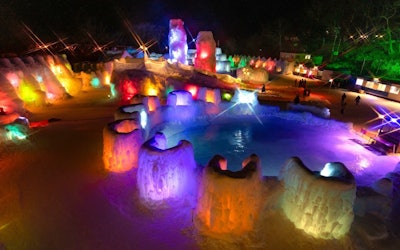
New Attractions in Hokkaido: Video Introduction This video, titled "[Official] PR Video 'HOKKAIDO MIRAI NOTE'" (【公式】PR動画「北海道ミライノート」 /HOKKAIDO MIRAI NOTE』) , was uploaded by "Hokkaido Official" (北海道公式). This video introduces the Lake Shikotsu Ice Festival, a popular tourist attraction, as well as small events and out-of-the-way places in Hokkaido. With its row of ice sculptures, the Lake Shikotsu Ice Festival is one of Hokkaido's representative winter festivals. The natural blue glow during the day and the colorful lights at night create a fantastic world. The festival is shown in the video, so be sure to check it out. [Video] 2:32 - Lake Shikotsu Ice Festival New Attractions in Hokkaido: Exciting Summer Events Photo:Hokkaido Balloon Festival, Kamishiro, Hokkaido The below is details for the summer events introduced in the video. Sapporo 8Fes (さっぽろ八月祭, Sapporo Hachigatsusai) Location: Sapporo Kita 3-jo Plaza Event period: Around the end of July Sapporo 8Fes is held at a venue covered with the symbolic "Furoshiki" (a Japanese traditional wrapping cloth), where visitors are able to enjoy a variety of Bon dances, as well as other various programs such as Mochimaki (rice-cake shower) and Nigiwai Ennichi (a summer festival). [Video] 0:31 - Sapporo 8Fes TOBIU CAMP Location: Tobiu Art Festival Event period: Around early September TOBIU CAMP is a forest space where visitors can enjoy unique experiences such as camping and a wide variety of handmade food. The fairytale-like worldview is especially breathtaking, utilizing expressions such as art, music, Ainu folk songs and dances, dance performances, and theater, set in a wooden school building and vast pastureland. [Video] 1:40 - Scenes from Tobiu Art Festival Hokkaido Balloon Festival (北海道バルーンフェスティバル) Location: Kamishiro Aviation Park Event period: Mid-August With the sound of the balloon's roaring burner visitors are taken 20 meters into the air. You can experience a 5-minute anchored flight, which offers a spectacular panoramic view from inside the balloon. In addition, at night, the entire venue is illuminated by burner flames, creating a fantastical view that you can't experience during the day. [Video] 1:51 - Hokkaido Balloon Festival Events and schedules may change due to COVID-19 so be sure to check the latest information before visiting. Even More Places to See in Hokkaido! Check Out These Recommended Tourist Attractions! There are many other events, sightseeing and gourmet spots in Hokkaido. In the video you can see many more spots. Even if you've visited Hokkaido before, there may be spots and events that you've never heard of. If you have a chance to visit Hokkaido, consider adding these new spots to your travel plans! Photo:Soya Misaki Wind Farm, Hokkaido Soya Misaki Wind Farm - Wakkanai Space Forest Festival - Taiki Morihiko - Sapporo City Kita no Sumai Sekkeisha - Higashikawa gla_gla - Toyako Mêmu Meadows - Taiki Former Shimizusawa Thermal Power Plant - Yubari Photo:Ishiyama Green Space, Hokkaido Ishiyama Green Space - Sapporo City Shiribetsu River Rafting - Kutchan Mt. Io - Teshikaga Factory Night Views - Tomakomai Obihiro Racecourse - Obihiro Photo:Tokkarisho Lookout, Hokkaido Tokkarisho Lookout - Muroran Cape Chikyu - Muroran Summary of New Attractions in Hokkaido Hokkaido is always ranked high in prefectural attractiveness rankings and rankings of the best prefectures to visit in Japan and is a popular sightseeing destination. Of course, the grand nature and views are wonderful but the nice cafes and plenty of photogenic spots are great as well! Hokkaido, with its rich charm, is a place with activities for all types of people, such as those traveling with children, female travelers looking for girls' trips, and foodies looking for some gourmet sightseeing. As you can see from the video, there are still many events and spots that are not well known. There still might be more nice, out-of-the-way spots not shown in the video. When traveling in Hokkaido, take the opportunity to discover new and charming spots that you won't find in a guide book. 【TripAdvisor】Hokkaido -
 Video article 4:18
Kikonai, Hokkaido Is Full of Beautiful Scenery, Delicious Food, and Popular Sightseeing Destinations! This Charming Town Is Definitely Something To Throw on Your Bucket List!
Local PR Travel- 78 plays
- YouTube
Kikonai - The Town Known as the Entrance To the North This video, titled "Tradition and Innovation in Kikonai - Kikonai Digest" (木古内町の伝統と革新 ~木古内ダイジェスト~), was created by "Kikonai Station|Shinkansen Sightseeing Station Master Kiko" (木古内駅新幹線観光駅長キーコ). Hokkaido is always bustling with tourists. When it comes to popular travel destinations in Japan, for many people, Hokkaido comes to mind. Facing a mountainous area lined with southern Hokkaido cedars and the frigid Tsugaru Strait (津軽海峡, tsugaru kaikyo), the town of Kikonai in Hokkaido, with a population of about 4,400, is called the first station of the north. When visiting Hokkaido via shinkansen, you'll either pass or get off at Kikonai Station (木古内町駅, kikonai-cho eki). In this article, we'll introduce the town of Kikonai alongside the video. A Look at the Charm of Kikonai Source :YouTube screenshot In this video, Keiko, the official mascot of Kikonai, introduces the charm of her town in just 4 minutes! If you're interested in learning more about Kikonai, be sure to check out the video. From 0:22 in the video, you can see the vast amounts of snow, set against the backdrop of Samegawa Shrine (佐女川神社, samegawa jinja). Looking at the beautiful winter scenery will make you feel as if you’re right there in Hokkaido. From 0:55 in the video, the Kanchu-Misogi Festival (寒中みそぎ祭り, kancho misogi matsuri), a Shinto tradition, is introduced. The festival is held at Samegawa Shrine. Every day and night, cold water ablutions are performed in order to purify oneself and pray for a good catch and a bountiful harvest for the year. The festival dates back more than 180 years. The Kanrin Maru (咸臨丸), a capital ship built during the formation of the navy at the end of the Edo Period, can be seen from 1:32 in the video. After its completion in 1857, the ship was used for supply missions. The Kanrin Maru ran aground off Cape Saraki, and is now on display at the Cape Saraki Dutch Tulip Park (サラキ岬オランダチューリップ公園). As the national flower of the Netherlands, the tulips burst into bloom around the Kanrin Maru. The Hokkaido Shinkansen, which opened in 2016, is one of the means of access to Kikonai, and can be seen at 2:16 in the video. Additionally, from 2:37, the South Hokkaido Railway is introduced. Its nostalgic appearance captures the hearts of many. From 2:55 in the video, you can see delicious seafood! The seared scallop rice bowl is mouthwateringly delicious. In addition, the popular Hakodate Wagyu Beef is another must-try in Kikonai. Roadside station Misogi no Sato Kikonai (みそぎの郷きこない) can be seen from 3:27 in the video. Here, you can enjoy a variety of delicious snacks, such as croquettes made with Hakodate Wagyu Beef. The roadside station is also a good place for souvenirs. Summary of Kikonai, Hokkaido Source :YouTube screenshot As introduced in this article, Kikonai is a place where you can enjoy both history and delicious food. It's definitely a place you should consider adding to your itinerary when visiting Hokkaido. Don't miss other sightseeing spots, such as the Kikonai Local History Museum "Ikarinkan" (いかりん館), which introduces the history of the town, as well as Kikonai Onsen Notoya, where you can relax in the hotsprings after a long day of traveling. There are many ways to enjoy Kikonai, from taking pictures of Instagram-worthy scenery to learning more about Japanese history! Come discover what this amazing town has to offer! 【Official Homepage】Kikonai, Hokkaido http://www.town.kikonai.hokkaido.jp/language.html 【Tripadvisor】Kikonai https://www.tripadvisor.com/Tourism-g1120305-Kikonai_cho_Kamiiso_gun_Hokkaido-Vacations.html -
Video article 32:19
Airplanes Coming and Going in a Heavy Snow Storm! New Chitose Airport Jets Brave the Snow to Get Passengers to Their Destinations Safely!
Transportation- 36 plays
- YouTube
This video, titled "[4K] 35 Jets in Heavy Snow! Winter Plane Spotting at Sapporo New Chitose Airport / 新千歳空港 JAL ANA," was released by " j-sky on YouTube." This video shows over 30 minutes of airplanes departing from and landing at New Chitose Airport in Hokkaido. One of the features of New Chitose Airport in Hokkaido is that planes can take off and land even on snowy days. In Japan's Honshu region, flights can be cancelled when there is a lot of snow, but Hokkaido's airport is unaffected by a little snow. The Hokkaido area is one of the most popular tourist destinations in Japan. If you want to enjoy the snowy scenery, try to get a plane ticket on a snowy day like the one shown in the video! -
Video article 3:25
Frost Tipped Trees and Winter Scenery in the Wild North; Tsubetsu, Hokkaido Is Like a Fantasy World. 110% Fun in the Harsh but Beautiful Winter Wonderland!
Local PR Travel- 468 plays
- YouTube
Tourist Information for the Winter Months in Tsubetsu, Hokkaido The tourism promotional video produced by the Tsubetsu's tourism board, "Welcome to Winter in Tsubetsu!"(いらっしゃい津別!冬(津別町観光PRビデオ)), captures the beauty of the wild winter wonderland at its best. Tsubetsu is adjacent to Akan Mashu National Park located in the east inland of Hokkaido prefecture. Tsubetsu Outlook is a popular viewpoint overlooking Kussharo Lake during the summer months, but the road leading to the outlook is closed in winter. However, there are some unique attractions in Tsubetsu during the winter. Displayed in the video is a fantastic snow-covered world of minus 20 degree weather with frost-covered trees and wild animals - The harsh beauty of the Wild North. How to Enjoy Tsubetsu's Magnificent Winter Wonderland Source :YouTube screenshot Tsubetsu is an hour drive from Memanbetsu Airport in Abashiri, and the city has no local train. About 80% of its total municipal area is covered by forest, surrounding tourists with the vast landscape as soon as they arrive. You may be wondering if there's anything to see there other than the silvery white plains during the bitter winter, but that same landscape is what makes the visit so worth your time! The trees in the forest are covered with ice, and when the weather is nice they sparkle, creating a fantastic scene of glittering lights. Popular winter activities in Tsubetsu include ice skating at the Tsubetsu Elementary School grounds or smelt fishing at Chimikeppu Lake. You can see smelt fishing at 1:30 in the video. Catching and cooking your very own smelt is a great way to enjoy the cold weather. The subtitle that appears at 1:42 says how "The mountain has become an amusement park," and that's exactly what we see! This amusement park offers a wide range of enjoyable experiences, such as eating fresh snow with condensed milk poured on it. Dining in Tsubetsu Source :YouTube screenshot After spending some time in the magnificent snowscape, viewers are taken to Michi no Eki Aioi (Roadside Station Aioi) that sells healthy snacks using local vegetables. This can be seen at 2:02 in the video. We recommend Kumayaki; it's a snack you can't find anywhere else. Kumayaki is a type of Japanese confection with bear-shaped patties (Kuma means bear in Japanese) and a sweet red bean filling using local flour and locally grown adzuki beans. There are four types of bear-shaped dorayaki (similar to Kumayaki) made of Hokkaido wheat and azuki beans, which are popular in Japan. Local gourmet delicacies such as Tsubetsu Wagyu steak, a brand of beef from Tsubetsu, Hokkaido, which is said to be a rare Japanese wagyu beef, and extra-large kakiage soba noodles made with local vegetables are also worth trying. And there is of course the renowned local dish of Hokkaido, Genghis Khan (a Japanese BBQ mutton dish), which is served at some restaurants in Tsubetsu. Tourist Information for Tsubetsu Source :YouTube screenshot Lamp no Yado Mori Tsubetsu Hotel is a hotel that features an outdoor hot spring bath where you can enjoy a beautiful view of the snow. In summer, tourists come from all over Japan to tour the spectacular sea of clouds from Tsubetsu Pass to Lake Kussharo. "Non-no no Mori Nature Center" is a rare park in Japan that has been scientifically recognized as a "forest therapy base" for its healing properties. The forest therapy guided tour or a walk on the hiking trail through the snow-covered forest will help you get reacquainted with nature. Summary of Tsubetsu, Hokkaido The natural beauty of Tsubetsu instills wanderlust in those who see it. You get a sense that even in this harsh winter wonderland you can enjoy a fantastic experience in the great outdoors. The harshness is exactly what makes it so beautiful. Many festivals and events are lined up in Tsubetsu all throughout the year, such as the ceremony to open the Tsubetsu pass, the "Primrose Festival," "Tsubetsu Summer Festival," the "Tsubetsu Tanabata Festival" in July, the "Bon Dance Festival" in mid-August, and the "Tsubetsu Local Festival." We recommended visiting Tsubetsu to see the events. The detailed information of events and festivals is published on the city's official website. The specialties of Tsubetsu include the traditional wooden crafts and Japanese black beef "Ryu-sui Gyu," which make great souvenirs. I bet this video already has you packing your bags, doesn't it? 【Official Website】Tsubetsu Tourism Association http://www.tsubetsu.net/english/index.html -
Video article 7:26
Japan's Most Beautiful Snow-Covered Scenery and Popular Tourist Spots That'll Look Great on Your Instagram! The Country, Dyed in a Beautiful White, Shows a Different Face Than Most Are Used To
Travel- 252 plays
- YouTube
The Beautiful Snowscapes of Japan This video, titled "4K Beautiful snow scene in Japan 日本の雪景色 TOP14名所 winter scenery snowscapes snow light tourism trip," was produced by Discover Nippon. Japan is a country where you can enjoy the nature of all four seasons. The Japanese archipelago has a unique vertical topography, which means that in winter, the temperature in Hokkaido, located in the north of the country, can drop below 10 degrees Celsius, while in the subtropical region of Okinawa, it's possible to wear a t-shirt year round. In this article, we'll introduce you to some of the most beautiful snowscapes of winter in Japan alongside a beautiful 4K video! Sightseeing in Tokyo on a Snowy Day When people think of snow in Japan, they generally think of the snowy landscapes of Tohoku and Hokkaido; however, several times a year, snow falls in the capital city of Tokyo as well. The snow brings the city to a halt, making the Imperial Palace and Sensoji Temple, with its low traffic (both human and vehicle), a tasteful, hidden tourist destination. Tokyo's snowy scenery, which can only be seen once or twice a year, is a rare sight. However, transportation is tremendously impeded, so please be cautious when collecting information on traffic and weather forecasts. Places to See Japan's Representative Snowscapes If you're looking for beautiful snowscapes in Japan, then we've got just the list for you: ・Akita Prefecture:Igloos ・Gifu Prefecture:Shirakawa, The Northern Alps ・Hokkaido:Otaru Canal, Sapporo Snow Festival ・Yamagata Prefecture:Ginzan Onsen, The Ice Trees of Zao ・Ishikawa Prefecture:Kenroku-en covered in snow Even if you're not in the Tohoku region, you can still enjoy the spectacular snowscapes of the mountains, and even in the Tohoku region, there's not so much snow on the Pacific side. We recommend the hot springs in the mountains and onsen areas on the Sea of Japan side. Active Snowfall Scenery and Sights to Enjoy There are also plenty of places to enjoy winter sports in Japan. Japan is a popular destination for winter sports, having hosted two Winter Olympics to date. Many of the ski resorts where you can snowboard are located near hot spring resorts, so you can relax after a long day of skiing/snowboarding with delicious food and hot springs. If You're Traveling the Snowscapes of Japan, Hot Spring Tourism Is the Way to Go! Here's a list of hot spring resorts with snowy landscapes and winter sports: ・Nagano Prefecture has a great view of the Northern Alps and popular hot springs and ski resorts such as Hakuba. ・Niigata Prefecture is famous for its snow, hot springs and delicious seafood. ・Hokkaido is a paradise of hot springs, where many foreign tourists come to enjoy the large scale resort hotels with ski slopes. After skiing and snowboarding, you can replenish your stamina with Ghengis Khan (Jingisukan), a Japanese lamb dish. ・After skiing, you can enjoy playing in the snow in an igloo and relaxing in hot springs in Akita Prefecture. Kiritanpo hot pot is the specialty in this area! All of these are great places to visit, so find which one suits you best! Hokkaido and Nagano Prefecture are the host cities of the Winter Olympics, so it's safe to say that they're the Meccas of winter sports in Japan. Sightseeing at Temples and Shrines Where You Can Enjoy the Majestic Snowy Scenery Here are some temples and shrines we recommend checking out: ・Yamadera (Yamagata Prefecture): Yamadera, also known in children's songs, is a famous temple located in Yamagata Prefecture. ・Chuson-ji Temple (Iwate Prefecture): Chuson-ji is a World Heritage Site! The beauty of Konjikido with a snowy landscape is unbeatable. ・Iwakiyama Shrine (Aomori Prefecture): Iwakiyama Shrine, located on Mt. Iwaki, which is often mentioned in songs, is an Important Cultural Property of Japan and is the setting for Sansho the Bailiff. ・Towada Shrine (Aomori, Japan): A historical shrine with a lake with a beautiful emerald green surface. The contrast between the snowy winter landscape and the lake is like a beautiful painting. Summary of the Snowscapes of Japan Winters in snowy countries can be hard in terms of climate, but the beautiful, ink-painting-like world created by the snow that covers Japan's beautiful natural landscape is well worth seeing. Enjoy Japan's snowy landscape in the beautiful 4K video. -
Video article 7:40
Ezo Brown Bears Catching Lunch in the Outdoors of Hokkaido! See the 2-Meter-Tall Bears Snatching Fish From a River Right Before Your Eyes!
Living Things- 927 plays
- YouTube
Introducing the Wild Brown Bears of Hokkaido This video, titled “Encountering Wild Brown Bears that are Catching Salmon @ Shiretoko Hokkaido 20131010(野生のヒグマと遭遇 サケを捕食@北海道 知床 20131010)” films two wild brown bears catching salmon that were swimming in the river. A brown bear is terrestrial mammal of the Ursidae family and their size is about the same as polar bears. Sub-species of foreign brown bears include Kodiak bears, Grizzly bears and Himalayan bears. The main sub-spices of brown bears which inhabit Hokkaido are called Ezo brown bears. This video is of wild Ezo brown bears catching salmon at the river, and it is a very rare sight. We hope you enjoy their fishing skills! What Kind of Animal Is the Ezo Brown Bear? Photo:Ezo brown bear One of the most well-known bears in Japan is the Asian black bear. These black bears actually inhabit the main island of japan. Ezo brown bears, on the other hand, inhabit forests in Hokkaido where the climate is generally colder. Ussuri brown bears are another bear that is a subspecies of brown bears. The Ussuri brown bear is also known as the Ezo brown bear. The size differs depending on the gender, with male bears being about 1.9 to 2.3 meters tall and weighing 120 kg to 250 kg. Female bears are about 1.6 to 1.8 meters tall, and are actually heavier than than males, weighing between 150 to 160 kg. Some of them are gigantic, weighing in at 450 kg. The Ezo brown bears inhabiting Japan are the largest kind of terrestrial animal in Japan. The number of Ezo brown bears is around 2,244 to 6,476 (as of 2013). The bears are known as omnivorous, and they like to eat fish, meat, and plants as well. The life span of a wild Ezo brown bear is about 30 years. They tend to live longer than different mammals. Highlights of Ezo Brown Bears Source :YouTube screenshot The video shows the viewers two Ezo brown bears hunting salmon at a river. It was filmed in October when the bears were getting ready for hibernation. From 4:21 in the video, we can see bears using both of their paws to catch salmon. At 0:18, one bear carries a salmon to the side of the river. At 4:54, the bears bring salmon ashore and comfortably enjoy their meals in peace. You'll be surprised by what happens at the end. Be sure to watch the full video so you don't miss out! The bears were so focused on their hunting that they didn't show any fear of the people filming them. Its incredibly rare that we see footage of Hokkaido's wild brown bears hunting. Be Aware of Wild Bears When Traveling to Hokkaido! Photo: Beware of Bears In Hokkaido, A study has been conducted to work on how to handle wild Ezo brown bears and ways of coexisting with them. There are several cases of humans being attacked by wild bears in Hokkaido. If you visit Hokkaido, please be aware that there are wild bears and research the areas in advance. Before your travels, please make sure that there are no wild bear alerts in the area you are traveling to. In order to keep bears away, have bells or turn on a radio to show them that humans are around. If you do encounter a wild bear, just think that bears are also afraid of humans. Screaming makes the bear scared, and it will enter into a defensive mode, and might try to attack you. Avoid running away from bears because bears tend to chase what’s running away from them. They can run up to 60km/h so the chance that they will catch you is extremely high . Instead of running away or screaming, try standing up on top of a rock or a log to make you look bigger and be intimidating. The most effective way to keep the bears away is to use a bear spray. Some people think bears are cute animals, and while this may be true, they are also dangerous as well. Please keep this in mind. Summary of Hokkaido's Wild Brown Bears If you are interested in learning more about brown bears, please visit a zoo, such as the Noboribetsu bear park, or the Showa Shinzan bear ranch. “Higuma Doughnuts” is a cafe in Meguro, Tokyo which uses selected ingredients from Hokkaido where brown bears live. If you visit Hokkaido, please visit a gift store to purchase some Hokkaido souvenirs. Be sure to check out the Ezo brown bears, the video is too adorable to miss! -
Video article 8:38
A reproduction VTR produced by the "Idojiri Archaeological Museum" in Suwa-gun, Nagano Prefecture, gives a full picture of life in the Jomon period!Stone tools, earthenware, and other artifacts excavated from the ruins. The artifacts reveal the life of the Jomon people!
History Life & Business Travel- 1.06K plays
- YouTube
Video introduction of a reproduction of the Jomon people's daily life" produced by the "Idojiri Archaeological Museum" in Suwa-gun, Nagano Prefecture. Many tourists come to Japan to enjoy the beautiful shrines, picturesque scenery, delicious food and other uniquely Japanese characteristics. Even Japanese people love to travel to places like Kyoto and Nara where they can enjoy sightseeing at historical buildings and eating delicious food. However, in this article, we'd like to take a break from the standard approach to enjoying Japan and recommend a few lesser-known spots where you can learn about the life of the Jomon people nearly 3,000 years ago. In this article, we'll introduce the Idojiri Archaeological Museum, where you can learn about the life of the Jomon. Be sure to follow along with the video as you read on! Who Were the Jomon People? What Were Their Lives Like? Source :YouTube screenshot The Jomon people lived all over Japan, from Hokkaido to Okinawa, during the Jomon period approximately 16,000 to 3,000 years ago. In world history, this period corresponds to the Mesolithic and Neolithic ages. The Jomon were a people who devised many different ways to survive. They invented tools and objects that were passed down through the Yayoi period and into the modern day to make life easier. For example, it was in the Jomon period that bows were made, making it possible to hunt from a distance. They also invented stone tools and earthenware, which made it possible to cook and store food. It was also during this period that people began to build pit houses and settle in one place, and villages were established. In this way, the Jomon were able to use their wisdom to improve their lives. The Idojiri Archaeological Museum Source :YouTube screenshot The Idojiri Archeological Museum, which can be viewed from 0:27 in the video, is a facility where you can learn about the life and culture of the Jomon people. There are a number of exhibits on display that tell the story of life in the Jomon period, including pottery and other artifacts from the Jomon period. The earthenware and stone tools are arranged according to the age of the Jomon period, and there are also descriptions on the use of each item. There is also a section where you can see what it would have been like to live in a Jomon period dwelling, as well as a reproduction of their diet and clothing. There is also a place where you can learn about the religion and myths of the time, deciphered from the patterns of the earthenware and stone tools. It's a must-see for history buffs! Many stone hoes have been found at the Idojiri ruins as well. They can be seen at 0:38 in the video. About 4,500 years ago, these stone hoes were utilized by the Jomon people. They were a strong agricultural tribe, and used them to plow their fields. In the spring they sowed millet, and in the summer they sowed buckwheat. You can see a reenactment of their agricultural activities at 1:02 in the video. There are also weeding tools on display at the Idojiri Archaeological Museum. Source :YouTube screenshot In the fall, they used stone knives to harvest their grain (2:10). Threshed grains were transferred to a stone mill to remove the shells. The threshed grains would be hulled in a stone mortar and then cooked into porridge using earthenware, and then the whole family would eat together in the pit dwelling. In addition to porridge, the Jomon also ate river fish, wild vegetables, walnuts, and dumplings. You can check out how the tools they used when cooking were made at 4:59 in the video. Jomon pottery was entirely hand made. First, the clay is kneaded and mixed with sand to make a dough, then the dough is piled to create a pattern without any gaps. Each piece was dried for 2-4 weeks before being baked over an open fire. So how were Jomon period tools made? You can see this process at 6:23 in the video. They used oval shaped stones to hit a smaller, flat stone to break of thin pieces that will be used to make the hoes. The hoe and other stone tools of the time are shaped the same way as modern hoes. Women's necklaces and other items were also excavated from various ruins. You can also see how people would have hunted with bows during the Jomon period. The Idojiri Archaeological Museum is an interesting spot to learn about the roots of Japanese people and the lifestyle of the Jomon people. Summary of the Jomon Civilization Source :YouTube screenshot This video was created by "IDOJIRIKOKUKOKAN." We recommend it to anyone interested in learning about Japanese history! By implementing reenacted clips in the video, it's easy to understand the lifestyle of the Jomon people and how they made and used tools. Famous Jomon period ruins include Sannai Maruyama (Aomori), Kamegaoka (Aomori), Omori Kaizuka, (Tokyo), Kasori Shellmounds (Chiba), and Nabatake (Saga). If you're interested in the Jomon period, be sure to stop by! -
Video article 5:59
High-Speed Mochi Pounding by Japan's Fastest Mochi Master
Food & Drink Celebrities- 385 plays
- YouTube
The Whole World Is Watching! The Amazing Technique of ‘High-Speed Mochi Pounding’! Japanese food culture, ‘Washoku’ was registered as an Intangible Cultural Heritage by UNESCO and is currently gaining attention worldwide. Recently, Japan has been welcoming a lot of foreign tourists whose main purpose is enjoying Japanese food culture. Mochi rice cakes are one of the most popular foods among the attractive Washoku. To make a delicious rice cake, it is not only important to pay attention to the ingredients, but also to the way it is prepared. Mochi Pounding is essential to creating great tasting rice cakes. ‘Mochi-tsuki,’ is a tradition of using a large mortar and pestle (in this case a mallet) to make mochi on New Year's day. Photo:Mochi pounding Have you ever seen high-speed mochi pounding? It's performed at Nakatani-dou, a Japanese confectioner, in Nara prefecture. Two or three confectioners pound mochi rice cakes using a mortar and mallet together at extremely high speeds, exchanging shouts to encourage one another. ‘Mochi-pounding at high speed’ is not only a performance for onlookers, but it is also an ideal method to make tasty mochi. You'll be baffled at the speed and accuracy of these mochi makers! High-Speed Mochi Pounding- Reasons for Pounding Mochi at Such High Speeds Source :YouTube screenshot Mochi-tsuki requires both a kaeshite, (mochi turner) and a tsukite, (mochi-pounder). It also requires a high level of skill to pound the rice evenly in the mortar, and the skill to control the moisture content of the rice by matching the movements of the pounder. When the temperature of steamed mochi-gome (a kind of rice suitable for mochi rice cake) becomes low, mochi may not have its ideal texture and easily falls apart and won't stretch well. Quickly pounding the rice while it is hot enough to keep it soft and stretchy results in a tasty rice cake with a rich flavor. ‘Mochi-pounding at high speed’ has its origin in Kamikitayama-mura village, Yoshino-gun, Nara prefecture where the Nakatani family is from. It is a traditional Japanese method that reflects the local history and culture. The master mochi-pounder is particular about the tools he uses for mochi pounding. The mortar, made by an artisan in Sakai city, is specially designed to be shallow so that the turner can easily turn mochi. The kine pestle should be heavy enough to pound mochi with its own weight. The master mochi-pounder of Nakatani-dou has various preferences for mochi-tsuki. They are shown in the video. Only the Best Ingredients Source :Nakatani-dou Yomogi-mochi is one of the most popular confectioneries of Nakatani-dou. The master mochi-pounder is very particular about the ingredients of Yomogi-mochi, as well as the mochi-pounding method. They use Hiyoku-mochigome rice from Saga prefecture to make good mochi rice cakes and also use top quality azuki beans from Tokachi, Hokkaido, along with young Yomogi (mugwort) leaves from Uwajima, Ehime prefecture. Yomogi-mochi is the result of a quest for excellence in cooking methods, ingredients, and taste. Summary of High-Speed Mochi Pounding Being shown on TV, ‘Mochi-pounding at high speed’ performed by the master mochi-pounder of Nakatani-dou attracted the national attention. And now, is gaining popularity from overseas as well, introduced by foreign media. The high-speed rice cake pounding by the masters of Nakatido, who drew the attention of the whole country with their amazing feats of craftsmanship on TV, has recently been picked up by international media and is becoming increasingly popular. Nakatido's high-speed mochitsuki chefs are not only popular in Japan, but also among people around the world. Nakatido says in the video that he wants his customers to be happy when they see the high-speed mochi pounding and even more happy when they eat it. These are words of someone who truly loves, and is dedicated to their craft. As a Japanese citizen, I am proud to see not only Japanese food, which is listed as an intangible cultural heritage by UNESCO, but also Japanese culture being admired by the world. 【Official Homepage】Nakatani-dou http://www.nakatanidou.jp/english/ -
Video article 20:09
Learn about the ecology of animals at the Asahiyama Zoo, Asahikawa, Hokkaido, with its behavioral exhibits! Watch a video about the most popular zoo in Japan!
Living Things Travel- 162 plays
- YouTube
Asahiyama Zoo, Asahikawa City, Hokkaido, Japan The video "JG 4K Asahiyama Zoo, Hokkaido" (JG 4K 北海道 旭山動物園 Asahiyama Zoo, Hokkaido), introduces Asahiyama Zoo, a popular tourist spot in Hokkaido. Asahiyama Zoo is 15 hectares. It's the size of about 3 Tokyo Domes. There are over 650 animals (100 species) bred in the park. The 20-minute video contains plenty of cute animals, so be sure to check it out! About Hokkaido Asahiyama Zoo Photo:Asahiyama Zoo Hokkaido Asahiyama Zoo, known as the northernmost zoo in Japan, is a historical zoo that opened in 1951. The special feature of Asahiyama Zoo is the "Behavior Exhibit" where you can see the behavior and life of the animals. The facility is designed to allow visitors to get up close and personal with animals that move around freely. To achieve this goal, penguins roam the park freely, and they hold an event to display meal time called "Munching Time." Another characteristic of Asahiyama Zoo's exhibition is the "mixed exhibition" in which different animals are raised in the same place. The Asahiyama Zoo was in danger of closing in 1994 (Heisei 6), but by incorporating these exhibits, the Asahiyama Zoo has recovered brilliantly. During its big boom, it became the nation's top zoo, attracting 3 million visitors annually. Currently, you can see behavior exhibits at zoos around the country. The Animals of Asahiyama Zoo Photo:Asahiyama Zoo From 0:25 in the video, you can see the popular penguins, and from 2:04, you can see the awesome appearance of the polar bears at the Polar Bear Hall. In the video, you can see the tiger at the "Fierce Animal House" (もうじゅう館) (15:29-), a snow leopard (15:38), an Ussuri brown bear (15:48), elephants, seals (9:41), red pandas (18:08), snowy owls (18:46), cranes (19:10), and eagles (19:27). The park is quite large, and visitors can enjoy a variety of facilities, such as the 360-degree underwater tunnel, a hippopotamus building, a wolf forest, flamingo house, monkey house, giraffe house, a suspension bridge, and a marine way. Although not shown in the video, you can see reindeer, hippos, giraffes, chimpanzees, ostriches, Japanese macaques, foxes, raccoons, capybaras and other animals as well. One of the attractions of the Asahiyama Zoo is its various events that are held throughout the year. During the Obon season, they extend their hours of operation to allow you to observe nocturnal animals in a different way than you do during the day. There is also a restaurant where you can enjoy lunch and a souvenir shop where you can purchase limited edition animal merchandise. Take your time and enjoy the sights along the tour. Summary of Hokkaido's Asahiyama Zoo Photo:A King Penguin Hokkaido has a variety of sightseeing spots, including Sapporo City, Furano, and Hakodate, so be sure to visit Asahiyama Zoo if you're headed that way. There are a number of sightseeing tours offered, but since your time at the zoo is limited to 2-3 hours, it may not be enough to enjoy all that the zoo has to offer. In winter, business hours are shorter, so please check the weather and other information before visiting. There are restaurants and hotels in the surrounding area, so it's a good idea to stay in Asahikawa and enjoy the sights and sounds of the city. As of March 31, 2018, the Asahiyama Zoo Live Camera was discontinued, so please take the time to enjoy the animals' ecology through this video. ◆Asahiyama Zoo◆ 【Address】 Kuranuma, Higashi Asahikawa Town, Asahikawa City, Hokkaido 【Director】Gen Bando 【Access】About 40 minutes by bus from Asahikawa Station (2 hours from Sapporo). There is also the "Asahiyama Zoo Train" that runs between Sapporo and Asahikawa. 【Hours】Summer 9: 30-17: 15, Winter 10: 30-15: 30 【Admission Fee】Free for junior high school students and younger, 820 yen for high school students and older (special discount coupon available for senior citizens) 【Parking】Available (free) 【Phone number】0166-36-1104 【Official Website】Home | Asahikawa City Asahiyama Zoo https://honyaku.j-server.com/LUCAKC/ns/tl.cgi/https://www.city.asahikawa.hokkaido.jp/asahiyamazoo/index.html?SLANG=ja&TLANG=en&XMODE=0&XCHARSET=utf-8&XJSID=0 【Tripadvisor】 Asahiyama Zoo https://www.tripadvisor.com/Attraction_Review-g319103-d780529-Reviews-Asahiyama_Zoo-Asahikawa_Hokkaido.html -
Video article 0:59
Adorable Little Faces Peeking out From Under the Fallen Leaves – This Video of Japanese Raccoon Dogs Is Making the Rounds on the Internet! Why Are They Burying Into the Fallen Leaves? Here's an Introduction to the Raccoon Dogs of Hokkaido’s Obihiro Zoo!
Living Things News- 961 plays
- YouTube
Introduction of Obihiro Zoo’s Japanese Raccoon Dogs! This video, “しぐさが可愛い!おびひろ動物園のタヌキが人気に” (Too cute! The Popular Raccon Dogs of Obihiro Zoo!), is an interview-style video first televised on HTB News. In the video, “buried raccoon dogs”, the adorable sight of raccoon dogs playing in the pool of fallen leaves prepared by the zoo’s staff, is shown. But just why are the raccoon dogs of Obihiro Zoo (おびひろ動物園, Obihiro dobutsuen) burying into the fallen leaves? In this article, we will introduce these animals along with a video of the adorable raccoon dogs peeking out from the fallen leaves. Obihiro Zoo's Raccoon Dogs Source :YouTube screenshot The raccoon dogs shown in the video are named An and Shiro. Originally, the zoo staff had hidden food in the fallen leaves. However, the raccoon dogs continued to bury themselves comfortably in the pool of leaves, as shown in the video, due to the warmth provided by it. The adorable sight of their faces peeking out from amongst the leaves can be seen from 0:25 in the video. This video of the raccoon dogs playing in the pool of leaves was posted on Twitter by zoo staff, and began to trend on social media sites. What Are Japanese Raccoon Dogs? Source :YouTube screenshot Japanese raccoon dogs are a member of the Canidae family, and are a Japanese subspecies of the Asian raccoon dog. They can be found in certain areas of Hokkaido. Japanese raccoon dogs grow to a length of about 50 centimeters and weight about 4 to 8 kilograms. Those living in the wild have a lifespan of 6 to 8 years. They are mostly nocturnal, and subsist on an omnivorous diet of fruits, insects, and meat. The ezo tanuki species of Hokkaido is said to be different from the hondo tanuki species found in other areas of Japan. Japanese raccoon dogs come under the Wildlife Protection and Hunting Act of Japan, and cannot be raised as pets without special permission. Let’s Visit the Zoo to See the Japanese Raccoon Dogs! Source :YouTube screenshot The raccoon dogs can be seen in Obihiro Zoo, as introduced in the video. However, as mentioned at 0:44 in the video, the zoo closes for a certain period of time during the winter season, so do make sure to confirm the opening days before visiting. In recent years, the “natural behavior display”, where visitors can observe the behavior of animals in their natural habitat, has become a popular display method in zoos. In Hokkaido, besides Obihiro Zoo, zoos such as the popular Asahiyama Zoo (旭山動物園, Asahiyama dobutsuen) and Sapporo City Maruyama Zoo (札幌市円山動物園, Sappro-shi maruyama dobutsuen) also make use of such displays. In the souvenir shop of the zoo, you can purchase adorable raccoon dog plush toys as well. Summary of Japanese Raccoon Dogs at Obihiro Zoo In this one-minute video, you can get a sense of just how adorable and charming the Japanese raccoon dogs are. As seen from 0:50 in the video, as the season begins to change to winter, the raccoon dogs’ fur grows out rapidly and becomes soft and fluffy. For those who want to view this adorable sight, definitely pay a visit to Obihiro Zoo in the winter. 【Official Website】Obihiro Zoo | Obihiro City Homepage Tokachi https://www.city.obihiro.hokkaido.jp/zoo/ -
Video article 3:30
Hokkaido - Endlessly Sweeping Horizons and Magnificent Scenery! Set off on a Trip to Hokkaido's Scenic Locations to Enjoy Spectacular Views of Japan's Natural Landscape!
Travel- 245 plays
- YouTube
The Vast Sceneries of Hokkaido This video, titled "Hokkaido , Japan / 4K UHD," was produced by SL Film Studio. Hokkaido is a popular tourist destination for visitors to Japan, and there are many things to see and do there. In this article, we'll show you some of the best places to visit in Hokkaido, alongside the video! Recommended Destinations in Hokkaido The Sapporo Clock Tower is one of Hokkaido's most popular tourist attractions, and Odori Park is the site of major festivities in Hokkaido. The Okurayama Observation Deck was the site of the 1972 Winter Olympics in Sapporo. Shiroi Koibito cookies are a famous souvenir found in the area. Asahikawa has unique tourist attractions, such as Asahikawa Ramen Village. Asahiyama Zoo is another famous location in Hokkaido. The zoo features behavioral exhibits that show the animals in their natural state. When we think of Hokkaido's wildlife, bears and foxes are the first things that come to mind. If you want to learn more about the ecology of foxes, there's Kitakitsune Farm (Fox Farm), which is famous for its wooden bear carvings and traditional crafts. Historical Sightseeing Locations in Hokkaido Otaru Port, where the Otaru Canal is located, is the gateway of pioneers in Hokkaido. Along the walkway, you'll see gas lamps and stone warehouses that retain remnants of days long passed. Goryokaku in Hakodate is an essential part of Hokkaido's history, and is one of the top tourist attractions in Hokkaido. It's based on early modern European castle technology. Abashiri Prison is an inseparable part of the eastern Hokkaido area's history. Despite its name, the Abashiri Prison has an impressive modern interior with a touch of Western architecture. Hokkaido's Spectacular Natural Scenery and Winter Leisure If you visit Hakodate in Hokkaido, you can take the Mt. Hakodate Ropeway to enjoy the beautiful night view. Cape Soya, the northernmost cape in Japan, and Lake Akan, introduced at 1:49 in the video, are also worth a visit. Ainu Kotan in Kushiro City, Hokkaido, is a tourist attraction that conveys the traditional culture of the Ainu people. Lake Mashu, on the other hand, is a popular scenic spot famous for being the clearest lake in Japan. Shirogane Blue Pond and the famous Shirahige Waterfall in the Shirogane Onsen area, can be seen at 1:25 in the video. The clear blue water is a natural wonder and great for taking Instagram pics! There are also hot springs in Noboribetsu and Toyako (Toya Lake). From 2:52 in the video, you can see a cruise on Lake Toya. In addition to the rich natural scenery, you can also enjoy skiing and other leisure activities. Kiroro Resort, which takes its name from the Ainu language, is a famous hotel resort in the area. Enjoy the Gourmet Cuisine of the Cold Climate Hokkaido is full of delicious food. Representative dishes include the lamb dish Genghis Khan (Jingisukan), ramen, seafood dishes with crab, soup curry, and pork bowls. Other typical Hokkaido delicacies include "chanchan yaki," a dish made with grilled fish such as salmon, and vegetables and seasoned with miso, Ishikari Nabe, a hot pot dish with salmon as the main ingredient, and Zangi, which is similar to fried chicken. Summary of Hokkaido - An Easy-To-Visit Tourist Destination Thanks to the Diversified Transportation With the diversification of transportation, including airplanes and the shinkansen (bullet train), you can enjoy your trip to Hokkaido through a variety of means. There are 14 airports in Hokkaido, and rental cars are also available. The weather from November to March can be colder than in the middle of winter on the mainland, so you'll want to be prepared for the elements. Check out the video to enjoy the magnificent scenery of Hokkaido! -
Video article 1:26
Chichibu Sea of Clouds" is rapidly gaining popularity! A fantastic video of the night view and sea of clouds in Chichibu City, Saitama Prefecture. 1 minute and 26 seconds later, your common sense will be overturned!
Nature Travel- 530 plays
- YouTube
Chichibu Cloud Sea and Night View" Video Introduction in Chichibu, Saitama Prefecture This video, titled "Chichibu Sea of Clouds/Time Lapse Video(4K-ProRes)2016.11.21" (秩父雲海 / Sea of Clouds - JAPNA タイムラプス動画 (4K-ProRes) 2016.11.21), was released by HASHIZUKA DESIGN STUDIO. The sea of clouds is a mysterious phenomenon in which a thick fog is generated near the surface of the earth, creating what looks like a sea of clouds when viewed from a high altitude. In Japan, Takeda Castle in Hyogo prefecture and Hoshino Resorts Tomamu in Hokkaido are famous for this, but did you know that this phenomenon also occurs in Chichibu, Saitama, a place close to Tokyo? This video introduces a colorful night view and the wondrous scenery of the sea of clouds in Chichibu city in 1 minute and 26 seconds. The beauty of Chichibu's sea of clouds is beyond imagination! Get ready to have everything you thought you knew about the beauty of nature thrown out the window! The Chichibu Sea of Clouds - Popularity, Forecasts, and the Conditions To See It Photo:Chichibu sea of clouds The Chichibu sea of clouds, which can be seen in Saitama Prefecture, is rapidly increasing in its popularity online. It's in a good location, about 90 minutes from Tokyo, and has become widely talked about for its amazing night views popular among instagrammers. It's so popular that, in recent years, tours with the theme "Sea of Clouds" are being held as well. As you can see from 0:32 in the video, what makes Chichibu's Sea of Clouds special is that the fog fills the Chichibu basin, covering the city. The lights of the factories and residential areas in the city of Chichibu, gives a faint color to the sea of clouds, creating a fantastic view. The conditions for seeing the Chichibu sea of clouds are as follows. ◇Season: Spring and Autumn - High probability in April and November ◇Time: Dawn-Early morning ◇Weather: If it was raining (or snowing) the day before, and sunny on the day of ◇Wind speed: If wind speed is 1m (~2.2 mph) or less and very weak ◇Humidity: If the humidity is very high, around 100% With these conditions in mind, it's extremely difficult to stare at the weather forecast and information sites of Saitama Prefecture hoping for the day to finally come. If you still want to witness some of the best moments of the Chichibu Sea of Clouds, we recommend the sea of clouds forecast on Twitter. They transmit the probability of the sea of clouds occurring in Chichibu and are proud of their reliable accuracy rate. In addition, you can check the current state of the sea of clouds with the "Chichibu Sea of Clouds Live Camera" on the Chichibu Official Website, so you see the beautiful sea of clouds whenever it occurs. That being said, nothing beats actually experiencing the Chichibu Sea of Clouds in person. In the next paragraph, we'll introduce some recommended viewing locations. Chichibu Muse Park - Stay Overnight and Enjoy the Sea of Clouds! Photo:Chichibu Muse Park Chichibu Muse Park is the best place for those looking to see the Chichibu Sea of Clouds. Chichibu Muse Park is a park managed by Saitama Prefecture and the Chichibu Municipal Government and is a popular tourist destination that is also known for firefly viewing. There are two observatories in the park, the "Observatory" and "The Hill of Departure." The video was taken from the observatory in Chichibu Muse Park at an altitude of 363m. The H-shaped structure that can be seen from 0:52 is Chichibu Bridge. Chichibu Muse Park is a park operated by Saitama Prefecture and Chichibu City, and is a popular tourist attraction known for its fireflies. The fantastic sea of clouds can be seen from the park's two observatories, Tabidachi no Oka (The Hill of Adventures) and the 363-meter-tall observation deck. The early morning hours in November, when the sea of clouds is at its peak, can be crowded, but if you stay at the PICA Chichibu lodging facility in the park, you should have no problem seeing it. Here, you can enjoy the Chichibu Sea of Clouds while camping under the starry sky. There's free parking and it's only 20 minutes from Seibu Chichibu Station. Transportation access is also very convenient. Summary of the Chichibu Sea of Clouds Photo:Chichibu Sea of Clouds Here we introduced the Chichibu Sea of Clouds, the conditions for it to occur, recommended viewing locations, and more! In the city of Chichibu, you can also see the Chichibu Sea of Clouds at Minoyama Park, which is one of the best night views in Japan, as well as Hitsujiyama Park, from which you can enjoy the view from the same height as the sea of clouds. You can also see the sea of clouds from Mitsumine Shrine, a known power spot. Every place for viewing the Chichibu Sea of Clouds has its own charm, but night view of Chichibu Muse Park, shown in the video, is absolutely breathtaking. Be sure to check out the video to see a serene view of Chichibu's sea of clouds. -
Video article 5:23
Goryokaku in Hakodate, Hokkaido - A Strange, Star-Shaped Fortress! A Look at the History of the Popular Tourist Destination!
History Travel- 355 plays
- YouTube
Goryokaku in Hakodate! This video, titled "Goryokaku, Hakodate" (函館 「五稜郭」 Goryokaku, Hakodate), introduces the historical location, Goryokaku in Hakodate. Shown at the beginning of the video, Goryokaku in Hakodate is a fortress characterized by its beautiful star-shape. If you go up to the observation deck of Goryokaku Tower, as shown at 1:34 in the video, you can see the beautiful star-shaped moat that surrounds Goryokaku Park. Don't forget to bring your camera, it'll look great on Instagram! About Goryokaku Photo:Goryokaku Goryokaku was built by the Tokugawa Shogunate to protect the Hakodate magistrates office, at the end of the Edo period. (1853 – 1868) The star-shaped Goryokaku is also called Ryohoshiki and it was designed by Takeda Ayasaburo. This is shown at 1:54 in the video. Goryokaku was called Kameda yakushodorui and Hakodate Onyakusho during its construction. It is also known as Yanagino Castle (柳野城, Yanagino-jyo) since there were a lot of willow trees in the area (柳, "yanagi," means willow in Japanese). The History of Goryokaku Photo:Goryokaku's stone walls Completed around the time of the Meiji Restoration, Goryokaku was occupied by the former shogunate's forces during the Battle of Hakodate, the final battle of the Boshin War, and became its headquarters. As you can see from 1:22 in the video, the earthwork, stone walls, and stone monuments still remain. Goryokaku was also used as parade ground for the army during the Meiji period (1868 to 1912). Highlights of Goryokaku Photo:Goryokaku, Winter Illumination Goryokaku has been the setting for many historical events since the end of the Edo period. In 1988, a TV drama titled "Goryokaku" was also produced. Goryokaku is a special national historic site, and has been designated a Hokkaido Heritage Site as the "Remains of Goryokaku and the Battle of Hakodate." It is currently managed by the city of Hakodate as a government-owned property. The magistrate’s office, which can be seen at 1:47 in the video, was reconstructed in 2010. You can see the inside, including the main hall, courtyard, and historical records, at 2:33 in the video. Goryokaku park also hosts a limited time illumination event, so we recommend lining up your visit with it if possible. Summary of Goryokaku ©Goryokaku-Tower Modifying Goryokaku, shown in the video, is a great place to enjoy seasonal scenery, including cherry blossoms in the spring, autumn colors in the fall, and snowy scenery in winter. In addition to Goryokaku, Hakodate also offers other pleasures such as the night view from Mt. Hakodate and eating Hakodate ramen, a specialty of the city. Incidentally, Tsuruoka Castle (龍岡城) in Saku City, Nagano is also designed in the shape of a star, so be sure to check it out as well! ◆Goryokaku Information◆ 【Address】44-2 Goryokakucho, Hakodate, Hokkaido 040-0001 【Access】15 minutes by a car, taxi, and bus from JR Hakodate Station 【Parking】None 【Tripadvisor】Goryokaku Park https://www.tripadvisor.com/ShowUserReviews-g298151-d1439713-r68353674-Goryokaku_Park-Hakodate_Hokkaido.html -
Video article 4:52
Sapporo Clock Tower Is a Popular Sightseeing Spot in Hokkaido That You Don't Want to Miss! Learn About the History of Sapporo Clock Tower and Make the Most of Your Trip to Hokkaido!
Art & Architecture- 127 plays
- YouTube
Sapporo Clock Tower! This time, we'll introduce the video "Sapporo 'Sapporo Clock Tower,'" a video tour of Sapporo City Clock Tower, a popular tourist attraction in Sapporo City (札幌市, Sapporo-Shi), Hokkaido (北海道, Hokkaido)! The Sapporo Clock Tower is a distinctive building with a large clock on a triangular roof in Sapporo City, Hokkaido. The Sapporo Clock Tower is the oldest existing clock tower in Japan and has been designated as an Important Cultural Property of Japan. In this article, we introduce the Sapporo Clock Tower alongside the video. What Is the Sapporo Clock Tower? Photo:Hokkaido・Sapporo Clock Tower The Sapporo Clock Tower is a historical building built in 1876 as the former Sapporo Agricultural College's (currently Hokkaido University) martial arts dojo (enbujo). As you can see from 1:50 in the video, the signboard that says "enbujo" is still there. This mechanical clock tower was installed in the building in 1881. The clock is a pendulum-type tower clock made in the United States. The clock tower was purchased by the Sapporo City Government in 1896, and the building was used as a library and public hall before being used as an exhibition hall. More About the Sapporo Clock Tower Source :YouTube screenshot The area where the Sapporo Clock Tower is located is also known as the birthplace of Hokkaido University. Many documents from the Hokkaido University Library are displayed at the Sapporo Clock Tower as well. As you can see from 2:41 in the video, a photo of "Bell of Clock Tower," a song written by Tetsuo Takashina in 1922, played on the violin, is displayed in the exhibition room on the first floor. Additionally, from 4:11 in the video, you can see a reproduction of the auditorium on the second floor of the Sapporo Clock Tower and the inner workings of the clock. Sightseeing Around Sapporo Clock Tower Photo:Sapporo Hitsujigaoka Observation Hill・Clark Statue In the vicinity of the Clock Tower in Sapporo City, you can see the Former Hokkaido Government Office Building (Red Brick Office Building), and also Hokkaido University, known for the famous words of Dr. Clark, the first vice principal of the university, who said "Boys, be ambitious!" The former Sapporo Agricultural College's dojo was constructed based on the concept that Dr. Clark produced, and in 2017, a statue of Dr. Clark was installed in the Sapporo Clock Tower. You can also enjoy other local delicacies in Sapporo, such as ramen and seafood bowls. There are also many places where you can buy souvenirs nearby. The Sapporo Clock Tower also hosts concerts and events, so be sure to check out their schedule when visiting. Summary of the Sapporo Clock Tower Photo:Hokkaido・Sapporo Clock Tower This video captures the charm of the Sapporo Clock Tower in Hokkaido. The Sapporo Clock Tower underwent a renovation in 2018 and now looks refreshed and beautiful. Unfortunately, the Sapporo Clock Tower is surrounded by buildings and is unfortunately one of the "three most disappointing spots in Japan" due to its less-than-ideal view. However, if you actually visit and tour the museum, you'll be able to enjoy a facility that gives you a sense of Japan's history and culture. If you're looking for places in Hokkaido that are perfect for your Instagram, Sapporo Clock Tower is the place to go! ◆Sapporo Clock Tower Facility Information◆ 【Address】Kita 1-jo Nishi 2-chome, Chuo-Ward, Sapporo 【Access】A 10-minute walk from JR Sapporo Station, a 5-minute walk from Odori Subway Station 【Hours】8:45~17:10 【Admission Fee】Adults: 200 JPY, Free for high school students and younger 【Parking】None 【Telephone】011-231-0838 【Official Website】Sapporo Clock Tower:HOME http://sapporoshi-tokeidai.jp/english/ 【Tripadvisor】Sapporo Clock Tower https://www.tripadvisor.com/Attraction_Review-g298560-d319830-Reviews-Clock_Tower_Tokei_dai-Sapporo_Hokkaido.html -
Video article 3:06
Video showing how to enjoy “Hoshino Resort Tomamu” in Yufutsu-gun, Hokkaido, Japan! Activities in the vast grounds can be enjoyed by both children and adults!
Hotel & Japanese Inn Things to Do Travel- 183 plays
- YouTube
Hoshino Resort Tomamu, Yufutsu-gun, Hokkaido, Japan Activity Video Introduction This video, titled "Hoshino Resorts Tomamu Activities," was created by "LHK VISIONWORKS JAPAN." It introduces the appeal of Hoshino Resorts Tomamu in the Hokkaido area. Hoshino Resorts Tomamu is located about 90 minutes from Shin Chitose Airport, in Shimukappu Village. It's gaining popularity as a resort facility where you can spend a relaxing time in luxury. Let's take a look at how you can enjoy the snowy landscape of Hokkaido's Hoshino Resorts Tomamu. In the video, we'll introduce activities that can be enjoyed in the snow and activities at the facilities of Hoshino Resorts Tomamu! After watching the video we have no doubt you'll be putting this on your itinerary for your next visit to Japan! Enjoy the Snowy Hoshino Resorts Tomamu Source:YouTube screenshot Hokkaido, one of the snowiest areas in Japan, is a great place to enjoy winter activities. Hoshino Resorts Tomamu offers cross-country skiing, snowmobile riding, kids' snowmobiles, snow inter-tubing, snow striding, dog sledding, banana boating, ice fishing, day snow camping / night snow camping with tents in the snow, snowshoe downhilling, and more. There's endless fun to be had at Hoshino Resorts Tomamu! There are also limited time events and tours, such as the snowmobile tour, snow buggy tour, a horse riding experience, smelt fishing experience, cross-country skiing experience, and more! There's a ton of activities that can only be enjoyed here! Even small children can enjoy the snowy landscape of Hokkaido through activities such as the snowy field sleigh park and building snowmen. There is also a ski school, so even beginners can try their hand at winter sports. You don't need to worry about bringing your own skis either, as there are plenty of rentals available. These activities can be seen from the start of the video until 1:24. The scenes of both children and adults alike enjoying the beautiful winter wonderland in Hokkaido is truly heartwarming. Hokkaido's Ice Hotel At Hoshino Resorts RISONARE Tomamu, an integrated resort of Hoshino Resorts Tomamu in winter, the Ice Village is available for a limited time. The ice hotel is where the ceilings, floors, and furniture are all made of ice! There is also an open-air ice bath, an ice chapel, and an ice bar counter, so there's plenty of ways for you to enjoy your time. You can see this at 2:30 in the video. Take a moment to admire the fantastic atmosphere. The Gondolas at Hoshino Resort Tomamu! ©Akiko_Kubosawa Modifying You can enjoy the natural snowscape of the magnificent Hidaka Mountains from the terrace that can be accessed by gondola. There's a limited time illumination event as well, so be sure to check it out if you get the chance. You might not feel like getting up early on your vacation, but we recommend waking up early during the summer and riding a gondola to the Sea of Clouds (Unkai Terrace), a terrace located above the clouds. If the weather permits it, you'll get a superb view of the clouds, spanning as far as the eye can see. From the gondola, you can sometimes see a herd of Hokkaido sika deer as well. It's quite a unique experience that you won't find anywhere else in Japan. Enjoying Your Stay at Hoshino Resorts Tomamu Source:YouTube screenshot Hoshino Resorts Tomamu's largest heated indoor swimming pool, Minamina Beach, is one of Japan's most popular spots where you can enjoy summer fun in the middle of winter. You can also enjoy the playground with equipment such as the "Cyber Wheel," as well as paddle boarding and various water activities. The indoor facilities are introduced starting at 1:25. It's a truly luxurious facility where you can enjoy a tropical atmosphere after playing in the snow. Hoshino Resorts Tomamu has a variety of gourmet options, including buffet dining and authentic Italian restaurants, so you won't have to worry about eating out during your stay. We also recommend enjoying the view from "Tomamu the Tower." Summary of Hoshino Resorts Tomamu With a land area the size of approximately 213 Tokyo Domes (~2,500 acres), Hoshino Resorts Tomamu offers many unique experiences. The video also shows many visitors playing at the Hoshino Resort Tomamu, all smiling and enjoying themselves. If you're looking to have the trip of your life in Hokkaido, look no further than Hoshino Resorts Tomamu! ◆Hoshino Resort Tomamu◆ 【Address】〒079-2204 Naka-Tomamu, Shimukappu Village, Yufutsu, Hokkaido 【Access】There is a shuttle bus from Sekishou Line Tomamu Station to each facility 【Admission Fee】It varies depending on the facility used. If you want more information, please check official website. 【Gours】 It varies depending on the facility used. If you want more information, please check official website. 【Closures】Closures vary by facility. Please check the official website for more details. 【Parking】Available 【Phone number】0167-58-111 【Official website】Hoshino Resort Tomam https://www.snowtomamu.jp/summer/en/ -
Video article 7:50
Meet the Sushi Chef at the 2 Michelin-Starred Sushi Ginza Onodera New York! An in-Depth Look at the Secrets of the World-Renown "Washoku" Culture!
Food & Drink Celebrities- 218 plays
- YouTube
Introducing a NYC Sushi Chef! This video, titled "Chef Masaki Saito’s Fish Aging Techniques Earned Him Two Michelin Stars — Omakase Sushi," was produced by "Eater." The video features an interview with a sushi chef active in New York City! The culture of Japanese food is now popular all over the world, with things like sushi and kaiseki cuisine. In fact "Washoku" has been registered as a UNESCO Intangible Cultural Heritage. Now, this food culture is spreading worldwide. In the business world, having lunch meetings over healthy Japanese food has become a common practice. In this video, we'll introduce a sushi chef from "Sushi Ginza Onodera New York" while exploring the essence of Japanese cuisine. After watching this video, you'll understand why Japanese cuisine is loved all over the world. Sushi - The Representative of Japanese Cuisine Photo:Sushi Sushi is a traditional Japanese food that combines vinegar rice with seafood. It has a long history, and was first created around 4th century BC by the people of Southeast Asia. The people of that time preserved fish using fermented rice, leading to the first rendition of sushi. There are numerous types of sushi, including: nigiri sushi, hand-rolled sushi, inarizushi, chirashizushi, gomoku sushi, barazushi, oshizushi (pressed sushi), chakin sushi, temari sushi, sousaku sushi (creative sushi), narezushi, datemaki sushi, futomaki sushi, shima sushi, sasamaki sushi, funazosuhi, kakinoha sushi, meharizushi, mackerel sushi, matsumae sushi, Osaka sushi, battera, raw sushi, warm sushi, dodomese, inakazushi, sakezushi, and more! Sushi is made with different methods and ingredients all over Japan, with various areas having their own specialty sushi. In Japan, there are many popular sushi restaurants in areas where fresh fish is easily available. These areas include Hokkaido, Tsukiji and Ginza in Tokyo, Toyama Prefecture, Kanazawa in Ishikawa Prefecture, Fukuoka City, and more. Upon hearing the word "sushi," many people think of long-established luxury sushi restaurants, and start worrying about their wallet. However, there are actually many conveyor belt sushi restaurants, which are popular for their cheap prices. Popular sushi ingredients include medium fatty tuna, salmon, onion and tuna, salmon roe, sea urchin, and seasonal fish. What's your favorite sushi ingredient? Do note that there is a unique etiquette when it comes to eating sushi, as well as specialized terms with rice being called "shari" (シャリ), and ginger called "gari" (ガリ). Masaki Saito, the New York Sushi Chef Whose Restaurant Boasts 2 Michelin Stars Source :YouTube screenshot This video introduces chef Masaki Saito of "Sushi Ginza Onodera New York." He talks about the essence of sushi which he tries to bring across in his restaurant. Saito was born in Hokkaido, and has been familiar with seafood since he was a child. You might even say that it was predestined that he become a sushi chef. That might sound like an exaggeration, but if you watch the video you'll probably think so too! Many people in Japan think that sushi is merely a combination of vinegar rice and slices of raw fish. However, in actuality, the original edomae sushi required a lot of effort to marinate kombu (kelp), pickle side dishes, and roast ingredients. What's more is, it takes a lot of skill and effort not to spoil the raw flavor of the ingredients. This is the essence of the craftsmanship that can only be found in Japanese cuisine. From 1:29 in the video, Saito states that "salting and dehydration keeps the ingredients fresh," and from 3:36, he adds that marinating the kombu brings out the unique umami and aroma of the Hokkaido kombu used, adding flavor. From 1:44 in the video, he introduces the preparation process for Aori ika (bigfin reef squid). The squid is first cleanly sliced with a knife. He explains that, If you use too much heat, the ingredients will become cooked, but what you want is to preserve the freshness. At the same time, heat is needed to sterilize the ingredients. That's why careful heat management is crucial. Next, from 2:54 in the video, he states that the use of vinegar depends on the type of fish, and fish can also be cured using soy sauce or soup stock. In the world of sushi, "simmering" does not mean boiling ingredients in soup and then keeping it cooking for a long time, but rather, letting it pass through hot soup stock for a short time. There are a few aging techniques for maintaining the fresh flavor of the ingredients. These techniques include "fermenting" (漬け, zuke) in vinegar or soy sauce, lightly "broiling" (炙る, aburu) the surface of the ingredients, and "finishing" (〆る, shimeru) with salt or vinegar. Although Japan is the birthplace of Japanese cuisine, the essence of such craftsmanship is often forgotten. In fact, we might be so used to Japanese food that we take all this for granted, never having a chance to appreciate the depths of the effort that goes into our cuisine. Which is why, now that the world is gaining an appreciation of Japanese cuisine, we should all take this amazing opportunity to understand the essence of sushi and Japanese cuisine. Isn't Aging the Sushi Considered Cooking It? Source :YouTube screenshot According to Saito, aging is not part of the cooking process. Cooking is a technique where heat is spread evenly throughout the ingredients, with condiments added for flavor. This way, the protein that the animal had when it was alive is weakened. However, "aging," which was discovered in Japan in the latter half of the 1800's, is a technique for maintaining the raw state of the ingredients for as long as possible. Thus, the diminishing of protein is minimized, and the texture and flavor of the raw ingredients is not affected." Therefore, you could also say that if the ingredients are not fresh, they are not suitable for aging. This can be seen from 0:27 in the video. The aging techniques are so familiar to us in Japan that they practically go unnoticed by anyone not aiming to become a sushi chef or other kind of chef. In fact, it might only be when you see Japanese cuisine from an outside perspective that you realize just how advanced these techniques can be. The Essence of Japanese Food in New York, Where Cultures from Around the World Intersect Photo:New York Even in the United States, which has the world's largest economy, New York is an especially large city where cuisine and cultures from all over the world co-exist and intermingle. If you go sightseeing in New York, you can enjoy all-you-can-eat sushi in a casual setting, or even order delivery. As the land where pizza delivery was born, food delivery is a popular service in the United States. Additionally, through food reviews on the internet, you can see the deep knowledge that New Yorkers have about Japanese cuisine. Outside of Japan sushi is evolving, with new recipes, such as rolled sushi and California rolls. Nowadays, sushi chefs who have graduated from sushi academies are active all over the world, but New York in particular has a thriving market. Japanese cuisine in New York is a mixture of gems and stones, but "Sushi Ginza Onodera New York" is truly a gem where you taste traditional Japanese sushi made using genuine techniques. Summary of the Sushi Chef of Sushi Ginza Onodera Photo:Sushi If you happen to visit New York, definitely stop by "Sushi Ginza Onodera New York" to experience the essence of Japanese cuisine. Comparing sushi from outside of Japan to the sushi you can find within Japan is a great way to experience how different cultures intermingle to create new flavors! Today, Japanese cuisine is loved all over the world, to the point that you can enjoy genuine Japanese food even in New York. For Japanese people, eating some familiar Japanese food can even help with eliminating jet lag lol. If you still haven't yet, be sure to check out the video to see the amazing techniques used by the sushi chef at Sushi Ginza Onodera New York! 【Official Website】Sushi Ginza Onodera New York https://www.sushiginzaonoderanewyork.com/ 【Yelp】Sushi Ginza Onodera New York https://www.yelp.com/biz/sushi-ginza-onodera-new-york-2 -
Video article 1:03
Come Visit Kutchan, Hokkaido and Enjoy the Beauty of Its Vast Wilds. Spend Some Quality Time in the Luxury Ryokan "Zaborin," and Relax in the Private Hot Springs Fit for a King
Hotel & Japanese Inn- 157 plays
- YouTube
Kutchan, Hokkaido's "Zaborin" The video this time is a promotional video for the Hotel/Hot Springs ryokan "Zaborin," created by "Teiku Hiko HIGH RESOLUTION TOUR" (北海道 倶知安町 坐忘林 | Hokkaido Kutchan ZABORIN). In this article, we'll introduce you to the 100% pure hot springs in the great outdoors of Hokkaido, and the attracting "Zaborin" where you can spend a most relaxing and quiet time. "Zaborin" has many good reviews on different websites, such as hotel/ryokan websites and price comparison sites. In the video, it briefly explains the facilities of the ryokan as well as the rooms and hot springs. Enjoy the quaint space of the hot springs in Kutchan, a popular tourist spot with bountiful nature. The Zaborin Hot Springs in Kutchan, Hokkaido Source :YouTube screenshot Zaborin is a luxury ryokan located in the popular tourist spot, Kutchan, Hokkaido. It takes about 2 hours by car from New Chitose Airport. It was designed by a British couple who loved Japan and were fascinated by the nature of Niseko. It is a must-see ryokan if you're interested in Japanese modernity. Enjoy the view of Mt. Yoteizan, the outstanding nature of Hokkaido, and its native Japanese white birch trees. All 15 rooms contain a private 100% pure hot spring, with both inside and open-air baths. Please refer to the video at 0:35. This pure hot spring gushes out into the property of Zaborin. The hot springs contains sodium, hydrogen carbonate, and chloride which helps to maintain beautiful skin and health. Other ailments these hot springs treat are neuralgia, soreness, joint pain, stiff shoulders, motor paralysis, stiff joints, bruises, sprains, fatigue, chronic digestive diseases, hemorrhoids, cold sensitivity, cuts, burns, chronic skin disease, and more. Please note that Zaborin does not have a large community bath. Amenities are provided in the room, so there's no need to bring your own. Wouldn't you like to wake up early in the morning, take a fresh bath in the hot springs, and see the sun rise from Mt. Muine? Rooms at Kutchan, Hokkaido's Zaborin Source :Zaborin Official Website Hotel Zaborin offers western-style rooms, Japanese-style rooms, and suite rooms as well. All of the rooms are very spacious as well, and come with a living room attached to them. During the winter, time seems to freeze, as the outside world is covered with snow. You can try some winter sports at "Niseko Mountain Resort Grand HIRAFU," "Niseko HANAZONO Resort," "White Isle Niseko," and "Asahigaoka Ski Resort. Or you could stay in your room all day and enjoy the view in the hot springs. We're not here to judge you... Gourmet Dining at Zaborin Source : Zaborin Official Website Try a Japanese traditional course-meal with plenty of Hokkaido seasonal grace at Zaborin. You can also try the different kinds of fresh local food at the restaurant inside the ryokan. You can also enjoy duck and deer game dishes depending on the season. In the morning, they serve creative cuisine using fresh Hokkaidan ingredients. They have a counter bar where you can enjoy the view of Mt. Yoteizan while warming up with some spirits as well. Tourist Spots Around Zaborin Photo:Shirogane Blue Pond There are several tourist spots near Zaborin Kutchan, Hokkaido. Other tourist spots you can try when you visit Zaborin are, - The private garden "Mishima’s Shibazakura Garden" with Mt. Yoteizan in the backdrop - "Hangetsuko Nature Park," a quiet lake at the base of Mt. Yoteizan - "Kagaminuma," where you can enjoy trekking - "The Shu Ogawara Museum of art " containing art from the local artist Shu Ogawara - "Kuchan Hudokan" which displays unique exhibits - "NOASC" where you can experience rafting Summary of Kutchan, Hokkaido's Zaborin Source :YouTube screenshot As you can see in the video, Zaborin offers a relaxing atmosphere with luxurious private hot springs. At Zaborin, there are Irori fireplaces, "Cha no Za," where you can have tea, a library, a smoking area, a massage room, foot bath, a boutique store where they sell popular butter cases, and lockers for skiing and golfing. If you're thinking about going to Japan to enjoy its hidden gems and secret getaways in its beautiful outdoors, don't overlook Zaborin. Be sure to watch the video and see just how fascinating it is. Be sure to check the official homepage and travel websites for tour pricing, plans, and rooms. Prices often vary by season. ◆Zaborin◆ 【Address】76-4 Hanazono, Kutchan, Abuta district, Hokkaido 044-0084 【Access】2 hours by car from Shin Chitose Airport 【Parking】Available 【Telephone No】0136-23-0003 【Official Website】Ryokan Zaborin | Hokkaido https://zaborin.com/en/ 【Tripadvisor】Zaborin https://www.tripadvisor.com/Hotel_Review-g1025639-d7745400-Reviews-Zaborin-Kutchan_cho_Abuta_gun_Hokkaido.html -
Video article 5:31
Create Your Summer Memories in the Great Outdoors. Activities at Hokkaido Rusutsu Resort in Hokkaido's Abuta District Make for an Enjoyable Trip for the Whole Family!
Things to Do Travel- 317 plays
- YouTube
Hokkaido Rusutsu Resort Looking to explore Japan's vast wilderness? Experiencing various activities in nature, surrounded by rivers and mountains, enjoying a relaxing vacation... doesn’t that sound nice? If so, we highly recommend that you visit one of the largest mountain resorts in Hokkaido – Rusutsu Resort. This article introduces attractions at Rusutsu Resort, one of the best travel destinations in Japan, in both text and video form. Find your favorite thing to do among the various activities that Rusutsu Resort has to offer, About Hokkaido Rusutsu Resort Photo:Snowboarding Rusutsu Resort is a travel destination in Japan located in Rusutsu Village, Hokkaido. Surrounded by rich nature, the resort is visited by many tourists every year. With a variety of facilities, such as an amusement park, ski resort, golf course, and tennis court, the resort makes for an enjoyable location for the whole family to enjoy. Playing sports while experiencing the scenic beauty of Hokkaido is sure to be an unforgettable experience. Experience satisfying activities and a beautiful view that you can only find at Rusutsu Resort. Activities at Hokkaido's Rusutsu Resort! Source :YouTube screenshot Tourists can experience various kind of activities while enjoying the landscape of Hokkaido's Rusutsu Resort during the warm summer months. In the midst of the Shiribetsu River's magnificent nature, you can enjoy rafting, family river rafting, kayaking, fly-fishing and other river activities. Horseback riding, hot air balloon flights, orienteering, Mt. Yotei (羊蹄山, Yotei-zan), Panorama Terrace and the mountain bike tour are some of the most popular activities to enjoy in the great outdoors at Rusutsu. The footage of hot air balloon flights and horseback riding starts from 2:30 in the video. Experience summer the way its meant to be enjoyed, with a trip the whole family can enjoy. The best indoor activities are bouldering and handicraft workshops. As the resort has extensive restaurants and hotels, your trip there will be a lifelong memory. Rusutsu Resort's Number 1 Activity- Rafting Photo:Rafting Among the many activities that visitors can enjoy during the summer, rafting is definitely among the best. You can see footage of this at 0:08 in the video. Participants take a raft down about seven kilometers in Shiribetsu River surrounded by the beautiful nature in the foothills of Mt. Yotei. Feel the thrill as you overcome the rivers rougher areas! Working together as a family to overcome the powerful current is an exhilarating experience. It's something that's sure to make a life long memory. The scenery of the course changes with the seasons, which is why rafting is one of the most popular outdoor sports in Hokkaido. Just watching the video you can tell how much fun they're having. Summary of Rusutsu Resort It may seem like we introduced a lot of thigns to do at Rusutsu resort, but there's still more than we could get to in this article. The video shows a lot of the activities mentioned here, so we recommend checking it out if your interested! Rusutsu Resort is surrounded by the vast nature of Japan. As shown in the video, the resort has extensive facilities that both children and adults can enjoy. It's definitely a must-see tourist destination to throw on your bucket list. ◆Rusutsu Resort◆ 【Address】13, Izumikawa, Rusutsu-mura, Abuta-gun, Hokkaido 048-1711 【Public transportation】About two hours from Sapporo Station by bus/About two hours from New Chitose Airport by bus 【Fee】Depends on the facility. Please check information on the official website. 【Hours】Depends on the facility. Please check information on the official website. 【Closures】Depends on the facility. Please check information on the official website. 【Parking】Available 【Phone number】 (+81) 136-46-3331 【Official Website】Rusutsu Resort Hotel & Convention - Rusutsu - Japan https://www.hokkaido-rusutsu.com/en-gb 【Tripadvisor】Rusutsu Resort https://www.tripadvisor.com/Attraction_Review-g1114488-d3536784-Reviews-Rusutsu_Resort-Rusutsu_mura_Abuta_gun_Hokkaido.html -
Video article 2:16
Enjoy summer with activities at "Niseko Village" in Abuta-gun, Hokkaido and events that can be enjoyed in the magnificent nature!
Things to Do Travel- 184 plays
- YouTube
Niseko Village" Sightseeing Video Introduction, Abuta-gun, Hokkaido, Japan YouTube screenshot is a promotional video titled "Niseko Village summer season 2017," created by “Niseko Village1.” It introduces summer at Niseko Village, a very popular tourist destination in Hokkaido, located in Northern Japan. Niseko Village is a resort facility that offers various kind of activities such as hot springs, hotels, restaurants, shopping, and more. It is a ski resort during the winter and it is well-known for its powdery snow. Lots of tourists visit here to enjoy skiing and snowboarding during winter. During summer, Niseko village offers a variety of activities. It also has good reviews on review websites from satisfied customers who have visited it, which is no surprise considering its outstanding natural landscape and the myriad of activities to enjoy. This two-minute-long video introduces the different activities and events that you can enjoy during summer at Niseko Village. Get ready for an adventure! What is Niseko, Hokkaido? Photo:Japanese Shiba Cherry blossoms at Mt. Youtei “Niseko” was originally the name of the Ainu language, and it is also a town in Hokkaido. Niseko is located between “Niseko Annupuri mountain,” and the dormant volcano “Mt.Youtei.” Mt. Youtei was selected as one of the "Top 100 Famous Mountains of Japan," and is also called “Ezo Fuji.” You can see the beautiful view of Mt. Youtei from Niseko Village. Fun in the Sun at Niseko Village! Niseko Village is a tourist resort area that consists of “Niseko Village Ski resort,” “Hilton Niseko Village,” “The Green Leaf Niseko Village,” and “Niseko Village Golf Course.” The video shows viewers what Niseko Village offers, and some of the fun outdoor activities available during summer. The two golf courses that are available are Niseko Village Golf Course, and Niseko Golf Course. You can see the beautiful view of Mt. Youkei, while getting a view of Niseko's gorgeous scenery as you play golf. Check out the video at 0:09 to see a magnificent view of the golf course. Be sure to pack your clubs! Source :YouTube screenshot The fun places for kids include the nature experience area “Pure.” “Pure” provides different kinds of outdoor activities and you can spend the whole day exercising and frolicking in nature. The most popular attraction is “Tree Trekking,” which involves navigating ropes and suspension bridges to pass through the trees. “Rail slider,” and “Zip lining,” are also popular attractions at Niseko. Check out the video at 0:14 to see how excited the children are to try out these activities. You can also go cycling in Niseko and see the beautiful scenery with the fresh breeze flowing through your hair. Rafting is a thrilling activity where you can enjoy going down the rapids while getting a look at the beautiful scenery. There's also fishing, and you can pick apples and grapes in the area as well. Shopping, Gourmet Food, and Hot Springs at Niskeo Village Source :YouTube screenshot Niseko Village is a combination of a traditional Japanese townhouse, shopping facilities with outdoor equipment, and Hokkaido's cuisine and cafes. You can also try making soba noodles. This can be seen in the video at 1:22. “Hilton Niseko Village Onsen” offers a luxury open-air hot springs located next to a pond. The hot springs are open 24 hours, so you can get refreshed and revitalized at any time. There is also a spa, luxury massage, and treatment where you can relieve yourself of fatigue. Watch the video at 1:28 to learn more about the hot springs. “Nikoniko Niseko Village Festival” is a popular event that includes a Taiko(drums) performance, workshop, stage performance, as well as gourmet food and fireworks. You can see how exciting this event is from 1:30 in the video. Niseko Village Summary Source :YouTube screenshot Niseko Village is a large resort area in Hokkaido where you can enjoy summer activities, gourmet food, and hot springs. A dog park is also available for those traveling with pets. There are several events and festivals in Niseko that are sure to make your trip unforgettable. There's a lot to see in the video. Learn more about how to enjoy the summer at Niseko Village! We hope you enjoyed this article. We highly recommend Niseko Village to experience different activities and enjoy the nature of Hokkaido. Summer in Hokkaido is short, but there's are a lot to do! ◆Niseko Village◆ 【Address】 Higashiyama Onsen, Niseko, Abuda, Hokkaido 048-1592 【Access】About 3 hours by bus from Shin Chitose Airport 【Fees】Prices vary by facility. Please check the official website for more details. 【Hours】Hours varies depending on the facility, so please check the official website for more details. 【Closures】Closing days varies depending on the facility, so please check the official website. 【Parking】Available 【Phone number】 0136-44-2211 【Official Website】Niseko Village https://www.niseko-village.com/en/ -
Video article 10:28
Things to Do in Noboribetsu, Hokkaido! Enjoy Noboribetsu Onsen, 'Hell Valley,' the Nature of Noboribetsu, Theme Parks, and Many More Attractions!
Local PR Travel- 148 plays
- YouTube
Hokkaido Noboribetsu City Tourism PR Video Introduction This video, titled "Noboribetsu City Sightseeing PR Video" (登別市観光PR動画), was uploaded by "[Official] General Incorporated Association|Noboribetsu International Tourism and Convention Association" (【公式】一般社団法人 登別国際観光コンベンション協会). This video introduces things to do in Noboribetsu, Hokkaido. You can see the magnificent nature of Noboribetsu, popular tourist attractions in Noboribetsu, and events in which many people participate. Enjoy the beautiful, 10-minute video of Noboribetsu! An Introduction to Noboribetsu and Its Connection to Oni Photo:Oni Hanabi fireworks at Jigokudani (Hell Valley), Noboribetsu, Hokkaido Noboribetsu is located in the Iburi subprefecture of southwestern Hokkaido and is known for its natural hot springs. Facing the Pacific Ocean to the south, it's a tourist city with rich natural surroundings that sits at the heart of Shikotsu-Toya National Park, a mountainous area with continuous volcanic activity. Noboribetsu is located approximately 1hr 30m from Sapporo by train. Statues of oni (Japanese ogre demons) and spiked clubs are scattered throughout Noboribetsu. Since it's said that oni protect the medicinal hot springs in Jigokudani, oni have become the symbol of Noboribetsu. During the "Oni Hanabi" (鬼花火, 'Demon Fireworks') event held in Jigokudani (Hell Valley), oni beat drums and shoot handheld fireworks to drive away people's misfortune! At Noboribetsu Jigoku Matsuri, red and blue oni accompanied by the Great Demon King Enma perform the "Oni Odori" dance to liven up the festival. [Video] 6:00 - Oni Hanabi Fireworks, Noboribetsu Jigoku Matsuri Recommended Things to Do in Noboribetsu, Hokkaido Photo:Noboribetsu Onsen, Hokkaido Here are some popular tourist spots and recommended things to do when sightseeing in Noboribetsu. Noboribetsu Onsen Noboribetsu Onsen is one of the most famous hot springs in Japan, with nine different types of spring water, making it one of the most unique hot springs in the world. Jigokudani (Hell Valley) Noboribetsu Onsen is the largest hot springs in Japan. The steam spewing from the crater created by the eruptive activity of Mt. Hiyori and the boiling spring water are reminiscent of a "hell where demons dwell." Jigokudani can be reached in about 15 minutes by bus from Noboribetsu Station. [Video] 0:43 - Hell Valley Karurusu Onsen A small hot spring village located 8 km from Noboribetsu Onsen. It has been used as a medicinal hot spring since ancient times, and is designated as a National Health Onsen Resort. Oyunuma River Natural Footbath The Oyunuma River, a river of hot spring water flowing out of Oyunuma Pond, spews out 130°C sulfur spring water, and visitors can enjoy a natural footbath here. [Video] 2:03 - Natural Footbath Photo:Lake Kuttara, Hokkaido Lake Kuttara Lake Kuttara is a caldera lake measuring approximately 2.5 kilometers in diameter. There is no river leading to the lake, and its beauty is something of mystery. Noboribetsu Marine Park Nixe The aquarium "Nixe Castle" inside the park has a fantastic display of some 400 species of sea creatures. There are also penguin parades and dolphin and sea lion shows that are popular with guests. [Video] 4:28 - Noboribetsu Marine Park Nixe Noboribetsu Date Jidaimura A cultural park that recreates the streets of Edo-period Japan (1603-1868 A.D.). Visitors can experience the culture of the Edo period with ninja shows and oiran (traditional Japanese courtesan) shows, and also enjoy dressing up in historical costumes. [Video] 5:00 - Noboribetsu Date Jidaimura Photo:Noboribetsu Bear Park, Hokkaido Noboribetsu Bear Park Noboribetsu Bear Park is a zoo where approximately 140 bears are kept. Visitors can observe the bears from up close. The feeding experience and cute bear shows are also popular amongst guests. Enmado Karakuri is performed six times a day at Enmado, a shrine dedicated to the Great Demon King Enma located on the Gokuraku-dori shopping street. During the "Hell Sentence," in which Enma passes judgment on people, the gentle face of Enma turns angry and his complexion turns red. Sengen Park Geyser At Sengen Park, located in the center of Noboribetsu Onsen, you can see a geyser that shoots up eight meters into the air every three hours or so. Noboribetsu has a ton of things to see and do. The Noboribetsu International Tourism and Convention Association recommends model courses for visitors who want to explore the area efficiently based on the length of their stay, with 30, 60, 120, and 180-minute courses, etc. Enjoy Canyoning in Summer + Skiing & Other Activities in Winter in Noboribetsu! Photo:Canyoning Noboribetsu is home to deep green forests, majestic mountains, and beautiful clear streams. Because of this, there are a variety of outdoor activities to enjoy in Noboribetsu. In the summer, river trekking and canyoning allow visitors to physically enjoy the great outdoors while immersing themselves in nature! You can also observe endangered plants and wild birds in the Kiushito Wetlands. [Video] 2:33 - Canyoning Winter in Noboribetsu brings a world of silvery white snow. Throw on some snowshoes and go out for a walk in the snow, see the unique ice trees, or enjoy skiing at the ski resort! Where to Eat & Where to Buy Souvenirs in Noboribetsu City, Hokkaido Photo:Seafood being grilled If you visit Noboribetsu, Hokkaido, we recommend trying the fresh seafood from Noboribetsu Fishing Port. At Onsen Ichiba (温泉市場), you can enjoy the seasonal seafood flavors, including sashimi and charbroiled fish. Be sure to check out the rich soft-serve ice cream made from Noboribetsu milk at the Noboribetsu Dairy Farm or at one of the cafes in town. If you're wondering where to buy souvenirs in Noboribetsu, we recommend cheese and pudding made with Noboribetsu milk from Noboribetsu Dairy Farm, "Wakasaimo" (わかさいも), a famous confectionery from the Iburi subprefecture of Hokkaido, and "Oni Densetsu," a beer brewed locally in Noboribetsu. Hotels and Ryokan in Noboribetsu Photo:Noboribetsu Onsen, Noboribetsu, Hokkaido There's no shortage of hotels and hot spring inns in Noboribetsu. Unfortunately, the onsen ryokan (hot spring inns) can end up costing a decent chunk of change to stay at. If you're simply looking to enjoy the area and aren't interested in spending extra for the hot spring inn experience, we recommend staying at a hotel. That being said, if you don't mind spending a bit more to get the full experience, we highly recommend staying at a hot spring inn. Here are our 3 recommendations for lodging in Noboribetsu: Takimotokan A large inn with both Japanese- and Western-style rooms. The history of the inn dates back nearly 150 years, and it's equipped with a wide range of facilities, including swimming pools, hot springs, shops, bars, karaoke, and more. Oyado Kiyomizuya A hot spring inn that serves traditional Japanese cuisine and features Japanese-style rooms with tatami flooring. The public baths are open 24-hours a day, split into two time slots for men and women. Noboribetsu Grand Hotel This hotel in Noboribetsu features Japanese-style room with tatami floors, standard Western-style rooms, and semi-western-style rooms with both Japanese and western influences. The hotel offers buffet-style dining, but visitors can also enjoy full-course meals from the comfort of their own rooms. All of these inns and hotels are within walking distance to popular attractions like Jigokudani as well, making them great choices for places to stay. Noboribetsu, Hokkaido Sightseeing Summary Noboribetsu offers a host of things to do if you're planning on sightseeing in the area. You can enjoy the spectacular seasonal scenery and appreciate the magnificent nature unique to the area. Enjoy the magnificent nature and delicious local flavors by staying at Noboribetsu Onsen, and enjoy sightseeing in Noboribetsu, Hokkaido to your heart's content! 【Official Website】Noboribetsu, Hokkaido|City Hall Website 【TripAdvisor】Noboribetsu, Hokkaido -
Video article 6:00
Matsusaka City, Mie Prefecture: A Town With Tons of History, Gourmet Food, Tradition, and Culture. In This Video, Two Beautiful Women Wander Around the Tourist Spots of Matsusaka!
Local PR Travel Food & Drink- 102 plays
- YouTube
Matsusaka City Is More Than Just Matsusaka Beef This video was created by the Matsusaka Tourist Association. This video will introduce you to Matsusaka, Mie, in Japan's Tokai region. It's called "Matsusaka-city tour video [Japanese]" (松阪市観光動画【日本語】). Matsusaka city is located in the center of Mie prefecture. Matsusaka is a gateway to Ise Shima, and it is about 15 minutes by train to Ise, a castle town with a traditional atmosphere. In this video, two beautiful ladies tour Matsusaka in order to introduce you to gourmet food, tradition, and culture. You'll be raring to visit Matsusaka after watching the video. What to Eat in Matsusaka Photo:Sukiyaki Lots of good food can be found in Matsusaka city. We especially recommend Matsusaka beef, introduced in the video at 0:33. A world-famous brand, Matsusaka beef comes from Matsusaka cows that drink beer and get massages. This peculiar way of raising cows gives the meat an amazing flavor, and no other beef has the same taste. It is so soft that if you touch the beef, the fat starts to melt. In the video at 1:02, Shigenobu Kajio from the Matsusaka Tourist Association talks about the beautiful marbling, sweetness, and top quality of Matsusaka beef. If you're visiting Matsusaka, the most famous Matsusaka beef dish, sukiyaki, is one you've gotta try! They show how to cook this at 1:21 in the video. Of course, there's more ways than just sukiyaki to enjoy Matsusaka beef. Other ways include steaks, yakiniku, and more! Matsusaka local food includes Japanese sweets like Oinotomo, Matsusaka tea, Monaka Ice cream (wafers filled with bean jam), and there's the popular Japanese sweets store, Yanagiya Hozen, where you can buy some of these. There are also many restaurants serving lunch as well as popular ramen stores throughout the area. A restaurant called "Kappo Ryokan Yachiyo" serves many different Matsusaka beef dishes such as shabu-shabu, steaks, rare, lightly roasted beef, and beef stew. Matsusaka is full of flavor! Historical Spots in Matsusaka Photo:Gojoban Yashiki After filling up at a local restaurant, enjoy a walk around the city and admire the history. During the warring states period (late 1400s to late 1600s), Matsusaka City in Mie Prefecture prospered as a merchant city under the command of Gamo Ujisato, a military commander of the Warring States period. At the "Matsusaka Cotton Hand Weaving Center" introduced in the video, they sell Matsusaka cotton textiles, such as dresses, accessories, Kimonos, and Yukata (summer Kimono). You can also try the weaving experience to get more in touch with Japanese culture. In the castle town, Matsusaka, there are number of tourist spots where you can enjoy the city’s history such as Gojoban Yashiki, Matsusaka Castle Ruins, Ozu Yasujiro Seishunkan Museum, Matsusaka City History and Folklore Museum, Former residence of Hasegawa, Ozu Seizaemon, Hasegawa Jirobei, and the birthplace of the Mitsui Family. You can see the details in the video at 3:39. There are many great places for taking Instagram photos as well. Norinaga Motoori, a famous person in the Kojiki (A record of ancient matters), was from Matsusaka, and there are facilities related to Motoori Norinaga such as the Museum of Motoori Norinaga, and the former residence of Motoori Norinaga "Suzu-no-ya." Japanese explorer, Takeshiro Matsuura, who was the first person to document the inner reaches of Hokkaido, was also from Matsusaka. He is the one that named Hokkaido "Ainu." Access to Matsusaka It's more convenient to use trains to get to Matsusaka. From Osaka or Kyoto, it takes just under 2 hours, while from Nagoya it's only a 70 minute journey. From Kansai International Airport, change at Namba Station, and from Chubu International Airport Centrair, change at Nagoya Station. It is also easily accessible from Kyoto and Nara. Festivals in Matsusaka Source :YouTube screenshot There are many events in Matsusaka. Take a look at the video at 4:48 to see some of them. The Ujisato Festival held in autumn in memory of Gamo Ujisato is a very powerful event! There is also the Hatsuuma Festival, the Norinaga Festival, and the Matsusaka Gion Festival. Many people come to the Matsusaka Beef Festival where they auction off Matsusaka cattle. The Matsusaka City Marathon is also very popular. Other Tourist Spots Around Matsusaka There are number of tourist spots that weren't introduced in the video. If you want to relax, we recommend visiting Mie Ureshino hot springs and Matsusaka Kumano-no sato hot hprings. If you want to buy souvenirs and Matsusaka goods, you can visit roadside stations Iitaka and Chakura, or places like Matsusaka Bell Farm, Matsuzakashi Santaro, and local street markets. We highly recommend having lunch at Matsusaka's local restaurants! There are more exciting spots in Matsusaka as well: Matsusaka Castle Ruins, Matsusaka Park, Chubudai Athletic Park, Komyo-ji Temple, Matsusaka City History and Folklore Museum, wealthy merchant town Matsusaka, Matsusaka Tourist Information Center, Takeshiro Matsuura Museum, ceramic art space “Niji no Izumi,” Matsusaka Suzu no Mori Park, and Mount Takami. Find your favorite place amongst the beautiful scenery of Matsusaka. Overview of Matsusaka Interested in checking out Matsusaka city? Don't forget to try Matsusaka's local cuisine, Matsusaka beef when you visit! Check out the video to see the delicious Matsusaka beef. We don't recommend watching it on an empty stomach! 【Official Website】Mie Prefecture Matsusaka city, city hall https://www.city.matsusaka.mie.jp/site/userguide/foreignlanguage.html -
Video article 2:59
Aomori in the long-awaited spring after a harsh winter! Don't miss this beautiful 3-minute video that condenses the best spots in popular sightseeing spots!
Local PR- 92 plays
- YouTube
春の青森県おすすめ観光スポットの紹介動画 こちらの動画は「AOMORI JAPAN」が公開した「Aomori Scenery of Spring Japan 4K (Ultra HD) - 青森」です。 青森県といえばりんごが思い浮かべるかもしれませんが、山も海など絶景の人気スポットが多くあります。 春の青森県に焦点を当てた動画をメインに、青森の観光スポットを動画と共にご紹介します。 青森県の歴史観光スポットは? 青森県の歴史スポットといえば、動画の2:04からご覧になれる三内丸山遺跡が有名。 また、弘前城は観光ランキングでも上位に入る名所。 以前は津軽海峡を青函連絡船が行き来して北海道と本州を繋ぎ、人やモノを運んだ経緯がありましたが、現在は青函トンネルがとって代わりました。 春の青森県、桜の名所はココ! 本州最北に位置する青森県で桜が開花するのは、およそ4月中旬に入ってから。 青森県の桜の名所といえば、まず弘前城が人気です。 そして日本の道百選にも選ばれている十和田市官公庁街は、動画の1:01から紹介されています。 幼い太宰治が遊んだ芦野公園。 動画では0:18から芦野公園駅で満開の桜の下を走る「走れメロス号」がご覧になれます。他にも、0:47から紹介される岩木川河川公園も桜スポットのひとつ。 町の中心部から5分の場所にあり、イベント時には市民が集まります。 厳しい気候が生み出した青森県のおすすめ自然風景 青森県といえば八甲田山。 日本百名山の八甲田山は動画では0:05と0:56からご覧になれます。 また、温泉水が溜まってできた地獄沼の紹介は0:54と1:11からです。 1:54からご覧になれるのは世界遺産・白神山地。 白神山地には青池という景勝地があり、インスタ映えすること必至。 また一風変わった観光名所に、田んぼアートの田舎館村があります。 景勝地の宝庫、青森県の海岸の魅力 青森県の海岸には美しい景観が広がります。 2:11から紹介されるのは森山海岸。 2:27からは日本の二大名岬のひとつ権現崎(ごんげんざき)、2:35からは黄金崎の棚田がご覧になれます。 他にも本州最北端の岬である龍飛崎など青森県には多くの自然が楽しめる観光名所があります。 青森県の伝統工芸と食文化 地域の工芸品や文化に触れられるのも青森観光の醍醐味。 動画では津軽びいどろの工房、津軽打刃物が紹介されています。 また、青森は津軽三味線でも有名ですね。 食文化も豊かで、郷土料理には古くから津軽地方に伝わる津軽そば、八戸市エリア周辺に伝わるせんべい汁、いちご煮、マグロ丼が有名です。 春の青森県紹介まとめ 美しい景色と伝統文化が盛りだくさんの青森県。 動画でも青森県の外せない観光地が多く紹介されているので、ぜひご覧になってみてください。 -
Video article 14:38
Enjoy Fresh Seafood at Hakodate Morning Market in Hakodate, Hokkaido! One of Hokkaido's Most Popular Tourist Spots Is Packed With Luxurious Seafood!
Shopping- 118 plays
- YouTube
Video about introducing Hakodate morning market in Hokkaido 「The "Hakodate Seafood Market-Japanese Gastronomy(函館海鮮市場 - 日本美食)" produced by "Aden 小吃" is a video that introduces the Hakodate Morning Market, a popular tourist spot in Hakodate. There are various famous stores such as fresh seafood, local specialties, and restaurants where you can eat delicious rice. And, it is one of the top sightseeing spots in Hokkaido, which is irresistible for gourmet lovers. You can buy souvenirs such as fresh products and processed products, and enjoy delicious gourmet foods and lunches at this fish market / large market. This article introduces the charm of Hakodate’s Morning Market in Hokkaido, which is visited by many customers early in the morning. What is Hakodate’s morning market? Photo:Hakodate・Cuddlefish angling What is Hakodate Morning Market in Hokkaido? Hakodate Morning Market, located in Hakodate, Hokkaido. It is a popular morning market dotted with shops selling fresh seafood and various restaurants. In the video, you can see crabs, squid from the beginning, tuna from 5:22, and popular seafood such as scallops from 11:42. We sell not only seafood but also fruits and vegetables such as melons, delicacies such as salted squid, dried foods and processed foods. Hakodate’s Morning Market in Hokkaido is also popular as a gourmet spot, and we recommend "Hakodate Morning Market Donburi Yokocho Market" where you can enjoy popular ramen such as "Kamome", various seafood bowls, and the popular "Sakaeya" restaurant. Other popular items include “live squid sashimi”, “geso roasted ice cream”, “local fruit juice” and “salmon toba”. We also recommend squid fishing at the famous fish cage, which you can see at 2:43 in the video. The squid caught in the "Live squid fishing pond" will be cleaned on the spot and made into sashimi so you can enjoy very fresh squid. We recommend watching the video closely as they show the cleaning process very clearly. The History of Hakodate’s Morning Market in Hokkaido Photo: Hakodate Morning Market After the war, vegetables were sold in a small section of the square out front of Hakodate station. After that, it was relocated 3 times and became the current location. Many stores were damaged by the tsunami caused by the Great East Japan Earthquake, but they immediately resumed operations with the help of volunteers. In 2013, the Oshima Sosai Agricultural Cooperative Dome was demolished, and in 2014 a space for the Hakodate morning market was created. Today's Hakodate morning market has about 250 stores, and about 1.5 million tourists visit each year. Access is a 2-minute walk from JR Hakodate Station or Hakodate City Tram, Hakodate Station. Summary of introductory articles on Hakodate’s Morning Market, Hokkaido Photo:Hakodate King Crab "Hakodate Seafood Market-Japanese Gastronomy" produced by "Aden小吃" is a video introducing the charm of Hakodate’s Morning Market in Hokkaido. The Hakodate Morning Market, which has a long history since the war, is a popular spot where various ingredients are sold. In addition to fresh seafood, there are many excellent gourmet dishes such as ramen, melon and more. There are many items that can be purchased as souvenirs, such as dried fish and processed products. So please drop by Hakodate’s Morning Market and enjoy shopping, as well as popular sightseeing destinations such as Mount Hakodate in Hakodate City. ◆ Introduction of Hakodate Morning Market ◆ 【Address】 9-19 Wakamatsucho, Hakodate City, Hokkaido 040-0063 【Access】2 minutes walk from JR Hakodate Station, Hakodate City Tram Hakodate Station 【Operating Hours】6:00~ 【Parking】There is a coin parking lot nearby 【Telephone No】0138-22-7981 【Official Website】Hakodate Morning Market Official Site https://www.uu-hokkaido.com/corporate/hakodate-asaichi.shtml -
Video article 2:44
Yuni Garden in Yuni Town, Hokkaido is famous for its kochia! Aerial video of the best time to visit and seasonal flower attractions.
Nature Travel- 318 plays
- YouTube
Hokkaido Yuni Town "Yuni Garden" Video Introduction Photo:Kochia at Yuni Garden, Yuni, Yubari, Hokkaido This video, titled "Yuni Garden 'Kochia' 2021" (2021 ゆにガーデン「コキア」), was uploaded by "Yuni Garden Official Channel" (ゆにガーデン公式チャンネル). In the video, you can see approximately 32,000 kochia (summer cypress) plants dyed in their autumn colors at Yuni Garden, an English-style garden in Yuni, Hokkaido, in Northern Japan. Enjoy the aerial video showing the neat fields of kochia, and other gardens in the area. Yuni Garden Facility Information Photo:Kochia at Yuni Garden, Yuni, Yubari, Hokkaido Yuni Garden, located in Yuni, Hokkaido, is an English-style garden with a vast area of approximately 34.5 acres. The garden is home to a rose garden, fragrance garden, and other themed gardens, and the 32,000 kochia plants make it one of the most numerous kochia spots in Hokkaido! It takes about one hour to walk around the park, and visitors can enjoy the scenery in every season! [Video] 0:58 - The English-style Yuni Garden The Best Season to Visit Yuni Garden Photo:Kochia at Yuni Garden, Yuni, Yubari, Hokkaido At Yuni Garden, visitors can enjoy many types of flowers, but the main attraction is the kochia (summer cypress). The Kochia Hill is home to 32,000 kochia plants. Kochia is an annual plant with a lovely, fluffy appearance. What makes kochia such a nice plant is that it changes with the seasons. The best time to see the kochia at Yuni Garden is from August to October: from early August to early September, the kochia is fresh and green, and from mid-September, the leaves begin to turn from green to a vivid red. Both the green and red kochia are very photogenic, and are sure to be a hit on Instagram! [Video] 2:05 - The Colorful Kochia at Yuni Garden Chery Blossoms and Other Seasonal Flowers at Yuni Garden Photo:Roses at Yuni Garden, Yuni, Yubari, Hokkaido In addition to kochia, a variety of other flowers can be enjoyed at Yuni Garden. Here are some of the flowers that can be enjoyed during the different seasons at Yuni Garden. ● Spring (late April to May) In late April, the glory of the snow flowers, which herald the arrival of spring, begin to bloom, followed by a variety of cherry blossoms in early May. In the White Garden, visitors can enjoy cherry blossoms and wood anemone. Additionally, guests can enjoy peach blossoms, crab apples, rape blossoms, and tulips decorating the flower beds. ● Summer (June to August) From June, Moroccan toadflax spreads over the hills, and lupinu, peonies, and other early summer flowers brightly decorate the garden. In the Rose Garden, roses are in full bloom and the air is filled with their sweet fragrance. In early July, approximately 400 hydrangeas begin to bloom in "Hydrangea Alley," and in late July, scarlet sage and lilies are in full bloom. ● Autumn (September to October) In September, autumn roses, cosmos, Japanese anemone, Thunberg's bushclover, meadow saffron, and rose of Sharon can be seen. The leaves on the maple trees also change to brilliant colors during this time. The blooming conditions can vary from year to year due to climatic conditions and other factors. The official website is constantly updated with the blooming conditions, so be sure to check out the current blooming conditions before visiting! Enjoy Lunch at a Restaurant or Café at Yuni Garden Photo:Yuni Garden, Yuni, Yubari, Hokkaido Yuni Garden is also home to restaurants and cafes with which you can enjoy the local flavors of Yuni and its gardens. The restaurant "Chive" is a buffet restaurant where you can enjoy a healthy buffet. It has approximately 40 dishes using plenty of colorful vegetables, and has good reviews. Enjoy tea time on the open terrace of the cafeteria "Basil" while taking in the natural surroundings! The ice cream here is especially popular. "Jingisukan House" is a hands-on farm where you can enjoy fresh lamb Jingisukan. Keep in mind that it requires a reservation of at least 10 people. Enjoy a lunch of fresh vegetables in the nature-filled Yuni Garden! Things to Do Near Yuni Garden Photo:Yuni, Hokkaido Yuni, the town where Yuni Garden is located, is a relatively small town with not a lot to do, but there are definitely some things to check out if you're looking to get off the beaten path and explore some lesser-known areas of Japan. Kitanaganuma Ski Area During the winter months, Kitanaganuma Ski Area is a small ski resort that opens where locals gather to enjoy some light skiing together with friends and family. The ski resort has 3 lifts: the first lift being an alpine course, the second being the main skiing hill, and the third lift being a family course. There is also a sledding area for kids. At the lodge, you can take a break and enjoy some curry, beef bowls, or some noodle dishes like ramen, udon, and soba. Hours: 9:00 am - 8:30 pm (winter only) ※Ski season starts around the end of December. Pricing (1-day Pass): Adults: 1,800 yen, Children: 900 yen Laugh Tale Campground (由仁町見立の沢キャンプ場 LAUGH TALE) Laugh Tale is a new campground that opened in 2022. It's not the largest campground, but if you're just looking to get out and enjoy some time outdoors during the summer months, it's definitely not a bad option. You can throw up a tent and enjoy camping with friends, family, or even solo, and the campground also has firewood available for campfires. There is also a barbecue corner that can be rented out for 3 hours, and a dog run available for those coming with dogs. Hours: The campground opens around early May and ends in late October. Pricing: [Campground] Junior high school students and older: 500 yen, Elementary school students and younger: Free [Barbecue Area] 450 yen per person. Comes with a barbecue and chairs ※Charcoal sold separately (350 yen/1 kg) Yuni Garden is approximately 50 minutes east of Sapporo by car and 1.5 hours by train, making it a nice place for a day trip if you're in or around Sapporo. Summary of Yuni Garden, Hokkaido Photo:Kochia at Yuni Garden, Yuni, Yubari, Hokkaido Kochia changes with the seasons, with green and red kochia able to be seen in various seasons. Elaborate events such as live music, painting exhibitions, and orienteering are also held at Yuni Garden from time to time. In addition, the 1st and 11th are "Doggy Day," and guests can enjoy a walk through the gardens with their dogs. Yuni Garden is approximately 50 minutes from Sapporo by car, and 35 minutes from New Chitose Airport by car! Please visit Yuni Garden, where you can enjoy a different floral landscape each time you visit. 【Official Website】Yuni Garden, Yuni, Hokkaido 【TripAdvisor】Yuni Garden