-
Article
-
Channel
-
Region
-
Season
-
Tag
Articles
-
 Video article 5:30
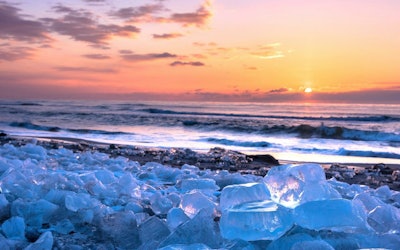
Aerial video of the fantastic sunrise at “Jewelry Ice” on the Otsu Coast in Toyokoro Town, Hokkaido! Learn when you can see the new spectacular winter-only view and how to photograph it!
Nature Travel- 226 plays
- YouTube
Otsu Beach, Toyokoro, Hokkaido: Video Introduction This video, titled "[Jewelry Ice] Toyokoro, Otsu Beach, Near the Mouth of the Tokachi River|Mavic Pro 4K|Aerial Photography" ([ジュエリーアイス] 豊頃町 大津海岸 十勝川河口付近 Mavic Pro 4K 空撮), was uploaded by "Koichi Katayama" (片山昇一). Otsu Beach is located in Toyokoro, on Hokkaido, Japan's northernmost island and is a vast expanse of land overlooking the Pacific Ocean. It's known as one of the most popular tourist attractions in Hokkaido in recent years for its "Jewelry Ice," natural artwork created by nature. Among Hokkaido's many exciting tourist destinations, people are especially interested in seeing the jewelry ice. Enjoy the beautiful views of winter in Japan along with some relaxing music. [Video] 0:16 - A Fantastic Sunrise Over the Foggy Sea Where to See the Jewelry Ice – Otsu Beach in Toyokoro, Hokkaido Photo:Harunire Tree, Toyokoro, Hokkaido Toyokoro is located in Tokachi, Hokkaido. It takes about 40 minutes to reach from Obihiro by car. This city is near the mouth of the Tokachi River. It's called "The Birthplace of Tokachi" due to its history as the starting place where the Tokachi region expanded upstream from the mouth of the Tokachi River. This city's name came from the word "Toekoro." The name, meaning "The place where giant butterburs grow," comes from the Ainu language. From oceans and mountains to vast plains… Toyokoro is full of natural beauty. In addition to the sightseeing spots with beautiful waterside scenery such as Lake Choboshi (長節湖, Choboshiko) and Lake Yudo (湧洞湖, Yudoko), the town's symbol, the "Harunire Tree," is estimated to be 150 years old and is a popular photo spot where visitors can enjoy different expressions in each of Japan's four seasons. A short car ride will take you to the rich ocean, Otsu Beach, and Otsu Fishing Port (大津漁港, Otsugyoko), where you can see "jewelry ice." It's a relatively new, but popular, tourist attraction thanks to its beautiful scenery. Of course, the seafood here is delicious as well, so be sure to try some after sightseeing in the area. [Video] 0:59 - Mist Over the Tokachi River How Does the Jewelry Ice Form? When Can I see the Jewelry Ice? Photo:Jewlery ice, Toyokoro, Hokkaido "Jewelry ice" is a group of ice blocks that have washed up on the shore. This ice comes from the Tokachi River and flows to the Pacific Ocean. As the ice is battered by waves, the edges are removed and the ice becomes smooth, clear and crystal-like. The resulting product of this natural phenomenon is the beautiful jewelry ice. Jewelry ice, created by the severe cold of Tokachi and the Tokachi River, shines like a beautiful jewel in the sunlight. The jewelry ice changes its color beautifully from yellow, gold, orange, red, purple, and blue depending on the time of day, making it a popular destination for tourists and photographers alike. The best time to see the jewelry ice is usually from mid-January to late February on the sandy beach near the mouth of the Tokachi River in Otsu, Toyokoro. Photographing the Jewelry Ice at Sunset: Tips for Photographers Photo:Jewelry ice shining brightly at sunrise It's recommended that you take photos when the sun rises. By doing so, you can really capture the beauty of the natural phenomenon. Sunrise is from 6:40 - 7:00 a.m. in January and February. You should visit there around 30 to 60 minutes before the sunrise to take photos and prepare. Look for jewel-like clear ice or ice with mysterious holes created by nature, and take pictures by arranging the ice in a composition that takes into account the direction of the morning sunrise and the waves. It'll make for some amazing Instagram photos as well! Suffice it to say, you can easily take some amazing photos here. There's even a special page on Toyokoro's official website where information about the "jewelry ice" is updated daily. Be sure to check it out if you're visiting! Things to Be Careful of When Viewing the Jewelry Ice – Respect the Local Residents Please remember to be considerate of local residents around the area where jewelry ice can be seen, as there are residential areas in close proximity. If you're coming by car, please use the free parking lots, as cars are not allowed on the beach. Parking on the street is strictly prohibited, as it can inconvenience the local residents and obstruct access for emergency vehicles. Please remember to observe good manners, especially when visiting the site at night or early in the morning, particularly with regards to parking, noise, and disposing of trash. Summary of Jewelry Ice at Otsu Beach Photo:Jewelry ice and stars at Otsu Beach, Hokkaido Temperatures during this time of year, when thew jewelry ice can be seen, can drop below -20°C! The lowest temperatures are often recorded early in the morning, between 6:30 and 7:30 a.m., and taking into account windchill, etc., it can feel like it's -25°C to -30°C outside. Therefore, it's important to dress warm to protect yourself from the cold. Body temperature varies greatly depending on the strength of the wind and humidity, so please check the weather forecast and temperature in advance to be well prepared for your trip. It's also said that electronic devices (cell phones, cameras, etc.) should be kept warm with body warmers, as extremely low temperatures may temporarily cause batteries to drain faster. Be sure to fill a water bottle with a hot drink and drink it to stay warm while you admire the clear sparkling ice. If you end up visiting and taking some photos, we'd love to see them in our photo contests as well! [TripAdvisor] Otsu Beach -
 Text only
Kansai in COOL JAPAN VIDEOS Photo Contests: 10 Spectacular Views of Japan's Kansai Region. From Night Views to Traditional Events, Discover the Best Photo Spots in Kansai!
Travel Festivals & Events Nature- 1.02K views
COOL JAPAN VIDEOS is always holding photo contests. This time, we have selected works depicting Japan's Kansai region from among the many photos submitted to past COOL JAPAN VIDEOS Photo Contests, and will introduce some photography tips on timing, composition, etc. to help you take great photos with your smartphone! Be sure to try them out the next time you're sightseeing in Japan's Kansai region. COOL JAPAN VIDEOS is a social, video curation site that introduces the charms of Japan to people around the world who are interested in Japan. Our photo contests allow you to participate and even win with photos taken via your smartphone! Stick around to learn more! ■Table of Contents - Kansai in Past Photo Contests Shirahige Shrine at Sunset A Night View of Dotonbori in Minami, Osaka Mt. Wakakusa Yamayaki and Yakushiji Temple The Great Buddha Hall of Todaiji Temple Gozan Okuribi in Kyoto Sea Sparkles in Ine, Kyoto Himeji Castle and Cherry Blossoms The Takeda Castle Ruins Daimonzaka on the Kumano Kodo Hashigui-iwa Rocks - Features of COOL JAPAN VIDEOS Photo Contests - Current Photo Contest - Summary of Kansai in COOL JAPAN VIDEOS Photo Contests Kansai in Past Photo Contests Among the many works that convey the charms of Japan, we have carefully selected photos of sightseeing spots in Japan's Kansai region. We will also introduce some highlights of each area, photography tips, and related video articles to check out. COOLJAPANVIDEOS Photographer: たっかー Location: Shirahige Shrine (Takashima, Shiga) Highlights and Photography Tips for Shirahige Shrine, Lake Biwa Shirahige Shrine is a popular power spot in Japan and is the oldest shrine in Omi. There are many photogenic sights, including the main shrine, the shrine office, and other historical buildings, as well as Iwato Shrine located at the far end of the shrine grounds. But the best place for photos is the Great Torii Gate standing in Lake Biwa! You can capture various scenes of the torii as it stands against the rising sun and on the surface of the lake at sunset from the observatory on the shrine grounds. A Video Article About Shirahige Shrine, a Popular Tourist Attraction Video article 5:22 Shirahige Shrine - A Mysterious and Popular Location Where You Can Enjoy a Spectacular View of Lake Biwa! The Vermilion-Colored Torii Gate Is a Must-See! YouTube COOLJAPANVIDEOS Photographer: たっかー Location: Dotonbori (Osaka City, Osaka Prefecture) Highlights and Photography Tips for Dotonbori a downtown area in Osaka's Minami district Dotonbori is a well-known shopping district in Osaka's Minami district. Lined with theatres and restaurants, it has been crowded with people since Edo period Japan to the present day. Ebisu Bridge, which spans the Dotonbori River, is a great place to take photos. The huge billboard of "Glico" is proof that Osaka is a popular tourist attraction. The Kuidaore Taro doll and the giant three-dimensional billboards are photo spots that symbolize downtown Osaka. A Video Article About the Shinsekai and Tsutenkaku Areas of Osaka Video article 4:26 Be Enchanted by the Glittering Neon Lights of Osaka and the Night View of Tsutenkaku Lighting up the City of Osaka! Introducing Recommended Spots Around Tsutenkaku Tower, the Symbol of Osaka! YouTube COOLJAPANVIDEOS Photographer: Shunkai_k Location: Lake Oike (Nara City, Nara Prefecture) Highlights and Photography Tips for Wakakusa Yamayaki Wakakusa Yamayaki, an event held every year on the fourth Saturday in January in Japan, is a traditional event in Nara. The flames spread across 81 acres of grassland on Mt. Wakakusa in Nara Park. The foot of Mt. Wakakusa, where visitors can see Mt. Wakakusa up close as it burns, as well as Ukigumo Enchi and Kasugano Enchi, which offer panoramic views of Mt. Wakakusa, are all popular sightseeing spots. From Oike in Nishinokyo, visitors can take photos of Yakushiji Temple and the Mt. Wakakusa fireworks. A Video Article About Yakushiji Temple, a Power Spot in Nara Prefecture Video article 6:57 Yakushiji Temple in Nara Prefecture - Registered as a World Heritage Site Under "Historic Monuments of Ancient Nara," the Temple Is Also Known as a Power Spot To Pray for Good Health! YouTube COOLJAPANVIDEOS Photographer: Smartone Templeslope Location: The Great Buddha Hall of Todaiji Temple from Mt. Wakakusa (Nara City, Nara Prefecture) Highlights and Photography Tips for Nara Park, a Popular Tourist Attraction Nara Park is dotted with historical buildings such as Todaiji Temple, Shosoin Temple, Kofukuji Temple, and Kasuga Taisha Shrine in a rich natural setting. It is also a popular tourist attraction for cherry blossoms and autumn leaves. If you want to take pictures of autumn leaves and deer, we recommend Tobihino and Ukigumo Enchi in Nara Park. A Video Article About Tourist Attractions in Nara Prefecture Video article 3:45 Get a Taste of Japanese History in Nara Prefecture! Nara Prefecture Is Full of Places That You Don't Want to Miss When Traveling to the Kansai Region! YouTube COOLJAPANVIDEOS Photographer: tabokin Location: Hidari Daimonji seen from Mt. Yoshida (Sakyo, Kyoto) Photography Tips for Gozan no Okuribi, a Summer Event in Kyoto Gozan no Okuribi is a summer tradition in Kyoto. It's a Bon Festival event held every year on August 16 where fires are lit on five mountains surrounding the city of Kyoto. The characters "Daimonji" (大文字), "Myo/Ho" (妙・法), "Funagata" (船形), "Hidari Daimonji" (左大文字), and "Toriigata" (鳥居形) are lit in sequence from 8:00 p.m. onward. Mt. Yoshida, located on Mt. Okita and facing Daimonji, is lit by "Hidari Daimonji." 10 minutes up the mountain, there is a photo spot where you can get a full view of the Daimonji, which is highly recommended. A Video Article About Gozan no Okuribi, a Traditional Event in Kyoto Video article 1:01 Gozan no Okuribi – A Traditional Event to Send off the Spirits of the Deceased During the Obon Festival of Kyoto, Japan YouTube COOLJAPANVIDEOS Photographer: しんご @shingo_camera Location: Ine (Yosa, Kyoto) The Sea Sparkles of Ine, Kyoto Every year from April to the end of May, there are days when Ine Bay in Kyoto, Japan glows a brilliant blue. The cause of this is noctiluca scintillans, aka sea sparkles. Unlike sea fireflies, sea sparkles emit blue light in response to physical stimuli. Therefore, whenever they are stimulated by waves, large numbers of sea sparkles begin to glow. During the day, when there's a red tide in the bay and a strong southward wind blows, there's a high probability of seeing sea sparkles. A Video Article About the Funaya of Ine, Kyoto Video article 3:45 The First Floor of the House Is a Dock?! The Historic Port Town of Funaya, Ine in Kyoto Is a Fishing Village Lined With Mysterious Houses! You won't Find Scenery Like This Anywhere Else! YouTube COOLJAPANVIDEOS Photographer: st situation Location: Himeji Castle (Himeji, Hyogo) Highlights and Photography Tips for Cherry Blossoms at Himeji Castle Himeji Castle, selected as one of the Top 100 Cherry Blossom Viewing Spots in Japan, is home to approximately 1,600 cherry trees, including Someiyoshino cherry trees and weeping cherry trees, which can be seen in full bloom in the spring. Sannomaru Square (三の丸広場, San no Maru Hiroba), Senhime Botan Garden (千姫ぼたん園, Sen Hime Botan-en), and Nishi no Maru Garden (西の丸庭園, Nishi no Maru Teien) are popular spots for taking photos of Himeji Castle and the cherry blossoms. The atmospheric composition of Himeji Castle, cherry blossoms, and a Japanese sightseeing boat in the inner moat of Himeji Castle with the red Shiromi Bridge in the background creates an incredibly photogenic shot. A Video Article About Cherry Blossoms at Himeji Castle in Hyogo Prefecture Video article 3:29 Enjoy the Cherry Blossoms of Hyogo Prefecture at Himeji Castle, Japan's First World Cultural Heritage Site! The Contrast Between the White Himeji Castle and the Pink Cherry Blossoms Will Leave You Speechless! YouTube COOLJAPANVIDEOS Photographer: Nguyen Vu Location: The Takeda Castle Ruins from the Ritsuunkyo Observation Deck (Asago, Hyogo) Highlights and Photography Tips for the Takeda Castle Ruins The Takeda Castle Ruins, located on the summit of Mt. Kojo in Asago, Hyogo, are the site of a mountain castle whose stone walls are still almost completely intact, some 400 years after the castle was abandoned. On a clear autumn morning, the area around the castle is sometimes shrouded in thick fog, leaving the Takeda Castle Ruins at the top of the mountain. A good spot to photograph the Takeda Castle Ruins floating in a sea of clouds is the Ritsuunkyo Observation Deck (立雲峡, Ritsuunkyo), located halfway up Mt. Asago opposite the castle ruins. A Video Article About the Take Castle Ruins, the "Castle in the Sky" Video article 2:29 Behold the Mesmerizing Scenery of Takeda Castle, Hidden in a Sea of Clouds in Asago, Hyogo! Called the "Machu Picchu of Japan" and "Castle in the Sky," Takeda Castle Attracts Thousands of Tourists From All Over the World! YouTube COOLJAPANVIDEOS Photographer: 女子高校生 Location: The Kumano Kodo (Higashimuro, Wakayama) Highlights and Photography Tips for Daimonzaka on the Kumano Kodo Daimonzaka, located on the Kumano Kodo pilgrimage trail, is the entrance to Kumano Nachi Taisha Shrine and Nachi Falls, both of which were visited by people in ancient times. The "Meoto Sugi" (Lover Cedar Trees), estimated to be 800 years old, the stone pavement, the grove of centuries-old cedar trees, and the moss-covered stone steps are a must-see for photographers and travelers alike. Kumano Nachi Taisha Shrine, one of the Kumano Sanzan (three great temples of the Kumano region), and Nachi Falls, one of the Top 3 Waterfalls in Japan, are also popular spots. A Video Article About the Kumano Kodo, a World Heritage Site Video article 2:35 The Beautiful Landscape of Kumano Kodo, A World Heritage Site in Wakayama Prefecture. This Historic Power Spot Is Full of Stone Steps and Sacred Waterfalls, Perfect for Your Instagram! YouTube COOLJAPANVIDEOS Photographer: いくみ Location: Hashigui-iwa Rocks (Higashimuro, Wakayama) Highlights and Photography Tips for Hashigui-iwa Rocks, a Popular Tourist Attraction The Hashigui-iwa Rocks are a group of uniquely-shaped rocks in the town of Kushimoto on the southern tip of Wakayama. It consists of more than 40 rock pillars of all shapes and sizes that form a straight line extending roughly 850 meters into the sea. The scenery has been selected as one of the Top 100 Sunrise Spots in Japan, so be sure to take photos of it at sunrise! The best spot to photograph it is from the parking lot of Roadside Station Kushimoto Hashigui-iwa (道の駅くしもと橋杭岩, Michi no Eki Kushimoto Hashigui-iwa). With silhouettes of rock pillars, the sky and the sea, it's possible to capture various appearances with creative use of exposure, composition, and white balance. A Video Article About the Shirasaki Coast in Wakayama Prefecture Video article 3:35 Shirasaki Coast in Wakayama Prefecture, Called the "Aegean Sea of Japan," Is Just Like a Painting! Introducing the Charms and Activities of Shirasaki Coast! YouTube Features of COOL JAPAN VIDEOS Photo Contests COOL JAPAN VIDEOS is a social, video curation site that showcases the charms of Japan to people around the world who are interested in Japan. Click here for more information about COOLJAPANVIDEOS Anyone can enter COOL JAPAN VIDEOS' photo contests! Below are some of the features of our contests. ・On top of single-lens reflex cameras and digital cameras, photos taken with smartphones and other devices can also be submitted. ・Each person can submit as many photos as they like during the contest period. ・Editing of images, such as cropping and color changes, is also allowed! Here you can find all of the past photo contest winners in one place. You can also see the prizes for each contest, as well as the locations where the photos were taken and the judges' critiques. Click here to see past photo contest winners Text only Photo Contest Results - COOL JAPAN VIDEOS Winning Photos - Discover the Charms of Japan! Current Photo Contest The following is information about the current photo contest. [Ongoing From March2024] The 22th COOL JAPAN VIDEOS Photo Contest Theme: Spring in Japan Submission period: March 1, 2024 12:00 AM – April 30, 2024 11:59 PM (JST) Prizes: ■Grand Prize: 30,000 yen Amazon gift card (1 Winner) ■Honorable Mentions: 10,000 yen Amazon gift card (5 Winners) Spring in Japan Photo Contest Landscape Photography Summary Did you enjoy these landscape photos from past photo contest entries? Some of these landscapes can only be seen in specific conditions. Japan is full of rich nature, historical locations, and seasonal events! Share your photos with the world and help showcase the beauty of Japan through COOL JAPAN VIDEOS! Related Articles Text only Children of COOL JAPAN VIDEOS Photo Contests: 10 Heartwarming Photos That Will Put a Smile on Your Face! Text only Autumn in COOL JAPAN VIDEOS Photo Contests: 10 Beautiful Photos of Autumn in Japan Text only Mt. Fuji in COOL JAPAN VIDEOS Photo Contests: 10 Photos Showcasing the Different Views of Mt. Fuji Text only Hokkaido in COOL JAPAN VIDEOS Photo Contests: From Popular Sightseeing Spots to Exotic Animals, Discover the Beauty of Japan's Northernmost Prefecture! Text only Tohoku in COOL JAPAN VIDEOS Photo Contests: Hot Springs, Festivals, Snowscapes, and More – 10 Beautiful Photos of Japan's Tohoku Region! Text only Kyoto in COOL JAPAN VIDEOS Photo Contests: 10 Beautiful Photos of Kyoto, the Ancient Capital of Japan, and Its Most Popular Tourist Attractions! Text only Tokyo in COOL JAPAN VIDEOS Photo Contests: 10 Photos Featuring the Charms of Tokyo, the Capital of Japan + Popular Tourist Attractions! Text only Winter in COOL JAPAN VIDEOS Photo Contests: 10 Photos Capturing the Beauty of Winter in Japan. Snowy Landscapes, Glittering Illuminations + More! Text only Kansai in COOL JAPAN VIDEOS Photo Contests: 10 Spectacular Views of Japan's Kansai Region. From Night Views to Traditional Events, Discover the Best Photo Spots in Kansai! Text only Cherry Blossoms in COOL JAPAN VIDEOS Photo Contests: 10 Amazing Views of Cherry Blossoms, from Castles and Temples to Rows of Cherry Blossom! .separation_line { border-width: 0 0 8px; border-style: solid; border-image: url('data:image/svg+xml,') 0 0 100% repeat; width: 216px; margin:auto; margin-bottom: 50px; } -
Text only
Children of COOL JAPAN VIDEOS Photo Contests: 10 Heartwarming Photos That Will Put a Smile on Your Face!
Things to Do Festivals & Events- 877 views
COOL JAPAN VIDEOS is always holding photo contests. In this article, we'll introduce some of the entries submitted to past photo contest, in which children were the subjects of the photos. Along with the photos, we'll also introduce related articles and other information. COOL JAPAN VIDEOS is a social, video curation site that introduces the charms of Japan to people around the world who are interested in Japan. Our photo contests allow you to participate and even win with photos taken via your smartphone! Stick around to learn more! ■Table of Contents - Children of Past Photo Contests A Tunnel of Cherry Blossoms Summer Vacation Down by the River Summer Is Here! Two Smiles in This Sunflower Field! Good Old Japan... Splashing About in Tokyo Mikan Picking in Tsukuihama Shichi-Go-San Snow Shoveling After Playing in the Snow A Little Oni With a Rattle Drum - Features of COOL JAPAN VIDEOS Photo Contests - Current Photo Contest - Summary of Children of COOL JAPAN VIDEOS Photo Contests Children of Past Photo Contests From the many entries to our past photo contests, we have selected some of the most wonderful photos that feature children. CoolJapanVideos Photographer: Haya A Tunnel of Cherry Blossoms and a Hint of Dandelions… The warm spring weather and ephemeral cherry blossoms are simply enchanting. Even children are moved by the beauty of nature. A boy gleefully runs with dandelions through a tunnel of beautiful cherry blossoms. This is a work that warms the hearts of those who see it. An Article on Kenroku-en Garden, Selected as One of the Top 100 Cherry Blossom Spots in Japan Video article 7:32 Straight Out of the Edo Period! Enjoy Traveling Back in Time With the Quaint Atmosphere of Kanazawa City! YouTube CoolJapanVideos Photographer: rikopapa Summer Vacation Down by the River A retreat from the crowds and an escape into nature to avoid the feeling of isolation caused by the coronavirus pandemic. Summer feels just a little bit cooler while splashing around in a river hidden in the mountains! The sun shines through the trees like a spotlight on the children frolicking in the river. An article on the NAGATORO AUTO CAMP SITE; Just 2 Hours From Tokyo Video article 7:32 NAGATORO AUTO CAMP SITE - Great for Families and Women! Spacious Campsites and Lodging Facilities, and Water-Based Activities! YouTube CoolJapanVideos Photographer: reichan84 Summer Is Here! Straw Hats, Yukata & Ice Cream! A girl enjoying summer and an exuberant smile! She's wearing her favorite straw hat and a yukata while munching on some watermelon ice cream! This picture, taken against a backdrop of rich greenery, depicts a vibrant summer. She probably broke out into an even more wonderful smile after enjoying some of that ice cream! An Article on How to Wear a Yukata Video article 11:59 The Yukata Is an Essential Item of Clothing for Summer Festivals and Hot Spring Trips! Learn the Tips and Tricks of Putting on a Yukata! We’ll Teach You How! YouTube CoolJapanVideos Photographer: N♡A Two Smiles in This Sunflower Field! A boy in overalls and a tall sunflower standing side by side cheerfully. If you look closely, you'll notice both the boy and sunflower are smiling. The white T-shirt and overalls look so refreshing against the blue sky and verdure. It's a photo with which you can feel the excitement of a warm summer. An Article About Sunflower Fields Video article 1:23 Akeno Sunflower Field in Hokuto, Yamanashi: A Breathtaking View of Nearly 600,000 Sunflowers in Bloom! Home To the Akeno Sunflower Festival and the Filming Location of a Popular Movie! YouTube COOLJAPANVIDEOS Photographer: st situation Location: Aina Satoyama Park (Kobe, Hyogo) Good Old Japan... Watermelon on the Porch and a Cute Mosquito Coil A shot of the Japanese countryside, taken at Aina Satoyama Park. It was also the location for the Rurouni Kenshin live-action film. The hanging onions, old-fashioned lanterns inside the rooms, and dog lying on the ground creates an atmospheric scene like something out of a Japanese painting. An Article on Sightseeing in Hyogo Prefecture Video article 7:28 Hyogo Prefecture Is a Fascinating Tourist Destination With Plenty of Delicious Food, Beautiful Scenery, Rich History, and Natural Landscapes! YouTube CoolJapanVideos Photographer: 長谷部なおき Location: Ikebukuro Nishiguchi Park (Toshima, Tokyo) Splashing About in Tokyo Children splash around with water guns in their hands under the summer sun. It's a scene that would make even the adults watching over them somewhat envious. Ikebukuro Nishiguchi Park is just outside the west exit of Ikebukuro Station. Located in front of the Tokyo Metropolitan Art Space, it's a place where many people come and go and various events are held there as well. An Article About Hands-on Children's Experiences in Tokyo Video article 3:55 KidZania Tokyo Is a Popular Place Where Children Can Experience Their Dream Job! Learn About Its Features, Appeal and the Types of Jobs Available! YouTube CoolJapanVideos Photographer: wataru Location: A Mikan Orchard in Tsukuihama (Yokosuka, Kanagawa) Mikan Picking in Tsukuihama In Japan, mikan are a common sight when the weather gets cold. Many children probably don't even know that mikan grow on trees. This photo captures a child enjoying picking fruit while surrounded by nature. The excitement can be seen in her eyes. Nothing tastes better than a freshly picked mikan straight from the tree! An Article on Sightseeing in Kanagawa Prefecture Video article 7:01 There Are So Many Fascinating Places to Visit in Kanagawa Prefecture! World-Famous Sightseeing Spots in Kanagawa Are Brilliantly Introduced With Smooth Dancing! YouTube CoolJapanVideos Photographer: kyokyo Location: Yasaka Shrine (Kyoto City, Kyoto Prefecture) The Excitement After Getting Your Picture Taken on Shichi-Go-San Shichi-Go-San is a traditional Japanese rite of passage for three- and seven-year-old girls, and 5-year-old boys. Featured here is a 7-year-old girl excited after getting her pictures taken while wearing a kimono, obi, and a hairstyle that she would have been particular of. A professional photo taken at a studio is something to treasure, but a photo where you can let loose and enjoy the moment is something special. An Article on Autumn Colors at Eikando, Kyoto in Autumn Video article 2:00 Eikando Temple - Beautiful Autumn Foliage at a Famous Japanese Temple in Kyoto YouTube CoolJapanVideos Photographer: まな Snow Shoveling After Playing in the Snow Children in areas that don't get much snow tend to be fascinated by the winter wonderland they see after opening their windows. After playing in the snow 'til their cheeks are bright red, they're eager to help with the snow shoveling! Their hard work shows how proud they are of their efforts. An Article on Snowy Landscapes in Japan Video article 7:26 Japan's Most Beautiful Snow-Covered Scenery and Popular Tourist Spots That'll Look Great on Your Instagram! The Country, Dyed in a Beautiful White, Shows a Different Face Than Most Are Used To YouTube CoolJapanVideos Photographer: めめめ09 A Little Oni With a Rattle Drum in Hand The custom of bean-throwing during Setsubun, a traditional Japanese event, is said to drive away evil spirits and bring good fortune. At nursery schools and other events, children can be seen throwing beans at the ogres, saying, "Out with demons! In with fortune!" However, the oni in this photo is so cute that you might be tempted to just give him a handful of beans. This is a photo of a cute little oni walking around in a good mood while spinning his rattle drum. An Article on an Oni Banishing Ritual During Setsubun Video article 4:26 Banish the Ogres at the 'Oni Banishing Ritual' of Iwashimizu Hachimangu in Kyoto! Setsubun Is a Traditional Japanese Festival That Involves Throwing Beans at Demons to Drive Away Evil Spirits, and Has Been Passed Down From Generation to Generation Since Ancient Times in Japan YouTube Features of COOL JAPAN VIDEOS Photo Contests COOL JAPAN VIDEOS is a social, video curation site that showcases the charms of Japan to people around the world who are interested in Japan. Click here for more information about COOLJAPANVIDEOS Anyone can enter COOL JAPAN VIDEOS' photo contests! Below are some of the features of our contests. ・On top of single-lens reflex cameras and digital cameras, photos taken with smartphones and other devices can also be submitted. ・Each person can submit as many photos as they like during the contest period. ・Editing of images, such as cropping and color changes, is also allowed! Here you can find all of the past photo contest winners in one place. You can also see the prizes for each contest, as well as the locations where the photos were taken and the judges' critiques. Click here to see past photo contest winners Text only Photo Contest Results - COOL JAPAN VIDEOS Winning Photos - Discover the Charms of Japan! Current Photo Contest The following is information about the current photo contest. [Ongoing From March2024] The 22th COOL JAPAN VIDEOS Photo Contest Theme: Spring in Japan Submission period: March 1, 2024 12:00 AM – April 30, 2024 11:59 PM (JST) Prizes: ■Grand Prize: 30,000 yen Amazon gift card (1 Winner) ■Honorable Mentions: 10,000 yen Amazon gift card (5 Winners) Spring in Japan Photo Contest Landscape Photography Summary Did you enjoy these landscape photos from past photo contest entries? Some of these landscapes can only be seen in specific conditions. Japan is full of rich nature, historical locations, and seasonal events! Share your photos with the world and help showcase the beauty of Japan through COOL JAPAN VIDEOS! Related Articles Text only Children of COOL JAPAN VIDEOS Photo Contests: 10 Heartwarming Photos That Will Put a Smile on Your Face! Text only Autumn in COOL JAPAN VIDEOS Photo Contests: 10 Beautiful Photos of Autumn in Japan Text only Mt. Fuji in COOL JAPAN VIDEOS Photo Contests: 10 Photos Showcasing the Different Views of Mt. Fuji Text only Hokkaido in COOL JAPAN VIDEOS Photo Contests: From Popular Sightseeing Spots to Exotic Animals, Discover the Beauty of Japan's Northernmost Prefecture! Text only Tohoku in COOL JAPAN VIDEOS Photo Contests: Hot Springs, Festivals, Snowscapes, and More – 10 Beautiful Photos of Japan's Tohoku Region! Text only Kyoto in COOL JAPAN VIDEOS Photo Contests: 10 Beautiful Photos of Kyoto, the Ancient Capital of Japan, and Its Most Popular Tourist Attractions! Text only Tokyo in COOL JAPAN VIDEOS Photo Contests: 10 Photos Featuring the Charms of Tokyo, the Capital of Japan + Popular Tourist Attractions! Text only Winter in COOL JAPAN VIDEOS Photo Contests: 10 Photos Capturing the Beauty of Winter in Japan. Snowy Landscapes, Glittering Illuminations + More! Text only Kansai in COOL JAPAN VIDEOS Photo Contests: 10 Spectacular Views of Japan's Kansai Region. From Night Views to Traditional Events, Discover the Best Photo Spots in Kansai! Text only Cherry Blossoms in COOL JAPAN VIDEOS Photo Contests: 10 Amazing Views of Cherry Blossoms, from Castles and Temples to Rows of Cherry Blossom! .separation_line { border-width: 0 0 8px; border-style: solid; border-image: url('data:image/svg+xml,') 0 0 100% repeat; width: 216px; margin:auto; margin-bottom: 50px; } -
Video article 1:30
The Oniyanma: Amazing Footage of Japan's Largest Dragonfly! See It Molting and Laying Eggs in Nature...
Living Things- 2.12K plays
- YouTube
The Oniyanma - Japan's Largest Dragonfly! This video, titled "Oniyanma (The Largest in Japan)" (オニヤンマ(日本最大)), introduces the oniyanma, a large dragonfly belonging to the Cordulegastridae family and Odonata order. The massive dragonfly has an abdominal length of 7 cm for males and 8 cm for female. Those that inhabit Hokkaido (北海道, Hokkaido), Yakushima Island (屋久島, Yakushima), etc., have a tendency to be smaller. Their eyes are a bright emerald green color, but change color when they are made into specimens. Their body is black with a yellow pattern and fine horizontal stripe at each section. They are compared with sieboldius albardae (ko-oniyanma), but these belong to the Gomphidae family, and are different from oniyanma in that their compound eyes are placed separately on both sides of their head, and their larvae are flat and disk-shaped and live on stones at the bottoms of rivers. Oniyanma - Distribution and Habits Photo:Oniyanma Oniyanma are widely distributed throughout Japan, mainly around streams, riverbanks, outskirts of forests and mountainous areas, but they can also be seen on the plains and in urban areas when it is cooler. International visitors may be surprised to find them in urban areas because of their very large area of activity. When you find a female oniyanma, you can catch it by taking advantage of its habit of stopping its movement and hovering. Male Oniyanma consider anything that flaps its wings to be female, so if you hold a fan or other wind-producing object in front of the male, it will stop moving. If you're a bug collector, you can use this as a reference when collecting! The Life Cycle of Oniyanma Photo:Oniyama Patrol Oniyanma are carnivorous, feeding on moths, flies, and other small flying insects. Their natural predators are birds, bats, etc. They can bite humans as well, so be careful. Male oniyanma mate with females they meet while patrolling their territory. After mating, the female will go to a clean river or puddle to lay her eggs. Upon finding a suitable location, oniyanma perform a unique spawning display in which they will drop to the surface of the water while standing up and flying. You can see a female oniyanma laying eggs at 0:30 in the video. They spawn by thrusting their ovipositor into the mud in the water. Photo:An oniyama hatching Eggs hatch about 1 month after being laid, and the larvae are called nymphs. Nymphs are a translucent white with no wings and a short abdomen. They burrow into the mud to lie in wait for food to pass. When they are young, they feed on water fleas, mosquito larvae, etc., but as they grow older they begin feeding on tadpoles, small fish, etc. In addition, they feed on each other as well as nymphs of other species and, as a result, only the strong survive. It takes five years for them to become adults, and they molt about ten times before reaching this stage. Eventually, compound eyes pop out and the mouth part of the molt becomes a unique face as if they were wearing masks. Eventually, scaly wings form on their backs, and on a sunny summer day, they climb up from the bottom of the water to a stone or pile on the surface of the water and their backs split open and they emerge as adults. Immediately after hatching, their wings are white and shrunken, but over night, the black and yellow pattern appears and the wings solidify. You can amazing footage of an oniyanma molting at 0:58 in the video. After emerging as adults, they continuously feed for about a month before mating. The total life span of an oniyanma is 5-6 years. Summary of Oniyanma- Japan's Largest Dragonfly Photo:An adult oniyanma emerging Did you enjoy learning about the oniyanma, the largest dragonfly in Japan? Footage of them laying eggs is quite rare, so if you still haven't yet, be sure to check it out! -
Video article 3:15
Cute Ezo Red Foxes Playing in Hokkaido. Learn About the Wildlife of Japan!
Living Things- 698 plays
- YouTube
Introducing Hokkaido's Cutest Critters! This video "Parent and child of fox" shows the state of the ezo red fox inhabiting In Hokkaido's, lush wilderness. You can see many wild animals such as raccoons and foxes in Hokkaido's outdoors. Be sure to watch the video to follow along. The Ezo red fox mother curled up with her kit is just adorable! There are many fans of the Ezo red fox in Japan. In 1978, a documentary movie called "The Glacier Fox" was released and became quite popular at the time. In the video, you can see a picture of an Ezo red fox mother with her kit living in nature. It's very soothing scenery. Please enjoy watching it! What Are Ezo Red Foxes? Source :YouTube screenshot Ezo red foxes are an endangered species that are widely distributed throughout Hokkaido and are also calledSakhalin. They have been frequently seen in Aomori Prefecture in recent years. It is a subspecies of the red fox that inhabits various places, and it is a carnivorous mammal. It is slightly larger than the Japanese red fox inhabiting Honshu. Its life span is generally said to be around 10 years. Ezo red foxes make high-pitched calls such as “can-can” and “wan-wan” They often eat rats, birds, and insects as food. And sometimes they come to residential areas in search of food. In this video, the kit stays close to its mother for safety and to play. From 0:06 in the video, they give playful bites and cuddle each other. It is a very cute, relaxing video about 3 minutes long. Where Can I See an Ezo Red? Photo:Ezo red foxes You may want to encounter a wild ezo red fox, but be careful as wild animals can have a parasite called Echinococcus. Kitami City, Hokkaido, has a fox specialty zoo “Ezo Red Fox Ranch”, where you can observe the ecology of cute red foxes in safety. Although it is in Hokkaido, it is quite far from Sapporo City. So if you visit Kitami City, we recommend making a hotel reservation. Summary of Hokkaido's Ezo Red Foxes Photo:Red fox The family of red foxes shown in the video is very adorable. Ezo red foxes live together in the harsh natural environment of Hokkaido. There is also a crepe shop in Fukuoka Prefecture called "Northern Fox's Favorite", which is popular with locals and tourists. Please enjoy the video of Ezo red foxes in Hokkaido; the place with the highest encounter rate of Ezo red foxes, in Japan. -
Video article 7:37
The Owner of the Famous Oden Restaurant "Otafuku" in Asakusa, Tokyo Talks About the Popular Food "Oden" Which Has Been Loved by the People of Japan Since the Edo Period! You'll Be Amazed at the Selection of Oden That Can Be Found Throughout Japan!
Food & Drink- 370 plays
- YouTube
Introducing the Traditional Japanese Food "Oden"! This video, titled "ODEN – IS JAPAN COOL WASHOKU," introduces the traditional Japanese food "Oden." It was created by "ANA Global Channel." The video introduces Sakae Funadaiku (舩大工栄), the owner of the oden restaurant "Otafuku" in Asakusa, Taito ward (台東区), Tokyo. From 2:01 in the video, you can take a look at the delicious oden being served at Otafuku. What Kind of Dish Is Oden? Photo:Oden Oden dates all the way back to the Muromachi period (1336 AD-1573 AD). A dish known as "Tofu-dengaku" (豆腐田楽) became popular amongst the people of that time and eventually became the "Oden" known and loved today. Sakae Funadaiku shares more about the history of oden starting from 0:50 in the video. Oden is a comfort food that has gained popularity over the years and is commonly sold in Japanese izakaya and at food stands called "Yatai." In recent years, the number of convenience stores selling oden is on the rise. You can also purchase the ingredients yourself and prepare oden at home. There are many recipe sites online such as "Cookpad" where you can learn how to make oden. We highly recommend giving this low calorie yet highly satisfying dish a try! How To Make Oden Photo:Oden Oden is a popular hot pot dish that contains a variety of different ingredients. These often include daikon, konjac, boiled egg, atsuage (thick, deep-fried tofu), satsuma-age (deep-fried fish cakes), hanpen (pounded fish paste), tsumire (fish dumplings), ganmodoki (fried tofu fritter made with vegetables) and chikuwa (tube-shaped fish paste cake). There are some areas that also include beef sinew and chikuwabu (tube-shaped wheat cake). Slowly simmering the ingredients over a long period of time is what makes oden so delicious! Try Different Kinds of Oden All Over Japan! Photo:Shizuoka oden The seasonings and ingredients used to make oden vary depending on which area of Japan you are in, so you can enjoy comparing the different flavors of each region! You can try the Kansai-style tsuyu sauce-based oden or the characteristically dark broth of Shizuoka-style oden! In Hokkaido, it's common to eat miso oden in the summer! There is also a popular anime and story book character in Japan based on oden called Oden-kun (おでんくん)! Summary of Oden Photo:Oden This introductory video is packed full of oden footage that will leave your mouth watering! Oden can be enjoyed for either lunch or dinner as well! If you are interested in trying oden, check out some restaurant reviews and hours online and visit a restaurant to try it for yourself! The next time you go traveling in Japan, definitely check out the traditional Japanese dish "Oden" which has been loved by the Japanese people for hundreds of years! -
Video article 14:34
Take a Leisurely Stroll Through Tokyo at Ginza's Pedestrian Paradise, "Hokoten"! Check Out This Video to Learn About One of the Most Crowded Shopping Districts in Japan!
Travel Shopping- 492 plays
- YouTube
Video introduction of "Pedestrian Paradise" in Ginza, Chuo-ku, Tokyo This video is "Walking through Ginza chuo-dori (pedestrian paradise), Tokyo-Long Take [Tokyo / Ginza / Hokoten] 4K"(Walking through Ginza chuo-dori(pedestrian paradise), Tokyo - Long Take【東京・銀座/ホコ天】 4K). It introduces the pedestrian paradise "Hokoten" in Ginza, Tokyo, and is produced by "NIPPON WANDERING TV." When it comes to shopping, Shinjuku and Ginza are very popular with foreign tourists as the highlight of Japan sightseeing. In this article, we will introduce the Ginza pedestrian paradise, a major shopping and dining location, as well as tourist attractions and other events. This video is shot in beautiful 4K quality, and is shot in just a 1,100 meter space from the Ginza street intersection to the Ginza 8-chome intersection. Although it is a simple video with no background music or narration, it reflects the city scenery realistically, and makes you feel like you're really strolling around the pedestrian paradise. Japan's Top Location for Shopping and Dining! the History of Ginza’s Pedestrian Paradise! Photo:Fifth Avenue Pedestrian paradises are said to have started on Fifth Avenue in New York in the United States during the 1960's and 1970's. In Japan, it's nicknamed “Hokoten” for short. This is an event where a part of the main street, where traffic is usually heavy, is prohibited to vehicles, allowing the public to walk around freely. It is said that Japan's first pedestrian paradise began in Asahikawa City, Hokkaido. Surprisingly, it was in the north, and not in Tokyo. Ginza's first pedestrian paradise happened in 1970 and was very popular. Later they were held in Shinjuku, Ikebukuro and Asakusa. Shopping is easy because the entire road can be traversed freely, and the pedestrian paradise in Ginza is particularly popular under the nickname “Silver Bra.” The video shows many people enjoying the pedestrian paradise. Shopping & Delicious Food! The Beauty of Ginza's Pedestrian Paradise! Photo:Ginza department store Ginza’s pedestrian paradise closes part of the main street (Chuo Dori), one of Japan's premier shopping districts, and is loved by many people. It is often used for TV interviews, and you can freely walk through the long-established department stores such as Matsuya Ginza, GINZA SIX, Mitsukoshi, and also through the city of Ginza where brand name shops line the streets! It has been introduced overseas as a holiday promenade, and many foreign tourists visiting Japan enjoy pedestrian paradise. Pedestrian Paradise is also a great place to enjoy window shopping at department stores and brand name stores. Of course, you can enjoy not just shopping, but also movies and delicious food. When Does the Pedestrian Paradise Happen Ginza's pedestrian paradise is very lively, gorgeous and popular, as it is performed on the video. Famous, is Ginza's main road, Chuo-dori, which is said to have the highest land prices in Japan. It happens every Saturday, Sunday and on holidays. It runs from noon to 6:00 pm from April to September, and from noon to 5:00 pm from October to March. Around Chuo-dori there are many well-established department stores such as Mitsukoshi, restaurants, brand shops and duty-free shops, and there are also hotels on a separate street. Since it happens on the weekend, it is can be very crowded, so we recommend using public transportation, such as the subway and JR lines. Ginza’s Pedestrian Paradise Event Information Photo:Ginza 3-chome In the area around Ginza, many events are held every week in conjunction with pedestrian paradise. Rest areas are set up around Chuo-dori, so you can enjoy a leisurely stroll in the middle of Tokyo. In autumn, there's "Autumn Ginza." We recommend checking it out! During the festival, a JAZZ orchestra and brass band team will parade around the pedestrian paradise. Access to Ginza, Japan's Prime Location Access to Ginza's Pedestrian Paradise is as follows: ・ Tokyo Metro Ginza Station ・ JR East Yurakucho Station These two are very convenient. Please note that cars and bicycles are not allowed in the pedestrian zone. Summary of Ginza's Pedestrian Paradise Photo:Pedestrian paradise in Ginza The pedestrian paradise, that monopolizes Ginza, the number one shopping district in Japan, is held every weekend and on holidays. Please enjoy the 4K video that makes you feel as though you're wandering around Ginza, one of Japan's leading shopping spots. If you're going to Ginza for the first time, you may want to take notes while watching the video! 【Official Website】Tokyo Ginza Official https://www.ginza.jp/en/townguide/trafficinfo 【Tripadvisor】Ginza https://www.tripadvisor.com/Tourism-g14129573-Ginza_Chuo_Tokyo_Tokyo_Prefecture_Kanto-Vacations.html -
Video article 5:58
Hill of the Buddha - A New Attraction in Sapporo, Hokkaido Designed by a World-Famous Architect. Come Check Out the Buddha as He Pokes His Head Out From a Hill Surrounded by Lavenders!
Art & Architecture Travel- 453 plays
- YouTube
Makomanai Takino Cemetery’s "Hill of the Buddha" in Sapporo, Hokkaido "Introduction to the Hill of the Buddha" (頭大仏の紹介), is a video about the Hill of the Buddha, a symbol of Makomanai Takino Cemetery where you can see the head of the Great Buddha. At Makomanai Takino Cemetery, you can also see a vast landscape of lavender hills with more than 15 thousand lavenders. This dramatic Hill of the Buddha, standing at the top of a dome-shaped slope, was designed by Ando Tadao, a famous architect, in 2016 to celebrate the 30th anniversary of Makomanai Takino Cemetery. It is made up of 57 parts, which were selected and processed from 4,000 tons of unpolished stones. It is 13.5 meters high and weighs 1,500 tons. Initially, it was called “Mitama Kuyo Daibutsu.” You can see the Great Buddha in its entirety from 0:08 in the video. The construction of the Hill of the Buddha began in October 2013 and finished in 2016. As you can see from 0:56 in the video, the hardest part of this project was growing the 15 thousand lavenders. With the advice of lavender farmers and the help of volunteers, they succeeded in growing the lavenders from seed. It took about three years to build the Hill of the Buddha, and the construction process can be seen from 1:31 in the video. Makomanai Takino Cemetery's Hill of the Buddha Source :YouTube screenshot The Hill of the Buddha at Makomanai Takino Cemetery, Sapporo, Hokkaido, features the Great Buddha poking his head out from the lavender hill. According to the architect Ando Tadao, the purpose of this is to emphasize the gratitude of the Great Buddha as “that which you cannot see stimulates the imagination.” As you can see from 4:07 in the video, there is an approach with lavenders when entering Makomanai Takino Cemetery. There is also a water garden, which is a bypass of the pathway behind the approach. The water is a boundary to purify mind and to awaken the extraordinary. After going through the water garden, there is a tunnel that goes through the hill, which is shown at 4:25 in the video. The tunnel represents the womb and is lined with concrete folds. You can see the Great Buddha as you pass through the tunnel, and the panoramic view of the Buddha, which you can see along the 135-meter walk, is even more impressive. The light from the sky lights up the Buddha and surrounds you with artistic scenery. Learn About the Construction Process at the Gallery and Café Source :YouTube screenshot Next to the water-basin, there is a gallery where you can see the construction process of the Hill of the Buddha. Here, you can find out what the famous architect Ando Tadao had in mind when he designed the project. Across the gallery, lays the “Rotunda Café and Store.” You can enjoy snacks and tea and buy original merchandise and souvenirs here. It was opened in 2018 as a rest station, due to the increase of foreign tourists. Also, there are replicas of Easter Island’s Moai statues, which carry the meaning of “living into the future,” as well as a replica of Stonehenge. Information About Makomanai Takino Cemetery Photo:The Great Buddha Access to Makomanai Takino Cemetery in Sapporo City, Hokkaido is 20-30 minutes from Makomanai Station by bus from the Namboku Subway Line. Times may vary by season, so check out the homepage for more details. If you are driving, you can use the free parking areas in the south and north. The lots have a capacity of 245 cars, so be sure to check the map if you're planning on driving. There is a 300 yen (~$3 USD) "lavender maintenance fee" you must pay if you want to see the Hill of the Buddha. It is open from 7 am to 7 pm during summer, and 7 am to 6 pm during winter. Enjoy Art at Sapporo's Newest Spiritual Site! Source :YouTube screenshot Are you interested in visiting the Hill of the Buddha? The Hill of the Buddha is a new sightseeing spot in Sapporo, Hokkaido, not only for its powerful atmosphere, but also for its refreshing and beautiful scenery. If you're thinking about visiting Hokkaido, be sure to stop by! ◆Information◆ 【Address】2-3 Takino, Minami, Sapporo, Hokkaido 005-0862 【Access】20 to 30 minutes by bus from Metro Namboku Line, Makomanai Station 【Admission Fee】~300 yen lavender maintenance fee 【Hours】 7 am to 7 pm during summer. 7 am to 6 pm during winter 【Parking】Available 【Phone number】 011-592-1223 【Official Website】Makomanai Takino Cemetery https://www.takinoreien.com/ 【Tripadvisor】Makomanai Takino Cemetery https://www.tripadvisor.com/Attraction_Review-g298560-d12597229-Reviews-Makomanai_Takino_Cemetery-Sapporo_Hokkaido.html -
Video article 3:45
Kushiro Marsh: A Second Amazon River! Enjoy an Amazing 360-Degree View Nature! Sightseeing, Nature, Delicious Food, and Relaxation in Hokkaido's Kushiro City! 110% Fun!
Local PR Travel Nature- 598 plays
- YouTube
Kushiro City, Hokkaido This video “KUSHIRO Hokkaido Japan in 8K HDR - 釧路 [summer ver.]" (KUSHIRO Hokkaido Japan in 8K HDR - 釧路 [summer ver.]), produced by “KUSHIRO Hokkaido Japan,” is a promotional video of Hokkaido's "Kushiro city," located in the eastern area of Hokkaido. You can see sightseeing destinations and specialties of Kushiro City in high, 8k quality footage. Kushiro city, a city facing the Pacific Ocean, is located on the eastern side of Hokkaido. Here, you can enjoy the abundant nature of Kushiro city, and the wildlife unique to the area. Access to Hokkaido Kushiro city is best done by plane, using the Kushiro Airport. There are flights from Haneda Airport (Tokyo International Airport) and Itami Airport (Osaka International Airport) to Kushiro Airport. This video captures the charm of Kushiro City, Hokkaido, in under 4 minutes. It looks like summer, with the large green expanse spreading out to the horizon. We hope you enjoy the video clip of Kushiro city, Hokkaido, the largest wetland in Japan. The Most Famous Sightseeing Spot in Kushiro- Kushiro Marsh Photo:Kushiro Marsh, red crowned cranes “Kushiro Marsh” is the largest marsh in Japan, spanning 4 cities and towns in Hokkaido, including Kushiro city. This marsh is designated as natural wildlife reserve, and wildlife, such as “red crowned cranes” and “white tailed sea eagles,” that can be found no where else, live here. Also, it has been registered under the Ramsar Convention since 1980, to protect the important marsh through international cooperation. “Kushiro Marsh Observatory” is a popular spot among Kushiro city’s many sightseeing spots. From this observatory you can see a 360 degree view of Kushiro Marsh's scenery.Experience a spectacular view reminiscent of the Amazon. Also, this is one of the best spots in Hokkaido perfect for taking beautiful Instagram photos. The observatory hall displays a replica of precious flora and fauna from “Kushiro Marsh.” There are also Kushiro Marsh satellite observatories along the loop trail, which is 100% barrier-free, so be sure to check it out! Hosooka Observatory, near the Kushiro Marsh Station on Senmo Line, which runs through Kushiro Marsh, is another place we recommend. Enjoy the Great Outdoors From Kushiro Marsh's Hiking Course Photo:Kushiro Marsh, Hiking To those who want to experience the untamed lands of Kushiro Marsh directly, we recommend Onnenai wooden walkway and Tsurui track course at the "Onnenai Visitor Center." The Onnenai wooden walkway is a roughly 2 km course at Kushiro Marsh, and it takes you along a hiking course where you can breathe in the refreshing air of the Kushiro wetlands. Quite different from sightseeing in the city. The hiking course also has a 100% barrier-free route, so it's great for those using wheelchairs, or families with strollers. The Panoramic View From Kushiro Marsh's "Norokko Train" Photo:Kushiro Marsh Norokko Train Train fans don't want to miss the Kushiro Marsh Norokko Train. Norokko Train is a train that runs between Kushiro and Toro, and it is quite popular among the many trains of Hokkaido. The 36-degree view of Kushiro Marsh from the window makes you feel as if you have come to another world. If you're lucky, you might be able to see some of the wildlife in Kushiro Marsh. Enjoy Canoeing Down the Great Kushiro River Photo:Kushiro Marsh If you're a fan of the outdoors and want to move your body, we recommend Kushiro River’s canoe tour. In this river tour, you slowly sail through the calm waters of Kushiro River by canoe, and enjoy the nature of Kushiro. You can enjoy another view of “Kushiro Marsh” from the river, which is a vastly different take from the view at the observatory. The canoe tour has many plans: the 90 minute tour, 1 day tour, and the secret location tour. Choose the one that best fits your schedule, or even schedule around which plan you want to enjoy. Sightseeing in Kushiro City, Hokkaido Kushiro Marsh and Kushiro River are not the only sightseeing spots near Hokkaido's Kushiro City. At the foot of Oakandake, there is Lake Akan (Akanko) where spherical moss live, as well as the Akanko Hotspring village. Challenging hiking the Meakandake near the Oakandake is also nice. The mysterious lake “Onneto” is one of the 3 major secret lakes in Hokkaido, and changes its color by time and the angle you view it from. This is introduced from 1:03 in the video. There are many sightseeing spots where you can enjoy beautiful, scenic views, for example, Shakubetsu Hill which is popular among train enthusiasts as the best location for the Nemuro Line as it runs through fields. There 's also the popular fishing spot Onbetsu Shore, the 24 hour operated international Kushiro Harbor, the European style Musamai Bridge that spans the Kushiro River, and the Musamai Rotary, as well as the Takimi Bridge which is a great place to view the beautiful autumn leaves, and the Ainu Kotan village where only about 120 people live. Dining in Kushiro, Hokkaido Photo:Seafood rice bowl This video introduces not only Kushiro's great nature and places of interest, but also many of the city's popular local delicacies. At Kushiro Washo Market, there are many kinds of seafood on display, and Katte Don (a type of seafood bowl in which you pick your own choice of seafood) is a very popular dish. We highly recommend this seafood market, for both delicious seafood and sightseeing, when visiting Kushiro. The fishing industry is quite popular in Kushiro City, with the largest amount of saury landings in Japan. This is seen at 2:02 in the video. There are many other attractive dishes to try in Kushiro, for example, Kushiro soba and Kushiro ramen, soba sushi, Ganpeki Robata located in Kushiro Fisherman’s Warf, MOO, and Kushiro Robata’s robatayaki. By the way, did you know that the soul food of Hokkaido, zangi, originated in Kushiro? You can see these popular Kushiro delicacies from 1:15 in the video. Summary of Kushiro, Hokkaido Please watch this video to learn more about the wonders of Kushiro, which this article can't even begin to describe. There's a lot more to see in the video, and we highly recommend you watch it to see the Ainu’s traditional historical event "Iomante’s Fire Festival," from 3:27. If this video has you interested in Kushiro city, consider booking a trip there the next time you come to Japan! Hokkaido is one of the most popular tourist destinations in Japan, and there is a good selection of buses, car rental services, and hotels, so you won't have any trouble getting around. You'll be amazed at the charm, spectacular scenery, beauty, culture and history of Kushiro city, Hokkaido. 【Official Website】Hokkaido Kushiro City’s City Hall Website (English site) https://www.city.kushiro.lg.jp/machi/foreign%20languages/page2001.html 【Official Website】Kushiro/Akanko Travel Guide Official Website, SUPER FANTASTIC Kushiro Lake Akan (English site) https://en.kushiro-lakeakan.com/ -
Video article 3:00
Okushiri Island, Hokkaido: An Attractive Island Surrounded by Nature! Enjoy an Amazing Trip to the Clearest Sea in Hokkaido!
Local PR Nature- 248 plays
- YouTube
Okushiri Island, Hokkaido The video “Okushiri Promotional Video (3 minutes)” is a sightseeing video introducing Okushiri Island, one of the remote islands of Hokkaido. This video was produced by "Okushiri Sightseeing Channel" (奥尻観光チャンネル). Okushiri Island is an island located in the Japan Sea, at the southwestern part of Hokkaido. The island's area is 143 km², making it the 5th largest island in Hokkaido. The population is 2,707 (as of April 2018). Most of the island is a beechwood forest, and it is noted for its pristine nature. This video is about 3 minutes long and introduces marine activities that can be enjoyed in the crystal clear waters of Okushiri Island. Please enjoy the sea of Okushiri Island, the clearest waters in Hokkaido! Activities to Enjoy on Okushiri Island Photo:Paddle surfing The Okushiri Sea is said to be the clearest in Hokkaido. And due to its beauty, it is often called "Okushiri Blue." Scenes of people enjoying sea kayaking in Okushiri’s beautiful sea is introduced in the video at 0:18. Chartered mini cruising, or enjoying the popular SUP (Stand Up Paddleboat) on the sea surface during sunset introduced at 1:22, are 2 activities that we recommend trying. Trying the Okushiri Foot Path, a leisurely walk through the rich natural beauty of Okushiri Island, is sure to make for a memorable experience. People wildly jumping into the beautiful sea from the cliff of rocks is shown at 0:46. Famous Sightseeing Spots Nearby Okushiri Island Photo:Nabetsuru Rock “Nabetsuru Rock,” shaped like the handle of a pot, is a symbol of Okushiri’s sea. Check out the view of the sea from Tamashimayama Observatory, great for taking Instagram pics. Standing by at the historical Miyatsubentengu or Okushiri Island Tsunami Memorial Hall is also recommended. Okushiri Island hosts the Okushiri Moonlight Marathon in June and the Murotsu Festival in July to pray for safe sailing and good fishing. We recommend visiting the island when these events are taking place. Popular Local Cuisine in Okushiri, Hokkaido! Photo:Seafood ingredients When traveling to Hokkaido, you can't miss out on the fresh seafood they have to offer. In Okushiri Island, you can try "fisherman's rice" with fresh sea urchins and abalone, the sea urchin rice bowl, and half-boiled Atka mackerel "shabu-shabu." Local gourmet foods such as Okushiri wine and Nabetsuru curry are also popular. Okushiri wine is Japan's only wine produced as a recovery effort after the 1993 Hokkaido Southwest Earthquake that struck Okushiri Island. Okushiri Winery is the only winery in Japan located on a remote island. Everything from grape cultivation to shipping is done on Okushiri Island, and you can also visit the factory. Okushiri Island is home to the comical local character named "Unimaru," who is based on a sea urchin. “About 2km from the ferry landing is Unimaru Park, where you can see the Unimaru statue in the shape of a sea urchin. There is a circular monument with 120 spikes that are lit up at night. As souvenirs of your trip, you can purchase “Unimaru” goods as well as seafood. Summary of Sightseeing at Okushiri Island, Hokkaido Enjoying the beautiful views and the marine activities at the amazing Okushiri Island are sure to make for an unforgettable experience. As you can see in the video, the appeal of Okushiri Island is that you can fully enjoy nature in a way that is hard to find nowadays. Access to Okushiri Island is about 2 hours by ferry from Esashi, if you come by the Hokkaido Esashi route. At Okushiri Island there are hotels and Japanese style inns (ryokan), as well as camping areas. Take your time and enjoy the natural beauty of Okushiri Island. 【Official website】Hokkaido Okushiri Town Town Hall website http://www.town.okushiri.lg.jp/hotnews/category/8.html 【Official website】Okushiri Island Sightseeing Association https://okushiri-imacoco.com/ -
Video article 4:46
A Look at the Cute Eurasian Red Squirrel of Hokkaido! These Critters Are Something Out of a Fairy Tale!
Travel Nature Living Things- 513 plays
- YouTube
Video Introduction of the Eurasian Red Squirrel of Hokkaido This video, titled "The Eurasian Red Squirrel Playing in a Field of Pink and Blue Flowers [2020]" (エゾリス駆ける、ブルーとピンクのお花畑は そのまんまメルヘンの世界だった 2020), was uploaded by "Shinji kawamura." The video shows footage of the Eurasian red squirrel eating nuts and running around cutely. What the Cute Eurasian Red Squirrels of Hokkaido Look Like Photo:A Eurasian Red Squirrel, Hokkaido The Eurasian red squirrel weighs approximately 300 to 410 grams and is approximately 22 to 27 cm in length, which is about the size of a kitten. A baby squirrel is about 6 to 8 centimeters long, making it very small and cute looking. The tail of the Eurasian red squirrel is covered with hair that is roughly 5 cm long, which makes the body of the squirrel itself appear larger. The hair itself is very fine, so you can see in the video how it fluffs up whenever the squirrel moves around. [Video] 4:04 - The cute tail of the Eurasian red squirrel Lifespan of the Eurasian Red Squirrel Photo:A Eurasian Red Squirrel, Hokkaido Natural predators of the Eurasian red squirrel include birds, such as crows, owls, and hawks, as well as cats and foxes. They live in nests in trees to protect themselves from their natural predators. The life span of the Eurasian red squirrel is said to be 2 to 4 years, but in some cases, they may live as long as 6 years. In Japan, they have to endure the harsh cold of Hokkaido, but they do not hibernate. Before winter is in full swing, they gather nuts and bury them in the ground to prepare for winter. Starting from around December, Hokkaido is covered with snow, so it's difficult for humans to tell where the squirrels have hidden their nuts. However, the Eurasian red squirrel can pinpoint the location of buried nuts and eat them. And while the winter coat of the Eurasian red squirrel is characterized by its fluffiness, it changes into a summer coat during the spring and summer months, giving them a slender appearance. Where to Spot the Eurasian Red Squirrel Photo:A wooden path at Maruyama Park, Sapporo The cute and cuddly Eurasian red squirrel lives in places where it's very cold, such as the northern part of Eurasia. In Japan, they can only be seen in Hokkaido. They inhabit the plains and subalpine forests of Hokkaido. It's difficult to go to a natural forest to see Eurasian red squirrels, even if you would like to see them in person after watching a video. We recommend Maruyama Park in Sapporo, Hokkaido. You may be lucky enough to see wild Eurasian red squirrels in Maruyama Park, a park surrounded by nature in Sapporo, Japan. In addition, an albino Eurasian red squirrel was spotted on the campus of Obihiro University of Agriculture and Veterinary Medicine and blew up on the internet for a while. Incidentally, the Birds and Wildlife Protection Law prohibits the breeding of Eurasian red squirrels. Therefore, you have to go to Hokkaido to see them in Japan. If you want to see these cute little creatures, consider making a trip to Hokkaido! Summary of the Eurasian Red Squirrel Japan offers beautiful natural scenery in each of its four seasons. In this article, we introduced the cute Eurasian red squirrels of Hokkaido. They look like something out of a fairy tale. The sight of them running around energetically in a field of flowers is quite relaxing. Hokkaido is the only place in Japan where you can see Eurasian red squirrels in the wild. In Maruyama Park in Sapporo, there is a possibility to see Eurasian red squirrels in their natural habitat. If you're planning a trip to Hokkaido, consider checking them out? [Video] 1:13 - Eurasian red squirrels eating nuts Until you actually get to see them in person, please enjoy the lovely footage introduced in this article. -
Video article 3:07
A Look at the Japan of Today! A Gem of a Video That Condenses Nature, Traditional Culture, and Information on Popular Tourist Spots in Japan!
Travel- 711 plays
- YouTube
Highlights in the Video This video, titled "[ver.2] JAPAN - Where tradition meets the future | JNTO," was created by "visit japan." It summarizes popular sightseeing spots in Japan, the charms of Japan, the wonders of Japan, and recommended destinations in Japan. Many people think of Tokyo and Kyoto as tourist destinations. However, there are many other traditional tourist spots in Japan as well. This video introduces Japan’s scenic beauty and superb views, tradition and beliefs, traditional performing arts, martial arts, and festivals, using the latest technologies, such as time-lapse and drones, in a quick, 3-minute video. There's a lot of scenery introduced in the video that even Japanese people don't know about! I hope that everyone can discover the wonder and beauty of Japan by watching this video! The video introduces countless tourist destinations, the charms of Japan, the splendor of Japan, recommended spots in Japan, and Japanese culture. This article will also introduce some of the information in the video, so be sure to follow along with the video as you read this article! Recommended Tourist Destinations in Japan ©Michio_Matsuoka Modifying This video also introduces many tourist destinations in Japan. There are many World Heritage Sites in Japan, some of which have unique cultures and history that you can't experience in other countries. For example, Itsukushima Shrine, which has an impressive vermillion red torii gate standing in the sea, and Himeji Castle, which has impressive, white castle walls, are both popular with domestic and foreign tourists. Itsukushima Shrine is shown from 0:35 in the video. Shirakawa-go, where you can stay in historic thatched-roof houses, is another tourist destination in Japan. Other tourist destinations that we highly recommend visiting include Shuri Castle (1:26) and Osaka Castle (1:41). If you're looking to go for a walk amongst magnificent natural scenery, we recommend places like Mt. Fuji and Kumano Kodo. Beautiful Sightseeing Destinations in Japan's Great Outdoors ©Kagoshima Prefecture Modifying The magnificent view of the natureof Japan shown in the video is spectacular. As of June 2019, Japan's four natural heritage sites are Shiretoko in Hokkaido, Shirakami Mountains that span Aomori and Akita, the Ogasawara Islands of Tokyo, and Yakushima in Kagoshima prefecture. Natural heritage spots where you can enjoy seasonal landscapes unique to Japan are also attracting attention as a valuable tourist destinations. Yakushima is shown from 0:35 in the video. We recommend it to those looking to go on a trip to unexplored places with spectacular views of nature that will make you forget all about the troubles of daily life. The video introduces a ton of other spots full of natural beauty that aren't listed above. There are still so many wondrous views in Japan! Sightseeing in Japan's Lively Cities! Photo:Dotonbori Walking through the bustling cities of Japan also makes for an unforgettable experience. If you're looking to visit lively spots, we recommend the Dotonbori area in Osaka. This is shown from 1:14 in the video. There are many restaurants and shopping districts around Dotonbori, Osaka, which is known as Kuidaore Town. Many popular events are held in tourist areas as well, so be sure to keep your eyes open for them. In Osaka, there's the Tower of the Sun, which was created by the artist Taro Okamoto as a symbol for the Japan World Exposition (Osaka Expo) held in Suita City, Osaka Prefecture in 1970. This famous tourist destination is introduced from 2:16 in the video. Going out to see Japanese festivals and learning about traditional Japanese performing arts and martial arts is sure to make for an unforgettable experience. Summary of Modern Day Japan After watching the video, which place caught your eye? Of course, there are many more tourist destinations, charms, and wonders in Japan, but at the very least, this article and video will get you started on your adventure! One of the best parts about sightseeing in Japan is that you can enjoy it in a way that will suit each and every person. We hope that with this video and article you've found something that piqued your interest in Japan! -
Video article 15:04
Sea Urchin - A Popular Ingredient in Japanese Cuisine! Watching the Cooks Quickly Process the Finest Sea Urchins and Serve Them While They're Fresh Will Get Your Stomach Pumping!
Food & Drink- 137 plays
- YouTube
Sea Urchin Cuisine - An Exquisite Japanese Cuisine Gaining in Popularity This video, titled "Japanese Roadside Snacks - Fresh Sea Urchin|Japanese Sea Food" (日本路邊小吃 - 生海膽 日本海鮮), was released by “Roadside Snacks” (路边小吃). It introduces one of the most popular Japanese ingredients, sea urchin. Sea urchin is a distinctive creature with a round body covered in sharp spines. In Japan, it’s common to eat sea urchin as sashimi, sushi, or in sea urchin rice bowls. Enjoy a wonderful time tasting the finest sea urchin at a seafood restaurant that serves exquisite Japanese cuisine. The Ecology of the Popular Seafood Ingredient, Sea Urchins Photo:Sea urchin Sea urchins are a spiny marine animal found on rocky beaches and in the deep sea. Sea urchins are echinoderms and are characterized by their pentaradial symmetry. However, there are many aspects of their biology that remain unknown. In Japan, sea urchins are widely found in coastal areas, such as Hokkaido and at Iwate Prefecture's Sanriku Coast. Sea urchins are in season from June to August. During this time period, the meat of the sea urchins is truly exquisite. The mushy insides of the commonly eaten sea urchin look like eggs, but they are actually the animal's gonads. Types of Edible Sea Urchin Photo:Sea urchin There are around 180 known species of sea urchins in the seas around Japan and more than 800 known species around the world. The most commonly eaten raw sea urchins in Japan are the Bafun (Hemicentrotus) and Ezo-Bafun (Strongylocentrotus intermedius), Purple Sea Urchin (ムラサキウニ), and Northern Purple Sea Urchin (キタムラサキウニ), which are mainly from Hokkaido and the Tohoku region. In Japan, in addition to wild sea urchins, many sea urchins are farmed to be eaten out of season. Thanks to advances in aquaculture techniques, it’s possible to eat delicious sea urchin in Japan all year round. The Various Ways to Eat Sea Urchin Photo:Sea urchin sushi Sea urchin is a popular ingredient in many Japanese dishes. It can be eaten in a variety of ways, including sea food bowls, sashimi, sushi, uni don, and more. If you're traveling along the coast of Japan, you'll be able to eat the delicious seaside ingredient to your heart's content. Each restaurant has its own recipe for preparing sea urchin, so we recommend trying the sea urchin of a bunch of different restaurants to find which one you like most! From 8:56 in the video, you can see the sea urchin being shelled and then served fresh. Summary of the Popular Seafood Ingredient, Sea Urchin Photo:Sea urchin A variety of seafood ingredients are used in Japanese cuisine, including the popular sea urchin, fish, such as bluefin and skipjack tuna, and shellfish, such as scallops. As shown in the video, at famous Japanese restaurants you can watch the chefs quickly process the sea urchin up close and personal. When you visit Japan, be sure to visit some delicious seafood restaurants to experience Japanese food culture! -
Video article 3:00
Esashi, Famous for Herring Fishing, Was the First Town in Hokkaido to Be Recognized as a Japan Heritage. In the Edo Period the Town Was Bustling With Commerce!
Local PR Food & Drink Festivals & Events- 255 plays
- YouTube
About Esashi, a "Japan Heritage" "Esashi, Sightseeing Promotional Video, Japan Heritage" (北海道江差町 観光PR動画(日本遺産)), is a video created by the "Esashi Municipal Department of Tourism." Esashi, in the Hiyama District of Hokkaido, is the first place to be registered as a Japan Heritage in Hokkaido, and is also a place of scenic beauty. It sits on the coast of the Sea of Japan, with a population of 7,561. (2019, May). It's said that Esashi is the origin of Hokkaido's culture and thrived thanks to it's herring fishing during the Edo Period. In 2014, the mayor of Esashi became the youngest mayor in Japan at just 29 years of age. In this video, the attractions of Esashi are packed into just 3 minutes of footage. Enjoy the nature and history of Esashi, Hokkaido. What Are "Esashi Herring"? Source :YouTube screenshot Esashi is surrounded by the ocean, and in the Edo period (1603-1867) it was a place where herring fishing was going through a boom. This is explained at 0:26 in the video. At the time, herring was a good fertilizer. Esashi was busy, especially in May, because herring was a seasonal fish in May and many ships from Edo (Tokyo) and Osaka, came to fish for them. Because of this, the popular phrase "Even Edo is not as busy as Esashi in May" was coined. Many of the leftover goods remain in the storehouses of merchants from the time, demonstrating their prosperity and showing just how successful the business was. Even now, herring soba is popular as a local dish in Esashi. Check out the video at 0:51 to see the merchant's warehouses. Tourist Attractions in Esashi! Source :YouTube screenshot There's Kamamome Island where ships called "Kitamaebune" docked during the herring fishing season, Itsukushima Shrine (厳島神社, Itsukushima jinjya), where sailors prayed for safety at sea, and the strangely shaped Heishi Rock (瓶子岩, Heishiiwa). There's a legend of Heishi Rock, that says when the sailors couldn’t catch any herring and were facing starvation, they poured divine water into the sea causing a swarm of herring to appear. Since then, every July a ceremony is held where they replace the "Shimenawa" (a rope used to cordon off consecrated areas or as a talisman against evil) at Heishi Rock. This can be seen at 1:27 in the video. The Ubagami Grand Shrine (姥神大神宮, Ubagami Daijingu) which overlooks the port of Esashi, is famous for its summer festival, the Ubagami Grand Shrine Togyo Festival, which is said to be the oldest festival in Hokkaido. From 2:01, the festival song "Esashi Oiwake," which has been passed down since the Edo Period, can be seen being performed. It has a nostalgic melody reminiscent of Edo and because of that, it's said that "Esashi Oiwake" is the king of folk songs. The herring fishing song "Soran Bushi" and "Hokkai Bonuta" also represent the culture of Hokkaido. We recommend visiting Esashi during the summer festival where you can check out the big floats and the Ohayashi band. Recommended Tourist Attractions Photo:Esashi Inishie Kaido Street There are many historic places and buildings that remain in Esashi, such as shrines, temples and houses. Walking down Inishie Kaido Street, next to the ocean, will take you to those historic places. For example, The Former Nakamura Family Merchant House, Yokoyama House, and the Esashi Town Historical Museum are all attractive spots that retain a good old-fashioned Japanese atmosphere. Visiting Esashicho Bunka Hall, Esashi Town Meeting Hall, Esashi Oiwake/Yama Museum, and the Esashi Town Historical Museum to learn about the history is another great way to enjoy oneself. The Kaiyo Maru from Netherlands can be seen near Kamome Island. It was a battleship of the Shogunate's navy at the end of the Edo Period. (About 1860) You also get a great view, surrounded by the ocean waves, when the weather is nice. Don't forget your camera! Summary of Esashi Photo:A school of fish As you can see in the video, Esashi, Hokkaido is a fishing town with many and festivals and historic places left over from the old days of Japan. Enjoy seeing the attractions of Hokkaido through the video. At 2:36, we learn that, in 2017, a school of herring were seen for the first time in 104 years in Esashi, and a new light began to shine on Esashi once again. Esashi is a sort of hole-in-the-wall destination in Hokkaido, but has easy access from Hakodate by train or bus. If you're headed this way, we recommend checking out Hakodate as well! Also, if Esashi interests you, check out the local products of Hometown Tax Donation Program. There are attractive local products like queen crab and gasa shrimp. 【Official website】Esashi Town hall homepage https://www.hokkaido-esashi.jp/ 【Trip Advisor】Esashi https://www.tripadvisor.com/Tourism-g1120309-Esashi_cho_Hiyama_gun_Hokkaido-Vacations.html -
Video article 1:59
A Popular Castle, Just Like in the Movie "Frozen," Exists, and It's in Hokkaido! Is It Just Like the Movie?! Transform Into a Princess at the "Snow Crystal Museum" in Asahikawa!
Travel Things to Do- 111 plays
- YouTube
A world just like the one in the movie “Frozen”! Introducing the “Snow Crystal Museum” in Hokkaido! Before we begin, please watch the video [A snow princess, “Asahikawa museum reminding of the movie Frozen(雪のプリンセス 旭川の美術館「アナ雪に似てる」と人気に)” ] uploaded by “Mainichi Newspaper” posted above. Feel the atmosphere just like in “Frozen.” The atmosphere covers the entire museum. The movie “Frozen” is a popular Disney movie was released in 2013. And the fantastical museum in Hokkaido has recently attracted a lot of attention, mainly on SNS, as it is just like in the movie “Frozen.” What kind of tourist spot is the Snow Crystal Museum? Source :YouTube screenshot The Snow Crystal Museum in Asahikawa, Hokkaido was built in 1991, with the image of snow crystals in mind. The spiral staircase at 0:26 in the video has garnered a lot of attentions on social media platforms. People began making comments on review websites saying that the view in the museum reminded them of the castle in the movie “Frozen.” Since then, the annual number of visitors suddenly jumped to 80,000! A princess experience at the “Snow Crystal Museum”. Source :YouTube screenshot You can rent the gorgeous dresses and transform yourself into a princess at the Snow Crystal Museum in Hokkaido.It feels even more surreal when you take a picture at the castle entrance reminiscent of medieval Europe, or in the frozen corridors. If you're interested in the princess experience, please check out 0:52 in the video to see what it's like. Besides the photogenic, sparkling stained glass sector, there's also a theater, a resource center, a cafe, restaurants and a gift store are available. The “Snow Crystal Museum” is also a perfect place for a wedding! This museum is also suitable for a wedding, wedding photo venue, or various other events. Thanks to Hoshino resort and other hotels in the area, it makes for a very convenient location for visitors. An overview of Hokkaido's “Snow Crystal Museum”. Source :YouTube screenshot As shown in the video, the Snow Crystal Museum in Hokkaido is a popular Instagram spot as well. The facility has many features that a strikingly similar to the castle in “Frozen.” Asahikawa Zoo is another popular tourist spot in Asahikawa, Hokkaido, so try and stop by the Snow Crystal Museum after your visit to the zoo (or vice versa). If you like the movie “Frozen,” or you were fascinated by the video, please visit the Snow Crystal Museum in Hokkaido! ◆Snow Crystal Museum◆ 【Address】 3-1-1 Minamigaoka, Asahikawa, Hokkaido 【Operating Hours】9am - 5pm 【Entrance fee】Adult 800 yen, High school and University students 600 yen, Elementary, Middle school students 500 yen, over 65 400 yen 【Access】15 minutes by bus from JR Asahikawa Station, 10 minutes by car from Hokkaido Express way Asahikawa Takasu Interchange. 【Parking】 Available (Free) 【Telephone No】0166-736-7017 【Tripadvisor】Snow Crystal Museum https://www.tripadvisor.com/Attraction_Review-g319103-d1424077-Reviews-Snow_Crystal_Museum-Asahikawa_Hokkaido.html -
Video article 6:43
A Foreign Shopkeeper Has Fallen in Love With Soba! A Look at the Dedication of the Artisans at Ishiusu Soba in Zushi, Kanagawa!
Food & Drink- 245 plays
- YouTube
グルメがうなる本物の和食「蕎麦」の美味しさ~「石臼そば」の魅力 こちらの動画は「ANA Global Channel」が公開した「SOBA - IS JAPAN COOL? WASHOKU - 和食 (蕎麦)」です。 こちらの動画では、神奈川県逗子市に店舗を構える、店主がバングラデシュ出身という異色のお店、蕎麦好きの和食グルメに大人気の手打ち蕎麦屋「石臼そば」を紹介します。 古くから伝わる伝統の製法で作られる「石臼そば」 低カロリーで栄養のある和食として知られる日本蕎麦には「ざる蕎麦」「かけ蕎麦」「つけ蕎麦」「きつね蕎麦」「たぬき蕎麦」「天ぷら蕎麦」「月見蕎麦」「とろろ(山かけ)蕎麦」「おろし蕎麦」「南蛮蕎麦」など数多くの商品がありそのレシピも多様です。 しかし、どの蕎麦も麺の製法で味が決まることに変わりはありません。 古来の日本料理である蕎麦の作り方にこだわる「石臼そば」では、動画で紹介されているように、昔ながらの古い石臼で蕎麦の実を挽くことから蕎麦の仕込みがスタートします。 約3時間石臼を回し、ふるいを通し、きめ細かいそば粉に。 そしてそば粉を水で練り上げ、麺棒で伸ばして蕎麦打ち。 さらに丁寧に断裁し蕎麦切塩釜なども使用し、ようやく蕎麦麺が完成するという根気のいる手順で作られます。 究極の和食として「手打ち」を売りにする蕎麦屋は数多いもの。 「石臼そば」は既成品のそば粉を使用せず、独自のルートで仕入れた原料を昔ながらの製法で作り上げます。 食通の期待に応える緻密な調理法 店主のチョードリーさんは動画の中で 「和食としての蕎麦は、作る職人次第で味が変わるので、作るときはそばに気持ちを集中しないと、グルメの方々が喜ぶ美味しい蕎麦にはなりません。 蕎麦は、その日の気温や湿度の変化によって、毎日水の量お微妙に変える必要がある、非常にデリケートな食材なのです。」 と語ります。 日本全国の和食通やグルメの期待に応えるため、食材の産地にもこだわりがあり、蕎麦の実を北海道から九州まで日本全国から取り寄せています。 蕎麦の糖度は各地で異なり、蕎麦は平地よりも傾いた土地の方が高品質のものが収穫できるので、店では棚田で収穫された蕎麦が使用されています。 蕎麦つゆや蕎麦湯にも独特のこだわりとアレンジが もちろん蕎麦に限らず和食に欠かせないのが蕎麦つゆで、和食好きのグルメにもこだわりがあります。 動画で紹介されているように、「石臼そば」では蕎麦つゆにも深いこだわりを持っており、なんと蕎麦つゆには「かつお節」だけでなく「さば節」と「宗田節」の三種類を使用しているとのこと。 また、昆布は前日に漬け込んでおくという念の入りようで、材料の分量や調理にかける時間で味も変わるため、その微妙な調整に最も神経を遣うと言います。 また、蕎麦湯にもお店独自のアレンジが施されており、一味違う美味しさを味わえます。 「石臼そば」紹介まとめ 京都や静岡など蕎麦処として有名な地域は日本全国にありますが、動画で紹介されている蕎麦店は「日本の古くからの伝統を継承した蕎麦が堪能できる店」として、今では逗子市の名店となりました。 「美味しい和食文化を味わえる店」との評価が高く、多くの観光客が訪れる人気スポットとなっています。 -
Video article 3:07
A Winter Illumination Event at Shirahige Falls in Biei, Hokkaido! The Beautiful Waterfall Illuminated in the Silvery White Snow Is Sure to Captivate!
Festivals & Events Travel- 460 plays
- YouTube
Biei-cho, Hokkaido "Shirohige-no-taki Waterfall" Light-up Video Introduction This video, titled "Illuminated Shirahige Falls in Biei," was uploaded by "Nao Akimoto." Shirahige Falls is a popular tourist attraction in Biei, Hokkaido. The sight of the illuminated waterfall is truly breathtaking. The waterfall's serene appearance, flowing amidst the snowy landscape, is definitely worth a trip to see. Check out the video to see the unforgettable appearance of Shirahige Falls illuminated in the darkness on a cold winter night. Shirahige Falls, Biei, Hokkaido Photo:Shirahige Falls on the Biei River, Hokkaido With a drop of 30 meters, underground water seeping out from between natural rocks falls into the Biei River with great force. A waterfall of this kind is called a subterranean waterfall, and it's one of the rarest waterfalls in Japan. Shirahige Falls is just a 5-minute walk from the Shirogane Onsen hot spring resort in Biei, Hokkaido. Shirahige Falls (白, Shira "White"; 髭, Hige 'Beard') gets its name from the white beard-like appearance of the water flowing out of the cracks in the rocks. The mixture of the Biei River and the waterfall creates a cobalt blue appearance, which is a mysterious and beautiful sight. Like in the video, the winter lighting of Shirahige Falls is also popular, which makes it ideal for taking beautiful photos throughout the seasons. In summer, the contrast of new green and blue is wonderful, and in autumn, the changing leaves add color. Regardless of the season, travelers will be delighted by the appearance of the waterfall that flows without freezing. How to Get To Shirahige Falls' to See the Illumination: Parking, Lighting Hours, Etc. Photo:An illuminated Shirahige Falls, Hokkaido Shirahige Falls has been lit up since December 2015. This initiative was launched as a follow-up to Shirogane Blue Pond, which was lit up the previous year. It is now a popular tourist attraction among both foreign and domestic tourists for its fantastical appearance. The waterfall is lit up all year-round and the lighting hours are as follows: Shirahige Falls Illumination November - April: 4:30 p.m. - 9:00 p.m. ※Starting times vary by month. May - October: 6:00 p.m. - 9:00 p.m. For more information, please check the Biei Town official website. Shirahige Falls can be reached by a single road from central Biei. It can be accessed by bus or car, and is a 20-to-30-minute drive full of beautiful scenery from Biei Station. There are two free parking lots nearby for those driving as well, so be sure to make use of them if you're coming by car. Other Attractions Near Shirahige Falls Photo:Shirogane Blue Pond, Biei, Hokkaido Shirahige Falls is also a power spot, known for its natural energy as underground water flows out from the Tokachi mountain range. Shirogane Blue Pond can be found about 3km downstream from Shirahige Falls. Mineral components such as aluminum contained in Shirahige Falls mix with the Biei River, creating particles called colloids. When the sunlight hits these colloids just right, they appear cobalt blue. Shirogane Blue Pond has become famous for its beautiful blue color, which is said to cleanse the mind and give one power. Biei Shrine is another popular power spot, known as one of the three major power spots in Hokkaido, alongside Hokkaido Shrine and Lake Toya. The shrine is dedicated to 5 deities, including Amaterasu, the sun god in Japanese mythology. The shrine has become popular as a power spot because it is believed to have the best chi flow in Biei. The shrine also contains many hidden heart-shaped patterns scattered about the shrine grounds, which are popular among young women as it's said the more you find them, the more likely you are to find love. Summary of the Shirahige Falls Illumination in Biei, Hokkaido Did you make sure to check out the video? The Shirahige Falls Illumination, along with the Shirogane Blue Pond Illumination, has become a popular tourist attraction in Biei, Hokkaido. Known as a power spot, it attracts many visitors each year who are captivated by its beauty. There is also the Shirogane Onsen hot spring resort area nearby, providing a variety of accommodation options, such as hotels and traditional Japanese-style inns. It's also a great base for exploring the surrounding area, including places like Furano. After viewing the beautiful snow-covered landscape and the popular tourist spot, Shirahige Falls, visitors can relax at the hot springs of Biei, Hokkaido. Come for a visit and recharge your batteries while enjoying the incredible scenery! 【TripAdvisor】Shirahige Falls -
Video article 2:12
The Sapporo Snow Festival Popular Among Overseas Tourists! The Pure White Snow of Nature and Colorful Projection Mapping in the City of Sapporo, Hokkaido, in a Brilliant Competition!
Festivals & Events- 336 plays
- YouTube
The Sapporo Snow Festival, One of Hokkaido's Most Popular Winter Festivals This article features a video from nippon.com, titled "Hokkaido Sapporo Snow Festival: Colorful snow and ice art with digital technology" (北海道「さっぽろ雪まつり」:雪と氷の芸術がデジタル技術で色彩豊かに). The Sapporo Snow Festival shown in the video is a large-scale event that represents the long, harsh winter in Hokkaido. In fact, it is one of the three largest snow festivals in the world and is very popular overseas, attracting many visitors to Japan every year. It's a winter festival that truly represents Japan and is also recognized around the world. Odori Park, on the main street of Sapporo, is lined with snow sculptures of various sizes, and in recent years, a new way of exhibiting them together with projection mapping has become incredibly popular. At night, the streets of Sapporo are lit up with snow sculptures, and during the festival, the city is covered with the colors of the Sapporo Snow Festival. An Overview of the Sapporo Snow Festival, Its Features, and Highlights! Source :YouTube screenshot This video shows the 2019 Sapporo Snow Festival, named "Susukino Ice World 2019." The Sapporo Snow Festival is an event with a long history that celebrated its 70th anniversary in 2019. What makes the Sapporo Snow Festival so special is that it has the snow sculptures of people who stood out from the crowd that year, such as Naomi Osaka, the first Japanese athlete to achieve such incredible feats in tennis. There's also Helsinki Cathedral and other large-scale snow sculptures. The biggest highlight of the 2019 Sapporo Snow Festival was the artworks made with AR (Augmented Reality) and other digital technology. The large horse racing snow sculpture (5-chome East Snow Square), which can be seen from 0:47 in the video, and at 1:12 of the video, you can see a collaboration snow statue of Hatsune Miku and Kasumi Toyama (4-chome STV Square). Let's now take a look at some of the highlights of other venues in the order they appear in the video. [0:22~] Shiroi Koibito PARK AIR Jumping Hill [0:31~] Food stalls at the 6-Chome Citizens' Square Food Park [0:40~] RED BEAR (a popular freight train of Muroran Railway) at the 8-chome snow HTB Square [1:00~] Skating rink in front of 1-chome J:COM Square [1:29~] Susukino Site illuminated with lights As shown in the video, the Sapporo Snow Festival takes place at several venues simultaneously. There are also various other snow attractions and Hokkaido gourmet treats to be found around the venue! In addition, from early February every year, tours of several snow sculptures across Japan are organized. The History of the Sapporo Snow Festival, a Popular Event With Overseas Travelers Source :YouTube screenshot The Sapporo Snow Festival is said to have started in 1950, when local students from middle school and high school made six snow sculptures. It attracted huge attention as a very popular event with approximately 50,000 people coming to see the snowball fight and carnival, and it has become a regular winter event in Sapporo, growing larger with each passing year. In 1959, the Self-Defense Forces participated for the first time. 2,500 Self-Defense Force personnel were mobilized to create a large and elaborate snow sculpture. The sculpture was entered in the International Snow Sculpture Contest and received coverage from foreign news outlets, which led to the Sapporo Snow Festival being recognized as a global winter festival. Nowadays, the charm of the Sapporo Snow Festival is widely known in English through video sites such as YouTube, and it has become a major event that attracts many international visitors every year. The history and materials related to the Sapporo Snow Festival are displayed at the Sapporo Snow Festival Museum located at Hitsujigaoka Observation Hill in Sapporo. Summary of the Sapporo Snow Festival, a Winter Tradition in Sapporo, Hokkaido Source :YouTube screenshot In 2019 and 2020, efforts to introduce the culture and history of the Ainu, an indigenous originating in northern Japan, began. The 1.5-kilometer-long Sapporo Snow Festival 2019 featured a traditional Ainu food experience restaurant and FEEL AINU STAGE, where visitors could dress up in traditional Ainu clothing. For the latest information about the upcoming Sapporo Snow Festival, please visit the official website of the Sapporo Snow Festival at the Tsudome (Sapporo Community Dome) website. ※The above information is based on information from the website as of 2020. 【Official Website】Sapporo Snow Festival Official Website https://www.snowfes.com/english/ 【Tripadvisor】Sapporo Snow Festival https://www.tripadvisor.com/Attraction_Review-g298560-d8820354-Reviews-Sapporo_Snow_Festival-Sapporo_Hokkaido.html -
Video article 8:06
Animation of white-tailed sea eagle running through the sky in Nemuro, Hokkaido! What kind of bird is the white-tailed sea eagle that appears around the Nemuro Straits where drift ice arrives? Ecology of White-tailed Eagles in Nemuro City, Hokkaido
Living Things Nature- 202 plays
- YouTube
White-tailed Eagles in the Nemuro Straits, Nemuro City, Hokkaido, Japan. This video, titled "White-tailed Eagles" (オジロワシ), was uploaded by "Gaiapress Channel." Along with footage of white-tailed eagles living in Hokkaido, it provides detailed explanations of their ecosystem. It's a great opportunity for those interested in nature and the birds of Hokkaido to learn more about the area. Be sure to read on to learn more. The White-tailed Eagle Photo:A white-tailed eagle The white-tailed eagle is a bird belonging to the Accipitridae family and the Pandionidae genus. It lives near coastlines, rivers, and lakes, and is often found alone or in pairs. It is a carnivore and feeds on fish, birds, mammals, animal carcasses, young hares, and quail chicks. [Video] 0:12 - The White-tailed Eagle The white-tailed eagles’ size ranges from 80cm for males to 94cm for females, with a wingspan of 180-220cm. They have a distinct call, with males making a "gri-gri-gri" sound and the females a "gra-gra-gra-gra" sound. White-tailed eagles that breed in northern Eurasia migrate to areas around China and the Persian Gulf for the winter. In recent years their breeding rate has decreased, and they have been designated as a domestic endangered wild animal species, as well as a protected species since 1970. The Habitat of White-Tailed Eagles and Where to See Them in Japan Photo:A white-tailed eagle catching a fish On the Nemuro Peninsula, located between the Shiretoko Peninsula and Kunashir Island, you can see drift ice that has drifted southward from the Amur River. In the video, you can see white-tailed eagles on the drift ice as well. [Video] 0:27 - White-tailed Eagles on Drift Ice The natural habitat of white-tailed eagles is Eurasia, Europe and East and West Asia. In Japan, they mostly migrate to northern Japan, and in Hokkaido, they breed in small numbers. It takes 6-7 years for white-tailed eagles to become fully mature birds. When they are young, they have brown tail feathers, but when they become adults, their tail feathers turn white and their beaks turn yellow. Feeding Habits of Japanese White-Tailed Eagles In the video, you can see white-tailed eagles congregating, targeting fish lurking under the sea ice. The Nemuro Strait is home to a thriving pollock population, and white-tailed eagles gather there to take advantage of the abundant supply of pollock. [Video] 2:07 - A White-Tailed Eagle Stalking a Walleye Pollack Birds of the hawk family that feed primarily on fish are called sea eagles. White-tailed and Steller's sea eagles are typical examples of sea eagles, and salmon and cod are their favorite catch. You can see them preying on them in the video. [Video] 2:43 - A White-Tailed Eagle Feeding White-tailed Eagles and Steller's Sea Eagles Occupying the Nemuro Peninsula On the Nemuro Peninsula, coastal areas where fishing is carried out are inhabited by crows and seagulls, but about 6 miles offshore, there are birds of prey such as white-tailed eagles and eagles. White-tailed eagles occupy and settle down in favorable locations, such as high places with good visibility or suitable winds in snowy weather. A Group of White-Tailed Eagles Flying Above a Nest Photo:A white-tailed eagle flying through the skies In the video, you can see a group of white-tailed eagles gathering in the mountains. Their nest is located in a place far from the sea. [Video] 4:25 - White-tailed Eagles Gathering in the Mountains "Kettle" is the word used to describe a group of eagles or hawks rising together like a thermal updraft and flying into the sky. In the case of white-tailed eagles, they also form "kettles" regardless of migration. One of the characteristics of white-tailed eagles is that multiple adult birds can be found perching on one tree. [Video] 4:49 - A Kettle of White-tailed Eagles Facts About White-tailed Eagles and Their Vision The video also talks about the white-tailed eagle's vision. White-tailed eagles are known for their narrow upward sight, and it's believed that their eyes do not work in situations with little contrast, such as snowstorms. [Video] 6:05 - Regarding the Sight of White-tailed Eagles White-tailed eagles are also known to fatally crash into wind turbines. Most accidents involve hitting a wind turbine from above, which seems to be related to the narrowness of their visual field. Such accidents are commonly known as "bird strikes." Difference Between White-tailed Eagles and Steller's Sea Eagles Photo:Stellar's sea eagles eyeing fish from above the drift ice The bird with white shoulders is the Steller's sea eagle, and the bird that looks brownish all over is the white-tailed eagle. Both are large birds of prey that have wingspans over 2 meters when fully spread. If you visit the Nemuro Peninsula for sightseeing, you'll now be able to tell the difference with this information! [Video] 0:51 - White-tailed Eagles and Stellar's Sea Eagles White-tailed eagles, have many similarities to Stellar's sea eagles, such as not being susceptible to avian influenza. However, there are differences in minor details, such as the fact that they move in flocks and have gentle personalities. Summary of White-tailed Eagles Hokkaido, where this video was shot, is home to a variety of wildlife and plants. On the Nemuro Peninsula, in addition to white-tailed eagles and Stellar's sea eagles, there are also tours for bird watching. You can see wild birds such as the red-crowned crane, the red-flanked bluetail, and the hazel grouse. Take a trip to the wilderness of Hokkaido and enjoy bird watching in winter! -
Video article 2:09
Otaru Tenguyama in Otaru City, Hokkaido! Video introduction of the ropeway, view from the observatory, shrine, and other attractions! How to enjoy and Otaru night view spots too!
Travel Nature Food & Drink- 321 plays
- YouTube
Mt. Tengu in Otaru, Hokkaido: Video Introduction This video, titled "Otaru Tenguyama (Mt. Tengu) - Enjoy a Spectacular View of the Sky|Official PR Video" (札幌から一番近い 天空の絶景を存分に楽しめる小樽天狗山 -Mt.TENGU-|公式PR動画), was uploaded by Otaru Tenguyama Ropeway. The video introduces various things to do on Otaru Tenguyama (Mt. Tengu), including a ropeway, beautiful views from the observation deck, a shrine and cafeteria at the top of Tenguyama, and more. There's no shortage of fun things to do on Mt. Tengu. What is Otaru Tenguyama? Photo:The view from Otaru Tenguyama, Hokkaido Otaru Tenguyama, aka Mt. Tengu, is a 532.4-meter-tall mountain located in Otaru, Hokkaido. It is a symbolic mountain of Otaru and overlooks the city of Otaru and the Sea of Japan. Otaru Tenguyama is approximately 15 minutes from the Otaru IC by car, and 17 minutes by bus from JR Otaru Station. You can also drive to the top of Mt. Tengu, but we recommend taking the ropeway if it's your first time visiting the mountain; the 30-seat ropeway takes roughly 4 minutes to reach the top, and offers a spectacular view of Otaru Bay, Ishikari Bay, and even the Shakotan Peninsula on a clear day. In the winter, you can enjoy skiing at a ski resort where two lifts are in operation. In the warmer months, there are zip lines, hot air balloon rides, mountain climbing/hiking, slides, and camping facilities that are popular during summer vacation. Otaru Tenguyama is an appealing tourist attraction that can be enjoyed all year round. Otaru Tenguyama (Mt. Tengu) – Observation Deck, Shrine, and Gorgeous Night Views Photo:Tenguu Terrace, Otaru Tenguyama, Hokkaido Here, we'll take a look at some things to do on Otaru Tenguyama. ・Observation Deck Otaru Tenguyama has five observation decks with different views. Tenguu Terrace, located at the Tengu Cherry Blossom Observatory, offers an unobstructed view from a wooden deck with no railing. Some visitors take pictures with their takeout drinks they ordered from the nearby TENGUU Café! [Video] 0:19 - Tenguu Terrace ・Mt. Tengu Shrine Mt. Tengu Shrine, located at the top of Mt. Tengu in Otaru, Hokkaido, is dedicated to the deity Sarutahiko. Located near the shrine is a large tengu, which is said to ward off evil and make wishes come true when its long nose is stroked. [Video] 0:37 - Mt. Tengu Shrine ・Night Views Otaru Tenguyama is also known for having one of the three best night views in Hokkaido. In addition to the Tenguu Terrace observation deck, the Manten Stage offers a night view of the highway and a starry sky. [Video] 1:55 - The Night View from Otaru Tenguyama Photo:Chipmunk Park, Otaru Tenguyama, Hokkaido ・Chipmunk Park Chipmunk Park is a park where you can see cute chipmunks up close and feed them. (The park is open from late May to mid-October.) [Video] 0:33 - Cute Squirrels at Chipmunk Park Winter at Otaru Tenguyama – Skiing & Fireworks One of the best things to do during winter at Otaru Tengu is enjoy some winter sports on the ski slopes, which offer a spectacular view of the area. Skiing while enjoying the view below is a great way to unwind and have some fun. Otaru Yuki Hanabi (Otaru Snow Fireworks) is a fireworks display held at the ski resort in December, and is a popular annual event. The 2022 Otaru Snow Fireworks was held on December 17, but the schedule for 2023 has yet to be determined. Please check the Otaru Yuki Hanabi official website for information regarding the 2023 event. Otaru Tenguyama – One of the Top 3 Nights Views of Hokkaido + Nearby Night Views Photo:The night view from Mt. Hakodate, Hokkaido Otaru Tenguyama is one of the top 3 night views of Hokkaido, along with Mt. Hakodate and Mt. Moiwa, but there are other lesser-known night view spots scattered around the area. Some recommended night view spots are the Asahi Observatory, which can be easily accessed via a 5-minute drive from Otaru Station; the Mount Kenashi View Point, a 30-minute drive from Otaru Station; and the illumination of the Otaru Canal, a famous tourist attraction in Otaru, Hokkaido. After enjoying the night view of Mt. Tengu, consider visiting one of these other locations. Other Things to Do in Otaru, Hokkaido Besides Otaru Tenguyama, there is a myriad of things to do in Otaru. Otaru Museum A museum offering a variety of activities with which to learn about the history and natural scenery of Otaru, Hokkaido. The museum is made up of two facilities: the main museum and the canal museum. The museums are located just 20 minutes apart and so its recommended that you visit both as there are also discounted tickets that can be used at both facilities. Hours: 9:30 am - 5:00 pm Admission Fee: General admission: 400 yen (winter 300 yen), high school students and senior citizens living in the area: 200 yen (winter 150 yen), Junior high school students and younger: free Otaru Aquarium Built in 1958, the Otaru Aquarium has a variety of exhibits, including penguins, dolphins, sea lions, etc. Children and adults alike can enjoy learning about the various marine life at the aquarium and even watch the impressive dolphin shows. The aquarium shop features a variety of cute stuffed animals and souvenirs to commemorate your trip. Hours: Mar. 18 - Oct.15 9:00 am - 5:00 pm (4:30 pm last admission) Oct. 16 - Nov. 26 9:00 am - 4:00 pm (3:30 pm last admission) Dec. 16 - Feb. 25 - 10:00 am - 4:00 pm (3:30 pm last admission) Admission Fee: Adults: 1,800 yen, Children: 700 yen, Young children (Ages 3 and under): 350 yen Otaru Canal The Otaru Canal is a 1,140-meter-long canal running through the city of Otaru. Built in 1923, the Otaru Canal was used to transport cargo from offshore. The canal is lined with 63 atmospheric street lights, and the buildings that line the canal, once used as warehouses, have been transformed into restaurants and other facilities. It's a scenic location to explore the history of Otaru. What to Eat in Otaru? Otaru is home to tons of delicious foods to try. Because Otaru is a port town, it has some of the freshest seafood that money can buy. You can enjoy sampling various types of sushi, seafood bowls and more. Besides seafood, we recommend trying Otaru Ankake Yakisoba, a famous food from Otaru. The dish features fried noodles, lots of sauce, and a variety of vegetables from Otaru and is sold in restaurants all over Otaru. Summary of Otaru Tenguyama Otaru Tenguyama is full of attractions all year round. After seeing all the amazing attractions in the video, don't be surprised if you're itching to visit the area this summer! In addition to the video introduced here, the Otaru Tenguyama Ropeway YouTube channel also offers live footage from the ropeway's cameras. You can check out the current view from Mt. Tengu and even night views from the mountain. Otaru Tengu is located relatively close to Sapporo, so consider stopping by if you're traveling in Hokkaido! Otaru Tenguyama Ropeway Information 【Address】Tenguyama, Otaru, Hokkaido 047-0012 【Operation Period】April 15 - November 5 【Hours】9:00 am - 9:00 pm 【Admission Fee】Adults: 1,600 yen, Children: 800 yen, Pets: 300 yen ※Discounts available for groups of 20 or more 【Parking】Available (Free) 【TripAdvisor】Otaru Tenguyama -
Video article 2:10
This Blue Pond in Biei, Hokkaido Is a Natural Miracle Created by Nature. The Beautiful Scenery of This Popular Sightseeing Spot Fascinates All Who See It!
Nature- 298 plays
- YouTube
A Look at the Beautiful Blue Pond in Biei, Hokkaido This video, titled "[Superb View / Drone Film] Blue Pond Biei, Hokkaido [4K]" (【絶景/空撮】青い池 北海道美瑛町《4K》 "Blue Pond" Hokkaido), was released by "Noriyuki Ichikawa 《4K Drone Film》." When you hear the name Hokkaido, you probably think of gourmet food like miso ramen and seafood, or perhaps you know of the historical and cultural landmarks, such as Goryokaku or the Brick Warehouses in Otaru. However, if there's one thing we shouldn't forget, it's that Hokkaido is one of the most magnificent natural areas of Japan. One such place in Hokkaido, Biei, has the wonderous "Blue Pond" ("Aoi-Ike" in Japanese) that can be seen in the video. It's as popular as the lavender field in Biei, Furano (富良野). In this article, we'll introduce the Blue Pond in Biei, Hokkaido. Be sure to follow along with the video to see the beautiful natural landscapes of Hokkaido! The Blue Pond in Biei, Hokkaido Photo:The Blue Pond The "Blue Pond" is a famous tourist attraction located in Shirogane (白金), Biei, Kamikawa District (上川郡), Hokkaido. Its official name is "Shirogane Blue Pond." As the name suggests, the surface of the pond is a brilliant blue. By nature, the pond does not appear blue, but there is a reason for its color. In the vicinity of Blue Pond, there's the "Shirahige Falls" in the Shirogane Hot Springs area." Shirahige Falls has groundwater welling up from the inside of the cliffs and this water contains aluminum components. When the falls merge with Biei River (美瑛川), colloidal particles that are invisible to the naked eye are created and scatter the rays of sun evenly. The particles tend to scatter short-wavelength blue light, which makes the pond appear blue. In addition, the sulfur and lime components in the Shirogane Hot Spring water flowing from the side of the waterfall also complement the scattering of light, making the stones and rocks on the riverbed appear white. It enhances the blue color of the pond and creates a spectacular view like nothing you've seen before. The Conditions for Seeing the Beautiful Blue Pond Photo:Shirokane Aoi Pond in Biei, Hokkaido A visit to the "Shirogane Blue Pond" does not necessarily mean that you will see the Blue Pond. The keys to seeing the Blue Pond are "weather" and "time of day". It is not recommended to go on rainy days, as the water will increase and the colors become lighter and murky afterwards. That being said, you should check the weather before visiting Shirogane Blue Pond. A good time to visit is in the afternoon. 12:00 - 1:00 PM is generally the best time to visit. The angle of the sun is also an important factor. The angle of the sun will determine whether the colloid glow blue or not. Access To Biei, Hokkaido's Blue Pond Photo:Shirogane Blue Pond in Biei, Hokkaido Shirogane Blue Pond in Biei, Hokkaido is a 25-minute bus ride from Biei Station. Take the Tohoku Bus bound for Shirogane Onsen and get off at the "Shirogane Blue Pond Entrance" (白金青い池入口, Shirogane Aoi-ike Iriguchi. If you go via the JR line, it's recommended that you take the JR and drive or use the bus to get to Aoi Pond, as it's far from the nearest station. Parking lots are available for those who come by car. There are various sightseeing destinations around Blue Pond in Biei Town, Hokkaido that are popular as well; "Tokachidake Observatory," "Seidai Park," "Chiyoda no Oka Observation Deck," "Sanai no Oka Observatory Park," "Shinei no Oka Observation Park," and "Shikisai-no-oka Hill." Be sure to check these out as well if you have the chance. Summary of Shirogane Blue Pond in Biei, Hokkaido Photo:An illumination at Shirogane Blue Pond in Hokkaido The blue pond in Biei, Hokkaido is a mysterious pond created by nature, and the stunning sight created by the blue pond and the four seasons of Hokkaido is sure to leave a lasting impression on all who see it. The Blue Pond in Biei, Hokkaido is also lit up during the winter months. During this time, you can enjoy the white snow coupled with the blue water, as well as the stars that fill the night sky. It'll make for some amazing Instagram pictures as well! Come and see the fantastical, world-renowned Blue Pond with your own eyes and appreciate the splendor of nature. 【Official Website】Shirogane Blue Pond: Biei Tourism Association https://www.biei-hokkaido.jp/en/ 【Tripadvisor】Shirogane Blue Pond https://www.tripadvisor.com/Attraction_Review-g1120350-d1815328-Reviews-Shirogane_Blue_Pond-Biei_cho_Kamikawa_gun_Hokkaido.html -
Video article 4:31
A Wedge Plow Clearing the Snow at Yunokami Onsen Station in Fukushima! Watch the Powerful Machine Clearing Snow Along the Aizu Railway in Heavy Snow via Video!
Transportation- 192 plays
- YouTube
A Wedge Plow at the Aizu Railway's Yunokami Onsen Station: Video Introduction This video, titled "Wedge Plow Operation in Heavy Snow! Yunokami Onsen Station on the Aizu Railway" (大雪でラッセル車稼働!会津鉄道の湯野上温泉駅), was uploaded by "YAMAnoHAMA." This video was taken at Yunokami Onsen Station on the Aizu Railway on February 15, 2015, when it snowed heavily. The wedge plows seen in the heavy snowfall areas of Japan's Tohoku region are vehicles for snow removal. It's possible you've seen them as model trains, in picture books, in toy train sets as a kid, etc. Check out the video to see how the wedge plow works in heavy snowfall areas. A Wedge Plow in Action at Yunokami Onsen Station on the Aizu Railway Source :YouTube screenshot In the video, after the Aizu Mount Express rapid train arrives at Yunokami Onsen Station, a wedge plow slowly enters the station from the other side, pushing through the snow. People who seem to be tourists are taking pictures of the wedge plow, as it's an uncommon sight. Outside of Japan's most snowy regions it's unlikely that you'll ever see one. Many people are surprised when they first see the wedge plows, as they can be smaller than you'd expect. [Video] 0:05 - The Aizu Mount Express Rapid Train Arriving [Video] 0:47 - Wedge Plow Snow Removal Wedge Plows and Their History in Japan Photo:A DE15 Wedge Plow on the Soya Main Line A wedge plow, called a "Russel-sha" (ラッセル車, Russel Car) in Japanese, is a wedge plow developed by the Russell Company in the United States. The plows have a snow removal plate (blade) at the front of the vehicle and can remove snow on both sides in the direction of travel. It's similar to a bulldozer, but for snow. In the mid-Meiji period, the Japanese government purchased a Yuki type-1 snowplow (single track, wedge plow) in Hokkaido. At that time, the vehicle was an all-wood car with a tandem axle bogie. In the Showa period, the structure was improved, and wedge plows functionality evolved. Vehicles such as the new DD13 and DD15 diesel locomotives began to be manufactured and operated in large numbers across Japan. In recent years, high-performance railroad speeders have appeared and efficiency is improving. In addition, there are various types for different applications, such as a type with a wedge plow and a rotary device, and a type with a rotary head attached to a wide wing. More About the Aizu Railway in Fukushima, Japan Photo:The Fifth Okawa Bridge, Aizu Railway in Shimogo, Fukushima The Aizu Railway is a local line that runs from Aizukogen Ozeguchi Station in Fukushima Prefecture to Nishi-Wakamatsu Station. The line is 57.4 km long, and you can enjoy rich views of nature and rural scenery from the train windows. Another feature is that you can travel to tourist attractions such as Nikko, Tochigi and Asakusa, Tokyo without changing trains, thanks to mutual access with Yagan Railway and Tobu Railway. The Aizu Railway has many unique stations. There's Yunokami Onsen Station, which has a thatched-roofed station building, and Ashinomaki Onsen Station, which gained popularity for its station master who happens to be a cat and was featured in numerous media. Yunokami Onsen Station, which appears in the video, is the closest station to Ouchi-juku, one of Aizu's most popular tourist attractions, and is therefore visited by many tourists. Also recommended is the Oza Toro Tembo, a sightseeing train where passengers can enjoy the beautiful scenery of Minami-Aizu. It's a two-car train with tatami mat seating where passengers can relax with sunken kotatsu seating, trolley seats where you can enjoy the scenery, and observation seats. There are no windows in the trolley seats, so you can enjoy the train while feeling the pleasant breeze in spring and autumn. Summary – The Wedge Plows of the Aizu Railway This time we introduced wedge plows running along the Aizu Railway in Fukushima, Japan. Wedge plows are a rare sight, even for those that live in Japan, so if you get the chance to see one, definitely take some photos. Wedge plows only operate on days with heavy snowfall, so if you get the chance to see one, consider yourself lucky! When planning a trip to Japan in winter, consider adding the Aizu Railway to your itinerary to see these awesome wedge plows powering through the snow! -
Video article 1:09
The "Hamanasu," With Its Lovely Pink Body, Is Now in Hokkaido! The Remarkable New Train, Built To Commemorate the 140th Anniversary of the Opening of Hokkaido's Railroads, Is Equipped With All the Latest Technology!
Transportation- 118 plays
- YouTube
Introducing Hokkaido’s "Hamanasu"! This video, titled "Debut of the New Limited Express Sightseeing Train "Hamanasu": JR Hokkaido" (観光用にも使える新型特急車両「はまなす編成」がデビュー:JR北海道), was released by "nippon.com." It's a news video introducing JR Hokkaido's new limited express sightseeing train "Hamanasu." From October 2020, the Hamanasu finally began its journey to Abashiri, Kushiro, Hakodate and Wakkanai as a regular limited express train. The Hamanasu is expected to support many people as a new means of travel to Hokkaido. What is the Hamanasu? Photo:The Hamanasu, Hokkaido The KiHa 261-5000 series of the Hamanasu is a multi-purpose diesel locomotive based on the KiHa 261 express locomotive. This train features a cute pink coloring that evokes the image of the Japanese rose (Rosa rugosa, beach rose), called "Hamanasu" (ハマナス) in Japanese. Two 5-car trains were produced and named "Hamanasu" and "Lavender." Commemorating the 140th anniversary of Hokkaido's railroads, the Hamanasu began trial operations in July 2020, and made its commercial debut on Saturday, October 17, 2020, as the "140th Anniversary of Hokkaido's Railways" dedicated day-trip sightseeing train. Starting October 24, the Hamanasu is scheduled to operate with the limited expresses "Okhotsk," "Taisetsu," "Ozora," "Hokuto," "Soya," and "Sarobetsu" operated regularly by JR Hokkaido. The Hamanasu looks like a green car, but there are no plans to add a green car to the train for a while. Enjoy a Wonderful Time Sightseeing on the Hamanasu Source :YouTube screenshot The interior of the Hamanasu is introduced at 0:22 in the video. Car No. 1 is a free space called the "Hamanasu Lounge" and is a multi-purpose room. Car No. 1 also has private rooms with sunken kotatsu-style tables and a counter selling local specialties, and is a great space to enjoy conversing with friends and family during your sightseeing trip. Cars 2 to 5 are equipped with general seating, and each seat is equipped with an electrical outlet and an arm table, and there is also free WiFi available. You can also use your computer or smartphone on the train, making it convenient for business purposes. Summary of Hokkaido’s Newest Sightseeing Train, Hamanasu Photo:The Hamanasu, Hokkaido This article introduced the Hamanasu, a newly launched train that debuted in 2020. The Hamanasu is planned to be very active in the future as a new means of transportation for travelers to Hokkaido. If you're planning a trip to Hokkaido, we recommend taking the popular Hamanasu for an amazing journey! -
Video article 2:07
Drone video of a "herring shoal" in Rumoi County, Hokkaido, Japan! The phenomenon created by spawning and releasing sperm is a mysterious sight, just like spilling milk on the bright blue sea!
Living Things Nature Travel- 158 plays
- YouTube
Video introduction of herring spawning "Gunrai" in Rumoi County, Hokkaido This video, titled "The Sea Turned White?! Drone Footage of a Pacific Herring Swarm!" (海が白くなる!? ニシン群来のドローン撮影に成功!), was uploaded by "Hidemi Imai" (今井秀美). In Obira, Hokkaido, the blue sea is dyed white as if milk has been spilled in it. This phenomenon is caused by herring swarms, which occurs when herring (in this case pacific herring), a fish heralding the arrival of spring in Hokkaido, spawn and fertilize eggs. A video shot from the sky captures the phenomenon that looks like a white sash on the blue sea. Large schools of pacific herring come to Obira to spawn, and you can see the beauty of life as they flop about the surface of the water. Check out the video to see the pacific herring swarm up close! What Kind of Place is Obira? Obira is a small town in western Hokkaido with a population of just a few thousand. It's located a few hours north of Sapporo via train, making it a bit of an out-of-the-way destination, but it's home to many tourist attractions. There are golf courses and surf spots, as well as facilities for learning about the local culture. In addition, there are ski resorts that can be enjoyed during the winter months, and campsites that can be visited during the summer. Obira is a nice destination to check out if you're looking for things to do in Hokkaido that are a bit more off the beaten path. Information about the Pacific Herring and the Causes and Conditions for Swarms in Hokkaido, Japan Photo:Pacific herring spawning The pacific herring (scientific name: clupea pallasii) is a silvery-white fish found mostly in the Pacific Ocean. Pacific herring are generally 30-35 cm (12-13 inches) long but can grow as large as 45 cm (~17.5 inches). Pacific herring feed on phytoplankton and zooplankton, and their natural predators are salmon, whales, seabirds, etc. Every year from February to March, the coast of the Sea of Japan in Hokkaido turns a milky white color. The pacific herring come to the coast in large numbers during spring, so much so, that they are said to herald the arrival of spring in Hokkaido. In the world of haiku, a type of Japanese poetry, the word "Nishin Kuki" (鰊群来, herring coming in large schools) is a seasonal word to symbolize spring. Herring swarms occur when herring come to the coast to spawn and fertilize eggs. The white colors are a phenomenon that occurs when males simultaneously fertilize eggs that have been laid on seaweed. In 1954, after being observed along the coast from Yoichi to Oshoro, a 20km stretch on the peninsula northwest of Sapporo, the pacific herring swarms were not observed again for many years. It wasn't until 1999 that the pacific herring swarms were observed in the area, for the first time in 45 years. In order for the herring swarms to occur, two conditions must be met: the sea must be calm during the herring spawning season, and the water temperature must be relatively high, around 5 degrees Celsius. In addition, the herring swarms seem more likely to occur on cloudy days from February to April. When and Where to See the Pacific Herring Swarms Source :YouTube screenshot The herring swarms are a phenomenon seen during the spawning season, which, for the pacific herring in Japan, is from late January to early May, and February to March is said to be the most active season. In addition, since spawning often takes place at night, the ocean can be seen turning milky white around dawn, disappearing around noon. This means that you have a higher chance of seeing the phenomenon during the morning. The places where herring swarms can be seen are the coasts of Hokkaido along the Sea of Japan and within Ishikari Bay. In Otaru, herring is synonymous with spring. If you want to see the herring swarms, we recommend visiting the Otaru coast from February to March! However, because it's a natural phenomenon, it's not always possible to see the pacific herring swarms, even if you visit at the right time and place. That being said, it's still worth a try to see the incredible sight. Delicious, Seasonal Pacific Herring Recipes! Photo:Nishin soba In Hokkaido, which is famous for herring production, there are various ways to eat delicious seasonal herring. Pacific herring are considered to be in season only in spring, but it's said that they are also in season in autumn. In Japan, pacific herring are processed in many different ways. Some of these are herring roe, kombu-maki (kelp rolls), nuka nishin (herring in rice-bran paste), and migaki nishin (dried and sliced herring). One of the rarest products is frozen herring stuffed with mentaiko (spicy cod roe). Migaki nishin is famous for its use in nishin soba (a bowl of soba topped with a dried herring), a specialty of Kyoto. In addition, we also recommend carpaccio, which is made by cutting the fish into three pieces and pouring a seasoning mixture of lemon juice, olive oil, salt, and pepper over the meat. The herring and pumpkin pie from Ghibli's "Kiki's Delivery Service" is another dish that tastes even better when made with pacific herring caught during season in Hokkaido. If you like cooking, we recommend trying a simple recipe, which requires just some cooked herring, vegetable paste, white sauce, and cheese inside a pie topping, and then baking. Seaweed With Roe From the Pacific Herring Photo:Komochi kombu When herring come to the shallows to spawn in large schools, they lay their eggs on seaweed. Because the eggs are sticky, they tend to adhere to seaweed, such as kombu (edible kelp) and wakame seaweed. Originally, natural seaweeds on which the eggs were laid naturally were harvested, but due to a decrease in catches, there are fewer and fewer of them. Therefore, seaweed is now hung where the pacific herring will pass by to encourage spawning. The result of pickling these seaweeds in salt creates 2 delicious types of seaweed called komochi kombu and komochi wakame. They are often used in festive New Year's dishes in Japan to bring good luck. Summary of Herring Swarms and Spawning in Hokkaido The pacific herring swarms resemble a milky white sash fluttering in the blue sea. The contrast between the blue and white colors allows for some vivid photography as well. It's fascinating to think that this phenomenon occurs when large schools of herring gather to spawn and release their sperm in order to procreate. If you're traveling to Hokkaido in February and March during spring, consider visiting the coast of Otaru. If you're lucky, you may be able to see the herring swarms, a mysterious phenomenon of life.