-
Article
-
Channel
-
Region
-
Season
-
Tag
Articles
-
 Video article 2:16
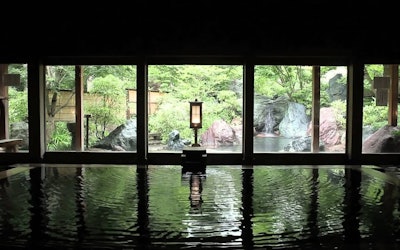
Feel the Culture of Japan at Hoshi Onsen in Gunma Prefecture, Where Once You Soak in the Hot Springs, Your Fatigue Will Be Wiped Away. Discover the Hot Spring Inn Hidden From Sight...
Travel- 131 plays
- YouTube
日本を代表する秘湯『法師温泉』をご紹介! こちらの「法師温泉 Japanese Secret Hot Spring」という動画では、群馬県の秘湯「法師温泉」がある長寿館を紹介しています。 法師温泉を始めとした趣のある風景が魅力とされている長寿館は、観光スポットとしても日本においても屈指のものとされています。 ここでは、動画でも堪能出来る日本が誇る法師温泉と長寿館について、詳しく紹介をさせて頂きます。 法師温泉の歴史と効能 群馬県利根郡みなかみ町にある法師温泉、詳しい開湯(かいとう)時期は明らかとはされていませんが、おおよそ1200年前とされており、長寿館自体の開業は明治8年となっています。 主な効能は胃腸病、火傷、動脈硬化、そして神経痛や筋肉痛などです。 露天風呂でもあることから、様々な気候を楽しみながら身体を癒すことが出来ます。 文化財としての「長寿館」 長寿館に宿泊すれば、温泉に囲炉裏、群馬の地産地消グルメがふんだんに盛り込まれた懐石料理と、充実した一日を過ごせること間違いなしです。 勿論日帰り入浴も出来ますが、景色や食事を楽しみつつ、ゆっくりと宿泊するのが良いでしょう。 また長寿館は日本の『国登録有形文化財』とされている程の貴重な建物です。 そして長寿館のある群馬県利根郡みなかみ町は『国民保護温泉地』ともされています。 法師温泉長寿館の観光紹介まとめ 「法師温泉 Japanese Secret Hot Spring」では、日本の群馬県が誇るおすすめの観光スポット、法師温泉長寿館の趣のある風景を堪能することが出来ます。 興味を持たれた方は、日ごろの疲れを長寿館で癒されてはいかがでしょうか。 -
 Video article 22:07
A Perfect Introduction to Goshuin Pilgrimages | A Guide to Japan’s Hidden Shrines and Temples
Travel Traditional Culture- 25 plays
- YouTube
Walking along an approach path in a quiet forest where only birdsong echoes, you draw closer step by step to a historic shrine building. Journeys that visit these shrines and temples in so-called “hidden regions” are now attracting many people. In this article, based on the YouTube video 【日本の神社仏閣旅】, we introduce the shrines and temples that appear in the video from a traveler’s point of view, highlighting key information and must-see spots. We also explain the appeal of goshuin (special calligraphy stamps given at shrines and temples), basic etiquette for visiting, and tips for access, so even beginners to goshuin trips will find it helpful. An overview of 18 hidden shrines and temples: features, history, and blessings Below, you will find detailed information on all 18 shrines and temples featured in the video, including their characteristics, history, origins, and the blessings they are known for. Haruna Shrine (Takasaki City, Gunma Prefecture) Haruna Shrine (榛名神社, Haruna Jinja), which stands quietly on the slopes of Mount Haruna, is a place where you can deeply feel both history and nature. It is said to have been founded in the era of Emperor Yōmei, and has long been revered as a sacred site of mountain worship. Photo: Haruna Shrine, Takasaki City, Gunma Prefecture The long approach path is wrapped in deep forest, with a stream murmuring beside moss-covered boulders. This mystical route makes the everyday world feel more distant with every step, and gradually brings a sense of inner calm. Along the way, highlights include the towering “Yatate-sugi” cedar and the “Sōryūmon” gate, whose form is said to resemble dragons rising to the heavens. Above all, the rock cliff that rises as if to protect the main hall is overwhelming, and has long been revered as a “rock inhabited by the gods.” The goshuin at Haruna Shrine are striking for their powerful brush strokes, and when limited editions are available, worshippers line up to receive them. After your visit, you can enjoy the local specialty konnyaku dishes in the shrine town at the base of the approach, or combine your trip with sightseeing at nearby Lake Haruna. With its well-balanced appeal as a place of nature, history, and spiritual energy, it is truly a “sacred area you will want to visit again and again.” Address: 849 Harunasan-machi, Takasaki City, Gunma PrefectureGate opening hours: 7:00–18:00 (until 17:00 in winter)Shrine office: 9:00–16:00Access: About 70 minutes by bus from JR Takasaki Station 【Official Website】https://www.haruna.or.jp ※You can watch this part from (0:21) in the video. Akagi Shrine (Maebashi City, Gunma Prefecture) Akagi Shrine stands on the quiet lakeside of Mount Akagi. Its bright vermilion shrine buildings and the clear, refreshing air leave a strong impression, and as soon as you arrive you feel that you have “entered a sacred realm.” Many legends remain here, including the story of Princess Akagi, and from long ago the shrine has been cherished as a place where women’s wishes are granted. The torii gate reflected in the surface of the lake takes on a different atmosphere with each season. In particular, when the morning sun shines in, the scene becomes almost dreamlike, wrapping visitors in a silence that feels like stepping into a painting. Photo: Lake Onuma on Mt. Akagi and the approach bridge to Akagi Shrine, Maebashi City, Gunma Prefecture A fresh breeze created by the nature of Mount Akagi flows through the grounds, and simply strolling around will make you feel lighter. There are also walking paths and cafés along the lakeshore, so spending a leisurely time there after your visit is part of the appeal. Goshuin featuring motifs of Mount Akagi and dragons are especially popular, and seasonal limited designs attract many worshippers. With its blend of grand nature and mythological stories, Akagi Shrine offers new discoveries in any season. Address: 4-2 Akagisan, Fujimi-machi, Maebashi City, Gunma PrefectureVisiting hours: Grounds open at all timesAccess: About 60 minutes by bus from Maebashi Station※You can watch this part from (1:22) in the video. Furumine Shrine (Kanuma City, Tochigi Prefecture) Furumine Shrine, embraced by the vast nature of Furumine-ga-hara, is known as a sacred site of tengu (long-nosed goblin) worship, a unique element of Japanese folk belief. As soon as you step into the grounds, the large tengu masks and carvings that catch your eye give the place a distinctive character, combining solemnity with a surprisingly approachable atmosphere. The shrine has an ancient history and has long been revered as a guardian deity for protection from fire and safety within the home. Photo: Furumine Shrine , Kanuma City, Tochigi Prefecture One feature that cannot be overlooked when speaking of this shrine is the expansive garden, “Furumine-en.” It is decorated with seasonal flowers and trees, and the scenery reflected in the pond is breathtakingly beautiful. Enjoying a bowl of matcha in the garden teahouse gently soothes the fatigue of travel. Furumine Shrine is also famous for having one of the richest varieties of goshuin in Japan. The stamps depicting tengu are all very distinctive, and many people visit specifically to receive them. For those who wish to offer quiet prayers in the middle of great nature, this is an ideal place. Address: 3027 Kusaku, Kanuma City, Tochigi PrefectureShrine office hours: 9:00–16:00Access: About 35 minutes by car from JR Kanuma Station 【Official Website】http://www.furumine-jinjya.jp/ ※You can watch this part from (2:23) in the video. Karasawayama Shrine (Sano City, Tochigi Prefecture) Karasawayama Shrine stands on a mountaintop 247 meters above sea level and is known for its superb view overlooking Sano City. It enshrines Fujiwara no Hidesato, a warrior from the Heian period, and many worshippers visit to pray for success in competition and good fortune in work. Because the shrine is located within the ruins of Karasawa Castle, which was built on the mountain, visitors can also enjoy walking among old stone walls and castle remains. While strolling through the grounds, you may encounter friendly cats that suddenly appear and charm visitors. It has become so popular on social media that it is sometimes called a “cat sanctuary,” and the sight of cats gracefully walking along the stone walls is a scene unique to this shrine. The goshuin feature dignified and weighty brush strokes, and often include a stamp for victory, making them a striking addition to any goshuin book. Address: 1409 Fuji-cho, Sano City, Tochigi PrefectureVisiting hours: Grounds open at all timesAccess: About 15 minutes by car from Sano Station 【Official Website】http://karasawayama.com ※You can watch this part from (3:55) in the video. Torinoko Sanjo Shrine (Nasukagawa Town, Nasu District, Tochigi Prefecture) Torinoko Sanjo Shrine, which sits on the border between Ibaraki and Tochigi prefectures, is famous nationwide as a spiritual power spot for increasing financial fortune. As you enter the grounds, the first thing you notice is the enormous golden owl statue. Its presence is far more powerful than photos can convey, and many visitors instinctively stop to take pictures. In Japanese, owl (fukurō) is associated with wordplay such as “no hardship” (不苦労) and “good fortune comes” (福来朗), so owls are considered symbols of good luck and are placed throughout the grounds. Photo: Torinoko Sanjo Shrine, Nasu District, Tochigi Prefecture Because the shrine stands at a high elevation, the air is clear, and walking through the refreshing grounds gives you the sense that your heart is quietly blending into the stillness of nature. Goshuin with cute owl stamps are especially popular and are highly valued by those who wish to improve their luck. Address: 1948 Yamata, Nakagawa-machi, Nasu District, Tochigi PrefectureHours: Shrine office 9:00–16:00 (subject to change depending on the season)Access: Visiting by car is the most convenient option 【Official Website】https://www.torinokosan.com ※You can watch this part from (5:17) in the video. Saimeiji Temple (Mashiko Town, Haga District, Tochigi Prefecture) Founded in the Heian period, Saimeiji is a tranquil, historic temple nestled in a deep mountain village, and it is famous for its elegant three-storied pagoda, which is designated as an Important Cultural Property of Japan. The delicate carvings and perfectly balanced silhouette are graceful. In the autumn foliage season, the red of the pagoda and the crimson leaves overlap beautifully, creating a breathtaking scene. Photo: Saimeiji Temple, Mashiko Town, Haga District, Tochigi Prefecture Within the grounds, moss-covered stone steps and old temple buildings are scattered about, and walking slowly allows you to feel the depth of history with your whole body. The temple’s “Meishō” bell is known for its clear, resonant tone and is loved as a famous bell. The goshuin are characterized by neat and elegant calligraphy, and at times limited stamps featuring seasonal scenery are also available. Address: 4469 Mashiko, Mashiko Town, Haga District, Tochigi PrefectureVisiting hours: 9:00–16:00Access: About 15 minutes by car from Mashiko Station 【Official Website】http://www.fumon.jp ※You can watch this part from (6:18) in the video. Kumano Kotai Shrine (Kitasaku District, Nagano Prefecture / Usui Pass) This unusual shrine straddles the border between Nagano and Gunma prefectures, and the center line of the main hall itself marks the prefectural border. Photo: The prefectural border at Kumano Kotai Shrine, Kitasaku District, Nagano Prefecture It has long been venerated as a guardian of the mountain pass, where travelers would pray for safety on their journeys. In the grounds stands a giant “Shinano tree,” said to be more than a thousand years old, and looking up at its thick trunk, you cannot help but feel the strength and sacredness of nature. Visitors come to see not only the “Pop-up Shinano Tree Goshuin,” featured in the video, but also the “Prefectural Border Goshuin.” You can receive goshuin from both the Nagano side and the Gunma side shrine offices, and many worshippers enjoy placing the two side by side as a special keepsake that can only be obtained here. Many people also stop by as part of a trip to Karuizawa, and the refreshing highland air enhances the feeling of being on a journey. Address: 1 Toge-machi, Karuizawa Town, Kitasaku District, Nagano PrefectureShrine office hours: 9:00–16:00 (grounds open at all times)Access: About 15 minutes by car from Karuizawa Station 【Official Website】https://kumanokoutai.com/ ※You can watch this part from (7:19) in the video. Kumano Shrine (Annaka City, Gunma Prefecture) Kumano Shrine, which stands quietly in a mountain valley, is a restful place wrapped in a calm atmosphere and the soothing presence of nature. Because it is close to an old mountain pass, it was once used as a place where travelers prayed for a safe journey, and a simple, warm ambience still remains today. If you listen carefully to the gentle rustling of the trees along the approach path, you will feel your heart becoming strangely peaceful. Photo: Kumano Shrine, Annaka City, Gunma Prefecture The goshuin are simple yet refined in style, evoking the presence of a quiet mountain deity. Many people enjoy a “double Kumano visit,” making a pilgrimage to both this shrine and the nearby Kumano Kotai Shrine, and by touring the area you can also sense the history of the old mountain routes. Address: 1 Toge, Matsuida-machi, Annaka City, Gunma PrefectureVisiting hours: Grounds open at all timesAccess: About 15 minutes by car from Karuizawa Station (please note that it is not possible to reach the shrine directly by car from the Gunma side; walking or buses are required, so be sure to check official information for details.)※You can watch this part from (8:41) in the video. Tsubaki Grand Shrine (Suzuka City, Mie Prefecture) Tsubaki Grand Shrine, known as the main shrine of Sarutahiko Ōkami, Japan’s oldest “guiding deity,” is one of the leading spiritual power spots in Mie Prefecture. A dignified atmosphere fills the grounds, and the quietness of the surrounding forest feels like a gentle embrace. Sarutahiko Ōkami is famous as a “god who opens the way,” and many worshippers visit to pray for luck in work and support at turning points in life. Photo: Tsubaki Grand Shrine, Suzuka City, Mie Prefecture Behind the main hall is the “Betsugū Tsubaki Kishi Shrine,” said to be filled with strong spiritual energy and popular as a place where women’s wishes are granted. After your visit, you can also enjoy the local specialty “Tsubaki Torimeshi” at the Tsubaki Kaikan within the grounds. The goshuin feature crisp and dignified calligraphy, and many people collect the monthly limited designs, which are especially attractive. Address: 1871 Yamamoto-cho, Suzuka City, Mie PrefectureShrine office: 8:00–17:00Access: About 45 minutes by bus from Yokkaichi Station 【Official Website】https://tsubaki.or.jp ※You can watch this part from (9:42) in the video. Hakone Shrine (Ashigarashimo District, Kanagawa Prefecture) Hakone Shrine, famous for its vermilion torii gate standing in Lake Ashi, is one of the most renowned shrines in the Kanto region and has been deeply revered by travelers and warriors since ancient times. Founded in the Nara period, this venerable shrine is set in a grand landscape unique to Hakone, where mountains and lake overlap. Walking along the approach path in the clear air feels pleasantly refreshing on the skin and gives the sense that your heart is being cleansed. The “Torii of Peace” standing in the lake is especially beautiful in the soft morning light and at sunset, and in recent years it has drawn attention both in Japan and abroad as a “must-visit scenic spot.” Photo: Hakone Shrine, Ashigarashimo District, Kanagawa Prefecture Within the grounds stands the sacred “Yatate-no-sugi” cedar, believed to be over a thousand years old, where travelers and warriors have long prayed for safety and victory. Right next to the shrine is the new hall of Kuzuryu Shrine, famous as a deity of matchmaking. It is said that visiting both shrines brings blessings in many areas, including financial fortune, good relationships, and the fulfillment of heartfelt wishes. With its beautiful blend of history, nature, and a sacred atmosphere, Hakone Shrine is an essential destination at the heart of any Hakone trip. Address: 80-1 Motohakone, Hakone Town, Ashigarashimo District, Kanagawa PrefectureShrine office reception: 8:15–17:00Prayer reception hours: 8:30–16:00Treasure hall visiting hours: 9:00–16:00Access: About 40 minutes by bus from Hakone-Yumoto Station 【Official Website】https://hakonejinja.or.jp ※You can watch this part from (11:19) in the video. Nakano-dake Shrine (Shimonita Town, Gunma Prefecture) Nakano-dake Shrine, located at the foot of Mount Myōgi, is known for its strikingly unusual giant statue of Daikoku-sama. Shining in gold, this statue stands more than 20 meters tall, and its overwhelming presence when viewed up close leaves a powerful impression. Daikokuten has long been beloved as a deity who brings good fortune and wealth, and this giant statue welcomes visitors as “Japan’s largest Daikoku-sama.” Photo: Nakano-dake Shrine, Shimonita Town, Gunma Prefecture The rocky cliffs of Mount Myōgi that rise behind the shrine have a unique ruggedness, allowing visitors to feel the dynamic power of nature. Walking through the grounds, you can sense a solemn atmosphere, as if the mountain deity is quietly watching over you. In the video, a paper-cut “Dragon Ceiling Painting Goshuin,” a special type of shrine stamp with a cut-out dragon design, is introduced. There is also a Goshuin featuring Daikoku, making it a memorable part of your trip. Address: 1248 Kamiosaka, Shimonita Town, Kanra District, Gunma PrefectureVisiting hours: Grounds open at all timesAccess: About 20 minutes by car from Shimonita Station 【Official Website】https://www.nakanotake.com ※You can watch this part from (12:20) in the video. Myōgi Shrine (Tomioka City, Gunma Prefecture) Myōgi Shrine stands at the base of Mount Myōgi, one of Japan’s three most famous “strange” landscapes for its rugged peaks. The shrine is renowned for its luxurious carvings and solemn buildings. Passing through the vivid vermilion main gate and climbing the steep stone steps, you come face to face with the main hall, whose gorgeous appearance showcases the pinnacle of Edo-period architecture. The richly colored carvings on the Karamon gate are stunningly beautiful, and when you look at them up close, their intricate workmanship is truly overwhelming. Photo: Myogi Shrine, Tomioka City, Gunma Prefecture Mount Myōgi itself is known as a mountain with strong spiritual energy, and many climbers and travelers come to pray for safety. The goshuin are striking for their bold, weighty brush strokes, perfectly conveying the unique dignity and solemnity of this shrine. Address: 6 Myōgi, Myōgi-machi, Tomioka City, Gunma PrefectureVisiting hours: Treasure hall and former palace building 9:00–17:00 (except from 12/20 to 1/10)Access: About 15 minutes by car from Matsuida Station 【Official Website】https://www.myougi.jp ※You can watch this part from (13:21) in the video. Hattasan Soneiji Temple (Fukuroi City, Shizuoka Prefecture) Hattasan, famous as a temple of Yakuyoke Kannon (a Kannon for warding off misfortune), is a well-known temple in Shizuoka that has attracted many worshippers since ancient times. Walking along the long approach path surrounded by trees, the sound of leaves rustling in the wind soothes the heart and allows you to head toward the main hall in a relaxed state of mind. Although the temple is known for warding off bad luck, once you visit, you find that the entire grounds are filled with a gentle atmosphere that truly feels like “a place where your spirit becomes lighter.” Photo: Hattasan Soneiji Temple, Fukuroi City, Shizuoka Prefecture After praying, it is customary to enjoy the temple’s specialty “Yakuyoke dango” rice dumplings. Their simple, gentle sweetness seems to sink slowly into your body after your pilgrimage. The goshuin bear the name of Kannon written in powerful characters, and many visitors receive them with the wish of casting off misfortune. Address: 2777 Toyosawa, Fukuroi City, Shizuoka PrefectureVisiting hours: 8:30–16:30Access: About 15 minutes by bus from Fukuroi Station 【Official Website】https://www.hattasan.or.jp ※You can watch this part from (14:22) in the video. Yusanji Temple (Fukuroi City, Shizuoka Prefecture) Yusanji, a temple wrapped in deep forest, is affectionately known as a temple of “Kannon for the eyes.” Clear spring water flows through the grounds, and the temple has long been a place of prayer for the healing of eye diseases, drawing many devotees over the centuries. The approach path through the trees is filled with a pleasant quiet, and simply walking along it surrounds you with a soothing atmosphere created by nature. Photo: Yusanji Temple, Fukuroi City, Shizuoka Prefecture The main hall is solid and dignified yet warm, and when you put your hands together in prayer, you may feel as if a gentle air is softly embracing you. Several types of goshuin are available, mainly featuring Yakushi Nyorai (the Medicine Buddha) and Kannon, making them perfect mementos of your visit. Address: 1 Muramatsu, Fukuroi City, Shizuoka PrefectureVisiting hours: 9:00–16:30 (the temple grounds can be visited freely, but please check the official website for details.)Access: About 20 minutes by car from Fukuroi Station 【Official Website】https://yusanji.jp ※You can watch this part from (15:59) in the video. Amabiki Kannon (Sakuragawa City, Ibaraki Prefecture) Amabiki Kannon, one of the thirty-three temples of the Bandō Kannon Pilgrimage, is popular as a “flower temple” where seasonal blossoms color the grounds. The hydrangeas in early summer are particularly spectacular, covering the slopes of the grounds in shades of blue and purple. Many people visit just to see this beauty with their own eyes. The sight of hydrangeas sparkling after the rain in the quiet temple grounds is a special beauty that can only be experienced here. Photo: Amabiki Kannon, Sakuragawa City, Ibaraki Prefecture You may also see peacocks freely strolling around the grounds, and first-time visitors are often surprised by their graceful presence. The temple is also famous as a place of prayers for safe childbirth and fertility, and is deeply revered by families and female worshippers. The goshuin, which change with the seasons, feature charming designs and are very popular. Address: 1 Motoki, Sakuragawa City, Ibaraki PrefectureVisiting hours: 8:30–17:00Access: About 10 minutes by car from Iwase Station 【Official Website】http://www.amabiki.or.jp ※You can watch this part from (17:00) in the video. Yamaga Shrine (Ueda City, Nagano Prefecture) Yamaga Shrine, known for its connection to the Sanada clan, is an irresistible destination for history lovers. The six-coin crest of the Sanada family appears throughout the grounds, and the atmosphere of the Sengoku (Warring States) period still quietly lingers here. In spring, cherry blossoms tint the approach path a soft pink, and the gentle scenery combined with the weight of history captivates visitors. Photo: Yamaga Shrine, Ueda City, Nagano Prefecture The goshuin, which feature the Sanada family crest “Rokumonsen,” are very popular as a memento of your visit. There are many historical sites related to the Sanada clan in the area around the shrine, so combining your visit with a historical walk is highly recommended. It is a calm, quiet place where you can reflect on the spirit of Sengoku-period warriors. Address: 4473 Nagamura, Sanada-machi, Ueda City, Nagano PrefectureVisiting hours: Grounds open at all timesAccess: About 25 minutes by car from Ueda Station 【Official Website】http://www.yamaga.or.jp ※You can watch this part from (18:01) in the video. Daihōji Temple (Chiisagata District, Nagano Prefecture) Daihōji Temple, home to a National Treasure three-storied pagoda famous as the “Mikaeri no Tō” or “Pagoda that makes you look back,” is a beautiful temple that harmonizes perfectly with the surrounding satoyama countryside. The pagoda is crafted with great precision down to the smallest details, and its elegant, slender form is said to change expression depending on the angle from which you view it, which is why people find themselves turning back again and again to look at it. Photo: Three-story pagoda at Daihoji Temple, Chiisagata District, Nagano Prefecture The grounds are quiet, filled with the sound of birdsong and a gentle flow of time, making it a perfect place when you want to calm your mind. The goshuin are written in a refined script, conveying the dignity of a temple that houses a National Treasure. Address: 2052 Atogō, Aoki Village, Chiisagata District, Nagano PrefectureVisiting hours: April–October 9:00–17:00 / November–March 9:00–16:00Access: About 20 minutes by car from Ueda Station 【Official Website】https://www.daihoujitemple.com/english-1 ※You can watch this part from (19:28) in the video. Oiwa Shrine (Hitachi City, Ibaraki Prefecture) Oiwa Shrine is known as a place of such high spiritual purity that it is often called “one of Japan’s foremost power spots.” Although the exact founding date is unknown, ruins show that rituals were held here from ancient times, and Japan’s oldest gazetteer, the “Hitachi no Kuni Fudoki,” records this as a “sacred mountain where heavenly deities descended.” When you step into the grounds, the forest of giant trees instantly shuts out the signs of the everyday world, and a tranquil, mysterious air fills the space. Among the sacred trees, the one known as the “three cedars” has an overwhelming presence, and just taking a deep breath beneath it can feel like a purifying experience. Photo: Oiwa Shrine, Hitachi City, Ibaraki Prefecture Because this site has long preserved a tradition of syncretic worship of Shinto and Buddhism, both shrine and temple buildings stand together in the grounds, allowing visitors to experience a unique sense of “ancient Japanese religious belief.” Many worshippers say that “coming here somehow brings the mind into balance,” so it is especially recommended for those who want to reset their spirit or feel the power of nature. Some paths are steep mountain trails, but the inspiration and insights gained by walking them are all the greater, making this truly “a sacred area that can only be fully appreciated on foot.” Address: 752 Iri-shikama-cho, Hitachi City, Ibaraki PrefectureVisiting hours: 9:00–17:00Access: About 20 minutes by car from JR Hitachi Station 【Official Website】https://www.oiwajinja.jp ※You can watch this part from (20:29) in the video. What to know before you start a goshuin trip To fully enjoy visiting shrines and temples for goshuin, it is a good idea to first prepare a favorite goshuin book and go out in comfortable clothing that is easy to walk in. At shrines and temples, the basic etiquette is to complete your worship and then request a goshuin. Some places prefer that photos are not taken, so quietly check the posted notices as you go. Most of all, the important thing is to take your time. If you walk from one place to the next while feeling the seasonal scenery and facing each shrine or temple with a calm mind, your journey will naturally become a gentle one that brings your heart into balance. Conclusion: A shrine journey filled with prayer and discovery Hidden shrines and temples have a special “atmosphere” that you cannot experience through sightseeing alone. The moments when you put your hands together in prayer, the spaces where you resonate with nature, and the intellectual curiosity you feel when touching history—all of these are recorded as pages in your goshuin book.Why not begin your own goshuin journey and experience these quiet, moving moments for yourself? -
Video article 2:26
Bungotakada – A Historic Japanese Town of Sunflowers and Festivals in Oita Prefecture
Travel Festivals & Events Traditional Culture- 101 plays
- YouTube
Bungotakada, Oita: Video Introduction This video, titled "Bungotakada City," was uploaded by "Bungotakada City Official Channel" (豊後高田市公式チャンネル). Bungotakada is a pleasant town with abundant nature and a mild climate in Oita Prefecture, in Japan's Kyushu region. The city has a culture that has remained unchanged for millennia, as well as many fascinating places of interest, and is currently attracting attention as a town from the Showa period (1926-1989). You can see the beautiful nature of Bungotakada and its exciting festivals in this powerful video. Bungotakada – A Showa-Retro City in Oita, Japan Photo:A Showa-retro shopping street, Bungotakada, Oita Prefecture Bungotakada in Oita Prefecture is home to many photogenic, Showa-retro tourist attractions. The atmosphere of the city is somewhat nostalgic for Japanese people who grew up in the Showa period and refreshing for young people, who can enjoy the historic atmosphere, allowing different generations to enjoy the city together. Bungotakada has also been selected as one of the "Top 3 Countryside Towns to Live in" for 10 consecutive years. The secret of its popularity lies in its immigration support system, which is one of the best in the country, and its excellent environment for raising children. In fact, between 2010 and 2015, the number of people moving into the city exceeded the number of people moving out by 180, resulting in a population increase. Enjoying the Showa-Retro Style of Bungotakada In Bungotakada, where the streets of Showa-period Japan still remain, visitors can have an extraordinary experience, as if they've gone back in time. In particular, the shopping street that recreates the streets of the 1930s is a popular tourist attraction that attracts approximately 400,000 visitors a year. It has also been used as a filming location for popular Japanese movies. Visitors can also enjoy delicious food and snacks at the retro candy store Yume Hakubutsukan (夢博物館, Dream Museum). It's a great way to experience what Japan was like in the past, as visitors can see many products that are hard to find nowadays. Visitors can also ride in the bonnet buses that were used in those days. You can experience what is was like back then with the retro interior of the buses. However, please note that the bonnet buses are not air-conditioned, so be careful to dress appropriately for the heat or cold. Recommended sightseeing spot "Nagasaki Hana" What is the best time to see rape blossoms and sunflowers? Photo:Kumano Magaibutsu, Oita Prefecture At the Nagasakibana Resort Campground, seasonal flowers can be seen blooming throughout the year. In spring, you can see rape blossoms blooming all over the area. The rape blossoms are usually at their best from mid-March to April. During the best time to see them, the "Rape Blossom Festa" is held, which includes a photo contest and other events. If the timing is right, visitors can enjoy the collaboration of approximately 300 cherry trees and 22 million rape blossoms. Also, in summer, the terraced fields of sunflowers offer a spectacular view of the blooming sunflowers. The best time to see sunflowers is usually from mid-August to early September. If you are planning to visit in 2024, please check the SNS. Particularly in August, visitors can enjoy the breathtaking view of approximately 1.5 million sunflowers. [Video] 0:37 - Sunflowers at Nagasakibana Beach Resort Recommended tourist spot "Kumano Magaibutsu" has stairs made by demons? Kumano Magaibutsu (Kumano Magaibutsu) is one of the largest Magaibutsu in Japan, and is a nationally designated important cultural property believed to have been created in the late Heian period. There are 99 rough and steep stone steps that are said to have been built by demons in a single night. The Kumano Magaibutsu is located at the top of the steps. The statue blends naturally into the surrounding landscape as if it had been there for a long time. The Buddha statues carved into the rock face are approximately 6.8 meters high for the Dainichi Nyorai statue and 8 meters high for the Fudo Myoo statue. Further up the mountain is the Kumano Shrine, which tells the story of the union of Shintoism and Buddhism. Fireworks, Bon Festivals, and other Fascinating Seasonal Events to Enjoy Photo:Horan Enya, Bungotakada, Oita Prefecture The Nagasakibana Summer Festival is held every summer on the beach at Nagasakibana Resort Campground. This summer festival is filled with events that both children and adults can enjoy. For the finale, a huge fireworks display of 2,000 fireworks lights up the night sky. [Video] 0:18 - Fireworks at Nagasakibana Summer Festival The Takada Tourism Bon Odori Competition (高田観光盆踊り大会, Takada Kanko Bon Odori Taikai) is an annual summer event in Bungotakada. However, in recent years it has been cancelled in order to prevent the spread of the novel coronavirus. The event is so popular that there are more than 600 dancers, from children to adults, from schools and organizations in the city. The video shows people enjoying the Bon dances in a variety of costumes. [Video] 0:42 - The Bon Odori Competition at the Nagasakibana Summer Festival Horan Enya is an event to pray for a good catch of fish and aviation safety, and is a gallant event involving men of the sea. Young men in loincloths board boats decorated with large flags and shout out in joy as they sail from Kotohira-gu Shrine at the mouth of the Katsura River upstream to Wakamiya Shrine upstream. [Video] 1:49 - Horan Enya Wakamiya Shrine's autumn festival, held every year around November, is one of the Top 3 'Naked' Festivals in Japan and is a traditional event with a history dating back more than 900 years. Young men dressed in loincloths called "shimekomi," enter the Katsura River while carrying a portable shrine and carry it across to the other side of the river. The sound of drums, young men shouting, and the splashing of water are the highlights of the festival. [Video] 1:17 - Wakamiya Shrine's Autumn Festival Summary of Sightseeing in Bungotakada Photo:Zaru soba If you haven't already watched the video that shows the charms of Bungotakada, be sure to check it out! If you have a chance to visit Bungotakada in Oita Prefecture, we recommend trying one of the delicious dishes you can find there. That is, soba, a specialty of the city! Every year around June and November, you can taste freshly harvested soba at certified soba stores in Bungotakada. Kaimon Onsen, located in the city, is a famous hot spring that boasts some of the best spring water in Oita, a prefecture known for its hot springs. Enjoy the hot springs at a hotel near Kaimon Onsen and recover from the fatigue of your travels. 【Official Website】Bungotakada City Hall Website, Oita Prefecture http://www.city.bungotakada.oita.jp/ 【TripAdvisor】Bungotakada, Oita https://www.tripadvisor.com/Attractions-g1023439-Activities-Bungotakada_Oita_Prefecture_Kyushu.html -
Video article 5:13
Awaji in Hyogo Prefecture Is a Popular City for Both Sightseeing and Delicious Food! You'll Be Amazed by the Sheer Size of Akashi Kaikyo Bridge, The Longest Suspension Bridge in the World!
Local PR- 78 plays
- YouTube
Introducing the City of Awaji in Hyogo Prefecture This video, titled "05|Awaji|Hyogo Nature PR Video|Awaji City" (05 淡路 兵庫多自然地域PR動画「淡路市」), was created by "E-宍粟サイネージCM." Awaji City is located in northern Awaji Island (淡路島, awaji-shima), which can be found in southern Hyogo Prefecture in the Kansai region of Japan. The city occupies one-third of the northern section of the island and is connected to Kobe (神戸市, kobe-shi) via the Akashi Kaikyo Bridge, linked to Akashi (明石市, Akashi-shi) by water, and bordered by Sumoto (洲本市, sumoto-shi) in the south. The city is considered part of the Kobe metropolitan area centered around the city of Kobe. Let’s explore Awaji City through this article and video. The History of Awaji Photo:Seafood ingredients The city of Awaji was established on April 1, 2005 through the merger of Awaji's Tsuna District, and the towns Tsuna, Hokudan, Ichinomiya, and Higashiura. Awaji Island, where the city of Awaji is located, has been known as a "Miketsukuni" (御食国) for centuries, being an area paid tribute to the imperial family and the imperial court from ancient times to the Heian period. There are a variety of delicacies available on the island, from mountain vegetables to seafood. The island also boasts livestock and vegetable producers as well as fisheries. If you're searching for the best place to eat your fill in Hyogo Prefecture, we definitely recommend Awaji. Sightseeing in Awaji Photo:Izanami Shrine, shrine approach 1. Akashi Kaikyo Bridge Akashi Kaikyo Bridge, which can be seen from 0:12 in the video, is the most famous tourist area in Awaji City. Akashi Kaikyo Bridge is also the longest suspension bridge in the world. Crossing the Akashi Strait connecting Higashimaiko, Tarumi in Kobe and Iwaya in Awaji, the bridge has a total length of 3,911m and the longest central span of any suspension bridge in the world at 1,991 m. 2. Awaji Yumebutai [Kiseki no Hoshi Botanical Museum] The greenhouse can be seen from 2:07 of the video. Boasting an area of 6,700m2, this is one of the largest botanical gardens in Japan. The theme of the museum is to experience nature with all five senses and live in harmony with it, and with approximately 3,000 species of plants on display, it's a must-see tourist attraction for plant lovers. Why not drop by to take a look at the beautiful and rare plants when visiting Awaji City? 3. Izanagi Shrine. The shrine can be seen from 3:42 of the video. Awaji Island is the largest island in the Seto Inland Sea. According to the myths of national origin written in the Nihon Shoki and Kojiki, the island was the very first island created by the gods Izanagi and Izanami. It is said that after creating the Japanese archipelago, the gods were eventually enshrined in Taga in the city of Awaji. This is the origin of the Izanagi-jingu Shrine. Summary of Awaji Photo:Akashi Kaikyo Bridge, Hyogo Prefecture After reading this article, are you considering visiting Awaji? Awaji is the perfect place for a vacation and is packed with sightseeing spots and delicious food. There are also other sightseeing experiences, such as a cruise where you can view the natural whirlpools that occur in the Naruto Strait (鳴門海峡) which connects the Pacific Ocean and the Seto Inland Sea, as well as flower-viewing at Awaji Island Park (公園島淡路). If you have the chance to visit Hyogo Prefecture, definitely enjoy sightseeing in Awaji! 【Official Website】Hyogo Prefecture Awaji City City Hall Website https://www.city.awaji.lg.jp/ -
Video article 3:44
Discover the Rich Nature, Cuisine, and Culture of Iwamizawa, Hokkaido, a Place Brimming With Spectacular Views! Enjoy Wineries, Rose Gardens, and More to Your Heart's Content!
Travel Local PR- 129 plays
- YouTube
Introducing Iwamizawa, Hokkaido! This video, titled "PR Movie of Iwamizawa / IWAMIZAWA TRIP ~digest~" (岩見沢観光PRムービー / IWAMIZAWA TRIP ~digest~), was uploaded by "Iwamizawa Tourism Association Official Channel" (岩見沢市観光協会 公式チャンネル). It introduces Iwamizawa in Hokkaido. Iwamizawa is located in central Hokkaido and it was once one of the 12 railroad towns in Japan which were officially designated as such by the former Japanese National Railway. There are tourist spots where you can enjoy an extraordinary atmosphere, including wineries and log cottages. Enjoy the attractions of Iwamizawa, Hokkaido in this video. Iwamizawa Is Brimming With Natural Scenery Source :YouTube screenshot Hokkaido is often visited by people seeking natural landscapes. One view we recommend seeing while in Iwamizawa is Hokkaido Greenland. Here, you'll find a popular garden with 8,800 roses of around 630 varieties. They can be enjoyed from late June to mid-October. You should stop by the rose garden, observatory and the hill of beach roses in Iwamizawa Park, which can be seen at 2:40 in the video, and Iwamizawa Shrine which is shown from 1:57. Places to Grab a Bite to Eat Around Iwamizawa, Hokkaido Source :YouTube screenshot We recommend trying the famous Tengu Manju and soft serve ice cream. Of course, ramen from Hokkaido is some of the best you'll find in Japan. At Hosui Winery, wine is made from grapes grown in a rich natural environment which can be seen from 0:16 in the video. Recommended Hotels in Iwamizawa, Hokkaido Source :YouTube screenshot "LOGHOTEL THE MAPLELODGE," "Little Rock Hills," and "Silver Pine" are all places we highly recommend. These can be seen from 0:54 in the video. What better way to relax than creating lifelong memories next to a fireplace in a special cottage. There are also camp sites and Japanese inns with natural outdoor hot springs and spas in Iwamizawa, Hokkaido. Enjoy Events in Iwamizawa, Hokkaido! Source :YouTube screenshot We recommend throwing on a yukata and heading out to the annual Furusato Hyappei Festival (ふるさと百餅祭り) held in Iwamizawa, Hokkaido, as shown at 3:01 in the video. During the festival, mochi pounding is done with a massive mortar and mallet, using rice from Iwamizawa. At the end of the festival, mochi is thrown to commemorate the longevity of the people. Summary of Iwamizawa, Hokkaido Source :YouTube screenshot There are a lot of photogenic places with natural scenery in Iwamizawa, Hokkaido. Consider booking a comfortable cottage like the one in the video and enjoying a relaxing tour of the popular Iwamizawa. 【Official Website】Iwamizawa City, Hokkaido City Hall Website https://www.city.iwamizawa.hokkaido.jp/ 【Tripadvisor】Iwamizawa City https://www.tripadvisor.com/Tourism-g1122374-Iwamizawa_Hokkaido-Vacations.html -
Video article 14:19
Tatsuno, Hyogo - From the Beautiful Natural Scenery of the Ibo River to the Historical Tatsuno Castle and Classic Summer Food Ibonoito Somen, There's Almost Too Much Sightseeing To Be Done Here!
Local PR Travel- 256 plays
- YouTube
Tatsuno City, Hyogo Prefecture This video, titled "Tatsuno City Tourism PR Video (Tatsuno City, Hyogo Prefecture)" (たつの市観光PR動画(兵庫県たつの市)), was released by "Tatsuno City Kouhou." The city of Tatsuno, located in the southwestern part of Hyogo Prefecture, is also called the "Little Kyoto of Harima" and retains its unique Japanese atmosphere. So, what kind of tourist spots is Tatsuno, Harima home to? Tatsuno Castle, a landmark in Tatsuno, Hyogo Photo:Uzumi-mon Gate, Tatsuno Castle Tatsuno Castle, a landmark of Tatsuno, Hyogo, which can be seen from 3:07 in the video, is a historic castle standing on the hills of Tatsuno, Hyogo. Tatsuno Castle, built by Akamatsu Murahide about 500 years ago, is small in size but has a powerful presence. After sightseeing at Tatsuno Castle, take a walk through the castle town of Tatsuno, which can be seen from 4:27 in the video. At the ruins of the Tatsuno Clan Head, Wakizaka's former residence, there is a historic tea room and garden called Shuentei. Be sure to check out the Samurai House Museum, where you can get a glimpse of the lifestyle of the samurai at that time. Around the area, you'll find the birthplace of Rofu Miki, the lyricist of the famous children's song "Akatombo." It's a very popular place among tourists. Local Specialties of Tatsuno, Hyogo Photo:Ibonoito Somen The Ibo River, known for its rich clear water, flows through the center of Tatsuno, Hyogo. Rich wheat, high-quality soybeans, and Ako salt, which has been produced since the Edo period (1603-1868 AD), are famous in the Harima Plain of Hyogo Prefecture. Because of this, Tatsuno, Hyogo's hand-pulled Somen noodles, called "Ibonoito Somen," and soy sauce, thrive in the area. Called "Tatsuno, the birthplace of light soy sauce, it's also home to the Usukuchi Tatsuno Soy Sauce Museum, which can be seen from 0:47 in the video. As a souvenir for sightseeing, be sure to buy some Ibonoito Somen and soy sauce steamed buns. Tatsuno, Hyogo is also known as the city of leather because of its tanned leather made using the beautiful water from its rivers. This can be seen from 2:22 in the video. Called Tatsuno leather, it's been cultivated as a traditional industry since olden times. As seen from 10:59 in the video, the southern part of Tatsuno, Hyogo is a port town facing the Seto Inland Sea, making it a place where oysters and other fishing industries thrive. Sightseeing in Tatsuno, Hyogo Photo:Plum trees, Sekainoume Park The Murotsu area in the southern part of Tatsuno, Hyogo, prospered as a post town on the Inaba Highway running from Kobe to Tottori. At Banshu Murotsu, which faces the harbor, there are tourist attractions, such as the Murotsu Museum of Sea Port and the Murotsu Museum of Folklore. Ayabeyama Plum Forest and Sekainoume Park, where beautiful plum blossoms bloom in Mitsu in early spring, are definitely worth a visit. Kamo Shrine, on the beach, is also a hidden gem in Tatsuno, Hyogo. Summary of Tatsuno, Hyogo Photo:The Honmaru Palace of Tatsuno Castle, Hyogo Prefecture Tatsuno, Hyogo, has various tourist spots, including historical spots where you can feel Japanese culture, sightseeing spots where you can enjoy superb views of nature, and delicious gourmet food. If you're going on a sightseeing trip to Hyogo prefecture, be sure to stop by Tatsuno, as it's full of amazing things to enjoy! 【Official Website】Tatsuno City, Hyogo Prefecture|City Hall Website https://www.city.tatsuno.lg.jp/ -
Video article 3:03
Take a Trip to Miyazaki and Enjoy the Tropical Atmosphere! From Udo Shrine and Takachiho Gorge to Popular Local Gourmet Food, Miyazaki Prefecture Is Full of Attractions!
Travel- 104 plays
- YouTube
Sightseeing in Miyazaki Prefecture This video, titled "Miyazaki, Japan 4K (Ultra HD) - 宮崎," was released by "gawauemon." Miyazaki offers a wide range of attractions, from the beautiful nature of Aoshima and the Nichinan coast, to traditional culture and arts and crafts. More About Miyazaki Prefecture Miyazaki is located in the southern part of Kyushu. Miyazaki was once known as Hyuga Province, and the culture that took root in that time is still being passed down to the present day through the traditional arts. In addition to the many tourist attractions, there are many delicious gourmet dishes to be found in Miyazaki that are worth mentioning. On top of Miyazaki's famous sirloin steak and locally raised charcoal-grilled chicken, the pride of the area of Miyazaki, recently the popularity of spicy B-grade noodles and onigiri wrapped in meat has been on the rise. In particular, chicken nanban has become so popular that it has been elevated to the status of "luxury street food." Tourist Attractions That Miyazaki Prefecture Is Proud Of Takachiho Gorge is one of the tourist attractions that Miyazaki Prefecture is proud of. Takachiho Gorge is designated as a national place of scenic beauty and a natural monument, and Manai Falls (Manai Big Falls) has been selected as one of the 100 most beautiful waterfalls in Japan. Traditional Performing Arts That Miyazaki Is Proud Of There are traditional performing arts that have been handed down from ancient times in Miyazaki. One of them is the Takachiho Yokagura, which involves Shinto dancing at night. Every year from the end of November to February of the following year, kagura dances are performed to give thanks for the autumn harvest and to pray for a good harvest the following year. Summary of Miyazaki Prefecture You can feel the charm of the tropical Miyazaki Prefecture at its best when visiting in the summer. We hope this article and video have inspired you to come visit Miyazaki for yourself and see what the prefecture has to offer! -
Video article 2:54
Experience World Heritage Sites, Traditional Japanese Culture and History, and Rich Nature in the Ancient Capital of Nara, Ikaruga! A Look at the 8 Most Popular Tourist Spots in Nara Prefecture!
Local PR Travel- 119 plays
- YouTube
8 Popular Sightseeing Spots in Nara Prefecture, as Shown in the Video This video, titled "Best 8 things to do in NARA & IKARUGA," was released by "Ikaruga Tourism Association Horyuji i-Center" (斑鳩町観光協会法隆寺iセンター). Did you know that Nara Prefecture has been rapidly growing in popularity as one of the most popular tourist sites in Japan in recent years? Nara Prefecture is the site of the Heijo-kyo Capital, which is older than Kyoto, and is dotted with many famous temples and shrines, including Horyuji Temple, Chuguji Temple, Hokiji Temple, Horinji Temple, and Takida Shrine. In this article we'll introduce 8 popular tourist sites in Ikaruga, a popular destination in Nara. [Nara & Ikaruga Popular Sightseeing Recommendation #1] The Area Around Todaiji Temple and Kasuga Taisha Shrine Photo:Todaiji Temple, Nara Prefecture Todaiji Temple, said to be the world's oldest wooden architecture, is designated as a World Heritage Site, and the surrounding area is full of historical elegance and traditional culture. The route from Todaiji Temple to Kasuga Taisha Shrine is popular for walks thanks to its rich natural scenery. This can be seen from 0:14 in the video. [Nara & Ikaruga Popular Sightseeing Recommendation #8] Traditional Sweets in Nara & Ikaruga Photo:Kuzukiri, Nara Prefecture Nara Prefecture's representative sweets and gourmet foods are kuzukiri and kuzumochi made with authentic Yoshino kudzu. Enjoy traditional Japanese sweets and tea on a break during your stroll? This can be seen from 0:32 in the video. [Nara & Ikaruga Popular Sightseeing Recommendation #3] Tasting the Sake of Nara & Ikaruga Photo:Sake brewery Speaking of sake, you may think that many famous sake breweries are in Hokuriku, Tohoku, or around the Seto Inland Sea (瀬戸内海, Setonaikai). Yet, Yamada Nishiki, one of the principal varieties of sake brewing rice, is actually produced in Nara Prefecture. There are several unexplored sake breweries in Nara Prefecture that use the exquisite water of Yoshino and Yamada Nishiki to produce excellent sake. This can be seen from 0:51 in the video. [Nara & Ikaruga Popular Sightseeing Recommendation #4] Strolling Through Nara & Ikaruga Photo:Horyuji Temple, Nara Prefecture The Ikaruga area of Nara is rich in greenery with many temples and shrines. Check out the Townscape of Nishisato for a nice stroll. This walking route is dotted with places of history and culture, with historical buildings and fancy Japanese-style cafes. This can be seen from 1:10 in the video. [Nara & Ikaruga Popular Sightseeing Recommendation #5] Ryokans in Nara & Ikaruga Photo:Hot Springs at Ryokan When it comes to accommodations to fully enjoy Japanese culture, "Ryokan," Japan's traditional inns, are the perfect choice. For traveling in the historical town of Ikaruga, Nara, Ryokan are highly recommended over hotels. This can be seen from 1:26 in the video. [Nara & Ikaruga Popular Sightseeing Recommendation #6] A Tea Break in Nara & Ikaruga Photo:Hojicha Hojicha is becoming more and more popular in cafes and convenience stores today, and it is said that Nara Prefecture is the birthplace of this tea. Why not try a cup of tea to relieve yourself of fatigue while sightseeing in Nara? This can be seen from 1:42 in the video. [Nara & Ikaruga Popular Sightseeing Recommendation #7] Beautiful Natural Scenery in Nara & Ikaruga Source :YouTube screenshot One of the best things to do when sightseeing in Nara is to enjoy nature. The Ikaruga area of Nara is blessed with rich nature in all four seasons, and the town itself is like a beautiful nature park. Just walking around the area you can feel the history, nature, and traditional culture of Japan. This can be seen from 2:05 in the video. [Nara & Ikaruga Popular Sightseeing Recommendation #8] Deer in Nara & Ikaruga Photo:Deer Speaking of Nara Prefecture, you don't want to miss the deer! Wild deer show up not only in Nara Park, but throughout the entire area. Because of this, you can expect to bump into a deer on your way to the park as well! You'll want to make sure that you approach them gently, as they are designated as a protected species. This can be seen from 2:23 in the video. Summary of Popular Sightseeing Spots in Nara Prefecture Photo:Kasuga Taisha Shrine, Nara Prefecture It is said that Buddhism was introduced and took root in Japan during the Asuka/Nara periods (around 592-794 A.D.), so the areas around Ikaruga, Nara have many historical heritages, including temples and ancient tombs. In this article, we introduced information on popular sightseeing spots in the Ikaruga, Nara area alongside the video. Which one attracted you the most? 【Official Website】Nara Horyuji Temple sightseeing. Ikaruga official travel guide http://horyuji-nara-ikaruga.jp/ -
Video article 7:26
Japan's Most Beautiful Snow-Covered Scenery and Popular Tourist Spots That'll Look Great on Your Instagram! The Country, Dyed in a Beautiful White, Shows a Different Face Than Most Are Used To
Travel- 252 plays
- YouTube
The Beautiful Snowscapes of Japan This video, titled "4K Beautiful snow scene in Japan 日本の雪景色 TOP14名所 winter scenery snowscapes snow light tourism trip," was produced by Discover Nippon. Japan is a country where you can enjoy the nature of all four seasons. The Japanese archipelago has a unique vertical topography, which means that in winter, the temperature in Hokkaido, located in the north of the country, can drop below 10 degrees Celsius, while in the subtropical region of Okinawa, it's possible to wear a t-shirt year round. In this article, we'll introduce you to some of the most beautiful snowscapes of winter in Japan alongside a beautiful 4K video! Sightseeing in Tokyo on a Snowy Day When people think of snow in Japan, they generally think of the snowy landscapes of Tohoku and Hokkaido; however, several times a year, snow falls in the capital city of Tokyo as well. The snow brings the city to a halt, making the Imperial Palace and Sensoji Temple, with its low traffic (both human and vehicle), a tasteful, hidden tourist destination. Tokyo's snowy scenery, which can only be seen once or twice a year, is a rare sight. However, transportation is tremendously impeded, so please be cautious when collecting information on traffic and weather forecasts. Places to See Japan's Representative Snowscapes If you're looking for beautiful snowscapes in Japan, then we've got just the list for you: ・Akita Prefecture:Igloos ・Gifu Prefecture:Shirakawa, The Northern Alps ・Hokkaido:Otaru Canal, Sapporo Snow Festival ・Yamagata Prefecture:Ginzan Onsen, The Ice Trees of Zao ・Ishikawa Prefecture:Kenroku-en covered in snow Even if you're not in the Tohoku region, you can still enjoy the spectacular snowscapes of the mountains, and even in the Tohoku region, there's not so much snow on the Pacific side. We recommend the hot springs in the mountains and onsen areas on the Sea of Japan side. Active Snowfall Scenery and Sights to Enjoy There are also plenty of places to enjoy winter sports in Japan. Japan is a popular destination for winter sports, having hosted two Winter Olympics to date. Many of the ski resorts where you can snowboard are located near hot spring resorts, so you can relax after a long day of skiing/snowboarding with delicious food and hot springs. If You're Traveling the Snowscapes of Japan, Hot Spring Tourism Is the Way to Go! Here's a list of hot spring resorts with snowy landscapes and winter sports: ・Nagano Prefecture has a great view of the Northern Alps and popular hot springs and ski resorts such as Hakuba. ・Niigata Prefecture is famous for its snow, hot springs and delicious seafood. ・Hokkaido is a paradise of hot springs, where many foreign tourists come to enjoy the large scale resort hotels with ski slopes. After skiing and snowboarding, you can replenish your stamina with Ghengis Khan (Jingisukan), a Japanese lamb dish. ・After skiing, you can enjoy playing in the snow in an igloo and relaxing in hot springs in Akita Prefecture. Kiritanpo hot pot is the specialty in this area! All of these are great places to visit, so find which one suits you best! Hokkaido and Nagano Prefecture are the host cities of the Winter Olympics, so it's safe to say that they're the Meccas of winter sports in Japan. Sightseeing at Temples and Shrines Where You Can Enjoy the Majestic Snowy Scenery Here are some temples and shrines we recommend checking out: ・Yamadera (Yamagata Prefecture): Yamadera, also known in children's songs, is a famous temple located in Yamagata Prefecture. ・Chuson-ji Temple (Iwate Prefecture): Chuson-ji is a World Heritage Site! The beauty of Konjikido with a snowy landscape is unbeatable. ・Iwakiyama Shrine (Aomori Prefecture): Iwakiyama Shrine, located on Mt. Iwaki, which is often mentioned in songs, is an Important Cultural Property of Japan and is the setting for Sansho the Bailiff. ・Towada Shrine (Aomori, Japan): A historical shrine with a lake with a beautiful emerald green surface. The contrast between the snowy winter landscape and the lake is like a beautiful painting. Summary of the Snowscapes of Japan Winters in snowy countries can be hard in terms of climate, but the beautiful, ink-painting-like world created by the snow that covers Japan's beautiful natural landscape is well worth seeing. Enjoy Japan's snowy landscape in the beautiful 4K video. -
Video article 1:36
Here's a List of the Most Popular Places to Visit in Tokyo! Tokyo Is Full of Fascinating Places to Visit That Attract People From All Over the World!
Travel- 123 plays
- YouTube
東京の人気観光スポット紹介動画について こちらの動画は「ANA Global Channel」が公開した「IS JAPAN COOL? TOKYO」ロングバージョン」です。 日本の首都である東京には、さまざまな人気観光スポットがあります。 日本の歴史や伝統を感じられるスポット、東京の絶景を楽しめるスポット、絶品グルメを楽しめるエリアなど盛りだくさん。 こちらの記事では、東京の中で特におすすめのスポットを紹介し、東京の魅力を知ってもらいたいと思います。 この動画を見れば、「東京を観光したいな」と思うはず! 東京を観光するときに人気のエリアを紹介 東京を観光するときにおすすめのエリアといえば浅草でしょう。 浅草は日本らしい景色や伝統的な文化が楽しめる人気の観光地。 浅草寺の美しいお寺を見学したり、浅草演芸ホールで落語を体験するなど日本の文化を楽しむことができます。 浅草では屋形船に乗ることをおすすめします。隅田川から見る景観を楽しみましょう! 東京を観光するときに欠かせないエリアは新宿もあげられます。 新宿はグルメや都会の景色を楽しめる東京の中心地。 昔の日本らしい雰囲気の思い出横丁にはたくさんの外国人の観光客が訪れます。 さらに、都庁の展望室からもご覧になれる絶景や、ヒルトン東京、京王プラザホテルといった高級ホテルがあるのも魅力です。 また、新宿の周辺には新宿御苑や花園神社といった美しい景勝地も存在します。 東京を観光で歴史を感じることができるスポットを紹介 東京で日本の歴史を感じることができるおすすめスポットを二つ紹介します。 一つ目は、築地です。 築地の周辺には築地本願寺や浜離宮恩賜庭園といった日本らしい景観や歴史が楽しめるスポットがあります。 築地市場は日本の台所と呼ばれ、長年栄えてきましたが2018年に東京都中央卸売市場が豊洲に移転しました。 ただ、移転後も築地市場の場外ではおいしいグルメを求めて国内外から観光客で盛り上がっています。 二つ目は、明治神宮です。 明治神宮は明治天皇をおまつりする歴史ある神社で、パワースポットとしても知られています。 能や狂言を観覧できるイベントも開催しています。 東京を観光するときにおすすめの癒しスポットを紹介 東京を観光するときにおすすめの癒しスポットはたくさんあります! 東京の景色を楽しみたいという方は東京タワーや東京スカイツリー、六本木ヒルズ森タワーがおすすめ。 天気のいい日には都会の絶景が楽しめるでしょう。 ゆっくり体を癒やしたいという人はお台場にある大江戸温泉物語で温泉に浸かるのがおすすめ。 大江戸温泉物語にいくときは、お台場の実物大ガンダムをご覧になるのもいいですよ。 東京の魅力がたくさん詰まった動画紹介まとめ ANA Global Channelが制作した東京の観光地のプロモーション動画には東京の魅力がたくさん詰まっているのでおすすめ。 是非皆さんも東京観光をお楽しみください。 -
Video article 1:05
The World of the Popular Anime "Evangelion" Has Been Recreated at Hakone Kowakien Yunessun. The Hot Red Water, a Motif in the Movie, Is a Must-See for Fans!
Travel- 105 plays
- YouTube
This video, released by "ANNnewsCH," is titled "Evangelion Bath in Hakone, Kanagawa (01/10/2020)" (神奈川・箱根町 “エヴァンゲリオン風呂”登場(20/01/10)). In the video, Hakone Kowakien Yunessun in Kanagawa Prefecture and the anime 'Neon Genesis Evangelion' are introduced in collaboration. This facility was made to celebrate the release of "Evangelion: 3.0+1.0 Thrice Upon a Time." Fans will be delighted to know that there are many things to see and do here, including a hot spring based on a motif from the movie and a menu based on a collaboration with the main characters. It's co-hosted with the Odakyu Group, and there's also a special bus running for the event! -
Video article 6:33
Yamagata Castle in Yamagata City, the largest castle in Tohoku, has an overwhelming presence and beauty, and is a national historic site that has been protected for over 600 years!
Travel Traditional Culture Art & Architecture- 132 plays
- YouTube
Video introduction of Yamagata Castle in Yamagata City, a famous castle in Ou This video, titled "Yamagata Castle in YAMAGATA, JAPAN/The Top 100 Castles in Japan/No.10" (【山形/日本100名城】山形城 - Yamagata Castle in YAMAGATA, JAPAN/The Top 100 Castles in Japan/No.10 -), was uploaded by "channel WASABI." It introduces Yamagata castle, one of Japan's Top 100 Castles. Yamagata Castle is located in Kajo, Yamagata, in the Tohoku region of Japan, and boasts the largest castle in Japan's Tohoku region. The famous Yamagata Castle, known for its absence of a castle tower, was originally built in 1356 by Shiba Kaneyori, the first generation of the Mogami clan who entered Yamagata as provincial governor. Shiba Kaneyori, also known as Mogami Kaneyori, was a military commander during Japan's Nanboku-cho period. The present castle was originally built by the 11th lords of the castle, the Mogami clan, and in 1622, Torii Tadamasa, who became the lord of the castle after the Mogami clan, built the outer citadel moats and, earthen walls, as well as the stone walls that remain today. Torii Tadamasa was a vassal of the Tokugawa family and a military commander and daimyo from the Azuchi-Momoyama period (1573-1598 AD) to the early Edo period (1603-1700 AD). In this video, you can see the beauty of Yamagata Castle, a national historic site, some wonderful music. We hope you enjoy it! Other Names of the Famous Yamagata Castle Yamagata Castle has been selected as one of the Top 100 Castles in Japan. Yamagata Castle is also known as "Kasumi Castle" (霞城) or "Kasumiga Castle" (霞ヶ城) in Japanese. According to locals the origin of this name is said to have come from the fact that the castle was obscured by haze during the Keicho Dewa Campaign, also known as the "Sekigahara of the north." The History of Yamagata Castle and the Mogami Clan Photo:A statue of Mogami Yoshiaki on horseback at Yamagata Castle Mogami Yoshiaki, the 11th lord of Yamagata Castle during the Edo period (1603-1868 A.D.), was granted a fief of 570,000 koku and devoted himself to the development of Yamagata Castle and the castle grounds. Mogami Yoshiaki was a descendant of the first generation of the Mogami family, "Shiba Kaneyori," who built Yamagata Castle, and was the first lord of the Yamagata Domain. You can see the brave figure of Mogami Yoshiaki atop his horse at 2:52 in the video. During the reign of Mogami Yoshiaki, the castle was expanded, with the residences of high- and middle-class vassals located in the outer region of the castle, and the residences and temples of lower-class vassals outside the castle. This was the birth of Yamagata Castle, the largest castle in Japan's Tohoku region, and the original castle town. After the death of Mogami Yoshiaki, the Yamagata domain was ruled by Torii Tadamasa, and large-scale renovations began. Due to repeated changes in the lord of the castle, the Mogami clan, which boasted 570,000 koku in the Edo period, was reduced to 50,000 koku by the end of the Edo period, and the castle fell into disrepair as it became difficult to maintain. Yamagata Castle – An Everchanging National Historic Site Photo:Otemon Gate, Yamagata Castle The Honmaru (inner citadel) and Ninomaru (outer citadel) areas of the Yamagata Castle Ruins have been developed as an urban park, and together with part of the Sanomaru area, were designated as a national historic site as Kajo Park, in 1986. At Kajo Park, the Former Saiseikan Hospital Building, which can be seen at 3:27 in the video, is preserved as an Important Cultural Property, and there's also the Yamagata Prefectural Museum, the Yamagata Museum of Art, and the Mogami Yoshiaki Historical Museum. The Ninomaru East Gate, Koraimon Gate, Tower Gate, Northern Turret, Tsuzuki Yagura, Otebashi Bridge, and Honmaru Ichimonji Gate, which can be seen at 4:17 in the video, are said to be comparable to the gates of Edo Castle, and restoration work is still in progress. Yamagata Castle no longer appears as it once did, a pitiful ruin of a castle. Today, Yamagata Castle is known as a famous sightseeing spot for cherry blossoms, with the iconic Someiyoshino cherry trees in full bloom, and approximately 1,500 cherry trees illuminated during the cherry blossom viewing party held in spring. The castle was selected as one of the Top 100 Historical Parks in Japan and as one of the Top 100 Castles in Japan in 2006, and castle stamps are also available. Summary of the Famous Yamagata Castle Photo:Cherry blossoms at Kajo Park, Yamagata Castle, Yamagata The historic Yamagata Castle, which has been maintained over the years by the Mogami and Torii clans and the city of Yamagata, is a famous castle that has been loved and watched over by many people. The beautiful stonewalls and moats are surrounded by a rich natural environment. The ponds reflect nature's changing expressions like a mirror, attracting visitors. In the video, you can experience Yamagata Castle up close, where you can feel the beauty of Japan's four seasons firsthand. Discover the history of Japan with the video! ◆Yamagata Castle General Information◆ 【Address】1-7, Kajo-machi, Yamagata City, Yamagata 990-0826 Japan (Administration Office) 【Access】 By train: A 10-minute walk from JR Yamagata Station By Car: About 15 minutes from the Yamagata Zao IC on the Yamagata Expressway 【Parking】Free (230 parking spaces, including 5 handicap spaces and 5 bus spaces) 【Park Hours】5 AM – 10 PM (Apr. 1 – Oct. 31), 5:30 AM – 10 PM (Nov. 1 – Mar. 31) 【Admission Fee】Free 【Closures】None 【Official Website】National Historic Site: Yamagata Castle https://www.city.yamagata-yamagata.lg.jp/kakuka/machizukuri/koen/sogo/yamagatajo/en/ 【TripAdvisor】Yamagata Castle Ruins https://www.tripadvisor.com/Attraction_Review-g1023191-d1745658-Reviews-Yamagata_castle-Yamagata_Yamagata_Prefecture_Tohoku.html -
Video article 1:30
Beautiful terraced rice fields leading to the Sea of Japan! The spectacular view of Shiromai Senmaida in Wajima City, Ishikawa Prefecture, on the Noto Peninsula is a representative sightseeing spot of Okunoto, designated as a national cultural asset and place of scenic beauty!
Nature Travel- 441 plays
- YouTube
Video introduction of "Shiromai Senmaida" in Wajima City, Ishikawa Prefecture This video, “Ishikawa Shiroyone Senmaida - 白米千枚田 - 4K Ultra HD”, was created by “TokyoStreetView - Japan The Beautiful.” It shows the exquisite view of the Shiroyone Senmaida Rice Terraces dyed in brilliant shades of green. The rice terraces are located in Wajima City (輪島市, Wajima-shi), of Ishikawa Prefecture. The Shiroyone Senmaida Rice Terraces are located in Shiroyone, Wajima City, Ishikawa Prefecture in the Hokuriku region (北陸地方, Hokuriku chiho) of Japan. The view of the rice terraces changes with the seasons, making it a popular sightseeing area. In this article, we'll introduce the history and appeal of the Shiroyone Senmaida Rice Terraces, as well as information for visitors. The rice terraces are considered the epitome of Japanese agriculture, as well as the definitive landscape of Japan. Enjoy exploring the rice terraces shown in the article. Be sure to follow along with the video as well! The Shiroyone Senmaida Rice Terraces Photo:Ishikawa Shiroyone Senmaida The Shiroyone Senmaida Rice Terraces can be found on Noto Peninsula in Ishikawa Prefecture. The rice terraces are said to have been created nearly 400 years ago. There are around 1,004 paddy fields arranged on the steep slopes, each about 20 squares meters in size and in a variety of shapes. The view of the rice terraces descending into the Sea of Japan can be seen at 0:05 in the video. The Shiroyane Senmaida Rice Terraces are designated not only as a national "Place of Scenic Beauty," but also as one of "Japan's Top 100 Terraced Rice Paddies." In addition, the rice terraces are also a "Globally Important Agricultural Heritage System," known as "Noto's Satoyama and Satoumi." As farming machinery is too large for the paddy fields, the traditional hand-farming method "Nawashiroda" (苗代田) is used. The paddy fields all belong to certain owners who are in charge of their maintenance. Every year, the Shiroyone Senmaida Planting and Harvesting Event is held, with the owners and volunteers working together to plant and harvest rice by hand. Photo:Ishikawa Shiroyone Senmaida As you can see in the video, you can enjoy the summer view of the refreshingly green rice terraces. However, the rice terraces change with the seasons, making it a gorgeous view all throughout the year. In the spring, water soaks the paddy fields for rice planting, causing the terraces to sparkle and reflect the blue sky. In autumn, the rice has grown and the terraces turn a beautiful golden-yellow. During the peak rice-harvesting season, there are even wedding ceremonies held at the rice terraces. In winter, the sight of snow covering the rice terraces is absolutely beautiful, and you can also enjoy the illumination along Aze Street, "Aze no Kirameki" (あぜのきらめき, Aze-no-kirameki). The official mascot "Senren-chan" occasionally participates in events as well. The Shiroyone Senmaida Rice Terraces can be accessed through public transport. The rice terraces are a 5-minute walk from the Shiroyone Senmaida bus station, which is 2 and a half hours by bus from Kanazawa station (金沢駅, Kanazawa-eki) in Ishikawa Prefecture. For visitors travelling by personal or rental car, there is a parking area available at the roadside station "Senmaida Pocket Park." The address is- Ishikawa Prefecture, Wajima City, Shiroyanecho 99-5 (石川県輪島市白米町99-5, Ishikawa-ken Wajima-shi Shiroyane-cho 99-5). Summary of Ishikawa Prefecture’s Shiroyone Senmaida Rice Terraces Photo:Aze no Kirameki illumination In this video, “Ishikawa Shiroyone Senmaida - 白米千枚田 - 4K Ultra HD,” you can enjoy the beautiful view of the rice terraces. The sight of the rice terraces and the sea, dyed red by the setting sun, is breathtaking. Furthermore, at the roadside station “Senmaida Pocket Park,” onigiri made from rice harvested at the rice terraces, as well as various related souvenirs, are also available. In Noto Peninsula, there are many other sightseeing areas such as the Kamogaura Promenade (鴨ヶ浦遊歩道, Kamogaura yuhodo), Makaki no Sato Seiho (間垣の里 西保, Aidagaki-no-sato seiho), Elephant Nose Lookout (ゾウゾウ鼻展望台, Zozo-hana tenboudai), Oketaki Falls (桶滝, Oketaki), as well as Nametaki Falls (男女滝, Nametaki). Of course, you can enjoy fresh seafood as well. If you happen to be visiting Kanazawa City, besides the nearby attractions, why not try making a trip to Noto Peninsula as well? It'll definitely be a trip to remember! 【Tripadvisor】Shiroyone Senmaida Rice Terraces https://www.tripadvisor.jp/Attraction_Review-g1021242-d1384989-Reviews-Shiroyone_Semmaida-Wajima_Ishikawa_Prefecture_Hokuriku_Chubu.html -
Video article 5:23
Goryokaku in Hakodate, Hokkaido - A Strange, Star-Shaped Fortress! A Look at the History of the Popular Tourist Destination!
History Travel- 354 plays
- YouTube
Goryokaku in Hakodate! This video, titled "Goryokaku, Hakodate" (函館 「五稜郭」 Goryokaku, Hakodate), introduces the historical location, Goryokaku in Hakodate. Shown at the beginning of the video, Goryokaku in Hakodate is a fortress characterized by its beautiful star-shape. If you go up to the observation deck of Goryokaku Tower, as shown at 1:34 in the video, you can see the beautiful star-shaped moat that surrounds Goryokaku Park. Don't forget to bring your camera, it'll look great on Instagram! About Goryokaku Photo:Goryokaku Goryokaku was built by the Tokugawa Shogunate to protect the Hakodate magistrates office, at the end of the Edo period. (1853 – 1868) The star-shaped Goryokaku is also called Ryohoshiki and it was designed by Takeda Ayasaburo. This is shown at 1:54 in the video. Goryokaku was called Kameda yakushodorui and Hakodate Onyakusho during its construction. It is also known as Yanagino Castle (柳野城, Yanagino-jyo) since there were a lot of willow trees in the area (柳, "yanagi," means willow in Japanese). The History of Goryokaku Photo:Goryokaku's stone walls Completed around the time of the Meiji Restoration, Goryokaku was occupied by the former shogunate's forces during the Battle of Hakodate, the final battle of the Boshin War, and became its headquarters. As you can see from 1:22 in the video, the earthwork, stone walls, and stone monuments still remain. Goryokaku was also used as parade ground for the army during the Meiji period (1868 to 1912). Highlights of Goryokaku Photo:Goryokaku, Winter Illumination Goryokaku has been the setting for many historical events since the end of the Edo period. In 1988, a TV drama titled "Goryokaku" was also produced. Goryokaku is a special national historic site, and has been designated a Hokkaido Heritage Site as the "Remains of Goryokaku and the Battle of Hakodate." It is currently managed by the city of Hakodate as a government-owned property. The magistrate’s office, which can be seen at 1:47 in the video, was reconstructed in 2010. You can see the inside, including the main hall, courtyard, and historical records, at 2:33 in the video. Goryokaku park also hosts a limited time illumination event, so we recommend lining up your visit with it if possible. Summary of Goryokaku ©Goryokaku-Tower Modifying Goryokaku, shown in the video, is a great place to enjoy seasonal scenery, including cherry blossoms in the spring, autumn colors in the fall, and snowy scenery in winter. In addition to Goryokaku, Hakodate also offers other pleasures such as the night view from Mt. Hakodate and eating Hakodate ramen, a specialty of the city. Incidentally, Tsuruoka Castle (龍岡城) in Saku City, Nagano is also designed in the shape of a star, so be sure to check it out as well! ◆Goryokaku Information◆ 【Address】44-2 Goryokakucho, Hakodate, Hokkaido 040-0001 【Access】15 minutes by a car, taxi, and bus from JR Hakodate Station 【Parking】None 【Tripadvisor】Goryokaku Park https://www.tripadvisor.com/ShowUserReviews-g298151-d1439713-r68353674-Goryokaku_Park-Hakodate_Hokkaido.html -
Video article 3:26
Kagoshima: Sakurajima, Satsuma Kiriko Cut Glass, and of Course, Food! Join Us on a Journey to Discover the Charms of This Beautiful City!
Local PR Travel- 273 plays
- YouTube
Japan’s Sightseeing Destination, Kagoshima “What does Kagoshima even have?” For those searching for sightseeing spots in Kyushu’s Kagoshima Prefecture, Kagoshima City (九州鹿児島県鹿児島市, Kyushu Kagoshima-ken Kagoshima-shi), this video is definitely for you. 「Kagoshima City, Japan in 8K-鹿児島市」is a video created by the "Kagoshima Convention" to promote the beautiful sightseeing spots of Kagoshima. By watching this video, you'll learn how to enjoy the beautiful scenery and history of Kagoshima City. Let’s take a look at Kagoshima’s various sightseeing spots and plan a fun and fulfilling trip! In this article, places to enjoy Kagoshima’s scenery and culture will be introduced. In the 3-and-a-half-minute video, Kagoshima’s sightseeing locations, food, and nature are introduced. It's really something else. Scenic Areas in Japan’s Popular Sightseeing Destination- Kagoshima ©Kagoshima Modifying In Japan’s popular sightseeing destination Kagoshima, there are numerous Insta-worthy places where you can enjoy the beautiful scenery. One place we recommend is the Senganen Garden (仙厳園, Sengan-en), one of the Daimyo gardens (大名庭園, Daimyo tei-en) unique to Japan. At Senganen Garden, you can view the exquisite garden scenery as well as the majestic Sakurajima, It's a great way to experience Japan's harmony with nature. Among the many places in the video, this is the first to be introduced. You can view Senganen Garden at 0:04 in the video. The Shoko Shuseikan Museum (尚古集成館, Shoko-shuseikan), with exhibitions about the Shimazu clan (島津家, Shimazu-ke), as well as a factory where you can view the manufacturing process of Satsuma Kiriko cut glass, are also nearby. This area is a must-visit for fans of Japanese history and traditional culture. There's also the Kagoshima City Tram that runs through the city and the scenic townscape, the views from the Shiroyama Park Observation Deck (城山展望台, Shiroyama tenboudai) the Sakurajima ferry (桜島フェリー, Sakurajima feri), the Kagoshima Kinko Bay Summer Night Fireworks Display (かごしま錦江湾サマーナイト大花火大会, Kagoshima Kinko-wan sama-naito dai-hanabi-taikai), and more - Kagoshima is full of beautiful sights to enjoy. These spots are all shown in the video, so do keep a lookout for them! Kagoshima is rich in nature. Firstly, as shown at 0:31 in the video, you can experience kayaking while enjoying a view of Sakurajima. In addition, as seen from 1:16, there is also the “Natural Foot Bath Digging,” a unique experience where you can dig a hole on the beach and enjoy your very own foot bath. Please enjoy the nature of Kagoshima City. Places to Experience Japanese History and Culture in Kagoshima Photo:Tsurumine Shrine There are famous places to experience Japanese history and culture in Kagoshima. One such place is the Tsurugane Shrine (鶴嶺神社, Tsurumine-jinja), where the head of the Shimazu clan is enshrined. The solemn atmosphere of the shrine will have a sobering effect on you. It is also said that a visit to Tsurumine Shrine will make you beautiful both physically and mentally, thus making the shrine a popular destination with female visitors. The Former Shuseikan Machinery Factory (旧集成館機械工場, Kyu shuseikan kikai kojo), where the fixing of steam locomotives and the arrangement of machinery parts was carried out, is another place we recommend for learning about Japan’s culture and history. This is introduced at 0:13 in the video. Food in Kagoshima! One more drawing point of Japan’s popular sightseeing area, Kagoshima, is the mouthwatering food! If you visit Kagoshima, one delicacy you can’t afford to miss is the Kagoshima Kurobuta pork (かごしま黒豚, Kagoshima kurobuta). Kagoshima Kurobuta pork is special for its melt-in-your-mouth texture, with high-quality marbled fat and no unpleasant odor at all. If you have a taste of this pork from pigs raised in the natural landscape of Kagoshima, you can't possibly have a bad trip. It's that good. If you do anything in Kagoshima at least try the pork! For those who enjoy shochu (焼酎 shochu), consider paying a visit to the shochu brewery. There are also popular shochu bars in Kagoshima, so for those interested, do make sure to pay them a visit. Beyond that, Kagoshima Kuroushi beef (鹿児島黒牛, Kagoshima kuroushi), Kagoshima ramen (鹿児島ラーメン, Kagoshima ramen), Sakurajima radish (桜島大根 Sakurajima daikon), and udon are all foods which you should definitely try out in Kagoshima. This information is introduced from 2:08 in the video. You are sure to find at least one dish to suit your tastes! Summary of Kagoshima Photo:Kagoshima Sea The video referenced in this article, 「Kagoshima City, Japan in 8K-鹿児島市」, created by the "Kagoshima Convention," comprises numerous scenes showing the various attractions of Kagoshima. The beauty of Kagoshima is too much to explain in just one article, so please take the time to watch it if you still haven't yet! Where do you plan on visiting? Kagoshima City, is not only full of beautiful sights, but also teeming with Japanese culture. Do enjoy both the sightseeing spots and food, and have an amazing trip! 【Official Website】Kagoshima Prefecture, Kagoshima City Municipal Hall Homepage https://www.city.kagoshima.lg.jp/gaikokugo/english/index.html -
Video article 1:25
A New Symbol is Born in Shinjuku, Tokyo! Enjoy deep Shinjuku at Tokyu Kabukicho Tower, a flamboyant entertainment complex!
Hotel & Japanese Inn Things to Do Travel- 63 plays
- YouTube
Tokyu Kabukicho Tower" in Shinjuku-ku, Tokyo Video Introduction Photo:Tokyu Kabukicho Tower, Shinjuku This video, titled "Tokyu Kabukicho Tower: A Hotel and Entertainment Complex Aimed at International Tourists" (【東急歌舞伎町タワー】インバウンド需要狙い ホテルとエンタメの複合施設), was uploaded by "NTV News24" (日テレNEWS). The video introduces the entertainment facilities of Tokyu Kabukicho Tower, which opened in April 2023. The video is full of exciting images, such as the flashy food hall Shinjuku Kabukicho Hall, where guests can enjoy sampling cuisine from different regions of Japan, and the movie theater, where every seat is a premium seat. [Video] 0:48 - All Premium Seats [Video] 0:57 - The Flashy Food Hall What is Tokyu Kabukicho Tower in Shinjuku, Tokyo Photo:Tokyu Kabukicho Tower, Shinjuku On April 14, 2023, an entertainment complex tower that allows visitors to play, watch, eat, and stay opened in Kabukicho in Shinjuku, Tokyo. The 225-meter-tall skyscraper complex stands majestically on the former site of the sadly closed Shinjuku Milano-za Theater. Its name is Tokyu Kabukicho Tower. The exterior of the tower is extremely stylish, and the skyscraper, designed in the image of a fountain, has a strong presence in Shinjuku's Kabukicho district. The concept of Tokyu Kabukicho Tower is to "pursue your passions." Admission to Tokyu Kabukicho Tower is free, and anyone can enter. The tower houses restaurants, cafes, an evolutionary food court in the style of an alleyway you'd find in Tokyo, live music clubs, cinemas, theaters, and accommodations, offering a variety of experiences within a single building. In addition, reflecting the diversifying society, gender-less restrooms have been introduced on the 2nd floor. The revolutionary restrooms, which can be used by both men and women, have been quite the controversy on social media. Experience Japanese Festival Culture and Delicious Food on the 2nd Floor at Shinjuku Kabuki Hall Photo:Shinjuku Kabuki Hall, Tokyu Kabukicho Tower, Shinjuku Shinjuku Kabuki Hall is a flashy food hall with a Japanese festival theme. Located on the 2nd floor of Tokyu Kabukicho Tower, the interior combines the glitz and glamour of Kabukicho with authentic alley-way-style areas that Tokyo is known for. Delicious foods from all over Japan and cuisine from the neighboring country of Korea can be enjoyed here as well. Hours for Shinjuku Kabuki Hall are from 6:00 a.m. to 5:00 a.m. the next day. Events are held every night on the stage set up inside the food hall, adding to the festive nighttime atmosphere of Tokyu Kabukicho Tower. [Shop Information for the Food Hall] ●Hokkaido Food Festival (北海道食祭) Visitors can enjoy local delicacies of Hokkaido, such as ramen, zangi (a special type of fried chicken), Tokachi pork bowls, Muroran yakitori (pork and onions skewers), and various seafood products. ●Tohoku Food Festival (東北食祭) A restaurant where you can try beef tongue from Sendai, a major city in Japan's Tohoku region, Morioka reimen (cold noodles), Hinai Jidori chicken characterized by its firm texture and umami flavor, and Fukushima enban gyoza (disc dumplings) beautifully arranged in the shape of a frying pan. ●Kanto Food Festival (関東食祭) Kanto Food Festival is popular for its sushi platters and Edo tempura rice bowls, which allow visitors to enjoy Edomae techniques, motsuyaki (grilled beef offal) from Shibaura, Sano ramen from Tochigi, and Tochigi gyoza (dumplings). ●Yokohama Chinese Food Festival (横浜中華食祭) A restaurant where you can enjoy popular dishes from Yokohama Chinatown in a casual atmosphere. ●Chubu Food Festival (中部食祭) Here, visitors can enjoy dishes such as Nagoya's classic miso pork cutlet and chicken wings, dishes made with Japanese glass shrimp, the jewels of Toyama Bay, and Hanton Rice from Kanazawa, which has become a popular tourist destination since the opening of the Hokuriku Shinkansen bullet train. ●Kinki Food Festival (近畿食祭) Visitors can enjoy "B-class gourmet" foods such as Osaka's okonomiyaki and kushikatsu, as well as Kyoto's udon noodles and obanzai (traditional Kyoto-style cuisine), famous for their elegant soup stock. The lineup also includes first-class Japanese beef dishes, such as Kobe Beef and Omi Beef! ●Chugoku-Shikoku Food Festival (中四国食祭) This restaurant focuses on fresh ingredients sent from the regions that produce them, such as bonito (dried skipjack tuna flakes) shipped directly from the remote Okinoshima island in Kochi, oysters shipped directly from Hiroshima, and noodles from a long-established Sanuki Udon noodle store in Kagawa that attracts large crowds of customers. ●Kyushu-Okinawa Food Festival (九州沖縄食祭) A restaurant where you can try Hakata's yakitori ramen, torikawa (chicken skin) skewers, and tetsunabe gyoza (a special type of dumpling). You can also try chicken dishes made with Miyazaki jidori chicken, goya chanpuru (Okinawan bitter gourd stir-fry), rafute, and more. Enjoy a combination of foods together with shochu and awamori. ●Korean Food Festival (韓国食祭) From Korean dishes like cheese dakgalbi, sundubu, and samgyeopsal, which are very popular in Japan, to sweets from Korean food stalls, you can enjoy a wide variety of Korean food here. ●KABUKI CAFÉ A casual Italian restaurant that can be enjoyed as a café or a bar. The Arts at Tokyu Kabukicho Tower! Theater, Cinema, a Live Music Club and More! Source :YouTube screenshot No matter how rewarding the tourist attraction or wonderful the live performance is, if your accommodations are far away or if you have to travel by crowded train, you won't be able to enjoy it as much as you'd like... With that said, we recommend utilizing the accommodations inside Tokyu Kabukicho Tower. Tokyu Kabukicho Tower has two hotels opening on May 19, 2023. They are "BELLUSTAR TOKYO, A Pan Pacific Hotel," a facility that offers one of the most luxurious lodging experiences in Japan, and "HOTEL GROOVE SHINJUKU, A PARKROYAL Hotel," which features pop-style guest rooms with art and music inspired by Shinjuku. After a long day of fun at Tokyu Kabukicho Tower, an entertainment complex tower, you can return to your hotel room at the press of a button! You're sure to have an enjoyable time if you do so! Tokyu Kabukicho Tower is also connected to airports via a direct limousine bus service. If you're looking for a base to explore tourist attractions around Tokyo, this is it! Tokyu Kabukicho Tower: An Entertainment Facility & Hotel in Shinjuku, Tokyo Photo:Tokyu Kabukicho Tower at night, Shinjuku Tokyu Kabukicho Tower, an entertainment complex and tower, combines a state-of-the-art theater, movie theater, and a live music hall. Located on the 6th, 7th, and 8th floors of Tokyu Kabukicho Tower, THEATER MILANO-Za has been opened, taking the name of Shinjuku Milano-za, a beloved movie theater that was open in Shinjuku for 58 years, as a live entertainment theater. It offers a top-notch stage for artists, not only for plays, but also for seated live music performances and visual events. 109 Cinemas Premium is located on the 9th and 10th floors. The viewers-only lounge, which can be used one hour before a movie starts, has a relaxing atmosphere and is decorated with artwork inspired by Shinjuku's Kabukicho district. All seats are premium seats, and the design of the sound system was overseen by Ryuichi Sakamoto. Zepp Shinjyuku (TOKYO), located in the basement of Tokyu Kabukicho Tower from B1F to B4F, can accommodate 1,500 people standing, making it one of the largest live music halls in Shinjuku. Equipped with the latest video equipment, it offers a special live performance experience in a luxury venue where music and video are fused together. Tokyu Kabukicho Tower Floor Guide Photo:Tokyu Kabukicho Tower, Shinjuku Tokyu Kabukicho Tower has 48 floors above ground and 5 floors below ground for a total of 53 floors. Of the 53 floors, 45 floors are accessible by the public. Below is a floor guide for Tokyu Kabukicho Tower. BELLUSTAR TOKYO, A Pan Pacific Hotel (39-47F) A luxury hotel at the top of Tokyu Kabukicho Tower with a panoramic view of the Tokyo Metropolitan Area. The hotel has 97 rooms and 5 penthouse suites where you can enjoy an unforgettable stay. Floors 45-47 feature a bar and restaurant that can be used by all visitors to the hotel. HOTEL GROOVE SHINJUKU, A PARKROYAL Hotel (18-38F) A hotel with a view of Tokyo with fancy furnishings and unique art installations. The hotel has 538 rooms that come in a variety of styles. From suites, to rooms with tatami flooring, and rooms designed by artists, there's something for everyone here. JAM 17 DINING & BAR (17F) JAM 17 DINING & BAR features an Italian restaurant with an open kitchen and fresh vegetables from Japan's Kanto region. The restaurant also features a rooftop terrace where you can enjoy dinner with friends or a romantic night out with your special someone. The bar is a great place to relax after enjoying other facilities in the tower, and features guest bartenders, original cocktails, and a tasteful ambience. 109 Cinemas Premium (9-10F) A movie theater with completely premium seating inside Tokyu Kabukicho Tower. THEATER MILANO-Za (6-8F) Carrying on the name of the former Shinjuku Milano-za, this theater is used for plays, live performances, etc., and seats up to 907 guests in relatively spacious seating. EXSTION (5F) EXSTION is a members-only wellness club located inside of Tokyu Kabukicho Tower with a relaxing atmosphere. It features a lounge, sauna, gym, pool, restaurant, art gallery, and other facilities. THE TOKYO MATRIX (4F) A real-life dungeon based on the story of Sword Art Online. Players will have to use sword skills, and critical thinking to solve puzzles and collect items for a chance to face off against Kirito and Asuna. namco TOKYO (3F) Namco TOKYO is an arcade located inside of Tokyu Kabukicho Tower. The arcade features 250 gachapon machines, a variety of games, as well as food and drinks with which to enjoy a break between fun. Shinjuku Kabuki Hall (2F) Shinjuku Kabuki Hall is a café inside of Tokyu Kabukicho Tower with 10 restaurants all offering a different style of cuisine from somewhere in Japan, and even with Korean food. Tourist Information Center (1F) The first floor is where you can get father tourist information if you're visiting the area, but also houses a Starbucks, a burger and taco restaurants, and a variety of other facilities. Zepp Shinjuku/ZEROTOKYO (B1-B4) The basement floors are home to Zepp Shinjuku, a live music hall with state-of-the-art video equipment for live performances that can accommodate up to 1,500 guests, and ZEROTOKYO, a club where you can enjoy music, DJs, scenography, and all kinds of awesome performances. Summary of Tokyu Kabukicho Tower, a Flashy New Tourist Attraction in Shinjuku Photo:Tokyu Kabukicho Tower, Shinjuku Tokyu Kabukicho Tower is a new type of entertainment complex that is raising the bar for quality entertainment in Japan. You can experience the Japanese spirit of hospitality, which is to make your stay comfortable and enjoyable, together with endless entertainment and state-of-the-art facilities. 【Official Website】TOKYU KABUKICHO TOWER -
Video article 1:12
Tsuyama Railroad Educational Museum – The Second Largest Railroad Museum in Japan! See Rare Locomotives and More at the Exciting Museum in Okayama!
Transportation Travel Things to Do- 106 plays
- YouTube
Tsuyama Railroad Educational Museum, Okayama: Video Introduction Photo:Tsuyama Railroad Educational Museum This video, titled "[Tsuyama Railroad Educational Museum] A Great Facility for Kids! A Railway Museum Full of Learning and Discovery (Tsuyama, Okayama)" (【津山まなびの鉄道館】こどもたちも大喜び!まなびと発見がいっぱいの鉄道館(岡山県津山市)), was uploaded by "Okayama Haretabi: Okayama Prefecture Official Tourism Guide" (おかやまハレ旅:岡山県観光連盟). Check out what the facility is like in the short, 1-minute video! Tsuyama Railroad Educational Museum: Admission Fees, Opening Hours, and Facility Information Photo:A steam locomotive at the Tsuyama Railroad Educational Museum Tsuyama Railroad Educational Museum is a museum (railroad preservation and exhibition facility) that exhibits railway-related items, opened at Tsuyama Station in Tsuyama, Okayama, in Japan's Chugoku Region. The museum is operated by the Tsuyama City Tourist Agency. The former Tsuyama Fan-Shaped Locomotive Depot was reopened on April 2, 2008, with the aim of enabling visitors to enjoy learning about the relationship between society, regional development, and the railroad. In addition to trains, railway turntables, and a steam locomotive driving wheel, the facility includes a corner where visitors can learn about the history of railroads in Okayama and how railroads work. There is also an exhibition corner with a diorama of the cityscape of Tsuyama. Admission is 310 yen for adults, 100 yen for junior high school and elementary school students, and free for children not yet of elementary school age. The museum is open from 9:00 am to 16:00 pm and closed on Mondays. A Locomotive Depot With a One-Of-A-Kind Train Photo:A DE50-1 diesel locomotive at the Tsuyama Railroad Educational Museum The former Tsuyama Fan-Shaped Locomotive Depot, built in 1936, is the second largest existing facility of its kind in Japan, following the Kyoto Railway Museum in Umekoji, Kyoto. The fan-shaped locomotive depot has 17 tracks and is 22.1m (72.5 ft) deep, and displays a total of 13 locomotives, including a DD51 diesel locomotive, KiHa 58 and KiHa 28 diesel locomotives, and a KiHa 181 diesel locomotive. The highlight of the Tsuyama Railroad Educational Museum is the DE50-1 diesel locomotive. This diesel locomotive is equipped with a high-horsepower engine, and only one was manufactured in Japan in 1970. This diesel locomotive is a must-see for railroad fans, and is only exhibited in Japan at the Tsuyama Railroad Educational Museum. Another eye-catching feature of the museum is the steam locomotive driving wheel. The driving wheel belong to a JNR Class C57 No. 68, the largest size of steam locomotives of its kind in Japan, and is 5 ft. 8 in. across and weighs 3,480kg (3.8 tons). The powerful whistle of the Class D51 No. 755 steam locomotive is sounded at 12:00 pm and 3:00 pm on days when the museum is normally open, delighting the ears of visitors. Family-Friendly Facilities Photo:A diorama in the Machinami Room at the Tsuyama Railroad Educational Museum In addition to exhibits such as steam locomotives, the Tsuyama Railroad Educational Museum is also equipped with family-friendly facilities that children and families can enjoy together. First, visitors can learn about the history of railroads in Okayama and how they work through hands-on activities. The Ayumi Room introduces the history of the Okayama Railroad and events from when railroads first appeared in Japan up to the present day. In the Shikumi Room, visitors can learn about the technology and ingenuity used to ensure the safety and comfort of the railroads, using hands-on equipment. Next is the Machinami Room, which displays a diorama of the Tsuyama cityscape. Visitors can see N scale model trains running through the Tsuyama cityscape, which even includes the former Tsuyama Fan-Shaped Locomotive Depot. It's an enjoyable time for both children and train enthusiasts. You can also learn about the history through photos, tickets, timetables used during that period, and retro station name plates. The Tsuyama Railroad Educational Museum also has a Manabi Room that can be used for field trips, where a DVD introducing the Tsuyama Railroad Educational Museum is shown together with an orientation session. There are also railway-related souvenirs that can only be purchased here, goods made in collaboration with the Kyoto Railway Museum, and original goods of the Tsuyama Railroad Educational Museum are also available. Other Things to Do in Tsuyama Here are some other things places to throw on your itinerary when visiting Tsuyama. Tsuyama Castle Photo:Tsuyama Castle, Okayama Tsuyama Castle is a castle built by order of Mori Tadamasa, a military commander of the Warring States period, and younger brother of Mori Ranmaru, who was killed in the Honnoji Incident (the assassination of Oda Nobunaga). Although the main castle tower was demolished in accordance with Haijo Edict (a law abolishing castles in Japan during the Meiji Period), many other structures still remain, and spring sees the blooming of cherry blossoms around the castle. Hours: (April - September) 8:40 am - 7:00 pm, (October - March) 8:40 am - 5:00 pm. ※7:30 am - 10:00 pm during the Tsuyama Cherry Blossom Festival Admission Fee: (Adults) 310 yen. Middle school students and younger are free ※Discounts are available for groups of 30 or more. Shurakuen Garden Photo:Shurakuen Garden, Okayama Shurakuen Garden is a Japanese garden located in Tsuyama, Okayama, that was built in 1658 by Mori Nagatsugu, the lord of the Tsuyama Domain. The garden has beautiful ponds and is a great place to go for a walk. Visitors to the garden can enjoy viewing cherry blossoms in spring, water lilies in summer, and beautiful autumn leaves in the fall. Hours: (April - October) 7:00 am - 8:00 pm, (November - March) 7:00 am - 5:00 pm. Admission Fee: Free Summary of the Tsuyama Railroad Educational Museum Photo:Tsuyama Railroad Educational Museum The Tsuyama Railroad Educational Museum is a family-friendly facility that can be enjoyed by children and adults alike. It's a valuable facility for passing on the valuable history of railroads to future generations, as it's designed to help elementary and junior high school students deepen their understanding of railroads. The Tsuyama Railroad Educational Museum has a parking lot that can accommodate approximately 35 cars, making it possible for families to visit by car. That being said, if you're a train enthusiast, you'll probably enjoy coming by train! The museum also hosts various events, such as a quiz rally and a train-washing experience. If you're traveling to Okayama and looking for things to do, consider stopping by! 【Official Website】Tsuyama Railroad Educational Museum 【TripAdvisor】Tsuyama Railroad Educational Museum -
Video article 1:28
Sasaguri Kyudai Forest – Like Something You'd See in a Ghibli Movie! Discover One of the Most Scenic Spots in Fukuoka Prefecture, Plus Access Information and More!
Nature Travel- 406 plays
- YouTube
The Bald Cypresses of Sasaguri Kyudai Forest: Video Introduction This video, titled "Giant Conical Trees in a Pond "Bald Cypresses" in Sasaguri, Fukuoka" (view 池に浮かぶ円錐の巨木 福岡県篠栗町の「ラクウショウ」), was uploaded by "SankeiNews." Sasaguri Kyudai Forest is located at the western edge of the Kyushu University Forest in Sasaguri, Fukuoka, in Japan's Kyushu Region. Approximately 50 species of evergreen broad-leaved trees and 40 species of deciduous broad-leaved trees grow in this lush 42-acre forest. The mysterious beauty of the bald cypresses floating on the surface of the water in Sasaguri Kyudai Forest has become a hot topic in Japan, attracting a constant stream of visitors from all across the country. Please take a look at the video below to see the mystical view of Sasaguri Kyudai Forest created by the bald cypresses. [Video] 0:37 - Sasaguri Kyudai Forest An Introduction to Kyushu University Kyushu University, often abbreviated to "Kyudai," is a Japanese university in Fukuoka Prefecture. It is one of the top universities in Japan according to various sources, including the Times Higher Education Japan University Rankings, where it currently ranks 6th. While most courses at Kyushu University are taught in Japanese and will require a JLPT N1 certificate to qualify for, the university also teaches a number of courses in English, and accepts students with an IELTS score of 6.0 or greater. In order to study abroad at Kyushu University, you must be enrolled as a degree student at one of Kyushu University's partner institutions, and be nominated by your home university as a candidate. Kyushu University's graduate school programs have differing requirements in each department, but enrolling in graduate school at Kyushu University requires students pass an entrance exam that is regarded as one of the most difficult in Japan. What is Sasaguri Kyudai Forest? Photo:Sasaguri Kyudai Forest, Sasaguri, Fukuoka Sasaguri Kyudai Forest is located at the western edge of Kyushu University Forest in Sasaguri, Fukuoka, and is jointly managed and operated by Kyushu University and the town of Sasaguri. There is also a walking trail and the area has been open to the public since 2010. The vast 42-acre Sasaguri Kyudai Forest is home to about 50 species of evergreen broad-leaved trees, including itajii and Japanese blue oaks, and around 40 species of deciduous broad-leaved trees, including jolcham oaks and Japanese wax trees. The most eye-catching of all are the giant bald cypress trees. More than a dozen conical trunks can be seen standing in a corner of Kamata Pond. The bald cypress is characterized by its aerial roots. The aerial roots protruding from the ground supply oxygen to the submerged roots. In Japanese, the bald cypress is called "Rakusho" (ラクウショウ), but another name for the tree, which is native to North America, is "numasugi" meaning "swamp cedar." As this name suggests, it prefers places such as swamps and wetlands. The bald cypresses at Sasaguri Kyudai Forest were planted from seedlings in 1977 by Kyushu University to study the tree. The trees are currently around 20 meters tall, but can grow as tall as 40 meters in their natural habitat. The tree's appearance also changes with the seasons, with bright green leaves in the summer and autumn colors in the fall. There's a 2km-long promenade around Kamata Pond in the center of Sasaguri Kyudai Forest, which has been certified as a "forest therapy base" by the Forestry Agency of Japan for its pleasant atmosphere which is great for forest bathing. The Habitat and Characteristics of the Bald Cypress, and How It Differs From the Dawn Redwood Photo:Dawn redwoods The bald cypress is a deciduous coniferous tree of the cypress family (Cupressaceae) native to North America. The name bald cypress comes from their historical tendency to be among the first trees in the American South to lose their leaves in the fall. The bald cypress is characterized by its ability to grow in swampy areas, as evidenced by its other name, "numasugi" (ヌマスギ, lit "swamp cedar"). Another characteristic of the bald cypress, which grows very fast, is that when it becomes an old tree, it grows aerial roots that serve to supply oxygen to its submerged roots. The bald cypress is easily mistaken for the dawn redwood, which has a similar leaf shape, but the difference is obvious when looking at the way the leaves are attached. The bald cypress' leaves are attached to the branches in opposite directions, while the dawn redwood's leaves are attached to the same part of the branch in pairs. [Video] 0:42 - The Roots of the Bald Cypress The Waterfront Forest at Sasaguri Kyudai Forest + the Best Times to See the Bald Cypresses Photo:Bald cypresses at Sasaguri Kyudai Forest, Sasaguri, Fukuoka The 2km-long promenade around Kamata Pond at Sasaguri Kyudai Forest is dotted with attractions, including five plazas. Among them, the Waterfront Forest offers a mysterious view that makes you feel as if you have wandered into the world of Ghibli, and has become a popular spot on Japanese Instagram. This spectacular view can be seen when the water level of Kamata Pond is high. The best time to see the water level rise is from early spring to around the end of Japan's rainy season (June-mid-July). In contrast, the water level is low from summer to fall, but during this period, you can see the aerial roots of the bald cypresses. The best time to see the autumn leaves is mid-November, when the falling leaves decorate the area around the trees in place of the water. Sasaguri Kyudai Forest – Directions and Nearest Station Here is how to get to Sasaguri Kyudai Forest. If you go by train, the nearest station is Kadomatsu Station. Take the JR Fukuhoku Yutaka Line rapid train bound for Nogata at Hakata Station (platform 8), get off at Kadomatsu Station, and take a taxi to the Sasaguri Kyudai Forest south exit parking lot (篠栗九大の森南口駐車場, Sasaguri Kyudai no Mori Minami-guchi Chushajo), which takes about 10 minutes. The train ride from Hakata Station takes about 17 minutes, or 4 stops if you take the rapid train. The fare is 280 yen. If you take a bus, the nearest station is Kasuya Police Station. Take a highway bus bound for "Iizuka/Tagawa" from Tenjin Expressway BT bus stop #1 and get off at "Kasuya Keisatsu Sho-mae" (粕谷警察署前). Go straight for about 300m east on the sidewalk with the bus stop, turn left and keep going straight until you see the information board for "Sasaguri Kyudai Forest", follow the sign and you will arrive at Sasaguri Kyudai Forest in about 15 minutes on foot from "Kasuya Keisatsu Sho-mae". The bus ride from Tenjin to "Kasuya Keisatsu Sho-mae" takes about 35 minutes and costs 510 yen. If you're going by car, the shortest route to the waterfront forest is via the "North Exit Parking Lot." Directions are as follows: Exit the expressway at the "Fukuoka IC" and go straight for about 2 km in the direction of Iizuka (飯塚). Then turn left at the "Wadabashi Signal," go about 50m, turn left again, go straight for about 300m, then turn right and go uphill. Continue straight and you will arrive at the South Exit Parking Lot of Sasaguri Kyudai Forest. Go straight for about 200m from the South Exit Parking Lot, then turn right and walk about 300m through the forest to reach the North Exit Parking Lot. Although you can get there by car, we recommend using public transportation to avoid traffic congestion caused by the increase in the number of tourists to Sasaguri Kyudai Forest. Summary of the Bald Cypresess of Sasaguri Kyudai Forest Sasaguri Kyudai Forest is a photogenic spot that is rapidly gaining popularity. However, it's become so popular that many tourists visit the forest. As a result, the forest is experiencing problems, such as traffic congestion, and destruction of the forest due to violations of etiquette, such as barbecuing, littering, and taking photos in restricted areas. They've even considered closing the area to allow the forest to recover.... To prevent this from happening, please follow the rules and manners, and enjoy the cypresses of Sasaguri Kyudai Forest, one of the best healing spaces in Fukuoka. [TripAdvisor] Sasaguri Kyudai Forest -
Video article 1:36
Enjoy Kirishima Onsen's Hot Springs and Delicious Cuisine at "TAKECHIYO KIRISHIMA BETTEI." Spend a Relaxing Time in the Natural Open-Air Baths Overlooking the Japanese Garden!
Travel Hotel & Japanese Inn- 130 plays
- YouTube
About the Video Introducing the Ryotei Ryokan TAKECHIYO KIRISHIMA BETTEI This video, titled "Discover TAKECHIYO KIRISHIMA BETTEI" (料亭旅館竹千代霧島別邸イメージ), was uploaded by "GROUP Nisikawa." It introduces the ryokan (traditional Japanese inn) TAKECHIYO KIRISHIMA BETTEI in Kirishima, Kagoshima, in Japan's Kyushu Region. In this article, we'll introduce the charms of TAKECHIYO KIRISHIMA BETTEI, as well as lodging information, and nearby tourist information. The traditional Japanese restaurant and restaurant TAKECHIYO KIRISHIMA BETTEI is highly rated on review and comparison sites for its superb hospitality services. Be sure to enjoy the video of this wonderful ryokan, with its sukiya-zukuri guest rooms and open-air baths surrounded by nature, where you can enjoy the hot springs of the Kirishima Mountain Range. TAKECHIYO KIRISHIMA BETTEI – A Traditional Japanese Restaurant and Ryokan Photo:Kirishima Hot Spring Village TAKECHIYO KIRISHIMA BETTEI is a traditional Japanese restaurant and inn located in the Kirishima Hot Spring Village, which springs up at the foot of the Kirishima Mountain Range. Kirishima Onsen is a popular hot spring resort with footbaths, drinking fountains, day trip hot springs, and many hotels and ryokan. Since the discovery of the hot spring in 1714, the TAKECHIYO KIRISHIMA BETTEI, a traditional Japanese restaurant and ryokan which is also listed in the "Onsen Banzuke," (a list of the best hot springs in Japan), is a hot spring inn with a long history. When the hot spring was first discovered, it was called Satsuma Io-sen (Satsuma Sulfur Springs). The source of the hot spring is Kirishima Jingu Shrine, located at the foot of Mt. Takachiho in the Kirishima Mountain Range. The traditional Japanese restaurant and ryokan TAKECHIYO KIRISHIMA BETTEI also offers sophisticated cuisine that carries on the name of the long-established ryokan in Kagoshima. The dishes made using "Shokusai Bizen," a culinary technique that highlights the seasonal ingredients of Kirishima, are introduced at 1:01 in the video. Guest Rooms at TAKECHIYO KIRISHIMA BETTEI Source :YouTube screenshot The guest rooms at the traditional Japanese restaurant and ryokan TAKECHIYO KIRISHIMA BETTEI are spacious Japanese-style rooms. The rooms on the first floor also feature beautiful Japanese gardens and open-air baths. Reviews on the Internet even describe how wonderful the baths are, with guests also mentioning how they could see the beautiful starry night sky as well! The food and the hospitality were naturally well received as well. The open-air baths in the rooms are introduced at 0:45 in the video. Sightseeing Around TAKECHIYO KIRISHIMA BETTEI Photo:Mt. Takachiho, Kagoshima In Kirishima, a place overflowing with nature, you'll find Mt. Karakuni, the tallest mountain in the Kirishima Mountain Range, and Mt. Takachiho. There are also golf courses at the Takachiho Country Club (高千穂カントリー俱楽部), Lake Fudoike (不動池) with its beautiful azure glow, Kirishima Open Air Museum (霧島アートの森), an outdoor art museum, and Takachiho Farm, where you can experience horseback riding and cow milking. You can also enjoy souvenirs of local products such as black vinegar, black pork, and shochu. Summary of TAKECHIYO KIRISHIMA BETTEI As you can see in the video, TAKECHIYO KIRISHIMA BETTEI offers you a relaxing stay at a place where you can enjoy the hot springs of Kirishima Onsen, as well as delicious, traditional Japanese cuisine. The accommodation plans and rates vary by season and room, so be sure to check travel websites and the official website before making your reservation. There is also a "wedding plan" that combines a wedding ceremony at Kirishima Shrine with a celebratory dinner. Consider TAKECHIYO KIRISHIMA BETTEI for your next vacation! 【TripAdvisor】TAKECHIYO KIRISHIMA BETTEI https://www.tripadvisor.com/Hotel_Review-g1022935-d1600391-Reviews-Takechiyo_Kirishima_Bettei-Kirishima_Kagoshima_Prefecture_Kyushu.html -
Video article 3:17
Plum Blossoms at Osaka Castle Park – When to Visit, and More
Nature Travel- 262 plays
- YouTube
-
Video article 10:52
The Dynamic "Pole and Line" Skipjack Tuna Fishing and Lively Festivals of Makurazaki, Kagoshima! A Look at Popular Sightseeing Spots in Makurazaki, a Port Town in Kagoshima Prefecture, Where You Can Enjoy the Natural Beauty of the Sea!
Local PR- 172 plays
- YouTube
Enjoy sightseeing in Makurazaki, Kagoshima This video, titled "Makurazaki City PR Video [TRADITIONAL JAPAN MAKURAZAKI CITY] Sightseeing PV" (枕崎市PR映像 「TRADITIONAL JAPAN MAKURAZAKI CITY」観光 PV) was uploaded by "Official YouTube Channel of Makurazaki." Makurazaki, Kagoshima in Kyushu is known for its fishing and agriculture. There are many famous sightseeing locations where you can enjoy beautiful views and many popular, lively events in Makurazaki, Kagoshima. Check out the video to enjoy attractive sightseeing spots in Makurazaki, Kagoshima! The Specialty of Makurazaki, Kagoshima - Skipjack Tuna! Photo:Skipjack tuna The area around Makurazaki, Kagoshima is a thriving agricultural and seafood processing region. In particular taking the large large pole and line fishing boats out from the port town into the seas is a local specialty of the region. You can buy fresh skipjack tuna at popular sightseeing spots like the Makurazaki Fish Center and Makurazaki Katsu Public Corporation that process and sell skipjack tuna. From 3:47, you can see how the skipjack tuna is caught. Also, from 5:27, you can see how premium dried bonito flakes are manufactured at the dried bonito factory in Makurazaki, Kagoshima. Dining Recommendation in Makurazaki, Kagoshima Photo:Sliced tuna We highly recommend trying the fresh skipjack tuna dishes if you're visiting Makurazaki, Kagoshima. Ramen with skipjack flavored broth is another popular dish. Chicken nanban with Berkshire pork is also a specialty of the area. Satsuma Peninsula in Kagoshima is famous for its sweet potatoes. The sweet potato is used for Japanese food and the shochu "Satsuma Shiranami." In addition, it's also famous for tea and chrysanthemums. Sightseeing in Makurazaki, Kagoshima Photo:Kagoshima Prefecture, Tategami Iwa Show in the video at 3:31 is Tategami Rock, a large rock in the sea of Makurazaki. It's a beautiful spot for viewing the sunset. Hinokami Park is a hidden sightseeing spot where you can enjoy camping. You should also stop at the historic site of the former sea surveillance office where the sea was guarded, and Meiji Gura where shochu is produced. We recommend staying at the hotel at Makurazaki Nagisa Onsen after sightseeing. Lively Events in Makurazaki Source :YouTube screenshot From 1:36, you can see "Kibarankai," a festival held every August in Makurazaki, Kagoshima. At the festival, you can enjoy dynamic drum performances and the largest fireworks display in Japan's Kyushu region. The Makurazaki Yosakoi Festival held in July is another event we recommend checking out. More than 500 dancers from all over Kyushu participate in this festival, making it a very lively and exciting event. Summary of Makurazaki Source :YouTube screenshot There are many attractions in Makurazaki, Kagoshima, including dynamic festivals, beautiful sightseeing spots, and delicious food. Sometimes the weather can be rough in Kagoshima, so be sure to check the forecast before your visit. 【Official Website】Kagoshima City Hall Homepage https://www.city.makurazaki.lg.jp/ -
Video article 4:40
Take a Trip to Hokkaido's Northern Region, One of Japan's Most Popular Tourist Spots! The Area Around Asahikawa City in Hokkaido Is Full Of Activities, Including Skiing, Curling, and the Fantastical Sounkyo Onsen Ice Fall Festival!
Things to Do Sports- 57 plays
- YouTube
Let's watch a sightseeing video of Northern Hokkaido! This time, we'll be taking a look at the video "'Welcome to DOHOKU Winter,' a PR Video for Northern Hokkaido" (道北地域プロモーション動画「Welcome to DOHOKU Winter」), released by "Asahikawa City Hall." Asahikawa, Nayoro, Shibetsu, and other parts of north central Hokkaido are areas where temperatures can drop to minus 20 degrees Celsius in winter. Despite this, many people visit the northern area of Hokkaido to enjoy sightseeing unique to the harsh winter season. Asahikawa and the Northern Hokkaido Region Photo:Wolves at Asahiyama Zoo, Hokkaido, Japan Asahikawa, Hokkaido is a core city that boasts the second largest population in Hokkaido after Sapporo City. The city is characterized by a large difference in temperature, with an annual difference of more than 50 degrees Celsius. In addition to Asahikawa's popular Asahiyama Zoo, there are spots such as Ueno Farm and the Arashiyama Observatory in the Northern Hokkaido region. Be sure to check out the Nayoro Observatory Kitasubaru, Kamui Kotan, and the Ayako Miura Memorial Literature Museum. For shopping, we recommend the convenient "AEON MALL Asahikawa Ekimae," which is directly connected to the glass-faced station building. There is also an entertainment district called "Sanroku-gai" in Northern Hokkaido. Activities To Enjoy in Northern Hokkaido Photo:Curling As you can see from 0:36 in the video, there are not only ski resorts where you can going skiing and snowboarding, but also places where you can experience curling in Northern Hokkaido. In the snowy mountains where you can enjoy the scenery of nature, you can see owls and the Japanese serow, as shown from 2:40. At Hyobaku Shrine in the Sounkyo Visitor Center area of Daisetsuzan National Park, the "Sounkyo Onsen Hyobaku Festival" is held in winter and is usually bustling with visitors. In Furano, you can enjoy a walk through the flower fields and a paraglider sky walk tour in the summer. Enjoy the Delicious Food of Northern Hokkaido, Shown in the Video Photo:Asahikawa Ramen, Hokkaido In the northern Hokkaido area, you will want to enjoy the delicious local delicacies from the sea and the mountains. Enjoy Jingisukan (a Japanese grilled mutton dish) that can be eaten at "Yagitsukai-no-Ie," Asahikawa Ramen at "Asahikawa Ramen-Mura," and coffee at "Coffee Mori-no-Tokei". you can also enjoy exquisite sake at the Otokoyama Sake Brewing Museum. Summary of the Northern Area of Hokkaido Photo:Snowboarding This time, we introduced the charming Northern Hokkaido area. Because Hokkaido is very large, we recommend using Asahikawa Airport for transportation to northern Hokkaido, including places like Asahikawa. There are many hotels and hot spring inns in the Northern Hokkaido area, including Hoshino Resorts, where you can enjoy a luxurious stay, so we recommend making reservation before your trip! -
Video article 1:46
At an Impressive 105m Long, Hot Foot 105 Is the Longest Footbath in Japan! Check Out the Amazing Obama Onsen in Unzen City- A Port Town Full of Relaxing Hot Springs and Beautiful Sunsets!
Local PR Travel- 125 plays
- YouTube
Obama Onsen This is an official promotional video of the spa town “Sea, Sunset, and Steam,” produced by the Obama Onsen Tourist Association (Obama means “little beach” in Japanese, and it has no connection to the 44th US president). Obama Onsen is a hot spring resort in Unzen city, Nagasaki Prefecture. Obama possesses many of the “No.1 in Japan” titles when it comes to the onsen's features. But that's not all that makes Obama a popular onsen resort. Fresh foods grown in the rich soil or gathered from the sea, the warm climate year round, the beautiful scenery of the surrounding area.. It has a lot of things to see. If you're traveling to Kyushu we definitely recommend stopping by here. There are a lot of day-visit outdoor onsen in the town that can be casually enjoyed. Having a foot bath while enjoying an amazing view of Mt. Unzen is a great way to relax. Despite the video being less than 2 minutes long, the charms of Obama, including its natural and cultural beauty, the hot springs, and more, are all displayed for your viewing pleasure. You'll be able to see what Unzen city is all about before you make a visit. The Springs of Obama Onsen The quality of the Obama hot springs is sodium chloride. It has the hottest and most active springs in Japan, with some springs getting as hot as 105 degrees. The abundant geothermal energy, combined with the warm climate, makes agriculture one of the main industries in this area. The minerals contained in the Obama hot springs are said to be good for nerve and muscular pains, rheumatism, poor circulation, cuts, hemorrhoids, and skin disease. The video shows the source spring at 0:54. Sightseeing Around Obama Onsen Photo:Obama Onsen foot bath Found at the base of Mt. Unzen, Obama Onsen features about 25 onsen ryokan hotels lined up on the seafront overlooking the Tachibana Bay. There are also 3 public bathhouses where you can enjoy Obama’s famous sunset views while bathing. Obama Marine Park offers a variety of onsen facilities, and the 105m long foot bath, Hot Foot 105, is its main attraction and is said to be the longest foot bath in all of Japan. The view of Shimabara Bay is incredible, and makes for a great Instagram photo. Hot Foot 105, which appears in the video from 0:29, is certainly a must-go tourist location. Obama is also home to cooler carbonated springs. The water can be freely collected at various water collection points in the town and is used by the people in their everyday lives. In addition, the town is also known for its cherry blossoms. Mt. Token is covered in blooming cherry blossoms in March, and has been repeatedly shown on TV programs and featured in magazines. Obama’s cherry blossom landscape is shown in the video from around 1:04. Here you can catch a glimpse of the beauty of spring in Japan. In June, Obama Onsen is adorned with the purple flowers of Jacaranda. Obama Onsen Jacaranda Festa, as well as other events, are held on Jacaranda Street to celebrate the flowers. The Local Specialty of Obama Onsen Photo:Champon A must-try specialty of Obama Onsen is definitely “Obama Champon,” a dish made of noodles, seafood, and vegetables. There are around 20 competing Champon restaurants in the area, and the dish is also served at any type of restaurant or Izakaya (A type of Japanese bar). A special feature of Obama Champon is the light soup containing plenty of sea food. The Champon Map available at hotels, the train station and the tourist office, will help you find these Champon restaurants. The History of Obama Onsen Obama Onsen was first recorded in 713, in the topographic record Hizen Fudoki (Hizen is a former name of the province containing the area), and has been known as a hot-spring health resort since around 1900. It was designated as a National Recreation Onsen in 1962 (An onsen must meet the required conditions to be classified as such). Obama Town Museum of Historical Materials is a good place to learn about the town’s history. Summary of Obama Onsen Photo:Obama Onsen Since the Obama railway line was abolished due to the integration of transport infrastructure, access to Obama Onsen has become slightly inconvenient. This made it a precious hidden gem, with the abandoned railroad track still remaining in the area. There are buses running to Obama Onsen from JR Isahaya Station, and it takes about 55 minutes to get there. We hope that the video and this article have helped you discover the beauty of Obama Onsen. Obama Onsen will treat you well with beautiful natural environment, warm climate, delicious cuisine, and of course, its relaxing hot springs. 【Official Website】Unzen city http://translate.google.co.jp/translate?hl=ja&sl=ja&tl=en&u=http://www.city.unzen.nagasaki.jp/ -
Video article 4:35
Enjoy a Luxurious Stay at Ikaho Onsen, One of Japan's Most Popular Hot Spring Resorts in Gunma! Enjoy a Day of Sightseeing, Looking for Popular Places and Souvenirs That Only a Hot Spring Resort Can Provide!
Travel- 107 plays
- YouTube
Introducing Ikaho Onsen! This video, titled "Ikaho Onsen Promotion (Ikaho Onsen Ryokan Cooperative Association)" (伊香保温泉プロモーション(伊香保温泉旅館協同組合)), uploaded by "Ikaho Onsen Ryokan Cooperative Association" (伊香保温泉旅館協同組合). The video introduces Ikaho Onsen in Gunma Prefecture, in Japan's Kanto region, which has a history dating back roughly 400 years. Stone Steps introduced from 0:32 in the video is a popular site at Ikaho Onsen. There are Japanese inns, hotels, and souvenir stores dotted around the area. Stone Steps is the perfect place to explore Ikaho Onsen. The Highlights and History of Ikaho Onsen Photo:A drinking fountain at Ikaho Onsen, Gunma Prefecture Ikaho Onsen, located in Ikahomachi, Shibukawa, Gunma is one of the most famous hot springs in the prefecture, along with Kusatsu Onsen. Ikaho Onsen was discovered between 1900 and 1300 years ago, and the name can be found in the Manyoshu as well." We recommend stopping by Ikaho Shrine, Kogane no yu, Ougon no Yu Komaguchi, and Ikaho Rotenburo, which can be seen from 1:32 in the video. The Ikaho Ropeway, shown from 2:33 in the video, will take you up to the observatory where you can see the view from the Tokimeki Deck. It's a great way to relax and take in the scenery. Hotels Around Ikaho Onsen Photo:Hot springs at a ryokan Ikaho Onsen is sulfate spring with many hotels and business hotels, such as Hotel Tenbo and Hotel Kogure. There are hotels that provide private rooms with bathrooms and private baths that emphasize barrier-free access. There are also hot springs that can be used for day trips. Popular Locations and Food Around Ikaho Onsen Photo:Kajika Bridge During spring, cherry blossoms can be enjoyed at Shibukawashi Park and Nagamine Park, and in the summer you'll find fresh greenery. As you can see from 2:06, Kajika Bridge is full of nature and the leaves turn to beautiful shades of red and yellow in the fall. You can also enjoy ice skating during winter at Ikaho Ice Rink. We recommend stopping by Art Gallery Toukuro (伊香保陶句郎窯), Ikaho Hoshina Art Museum, and Ikaho Forest Park. You can also enjoy specialty foods such as "Mizusawa udon" which is one of the Japan's top three udon noodles, "Yu-no-Hana Manju," the origin of hot spring buns, Shibukawa's famous sweet "Koganeimo," and "Okkirikomi," a local specialty. Summary of Ikaho Onsen Photo:Ikaho Onsen, Gunma Prefecture As you can see in the video, Ikaho Onsen is full of relaxing scenery. If you're looking for an amazing, yet relaxing holiday, we recommend stopping by Ikaho Onsen. There are other hot springs, such as Akagi Onsen and Onogami Onsen, so we recommend looking up transportation access to these as well. 【Official Website】Shibukawa-Ikaho Onsen Tourism Association https://www.ikaho-kankou.com/en/ 【Tripadvisor】Ikaho Onsen https://www.tripadvisor.com/Attraction_Review-g1021199-d1424017-Reviews-Ikaho_Onsen-Shibukawa_Gunma_Prefecture_Kanto.html