
![[Image1]Fukinoyama rises to 550 meters near the border between Matsuzaki and Nishi-Izu towns, northeast of M](https://img.cooljapan-videos.com/files/member_posts/image/f92c38284f89f9cf4636afe0902773e46b23b703.jpg)
![[Image2]Fukinoyama rises to 550 meters near the border between Matsuzaki and Nishi-Izu towns, northeast of M](https://img.cooljapan-videos.com/files/member_posts/image/b13e4fbc3a4cbd350be10e46a2f24dfbc89133aa.jpg)
![[Image3]Fukinoyama rises to 550 meters near the border between Matsuzaki and Nishi-Izu towns, northeast of M](https://img.cooljapan-videos.com/files/member_posts/image/2dd0113f5e34d55fa9a37b88a925a511f2ecbf2d.jpg)
![[Image4]Fukinoyama rises to 550 meters near the border between Matsuzaki and Nishi-Izu towns, northeast of M](https://img.cooljapan-videos.com/files/member_posts/image/807df5ff768fa7e1bc1341cd434ee8c5a008d548.jpg)
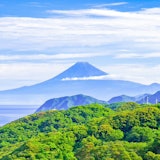
Fukinoyama rises to 550 meters near the border between Matsuzaki and Nishi-Izu towns, northeast of Matsuzaki town center and alongside Mount Chokuro of the Amagi range. At the summit stands Hozoin, a Soto Zen temple founded as a sacred esoteric site by Kukai (Kobo Daishi) in the 3rd year of the Dado era; it was originally called Fukino Jizo Mikkyoin. In the Muromachi period it flourished as a great sacred site with 88 branch temples, but it later fell into decline and was revived by the monk Iwanaka. During the Bunki years (1501–1504), Seian, the fourth head priest of Fumon-in in Kawazu, converted from Shingon to Soto Buddhism, and the temple gained the name Hozoin from that time. The temple grounds are densely wooded, featuring the largest cedar in Minami-Izu, estimated at about 400 years old (6.5 m in circumference, 34 m tall), and a 150-year-old Oshima cherry tree. Along the approach, more than 180 stone statues known as "field Buddhas" line up in a rare sight. The moss-covered stone figures of Dainichi Nyorai, Yakushi Nyorai, Amida Nyorai, Jizo, Kannon, Kobo Daishi and others have a quietly desolate air, as if chanting the impermanence of human life. The site is also the 7th sacred stop on the Izu Yokomichi 33 Kannon pilgrimage.
This text has been automatically translated.
Show original text
Show original text