-
Article
-
Channel
-
Region
-
Season
-
Tag
Articles
-
 Video article 3:35
Nagasaki Has Everything From Popular Spots Like Gunkanjima to Christian Heritage Sites Full of History! Make Some Amazing Memories in Kyushu With the Best Sightseeing Spots in Nagasaki!
Travel- 53 plays
- YouTube
Sightseeing in Nagasaki Prefecture This video, titled "Nagasaki Gateway to Japan 4K (Ultra HD) - 長崎," was released by Nagasaki JAPAN. Nagasaki Prefecture is full of natural beauty, including places like Mt. Kompira, Iki Island, the Kujuku Islands, the Goto Islands, and more. Inasa Mountain also offers what has been described as a million-dollar view. さらに長崎県には横浜と同じく中華街あり、長崎ちゃんぽん・皿うどんなどのグルメが堪能できます。 長崎観光を楽しむ 長崎県は九州北部に位置します。 長崎市内は路面電車が走り、坂が多いのが特徴です。 長崎はかつて出島を拠点にオランダと交易していたことで有名。 さらにキリシタンの拠点となっていた歴史もあり、島原には潜伏キリシタン関連の遺産が多くあります。 長崎には多くある観光スポット以外に、おすすめできるほどのおいしいグルメがたくさんあります。 長崎ちゃんぽんと皿うどんが王道グルメですが、最近では佐世保バーガーの知名度も上がっています。 またお土産は長崎カステラが有名ですが、長崎ガラスの『びいどろ』や佐世保独楽(させぼごま)を近年人気です。 長崎県が誇る観光名所 長崎県が誇る観光名所の1つに軍艦島が挙げられます。 正式名称は端島(はしま)で、世界文化遺産に登録されていています。 さらに長崎原爆資料館では核爆弾が投下された歴史がつづられており、重要な資料が展示されています。 他には猿岩や大浦天主堂、グラバー園などの観光名所があります。 長崎県が誇る人気のお祭りについて 人気の長崎ランタンフェスティバルは、元々は中国の旧正月を祝う行事だったが、1994年に規模を拡大してから長崎の冬の一大風物詩イベントとして知名度は全国規模のものとなりました。 街中に飾られる約1万5000個の極彩色のランタン(中国提灯)と、各会場で飾られている様々なオブジェたちが一帯を幻想的に彩り、まるで別世界に来たかのように演出してくれます。 幻想的な光景はインスタ映えスポットにもなっています。 例年1月下旬から2月上旬にかけて開催されます。 長崎県観光情報紹介まとめ 歴史深い観光スポット「長崎県」。 動画をご覧になればきっと実際に足を運んでみたくなるはずです。 -
 Video article 6:36
A Laputa-Like Ruin in Nagasaki: A Walk Through the Fort Ruins at Ishiharadake Forest Park
History Travel- 105 plays
- YouTube
Explore the Ruins of Ishiharadake Forest Park in Saikai, Nagasaki Ishiharadake Forest Park in Saikai, Nagasaki Prefecture is a slightly mysterious place where the remains of a modern-era fortress still lie quietly in the woods. This featured video takes you along the park’s well-maintained trails and lets you experience moss-covered stones, cool air, and shadowy underground spaces evocative of an atmosphere reminiscent of Laputa from Studio Ghibli's Castle in the Sky. What makes it special is that it is not merely a mountain dotted with ruins, but a park where the ruins blend naturally into the landscape. Since you can encounter them as an extension of a stroll or forest bathing, known in Japan as shinrin-yoku, it feels comfortably approachable even for first-time visitors. In this article, we will introduce the highlights of Ishiharadake Forest Park、including its history, as well as its well-maintained walking paths, restrooms, gazebos, cooking facilities, and camping areas. Photo: Ishiharadake Forest Park in Saikai, Nagasaki Prefecture Ruins from 125 Years Ago? Ishiharadake Forest Park is a place where the remains of a modern-era fortress seem to melt into the forest itself. The Ishiharadake Battery (Ishiharadake Hōrui) within the park is said to have been completed in 1899. As you walk, you can see that structures once built for defense now stand quietly, embraced by the trees. On paper, it is a “Meiji-era remnant,” but when you stand there, you feel something stronger: the presence of time itself. Moss tracing the edges of stone, the hush of the surrounding woods, the cool, clear air. The Meiji era, which should feel far away, seems to breathe softly deep in the forest. That quiet sense of historical romance is this forest's greatest charm. What Is the Ishiharadake Battery in Nagasaki? As you walk through Ishiharadake Forest Park, you will come across the remains of the Ishiharadake Battery. The term hōrui, often translated as “battery”, is best understood as a defensive position within the larger system of a fortress. The Ishiharadake Battery was one of the defensive installations built to protect the naval port. That is why the stone walls and shaped terrain remaining in the forest look less like scattered rubble and more like structures deliberately built for defense. Photo: Sasebo Fortress remains (Ishiharadake Battery site) at Ishiharadake Forest Park in Saikai, Nagasaki Prefecture An interesting point is that these defensive facilities did not just consist of buildings. You can see a variety of measures which were used to increase the defensive strength of the battery through the terrain itself, such as raised earthworks, trench lines, and stone-reinforced slopes. there is enjoyment to be found in searching for these traces as you walk. Simply gaining one new perspective makes the same scenery far more fascinating. Highlights of Ishiharadake Forest Park The appeal of this place is that the remnants do not push themselves forward as a “main attraction.” Instead, they blend naturally into the forest scenery. The green of moss, the gray of stone, and the dappled light through the trees. As these colors and textures layer together, it begins to resemble the world of Laputa. Rather than large buildings, what you notice are traces such as stone outlines, steps, and subtle rises and dips in the ground. Because of that, discoveries follow one after the other as you walk: one here, one there, another just ahead. Photo: Sasebo Fortress remains (Ishiharadake Battery site) at Ishiharadake Forest Park in Saikai, Nagasaki Prefecture The stone surfaces can look softer when covered in moss, and then sharply defined when shadows fall across them. Even in the same spot, the impression changes depending on the time of day. Since the forest is quiet, you can clearly hear your footsteps and the rustle of branches and leaves, which makes the stillness feel even deeper. Around the remnants, the air often feels noticeably cooler、conveying a shift in atmosphere rarely captured in photos. As a result, this is less a place where you “go to see ruins,” and more a place where you “meet ruins while walking through the forest.” That subtle sense of distance is what creates the Laputa-like feeling. What Is the Enpei-bu Shelter Like? The first major highlight of the video starts at (0:30) with the lowest-level enpei-bu shelter. The moment you step into the darkness, the air turns cool, and it becomes strikingly quiet, as if sound is being absorbed. The word enpei (掩蔽) itself means “to cover and conceal.” In modern fortifications, an enpei-bu is often explained as a “concealed protective space,” designed to shelter personnel and supplies from shelling and other attacks. Over time, both structure and materials evolved. In the Meiji period, stone and brick were used, and later the use of concrete became more widespread. That technological shift is part of what defines these shelters. With the Ishiharadake Battery, there is not always enough information to state every detail of the enpei-bu’s original use with certainty. Still, the appeal of this section lies in the fact that the park has been developed to preserve the atmosphere of a fortress site, and that the “underground air” conveyed in the video leaves a strong impression as an experience. The quiet beyond the darkness feels far more intense than it does in photos. To enjoy it safely, bring a light (your smartphone's light is enough) and be sure to wear comfortable walking shoes. What Can You See at the Gun Battery Site? As you reach the gun battery area, it quickly becomes clear that Ishiharadake Forest Park was developed around the Ishiharadake Battery site. The city of Saikai also introduces it as an atmospheric fortress site, and one of the key charms here is how the outlines of stone structures remain within the forest’s stillness. Photo: Sasebo Fortress remains (Ishiharadake Battery site) at Ishiharadake Forest Park in Saikai, Nagasaki Prefecture The key discovery here is that the battery site cannot be reduced to simply “Where the cannons were placed.” On Nagasaki’s tourism websites, the Ishiharadake Battery is introduced as a battery completed in 1899, with remnants still preserved within the park. Once you know that background, walking the battery area makes the structures in the woods look less like mere “scenery,” and more like traces of their original role. When those “outlines of history” connect with the atmosphere of the place, it lingers in your memory in a quiet, gradual way. As you reach the gun battery area, it becomes easy to understand, just by looking around, that Ishiharadake Forest Park is “a place developed by making use of the Ishiharadake Battery site.” The outlines of stone structures remain within the forest’s stillness, and it is a point where you can strongly feel that this was not just a walking trail, but part of a modern defensive facility. How to Enjoy the Campsite Ishiharadake Forest Park is a park with historic ruins where you can also camp. The fee is 520 yen per tent per night, and reservations are required. A good way to spend time here is to take a light walk around the remnants in the late afternoon to get used to the atmosphere, enjoy the forest’s quiet as it is at night, then walk again the next morning when the sunlight filters through the trees. On a day trip, you may only glimpse the atmosphere, but if you stay, you will notice the expressions of the stone and the sounds of the forest gradually changing over time. Access ■ Access from Nagasaki Airport by bus, train, and ferry (approx. 3 hours 10 minutes) Nagasaki Airport (route bus “Nagasaki Airport to Nagasaki Station, via Nagasaki University East Gate and Peace Park”) ↓ Uematsu-higashi ↓ Shin-Omura Station (JR Omura Line and Sasebo Line, “Section Rapid Seaside Liner” bound for Sasebo) ↓ Sasebo Station ↓ Kujirase Terminal (ferry “Sasebo to Yokose-nishi,” bound for Yokose-nishi Port) ↓ Yokose-nishi Port ↓ On foot ↓ Ishiharadake Forest Park Because airport bus operations and arrival times vary depending on the service and road conditions, it is reassuring to check the latest information on the official guidance and timetable for Saihi Bus (Nagasaki Airport Line) before you depart. 【Saihi Bus Official Website】bus.saihigroup.co.jp ■ Access from Nagasaki Airport by car Nagasaki Airport ↓ Car (rental car) ↓ Ishiharadake Forest Park Travel time may vary depending on road conditions. What to See Nearby One of the best things about the area around Ishiharadake Forest Park is how easy it is to combine the quiet of the forest with a different kind of experience on the same day. If you want something more hands-on, the classic choice in Saikai is Nagasaki Bio Park. Official information highlights exhibits with few cages or fences and experiences where you can get close to and interact with animals, so it offers a visit that goes beyond simply looking. Photo: Capybaras at Nagasaki Bio Park in Saikai, Nagasaki Prefecture Another highlight is that the park offers animal feeding and interaction experiences. Capybara programs are especially popular, and in winter they may hold an event known as the “Capybara Open-air Bath.” Opening hours are 10:00 to 17:00, with last entry at 16:00. The park generally has no regular closing days and remains open over the year-end and New Year holidays. They also note that temporary closures are possible in severe weather, such as typhoons or heavy snow. Since admission fees are listed officially as well, checking the latest details before visiting makes it easier to plan your day. 【Nagasaki Bio Park Official Website】biopark.co.jp If you want to add more of a “travel” feeling, Huis Ten Bosch is another must. Modeled after European streetscapes, the park has an atmosphere you can enjoy just by walking around. In the daytime, you can take in canal-side views and architectural details. At night, the illumination transforms the mood completely. Photo: Huis Ten Bosch in Nagasaki Prefecture In particular, the illumination event “Kingdom of Light” is promoted as a year-round attraction, with highlights that change by season and area. In winter, there is also a limited-time event called “World of Silver,” which offers a seasonal way to see the entire town in a different light. Since the event period varies by year, please check in advance. For access, it is said to take about 5 to 7 minutes on foot from JR Huis Ten Bosch Station to the entrance, the Welcome Gate, making it easy to include even on a train trip. If you move from the quiet of Ishiharadake to the bright spectacle of Huis Ten Bosch, the tone of the same day’s experiences changes dramatically. 【Huis Ten Bosch Official Website】https://www.huistenbosch.co.jp Conclusion The charm of Ishiharadake Forest Park is that it is an easy place to walk trough as a forest park, yet during your stroll you can suddenly sense the presence of Japan’s modern era. The cool air of the enpei-bu shelter, the outlines left at the gun battery site, and the quiet you can savor at the campsite. Even within the same forest, the density of the atmosphere changes from place to place. It is so interesting that before you know it, your walking pace slows down too. If you watch the video beforehand as a way to preview the atmosphere, you will notice more moments of quiet recognition once you are there, and your walk will become even more enjoyable. Whether you simply want to walk in the woods or you are looking for a slightly different destination, this is a place where you can taste a quiet, out-of-the-ordinary experience. It is the kind of spot that makes you think on the way home, “I want to walk through that cool air one more time.” Reference site for Ishiharadake Forest Park: https://www.city.saikai.nagasaki.jp/kanko/theme/spot/1/4942.html .caption-heading-2 { font-weight: bold; font-size: 1.7rem; margin-bottom: 15px; max-width: 800px; margin-left: auto; margin-right: auto; margin-top: 60px; } .mod-article-caption .caption-text { margin-bottom: 40px; } .caption-information-table { background-color: #efefef; margin-top: -20px; margin-bottom: 50px; padding: 20px; border-radius: 8px; width: 90%; margin-left: auto; margin-right: auto; } .caption-information-table.blue { background-color: #fffaef; } .caption-information-table .title { font-weight: bold; font-size: 1.7rem; } @media screen and (max-width: 1024px) { .caption-information-table { width: 95%; padding: 30px 15px 30px 15px; } } .caption-heading-table .caption-text li { line-height: 2.5rem; margin-top: 1.3rem; } .mod-article-caption .caption-heading { position: relative; border-left: 5px solid #ff1300; padding-left: 10px; margin-top: 60px; } .mod-article-caption .caption-text { margin-bottom: 50px; } .mod-article-caption .caption-heading-table { width: 95%; padding: 30px 15px 1px 15px; margin-left: auto; margin-right: auto; } .caption-heading-table ul{ counter-reset: listnum; /* カウンターをリセット */ list-style: none; /* 標準のスタイルは消す */ font-size: 1.5rem !important; margin-bottom: 15px; } .caption-heading-table ul.list-style-number-jp>li{ margin-left: 1.1em; text-indent: -1.1em; font-weight: bold; } .caption-heading-table ul.list-style-number-jp>li::before{ counter-increment: listnum; /* counter-resetと同じ文字列 */ content: counter(listnum); /* カウントした数に応じて番号を表示 */ content: counter(listnum) ". "; } /*.list-style-dot { list-style: "↓"; }*/ .list-style-dot>li::before{ content:"↓ "; } .list-style-dot>li { padding-left: 1.8rem; margin-left: 1.1em; text-indent: -1.1em; line-height: 2rem !important; margin-top: 1rem !important; } .separation_line { border-width: 0 0 8px; border-style: solid; border-image: url('data:image/svg+xml,') 0 0 100% repeat; width: 216px; margin:auto; margin-bottom: 50px; } .line-height-text { line-height: 3.7rem !important; } .readMoreContainer { position: relative; height: auto; max-height: 300px; overflow: hidden; transition: max-height 0.6s; } .readMoreContainer::after { content: ""; position: absolute; top: 0; left: 0; z-index: 0; display: block; width: 100%; height: 100%; transition: 1s; background: linear-gradient(to bottom, transparent 40%, #efefef 100%); pointer-events: none; } .readMoreContainer.show:after { z-index: -1; opacity: 0; } .readMoreBtn { display: block; margin: 0 auto; padding: 8px 40px; border: 0; color: #ffffff; background-color: #ff1300; cursor: pointer; border-radius: 5px; margin-bottom: 20px; } .readMoreBtn:hover { opacity:0.7; } -
Video article 1:46
At an Impressive 105m Long, Hot Foot 105 Is the Longest Footbath in Japan! Check Out the Amazing Obama Onsen in Unzen City- A Port Town Full of Relaxing Hot Springs and Beautiful Sunsets!
Local PR Travel- 130 plays
- YouTube
Obama Onsen This is an official promotional video of the spa town “Sea, Sunset, and Steam,” produced by the Obama Onsen Tourist Association (Obama means “little beach” in Japanese, and it has no connection to the 44th US president). Obama Onsen is a hot spring resort in Unzen city, Nagasaki Prefecture. Obama possesses many of the “No.1 in Japan” titles when it comes to the onsen's features. But that's not all that makes Obama a popular onsen resort. Fresh foods grown in the rich soil or gathered from the sea, the warm climate year round, the beautiful scenery of the surrounding area.. It has a lot of things to see. If you're traveling to Kyushu we definitely recommend stopping by here. There are a lot of day-visit outdoor onsen in the town that can be casually enjoyed. Having a foot bath while enjoying an amazing view of Mt. Unzen is a great way to relax. Despite the video being less than 2 minutes long, the charms of Obama, including its natural and cultural beauty, the hot springs, and more, are all displayed for your viewing pleasure. You'll be able to see what Unzen city is all about before you make a visit. The Springs of Obama Onsen The quality of the Obama hot springs is sodium chloride. It has the hottest and most active springs in Japan, with some springs getting as hot as 105 degrees. The abundant geothermal energy, combined with the warm climate, makes agriculture one of the main industries in this area. The minerals contained in the Obama hot springs are said to be good for nerve and muscular pains, rheumatism, poor circulation, cuts, hemorrhoids, and skin disease. The video shows the source spring at 0:54. Sightseeing Around Obama Onsen Photo:Obama Onsen foot bath Found at the base of Mt. Unzen, Obama Onsen features about 25 onsen ryokan hotels lined up on the seafront overlooking the Tachibana Bay. There are also 3 public bathhouses where you can enjoy Obama’s famous sunset views while bathing. Obama Marine Park offers a variety of onsen facilities, and the 105m long foot bath, Hot Foot 105, is its main attraction and is said to be the longest foot bath in all of Japan. The view of Shimabara Bay is incredible, and makes for a great Instagram photo. Hot Foot 105, which appears in the video from 0:29, is certainly a must-go tourist location. Obama is also home to cooler carbonated springs. The water can be freely collected at various water collection points in the town and is used by the people in their everyday lives. In addition, the town is also known for its cherry blossoms. Mt. Token is covered in blooming cherry blossoms in March, and has been repeatedly shown on TV programs and featured in magazines. Obama’s cherry blossom landscape is shown in the video from around 1:04. Here you can catch a glimpse of the beauty of spring in Japan. In June, Obama Onsen is adorned with the purple flowers of Jacaranda. Obama Onsen Jacaranda Festa, as well as other events, are held on Jacaranda Street to celebrate the flowers. The Local Specialty of Obama Onsen Photo:Champon A must-try specialty of Obama Onsen is definitely “Obama Champon,” a dish made of noodles, seafood, and vegetables. There are around 20 competing Champon restaurants in the area, and the dish is also served at any type of restaurant or Izakaya (A type of Japanese bar). A special feature of Obama Champon is the light soup containing plenty of sea food. The Champon Map available at hotels, the train station and the tourist office, will help you find these Champon restaurants. The History of Obama Onsen Obama Onsen was first recorded in 713, in the topographic record Hizen Fudoki (Hizen is a former name of the province containing the area), and has been known as a hot-spring health resort since around 1900. It was designated as a National Recreation Onsen in 1962 (An onsen must meet the required conditions to be classified as such). Obama Town Museum of Historical Materials is a good place to learn about the town’s history. Summary of Obama Onsen Photo:Obama Onsen Since the Obama railway line was abolished due to the integration of transport infrastructure, access to Obama Onsen has become slightly inconvenient. This made it a precious hidden gem, with the abandoned railroad track still remaining in the area. There are buses running to Obama Onsen from JR Isahaya Station, and it takes about 55 minutes to get there. We hope that the video and this article have helped you discover the beauty of Obama Onsen. Obama Onsen will treat you well with beautiful natural environment, warm climate, delicious cuisine, and of course, its relaxing hot springs. 【Official Website】Unzen city http://translate.google.co.jp/translate?hl=ja&sl=ja&tl=en&u=http://www.city.unzen.nagasaki.jp/ -
Video article 10:11
The Tsushima Leopard Cat: A Look at the Life of the Feline That Is Both Cute and Scary. The Unknown Secrets of the Nationally Protected Species!
Living Things- 746 plays
- YouTube
The Tsushima Leopard Cat - An Endangered Species This video, titled "[Japanese Cats] Ecology of the Tsushima Leopard Cat|Wild Cat|Protected Species (Tsushima Leopard Cat)," was produced by “Orange Animal Channel” (オレンジ動物チャンネル). It introduces the endangered Tsushima Leopard Cat. The animal introduced in this footage lives only in the wooded forest area around Tsushima in Nagasaki prefecture. It is a very rare wild cat. Photo:Tsushima leopard cat What is the Tsushima Leopard Cat? The Tsushima cat is classified as a member of the Carnivora order of cats, and its head-to-body length can reach up to about 50 cm for the larger cats. It's safe to say that they are about the same size as house cats. Since 1997, thanks to conservation efforts by the Tsushima Wildlife Conservation Center, surveys have been held and artificial breeding carried out at the Fukuoka Zoo & Botanical Garden. In this video, you'll see a plump Tsushima Leopard Cat. The weight of the wild cats is about 5 kg give or take, and being carnivorous, they mainly feed on small mammals and reptiles. Their life expectancy is around 10 years. Presently, they are designated as an endangered species and a nationally protected species, so they cannot be pets without authorization. You can see the Tsushima Leopard Cat energetically playing around in its cage in the footage. It is a very cute sight to see but every once in a while it looks at you with a piercing gaze, reminding you that while they may be cute, they also want their distance. Source :YouTube screenshot The Life and Characteristics of the Tsushima Leopard Cat Tsushima, the habitat of the Tsushima leopard cat, is an island in Nagasaki Prefecture in Japan's Kyushu region. Most of the island is covered by forest, which is ideal for the nocturnal, solitary Tsushima leopard cat. The difference between stray cats and feral cats is that strays were abandoned or lost and became feral, while wild cats have preserved their species in their long history without depending on humans. At first glance, the Tsushima cat looks very similar to a house cat. However, they have a pattern on the back of their ear called ocelli, which is only seen on wild cats. From 8:49 in the video, you can see the Tsushima Leopard Cat relaxing and staying still, so keep your eyes open for the ocelli pattern. Although wildcats are widely distributed across the Asian continent, the Tsushima leopard cat is said to have its roots in a subspecies of the Bengal wildcat. In addition to the Tsushima leopard cat and Bengal wildcat, Asia is home to the Iriomote wildcat, the lynx, the Korean wildcat, and the Manchurian wildcat, but their populations are all believed to be in decline. Photo:Tsushima, Nagasaki Why Is the Tsushima Leopard Cat an Endangered Species? You might be asking yourself, "How did the cute Tsushima leopard cat's population decline to the point of being listed as an endangered species?" The video also explains the five reasons for the decline in the Tsushima leopard cat's numbers from around 4:57 onwards, and sadly, one of the reasons is humans. This includes when they are trapped and die as a result of vermin control, or when they die in traffic accidents. Photo:Tsushima leopard cat Efforts to Conserve the Tsushima Leopard Cat Going Forward Since 1997, efforts to conserve the Tsushima Leopard Cat have been carried out by the Tsushima Wildlife Conservation Center, and from 2007, artificial breeding has been conducted at domestic zoos, such as the Kyoto Municipal Zoo. Their adorable appearance has been shown on the news and other media, and they became a hot topic of conversation when they were featured at zoos and conservation centers. Currently, in order to prevent its extinction, efforts to conserve the Tsushima cat are expanding with the sale of goods, such as plush toys and the production of Tsushima leopard cat rice. It's important for us to be aware of the importance of coexisting with nature to prevent the extinction of the lovely Tsushima cat, which can only be found in Japan. 【Official Website】Domestic Endangered Species of Wild Fauna and Flora|The Tsushima Leopard Cat http://kyushu.env.go.jp/twcc/report/pam/leaflet/index.html -
Video article 2:41
The Goto Islands - A Holy Land for Christians, this Popular Tourist Destination is a World Heritage Site Full of Beautiful Churches and Nostalgic Port Town Scenery Off the Coast of Nagasaki Prefecture in Japan's Kyushu Region!
Travel- 161 plays
- YouTube
The Goto Islands and Churches in Nagasaki This video, titled "The Goto Islands: Nature and Churches of Beautiful Islands | nippon.com" (五島列島:美しい島々の自然と教会群 | nippon.com), was released by Nippon.com. It captures the beautiful scenery and churches of the Goto Islands of Nagasaki Prefecture. With a population of about 70,000, the Goto Islands of Nagasaki are located about 100 km west of Nagasaki Prefecture, at the edge of Japan's Kyushu region. They consist of 152 islands, both large and small, stretching 80 km in all different directions. The Goto Islands were registered as a UNESCO World Heritage Site (cultural heritage) in 2018, and are a popular tourist destination that attracts tourists from all over Japan. Enjoy the powerful drone shots of churches, natural landscapes, and the beautiful sea of the Goto Islands in Nagasaki Prefecture! The emerald green sea is enough to get you in the mood for a road trip! A Closer Look at the History of Churches in the Goto Islands of Nagasaki Prefecture Photo:Nakanoura Church in Kamigoto, Nagasaki Prefecture The history of Christianity on Nagasaki's Goto Islands began in 1566 with the arrival of Luis de Almeida and his group of missionaries to the island. Their missionary work led to the construction of many churches in the Goto Islands. During the Edo Period (1603-1868 A.D.), Christians were persecuted by the Tokugawa Shogunate in an effort to maintain the security of the country; 51 Catholic churches still remain to this day. The Christian Cave, Fukumi Catholic Church, Nakanoura Church, Kashigarashima Church, and Aosagaura Church are all fantastic spots we recommend checking out. The scenery of the historic churches is sure to be a great spot for your Instagram. The Goto Islands Have a Lot More To Offer Besides Beautiful Churches! Photo:Takahama Beach in Goto, Nagasaki Prefecture The Goto Islands in Nagasaki are thought to have been inhabited since the Paleolithic Period, and traces of human life have been discovered in Jomon (14,000 BC to 400 BC) and Yayoi (300 BC to 250 AD) period ruins. There's more to the islands than just churches! When traveling to the Goto Islands, we recommend booking an island tour. This video shows the Goto Islands in Nagasaki surrounded by nature, including Fukue Island (福江島) from 0:12, Hisaka Island (久賀島) from 0:52, Naru Island (奈留島, Narushima) from 1:08, and Nakadori Island (中通島) from 1:27. All of these islands are covered in natural landscapes for you to enjoy! There are many repeat visitors who come here for fishing and sightseeing. If you want to go swimming, we recommend beaches such as Takahama Beach, Hamagurihama Beach, Miyanohama Beach, and Hinoshima Beach. Also, everybody knows that when you're traveling, you've got to try the local food! The Goto Islands' specialties include Goto Udon noodles made with agodashi (seaweed soup stock), barley shochu (distilled spirits made from barley), Karasumi (dried mullet roe), and Diamond Salt. Don't forget to try the delicious seafood dishes made from locally caught fish as well! Summary of the Goto Islands and Churches in Nagasaki Prefecture Photo:Goto Islands, Nagasaki Prefecture In order to visit these beautiful churches, Nagasaki's Goto Islands can be accessed by ferry and airplane. Ferries to Fukue Port are available from Nagasaki and Hakata ports. If you plan to go to other islands, such as Hisaka Island, Naru Island, Nakadori Island, or Ojika Island, you will need to transfer from Fukue Port. Another option is to fly to Fukue Airport from Nagasaki and Fukuoka airports. Touring around the island is mainly done by bus, so we recommend taking a tour that includes a hotel and other services in a package. I bet after watching the video you're already packing your bags for the Goto Islands! We hope you have a great trip and enjoy your time in Nagasaki! 【Tripadvisor】Goto https://www.tripadvisor.com/Tourism-g1022848-Goto_Goto_retto_Nagasaki_Prefecture_Kyushu-Vacations.html -
Video article 22:53
Handling a Huge Flatfish That's 90 cm Long and Weighs Over 10 kg! From Brilliant Artisanal Knife Work to Exquisite Cuisine!
Food & Drink- 41 plays
- YouTube
This video, titled "Catching Flatfish for 50 Years, Zabuton for 15, but There's Still More to Come! Zabuton Flounder Ebisutei, Hirado" (ヒラメをさばいて50年。ざぶとんは15年。まだまだです。 ざぶとんヒラメ<さばき編> 平戸・エビス亭), was released by "99チャンネル 99chtv." Flounder, with its mild flavor, is a top-quality ingredient when used for sashimi. In this video they clean a huge flounder, which is big even compared to other large flounder. "Zabuton" flounder as they're called in Japanese refer to flounder between 70 and 90 cm in length and that weigh over 4 kg. Its size and weight make it a difficult fish to process fresh. The owner of Ebisutei in Hirado, Nagasaki, is the one processesing the fish. Japan's techniques for handling fish are among the best in the world in terms of speed and maintaining freshness. Look at the skill of the owner as he handles the flounder! -
Video article 3:06
Everyone in Kyushu Prays for the End of Corona. Cheer up and Wait for That Day With a Smile!
Local PR- 23 plays
- YouTube
This video, titled "Until That Day, Let's Do Our Best Together" (その日まで、ともにがんばろう), was released by "Until That Day, Let's Work Together [JR Kyushu]" (その日まで、ともにがんばろう【JR九州】). The video was created by JR Kyushu to support the fight against corona. The novel corona virus (Covid-19) that is sweeping the world today shows no sign of abating in Japan either, and we are forced to live in fear and threat of the virus every day. However, human beings have survived many epidemics in the past. Although the number of cases of new coronaviruses is increasing day by day, the number of critical condition patients and deaths in Japan is very low compared to the rest of the world, so let's do our best to believe that we can return to a safe and secure life again in the near future, as shown in this video. -
Video article 2:01
How to Explore Nagasaki Lantern Festival 2026: Highlights and Best Spots
Festivals & Events Things to Do Travel- 34 plays
- YouTube
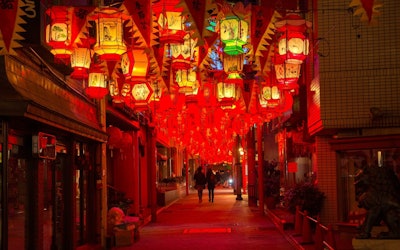
The Complete Guide to the 2026 Nagasaki Lantern Festival One of the signature winter events in Nagasaki City, Nagasaki Prefecture is the Nagasaki Lantern Festival. In 2026, it will be held from Friday, February 6 to Monday, February 23 (national holiday), and the city center will be illuminated in vivid colors by around 15,000 lanterns. On the opening day, Friday, February 6, the lanterns are lit from 18:00 following the lighting ceremony. From Saturday, February 7 onward, standard lighting hours are 17:00 to 22:00 (with lights extinguished at 21:00 on the final day). In addition, from Saturday, February 7 onward, the Shinchi Chinatown and Hamanomachi venues will be lit from 12:00 (subject to change due to weather and other conditions). What Is the History of the Nagasaki Lantern Festival? Photo: Nagasaki Lantern Festival The history of the Nagasaki Lantern Festival traces back to the “Shunsetsusai (Spring Festival)” celebrations held by the community in Nagasaki Shinchi Chinatown. What began as a beloved event to celebrate Shunsetsu (the Lunar New Year) grew in popularity, and in 1994, it expanded in scale and became the “Nagasaki Lantern Festival.” Today, it is firmly established as a cherished winter tradition in Nagasaki. The idea of lighting the city with lanterns is said to originate from the Chinese custom of decorating with lanterns for Yuanxiao Festival. As a result, the festival naturally weaves in Chinese cultural elements, not only through illuminated decorations but also through events such as the Emperor’s Parade and Nagasaki's unique Jaodori dragon dance. What Are the Highlights of the Nagasaki Lantern Festival? (Four Key Points) There are four main highlights: a spectacle of colors, the energy of the parades, the main centerpiece returning for the first time in two years, and hands-on experiences and street food. Start by enjoying the shifting colors of the lanterns, as each venue offers a distinct atmosphere. Next, let the movement of the parades and performances lift your spirits. After taking in the highlight of the trip, this year’s one-of-a-kind main centerpiece, round things off with hands-on experiences and street food to end well and truly satisfied. Even for first-time visitors, following this order helps ensure you don’t miss much and naturally leads to a more satisfying experience. Highlight 1: A Spectacle of Colors What makes this festival so fun is that the venues are spread out, so “the scenery changes the more you walk.” As the dominant hues shift from red to pink to yellow, simply wandering becomes sightseeing in itself. For detailed lighting hours, please check the event information above. (This may change due to weather and other conditions.) Where Are the Most Striking Red Lantern Displays? (Hamanomachi, Chuo Park, Around Shinchi Chinatown) Photo: Nagasaki Lantern Festival The red zone is essentially the festival's main artery. In Hamanomachi (around the Kanko-dori shopping arcade), both the crowds and the density of lanterns stand out, and simply walking through instantly gives you the feeling of having truly arrived at the Nagasaki Lantern Festival. Chuo Park also hosts the opening lighting ceremony, making it an easy and convenient starting point for your evening. From Shinchi Chinatown toward Minato Park, large-scale displays and events tend to cluster, so for first-timers, this is the area you can confidently say is “not to be missed.” Where Are the Prettiest Pink Lantern Displays? (Shinchi Chinatown, Doza River) Photo: Nagasaki Lantern Festival at Doza River A well-known spot for pink lanterns stretches from around Shinchi Chinatown to the Doza River. Offical venue guides describe this area as a place where the riverside brightens with a rosy glow. Because it sits slightly away from the busiest core, your walking pace naturally slows, making it easier to enjoy photos and conversation. Reflections on the water also make it easy to capture social-media-friendly photos, even without special equipment. Where Does Yellow Feel Most Dreamlike? (Nakajima River, Meganebashi Bridge) Photo: Nagasaki Lantern Festival at Meganebashi Bridge The world of yellow centers on Nakajima River Park and the area around Meganebashi (Spectacles Bridge). Venue introductions describe it as a quintessential Nagasaki waterside scene, where yellow lanterns reflected on the river create a dreamlike view alongside Meganebashi. Meganebashi (Spectacles Bridge) is a stone bridge said to have been built in 1634 and is designated as an Important Cultural Property of Japan. Part of it collapsed in the 1982 Nagasaki flood and was later restored, giving you a “story behind the view” to share as you visit. Along the Nakajima River embankment near the bridge, you can also find several heart-shaped stones (Heart Stones) embedded in the riverbank. Searching for them as you stroll has become a classic, treasure-hunt-style pastime. These Heart Stones were placed during improvements to the Nakajima River area following the Nagasaki flood disaster, and they are now also known as a spot associated with wishes for romance. Finding one gives you a small burst of joy, and it is an easy photo spot to introduce to overseas visitors, too, such as saying, “There are hidden hearts in the stones along the riverbank.” Highlight 2: The Energy of the Parades If the lanterns are the festival’s “still” charm, the events bring its “motion” to life. There are both street parades that weave through the city and performances held at venues. Picking events that fit your itinerary will significantly boost your overall experience. What Is the Emperor’s Parade? (Dates, Route, Scale) Photo: Nagasaki Lantern Festival Emperor’s Parade The Emperor’s Parade is a lavish procession inspired by how an emperor and empress might celebrate the New Year with the public during the Qing dynasty. Centered on the ceremonial palanquins carrying the emperor and empress, around 150 participants, including banner units, march in Chinese costumes. In 2026, the parade will be held on Saturday, February 14 and Saturday, February 21, following the officially designated route from Chuo Park to Minato Park, making it easy for travelers to plan ahead. It has also been announced that Mizuki Maehara will play the emperor on Saturday, February 21, which is likely to make that day especially popular. The Mazu Procession: Echoes of Nagasaki’s Port City HeritageThe Mazu (Maso) Procession recreates the ritual of enshrining Mazu, a deity revered for safe voyages, at the Mazu Hall of a To-dera (Chinese temple). Its appeal lies in experiencing, through the festival itself, how Nagasaki grew and prospered as a city shaped by the sea. When Can You See the Jaodori Dragon Dance? Photo: Jaodori dragon dance at the Nagasaki Lantern Festival Jaodori is a powerful performance said to have originated from Shinto rituals for rainmaking, with performers controlling a dragon body about 20 meters long. Venue information introduces it as being held every day during the festival, which is great for travelers because it reduces the risk of missing it due to scheduling. Times and locations may change, so checking the official schedule on the day is the most reliable approach. Where Can You Watch the Chinese Face-Changing Show? The face-changing show is most commonly watched at the Nagasaki Confucius Shrine (Koshi-byo). According to the shrine’s guidance, no reservation is required, you can watch with admission only, and in rainy weather, the show is performed in a covered corridor. The fees are also clearly stated: individual admission to the Confucius Shrine (including museum entry) is 660 yen for adults, 440 yen for high school students, and 330 yen for elementary and junior high school students. It is a helpful point for travelers who want to keep their trip budget organized. Highlight 3: The Long-Awaited Main Centerpiece What makes 2026 uniquely “this year only” is the new main centerpiece returning for the first time in two years. In 2025, a new centerpiece was shelved due to factors such as rising costs, but in 2026 it will be produced using a furusato nozei (hometown tax) fund. The new work in Minato Park is introduced as an 11-meter-tall piece called “Ryoma Seishin (ロンマー・ジンシェン)”, combining the zodiac horse with an ascending dragon. Minato Park is also a “hub” where large-scale displays and events tend to gather in addition to the main centerpiece. Even if you have limited free time on a guided tour, simply covering this venue can make it easier to feel satisfied with your visit. Highlight 4: Hands-On Experiences and Street Food If you want more than just viewing, focus on experiences and food. The strength here is not just the vibe, but that how to join, prices, and content are all clearly laid out. What Is the Candle Prayer Four-Hall Pilgrimage? (Locations, Content, Fee) The Candle Prayer Four-Hall Pilgrimage is an interactive program held at the Tojin Yashiki (Chinese Residents’ Compound) venue. You visit four halls that remain in an area where Chinese merchants once stayed, Doshindo, Tenho-do, Kannon-do, and Fukken Kaikan, and make a wish by lighting a red candle. The participation fee is 500 yen, and it is stated that all participants receive a commemorative gift. Walk-around events can easily become nonstop walking, but adding an “experience with a purpose” like this helps set a comfortable pace and makes it easier to stay energized into the evening. What Street Foods Are Popular? (Easy to Choose with Concrete Examples) Photo: Food stalls Event information notes that there are many stalls, and gives examples such as kakuni manju (steamed bun with braised pork belly), butaman (pork bun), chocolate yori-yori, hatoshi, ma lai gao (steamed sponge cake), and grilled soup dumplings. Booking a proper dinner reservation is great, but lantern-lit nights pair perfectly with food-hopping. Even during a tour’s free time, you can enjoy “a little bit of what you like” while adjusting your travel budget. On crowded days, it is smart to buy earlier, such as right after the lights turn on or between moves, when lines tend to be shorter. How Should You Get Around? (A Classic 2 to 3-Hour Route) If it’s your first time, the following order is easy to follow and hard to miss:Red (Hamanomachi, Chuo Park) → Pink (Doza River) → Yellow (Meganebashi Bridge) → Minato Park (main centerpiece) The lights turn on from 17:00. During the magic hour just after sunset, the deep blue sky and the lantern colors overlap beautifully, making the scenery look even more striking. How Do You Access the Venues? (Streetcars Are Convenient) Because the venues are scattered across the city center, the basic approach for travelers is streetcar plus walking. For key routes between venues and how to think about the nearest stops, it is safest to follow the official venue and access information. Summary The Nagasaki Lantern Festival in Nagasaki City, Nagasaki Prefecture developed from Shunsetsusai and has now become a signature winter, walk-around event in Nagasaki. In 2026, it will run from February 6 to February 23, and with some days featuring 12:00 lighting, it is also easy to fit into your itinerary. Walk through the “spectacle of colors” in red, pink, and yellow, feel the cultural energy through the Emperor’s Parade, Jaodori, and the face-changing show, and mark “this year’s Nagasaki” with the main centerpiece returning after two years. Finally, round out your trip with the four-hall pilgrimage and street food-hopping to lock in a truly satisfying travel experience. Nagasaki City Official Tourism Site: Travel Nagasaki -
Video article 2:06
The Beautiful Ruined Island, Gunkanjima, Now a World Heritage Site. The Amazing Island in Nagasaki Prefecture That Supported Japan’s Industrial Revolution, Attracts People From All Over the World!
Travel- 500 plays
- YouTube
Gunkanjima's Instagrammable Scenery This video is "Gunkanjima (Hashima) 4K vide (軍艦島(端島)4K映像)" produced by "Nagasaki Travel" (長崎観光). There are many famous sightseeing spots and scenic spots in Nagasaki, but one tourist attraction that has been attracting more and more attention in recent years is Gunkanjima, a Heritage Site of Nagasaki's Industrial Revolutionary. In this video, we'll introduce the role played by Gunkanjima in Japan's industrial revolution, and the current situation of the island in beautiful 4K images. Nagasaki was only open to the west during the isolation period (around 1185 AD to 1333 AD). Traders who moved to Nagasaki at the end of the Edo period brought with them the latest technology to modernize Japan. One such shipbuilding technique led to great advancements in Nagasaki. One of the assets that contributed to Japan's industrial revolution is the World Cultural Heritage site Gunkanjima. As the powerful name “Gunkanjima” indicates (軍艦- Gunkan "Warship," 島- jima "Island"), the gorgeous scenery that shines on the ocean is so powerful that it overwhelms onlookers. It is extremely popular with young people as a sightseeing spot for taking Instagram photos. You can see its powerful appearance in the video. Please enjoy the beautiful, historical "Gunkanjima." Mistakenly Bombed as an Actual Warship? Photo:View of Gunkanjima Hashima, the official name of Gunkanjima, is an uninhabited island floating in the southwest sea of Nagasaki Port. From the Meiji era (1868 to 1912 AD) to the Showa era (1926 to 1989 AD), it became the base island of the "Mitsubishi Hashima Coal Mine," that did undersea mining in the area. One isolated island off the coast of Nagasaki was transformed into an island that symbolized the industrial revolution of modern Japan. Eventually, a series of large coal-drilling plants began popping up, and housing and related facilities were built to house the miners and their families. Because these structures look like warships from a distance, it came to be called "Gunkanjima." Atstands out from 1:00 in the video, you can see the island's awesome appearnce. There is a story about the U.S. military mistakenly bombing Gunkanjima Island during the Pacific War because they thought it was a warship. Also, those facilities, show at 0:30 in the video, now remnants of the Meiji Industrial Revolution, symbolize the Japanese coal industry and culture from the Meiji period to the early Showa period, that took place on Gunkanjima. The Forgotten, Ruined Island Remembered as a World Heritage Site Photo:Gunkanjima During the coal industry's peak, Gunkanjima exceeded the population density of Tokyo. However, the mines were hollowed out and abandoned after the war. Gunkanjima was closed later, in 1974. It turned into a ruined island with no population and a cluster of dilapidated buildings with exposed rebar, and it became a no-go zone due to danger of collapse. Gunkanjima, which had been forgotten for a while, has come into the spotlight in the last few years. The robust image of "warships" that gave it its name, and the recent "ruin boom" that made it the setting for films such as 007, attracted a lot of attention. In 2015, Takashima Coal Mine and other surrounding facilities were registered as world cultural heritage sites, and the public's interest in Gunkanjima increased dramatically. It is now popular as a famous tourist attraction in Nagasaki where you can experience the history of modern Japan. The only way to get to Gunkanjima is boat. Many Gunkanjima cruise tours are organized by Gunkanjima Concierge, and you can also land on Gunkanjima if the weather is nice. In 2019, landings were temporarily banned due to the detection of fiber materials suspected of asbestos, but it has now been reopened. Japanese Landscape Culture Tours Photo:Flower garden at Huis Ten Bosch Among the historic tourist destinations of Nagasaki, Gunkanjima has become one of the top sightseeing spots in Japan's landscape culture tours due to its newfound scenic beauty and its rarity of being inaccessible in certain weather conditions. The area around Nagasaki's Gunkanjima has some fascinating hidden gems that attract tourists not only for the scenery but also for the food. We recommend gathering information in advance and planning your trip carefully, including hotels, accommodations, and accessibility. The sightseeing spots you'll want to visit once you arrive in Nagasaki are "Mt. Inasa," "Huis Ten Bosch," "Nagasaki Electric Railway (tram)," "Nagasaki Atomic Bomb Museum," "Nagasaki Biopark," "Glover Garden," "Unzen Jigoku," "Nagasaki Penguin Aquarium," “Nagasaki Ropeway," "Kujuukushima Pearl Sea Resort," "Peace Memorial Statue," "Dejima," "Unzen Hot Spring," "Megane Bridge," "Ōura Church," "Nagasaki Shinchi Chinatown," and more. Also, when you visit Nagasaki, you will find local gourmet dishes such as "Nagasaki Castella," "Champon," "Turkish Rice," "Sara Udon," "Shippoku," "Milkshakes," "Chirin Chirin Ice," "Sasebo Burger," "Lemon Steak," and "Kanzarashi". Summary of Gunkanjima We hope that the video has helped you understand why Gunkanjima was selected as a World Cultural Heritage Site, and the appeal of Gunkanjima as a tourist attraction. Hopefully there are many people who were fascinated by this video and want to visit the island and see it's beauty! Actually visiting the island is unlike anything you can experience through a video. Gunkanjima is the hottest tourist spot in Kyushu and Nagasaki right now! ◆Overview of Gunkanjima (Hashima) ◆ 【Address】Takashima-cho, Nagasaki City, Nagasaki Prefecture 851-1315 【Official Website】Nagasaki sightseeing / travel portal site Nagasaki trip net https://www.discover-nagasaki.com/ 【Official Website】Gunkanjima landing cruise http://www.gunkanjima-cruise.jp/ 【Tripadvisor】Gunkanjima https://www.tripadvisor.com/Attraction_Review-g298568-d1384788-Reviews-Hashima_Island-Nagasaki_Nagasaki_Prefecture_Kyushu.html -
Video article 9:16
Nagasaki Kunchi – Experience Suwa Shrine's Autumn Festival!
Festivals & Events Traditional Culture Travel- 213 plays
- YouTube
Nagasaki Kunchi, an Autumn Festival of Suwa Shrine: Video Introduction Photo:A float at Nagasaki Kunchi, Nagasaki City, Nagasaki Prefecture This video, titled "【8K UHD】Nagasaki-Kunchi Festival 8K (2018)" (【8K UHD】Nagasaki-Kunci Festival 8K / 長崎くんち(2018)), was uploaded by "8K Video Album." Nagasaki Kunchi, an autumn festival of Suwa Shrine in Nagasaki City, Nagasaki Prefecture, located in Japan's Kyushu Region, is a traditional event that has been held for more than 380 years since the Edo period (1603-1868). For three days from October 7 every year, the town of Nagasaki is full of festivities! A number of unique dances are performed, gathering large audiences. Be sure to check out the video to see the dances at Nagasaki Kunchi and tourist attractions in the area, which attract crowds of people to Nagasaki each year. The History of Nagasaki Kunchi and Dances During the Festival Photo:A dragon dance at Nagasaki Kunchi, Nagasaki City, Nagasaki Prefecture Nagasaki Kunchi is an autumn festival of Suwa Shrine in Nagasaki City, Nagasaki Prefecture, held for three days from October 7 to October 9 each year. It's said that the festival began in 1634 when two women dedicated song and dance to the god of Suwa Shrine. For more than 380 years since then, these dances have been handed down by shrine parishioners of Nagasaki, and has been designated an Important Intangible Folk Cultural Property by the government of Japan. The 58 towns in Nagasaki are divided into 7 groups, with each group dedicating a dance once every 7 years, and each town having their own unique performance. The festival features many attractions, including Japanese dance to the accompaniment of nagauta (traditional Japanese music played on the shamisen), dragon dances to the sound of exotic musical instruments, and powerful floats and bearers! The festival becomes even more exciting as the audience cheers in response to the various performances. Where to See the 2023 Nagasaki Kunchi Dance Performances Photo:A dragon dance at Nagasaki Kunchi, Nagasaki City, Nagasaki Prefecture The 2023 Nagasaki Kunchi event will be held in Nagasaki City, Nagasaki Prefecture, for three days from October 7 to 9, 2023. The dances and portable shrine procession were canceled for three years starting in 2020 due to the global pandemic, but the festival is finally back in 2023 and is expected to be even more exciting than usual! In 2023, just like previous years, there will be a number of dances and performances. For these, paid spectator seats will be set up at Suwa Shrine, Yasaka Shrine, the Otabisho, and the Central Park Kunchi viewing area. The performances can also be seen at the Niwasaki Mawari (dances performed for homes, businesses etc. to share good fortune) in the town center. Around the end of September, a map/schedule with the schedule of the Niwasaki Mawari will be distributed at various locations in the city. "Kokkodesho," a Highlight of Nagasaki Kunchi Photo:Kokkodesho at Nagasaki Kunchi, Nagasaki City, Nagasaki Prefecture Nagasaki Kunchi, an Important Intangible Folk Cultural Property designated as such by the government of Japan, features a number of performances, including "Kokkodesho." The following is an introduction to the performance. ●Kokkodesho "Kokkodesho" is a dynamic performance in which 36 performers carry a 1-ton palanquin, which 4 drummers ride on, vigorously throwing it into the air and catch it with one arm each. [Video] 5:32 - Kokkodesho ●Kujira no Shiofuki "Kujira no Shiofuki" is a performances based on whaling that occurred in the past. The whale-shaped float spews water 4 to 5 meters into the air and wildly rampages around. On the 9th, a whale (fake) caught in a net will be shown. ●Oranda Manzai "Oranda Manzai" is a votive dance in which performers dressed as Dutch men, and other performers with drums and dressed in yellow, dance to the accompaniment of "Minshingaku" (Ming and Qing period music popularized in Japan). ●Goshuinsen "Goshuinsen" is a votive dance based on the theme of the wedding of Araki Sotaro, a Nagasaki merchant, and a Vietnamese princess. The audience is mesmerized by the float atop which noh musicians ride. ●Hon Odori "Hon Odori" is short for "Honcho no Odori" meaning "The dance of our country," and refers to a traditional Japanese dance. The dance is performed on various themes to the accompaniment of nagauta. [Video] 3:27 - Hon Odori ●Ryu Odori "Ryu Odori" (lit "Dragon Dance") is a typical Nagasaki Kunchi votive dance performed by four towns. The dragon dancers manipulate the dragon as if it were alive and dance to the unique music played on gongs, drums, trumpets, and other musical instruments. The dynamic floats and carriers, which can only be seen once every seven years, fascinate people every year. Food During Nagasaki Kunchi Photo:An okonomiyaki stall In the past, Nagasaki Kunchi had a unique type of cuisine called "Kunchi Ryori" (Kunchi Cuisine). Kunchi Ryori includes "azuki gohan" (red bean rice), "zakuro namasu" (a vegetable dish with pomegranate seeds), amazake (sweet sake), and other traditional dishes. During the festival period, many people make these dishes at home to celebrate the festival. While you're unlikely to find them at the festival, you can still enjoy a variety of Japanese festival foods. Like most Japanese festivals, there will be a number of food stalls open where festivalgoers can purchase snacks like okonomiyaki, yakitori, candied applies, parfaits, and more. Be sure to pick up some delicious snacks when you visit! How to Get There Photo:Suwa Shrine, Nagasaki Prefecture There are several venues where Nagasaki Kunchi will take place. Below, we'll introduce how to get to each location. Suwa Shrine From Nagasaki Station, take the streetcar to Suwa Shrine (~10 mins), or walk from Nagasaki Station (~20 mins). Yasaka Shrine Take the streetcar bound for Sofukuji Temple and get off at Sofukuji Temple (~7 mins). From there, it's a short walk to Yasaka Shrine. Otabisho Take the streetcar bound for Sofukuji Temple and get off at Ohato Station (~7 mins), or walk from Nagasaki Station (~12 mins). Central Park Take the streetcar bound for Sofukuji Temple and get off at Meganebashi Bridge (~6 mins), or walk to Central Park from Nagasaki Station (~15 mins). Summary of Nagasaki Kunchi Photo:A dragon dance at Nagasaki Kunchi, Nagasaki City, Nagasaki Prefecture Nagasaki Kunchi, an autumn festival held at Suwa Shrine, begins on June 1. Caretakers and performers of the various towns involved pray for the safe completion of their major roles by undergoing purification before the deities of Suwa Shrine and Yasaka Shrine, and begin rehearsals for their performances. In 2023, the festival will be held for the first time in four years. There will be many locals as well as tourists from all over Japan and abroad looking forward to the event! If you have the chance to visit Nagasaki during the event, be sure to join in the festivities! 【Official Website】Nagasaki Kunchi|Nagasaki Traditional Performing Arts Promotion Association 【TripAdvisor】Nagasaki Kunchi -
Video article 20:12
Tunnels Wisteria in Fukuoka and Nagasaki! Enjoy the Breathtaking Scenery of Beautiful Wisteria Spots in Japan's Kyushu Region!
Travel Nature- 358 plays
- YouTube
A Video Introducing Beautiful Wisteria Viewing Spots in Fukuoka and Nagasaki! This video, titled "About 600-year-old Wisteria trees are in full blossom at FUKUOKA 2021," was uploaded by "Japan BackpackersXpress." It introduces famous wisteria locations in Fukuoka and Nagasaki Prefectures. The beautiful pale purple of the wisteria that bloom while hanging from the large wisteria trellises are a breathtaking sight that will leave you speechless. In this article, we'll introduce tourist information about the wisteria viewing locations featured in the video. The video shows beautiful footage of three places in Japan famous for wisteria. Be sure to check out the beautiful spring flowers and wisteria tunnels in the video! Japan's Famous Wisteria Viewing Spots Photo:Wisteria Wisteria is an ancient, famous, Japanese vining tree with beautiful flowers that also appears in the hugely popular anime/manga "Demon Slayer" (or "Kimetsu no Yaiba" for those who prefer the Japanese title). The meanings of wisteria include "kindness," "foreverness," and "drunk on love," all of which are associated with marriage and matchmaking. Wisteria blooms during spring in Japan (around mid-April), and in addition to the beautiful flowers, visitors can enjoy the pleasant fragrance of the flowers. It is best to check Twitter and other websites in advance to find information on flowering forecasts, festival periods, and up-to-date bloom information. The famous wisteria viewing spots introduced in the video are "Nakayama O-fuji" in Yanagawa, Fukuoka, "Kurogi no O-fuji" in Yame, Fukuoka, and "Fujiyama Shrine" in Sasebo, Nagasaki, all located in Japan's Kyushu Region. In addition to the three locations shown in the video, Fukuoka and Nagasaki prefectures are also dotted with other places famous for their wisteria. The privately owned "Kawachi Wisteria Garden" in Kitakyushu, Fukuoka, and "Buzoji Temple" with its "Wisteria of Longevity" in Tsukushi, Fukuoka, are especially popular. The Kawachi Wisteria Garden, which was selected as one of the "10 Beautiful Places In The World That Actually Exist" in 2012, is so popular that it requires reservations. What is the best time and place to see "Nakayama no Oto" in Yanagawa City, Fukuoka Prefecture? Photo:Nakayama O-fuji, Yanagawa, Fukuoka At 0:29 of the video, viewers can see Nakayama O-fuji, the beautiful wisteria of Yanagawa, Fukuoka. Located on the precincts of Nakayama Kumano Shrine, the 300-year-old, large wisteria trees, with flower clusters over one meter long, are a sight to behold. The trees here have been designated as a Natural Monuments by Fukuoka Prefecture. The best time to see the "Nakayama Grand Wisteria" is usually from mid to late April. In 2023, the "Nakayama Grand Wisteria Festival" was held for two weeks from April 14 to 28, attracting many visitors. During the "Nakayama Grand Wisteria Festival," the wisteria trellises are lit up and various events such as live music and product sales are held. The duration of the festival is subject to change depending on the blooming conditions of the wisteria flowers, so if you plan to visit the festival in 2024, we recommend that you check the schedule in advance. It takes about 10 minutes to reach Nakayama O-fuji by car from Nishitetsu Yanagawa Station on the Nishitetsu Tenjin Omuta Line. There are also parking lots nearby. What is the best time and place to see "Kuroki no Oto" in Yame City, Fukuoka Prefecture? Photo:Kurogi no O-fuji, Fukuoka Prefecture Kurogi no O-fuji in Kuroki, Yame, Fukuoka is introduced at 6:52 in the video. The highlight is the 600-year-old "Kuroki no Oto" (big wisteria tree) located in the precincts of Susanoo Shrine, which is designated as a national natural monument. The best time to see "Kuroki no Oto" is usually from mid-April to early May. Access: 50 minutes by bus from JR Inuzuka Station by train, and parking is available. Parking is available and red seals are available. What is the best time and place to see wisteria at Fujiyama Shrine in Sasebo City, Nagasaki Prefecture? Photo:Wisteria at Fujiyama Shrine Introduced from 15:31, Fujiyama Shrine in Sasebo City, Nagasaki Prefecture is a representative wisteria flower spot in Nagasaki Prefecture.Some of the attractions are "Oto" and "Ogatama Tree," designated natural monuments in the precincts of the temple, and some are 800 years old. Bloom forecasts vary depending on the type of wisteria, with red and white wisteria in early April, the main red wisteria in mid-April, and Japanese wisteria in mid-May. Wisteria carries the meaning of matchmaking and love, and En-musubi charms (matchmaking charms) at Fujiyama Shrine are very popular because of this. Access to Fujiyama Shrine is about 30 minutes by bus from Sasebo Station. Parking is also available. Summary of Wisteria Viewing Spots in Fukuoka and Nagasaki This video, "About 600-year-old Wisteria trees are in full blossom at FUKUOKA 2021." shows beautiful footage of wisteria flower spots in Fukuoka and Nagasaki prefectures. Relax and enjoy the beautifully hanging wisteria and consider visiting if you're looking to take some Instagram pics! -
Video article 2:40
Unzen Kanko Hotel in the Unzen Area of Nagasaki Prefecture Is a Popular Nostalgic Hotel Where You Can Enjoy the Atmosphere of the Early Showa Period. What Is It About Unzen Kanko Hotel That Keeps Visitors Coming Back for More?
Hotel & Japanese Inn- 57 plays
- YouTube
Introducing Unzen Kanko Hotel This video, titled "【公式】雲仙観光ホテル / Unzen Kanko Hotel Promotion Movie," was released by "Unzen Kanko Hotel." It introduces Unzen Kanko Hotel in the Unzen area of Nagasaki Prefecture, where you can enjoy the quaint atmosphere of the early Showa period. Unzen Kanko Hotel was established on October 10, 1935, the year after Unzen National Park was designated the first national park in Japan. Unzen Kanko Hotel, with its concept of "new nostalgia," is a relaxing classic hotel that retains the atmosphere of the early Showa period, and has also been designated a Nationally Registered Tangible Cultural Property. Facilities at Unzen Kanko Hotel Source :YouTube screenshot Unzen Kanko Hotel has a Swiss mountain lodge-style design (half-timbered style), giving it a nostalgic atmosphere. The facilities inside, seen from 1:42 in the video, create a stylish space that combines the beauty of East and West, including the 200 tsubo (1 tsubo = ~3.3m²) dining room, where a dance party was once held, as well as the front desk, stairs, and guest rooms. It can also be used for banquets and weddings. The hotel also has a classical pool hall which can be seen from 1:34 in the video. Stained glass and Art Deco tiles are used in the bathroom, which uses water from Koito Jigoku Onsen. The onsen has a sulfur spring bath and a family bath, and is an acidic, iron and sulfur-containing, aluminum-sulfate spring that helps heal chronic skin diseases, chronic women's diseases, chronic digestive disorders, diabetes, neuralgia, arthritic pain, bruises, cuts, motor paralysis, and hemorrhoids. The guest rooms, which can be seen from 1:06 in the video, are available as special rooms, including oriental, premium twin, superior twin, superior triple, deluxe twin, deluxe double, etc., so you can enjoy your stay in luxury. Dining at Unzen Kanko Hotel Source :YouTube screenshot When staying at such a luxury hotel it'd be a shame to miss out on the delicious local cuisine. For lunch and dinner at Unzen Kanko Hotel, you can enjoy French cuisine using locally produced ingredients. The hotel has a bar, cafe terrace, and lounge, so you can relax in whichever space suits you best. We also recommend the famous Gorgonzola baked cheesecake as a souvenir. Popular Sightseeing Destinations Around Unzen Kanko Hotel Photo:Unzen Nita Pass Nagasaki Prefecture There are many places to go sightseeing in the Unzen area. Unzen Nita Pass and Unzen Jigoku however, are two sightseeing spots that we highly recommend checking out. Besides that, visitors can enjoy sports at the Unzen Golf Course and Unzen Tennis Court, or spend some time appreciating artwork at the Unzen Bidro Museum; whatever you choose, you're sure to have a memorable experience Summary of Unzen Kanko Hotel Source :YouTube screenshot Unzen Kanko Hotel is a popular hotel with good reviews. The hotel is quite far from the station, but there is a shuttle bus available so you should have no trouble accessing it. We also recommend visiting with a travel tour. Book this popular hotel and enjoy the finest moments of peace and relaxation. 【Official Website】Unzen Kanko Hotel | A Classic Hotel Located in Unzen, Nagasaki http://www.unzenkankohotel.com/english/ 【Tripadvisor】Unzen Kanko Hotel https://www.tripadvisor.com/Hotel_Review-g1022852-d325867-Reviews-Unzen_Kanko_Hotel-Unzen_Nagasaki_Prefecture_Kyushu.html -
Video article 3:47
The End of the Tokugawa Shogunate and the Start of Japan's Development Began Here! The "Kosuge Slip Dock": A World Heritage Site in Nagasaki!
History- 71 plays
- YouTube
The World Heritage site, Kosuge Slip Dock This video, titled "The World Heritage site and Birthplace of the Modern Shipyard 'Kosuge Slip Dock'" (世界遺産、日本の近代造船所発祥の地「小菅修船場跡」), was released by "videopro8570495." The first Western style dock in Japan, Kosuge Slip Dock is registered as a World Heritage site. It is in Kusuage, Nagasaki city, Nagasaki prefecture, Kyushu and is the birthplace of the modern shipyard. It was completed in December 1868. This Western style dock is used for repairing ships. The pulling device, powered by the oldest steam boiler in Japan, is installed here. The Western style dock has a steam engine boiler called “a slipway” with a platform for pulling the ship. The slipway was called “Abacus Dock” because it looks like an abacus. “Abacus Dock” is shown from 0:55 in the video. Also, the boiler that makes steam and the device to pull the 1,000 ton ship is shown from 3:12 in the video. The History of the Kosuge Slip Dock Source :YouTube screenshot The Kosuge Slip Dock was planned by Thomas Blake Glover who was a Scottish trader and the Satsuma Domain Warlords, such as the Ten Great Nobles of the Restoration, Komatsu Kiyokado and Godai Tomoatsu. The foreign ship repair facility and shipyard, was completed in 1868. The next year, Thomas Glover ran out of funds in the arms trade. He sold the Kosuge Slip Dock to the Meiji Government and it became a facility managed by the Nagasaki Iron Factory and owned by Mitsubishi. After the takeover, it grew to become the current Nagasaki Dockyard of Mitsubishi Heavy Industries, but the business scale was reduced as the ships became larger. During World War II, the company produced small military ships and managed to make a small comeback, but after the war in 1953, it was closed down. Now, the oldest brick building is designated as a historic site of Japan. Its unique brick was called a konjak brick. In 2015, it was registered as a UNESCO World Heritage site as the “Site of Japan’s Meiji Industrial Revolution: Iron and Steel, Shipbuilding and Coal Mining.” The brick-building is shown from 1:11 in the video. The Mystery of the Kosuge Slip Dock Photo:Kosuge Repair Dock Old Site Kosuge, Nagasaki city, Nagasaki prefecture was the ideal place for pulling in and pulling out ships, because it has a small cove that extends into the land, but it still remains a mystery why the Satsuma clan was able to locate a shipyard in Nagasaki, which was outside of their domain. There are four theories: 1. The economic power of the Satsuma clan extended to Nagasaki 2. Kosuge was under the shogun's jurisdiction 3. The shogunate needed a ship repairing dock 4. A trader patronized by Nagasaki was an applicant for construction The Kosuge Slip Dock, a Sightseeing Location in Nagasaki Source :YouTube screenshot The Kosuge Slip Dock is famous not only for its history, but also as a tourist site. The cottage for pulling up the ships, is open during weekends. The boiler and the huge gear is really something else. You can go to Kosuge, Nagasaki city, Nagasaki prefecture by taking a Nagasaki bus from JR Nagasaki station to Kosugemachi. It's about a 15 minute ride and 5 minutes walk. There is no parking available, so we highly recommend using public transportation. Feel the History of the End of the Tokugawa Shogunate at the Kosuge Slip Dock a World Heritage Site in Nagasaki Source :YouTube screenshot Did you like the article? The breathtaking views are even more powerful if you learn more about the history and background that played an important role in the history of shipyards at the end of Edo period. Please visit the Kosuge Slip Dock World Heritage site when you go to Nagasaki! There are nearby hotels for you to stay at as well. ◆Kosuge Slip Dock◆ 【Address】5 Kosugemachi, Nagasaki city, Nagasaki Prefecture, 850-0934 【Access】A 15 minutes bus ride from JR Nagasaki station to Kosugemachi and then a 5-minute walk 【Entrance fee】None 【Parking】None 【Telephone No】095-829-1314 【Official Website】DISCOVER NAGASAKI official visitor guide https://www.discover-nagasaki.com/ 【Tripadvisor】Kosuge Repair Dock Old Site https://www.tripadvisor.com/Attraction_Review-g298568-d4952490-Reviews-Kosuge_Repair_Dock_Old_Site-Nagasaki_Nagasaki_Prefecture_Kyushu.html -
Video article 3:16
Iki Island, Nagasaki Prefecture: An Island With a Spectacular View, Surrounded by Beautiful, Natural Scenery! Sacred Shrines, Little-Known Swimming Holes, Delicious Food, and More, All in Beautiful 4K Footage!
Local PR Travel- 248 plays
- YouTube
Iki Island, Nagasaki This video, created by “Iki Island Japan,” is a tour promotional video of Iki Island, Nagasaki. The name of the video is "Iki Island, Japan 4K (Ultra HD)(Iki Island, Japan 4K (Ultra HD) - 壱岐)." There are total of 971 islands in Nagasaki with Iki Island being one of the most popular among tourists. In this article, we'll talk about popular tourist spots, such as the clear blue ocean, spiritual shrines, and delicious gourmet food you can enjoy on Iki Island. Enjoy the beautiful scenery of Iki Island, Nagasaki in clear 4K footage! Be sure to follow along with the video as you read this article. Enjoy the Beach at Iki Island, Nagasaki Photo:Iki island beach Iki Island, Nagasaki, is located at the Northern end of Kyushu in the Genkai Sea. You can take a ferry to Gonoura Port, known as “The entrance of Iki Island,” to get there. There are many beautiful beaches that you can visit to enjoy the scenery of Iki Island. Tatsuno Island is a deserted island located in the Northernmost area of Iki Island, and is about a 10 minute ferry ride from Katsumoto Port. Enjoy the beach while fishing at the beautiful Tatsuno Island. Ase Island is another deserted island where you can experience sea kayaking and snorkeling. The video introduces you to the beautiful oceans listed in the article. Which one looks the best? Visiting the Historical Shrines on Iki Island, Nagasaki Photo:The Kojima Shrine approach There are many historical shrines where you can enjoy the scenic beauty of Iki Island, Nagasaki. Kojima shrine is located on a small island in the sea, and only at low tide does the pathway to the shrine appear, making it a magical location. Other popular shrines include Shomogu, Yorihachiman Shrine, and Hakusa Hachiman Shrine. At 0:29 and 0:39 you can see the Shomogu grand festival held at Shomogue. It's a historical event with 700 years of tradition. Iki Kagura was also selected as as Important Intangible Folk Cultural Asset. So Much to See on Iki Island! The area around Rokujizo is a perfect spot for taking pictures. Take a look at the video at 1:32 to see the 6 “Harahoge Jizo” enshrined on the beach, gazing at the sunset. Don't miss the dynamic Sakyobana that face the Genkai Sea and the 45-meter-high Saru-iwa (monkey rock). We also recommend visiting the Haru no Tsuji Ruins, Soroku Kofun, and saying hi to the cute dolphins at the Iki Dolphin park. Gourmet Food on Iki Island, Nagasaki Photo:Sea urchin bowl After sightseeing around the city, enjoy the delicious gourmet food of Iki Island. The local specialty of Iki Island is definitely the seafood! Try the special Kaisen Bowl filled with Iki Urchins! At 1:42 in the video, you can see the seafood bidding at the Katsumoto fishing port. Check out the wide variety seafood available on Iki Island. Some other specialties of Iki Island are Iki special sake, and the popular hot pot “Hikiotoshi.” Summary of Iki Island, Nagasaki There's so much more to see on Iki Island! Be sure to check out the video as it shows a lot more places that you can visit. The beautiful scenery in the video is something to be marveled. If you're headed out to Nagasaki, consider stopping by Iki Island and enjoying all of the beautiful scenery and delicious seafood that it has to offer! 【Official Website】Iki Island, Nagasaki, City Hall Homepage https://www.city.iki.nagasaki.jp/ -
Video article 2:38
Kujukushima in Nagasaki Has a Total of 208 Islands, and It Contains the Highest Density of Islands in Japan! Check Out the Superb View at the Tenkaiho Observatory!
Nature- 262 plays
- YouTube
Introducing Nagasaki Kujukushima Tenkaiho The video “Kujukushima Tenkaiho 8KHDR(Kujukushima Tenkaiho 九十九島 展海峰 8KHDR),” created by “Japan Explorers,” is a promotional video introducing the popular tourist spot “Kujukushima Tenkaiho,” part of the Saikai National Park in Sasebo, Nagasaki. Kujukushima is easily accessed from Sasebo station, (home to the popular tourist spot “Nagasaki Huis Ten Bosch”) taking only about 30 minutes to reach by car. It's an area of ocean 25 km north of Sasebo Port, dotted with islands. Many people visiting Kujukushima visit Nagasaki's Huis Ten Bosch and vice versa. The scenic view from the Tenkaiho observatory in Kujukushima, is introduced in the video with a famous Japanese song called “Jupiter.” Enjoy the contrast of the green islands and blue ocean as far as the eye can see. The Top 100 Landscapes of Japan - Kujukushima Photo:Tenkaiho rapeseed field Kujukushima is an archipelago located in the north of Nagasaki, 25 km from the west coast of the Kita-Matsuura Peninsula. It contains the highest density of islands in Japan. The word “Kujuku” means 99, but there are actually a total of 208 islands. There are only 4 inhibited islands, and they are: Kuroshima, Takashima, Maejima, and Toudomari. The rest are uninhabited. There are 4 observatories as well. Tenkaiho, Yumiharidake Observatory, Ishidake Observatory, and Kujukushima Hakkei. Tenkaiho is the one introduced in the video. From Tenkaiho, you can enjoy a panoramic view of Kujukushima which is included in the "100 Landscapes of Japan." The most popular view among photographers is of the cruise ship weaving through Kujukushima. It's also great for taking Instagram pictures, and many young adults come here to take photos. You can see the full view of Kujukushima from Tenkaiho in the video. Tenkaiho is also a popular spot for tourists who come to see the flowers. In the spring, rape blossoms are in full bloom and more than 150,000 cosmos bloom in the fall. There are also cherry blossoms and a night view as well. Sightseeing Around Kujukushima's Tenkaiho Photo:Scenery from Ishidake Observatory Among the observation decks, the most popular one for viewing the sunset is the Ishidake Observatory, where the silhouettes of islands floating in the sunset are as beautiful as an ink painting. You can also experience the view from the ocean by cruise ship or on a sailboat. The Kujukushima Pleasure Boat "Pearl Queen" is popular among tourists as you can see the southern islands of Kujukushima up close on a 50 minute cruise. While listening to the explanations of the legends and lore that remain on the island of Kujukushima, you begin to imagine its rocks turning into lions and turtles. On top of that, you can also experience the sunset cruise, where you can see the beautiful sun setting between the islands. There's also Kujukushima Aquarium Umikirara, and the Kujukushima Zoological and Botanical Garden Morikirara at Pearl Sea Resort. At 0:24 in the video, you can see the 2 ships floating in the distance. Sea kayaking, yachting, swimming and other marine sports that take advantage of Kujukushima Island's topography are also popular. From Sasebo Port, where Kujukushima is located, you can also take a ferry to enjoy sightseeing at the Goto Islands. Dining in Kujukushima Photo:Grilled oysters If you're going to Sasebo, you've got to try the Sasebo Burgers and fresh seafood. Kujukushima oysters are a famous winter food as well. In November and February, they hold the Kujukushima Oyster Festival. It's a fun event with 400 grills and endless oysters! Visitors can experience grilling their very own oysters too. Kujukushima rice crackers (from Kujukushima Group CO.,LTD.), Kujukushima Iriko Somen (a type of thin noodles), and Kujukushima puffer-fish, are some of the other popular foods in Kujukushima. A little-known souvenir spot on Kujuku Islands is "Kujukushima Namino Michi," a direct sales outlet on the westernmost tip of the Japanese mainland. It is a very small roadside station, but there are variety of fresh vegetables and sea food. It is a very small roadside station, but you can buy local vegetables and seafood here, as well as enjoy the local gourmet food of Kujukushima. Summary of Kujukushima With it's vast blue seas and incredible islands, it has to be one of the best natural landscapes in the world. The video shows some amazing views, so be sure to check it out if you still haven't yet. If you're looking for a vacation why not stop by Kujukushima? You definitely won't regret it. Sightseeing is also very convenient as there are several hotels around Kujukushima. There's also the Sasebo Convention & Visitors Association which is very useful for travelers. Gather your information beforehand and enjoy your trip to Kujukushima! 【Tripadvisor】Tenkaiho https://www.tripadvisor.com/Attraction_Review-g298217-d1820255-Reviews-Tenkaiho-Sasebo_Nagasaki_Prefecture_Kyushu.html -
Video article 2:41
An Aerial View of Nagushiyama Park in Spring With 100,000 Azaleas in Bloom! Beautiful Drone Video and Sightseeing in Sasebo, Nagasaki!
Nature Travel- 135 plays
- YouTube
Azaleas at Nagushiyama Park, Sasebo: Video Introduction This video, titled "A Carpet of Azaleas at Nagushiyama Park" (長串山公園のツツジの絨毯) was uploaded by "NAGASAKISHIMBUNSHA." It's a drone video of 100,000 azaleas blooming at Nagushiyama Park overlooking the sea. The pink and red azaleas are in full bloom during spring. Take your time and enjoy the breathtaking beauty of these flowers! This article will provide basic information on Nagushiyama Park, as well as information on sightseeing in Sasebo and its highlights. Read on to learn more. An Introduction to Sasebo, Nagasaki Sasebo, located in northern Nagasaki, is the second largest city in Nagasaki, second only to Nagasaki City, and is a 2-3-hour plane ride south from Tokyo. It's a port city known for its famous Sasebo Burgers which are handmade and made to order, as well as various attractions, such as Huis Ten Bosch, the largest theme park in Japan, and other places like the Kujukushima Zoo & Botanical Gardens, etc. Being located far south of Tokyo, the weather is on average slightly warmer than Tokyo. Nagasaki Prefecture also has many tourist attractions to explore outside of Sasebo. Some things to do in Nagasaki include: ・Nagasaki Peace Park ・Nagasaki Atomic Bomb Museum ・Hashima Island (Gunkanjima) ・Nagasaki Shinchi Chinatown If you're traveling to Nagasaki and looking for things to do, Sasebo is definitely worth a trip and you could easily spend more than a day exploring the area. Sasebo is located around 2 hours north of Nagasaki City via train. Features of Nagushiyama Park in Sasebo, Nagasaki Photo:Azaleas at Nagushiyama Park, Saikai National Park, Sasebo, Nagasaki Nagushiyama Park is located near the summit of the 234-meter-tall Mt. Nagushiyama in Sasebo, Nagasaki, in Japan's Kyushu region. The azaleas, which now number approximately 100,000, were first planted by local residents in 1969. In the language of flowers, azaleas have the meanings "first love," "the joy of love," and "passion. It's no exaggeration to say that the warm passion of the local people has created the spectacular scenery we see today. There are many azalea viewing spots across Japan, but only here in Nagushiyama Park can you enjoy a view of the sea beyond the brilliantly blooming azaleas. From here, visitors to the park can enjoy a panoramic view of the northern Kujuku Islands and Hirado Island in the sea. [Video] 0:50 - The Southern Slope of the Park Overlooking the Sea Nagushiyama Park also has a campground, a 100-meter-long roller slide, and playground equipment for kids to enjoy. You can experience an entire day of fun-filled activities with your family or friends while viewing the azaleas and the blue sea. Dogs are also permitted in the park, so if you're traveling with your best friend, you'll have nothing to worry about. What Do Azaleas Bloom at Nagushiyama Park? Photo:Azaleas at Nagushiyama Park, Saikai National Park, Sasebo, Nagasaki The best time to view azaleas at Nagushiyama Park varies slightly depending on the variety of azalea. Kurume azaleas bloom from mid to late April, while Hirado azaleas bloom from late April to early May. Although there are slight variations, it's recommended to visit the garden from early April, when the azaleas start to bloom, to early May, when the azaleas are in full bloom. [Video] 1:12 - Hirado and Kurume Azaleas in Full Bloom According to information from the Visitor Center, the schedule for the Azalea Festival in 2023 is as follows: The schedule of the "Chokushiyama Azalea Festival" in 2024 is as follows. Chokushiyama Azalea Festival in 2024 Period: April 3 - April 30 Hours: 9:00 - 17:00 Admission (during the azalea festival period): 250 yen per person (junior high school students and older) Please note that the Visitor Center is usually closed on Thursdays. For information on blooming and events, please visit the official website. The annual Azalea Festival is quite popular and is expected to be crowded on weekends. It's recommended that visitors look up information on sightseeing and traffic congestion in the area before visiting. Tourist Attractions in Sasebo in Spring Photo:Flower fields at Huis Ten Bosch Below is a list of popular tourist attractions during spring in Sasebo, Nagasaki. Consider adding them to your itinerary! ●Huis Ten Bosch Enjoy the Flower Festival and delicious food at the largest theme park in Japan! ●Kujukushima Pearl Sea Resort A marine resort facility home to Kujukushima Aquarium Umi Kirara, which introduces the marine life of the Kujuku Islands, and sunset cruises on large pirate ships. ●Tenkaiho Observatory This observatory offers a 180-degree panoramic view of the Kujuku Islands, and is the most popular viewing platform in Sasebo. ●Miyajidake Shrine Miyajidake Shrine is a beautiful shrine with a brightly painted vermilion building that is said to bring good fortune, luck, prosperous business, and traffic safety. Enjoy spring in Sasebo with Nagushiyama Park and a host of tourist attractions! Summary of Spring Sightseeing in Sasebo and Azaleas at Nagushiyama Park In the video, you can see azaleas in full bloom overlooking the sea. Nagushiyama Park offers spectacular spring views, that can't be found anywhere else in Japan. The 100,000 azaleas, which were planted by the local people, represent the spirit of Japanese hospitality. We recommend staying at a hotel in the area and taking your time to explore the rich nature and international character of Sasebo in spring. You're sure to make some awesome memories here! ◆Nagushiyama Park, Saikai National Park◆ [Address] 〒859-6206 174-12 Shikamachi-cho Nagushi, Sasebo, Nagasaki pref. [Hours] 9:00〜18:00 (Admission until 17:00) [Admission] Free ※But charged during the Azalea Festival Adults (junior high school students and older): 250 yen per person [Parking] Available [Access] From Sasebo Station, take a bus bound for Hirado, change to a bus bound for Kusudomari at Sasa Bus Center, get off at Nagushiyama Azalea Park Entrance, and walk about 15 minutes. [TripAdvisor] Nagushiyama Park