-
Article
-
Travel
-
Region
-
Season
-
Tag
Articles
-
 Video article 6:30
Iwafune in Tochigi City Has Been Attracting More and More Attention Overseas as the Setting of a Famous Anime! History, Tradition, and Outdoor Activities... Introducing the Many Charms of Iwafune, Tochigi!
Travel Local PR- 92 plays
- YouTube
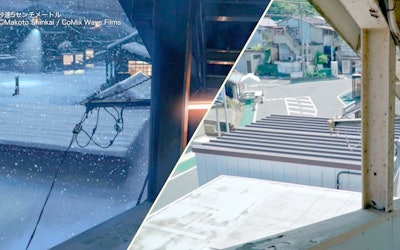
An Introduction to Iwafune, Tochigi This video, titled "Tochigi City Iwafune Area PR Video: Nature" (栃木市岩舟地域PR動画 自然編), was released by "Tochigi City, Tochigi Prefecture" (栃木県栃木市). Iwafune in Tochigi City has such rich history that even Murahi Shrine, a shrine in Iwafune, appears in the Manyoshu, a collection of ancient Japanese poetry, and it has been used as a filming location for movies and TV dramas for years. It is a town with both scenic beauty and cultural aspects. In 2007, Iwafune was used as the setting for the animation "5 Centimeters per Second," and it is becoming increasingly popular as a sacred place among overseas anime fans. In 2014, the town was merged into Tochigi City and the former Iwafune was abolished. The address used to be Iwafune, Shimotsuga County (下都賀郡, Shimotsuga-Gun), Tochigi, but is now Iwafune, Tochigi City. Sightseeing Locations in Iwafune, Tochigi Source :YouTube screenshot Let's take a look at some sightseeing destinations in Iwafune, Tochigi shown in the video. ・Mikamoyama Park [1:00~] The park is home to Mikamo Garden, Boken no Mori (冒険の森, Adventure Forest), and Wanpaku Park. Visitors can take the special "Flower Train" (フラワートレイン) through the park as well. ・Koushouji Temple [1:20~] The park is filled with cherry blossoms in the spring and red spider lilies in the fall. ・Iwafune Sports Park [1:32~] This is also a famous cherry blossom viewing spot that attracts many visitors. ・Daijiji Temple [1:47~] This is a historic temple with beautiful autumn leaves. The temple has become internationally famous for the research books of former Ambassador Reischauer (the United States Ambassador to Japan). ・Tochigi Flower Center [2:12~] Approximately 1,200 species of plants grow here, and you can enjoy seasonal flowers. ・Mt. Iwafune Cliff Stage [3:08~] This is a large, outdoor, live stage. Summary of Popular Sightseeing Locations in Iwafune, Tochigi Source :YouTube screenshot Iwafune in Tochigi City is a part of the "Kanto Fureai Trail" which connects the Tokyo metropolitan area. The area between Tochigi Station and Iwafune Station has been designated "Ryosen-wo-tadoru-Michi" (lit. The Path Along the Ridgeline). The population of Iwafune, Tochigi, is approximately 17,575 (as of 2014), and the main industries are agriculture and tourism. When the ears of rice turn golden in the fall, you can see breathtakingly beautiful rural scenery, and there are also many grape farms and other orchards where you can enjoy fruit-filled lunches and desserts. Outdoor activities are also popular in the area, and hiking, trails with panoramic views, and rocky trails can be found at Iwafune Nature Park and Mt. Iwafune in Tochigi City. For more information about Iwafune, Tochigi, please visit the official website of Tochigi City. 【Official Website】TOCHIGI CITY Official Website | Tochigi City, Tochigi Prefecture https://www.city.tochigi.lg.jp/ 【Tripadvisor】Tochigi https://www.tripadvisor.com/Tourism-g424927-Tochigi_Tochigi_Prefecture_Kanto-Vacations.html -
 Video article 13:28
Video introduction of "Hakone Glass Forest Art Museum" in Ashigarakami-gun, Kanagawa Prefecture! Venetian glass that looks like art. What are the highlights and recommended spots?
Travel Things to Do Art & Architecture Nature- 139 plays
- YouTube
Hakone Glass Forest Museum, Ashigarakami-gun, Kanagawa, Japan This video, titled "[Hakone Venetian Glass Museum] A Popular Sightseeing Attraction in Hakone / Enchantingly Beautiful Venetian Glass" (【ガラスの森美術館】箱根おすすめ観光地/美しいヴェネチアンガラスにうっとり❤Venetian Glass,Garasunomori Museum,Hakone,Japan[SUB]), was uploaded by "MaYu_diary." This vlog introduces the highlights and must-see spots at the Hakone Venetian Glass Museum, with its beautiful Venetian glass works, as well as the café attached to the museum. Be sure to check out the beauty of the Hakone Venetian Glass Museum, a popular tourist attraction in Hakone. Highlights of the Hakone Venetian Glass Museum + Average Time Spent There Photo:The Hakone Venetian Glass Museum, Kanagawa The Hakone Venetian Glass Museum, a tourist attraction in Hakone, is Japan's first museum dedicated to Venetian glass. Facilities include a Venetian Glass Museum, a contemporary glass museum, a hands-on workshop, and a café/restaurant. The Venetian Glass Museum exhibits Venetian glass made from modern times to the present day in a building designed in the image of an aristocratic mansion. The Venetian Modern Glass Museum displays artistic glass works created by modern glass artisans for the enjoyment of visitors. The entire Hakone Venetian Glass Museum can be viewed in one to one and a half hours, or two to three hours if you include lunch and a hands-on workshop. Gardens Decorated With Beautiful Glasswork and Seasonal Flowers Photo:An Illumination at the Hakone Venetian Glass Museum, Kanagawa Glass monuments and glassworks are arranged in the garden of the Hakone Venetian Glass Museum. Especially famous is the "Corridor of Light" on the path leading to the Venetian Glass Museum. The 9-meter-tall, 10-meter-long arch is covered with approximately 160,000 pieces of crystal glass, which sparkle and shine in the sunlight, creating a magical sight. During autumn, when the leaves change color, the sunlight and wind make the arches glow even brighter, making them a photogenic spot that further accentuates the beauty of the garden and is popular amongst instagrammers. The garden is planted with seasonal flowers, and visitors can also see beautifully blooming hydrangeas and roses. In addition, mallard ducks in the ponds provide comfort to visitors with their amiability. Also popular in winter are the Christmas trees made of crystal glass in various sizes. Visitors can also enjoy a fantastic crystal illumination. Lunch at a Café Inside the Hakone Venetian Glass Museum The gardens are home to the famous café/restaurant "La Canzone," where guests can enjoy a special lunch menu, cappuccinos, and seasonal sweets. Particularly famous are the croissants. Many people visit for the croissants, but other popular items include sandwiches, gelato, and chiffon cakes. Although it's currently closed, you can also enjoy listening to canzone music at this very popular café/restaurant. Create Lasting Memories at Various Hands-on Workshops! As mentioned above, the Hakone Venetian Glass Museum offers hands-on workshops. There is a "Sandblasting Workshop" where you can engrave your desired patterns on glass, and a "Fusing Workshop" where you can make one-of-a-kind original accessories using glass. In the spring of 2022, a "Venice Mask Making Workshop" was held as well. Reservations for each hands-on workshop are recommended at least one day in advance. Tickets and Souvenirs! Summary of the Hakone Venetian Glass Museum Photo:Hakone Venetian Glass Museum, Kanagawa Be sure to check out the video showing the museum if you haven't already. At the Hakone Venetian Glass Museum, you can also obtain discount tickets on the official website and receive discounts through group reservations. Be sure to check in advance. You can also purchase glassware, glasses, and tableware as souvenirs at the museum store, which are a great way to remember your trip. There are also hot springs, hotels, and other accommodations in the area, which are all conveniently accessible. Admission to the Hakone Venetian Glass Museum, located in Hakone, the pride of Kanagawa and a hot spring resort, is 1,800 yen for adults (see below for details), closed for 11 days from the day after Coming of Age Day, and pets are prohibited. With the strong summer sun, parasol rentals are free, so consider planning a trip to see the beauty of the cooling Venetian glass and the beautiful scenery of Sengokuhara. ◆Hakone Venetian Glass Museum◆ 【Address】940-48 Sengokuhara, Hakone, Ashigarashimo District, Kanagawa 250-0631 【Telephone】0460-86-3111 【Hourse】10:00 - 17:30 (Admission until 17:00) 【Admission Fee】Adults ¥1,800, High School Students ¥1,300, Elementary School Students ¥600 【Access】 Public Transportation: Tokyo Station [Tokaido Shinkansen] 40 min → Odawara Station [Hakone Tozan Bus] (bound for Togendai) 40 min → Hakone Venetian Glass Museum Shinjuku Station [Odakyu Romancecar] 90 minutes → Hakone-Yumoto Station [Hakone Tozan Bus] (bound for Togendai) 25 minutes → Hakone Venetian Glass Museum Hakone-Yumoto Station [Hakone Tozan Railway] 40 minutes → Gora Station [Hakone Tozan Bus] (S or M route) 20 minutes → Hakone Venetian Glass Museum Shinjuku Express Bus Terminal (Busta Shinjuku) [Odakyu Express Bus] 130 minutes → Hakone Venetian Glass Museum Car: From Tomei Gotemba I.C., take Route 138 toward Hakone (approx. 20 min.) 【Official Website】Hakone Venetian Glass Museum https://www.hakone-garasunomori.jp/entrance/english/ 【TripAdvisor】 https://www.tripadvisor.com/Attraction_Review-g298171-d1412184-Reviews-Hakone_Venetian_Glass_Museum-Hakone_machi_Ashigarashimo_gun_Kanagawa_Prefecture_K.html -
Video article 15:24
Spring Is a Wonderful Time of Year When the Whole of Kyoto Is Bathed in the Brilliant Colors of Cherry Blossoms! Explore Some of Kyoto’s Most Popular Cherry Blossom Viewing Locations!
Travel- 92 plays
- YouTube
Introducing Some of the Best Cherry Blossom View Locations in Kyoto! This video, titled "4K JAPAN, Cherry Blossoms in Kyoto, Kyoto, Sightseeing, Travel, Hanami, Full Bloom, Sewaritei, Kiyomizudera, Arashiyama, Gion Shirakawa, Kyoto Botanical Gardens, Heian Jingu Shrine, Okazaki Canal, Byodoin, Kamogawa, Sakura" (4K JAPAN 京都の桜 Cherry blossoms Kyoto 京都 観光 旅行花見 満開 背割堤 清水寺 嵐山 祇園白川 京都植物園 平安神宮 岡崎疏水 平等院 鴨川 sakura), was uploaded by "Discover Nippon." It condenses the beautiful scenery of Kyoto into one video. As you can see from the video, there are many cherry blossom viewing spots in Kyoto, so get out there and see them for yourself! Explore Some of Kyoto’s Most Popular Cherry Blossom Locations! One of the most popular cherry blossom viewing spots in Kyoto is Kiyomizudera, a temple and World Heritage Site known for the "Stage of Kiyomizu," its three-story pagoda, and Hojo Pond. The temple grounds can be seen from 7:33 in the video. At Kiyomizu-ji Temple, "Night Special Visits" are held three times a year.Spring, when cherry blossoms are at their best, is from March 23rd to March 31st, 2024.The opening time of the gate has been extended until 21:30, so please enjoy the collaboration between fantastic cherry blossoms and historical buildings. Photo:Cherry blossoms and Tatsumi Bridge in Gion Shirakawa, Kyoto The Gion Shirakawa Sakura Light-up is held at Gion Tatsumi Bridge in the Instagrammable Gion Shirakawa area, there are about 43 weeping cherry trees in "Gion Tsubashi.""Gion Shirakawa Sakura Light Up" will be held at the best time to see the cherry blossoms.2024 will be lit up from March 22nd to 31st from 18:00 to 22:00, so please enjoy the fantastic night cherry blossoms that emerge in Kyoto's tasteful streets. If you want to enjoy an unusual experience during the cherry blossom season, go to the gagaku performance of the Heian Jingu Shrine's Kanzakura Tea Ceremony and the Red Shidare Concert, which you can see from the video 6:15. "Heian Shrine" where you can enjoy cherry blossoms while enjoying matcha." The Kanzakura Tea Ceremony will be held from March 31st to April 11th, 2024.The Red Shidare Concert, which will be held in the illuminated cherry blossoms, will be held from April 3rd to the 7th, 2024. 4:46 is a popular cherry blossom viewing spot where you can also see Okazaki Sosu and Lake Biwa Sosu on Instagram. Photo:Cherry blossoms along the bank of the Kamo River, Kyoto Also consider checking out the "Flower Corridor" on the Kamo Riverbank between Shichijo Bridge (七条大橋) and Sanjo Bridge (三条大橋), as well as Kamo River Park in Kamogawa, and Nakaragi no Michi between Kitayama Bridge (北山大橋) and Kitaoji Bridge (北大路橋). The Kyoto Botanical Garden located near Nakaragi no Michi features beautiful red tulips and is a must-see. On the other side of the Iwashimizu Hachimangu Shrine, there is a tunnel of cherry blossom trees along the Yodogawa River Park's Sewaritei Bank. This is shown at 2:53 in the video. At the Sewaritei Cherry Blossom Festival, you can enjoy cherry blossom viewing under roughly 1,500 cherry trees of various types, including Someiyoshino and Yamazakura. Be sure not to miss the Sakura-deai Visitor Center and the observation tower that were built on the bank in 2017. Photo:Cherry blossoms at Togetsukyo Bridge, Kyoto In the cherry blossom forests of Hirano Shrine and Haradani-en Garden, you can see rare varieties of cherry blossoms, including some with yellow or green petals. You can also see the cherry blossoms at Nakanoshima Park and Togetsukyo Bridge in Arashiyama along the Oigawa River, which can be seen at 9:37 in the video. There are also many other places in Kyoto that are perfect for walking around cherry blossoms and cherry blossom viewing, including Daigoji Temple, Byodoin's Phoenix Hall, and Hieizan Enryakuji Temple. Summary of Cherry Blossoms in Kyoto There are many cherry blossom viewing spots in Kyoto, from well-known landmarks to hidden gems. Be sure to check the cherry blossom forecast before your trip to Kyoto to see the cherry blossoms when they're in full bloom. -
Video article 15:26
A Sea of Azaleas on Mt. Tsurumi in Beppu, Oita! From the Summit of the Mountain to the Pilgrimage of the Seven Lucky Gods, There's Plenty to See and Do Here!
Travel Nature- 100 plays
- YouTube
Introducing the Miyamikirishima of Mt. Tsurumi in Oita Beppu This video, titled "JG☆☆☆8K HDR Oita, Beppu Mt. Tsurumi Miyamakirishima Flower Season" (JG☆☆☆8K HDR 大分 別府 鶴見岳のミヤマキリシ Oita, Beppu Mt. Tsurumi Miyamakirishima Flower Season), was uploaded by "JAPAN GEOGRAPHIC." The video introduces the ride up the Beppu Ropeway on Mt. Tsurumi, along with the beautiful flowers blooming atop the mountain and the breathtaking views that await you! The Flowers Blooming on Mt. Tsurumi Photo:Kyushu Azaleas of Mt. Tsurumi The flowers blooming atop Mt. Tsurumi are Kyushu azaleas. They are a semi-deciduous shrub of the azalea family and stand 0.3 to 1 meters tall. They produce purple-red flowers as well as peach-red and light-red flowers, and are at their best from late May to mid-June in Japan. A unique plant found only in the high mountains of Japan's Kyushu Region, it's distributed on Mt. Kirishima, Mt. Aso, Mt. Kokonoe, Mt. Unzen, etc. On Mt. Tsurumi in Beppu, Oita, in Japan's Kyushu region, approximately 5,000 Kyushu azaleas bloom all at once every spring. [Video] 0:45 - Kyushu Azaleas The contrast between the pink carpet of azaleas, the mountains in the distance, and the blue skies makes this a truly photogenic spot! You can see the birds chirping and butterflies fluttering about in the video as well. [Video] 10:49 - Azaleas and the Mountains of Kyushu The Seasonal Views of Mt. Tsurumi: Autumn Leaves, Rime, and More Photo:Frost-covered plants on Mt. Tsurumi Mt. Tsurumi is 1,375 meters above sea level, located in the east of Aso-Kuju National Park, and is designated as one of the Top 300 Mountains of Japan. In early summer, the azaleas are at their best, as shown in the video, but autumn is also a popular time of year as visitors can enjoy the lovely autumn foliage. From the top of the mountain, you can see Mt. Yufudake and Mt. Kuju. The best time to view the autumn leaves is from late October to mid-November. Furthermore, Mt. Tsurumi is famous for its rime in winter. Rime is a phenomenon that occurs when the temperature drops below freezing, covering the trees and other flora with frost. When this happens, the entire mountain is transformed into a silvery white world. Mt. Tsurumi is a mountain rich in nature where you can enjoy completely different views in each season. Mt. Tsurumi, a Popular Mountain for Climbing and Hiking Photo:Mt. Tsurumi and the Beppu Ropeway, Beppu, Oita Mt. Tsurumi is a popular mountain amongst hikers and climbers. It's said to be a relatively easy mountain to climb, even for beginners, due to its gentle gradient. Since it is a popular mountain, it's likely that there are many other climbers on the mountain. For safety reasons, beginners should always climb with another person. The summit of Mt. Tsurumi can also be reached via the Beppu Ropeway. The ropeway runs from Beppu Kogen Station, located halfway up the mountain at an elevation of 500 meters, to Tsurumi Sanjo Station at an elevation of 1,300 meters. [Video] 0:10 - Ascending Mt. Tsurumi via the Beppu Ropeway If you take the Beppu ropeway up to the summit station, it takes only 10 minutes to reach the top of the mountain. Some people ascend and descend the mountain without using the ropeway, but you can also hike up and take the ropeway down on the way back. Temples, Souvenirs, and Other Things to Do on Mt. Tsurumi Photo:A shrine on Mt. Tsurumi, Beppu, Oita Not far from Tsurumi Sanjo Station, there is an observatory from which you can enjoy a spectacular view of Beppu Bay. There are also walking paths that lead to several observation points. In addition to the scenery, Tsurumi Sanjo Gongen Shrine is located in front of the station, and you can see the shrine's red torii gate in the video. Furthermore, there are many attractions on Mt. Tsurumi, such as the Pilgrimage of the Seven Lucky Gods and other places of worship. [Video] 0:42 - Tsurumi Sanjo Gongen Shrine The summit of Mt. Tsurumi also has a variety of souvenir shops. In addition to the station store, there is also the Kyushu Shochu-kan (州焼酎館) in front of the main parking lot, which sells a variety of souvenirs, from wine and other alcoholic beverages to handicrafts. Staying Safe on Mt. Tsurumi Mt. Tsurumi is a popular mountain for hiking and climbing, but it is also an active volcano. In the case of an eruption, there are disaster prevention maps and a disaster prevention guidebook for climbers which are available online. It's recommended that you download them in advance to ensure safe climbing. Disaster prevention maps and guidebooks can be downloaded in PDF format from the Oita Prefecture official website. You can also view live disaster prevention cameras installed by the Japan Meteorological Agency. Things to Do Near the Beppu Ropeway Mt. Tsurumi and the Beppu Ropeway are located a ways from the city, but if you head back to Beppu, there are a number of things to see and do. Below is a short list of things to check out when visiting the area: Jigoku Meguri - A Tour of the Hells of Beppu The Jigoku Meguri tour takes you on a tour of eight of the most famous hot springs in Beppu. It's a tradition that is said to date back to the Edo Period, and takes about 2 hours to complete. All of the hot springs have something about them that is unique, so it makes for an exciting tour. Hours: 8:00 am - 5:00 pm Admission Fee: Adults (High school students and older): 2,200 yen, Children: 1,000 yen. ※Discounts available for groups of 30 or more Beppu Park Located in the center of Beppu, Beppu Park is a large park with many flower gardens. The park also has a variety of athletic facilities, and during the spring, cherry blossoms bloom beautifully throughout the park. Hours: Open 24 hours. (Parking available from 8:00 am to 9:00 pm) Admission Fee: Free (Parking is 100 yen/hr.) Rakutenchi Rakutenchi is an amusement park for children with a number of rides. Additionally, there are a variety of animals inside the park and even petting zoos where children can interact with them. It's a great place to check out if you're traveling with kids. Hours: 9:30 am - 5:00 pm Closures: Closed on most Tuesdays. Please check the official website for more information Admission Fee: Adults (Middle school students and older): 1,300 yen, Children (Ages 3 to elementary school): 600 yen, Infants (Ages 2 and under): Free Weather on Mt. Tsurumi and What to Wear During May and June, when the azaleas on Mt. Tsurumi are at their best, the weather is quite warm. As Japan is nearing the end of spring and transitioning to summer at this point, the average temperatures for May and June are 19° C (66° F) and 23° C (73° F) respectively. Because of this, it's recommended that you dress light, with t-shirts and shorts. If you're planning on hiking up the mountains, we also recommend wearing hiking shoes or at the very least, some good walking shoes. Summary of Mt. Tsurumi in Beppu, Oita Photo:Beppu Onsen, Oita That concludes our introduction to azaleas on Mt. Tsurumi. At the foot of the eastern side of Mt. Tsurumi is Beppu Onsen, one of the most famous hot spring resorts in Japan. You can relax after a hike up Mt. Tsurumi at Beppu Onsen and enjoy a delicious meal there as well! You can also enjoy a lovely view of the city of Beppu, so don't forget to bring a camera! ◆Beppu Ropeway◆ Address: 10-7 Aza-Kanbara, Oaza-Minami-Tateishi, Beppu-city, Oita, Japan 874-0000 Hours: Summer (March 15 - November 14): 9:00 am - 5:30 pm (Last ascent 5:00 pm, last descent 5:30 pm), Winter (November 15 - March 14): 9:00 am - 5:00 pm (Last ascent 4:30 pm, last descent 5:00 pm). ※For nighttime hours please contact the Beppu Ropeway directly. Telephone: 0977-22-2278 Ropeway fees (round trip): Adults: 1,800 yen, Children (Ages 4 to elementary school): 900 yen. ※Discounts available for groups. Access: ・By train (bus): Take a bus from the West Exit of JR Beppu Station and get off at Beppu Ropeway ・By car: A 5-minute drive on Prefectural Road 11 from the Beppu IC of the Higashi-Kyushu Expressway toward Yufuin (parking available) 【Official Website】Beppu Ropeway 【TripAdvisor】Beppu Ropeway -
Video article 3:44
Discover the Rich Nature, Cuisine, and Culture of Iwamizawa, Hokkaido, a Place Brimming With Spectacular Views! Enjoy Wineries, Rose Gardens, and More to Your Heart's Content!
Travel Local PR- 107 plays
- YouTube
Introducing Iwamizawa, Hokkaido! This video, titled "PR Movie of Iwamizawa / IWAMIZAWA TRIP ~digest~" (岩見沢観光PRムービー / IWAMIZAWA TRIP ~digest~), was uploaded by "Iwamizawa Tourism Association Official Channel" (岩見沢市観光協会 公式チャンネル). It introduces Iwamizawa in Hokkaido. Iwamizawa is located in central Hokkaido and it was once one of the 12 railroad towns in Japan which were officially designated as such by the former Japanese National Railway. There are tourist spots where you can enjoy an extraordinary atmosphere, including wineries and log cottages. Enjoy the attractions of Iwamizawa, Hokkaido in this video. Iwamizawa Is Brimming With Natural Scenery Source :YouTube screenshot Hokkaido is often visited by people seeking natural landscapes. One view we recommend seeing while in Iwamizawa is Hokkaido Greenland. Here, you'll find a popular garden with 8,800 roses of around 630 varieties. They can be enjoyed from late June to mid-October. You should stop by the rose garden, observatory and the hill of beach roses in Iwamizawa Park, which can be seen at 2:40 in the video, and Iwamizawa Shrine which is shown from 1:57. Places to Grab a Bite to Eat Around Iwamizawa, Hokkaido Source :YouTube screenshot We recommend trying the famous Tengu Manju and soft serve ice cream. Of course, ramen from Hokkaido is some of the best you'll find in Japan. At Hosui Winery, wine is made from grapes grown in a rich natural environment which can be seen from 0:16 in the video. Recommended Hotels in Iwamizawa, Hokkaido Source :YouTube screenshot "LOGHOTEL THE MAPLELODGE," "Little Rock Hills," and "Silver Pine" are all places we highly recommend. These can be seen from 0:54 in the video. What better way to relax than creating lifelong memories next to a fireplace in a special cottage. There are also camp sites and Japanese inns with natural outdoor hot springs and spas in Iwamizawa, Hokkaido. Enjoy Events in Iwamizawa, Hokkaido! Source :YouTube screenshot We recommend throwing on a yukata and heading out to the annual Furusato Hyappei Festival (ふるさと百餅祭り) held in Iwamizawa, Hokkaido, as shown at 3:01 in the video. During the festival, mochi pounding is done with a massive mortar and mallet, using rice from Iwamizawa. At the end of the festival, mochi is thrown to commemorate the longevity of the people. Summary of Iwamizawa, Hokkaido Source :YouTube screenshot There are a lot of photogenic places with natural scenery in Iwamizawa, Hokkaido. Consider booking a comfortable cottage like the one in the video and enjoying a relaxing tour of the popular Iwamizawa. 【Official Website】Iwamizawa City, Hokkaido City Hall Website https://www.city.iwamizawa.hokkaido.jp/ 【Tripadvisor】Iwamizawa City https://www.tripadvisor.com/Tourism-g1122374-Iwamizawa_Hokkaido-Vacations.html -
Video article 3:16
Ikegami-Honmonji Temple - Highlights and History of the Popular Cherry Blossom Temple in Ota, Tokyo!
Travel Art & Architecture- 78 plays
- YouTube
A Video Introducing Ikegami-Honmonji Temple in Ota, Tokyo This video, titled "The Sakura of Ikegami Honmon-ji - Tokyo - 池上本門寺 - 8K," was uploaded by "TokyoStreetView - Japan The Beautiful." It introduces Ikegami-Honmonji Temple during spring with beautiful cherry blossoms in vivid 8K. Ikegami-Honmonji Temple has a history dating back 700 years as the sacred grounds where the Buddhist priest Nichiren passed away, and is considered one of the 14 sacred temples of Nichiren Shoshu and one of the seven major head temples of the Nichiren sect. There is a building on the temple grounds that is registered as an Important Cultural Property, and in the spring, visitors can enjoy a spectacular tunnel of cherry blossoms. Many people visit the shrine for Oeshiki, a ceremony/festival with many food stalls. In this article, we'll introduce the history of Ikegami-Honmonji Temple, its events, and tourist information, including transportation access. Be sure to check out the video to enjoy the beautiful cherry blossoms and the five-story pagoda on the temple's precincts. More About Ikegami-Honmonji Temple Photo:Cherry blossoms at Ikegami-Honmonji Temple, Tokyo, Japan Nichiren Shoshu's main temple, Choueizan Ikegami-Honmonji Temple, is said to be the sacred place where Nichiren, a Buddhist priest of the Kamakura period (1185-1333 A.D.), died in 1282 at the age of 61. Every year on October 11, 12, and 13, the "Oeshiki Memorial Service" is held to remember the legacy of Buddhist priest Nichiren. On the night of the 12th, around 300,000 people visit the temple and making it a popular event. Every year from the end of October to the end of November, prayers are held to pray for the growth and development of children during Shichi-Go-San. From the main gate, enter the main approach and climb the 96-step stone steps and you'll find Choueido Hall. Further along, after passing Niomon gate, you'll come across the five-story pagoda to your right. The five-story pagoda, which can be seen from 0:25 in the video, is the oldest five-story pagoda in Japan's Kanto region that was built before the end of the Edo period. The pagoda is 31.8 meters tall, and features beautiful architecture characterized by its "setchuyo style," with only the first layer in Japanese style and the second and higher layers in Chinese style. It has been designated as an Important Cultural Property. Beyond the five-story pagoda is the main hall followed by the inner shrine. In the foreground on the left is a tahoto, a unique pagoda with an even number of layers. The pagoda is the burial place of Nichiren, and is surrounded by a sacred atmosphere. When is the best time to see cherry blossoms at Ikegami Honmonji?What's the highlight? About 100 cherry trees are planted in the precincts of Ikegami Honmonji.Although there are not many, many people visit in spring because they can enjoy the collaboration between cherry blossoms and Inwangmun Gate, cherry blossoms and five-story pagoda that bloom on the approach. The best time to see cherry blossoms is from late March to early April.Tokyo is expected to bloom around March 27th and April 5th in full bloom in 2024. Also, Ikegami Honmonji holds the Spring Festival on April 6th and 7th every year.In addition to the special opening of the five-story pagoda, mock shops and events will also be held.The five-storied pagoda, which did not collapse in the Great Kanto Earthquake, and the five-storied pagoda amulet, which can be awarded for a limited time, are also popular among examinees. Tourist Information for Ikegami-Honmonji Temple in Ota, Tokyo Photo:Ikegami Station, Tokyu Ikegami Line To get to Ikegami-Honmonji Temple it's a 10-minute walk from Ikegami Station on the Tokyu Ikegami Line, a 12-minute walk from Nishimagome Station on the Toei Asakusa Line, or a 20-minute bus ride from the Omori Station bus headed towards Ikegami station. Get off at Honmonji-mae, and then it's a 5-minute walk. There is also a parking lot for those visiting by car. The grounds of the temple are large and include the grave of Rikidozan, a popular professional wrestler from Japan's Showa Period, and locals use it as a walking course. Summary of Ikegami-Honmonji Temple Photo:Ikegami-Honmonji Temple, Tokyo, Japan This video introducing Ikegami-Honmonji Temple features beautiful footage of a historic temple in Tokyo. The blessings provided by Ikegami Honmonji Temple are said to fulfill one's heart's desire, ward off bad luck, and protect against eye diseases. Consider picking up a charm from the temple when visiting and also getting a shuin stamp if you're collecting them! There are also many temples and shrines around Ikegami-Honmonji Temple, and the Seven Lucky Gods tour, which takes visitors on a roughly two-hour-long tour of the surrounding temples, is very popular. The Ikegami Plum Garden and Honmonji Park in the area are nice places to relax as well. This article introduced the history of and tourist information for Ikegami-Honmonji Temple. The video was shot right at the start of spring, during the cherry blossom season. Enjoy the beautiful scenery of cherry blossoms dancing in the background with the breathtaking pagoda of Ikegami-Honmonji Temple. 【Official Website】Ikegami-Honmonji Temple https://honmonji.jp/foreign/en.html 【TripAdvisor】Ikegami-Honmonji Temple https://www.tripadvisor.com/Attraction_Review-g1066454-d1237077-Reviews-Ikegami_Hommon_ji_Temple-Ota_Tokyo_Tokyo_Prefecture_Kanto.html -
Text only
Tokyo in COOL JAPAN VIDEOS Photo Contests: 10 Photos Featuring the Charms of Tokyo, the Capital of Japan + Popular Tourist Attractions!
Travel Nature Things to Do- 399 views
COOL JAPAN VIDEOS is always holding photo contests. This time, we have selected photos of Tokyo from among the many photos submitted to our past photo contests. In addition to the famous city of Tokyo and tourist spots that everyone has heard of, we'll also introduce photos of spectacular natural scenery that you'd never expect to find in Tokyo. COOL JAPAN VIDEOS is a social, video curation site that introduces the charms of Japan to people around the world who are interested in Japan. Our photo contests allow you to participate and even win with photos taken via your smartphone! Stick around to learn more! ■Table of Contents - Tokyo in Past Photo Contests Tokyo Disney Sea Hotel MiraCosta Omoide Yokocho Ginza at Night Tokyo Station at Night Tulips at Showa Kinen Park Kozushima Island Ginkgo trees at Hikarigaoka Station Tokyo Skytree Tokyo Tower An Illuminated Higo-Hosokawa Garden - Features of COOL JAPAN VIDEOS Photo Contests - Current Photo Contest - Summary of Tokyo in COOL JAPAN VIDEOS Photo Contests Tokyo in Past Photo Contests We have selected some of the best photos of Tokyo, the capital of Japan, from among the many wonderful entries that convey the charms of Japan. We'll also introduce some popular photo spots as well! COOLJAPANVIDEOS Photographer: moekyun Location: Tokyo Disney Sea (Urayasu, Chiba) The Charms of Tokyo DisneySea Hotel MiraCosta The biggest attraction of Tokyo DisneySea Hotel MiraCosta is that it is the only hotel integrated with the parks at Tokyo Disney Resort. Inside the classic Italian-style hotel, every corner is decorated with Disney themes, allowing guests to enjoy the atmosphere of the dreamland while staying at the hotel. The hotel has been attracting Disney fans for approximately 20 years since its opening, and even today, reservations are difficult to secure. A Video Article About Tokyo Disneyland's Official Hotel Video article 1:48 Enjoy a Full Day of Dreams and Magic at the Tokyo Disneyland Hotel! This Is a Hotel That You'll Remember for a Lifetime! YouTube COOLJAPANVIDEOS Photographer: jaco Location: Omoide Yokocho (Shinjuku, Tokyo) Omoide Yokocho, a Popular Tourist Attraction Shinjuku Nishiguchi Shopping Street is also known as "Omoide Yokocho" (Memory Lane). Omoide Yokocho is a culinary spot in the Shinjuku Nishiguchi area, where all sorts of bars and eateries are packed into small alleyways. The charm of this area is that you can enjoy delicious food and drinks at reasonable prices in a nostalgic atmosphere. It is also the unfortunate nickname of "Shoben Yokocho" (Piss Alley) because there used to be no toilets in the alley... Nevertheless, the Showa-retro atmosphere, reminiscent of Japan's Showa Period, is very popular among foreign tourists to Japan. A Video Article About Kabukicho in Shinjuku, Tokyo Video article 3:34 The Beautiful Neon Glow of Kabukicho, Shinjuku, Tokyo, the City That Never Sleeps! Be Intoxicated By the Mysterious Atmosphere of the Best Shopping District in the East! YouTube COOLJAPANVIDEOS Photographer: 渡邉亮 Location: Ginza at Night (Chuo, Tokyo) Ginza, a Popular Tourist Attraction While Ginza is known as a sophisticated district lined with brand-name stores, it also offers a sense of Japanese history and tradition, with places like Kabuki-za Theater and Mitsukoshi Department Store. Ginza is a popular tourist attraction in Tokyo where visitors can enjoy the old and the new of Japan at the same time. On holidays, the main avenue becomes a pedestrian paradise, allowing visitors to enjoy shopping, eating, and drinking in a relaxed atmosphere. A Video Article About the Pedestrian Paradise in Chuo, Tokyo Video article 14:34 Take a Leisurely Stroll Through Tokyo at Ginza's Pedestrian Paradise, "Hokoten"! Check Out This Video to Learn About One of the Most Crowded Shopping Districts in Japan! YouTube COOLJAPANVIDEOS Photographer: Mom Diamond Location: Tokyo Station at night (Chiyoda, Tokyo) Highlights of Tokyo Station, a Popular Tourist Attraction Tokyo Station is home to many spectacular retro buildings that evoke a sense of history, including the beautiful brick Tokyo Station Marunouchi Station Building. The beauty of these buildings stands out amongst the stylish modern buildings, as if time has stopped there. When traveling around Tokyo, be sure to stop by and take pictures of the photogenic buildings that have been a part of Tokyo's history for centuries. A Video Article Showing Aerial Views of Tokyo and Kanagawa at Night Video article 4:34 Amazing Aerial Footage of Tokyo and Yokohama! Enjoy the Nightscapes of these Cities in Beautiful 8K! YouTube COOLJAPANVIDEOS Photographer: 山本 こころ Location: Tulips at Showa Kinen Park (Tachikawa, Tokyo) Highlights of Showa Kinen Park, a Popular Tourist Attraction At Showa Kinen Park in Tachikawa, Tokyo, the autumn foliage is at its best from late October to late November, and a festival celebrating the autumn leaves takes place at the same time. Highlights of the festival include the 300-meter-long golden tunnel of Ginkgo Tress, and the beautiful autumn leaves in the Japanese Garden decorated with different varieties of maples around a large pond. In the evening, the garden is illuminated as well. A Video Article About Show Kinen Park, a Popular Tourist Attraction Video article 2:38 Gorgeous Scenery and Only 30 Minutes Away From the Center of Tokyo! Beautiful, Fluttering Cherry Blossoms, and Colorful Tulips in Tachikawa's Showa Kinen Park! YouTube COOLJAPANVIDEOS Photographer: CHU_PON Location: Kozushima Island (Tokyo Islands) Highlights of Kozushima Island, a Popular Tourist Attraction Kozushima Island, known as a mysterious island among the seven Izu islands, is famous for its beautiful scenery and clean spring water, so much so that it has been selected as one of the Top 57 Famous Spring Waters of Tokyo, one of the One Hundred Famous Mountains of Flowers, and one of the 100 Views of New Tokyo. Visitors can enjoy trekking and swimming amidst overwhelmingly beautiful nature. Take a ferry for a 12-hour ride from Tokyo and revitalize your body and soul in the great outdoors. A Video Article About Izu Islands' Niijima Video article 1:59 Izu Islands' "Niijima": A True Paradise Only 35 Minutes From the City. Its Scenic Views Will Have You Wondering If You're Really in Tokyo YouTube COOLJAPANVIDEOS Photographer: KEN.T Location: Ginkgo Trees Around Hikarigaoka Station (Nerima, Tokyo) Highlights of Hikarigaoka Park, a Popular Tourist Attraction Hikarigaoka Park, the largest park in Tokyo's Nerima Ward, is an urban park with a day campsite, barbecue area, bird sanctuary, archery range, pond, swimming pool, and a children's plaza. Children and adults alike can enjoy a variety of outdoor sports and activities here. The ginkgo trees that create a golden tunnel in autumn and the autumn leaves around the park are just some of the highlights to be found in the park. A Video Article on Hikarigaoka Park, a Place to View Autumn Leaves in Tokyo Video article 3:54 Autumn in Tokyo – Enjoy a Collaboration of Nature and Art With a Virtual Walk Through the Ginkgo Trees at Hikarigaoka Park via Video YouTube COOLJAPANVIDEOS Photographer: naomi Location: Tokyo Skytree (Sumida, Tokyo) Highlights of Tokyo Skytree, a Popular Tourist Attraction Tokyo Sky Tree is the world's tallest radio tower at 634 meters and was built in 2012 as a new symbol of Japan. Its appearance changes every day, and it's also lit up specially for seasonal and special events. The night view of Tokyo from the observatory, the tallest in Japan, is breathtaking! The panoramic night view of the Tokyo metropolis seen from the observation deck at 450 meters in the air, the highest point in the tower, is truly remarkable. A Video Article About Asakusa, Tokyo Video article 6:34 Take a Rickshaw Ride Through the Streets of Asakusa and Discover a Side of Tokyo You Never Knew Existed! YouTube COOLJAPANVIDEOS Photographer: koichi hakuchuu Location: Tokyo Tower (Minato, Tokyo) Highlights of Tokyo Tower, a Popular Tourist Attraction Tokyo Tower, with its elegant and captivating design, continues to be loved by the public as a symbol of Tokyo. At night, the tower is brilliantly illuminated, giving it a different and more beautiful appearance than in the daytime. When viewed from close up, the illumination of Tokyo Tower gives a sense of power, and when viewed from afar, the night view of Tokyo gives a more sophisticated impression. The tower is in an attractive spot where you can enjoy various views depending on your vantage point. A Video Article About Tokyo Tower Video article 4:30 Tokyo Tower, the Symbol of Tokyo, Is Introduced by a Former Popular AKB48 Member! 60 Years of Being Loved by the Japanese People! The Highlights of the Popular Attraction! YouTube COOLJAPANVIDEOS Photographer: KEN.T Location: An Illuminated Higo-Hosokawa Garden (Bunkyo, Tokyo) Highlights of Higo-Hosokawa Garden, a Popular Tourist Attraction Higo-Hosokawa Garden, located in Mejirodai in Tokyo's Bunkyo Ward, is a strolling pond garden that visitors can appreciate as they walk around the central pond. Boasting an area more than 1.4 times the size of Tokyo Dome, this beautiful garden, which retains the atmosphere of the Edo period, offers beautiful seasonal views, including plum blossoms in the spring and illuminated autumn leaves in the fall. The garden is used not only for sightseeing and walks, but also for pre-wedding photo shoots. A Video Article About Popular Places to View the Autumn Leaves in Tokyo Video article 18:17 12 Popular Spots To Enjoy Autumn Leaves in Tokyo! The Imperial Palace, Shinjuku Gyoen, Hibiya Park, and More! Tons of Places To Enjoy Autumn Leaves in the Heart of Tokyo! YouTube Features of COOL JAPAN VIDEOS Photo Contests COOL JAPAN VIDEOS is a social, video curation site that showcases the charms of Japan to people around the world who are interested in Japan. Click here for more information about COOLJAPANVIDEOS Anyone can enter COOL JAPAN VIDEOS' photo contests! Below are some of the features of our contests. ・On top of single-lens reflex cameras and digital cameras, photos taken with smartphones and other devices can also be submitted. ・Each person can submit as many photos as they like during the contest period. ・Editing of images, such as cropping and color changes, is also allowed! Here you can find all of the past photo contest winners in one place. You can also see the prizes for each contest, as well as the locations where the photos were taken and the judges' critiques. Click here to see past photo contest winners Text only Photo Contest Results - COOL JAPAN VIDEOS Winning Photos - Discover the Charms of Japan! Current Photo Contest The following is information about the current photo contest. [Ongoing From March2024] The 22th COOL JAPAN VIDEOS Photo Contest Theme: Spring in Japan Submission period: March 1, 2024 12:00 AM – April 30, 2024 11:59 PM (JST) Prizes: ■Grand Prize: 30,000 yen Amazon gift card (1 Winner) ■Honorable Mentions: 10,000 yen Amazon gift card (5 Winners) Spring in Japan Photo Contest Landscape Photography Summary Did you enjoy these landscape photos from past photo contest entries? Some of these landscapes can only be seen in specific conditions. Japan is full of rich nature, historical locations, and seasonal events! Share your photos with the world and help showcase the beauty of Japan through COOL JAPAN VIDEOS! Related Articles Text only Children of COOL JAPAN VIDEOS Photo Contests: 10 Heartwarming Photos That Will Put a Smile on Your Face! Text only Autumn in COOL JAPAN VIDEOS Photo Contests: 10 Beautiful Photos of Autumn in Japan Text only Mt. Fuji in COOL JAPAN VIDEOS Photo Contests: 10 Photos Showcasing the Different Views of Mt. Fuji Text only Hokkaido in COOL JAPAN VIDEOS Photo Contests: From Popular Sightseeing Spots to Exotic Animals, Discover the Beauty of Japan's Northernmost Prefecture! Text only Tohoku in COOL JAPAN VIDEOS Photo Contests: Hot Springs, Festivals, Snowscapes, and More – 10 Beautiful Photos of Japan's Tohoku Region! Text only Kyoto in COOL JAPAN VIDEOS Photo Contests: 10 Beautiful Photos of Kyoto, the Ancient Capital of Japan, and Its Most Popular Tourist Attractions! Text only Tokyo in COOL JAPAN VIDEOS Photo Contests: 10 Photos Featuring the Charms of Tokyo, the Capital of Japan + Popular Tourist Attractions! Text only Winter in COOL JAPAN VIDEOS Photo Contests: 10 Photos Capturing the Beauty of Winter in Japan. Snowy Landscapes, Glittering Illuminations + More! Text only Kansai in COOL JAPAN VIDEOS Photo Contests: 10 Spectacular Views of Japan's Kansai Region. From Night Views to Traditional Events, Discover the Best Photo Spots in Kansai! Text only Cherry Blossoms in COOL JAPAN VIDEOS Photo Contests: 10 Amazing Views of Cherry Blossoms, from Castles and Temples to Rows of Cherry Blossom! .separation_line { border-width: 0 0 8px; border-style: solid; border-image: url('data:image/svg+xml,') 0 0 100% repeat; width: 216px; margin:auto; margin-bottom: 50px; } -
Video article 2:31
Shintomi Town - A Popular Tourist Destination in Kyushu's Miyazaki Prefecture Where You Can Enjoy Nature and Gourmet Food in Abundance! There Are so Many Attractive Spots Waiting for You!
Travel Local PR- 53 plays
- YouTube
Introduction of the video where you can enjoy the charm of Shintomi Town in Miyazaki Prefecture This video, titled "PR video of Shintomi, Miyazaki Prefecture by Regional Trading Company Koyu Foundation" (宮崎県新富町PR動画 by 地域商社「こゆ財団」), was released by "Regional Trading Company Koyu Foundation" (地域商社こゆ財団). Shintomi, Miyazaki, located in Japan's Kyushu region, is a small town belonging to the Koyu District of central Miyazaki Prefecture, about 30 minutes from Miyazaki Airport by car, with a population of about 17,000. It is just one of the agricultural areas that represent the Miyazaki Plains. It has a vast agricultural land area of about 460 Tokyo Domes, and is famous as a region where various agricultural products, such as rice, peppers, cucumbers, tomatoes, zucchini, and kumquats are harvested throughout the year. The rich coastline is also a spawning ground for loggerhead turtles due to its beauty. Id addition, strawberries, which can be seen at 0:27 in the video, as well as melons and lychees, shown at 0:58, are also famous desserts that are produced in the area. The History of Shintomi, Miyazaki Source :YouTube screenshot On March 31, 1959, the villages Tomita and Nitta of Miyazaki's Koyu District merged to form Shintomi Town. In the Shintomi area, which has been located at the mouth of the Hitotsuse River since ancient times, there are many archaeological sites that mark the history of taiko drums. It is a historical place where you can trace the history of Japan through ruins and relics dating back approximately 12,000 years ago. Popular Sightseeing Spots in Shintomi, Miyazaki Source :YouTube screenshot 1. JA Koyu Agricultural and Livestock Products Direct Sales Office, Lupin With the motto of safety, security, and absolute freshness, you can buy local vegetables, fruits, and beef, pork, and chicken. Although business hours are short, you can buy a lot of fresh ingredients for low prices here. 2. Tondahama Coast The Tondahama Coast has a magnificent view of the beautiful sandy beach facing the Pacific Ocean that extends for about 5 km. It is one of the leading spawning grounds for loggerhead turtles in Japan, and the parent turtles come to spawn around Golden Week. Members of the Wildlife Study Group also do research here. The hatching season for the turtles is from late July to October. 3. Shintomi Library A beautiful library with many books, which happens to be one of the leading tourist spots in Shintomi Town. There is also a café inside the library, so it's perfect for taking a break to relax while traveling around Miyazaki. Shintomi Town's Brand Pork Photo:Pork, loin Miyazaki Brand Pork is a famous gourmet food that Shintomi, Miyazaki is proud of. It has also won the Miyazaki Prefecture Meat and Livestock Fair three times in two consecutive years, and was selected as one of the Top 100 in the Kingdom of Cuisine, and won the Grand Prix at the Kyushu Agricultural Future Awards. It is a pork brand produced only by producers who have cleared the standards for safe and secure delivery in Miyazaki Prefecture, and is a pork that guarantees a safe, secure taste and quality like Marumi Pork. Consider giving it a try when you visit Miyazaki Prefecture! Hometown Tax for Shintomi, Miyazaki Photo:Sweet Potato, Red Haruka For those living in Japan, by paying your taxes to Shintomi, Miyazaki Prefecture, you can get a luxurious return worth more than the amount you paid in taxes. Muskmelons and Wakadori chicken breast from Miyazaki, as well as the prided eggs produced by Koyu Chicken Farm (児湯養鶏) are especially popular. Other products include Beniharuka, which are ideal for baked sweet potatoes, and ripe mangoes, and lychees. Summary of Shintomi, Miyazaki Source :YouTube screenshot We hope that through this article introducing Shintomi, Miyazaki, a place abundant in nature and delicious gourmet food, you're interesting in visiting! It's a tourist destination that is deeply connected to the history of Japan, and you can also enjoy the historical scenery of Japan through things like archaeological sites and relics. Eat delicious food, see beautiful views, and experience the history of Japan. Consider visiting Shintomi, Miyazaki during your next trip to Japan! 【Official Website】Shintomi, Miyazaki Prefecture City Hall Website https://www.town.shintomi.lg.jp/ 【Tripadvisor】Shintomi https://www.tripadvisor.com/Tourism-g1121571-Shintomi_cho_Koyu_gun_Miyazaki_Prefecture_Kyushu-Vacations.html -
Video article 2:34
Experience the dynamic mountain stream on a Hozu River cruise in Kameoka City, Kyoto Prefecture! Enjoy the great nature of Arashiyama, Kyoto, one of the most popular sightseeing spots in Japan, on a boat trip with many Instagram-worthy spots!
Travel Local PR- 363 plays
- YouTube
Video Introduction of “Hozu River Rafting” in Kameoka City, Kyoto Prefecture This video, titled “Beautiful Kyoto: Hozugawa River Boat Ride (Hozugawa Kudari) [4K],” is an introductory video about the Kyoto Kameoka / Arashiyama Hozugawa River Boat Ride, created by Discover Kyoto. Many people go sightseeing in Kyoto to see the rich history and culture and to experience the Japanese atmosphere. If you want to truly enjoy the nature of the surrounding area, we recommend trying the Hozugawa River Boat Ride in Arashiyama! But first, sit back, relax, and enjoy the Kyoto Kameoka / Arashiyama Hozugawa River Boat Ride. The Kyoto Kameoka / Arashiyama Hozugawa River Boat Ride Photo:Boatman going down Hozu River The Sagano (嵯峨野, Sagano) / Arashiyama area is one of the most popular tourist sights in Kyoto. On the scenic Hozu River that flows through Arashiyama, you can experience an amazing boat ride. The Kyoto Kameoka / Arashiyama Hozugawa River Boat Ride started about 400 years ago, when the waterway was made by cutting down the valley of the Hozu River, to transport supplies from Tanba (丹波, Tanba) to Kyoto. In Saga Arashiyama, near the end of the Kyoto Kameoka/Arashiyama Hozugawa River Boat Ride, lays Daihikaku Senkouji Temple, which was built to mourn for the spirits of victims of the excavation work at the time. The Kyoto Kameoka / Arashiyama Hozugawa River Boat Ride starts from the Shin-Hozu Ohashi Bridge area in Kameoka City (亀岡市, Kameoka-shi). The journey is about 16 km long and lasts until the Arashiyama wharf shown in 2:12 in the video. The boat does not have an engine. Instead, each boatman uses a single rod instead of an oar to navigate the river with ease. For your own safety, passengers are required to wear life jackets when boarding. Please note that there is no restroom on the boat. The Beauty of the Kyoto Kameoka / Arashiyama Hozugawa River Boat Ride! Photo:The Sagano Romantic Train There are scenic spots, such as the suspension bridge at Hozukyo and the Red Rocks of Ose that are in the middle of the Kyoto Kameoka / Arashiyama Hozugawa River Boat Ride. These are great for Instagram, so get your cameras ready! Be sure to take a photo of the amazing sightseeing train "The Sagano Romantic Train," shown at 1:18 in the video. It's a good idea to have a blanket or something to protect you from the splashing of waves in areas with rapids such as Koyayu Falls. We also recommend trying some oden that's made and can be purchased on the boat; This can be seen at 1:48 in the video. Tips to Enjoy Your Boat Ride! Photo:Oi River and Houseboat in Arashiyama, Kyoto To fully enjoy the scenery of Kyoto Arashiyama, purchase a set ticket that includes The Sagano Romantic Train and the Kyoto Kameoka / Arashiyama Hozugawa River Boat Ride. It's also convenient to use the ticket that includes both the Keihan-Kyoto Bus and the Kyoto Kameoka / Arashiyama Hozugawa River Boat Ride. There are some package tours and plans for hotels that come with the Kyoto Kameoka / Arashiyama Hozugawa River Boat Ride as well. You can also experience rafting in the Hozu River valley. Taking a horse-drawn carriage to get to the boarding area for the Kyoto Kameoka / Arashiyama Hozugawa River Boat Ride will make for an unforgettable experience. Summery of the Kyoto Kameoka / Arashiyama Hozugawa River Boat Ride! This video introduces the Kyoto Kameoka / Arashiyama Hozugawa River Boat Ride amongst the beautiful autumn leaves. In spring, you can enjoy a boat trip surrounded by beautiful cherry blossoms, and in summer, you can enjoy cooling off in a yukata. The Kyoto Kameoka / Arashiyama Hozugawa River Boat Ride uses a tarp to shelter passengers on rainy days, but we recommend checking the weather in advance as trips may be canceled due to inclement weather. Also, please make sure you make a reservation in advance as it an be crowded during cherry blossom season and during the changing of the leaves in the fall. Every October, the “Hozu Fire Festival,” an annual festival of "Ukeda Shrine" and "Hachimangu Shrine," is held. At this festival, you can see the Kyoto Kameoka / Arashiyama Hozugawa River Boat Ride entering the valley. We recommend going on the river boat ride when this event is taking place. If you want to make the most of your visit to Kyoto, take a thrilling boat ride down the Hozu River at Kameoka / Arashiyama in Kyoto. ◆Kyoto Kameoka/ Arashiyama Hozugawa River Boat Ride (Hozugawa Kudari◆ 【Duration】About 90 minutes 【Fare】Adult 4,100 JPY、 Child 2,700 JPY (Group Discount and Charter Available) *As of October, 2019. 【Access】8 minutes on foot from JR Kameoka Station, 15 minutes by Bus from The Sagano Romantic Train Kameoka station. 【Parking】Available (About 80 spots) 【Official Website】Welcome to the official website for the Hozugawa River Boat Ride. (Hozugawa Yusen Sightseeing Boat Association) https://www.hozugawakudari.jp/en 【Official Website】The official website of municipal office. Kameoka City, Kyoto https://www.city.kameoka.kyoto.jp/foreign/english/index.html -
Video article 59:11
Beautiful Japanese Scenery in 8k Quality! Enjoy a Full Hour of Relaxing Aerial Footage!
Travel- 293 plays
- YouTube
This video, titled "Japan in 8K- 1 Hour Relaxing Aerial Film," was produced by "Armadas." The video is a compilation of aerial footage from different parts of Japan taken from 2018-2019. A total of eight locations were filmed: Izu, Yakushima, Kyoto, Hakodate, Tokyo, Yokohama, Enoshima, and Nagoya. The video runs for an hour with soothing music, allowing you to watch it and relax. Many people will be reminded of the beauty of Japan's wilderness, night scenery, and landscapes. If you just want to enjoy some beautiful scenery, or rediscover the beauty of Japan, be sure to check this video out! -
Video article 4:34
Amazing Aerial Footage of Tokyo and Yokohama! Enjoy the Nightscapes of these Cities in Beautiful 8K!
Travel- 687 plays
- YouTube
Beautiful Night Views of Tokyo and Yokohama! This video, titled "Japan Night Aerials in 8K," was produced by Armadas. This video was made using aerial footage of Tokyo Tower, Rainbow Bridge, Tokyo Sky Tree, and other beautiful views of the nightscapes of Tokyo and Yokohama. The aerial views of the Tokyo and Yokohama nightscapes from a helicopter are absolutely stunning. Highlights of Tokyo and Yokohama's Nightscapes The centers of Japan, including places like Shinjuku and Yokohama, are usually overcrowded with people and things, but what you see in this video are simply beautiful views of each city without all of the crowds. The beauty of Japan lies not only in the mountains and rivers, but also in the urban landscapes. Especially in Tokyo and Yokohama, there are many people, which leads to more buildings being built and more people gathering and lighting up the area. These dazzling lights and buildings create wonderful nightscapes. Nowadays, Tokyo's population has surpassed 9 million, and the crowds in the city are becoming more and more stressful by the day. Yokohama is just as overpopulated as Tokyo, but the night view of Tokyo and Yokohama shows no sign of such internal deterioration. You can even feel the frustration and stress of daily life melting into the nighttime scenery of Tokyo and Yokohama, which can only be experienced through aerial photography. One of the ways to enjoy this film is to compare Yokohama and Tokyo. This too is only possible thanks to aerial photography... Try to compare the intensity of the light and the number of buildings. You're sure to find something about Tokyo and Yokohama that you never noticed before. Summary of the Beautiful Aerial Footage of Tokyo and Yokohama This video gives beautiful aerial views of Tokyo and Yokohama. We highly recommend checking it out. You'll see another side of Tokyo and Yokohama that you won't find walking through the city during the day. -
Video article 1:01
The Cherry Blossom Blizzard at Ueno Park - One of the Most Famous Hanami Spots in Tokyo! The Ueno Cherry Blossom Festival in Taito City Boasts Approximately 1,200 Cherry Trees in Full Bloom!
Travel Festivals & Events- 418 plays
- YouTube
Cherry Blossom Blizzard at Ueno Park! This video is titled "Beautiful Japanese scenery,Cherry blossoms blizzard in Ueno Park." It introduces the cherry blossom blizzard at Ueno Park in Taito, Tokyo. It's produced by sandabee. In this video, we see the cherry trees standing in rows at Ueno Park along Sakura Dori, a street famous for the statue of Saigo Takamori, in full bloom. The cherry blossom petals fall like a snowstorm, dyeing the surrounding area pink. The beautiful video of Japan in the spring is filled with the applause and cheers of many tourists. It's a must-see! Photo:Ueno Station Ueno Park is one of the most popular hanami sites in Japan and is just a two-minute walk from Ueno Station on foot. The park has a long history and was designated the first public park in Japan in 1873. Officially called "Ueno Onshi Park," Ueno Park has many popular attractions including Tokyo National Museum, Ueno Zoo, where pandas attract many tourists, The National Museum of Western Art, which was designated a World Heritage Site for its Le Corbusier architecture, and more. The park is popular among people for its historical, cultural, artistic, and natural views. The verdant park has around 1,200 cherry trees and many people visit every spring, when the cherry blossoms come into bloom. Recently, the park has attracted increasing numbers of overseas tourists as well. Ueno Park's cherry blossom viewing season and event "Ueno Cherry Blossom Festival" dates and attractions ©r_abe01 Modifying Since about 40 species of both early and late blooming cherry trees, including Yoshino cherries, are planted in Ueno Park, you can enjoy hanami for around two months, from March until the end of April. The Annual Ueno Cherry Blossom Festival is organized when the Yoshino cherries are at their best and the park makes for one of the best hanami spots in Tokyo. The Ueno Cherry Blossom Festival is usually held between late March and early April.The Ueno Cherry Blossom Festival in 2024 is scheduled from March 16th to April 7th. During the festival, you can enjoy the scenery of illuminated cherry blossoms at night, stage events, stalls, and sales of hanami bento are held, which is crowded with many people. Ueno Park is of course lined with many stalls and a large number of tourists enjoy hanami parties while sitting on picnic blankets. You can enjoy viewing the beautiful cherry blossoms while eating delicious food at a hanami party with friends! Information on the Ueno Cherry Blossom Festival Photo:Shinobazu and Cherry Blossoms at Ueno Park The best place to see the cherry blossoms in Ueno Park is from the Sakura Dori (さくら通り, Sakura-dori) Street and the Shinobazu Pond boat ramp to the Ueno Park Open-Air Stage. You can also enjoy the wonderful view of cherry blossoms reflecting off the pond's surface while on a boat ride. During the Ueno Cherry Blossom Festival, events including the antique market are also held. Beside the stalls, Ueno Park has many restaurants and cafes to enjoy delicious food while viewing cherry blossoms as well. As the area around Ueno Station has many restaurants where takeout options are available, you can spend a whole day here enjoying tourist spots in the area and the view of the cherry blossoms. Although Ueno Park has parking lots, they are often full by early morning during the cherry blossom season. That being said, the best way to visit the park is by public transportation. Summary of the Ueno Cherry Blossom Festival The Ueno Cherry Blossom Festival in Ueno Park is a festival in Japan's spring that everyone should visit at least once. Since Ueno Park is one of the most popular hanami spots, you may need to save a place to have a hanami party during the flowering season when many tourists are gathering. You don't need to worry about restrooms since there are plenty throughout the park. If you're lucky, you can see the instagrammable, mystic view of the surrounding landscape dyed pink by the falling cherry blossoms. Experience the beauty of Japan's cherry blossoms with the video! ◆Ueno Park◆ 【Address】3-chome Ikenohata, Taito-ku, Tokyo. 【Access】A two-minute walk from JR/Tokyo Metro Ginza Line/Hibiya Line Ueno Station, and a one-minute walk from Keisei Ueno Station on the Keisei Line 【Hours】5 a.m. – 11 p.m. 【Telephone】(+081) 03-3828-5644 -
Video article 2:48
The Beautiful Ogawa Falls in Kagoshima Prefecture's Kimotsuki District. The Emerald Green, Crystal Clear Waters Are Truly Captivating! So Beautiful It Was Even Used for One of NHK's Long Running Dramas!
Travel Nature- 347 plays
- YouTube
More About the Dynamic Ogawa Falls of Kagoshima Prefecture This video, titled "(4K) Drone Aerial Photography "Ogawa Falls" Minami Osumi (南大隅町, minamioosumimachi), Kimotsuki district (肝属郡, kimotsukigun), Kagoshima prefecture" filmed by drone, was created by Studio Kama. Ogawa Falls is a beautiful waterfall located in south-eastern Kagoshima prefecture in an area called Nejime on the Osumi peninsula. It's approximately 60 meters wide with a drop of 46 meters. If you're looking to enjoy sightseeing in Japan, we highly recommend the beautiful, dynamic scenery of Ogawa Falls. In this video you can take a look at the picturesque scenery of the crystal clear river and the flowing waterfall. You're sure to be captivated by its beauty. Ogawa Falls Was the Filming Location for a Famous Japanese Drama! Photo:Ogawa Falls Ogawa Falls is a beautiful waterfall in Minami Osumi, Kimotsuki district in Kagoshima prefecture. The opening scenes for the Japanese drama "Segodon," released in 2018, were shot at Ogawa Falls, leading to a huge increase in popularity. Ogawa Falls was also used as a filming location for the 2019 movie "Kingdom." Many fans have been known known to visit Kagoshima to see these film locations as well as many visitors on pilgrimages. Enjoy Hiking to Ogawa Falls The walk from the tourist parking area to Ogawa Falls is approximately 1200 meters. You can access the parking area by bus or car and then enjoy walking the invigorating trekking route to Ogawa Falls that takes past mountain streams and is surrounded by nature. If you plan to go to Ogawa Falls for sightseeing, we recommend stopping by Aqua Base Café, which can be found just before arriving at the trekking route parking area. Why not buy a drink and enjoy the much talked about scenery from the café, overlooking the basin of the waterfall. It's the perfect spot to take photos to share on Instagram! You can take a look at the area surrounding the waterfall at 0:59 in the video. More of the Amazing Features of Ogawa Falls Source :YouTube screenshot There are many tourists who visit the dynamic Ogawa Falls to experience the healing effects of the negative ions. Here you can enjoy your time relaxing whilst looking out onto the emerald green waters of the waterfall basin and sparkling waters of the waterfall. The highlight of this video has to be in the second half of the video at 02:11, where you can catch a beautiful panoramic view of Ogawa Falls. We highly recommend stopping by the observation deck found upstream of Ogawa Falls. There generally tends to be less people here making it a relaxing spot to enjoy the scenery of the waterfall and towering gorge. Summary of Kagoshima Prefecture's Ogawa Falls The beautiful and fascinating Ogawa Falls is gaining popularity as a tourist destination in Kagoshima prefecture. The scenery of the emerald green waters of the waterfall basin seen in this video, is a sight you're sure not to forget. Be sure to take a look at the wonderful scenery in the video! We highly recommend a trip to Ogawa Falls in Kagoshima prefecture to anyone who wants to make the most of their trip to Japan! ◆Ogawa waterfall◆ 【Address】Nejime Kawakita 12222, Minami Osumi, Kagoshima prefecture 【Access】Around a 1 hour 45 minute drive from Kagoshima airport (鹿児島空港, kagoshimakuukou) 【Admission Fee】Free of charge 【Hours】No entry during evening hours 【Closures】None 【Parking】Available 【Phone number】0994-24-3115 (Minami Osumi Town Hall Tourist Section) 【Tripadvisor】Ogawa Falls https://www.tripadvisor.com/Attraction_Review-g1121596-d4564546-Reviews-Ogawano_Taki_Falls-Minamiosumi_cho_Kimotsuki_gun_Kagoshima_Prefecture_Kyushu.html 【Tripadvisor】Minami Osumi https://www.tripadvisor.com/Tourism-g1121596-Minamiosumi_cho_Kimotsuki_gun_Kagoshima_Prefecture_Kyushu-Vacations.html -
Video article 3:19
Chidorigafuchi's “Cherry Blossom Festival in Chiyoda” is a cherry blossom viewing spot in Tokyo's Chiyoda Ward that attracts 1.3 million visitors! The beautiful cherry blossoms illuminated by lights are a spectacular spot to visit at least once!
Travel- 371 plays
- YouTube
Tokyo's Famous Cherry Blossom Spot, Chidorigafuchi If you're wondering where you can enjoy the beauty of Japan's 4 seasons, then look no further than Chidorigafuchi! When people think about visiting Tokyo, they probably think of gourmet food, shopping, and theme parks. But they're missing out, because while Tokyo may be the big city, there's still plenty of nature to be seen there. This video was created by “Japan Explorers.” It introduces cherry blossom viewing at night in Chidorigafuchi, Tokyo. The video is called “Chidorigafuchi Cherry Blossom [8k](千鳥ヶ淵の夜桜 ライトアップ Chidorigafuchi Cherry Blossom [8K]).” This article provides historical information about Chidorigafuchi, located in Tokyo's Chiyoda Ward, as well as information on the lit up cherry blossoms during the "Chiyoda Cherry Blossom Festival." It also explains the history of the cherry blossoms. The video demonstrates the beauty of the cherry blossoms as they light up under the night sky with high resolution 8K quality. It's amazing that you can find such a beautiful place in the middle of Tokyo. Please enjoy article and be sure to follow along with the video showcasing beautiful cherry blossoms. Chidorigafuchi, a famous sightseeing spot in Tokyo Photo:Cherry blossoms at the Imperial Palace, Chidorigafuchi Chidorigafuchi in Chiyoda, Tokyo is a moat northwest of the Imperial Palace. There is an event called the “Chiyoda Cherry Blossom Festival” where the cherry blossoms are lit up at night in the spring. We recommend taking a look at the breathtaking cherry blossoms reflecting off the surface of the water. Chidorigafuchi is a moat made after the opening of Edo in 1603. The moat was constructed as an expansion of the former Edo Castle. To create it, they blocked the river using earthen bridges at Hanzomon gate and Tayasumon gate. It used to be connected to the moat bordering Daikancho street, but it was reclaimed for road construction in 1900, and it became a separate moat. Hanzo moat is next to Chidorigafuchi park. There is a boat dock in the Chidorigafuchi green way, and you can enjoy the view of cherry blossoms from the boat. We recommend taking a boat ride to avoid the crowds. The nearest stations are Hanzomon station and Kudange subway station. It is only a 5-minute walk from both stations. There are no parking spots near Chidorigafuchi green way, so we recommend taking public transportation to Chidorigafuchi. Most poeple probably think of Tokyo tower and Tokyo Sky Tree when they think of tourist spots in Tokyo, but Chidorigafuchi is an amazing place for sightseeing. There's also Nippon Budokan and the British Embassy in the area as well. What is the best time and place to see cherry blossoms at Chidorigafuchi? Photo:Cherry blossoms lit up in Chidorigafuchi Yasukuni-dori Street and Chidorigabuchi are known as the most popular cherry blossom spots in Tokyo, attracting about 1.3 million visitors from home and abroad every year. Cherry blossoms in Chidorigabuchi are at their best from late March to early April.You can see beautiful cherry blossoms in full bloom in white and pink, and by the time they are past their full bloom, the "zero cherry blossoms" that have fallen on the water surface create another tasteful scene. On the Chidorigabuchi Green Road in spring, where 260 cherry trees bloom beautifully, you will be able to see plenty of cherry blossoms that you can see. There are about 330 cherry trees on the Kitanomaru side of the park and about 260 Someiyoshino and Yamazakura cherry trees along the Chidorigafuchi Greenway avenue. All these cherry blossoms turn the area around the moat pink. The Chiyoda Cherry Blossom Festival is held every year according to the bloom conditions. The night light up as “Chiyoda Cherry Blossom” entertains you with the fantastic view of cherry blossoms. Parties and securing spaces is banned at Chiyoda Cherry Blossom Festival. There are also no street markets and the number of bathrooms is limited. We recommend viewing the beautiful, illuminated cherry blossoms from the Chidorigafuchi greenway in the spring. In the video at 0:42, you can see an amazing view of the cherry blossoms lit up. It's truly a sight unlike any other. Be sure to take some pictures to commemorate your trip and to post on Instagram! Information about the cherry blossoms in Chidorigafuchi, Chiyoda, Tokyo. The best time to see cherry blossoms is from late March to early April. The types of cherry blossoms are Someiyoshino, Oshima-zakura, and Shidare-zakura. The Chiyoda Cherry Blossom Festival is held based on the bloom forecast, so be sure to check the official website if you're planning to come to the festival. Summary of Cherry Blossoms at Chidorigafuchi, Chiyoda, Tokyo ©r_abe01 Modifying Be sure to check out the video if you're curious about the cherry blossoms in Chidorigafuchi, Chiyoda, Tokyo. As you can see in the video, Chidorigafuchi's cherry blossoms are quite the spectacle. Enjoy the beautiful night light up of the cherry blossoms at Chidorigafuchi. If you want to relax in an oasis in the city or enjoy the Japanese springtime tradition of hanami, this is the place to be! Be sure to watch the video to see the beautiful cherry blossoms! -
Video article 3:45
Get a Taste of Japanese History in Nara Prefecture! Nara Prefecture Is Full of Places That You Don't Want to Miss When Traveling to the Kansai Region!
Travel- 58 plays
- YouTube
Popular Tourist Destination in Nara prefecture This video, titled "Nara: Origins [4K Japan Cinematic]," was produced by Tokyo Creative Travel. Nara is one of Japan's most popular tourist destinations, and there are many places where you can enjoy the history and natural scenery of the area. It is a great place to visit for foreign visitors interested in Japan and Japanese people looking to rediscover the beauty of their homeland. This article will introduces temples, Buddhist statues, and heritage sites to visit when traveling in Nara prefecture. Be sure to follow along with the video! Discover the History of Nara The first thing to do in Nara is visit Todai-ji Temple, a temple registered as a UNESCO World Heritage Site. Being a UNESCO World Heritage Site, Todai-ji Temple is visited by many tourists from both Japan and overseas. The temple's main deity is the celestial Buddha, Vairocana, also known as the Great Buddha of Nara. The five-story pagodas of Horyu-ji and Kofuku-ji Temples are two more great places to visit. These historic pagodas are designated as national treasures. The majestic, powerful silhouettes of these five-story pagodas will overwhelm you. Other temples to visit include Kasuga Taisha Shrine, Gango-ji Temple, Yakushiji Temple, and Toshodai-ji Temple. Enjoy the Beautiful Natural Landscapes of Nara Prefecture As one of Japan's most popular tourist destinations, there are many places to enjoy the natural scenery of Nara. One of the best places to visit is Nara Park. Many tourists enjoy petting the deer and feeding them deer crackers. Enjoy the rare experience of interacting with deer! Next is the scenic view from the stage of Nigatsudou at Todaiji Temple. The view of the mountains in the Nara Basin from the stage of the Nigatsudou is so beautiful that it will leave you at a loss for words. There's also Mt. Wakakusa, the Tanize Suspension Bridge, and Kumano River. Summary Sightseeing in Nara Prefecture The video is full of the charms of Nara, including Buddhist statues, temples, and even rice cake making. It's a very beautiful 4K video that shows the charms of Nara. We hope you'll want to visit the city after watching it! -
Video article 2:42
Maxell Aqua Park Shinagawa is a dream facility that combines cutting-edge visual technology and an aquarium! Enjoy an extraordinary experience in the fantastic atmosphere of the aquarium located in Minato-ku, Tokyo!
Travel Living Things Things to Do- 197 plays
- YouTube
About Maxell Aqua Park Shinagawa This PR video created by the Park introduces the Park’s facilities through the use of high-quality footage. Aqua Park Shinagawa is a theme park boasting both an aquarium and various other attractions. It is popular as an “Insta-worthy” location - the cutting-edge technology incorporated into the aquarium gives rise to images breathtaking enough to cause you to even forget that you are in Tokyo. In the video, each display of sea life in the famed aquarium is introduced one by one. We hope you can experience the excitement of visiting the Park through the video. What Is Shinagawa's Maxell Aqua Park? Source :YouTube screenshot Aqua Park Shinagawa is located in Shinagawa Prince Hotel, which can be found right beside the West Exit of Shinagawa Station (品川駅, Shingawa-eki). In 2005, it was first opened as Epson Shinagawa Aqua Stadium. As an indoor facility, it can be enjoyed regardless of rain or shine, sun or snow. The Park is a theme park comprised of an aquarium with more than 350 different species of 20,000 sea creatures, as well as other indoor attractions. The Park’s most prominent attraction is the aquarium’s use of Japan’s latest cutting-edge technology. With unique special effects and brilliantly creative performances, you can definitely have an out-of-this-world experience right here in Tokyo. Since its renovation in July 2015, Aqua Park Shinagawa is an aquarium that has undertaken a variety of initiatives based on the concept of "the fusion of sound, light, and images with living creatures". The dolphin show is one of the most popular attractions at Aqua Park Shinagawa, and can be enjoyed throughout the year as the content changes with the seasons in Japan. 1st Floor: Fashionable Café Bar and Indoor Attractions Source :YouTube screenshot Introduced from 0:05 to 1:14 in the video, the Park’s 1st floor is comprised of attractions and a café bar. Upon entering the Park your eyes will be drawn to a large screen with colorful displays that transform to suit the season. This is the park entrance. There are three “Magical Grounds” where you can have different unique experiences. As for the attractions, there is the merry-go-round “Dolphin Party,” where you have a choice of 6 species of sea creatures to mount, as well as the “Port of Pirates.” As the attractions are all indoors, you can enjoy them while surrounded by fantastical music and lights. The “Coral Café Bar” is a fashionable projection mapping bar, exceptionally well-known even in Tokyo. In addition, the first floor also boasts the “Touch Panel Aquarium”; a wall on which sea creatures appear in response to your touch, as well as the “Jellyfish Rumble” with its mysterious glowing jellyfish. 2nd Floor: So Beautiful You'll Forget That You’re Even in Tokyo! Source :YouTube screenshot Aqua Park Shinagawa’s 2nd floor is mainly comprised of the aquarium, and is introduced from 1:15 to 2:20 in the video. The “Little Paradise” has water projections that transform in accordance with various themes. Here, you can enjoy viewing a multitude of tropical fish, both big and small. Furthermore, in the 20-meter-long undersea tunnel “Wonder Tube,” you can see sawfish and manta rays swimming right above your head. You can even feed mantas on the Wonder Tube Guided Tour. Besides that, the Park’s greatest drawing point is the “Dolphin Performance” held at the Stadium. This dynamic dolphin show can be enjoyed from 360 degrees. You can view scenes of the day version and night version of the show from 1:58 in the video. The night version also incorporates a projection mapping dolphin performance. Speaking of performances, you mustn’t miss “Star on the Stage!”, a dance of animals, as well as the “Mini Performances” of sea lions and penguins. Beyond that, there is also the “Aqua Jungle,” where you can experience the natural atmosphere of the jungle where capybaras reside, as well as the “Life Museum”, with its display of specimens, the “Wild Street,” where penguins and otters roam, and the “Friendly Square,” with seal and penguin performances. As you can see, the Park is an aquarium with a whole host of attractions. We hope you find your own special spot in the Park. Maxell Aqua Park Summary Photo:Kids watching fish The video and this article have introduced the facilities and various charms of Aqua Park Shinagawa. After viewing the video, have you gotten the urge to interact with the lifeforms at Maxell Aqua Shinagawa Park? The Park is conveniently located near Shinagawa Station, and its long hours ensure that even visitors from outside Tokyo can enjoy it. The parking spaces at Shinagawa Prince Hotel are also available for use. “The Stadium Shop” provides snacks and alcoholic drinks such as beer, as well as soft drinks, so feel free to refuel while enjoying the dolphin performance. Furthermore, Park-exclusive plush toys and original goods are sold at "Aqua Shop Luce” as well. Why not pick out a gift to bring home or something to commemorate a good date? The entrance fee ticket price is ¥2,300 for adults (as of November 2019), and tickets can be pre-ordered from the official homepage. We recommend pre-ordering to customers planning a visit on weekends due to the high likelihood of overcrowding. Shinagawa Prince Hotel users will be happy to know that they can enjoy a discount! Besides the attractions introduced in this article, there are still a multitude of sea creatures to be found at Aqua Park Shinagawa. Those whose interest has been piqued after watching the video, or those who already have plans to visit Tokyo, why not consider adding the Park to your itinerary? We're certain that your spirits will be restored by the fantastical atmosphere and the adorable sea creatures to be found at the park. ◆Aqua Park Shinagawa Facilities Overview◆ Address: 〒108-8611 Tokyo-to Minato-ku Takanawa 4-10-30 (Inside Shinagawa Prince Hotel) Access: 2 minutes’ walk from Shinagawa Station, Takanawa Exit Entrance Fee: 2,300¥ for adults (as of November 2019) 【Hours】10:00~22:00 【Parking】Shinagawa Prince Hotel Parking Space 【Telephone】:03-5421-1111 【Official Website】Maxell Aqua Park Shinagawa http://www.aqua-park.jp/aqua/en/ 【Tripadvisor】Maxell Aqua Park Shinagawa https://www.tripadvisor.com/Attraction_Review-g1066451-d1395640-Reviews-Maxell_Aqua_Park_Shinagawa-Minato_Tokyo_Tokyo_Prefecture_Kanto.html -
Video article 3:21
Nostalgic scene of "Ginzan Onsen" in Obanazawa City, Yamagata Prefecture in this video! It looks like the setting of the movie "Spirited Away"! Popular ryokans are also introduced!
Travel Hotel & Japanese Inn Modern Culture- 274 plays
- YouTube
Movie Introduction of "Ginzan Onsen" in Obanazawa City, Yamagata Prefecture This video, titled "Ginzan Onsen at Night|Ginzan Onsen|Japan 4K Spirited Away Anime Hot Spring Town|Nostalgic Hot Spring Town|Taisho Roman|Yamagata Sightseeing" (銀山温泉 夜景 Ginzan Onsen | Japan 4K Spirited Away Anime Hot Spring Town | ノスタルジックな温泉街 大正浪漫 山形観光), was uploaded by "Japan Videography." The video introduces Ginzan Onsen at night, a fantastic place lit up by beautiful streetlights. Ginzan Onsen, located in Hanazawa, Yamagata, in Japan's Tohoku region, is known as a popular hot spring resort in Japan. On both sides of the Ginzan River, there are rows of unique, three- to four-story tall, wooden, Western-style inns built from Japan's Taisho Period (1912-1926 AD) to the Showa Period, creating a nostalgic landscape. Although there is no actual specific model, Ginzan Onsen has a nostalgic atmosphere reminiscent of the setting of the Ghibli movie Spirited Away. This article will introduce tourist information and information about ryokan at Ginzan Onsen. Be sure to check out the video and enjoy the Taisho-roman atmosphere of the hot spring resort at night. Spring, Summer, Fall, and Winter... The 4 Seasons at Ginzan Onsen Photo:Ginzan Onsen in Summer Despite being easily accessible, Ginzan Onsen is considered a bit of a hidden gem in Yamagata Prefecture. It's easily reached by the Yamagata Shinkansen bullet train, as well as by air from Haneda, Itami, or Nagoya to Yamagata Airport. If visiting by car, you can park at the parking lot in front of Ginzan Onsen and take a bus to the hot spring resort. Ginzan Onsen is full of charm throughout Japan's four seasons. In the spring, guests can enjoy beautiful cherry blossoms and delicious vegetables grown in the mountains. In the summer, the weather is pleasant, and we recommend walking along the walking course to Shirogane Falls while enjoying the chirping of birds and the sound of water from the mountain stream. In autumn, you visitors can enjoy beautiful autumn leaves, as well as dishes using mushrooms and other autumn delicacies. The most popular time to visit Ginzan Onsen is during winter. The deep snow and the warm glow of the street lights create a fantastic atmosphere. The hot springs feel especially inviting amidst the cold weather. The Shirogane-yu public bathhouse and the Warashi-yu footbath make Ginzan Onsen a casual place to enjoy Japan's hot spring culture. Getting a Reservation at Ginzan Onsen + An Introduction to Popular Ryokan Photo:A popular ryokan at Ginzan Onsen There are 13 ryokan in Ginzan Onsen. The most popular season to visit is winter, especially on weekends, so we recommend making reservations as early as possible. Most ryokan support online reservations, and reservations can be made 3 to 7 months in advance. If there's a ryokan you are interested in, be sure to check its official website as soon as possible. Here are some popular ryokan in Ginzan Onsen, including the ryokan featured in the video. [Notoya Ryokan] Built in 1921, this unique three-story building with a lounge on the fourth floor is designated as a Cultural Property of Japan. In addition to a large public bath, there is also an open-air bath and a cave bath, and guests can spend a relaxing time in the tranquil rooms. The Exterior of Notoya Ryokan, With Its Taisho-Roman Atmosphere [Video] 1:41 - Notoya Ryokan [Fujiya Inn] This modern three-story wooden ryokan was designed by Kengo Kuma & Associates. The rooms and baths are designed with an abundance of wood to create a relaxing atmosphere. The Modern Exterior of Fujiya Inn [Video] 2:23 - Fujiya [Kosekiya] This ryokan also features a Taisho-roman atmosphere. It has two indoor baths, and the baths of its sister inn, Ginzanso, are also available for use. The website also has a live camera of Ginzan Onsen. [Ginzanso] Ginzanso, a relatively new building, has a clean outdoor and indoor bath, as well as a bedrock bath facility, where you can slowly warm your body. [Kozankaku] With its hot spring baths, and cuisine that makes the most of seasonal ingredients, this wooden ryokan welcomes guests with two indoor baths as well as private open-air baths. Sightseeing and Food Tourism Around Ginzan Onsen Photo:Shirogane Falls, Shirogane Park, Yamagata Prefecture Inside Shirogane Park, just behind Ginzan Onsen, there is a walking as well. Visitors can stroll along the different paths, choosing the one that best suits their stamina and time, to see magnificent waterfalls such as Shirogane Falls, and tourist attractions such as Senshin Gorge and Nobesawa Ginzan (Nobesawa Silver Mine) Ruins. The hot spring resort area is also lined places offering delicious food, as well as souvenir shops. At the long-established Nogawa Tofu (野川とうふや), visitors can enjoy standing tofu. In addition, there are soba noodle shops where you can enjoy freshly made soba noodles, and curry bread is also a popular food in Ginzan Onsen. Lake Tokura, where you can enjoy cherry blossoms, fresh greenery, autumn leaves, and other seasonal views, is recommended for sightseeing in the surrounding area. If you go a bit further, you can visit the Yamagata Museum of Art, Yamagata Prefectural Museum, Bunshokan, and other tourist attractions. Summary of Ginzan Onsen Ginzan Onsen is a fantastic place with scenery that will leave you speechless. The retro scenery is great for taking photos and posting on Instagram as well! Travel agencies offer tours for Ginzan Onsen that can be taken from Tokyo or Osaka, so consider booking a stay at a ryokan of your choice to enjoy the hot springs and delicious cuisine. Enjoy a relaxing time in a nostalgic hot spring resort town and experience Japan the way it was meant to be enjoyed! 【TripAdvisor】Ginzan Onsen https://www.tripadvisor.com/Attraction_Review-g1023680-d13226348-Reviews-Ginzan_Onsen-Obanazawa_Yamagata_Prefecture_Tohoku.html -
Video article 4:57
Check Out This Rare Nighttime Footage of Sensoji Temple! Enjoy the Popular Sightseeing Spot in Taito, Tokyo, Illuminated Beautifully at Night!
Travel- 202 plays
- YouTube
Introduction of video taken at night at Senso-ji Temple in Taito-ku, Tokyo. This video, titled "Asakusa Senso-Ji Temple by Night --Sensoji --4K Ultra HD" released by "Tokyo Street View --Japan The Beautiful," introduces Sensoji Temple, a famous tourist destination in Japan, at night. Sensoji Temple, one of the most famous sightseeing destinations in Tokyo, is crowded with many tourists during the day. However, at night, Kaminarimon Gate and Nakamise-dori Street, two places that are representative of Sensoji Temple, are quiet and free of crowds. The quiet Nakamise-dori, can be seen at 0:54 in the video with relatively few visitors walking by. Take a closer look at the video and enjoy the fantastic atmosphere of Nakamise-dori and the beauty of Japanese temple architecture. A Closer Look at Sensoji Temple, a Famous Tourist Destination in Asakusa, Tokyo Photo:Sensoji Temple and Women Sensoji Temple is located in Asakusa, Taito, Tokyo. Sensoji Temple, a temple with ancient roots, having been built in the Heian period (794-1185), is also called "Asakusa Kannon" and is the oldest temple in Tokyo, attracting many tourists who visit for worship and sightseeing. During events at Sensoji Temple, such as Hatsumode, Osame-no-Kannon Goennichi, Shiman-rokusen-nichi, and Asakusa Shrine's Sanja Matsuri, it is especially crowded with visitors coming to worship. If you visit the Sensoji Temple, which is said to be blessed with the power to fulfill your heart's desires, be sure to get a shuin stamp to commemorate your visit. Also, don't forget to draw a rare Omikuji (fortune slip) of which 30% is said to contain unlucky fortunes! Overview of the Buildings on the Grounds of Sensoji Temple! Photo:Kaminarimon Gate in Asakusa, Tokyo At Sensoji Temple, you'll find the famous, large lantern of Kaminarimon Gate that is used for many Instagram photos. This can be seen at the beginning of the video. Don't miss the powerful gods of wind and thunder that are enshrined on the left and right sides of Kaminarimon Gate as well. After passing through Kaminarimon gate, you'll find the spacious Nakamise-dori, where you can eat gourmet food found only in Asakusa, such as buns and ningyo-yaki. If you enjoy finding gourmet food that can only be eaten in certain places then this is sure to be an unforgettable memory. Hozomon Gate, the Main Hall, and the five-storied pagoda, seen from 1:27 after the footage of Nakamise, are lit up in different seasons, creating mystical landscapes. In addition, be sure to check out Nitenmon Gate, Denboin, and Yogodo in the precincts. Summary of Sensoji Temple in Asakusa, Tokyo Photo:Sensoji Temple at night Although general temples and shrines in Japan have fixed visiting hours, you can enter the grounds of Sensoji Temple even at night. Sensoji Temple is easily accessible from the station, so we recommend stopping by Sensoji Temple at night after a day of sightseeing in Tokyo. When visiting Japan, be sure to enjoy the mystical scenery of the temple, as shown in the video! 【Official Website】Kannon Sect Asakusa Kannon Sensoji Temple Official Website https://www.senso-ji.jp/english/ 【Tripadvisor】Sensoji Temple https://www.tripadvisor.com/Attraction_Review-g14134311-d320447-Reviews-Senso_ji_Temple-Asakusa_Taito_Tokyo_Tokyo_Prefecture_Kanto.html -
Video article 3:14
The Adachi Museum of Art - Seasonal Exhibitions and Beautiful, Traditional Japanese Gardens in Yasugi, Shimane
Travel- 252 plays
- YouTube
The Adachi Museum of Art in Yasugi, Shimane This video, titled "足立美術館 日本一の庭園 ADACHI MUSEUM OF ART - The Best Japanese Garden [4K60p]," was released by "Japan Explorers." The Adachi Museum of Art in Yasugi, Shimane is a registered museum of Shimane Prefecture, focusing on modern Japanese paintings. The museum is famous for its 130 works by Yokoyama Taikan and its Japanese gardens, known as the best in Japan. It has been highly evaluated in the Michelin Green Guide Japan and on Japanese garden rankings, and has become famous as a place to visit in Shimane Prefecture. The History of the Adachi Museum of Art Photo:Adachi Museum of Art, Shimane Prefecture The history of the museum, located in Yasugi, Shimane in Chugoku area, began in 1970, when local businessman, Adachi Zenko was 71 years old. There are 130 works by the artist Yokoyama Taikan, who is known to be the best in Japan in terms of both quantity and quality. There are also rare works and traditional crafts at the Adachi Museum of Art. In addition to Yokoyama Taikan’s works, the museum also displays works by modern Japanese art masters, such as Takeuchi Seiho, Hashimoto Kansetsu, Kawai Gyokudo, and Uemura Shoen, as well as other famous paintings by children, woodcarvings, and pottery. The Gardens at the Adachi Museum of Art Photo:A Japanese Garden at the Adachi Museum of Art, Shimane Prefecture Adachi Zenko dedicated his life to building the museum. It is famous for its gardens, which is said to be the best in Japan, as well as for its famous collections. The huge museum is divided into five areas: The "Dry Landscape Garden" is shown from 0:11, the "Moss Garden" is shown from 0:18, the "White Gravel and Pine Garden" is shown from 0:45, the "Pond Garden" is shown from 1:45 and the "Kikaku Waterfall" is shown from 2:18 in the video. Adachi Zenko believed that a garden is also a piece of art, and the gardeners and museum staff work hard to preserve it every day. The gardens are full of different faces in every season. The red leaves in autumn and the snow-covered grounds of the gardens in winter show us a different aspect of the gardens. You can get information about the current landscapes of the gardens through the live camera on the official website. Be sure to take a look at them if you're planning on visiting. Summary of the Adachi Museum of Art Photo:Adachi Museum of Art, Shimane Prefecture There are other sightseeing spots around the museum as well. Saginoyu Onsen where you can relax and unwind, Gassantoda Castle where you can enjoy learning about Japan's history, and Adachi Vineyard where you can enjoy a family grape picking experience. The Adachi Museum of Art is easy to access and there are free shuttle buses from Adachi Station. Bus tours are held frequently as well, so consider stopping by the Adachi Museum of Art when you travel to Shimane! ◆Information◆ 【Address】320 Furukawacho, Yasugi, Shimane 692-0064 【Access】20 minutes by shuttle bus from Yasugi Station 【Hours】9:00 am to 5:30 pm from April to September and 9:00 am to 5:00 pm from October to March 【Closures】None 【Parking】400 standard parking spaces, and 40 spaces for buses 【Admission Fee】2,300 yen 【Phone】0854-28-7111 【Official Website】Adachi Museum of Art https://www.adachi-museum.or.jp/en/ 【Tripadvisor】Adachi Museum of Art https://www.tripadvisor.com/Attraction_Review-g1023585-d1371499-Reviews-Adachi_Museum_of_Art-Yasugi_Shimane_Prefecture_Chugoku.html -
Video article 1:21
Onuma Pond in Shiga Kogen, Shimotakai-gun, Nagano Prefecture, a beautiful wilderness in Japan. The contrast between the bright blue surface of the water and the fresh greenery is as beautiful as if you were looking at a painting!
Travel- 344 plays
- YouTube
長野県下高井郡山ノ内町が誇る志賀高原を堪能出来る動画をご紹介! こちらの「【4K】志賀高原・大沼池」は、長野県下高井郡山ノ内町にある志賀高原の景色を4Kで堪能出来る動画です。 貴重な生態系と四季折々の美しい景色から、観光地にとどまらず日本の貴重な自然遺産です。 この記事では、そんな志賀高原において、ハイキングコースとして人気な大沼池について、主にご紹介いたします。 長野県おすすめ観光スポットの志賀高原! 長野県でも随一の人気を誇る観光スポットの志賀高原では、四季折々の楽しみ方をすることが出来ます。 春は散歩をしながら美しい景色を、夏は数多くある池で釣りや様々なアクティビティを、秋は紅葉を楽しみながらアウトドア、冬は温泉巡りなんていうのも良いでしょう。 四季によって様々な楽しみ方を出来るのが、志賀高原の良いところと言えるでしょう。 志賀高原でのトレッキング観光の見所! 志賀高原と言えば、大自然の雄大さと綺麗な景色を楽しみながらのトレッキングが人気なアクティビティです。 中でもおすすめなのが池めぐりコース。 ここでは池めぐりコースで堪能することが出来るインスタ映え間違い無しの場所について紹介します。 まずは前山リフトに乗りながら堪能できるのが前山山頂と前山湿原です。 リフトに揺られながら、自然ならではの雄大な絶景を楽しむことができます。 徒歩だと大変という家族連れの方やカップルにもおすすめです。 特に前山湿原では、湿原特有の様々な植物を見ることが出来ることで有名です。 次に長野県の歴史において深いつながりを持つ、様々な池を堪能出来るのがこの志賀山・裏志賀山です。 鬼の相撲場の池や、長野県では有名な黒姫伝説とも繋がっている黒姫池等、由緒正しい池を目で肌で楽しむことが出来ます。 最後に志賀高原に来たからには外せないであろう観光スポットが、この大沼池です。 火山のせき止め湖とされており、周囲5.5㎞が志賀高原に囲まれている、志賀高原では一番大きな湖となっています。 大沼池は、黒姫池と同じく、黒姫伝説と深い繋がりを持っている池で、長野県の歴史とは切っても切り離せない深い関係があります。 歴史的な観点からは勿論のこと、水の美しさ、自然の雄大さ。そして池にポツンと佇む鳥居はインスタ映えすること間違い無し。 本でも有数の景色なので、ぜひ足を運んで頂きたい場所となっています。 この大沼池周辺にはレストハウスも存在しており、無料で提供されているので、疲れた足をそこで休めるのも良いでしょう。 志賀高原の観光の紹介まとめ 志賀高原は日本らしさ溢れる自然いっぱいの絶景を堪能することが出来る観光スポットとなっています。 みなさんも志賀高原の豊かな自然を肌で感じにきてはいかがでしょうか? -
Video article 0:58
The Genso Garden Event: Enjoy the Beauty and Romantic Scenery of Okayama Korakuen. The Illuminated Garden in Okayama City, Okayama Truly Makes for a Special, Unforgettable Experience!
Travel- 90 plays
- YouTube
The Okayama Korakuen Genso Teien Event The video, produced by "Takashi Matsuo", catches a glimpse of the 2018 Okayama Korakuen Genso Garden summer event. Korakuen, situated in Okayama city, capital of the Okayama prefecture in Japan's Chugoku region, is one of Japan's three great gardens. A wonderful light-up event called “Genso Garden” is held in this gorgeous garden every summer, and in less than a minute the clip manages to convey the beauty of its scenery and its illumination under the night sky, all in 4k quality. What Is Korakuen? What Are Its Attractions? Photo:Okayama Korakuen Built 300 years ago by Tsunamasa Ikeda, the second daimyo of the Okayama clan, Korakuen is a historical cultural heritage and one of Japan's three most famous gardens. In addition to being designated as a national special place of scenic beauty, it has been awarded a three-star rating by the Japan Michelin Green Guide. The garden, which also goes by the name of Gokoen, is a stroll garden based on classic Japanese gardens, where the visitors can enjoy the most emblematic features of the four seasons such as cherry and plum blossoms in spring, or moonlit skies and autumn leaves in the fall. The Enyotei house and the Yuishinzan Hill are a must-visit, and if you happen to be there at the right time you should not miss the early summer tea picking and the traditional lawn burning. The garden currently hosts eight Japanese cranes, which freely range around the park from fall to winter. Also, buildings that are generally reserved for private rental, such as the Noh Stage and the Eisho room, are open to the public once a month so that anyone can enjoy the views the they offer. The "Genso Garden Event" Source :YouTube screenshot Korakuen's "Genso Garden" is a popular sightseeing event meant to bring some extra color to Okayama’s summer. In 2019, it was held at the same time as Okayama Castle's Ujo Togenkyo. In addition to the summer event shown in the video, there is a spring version of it which is held between late April and early May. Going through the video, at 0:17 you can see some tourists walking around the Japanese garden in their light yukata. A stroll through the park featuring wind chimes (0:22) and the carp pond (0:29) will certainly make for a relaxing visit. The highlight of this video is the illuminated view of Okayama Castle, featured at 0:41. The magnificent Okayama Castle shines in its pure white tones behind two of the garden’s main features, the Asahigawa and Tsukimi Bridges. Both are sights you want to experience at least once in your lifetime. The garden hosts a number of events throughout the year, such as a beer garden, a Japanese culture experience tour and Yukata Day, and many people regularly come even just to have a nice, cool evening while strolling around the park. Other Sightseeing Spots Around Korakuen Photo:Momotaro Some of the most popular places in the area are the Okayama Castle's Castle Tower, Ujo Park, and Mt. Mikai Zenkoji Temple with its wonderful treasure towers. Many people also like strolling through the retro-style streets of Izushi-cho in Monzen-machi, or visiting the healing spots in Nishigawa Green Road Park and Edagawa Green Road Park. And since we are talking about Okayama, one can’t forget about the statue of Momotaro, the iconic Japanese fairy tale character. Pottery from Bizen is another very popular feature from this area. You can also have lunch at at one of the many nearby hotels, eat local gourmet dishes such as the castle parfait and Okayama Castle rice cakes, or savory Japanese sweets and matcha from the local cafes. Korakuen Genso Garden Video Summary In less then a minute, this video manages to capture the atmosphere of both Korakuen and the summer atmosphere of Japan. Historic Japanese gardens change radically between day and night. That being said, if you want to walk through this beautifully lit up Japanese garden, don’t miss your chance to visit Korakuen during the Genso Garden event! ◆Overview of the Okayama Korakuen Garden◆ 【Address】1-5 Korakuen, Kita-ku, Okayama City, Okayama Prefecture 【Access】10 minutes by bus from Okayama Station or 25 minute walk from the Okayama station 【Admission Fee】Adults 410 yen, seniors 140 yen, free for high school students and younger children (* 2019) 【Hours】From 17:00 to 20:30 【Average time spent here】30-60 minutes 【Parking】Available (100 yen per hour) 【Telephone】086-272-1148 【Notice】Pets are not allowed to enter the park, admission is until 20:00 【Official Website】Okayama Korakuen https://okayama-korakuen.jp/foregin_taravelers.html 【Tripadvisor】Okayama Korakuen https://www.tripadvisor.com/Attraction_Review-g298134-d321203-Reviews-Okayama_Korakuen_Garden-Okayama_Okayama_Prefecture_Chugoku.html -
Video article 2:11
View nature from the sky with the Tateyama Ropeway in Nakashinagawa-gun, Toyama Prefecture! The spectacular view, which shows various expressions depending on the four seasons, is a sightseeing spot you should visit at least once!
Travel- 76 plays
- YouTube
立山黒部アルペンルートとは ここでは、立山黒部アルペンルートに広がる観光スポット"立山ロープウェイ"について『(TKAR011)立山黒部アルペンルート 立山ロープウェイ- Tateyama Ropeway -【4K】JAPAN』という動画を元に紹介していきます。 立山黒部アルペンルートとは、標高3,000mにもなる山々で構成された北アルプスを貫く、世界でも有数の山岳観光ルートのことを指します。 バスやトロリーバス、ケーブルカーにロープウェイという乗り物を乗り継いでいくだけで、立山黒部アルペンルートの素晴らしい絶景を堪能することが出来ます。 立山ロープウェイとは 立山ロープウェイは、立山黒部アルペンルートの途中にある大観峰駅と黒部平駅を繋いでいます。 立山ロープウェイは、ワンスパン方式という雪崩を防ぐために支柱を1本も使わず、駅と駅の間に張られたメインロープ(支索)の上を走行する方式を景観と環境の為に採用しています。 ワンスパンロープウェイとして日本一の運行距離を誇り、動画でも紹介されている立山黒部アルペンルートにある立山連峰等の絶景の大パノラマを堪能することが出来る有数の観光スポットです。 大観峰駅には展望台もあるので、ぜひ美しい景色をご覧下さい。 立山ロープウェイだけじゃない!立山黒部アルペンルートの魅力 立山ロープウェイに焦点を当てた動画でしたが、立山黒部アルペンルートの観光名所としての魅力はそれだけに留まりません。 立山山麓の絶景を楽しむことが出来る美女平、トロリーバスで通る立山トンネル、4月から6月にかけて巨大な雪の壁を見ることが出来る雪の大谷等、観光スポットが盛り沢山です。 立山ロープウェイのまとめ 四季や気候によって違った美しさを見せる立山黒部アルペンルート、動画では紅葉がメインでしたが、冬には雪によってまた違った顔を見せてくれるので、ぜひ観光目的で足を運んで見て下さい。 立山ロープウェイと立山黒部アルペンルートが織りなす景色の素晴らしさに、動画以上の感動を味わえること間違い無しです。 -
Video article 5:08
The Sky and the Sea Mingle to Create a Stunning View! Miyakojima in Okinawa Prefecture Is One of the Best Resorts in Japan!
Travel Nature Things to Do- 182 plays
- YouTube
A Beautiful View of Miyakojima The video "Okinawa 4K Aerial Footage" ([4K]Okinawa,Miyako Island, Aerial Shoot(宮古島ドローン空撮)), shows a stunning view of Miyakojima in Okinawa Prefecture. Okinawa is one of the best and most popular resorts in Japan where you can find a lot of amazing sightseeing spots. In this article, we'll introduce some sightseeing spots, tourist information, and travel tips for the Miyakojima area. In the video, you see an aerial view of the cobalt blue sea and deep blue sky of Miyakojima. You're probably thinking “Do places this beautiful really exist in Japan?” Well, let's find out! Miyakojima Photo:Miyakojima coast Miyakojima City is located 300 km southeast of Okinawa's main island, and consists of 6 islands of various sizes: Miyakojima, Irabujima, Ikemajima, Kurumajima, Shimojishima, and Ogamijima. The population is 52,780 as of June, 2019. The circumference of Miyakojima is about 100 km, which is longer than it seems, and the total area is 158,93 km with a peak altitude of 119 meters. You can fly to Miyakojima from Naha or Tokyo Haneda Airport. If you wish to move around in Miyakojima, local tours or rental cars are a good option What About That Bridge Shown in the Video? - A Sightseeing Route to Enjoy the View of the Okinawan Sea. The 3,540-meter long Irabu Bridge, known as the longest bridge in Japan, spans the distance between Miyako Island and Irabu Island. An exhilarating drive, touring across the bright blue landscape, where the sky and sea intertwine, is an experience you'll remember for a lifetime. Miyakojima is also connected to Ikemajima by the Ikema-Oohashi bridge and to Kurumajika by the Kuruma-Oohashi bridge. These are also great spots to enjoy the resort's views. A bridge to a paradise in a cobalt blue sea awaits you! Enjoying the Sights and Flavors of Miyakojima! Photo:Miyakojima Nishihenna Cape・Wind turbines If you're looking to take some Instagram pics, be sure to check out Nishihenna Cape or Higashihenna Cape. If there's any history buffs out there, we recommend stopping by the Miyakojima City Museum. Some local dishes you'll want to try while you're there are Okinawa Soba and Miyako Soba (Soba: Japanese buckwheat noodles); Original dishes of Miyakojima. Other local specialties include tropical drinks or Shima Oden (lit. "Island Oden"). Oden is a Japanese hot-pot dish with several ingredients stewed in soy-flavored soup. There are plenty of places to visit in the city center too, where you can enjoy those delicious tropical drinks and buy souvenirs. Enjoy the Beautiful Okinawan Sea Photo:Sea turtles Okinawa is known to have a warm and mild climate year round. Various marine activities are available in Miyakojima for you to try as well! Yabiji is a popular snorkeling spot in Miyakojima. You can enjoy watching sea turtles swimming in the sea along the beautiful coral reef. If you wish to go swimming in the sea, Sunayama beach or Yonahamaehama beach is a perfect place to go. The popular resort activity sea kayaking is also worth trying in Miyakojima. Summary “Okinawa 4K Aerial Footage” shows a stunning view of Miyakojima. The scenery shown in the footage can hardly be conveyed in words alone. Be sure to check out the video if you still haven't yet! This article introduced access, sightseeing spots and popular activities of Miyakojima. If this article has you interested in Miyakojima be sure to consider it for your next holiday! -
Video article 2:57
The Kyoto Railroad Museum in Kyoto City, Kyoto Prefecture, Houses More Than 50 Priceless Railroad Cars in Its Collection! The Driving Experience, a Favorite Among Children, Uses a Realistic Machine Used in Actual Training!
Travel Transportation- 182 plays
- YouTube
Introduction of sightseeing video of “Kyoto Railway Museum” in Kyoto City, Kyoto Prefecture This video, titled "Things to Do: Kyoto Railway Museum [4K]," is an introduction to the Kyoto Railway Museum located in Kyoto City, Kyoto Prefecture in Japan's Kansai region. It is produced by Discover Kyoto. You can feel the history and tradition of Japanese railways at the Kyoto Railway Museum. It houses valuable train cars and is also one of the biggest railway museums in Japan. With beautiful 4K images, you can watch popular train cars from both the past and present. Experience the excitement you once felt as a child when you first saw a train, with this video. Various Experiences at the Kyoto Railway Museum Source :YouTube screenshot The main attraction of the museum is that you can experience riding a train car that is led by a real steam locomotive, the SL Steam. There are limited opportunities to ride a steam locomotive in Japan, so it'll definitely be an experience to remember. You can see the steam locomotives at the start of the video. After a day's work, the cinders are removed, and new coals and water are loaded. This process is referred to as feeding water to the boiler. Watching the steam locomotive dynamically change direction is a sight to behold. You can see your favorite cars up close and personal as they're displayed in the vehicle factory. You can train yourself as a train driver with the driving simulator in the new building which was reopened in 2018 (1:27) You can try operating a bullet train, too! In addition, there is a corner where visitors can try out the ATS/ATC experience, a train safety system that uses a camera mounted on a model train, a CTC display, a centralized vehicle management system, and there's also a track cycle experience as well. The railway diorama quite elaborate; diorama shows are performed by specialized operators with pictures, lights, and announcements. It is just like you are watching a live feed. You can actually purchase a train ticket and put it through a transparent automatic ticket gate, and learn about the structure of the gate. It's a Great Place for Kids! Source :YouTube screenshot The museum is well suited for kids as well. They can enjoy a spacious playground and a large W7 series model; they can spend the whole day there without getting bored. The video shows the kids’ park around 1:52. It's also unique in that there are a number of facilities where you can actually touch and learn about how railways work, such as, through the reproduction of a station. You can see reproductions of stations from the start of Showa Era (circa 1926) to the present. There also are sections where you can learn about the structure of a coupler, signals, blocks, and coordinating points. The Sky Terrace is on the third floor; you can see trains and bullet trains from the rooftop. You can take pictures of JR trains with cherry blossoms in the spring that go through Umekoji Park (2:00). The Facilities and Train Car Displays Source :YouTube screenshot There are various facilities at the museum. The Library, Special Exhibition Room, Life and the Railway, the Promenade, Twilight Plaza, Steam Locomotive No. 2 Service Shed, Roundhouse Platform, The Former Nijo Station House, Job Station, History Station, and Future Station are not to be missed. Among the fifty-three displayed train cars, there is the SL Steam, Bullet train, Sleeper Express Train, Bonnet-type Express Train (one of the National Railway’s major trains), Heavy Capacity Flatcars, Container Express trains, Diesel locomotives, and Diesel Cars. Access to the Museum The Kyoto Railway Museum is easily accessible from Umekoji-Kyotonishi Station which was opened in March 2019. There is no parking lot available, so you should park your car at nearby metered-parking. If you ride a bus to the museum, you can buy a one-day ticket with 10% off. You can also get a great deal if you buy a ticket for Kyoto Railway Museum and Kyoto Aquarium as a set. An advance ticket is very convenient as you can avoid waiting in a line. Restaurants at the Museum There is a restaurant in the museum where you can have lunch looking out big windows at bullet trains. A boxed lunch and kids’ lunch are also available in the dining car of a blue train, which is known as a moving hotel. Umekoji Park Café in Kyoto Umekoji Park is only a minute away on foot from the museum. It is a very popular place to eat, too. Recommended Souvenirs Getting souvenirs is one of the greatest experiences when visiting Japan. Otabe, which is famous for Nama Yatsuhashi, a Japanese-style confectionery, and Fugetsudo, a long-established confectioner, collaborated with the museum to produce a souvenir whose package features a train. It is a very well-received souvenir. Visit Kyoto Railway Museum Photo:Kyoto Railway Museum The museum collaborated with a popular Japanese toy called Shinkansen Henkei Robo Shinkalion in 2019, and a stamp collecting event was also held at the museum. After watching the video, you must be itching to visit the museum. Be sure to check out the video if you haven't yet. It's full of amazing trains that'll get your heart racing! ◆Kyoto Railway Museum◆ 【Address】Kankijicho, Shimogyo-ku, Kyoto City, Kyoto Prefecture, 600-8835 【Access】Approximately 2 minutes on foot from Umekoji-Kyotonishi station Approximately 20 minutes on foot from JR Kyoto Station 【Entrance fee】Adults: 1,200 yen (~$12 USD) University and high school students: 1,000 yen Junior high and grade school students: 500 yen Children (3 years and older): 200 yen 【Hours】10:00 a.m. to 5:30 p.m. 【Closures】Wednesdays except on holidays, year-end and New Year holidays(as of November 2019) 【Parking】None 【Telephone No】+81-570-080-462 【Official Website】Kyoto Railway Museum http://www.kyotorailwaymuseum.jp/en/ 【Tripadvisor】Kyoto Railway Museum https://www.tripadvisor.com/Attraction_Review-g298564-d10251298-Reviews-Kyoto_Railway_Museum-Kyoto_Kyoto_Prefecture_Kinki.html