-
Article
-
Channel
-
Region
-
Season
-
Tag
Articles
-
 Video article 29:17
The Roji of a Tea House. A Look at the Skill and Commitment of the Gardener Who Created the Urasenke Tea Garden
Traditional Culture- 41 plays
- YouTube
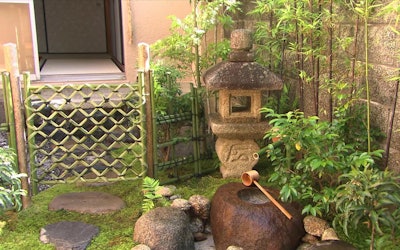
This video is titled "#106 Gardener - Creating the garden of tea ceremony "Roji" - Kyosuke Ogawa - Door to Tomorrow by At Home." It was released by "Door to Tomorrow by At Home" (明日への扉 by アットホーム). In this video, you can see Kyoto gardener Kyosuke Ogawa working on the "roji," the garden to the tea ceremony room. Mr. Ogawa is the fifth-generation gardener at Uekuma, a long-established tea garden company in Kyoto. He mainly works on the tea gardens of the Urasenke. Check out the video to see how he creates beautiful roji through trial and error. -
 Video article 6:40
A Kimono Exhibition Held at Museum in London. Unraveling the Japanese Kimono Culture That Has Taken the West by Storm!
Traditional Culture- 25 plays
- YouTube
This video, tilted "Exhibition - Kimono: Kyoto to Catwalk / Curator Tour (1 of 5)," was published by the Victoria and Albert Museum. In the video, you can see the kimono exhibition at the Victoria and Albert Museum in London in June 2020. It showcases the traditional and creative appeal of the Japanese kimono along with exhibitions. Check out the various kimono on display in the Western-style exhibition hall shown in the video. -
Video article 4:52
Saito Jotaro's Latest Kimono Designs Fascinate the World! A Commitment To Kimono That Even the World-Famous Artist Lady Gaga Delighted In!
Traditional Culture- 193 plays
- YouTube
The Long History of the Japanese Kimono This video, titled "Kimono inspired by the ‘street’, Jotaro Saito | V&A" was created by "Victoria and Albert Museum." The kimono is an important part of Japanese culture. The knowledge and techniques required to create beautiful kimono have been passed down for centuries. Have you ever heard of Jotaro Saito? The video will introduce the kimono designer, whose work is famous both inside and outside of Japan. In the article, we'll provide supplementary information about Jotaro Saito. If you're interested in traditional Japanese culture, we highly recommend checking out the video! Introducing Jotaro Saito Source :YouTube screenshot In this video, Jotaro Saito talks about how his kimonos are made. There are English subtitles available for those who don't speak Japanese. Jotaro Saito was born in Kyoto in 1961. His family owns a well-established dyeing store that has been in business for over 80 years. He was brought up in an environment surrounded by kimono. In the interview, Jotaro Saito talks about how his kimono are designed to bring out a woman's sexiness. He also explains that "street" is the main source of inspiration for his designs from 0:46 in the video. From 2:56 in the video, Jotaro Saito touches on the manufacturing process and areas of specialization, such as embroidery, that make up the design of his kimonos. You can also take a look at how the designs are hand-drawn onto the kimono in the video. It's a very informative video for anyone wanting to learn more about the kimono-making process and how kimono patterns are created. More About the Famous Kimono Designer Jotaro Saito Source :YouTube screenshot Jotaro Saito is a kimono designer who was born in Kyoto prefecture. His grandfather, Saizaburo Saito (斉藤才三郎) was a dye artist and his father, Sansai Saito (斉藤三才), a kimono designer. At the young age of 27, Jotaro debuted as a kimono designer and began creating modern kimono to fit the lives of people today. His kimono designs are based on the Yuzen dyeing method (友禅) which he learned from his father. This method of dyeing is combined with special weaving techniques to create truly unique kimono designs. Jotaro Saito is also famous for his interior design work in buildings such as the Ritz-Carlton Kyoto (ザ・リッツ・カールトン京都) and the Grand Prince Hotel Shin Takanawa (グランドプリンスホテル新高輪). He also runs his own café called JOTARO SAITO in Ginza (銀座). Make sure to stop by during your trip to Japan and have a look at some of the Jotaro Saito goods for sale! Jotaro Saito's work is being recognized worldwide and his kimonos have been featured in Japan Fashion Week in Tokyo and he has even had the opportunity to create outfits for Lady Gaga. Learn More About Japanese Culture! Source :YouTube screenshot Jotaro Saito is a world-renown kimono designer. For those interested in traditional Japanese clothing, such as kimono, furisode and yukata, we highly recommend taking a look at some of Jotaro Saito's beautiful kimono in the video! -
Video article 3:03
A Beautiful Kimono Show Inspired by the Colors of the World. Don't Miss the Detailed Designs of the Fabric and Obis!
Traditional Culture- 29 plays
- YouTube
This is video, titled "A Kimono Show Inspired by the Countries of the World," was produced by Jiji Press (時事通信トレンドニュース). In this video, you can see a kimono show inspired by the colors of countries from around the world. The attention to detail is narrated and you can also learn about the design, fabrics, and obis. Check out the amazing kimono shown in the video. They're different from your everyday kimono! -
Video article 25:46
The World of Kimono in Monotone. Enjoy the Collection of Beautiful Kimono!
Traditional Culture- 34 plays
- YouTube
This video, titled "室華風-MUROKAFU-|TOKYO KIMONO COLLECTION|着物メディアKIMONO BIJIN," was released by "KIMONO BIJIN channel ― Kimono Media ―." In this video, you can see a black and white kimono show based on the concept of "monotone." Enjoy the contrast of the chicly colored kimono. Also check out the various designs of the kimono. They're so beautiful it's hard to believe they're just black and white! -
Video article 29:52
The History of the Kimono as Seen Through Show. Enjoy the Changing Colors and Styles of the Kimono Through the Ages. The Dressing Performance Is Also a Must-See!
Traditional Culture- 229 plays
- YouTube
This video, titled "[Must-See!] Looking Back on 150 Years of Kimono History From the Meiji, Taisho, Showa and Heisei Periods! the Kimono Styles of Each Period!" (【必見】明治・大正・昭和・平成と150年の着物史を振り返り!各時代ごとの着物スタイル), was released by "Omomuki Tsushin" (趣通信). The video shows the Tokyo Kimono Show that took place in May 2019. The show introduces the different styles of kimono over the course of 150 years. They also have a performance that involves putting a kimono on! -
Video article 6:33
The Work of a Master! The Amazing Kimono Making Process Starting From a Hand-Drawn Sketch!
Traditional Culture- 65 plays
- YouTube
This video, titled "How to make Kimono - Digest Ver.," was released by Japanese Kimono Online Shop KYOTO. In this video, the process of making a kimono, starting from the hand-drawn sketches, is shown. The skilled artisans hand-draw the designs, which is a sight to behold in itself. The embroidery is also done by hand, resulting in beautiful kimono. Check out the finished kimono in the video! -
Video article 5:21
Japan’s Cutting-Edge Technology Is Leading the World in Regenerative Medicine. What Was Once a Dream Is Now a Reality. This Technology Will Lead the World to a Long-Living Society!
Life & Business- 67 plays
- YouTube
iPS Cells: The World's Leading Regenerative Medicine This is a video released in 2018 by the "Hitachi Brand Channel" that introduces the efforts of Japanese company Hitachi Kobe Lab, in Regenerative Medicine using iPS cells. Speaking of regenerative medicine, the 3D iPS cell culture method invented by Professor Shinya Yamanaka of Kyoto University's Institute for iPS Cell Research and Development won the Nobel Prize in 2012, and it has become a hot topic of conversation. So what is this regenerative medicine? We'll give you a rundown. Photo:Research Regenerative Medicine is a technique that reanimates cells in areas damaged (or lost) by illness or injury. This has made it possible to treat incurable diseases that are difficult to treat with current medicine. Professor Yamanaka had been studying regenerative medicine for some time, but in contrast to the conventional method which required the use of fertilized eggs, human iPS cells, which can be cultured from a sterile egg, solved the ethical issues and attracted attention as a new dawn in medical technology. However, iPS cells have weaknesses. It is difficult to stabilize the quality of iPS cells and to mass-produce them. Maintaining the sterility of the lab was a critical challenge for culturing stable, quality iPS cells, especially since they are less resistant to bacteria. The Future of Hitachi's Regenerative Medicine, Opened up by Open Innovation Source :YouTube screenshot Due to the difficulty of culturing iPS cells, Hitachi began development of Automated Cell Culture Equipment for iPS cells through joint research with Dainippon Sumitomo Pharma. Currently, Hitachi, Ltd. and Hitachi Chemical are also participating in the research and have been successful in producing reputable induced pluripotent stem cells (iPS). The greatest benefit of open innovation is that, rather than a single company monopolizing research, specialists in each field, with their own specialties, can come together to conduct research and development without being bound by interests. The services and products, created through the combined strength of the Hitachi Group's technology and Japan's top minds, will continue to lead the world's medical infrastructure in the future. The Automated Cell Culture Equipment for iPS cells is one such development. The Regenerative Medicine that Hitachi is currently working on is said to be second-generation, but if it can incorporate AI technology and achieve more stable iPS cell culturing, it's possible to break through to third-generation regenerative medicine technology and raise hopes in the future, as it could be applied to the treatment of other incurable diseases. Summary of Hitachi Kobe Lab's Regenerative Medicine Research -
Video article 2:00
Japan's AI (Artificial Intelligence) Technology Gives New Hope to an Aging Society! a Better Future for the World Is Being Created With Japan's Cutting-Edge Technology!
Life & Business- 56 plays
- YouTube
Japan’s Cutting-Edge AI Technologies Contribute to an Aging Society This video is titled "A New Aging Society Led by Japanese Technology" (日本のテクノロジーが導く新しい高齢化社会). It introduces Japan's response to an aging society using cutting-edge technology. It was released by the“Foreign Ministry / MOFA”. Currently, Japan is said to be one of the most aging societies in the world. However, an aging society is not an issue unique to Japan, but a problem growing worldwide. Living a long, healthy life and increasing opportunities to participate in society is a very important theme when faced with an aging society. In this article, we'll introduce some cutting-edge technologies in Japan that the public and private sectors are developing together. NEC the WISE: An AI Technology Adapting to an Aging Society Source :YouTube screenshot The AI technology shown in the video at 0:32 is called “NEC the WISE.” In the video, NEC Director Fellow Katsumi Emura says “the problem is not the aging society itself, but how to adapt to an aging society, so that people can live long, healthy, fulfilling lives.” In light of the global trend toward an aging society, NEC is focused on developing and providing solutions that can be used to predict and prevent various diseases. That's what the AI technology, “NEC the WISE,” is all about. If we can prevent people from getting sick as they get older, it means that people will still be able to participate in society in good health as they age. In today's society where we are told that we have 100 years to live, "retirement in our 60s" is too early. If it becomes the norm for people to remain healthy and active past 60, we will no longer be able to call it an "aging society." HAL Lumbar Support: An AI Technology That Addresses the Declining Birthrate and Aging Population Source :YouTube screenshot With Japan's declining birthrate and aging population, the age of caregivers, whose job it is to care for the sick and elderly, is increasing every year. The "HAL Lumber Support" project, which can be seen at 1:02 in the video, is a project to introduce nursing care robots to reduce the physical burden on caregivers in the nursing care industry. The video introduces AI technology that places an assistive robot suit on a caregiver's waist and receives biopotential signals emitted by the brain and transmits them to the power-assist suit to reduce the strain on the back and lower body. This is an AI technology that can be applied patient side as well. In addition, because HAL is an artificial intelligence (AI) equipped support robot, repeated use of the robot helps it learn how neurotransmission works and can assist in walking more efficiently. It's not just a robot that moves according to commands, it's an autonomous machine that learns on its own, meaning that the cyborg robots you see in science fiction movies are already a reality. These mechanized technologies are collectively referred to as Hybrid Assistive Limb” (HAL). Summary of Japan's Cutting-Edge AI Technology and Measures for an Aging Society As seen at the end of the video from 1:30, Japan’s cutting-edge technology “HAL” is already being applied to medical technology in Malaysia. It is believed that increased social participation opportunities for the elderly with the help of autonomous robots will increase the well-being of society. It'll be interesting to see what Japan, the superpower of robots, has to offer in the future. 【Official Website】Cutting-Edge AI Technologies – NEC the WISE - : Solution/ Service | NEC https://www.nec.com/ -
Video article 13:17
A Friendship With Turkey, Started in Wakayama Prefecture! Even Now, 130 Years After the Ertuğrul Incident, Bonds Between Japan and Turkey Continue to Strengthen!
History- 192 plays
- YouTube
The Distress of the Ottoman Frigate Ertuğrul This video was published by “WakayamaPref.” It shows the Turkish ship "Ertuğrul" connecting Japan and Turkey, which led to the creation of a strong bond between the two countries. The title of the video is "Japan and Turkey. A Bond Transcending Time ~ Stories of Friendship Connected by the Ertuğrul." (日本トルコ 時を越える絆 ~エルトゥールル号が繋ぐ友好の物語~). Turkey is located between East Europe and West Asia, and is known as a pro-Japanese country. The history between Japan and Turkey began when an incident between the Turkish battleship, Ertuğrul, occurred near Oshima in Kushimoto, Wakayama 130 years ago. A typhoon hit the ship whilst returning home from a visit to Japan in September 1890. The ship hit a reef and sank by the shore in Kashinozaki. The friendship between the two countries began when local residents rescued the Turkish sailors who were going down with the ship. Kushimoto Saved Ertuğrul Source :YouTube screenshot The local people who tried to save the Turkish crews on the ship were from the Kashino area of Kushimoto Town, Wakayama Prefecture. Upon hearing of the incident, they immediately decided to rescue and treat the Turkish crew members. You can learn more at 1:26 in the video. At a time when they were not rich, they provided clothing and food for the Turks, even though typhoons prevented them from going out to fish and their reserves were low. The "morobuta," a container in which rice balls were served at the time, has also been preserved. You can see one at 2:43 in the video, in an interview with the son of a resident who helped rescue the Ertuğrul. The History of the Iran and Iraq Wars During the Iraq war in 1985, Japanese residents in Tehran, Iraq were rescued. A Turkish airliner was sent by the Turkish government to rescue 215 Japanese stranded in Tehran, the capital of Iran. This incident was also a repayment of the debt of gratitude for the rescue of the Ertuğrul, which created long lasting bonds between the two countries and resulted in a pro-Japanese Turkey. The Memorial Service for the Ertuğrul Incident Photo:Turkish Memorial and Museum As you see from 5:33, a memorial service for the Ertuğrul incident was conducted by the local people every year. In recent years, the memorial service is held every 5 years to commemorate the friendship. Local people work together to prepare this service in Kushimoto, Wakayama. In 2015, the Kushimoto Turkish Memorial and Museum was reopened, as well as an exhibit of the newly discovered artifacts found from the ship (6:49). Because Ertuğrul was a wooden ship, all of the artifacts sank to the bottom of the ocean. Searches have been conducted to look for more artifacts since 2008. Through these diligent searches, there have been a total of 7 exhibition events in both Japan and Turkey. During the 2015 excavation, which can be seen at 9:04 in the video, they worked off Kashinosaki, where the ship had gone missing at the time, and found 311 artifacts in 51 dives. These items have been investigated at the Ertuğrul Research Center, and local children helping with the conservation work. Source :YouTube screenshot At the only elementary school in Oshima, students learn about the exchange between Japan and Turkey during cultural exchange classes. Please check the video from 7:34 to see what students learn in school. You can also see a Turkish lady working at Kushimoto town hall at 7:50. Kushimoto town also invented a new type of rose and named it “Ertuğrul” as a symbol of friendship between two countries (8:16). Turkey and Japan: A Bond That Transcends Time Photo:Turkish warship memorial As seen in the video, the Turkish Culture Association in Kushimoto, Wakayama has been creating different events for interacting with Turkish culture, such as learning the Turkish language and popular dances. There was a movie called “125 Years Memory” in memory of the 125th year of friendship between Japan and Turkey. There are also several books and novels about Turkey and Japan. Please visit Wakayama to learn more about the history of Japan and Turkey. Wakayama prefecture has beautiful scenery and some World Heritage spots as well! -
Video article 1:50
Simulating the Touchdown of the Spacecraft “Hayabusa 2” With CG Animation! All Eyes Are Fixed on the Unprecedented Achievement of Rendezvousing With the Asteroid Ryugu!
Life & Business- 104 plays
- YouTube
The Asteroid Surveying Spacecraft "Hayabusa 2" This video, titled "「Hayabusa 2」CG Conceptual Video of Touchdown/"Hayabusa2" CG Animation"(「はやぶさ2」タッチダウン想像図CG/"Hayabusa2" CG Animation), was released by "Jaxa | Japan Aerospace Exploration Agency." “Hayabusa 2,” introduced in the video, is an asteroid surveying spacecraft developed by the Japan Aerospace Exploration Agency JAXA as a successor to the spacecraft “Hayabusa.” This video introduces JAXA’s CG video of Hayabusa 2 touching down on the asteroid Ryugu and retrieving a surface sample. It's only a conceptual video; however, the plan of Hayabusa 2’s touchdown is visualized in an easy-to-understand manner. The basic settings and touchdown methods of the “Hayabusa 2” are the same as its predecessor, Hayabusa; however, the spacecraft has been significantly improved and the ion engine and antenna surroundings have been greatly augmented. The news that this groundbreaking mission was successful also attracted a lot of attention around the world. Incidentally, “Hayabusa” is also used as the project name for JAXA’s asteroid survey project. The Touchdown of Hayabusa 2 Source :YouTube screenshot The first “Hayabusa” mission’s goal was to bring back rock samples from asteroids for the first time ever. The mission succeeded, and the return of “Hayabusa” received praise from all around the world; in Japan, it received so much attention that it was made into a movie. Whereas the first Hayabusa was an experimental machine, Hayabusa 2, shown in the footage, collected samples from the surface of an asteroid which has organic matter and water on it. And the developmental process differs from its predecessor in that it was designed to collect surface samples from an asteroid with organic matter and water to obtain clues about the existence of rare metals and the mystery of the birth of life. The survey plan of the “Hayabusa 2” was also carefully scheduled. The “Hayabusa 2” was launched from the Tanegashima Space Center Large Rocket Launch Site in 2014 to coincide with the timing of when the asteroid Ryugu would be closest to the Earth. Source :YouTube screenshot As you can see from 1:09 in the video, once the spacecraft has come into the closest proximity with the asteroid Ryugu, they first launch an impactor command with the goal of creating a crater on the surface of Ryugyu to make it easier for Hayabusa 2 to land. This impactor command was named "Explorer" after the world’s first satellite series. Hayabusa 2 will attempt to touch down after taking rock samples scattered in the vicinity during the second Explorer launch. A small rover was also placed on the asteroid Ryugu, which collected as many surface samples as possible after touchdown and returned to Earth by fully autonomous operation. Summary of Hayabusa 2's Touchdown Mission Source :YouTube screenshot The Ryugu project was featured on NHK as a special program and was also broadcast overseas. It was very well received abroad, and managed to attract attention from all over the world. The success of Hayabusa 2's touchdown mission is said to be an incredible feat. You can see the details on JAXA’s official website. 【Official Website】JAXA Hayabusa 2 Project http://www.hayabusa2.jaxa.jp/en/ -
Video article 11:53
Tons of Popular Characters Will Be at the Ikebukuro Halloween Cosplay Festival! Check Out Some of the Awesome Costumes From the 2014 Event!
Modern Culture- 70 plays
- YouTube
This video is titled "Ikebukuro・Halloween Cosplay Parade in Ikebukuro! Sexy ONE PIECE Team and Cool Metal Gear! Ikebukuro Cosplay Vol. 1" (池袋でハロウィン・コスプレパレード!SexyなONE PIECEチームやカッコいいメタルギアも♪池袋街コスレポVol.1). It was released by "ikebukurotv." The Ikebukuro Halloween Cosplay Festival introduced in the video, is a Halloween event held every year around Halloween, in which many cosplayers participate. The event is sponsored by Dwango, Toshima Ward, and Sunshine, which runs the video service niconico. You can enjoy delicious food in cosplay on the streets and there are also stage events. This video shows the cosplay parade that takes place on Sunshine Street! Cosplayers are also asked what it is they enjoy about cosplay in interviews in the video! -
Video article 10:00
Gion, Kyoto's Kyo Tsukimachian Is Packed With Broad Beans! A Look at Their Broad Bean "Rice" Crackers Made Using Traditional Techniques!
Food & Drink- 27 plays
- YouTube
A Look at Kyo Tsukimachian's Broad Bean "Rice" Crackers Made Using Traditional Techniques! In this video, we see a craftsman baking bean crackers in Gion, Kyoto. The Gion branch of Kyo Tsukimachian offers a variety of bean crackers, made with plenty of broad beans and carefully baked using a traditional method. How about a souvenir from Gion? Check out the video to see how they bake the bean crackers! ◆Kyo Tsukimachian Store Information◆ 【Address】247-14, Gion Kitagawa, Higashiyama, Kyoto, Kyoto (京都府京都市東山区祇園町北側247-14) 【Access】A 1 minute walk from Gion-Shijo Station from the Keihan Electric Railway 【Admission Fee】¥110+ 【Business Hours】10:00-19:00 【Closures】None 【Parking】None 【Phone】075-533-0141 【Official Homepage】Kyo Tsukimachian Kyoto Branch https://www.kyo-tsukimachian.com/ 【Tabelog】Kyo Tsukianmachi Kyoto Branch https://tabelog.com/en/kyoto/A2601/A260301/26024783/ -
Video article 10:00
Located near Yushima Tenjin Shrine in Bunkyo-ku, Tokyo! What is "18wari Soba" created by a master soba maker at "Soba maker's store of 18wari Soba"?
Food & Drink- 36 plays
- YouTube
Bunkyo-ku, Tokyo "18wari Soba (buckwheat) buckwheat noodle store of a master of buckwheat noodle making" Video Introduction This video shows the delicious, two-color "juhachiwari soba" made at "Juhachiwari Soba." Normally, when making soba, buckwheat flour and wheat flour that serves as a binder are added, but soba made only with buckwheat flour is called "Juwari Soba," and soba made with 80% buckwheat flour and 20% flour is called "Hachiwari Soba" (8割蕎麦, lit. "80% soba"). The owner of Juhachiwari Soba makes his Juhachiwari Soba (十八割蕎麦) with both Juwari soba and Hachiwari soba, creating beautiful two-colored noodles. You can see him mixing the two types of soba and cutting the noodles in the video as well. This shop is located near Yushima Tenjin Shrine (Yushima Tenmangu Shrine) in Tokyo, one of the most famous power spots in the city, and has been frequently featured on Japanese tv. Be sure to check out the delicious soba in the video! ◆Juhachiwari Soba Store Information◆ 【Address】2-33-6 Yushima, Bunkyo City, Tokyo 【Access】10 minutes from JR Okachimachi Station / A 3-minute walk from Yushima Station off the subway 【Fee】¥110+ 【Hours】[Mon~Fri] 11:30~15:00(Last order) 17:00~21:00 (Reservation required for parties of 4 and up) / [Sat/Sun/Holidays] 11:30~15:30 (Last order) / ※Open Late on New Years 【Closures】Irregular 【Parking】None 【Tripadvisor】Juhachiwari Soba https://www.tripadvisor.com/Restaurant_Review-g1066442-d7489543-Reviews-Juhachiwari_Soba-Bunkyo_Tokyo_Tokyo_Prefecture_Kanto.html -
Video article 10:00
Aoi Renga Is a Specialty Store for Castella in Shimokitazawa, Tokyo. A Look at the Castella Made by the Best Baby Castella Maker in Japan!
Food & Drink- 31 plays
- YouTube
Japan's Delicious Baby Castella This video shows the artisans at Aoi Renga, which is said to be the best baby castella maker in Japan, making baby castella. Aoi Renga has a branch in Shimokitazawa, Setagaya City, and has been covered by various media outlets. The "Aoi Renga" baby castella, which are also delicious when eaten chilled, were certified by the Setagaya Ward as a "Setagaya Souvenir." In the video, you can see the Fresh Cream Fondue made with fresh cream from Hokkaido, the Fresh Chocolate Fondue made with bitter chocolate and fresh cream from Hokkaido, and baby castella being dipped in them. Be sure to check out the video to see the quick skills of the best castella chefs in Japan! ◆Baby Castella Specialty Store "Aoi Renga" Store Information◆ 【Address】2-25-4 Kitazawa, Setagaya City, Tokyo 【Access】44 meters from Shimokitazawa Station 【Castella Pricing】¥500+ 【Hours】11:00-20:00 【Closures】Tuesdays 【Parking】None 【Phone】03-5453-8711 【Official Website】Baby Castella Specialty Shop「Aoi Renga」 https://www.aoirenga.com/index.html 【Tripadvisor】Aoi Renga https://www.tripadvisor.com/Restaurant_Review-g1066455-d13294823-Reviews-Aoi_Renga-Setagaya_Tokyo_Tokyo_Prefecture_Kanto.html -
Video article 18:05
This Long-Established Candy Store Has Been Located in "Candy Alley" in Kawagoe, Saitama, for 100 Years. How to Make the "Kumiame Sakura Stick" by Tamariki Seika
Food & Drink- 104 plays
- YouTube
This Long-Established Candy Store Has Been Located in "Candy Alley" in Kawagoe, Saitama, for 100 Years. How to Make the "Kumiame Sakura Stick" by Tamariki Seika This video shows the making of candy at "Tamariki Seika" in Kawagoe, Saitama. Tamariki Seika has been making handmade candies for over 100 years. The shop is located in "Candy Alley" (Kashiya Yokocho) a popular tourist spot in Saitama Prefecture, and offers a wide variety of kumiame candy. Kumiame is a type of rolled candy that when cut shows a picture or face, such as Kintaro Ame. In the video, they make "Flower Kumiame Sakura." The candy which was as big as a log, was stretched and stretched, and at the end, a cherry blossom pattern can be seen in the cut section. Be sure to check out the video to see the 100 year old techniques in action! ◆Tamariki Seika Store Information◆ 【Address】350-0062 Saitama, Kawagoe, Motomachi, 2 Chome−7−7 【Access】A 15-minute walk from Hon-Kawagoe Station 【Avg. Price】¥200+ 【Hours】10:00-17:00 【Closures】Mondays 【Phone】049-222-1386 【Tabelog】Tamariki Seika https://tabelog.com/en/saitama/A1103/A110303/11005857/ -
Video article 12:48
The Cutting-Edge Robotics Technology of FANUC. The Company Renowned for Its Advanced Technology and Services Around the World, Announces a New Product for 2020!
Life & Business- 182 plays
- YouTube
The Cutting-Edge Robotics Company, FANUC This video, titled "FANUC Product Introduction (Full Version) 2020" (ファナック 商品紹介(フルバージョン) 2020), was uploaded by "FANUC CORPORATION." Have you heard of the robotics company FANUC? FANUC is a Japanese electrical equipment manufacturer that ranks first in the world in sales of robots and peripheral machine products for factory automation equipment. They're located in Oshinomura(忍野村,Oshinomura), Minamitsuru Ward(南都留郡,Minamitsurugun), Yamanashi Prefecture(山梨県,Yamanashiken). FANUC was the first manufacturer to successfully develop Japan's first numerical control device (NC) in 1956, and since then has continued to supply CNC equipment and robots for machine tools worldwide. The name FANUC has grown into an international brand thanks to its advanced technology and service. In this article, we'll introduce a number of exciting and futuristic factory automation products that FANUC will release in 2020! FANUC's CNC Series Source :YouTube screenshot FANUC’s CNC series is a vital product group that serves as the core of its FA products. The world-class CNC series, that increases productivity in manufacturing, uses an interface called iHMI, shown at 1:09 in the video, which is equipped with a high-quality AI that allows users to intuitively manipulate high-level production functions and simultaneous sharing of information regarding maintenance through networking. The FANUC servo motor offers a diverse lineup of motors that meet the needs of a wide range of customers, from small to large, and provides a comfortable manufacturing environment with excellent operability and easy maintenance. The Manufacturing Functions of FANUC Source :YouTube screenshot FANUC's products, which can be seen at 1:40 have earned a worldwide reputation for their machining performance. Even flat surface machining and shaping of complex shaped molds can be done at high speed and with high precision. AI servo tuning uses AI to automate the technology that skilled craftsmen have developed through experience. You can see the AI feed-forward tuning in progress at 3:03 in the video. In addition, the combination of CNC, servo motors, and robots makes it easy to perform complex laser engraving, metal cutting, and welding processes. About the FANUC robots introduced in the video Source :YouTube screenshot FANUC has a wide range of robots in its robot lineup, ranging from a 500 gram payload robot to a large robot with a payload of over 2.3 tons. These can be seen at 4:52 in the video. Cumulative production of FANUC robots has exceeded 640,000 units, making it the world's top producer of robots. Robomachines, its bestselling product so far, is yellow, FANUC’s brand color, but its new series, shown at 6:57, features a green color scheme and is a cooperative robot that stops moving when touched by a person. The Collaborative Robot provides a barrier-free environment for humans and robots to work together, helping to significantly improve workflow. Machines such as spot welding robots, arc welding robots, SCARA robots, handling robots, and Robodrills that incorporate high-precision vision sensors shown at 7:33 and force sensors shown at 7:51, can learn and manufacture products at higher speeds and with greater precision through the introduction of AI functionality. Summary of the Advanced Robotics Company, FANUC Although people tend to think of FA machines and robots as products for large factories, FANUC provides FA products for small and medium-sized companies as well. Its products can be operated via a tablet terminal interface and can be moved by AGVs and dollies. FANUC prides itself on its safe design, and its collaborative robots boast a safety design that does not require protective measures even in small work spaces, as they stop safely when touched by a person. The Japanese manufacturing industry is comprised of nearly 90% small and medium-sized enterprises. FANUC’s FA machines such as its small production processing machine, Roboshot and Robonano are bringing an industrial revolution to modern machining. 【Official Homepage】FANUC CORPORATION https://www.fanuc.co.jp/eindex.html -
Video article 1:06
Stemirac Injections: A Regenerative Treatment for Spinal Cord Injury Patients, Approved for the First Time in the World! A Ray of Hope for Patients All Over the World!
News- 144 plays
- YouTube
Revolutionary Regenerative Therapy for Spinal Cord Injury Patients The video we're introducing this time is a news video released by "HTB News," titled, “[HTB News] World's First! Nerve Regenerative Therapy for Spinal Cord Injury Patients." It details a therapy approved by the Ministry of Health, Labor, and Welfare for the first time, as a regenerative treatment method for spinal cord injury patients. In 2018, the Ministry of Health, Labor and Welfare approved the regenerative Stemirac injections, jointly developed by Sapporo Medical University and Nipro. This regenerative treatment method extracts mesenchymal stem cells from the bone marrow fluid of spinal cord injury patients and cultures them into approximately 100 million cells. By injecting it into a vein by infusion, nerves in the damaged spinal cord are regenerated. In this clinical trial conducted at Sapporo Medical University, 12 of 13 patients had functional recovery. As a condition of approval, efficacy and safety checks must continue to be performed for the next seven years. A Look at Stemirac Injections Source :YouTube screenshot The approved Stemirac injection is the product name of the kit used for the treatment of spinal cord injury, and the generic name is "human (autologous) bone marrow-derived mesenchymal stem cells." This regenerative therapy was approved in December 2018, subject to conditions and deadlines. Mesenchymal stem cells, which have been shown to differentiate into nerves and blood vessels, are collected from patients with bone marrow injuries and cultured to 10,000-fold over a period of about two weeks. The approximately 100 million cells administered intravenously over 30 minutes to an hour can improve neurological syndromes and dysfunction through angiogenesis, anti-inflammatory effects around the damaged spinal cord, and regeneration of spinal nerves. You can see how it works in detail at 0:23 in the video. This Stemirac Injection is the first product approved under Japan's revised regenerative medicine act. Costs and Side Effects of Spinal Cord Injury Regenerative Therapy Photo:Chest pain Although they are developing groundbreaking regenerative therapy, the price of the therapy, as of February 26, 2019, is extremely expensive, costing around 14,957,755 yen (~$142,000 USD). Side effects of the treatment include bleeding, wound infections and scars from bone marrow harvest surgery. In addition, pulmonary infarction may occur due to administration of stem cell arteries. What Happens in a Spinal Cord Injury? Photo:Back pain The spinal cord is a tunnel-like organ surrounded by the spine that passes through the spinal canal and is responsible for transmitting commands from the brain to the ends of the body, such as the hands and feet. This spinal cord extends like a branch to the left and right, and from that position it is divided section by section into the cervical, thoracic, lumbar, and sacral spinal cord. When the spinal cord is injured, there is no bi-directional transmission of commands from the damaged area to the neural circuits below. This can lead to disorders such as motor paralysis, sensory paralysis, complete motor paralysis, autonomic neuropathy, dysuria, and complications when defecating. Until now, the standard treatment for spinal cord injury has been to rehabilitate the injured nerve cells in order to alleviate the aftereffects of the injury, as regeneration is considered difficult. In addition, it is estimated that 5,000 cases of spinal cord injury occur each year, and it is estimated that there are more than 100,000 patients in Japan. Under such circumstances, the bone marrow injury regeneration therapy described in the video has become a beacon of hope for patients everywhere. Although the enormous medical expenses are a bottleneck, this therapy can lead to solutions for paralysis and disabilities such as stroke and spinal cord injury. Summary of Regenerative Therapy for Spinal Cord Injury Patients The regenerative therapy shown in the video is a true testament to how far modern medicine has come. What'd you think? Regenerative therapies have give hope to patients with spinal cord injuries. It'll be interesting to see what the future of regenerative therapy has in store for us! -
Video article 0:55
Dr. Koichi Wakata Is the First Japanese Astronaut to Become Captain of the International Space Station! Read on to Learn More About His Impressive Achievements!
News- 69 plays
- YouTube
Koichi Wakata: The First Japanese Captain of the ISS This video "Koichi Wakata: Proud to Be the First Japanese Captain of the ISS! (14/03/10)" (日本人初!若田さんISS船長に「和の心を大切に」(14/03/10))" is brought to you by ANNnewsCH. It introduces Dr. Koichi Wakata, who has become the first Japanese captain of the International Space Station (ISS). JAXA astronaut Koichi Wakata has accomplished the spectacular feat of becoming the 39th captain of the ISS. A special ceremony was held in the Japanese Experiment Module (日本実験棟, nipponjikkentou) "Kibo" (きぼう). The ceremony is normally held in the American Experiment Module, however as this is the first time a Japanese astronaut has assumed the position of captain, on this occasion the ceremony was held in the Japanese Experiment Module. You can watch the ceremony in the video from 0:23. During the ceremony, Koichi Wakata talks of how he is proud to be the first Japanese captain of the ISS and is looking forward to working with everyone. The right to command was passed on to Koichi Wakata from the previous captain of the ISS Oleg Kotov. Koichi Wakata was captain of the ISS for a total of 2 months until his return home to Japan. More About Koichi Wakata: The First Japanese Captain of the ISS Source :YouTube screenshot Koichi Wakata was born in Omiya city, Saitama prefecture and is an astronaut working for JAXA (Japanese Aerospace Exploration Agency). He has a Doctorates in Engineering and has been awarded the Kikuchi Kan Prize (菊池寛賞, kikuchikanshou). He graduated from Kyushu University (九州大学大学院, kyuushuudaigaku daigakuin) in March, 1989 and proceeded to work for Japan Airlines, also known as JAL. He was selected for the position of mission specialist for the National Space Development Agency of Japan (NASDA) in April 1992 and in January 1996 was the first Japanese mission specialist to take part in the STS-72 mission of the Space Shuttle Endevour. He mastered the difficult task of learning to control a robotic arm and succeeded in the retrieval of the SFU (Space Flyer Unit). He has completed four missions in space to date, including flights in American NASA space shuttles and Russian Roscosmos spacecraft. Koichi Wakata also made news after broadcasting videos of fun experiments performed in space, inviting viewers to send in their experiment ideas. In an effort to get children more interested in space, he performed various actions inside the space station such as folding clothes or arm wrestling the other astronauts. More About Koichi Wakata's Role Aboard the ISS Source :YouTube screenshot Below are a list of the tasks performed by Koichi Wakata as commander of the ISS: 1. Manage the crew and lead them to success in their missions. 2. Handle any emergencies that may arise such as fires or gas leaks and give directions as the leader of the crew. 3. Have a good grasp of the crew members' health conditions and work situations. 4. Summarizing adjustments to the work schedule with ground control. Not only does the job require good management skills but a high level of interpersonal skills are also necessary. Summary of Koichi Wakata Koichi Wakata currently works as the director of JAXA and is busy holding lectures and other events across the country. We hope you enjoyed learning more about the first Japanese captain of the ISS, Koichi Wakata. We look forward to hearing about more of his endeavors in the future! 【Official Website】Jaxa Astronaut Koichi Wakata, Space Station, Kibo, Information Center https://iss.jaxa.jp/en/astro/biographies/wakata/index.html -
Video article 6:03
An Amazing Display of Hundreds of Beautiful Fireworks! You Can't Help but Be Moved by the Show!
Festivals & Events- 130 plays
- YouTube
This video was released by AQUA Geo Graphic. It's titled "[4K] Massive Fireworks! The 69th Annual Tsuruga Lantern Float and Fireworks Festival 2018|Tsuruga Fireworks Display (shot on Samsung NX1)". This video introduces the 69th Annual Tsuruga Lantern Float and Fireworks Festival, which has massive fireworks displays! The Tsuruga Lantern Float and Fireworks Festival is a fireworks festival held on August 16 every year at Matsubara Beach in Tsuruga City, Fukui Prefecture, and is considered to be one of the major events among the citizens. It is one of the largest fireworks festivals in Japan, with more than 10,000 fireworks, which are a spectacular sight. If you can watch the many fireworks being shot off with a loved one, it's sure to create memories that will last a lifetime. Be sure to check out the amazing fireworks display in the video! -
Video article 6:18
Kagurazaka Ishikawa - a Famous Restaurant Awarded Three Stars by Michelin! Their Kaiseki Dishes Are Made With Only the Finest Seasonal Ingredients!
Food & Drink- 26 plays
- YouTube
This video is titled "Dinner at Kagurazaka Ishikawa (神楽坂 石かわ).. 3 Michelin Star Kaiseki!" It was released by Glorious Gluttony! This video introduces the restaurant Kagurazaka Ishikawa, a high-class restaurant that has been awarded three stars in Michelin Tokyo. Opened in 2003, Kagurazaka Ishikawa is a famous Japanese restaurant that has been awarded three stars by Michelin since 2009. The numerous kaiseki dishes prepared using a wealth of seasonal ingredients are sure to leave you satisfied, and it is the first restaurant that you should consider if you're looking to try Japanese cuisine. In this video, you can see some of the dishes at Kagurazaka Ishikawa, so if you're interested in the restaurant, check it out in the video! -
Video article 8:55
Nikunotakumi Miyoshi - Japan's Finest Kappo Restaurant! A Glimpse at Some of the Finest Dishes Japan Has to Offer!
Food & Drink- 33 plays
- YouTube
This video, titled "[Kyoto Gourmet] Nikunotakumi Miyoshi - Japan's Top Restaurant! a Michelin-Starred, Top-Quality Meat Experience in Gion Shijo, Kyoto! Niku Kappo Nikunotakumi Miyoshi ウニ王子チャンネル#57" (【京都グルメ】肉割烹の日本最高峰「にくの匠三芳」京都祇園四条でミシュラン1つ星の極上の肉体験!Niku Kappo Nikunotakumi miyoshi ウニ王子チャンネル#57). It was released by "Uni Prince Channel" ( ウニ王子チャンネル). This video introduces Nikunotakumi Miyoshi, a famous restaurant in Kyoto which was awarded a Michelin star in the Kyoto Guide. They use only the finest quality meat and best cuts, making it a place worthy of its stars. You can taste some of the most delicious meat dishes you can imagine here, so we recommend checking it out at least once! In this video, you'll see Nikunotakumi Miyoshi, one of Japan's best restaurants. -
Video article 3:28
Sukiyabashi Jiro - A Michelin-Starred Restaurant for Eight Consecutive Years! What the Artisans at Japan's Leading Sushi Restaurant Have to Say About Sushi!
Food & Drink- 29 plays
- YouTube
This video is titled "Sukiyabashi Jiro|Ono Jiro, the Sushi God" (すきやばし次郎 神様小野次郎). It was released by "mrlll." This video introduces Sukiyabashi Jiro, a famous sushi restaurant in Japan that has been awarded three stars by Michelin for eight consecutive years. Every piece of sushi made is sparkling and pleasing to the eye, and the taste is also indescribable, making Sukiyabashi Jiro famous as one of Japan's leading restaurants. It is famous for being the place where former American president, Barack Obama, visited, and it is a sushi restaurant we highly recommend checking out if you can. In this video, Jiro Ono, a chef at Sukiyabashi Jiro, talks about his sushi. -
Video article 25:03
Quintessence, a Very Famous Japanese Restaurant That Was Awarded Three Stars by Michelin Tokyo 2020! A Look at Chef Shuzo Kishida's Passion for Cooking!
Food & Drink Celebrities- 23 plays
- YouTube
This video, titled "#15 Shuzo Kishida (Quintessence)" (#15_岸田周三(Quintessence)), was released by "Palais de Z - The Future of Deliciousness" (パレ・ド・Z〜おいしさの未来〜). This video introduces Shuzo Kishida, the owner-chef of Quintessence, a restaurant that was awarded 1st place among the three Michelin stars restaurants of Tokyo in 2020. One of the characteristics of Chef Shuzo Kishida is that he does not create recipes, and he believes in continuous growth. He has a belief in his ingredients, and in the way he goes to the market to find what he is satisfied with, you can sense the splendor of his sincere approach to cooking. In this video, you'll learn about Chef Shuzo Kishida's career and his passion for cooking!