-
Article
-
Festivals & Events
-
Region
-
Season
-
Tag
Articles
-
 Video article 5:38
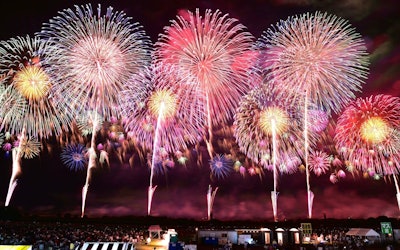
One of the largest fireworks festivals in Tohoku on video! The finale of "Fireworks in Sakata" in Sakata City, Yamagata Prefecture is a spectacular sight! Fireworks show decorates the night sky with music!
Festivals & Events- 293 plays
- YouTube
Video introduction of "Fireworks 2023 in Sakata," Sakata City, Yamagata Prefecture This time, we would like to introduce a video titled "Sakata Fireworks Festival 2023 Grand Finale 8KHDR" produced by "Japan Explorers". Sakata Fireworks Festival is one of the largest fireworks festivals in Tohoku, with over 12,000 shots launched on the first Saturday of August every year in Sakata City, Yamagata Prefecture. In the video, you can see the finale of "Fireworks in Sakata" in 2023. We hope you enjoy the images of the magnificent fireworks shot off to the tune of "Niji" by Masaki Suda and "Cheers to the Earth" by Takeshi Hageta. Highlights of Fireworks in Sakata Photo:Yamagata Prefecture, Sakata Fireworks Show The "Fireworks of Sakata" in Yamagata Prefecture is a fireworks show full of highlights. It is a large-scale fireworks display with approximately 1,000 shots, including collaboration fireworks by famous smoke stores, a large aerial Niagara, and the launching of a No. 10 ball. Taking advantage of the vast area of the Mogami River, fireworks are launched over an area of up to 2 kilometers in width, which is the widest in Japan. The width of the display is said to be the same as that of the Nagaoka Fireworks, one of Japan's three largest fireworks displays. The grand finale "Tensei" in 2023 will be a spectacular sight to behold. The final part of Sakata's fireworks display is the simultaneous launch of three two-shaku dama. When is "Fireworks in Sakata 2024"? What are the tickets for paid spectator seats? Information on the 2024 "Fireworks in Sakata" is as follows. Date and Time: Saturday, August 3, 2024, 19:30-20:30 Venue: Mogami River River Park, Sakata City, Yamagata Prefecture (between Ryouu Bridge on Route 7 and Dewa Bridge on Route 112) The areas open to free spectators are Mogamigawa Swan Park and the green area downstream from the Dewa Ohashi Bridge. Paid spectator seats include mass seats with a capacity of four clerks, family seats with a capacity of six clerks, paired chair seats, bank seats, wheelchair seats, etc., and will be available for sale via the Internet from June 1, 2024 at 10:00. Please check the official website for details. How can I get to the "Fireworks in Sakata" site? Here are the directions to the venue for the fireworks in Sakata. It is a 45-minute walk from Sakata Station on the JR Hetsu Honsen Line, but a free shuttle bus will be available from Sakata Station. 2024 service hours, bus types, and other details can be found on the official website where information will be released around July. If you are going by car, drive approximately 8 km from the Sakata IC of the Nihonkai-Tohoku Expressway toward downtown Sakata on Route 7. Sightseeing spots around "Fireworks in Sakata Photo:Yamai Soko, Sakata City, Yamagata Prefecture There are many sightseeing spots for you to enjoy around Sakata, Yamagata! One of the most popular spots is "Sankyo Soko" (山居倉庫); which is an area with historic rice storehouses that have been the filming location for several tv dramas and movies. There's also Japan first photography museum "Domon Ken Kinenkan" (土門拳記念館), and the filming location for the 2008 film "Departures," so consider enjoying some sightseeing before the fireworks show begins! Other popular spots include Iimoriyama Park (飯森山公園), Homma Museum (本間美術館), and the Oranda Senbei Factory (オランダせんべいFACTORY). A guidebook will help you find your way around all of the tourist spots in Sakata city! Summary of "Fireworks in Sakata Photo:Woman in a Yukata Sakata's Fireworks Festival is one of the most popular fireworks displays in Tohoku. If you are planning a trip to Yamagata Prefecture this summer, why not enjoy it in a relaxed atmosphere with paid spectator seats? Don't forget, they go on sale June 1. We invite you to experience with your own five senses the superb entertainment that will color the night sky with music, as shown in the video. 【Tripadvisor】Sakata Fireworks Show https://www.tripadvisor.com/Attraction_Review-g1023683-d10019650-Reviews-Sakata_Fireworks_Show-Sakata_Yamagata_Prefecture_Tohoku.html -
 Video article 16:06
The video of Ehime Prefecture's Niihama Drum Festival is overwhelming! Why is it called a dangerous fight festival? Introduce the schedule, history, and highlights
Festivals & Events Traditional Culture- 410 plays
- YouTube
四国三大祭として知られる愛媛の新居浜太鼓祭り紹介 こちらの動画は「ANA Global Channel」が公開した「NIIHAMA TAIKO MATSURI - IS JAPAN COOL? MATSURI - 祭 (新居浜太鼓祭り/愛媛)」です。 愛媛県新居浜市で開催される新居浜太鼓祭りを紹介します。 日本三大喧嘩祭りとして知られる新居浜太鼓祭りとは? 愛媛県新居浜市の新居浜太鼓祭りは、秋の豊作を祝った神事です。 豪華絢爛で迫力のある日本の祭りで、県内外からたくさんの観光客が訪れます。 特徴的なのは、なんといっても巨大な神輿でしょう。 太鼓台と呼ばれる神輿を山車(だし)に積み、総勢150人余りの男性によって担がれます。 山車の長さは12メートルもあり、重さも3トンとかなり重い太鼓台を持ち上げる姿は圧巻の光景。 太鼓台の飾りも絢爛豪華で、金糸で刺繍された飾り幕など美しい神輿です。 2019年には、東京ドームで新居浜太鼓祭りが行われ、注目されました。 日本三大喧嘩祭りとして知られる新居浜太鼓祭りの歴史 愛媛の新居浜太鼓祭りの起源は、はっきりとわかっていません。 地域の伝承によると、太鼓台は秋の豊作を感謝して神さまに奉納しており、その起源は鎌倉時代や平安時代までさかのぼります。 江戸時代後期の文禄年間になると、太鼓台の記録が残っており、当時は太鼓台ではなく神輿太鼓と記載されています。 四国三大祭として知られる愛媛の新居浜太鼓祭りの魅力 愛媛県新居浜市の新居浜太鼓祭りの魅力は、太鼓台ごとに競い合う「かきくらべ」にあります。 重さ3トンもある太鼓台を必死で持ち上げて競う姿は大迫力。 太鼓台を高く担ぎ上げる「さしあげ」や、神輿を地面に降ろさずにどれくらい耐えられるかなどで競い合います。 とても白熱する祭りなので、喧嘩(鉢合わせ)が起こることもあり、それを楽しみに見物にくる観光客もいるそう。 とにかく熱く、男らしさが魅力の愛媛県新居浜市の新居浜太鼓祭りは一見の価値あり。 四国三大祭として知られる愛媛の新居浜太鼓祭り紹介まとめ エネルギッシュでパワーをもらえる日本の新居浜太鼓祭り。 興味をもった方はぜひ動画をご覧ください! -
Video article 4:03
Travel Back in Time to Japan’s Warring States Period! Historical Reenactments at the Shimonoseki Straits and Genpei Festivals of Shimonoseki, Yamaguchi!
Festivals & Events History Traditional Culture- 193 plays
- YouTube
Video introduction to the Shimonoseki Straits Festival "Genpei Festival This video, titled "The Official Video of the Genpei Festival - Shimonoseki Straits Festival" )【公式】しものせき海峡まつり 源平まつり), was released by the city of Shimonoseki. The 4-minute video introduces highlights of the 2017 Genpei Matsuri ritual and other events, set to a solemn tune. What is the Shimonoseki Straits Festival "Genpei Festival"? What are the dates of the festival? Located at the westernmost tip of the Main Island, Shimonoseki in Yamaguchi Prefecture features a historical site where the famous sea battle "Dan-no-ura" occurred in 1185. At the Shimonoseki Straits Festival, annually scheduled from May 2nd-4th, performers with authentic clothing produce a surreal sight, as if the illustrations from the ancient scrolls are coming to life before our very eyes. The highlight of the festival is "Genpei Festival" on May 3 held at Kanmon Straits where the famous sea battle occurred. The warriors' parade, the reenactment of the sea battle of Dan-no-ura, and the archery battle between the warring clans (one scene from Studio Ghibli's Pompoko explicitly references this battle), and Senteisai (loosely translated as the "former emperor festival" and is held to commemorate the child Emperor Antoku who drowned at Dan-no-ura), attract a great number of onlookers. The video leads us over to the city where performers wearing the medieval costumes fill the streets. Enjoy your journey back in time through the video! Genpei Samurai Procession, a highlight of the Genpei Festival Source :YouTube screenshot The Genpei Festival is preceded by "Senteisai", where a ritual is held to offer prayers to the shrine in order to appease the soul of Emperor Antoku's. Samurai, courtesans, and adorable child soldiers are separated into the Genji and Heike clans and parade throughout the city. From 0:09, the video allows us a glance at the elaborate preparation process that turns the performers into historical characters, and at 1:26the parade begins. The parade depicts the two warring clans marching to the battlefield. The vigorous war cries of the warring clans captivate onlookers. Genpei Boat Battle, a highlight of the Genpei Festival Source :YouTube screenshot From 1:37 is the majestic reenactment of the climatic sea battle. The presence of historical characters such as the legendary monk warrior Benkei, the heroin Shizuka Gozen, and the child Emperor Antoku on the boats portraying the scene, energizes the event. The spectacular reenactment, with a fleet of about 200 ships sailed out on the wild waves, will definitely look great on Instagram. A series of events associated with the Genpei war take place on the main stage and the dance of the 5 gorgeous courtesans closes the performance. The main stage performances are introduced from 3:00. Festival performers are chosen from the public submissions. Summary of the Shimonoseki Straits and Genpei Festivals The video guides us through the Shimonoseki Straits Festival where one can experience one of Japan's most historically significant events. Enjoy time traveling back to the 12th century with this video! The main venues at the Genpei Festival are the Akama Shrine and Shimaitoshi Square. Transportation is blocked at some parts of the city during the festival, so we recommend checking the event schedule in advance if you're planning on using it. -
Video article 3:22
What kind of event is the Raccudani Fudo Myoo's 300th Anniversary Festival at Raccudani Fudoin, Kyoto, Japan? It's like another Kiyomizu-no-Butai! A slightly mysterious temple full of raccoon dogs!
Festivals & Events History- 217 plays
- YouTube
Video introduction of the Raccudani Fudo Myoo's 300th anniversary at “Raccudani Fudoin” in Kyoto City, Kyoto Prefecture This video is called ‘Kyoto Festival 300 Years of Tanukidani Fudō Myō’ō ‘. It is a promotional video by Discover Kyoto to promote the festival celebrating the 300 Year Anniversary of Kyoto's Tanukidani Fudo Myo-o. The festival celebrating the 300 Year Anniversary of Kyoto's Tanukidani Fudo Myo-o, was held in 2018 between May and November. Many worshipers turned up to pray at the special praying event in the stone cave, where Acala (the king of wisdom) is said to be enshrined. Access to Tanukidanisan Fudoin Temple is 40 minutes from Kyoto South Interchange on Meishin Expressway by car, or 30 minutes from Kyoto East Interchange on Meishin Expressway. There is a free parking with a lot capacity of 150 cars. It takes around 50 minutes by local bus from JR East Kyoto Station. Tanukidanisan Fudoin Temple is located halfway up Mt. Uryuu, behind Shisendo. Locals call it Tanukidanino Gofudosan. The 250 steps to the temple’s main building are decorated with raccoon dogs made of Shigaraki Pottery . They hold an autumn festival here every November. You can enjoy the beautiful colors of the red and yellow leaves. Please enjoy the introductory video of the Tanukidani Fudo Myo-o Festivals's 300th anniversary! What Is Tanukidanisan Fudoin Temple? Photo:Tanukidanisan Fudoin Temple The Fudo-in Temple is located in the heart of Ichijoji Temple, a popular tourist area in Kyoto, and is the headquarters of Shugendo, the Shingon Buddhist sect of Buddhism. It was originally built in 1718 by Mokjuki Shizen Tomonobu on the site where a stone statue of Acala was enshrined as a guardian against demons during the Heian Period (794~1185). Tanukidanisan Fudoin Temple is famous as a temple where you can pray for traffic safety and to ward off bad luck, such as cancer. As shown from 1:13 in the video, Tanukidanisan Fudoin Temple is built on the cliff edge. Its structure is similar to that of Kiyomizudera Temple. Musashi Miyamoto is said to have used the main building for training. Deep in the mountains, there is still a waterfall called Musashinotaki Falls. Tanukidanisan Fudoin Temple was opened in 1718, and it celebrated its 300 year anniversary in 2018. The 300 Year Anniversary of Kyoto's Tanukidani Fudo Myo-O Festival Source :YouTube screenshot At the festival celebrating the 300 Year Anniversary of Kyoto's Tanukidani Fudo Myo-o, there were lectures on various topics by the priests and monks, as well as special ceremonies and prayers. Other events include Daihanyakyo Tendoku (the Great Perfection of Wisdom Sutra), and Kechienkanjo. The events shown from 2:39 also attracted many tourists. They are the Kanpaku Ogoma Memorial Service, the Fire Festival, Ominesan Nyubushugyo Training, and Sutra copying. In addition to the special nighttime worship, there is live painting and projection mapping, and they've also incorporated a modern twist to the production. At the festival celebrating the 300 Year Anniversary of Kyoto's Tanukidani Fudo Myo-o, there was a children’s activity in which you search for raccoon dogs. The visitors were also given commemoration stamp books and limited edition Senjafuda cards . Tanukidani Fudo Myo-O 300 Year Anniversary, Summary There are many temples with a long history in Kyoto where you can enjoy Japanese history and culture. The sacred mountain Tanukidani, shown in the video, is one of them. Many visitors came to commemorate the 300th anniversary of Tanukidani Fudo Myo-O. On your trip to Kyoto, why not take a stroll around the historic Tanukidanisan Fudoin Temple? Be sure to check out the video to enjoy the charm of Tanukidanisan Fudoin Temple. ◆Tanukidanisan Fudoin Temple◆ 【Address】6 Ichijoji Matsubara-cho, Sakyo-ku, Kyoto City 〒606-8156 【Access】Approximately 50 minutes by local bus from JR East Kyoto Station 【Admission】500Yen(※as of November 2019) 【Hours】9:00~16:00 【Closures】Open everyday 【Average time spent here】Approximately 1 hour 【Parking】Yes(Free) 【Telephone No.】075-722-0025 【Official Website】300 Years Anniversary Festival of Kyoto Tanukidani Fudo Myo-o / Tanukidanisan Fudoin Temple http://www.tanukidani.com/300th/ -
Video article 2:47
Blue Skies and Colorful Hot Air Balloons! The Saga International Balloon Fiesta Is the Largest International Hot-Air Balloon Competition in Asia! Enjoy the Fantastic Sight of Brightly Colored Balloons Filling the Sky in Saga City, Saga Prefecture!
Festivals & Events- 83 plays
- YouTube
The Saga International Balloon Fiesta! This video is titled “Saga International Balloon Fiesta [Hi-res / 4K SAGA].” It was created by “《Official》Saga Prefectural Tourism Federation,” and it introduces the Saga International Balloon Fiesta. The Saga International Balloon Fiesta is an event where you can enjoy an awesome dream-like view of colorful hot-air balloons filling the sky! This can be seen at 1:10 in the video. In fact, Kyushu's Saga Prefecture (佐賀県, Saga-Ken) is where the official international hot-air balloon competition is held. The colorful balloons floating in the sky take you on a journey to another world. Sit back and enjoy the colors! What Is the Saga International Balloon Fiesta? Photo:Saga International Balloon Fiesta The Saga International Balloon Fiesta is Asia’s largest international hot-air balloon tournament. The competition is well-known, and there are about 20 different types of competitive flights. During the Saga International Balloon Fiesta, there is also "Balloon Fantasia," an event popular among children. During La Montgolfier Nocturne (Night Mooring), Hot-air balloons from around the world are lit up at night, creating a fantastic landscape. Access to the Saga International Balloon Fiesta During the Saga International Balloon Fiesta, a temporary station called “JR Balloon Saga Station” is opened around the venue, making it easily accessible by train. If you come by car, use the parking lot around the venue or use the free shuttle bus from the temporary parking lot in Saga city. We also recommend joining the tour for the Saga International Balloon Fiesta. After the Hot-Air Balloon Event, Extend Your Trip to Sightseeing Spots in Saga Prefecture Photo:Karatsu Castle There are many sightseeing spots in Saga prefecture, so be sure to check them out when you come to the hot-air balloon event. In addition to the historic Karatsu Castle and Yutoku Inari Shrine, we also recommend dropping by the beautiful natural scenery of Mifuneyama Rakuen. After a long day of sightseeing, enjoy a relaxing overnight stay at Ureshino Onsen. Summary of the Saga International Balloon Fiesta This article introduced the Saga International Balloon Fiesta, where colorful hot-air balloons fill the beautiful blue skies. Watching the hot-air balloons glide through the sky in the beautiful autumn weather is sure to make for an unforgettable experience. We hope you enjoyed the video of the Saga International Balloon Fiesta! ◆Kase River (嘉瀬川, Kase-gawa) Riverbed (Saga International Balloon Fiesta venue) Information◆ 【Access】Right next to JR Balloon Saga Station, a temporary station set up during the event. 【Parking】Paid Parking is available around the venue. 【Official website】Saga International Balloon Fiesta https://sibf.jp/en/ -
Video article 4:45
The Spooky "Kumano Hongu Taisha Reitaisai Festival" of Tanabe, Wakayama. Enjoy the Ancient Japanese Festival Handed Down From Generation to Generation, With More Than 2,000 Years of History!
Festivals & Events Traditional Culture History- 137 plays
- YouTube
Taisha Reitaisai's Shinto Ritual: "Yunobori Shinji" This video, titled "Reitaisai Kumano Hongu Taisha -Official," shows aspects of "Yunobori Shinji," a shinto ritual that is part of the traditional "Reitaisai" rituals held at Kumano Hongu Grand Shrine, in Wakayama prefecture. "Kumano Hongu Taisha," a world heritage site in Wakayama prefecture, is one of three grand shrines configuring "Kumano Sanzan" along with "Kumano Nachi Taisha" and "Kumano Hayatama Taisha." Kumano Hongu Taisha was built more than 2050 years ago, and Yunobori Shinji, the largest annual shinto festival, has been designated as an Intangible Folk Cultural Property of Wakayama Prefecture. This video introduces the "Kumano Hongu Taisha Reitaisai Festival" of Wakayama prefecture. If you ever wonder what kind of sacred rituals and events are held in the festival, take a look at the video and this article. Yunobori Shinji and Miyawatari Shinji - Two Shinto Rituals Source :YouTube screenshot The "Kumano Hongu Taisha Reitaisai Festival" is held for three days from April 13th to 15th every year. The festival starts with the events "Yunobori Shinji" and "Miyawatari Shinji." Starting at 0:07 in the video, it shows one aspect of the ritual where people invoke the spirit of the gods into children after they've purified themselves in the sacred water of Yunomine Onsen during "Yunobori Shinji." During the festival, the children are only allowed to put their feet on the ground while in the ritual so their fathers or brothers carry them on their shoulders and hike through 3.4 km of mountain trail called the "Kumano Kodo pilgrimage routes" to get to "Oyunohara." In the afternoon, there is the traditional performance by the children called the "Yasabaki Shinto Ritual" at Yunomine Ouji which is shown in the video around 0:44. After that, the children, a Kannushi (a person responsible for the maintenance of a Shinto shrine), and people with musical instruments line up and head to “Otabisho.” Rituals of the "Kumano Hongu Taisha Reitaisai Festival" Source :YouTube screenshot The event called Funatama Taisai (船玉大祭) and the eve of the main festival are held at Kumano Hongu Taisha on April 14th. As shown in the video around 1:15, the most important event, the Hondensai (本殿祭), and the Togyo Festival (渡御祭) in which 400 people dressed in Heian style clothing for the performance participate in, are held on April 15th. A procession that recreates Kumano Gokou then heads to Oyunohara to perform sacred dances such as "Yamatomai" and "Mikomai." In the “Hondensai,” there is the "Togyosai" festival and the "Kangyo Sai" festival where you can see the Mikoshi (a portable shrine) with the flowers from "The deity of Kumanomusumi" (熊野牟須美神) (The god enshrined in Kumano Sanzan). It is said that the gods are pleased by the decorating of the Mikoshi with flowers and the swinging of the mikoshi. Starting at around 2:32, the video shows children praying for a good harvest. The festival is called "Ondasai" (御田祭, Ondasai). The video also shows the events "Gomadaki" (護摩焚き, Gomadaki) performed by monks, "Mochinage" (throwing rice cake), "Saitodaigoma" (採燈大護摩, saitodaigoma) and "Tamagushi Houten" (玉串奉奠, tamagushi Houten). which are also fun to see. Towards the end of the festival, when the sun starts to go down, people walk out of the Torii gate of "Ooyunohara" and make their way back to the shrine. After that, the last festival, "Kangyo-sai," is held (3:49). Summary of the "Kumano Hongu Taisha Reitai Festival" Photo:Kumano Hongu Taisha The video shows a lot about the traditional sacred festival at Kumano Hongu Taisha. Climb up the 158 stone steps and walk through the sacred gate, and you'll find Kumano Hongu Taisha. If you're looking to enjoy the atmosphere of Japan's shrines, Kumano Hongu Taisha is the perfect place to visit. Repair work was also undertaken in 2012 to commemorate the 120th anniversary of the shrine being transferred to its current location. There are many hotels and Ryokan (Japanese style inn) in Tanabe City in Wakayama, near Kumano Hongu Taisha. You can have a great time feasting on the local cuisine during your lunch break. You can also go shrine hopping with your Goshuin notebook when the weather is nice. ◆Kumano Hongu Taisha◆ 【Address】1110 Hongu, Hongu-sho, Tanabe-shi, Wakayama prefecture 【Access】140 minutes from Nanki-Shirahama Airport by bus 【Hours】6:00 – 17:00 【Parking】Available (Free) 【Phone】0735-42-0009 【Official Website】Kumano Hongu Taisha http://www.hongutaisha.jp/english/ -
Video article 5:38
Check out the Kuwana Suigo Fireworks Festival in Mie Prefecture, a traditional fireworks display that has been going on for over 80 years, in this video! The approximately 10,000 fireworks launched from the banks of the Ibigawa River are a highlight of the festival!
Festivals & Events- 208 plays
- YouTube
三重県桑名水郷花火大会紹介動画について こちらの動画は「hiramu55bocaboca」が公開した「【4K】2015 桑名水郷花火大会 NTN超特大仕掛 第1部~第3部通しバージョン」です。 日本の行事や文化に興味を持っている方が多いと思います。 夏の風物詩として知られている花火。 日本各地で花火大会が行われ、多くの方を魅了します。 数ある中で人気の花火大会が三重県桑名市で開催されている桑名水郷花火大会。 花火の美しさを思い切り堪能できる動画 こちらの動画では2015年に三重県桑名市で行われた桑名水郷花火大会の模様が収められています。 4K動画は迫力十分で花火が見せる美しさを堪能できます。 花火の美しさを思い切り堪能できる動画 こちらの動画では2015年に三重県桑名市で行われた桑名水郷花火大会の模様が収められています。 4K動画は迫力十分で花火が見せる美しさを堪能できます。 桑名水郷花火大会について 桑名水郷花火大会は1934年に三重県桑名市でスタートしたイベント。 戦時中に一時中断した経緯はあるものの、現在まで職人たちの手により、受け継がれています。 スターマインや水中スターマイン、仕掛け花火とバラエティに富んだ花火が楽しめます。 毎年、約1万発の花火を1時間半程かけて打ち上げ、訪れた人々を楽しませる魅力的なイベントです。 東海地区最大級の二尺玉が約20発打ち上がるのは桑名水郷花火大会における目玉。 揖斐川(いびかわ)の中州でたくさんの花火が打ち上げられます。揖斐川は木曽三川(きそさんせん)の1つで三重県観光を行う際は一度行ってみてはいかがでしょうか? 有料のスペースが用意されるなど、毎年規模が拡大しているのが特徴的です。 屋台では数多くの食べ物が販売されています。 有料のスペースで花火を見る際はチケットを早めに購入しておきたいところ。 売り切れに注意しないといけません。 三重県桑名市って一体どんなところ? 桑名市は三重県の北部に位置します。 桑の木があった場所、魏志倭人伝(ぎしわじんでん)の鬼奴(きな)国から来ているなど、由来はさまざま。 ダリアやコスモスなどの花が咲き誇る「なばなの里」は三重県で有名な観光スポット。 世界的に評価されているイルミネーションが楽しめます。 近くには遊園地「ナガシマスパーランド」があるので、興味のある方は訪れてみてはいかがでしょうか? また、三重県には長い歴史を持つ伊勢神宮や伊賀忍者で有名な伊賀市といった名所もスケジュールを立てる際に押さえておきたいところ。 三重県桑名水郷花火大会紹介まとめ 桑名水郷花火大会をはじめ、三重県には魅力的なものが数多く存在します。 これを機に日本を観光したい、三重県の観光スポットを満喫したいと感じていただけたら幸いです。 -
Video article 4:26
Oniyarai ritual” at Ishimizu Hachiman Shrine, Yawata City, Kyoto Prefecture, to drive away demons! Setsubun is a traditional Japanese festival in which beans are thrown to ogres to drive away evil spirits.
Festivals & Events- 153 plays
- YouTube
Video introduction of the Setsubun event “Oniyarai ritual” at Ishimizu Hachimangu Shrine in Yawata City, Kyoto Prefecture "Kyoto Festival: Spring Ogre Purification (Oni Yarai Shinji) [4K]" uploaded by "Discover Kyoto," introduces the "Oni Banishing Ritual" which is held every year at Iwashimizu Hachimangu in Kyoto. Iwashimizu Hachimangu, located in southwest Kyoto (Yawata, Kyoto), a popular sightseeing spot in Japan, is a historical shrine with many highlights. There are ten buildings there, including the grounds of the shrine and the main shrine which have been designated National Treasures, and many National Cultural Properties. It is also one of three great Hachimangu Shrines in Japan. You are able to feel Japan, by just walking around the shrine. This article introduces the Oni Banishing Ritual "Oni Yarai Shinji," a type of Setsubun held every year on the Sunday before February 3rd at Iwashimizu Hachimangu, as well as sightseeing and general Setsubun information. As you can see from 2:24 in the video, beans are thrown at oni while people shout "Oni yaro." After the oni are driven out of the shrine they run away. Finally, fukumame (good luck beans) are thrown into the crowd signifying that the shrine has been cleansed. The video will make you want to perform some oni exorcisms of your own! What's the Event Like? Source :YouTube screenshot The origins of Setsubun derive from "Tsuinashiki," an event to drive off evil spirits on New Year's Eve and at the change of seasons to drive away evil spirits. The common chant you'll hear among onlookers is "Oni wa soto, fuku wa uchi!," (Demons out, fortune in!) while throwing the beans. It's also good luck to eat as many beans as your age. In some areas, it's also common to hang a sardine with its head skewered on a holly branch on your doorstep as a charm and to eat ehomaki while facing the "lucky direction" without speaking. The "Oni Banishing Ritual" is held every year on Sunday before February 3rd at Iwashimizu Hachiman in Kyoto, from 1pm and 2pm. A priest who exorcises evil enters and shoots in all directions with a bow made of peach branches. Next, he uses a sword made of peach branches to strike in all directions, saying "oni yaro!" This can be seen from 0:58 in the video. From there, the standard Japanese red and blue oni with clubs come and shout to scare children. The priest and others stand in front of the main building as the oni try to rush forward, but the beans are thrown at them and they're sent tumbling down the slope over and over again. Eventually, the oni give up and run away. Afterwards, beans in small packages are given to the visitors. You can see the event taking place starting from 1:30 in the video. Sightseeing Information Photo:A priestess holding a Kagura bell To get to the shrine, take the Keihan Line from Kyoto Station, ride about 30 minutes and get off at Iwashimizu Hachimangu Station. From there, transfer to the Otokoyama Cable Car and get off at Hachimangu-sanjo Station at the top of Otokoyama and walk for 5 minutes. You can also walk instead of using the cable car. There are parking areas as well. Summary The video “Kyoto Festival: Spring Oni Purification (Oni Yarai Shinji) [4K]” introduces the "Oni Banishing Ritual" event during Setsubun, held at Iwashimizu Hachimangu. You can learn about Setsubun rituals and beliefs in the video, so be sure to check it out. 【Tripadvisor】Iwashimizu Hachimangu https://www.tripadvisor.com/Attraction_Review-g1023398-d1901742-Reviews-Iwashimizu_Hachimangu-Yawata_Kyoto_Prefecture_Kinki.html -
Video article 2:13
The highlight of Nagatoro Funadama Festival, a summer festival in Chichibu City, Saitama Prefecture, is the Mantoro Boat Festival, lantern floating, and fireworks display! Make the best memories of summer!
Festivals & Events- 88 plays
- YouTube
埼玉県秩父の伝統的な夏祭り「長瀞船玉まつり」紹介動画について こちらの動画は「公式チャンネルさいたまつり」が公開した「長瀞船玉まつり 2018 【4K】さいたまつり」です。 埼玉の「長瀞(ながとろ)船玉まつり」をご存知でしょうか? 観光名所・埼玉県秩父郡で行われている夏祭りで、こちらの動画ではその様子を美しい4Kの高画質映像でご覧になることができます。 長瀞船玉まつりとは? 夏の風物詩とも言われる日本の花火は年々進化しており、長瀞船玉まつりでも豪華な花火大会が催されます。 街の人総出で行われる祭りの準備様子は、活気に溢れています。 長瀞船玉まつりの歴史 「長瀞船玉まつり」の歴史は長く、昔荒川の周遊船の船頭が、船下りの際に水上の安全を祈願し、水神様を祀ったことが起源とされています。 この周遊船は現在も船頭さんたちによって運営されています。 長瀞船玉まつりの目玉!荒川に映る日本伝統の灯火 「長瀞船玉まつり」はまず、「万灯船」の運航から始まります。 18時になると水上安全修ばつ祭と呼ばれる神事が行われます。 そしてその後18時すぎには、およそ1,000基もの灯籠が流され、美しい光の川を生み出します。 19時すぎには花火大会がスタート! ここで観衆の高揚はピークに達します。 万灯船、灯籠流し、そして仕掛け花火やスターマインの光が、日本埼玉の美しい景勝地を美しく色付けます。 長瀞船玉まつりの紹介まとめ 「長瀞船玉まつり 2018 【4K】さいたまつり」は、日本の文化を肌で感じられる「長瀞船玉まつり」を美しい映像で紹介してくれています。 祭りの準備の熱気や、夜に映し出される美しい光景を感じられる動画になっているので、長瀞の景勝地観光に興味のある人は是非ご覧ください。 日本の伝統ある文化に触れたい方は、ぜひこの機会に長瀞へ行ってみましょう! -
Video article 5:11
The Beauty of the Owari Tsushima Tenno Festival, One of the Three Major Boat Festivals of Japan, Is Something You Should Experience Live at Least Once! It's a Festival Full of Charm, With Lantern Boats Lighting up Beautifully Under the Night Sky in Aichi Prefecture!
Festivals & Events- 138 plays
- YouTube
花火や巻藁船!尾張津島天王祭の魅力をご紹介! 「日本できれいな景色を楽しめる祭りを見たい」 日本にはさまざまなお祭りがありますが、絶景を楽しめるお祭りに参加して一生の思い出に残るような体験をしたいと思っている人はいませんか? そのような人に、今回は愛知県で開催されている尾張津島天王祭を紹介したいと思います。 この記事では、愛知を観光する際にぜひ見ておきたい尾張津島天王祭の特徴や魅力について解説しています。 日本三大川まつりのひとつである尾張津島天王祭のおすすめ動画も紹介しているので、気になる方は見てください! 日本三大川まつりのひとつである尾張津島天王祭とは? 日本三大川まつりのひとつである尾張津島天王祭は、愛知県の津島市で行われる津島神社のお祭りです。 600年ほどの歴史がある華麗な川まつりで、無形民俗文化財やユネスコ無形文化遺産に登録されています。 お祭りは数カ月にわたり、いろいろな行事が行われますが、7月の第4土曜日の宵祭と、その翌日に行われる朝祭りは、見どころ満載の車楽舟行事としてとても人気です。 夏に愛知県を観光する際には、日本三大川まつりのひとつである尾張津島天王祭がおすすめです。 日本三大川まつりのひとつである尾張津島天王祭の特徴と魅力 日本三大川まつりのひとつである尾張津島天王祭は2日間にわたり開催されます。 1日目は宵祭り、2日目は朝祭りとそれぞれの祭りで特徴があります。 まず、尾張津島天王祭は夜の祭である宵祭りから始まります。 宵祭りの特徴は夜景の美しさにあるでしょう。 宵祭りは、夕方頃になると花火が打ち上げられ、美しい景色を楽しめます。 さらに、夜9時ごろになると宵祭りのメインである巻藁船が天王川に漕ぎ出していきます。 船の提灯に火をともす如意点灯により、幻想的な美しい夜景が見るものを魅了していくでしょう。 翌日に行われる朝祭りは、巻藁船から提灯などをはずし、太鼓や笛など朝祭り用に準備されます。 太鼓や笛などで演奏しながら天王川を漕いでいき、とても賑やか。 神輿は色鮮やかに彩られ、とても魅力のある風景を楽しむことができます。 日本三大川まつりのひとつである尾張津島天王祭は、宵祭りと朝祭りでそれぞれ特徴がある魅力たっぷりのお祭りです。 日本三大川まつり尾張津島天王祭のおすすめ動画 「gpanda333」が制作する尾張津島天王祭のプロモーション動画がおすすめです。 こちらの動画は日本三大川まつりのひとつである尾張津島天王祭の魅力を美しい4K動画で見ることができます。 迫力ある花火や美しい提灯船など日本の文化を楽しめる尾張津島天王祭。 夏祭りの参加したいときにはとくにおすすめのお祭りなので、ぜひ参加してみてください! -
Video article 3:00
What kind of New Year's event is the “Yasaka Shrine Otsuka Pilgrimage” held on New Year's Eve in Kyoto City, Kyoto Prefecture? Virtual experience of Kyoto's winter traditions with video!
Festivals & Events Traditional Culture Travel- 373 plays
- YouTube
Video introduction of “Yasaka Shrine's Okera Pilgrimage” in Kyoto City, Kyoto Prefecture This video, titled "Yasaka Shrine "Okera Mairi" (December 31, 2021, Higashiyama, Kyoto)" (八坂神社「おけら詣り」(2021年12月31日 京都市東山区)), was uploaded by "Kyoto Shimbun" (京都新聞). The video introduces Okera Mairi, a New Year's Eve ritual performed by priests on a night with light snowfall. Be sure to check it out as you read along. Highlights, History, and Facts About Yasaka Shrine Photo:Yasaka Shrine, Kyoto Yasaka Shrine is called "Gion-san" ("san" being an honorific title attached to names in Japanese to show respect) by the people of Kyoto. Yasaka Shrine is the head shrine of all 2,300 shrines following the Gion faith in Japan. The shrine's deity is Susanoo no Mikoto, who is believed to be a god who purifies all manner of misfortune. Yasaka Shrine is home to many Important Cultural Properties, including the main shrine, which is also a National Treasure, and is one of the most popular sightseeing spots in Kyoto's Higashiyama district. The shrine is also famous for its beauty and is known as a power spot for love. The shrine also has a power spot for beauty called "Utsukushi-gozensha." The "biyou-sui" (美容水, "beauty water") next to the torii gate is also popular. Maiko and geiko from Gion, a temple town, as well as people in the beauty and hairdressing industry, and many women from all over the country visit this shrine with prayers of beauty. It's said a few drops on the skin is said to promote both beautiful skin and a beautiful, and it's so popular that visitors come regardless of the season. Yasaka Shrine is also said to be the largest power spot for love in Kyoto because Kushinadahime (Kushinadahime no Mikoto), a god of love, is enshrined together with Susanoo no Mikoto, the god of the shrine, and they are regarded as a god couple that gets along very well. The shrine is thought to grant good fortune. Okera Mairi – Event Hours and the Meaning Behind the Event Source :YouTube screenshot The Okera Mairi (おけら詣り) event of Yasaka Shrine, held on the night of December 31st (New Year's Eve), is a custom to welcome the New Year and is unique to Kyoto. Starting at 4:00 a.m. on the 28th, the rhizomes of atractylodes (朮, Okera in Japanese), which are believed to ward off bad luck, are placed in a lantern to make an "okera fire." At 7:00 p.m. on the 31st, the fire is transferred from the okera lanterns in the main shrine to the okera lanterns hanging in the precincts by the priests after the New Year's Eve ceremony. Be sure to watch the video to see what this looks like. [Video] 0:44 - Priests Solemnly Proceeding Through the Precincts of the Shrine as Snow Falls Atractylodes (Okera) is believed to ward off evil spirits and protect people from illness and misfortune because of its strong and distinctive smell. After the kitchounawa (lucky ropes) are lit using the fire from the okera lanterns, the ropes are whirled around to keep the fire burning until it is brought back home. [Video] 2:01 - Shrine Goers Lighting Their Lucky Ropes In the past, the okera fires were lit in front of the shrine and used as fuel for cooking New Year's food. Later, as lifestyles changed, it became common to display the rope in one's kitchen after the fire had gone out as a good-luck charm to pray for good health throughout the year. Other Events at Yasaka Shrine Photo:Yasaka Shrine, Kyoto Yasaka Shrine, which usually attracts one million worshippers on the three days of the New Year, has other New Year's events in addition to the okera-mairi. The first ritual of the New Year, the Okera Festival will be held in the main hall of the shrine starting at 5:00 a.m. on January 1. In this ritual to pray for a safe and peaceful new year, dried atractylodes roots and special sticks are mixed together. After the sacred okera fires are lit, they are thrown down from the main shrine onto the stone pavement of the shrine grounds to purify it of pestilence and evil spirits. On January 3, from 9:00 a.m., the heads of the Kongo and Kanze schools of noh will perform a New Year's noh performance, a noh and shimai dance performance, followed at 1:00 p.m. by Karuta Hajime-shiki, a ceremony to start the New Year with a traditional card game called "Karuta." It's a great way to experience the New Year in Japan. Summary of Okera Mairi at Yasaka Shrine, Kyoto Yasaka Shrine is one of the most popular and crowded spots in Kyoto during the year-end and New Year holidays. Following the Okera Mairi on the night of New Year's Eve, Yasaka Shrine is filled with the excitement of people visiting the shrine for Hatsumode. During the Hatsumode period, many food stalls are set up on the shrine grounds and around the outer garden, creating a festival-like atmosphere. If you plan to visit the shrine to see the New Year rituals and festivities, we recommend that you allow plenty of time for your visit, as the shrine can be quite crowded. 【Official Website】Yasaka Shrine 【TripAdvisor】Yasaka Shrine -
Video article 5:52
Enjoy the Pure White Snowy Landscape at the Traditional "Yokote Snow Festival" in Yokote, Akita Prefecture! Experience Warm Rice Cakes in a Giant Igloo and a Fantastical Silver World!
Festivals & Events- 144 plays
- YouTube
秋田県で行われる横手かまくら雪まつり こちらの動画は「Discover Nippon」が公開した「[4K]Snow scene Winter Japan 秋田県•横手かまくら祭り Yokote Kamakura Festival 秋田観光 雪まつり JAPAN 雪景色 日本の冬」です。 横手かまくらとは秋田県で毎年2月に開催される伝統の「横手の雪まつり」で作られる大きなかまくらのことです。 この祭りの特徴は、「はいってたんせ」と、高さ3mにもなる「かまくら」の中へと招く子どもたちに手を引かれ、甘酒やお餅などをごちそうになり、凍える冬の寒さを忘れるひとときを過ごすことができます。 秋田県の横手かまくらの歴史と伝統文化 秋田県横手市の横手かまくら祭りには450年もの歴史があります。 江戸時代には鎌倉大明神を祀り、門松を立てお神酒を奉り、しめ縄を燃やすことで無病息災を祈念していました。 商人の間では、小正月行事祭りとして水神様を祀り、繁栄祈願をしました。 今でも伝統としてかまくらの内部の神棚にはろうそくと水神様が祀られている様子が動画の1:33からご覧になることができます。 また、日本のかまくらの歴史や伝統文化について学習するには、秋田県の横手駅から徒歩10分の横手市ふれあいセンターかまくら館がおすすめです。 横手のかまくらが伝統として継承されてきた歴史を展示しているので、イベントをより深く楽しむことができます。 ここでは四季に関係なく、秋田に降った雪で作られたかまくらが展示されています。 横手かまくら体験以外にも多くのイベントが開催 横手かまくら祭りの100基のかまくらの中でろうそくが灯されている景色は幻想的かつインスタ映え間違いなしです。 また、秋田県横手市にはかまくらをモチーフにしたものがたくさんあり、地域の情報を報道するFMかまくらや、秋の横手を自転車で走るかまくらライドといったイベントまであります。 横手かまくらが伝統として地域に根付いている証拠でしょう。 秋田の日本伝統的祭り「横手かまくらの雪まつり」紹介まとめ 今回の動画は秋田の横手かまくらに関する日本伝統の雪祭りについて紹介しました。 日本の雪まつりの中でも歴史と伝統文化のある横手かまくら祭りをぜひ体験してみてください! -
Video article 15:22
An in-Depth Look at the Nachi Fire Festival Designated a Cultural Asset by Wakayama Prefecture. The Flames Blazing From the Torches Are So Powerful That It Is Truly Worthy of Being Called One of Japan's Top 3 Fire Festivals!
Festivals & Events- 67 plays
- YouTube
日本三大火祭りの那智の扇祭りを紹介 こちらの動画は「ANA Global Channel」が公開した「NACHI-NO-OGI MATSURI - IS JAPAN COOL? MATSURI - 祭 (那智の扇祭り/和歌山)」です。 こちらでは和歌山県東牟婁郡那智勝浦町の熊野那智大社で執り行われる、那智の扇祭りを紹介します。 和歌山県の無形文化財にも指定されている、那智の扇祭りの歴史や魅力について説明します。 日本三大火祭りでもある那智の扇祭りの動画共にお楽しみください。 日本の伝統文化である那智の扇祭りについて 日本の伝統文化である那智の扇祭りは、那智の神さまを清め、もとにいた場所に戻って貰うための神事です。 松明や扇神輿を使った御火行事や、笛や腰太鼓で演奏する日本芸能の那智田楽などさまざまな行事を行います。 歴史のある伝統文化の那智の扇祭りですが、那智の火祭と呼ばれる御火行事は、とても迫力がありインスタ映えする風景。 インパクトのある光景が楽しめる那智の扇祭りを、一度見学してみてはいかがでしょうか? 重要無形民俗文化財にも指定されている、那智田楽も必見! 日本の伝統文化である那智の扇祭りの歴史 熊野那智大社にいる那智の神さまは、もともと那智の滝にてお祀りされていました。 その那智の神さまを今から1700年前に那智山の中腹にお遷ししました。 大松明を炎で燃やすのは、那智の神さまが遷られている扇神輿を清めるため。 日本の伝統文化の那智の扇祭りで、迫力のある光景だけでなく、歴史を学んでみてはいかがですか。 日本の伝統文化である那智の扇祭りの魅力とは 日本の伝統文化である那智の扇祭りは、一度は見ておくべきインパクトのある例大祭です。 大きな松明から炎が燃え盛り、乱舞する炎に目を奪われるでしょう。 また、那智田楽は笛や腰太鼓など日本伝統の楽器で演奏し、それに合わせて踊る日本らしい民俗芸能。心地よいリズムや伸びやかな踊りに心が癒やさます。 魅力たっぷりの那智の扇祭りで、迫力ある風景や癒やされる文化を楽しみましょう! 日本の伝統文化である那智の扇祭り紹介まとめ こちらの動画は、那智の扇祭りの歴史や魅力を紹介しており、那智の扇祭りの概要を知ることができます。 日本の伝統文化である那智の扇祭りは、とてもインパクトのあるお祭りなので興味を持った方は是非お祭り会場へ足を運んでみてはいかがですか。 -
Video article 5:38
Omagari Fireworks" in Daisen City, Akita Prefecture, one of the three major fireworks festivals in Japan! The highlight of the event, the wide starmine, is shown in the video! History and features are also introduced.
Festivals & Events Traditional Culture Entertainment & Music Travel- 197 plays
- YouTube
Video introduction of "Omagari Fireworks" in Daisen City, Akita Prefecture, Japan This time, we would like to introduce a video titled "[4K HDR] Omagari Fireworks Festival Offering Fireworks Suite "Pictures at an Exhibition" 900m Super Wide Starmine 2023" produced by "HANABI". This 5 minutes and 37 seconds video shows the Omagari Fireworks Festival in 2023. The powerful fireworks and music spreading across the night sky, the artistic fireworks set to the "Pictures at an Exhibition" suite, and the powerful wide starmine are breathtaking. Please take a look at the beautiful video first. What are the three major fireworks festivals in Japan? Photo:Omagari Fireworks It is said that there are more than 1,000 fireworks displays held throughout Japan. Among them, the Tsuchiura All Japan Fireworks Competition in Ibaraki Prefecture, the Nagaoka Fireworks Festival in Niigata Prefecture, and the Omagari Fireworks Festival in Omagari in Daisen, Akita, in Japan's Tohoku region, are considered to be the Top 3 Fireworks Festivals in Japan. The official name of the Omagari Fireworks Festival is the "All Japan Fireworks Competition." It is held every year on the last Saturday in August. What is the highlight of the Omagari Fireworks Festival, the "Wide Starmine"? While many fireworks displays are held as local town revitalization events or as summer traditions, the Omagari Fireworks Festival is a competition in which pyrotechnicians from all over the country compete with each other. Therefore, pyrotechnicians carefully prepare for this event with passion and pride. The "Wide Starmine," a 500-meter-long firework that has become a specialty of the event every year, takes as long as a year to produce. Starmine" is a method of setting off a number of fireworks at once at different times, ranging from a few dozen to hundreds of shots. Wide Starmine" is a set of the above "Starmine" fireworks set off at equal intervals. All sets of fireworks can be set off simultaneously or in sequence to create a powerful and dynamic display. The History of the Omagari Fireworks Festival and What Makes It Unique Every year, many people visit the festival to watch the passionate competition between the best pyrotechnicians in Japan, and the 93rd event attracted approximately 750,000 spectators! The city is said to have been flooded with people. Another feature of the Omagari Fireworks Festival is that there is not only a nighttime fireworks display, but also a daytime fireworks display. The daytime fireworks, which are colorfully depicted in the bright sky using multicolored smoke, have been popular among fireworks connoisseurs for many years. Currently, daytime fireworks can only be seen at the Omagari Fireworks Festival. If you are planning to visit the festival, be sure to get there early to see the daytime fireworks as well. What are the dates, times, and bleacher seating for Omagari Fireworks 2024? Date and time: Saturday, August 31, 2024, daytime fireworks: 17:10~ / nighttime fireworks: 18:50~. Tickets for paid spectator seats will be sold directly at the Omagari Chamber of Commerce and Industry, as well as on the Internet. They are available on a first-come, first-served basis, so please check the official website in advance before obtaining tickets. Access and Location of the Omagari Fireworks Festival The Omagari Fireworks Festival is held at the Omono Riverside Ryokuchi Athletic Park in Daisen, Akita. Access to the venue is a 30-minute walk from JR Omagari Station. On the day of the event, traffic will be regulated around the venue due to the large number of people expected to attend the event. Since public transportation is not available, the only way to get there is on foot. If you are coming from other prefectures, it's better to cross the prefectural border before noon. Summary of the Omagari Fireworks Festival, One of the Top Three Fireworks Festivals in Japan Photo:The Omagari Fireworks Festival Have you seen the video of the Omagari Fireworks? If you want to see the Omagari Fireworks Festival, where pyrotechnicians from all over Japan come to compete, be sure to make plans sooner rather than later! With fewer spectator seats available, seating competition is expected to increase. If you're coming from far away on a tour or trip, you'll need to make reservations for hotels and other facilities. The official website also says, "walking is unavoidable on the day of the event," so it's advisable to wear shoes that are easy to walk in and carry minimal luggage. It's said that people who see the Omagari Fireworks Festival often become repeat visitors. Create some lasting end-of-summer memories with this amazing fireworks show in Akita Prefecture! Omagari Fireworks Festival is also held in spring and fall. Omagari's Fireworks -Spring Chapter The event was held on April 27, 2024 under the name of "New Fireworks Collection 2024: Fireworks of the World, Fireworks of Japan". The program includes opening fireworks, competition fireworks, interval fireworks, and finale fireworks, with approximately 8,000 shots. Omagari Fireworks -Autumn Chapter This festival was held on October 7, 2023 under the title of "Fireworks Art Festival. The program includes opening fireworks, presentation of works by local pyrotechnicians, Tsuchiura fireworks, fireworks theater "magic," and finale fireworks, with approximately 8,000 fireworks launched. If you travel to Akita Prefecture in the spring or fall, why not check out the schedule for the spring and fall chapters of "Omagari Fireworks" to see the fireworks? 【TripAdvisor】Omagari Fireworks Festival https://www.tripadvisor.com/Attraction_Review-g1022315-d10019456-Reviews-or10-Omagari_Fireworks-Daisen_Akita_Prefecture_Tohoku.html -
Video article 2:54
Setsubun Matsuri” at Yoshida Shrine, Kyoto, Japan, Enjoy the video of the Tsuina Ceremony ‘Oniyarai’! Highlights of the festival!
Festivals & Events Traditional Culture Travel- 326 plays
- YouTube
Video Introduction of “Setsubun Matsuri” at Yoshida Shrine in Kyoto This video, titled "Yoshida Shrine's Setsubun Festival, Kyoto, 2016|Demon Exorcising Ritual (Oniyarai)" (京都 吉田神社 節分祭2016 追儺式(鬼やらい)), was uploaded by "Kyo-yumoto Hatoya Zuihokaku" (京湯元ハトヤ瑞鳳閣). Every year, a Setsubun Festival is held at Yoshida Shrine in Sakyo, Kyoto, in Japan's Kansai region. In this video, you can see the traditional event "Oniyarai," a ritual to drive away demons that has been passed down for many years. Three oni (demons), blue, red and yellow, rush into the shrine grounds, shouting and scaring the shrine-goers. This is followed by spear and shield-wielding officials valiantly driving away the demons. Children attending the festival sometimes even cry at the terrifying sight of the demons. The powerful performance with the demons is a must-see! [Video] 1:17 - The Vigorous Red Oni The History and Benefits of Yoshida Shrine, Kyoto Photo:A torii gate at Yoshida Shrine, Kyoto Yoshida Shrine, located in Sakyo, Kyoto, is famous for its traditional wedding ceremonies and for warding off bad luck. The shrine is located at the foot of Mt. Yoshida, right next to Kyoto University's Yoshida Campus, where beautiful autumn foliage can be seen in the fall. The history of Yoshida Shrine dates back to 859, when Fujiwara no Yamakage invited the four deities of Kasuga Taisha Shrine in Nara to serve as shrine deities. The four deities enshrined at the shrine are Takemikazuchi no Mikoto, Iwainushi no Mikoto, Amenokoyane no Mikoto, and Himegami, and are believed to ward off evil and bring good fortune. Various deities, including the god of cooking and the god of sweets, are enshrined in the shrine grounds, and many aspiring chefs and pastry chefs from all over Japan visit the shrine. The Setsubun Festival, a major event of faith and tradition in Kyoto since it began in the Muromachi Period (1336-1573 A.D.), attracts many tourists as well as locals. In this article, we'll introduce some of the highlights of Yoshida Shrine's Setsubun Festival. Oniyarai, a Demon Exorcising Ritual at Yoshida Shrine's Setsubun Festival Photo:Oniyarai The Tsuina Ceremony held every February 2nd at Yoshida Shrine is also called "Oniyarai." Setsubun is commonly associated with mamemaki (bean throwing), but at Yoshida Shrine, Oniyarai is the main attraction. In this ceremony, three oni (demons), red, blue, and yellow, are chased away by "Housoshi." The Housoshi, who wears a mask with four golden eyes, is a sorcerer with divine powers originating from China. Holding a shield and a halberd, he walks through the shrine to ward off evil spirits by striking the ground with the halberd and shouting loudly. Children who cry out loudly in fear of the oni are said to grow up healthy. Since actual oni are gentle, it is common to see them comforting children who cry. We recommend bringing a camera so you can take some awesome photos of the oni during the ceremony. [Video] 1:58 - Housoshi Driving Away the Oni When will Yoshida Shrine's Setsubun Festival be held in 2024? Yoshida Shrine's Setsubun Festival is scheduled to be held from February 2-4, 2024. The festival usually attracts around 500,000 visitors, and the shrine grounds are filled with crowds of people who come to pray for good luck and to receive the popular "fuku-mame," or lucky beans. The festival will feature 800 booths and food stands on the 2nd and 3rd, making it an exciting event. For three days from February 2nd to 4th, you can make a special visit to the Imperial Palace. Win Lucky Beans and Other Prizes at the Yoshida Shrine Lottery! The "Yaku-yoke Fukumame" (lucky beans to ward off bad luck) that come with lottery tickets are extremely popular each year. Those who purchasers the lucky beans are entered into a drawing for a chance to win a variety of prizes sponsored by a number of famous companies. The event has long been enjoyed by visitors to the shrine. Visitors are sure to be amazed by the luxurious prizes! The luck that comes with the lucky beans, which may bring you a car, electrical appliances, or other items, makes one's heart leap with excitement. Each bag of lucky beans is priced at 300 yen (~$2.30), and each bag comes with one raffle ticket. The lottery is usually held on February 4 at 1:00 p.m., and the winners will be announced simultaneously at the shrine grounds and on the website after February 5. The deadline for redeeming a lucky drawing is usually around February 20, so don't forget to redeem your prizes if you win! Summary of Yoshida Shrine's Setsubun Festival Photo:Yoshida Shrine, Sakyo, Kyoto Yoshida Shrine has a temporary parking lot, but it is not available during the three days of the Setsubun Festival. There are several paid parking lots, but not many parking spaces are available, so you may have less trouble with congestion if you use public transportation. Please note that there will be extensive traffic restrictions in the surrounding area (from Yoshida Shrine to Higashi Ichijo Intersection (東一条交差点, Higashi Ichijo Kosaten)). Winter in Kyoto can be quite cold, so be sure to pack warm clothing for your visit. For those with small children, it's recommended that you visit the shrine during the daytime when there is less crowding. The three oni who are driven away during the Tsuina Ceremony walk around the shrine grounds and along the approach to the shrine during the daytime. It can be a bit scary, but you can only encounter the oni during the Setsubun Festival. It's sure to make for good memories. 【TripAdvisor】Yoshida Shrine -
Video article 2:57
With Lanterns Over 17 Meters Tall, the Noshiro Tanabata Festival in Noshiro, Akita Is One of Japan's Most Beautiful Festivals!
Festivals & Events- 167 plays
- YouTube
秋田県能代市の能代七夕紹介動画 こちらの動画は「能代七夕「天空の不夜城」」が公開した「[ 4K Ultra HD ]秩父夜祭り 2016 Chichibu Night Festival ‘Chichibu Yomatsuri’ (3-axis gimbal stabilizer)」です。 「日本らしい景観を見られるお祭りに参加したい」 日本にはさまざまな伝統的なお祭りがあり、それぞれで特徴があります。 そのなかでも日本らしい絶景を鑑賞できる祭りに参加したいと思っている方はいらっしゃいませんか? 今回は秋田県能代市で行われている能代七夕(天空の不夜城)を紹介します。 秋田県能代市の能代七夕は絶景を楽しみたい方におすすめ 能代七夕(天空の不夜城)は、秋田県の能代市で行われている伝統的な七夕のお祭り。 毎年、8月に開催されているお祭りで、多くの観光客が訪れる人気のイベントです。 能代七夕は田楽やお囃子、太鼓と一緒に城郭型の大きな灯籠を引いて町のなかを運行していくのが特徴。 とても豪華な灯籠は見るものを圧倒させます。 このお祭りでしか見ることができない景勝を楽しみましょう。 秋田県能代市の能代七夕の美しい灯籠 秋田県能代市の伝統的なお祭りである能代七夕の灯籠の特徴は、人の何倍もある大きさがあげられます。 大型灯籠の「嘉六」は、高さが17.6メートルもあり、豪華絢爛の灯籠になっています。 「喜六」の天守閣には巨大な鯱が据えられています。 色鮮やかな灯りを放ち、夜空の下で浮かび上がる灯籠の景色はとても魅力的。 灯籠として日本一の高さを誇る「愛季」は、高さが24.1メートルもある巨大な灯籠です。 見た目もとても美しく、インスタ映えする景色を楽しめます。 天空の不夜城はお囃子も魅力的 日本の伝統的な祭りである能代七夕は、日本らしい風情のあるお囃子を聞くことができます。 笛や太鼓、摺り鉦などの音色が、心を穏やかにしてくれます。 大型灯籠の山車行事にお囃子の穏やかな音色が合わさり、とても日本らしい雰囲気を味わえるお祭りになります。 秋田県の能代七夕紹介まとめ 日本らしい絶景を楽しめる秋田県の能代七夕(天空の不夜城)。 音頭上げから始まる七夕灯籠はとても迫力があり美しく、是非皆様におすすめしたいお祭りとなっています。 -
Video article 8:15
Mt. Takao in Hachioji, Tokyo, Which Boasts the World's Largest Number of Climbers, Is the Site of Hiwatari Matsuri, a Ritual in Which Flames Rise Into the Heavens and Ascetic Monks Cross Over Hot Coals!
Festivals & Events- 104 plays
- YouTube
世界一登山者の多い高尾山とは こちらの動画は「TokyoStreetView - Japan The Beautiful」が公開した「Mount Takao Hiwatari-Sai Fire-Walking Matsuri - Tokyo - 火渡り祭り高尾 - 4K Ultra HD」です。 高尾山は日本の東京都八王子にある山で、ハイキングも楽しめる日本でも有数の登山スポットです。 関東近辺からの交通アクセスがよく、連日多くの方が訪れます。 高尾山には天狗がいるという伝説があり、災厄を無くす・開運・福を呼ぶ・民衆の救済などの多くのご利益をもたらしてきたとされています。 この高尾山に鎮座するのが薬王院です。 日本の火渡り祭り 日本国内のいくつもの寺院では、こちらの薬王院のような火渡り祭りが行われています。 これは御護摩と呼ばれ、不浄なものを祓うため素足で燃える火の上を歩くという儀式として日本では古くより行われています。 動画で紹介されている東京都八王子市にある高尾山薬王院で毎年3月に行われる火渡り祭りは東京都屈指の大祈祷法要です。 八王子高尾山麓の自動車祈祷殿広場にて火渡り祭りが行われます。 高尾山の火渡り祭りは一般参加者も多数訪れ、当日はかなりの混雑となります。 東京都八王子市高尾山の薬王院で行われる火渡り祭りには、国土安穏・復興祈願・世界平和・息災延命・災厄消除・交通安全・身上安全の祈念が込められ、柴燈大護摩供御壇木の奉納により多くの功徳を得られるとされています。 高尾山薬王院の中には多くの授与品があります。「撫で木」または「なで木」という氏名を書いた御札を火渡り祭りの御護摩木として奉納することで願いを成就するとしています。 さらに、身体の不調がある箇所をなでることで病気を治るとされています。 火渡り祭りの火で加持された御浄塩は不浄を清めるとして盛り塩などとして使用できます。 山伏が火の周りをご加持して歩く梵天札や渡火証なども火渡り祭りを行う上で授与されるものとして用意されています。 高尾山の火渡り祭りの式次第 東京都八王子市高尾山の薬王院で行われる火渡り祭りの式次第は以下の通りです。 1) 阿字門、2)大導師招待、3)火切加持、4)床堅、5)神斧、6)寶剣、7)法弓、8)願分、9)閼伽・点火、10)散華・梵天祓い、11)湯加持、12)火生三昧表白、13)清浄払い、14)火生三昧、15)御信徒火渡りとなっています。 高尾山の薬王院で行われる火渡り祭り紹介まとめ 東京都八王子市高尾山の薬王院では他にも、自動車祈祷広場において交通安全祈願の儀式が行われています。 また月齢写経会や不動尊から八十八箇所をめぐる大師巡礼などのイベントも行っています。 火渡り祭り当日は多くの露天や屋台も出店していて、見学をするだけでも伝統儀式の雰囲気を味わうことができます! 動画を通じてその魅力に触れてみてはいかがでしょうか。 -
Video article 5:36
Catch the famous water at Enryu-ji Temple in Ono City, Fukui Prefecture, and feel refreshed! Experience misogi (purification of the skin) in the "temple of water coverings" to refresh your mind and body!
Festivals & Events Things to Do- 118 plays
- YouTube
Video introduction to Enryuji Temple, a temple in Ono City, Fukui Prefecture, Japan, where visitors can experience water sports. This video, titled "Enryuji - Ono, Fukui Prefecture" (Enryuji [圓立寺] 〜福井県大野市〜), was created by "The Asobigokoro." The video introduces Enryuji Temple of Ono City in Fukui Prefecture. Enryuji Temple was founded in 1556 under the Nichiren school of Buddhism. The temple has a long history, and is the home of many precious items including a set of folding screens depicting the Thirty-Six Immortals of Poetry. In fact, the temple has been designated an Important Cultural Property of Japan. Mountains surround the temple, creating a stunning landscape of natural beauty. Here, you can find Oshozu, a spring ranked amongst Japan's top 100 water sources. As the temple's nickname "temple of the flowing waters" suggests, you can experience a Misogi purification ritual at the temple. Refresh your mind and body at Enryuji Temple Source :YouTube screenshot The Nichiren school has a spiritual training ritual known as "Hyaku Nichi Dai-Aragyo" (百日大荒行), or the "Hundred Days of Asceticism." The current Osho priest, the 33rd Hikyu (日久), has completed this ritual five times. He is now carrying out missionary activities using the temple as a space for prayer. The Misogi ritual of Enryuji Temple involves immersing yourself in the waters while chanting sutras, as well as undergoing prayer and meditation, and copying sutras and sermons. In addition, you can also receive qigong therapy to relieve physical and mental pain and improve your body’s natural healing capabilities. After going through the Misogi ritual and qigong therapy, we daresay you'll feel like a completely refreshed version of yourself. From 1:26 in the video, you can see the members of the general public participating in the ritual. Recommended Sightseeing Locations in the Echizen-Ono Area Source :YouTube screenshot Echizen Ono is an area with a distinctly traditional Japanese atmosphere, giving it the nickname "The Little Kyoto of Hokuriku." Ono Castle (大野城, ono-jo) is located in the center of the city, with a beautifully laid-out grid of towns extending out from it. The cityscape is known as one of the Top 100 Cityscapes of Japan, with many tourists visiting every year to see it. The morning market held every morning on Shichiken-dori Street is particularly popular, and the market has a history that dates back more than 400 years. There are also many hot springs facilities and hotels in the vicinity of Enryuji Temple. Summary of Enryuji Temple Source :YouTube screenshot Enryuji Temple attracts visitors from both within Japan and from overseas. Many of these visitors come solely to participate in the purification ceremony. In the video, you can see visitors to the temple cleansing their minds and bodies through this ceremony. Be sure to visit Enryuji Temple in Fukui Prefecture for a one-of-a-kind experience. 【Official Website】Enryuji Temple|Echizen-Ono's Temple of the Flowing Waters https://enryuji-ono.com/?page_id=17 【Tripadvisor】Enryuji Temple https://www.tripadvisor.com/Attraction_Review-g1021155-d15180849-Reviews-Enryu_ji_Temple-Ono_Fukui_Prefecture_Hokuriku_Chubu.html -
Video article 10:36
The Nagahama Hikiyama Festival in Nagahama, Shiga Prefecture Has Ties to Hideyoshi Toyotomi Hideyoshi, One of Japan's Most Famous Warlords. The Young Kabuki Actors Are Quite Impressive for Their Age!
Festivals & Events- 76 plays
- YouTube
日本文化を伝える長浜曳山まつりとは こちらの動画は「TokyoStreetView - Japan The Beautiful」が公開した「Nagahama Hikiyama Festival - Shiga - 長浜曳山まつり」です。 今回ご紹介する動画では、日本の滋賀県長浜市で行われる長浜曳山まつりをご覧になれます。 長浜曳山まつりは長浜八幡宮の祭礼として日本文化を伝える歴史的なお祭りです。 祭礼中の行事として有名なものが日本三大山車祭としてあげられる曳山巡行です。 さらに子どもたちが歌舞伎の化粧を行う子ども歌舞伎も話題になっています。 日本三大山車祭りの一つ長浜曳山まつり 日本には三代山車祭りという3つの有名な山車祭りがあり、岐阜県高山市の高山祭京都府京都市の祇園祭、そして滋賀県長浜のこちらの動画で紹介されている長浜曳山まつりです。 どの山車祭りも国の重要無形民俗文化財に登録されており、日本の祭り文化に大きな影響を与え続けていることは間違いありません。 日本の文化を後世に伝える子ども歌舞伎 長浜曳山まつりで執り行われる行事が、子ども歌舞伎です。 曳山の上で子どもたちが歌舞伎の化粧をし、演技を行います。 その様子は動画の中で4:01秒から紹介されています。 滋賀県で行われる長浜曳山まつりの歴史 長浜曳山まつりの歴史は1574年に日本の戦国武将であった豊臣秀吉が長浜城を築城した際に、城下町で開催されていた曳山祭で曳山を作り始めたのが始まりとされています。 以後、長浜市では伝統文化・伝統芸能として曳山まつりが発展し、江戸時代の中期には今のような狂言を行っていたという記録が残されています。 長浜曳山まつりは、その後も長浜市の人々の間で受け継がれていき、昭和54年には重要無形民俗文化財の指定を受けました。 さらに昭和60年には祭りで使用する曳山とその曳山を保存する山蔵が滋賀県の有形民俗文化財として認定され、平成28年には日本各地の山・鉾・屋台行事の一つとしてユネスコ無形文化遺産にも登録されました。 滋賀県で行われる長浜曳山まつりの子ども歌舞伎 長浜曳山まつりの目玉は歌舞伎役者となった子どもが舞台屋台の上で狂言を演じる子ども歌舞伎です。 日本では歌舞伎と狂言は区別されますが、長浜市では5歳から12歳までの男子によって演じられます。 歌舞伎と変わらず男役と女役があり、勇ましく男役を演じる子や、つややかに振る舞う女役の子の狂言が上演されます。 また、この子ども歌舞伎を支える三役として、三味線・太夫・振付は不可欠な存在です。 現在では三役修行塾の塾生がその役目を努めていますが、かつては湖北地域で義太夫などが盛んに行われていて曳山の三役を努めていました。 日本文化を感じる長浜曳山まつり紹介まとめ 滋賀県の長浜市で歌舞伎に気軽に触れられる行事とあって多くの観光客が訪問する長浜曳山まつり紹介動画をぜひご覧になってください! 長浜曳山まつりは毎年4月中旬ごろに行われます。 -
Video article 2:01
Owara Kaze No Bon - An Elegant Dance With More Than 300 Years of History. Yatsuo, Toyama's Traditional Performing Art, Which Has Fascinated People for Centuries, Will Captivate You!
Festivals & Events- 105 plays
- YouTube
日本の祭り「富山県八尾町【おわら風の盆】」の動画について 「富山市広報課」が公開した「【おわら風の盆】富山市八尾町」は、富山県八尾町で開催されている日本の夏祭り「おわら風の盆」を紹介している動画です。 おわら風の盆は、300年もの歴史のある日本伝統の祭り。 その優雅で美しい舞にきっと魅了されると思いますよ。 こちらの記事では、富山県八尾町で開催されるおわら風の盆の魅力を動画と共に紹介します。 日本の祭り「富山県八尾町【おわら風の盆】」とは? 毎年夏に開催されるおわら風の盆は、昔ながらの家並みが続く越中八尾で行われる民謡行事。 日本らしい雅な踊りや唄、楽器演奏は多くの人々を魅了し、愛されています。 おわら風の盆の起源は江戸時代の元録だと記録に残っています。 町外に流出した大事な文書を取り戻した喜びに、三日三晩踊っていたことが由来と言われています。 また、おわら風の盆を題材にした映画や小説も生まれています。 おわら風の盆のすこし悲しい歌詞はいろいろな分野に影響を与えています。 おわら風の盆の日程(スケジュール)は、8月20日から30日までが前夜祭。 その後に9月1・2・3日で本祭です。 魅力あふれる日本の伝統的なイベントを心置きなく楽しみましょう! 日本の祭り「富山県八尾町【おわら風の盆】」の魅力 富山県八尾町で開催されるおわら風の盆は、その幻想的で特徴のある踊り方が見物客を魅了しています。 艶やかで優雅な女踊り、迫力ある男踊り、それぞれの踊り手が三味線、胡弓などの日本らしい音楽に合わせて踊ります。 大勢の踊り手が練り歩くおわら風の盆。 夏のひとときを美しい日本の祭りを見て楽しむのはいかがでしょうか? 富山県八尾町の周辺情報など 富山県の八尾町で行われるおわら風の盆。 おわら風の盆を目当てに旅行する人に、アクセスや宿泊地の情報を紹介します。 交通アクセスは、「富山駅」から「越中八尾駅」まで電車か、「富山駅」から「八尾」間の定期バスを利用するのがおすすめ。 自動車で来訪する場合は、旧八尾町中心部には観光客用の駐車スペースがほとんどないため、駐車場の場所を確認しておく必要があります。 また、お祭りの期間は交通規制があるので注意。 宿泊場所は八尾地域の中心部にはビジネスホテルや旅館が数軒しかなく、注意が必要。 おわら風の盆を目当ての旅行客は富山市周辺のホテルや旅館に宿泊している人が多いようです。 日本の祭り「富山県八尾町【おわら風の盆】」の記事のまとめ 「富山市広報課」が公開した「【おわら風の盆】富山市八尾町」は、日本の歴史あるお祭りを紹介している動画です。 おわら風の盆の魅力を知ることができる興味深い映像ですよ! おわら風の盆は日本らしさを体験できる素晴らしい祭り。 稽古を積んだ踊り手の幻想的なステージを思う存分楽しみましょう! -
Video article 17:15
Karakuri Hono, One of Japan's Traditional Performing Arts, Can Be Enjoyed at the Takayama Festival in Takayama, Gifu Prefecture!
Festivals & Events- 59 plays
- YouTube
日本が世界へと誇る伝統芸能の一つ『布袋台からくり奉納』 布袋台からくり奉納は、江戸時代から日本に伝わる伝統芸能の一つで、岐阜県高山市の飛騨高山にて毎年開催される『高山祭』で行われます。 曳山とも呼ばれている屋台から出てきた「からくり」を熟練の綱方が操る様子はまるで生きているかのよう。 まずは動画で、布袋台からくり奉納がどのようなものかご覧になってください。 高山祭って何? 布袋台からくり奉納で良く知られる高山祭とは、岐阜県高山市にて春に行われる『山王祭』と、秋に行われる『八幡祭』の2つのことを指した総称です。 まず、春の高山祭である山王祭では3台の屋台が、からくり奉納を行う屋台として曳き揃えられます。 神輿を始め獅子舞や闘鶏楽(とうけいらく)等、大行列で町を巡ります。 秋の八幡祭は、今回紹介した布袋台からくり奉納の『布袋台』がからくり奉納を行う屋台として曳き揃えられます。 春と同じく、闘鶏楽や裃姿(かみしもすがた)の大行列で町を巡ります。 高山祭の魅力は、昼に行われる布袋台からくり奉納始めだけではなく、夜の高山祭にもあります。 100個にもなる提灯を揺らしながら町を巡る様は非常に風情があり、からくり奉納を見に来た方は、ぜひ堪能して欲しい日本の和の景色です。 高山祭と布袋台からくり奉納の観光のススメ 高山祭の開催地周辺には『白川郷』と呼ばれる世界遺産にも数えられている日本屈指の観光スポットが存在します。 伝統芸能を堪能した後は、世界遺産の伝統家屋へというのも乙なものでしょう。 高山祭と白川郷の二つを回るツアーが多くあり、お得に伝統芸能と世界遺産を巡ることもできます。 当日は混雑が予想されますので、駐車場の心配などをしなくて済むツアー観光も検討してみてはいかがでしょうか? 布袋台からくり奉納と高山祭の紹介まとめ 今回紹介させて頂いている動画で見ることが出来る布袋台からくり奉納を始めとしたからくり奉納と屋台の数々、そして獅子舞や闘鶏楽等の伝統芸能。 まさに日本の『和』を余すことなく堪能することが出来る祭りとなっています。 毎年、春の山王祭と秋の八幡祭の二回行われていて、それぞれ違った良さがあります。 この記事を見て高山祭に興味を持った方は、お好きな方へ足を運んで見てはいかがでしょうか。 -
Video article 2:58
Huge Lions, Sea Breams, and Armor Parade Through the Streets of Karatsu Kunchi in Saga Prefecture! You've Never Seen a Festival Like This! Learn About Japanese Culture Through Traditional Festivals!
Festivals & Events- 76 plays
- YouTube
佐賀県を代表する秋季例大祭『唐津くんち』を堪能出来る動画の紹介 こちらの「唐津くんち[Hi-res/4K SAGA]」は、日本の佐賀県唐津市の唐津神社によって行われている秋季例大祭「唐津くんち』を紹介した動画となっています。 唐津神社で行われる唐津くんちの曳山行事は、平成27年にはユネスコ無形文化遺産にも指定された、日本が世界へと誇る伝統文化です。 この記事では、そんな日本の伝統文化である唐津くんちについて紹介していきます。 唐津くんちってどんな祭り? 唐津くんちは、11月2日,3日,4日の計三日間行われる秋季例大祭です。 乾漆によって作られた大きな曳山を、笛や鐘、太鼓の三ッ囃子で奏でられる囃子と掛け声とともに、唐津市内にある旧城下町を巡行します。 『くんち』は漢字で表すと『供日』で、これは収穫感謝の意が込められているという意味だそうです。 唐津くんちの三日間について! 佐賀県で行われる唐津くんちは三日間行われますが、それぞれ日によって催しも違うので、観光の際には注意が必要です。 2日に行われるのは宵山、3日に行われるのはお旅所神幸、そして4日に行われるのは町廻りと呼ばれています。 曳山を筆頭に、囃子や曳子と共に、夜の街に綺麗な音や掛け声を響かせながら巡行します。 曳山って何?どんなのがあるの? 曳山は制作期間3~6年は必要なほどの巨大な乾漆造で、世界最大級とされています。 一番曳山の『赤獅子』を筆頭に、六番曳山である『鳳凰丸』や最後の十四番曳山である『七宝丸』、今は消失してしまった十五番曳山の『黒獅子』等があります。 現存する曳山14台は全て佐賀県の重要有形民俗文化財に指定されています。 唐津くんちについてまとめ 日本が世界へと誇れる伝統文化、唐津くんちについてご紹介をさせて頂きました。 ぜひ大迫力の唐津くんちを佐賀県でご覧になってみてはいかがでしょうか? -
Video article 6:32
Yabusame (horseback archery) ritual at Tsurugaoka Hachimangu Shrine in Kamakura, Kanagawa Prefecture, one of the three major Yabusame events in Japan! Ancient Japanese archery and horseback archery
Festivals & Events Traditional Culture- 187 plays
- YouTube
Video introduction of "Yabusame (horseback archery) ritual" at Tsurugaoka Hachimangu Shrine in Kamakura, Kanagawa Prefecture Photo:Tsurugaoka Hachimangu Shrine, Kamakura This video, titled "Yabusame Horseback Archery 20 Shots|Kamakura 2019" (鎌倉 鶴岡八幡宮 流鏑馬 20連発 Yabusame Horseback Archery 20 shots Kamakura 2019), was uploaded by "keity." Tsurugaoka Hachimangu Shrine is located in Kamakura, Kanagawa. Yabusame (traditional Japanese horseback Archery) is a Shinto ritual of the Tsurugaoka Hachimangu Shrine Festival in which archers dressed in traditional hunting attire shoot at targets while controlling their aim from horseback. The video begins with the yabusame ritual and shows the archers shooting arrows called "kabura-ya" which whistle when loosed. Accurately shooting the arrows from horseback at high speed requires the archer be incredibly skilled. Check out the video to see the awesome footage of the archers performing on horseback. The History of Tsurugaoka Hachimangu Shrine Photo:The stone steps leading up to the main shrine of Tsurugaoka Hachimangu Shrine, Kamakura The history of Tsurugaoka Hachimangu Shrine dates back to 1063, when Minamoto no Yoriyoshi, the ancestor of Minamoto no Yoritomo, who founded the Kamakura shogunate, moved Ishimizu Hachimangu Shrine from Kyoto. Yoriyoshi was a devout worshipper of Ishimizu Hachimangu Shrine and enshrined the Shinto deity Hachiman as the Minamoto Clan deity near Yuhigahama beach in Kamakura. Later, Minamoto no Yoritomo returned the shrine to its present location on Kyoto and laid the foundations for Tsurugaoka Hachimangu Shrine. In 1180, Minamoto no Yoritomo established the first samurai government, the Kamakura Shogunate, in Kamakura, and in the same year, he moved the Hachimangu Shrine, which was associated with his ancestors, to its present location. The shrine was revered as the guardian deity of the Shogunate, Kamakura, and the eastern provinces of Japan. Additionally, the shrine hosted, and continues to host, a number of festivals that were important to the shogunate, including life release ceremonies, yabusame, sumo wrestling, and bugaku (traditional Japanese court music and dance), all of which have been handed down to the present day. One of the most famous historical events at Tsurugaoka Hachimangu Shrine is the assassination of Minamoto no Sanetomo, which happened on the large stairway leading up to the shrine. When you visit the shrine, you can climb up the very same stairs the assassination took place on. What is Yabusame? The History of Japan's Traditional Archery Photo:Yabusame Yabusame, the ancient Japanese art of horseback archery, has a long history, dating back to the 6th century during the reign of Emperor Kinmei. It's said to have started as a ritual in which three targets were shot from horseback at Usa Jingu Shrine in Oita Prefecture in honor of Empress Jingu and Emperor Ojin. Yabusame (流鏑馬) means "to ride a horse while shooting arrows." Yabusame at Tsurugaoka Hachimangu Shrine is a traditional event with more than 800 years of history. It's said that it started when Minamoto no Yoritomo performed yabusame in 1187 at a life release at Tsurugaoka Hachimangu Shrine to pray for peace and prosperity in Japan. Encouraged by Yoritomo, Yabusame was an essential Shinto ritual for warriors to improve their skills and to show the quality and hardiness of warriors in the Kamakura period. There are two schools of yabusame. Minamoto no Tsunemoto, the founder of the Seiwa Genji branch of the Minamoto clan, handed down the tradition to Minamoto no Yoshimitsu, and from there it was passed on to the Takeda and Ogasawara clans. As a result, there are two schools of yabusame: the Takeda School and the Ogasawara School. Yabusame archery performed at Tsurugaoka Hachimangu Shrine is of the Ogasawara style. Yabusame is performed at Shinto rituals and festivals all over Japan, and you can enjoy seeing the differences between the two schools by going to events in other areas. The Top 3 Yabusame Events in Japan Photo:Yabusame at Shimogamo Shrine Tsurugaoka Hachimangu Shrine in Oita Prefecture, Nyakuichioji Shrine in Nagano Prefecture, and Shimogamo Shrine in Kyoto Prefecture are collectively considered to host the three best Yabusame events in Japan. Here, we'll explain a bit about yabusame at Nyakuichioji Shrine and Shimogamo Shrine. ●Yabusame at Nyakuichioji Shrine, Nagano Prefecture The Yabusame ritual at Nyakuichioji Shrine is held during the annual festival. What makes this ritual unique is that the archers are children. They put on makeup and wear traditional archer attire, parade through the town, and perform yabusame at the shrine to celebrate a good harvest. ●Yabusame at Shimogamo Shrine, Kyoto Prefecture The yabusame ritual at Shimogamo Shrine is held as a precursor to Kyoto's famous Aoi Matsuri. Shimogamo Shrine has the longest history of yabusame rituals among the three shrines, dating back to circa 457 according to the Nihon Shoki. What makes this event unique is that while the other two are performed in warrior costumes, the yabusame ceremony at Shimogamo Shrine is performed in traditional court noble attire. Highlights of the Yabusame Ritual at Tsurugaoka Hachimangu Shrine Photo:Yabusame at Tsurugaoka Hachimangu Shrine The highlight of yabusame at Tsurugaoka Hachimangu Shrine is the garbs worn by the archers. They wear traditional hunting costumes worn by samurai during the Kamakura period (1185-1333), and wear unique hats called "ayaigasa," which are made of rush woven into twill and covered with cloth. They wear jackets called "hitatare" and carry a sword at their waist, which gives them a dignified appearance. One of the highlights of the yabusame is the distinctive yell of the archer as he runs his horse. When the archer shoots an arrow while running his horse, he shouts "in, yo, i." This represents the Japanese words for "yin, yang, and arrow," and is attributed to Onmyodo, or "The Way of Yin and Yang," which was incorporated into the teachings of the samurai during the Kamakura period. Nagakiyo Ogasawara, the founder of the Ogasawara School of yabusame, was also a samurai in the Kamakura period. Even more than the shouts though, is the sound the arrow makes when it strikes its target. Be sure to check out the video to see the skill that samurai warriors would have used on the battlefield when fighting for their lives. Schedule and Location Information for the 2024 Yabusame Event at Tsurugaoka Hachimangu Shrine Photo:The main shrine of Tsurugaoka Hachimangu Shrine, Kamakura The yabusame ritual at Tsurugaoka Hachimangu Shrine is usually held on the same day as the annual festival on September 16 and during a festival in October. That being said, the 2022 event was cancelled due to the novel coronavirus pandemic. Currently, no information regarding the schedule for the 2023 yabusame event has been announced on the shrine's website. However, since there are no longer any restrictions on activities, there is a strong possibility that the event will be held this year, so we're optimistic that the event will be held this year. After leaving the entrance of the shrine office of Tsurugaoka Hachimangu Shrine, a ritual will be held at the lower worship hall, followed by a small parade welcoming the archers and their horses. After that, the archers, dressed in magnificent traditional hunting attire, will perform the yabusame ritual. Summary of Yabusame at Tsurugaoka Hachimangu Shrine Photo:The main shrine of Tsurugaoka Hachimangu Shrine, Kamakura Yabusame, performed as a ritual event during Tsurugaoka Hachiman Shrine's annual festival, is a rare opportunity to see magnificent costumes, traditional Japanese martial arts, and splendid horsemanship and archery. Tsurugaoka Hachimangu Shrine offers blessings for luck in victory, work, and success in life, as well as for easy childbirth and marriage, so consider having a quick prayer if you visit the shrine for the yabusame ritual. Also, be sure to see the portable shrine procession at the Shinkosai Festival held after the regular festival, and the dance performed by miko (shrine maidens) wearing traditional garbs. Yabusame events are a great opportunity to see the skills of warriors that have been handed down since the Kamakura period. We hope you will be able to witness this spectacular ritual that has been handed down for hundreds of years. 【Official Website】Tsurugaoka Hachimangu Shrine 【TripAdvisor】Tsurugaoka Hachimangu Shrine -
Video article 2:05
Enjoy the Fantastic Light Art at Shimogamo Shrine in Kyoto's Sakyo Ward! The Light Festival at Tadasu-no-Mori Forest Is an Event That Combines Digital Art and History!
Festivals & Events- 38 plays
- YouTube
京都の下鴨神社で開催される糺の森の光の祭の動画について 「Discover Kyoto」が公開した「Kyoto Event: Light Festival at Shimogamo Shrine (Tadasu no Mori) [4K]」は、京都の下鴨神社で開催されているライトアップイベント「糺の森(ただすのもり)の光の祭」を紹介している動画です。 幻想的なデジタルアートの世界を見られる動画なので、芸術や美術が好きな人は必見。 インスタ映えする日本のライトアップイベントを歴史ある下鴨神社で堪能しましょう! こちらの記事では、日本の下鴨神社で開催されるライトアップイベント「糺の森の光の祭り」の魅力を動画と共に紹介します。 京都の下鴨神社で開催される糺の森の光の祭とは? 京都の「糺の森の光の祭 Art by teamLab」とは、世界遺産に登録されている下鴨神社の糺の森で行われる幻想的なライトアップイベントです。 デジタルアート集団・チームラボが「自然が自然のままアートになる」というプロジェクトで行っています。 この京都の下鴨神社で開催されるライトアップイベントは、糺の森をアート空間に変えていきます。 下鴨神社の参道や楼門内の景色が、光の色の変化によってさまざまな表情に変わっていきます。 下鴨神社は正式には賀茂御祖神社(かもみおやじんじゃ)と言い、勝利の神、導きの神として信仰があります。 また、縁結びにご利益があり、多くの人が参拝に訪れる日本伝統の神社です。 糺の森の光の祭の芸術作品のような景色を思う存分堪能しましょう! 京都の下鴨神社で開催される糺の森の光の祭の情報 京都の下鴨神社で開催されるライトアップイベント「糺の森の光の祭」のチケットは、ローソンやミニストップの各店舗で購入できます。 開催中は会場でも購入できますが、とても混雑するのでコンビニで購入することをおすすめします。 交通アクセスは、京阪「出町柳駅」より徒歩12分です。 「京都駅」「河原町駅」「北大路駅」より市バスも運行しています。 車の場合、駐車場はないのでご注意ください。 所要時間はゆったり鑑賞する場合、約1時間から1時間半くらいになるでしょう。 日本を代表するライトアップイベントの糺の森の光の祭の幻想的な景観に感動してください。 京都の下鴨神社で開催される糺の森の光の祭の記事のまとめ 「Discover Kyoto」が公開した「Kyoto Event: Light Festival at Shimogamo Shrine (Tadasu no Mori) [4K]」は、京都の下鴨神社で開催されているライトアップイベント「糺の森の光の祭」の幻想的な景色を見られる魅力ある動画です。 日本の下鴨神社のアート空間に酔いしれましょう。 京都の美しい日本の景色がデジタルアートによってさらに美しくなり、幻想的な景観を楽しみますよ。