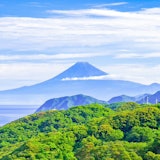

[Image1]View from the summit of Mt. EboshiFrom the summit of Mt. Eboshi, at an elevation of 162 m, you can t

View from the summit of Mt. Eboshi
From the summit of Mt. Eboshi, at an elevation of 162 m, you can take in sweeping views of the coastline formed by submarine volcanic deposits, including Mt. Eboshi and Senganmon, as well as the beautiful shores of Kumomi, Iwaji, and Dogashima.
The area is a trove of rare deep-sea life, including the giant spider crab (takaashigani).
Before you lies Suruga Bay, where the Philippine Sea Plate subducts beneath the Honshu plate; its deepest point reaches about 2,500 m, making it Japan’s deepest bay.
The area is a trove of rare deep-sea life, including the giant spider crab (takaashigani).

This text has been automatically translated.
Show original text Hide original text
Next social media post
Sep. 14, 2024
This Trowel Monument was built as a facility to enshrine the trowel, the soul of master plasterers, with the Japan Federation of Plasterers’ Associations serving as the sponsoring organization. It was completed in November 2005. The building is a cylindrical structure 5.5 m high and 3.4 m in diameter. Under the design and technical direction of Katsumi Kimoto (construction committee chair), craftsmen adhered to traditional plastering techniques, concentrating the finest plastering skills on both the interior and exterior. The work was carried out mainly by plastering artisans from the Kanagawa Prefecture Plasterers’ Association together with plasterers from Matsuzaki Town. The exterior walls feature namako-style tiling, the entire façade is finished with an arare (seigaiha) exposed-aggregate wash, and the ceiling—centered by a phoenix motif—is crafted using seven-treasure star gypsum molds. Masterful shikkui (plaster) trowel paintings depict dragons and tigers, peony blossoms, and flocks of cranes in flight. The characters reading “Trowel Monument” displayed on the front were brushstroked by then-Prime Minister Junichiro Koizumi. This nationwide-scale Trowel Monument is unique in Japan, and there is no other monument of this kind constructed by plastering work. Housed inside the shrine is a 60 cm-long “Mitama Trowel,” the only black-forged trowel in Japan, forged and dedicated by a trowel smith specifically for this monument.