-
Article
-
Travel
-
Wakayama
-
Season
-
Tag
Articles
-
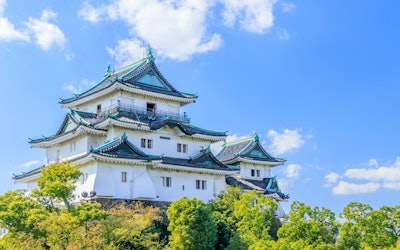 Video article 6:05
Wakayama Castle - Experience History, Hospitality, and Culture
Travel Art & Architecture History- 113 plays
- YouTube
Wakayama Castle - One of the Top 100 Japanese Castles This video, titled "[Wakayama - Japan's Top 100 Castles] Residence of the Kishu Tokugawa Family" (【和歌山/日本100名城】紀州和歌山城/紀州徳川家五十五万石の居城 - Wakayama Castle in WAKAYAMA, JAPAN -), was uploaded by "Channel WASABI," a channel that introduces beautiful scenery and famous travel destinations. The video introduces Wakayama Castle, located in Wakayama City, Wakayama Prefecture, in Japan's Kansai Region. The history of Wakayama Castle dates back to 1619 when Tokugawa Yorinobu, the tenth son of Tokugawa Ieyasu, entered Wakayama Castle and established the Kishu Tokugawa family. The castle later became the residence of the Kishu Tokugawa family of the Kishu domain (present day Wakayama and southern Mie), one of the three Tokugawa families. In this video, you can enjoy the charm of Wakayama Castle and its long history. The Charm of the Wakayama Castle's Keep Structure! Photo:Wakayama Castle, Wakayama Prefecture Wakayama Castle is one of the rare castles in Japan that has what is called a "coalition type" castle tower that features a main keep, a smaller, secondary keep, and turrets lining its walls. In addition to Wakayama Castle, Himeji Castle and Matsuyama Castle are the only other surviving castle towers built in this style. You can see the castle tower at 2:37 in the video. Wakayama Castle was used for a long time as the residence of the Kishu Tokugawa family of former Kishu domain, but the castle tower and other buildings were destroyed by fire during the Wakayama Air Raid in 1945. After the war, the castle was rebuilt with a series of towers and other structures, and is now selected as one of the Top 100 Castles in Japan. Furthermore, from the Wakayama Castle tower on top of Mt. Torafusu, you can enjoy a 360-degree view of Wakayama City. The powerful earthen mounds and stone walls, and the majestic castle tower are a must-see. Nishinomaru Garden and Okaguchi Gate - Scenic Spots and Important Cultural Properties! Photo:Nishinomaru Garden, Wakayama Castle, Wakayama Prefecture Wakayama Castle's Nishinomaru Garden was created as a place for the feudal lords to enjoy the elegance of the past. In Nishinomaru Garden, you can see the historical scenery and feel the history of Wakayama Castle. The Nishinomaru site is also a large open space where you can enjoy cherry blossom viewing in spring. There is also an Important Cultural Property called Okaguchi Gate at Wakayama Castle. Originally, the large and small keeps were designated as Important Cultural Properties, but they were destroyed by fire in the 1945 Wakayama Air Raid. Today, only Okaguchi Gate remains as an Important Cultural Property. Relaxing in Wakayama Castle's Tea Room In Wakayama, the castle keep is called "Otenshu" or "Otensu." There are Otenshu teahouses around Wakayama Castle, where staff dressed as lords and princesses or as samurai offer hospitality to visitors. Enjoy an Exciting Time at Wakayama Castle! Photo:Wakayama Castle, Wakayama Prefecture It's one thing to immerse yourself in the historical sites and enjoy the atmosphere at Wakayama Castle. However, Wakayama Castle offers a variety of entertainment for all types of people to enjoy. From around late March to early April, the castle tower is lit up and many people come to see the beautifully illuminated Wakayama Castle. Then, there's "Omotenashi Ninja," another popular event. The Omotenashi Ninja lurk inside Wakayama Castle Park and guide tourists around and even take pictures for them. Visitors can also enjoy a costume experience by dressing up in historical clothing. Wakayama Castle - Entrance Fees and Access Photo:Wakayama Castle, Wakayama Prefecture The admission fee to the Wakayama Castle tower is 410 yen for adults and 200 yen for children (elementary and junior high school students), making it a great place for families to visit. Wakayama Castle is a 10-minute walk from Nankai Wakayama Station. It also about 15 minutes from the Wakayama Interchange on the Hanwa Expressway by car. There are many parking lots in the area, so you can enjoy Wakayama Castle in a relaxed atmosphere. Furthermore, there is space around the area to enjoy lunch or have a picnic in the park, making it an all-day destination. Furthermore, there is space around the area to enjoy lunch or have a picnic in the park, making it an all-day destination. The guidebook introducing the Kii area includes a map of the area, as well as the Kii Mirokuji San Castle Ruins, Ohashi Roka, and the Wakayama History Museum. In addition, there's Wakayama Castle Park Zoo and Wakayama Castle Hall, which are designed to keep even small children entertained. Summary of Wakayama Castle, One of Japan's Top 100 Castles Wakayama Castle is the symbol of Wakayama City in Wakayama Prefecture. Wakayama Castle has grown bigger and bigger since 1619 when Tokugawa Yorinobu became the lord of the castle. It has also become one of the most famous castles in Japan due to its rare "coalition type" castle tower. Experience the history of Wakayama and the grandeur of Wakayama Castle in this 6-minute video! 【TripAdvisor】Wakayama Castle https://www.tripadvisor.com/Attraction_Review-g298204-d1385117-Reviews-Wakayama_Castle-Wakayama_Wakayama_Prefecture_Kinki.html -
 Video article 3:00
Senninburo – The Largest Hot Spring in Japan in Wakayama Prefecture! The Winter-Only Open-Air Baths, Loved by Hot Spring Enthusiasts, Are Extremely Rare!
Travel- 189 plays
- YouTube
Senninburo Introductory Video This three-minute long video, titled "River Hot Spring, Senninburo【4K】Relax in the Outdoor Hot Spring as the Hanging Lanterns by the River Illuminate the Rising Steam" (川湯温泉 仙人風呂【4K】灯籠が湯煙を照らす川辺の大露天風呂), was released by "eo official" and introduces the river hot spring, Senninburo. Hot springs, known as "onsen" in Japanese, are an important part of Japanese culture. There are hot springs situated all over Japan which are visited by many tourists year after year. In this article, we'll introduce a river hot spring in Wakayama prefecture (和歌山県) located in the Kansai region (関西地方) of Japan. Senninnburo in Wakayama Prefecture - Japan's Largest Outdoor Hot Spring in Japan! Source :YouTube screenshot Voice actor Toshihiro Shigetsuka (重塚利弘) is the narrator of this video introducing the river hot spring, Senninburo. From 1:14 in the video, you can see the steam rise from the hot springs as the light from the hanging lanterns illuminates it, creating a magical scene. Every lantern is handmade and painted with different characters and pictures. At 0:20 in the video, you can catch a glimpse of the beautiful natural scenery of the hot spring, which is surrounded by mountains. What Kind of Hot Spring Is Senninburo? Photo:Wakayama Prefecture, Senninburo steam Senninburo is a river hot spring in Hongu, Tanabe, in Wakayama prefecture (和歌山県田辺市本宮町). It measures 40 meters in length, 15 meters in width, and is around 60 cm deep, making it the largest outdoor hot spring in Japan. You can view the hot spring in its entirety from 0:41 in the video. Hot water, which can reach more than 70℃, rises from the river bed mixing with the clear water of the Oto River (大塔川) which helps to control the temperature, making the river comfortable to bathe in. During the day you can enjoy the view of the surrounding mountains and at night you can relax while gazing at the starry sky. Every Saturday evening from 8 pm to 10 pm, the hanging lanterns that line the sides of the river illuminate the rising steam, making it a great time to visit the hot spring. The hot spring quality is classified as an "alkaline simple hot spring." Bathing in such a hot spring is thought to be beneficial for people suffering from gastroenteritis, diabetes, gout, and nerve pain. Please be aware that unlike other hot springs in Japan, you must wear a bathing suit and bring a towel with you. Recommended Spots Around Senninburo Photo:Kumano Kodo, mysterious light There are several tourist spots in the area surrounding Senninburo. The following are three of the most popular: ・Oyunohara (大斎原) ・Kumano Kodo (熊野古道) ・Wakayama World Heritage Center (和歌山県世界遺産センター) Oyunohara is a shrine located deep in the forests of Kumano. It's famous for being one of the top power spots in Japan. Kumano Kodo is a popular sightseeing spot which is registered as a UNESCO World Heritage Site. It features several hiking courses that are ideal for outdoors enthusiasts. Wakayama World Heritage Center is involved in the conservation and promotion of World Heritage Sites. It is a place where you can also learn more about the Kumano faith (熊野信仰). Senninburo Summary Source :YouTube screenshot Many people visit the river hot spring Senninburo in search of relaxation. We highly recommend visiting Senninburo on your trip to Wakayama prefecture! Opening times are 6 am to 11 pm and entry is free of charge. Entry is however limited to the winter season only, and the hot spring is closed from March to October. There are several hotels and ryokan in the surrounding area which you can book online prior to your visit. There are also many tourist spots nearby you can enjoy during your stay! We hope you make the most of your trip to Wakayama prefecture! 【Official Website】Senninburo – Kumano Hongu Tourist Association (熊野本宮観光協会) https://www.hongu.jp/en/ 【Tripadvisor】Senninburo https://www.tripadvisor.com/Attraction_Review-g1023661-d5606177-Reviews-Senninburo-Tanabe_Wakayama_Prefecture_Kinki.html -
Video article 6:22
Wakayama Prefecture - A Heavenly World Surrounded by Mystical Healing Power Spots. Go On a Spectacular Sightseeing Trip to the World Heritage Site of Koyasan, A Sacred Site of Japanese Buddhism With 1,200 Years of History!
Travel- 136 plays
- YouTube
Koyasan - A World Heritage Site in Wakayama Prefecture This video, titled "[4K]高野山 KOYASAN temple JAPAN (World heritage)高野山観光 voyage viaggio KOYASAN Goma fire ritual 密教 世界遺産," was released by "Discover Nippon." It's a promotional video of Koyasan, a world heritage site in Wakayama prefecture in Japan's Kansai region. Koyasan is an ascetic school for Shingon Esoteric Buddhism that was opened by Kobo Daishi Kukai in Wakayama prefecture approximately 1,200 years ago. Explore the charms of Koyasan a power spot in Wakayama prefecture said to bring good fortune. Koyasan - A Sightseeing Destination in Wakayama Prefecture With 1,200 Years of History Photo:Kongobuji Temple, Koyasan The area around Koyasan in Wakayama Prefecture is a famous place revered as a sacred place for Japanese Buddhism along with Hieizan Enryakuji Temple located in Shiga, Kyoto. Kobo Daishi, the founder of the Shingon sect, built Koyasan in Wakayama in 816, more than 1,200 years ago. Kongobuji Temple, the head temple of the Koyasan Shingon sect, is a historic religious city with more than 100 temples. You can see Kongobuji Temple illuminated by lights after sunset at 5:57 in the video. In 2015, a commemorative service celebrating the 1200th anniversary of the founding of Koyasan was held. Sightseeing On Koyasan Photo:Danjo Temple There are many scenic tourist spots in the Koyasan area surrounded by nature. At the entrance to Koyasan, there is a bright, red-painted gate called Daimon Gate. Danjo Garan, located just beyond Daimon Gate, is the main hall where the main Buddhist services of Koyasan are held. On the approach to the inner temple, there are graves of famous Sengoku warlords, such as Nobunaga Oda, Takeda Shingen, the father and son graves of Takeda Katsuyori, Akechi Mitsuhide, Ishida Mitsunari, and the Toyotomi clan. An Enjoyable Sightseeing Trip to Koyasan Photo:Kongobuji Temple, Koyasan We highly recommend visiting the temples and taking in the beautiful scenery. You can find beautiful views at the temples during spring when the cherry blossoms are in bloom, and in the fall when the autumn leaves have changed to brilliant shades of red and orange. The weather is good in both spring and autumn, so you can enjoy sightseeing around all of the lesser-known spots of Koyasan as well. The precincts are quite large, so we recommend sightseeing by car if possible. Many people visit the temples of Koyasan and receive shuin stamps to commemorate their visit. Be sure to purchase popular souvenirs, such as the incense of Koyasan Daishido (高野山大師堂) and Mirokuishi steamed buns from Kasakuni (みろく石本舗かさ國). Summary of Koyasan, a Sacred Place For Buddhism in Wakayama Prefecture Photo:The Lotus Pond at Danjo Garan, Koyasan Koyasan, which was an ascetic school of Buddhism with a long history, has several shukubo (temple lodgings). You can always book a hotel in Wakayama prefecture for sightseeing on Koyasan, but if you want to try the invaluable experience of staying at a temple, we definitely recommend staying at a shukubo. ◆Koyasan Overview Information ◆ 【Address】Kongobuji Temple|132 Koyasan, Koya, Ito District, Wakayama 648-0294 【Access】 ・Train:Nankai Koya Line: Get off at Gokurakubashi Station, take the Nankai Koyasan Cable and walk from Koyasan Station. ・Car:About 2 hours from central Osaka. Nearest highway exits: Wakayama IC (和歌山IC) on the Hanwa Expressway (阪和自動車道) and Habikino IC (羽曳野IC) on the Minami-Hanna Expressway (南阪奈道路) 【Admission Fee】Kongobuji Temple|General:¥500, Elementary School Students:¥200 (※As of December 2019) 【Hours】Kongobuji Temple|8:30 - 17:00 【Closures】No Holidays 【Parking】There are many parking lots nearby, however, it can be very busy on the weekends so please keep this in mind. 【Telephone】Kongobuji Temple|0736-56-2011 【Official Website】Koyasan Shingon Sect Sohonzan Kongobuji Temple https://www.koyasan.or.jp/en/ 【Tripadvisor】Koyasan https://www.tripadvisor.com/Attraction_Review-g1121341-d1028543-Reviews-Mt_Koya-Koya_cho_Ito_gun_Wakayama_Prefecture_Kinki.html -
Video article 2:35
The Beautiful Landscape of Kumano Kodo, A World Heritage Site in Wakayama Prefecture. This Historic Power Spot Is Full of Stone Steps and Sacred Waterfalls, Perfect for Your Instagram!
Travel- 1.47K plays
- YouTube
The World Heritage Site, Kumano Kodo This video, titled "[4K] A World Heritage Site with Scenic Landscape: Kumano Kodo" ([4K] 世界遺産 絶景 熊野古道), is a sightseeing PR video that captures the breathtaking scenery of Kumano Kodo, a UNESCO World Heritage Site in Wakayama Prefecture (和歌山県, Wakayama-ken). Sacred Sites and Pilgrimage Routes in the Kii Mountain Range, a World Heritage Site, includes Yoshino Omine, Kumano Sanzan, and the Sacred Sites and Pilgrimage Routes of Koyasan (Mt. Koya). Among them, the route from Kumano Sanzan's Daimonzaka (大門坂, Daimonzaka), to Nachi Falls (那智の滝, Nachinotaki) is one of the most popular tourist routes, where you can enjoy the cultural scenery. It takes about 15 minutes to get to Daimonzaka by car from Nachi Station on the JR Kii Main Line (紀伊本線, Kiihonsen). This video captures the route from Daimonzaka to Nachi Falls in beautiful 4K footage. Enjoy the natural beauty and sacred temples and shrines in the video. Kumano Kodo- A World Heritage Site Source :YouTube screenshot Kumano Pilgrimage Routes (熊野参詣道, Kumano Sankeido) is an umbrella term for Nakahechi Route (中辺路, Nakahechi) which runs from Tanabe to Kumano Hongu Taisha Shrine (熊野本宮, Kumanohongu), Ohechi Route (大辺路, Ohechi) which runs along the coast to Nachi Shingu (那智新宮, Nachishingu) along the coastline, and Kohechi Route (小辺路, Kohechi) which runs from Koyasan to Kumano Hongu Taisha. In addition, the Kii Route (紀伊路, Kiiji), accessible from the Kii area, the Ise Route (伊勢路, Iseji), accessible from Ise, and the Omine Okugakemichi Route (大峯奥駈道, Omineokugakemichi), which leads from Yoshino Omine in Nara to Kumano Hongu Taisha Shrine, are some of the historical hidden gems in the area. Kumano Kodo is known as a historical power spot that has been used by many people since ancient times. If you’re planning on visiting Kumano Kodo, we also recommend getting a Kumano Kodo Stamp Book (熊野古道押印帳, Kumano Kodo Oincho) to gather seals. A Pilgrimage to the Historical Kumano Kodo! ©T-KIMURA Modifying The natural trails of Kumano Kodo are paved with cobblestones. Make your way through the historical cobblestone trail and through the torii gates to make the pilgrimage to Kumano Hongu Taisha Shrine and Kumano Nachi Shrine (熊野那智大社, Kumanonachitaisha), introduced at 1:23 in the video. At 2:00, you can see the breathtaking sight of Nachi Falls. Located at Hiro Shrine (飛瀧神社, Hirojinja), an associated shrine of Kumano Nachi Shrine, and is one of the three most famous waterfalls in Japan. The solemn waterfall, which is considered to be a sacred object of worship, is so beautiful that you can't help but lose track of time as you gaze at it. Other Sightseeing Spots Around Kumano Kodo Photo:Kamikura Shrine There are many more sightseeing spots around Kumano Kodo! There's the former site of Kumano Hongu-taisha, which was moved to its present location in 1889, called Oyu no hara Kumano Hayatama Shrine (熊野速玉大社, Kumanohayatamataisha), where Kumano Hayatama no Okami (熊野速玉大神, Kumanohayatamanookami) and Kumano Fusumi no Okami (熊野夫須美大神, Kumanofusuminookami) are enshrined, Kamikura Shrine (神倉神社, Kamikurajinja), a shrine with a huge rock called "Gotobiki Boulder" as its deity atop the 500 stone steps, Seiganto Temple (青岸渡寺, Seigantoji), Tamaki Shrine (玉置神社, Tamakijinja), Doro Gorge (瀞峡, Dorokyo), which is a huge valley inside Yoshino Kumano National Park (吉野熊野国立公園, Yoshinokumanokokuritsukoen), Tanise Suspension Bridge (谷瀬の吊り橋, Tanisenotsuribashi), Yunomine Hot Springs (湯の峰温泉, Yunomineonsen), Kawayu Hot Springs (川湯温泉, Kawayuonsen), and many others. You may want to consider visiting Kumano Kodo in conjunction with festivals and events such as the annual Kumano Hongu Taisha Shrine Festival (熊野本宮大社例大祭, Kumanohongutaisha Reidaisai), Funatama Shrine Festival (船玉神社祭, Funatamajinjasai), the Yata Fire Festival (八咫の火祭り, Yatanohimatsuri), and more. There are also restaurants, cafes and eateries aroundKumano Kodo to help you relax after a long journey. Summary of Kumano Kodo Photo:Kumano Kodo in Fall We hope that this video and article has inspired you to visit Kumano Kodo, a historic and famous tourist attraction. There are many Instagrammable views, so take the time to take in the sights. The Kumano Kodo pilgrimage route includes steep slopes such as Koyazaka (高野坂, Koyazaka) and Tomitazaka (富田坂, Tomitazaka), so wear clothes that are easy to get around in. After the pilgrimage, we recommend that you take a refreshing dip in a hot spring, such as at "Boukido" in the Nachi Katsura area. Some travel agencies offer Kumano Kodo walking tour plans, so if it's your first time visiting, consider giving it a try. Be sure to watch the video to see the beautiful views of the Kumano Kodo! 【Official Website】Kumano Kodo|Kumano Hongu Taisha Shrine Tourism Association https://www.hongu.jp/en/ 【Tripadvisor】Kumano Kodo https://www.tripadvisor.com/Attraction_Review-g1023661-d7902795-Reviews-Kumano_Kodo_Pilgrimage_Routes-Tanabe_Wakayama_Prefecture_Kinki.html -
Video article 18:16
Kansai Plum Blossom Guide: 8 Must-See Spots in Hyogo, Wakayama, Nara, Kyoto, and Mie Best Viewing Seasons and Highlights
Nature Travel- 34 plays
- YouTube
Hyogo, Wakayama, Nara, Kyoto, and Mie|8 Must-See Plum Blossom Spots in Kansai and Nearby Sightseeing Ideas. The flower that signals the arrival of spring earlier than any other is the plum blossom. It begins blooming a little ahead of cherry blossoms, and with its soft, drifting fragrance and red-and-white hues, it lets you feel the very moment when the season turns. In this article, we focus on eight plum blossom spots in Hyogo, Wakayama, Nara, Kyoto, and Mie featured in a YouTube video. We explain each site’s highlights, origins, and unique characteristics in detail, and we also introduce nearby attractions worth adding to your itinerary. Where Did Plum Blossom Viewing Begin? Was It Really the Star Before Cherry Blossoms? Photo: Plum blossoms Today, “hanami” usually means cherry blossom viewing. However, during the Nara period, the true “star flower” was the plum blossom. In the Manyoshu, poems that include the character for “plum” are said to outnumber those mentioning “cherry blossoms,” showing how deeply people of the time were moved by plums.There is also a record that in Tenpyo 2 (730), a “Plum Blossom Banquet” was held in Dazaifu, where attendees composed poems inspired by plum blossoms.Back then, plum blossoms were not so much a flower that had long been part of Japan, but rather a new and admired flower introduced from China. As time went on, flower viewing as a leisure activity shifted its focus to cherry blossoms, while plums continued to be cherished for their fragrance, association with learning, and auspicious symbolism.With their red-and-white colors symbolizing good fortune, and their ability to bloom after enduring winter, plum blossoms have blended naturally into everyday life as a lucky motif.They are dazzling at full bloom, and when the petals begin to fall, there are moments that can even evoke the swirl of falling cherry blossoms. Plum blossoms feel like flowers that quietly show us the entrance to spring. When Is the Best Time to See Plum Blossoms in Kansai? A Quick Guide to Bloom Timing Broadly speaking, the plum blossom season in Kansai runs from late January to late March.That said, even within Kansai, the timing can shift easily depending on coastal versus inland areas, mountain valleys, and elevation, so the peak period can be tricky to predict. A Simple Guide From First Bloom to Peak Season Wakayama (Minabe): Easy to plan for early in the season. The grove typically opens from late January, with peak viewing around mid-February.Kyoto (city areas): From February through March. The Tenmangu Shrine Plum Blossom Festival (late February) is also a seasonal cue.Nara (Tsukigase and Gojo): Mainly mid-February through March. Tsukigase spreads across a gorge with around 10,000 trees.Hyogo (Kobe and the foothills of Mt. Rokko): In some years the plum blossom season doesn't really take off until March. The Hokura Plum Grove is usually at its best from the middle of March.Mie (Inabe and Suzuka): Late February through March. Suzuka no Mori Garden is especially known for its nighttime atmosphere. 1. Hokura Plum Grove (Kobe, Hyogo)|A “Reward” of Plum Blossoms Overlooking the City and Sea Photo: Hokura Plum Grove, Kobe, Hyogo You can see the scene at Hokura Plum Grove (00:45).Hokura Plum Grove was created in 1975 on Mt. Hokura in Higashinada Ward, Kobe, out of a desire to bring back the former Okamoto plum groves. With about 100 white and red plum trees, its biggest draw is the view framed by the cityscape and the sea.The highlight is the moment when the view suddenly opens up after the climb. The fragrance seems to bring spring ahead of time, and even the slope beneath your feet becomes part of a “small journey.” Many visitors enjoy a quiet walk rather than a picnic-style party, but on popular days it can feel a bit like people are claiming spots. Comfortable walking shoes are a good idea. Nearby attractions (Kobe, Hyogo) After visiting Hokura Plum Grove, stopping by the nearby Hokura Shrine before heading back down the mountain is a natural next step. Okamoto Plum Grove Park has around 200 trees and a wide variety of cultivars. It is close to the station and great for “plum-hopping.” After descending, taking a café break or strolling around the Hankyu Okamoto Station area is a pleasant way to settle into the afterglow of your hike. If you want to add a more classic sightseeing touch, consider visiting the Nada sake breweries, which are easy to reach from Higashinada. You can learn at the visitor facilities and pick out souvenirs as well. Basic information Best season: From mid-March onward (varies by year) Access: About a 40-minute walk from Hankyu “Okamoto Station” (approximate)Admission: Free(transportation and nearby facilities not included) Official website: https://www.city.kobe.lg.jp/b07715/kuyakusho/higashinadaku/shoukai/shoukai/ume.html 2. Minabe Plum Grove (Minabe Town, Wakayama)|A Vast Plum Grove Known as “A Million at a Glance, Fragrance for Ten Miles” Photo: Minabe Plum Grove, Minabe Town, Wakayama You can see the scene at Minabe Plum Grove (02:21).Minabe Plum Grove is one of Japan’s largest, often described as “a million blossoms at a glance, fragrance for ten miles.” As you walk through the aromatic air, it feels like you can hear spring drawing closer. The grove typically opens from late January to early March, with peak viewing around mid-February.Minabe Town is also known as a major plum-producing region, where plums are closely tied not only to tourism but also to everyday life and local work. Here, words like umeboshi and traditional plum processing feel less like a simple local specialty and more like something you can experience as living culture. Nearby attractions (Wakayama) Around Minabe Plum Grove, there are plenty of easy detours where you can experience what it means to be in a plum-producing region. Pairing your walk with shopping for plum products or visiting related facilities helps the scenery linger as “flavor memories,” too. If you have more time, heading toward Shirahama to add a coastal walk with dramatic views, or a day-use soak in Shirahama Onsen, can elevate the trip into a truly satisfying spring getaway. Basic information Location: Banre area, Minabe Town, Hidaka District, Wakayama Prefecture Hours: 8:00–17:00 (during the open season) Admission: Adults 500 yen, elementary and junior high school students 200 yen (approximate) Access: About 5–6 minutes by car from Minabe IC (approximate) Parking: Paid Official website: https://minabebairin.com 3. Ano Plum Grove (Gojo City, Nara)|A Story of 20,000 Trees Inspired by Yoshino Photo: Ano Plum Grove, Gojo City, Nara You can see the scene at Ano Plum Grove (04:09).Ano Plum Grove spreads across the hills of Nishiyoshino, Gojo City, Nara Prefecture, with around 20,000 plum trees.What makes it special is the way the viewing areas are named “Hitome Senbon,” “Mikaeri Senbon,” and “Oku no Senbon,” echoing the famous cherry blossom zones of Mt. Yoshino. You can feel the ambition to create a spring experience with plums that can stand alongside Yoshino’s blossoms.Allow about three hours to explore the area. If you take your time, pausing at viewpoints and breathing in the fragrance rather than rushing, the scenery stays with you long after you leave. Nearby attractions (Nara) One of the best parts of Ano Plum Grove is how you can layer a sense of history onto the plum scenery. If you visit the nearby former Ano Imperial Palace site (Hori Family Residence), you will gain a better sense of this area’s background, which makes the plum landscape even more memorable. On the way back, stopping by Gojo Shinmachi Street to stroll through an Edo-period townscape and take a break with something sweet connects nature and town walking, adding density to your day. Basic information Location: Kitazogi, Nishiyoshino-cho, Gojo City, Nara Prefecture Best season: Late February to early March (approximate) Inquiry: 0747-33-0301 (local) Official website: https://www.city.gojo.lg.jp/soshiki/nishiyoshino/1/2015.html 4. Tsukigase Plum Valley (Nara City, Nara)|A “Spring Panorama” of Gorge, Lake, and 10,000 Trees Photo: Tsukigase Plum Valley, Nara City, Nara You can see the scene at Tsukigase Plum Valley (05:43). Tsukigase Plum Valley is one of Japan’s leading plum blossom destinations, with more than 10,000 trees stretching along the gorge of the Satsukigawa (Nabari River). It was designated a National Scenic Spot in 1922.Peak season is around mid-February through March. The fragrance lingers as if pooling in the gorge, and the scenery seems to loosen and open up the more you walk, a signature charm of Tsukigase.And this is a place that goes beyond being simply “photogenic.” It is said that plum trees were first planted in the precincts of Shinpukuji Temple in the Kamakura period, and the area later drew poets and scholars. That depth of time gives the landscape a quiet sense of presence. Nearby attractions (Nara City, Nara) Because Tsukigase Plum Valley is best enjoyed on foot along the gorge, the perfect nearby plan is one that warms you up and neatly rounds out the day. After your walk, soak and unwind at Ume no Sato Tsukigase Onsen to melt away the chill and the fatigue that tends to build up in this season. If you have extra time, stopping by a nearby roadside station to pick out local foods and souvenirs adds another small pleasure to the trip home.. Basic information Access: About 80 minutes by bus from JR Nara Station or Kintetsu Nara Station (approximate) Best season: Mid-February to March (approximate) Official website: https://www.city.nara.lg.jp/sightseeing/naraharu/112100.html 5. Kitano Tenmangu Shrine (Kyoto City, Kyoto)|Plum Blossoms, Learning, and the Legend of the “Flying Plum” Photo: Plum Garden “Hana no Niwa” at Kitano Tenmangu Shrine, Kyoto You can see the scene at Kitano Tenmangu Shrine (08:13).Kitano Tenmangu Shrine is a Tenmangu shrine associated with Sugawara no Michizane and is affectionately known as “Tenjin-san.” It has a deep connection with plum blossoms, and the plum tree in front of the main hall is said to be a special tree that carries on the plum Michizane loved.Visiting amid the fragrance of plum blossoms offers a calm, centering stillness that goes beyond prayers for academic success.During plum season, many visitors also come to receive goshuin stamps, and the atmosphere on the grounds feels even more like a springtime event. As the opening period, program details, and fees for the plum garden vary by year, it is best to check the official announcement shortly before your visit. Nearby attractions (Kyoto City, Kyoto) The area around Kitano Tenmangu Shrine makes it easy to build a classic “Kyoto highlights” itinerary, even for first-time visitors. After visiting the plum garden and paying your respects, consider heading to Kinkakuji or Ryoanji to experience Kyoto’s iconic scenery and quiet beauty in a single day. If you would rather slow down, stroll around the Kamishichiken and Nishijin neighborhoods. Adding a break for wagashi sweets or a light meal helps keep the day relaxed rather than rushed. Basic information Location: Kamigyo Ward, Kyoto City (Kitano Tenmangu Shrine)Plum garden and program details: Periods and fees vary by year (check official announcements)Official website: https://kitanotenmangu.or.jp/guidance/baien/ 6. Jonangu Shrine (Kyoto City, Kyoto)|A Garden Where Weeping Plums and Camellias Overlap in Spring Photo: Weeping plums and fallen camellias at Jonangu Shrine, Kyoto You can see the scene at Jonangu Shrine (09:51).Jonangu Shrine was founded to the south of Kyoto at the time of the Heian capital’s establishment and has long been revered as a major shrine for protection against misfortune.In spring, it is famous for the “Weeping Plum and Camellia Festival,” where about 150 weeping plum trees and around 400 camellias can be enjoyed at the same time. As the blossoms begin to fall, the “carpet of petals” covering the ground is another highlight.Nighttime cherry blossoms are wonderful, too, but Jonangu feels best enjoyed in daylight, when you can slowly appreciate the textures of the flowers. To avoid crowds, visiting right after opening or on weekdays is generally more comfortable. Nearby attractions (Kyoto City, Kyoto) After Jonangu Shrine, linking your trip to the Fushimi area makes the sightseeing plan easy to organize. Fushimi is known as a sake-brewing district. Combining a stroll through the brewery townscape with museum visits adds cultural depth to a flower-viewing outing. If you have time, Fushimi Inari Taisha is also a great option. With a mix of worship and walking, even a half-day outing can feel well-rounded, with “seeing, walking, and tasting” all covered. Basic information Weeping Plum and Camellia Festival: Feb 18 to Mar 22 (varies by year)Visiting hours: 9:00–16:30 (last admission 16:00)Admission fee: Adults 1,000 yen, elementary school students 600 yen (varies by period and category)Official website: https://www.jonangu.com/shidareume.html 7. Inabe City Plum Grove Park (Inabe City, Mie)|A “Color Patchwork” of Mountains and Plum Blossoms Photo: Inabe City Plum Grove Park, Inabe City, Mie You can see the scene at Inabe City Plum Grove Park (11:45).Inabe City Plum Grove Park is a well-known plum blossom spot located within the Inabe City Agricultural Park in Mie Prefecture. During the plum festival period, an admission fee is charged, and opening hours are generally from 9:00 to 16:00.The sight of colors spreading across the slopes looks especially crisp on clear days, and some visitors may immediately think of great photo opportunities.That said, this feels less like a place made solely for photographs and more like a place to take in the entire landscape from the observation decks. While enjoying sheer scale, like counting cherry trees, can be fun, Inabe’s appeal is how clearly you can see differences in varieties through color, with highlights scattered throughout the park. Nearby attractions (Inabe City, Mie) After Inabe City Plum Grove Park, adding a relaxing detour in the Ageki area can boost overall satisfaction. There are facilities where you can enjoy hot springs, saunas, and meals, which is perfect for the chilly plum blossom season. If you have extra time, a short stroll through Ageki’s shopping streets before heading home is also recommended. It is a pleasant way to soak up “just a little more” local atmosphere at the end of your trip. Basic information Location: 717 Kanae, Fujiwara-cho, Inabe City, Mie PrefectureHours: 9:00–16:00Admission fee: Adults 500 yen (approximate, during the plum festival period)Official event information: Updated as neededOfficial website: https://www.kankomie.or.jp/event/11313 8. Suzuka no Mori Garden (Suzuka City, Mie)|A “Weeping Plum Chandelier” Floating in the Night Photo: Suzuka no Mori Garden, Suzuka City, Mie You can see the scene at Suzuka no Mori Garden (14:27).Suzuka no Mori Garden is a research and cultivation farm for weeping plum trees operated by the Akatsuka Botanical Garden Group. The garden has about 200 notable trees, and it is striking how clearly the purpose of preserving and passing down pruning and training techniques is stated.The signature highlights are the trees known as “Heaven’s Dragon” and “Earth’s Dragon,” estimated to be more than 100 years old. They are especially admired as ancient specimens of Kureha weeping plums.And this is a place where nighttime can be the main event. During the illumination period, the garden stays open until 20:30 (last admission 20:00), and watching the blossoms glow against the darkness creates a fantastical atmosphere distinct from nighttime cherry blossoms.Dress warmly. On windy days, it can feel much colder than you might expect. Nearby attractions (Mie Prefecture) One of the best things about Suzuka no Mori Garden is how easy it is to plan nearby sightseeing around your preferred style of trip. If you want to add a quiet, reflective moment, visiting Tsubaki Grand Shrine is a great option, with forest air that helps you reset. For family trips, pairing the outing with Suzuka Circuit makes planning easier by adding a major attraction. If you spend the evening out for the illuminations, ending the day by warming up in the Yunoyama Onsen area leaves a clean, satisfying afterglow. Basic information Location: 151-2 Yamamoto-cho, Suzuka City, Mie Prefecture Open period: Feb 21 to late March (planned, varies by year) Fee: 700–2,000 yen (varies depending on bloom conditions) Access: Approximate travel times available from Kintetsu Yokkaichi Station, JR Yokkaichi Station, Kintetsu Komono Station, and others Official website: https://www.akatsuka.gr.jp/group/suzuka/index.html Conclusion|Plum Blossoms in Kansai Become a “Spring Story,” Including the Journey Itself Plum blossom destinations in Kansai each have completely different expressions, even though they all feature the same flower. Overlooking the sea and city (Hokura Plum Grove, Kobe, Hyogo) Enveloped by fragrance on a grand scale (Minabe Plum Grove, Minabe Town, Wakayama) A story inspired by Yoshino (Ano Plum Grove, Gojo City, Nara) Walking through a scenic gorge (Tsukigase Plum Valley, Nara City, Nara) The bond between learning and plums (Kitano Tenmangu Shrine, Kyoto City, Kyoto) Overlapping seasons in a garden (Jonangu Shrine, Kyoto City, Kyoto) A mountain panorama of colors (Inabe City Plum Grove Park, Inabe City, Mie) A fantasy that comes alive at night (Suzuka no Mori Garden, Suzuka City, Mie) For travel planning, Kyoto is easy to organize as day trips centered on temples and shrines, while in Nara, the time spent walking itself adds to the satisfaction of the journey. In Mie, combining a car or tour makes travel much more comfortable, and the flexibility to change destinations depending on fees and bloom conditions is a major advantage.Lastly, because flowering forecasts can fluctuate from place to place, checking official bloom updates once before departure will help you travel with peace of mind. .caption-heading-2 { font-weight: bold; font-size: 1.7rem; margin-bottom: 15px; max-width: 800px; margin-left: auto; margin-right: auto; margin-top: 60px; } .mod-article-caption .caption-text { margin-bottom: 40px; } .caption-information-table { background-color: #efefef; margin-top: -20px; margin-bottom: 50px; padding: 20px; border-radius: 8px; width: 90%; margin-left: auto; margin-right: auto; } .caption-information-table.blue { background-color: #fffaef; } .caption-information-table .title { font-weight: bold; font-size: 1.7rem; } @media screen and (max-width: 1024px) { .caption-information-table { width: 95%; padding: 30px 15px 30px 15px; } } .caption-heading-table .caption-text li { line-height: 2.5rem; margin-top: 1.3rem; } .mod-article-caption .caption-heading { position: relative; border-left: 5px solid #ff1300; padding-left: 10px; margin-top: 60px; } .mod-article-caption .caption-text { margin-bottom: 50px; } .mod-article-caption .caption-heading-table { width: 95%; padding: 30px 15px 1px 15px; margin-left: auto; margin-right: auto; } .caption-heading-table ul{ counter-reset: listnum; /* カウンターをリセット */ list-style: none; /* 標準のスタイルは消す */ font-size: 1.5rem !important; margin-bottom: 15px; } .caption-heading-table ul.list-style-number-jp>li{ margin-left: 1.1em; text-indent: -1.1em; font-weight: bold; } .caption-heading-table ul.list-style-number-jp>li::before{ counter-increment: listnum; /* counter-resetと同じ文字列 */ content: counter(listnum); /* カウントした数に応じて番号を表示 */ content: counter(listnum) ". "; } /*.list-style-dot { list-style: "↓"; }*/ .list-style-dot>li::before{ content:"↓ "; } .list-style-dot>li { padding-left: 1.8rem; margin-left: 1.1em; text-indent: -1.1em; line-height: 2rem !important; margin-top: 1rem !important; } .separation_line { border-width: 0 0 8px; border-style: solid; border-image: url('data:image/svg+xml,') 0 0 100% repeat; width: 216px; margin:auto; margin-bottom: 50px; } .line-height-text { line-height: 3.7rem !important; } .readMoreContainer { position: relative; height: auto; max-height: 300px; overflow: hidden; transition: max-height 0.6s; } .readMoreContainer::after { content: ""; position: absolute; top: 0; left: 0; z-index: 0; display: block; width: 100%; height: 100%; transition: 1s; background: linear-gradient(to bottom, transparent 40%, #efefef 100%); pointer-events: none; } .readMoreContainer.show:after { z-index: -1; opacity: 0; } .readMoreBtn { display: block; margin: 0 auto; padding: 8px 40px; border: 0; color: #ffffff; background-color: #ff1300; cursor: pointer; border-radius: 5px; margin-bottom: 20px; } .readMoreBtn:hover { opacity:0.7; } -
Video article 6:02
Yuihin, the Cute Giant Panda at Wakayama's Adventure World, Japan's Largest Breeder of Giant Pandas! A Look at the Endangered Giant Panda's Eating Habits and Little-Known Facts!
Living Things Travel Things to Do- 76 plays
- YouTube
Giant Panda's at Adventure World – Check It Out in the Video! This video, titled "[Yuihin] Introducing a Panda at Adventure World (Saihin's Sister)" (【結浜(ゆいひん)】アドベンチャーワールドのパンダを紹介(彩浜のお姉さん)), was uploaded by "Orange Animal Channel" (オレンジ動物チャンネル). It introduces Yuihin, a giant panda at Adventure World in Wakayama Prefecture, as well as her eating habits and more. The giant panda is popular among visitors to the theme park for its cute appearance. In Japan, they can only be seen at Ueno Zoo in Tokyo, Adventure World, and Kobe Oji Zoo in Kobe. When the babies are exhibited for the first time to the public, many people gather to see the cute and cuddly not-yet-giant pandas. Photo:A giant panda Featured in the video is Yuihin, a giant panda at Adventure World. Yuihin is a female giant panda born at Adventure World on September 18, 2016, and her name (結浜: 結 (Yui), meaning "connect") reflects her wish to "connect" the past and future, and to create a future that "connects" the various values of people around the world. Hin (浜 (also read as "hama"), meaning "shores"/"beach"), on the other hand, is taken from Shirahama, where Adventure World is located, and all giant pandas born at Adventure World have "浜" (hin) in their names. Yuihin's mother is "Rauhin" (良浜) and her father is "Eimei" (永明). In the video, it's explained that there are 8 brothers and sisters with the same parents (9 total if you include Yuihin), but after the video was made in 2019, "Fuhin" (楓浜) was born on November 22, 2020, so there are now a total of 10 siblings. Of the siblings, the four twins and Yuhin (優浜) (not to be mistaken for Yuihin (結浜)) have returned to China, so the females currently living at Adventure World are Ouhin (桜浜), Tohin (桃浜), Saihin (彩浜), Fuhin (楓浜), and Yuihin (結浜). The distinctive characteristic of Yuihin is the cowlick on top of her head, which is one of the things that makes her so cute. She is also very curious and tomboyish. You can see the introduction of Yuihin from 0:23 in the video. Eating Habits of the Giant Panda Shown in the Video Photo:A bamboo forest Giant pandas are known to eat mainly bamboo and bamboo grass. Although they are thought to be herbivorous animals, they are actually "omnivores" in the Carnivora order and Ursidae family. However, even in the wild, they eat very little meat, if any, primarily consuming bamboo and bamboo leaves from bamboo forests. The length of the giant panda's intestines is not as long as those of herbivores, and is closer to that of carnivorous animals. The reason they eat so little meat is thought to be due to the living environment of the giant panda. It is believed that giant pandas, whose habitat is deep in the mountains of China to avoid competition from outside forces, have come to eat bamboo and bamboo grass, which can be obtained stably even in winter, regardless of weather conditions. For that reason, they do not hibernate in winter as they have food available. Giant pandas, also known as simply "pandas," have a head and body length of 120-150 centimeters, with males weighing 100 kilograms and females 90 kilograms. Standing, the giant panda is approximately 170 centimeters tall. Giant pandas eat an average of 15 kg of bamboo and bamboo grass per day, so it costs a lot of money to secure a stable supply of food. In addition, since they are on loan from China, there are also rental fees, making it very expensive to raise them. Giant Pandas Facing Becoming an Endangered Species Photo:Giant pandas The giant panda is a mammal that is facing possible endangerment. Although the Washington Convention and the Chinese government are working to protect them, the population of giant pandas in the wild is estimated to be only about 1,600 worldwide. Adventure World is conducting breeding research using a "breeding loan program" to breed giant pandas, which are on the brink of becoming an endangered species. Currently, there are seven pandas living at Adventure World, making it the zoo with the largest number of pandas in Japan. Summary of Giant Panda's at Adventure World Photo:Adventure World, Wakayama Prefecture In this article, we introduced the giant panda, an animal popular for its large head and cute appearance. The video captures Yuihin eating her tasty bamboo grass. We hope you enjoy the video of the very cute giant panda Yuihin at Adventure World. 【Official Website】Adventure World https://www.aws-s.com/en/ 【TripAdvisor】Adventure World https://www.tripadvisor.com/Attraction_Review-g1121351-d1013894-Reviews-Adventure_World-Shirahama_cho_Nishimuro_gun_Wakayama_Prefecture_Kinki.html -
Video article 3:06
A Christmas Event in Wakayama Marina City – Beautiful Illuminations and a Fantastic Atmosphere!
Festivals & Events Travel Things to Do- 93 plays
- YouTube
Festa Luce 2022 – The Lighting Ceremony at Wakayama Marina City: Video Introduction This video, titled "Festa Luce in Wakayama Marina City 2022 Lighting Ceremony DIGEST" (フェスタ・ルーチェin和歌山マリーナシティ2022点灯式DIGEST), was uploaded by "festa luce." The video introduces the lighting ceremony and event venue for the illumination event "Festa Luce" held on November 3, 2022 at Wakayama Marina City. The venue is not only beautiful, but is host to a variety of illuminations, and there are plenty of attractions that families and couples can enjoy. Be sure to check out the video to see the venue and see the moment the lights at the illumination are turned on! [Video] 0:51 - Lights Being Turned On for the Illumination Wakayama Marina City – Information About the Venue Where the Illumination Is Held Photo:Wakayama Marina City Wakayama Marina City is an artificial island and city resort, that is located in Wakayama City, Wakayama Prefecture, in Japan's Kansai region. It is conveniently located near an airport as well. It's a popular place for a night out in Japan's Kansai region, especially for those in Osaka. The area is home to Porto Europe, a European townscape, Kuroshio Market, a market popular among tourists, Kishu Kuroshio Onsen, a hot spring and spa, Wakayama Marina City Sea Fishing Park, as well as hotels and other attractions. Highlights of Festa Luce in Wakayama Marina City in 2023 Source :YouTube screenshot Festa Luce, in Wakayama Marina City, a festival of lights held for the first time in 2017, is a very popular event and attracts many visitors every year. During the event period, Wakayama Marina City will be gorgeously lit up with projection mapping and other illuminations. There are many things to see, such as the 16-meter-long Christmas tree towering over the fountain square and the illumination light parade of light and sound! The Castle Projection Mapping, which will be revived after four years, is a must-see. "In 2023, ""Festa Luche Gacha"" will be introduced, where you can make clattering with coins that you can receive with a dwarf admission ticket!"Please try not to forget the shiny goods without losing. There are also hands-on attractions, so visitors can enjoy more than just watching the illuminations. Parents and children, friends, and even couples can have a blast at this exciting event. [Video] 1:01 - A Photogenic Scene at the Illumination Event The illumination starts at 5:00 p.m. If you're sightseeing in the area, consider stopping by and enjoying the magical illuminations! Christmas Market and Sky Lantern, 2 Popular Attractions at Festa Luce A Christmas Market is also held on weekends in November and December. Visitors can enjoy all sorts of delicious food and shopping while watching the illuminations. Don't forget to grab yourself a warm drink while perusing Christmas goods! Events, such as music concerts and street performances, are also held on weekends and liven up the Christmas season. On November 18th, 25th and 9th, the Sky Lantern Festival will be held with 800 lanterns floating in the sky. The lanterns floating in the winter night sky at the European-style venue create a world of pure fantasy. Only 800 lanterns will be available for each date, so be sure to get your hands on one asap! The lanterns soar through the night sky lit up by the illuminations. Be sure to bring a camera, as this is an experience you won't want to forget! Summary of Festa Luce, an Illumination at Wakayama Marina City Photo:Festa Luce at Wakayama Marina City This video was an introduction to the highlights of the illumination lighting ceremony. Please check the following and the official website for information on admission fees, advance tickets, etc. If you have the chance, be sure to visit Wakayama Marina City this winter, where you can experience a magical Christmas event! ◆Festa Luchein Wakayama Marina City 2023◆ Period: November 3, 2023 - February 12, 2024 開催 However, January 1st is closed Saturday, Sunday and Holiday from January 9, 2024 to February 12, 2024 Opening hours: 17:00~21:00 (last admission 20:30) *Saturday of November and December 24 and 25 from 17:00 to 22:00 (last admission 21:30) Admission: Adults 1,800 yen (1,600 yen in advance) 1,000 yen for children (800 yen in advance) Attraction Night Pass: 1,800 yen for adults and children (1,600 yen in advance) 【TripAdvisor】Wakayama Marina City -
Video article 3:47
Wakanoura in Wakayama Prefecture Is One of the Most Beautiful Spots in Japan and Has Even Been Selected As a Japan Heritage! Be Amazed by the Natural Scenery That Even the Greatest Figures in Japanese History Have Written About!
Local PR Travel- 109 plays
- YouTube
Introducing the Charm of Wakanoura in Wakayama City, Wakayama Prefecture This video, titled "Wakayama City Japan Heritage PR Video 'Wakanoura, a Treasure Trove of Spectacular Views,'" was released by "Wakayama City Official Channel" (和歌山市公式チャンネル). Wakanoura is a place with magnificent views and is a general term for scenic places located in the southwestern part of Wakayama City in the northern part of Wakayama Prefecture in Japan's Kansai region. It is a nationally designated scenic spot known for its spectacular views, applied for jointly by Wakayama Prefecture and Kainan City. It was registered with the Agency for Cultural Affairs as a Japanese asset in 2017. The official name is Wakanoura, but since it can be read as "Wakaura" in Kanji, local residents sometimes call it "Wakaura." In this article, we'll introduce Wakanoura alongside the video. Origin of the Name of Wakanoura Photo:Tamatsushima Shrine, Wakayama Prefecture Wakanoura (和歌の浦) was originally spelled "若の浦" (same pronunciation, but different kanji), and when Emperor Shomu came on an imperial visit, Yamabe no Akahito, who accompanied him, wrote in the 919th poem of the Manyoshu Vol.6, "When the tide rolls in at Wakanoura, the mud flats disappear, and the cranes cross to where the reeds grow, all the while singing." Also, according to the Shoku Nihongi, the area was called "Wakanohama" (弱浜), but it is also stated that Emperor Shomu changed it to "Akanoura" (明光浦) because of the beauty of the landscape in the sun. Spectacular Sightseeing Locations in Wakanoura Photo:Tamatsushima Shrine, Wakayama Prefecture 1. Wakanoura Wakanoura, seen from 0:31 in the video, is a scenic spot surrounding Wakanoura Bay in Saikazaki, which centers around the tidal flats that spread out at the mouth of the Waka River and has Kumano Kodo's Fujishirozaka to its south, and the Kii Channel to its west. The beauty of the scenery has been recited in many poems since ancient times, and it has become a place where many cultural arts are nurtured. It was also loved by Toyotomi Hideyoshi and successive feudal lords of Kishu. During the Nara period (710-794 AD), Emperor Shomu was impressed by the scenery changing every moment due to the ebb and flow of the tide, and it's also a famous fact that he ordered the landscape to be preserved for a long time. The sandbar that stretches across the tidal flat of Wakanoura, separating it from the outside world, is called "Katao Nami" after a famous Waka poem. 2. Tamatsushima Shrine In the video from 1:37, you can see Tamatsushima Shrine on Tamatsushima, which sits facing the tidal flats of Waka. The god of Waka is enshrined here and is the object of people's worship. 3. Imoseyama Imoseyama is the first of the six rocky mountains that line Tamatsushima, and can be seen from 1:50 in the video. Yorinobu Tokugawa, the first feudal lord of the Kishu clan, built his legacy on it and built Sandankyo Bridge and Kankaikaku and opened them to the public Photo:Wakanoura Temmangu Shrine, Wakayama Prefecture 4. Wakanoura Tenmangu Shrine Wakanoura Temmangu Shrine, sits atop Mt. Tenjin, which is the innermost part of the cove, and can be seen from 2:12 in the video. Mbr< It enshrines the god of literature as the guardian of Wakanoura. 5. Kishu Toshogu Shrine Next to Temmangu sits Kishu Toshogu Shrine, which enshrines the warlord Tokugawa Ieyasu, the father of Tokugawa Yorinobu. This can be seen at 2:26 in the video. Kishu Toshogu Shrine holds a Waka festival every year on the second Sunday of May, which you can see from 2:46 in the video. It is a distinguished festival with a history dating back approximately 400 years. 6. Takanosu / Saikazaki You can see a view that displays both ruggedness and beauty. It changes with the ebb and flow of the tide, and you'll be able to enjoy a constantly changing view. Summary of Wakanoura in Wakayama City, Wakayama Prefecture Photo:Sunset at Wakanoura, Wakayama Prefecture Wakanoura has majestic and beautiful natural scenery that has also been selected as a Japan Heritage. Many Japanese people and foreign travelers come to visit this place, as it is also a well-known sightseeing location outside of Japan. be sure to book a hotel or ryokan (Japanese inn) when planning your sightseeing or trip. We recommend staying for 1 to 3 days and exploring the area at a leisurely pace. There are hot springs, cafes, and other facilities around the area where you can rest, and also spots where you can enjoy a variety of activities, so you can enjoy sightseeing in whichever way suits you best. 【Official Website】Wakayama City, Wakayama Prefecture City Hall Website http://www.city.wakayama.wakayama.com/shisetsu/simadoguchi/1005300.html 【Official Website】Wakayama City Tourist Association https://www.mysecretwakayama.com/ -
Video article 3:00
Nachikatsuura in Wakayama Prefecture - A Sightseeing Destination Embraced by the Calm Sea! Check Out Kumano Nachi Taisha and Many More Attractive Locations in Nachikatsuura, Where You Can Feel the History of Japan!
Local PR Travel- 119 plays
- YouTube
About Nachikatsuura, Wakayama Prefecture This video is a promotional video titled "[Natchikatsuura Town Tourism Promotional Video] Wakayama Prefecture" (【那智勝浦町観光PR動画】和歌山県), produced by Nachikatsuura, Wakayama. Located in the warm Kansai region of Japan, the area around Nachikatsuura in Wakayama Prefecture is surrounded by some of the best tourist spots for enjoying a casual resort atmosphere on the main island of Japan. Tourists can enjoy satisfying trips to the beautiful sea, as well as to shrines and temples where you can get a taste of Japan's culture. Enjoy the beauty of Nachikatsuura, Wakayama through this article. Be sure to follow along with the video! The Rich Ocean Environment of Nachikatsuura, Wakayama Source :YouTube screenshot Located at the southern end of Honshu, Nachikatsuura, Wakayama has a mild climate throughout the year. A large amount of fish and shellfish are caught at the rich port facing the Pacific Ocean. This includes tuna as well. As Japan’s largest longline fishing port, the town has a lot of restaurants where tourists can eat fresh tuna for lunch, so we definitely recommend grabbing a bite to eat here. Tuna fishing at Katsuura Port is shown in the video at 0:10. The morning market, where visitors can taste fresh seafood, is also organized, and is usually crowded with locals and tourists alike. Another popular attraction is the market tour, where tourists can see tuna up close, guided by the staff of the fish market, in an area that is usually closed off from tourists. The Katsuura Port is five minutes walking from Nachikatsuura Station. Enjoy the Picturesque Ocean View of Nachikatsuura, Wakayama The more than 100 natural hot springs in the Nankikatsuura Onsen street are the best places to relieve yourself of fatigue! Wakayama has many Japanese ryokan where visitors can bathe in hot springs while admiring the ocean view. Bokido Cave (忘帰洞, Bokido) in Kanko Ryokan Hotel Katsuura is a rare spot where the hot spring is said to flow from a natural grotto. There's also hot springs that can be visited on a day pass, so if you're not looking to commit to an overnight stay, consider looking into this. Nankikatsuura Onsen can be seen at 0:57 in the video. Enjoying the scenic beauty of the ocean aboard the Kinomatsushima Sightseeing Boat is another great way to spend your time in Nachikatsuura. Temples and Shrines in Nachikatsuura, Wakayama Photo:Kumano Nachi Taisha Located in Kumano Kodo in Wakayama, Kumano Nachi Taisha is one of Three Shrines of Kumano, as well as a famous historical site, registered as a World Heritage Site, in Japan. You can also hike through Daimon-zaka from Kumano Nachi Taisha to Seigantoji Temple (青岸渡寺, Seigantoji) or Hiro Jinja Shrine (飛龍神社, Hiro Jinja). This can be seen in the video at 2:02. The most dangerous parts of the Kumano Kodo trail are Okumotorigoe and Kokumotorigoe at Nakahechi. The Okumotorigoe trail is an advanced course that will take up the entire day. At Hiro Jinja Shrine, an associated shrine of Kumano Nachi Taisha, tourists can visit the Nachi Falls (the largest falls in Japan) as shown in the video at 1:21. As the waterfalls themselves are worshipped as deities at this spot, the falls attract popularity as one of the most spiritual locations where visitors can be blessed by the rich natural environment. It's also a popular location for instagrammers. Another must-visit secret historical spot is Fudarakusan-ji Temple (補陀洛山寺, Fudarakusanji), on the beach facing Nachi Bay. Event Information for Nachikatsuura, Wakayama! Kumano Nachi Taisha is crowded during the Nachi Fire Festival (Nachi No Ogi Matsuri) held in July. There's also the Nachikatsuura Fireworks Festival held in August. Visiting traditional Japanese summer festivals in Wakayama will make for an unforgettable trip! Summary of Nachikatsuura, Wakayama ©T-KIMURA Modifying As shown in the video, the town of Nachikatsuura in Wakayama Prefecture has an amazing natural view of the sea and many historical temples and shrines. After watching the video I bet you're itching to book your tickets! Access to Nachikatsuura in Wakayama Prefecture is approximately 3.5 to 4 hours by train from both Osaka and Nagoya. Please visit Nachikatsuura in Wakayama – one of Japan's leading resort areas. If you haven't yet, be sure to watch the video to get a better idea of what Nachikatsuura is all about! 【Official Website]】Nachikatsuura Tourism Association https://www.nachikan.jp/en/ -
Video article 2:24
The Encounter of Waves, Brought Together by Two Islands, Is Reminiscent of Long Lost Lovers Being Reunited. Come Check Out the Amazing Scenery at Lover’s Cape in Wakayama Prefecture!
Nature Travel- 380 plays
- YouTube
The Gorgeous "Lover’s Cape" in Wakayama Prefecture! This video, titled "Lover's Cape - Wakayama - 恋人岬," introduces Lover’s Cape, a famous tourist spot in Susami, Wakayama prefecture in Japan's Kansai region. Lover's cape is also included in the "8 Scenic Views of Susami." The fierce waves split after hitting Kuroshima, and the shape and action of the 2 waves hitting each other again is said to be similar to putting one’s hands together in pray, thus, the waves are called "Gassho Nami" (合掌, Gassho, "Putting one's hands together in prayer, 波, Nami "Wave"). You can see the waves coming together at 0:48 in the video. The mysterious waves are called "Meotonami" (夫婦波, Wedded Waves) and the towering rocks are called "Meoto Iwa" (夫婦岩, Wedded Rocks) and has been selected as one of the "66 Waterfront Areas to Be Cherished in Wakayama" for its beautiful view. Because of its romantic name and scenery, it is popular with couples, and as the name "Lover's Cape" implies, many couples visit here. Lover’s Cape, a Popular Tourist Spot in Wakayama Prefecture Source :YouTube screenshot Lover’s Cape, introduced in the video, has 2 main attractions. The first is a cave called "Gama," located on the west side of Kuroshima. Here, you can enjoy scuba diving from March to the end of April and from late June to the end of October. Historically, there is a legend that it contains hidden treasures of the Kumano navy, and many people visit during scuba diving season. The second attraction at Lover's Cape is that between October and January and between April and September, the slopes of Lover's Cape are covered with bougainvillea flowers. You can also enjoy fishing here as well. Lover’s Cape is A 15-minute walk from Mirozu Station or a 15-minute drive from the Susami Interchange on the Kisei Expressway. Free parking is also available, so be sure to take advantage of it if you're going by car. The Waves of Lover's Cape Photo:Wakayama prefecture・Meotonami Lover's Cape consists of two islands one with a large reef and the other with a small reef. The islands are called Oki-no-Kuroshima and Riku-no-Kuroshima respectively. The Karekinada coastline, which was formed by upheaval and erosion of the Kii Peninsula, is famous for the phenomenon known as "Tombolo," where a road is formed between the two islands, and you can enjoy the dynamic ocean with waves on both sides. The entire island of Esuzaki Island in Wakayama Prefecture, where Lover's Cape is located, is a sacred area, and Kuroshima Benzaiten (a Buddhist goddess) is located at the bottom of the cliff at Lover's Cape. The bright red torii gate can be seen at 1:48 in the video as well. The view from Lover’s Cape in Wakayama prefecture Photo:Susami・Sunset from Roadside Station Susami The sunset that can be seen from Lover’s Cape is so gorgeous that it was chosen as one of the Top 100 Sunrise / Sunset Views of Wakayama Prefecture, and many tourists travel to see it. Being that "Meotonami" was selected as one of the "8 Scenic Views of Susami," it's a great place to quietly spend time gazing at the sunset and waves. There is also a restaurant at Lover's Cape called Italian Café BUSH. The interior of the restaurant is modeled in a Mediterranean style and you can enjoy pastas or pizza made with local ingredients. Their business hours are 9:00-18:00 so you can appreciate Wakayama prefecture’s sunset while enjoying a delicious meal at the restaurant. Lover’s Capes Around the World Photo:Izu・Lover's Cape Bell In addition to Lover's Cape in Wakayama Prefecture, there are many other Lover's Capes around the world. At Lover's Cape in Izu City, Shizuoka Prefecture, there's a story about a man who rang a bell when he passed through the cape, and it is said that if you call out the name of your beloved while ringing the bell, your love will be fulfilled. Lover's Cape in Guam is a spot where you can enjoy a spectacular panoramic view of Tumon Bay, which is depicted on the national flag of Guam. It's called "Lover's Cape" because of a story about a couple who pledged their eternal love to each other and jumped into the sea. The Lover’s Cape in Kashiwazaki in Niigata prefecture, is located at the Nihonkai Fisherman’s Cape, and it is a place where you can ring a bell with a heart-shaped plate for good romantic fortune. Summary of Lover’s Cape Source :YouTube screenshot What did you think about Lover's Cape? Lover’s Peak is definitely a place to go to when sightseeing in Wakayama. It has incredible views of nature romantic sunsets as well. Be sure to bring your lover with you when you visit! 【Official Website】Lover’s Cape – Izu City Tourist Information dedicated website http://kanko.city.izu.shizuoka.jp/form1.html?pid=2528 【Trip Advisor】Lover’s Cape https://www.tripadvisor.com/Attraction_Review-g1121354-d8538044-Reviews-Lover_s_Cape-Susami_cho_Nishimuro_gun_Wakayama_Prefecture_Kinki.html -
Video article 1:51
Koyasan, Wakayama Prefecture: A Sacred Place for Japanese Buddhism, With 1200 Years of History! One of Japan's Foremost Power Spots Is a Legendary Place Filled With Temples and Historical Buildings!
Art & Architecture Travel History- 206 plays
- Vimeo
Introducing Koyasan in Wakayama Prefecture This video, titled "聖地|和歌山県高野山 / Sacred place Koyasan, Wakayama" was created by "Hiraku KAWASHIMA." It introduces Koyasan a sacred place for Shingon Esoteric Buddhism, registered as a World Heritage Site. Koyasan is located in Wakayama, in Japan's Kansai region. It is a sacred place for Japanese Buddhism, opened by Kobo Daishi Kukai at the beginning of the Heian period 794 AD - 1185 AD), more than 1200 years ago. In this video, you'll see some of the highlights of Koyasan in just 2 minutes worth of footage. Please enjoy the video and be sure to take notes on whatever interests you as well! Koyasan Photo:Koyasan Danjo Garan Hasuike (Lotus Pond) Koyasan is a region in Koya, Ito District, in the northern part of Wakayama Prefecture. It is surrounded by 1,000 meter tall mountains at an altitude of about 800 meters. Koyasan as a place name is a flat basin-shaped area surrounded by eight peaks: Imagi peak, Hoju peak, Mt. Hachibuse, Mt. Benten, Mt. Koya, Mt. Tenjiku, Mt. Youriyu, Mt. Mani, and Mt. Tenjiku all make up Mt. Koyasan. Koyasan is a Zen Buddhist seminary opened by Kobo Daishi Kukai and is a sacred place for Japanese Buddhism. Today, it is a religious city centered around the fundamental dojo "Danjo Garan," the precinct for religious practices. Danjo Garan, one of the two most sacred places along with Okunoin, can be seen from 0:27 in the video. In 2004, twelve buildings along the Koyasan-cho Ishimichi and Kongo-buji Temple precincts (six districts), along with Kumano Hongu Taisha, Wakayama Prefecture, Yoshinoyama Nara Prefecture, and Ominesan Nara Prefecture, were registered as UNESCO World Heritage Sites. In 2016, the Koya Pilgrimage Route, Kuroco Road, Nyonin Road, Kyouosakamichi Fudouzaka, and Mitanizaka were registered as World Heritage Sites. In 2015, the temple's 1200 year ceremony was held, attracting many visitors. In Koyasan, there are many events throughout the year, but the ritual that has been going on every day for 1200 years is "living in nature." This is a ceremony where meals are delivered twice a day to the mausoleum where the spirit of Kukai is enshrined. Koyasan is a sightseeing spot full of history. There are many places where you can enjoy Japanese sweets and food. There are also educational facilities such as elementary schools, junior high schools, high schools and universities on the premises of Koyasan. Highlights of Koyasan Photo:Koyasan Kongobu-ji Temple The video introduces the facilities and temples located at Koyasan. All are within the precincts of Kongobuji Temple, the head temple of the Koyasan Shingon sect of Buddhism. The admission fee for Kongobu-ji Temple is 500 yen for general admission, and 200 yen for elementary school students (※As of Nov. 2019). Next up are some of the structures at Koyasan: ・Daimon (~0:03) The large front gate sitting at roughly 25 meters tall. Designated as an important cultural property. The video shows it lit up and very shiny. ・Danjo Garan (~0:27) The main temple used for general activities. Registered as a National Historic Site and World Heritage Site. ・Konpon Daito (~0:31) The first Tahoto (a form of Japanese pagoda) in Japan with a height of 48.5 meters. Built as a symbol of Shingon Esoteric Buddhism. In the video, you can see the main tower shining under the night sky. ・Ichinohashi Bridge (~0:42) There is an approximately 2 km approach from here to Kobou Daishi Mausoleum. ・Shoujoshin-in (~0:46) Koyasan Bekkaku Honsan Shoujoushinin is a shukubo (accommodation facility) and temple that was built by Kukai and later rebuilt by Taira no Munemori. ・Kongobu-ji Temple (~0:50) Koyasan Shingon Buddhism is the headquarters of Koyasan. There are many attractions such as the largest rock garden "Banryu Garden," and fusuma paintings by the Kano School. ・Okunoin (~0:53) There are around 200,000 tombs belonging to the Imperial Family and Daimyo on the approach to the shrine. More than 60% of the graves belong to feudal lords of the warring states period. Miroku stone, which is called the Seven Wonders of Koyasan. It is said to be a stone that fulfills spiritual desire, and that there is benefit when touched. There is a tradition of paying a visit to this place to report on the completion of a pilgrimage to the 88 sacred places in Shikoku and to thank the pilgrims for their efforts. There is also a legend that Kukai, 1,200 years after being enshrined at the temple, is still practicing as a living Buddha. ・Mizumuke Jizo (~1:04) At the Jizo-son (the guardian deity of children), which stands along the banks of the Tamagawa River, sutra wood is offered to the god of Jizo to provide water for the ancestors of the deceased. ・Hasuike (~1:08) It is said that the Buddha is enshrined here. ・Gobyo-bashi (Mausoleum Bridge) (~1:22) The bridge closest to Kobou Daishi Mausoleum is a sanctuary, and photography is prohibited. Although it is not introduced in the video, there is also the "Okunoin approach," "Kondo," "Meaye dou," "Onsha," "Ajimi Jizou," "Sengoku samurai memorial tower," "Tokugawa Family Reidai," "Kongo Sanmaiin," "Koyasan Reihokan, Kurukayado, Ichijoin, Corporate memorial monument, and Hokiin which was built by Kangen. There are also spots where you can get your shuin. Summary of Koyasan Photo:Pilgrim So what'd you think about the holy place, Koyasan? The video introduces just some of the interesting things about Koyasan. Koyasan is also one of the most popular and powerful power spots in Japan. You might even get some power from the video! At Koyasan, you can stay in a shukubo, experience a devotional service, participate in religious events and meditation, and learn about sutras, poetry, and flower arranging, so you can feel the traditions of Koyasan. ◆ Koyasan overview information ◆ 【Address] Kongobu-ji Temple 132, Koyasan, Koyacho, Ito-gun, Wakayama 648-0294, Japan 【Access】 ・ Train: Get off at Gokurakubashi Station on the Nankai Koya Line and walk from Koyasan Station on the Nankai Koyasan Cable ・ By car: Approximately 2 hours from the center of Osaka, the nearest expressway exit “Hanwa Expressway Wakayama IC and Minamihanna Road Habikino IC 【Admission fee】Kongobu-ji Temple: General: ¥ 500 / Elementary school student: ¥ 200 (※as of December 2019) 【Hours】Kongobu-ji Temple 8: 30-17: 00 【Closures】Open daily 【Parking】There are many parking lots in the neighborhood, but please note that it is very crowded on the weekends. 【Phone number】Kongobu-ji Temple 0736-56-2011 【Official Website】Koyasan Shingon Sect Main Temple Kongobu-ji http://www.koyasan.or.jp/en/ 【Tripadvisor】Koyasan https://www.tripadvisor.com/Attraction_Review-g1121341-d1028543-Reviews-Mt_Koya-Koya_cho_Ito_gun_Wakayama_Prefecture_Kinki.html