-
Article
-
Channel
-
Region
-
Season
-
Tag
Articles
-
 Video article 3:43
Nabegataki Falls - A Beautiful Travel Destination Surrounded by Nature in Kumamoto Prefecture
Nature Travel- 560 plays
- YouTube
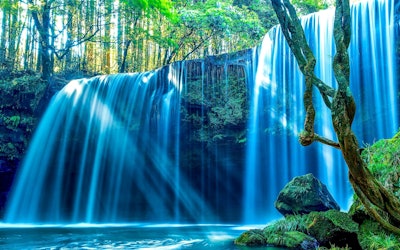
A Look at the Breathtaking Nabegataki Falls This video, titled "Nabegataki [8K]" (Nabegataki 鍋ケ滝 [8K]), was uploaded by "Japan Explorers." It introduces the beautiful waterfall, Nabegataki Falls, in Kumamoto Prefecture while showcasing the natural beauty of Japan. Nabegataki Falls, located in Oguni, Aso, Kumamoto in Japan's Kyushu region, was actually featured in a commercial for Soukenbicha Tea's Namacha, starring actress Nanako Matsushima, and quickly became well known for its beauty. Even within Aso Geopark, which is recognized as a UNESCO Global Geopark, the spectacular view of Nabegataki Falls is full of natural beauty. Check out the beautiful scenery showcasing the waterfall in this quick. 4 minute video! Highlights of Nabegataki Falls in Kumamoto Photo:Nabegataki Falls, Kumamoto Nabegataki Falls, located in the town of Oguni, is about a 20-minute drive from Kurokawa Onsen, a hot spring resort in Kumamoto Prefecture, and is maintained as Nabegataki Park. The most unique feature of Nabegataki Falls is that visitors can view the waterfall from behind, and see its curtain-like appearance in all of its beauty (video 1:34). Because of this, it's a popular travel destination among tourists looking to explore the nature of Japan. It's said that the same pyroclastic flow from a huge eruption approximately 90,000 years ago, which created the Aso Caldera, created the unique features of Nabegataki Falls as well. Nabegataki Falls is a relatively small waterfall measuring 20 meters wide with a drop of about 10 meters, but the way the water cascades from the top of the waterfall creates a beautiful view that resembles a curtain of water. Another unique characteristic of Nabegataki Falls is how the surrounding greenery gives it a faint glow, making it popular amongst photographers and instagrammers alike. Photo:Nabigataki Falls illuminated, Aso, Kumamoto Furthermore, in the spring, Nabegataki Falls is lit up for a limited time, and visitors can enjoy fantastic views of the waterfall while it's illuminated. There are also stairs on the path leading to Nabegataki Falls, and heart-shaped stones are hidden in the stone pavement along the way, so be sure to keep an eye out for these as well. Enjoy Delicious Food, Sweets, and Sightseeing Spots Around Nabegataki Falls! In addition to Nabegataki Falls, there are a myriad of sightseeing spots around the area that visitors can enjoy. First, there's "Sora Iro no Tane," famously known as "the small bakery in the forest." The bread here is hot and fresh even in the cold, and the cream buns are popular for their hearty and satisfying texture. Next is a soba restaurant called "Waremokou" on the route to Nabegataki Falls. The restaurant is full of delicious dishes and features famous Kumamoto beef and soba. After enjoying the beautiful scenery of Nabegataki, visitors can enjoy beautiful paintings at the Sakamoto Zenzo Museum of Art, a museum covered entirely with tatami mats. Enjoy the abstract paintings of Zenzo Sakamoto a famous Japanese painter. Summary of Nabegataki Falls in Kumamoto Prefecture As you can see, Nabegataki Falls, located in Oguni, Aso, Kumamoto, is loved by many people as one of the most beautiful spots in Japan, and has now become very popular among young people, particularly instagrammers and photographers. This video, shot in 8K, shows the beautiful scenery of Nabegataki Falls in such detail that it's almost like looking at the real thing. Now that you've seen a video on it, consider checking out Nabegataki Falls, one of the most beautiful spots in Japan, and explore all of the natural beauty for yourself. 【Tripadvisor】Nabegataki Falls https://www.tripadvisor.com/Attraction_Review-g1121535-d1960940-Reviews-Nabegataki_Falls-Oguni_machi_Aso_gun_Kumamoto_Prefecture_Kyushu.html -
 Video article 2:06
Sekinodo,” a famous confectionery from Kameyama City, Mie Prefecture, is a historic wagashi that has been presented to the royal family. We will discover the secret of this confectionary that has been loved by many people for hundreds of years!
Travel Traditional Culture- 86 plays
- YouTube
Video introduction of “Sekinodo,” a famous confectionery in Kameyama City, Mie Prefecture This video, titled "[4K video] 'Seki no To' – A Famous Confectionery Offered to the Imperial Family of Kyoto: Kameyama, Mie | nippon.com" (【4K動画】京の皇族にも献納された銘菓「関の戸」:三重県亀山市| nippon.com), was uploaded by nippon.com. "Seki no To" was created by the long-established store "Fukawaya," a Japanese confectionery shop in Kameyama, Mie, located in Japan's Tokai region. The shop was founded in the Kan'ei era (1624-1645) during the reign of Iemitsu, the third Tokugawa shogun, and Seki no To was thought up of by Iyoyasushige Hattori, a descendant of ninja. Seki no To was once used by the Imperial Household as a sweet to be paired with tea. There was even a special box that was used to deliver Seki no To to the Imperial Household. At 1:45 in the video, you can see the luxury container in which the sweets would have been stored. This traditional Japanese sweet has been loved by many people for hundreds of years, so be sure to check it out in the video! The Ingredients Used to Make Seki no To! Source :YouTube screenshot The ingredients used to make the traditional Japanese sweet are brown sugar, wasanbon, gyuhi, mizuame, and azuki beans. Seki no To is an elegant rice cake measuring roughly 3 cms in diameter. It is made by kneading mizuame and rice cake powder together and putting red bean paste inside of it. In the video, you can see the recipe for Seki no To and how it's made at 0:54 in the video. Seki no To has a shelf life of just 15 days, so be sure to enjoy it before it expires! The long-established store "Fukawaya" that sells "Seki no To" also has "Seki no To Ice Milk" a tasty ice cream. "Seki no to Ice Milk" is also very popular and is made by dissolving Seki no To in milk. Where to Purchase Seki no To Source :YouTube screenshot There are three ways to purchase Seki no To: ・At Fukawaya, the store in Mie Prefecture ・At Fukawaya's online shop ・At department stores across Japan In recent years, Fukawaya has also made and sold glass art called "Seki no To Amabie" to ward off evil. Summary of Seki no To - A Traditional Japanese Sweet Seki no To is a traditional Japanese sweet with a history dating back nearly 400 years. The name Seki no To is not only used for the traditional sweet, but also for the name of songs, kabuki plays, and even in the names of sumo wrestlers. Fukawaya, located in Mie Prefecture, has been manufacturing and selling Seki no To since the Edo period (1603-1868) as a long-established Japanese confectionery shop. If you're planning on visiting Kameyama City in Mie Prefecture, be sure to drop by Fukawaya to buy some famous, traditional Japanese sweets! 【Tripadvisor】Fukawaya https://www.tripadvisor.com/Restaurant_Review-g1019674-d3868245-Reviews-Fukagawaya_Mutsudaisho_Seki_No_To-Kameyama_Mie_Prefecture_Tokai_Chubu.html -
Video article 4:00
What is the commitment of Japanese candle craftsmen in Takashima City, Shiga Prefecture, who continue to challenge new things while preserving the tradition of “Japanese candles,” a traditional Japanese product?
Traditional Crafts History- 210 plays
- YouTube
Japanese candles” passed down by craftsmen in Takashima City, Shiga Prefecture, Japan Video Introduction This video, titled "Good Sign, Vol. 39 Japanese Candles|Daiyo" (Good Sign 第39回 和ろうそく 大與), was uploaded by "Good Sign." It introduces the traditional Japanese candles made by Daiyo, a workshop in Imazu, Takashima in Shiga Prefecture. In Imazu, a town on the northern shore of Lake Biwa in Takashima, Shiga, located in Japan's Kansai region, there is an old Japanese candle shop called "Daiyo" (大與) that has been making candles for 100 years. Daiyo's traditional Japanese candles are among the precious candles stored at Eiheiji Temple, the head temple of the Soto sect of Buddhism. Be sure to enjoy this video about Japanese candles, a traditional culture with a long history in Japan, while following along with the article! The History of Japan's Beautiful Candles Photo:Japanese candles Japanese candles are traditional candles that have been handed down from one generation to the next in Japan. Japanese candles were first produced in the 1300s. There is mention of candles in the Taiheiki (太平記, Chronicle of Great Peace) of 1375, which means that candles have a history of at least (approximately) 650 years, making them very old. Japanese candles are made from wax made from the fruit of the wax tree, a member of the poison oak family. Other types of wax include soy wax made from soybeans, beeswax from beehives, and wax made from whale oil. What Makes Daiyo's Candles Unique? Photo:Wax tree fruit The traditional Japanese candles made in Imazu, Takashima, Shiga, have been made using handmade techniques since ancient times, and there are only about ten craftsmen in the whole country who have inherited these techniques. It is said that it takes more than 10 years to become a full-fledged Japanese candle maker. At present, the third and fourth generations of Japanese candle makers are working together to keep the tradition alive. Traditional Japanese candles are truly one of Japan's representative crafts. The raw materials used and finished candles can be seen starting from 1:36 in the video. The Japanese candle making workshop Daiyo continues to take on various challenges in search of new possibilities. For example, making scented candles and oils, which are popular both in Japan and abroad. They've even tried using rice bran instead of the wax tree. This didn't work because it wasn't possible to add fragrance to the rice bran wax. However, Daiyo took this into consideration and made a candle that is perfect for places where fragrance is not needed. Compared to Western candles that use petroleum, rice bran wax is smokeless and odorless, making it perfect for restaurants and other dining establishments. In addition to being used for light, Japanese candles can also be used as common household goods, just like plates and bowls, and they are once again becoming a part of our daily lives. The Appeal of Japan's World-Renowned Candles Source :YouTube screenshot The purely plant-based Japanese candle is highly regarded overseas for its environmental friendliness. To make a Japanese candle wick, a bamboo skewer is wrapped with Japanese paper and the stems of soft rush. Melted wax is then taken in the hand, and the wick is rolled and waxed. The wax thickness is then adjusted by repeating the waxing. Since Japanese candles use only Japanese paper and the stems of the soft rush, they are 100% plant-based and do not produce soot. The flickering flame is another unique quality of Japanese candles. Furthermore, painted candles are also very popular both in Japan and abroad. By mixing colored Japan wax into the painted candles, they can be molded properly and have a glossy appearance. The appeal of Japanese candles is spreading overseas as well, and they are highly valued around the world. Where to Buy Japanese Candles Photo:A Kyo-rousoku candle There are very few stores in Japan that sell traditional Japanese candles. In addition to Imazu, Takashima in Shiga Prefecture, Ehime Prefecture is famous for Uchiko candles, Fukui Prefecture for Echizen candles, and Fukushima Prefecture for Aizu painted candles. In addition, you can buy special Japanese candles at Matsumoto Shoten in Nishinomiya in Hyogo Prefecture. There are also stores in Tokyo and Kyoto that sell Japanese candles. These days, Japanese candles can also be purchased online, where you can choose from a variety of products from the comfort of your own home. A Tidbit on Japanese Candles The weight of Japanese candles is expressed in "monme." 1 monme is equal to approximately 3.75 grams. A 1 monme candle is about 7 cm long and burns for about 25 to 30 minutes. Summary of Traditional Japanese Candles Japanese candles date back roughly 650 years. Nowadays, they are highly valued overseas, and are considered to be environmentally friendly candles. However, it is also true that the number of candle makers is decreasing as candles have become less prevalent in modern society. Therefore, Daiyo, an old Japanese candle workshop in Imazu, Takashima, Shiga, continues pass down the craft, despite the challenges it faces. Discover the charm of a long-established Japanese candle shop that has been around for more than 100 years! 【Official Website】Handmade Japanese Candles - Daiyo https://warousokudaiyo.com/ -
Video article 4:24
Saikyo-ji - A Temple of Beautiful Gardens and Warlords
Travel Traditional Culture Art & Architecture Nature- 167 plays
- YouTube
Saikyo-ji Temple – A Heritage Site of Otsu, Shiga Founded in Japan's Asuka Period! This video, titled "[4K] Japanese Garden SAIKYO-JI / SHIGA" ([4K] 日本庭園 西教寺 / 滋賀 Japanese Garden SAIKYO-JI / SHIGA), was uploaded by "Yurara Sarara," a channel that introduces temples, Japanese gardens, and sightseeing/travel destinations in Kyoto to promote Japanese culture to people are the world. The video introduces Saikyo-ji, a temple in Otsu, Shiga. Saikyo-ji Temple, located in Otsu, Shiga, is the head temple of the Tendai Shinsei sect of Buddhism, and is one of the temples in Otsu, Shiga, founded by Prince Shotoku in the Asuka Period (around 592-710 AD). The temple has a long history and is said to have been established as a temple associated with Mt. Hiei in the Heian and Kamakura periods. The the main hall, which is made entirely of zelkova, was donated by the Kishu Tokugawa family, and has gorgeous decorations from the early Edo period (~1603 to ~1700 AD). The main hall of Saikyo-ji Temple has also been designated as an Important Cultural Property. A Closer Look at the Breathtaking Precincts of Saikyo-ji Temple! Photo:Saikyo-ji Temple, Otsu, Shiga Saikyo-ji Temple was burned down by the famous warlord Oda Nobunaga in 1571, but was rebuilt by Akechi Mitsuhide. The present precincts of Saikyo-ji Temple consist of six branch temples on either side of the approach to the temple. After passing through the gate in front of the temple, historically used by imperial envoys, you'll see the hall of the founder of the sect on the left, and the main hall at the back of the precincts. The main hall and the guest hall are located in the center of the temple. The temple can be seen in detail from 1:00in the video. Feel the Healing Power of the Japanese Gardens at Saikyo-ji Temple Photo:Saikyo-ji Temple, Otsu, Shiga The gardens at Saikyo-ji Temple were designed by Kobori Enshu. There are four gardens at Saikyo-ji Temple: one located on the south side of the kuri (the kitchen of the temple), one on the west side of the Kyakuden (reception hall), one on the south side of the Shoin (study), and one on the north side of the Shoin. The Karesansui (dry landscape garden) in "Daihonbo Garden" on the south side of the kuri retains the atmosphere of a traditional tea garden. Also, on the west side of the Kyakuden, is Kyakuden Garden. The pond and fountain in Kyakuden Garden represent Lake Biwa. Furthermore, the natural slope created by the mountain behind Saikyo-ji Temple is well utilized to create a three-dimensional view. There are also azalea and satsuki azalea trimmings there, which give an indescribable three-dimensional feeling. To the north and south of the Shoin are Shoin Garden and Ura-shoin Garden. Shoin Garden, which can be seen at 3:23, was created during the Meiji Period (1868-1912 A.D.) by a group of stonemasons called "Ano-ushu. For this reason, it is also known as the Ano-ushu Garden. In addition, the Ura-shoin Garden provides a beautiful landscape where visitors can feel the ancient history of Japan. Saikyo-ji Temple - Area Information, Events, and Seasonal Attractions Photo:Wind chimes at Saikyoj-ji Temple, Otsu, Shiga In the summer, Saikyo-ji Temple holds an event with more than 700 glass wind chimes on display, creating beautiful sounds with the summer breeze. The purpose of wind chimes is to ward off evil spirits and ward off the heat by making noise. In the Edo period (1603-1868), these wind chimes were called "Kaze-taku," but they came to be called "Fu-rin" to make them more familiar with the common people. The appearance of the temple changes with the seasons, and in autumn, visitors can enjoy the illuminated autumn leaves. Recently, many tourists come to Saikyo-ji Temple for its three types of shuin stamps. In addition, Saikyo-ji Temple has a special shuin stamp to commemorate the broadcast of NHK's historical drama "Kirin ga Kuru" in 2020. The temple also has a special shuin stamp book finished in a simple yet beautiful indigo color, for just 1,250 yen. Furthermore, there is a youth hostel attached to the precincts of Saikyo-ji Temple, where visitors can also experience the vegetarian cuisine eaten by the monks in the dining room. Saikyo-ji Temple - Access and Information for Visitors to the Temple in Otsu, Shiga Saikyo-ji Temple is a roughly 25-minute walk from Sakamoto-hieizanguchi Station. If you take the bus, it takes about 4 minutes to get there. By car, it takes about 10 minutes from the Shimosakamoto Interchange. Although it's a bit of a walk to the main hall, there's free parking available. The entrance fee is a reasonable 500 yen. Summary of Saikyo-ji Temple in Otsu, Shiga Photo:Saikyoj-ji Temple, Otsu, Shiga Being burned down by Oda Nobunaga, rebuilt by Akechi Mitsuhide, and having four beautiful gardens built on the temple grounds by Kobori Enshu, Saikyo-ji Temple has a long history. Enjoy the beauty of the divine Saikyo-ji Temple and its four sophisticated gardens in this 4.5-minute video. 【Official Website】Saikyo-ji Temple http://saikyoji.org/publics/index/19/ 【Tripadvisor】Saikyo-ji Temple https://www.tripadvisor.com/Attraction_Review-g298202-d1424442-Reviews-Saikyoji_Temple-Otsu_Shiga_Prefecture_Kinki.html -
Video article 3:13
4K Video of Hitachi Seaside Park's Tulip Garden Will Make You Feel Like You're Actually There! Introducing the Seasonal Flowers at the Beautiful Park in Ibaraki, Japan
Nature Travel- 94 plays
- YouTube
Tulips at Hitachi Seaside Park: Video Introduction This video, titled "[4K Ultra HD] Tulip Garden in Hitachi Seaside Park" ([ 4K Ultra HD ] ひたち海浜公園のチューリップ - Tulip Garden in Hitachi Seaside Park -), was uploaded by "AQUA Geo Graphic." Hitachi Seaside Park (国営ひたち海兵公園, kokuei hitachi kaihei koen)—located in Hitachinaka, Ibaraki, in Japan's Kanto region—is known for its nemophila (baby blue eyes) flowers which grow there in the spring. Miharashi Hill (みはらしの丘, miharashi no oka) is the park's most famous attraction, but, blooming during almost exactly the same period, the colorful Tulip Garden is also an impressive sight! Check out the video to see the colorful tulips that decorate the garden. [Video] 0:01 - The Tulip Garden at Hitachi Seaside Park Hitachi Seaside Park's Iconic Spring Flower: Nemophila Photo:Hitachi Seaside Park, Ibaraki Located on the Pacific coast of Hitachinaka in Ibaraki Prefecture, Hitachi Seaside Park is a city park that makes the most of its surroundings, which include dunes, grasslands, and springs. The huge 530-acre park is split into seven areas. In addition to the flower gardens, which remain gorgeous throughout the four seasons, the park has a wide range of leisure facilities that can be enjoyed outdoors, including an adventure playground where kids can play. Hitachi Seaside Park's biggest attraction is the flowers that bloom throughout each season, of which the nemophila are by far the most prominent. Approximately 5.3 million blue nemophila can be seen blooming across Miharashi Hill. On a clear day, it can feel as if you've stumbled into a world of fantasy as the blue sky stretches down to meet the overwhelming scene of millions of baby blue eyes. This scenery was so beautiful it became famous and Hitachi Seaside Park turned into a popular tourist destination amongst Instagrammers for its photogenic views. Tulips at Hitachi Seaside Park + When to Visit & More! Photo:Tulips at Hitachi Seaside Park, Hitachinaka, Ibaraki From mid to late April—almost the same time as Hitachi Seaside Park's famous hill of nemophila is in full bloom—the Tulip Garden is also in season. Hitachi Seaside Park's Tulip Garden is covered by 260,000 tulips from around 230 species. "Happy Generations" contrast beautifully in white and red, while bright red "Aladdins" with their pointed tips catch one's eye, and "Antoinettes" add a touch of pizazz with their yellow petals with pink tips. You can enjoy a wide variety of beautiful tulips here, and the greenery of the trees combined with the flowers is sure to be a hit on Instagram, too. See if you can pick a favorite from the tulips blooming in the park. [Video] 1:12 - An Assortment of Tulips [Video] 1:43 - Tulips Blooming Under the Sun [Video] 2:13 - Individual Tulips What Flowers Are Currently Blooming at Hitachi Seaside Park? Photo:Kochia at Hitachi Seaside Park, Hitachinaka, Ibaraki You can enjoy flowers throughout all four seasons at Hitachi Seaside Park, with the obvious inclusion of nemophila and tulips. Here, we'll introduce all the flowers you can see at Hitachi Seaside Park, season by season. • Spring (March - May) Rape blossoms, Japanese plum blossoms, daffodils, Christmas roses, peach blossoms, tulips, nemophila, poppies, linaria, roses. • Summer (June - August) Roses, chimaphila, lavender, lilies, kochia (green), zinnia, titanbicus, sunflowers, pampas grass. • Fall (September - November) Pampas grass, zinnia, buckwheat, yellow cosmos, cosmos, kochia (red), lespedeza, roses, chrysanthemum japonicum, Japanese silverberries, chrysanthemum pacificum. • Winter (December - February) Metasequoia (red leaves), ice tulips, wintersweets, adonis ramosa, plum blossoms. Depending on the climate in any given year, there may be discrepancies in the species of flower and when they are in bloom. Be sure to look up the latest information to see the seasonal flowers at their best. Hitachi Seaside Park Admission Fees & Parking Information Photo:Hitachi Seaside Park, Hitachinaka, Ibaraki Hitachi Seaside Park's admission fees are as follows: • Adults (high school age+) Standard: 450 yen (290 yen for groups of 20 or more) • Adults (high school age+) Two day: 500 yen (350 yen for groups of 20 or more) • Seniors (65+) Regular: 210 yen (210 yen for groups of 20 or more) • Seniors (65+) Two day: 250 yen (250 yen for groups of 20 or more) • Children (middle school age and below): Free Admission fees must be paid in cash. Credit cards and electronic money are not accepted, be sure to bring cash so you don't get stuck outside the park! Each year, there are days when entry to Hitachi Seaside Park is free (not including parking fees etc.). Be sure to check the official website for the 2023 free-entry schedule. Parking fees for a day at Hitachi Seaside Park are as follows: • Heavy vehicles: 1580 yen • Standard vehicles: 520 yen * Standard vehicles (with yearly pass): 420 yen • Motorcycles: 260 yen * Motorcycles (with yearly pass): 210 yen Yearly pass prices are as follows: • Adults (high school age+) - entry only: 4500 yen • Adults (high school age+) - with parking: 6600 yen • Seniors (65+) - entry only: 2100 yen • Seniors (65+) - with parking: 4200 yen Showing your yearly pass when parking at the toll booth will allow you to park one regular car free of charge. Be sure to confirm the prices before you visit and get your money's worth at Hitachi Seaside Park. Access to Hitachi Seaside Park From Tokyo Access to Hitachi Seaside Park from Tokyo is as follows: Bus: Approximately 2 hours by Ibraraki Kotsu expressway bus bound for Katsuta/Tokai from the Yaesu South Exit of Tokyo Station. Train: Approximately 2 hrs. by train. From Tokyo station to Katsuta Station 1 hr. 15 mins. From Katsuta Station, bus stop #2, take the regular bus to Hitachi Seaside Park's West Exit (Approximately 15 mins), or to the South Exit (Approximately 20 mins). Car: Take the Joban Expressway to the Kita-Kanto Expressway, and then the Hitachinaka Toll Road. Exit at the Hitachi Seaside Park IC (Approximately 1 hr. 30 mins). Summary of Tulips at Hitachi Seaside Park During nemophila season at Hitachi Seaside Park, the tulip garden has become a favorite of those who know about it. That there are around 230 species of tulip is a surprise in and of itself! Be sure to take photos of singular tulips as well as tulips in groups. Because of the sheer size of the park, as well as the various attractions, you can expect to spend anywhere from 2-5 hours at the park, depending on who you come with, your pace, and your plans. Enjoy a warm spring day at Hitachi Seaside Park! ◆Hitachi Seaside Park◆ 【Address】605-4 Onuma-aza, Mawatari, Hitachinaka, Ibaraki 【Hours】9:30 am - 5:00 pm (※Closing time varies by season) 【Admission Fee】Adults (high school age+): 450 yen *Middle schoolers and younger free 【Closures】Every Tuesday (if Tuesday is a national holiday, the following Wednesday), December 31, January 1, the first Monday in February through Friday of that week ※During certain periods the park opens every day. For more details, please visit the official website. 【Official Website】Hitachi Seaside Park 【TripAdvisor】Hitachi Seaside Park -
Video article 5:07
A hidden spot with a spectacular view! 4K video of “Kinzo-ji Temple” in Kyoto, Japan! Don't miss the beauty of this mountain temple known for its autumn foliage!
Travel Art & Architecture Nature- 103 plays
- YouTube
Autumn Foliage Video Introduction of “Kinzo-ji Temple” in Kyoto City, Kyoto Prefecture This video, titled "[4K] Concept of OKU, KONZO-JI Temple of Kyoto" ([4K] Concept of OKU, KONZO-JI Temple of Kyoto ”奥” 金蔵寺 京都の寺), was uploaded by "Yurara Sarara," a channel that introduces Japanese culture through video. It introduces Konzoji Temple located in Oshioyama, Kyoto. Kyoto's Konzoji Temple, shown in the video, was built during Japan's Nara period (710-794 AD) as a temple of the Tendai sect of Buddhism. Later, it was destroyed by fire during the Onin War, but was rebuilt by Keishoin, the mother of the 5th Tokugawa shogun, Tokugawa Tsunayoshi, during the Edo period (1603-1868 AD). Enjoy the beautiful appearance of the temple in this short, 4K video. Konzoji – A Mountain Temple Full of Beauty Photo:Beautiful greenery at Konzoji Temple, Kyoto Konzoji Temple is located in the Rakusai area of Kyoto, on the hillside of Mt. Oshio, a mountain with an elevation of 642m. During the Heian period (794-1185 AD), it was called "Iwakura of the West" and is said to have been revered by people. One of the best places to visit in Konzoji Temple is the 12-meter-tall "San no Taki" (産の滝), a waterfall that can be seen at 1:13 in the video. The name "San no Taki" (産の滝: lit. "waterfall of birth") comes from the fact that Mukojin, the deity of Muko Shrine, was born near this waterfall. The next thing to see at Konzoji Temple is the many halls on the temple grounds. The main hall of Konzoji Temple was reconstructed during the Edo period (1603-1868) by Keishoin and houses the eleven-faced thousand-armed Kannon statue, the principal deity of the temple. The Kaizando Hall is a magnificent hall made of all-cypress and enshrines successive generations of priests including Zen Master Takatoyo, the founder of Konzoji Temple. Behind the main hall of Konzoji Temple, there's the Atago Gongen Hall, which enshrines Atago Gongen, and houses a statue of the Jogun Jizo (勝軍地蔵), a jizo said to be able to defeat an army. The statue of the Jogun Jizo is enshrined in this hall, which is open only during the Buddhist memorial service held on April 23 every year. Furthermore, Konzoji Temple has an observatory, and if you head east from Shimonogawa Benzaiten (下の川弁財天, a small shrine), you can enjoy an observatory with a panoramic view of Kyoto City. We recommend checking out the view when visiting the temple. Konzoji Temple - A Hidden Gem for Enjoying Autumn Leaves! Photo:Autumn leaves at Konzoji Temple, Kyoto Konzoji Temple is rarely visited by people, and the people you do see there are usually those who enjoy hiking. However, in early summer, there is a lot of greenery and it is a very pleasant spot to take a leisurely tour of the temple grounds. Konzoji is also known for the beauty of the green maple leaves, and it is the perfect place to experience the nature of Japan. Konzoji Temple also takes on a new appearance during the autumn months. The beautiful autumn colors that can be seen here have turned the temple into a hidden gem for viewing the breathtaking foliage of the season. Because it's located on the mountainside, the temperature varies greatly between morning and evening, and it's a great place to enjoy the spectacular autumn leaves. In particular, the path from Nio-mon Gate to the main hall is surrounded by autumn leaves creating a sort of tunnel of foliage, and is famous locally for its eye-catching beauty. Konzoji Temple is a tourist spot where you can enjoy beautiful greenery in the summer and orange and red autumn leaves in the fall. There is a parking lot you can use when accessing Konzoji Temple via car, but please note that there are some steep roads. When coming by bus, it's about an hour on foot as the nearest bus stop is quite far. That being said, if you're looking to get some hiking or exercise in, or just want to explore something new, this is definitely a place to check out. Summary of Kyoto's Beautiful Konzoji Temple As introduced in this article, Konzoji Temple is a place where you can enjoy the beautiful nature of Japan. In addition, many Shigaraki ware tanuki (raccoon dogs) figures can be found in the area, and the figure of a tanuki enjoying sake is becoming popular as an Instagram icon. The quaint appearance of the halls standing amongst the green maples expresses the beauty of Japan. In autumn, these trees turn breathtaking shades of red and orange, and visitors can enjoy the natural beauty created by the autumn leaves. Consider visiting Konzoji Temple, a place where you can enjoy the beauty of Japan in each of the four seasons! 【Tripadvisor】Konzoji Temple https://www.tripadvisor.com/Attraction_Review-g298564-d1386185-Reviews-Konzoji_Temple-Kyoto_Kyoto_Prefecture_Kinki.html -
Video article 6:05
Wakayama Castle - Experience History, Hospitality, and Culture
Travel Art & Architecture History- 121 plays
- YouTube
Wakayama Castle - One of the Top 100 Japanese Castles This video, titled "[Wakayama - Japan's Top 100 Castles] Residence of the Kishu Tokugawa Family" (【和歌山/日本100名城】紀州和歌山城/紀州徳川家五十五万石の居城 - Wakayama Castle in WAKAYAMA, JAPAN -), was uploaded by "Channel WASABI," a channel that introduces beautiful scenery and famous travel destinations. The video introduces Wakayama Castle, located in Wakayama City, Wakayama Prefecture, in Japan's Kansai Region. The history of Wakayama Castle dates back to 1619 when Tokugawa Yorinobu, the tenth son of Tokugawa Ieyasu, entered Wakayama Castle and established the Kishu Tokugawa family. The castle later became the residence of the Kishu Tokugawa family of the Kishu domain (present day Wakayama and southern Mie), one of the three Tokugawa families. In this video, you can enjoy the charm of Wakayama Castle and its long history. The Charm of the Wakayama Castle's Keep Structure! Photo:Wakayama Castle, Wakayama Prefecture Wakayama Castle is one of the rare castles in Japan that has what is called a "coalition type" castle tower that features a main keep, a smaller, secondary keep, and turrets lining its walls. In addition to Wakayama Castle, Himeji Castle and Matsuyama Castle are the only other surviving castle towers built in this style. You can see the castle tower at 2:37 in the video. Wakayama Castle was used for a long time as the residence of the Kishu Tokugawa family of former Kishu domain, but the castle tower and other buildings were destroyed by fire during the Wakayama Air Raid in 1945. After the war, the castle was rebuilt with a series of towers and other structures, and is now selected as one of the Top 100 Castles in Japan. Furthermore, from the Wakayama Castle tower on top of Mt. Torafusu, you can enjoy a 360-degree view of Wakayama City. The powerful earthen mounds and stone walls, and the majestic castle tower are a must-see. Nishinomaru Garden and Okaguchi Gate - Scenic Spots and Important Cultural Properties! Photo:Nishinomaru Garden, Wakayama Castle, Wakayama Prefecture Wakayama Castle's Nishinomaru Garden was created as a place for the feudal lords to enjoy the elegance of the past. In Nishinomaru Garden, you can see the historical scenery and feel the history of Wakayama Castle. The Nishinomaru site is also a large open space where you can enjoy cherry blossom viewing in spring. There is also an Important Cultural Property called Okaguchi Gate at Wakayama Castle. Originally, the large and small keeps were designated as Important Cultural Properties, but they were destroyed by fire in the 1945 Wakayama Air Raid. Today, only Okaguchi Gate remains as an Important Cultural Property. Relaxing in Wakayama Castle's Tea Room In Wakayama, the castle keep is called "Otenshu" or "Otensu." There are Otenshu teahouses around Wakayama Castle, where staff dressed as lords and princesses or as samurai offer hospitality to visitors. Enjoy an Exciting Time at Wakayama Castle! Photo:Wakayama Castle, Wakayama Prefecture It's one thing to immerse yourself in the historical sites and enjoy the atmosphere at Wakayama Castle. However, Wakayama Castle offers a variety of entertainment for all types of people to enjoy. From around late March to early April, the castle tower is lit up and many people come to see the beautifully illuminated Wakayama Castle. Then, there's "Omotenashi Ninja," another popular event. The Omotenashi Ninja lurk inside Wakayama Castle Park and guide tourists around and even take pictures for them. Visitors can also enjoy a costume experience by dressing up in historical clothing. Wakayama Castle - Entrance Fees and Access Photo:Wakayama Castle, Wakayama Prefecture The admission fee to the Wakayama Castle tower is 410 yen for adults and 200 yen for children (elementary and junior high school students), making it a great place for families to visit. Wakayama Castle is a 10-minute walk from Nankai Wakayama Station. It also about 15 minutes from the Wakayama Interchange on the Hanwa Expressway by car. There are many parking lots in the area, so you can enjoy Wakayama Castle in a relaxed atmosphere. Furthermore, there is space around the area to enjoy lunch or have a picnic in the park, making it an all-day destination. Furthermore, there is space around the area to enjoy lunch or have a picnic in the park, making it an all-day destination. The guidebook introducing the Kii area includes a map of the area, as well as the Kii Mirokuji San Castle Ruins, Ohashi Roka, and the Wakayama History Museum. In addition, there's Wakayama Castle Park Zoo and Wakayama Castle Hall, which are designed to keep even small children entertained. Summary of Wakayama Castle, One of Japan's Top 100 Castles Wakayama Castle is the symbol of Wakayama City in Wakayama Prefecture. Wakayama Castle has grown bigger and bigger since 1619 when Tokugawa Yorinobu became the lord of the castle. It has also become one of the most famous castles in Japan due to its rare "coalition type" castle tower. Experience the history of Wakayama and the grandeur of Wakayama Castle in this 6-minute video! 【TripAdvisor】Wakayama Castle https://www.tripadvisor.com/Attraction_Review-g298204-d1385117-Reviews-Wakayama_Castle-Wakayama_Wakayama_Prefecture_Kinki.html -
Video article 6:02
The Otani Museum in Utsunomiya City, Tochigi Prefecture, which resembles an underground temple, is full of attractions! Watch a video of this mysterious space, which has been used as a filming location for numerous movies and TV dramas!
Travel Art & Architecture- 221 plays
- YouTube
The Oya History Museum in Utsunomiya, Tochigi: Video Introduction This video, titled "[Oya History Museum] A 6-minute tour of another world in Tochigi: The Oya Stone Mining Site 4K" (【大谷資料館】栃木にある異世界6分ツアー 大谷石採掘場跡 4K), was uploaded by "Tourist Attraction Japan." The Oya History Museum is located in a mysterious underground space with vast stone structures that are illuminated. In the video, you can see the beautiful 4K footage showing what resembles an underground temple. When lit up, the quarry ruins become an artistic space. Take a moment to check out the video that condenses some of the best parts of the Oya History Museum into just 6 minutes of footage. Learn About the History of Oya Stone Mining at the Oya History Museum! Photo:The Oya History Museum, Utsunomiya, Tochigi Oya stone, mined mainly in Oya, Utsunomiya, in Tochigi Prefecture, became known throughout Japan when it was used as a building material for the former Imperial Hotel. At the Oya History Museum, visitors can learn about the history of Oya stone in the exhibition room on the ground level and at the Oya Stone Mining Site. Oya stone is made of hardened volcanic ash and pumice rock fragments. It is softer and easier to process than other stones, and was mainly used as a building material because of its excellent fire resistance. Mining began in the mid-Edo period (around 1700-1800 AD). At first, mining was conducted during the off-season, but by the Meiji era (1868-1912), had become a full-fledged industry. Later, mining was done by hand until the 1950s, when it was successfully mechanized. The Oya History Museum is a valuable place where visitors can actually see and learn about the history of Oya stone mining, including the changes in the mining process throughout the years. The Oya History Museum, a Filming Location for Japanese Movies and TV Dramas Photo:Illuminated Oya stone at the Oya History Museum, Utsunomiya, Tochigi The Oya stone Mining Site has been the filming location for many Japanese dramas, movies, and music videos. Popular films include Rurouni Kenshin, Assassination Classroom, and the Kamen Rider series, and dramas such as "The Brave Yoshihiko And The Seven Driven People." It has also been used for shooting music videos for musicians, such as the Japanese rock duo B'z. Here are some of the various highlights of the Oya History Museum: ●It's a Space Reminiscent of an Underground Temple Descending the stairs from the entrance to the basement, visitors will find a 20,000-square-meter space which looks like an underground temple from a science fiction movie. ●Recreation of the Hand-Digging Era With Dolls The museum uses realistic dolls to recreate the hand-digging mining that was conducted from the Edo period (1603-1868 AD) until the introduction of machines in 1955. ●Holes With Light Coming in From the Ground During the mining process, holes were drilled to check the digging position from the ground. The light shining through these holes is as artistic as calculated lighting. ●Mining Ruins Resembling Murals The patterns of the mining ruins on the walls are like contemporary artwork. The walls are also used for concerts and other events. The space surrounded by Oya stone is said to have excellent acoustics. ●Fantastical Lighting Artworks and art objects using lighting are exhibited in the mining site, and art exhibitions are held on occasion as well. In addition, the site offers a variety of other ways for visitors to enjoy their visit, such as exploration events in collaboration with the "Made in Abyss" anime series. When visiting, visitors should be sure to wear warmer clothing. The temperature at the mining site can be as low as 10-11°C even in the summer, so be sure to prepare a jacket. Reservations, Admission Fees, and Time Required to Visit the Oya History Museum Photo:Oya History Museum, Utsunomiya, Tochigi You might be wondering, "Do visitors need a reservation to enter the Oya History Museum?" Well, as it turns out, reservations are not required for regular tours. Since there are only stairs to go underground, wheelchairs and baby strollers are not permitted to enter the museum. For those who have difficulty walking, a golf cart service is available to guide visitors, but please contact the Oya History Museum directly for details due to restrictions, such as limited weekday hours and the need for advance reservations. Also, please note that permission for taking cosplay photos is not received via reservation, but through application and permission, and there is a fee for this service. Admission to the Oya History Museum is 800 yen for adults, 400 yen for children (elementary and junior high school students), and free for preschool-aged children; group discounts apply for groups of 20 or more, with the price reduced to 700 yen for adults and 350 yen for children. The average time required to visit the Oya History Museum is about 40 minutes. If you want to take your time while taking pictures, it's recommended that you expect to spend around 60 minutes here. Visit ROCKSIDE Market After the Oya History Museum for Lunch at a Café On the grounds of the Oya History Museum, there is a café-restaurant called ROCKSIDE MARKET. After a leisurely stroll through the underground mining site, be sure to stop by. Upon entering the stylish restaurant, you'll find dynamic vases made of hollowed-out Oya stone, plants in Oya stone pots, accessories, and other items for sale. The lineup includes unique Oya stone products made by artists based in Tochigi. These souvenirs are a great way to commemorate your visit to Tochigi. A popular menu item is a galette made with ingredients from Tochigi Prefecture. There are both dessert galettes and meal galettes, which are perfect for lunch or afternoon tea. Gelato, available in several flavors, is also popular, so be sure to give it a try. There are other stylish cafes around the Oya History Museum as well, so have a look around if you're looking to grab a bite to eat after learning about the history of Oya stone. Things to Do Near the Oya History Museum After visiting the Oya History Museum, consider checking out one of these tourist attractions located nearby: Oya Temple This Buddhist Temple in Utsunomiya, Tochigi is famous for its relief carvings which are done on the faces of the stone cliffs in the area. The temple is believed to have been founded by the famous Buddhist monk Kukai (Kobo Daishi) in 810 AD. Hours: 8:30 am - 4:30 pm. Closed: Thursdays (open on national holidays), December 26-31 Admission Fee: Adults: 500 yen, Middle school students: 200 yen, Elementary school students: 100 yen (Discounts available for groups of 30 or more) Heiwa Kannon Heiwa Kannon is a large Buddhist statue of Kannon (Avalokitesvara, the Buddhist Goddess of Mercy). The statue, which stands nearly 27 meters tall (88.5 feet), was carved completely by hand over a period of 6 years from 1948-1954. The name means "The Peaceful Goddess of Mercy." Hours: 24 hours Closed: Always open Admission Fee: Free Summary of the Oya History Museum in Utsunomiya, Tochigi The Oya History Museum can be accessed from JR Utsunomiya Station by local bus. It's a popular spot where many Japanese Instagrammers come to take photos. Children can enjoy exploring the underground temple-like mining site as though they've wandered into another world. If you're traveling to Tochigi, be sure to add the Oya History Museum to your itinerary! 【Official Website】Oya History Museum 【TripAdvisor】Oya History Museum -
Video article 7:09
Feed the cute little monkeys at Arashiyama Monkey Park Iwatayama in Kyoto City, Kyoto Prefecture! It is very popular among foreigners! Watch a video of one of the world's rarest monkey parks!
Living Things Travel Things to Do- 173 plays
- YouTube
Video introduction of “Arashiyama Monkey Park Iwatayama” in Kyoto City, Kyoto Prefecture, Japan This video, titled "" (嵐山モンキーパークいわたやま ちび小猿ちゃんにリンゴをあげたいが横取りされる Baby Monkeys? IWATAYAMA MONKEY PARK Kyoto, Arashiyama Japan), was uploaded by "Juntsu" (淳つ). At the top of the open mountain, at the observatory overlooking the city of Kyoto, international tourists' eyes are glued to the wild monkeys. The video shows how humans and monkeys coexist in a place where there are no barriers or fences keeping them apart. Be sure to check out the video to see the cute baby monkeys smiling and playing as well as, the unique monkey feeding experience which can be enjoyed from the rest area. Iwatayama Monkey Park – The History of the Park in Kyoto Photo:A monkey at Iwatayama Monkey Park, Arashiyama Iwatayama Monkey Park, located in Arashiyama, Kyoto, in Japan's Kansai Region, opened in 1957. The park is known for its wild Japanese macaques. Officially called "Arashiyama Monkey Park Iwatayama," the parks origins can be traced back to 1954 when monkeys were fed by researchers from the Kyoto University Department of Science. The following year, monkeys began to gather at the feeding ground, and "Arashiyama Monkey Park" was opened to the public. When the park first opened, there were around 50 Japanese macaques, but now there are approximately 120. Enjoy Arashiyama, a Popular Tourist Attraction, With a Hike Up Mt. Iwata! Arashiyama Monkey Park is located at the summit of a 160-meter-tall mountain. From the entrance to the top of the mountain, it's a short 20-minute hike. Visitors can enjoy a nice little hike while basking in the forest amidst the beauty of Arashiyama's natural surroundings. The first part of the hike consists of a 120-step staircase. After making your way up the stairs, the rest of the hike is a gentle ascent. The path is well-maintained, so even children can enjoy hiking to the top of the mountain at their own pace. Feeding the Baby Monkeys – A Popular Activity Among Tourists Photo:Monkeys gathering at the feeding station, Iwatayama Monkey Park, Arashiyama From the rest area at the top of the mountain, you can enjoy a panoramic view of Kyoto, and if the weather is nice, you may even be able to see Kyoto Tower. Iwatayama Monkey Park is a very popular spot in Arashiyama for both foreign and domestic tourists, as there are no fences and you can see wild monkeys from up close. Visitors can purchase a bag of monkey feed for 100 yen per bag at the rest area and experience feeding the monkeys from inside the rest area. Here are some scenes from the video. There's also a scene where newborn baby monkeys can be seen at the rest area. When the monkeys are given chopped apples, they skillfully grab them from the outside of the fence. The baby monkey looks hungry too, so the filmmaker tries several times to give the apple to the baby monkey, but each time, it is snatched away by an adult monkey. [Video] 1:37 - Feeding the Monkeys Through the Fence The monkeys at Iwatayama Monkey Park are accustomed to humans, and a mother monkey with her baby passes by the tourists without batting an eye. Some monkeys watch visitors from a high vantage point, while others lie on their haunches and groom one another. It's interesting to see the monkeys from such a close distance. [Video] 1:30 - Monkeys Seen From Inside the Rest Area [Video] 4:04 - Monkeys Watching Visitors From Above When feeding the monkeys, there is one important thing to be careful of; Do not give the food directly to the monkeys. Place it on the feeding rack to avoid having your fingers grabbed. Also, feeding the monkeys is only allowed from inside the rest area. Please note that you are not allowed to bring your own food to give to the monkeys. When to Visit Iwatayama Monkey Park & When to See Baby Monkeys in Arashiyama, Kyoto Photo:A baby monkey at Iwatayama Monkey Park, Arashiyama The baby monkeys are born from March to May, so the possibility of seeing baby monkeys is higher from spring to summer. If you want to see baby monkeys, this is the best season to do so. [Video] 0:32 - Baby Monkeys at the Park! Arashiyama is a scenic tourist destination in Kyoto, Japan. In the fall, the mountains are decorated by the autumn leaves, making it a great time to visit, as you can appreciate the breathtaking autumn colors and see the cute monkeys. In winter, you can see the monkeys curling up on the backs of their mothers in the cold of winter, or hanging out with their friends. Please note that Arashiyama Monkey Park itself will be closed in the event of heavy snowfall. Iwatayama Monkey Park Prices, Hours, Etc. Photo:A monkey at Iwatayama Monkey Park, Arashiyama Entrance fees and hours of operation for Iwatayama Monkey Park are as follows: ● Entrance Fees Adults (high school students and older): 600 yen Children (Ages 4 to junior high school): 300 yen ※Cash only. Credit cards and electric money are not accepted ● Hours of operation 9:00 am - 4:00 pm (The summit is open until 4:30 pm) The park has no regular closing days except on January 1, but will be closed in the event of extremely inclement weather, such as heavy rain, heavy snow, typhoons, etc. The monkeys at Arashiyama Monkey Park, no matter how cute and charming they are, are still wild animals. It is very dangerous to touch them. As a rule of thumb, try to maintain a distance of at least 2 meters between you and the monkeys. Also, do not stare into the monkeys' eyes. Making eye contact indicates intimidation to the monkeys. When a monkey opens its mouth and bares its teeth, it's a sign that it's angry. If this happens, slowly look away and move away from the area. How to Get to Iwatayama Monkey Park + Togetsukyo Bridge & Other Nearby Attractions in Arashiyama, Kyoto To get to Iwatayama Monkey Park in Arashiyama, walk upstream along the river from the south side of Togetsu Bridge for about 20 meters. The entrance to Iwatayama Monkey Park is just after Ichitani-Munakata Shrine (櫟谷宗像神社, Ichitani-Munakata Jinja). ● How to get to Iwatayama Monkey Park (Public transportation) A 7-minute walk to the entrance from Arashiyama Station on the Hankyu Railway. A 10-minute walk to the entrance from Arashiyama Station on the Keifuku Electric Railway (Randen Tram Line) line. A 15-minute walk to the entrance from JR Saga-Arashiyama Station. A 5-minute walk from the Arashiyama Park (嵐山公園, Arashiyama Koen) bus stop via Kyoto City Bus/Kyoto Bus. For those coming by car, there is no dedicated parking lot, so please use a nearby toll parking lot. Arashiyama is one of the most popular sightseeing spots in Kyoto. Here are some things to do near Iwatayama Monkey Park. Photo:The bamboo grove at Adashino Nenbutsuji Temple, Kyoto ● Arashiyama Bamboo Forest This 400-meter-long bamboo grove stretching straight up to the sky is a symbolic landscape of Arashiyama, one of Kyoto's most iconic tourist attractions. The Arashiyama Bamboo Forest is also completely free! Photo:Cherry blossoms at Togetsukyo Bridge, Arashiyama, Kyoto ● Togetsukyo Bridge Togetsukyo Bridge, which spans the Katsura River between Arashiyama and Sagano, is one of the most famous spots in the Saga-Arashiyama area. The bridge was named Togetsukyo (渡月橋, lit. 'Bridge of the Crossing Moon') because of a comment made by Emperor Kameyama as he watched the moon moving over the bridge. Photo:Tenryuji Temple, Kyoto ● Tenryuji Temple Tenryuji Temple is recognized as a World Heritage site. It is the head temple of the Tenryuji School of the Rinzai sect of Zen Buddhism, and was founded by Ashikaga Takauji to pray for the repose of the soul of Emperor Godaigo. The dragon depicted on the ceiling of the lecture hall appears as though it's staring at you no matter what angle you look at it from. ● Horinji Temple Horinji Temple is dedicated to and features a statue of Akasagarbha (one of the eight great bodhisattvas). The temple is famous for the "Jusan-mairi," in which 13-year-old children make a pilgrimage to the temple to receive wisdom and good fortune. Photo:Autumn leaves and houseboats on the Oi River in Arashiyama, Kyoto ● Arashiyama Pleasure Boat Rides The Arashiyama sightseeing boats are rowed by a boatman with a bamboo pole. After visiting the monkeys, consider going for a ride on a sightseeing boat to the upper reaches of the Oi River! ● Arashiyama Kimono Forest The Kimono Forest is an art installation at Randen Arashiyama Station, operated by the Keifuku Electric Railroad, that features 2-meter-tall poles with kyo-yuzen, a special type of kimono fabric, inside of them. There are 600 poles and at sunset they are beautifully illuminated. It's a great place to take photos! Summary of Iwatayama Monkey Park in Arashiyama, Kyoto Arashiyama is said to be the most scenic spot in all of Kyoto. It's home to cherry blossoms in spring, fresh greenery in summer, colorful autumn leaves in fall, and beautiful snow in winter. Arashiyama is a tourist destination where visitors can enjoy elegant landscapes in spring, summer, fall, and winter. Iwatayama Monkey Park, located in Arashiyama, is home to 120 wild monkeys, making it one of the few places in the world where monkeys can be observed in such a way. As you can see in the video, it is a very popular hands-on sightseeing tourist attraction for both foreign and domestic tourists. As the weather gets warmer, you will have more chances to see cute baby monkeys, so we highly recommend this spot for a date or a family trip. Be sure to heed the precautions for the wild monkeys, and enjoy meeting the cute monkeys. 【Official Website】Iwatayama Monkey Park, Arashiyama 【TripAdvisor】Iwatayama Monkey Park, Arashiyama -
Video article 2:10
The spectacular sight of 1,000 carp streamers swimming in the river is breathtaking! Also introduces the highlights of the Ryujin Gorge!
Festivals & Events Travel Nature- 121 plays
- YouTube
The Ryujin Gorge Koinobori Festival: Video Introduction This video, titled "The Ryujin Gorge Koinobori Festival" (竜神峡鯉のぼりまつり), was uploaded by "Suzuki Hideto." Ryujin Gorge is a beautiful V-shaped gorge located in Hitachiota, Ibaraki, in Japan's Kanto region. The gorge is even more crowded during the Golden Week holiday season, when it's dazzling with fresh greenery. Around 1,000 koinobori (carp streamers) can be seen swimming through the sky around the Ryujin Gorge, with the Ryujin Suspension Bridge at the heart of the action. This spectacular sight has become popular among many tourists for its picturesque views. The video shows the spectacular sight of the Ryujin Gorge and koinobori swimming in the sky via aerial views, so be sure to check it out as you read along. Where Ryujin Suspension Bridge Is Located + Height & Other Information About the Bridge Photo:Mori no Kane, Ryujin Suspension Bridge Ryujin Gorge is located in Okukuji Prefectural Nature Park in Hitachiota, Ibaraki. Ryujin Suspension Bridge was built over the Ryujin Dam, which was constructed to dam the Ryujin River that flows through Ryujin Gorge. The bridge is 375 meters long, making it one of the longest pedestrian-only bridges in Japan. Visitors can also enjoy the thrilling view from the observation windows installed at three locations on the bridge, which are up to 100 meters high. On the other side of the Ryujin Suspension Bridge is the symbolic "Mori no Kane" (木精の鐘, lit. 'Bell of the Tree Spirits') with three types of bells: love, hope, and happiness. The bell of love is especially popular among couples, as it requires two people to press a button together. If they ring the bell together, it's said that their wishes may come true. The main attraction of the Ryujin Suspension Bridge is the breathtaking natural scenery of the mountains and valleys. The beautiful sound of the bells echoing through Ryujin Gorge is one of the highlights of the bridge. The History of the Ryujin Gorge Koinobori Festival Photo:Koinobori at Ryujin Suspension Bridge, Hitachiota, Ibaraki The Ryujin Gorge is especially busy during the "Ryujin Gorge Koinobori Festival" held from late April to mid-May. Approximately 1,000 koinobori are on display around the Ryujin Suspension Bridge, and visitors can see them swimming through the sky over the entire Ryujin Gorge area. The Ryujin Gorge Koinobori Festival began in 1989. When the construction of the Ryujin Suspension Bridge began, wire ropes were stretched over the right and left banks of the Ryujin Dam, and koinobori were attached to them. Today, it has become a major event that attracts more than 30,000 tourists, and the parking lot with 265 parking spaces is packed even before 8:30 am. Although it's convenient to come by car, it may be better to use public transportation, such as buses or trains. Due to the spread of the new coronavirus infection, the festival was cancelled for two consecutive years, but in 2022, it was held from April 29 to May 15, followed by 2023, from April 29 to May 14. The festival is usually held during Golden Week each year. For more information on the 2024 Ryujin Gorge Koinobori Festival, please check the official website or the official Instagram of the Ryujin Suspension Bridge. During the festival, a photo contest will be held in addition to a market of wild vegetables and other products. In addition, on Children's Day, children of junior high school age and under will be admitted free of charge, whereas normally there is a crossing fee of 320 yen for adults and 210 yen for children. In addition to the "Carp Streamer Festival," Ryujin Gorge holds seasonal events such as the "Wind Bell Festival" from early to mid-August, where 1,000 wind bells are displayed; the "Autumn Leaves Festival" from early to late November, which includes a stamp rally and a product exhibition to enjoy autumn tastes; and the "Hitachi-Ota Soba Festival" in February, where visitors can enjoy Hitachi-Aki soba noodles. In February, the "Hitachiota Soba Festival" is held, where visitors can enjoy Hitachiota's autumn soba noodles. Bungee Jumping, Canoeing, & Other Exciting Outdoor Activities at Ryujin Gorge! Photo:Bungee jumping at Ryujin Gorge Ryujin Gorge, widely known for its koinobori festival, is also a popular place for outdoor recreation. The bungee jump from the Ryujin Suspension Bridge is known as the highest bungee jump in Japan. There are only a few bungees in the world that can be jumped from a height of 100 meters, and more than 10,000 jumpers visit the bridge every year to experience the thrill of the jump. Canoeing tours are a great way to enjoy the beauty of nature reflected on the nearby lake while looking up at the Ryujin Suspension Bridge. There are lectures in advance so that canoe and kayak beginners and families can also enjoy the tour and experience the beautiful nature of the Ryujin Gorge while canoeing. The Ryujin Café, located right next to the reception desk of the Ryujin Suspension Bridge, is a recommended spot for grabbing a bite to eat. On the terrace seats, you can enjoy a "Natto Waffle" and "Ryujin Dam Curry" while appreciating the great nature of the Ryujin Gorge and the Ryujin Suspension Bridge. Consider stopping here for lunch or just to take a break. Enjoy a Sea of Clouds Over Ryujin Gorge at the Akaiwa Observatory or Discover the Scenic Views of the Area While Hiking! Photo:Autumn leaves at Ryujin Gorge, Hitachiota, Ibaraki In the early morning on a cold day, a sea of clouds can be seen from the Ryujin Suspension Bridge over Lake Ryujin, a dammed lake in the Ryujin Gorge. From the Akaiwa Observatory, you can see the entire Ryujin Gorge area, including the Ryujin Suspension Bridge. The Akaiwa Observatory is located on top of a mountain roughly 1 km away from the second parking lot of Ryujin Gorge. The scenic views from the observatory are unforgettable. During autumn, you can see the Ryujin Gorge and the Ryujin Suspension Bridge floating in a sea of clouds with the mountains dyed beautiful shades of orange and red in the background. The photogenic views are sure to look good on Instagram, so be sure to bring a camera. There's also an entrance to a hiking course from Parking Lot 2, so keep this in mind if you're looking to take a walk to feel the great outdoors in spring or autumn. What are Koinobori? Koinobori (鯉のぼり), meaning "carp streamer," are carp-shaped windsocks that date back to Edo-Period Japan (1603 AD -1868 AD). In modern Japan, they are flown to celebrate Children's Day, a holiday during Japan's Golden Week that celebrates the healthy growth of children. The reason for the carp is due to an ancient Chinese legend that tells of a carp that climbed the rapids of the Yellow River and became a dragon. This is said to symbolize the growth of children. Koinobori are generally painted in three colors: Black Black represents water, something that all living things need. Blue Blue represents spring, the season of life, and wood. Red Red represents summer and fire. Summer is the season with the most sunlight, and this symbolizes the nurturing of life. Two other common colors are yellow and white. All of these colors also represent the five elements in Japanese Buddhist thought. Additionally, koinobori are hung above houses in Japan with children, with black at the top, symbolizing the father, followed by red, symbolizing the mother, and then blue, etc., which symbolize the children. Summary of the Ryujin Gorge The 1,000 koinobori swimming in the sky of Ryujin Gorge is a spectacular sight. Watching the video, it's easy to understand why so many tourists come to the area for the koinobori festival. In addition, the Ryujin Gorge can be enjoyed in a variety of ways, including outdoor recreation and hiking. Near the Ryujin Suspension Bridge is Fukuroda Onsen Omoide Roman-kan, a hot spring inn. Staying at a hotel or ryokan and relaxing at the hot springs is another great way to have an enjoyable trip. The Koinobori Festival is held at the spectacular Ryujin Gorge. We encourage you to visit with your family during Japan's Golden Week holiday and make some unforgettable memories! 【Trip Advisor】Ryujin Gorge -
Video article 6:36
Introducing the best time to visit and highlights of the Keisei Rose Garden in Yachiyo City, Chiba Prefecture, along with a 4K video of roses in full bloom. Enjoy roses to your heart's content.
Nature Travel- 153 plays
- YouTube
Video introduction of "Keisei Rose Garden" in Yachiyo City, Chiba Prefecture This video, titled "4k Most Beautiful Rose Garden in the World Keisei Rose Garden"(4k Most Beautiful Rose Garden in the World 京成バラ園 ローズガーデン) was uploaded by "Discover Nippon." This 4K video introduces the Keisei Rose Garden, one of the best rose theme parks in Japan with 10,000 roses of 1,600 varieties in bloom. The fragrant interior of the garden shows a variety of expressions each time you visit, with different atmospheres depending on the blooming conditions and weather conditions, even for the same rose variety. Roses floating in the light, roses swaying in the wind, roses spreading far and wide like rippling waves, and roses whose fragrance seems to be wafting through the air. Please take your time and enjoy the video. Roses in Japanese Culture Roses are a popular flower in Japan, with places like the Keisei Rose Garden creating their own varieties of roses. The Japanese word for rose is "bara" (バラ), and in the Japanese language of flowers, roses mean "beauty" and "love," but different colors of roses have different meanings as well. For example, white roses mean "purity," while yellow roses mean "friendship" and "devotion." Keisei Rose Garden Entrance Fees, When to Visit, and Time Required Photo:Keisei Rose Garden, Yachiyo, Chiba Next, we'll take a look at the best time to see the roses at the Keisei Rose Garden, as well as the required time peruse the garden and admission fees. ●When Are the Roses at Their Best? There are two types of roses in the Keisei Rose Garden: spring roses and autumn roses. The best time to see the spring roses is from mid-May to early June, and the best time to see the autumn roses is from mid-October to early November. The best time to see the roses may vary depending on the weather, so please check the website or social media for information before visiting. [Video] 0:09 - Colorful Roses Blooming in May ●How Long Does It Take to Tour Keisei Rose Garden It takes at least one hour to see all the roses blooming in the 30,000-square-meter garden. On an average year, when the roses are in full bloom, the park is often crowded, and it's not uncommon for it to take up to 2 hours to tour the garden. If you get caught up looking at the roses and want to take pictures, it may take longer than expected. Please allow plenty of time for your visit. ●Admission Fees Ticket prices vary depending on the blooming season. [General Admission] April 21 to June 30: Adults (high school students and older): 1,500 yen October 1 - November 30: Adults (high school students and older) 1,200 yen Other periods: Adults (high school students and older) 500 yen ※Junior high school students and younger are free of charge (but must be accompanied by a parent or guardian). ●A maximum of 5 children may accompany one adult. Children cannot enter the park alone. For educational visits, please inquire and confirm separately. ●Discount rates are available by presenting the smartphone application "Mirairo ID." Discounts are available only in May, June, October, and November. Discounts cannot be combined with other discounts or discounts based on blooming conditions. ●Annual Passport: 4,000 yen 1,000-yen discount for Tomonokai members. Membership cards must be presented. Yachiyo Citizens Discount: 500-yen discount. Proof of address must be presented. Discounts cannot be combined. Highlights and Photo Spots at the Keisei Rose Garden Photo:Keisei Rose Garden, Yachiyo, Chiba The Keisei Rose Garden in Yachiyo, Chiba, is one of the best rose theme parks in Japan. Visitors can enjoy spring roses and autumn roses, but the peak season throughout the year is spring. There are many attractions and photo spots throughout the garden. Here are some of the best areas. ●The Rose Path From the Rose Arches This is an impressive pathway where visitors can pass under countless roses while enjoying a view of the entire rose garden. ●Word of the Roses of Versailles The terrace offers a panoramic view of the area where all six types of the famous "Rose of Versailles" are covered. ●Formal-Style Garden This is a formal, French-style garden. Screens, poles, arches, and pergolas are used to create a three-dimensional appearance for the 80 varieties of roses blooming in the rose garden. ●Rose Gazebo The Rose Gazebo is recognized as a sacred place for lovers! This is a gazebo made of marble donated by designer Yumi Katsura. Weddings can also be held here. ●Merry-go-round "Brilliant Tree" (700 yen per person): The first attraction in the Keisei Rose Garden, this merry-go-round can accommodate three people. Visitors can enjoy a fantastic experience surrounded by the scent of roses wafting from diffusers and bubbles floating magically in the air. ●Strawberry Hunt in the Land of Oz The "Strawberry Hunt in Oz" takes place in the backyard of the rose garden, which is normally off-limits to visitors. This strawberry picking facility opened in 2022, and here, visitors can enjoy a one-of-a-kind strawberry picking experience in a photogenic space. ●Installation of Light and Roses The 2023 event has not yet been announced, but the 2021 event was a collaboration between "Nippon Akari-Haku" and the art group "Mirror Bowler," and was well received. Must-See Roses at the Keisei Rose Garden! Photo:Keisei Rose Garden, Yachiyo, Chiba It is honestly difficult to recommend or choose the most popular roses among the 1,600 varieties and 10,000 plants, and so we will focus on highly popular roses and popular roses sold online. ●Manyo This is a new variety born at the Keiyo Rose Garden. It has an orange color, which is rare among roses. They gradually change from apricot to orange when they begin blooming, which is another of their unique aspects. ●Gaku no Yume This rose is popular for its vivid strawberry red and white coloring, with more than 10 buds per cluster. It has a mild fragrance and 25-35 petals. ●Pearl earrings The name "Pearl Earring" comes from its elegant and friendly appearance. It produces large, fragrant white flowers and has a sweet citrus scent. New seedlings are also available for purchase at the garden. There are still countless other roses that we can't introduce here. When you visit the garden, be sure to keep an eye out for all of the different varieties. [Video] 5:20 - Close-Up of a Beautiful, Glossy Rose How to Get to the Keisei Rose Garden Photo:Yachiyo-Midorigaoka Station, Toyo Rapid Railway Line If you choose to use public transportation, there are two ways to get to the Keisei Rose Garden: by walking from the nearest station, Yachiyo Midorigaoka Station, or by transferring to a bus. The following is an introduction to each of these methods. [Public Transportation/Train → Walking] Toyo Rapid Transit: A 15-minute walk from Yachiyo Midorigaoka Station. [Public Transportation/Train → Bus] Take the Toyo Bus bound for Yachiyo Medical Center (八千代医療センター, Yachiyo Iryo Senta) or Yachiyo-Chuo Station, and get off at the "Keisei Rose Garden" (approximately 5 minutes by bus). If you take the Keisei Line, get off at Yachiyodai Station and take a bus. [Public Transportation/Train→Bus] Get off at the west exit of Yachiyodai Station on the Keisei Line and then take the Toyo Bus No. 1 bound for Yachiyo Medical Center via Yachiyo Midorigaoka Station or Yachiyo Chuo Station, and get off at Keisei Rose Garden (approximately 30 minutes by bus). ※Bus travel time may vary due to crowding during the rose blooming season. Summary of Keisei Rose Garden The Keisei Rose Garden attracts many visitors. In addition to the Anniversary Garden, the Grand Arch, the Artemis Garden, and other gorgeous rose courses, this theme park has a variety of faces, including a popular rose store, restaurant, and garden center. At the garden restaurant, a chef with a passion for natural ingredients serves lunch using organic herb vegetables picked in the morning. The original ice cream, a specialty of the Keisei Rose Garden, can only be found here. The Keisei Rose Garden is, for the most part, wheelchair accessible as well. That being said, there are some places that are not accessible by wheelchair, so be sure to check out the garden map on the official website for more info. The Keisei Rose Garden is a place you'll want to visit again and again! Experience the fragrance and beauty of roses with all your senses! ◆Keisei Rose Garden◆ 【Address】755 Owada-shinden, Yachiyo-shi, Chiba 【Hours】December~March 10 10:00~16:00 March 11 - mid-April 10:00-17:00 【Admission to the Rose Garden (April 22-June 30) 】 Adults (high school students and older): 1,500 yen, Junior high school students and younger: free ※Please check the official website for details. 【TripAdvisor】Keisei Rose Garden -
Video article 2:46
Nakanoshima Park Rose Garden – An Oasis in the Heart of Osaka. Relax With the Beautiful Sunset Views of Roses in This Video
Travel Nature- 141 plays
- YouTube
Nakanoshima Park Rose Garden, 2022: Video Introduction This video, titled "Osaka Walk - Nakanoshima Rose Garden 4K HDR Japan," was uploaded by "Osaka BlackCat." This video was taken during the Golden Week holiday of 2022. Many people were at the park, and the weather was fine on this evening at the Nakanoshima Park Rose Garden in Osaka. Approximately 3,700 colorful roses can be seen blooming in May. You can almost smell their fragrance through the video! Enjoy the beautiful roses and the sunset views of Nakanoshima Park via video. Nakanoshima Park – An Oasis in the Heart of Osaka: A Popular Spot for a Break Photo:Nakanoshima Park Rose Garden, Kita, Osaka Nakanoshima Park is located at the center of Osaka. It's located in Osaka City on the east side of Nakanoshima, the delta that divides the Okawa River (大川, Okawa) into two. The statue of Godai Tomoatsu, who contributed to the development of Osaka's economy, stands at the Osaka Exchange near this park. The park is also located in the middle of Osaka's business district. In the eastern area of Nakanoshima Park, there are places for citizens to relax, including the Lawn Field and Rose Garden. On days when the weather is nice, people can be seen gathering here to enjoy a picnic or go for a walk. The park is a great place for people of all ages to relax. Children can enjoy playing on the open field as well. Nakanoshima Children's Book Forest (こども本の森 中之島, Kodomo Hon no Mori Nakanoshima), designed by the famous architect Tadao Ando, is another great place for kids. Nakanoshima, which has long been the center of Osaka, is also home to historical buildings such as the Osaka City Central Public Hall (大阪市中央公会堂, Saakshi Chuo Kokaido), an Important Cultural Property of Japan, and the Osaka Prefectural Nakanoshima Library (大阪府立中之島図書館, Osaka Furitsu Nakanoshima Toshokan), making it a place where visitors can tour the stately buildings. [Video] 0:11- Historical Buildings in the Heart of Osaka What Makes Nakanoshima Park Rose Garden Unique? Photo:Nakanoshima Park Rose Garden, Kita, Osaka Nakanoshima Park is a leafy oasis in Osaka that sits between the Dojima River (堂島川, Dojimagawa) and Tosabori River (土佐堀川, Tosaborigawa). This wide and open space in the middle of the business district of Osaka was chosen as one of the "Top 100 Green Spaces in Osaka," making it a popular spot in Osaka to enjoy nature. There are approximately 310 varieties of roses planted at the Nakanoshima Park Rose Garden. In the spring and fall, when the flowers bloom, many people come to visit the park. The park is owned by the city of Osaka, meaning it's free of charge and guests can visit Nakanoshima Park Rose Garden anytime they please. The lovely roses bloom gorgeously on arches and fences, making it a great place for photographers and Instagrammers! Nakanoshima Rose Garden is a wide and open space between rivers, giving it an atmosphere much more similar to an English Garden, as opposed to a Japanese-style garden. [Video] 0:20 - The Wide Open Nakanoshima Park Rose Garden Spring and Fall, the Best Times to See the Rose Garden at Nakanoshima Park, Osaka Photo:Autumn roses at Nakanoshima Park Rose Garden, Kita, Osaka The best seasons to see the Nakanoshima Park Rose Garden are usually from the middle to the end of May in the spring, and the middle of October in fall. You can check bloom conditions via the official website. In the spring, roses begin to blooming around Japan's Golden Week Holiday, and they're at their best from the middle to the end of May. There annual and perennial varieties of roses in the park. Both of which bloom in a variety of colors. Vine roses such as Angela, a one-season blooming rose, gorgeously decorate arches, fences, and pillars. Be sure to take pictures with the rose arches in the background under the refreshing blue skies of May! Fall roses bloom from early to late October with perennial varieties of modern roses and English roses in groves. You can enjoy a wide variety of roses, including dark orange Prominents, bright pink Iceberg roses, and graceful Elegant Ladies. [Video] 0:32 - Different Varieties of Roses in Bloom Events at Nakanoshima Park Rose Garden – Light Ups & More Photo:Nakanoshima Park Rose Garden at night, Kita, Osaka How about seeing Nakanoshima Park Rose Garden on board a boat? There's a rose cruise which arrives and departs at the "Rose Port" of Nakanoshima Park. you can enjoy the scenery as you pass under several bridges in Nakanoshima. In spring and fall, when roses are at their best, rose tours are held where you can learn about the characteristics of roses and tips for growing them. The tour takes visitors on a stroll through the rose gardens of Tsurumi Ryokuchi (花博記念公園鶴見緑地, Hanahaku Kinen Koen Tsurumi Ryokuchi), Utsubo Park (靭公園, Utsubo Koen), and of course Nakanoshima Park Rose Garden. Due to the pandemic, the 2023 event has not yet been scheduled, but we're waiting with our fingers crossed! At sunset, the lights on the streets and in Nakanoshima Park are lit up, giving the park a different atmosphere. The illuminated Central Public Hall, Nakanoshima Prefectural Library, Namba Bridge and Tenjin Bridge, etc., reflected on the surface of the river give are what make the atmosphere of Osaka so unique. Things to Do Near Nakanoshima Park After exploring Nakanoshima Park, we recommend checking out some of these nearby attractions: Osaka Tenmangu Shrine This large shrine in the heart of Osaka was founded more than 1,000 years ago in 949 AD. Like many shrines in Japan, Osaka Tenmangu Shrine is dedicated to Sugawara no Michizane, the Shinto god of learning. The shrine also holds the Tenjin Matsuri (Tenjin Festival) every year on July 24/25, so be sure to keep this in mind if you're visiting around those dates. Hours: 9:00 am - 5:00 pm Closed: No regular holidays Admission Fee: Free Osaka Museum of History Located near Osaka Castle, this museum opened in 2001. The museum is a place where visitors can learn about the history of Osaka, and holds multiple special exhibits each year. There are also hands-on exhibitions where visitors can learn about traditional Japanese games, kimono, etc. Hours: 9:30 am - 5:00 pm (4:30 pm last entry) Closed: Tuesdays (or the following day if Tuesday is a national holiday) Year-end and New Year holidays (December 28 - January 4) Admission Fee: Adults: 600 yen, High school & university students: 400 yen, Middle school students and younger: Free. ※Discounts available for groups of 20 or more. Nakanoshima Museum of Art A museum of modern art in Osaka that opened in 2022. The museum aims to be a place that is easily accessible to everyone and comfortable for visitors, as well as a fluid space where people moving about Osaka can easily pass through. Hours: 10:00 am - 5:00 pm (4:30 pm last entry) Closed: Closed on Mondays (or the following Tuesday if Monday is a national holiday) Admission Fee: Admission fees vary by exhibit. Please check the official website for more information. Other Things to Do in Osaka With Family Thanks to its lovely greenery and open fields, Nakanoshima Park is one of the many great places in Osaka to visit with kids. You can enjoy a picnic here while your kids run around and play. If you're looking for more things to do with family, we've compiled a short list of some of the best things to do in Osaka with kids: Universal Studios Japan Universal Studios Japan is one of the most famous theme parks in Japan, and was the first Universal Studios theme park to be built in Asia. The park features attractions related to popular movies, like Jurassic Park, games, such as Mario Kart, and many more. Both you and your kids will have a blast here. Hours: 9:00 am - 7:00 pm Closed: No regular holidays Admission Fee: Adults: 8,600 yen, Children 5,600 yen, Seniors: 7,700 yen Osaka Aquarium Kaiyukan Osaka Aquarium Kaiyukan is one of the largest aquariums in the world. It features 15 large tanks with marine life from different parts of the Pacific Rim, and is home to some 30,000 creatures of 620 different species. Kids can enjoy seeing otters, sea lions, penguins, dolphins, and more! Hours: Weekdays 10 :00 am - 8:00 pm, weekends & holidays 9:30 am - 8:00 pm. Hours vary by season, so please check the official website for more information. Closed: No regular holidays Admission Fee: 2 and under: Free, ages 3-6: 700 yen, ages 7-15: 1,400 yen, 16 and over: 2,700 yen Kids Plaza Osaka Kids Plaza Osaka is a great place for kids to have fun while learning. The facility is home to a variety of interactive exhibits where kids can learn about science, crafts, etc., and there are even staff members who are interpreters to help introduce exhibits to children. Hours: 9:30 am - 5:00 pm Closed: The second and third Monday of each month (if a Monday is a national holiday, then the following Tuesday). The fourth Monday in August. New Year holidays (December 28 - January 2) Admission Fee: Adults: 1,400 yen, Elementary & junior high school students: 800 yen, Pre-schoolers: 500 yen, Seniors: 700 yen Osaka Castle Park A fascinating historical landmark in Osaka where both children and adults can enjoy learning about the history of the castle and samurai. The castle was built in 1583 by the famous Japanese warlord Toyotomi Hideyoshi. During the spring, visitors can enjoy cherry blossoms outside the castle, and you can enjoy perusing the various exhibits of armor, etc., inside the castle year-round. It's also located within walking distance from Nakanoshima Park. Hours (Osaka Castle): 9:00 am - 5:00 pm (4:30 pm last entry) Closed: Year-end and New Year holidays (December 28 - January 1) Admission Fee: 600 yen. A Brief Introduction to Osaka Osaka is a port city located in western Honshu, the main island of Japan. It's a large metropolis with both skyscrapers and historic buildings, and is known for its delicious street food, nightlife culture, and striking architecture. Osaka is home to a number of famous tourist attractions. Some of the most popular attractions include Universal Studios Japan, Osaka Castle, Dotonbori, and Shinsekai, but there is an endless list of things to see and do in Osaka. If you're coming for travel, you can easily expect to spend 2-3 days in Osaka alone, and we recommend it, as 1 day simply isn't enough to appreciate all that Osaka has to offer. Summary of Nakanoshima Park Rose Garden The rose garden in Nakanoshima Park is a spacious place with a variety of colorful roses. Many of the varieties in the garden bloom at eye-level for children, allowing kids to enjoy the flowers as well. You can also enjoy a stroll through the park with your dog, or enjoy the smell of the roses while having a picnic on the grass. With most people in Japan still opting to wear masks, Nakanoshima Park is a great place to go to avoid crowds and get some fresh air and also save a bit of money. There are also stylish cafes nearby. We hope you get the chance to visit this spring oasis in the heart of Osaka. 【TripAdvisor】Nakanoshima Park -
Video article 10:28
Things to Do in Noboribetsu, Hokkaido! Enjoy Noboribetsu Onsen, 'Hell Valley,' the Nature of Noboribetsu, Theme Parks, and Many More Attractions!
Local PR Travel- 149 plays
- YouTube
Hokkaido Noboribetsu City Tourism PR Video Introduction This video, titled "Noboribetsu City Sightseeing PR Video" (登別市観光PR動画), was uploaded by "[Official] General Incorporated Association|Noboribetsu International Tourism and Convention Association" (【公式】一般社団法人 登別国際観光コンベンション協会). This video introduces things to do in Noboribetsu, Hokkaido. You can see the magnificent nature of Noboribetsu, popular tourist attractions in Noboribetsu, and events in which many people participate. Enjoy the beautiful, 10-minute video of Noboribetsu! An Introduction to Noboribetsu and Its Connection to Oni Photo:Oni Hanabi fireworks at Jigokudani (Hell Valley), Noboribetsu, Hokkaido Noboribetsu is located in the Iburi subprefecture of southwestern Hokkaido and is known for its natural hot springs. Facing the Pacific Ocean to the south, it's a tourist city with rich natural surroundings that sits at the heart of Shikotsu-Toya National Park, a mountainous area with continuous volcanic activity. Noboribetsu is located approximately 1hr 30m from Sapporo by train. Statues of oni (Japanese ogre demons) and spiked clubs are scattered throughout Noboribetsu. Since it's said that oni protect the medicinal hot springs in Jigokudani, oni have become the symbol of Noboribetsu. During the "Oni Hanabi" (鬼花火, 'Demon Fireworks') event held in Jigokudani (Hell Valley), oni beat drums and shoot handheld fireworks to drive away people's misfortune! At Noboribetsu Jigoku Matsuri, red and blue oni accompanied by the Great Demon King Enma perform the "Oni Odori" dance to liven up the festival. [Video] 6:00 - Oni Hanabi Fireworks, Noboribetsu Jigoku Matsuri Recommended Things to Do in Noboribetsu, Hokkaido Photo:Noboribetsu Onsen, Hokkaido Here are some popular tourist spots and recommended things to do when sightseeing in Noboribetsu. Noboribetsu Onsen Noboribetsu Onsen is one of the most famous hot springs in Japan, with nine different types of spring water, making it one of the most unique hot springs in the world. Jigokudani (Hell Valley) Noboribetsu Onsen is the largest hot springs in Japan. The steam spewing from the crater created by the eruptive activity of Mt. Hiyori and the boiling spring water are reminiscent of a "hell where demons dwell." Jigokudani can be reached in about 15 minutes by bus from Noboribetsu Station. [Video] 0:43 - Hell Valley Karurusu Onsen A small hot spring village located 8 km from Noboribetsu Onsen. It has been used as a medicinal hot spring since ancient times, and is designated as a National Health Onsen Resort. Oyunuma River Natural Footbath The Oyunuma River, a river of hot spring water flowing out of Oyunuma Pond, spews out 130°C sulfur spring water, and visitors can enjoy a natural footbath here. [Video] 2:03 - Natural Footbath Photo:Lake Kuttara, Hokkaido Lake Kuttara Lake Kuttara is a caldera lake measuring approximately 2.5 kilometers in diameter. There is no river leading to the lake, and its beauty is something of mystery. Noboribetsu Marine Park Nixe The aquarium "Nixe Castle" inside the park has a fantastic display of some 400 species of sea creatures. There are also penguin parades and dolphin and sea lion shows that are popular with guests. [Video] 4:28 - Noboribetsu Marine Park Nixe Noboribetsu Date Jidaimura A cultural park that recreates the streets of Edo-period Japan (1603-1868 A.D.). Visitors can experience the culture of the Edo period with ninja shows and oiran (traditional Japanese courtesan) shows, and also enjoy dressing up in historical costumes. [Video] 5:00 - Noboribetsu Date Jidaimura Photo:Noboribetsu Bear Park, Hokkaido Noboribetsu Bear Park Noboribetsu Bear Park is a zoo where approximately 140 bears are kept. Visitors can observe the bears from up close. The feeding experience and cute bear shows are also popular amongst guests. Enmado Karakuri is performed six times a day at Enmado, a shrine dedicated to the Great Demon King Enma located on the Gokuraku-dori shopping street. During the "Hell Sentence," in which Enma passes judgment on people, the gentle face of Enma turns angry and his complexion turns red. Sengen Park Geyser At Sengen Park, located in the center of Noboribetsu Onsen, you can see a geyser that shoots up eight meters into the air every three hours or so. Noboribetsu has a ton of things to see and do. The Noboribetsu International Tourism and Convention Association recommends model courses for visitors who want to explore the area efficiently based on the length of their stay, with 30, 60, 120, and 180-minute courses, etc. Enjoy Canyoning in Summer + Skiing & Other Activities in Winter in Noboribetsu! Photo:Canyoning Noboribetsu is home to deep green forests, majestic mountains, and beautiful clear streams. Because of this, there are a variety of outdoor activities to enjoy in Noboribetsu. In the summer, river trekking and canyoning allow visitors to physically enjoy the great outdoors while immersing themselves in nature! You can also observe endangered plants and wild birds in the Kiushito Wetlands. [Video] 2:33 - Canyoning Winter in Noboribetsu brings a world of silvery white snow. Throw on some snowshoes and go out for a walk in the snow, see the unique ice trees, or enjoy skiing at the ski resort! Where to Eat & Where to Buy Souvenirs in Noboribetsu City, Hokkaido Photo:Seafood being grilled If you visit Noboribetsu, Hokkaido, we recommend trying the fresh seafood from Noboribetsu Fishing Port. At Onsen Ichiba (温泉市場), you can enjoy the seasonal seafood flavors, including sashimi and charbroiled fish. Be sure to check out the rich soft-serve ice cream made from Noboribetsu milk at the Noboribetsu Dairy Farm or at one of the cafes in town. If you're wondering where to buy souvenirs in Noboribetsu, we recommend cheese and pudding made with Noboribetsu milk from Noboribetsu Dairy Farm, "Wakasaimo" (わかさいも), a famous confectionery from the Iburi subprefecture of Hokkaido, and "Oni Densetsu," a beer brewed locally in Noboribetsu. Hotels and Ryokan in Noboribetsu Photo:Noboribetsu Onsen, Noboribetsu, Hokkaido There's no shortage of hotels and hot spring inns in Noboribetsu. Unfortunately, the onsen ryokan (hot spring inns) can end up costing a decent chunk of change to stay at. If you're simply looking to enjoy the area and aren't interested in spending extra for the hot spring inn experience, we recommend staying at a hotel. That being said, if you don't mind spending a bit more to get the full experience, we highly recommend staying at a hot spring inn. Here are our 3 recommendations for lodging in Noboribetsu: Takimotokan A large inn with both Japanese- and Western-style rooms. The history of the inn dates back nearly 150 years, and it's equipped with a wide range of facilities, including swimming pools, hot springs, shops, bars, karaoke, and more. Oyado Kiyomizuya A hot spring inn that serves traditional Japanese cuisine and features Japanese-style rooms with tatami flooring. The public baths are open 24-hours a day, split into two time slots for men and women. Noboribetsu Grand Hotel This hotel in Noboribetsu features Japanese-style room with tatami floors, standard Western-style rooms, and semi-western-style rooms with both Japanese and western influences. The hotel offers buffet-style dining, but visitors can also enjoy full-course meals from the comfort of their own rooms. All of these inns and hotels are within walking distance to popular attractions like Jigokudani as well, making them great choices for places to stay. Noboribetsu, Hokkaido Sightseeing Summary Noboribetsu offers a host of things to do if you're planning on sightseeing in the area. You can enjoy the spectacular seasonal scenery and appreciate the magnificent nature unique to the area. Enjoy the magnificent nature and delicious local flavors by staying at Noboribetsu Onsen, and enjoy sightseeing in Noboribetsu, Hokkaido to your heart's content! 【Official Website】Noboribetsu, Hokkaido|City Hall Website 【TripAdvisor】Noboribetsu, Hokkaido -
Video article 3:16
Ikegami-Honmonji Temple - Highlights and History of the Popular Cherry Blossom Temple in Ota, Tokyo!
Travel Art & Architecture- 114 plays
- YouTube
A Video Introducing Ikegami-Honmonji Temple in Ota, Tokyo This video, titled "The Sakura of Ikegami Honmon-ji - Tokyo - 池上本門寺 - 8K," was uploaded by "TokyoStreetView - Japan The Beautiful." It introduces Ikegami-Honmonji Temple during spring with beautiful cherry blossoms in vivid 8K. Ikegami-Honmonji Temple has a history dating back 700 years as the sacred grounds where the Buddhist priest Nichiren passed away, and is considered one of the 14 sacred temples of Nichiren Shoshu and one of the seven major head temples of the Nichiren sect. There is a building on the temple grounds that is registered as an Important Cultural Property, and in the spring, visitors can enjoy a spectacular tunnel of cherry blossoms. Many people visit the shrine for Oeshiki, a ceremony/festival with many food stalls. In this article, we'll introduce the history of Ikegami-Honmonji Temple, its events, and tourist information, including transportation access. Be sure to check out the video to enjoy the beautiful cherry blossoms and the five-story pagoda on the temple's precincts. More About Ikegami-Honmonji Temple Photo:Cherry blossoms at Ikegami-Honmonji Temple, Tokyo, Japan Nichiren Shoshu's main temple, Choueizan Ikegami-Honmonji Temple, is said to be the sacred place where Nichiren, a Buddhist priest of the Kamakura period (1185-1333 A.D.), died in 1282 at the age of 61. Every year on October 11, 12, and 13, the "Oeshiki Memorial Service" is held to remember the legacy of Buddhist priest Nichiren. On the night of the 12th, around 300,000 people visit the temple and making it a popular event. Every year from the end of October to the end of November, prayers are held to pray for the growth and development of children during Shichi-Go-San. From the main gate, enter the main approach and climb the 96-step stone steps and you'll find Choueido Hall. Further along, after passing Niomon gate, you'll come across the five-story pagoda to your right. The five-story pagoda, which can be seen from 0:25 in the video, is the oldest five-story pagoda in Japan's Kanto region that was built before the end of the Edo period. The pagoda is 31.8 meters tall, and features beautiful architecture characterized by its "setchuyo style," with only the first layer in Japanese style and the second and higher layers in Chinese style. It has been designated as an Important Cultural Property. Beyond the five-story pagoda is the main hall followed by the inner shrine. In the foreground on the left is a tahoto, a unique pagoda with an even number of layers. The pagoda is the burial place of Nichiren, and is surrounded by a sacred atmosphere. When is the best time to see cherry blossoms at Ikegami Honmonji?What's the highlight? About 100 cherry trees are planted in the precincts of Ikegami Honmonji.Although there are not many, many people visit in spring because they can enjoy the collaboration between cherry blossoms and Inwangmun Gate, cherry blossoms and five-story pagoda that bloom on the approach. The best time to see cherry blossoms is from late March to early April.Tokyo is expected to bloom around March 27th and April 5th in full bloom in 2024. Also, Ikegami Honmonji holds the Spring Festival on April 6th and 7th every year.In addition to the special opening of the five-story pagoda, mock shops and events will also be held.The five-storied pagoda, which did not collapse in the Great Kanto Earthquake, and the five-storied pagoda amulet, which can be awarded for a limited time, are also popular among examinees. Tourist Information for Ikegami-Honmonji Temple in Ota, Tokyo Photo:Ikegami Station, Tokyu Ikegami Line To get to Ikegami-Honmonji Temple it's a 10-minute walk from Ikegami Station on the Tokyu Ikegami Line, a 12-minute walk from Nishimagome Station on the Toei Asakusa Line, or a 20-minute bus ride from the Omori Station bus headed towards Ikegami station. Get off at Honmonji-mae, and then it's a 5-minute walk. There is also a parking lot for those visiting by car. The grounds of the temple are large and include the grave of Rikidozan, a popular professional wrestler from Japan's Showa Period, and locals use it as a walking course. Summary of Ikegami-Honmonji Temple Photo:Ikegami-Honmonji Temple, Tokyo, Japan This video introducing Ikegami-Honmonji Temple features beautiful footage of a historic temple in Tokyo. The blessings provided by Ikegami Honmonji Temple are said to fulfill one's heart's desire, ward off bad luck, and protect against eye diseases. Consider picking up a charm from the temple when visiting and also getting a shuin stamp if you're collecting them! There are also many temples and shrines around Ikegami-Honmonji Temple, and the Seven Lucky Gods tour, which takes visitors on a roughly two-hour-long tour of the surrounding temples, is very popular. The Ikegami Plum Garden and Honmonji Park in the area are nice places to relax as well. This article introduced the history of and tourist information for Ikegami-Honmonji Temple. The video was shot right at the start of spring, during the cherry blossom season. Enjoy the beautiful scenery of cherry blossoms dancing in the background with the breathtaking pagoda of Ikegami-Honmonji Temple. 【Official Website】Ikegami-Honmonji Temple https://honmonji.jp/foreign/en.html 【TripAdvisor】Ikegami-Honmonji Temple https://www.tripadvisor.com/Attraction_Review-g1066454-d1237077-Reviews-Ikegami_Hommon_ji_Temple-Ota_Tokyo_Tokyo_Prefecture_Kanto.html -
Video article 6:09
Video highlights of Nishi Honganji Temple in Kyoto City, Kyoto Prefecture, Japan! Don't miss the majestic architecture and gardens, registered as a World Heritage Site and a National Treasure! A popular sightseeing spot in Kyoto you can't miss!
Art & Architecture- 438 plays
- YouTube
Nishi Honganji Temple” in Kyoto City, Kyoto Prefecture, Japan Video Introduction This video, titled "Kyoto, Japan, Nishi Honganji Temple, Jodo Shinshu, Otani Honbyo, World Heritage Site, 2018/8" (京都 西本願寺浄土真宗・大谷本廟 世界遺産 2018/8), was uploaded by "cakua car trips" (cakua 車の旅). It introduces the beauty of Nishi Honganji Temple, a temple registered as a World Heritage Site under "Historic Monuments of Ancient Kyoto." The temple is located in Kyoto, Japan in Japan's Kansai region. Nishi Honganji Temple: A Popular Sightseeing Spot and Indispensable Part of Sightseeing in Kyoto! Photo:Nishi Honganji Temple, Kyoto, Japan At the beginning of the video, viewers can see a map of Nishi Honganji Temple and its surrounding area. Nishi Honganji Temple is a popular tourist spot that we highly recommend visiting when traveling in Kyoto. It is the head temple of the Honganji school of the Jodo Shinshu sect, and its official name is "Ryukokuzan Honganji." It is called Nishi Honganji (lit. "west Hongaji") to distinguish it from Higashi Honganji (lit. "east Hongaji") of the Shinshu Otani school. The History of Nishi Honganji Temple Photo:Otani Honbyo, Higashiyama, Kyoto The history of Nishi Honganji Temple dates back to 1272, when it was built as a mausoleum for Shinran Shonin. Shinran Shonin's burial place was simple at first, but then Otani Honbyo was built by monks. In addition to Shinran Shonin, many of his followers from all over Japan are buried here, and memorial services are held regularly. It is a part of the same sect as Higashi Honganji, and the sutras used are also the same. In Kagoshima Prefecture, there's Honganji Kagoshima Betsuin, another temple belonging to the same school of Buddhism. National Treasures and Important Cultural Assets at Nishi Honganji Temple Photo:Nishi Honganji Temple, Kyoto, Japan There are many things to see on the grounds of Nishi Honganji Temple. As you enter the temple grounds through Goeido Gate, you'll see the elegant chozu-ya. This can be seen from 2:00 in the video. The two main halls, Goeido Hall and Amida Hall, stand side by side. In Goeido Hall, there is a statue of Shinran Shonin. At 2:49 in the video, you can see the majestic interior of the Amida Hall. Another must-see is Hiunkaku, one of the three most famous buildings in Kyoto, which is said to be the remnants of Jurakudai, a palace constructed at the order of Toyotomi Hideyoshi. The shoin (study), a national treasure, includes a kuro shoin (a shoin used by shogun, daimyo, and high-ranking priests) and a noh stage, the oldest existing noh stage in Japan. Also check out Karamon Gate, a gate with magnificent carvings, said to make you forget the sun has set. There's also Tekisuien Garden in Hiunkaku, which is designated as a Place of Scenic Beauty, and Daishoin Garden, designated as a Special Place of Scenic Beauty and a historic site. The garden is usually closed to the public, but it is a must-see on the special occasions when it is open to the public. At Monbou Kaikan, the lodging house of Nishi Honganji Temple, visitors can enjoy vegetarian Buddhist cuisine. Summary of Nishi Honganji Temple It takes about 15 minutes to get to Nishi Honganji Temple from Kyoto Station on foot. There is also a free parking lot for worshippers and visitors to the temple. There is no charge to visit Nishi Honganji Temple, but there are no unfortunately no shuin stamps either. The video introduces many of the highlights of Nishi Honganji Temple. If you're not sure where to start, consider taking a free tour of the temple. You can find more details on the official website of Nishi Honganji Temple below. Tours average about 30 minutes each. Be sure to check out the video to see the highlights of Nishi Honganji Temple, one of the most popular tourist spots in Kyoto and a World Heritage Site! 【Official Website】The Hongaji School of Jodo Shinshu|Nishi Honganji Temple https://www.hongwanji.or.jp/english/ 【TripAdvisor】Nishi Honganji Temple https://www.tripadvisor.com/Attraction_Review-g298564-d321443-Reviews-Nishi_Honganji-Kyoto_Kyoto_Prefecture_Kinki.html -
Video article 20:12
Tunnels Wisteria in Fukuoka and Nagasaki! Enjoy the Breathtaking Scenery of Beautiful Wisteria Spots in Japan's Kyushu Region!
Travel Nature- 353 plays
- YouTube
A Video Introducing Beautiful Wisteria Viewing Spots in Fukuoka and Nagasaki! This video, titled "About 600-year-old Wisteria trees are in full blossom at FUKUOKA 2021," was uploaded by "Japan BackpackersXpress." It introduces famous wisteria locations in Fukuoka and Nagasaki Prefectures. The beautiful pale purple of the wisteria that bloom while hanging from the large wisteria trellises are a breathtaking sight that will leave you speechless. In this article, we'll introduce tourist information about the wisteria viewing locations featured in the video. The video shows beautiful footage of three places in Japan famous for wisteria. Be sure to check out the beautiful spring flowers and wisteria tunnels in the video! Japan's Famous Wisteria Viewing Spots Photo:Wisteria Wisteria is an ancient, famous, Japanese vining tree with beautiful flowers that also appears in the hugely popular anime/manga "Demon Slayer" (or "Kimetsu no Yaiba" for those who prefer the Japanese title). The meanings of wisteria include "kindness," "foreverness," and "drunk on love," all of which are associated with marriage and matchmaking. Wisteria blooms during spring in Japan (around mid-April), and in addition to the beautiful flowers, visitors can enjoy the pleasant fragrance of the flowers. It is best to check Twitter and other websites in advance to find information on flowering forecasts, festival periods, and up-to-date bloom information. The famous wisteria viewing spots introduced in the video are "Nakayama O-fuji" in Yanagawa, Fukuoka, "Kurogi no O-fuji" in Yame, Fukuoka, and "Fujiyama Shrine" in Sasebo, Nagasaki, all located in Japan's Kyushu Region. In addition to the three locations shown in the video, Fukuoka and Nagasaki prefectures are also dotted with other places famous for their wisteria. The privately owned "Kawachi Wisteria Garden" in Kitakyushu, Fukuoka, and "Buzoji Temple" with its "Wisteria of Longevity" in Tsukushi, Fukuoka, are especially popular. The Kawachi Wisteria Garden, which was selected as one of the "10 Beautiful Places In The World That Actually Exist" in 2012, is so popular that it requires reservations. What is the best time and place to see "Nakayama no Oto" in Yanagawa City, Fukuoka Prefecture? Photo:Nakayama O-fuji, Yanagawa, Fukuoka At 0:29 of the video, viewers can see Nakayama O-fuji, the beautiful wisteria of Yanagawa, Fukuoka. Located on the precincts of Nakayama Kumano Shrine, the 300-year-old, large wisteria trees, with flower clusters over one meter long, are a sight to behold. The trees here have been designated as a Natural Monuments by Fukuoka Prefecture. The best time to see the "Nakayama Grand Wisteria" is usually from mid to late April. In 2023, the "Nakayama Grand Wisteria Festival" was held for two weeks from April 14 to 28, attracting many visitors. During the "Nakayama Grand Wisteria Festival," the wisteria trellises are lit up and various events such as live music and product sales are held. The duration of the festival is subject to change depending on the blooming conditions of the wisteria flowers, so if you plan to visit the festival in 2024, we recommend that you check the schedule in advance. It takes about 10 minutes to reach Nakayama O-fuji by car from Nishitetsu Yanagawa Station on the Nishitetsu Tenjin Omuta Line. There are also parking lots nearby. What is the best time and place to see "Kuroki no Oto" in Yame City, Fukuoka Prefecture? Photo:Kurogi no O-fuji, Fukuoka Prefecture Kurogi no O-fuji in Kuroki, Yame, Fukuoka is introduced at 6:52 in the video. The highlight is the 600-year-old "Kuroki no Oto" (big wisteria tree) located in the precincts of Susanoo Shrine, which is designated as a national natural monument. The best time to see "Kuroki no Oto" is usually from mid-April to early May. Access: 50 minutes by bus from JR Inuzuka Station by train, and parking is available. Parking is available and red seals are available. What is the best time and place to see wisteria at Fujiyama Shrine in Sasebo City, Nagasaki Prefecture? Photo:Wisteria at Fujiyama Shrine Introduced from 15:31, Fujiyama Shrine in Sasebo City, Nagasaki Prefecture is a representative wisteria flower spot in Nagasaki Prefecture.Some of the attractions are "Oto" and "Ogatama Tree," designated natural monuments in the precincts of the temple, and some are 800 years old. Bloom forecasts vary depending on the type of wisteria, with red and white wisteria in early April, the main red wisteria in mid-April, and Japanese wisteria in mid-May. Wisteria carries the meaning of matchmaking and love, and En-musubi charms (matchmaking charms) at Fujiyama Shrine are very popular because of this. Access to Fujiyama Shrine is about 30 minutes by bus from Sasebo Station. Parking is also available. Summary of Wisteria Viewing Spots in Fukuoka and Nagasaki This video, "About 600-year-old Wisteria trees are in full blossom at FUKUOKA 2021." shows beautiful footage of wisteria flower spots in Fukuoka and Nagasaki prefectures. Relax and enjoy the beautifully hanging wisteria and consider visiting if you're looking to take some Instagram pics! -
Video article 3:22
Isshiki Beach in Miura-gun, Zushi and Hayama, Kanagawa Prefecture, from the sky! Selected as one of the world's top 100 beaches, Isshiki Beach is a spectacular beach that can be reached in a day trip from central Tokyo.
Nature- 267 plays
- YouTube
Isshiki Beach, Miura-gun, Zushi, Hayama, Kanagawa, Japan This video, titled "Zushi, Hayama [Isshiki Beach] Drone Footage, 4K, Drone, Japan|HAYAMA ZUSHI" (逗子・葉山【一色海水浴場】ドローン空撮 4K Drone Japan HAYAMA ZUSHI), was uploaded by "Drone Man sky creative" (ドローン男子 sky creative). It introduces Isshiki Beach in the Zushi-Hayama area of Kanagawa Prefecture, located in Japan's Kanto Region, via drone footage. The video gives a unique view of Isshiki Beach that you wouldn't normally see, that is, from the sky. We hope you enjoy it! More About Isshiki Beach in Zushi-Hayama, Kanagawa! Photo:Isshiki Beach, Zushi-Hayama Isshiki Beach is a serene beach measuring 500m long and 30m wide facing Sagami Bay in Hayama, a resort area on the Miura Peninsula in Kanagawa Prefecture. It's a beautiful beach that extends to the backside of the Hayama Imperial Villa, a villa of the Imperial Family, and was selected as one of the "100 Best Beaches Around the World" by CNN in 2013. It's also a popular spot for surfing and SUP, and you can see many people enjoying marine activities, water sports, swimming, and sunbathing in the video. In the vicinity of Isshiki Beach is Arasaki Park, the #1 scenic spot on the Miura Peninsula, where you can get a great view of Mt. Fuji and beautiful sunsets! Isshiki Beach is a must-visit tourist spot when visiting the Isshiki area. The beach is easily accessible on a day trip from Tokyo, and is crowded with families swimming and sunbathing on sunny days. There are rocks on both sides of the beach where visitors can enjoy playing on the rocks. You can see the rocky beach from 1:42 in the video. During beach season, lifeguards are stationed at beach houses, so there's no need to worry about safety. The beach houses are rated highly on review sites for being very stylish and having great atmospheres. Lunch and showers are available at the beach houses as well. Unfortunately, the beach has been temporarily closed due to the novel coronavirus, so be sure to check in advance when visiting. Speaking of beaches and swimming, one of the things you might be wondering about is whether or not barbecues are allowed. Unfortunately, Isshiki Beach prohibits barbecues within the summer beach area. That being said, it is possible to have a barbecue a short distance away from the beach, but it is not permitted near residences. Information on Events and Activities Held at Isshiki Beach Photo:Beach yoga A variety of events are held at Isshiki Beach in the Zushi-Hayama area of Kanagawa. One such event is Feel SHONAN during Beach Yoga Week, where participants can experience authentic, relaxing beach yoga. Participants say that beach yoga at Isshiki Beach makes them feel like they are one with nature. In summer, the Hayama Kaigan Fireworks Festival is held, attracting many visitors annually. The Hayama Kaigan Fireworks Festival is held every year from late July to early August at Morito Beach and the Isshiki Beach Breakwater. At Isshiki Beach, sea kayaking, a type of canoeing, is a popular activity. Fishing is also popular, and anglers can catch flatheads and Japanese whiting. Sightseeing Information and Instagram Photo Tips for Isshiki Beach Photo:Morito Daimyojin Shrine, Hayama, Kanagawa The Zushi-Hayama area of Kanagawa is home to many tourist attractions. If you like visiting shrines and learning about the history of places you visit, we recommend checking out Morito Daimyojin, a shrine founded by Minamoto no Yoritomo that's visited by many people each year to pray for successful pregnancy and safe childbirth. If you're looking to enjoy a Japanese garden or a tea house, there's also Hayama Shiosai Park. We also recommend Hayama Ajisai Park, where visitors can see 3,000 colorful hydrangeas, and Hayama Sangaokayama Ryokuchi, where visitors can enjoy hiking. Hayama Marina, where visitors can enjoy cruising around Enoshima and Yujiro Lighthouse, is also popular. Summary of Isshiki Beach in Zushi-Hayama In this article, we introduced Isshiki Beach, one of the best beaches in Japan. The beach is just an hour and a half from Tokyo, and as you can see in the video, it features beautiful cobalt blue waters. Enjoy a relaxing time at Isshiki Beach in the Zushi-Hayama area of Kanagawa this summer! ◆Isshiki Beach◆ 【Address】Isshiki, Hayama, Miura, Kanagawa 【Access】From Zushi Station (JR Yokosuka Line) or Hayama Station (Keihin Kyuko Line), take the Keikyu Bus bound for Kaigan-mawari Hayama, and get off at the Isshiki Kaigan bus stop (20 minutes) By car, it's about 20 minutes from the Zushi Interchange on the Yokohama–Yokosuka Road via the Zushi Shindo toll booth (逗葉新道料金所). 【Parking】Parking available for 30 cars. Weekdays: 1,500 yen, Weekends: 2,000 yen 【TripAdvisor】Isshiki Beach https://www.tripadvisor.com/Attraction_Review-g1121132-d7652968-Reviews-Isshiki_Beach-Hayama_machi_Miura_gun_Kanagawa_Prefecture_Kanto.html -
Video article 6:01
The Shibushi Summer Soba Festival in Shibushi, Kagoshima, Celebrates the Earliest Buckwheat Harvest in Japan! At This Tasty Festival, People Eat Fresh Soba Noodles and Pray That They May Live Long and Thin!
Travel Food & Drink Traditional Culture Festivals & Events- 48 plays
- YouTube
Introducing the Shibushi Summer Soba Festival in Shibushi, Kagoshima This video, titled "【Shibushi Summer Soba Festival】Shibushi City【Official】" (【志布志の夏越しそばまつり】志布志市 【公式】), was uploaded by "Yasuda Movie Laboratory" (安田映像研究所). It introduces the Shibushi Summer Soba Festival of Yamamiya Shrine via a PR video with drone footage. In Shibushi, Kagoshima, located in the Kyushu region of southern Japan, the city takes advantage of its mild climate to grow "Haru no Ibuki," a variety of buckwheat that is sown in late March and harvested in late May or early June. Haru no Ibuki flowers can be seen at 1:22 in the video. The Shibushi Summer Soba Festival is an event where freshly harvested soba noodles are served. This article introduces tourist information for the Shibushi Summer Soba Festival. Be sure to check out the video to see the Shibushi Summer Soba Festival being held on the precincts of Yamamiya Shrine. What Kind of Event is the Shibushi Summer Soba Festival? Photo:The thatched ring used in the purification ceremony The Shibushi Summer Soba Festival in Shibushi, Kagoshima, is held on June 30 at Yamamiya Shrine, home to the National Natural Monument "Shibushi no Okusu" (The Great Camphor of Shibushi). Starting with a purification ceremony in which visitors pass through a "thatched ring" to pray for good health in the precincts of the shrine where the giant camphor, estimated to be 1,300 years old, stands, 1,000 servings of fresh soba, a special aromatic dish made with nihachi soba flour (8 parts buckwheat, 2 parts wheat flour), is served. In addition to soba, visitors can also enjoy conger eel tempura caught in Shibushi Bay as well as fresh green tea. Legend has it that the giant camphor tree, shown at 1:43 in the video, was planted by Emperor Tenchi (Emperor Tenji). Chinowa kuguri, a summer ritual that involves walking through a loop of cogon grass, can be seen at 2:51. The summer buckwheat harvest in Shibushi is the earliest in Japan, and the Shibushi Summer Soba Festival is held to celebrate the opening of the harvest. About the Shibushi Summer Soba Festival in Shibushi, Kagoshima Photo:Soba Summer soba in Shibushi is made with natural underground water rich in minerals that has passed through Shirasu-Daichi, a pyroclastic plateau originating from the Kirishima Mountains. The spring-sown soba has a unique flavor and is served with a sweet katsuoboshi (skipjack)-flavored dipping sauce. The summer soba of Shibushi has been produced since 2010 as part of Shibushi's community development efforts by growers who wish for good health and longevity. Fresh soba is available at nearby restaurants from the day of the Shibushi Summer Soba Festival and is also sold online. Tourist Information for Shibushi Summer Soba Festival 「To get to Yamamiya Shrine, the site of the Shibushi Summer Soba Festival, it's a 10-minute drive from JR Shibushi Station or a 20-minute drive from the Soo Yagoro Interchange. Parking is also available. Nearby are tourist attractions such as Daguri Cape Beach, Osaki Fureai no Sato Park, and Kuni no Matsubara Camping Ground, making it possible for visitors to travel while staying in touch with nature. Summary of the Shibushi Summer Soba Festival of Shibushi, Kagoshima The above video, titled "【Shibushi Summer Soba Festival】Shibushi City【Official】" introduces the Shibushi Summer Soba Festival. Enjoy traditional Japanese festivals and pray for good health by eating delicious soba noodles! -
Video article 2:14
Tekone Sushi - A Local Specialty of Mie Prefecture! This Historic Dish, With Its Rich Seafood Flavors, Is Something You've Got to Try!
Food & Drink- 97 plays
- YouTube
Tekone Sushi - A Local Dish Representing Mie Prefecture's Ise-Shima Region This video, titled "How to make "Tekone Sushi" - Traditional Japanese Cooking with Hazuki Kajiyama" (「手こね寿司」の作り方 | 梶山葉月の伝えていきたい日本の郷土料理), was uploaded by "Recipe Book TV" (レシピブックTV). It introduces how to make tekone sushi. Tekone sushi is a local dish that originated in the Ise-Shima region of Mie Prefecture. Nowadays, along with Ise udon stores, it is one of the two most popular foods in Ise-Shima. In this article, we'll will introduce a recipe and how to make delicious tekone sushi. We'll also take a look at Japanese food culture a bit! The video shows you how to make tekone sushi, with step-by-step instructions on how to make it. Be sure to check out the video to see the tasty dish you'll be able to whip up! Simple Tekone Sushi - How to Make the Local Dish of Ise-Shima, Mie! Photo:Skipjack tuna fillet Tekone sushi is characterized by the fact that it is, simply put, sushi that you don't hold. Originally, it was made by placing fish fillets on top of sushi rice, but nowadays, the most common way to serve it is to sprinkle chopped seaweed over the top. Due to its simplicity and how easy it is to make, it has become a popular standard dish in daily life. In the recipe presented in the video, the savory vegetables, including shiso, Japanese ginger, and welsh onions, are first cut and soaked in water. Then, while the odor is being removed, you slice the tuna into small strips. As you can see from 0:33 in the video, red meat fish is used, but you can use any fish you like and still get a delicious dish. For the sauce, mix soy sauce, mirin, and sake in a ratio of 2:1:1, and then marinate the sashimi in the sauce. As shown at 1:21 in the video, the sushi rice is made at the same time. The key is to not only add vinegar, but also sugar and salt. Once the sushi rice is done, top it with the shiso leaves, fish, and the rest of the vegetables in that order, and you're done! It's a very simple recipe. Easy and Delicious! Learn the Origins and History of Tekone Sushi! Photo:Tekone sushi From here, let's deepen our knowledge of the origins and history of tekone sushi! The exact origins of tekone sushi aren't clear, but one theory is that a fisherman from Shima invented tekone sushi. During his busy days fishing for skipjack tuna, he would quickly slice up one of the fish he caught and make it into a bowl like this. It is a quick and easy way to eat skipjack tuna, and it's also rich in nutrients such as vitamin D, B vitamins, and iron, as well as EPA and DHA, which help to thin the blood. It was like an all-purpose, nutritious fast food that could be eaten on the fly. However, rice has been scarce in the Shima region since ancient times, and bonito was also caught in the surrounding seas, so there is a theory that the dish was eaten to celebrate a big catch, and was preserved as a celebratory dish. In any case, because of its deep history and the fact that it is loved by many people, it was selected as one of the Top 100 Local Dishes of Rural Areas by Japan's Ministry of Agriculture, Forestry, and Fisheries, and can be considered one of Japan's representative regional specialties. Summary of Tekone Sushi, a Local Specialty of Ise-Shima, Mie As shown in the video, tekone sushi is delicious and easy to make. The unique, hand-made sushi is different from the normal sushi most people are used to and is one of the most important local dishes in Japan, which is why it's important to pass on recipes to future generations. You can visit Ise-Shima and try it there or use this video/article to make some at home. Try one of Japan's famous local specialties! -
Video article 3:17
Plum Blossoms at Osaka Castle Park – When to Visit, and More
Nature Travel- 267 plays
- YouTube
-
Video article 2:07
Drone video of a "herring shoal" in Rumoi County, Hokkaido, Japan! The phenomenon created by spawning and releasing sperm is a mysterious sight, just like spilling milk on the bright blue sea!
Living Things Nature Travel- 158 plays
- YouTube
Video introduction of herring spawning "Gunrai" in Rumoi County, Hokkaido This video, titled "The Sea Turned White?! Drone Footage of a Pacific Herring Swarm!" (海が白くなる!? ニシン群来のドローン撮影に成功!), was uploaded by "Hidemi Imai" (今井秀美). In Obira, Hokkaido, the blue sea is dyed white as if milk has been spilled in it. This phenomenon is caused by herring swarms, which occurs when herring (in this case pacific herring), a fish heralding the arrival of spring in Hokkaido, spawn and fertilize eggs. A video shot from the sky captures the phenomenon that looks like a white sash on the blue sea. Large schools of pacific herring come to Obira to spawn, and you can see the beauty of life as they flop about the surface of the water. Check out the video to see the pacific herring swarm up close! What Kind of Place is Obira? Obira is a small town in western Hokkaido with a population of just a few thousand. It's located a few hours north of Sapporo via train, making it a bit of an out-of-the-way destination, but it's home to many tourist attractions. There are golf courses and surf spots, as well as facilities for learning about the local culture. In addition, there are ski resorts that can be enjoyed during the winter months, and campsites that can be visited during the summer. Obira is a nice destination to check out if you're looking for things to do in Hokkaido that are a bit more off the beaten path. Information about the Pacific Herring and the Causes and Conditions for Swarms in Hokkaido, Japan Photo:Pacific herring spawning The pacific herring (scientific name: clupea pallasii) is a silvery-white fish found mostly in the Pacific Ocean. Pacific herring are generally 30-35 cm (12-13 inches) long but can grow as large as 45 cm (~17.5 inches). Pacific herring feed on phytoplankton and zooplankton, and their natural predators are salmon, whales, seabirds, etc. Every year from February to March, the coast of the Sea of Japan in Hokkaido turns a milky white color. The pacific herring come to the coast in large numbers during spring, so much so, that they are said to herald the arrival of spring in Hokkaido. In the world of haiku, a type of Japanese poetry, the word "Nishin Kuki" (鰊群来, herring coming in large schools) is a seasonal word to symbolize spring. Herring swarms occur when herring come to the coast to spawn and fertilize eggs. The white colors are a phenomenon that occurs when males simultaneously fertilize eggs that have been laid on seaweed. In 1954, after being observed along the coast from Yoichi to Oshoro, a 20km stretch on the peninsula northwest of Sapporo, the pacific herring swarms were not observed again for many years. It wasn't until 1999 that the pacific herring swarms were observed in the area, for the first time in 45 years. In order for the herring swarms to occur, two conditions must be met: the sea must be calm during the herring spawning season, and the water temperature must be relatively high, around 5 degrees Celsius. In addition, the herring swarms seem more likely to occur on cloudy days from February to April. When and Where to See the Pacific Herring Swarms Source :YouTube screenshot The herring swarms are a phenomenon seen during the spawning season, which, for the pacific herring in Japan, is from late January to early May, and February to March is said to be the most active season. In addition, since spawning often takes place at night, the ocean can be seen turning milky white around dawn, disappearing around noon. This means that you have a higher chance of seeing the phenomenon during the morning. The places where herring swarms can be seen are the coasts of Hokkaido along the Sea of Japan and within Ishikari Bay. In Otaru, herring is synonymous with spring. If you want to see the herring swarms, we recommend visiting the Otaru coast from February to March! However, because it's a natural phenomenon, it's not always possible to see the pacific herring swarms, even if you visit at the right time and place. That being said, it's still worth a try to see the incredible sight. Delicious, Seasonal Pacific Herring Recipes! Photo:Nishin soba In Hokkaido, which is famous for herring production, there are various ways to eat delicious seasonal herring. Pacific herring are considered to be in season only in spring, but it's said that they are also in season in autumn. In Japan, pacific herring are processed in many different ways. Some of these are herring roe, kombu-maki (kelp rolls), nuka nishin (herring in rice-bran paste), and migaki nishin (dried and sliced herring). One of the rarest products is frozen herring stuffed with mentaiko (spicy cod roe). Migaki nishin is famous for its use in nishin soba (a bowl of soba topped with a dried herring), a specialty of Kyoto. In addition, we also recommend carpaccio, which is made by cutting the fish into three pieces and pouring a seasoning mixture of lemon juice, olive oil, salt, and pepper over the meat. The herring and pumpkin pie from Ghibli's "Kiki's Delivery Service" is another dish that tastes even better when made with pacific herring caught during season in Hokkaido. If you like cooking, we recommend trying a simple recipe, which requires just some cooked herring, vegetable paste, white sauce, and cheese inside a pie topping, and then baking. Seaweed With Roe From the Pacific Herring Photo:Komochi kombu When herring come to the shallows to spawn in large schools, they lay their eggs on seaweed. Because the eggs are sticky, they tend to adhere to seaweed, such as kombu (edible kelp) and wakame seaweed. Originally, natural seaweeds on which the eggs were laid naturally were harvested, but due to a decrease in catches, there are fewer and fewer of them. Therefore, seaweed is now hung where the pacific herring will pass by to encourage spawning. The result of pickling these seaweeds in salt creates 2 delicious types of seaweed called komochi kombu and komochi wakame. They are often used in festive New Year's dishes in Japan to bring good luck. Summary of Herring Swarms and Spawning in Hokkaido The pacific herring swarms resemble a milky white sash fluttering in the blue sea. The contrast between the blue and white colors allows for some vivid photography as well. It's fascinating to think that this phenomenon occurs when large schools of herring gather to spawn and release their sperm in order to procreate. If you're traveling to Hokkaido in February and March during spring, consider visiting the coast of Otaru. If you're lucky, you may be able to see the herring swarms, a mysterious phenomenon of life. -
Video article 1:00:05
The 20 Best Kyoto Cherry Blossom Spots + Festivals & When to See the Cherry Blossoms in Kyoto in 2024
Travel Nature- 86 plays
- YouTube
■Table of Contents Kyoto Cherry Blossom Spots Video What is Hanami? Kyoto Cherry Blossom Forecast 2023 The 20 Best Kyoto Cherry Blossom Spots Cherry Blossom Spots in Higashiyama - Kiyomizudera Temple - Kodaiji Temple - Maruyama Park - Gion Shirakawa Canal Cherry Blossom Spots in Sakyo, Kyoto - Philosopher's Path - Keage Incline - Okazaki Canal - Heian Shrine - Nakaragi no Michi, Kamo River Cherry Blossoms Spots in Kita, Kyoto - Hirano Shrine Cherry Blossoms Spots in Nakagyo, Kyoto - Nijo Castle Cherry Blossoms Spots in Ukyo, Kyoto - Arashiyama - Tenryuji Temple - Keifuku Electric Railway (Randen) - Ninnaji Temple Cherry Blossoms Spots in Minami, Kyoto - Toji Temple Cherry Blossoms Spots in Fushimi, Kyoto - Daigoji Temple - Jonangu Shrine Cherry Blossoms Spots in Uji, Kyoto - Byodoin Temple Cherry Blossoms Spots in Yawata, Kyoto - Sewaritei Hidden Cherry Blossom Spots at 3 Shrines in Kyoto What to Wear During Cherry Blossom Season in Kyoto Hanami Manners to Observe Summary of Cherry Blossoms in Kyoto The Best Cherry Blossom Spots in Kyoto: Video Introduction This video, titled "4K Japan – 30 Kyoto Cherry Blossom Spots (Sakura) Kyoto Sightseeing Travel Guide/Shimizu Temple/Heian Shrine/Arashiyama/Maruyama Park/Philosopher's Path/Daigoji Temple/Nijo Castle/Gion Shirakawa" (4K Japan Kyoto Cherry Blossom Spot 30 (sakura) 京都の桜名所30 京都観光 旅行 案内 清水寺 平安神宮 嵐山 円山公園 哲学の道 醍醐寺 二条城 祇園白川), was uploaded by "Discover Nippon." Kyoto is a city that never ceases to fascinate visitors with its beautiful streets that blend ancient Japanese traditions and culture with a modern atmosphere. Kyoto attracts many tourists in spring. The purpose of this visit is the cherry blossoms, which bloom brilliantly and beautifully.Kyoto is said to be the most popular cherry blossom spot in Japan. From cherry blossoms blooming in historic temples to cherry blossoms blending into urban cityscapes, Kyoto offers a wide variety of spots to enjoy the cherry blossoms. This video introduces 30 cherry blossom spots in Kyoto accompanied by views of the city. it starts from the upper reaches of Kamo River, Kiyomizudera Temple, Philosopher's Path, Heian Shrine, Arashiyama, Daigoji Temple, Maruyama Park, and other famous cherry blossom viewing spots on the itinerary of every traveler to Japan. By the end of the video, you'll have been enchanted by fantastical cherry blossoms illuminated at dusk, apprentice geisha on the streets of Kyoto, Kiyomizudera Temple, Maruyama Park, Gion Shirakawa, and other spectacular views. Enjoy the beautiful cherry blossoms in Kyoto, the ancient capital of Japan, via video. What is Hanami? The Tradition of Cherry Blossom Viewing in Japan Hanami (花見, lit. 'Flower Viewing') is the Japanese tradition of cherry blossom viewing. While the word "hanami" is made up of the characters "花" (Hana, 'Flower') and "見" (Mi, 'See'/'View'), in modern-day Japan, it refers to viewing sakura (桜) or "cherry blossoms." During the spring, when the cherry blossoms bloom, there are festivals and events held to welcome the arrival of spring and appreciate the ephemeral beauty of the cherry blossoms. Hanami parties are often held at parks and other places where the cherry blossoms are blooming, in the form of picnics and barbecues, with tarps laid under the trees for participants to sit on. Many people buy snacks like onigiri (rice balls) and karaage (Japanese fried chicken) from nearby convenience stores and supermarkets for hanami parties, as well as other dishes like sushi and dango (Japanese dumplings made from rice flour). Hanami festivals often take place in parks and feature lanterns hanging between the trees, as well as a variety of food stalls selling things like yakitori (chicken skewers), yakisoba, crepes, etc. There may also be music and other performances as well, but this will vary with each event. The expected bloom date for Kyoto in 2024 is around March 23, and the expected full bloom date is around March 31. Since weeping cherry blossoms bloom earlier than Somei Yoshino cherries, and Benishidare Sakura bloom later than Somei Yoshino cherries, visitors to Kyoto visitors can expect to enjoy the cherry blossoms from late March to mid-April in Kyoto in a normal year. In 2023, someiyoshino were declared to be in full bloom on March 17, earlier than normal due to high temperatures in February and March, but as of January 2024, they are expected to be on par with or slightly earlier than normal. In addition to the fully blooming cherry blossoms, other spectacular views, such as cherry blossom blizzards, cherry blossoms floating on water, and cherry blossom carpets, are also incredibly beautiful and enhance the beauty of Kyoto, the ancient capital of Japan. In addition to Somei Yoshino cherry trees, Kyoto is also famous for late-blooming cherry blossoms, namely its signature Benishidare Sakura. The 20 Best Kyoto Cherry Blossom Spots + Information About Nighttime Cherry Blossoms, Illuminations, and More! Kyoto has many famous cherry blossom spots, but if you're not familiar with Kyoto, it's not easy to know where to go to see the cherry blossoms. With that in mind, we've compiled a list of the 20 best cherry blossom spots in Kyoto by area. Information on nighttime cherry blossoms and illuminations are also included in the article, so be sure to use this as a guide for enjoying the cherry blossoms in Kyoto in 2023! Cherry Blossom Spots in Higashiyama – Gion, Kyoto Photo:Cherry blossoms and the 3-story pagoda at Kiyomizudera Temple, Kyoto ● Kiyomizudera Temple The precincts of Kiyomizudera Temple, an ancient temple recognized as a World Heritage site in Kyoto, Japan, are home to approximately 1,500 cherry trees, including Somei Yoshino cherry trees and east Asian cherries. The view of the cherry blossoms from Okunoin Temple is especially spectacular. The three-story pagoda seen over the cherry blossoms from Hoshoike Pond is also a picturesque sight. If you visit Kiyomizudera Temple, be sure to see the "Jishu-zakura" cherry blossoms that blooms at Jishu Shrine on the left side of the temple grounds. This is a rare variety of cherry blossom with both single and double blossoms, and it's said that in the Heian period (794-1185), Emperor Saga made two or three trips to the temple to admire the beauty of these cherry blossoms. Kiyomizu-dera Temple will be illuminated from March 23 to March 31, 2024, creating a fantastic sight different from that of the daytime. A Video Article Related to Kiyomizudera Video article 3:50 Kyoto at Night - Like a Scene From a Movie! Enjoy the Magnificent Scenery of Kyoto in Beautiful 4K! YouTube ● Kodaiji Temple Along with Arashiyama, Kyoto's Higashiyama ward is one of the most popular tourist destinations in Kyoto. Nene-no-michi (ねねの道, lit. 'Nene Road') is located in this area embodying the historical atmosphere of Kyoto with its stone-paved streets and temples. Named after Kodai-in (nicknamed 'Nene'), a Buddhist nun, aristocrat, and the wife of Toyotomi Hideyoshi, this path leads to Kodaiji Temple, which was founded by Nene to mourn the death of her husband Hideyoshi. Known for its autumn foliage, Kodaiji Temple is also famous for its cherry blossoms. One weeping cherry tree in Hashintei Garden in front of the chief priest's chambers is particularly famous. Although it is only one cherry tree, its vivid blossoms blooming beautifully above the white sand are in harmony with the dry rock garden, and it's well worth seeing. Kodaiji Temple will hold a special nighttime viewing from March 15 to May 6, 2024. Unlike during the daytime, the temple grounds, including the garden and halls, will be lit up, allowing visitors to enjoy the fantastic cherry blossoms. The Hojo-mae garden, where projection mapping is used, is especially popular. Photo:The weeping cherry blossoms at Maruyama Park, Kyoto ● Maruyama Park If one were to ask, "Where is the most famous cherry blossom spot in Kyoto?", answering with "The Gion Weeping Cherry Tree in Maruyama Park," would be no lie. The Gion Weeping Cherry Tree is located on a small hill behind Yasaka Shrine, and has been nicknamed "Gion-san" (-san is a suffix added to a name to show respect) by the locals, and surrounded by a fence. On a clear day, you can photograph the blue skies and the large weeping cherry blossom here. It is also known as "Gion no Yozakura" (祇園の夜桜, the nighttime cherry blossom of Gion), and its fantastically illuminated appearance attracts many people. The official name of this cherry tree is "Hitoe Shiro Higan Hitoe Zakura (一重白彼岸枝垂桜)," and it is an Edohigan cherry tree. The second-generation cherry tree is over 90 years old and has grown to a height of approximately 12 meters. Maruyama Park is very lively during the cherry blossom season, with various food stalls and many people gathering in the area. If you have never seen the cherry blossoms, consider stopping by Maruyama Park; you'll be amazed at the beauty of the blossoms! ● Gion Shirakawa Canal Gion Shirakawa, with its distinctive lattice doors and elegant streetscape of historical merchant houses, is another famous cherry blossom spot in Kyoto. The Gion Shirakawa Canal is lined with 43 different types of cherry trees, including Somei Yoshino cherryies, weeping cherries, yamazakura, and more. One of the most popular areas is from Kawabata Dori (川端通, Kawabata Street) to the east along the Shirakawa Canal. Here, the cherry blossoms form an archway, blocking out the sky. There is a stone pavilion on one side of the street, so tourists can take a break and look up at the beautiful cherry blossoms blanketing the sky. People can often be seen taking photos with the arched cherry blossoms in the background. From March 22 to 31, 2024, "Gion Shirakawa Yoizakura Light-up" will be held at Gion Shirakawa River, led by local stores and residents. There are restaurants around the area, so you can enjoy a meal while watching the fantastic nighttime cherry blossoms.Gion Shirakawa is easily accessible, being just a 5-minute walk from Gion Shijo Station on the Keihan Electric Railway. Cherry Blossom Spots in Sakyo, Kyoto Photo:Cherry blossoms at Philosopher's Path, Kyoto ● Philosopher's Path The Philosopher's Path, named after the philosopher Kitaro Nishida and his disciples, as well as other literary figures who strolled along it, has been selected as one of the "Top 100 Streets in Japan." Some 400 cherry trees can be seen along the 2-km-long Philosopher's Path that runs along the Sosui Canal, where many philosophers would have walked in contemplation. The path is reminiscent of a tunnel of cherry blossoms, and a leisurely stroll along it with the spring breeze is sure to leave you feeling peaceful. The Philosopher's Path starts from Kumano Nyakuoji Shrine and continues to Ginkakuji Temple. Along the path you can find famous tourist attractions, such as Nanzenji Temple, allowing sightseers to take a leisurely stroll through famous landmarks in Kyoto. ● Keage Incline The Keage Incline was an incline railroad built to carry ships back and forth on the slope from Keage Boat Reservoir to the Nanzenji Boat Reservoir. Although the line is now closed, it has been restored to its original state, allowing visitors to enjoy a view from the past. Approximately 90 Somei Yoshino cherry trees are planted along the railroad, forming an arch of breathtaking cherry blossoms. The Keage Incline is also a popular spot for Instagrammers and photographers. A Video Article Related to Keage Incline Video article 6:16 Keage Incline – Cherry Blossoms Along a Disused Railroad in Kyoto + Nanzenji Temple and Other Attractions in the Area YouTube ● Okazaki Canal Next up is the Lake Biwa Canal, a waterway built in the Meiji period to send water from Lake Biwa, a river source in Kyoto. The Okazaki Canal is a canal that passes through the Okazaki area where Heian Shrine and Kyoto City Zoo are located. The Okazaki Canal is dotted with around 400 Somei Yoshino cherry trees, and when they're in full bloom, you can enjoy cherry blossoms on both banks of the canal and reflected on the surface of the water in the canal itself. From March 20 to April 14, 2024, "Okazaki Sakura Kairo Jubune Meguri (Okazaki Cherry Blossom Corridor Ten Boat Tour)" will be held on the Okazaki Sosui (Canal) by a boat called "Jusekibune (ten stone boats)". Why not enjoy viewing the cherry blossoms along the Sosui River from the comfort of a boat?The beautiful rows of cherry blossoms seen from the boat have become popular as a springtime tradition. Photo:Cherry blossoms at the large torii gate of Heian Shrine, Kyoto ● Heian Shrine Heian Shrine, a relatively new shrine in Kyoto, was built in the Meiji period (1868-1912) and is characterized by its 24-meter-tall torii gate. Heian Shrine, dyed beautifully by the cherry blossoms during spring, has become popular from the "Kyoto 5-Shrine Tour," which takes visitors on a tour of Kamigamo Shrine, Matsunoo Taisha Shrine, Heian Shrine, Yasaka Shrine, and Jonangu Shrine. At Heian Jingu Shrine, approximately 300 cherry trees of some 20 varieties, including Somei Yoshino cherry trees and Benishidare Sakura can be enjoyed. The contrast between the Benishidare Sakura and the vermilion color of the shrine's pavilions is simply gorgeous. From March 31 to April 11, 2024, the "Heian Jingu Shrine Cherry Blossom Viewing Tea Ceremony" will be held to view the cherry blossoms while enjoying green tea. Also, from April 3 to 7, the "Benishidare Concert" will be held amidst the illuminated cherry blossoms, attracting many visitors. A Video Article Related to Heian Shrine Video article 2:28 Heian Shrine Is a Popular Sightseeing Spot You Don't Want To Miss When Visiting Kyoto! Vermilion Shrines, Scenic Gardens, and Many More Sights Make It One of Kyoto's Top Power Spots! YouTube ● Nakaragi no Michi, Kamo River Nakaragi no Michi (半木の道) is a walking path on the east side of the embankment from Kitayama Ohashi Bridge (北山大橋) to the Kitaoji Ohashi Bridge (北大路大橋). The path is named after Nakaragi Shrine located in the Kyoto Botanical Gardens and features many beautiful cherry blossoms. When the Benishidare Sakura planted along the 840-meter path are in full bloom, it forms a tunnel of cherry blossoms, delighting tourists and locals alike. The Kamo River bank, where many weeping cherry trees are planted, is nicknamed "Hana no Kairo" (花の回廊, Corridor of Flowers). Going for a stroll along the river while enjoying the flowers is another recommended activity for appreciating the cherry blossoms in Kyoto. A Video Article Related to the Kamo River Video article 3:06 Kamogawa Nouryou-Yuka – A Summer Tradition of Cool Riverside Dining in Kyoto YouTube Cherry Blossoms Spots in Kita, Kyoto Photo:Nighttime cherry blossoms at Hirano Shrine, Kyoto ● Hirano Shrine Hirano Shrine, is thought to have been founded in 794 with the relocation of the capital to Kyoto, at the order of Emperor Kanmu. The shrine has been known since the Edo period (1603-1868) as a popular nighttime cherry blossom spot in Kyoto. Bearing the cherry blossom as its shrine crest, Hirano Shrine, is home to 400 cherry trees of approximately 60 different varieties. The cherry blossoms at Hirano Shrine bloom from late March to mid-April and are illuminated during the cherry blossom season. The fantastic "Hirano no Yozakura" (平野の夜桜 'Nighttime Cherry Blossoms of Hirano') is an exciting event for viewing the cherry blossoms. On April 10, the date when Emperor Kazan is said to have planted cherry trees at the shrine by hand, a cherry blossom festival called "Oka-sai" (桜花祭) is held. It features a festive historical procession. Cherry Blossoms Spots in Nakagyo, Kyoto ● Nijo Castle Famous as a World Heritage Site, Nijo Castle is also a famous cherry blossom spot in Kyoto. The castle is adorned with 300 cherry trees of around 50 varieties, which dye the castle a pale pink color in spring. Among the cherry blossom viewing spots at Nijo Castle, Karamon Gate, a National Treasure, seen through the vivid cherry blossoms, is easily one of the best. The arch created by Somei Yoshino cherries and weeping cherry trees in Seiryu-en Garden is also popular. From March 8 to April 7, 2024, "Nijo Castle Cherry Blossom Festival 2024" will be held. During the day, various events such as Kyoto's specialty exhibition, kitchen cars, and cultural experience events will be held, and at night, visitors can enjoy the illuminated night cherry blossoms. In addition, visitors can enjoy the digital art of projection mapping by NAKED,INK. A Video Article Related to Nijo Castle Video article 4:51 Nijo Castle - A Historic Castle That Saw Both the Rise and Fall of the Tokugawa Shogunate. This World Heritage Site in Kyoto Is One To Throw on Your Bucket List! YouTube Cherry Blossoms Spots in Ukyo, Kyoto ● Arashiyama Arashiyama is perhaps the most famous tourist attraction in Kyoto. In addition to the autumn leaves in the fall, the cherry blossom season also attracts many tourists, who come to enjoy the beautiful spring scenery. In addition, from late March to early April, the weeping cherry trees in Arashiyama Nakanoshima Park will be illuminated. Please note, however, that this event may be delayed or canceled depending on blooming conditions and other circumstances. Since the Arashiyama area is dotted with cherry blossom spots, it may be a good idea to spend a day touring the cherry blossom spots, such as Tenryuji Temple, which will be introduced next. A Video Article Related to Arashiyama Video article 2:47 Arashiyama Is One of the Most Beautiful Spots in Kyoto, and a Place to Experience the Natural Beauty of Japan. Take a Trip to the "Arashiyama Bamboo Forest," a 400-Meter-Long Natural Bamboo Forest, to Soothe Your Body and Mind! YouTube ● Tenryuji Temple Tenryuji Temple was built by Ashikaga Takauji to mourn the loss of Emperor Godaigo. The temple is famous for its garden, Sogen-ike Garden, which was the first garden in Japan to be designated as a National Historic Site and a Special Place of Scenic Beauty. The garden, with Arashiyama and Kameyama in the background, is home to approximately 200 cherry trees, including weeping cherry blossoms, someiyoshino cherries, yamazakura, and yaezakura. Of these, the weeping cherry trees around Tahoden Hall offer beautiful bright pink blossoms at eye level. The view of the cherry blossoms from Mangyo no Oka Hill is a must-see spot from which you can view both the gardens of Tenryuji Temple and the city of Kyoto, so be sure to stop by when you visit. ● Keifuku Electric Railway (Randen) Did you know you can enjoy the cherry blossoms from inside a train? Located between Narutaki and Utano Stations on the Keifuku Electric Railway's Randen Line is a cherry blossom tunnel. The cherry blossom tunnel features approximately 70 cherry trees on both sides of the tracks for around 200 meters. When the cherry blossoms are in full bloom, they cover the sky and form a tunnel, allowing passengers to enjoy the view from the train windows as the entire area is tinted a pale pink. Until 2019, the train would be illuminated at night and run slowly with the interior lights dimmed, but unfortunately this has now been suspended in order to maintain the cherry blossoms. Photo:Cherry blossoms at Ninnaji Temple, Kyoto ● Ninnaji Temple Even after the someiyoshino cherry trees have finished blooming, there are still many spots in Kyoto to enjoy the cherry blossoms. One such place is Ninnaji Temple, which is a favorite among the people of Kyoto. Ninnaji Temple is a temple of the Omuro School of the Shingon sect of Buddhism. The temple was founded in 888 and is home to late-blooming "Omuro-zakura" cherry trees are at their best in mid-April. Characterized by their short stature, the beautiful cherry blossoms can be from up close, giving visitors the feeling that they're walking through a cloud of cherry blossoms. Additionally, the area on the west side of the temple, past the central gate, has been designated a National Place of Scenic Beauty and is home to approximately 200 cherry trees. The view created by the five-story pagoda and the Omuro-zakura cherry blossoms is a sight enjoyed by many people. Cherry Blossoms Spots in Minami, Kyoto ● Toji Temple Toji Temple, known as the temple gifted by Kukai, the founder of the Shingon sect of Buddhism, is officially called Kyo-o Gokokuji Temple. The most eye-catching and beautiful cherry tree on the temple grounds is the Fuji-zakura. This large weeping cherry tree, which blooms in front of a five-story pagoda on the temple grounds, is more than 120 years old. It is known as the symbol of Toji Temple, but it was actually grown in the city of Morioka, in Iwate Prefecture, and came to Toji Temple after passing through Akita and Mie prefectures. In addition, Toji Temple is home to approximately 200 cherry trees, which include Somei Yoshino cherries and more. The temple will be illuminated from March 16 to April 14, 2024. The Kondo, the auditorium, the Fuji cherry blossoms, and the five-story pagoda are illuminated to create a mysterious scene. Many people visit every day to catch a glimpse of the beauty. A Video Article Related to Toji Temple Video article 2:46 Explore the Beautiful Japanese Atmosphere of Kanchi-in, a Garden at Toji Temple in Kyoto♫ The Temple of Study, Which Has Produced Many Learned Priests, Enshrines the Buddha of Wisdom, "Akasagarbha," One of the Eight Great Bodhisattvas! YouTube Cherry Blossoms Spots in Fushimi, Kyoto ● Daigoji Temple Daigoji Temple was founded as the head temple of the Daigo School of the Shingon sect of Buddhism. The Daigoji Temple is large, consisting of both an upper (Kami Daigo) and lower (Shimo Daigo) section, as well as the Sanboin Temple section. The temple ground are famous for being the setting of "Daigo no Hanami" a historic cherry blossom party held by the famous Japanese warlord Toyotomi Hideyoshi, which was attended by some 1,000 guests. Since the Heian period (794-1185), Daigoji Temple has been called "Hana no Daigo" (花の醍醐, Daigo of Flowers) and is famous for its cherry blossoms. About 700 cherry trees of all different varieties can be enjoyed at the temple. In the Shimo-Daigo area (Lower section of the temple grounds), where the main hall and other buildings are located, visitors can enjoy the magical sight of weeping cherry blossoms, Somei Yoshino cherries, and yamazakura cherries blooming beautifully. In addition, the 150-year-old Taiko Shidare Zakura, a weeping cherry tree in front of the grand entrance of Sanboin Temple, is a superb spot for enjoying the cherry blossoms. A Video Article Related to Daigoji Temple Video article 5:47 Cherry Blossoms at Daigoji Temple in Kyoto - Enjoy Cherry Blossoms at a Temple Where Japanese Warlords Once Did the Same. Tourist Information & More for This Popular Hanami Spot YouTube ● Jonangu Shrine Although Jonangu Shrine is famous for its plum blossoms, it is actually also a famous cherry blossom viewing spot. Rakusuien Garden, located at Jonangu Shrine, is known as the flower garden from the Tale of Genji, and within it are Benishidare Sakura, bellflower cherries, and yamazakura cherries. The garden is popular for its tasteful scenery of dark pink weeping cherry blossoms on green grass, which gradually transitions to lighter colors. Visitors can also relax and admire the beauty of the Benishidare Sakura while sipping tea and enjoying sweets at the tea house, Rakusuiken. A Video Article Related to Jonangu Shrine Video article 2:43 Jonangu Shrine's Yutate Kagura Festival: The Solemn and Graceful Atmosphere of This Traditional Japanese Festival Was Even the Influence for the Famous Studio Ghibli Movie, "Spirited Away"! YouTube Cherry Blossoms Spots in Uji, Kyoto ● Byodoin Temple Byodoin Temple, the symbol of Uji, was built by Fujiwara no Yorimichi and is famous for appearing on the 10-yen coin, and is also recognized as a UNESCO World Heritage Site. Byodoin Temple's cherry blossom spot is Aji-ike Pond in front of the Phoenix Hall. When the Somei Yoshino cherry trees and weeping cherry trees surrounding Aji-ike Pond are in full bloom, the beauty of the Phoenix Hall seen through the cherry blossoms is truly breathtaking. The reflection of the temple on the surface of Aji-ike Pond is another stunning sight. In 2023, "Special Night Viewing" was held for travel agency tour participants on March 24-25, April 1-3, 7, and 8. Every year, Byodoin Temple is illuminated during the cherry blossom viewing season, and visitors can enjoy viewing the cherry blossoms at night. In 2024, special spring nights will be held from March 22nd, 23rd, 29th, April 1st to 4th and 5th for travel agency tours. Someiyoshino cherry trees, weeping cherry trees, peony cherry trees, and yaezakura cherry trees are planted on both banks of the upper Uji Bridge. The number of cherry trees is more than 2,000, and when they are in full bloom, you can see a magnificent row of beautiful cherry trees. The "Uji Cherry Blossom Festival" will be held at Uji Park from April 6 to 7, 2024. The festival will also include the Uji River Spring Market, where Uji's specialties and other products will be on display. A Video Article Related to Byodoin Temple Video article 6:13 Kyoto's World Heritage Site's Byodoin Temple's Phoenix Hall and Ujigami Shrine Are Two Historic Japanese Shrines That Attract People From All Over the World. Be Intoxicated by the Beautiful Scenery and Feel the History of Japan! YouTube Cherry Blossoms Spots in Yawata, Kyoto ● Sewaritei Sewaritei, where the Kizu and Uji Rivers come together, is also known as a cherry blossom spot. Sewaritei is located in a national park as the Seawari area of the Yodogawa Riverside Park, and is dyed a pale pink color in the spring. Along the river, approximately 220 Somei Yoshino cherry trees create a 1.4-km-long cherry blossom tunnel. Visitors can enjoy the view of cherry blossoms while strolling along the nature-filled riverbed. The Sakura-deai Visitor Center has an observation tower overlooking the cherry blossoms and a rest area, so families can enjoy the cherry blossoms together while having a picnic. A Video Article Related to Sewaritei Video article 15:24 Spring Is a Wonderful Time of Year When the Whole of Kyoto Is Bathed in the Brilliant Colors of Cherry Blossoms! Explore Some of Kyoto’s Most Popular Cherry Blossom Viewing Locations! YouTube Hidden Cherry Blossom Spots at 3 Shrines in Kyoto So far, we've introduced famous cherry blossom spots in Kyoto. Here, we'll introduce three less famous, but still worthwhile, cherry blossom spots. The first is Rokusonno Shrine, a shrine located in Minami, Kyoto. It is one of the Three Genji Shrines, and was dedicated to Minamoto no Tsunemoto, the founder of the Minamoto clan. Rokusonno Shrine is home to Somei Yoshino cherries, weeping cherries, yamazakura cherries, and Ukonzakura, a cherry tree with yellow-green blossoms. The shrine also features a stone torii gate with red lanterns on both sides of it, and the cherry blossoms surrounding it make it popular amongst photographers and Instagrammers. The second shrine is Oharano Shrine. Located in Kyoto City's Nishikyo Ward, Oharano Shrine is known for its weeping cherry tree. The cherry tree is referred to as a "phantom cherry blossom" because its petals fall just three days after blooming, and it's said that a thousand of your wishes will come true if you can see it. If you have a wish you want to make come true, be sure to visit and see the phantom cherry blossoms. The last shrine we'll introduce is Takenaka Inari Shrine. The shrine is located near the top of Mt. Yoshida in Sakyo, Kyoto, and is famous for its proximity to Kyoto University. The straight approach to the shrine is lined with torii gates and cherry blossoms, and the vermilion of the torii gates harmonizes with the pale pink of the cherry blossoms, resulting in some incredible photos. Because it's rarely mentioned in tourist guides, this is a cherry blossom spot where locals experience the arrival of spring. What to Wear During Cherry Blossom Season in Kyoto Spring in Kyoto is from March to May, with the cherry blossoms being in full bloom in early April. Because spring is over a span of 3 months, despite it technically being spring, the temperatures can change drastically. Below are the average temperatures for Kyoto during spring in 2022: March: 10.5°C (50.9°F) April: 16.5°C (61.7°F) May: 19.7°C (67.5°F) Based on this information our recommendations for what to wear are as follows: Kyoto March Clothing: As spring has only arrived in name, the first half of March in Kyoto can be quite cold. Because of this, we recommend bringing a warm jacket, as well as gloves and knit hats if you're visiting during this period. Towards the middle of March, the temperature will start to increase and you'll likely be okay with lighter sweaters and coats and will no longer need gloves and caps. Those looking to wears dresses and shirts should be sure to wear thicker tights. Kyoto April Clothing: April in Kyoto is quite a bit warmer than March and you will likely be fine with light jackets, windbreakers, and sweaters. As the temperature is much more variable in April, it's a good idea to have a decent mix of both heavier and lighter clothing. Kyoto May Clothing: Kyoto is much warmer in May and you'll likely no longer need a jacket at all. With an average temperature nearing the 20s (70°F), you'll likely be wearing a t-shirt and shorts most of the time, but on colder days, especially during the morning and evening, it can cool down quite a bit, so it's a good idea to have some long-sleeve shirts as well. Hanami Manners to Observe for a Pleasant Cherry Blossom Viewing Experience Hanami parties are a great way to enjoy the cherry blossoms and spring weather, but there are a few manners to keep in mind so that both you, and everyone around you, can have a nice time. 1. Don't Touch the Cherry Blossoms The cherry blossoms are very beautiful and it can be tempting to want to touch them, whether it be for a photo or just to feel the petals. That being said, the cherry blossom are also very fragile and you can easily end up knocking the petals off of the flowers or even worse, breaking a branch on one of the trees. This can ruin the hanami experience for everyone in the area, so it's best to avoid touching them altogether. 2. Drink in Moderation and Be Mindful of Others Hanami parties often features alcohol, such as beer or plum wine, and while it's completely fine to consume these, it's also important to know your limit. You don't want to end up drinking too much and bothering the people around you by being loud, falling over, or worst case, throwing up. If you plan on drinking, be sure to take it slow; you'll likely be enjoying the blossoms over the course of a couple hours anyways. Additionally, even if you don't plan on drinking, do your best to be considerate of others and avoid talking and playing music loudly. 3. Properly Dispose of Trash While most parks have large trash areas for dumping garbage, this is not always the case. Be sure to check ahead of time if the hanami spot you're going to has garbage areas, and if not, take some garbage bags with you so you can take your garbage home and dispose of it properly. The most important thing is to not litter in the park, as this spoils the views, and makes the space less enjoyable for cherry blossom viewing. In addition to these manners, each park will have its own rules, and it's important to abide by them. Some parks might not allow barbecuing, while others may not allow alcohol or pets. Abiding by the rules and manners will ensure that everyone will have a delightful hanami party! Summary of Cherry Blossoms in Kyoto Kyoto is a tourist destination that attracts many travelers because of its ancient traditions and culture. During the cherry blossom season, the prefecture is crowded with many tourists who come to enjoy viewing the cherry blossoms while experiencing Japanese traditions. In addition to the cherry blossom spots introduced here, there are many other hanami spots in Kyoto where beautiful cherry blossoms bloom. Visit Kyoto during the cherry blossom season and encounter traditional Japanese culture and breathtaking spring flowers! -
Video article 4:42
Animation of Tsugaru Railway and Cherry Tunnel in Ashino Park, Goshogawara, Aomori! The place associated with Osamu Dazai of “Running Meros! When is the best time to see cherry blossoms?
Nature Transportation Travel- 116 plays
- YouTube
-
Video article 3:34
Video of "Isumi Railway" & "Kominato Railway" in spring crossing Boso Peninsula, Chiba Prefecture! A must-see for photographers! Includes photo spots where you can take pictures of cherry blossoms and rape blossoms at the same time!
Transportation Nature Travel- 441 plays
- YouTube
Video introduction of "Isumi Railway" & "Kominato Railway" rape blossoms and cherry blossoms in Boso Peninsula, Chiba Prefecture This video, titled "[4K UHD] Kominato and Isumi Railways in Spring (shot on Samsung NX1)" ([ 4K UHD ] 春の小湊鉄道といすみ鉄道 - Kominato railway and Isumi railway in Spring - (shot on Samsung NX1), was uploaded by "AQUA Geo Graphic." The video shows the Kominato Railway (小湊鉄道, kominato tetsudo) and Isumi Railway (いすみ鉄道)—which run across Chiba prefecture's Boso Peninsula—in spring. No matter your age or where you come from, this is definitely a place you'll want to check out, especially if you’re a train enthusiast. Visible in the window across from the train driver are the figures of excited children. Check out this uplifting three-and-a-half-minute video, filled with pink cherry blossoms and vibrant yellow rapeseed blossoms. [Video] 1:28 - Cherry Blossoms, Rapeseed, and the Smiling Faces of Children The Difference Between the Isumi and Kominato Railways Photo:Kominato Railway The Isumi Railway covers around 27 kilometers on the JR Boso line (JR房総線, JR Bososen), stretching from Ohara station (大原駅, ohara-eki) to Kazusa-Nakano station (上総中野駅, kazusanakano-eki). The Kominato Railway makes up around 39 kilometers of the JR Uchibo line (JR内房線, JR uchibo sen) between Goi station (五井駅, goi-eki) and Kazusa-Nakano Station. The two railways meet at Kazusa-Nakano station, and if you switch trains there, it's possible to ride across the entire Boso peninsula—just the right distance for a railway day trip. There's even a "Boso Coast to Coast Commemorative Ticket" (房総横断記念乗車券, boso odan kinen joshaken) available as a souvenir via a collaboration between the two companies. If you're visiting from Tokyo, it should take a little under an hour via the JR Sobu Rapid (JR総武快速線) and Uchibo lines. Arriving at Chiba's Goi station, a walk across the bridge will take you to the local line (the Kominato railway) and the start of your journey. In a location that can be enjoyed as a day trip from downtown Tokyo, those with train-loving kids can have an enjoyable day out as well. Cherry Blossoms & the Nanohana Ressha on the Isumi Railway Most famous amongst the Isumi railways trains is the "Nanohana Ressha," (菜の花列車, lit. 'Rapeseed Train'), whose rolling stock is yellow, just like the rapeseed blossoms. The best time to see the rapeseed that lines the railway and is famous for its incredible views is between early March and early April of each year. From late March, the cherry blossoms are in season, and by early April you can see beautiful scenes of cherry blossom in full bloom. Keep an eye on the cherry blossom bloom maps and enjoy both cherry blossoms and rapeseed blossoms from the window of a train. The Best Spots to Photograph the Isumi Railway's Rape Blossoms & Cherry Blossoms! Photo:Isumi Railway On the Isumi Railway between Kazusa-Azuma Station (上総東駅, kazusa azusa-eki) and Nittano Station (新田野駅, nittano-eki), Shiromiaoka Station (城見ヶ丘駅, shiromigaoka-eki) and Otaki Station (大多喜駅, otaki-eki), as well between as Fusamoto station (総元駅, fusamoto-eki) and Nishihata Station (西畑駅, nishihata-eki), you can see rapeseed blossoms and cherry blossoms competing for the spotlight. See if you can't capture a shot of the pinks and yellows under the blue skies of spring. Rapeseed blossoms bloom along 15 kilometers of the Isumi Railway's 27-kilometer span, meaning you can enjoy them along almost the entire length of the track. If you're a train enthusiast, finding the best photo spot is part of the fun! The Isumi Railway is often compared to Moomin Valley in Japan. The comparison originates from the Moomin Train (ムーミン列車, mumin ressha) which operated on the line until March 2019. Apparently at the time there was a Snufkin Lake, and statues of popular characters such as the Moomins, Little My, and Snufkin, in addition to the Moomin-themed trains. There's no doubt that the lush scenery was a good match for the world of the Moomins as well. The Best Spots to Photograph the Kominato Railway Photo:Kominato Railway's Satoyama Romantic Train Kominato Railway's Satoyama Romantic Train (里山トロッコ, satoyama torokko) is hugely popular with tourists. Rail enthusiasts gather from across Japan to get a photo of the sightseeing train against the backdrop of the rapeseed blossom fields. A particularly notable photo spot is the Ishigami Rapeseed Blossom Field (石神菜の花畑, ishigami nanohana-batake), which allows visitors to take some really incredible photos. ■ Ishigami Rapeseed Blossom Field | Chiba, Ichihara, Ishigami, 225 If you get off part way along the Kominato Railway, you'll find Yorokeikoku Station (養老渓谷駅, yoro keikoku eki), where there is a footbath that is available free of charge when using the railroad. It's a 15-minute walk from the station. People visiting by car can use the parking lot by the road—from which there are several superb photo spots within a few minutes' walk—and wait for the sightseeing train. Incredibly, the sightseeing train actually slows down as it passes through the middle of the rapeseed blossom fields—a show of consideration for railway enthusiasts. [Video] 2:18 - The Sightseeing Train Passing Through Rapeseed Blossom Fields Additionally, within the wooden station building of Tsukizaki Station (月崎駅, tsukizaki-eki) is Mori Radio Station (森ラジオステーション, mori rajio suteshon), a popular tourist attraction also known as "Mori Radio" (森ラジオ, mori rajio). The building, which was originally a filling station for railroad maintenance workers of the Kominato Railway, was exhibited as an art installation covered with moss and wildflowers during the Naka-boso International Art Festival's (中房総国際芸術祭, nakaboso kokusai geijutusai) Ichihara Art x Mix (いちはらアートxミックス, ichihara ato x mikkusu) event in 2014. Its atmospheric appearance makes it a popular spot for tourists even now. [Video] 2:53 - Mori Radio Station, Covered in Moss and Wild Grasses Another recommended stop on the Kominato Railway is Itabu Station (飯給駅, itabu-eki). Known as the "world's largest toilet," the spot is quite popular during the daytime. It's a single toilet, surrounded by glass walls that was created as an art installation. At night, the station is popular as a place to take photos of the illuminated cherry blossoms along with the trains. Sightseeing Along the Kominato and Isumi Railways While the cherry blossoms and rapeseed are of course beautiful, they're best enjoyed between visits to various tourist attractions along the railway lines. Below is a list of several tourist attractions you can consider visiting along the railways. Yoro Valley (Yorokeikoku Station) Yoro Valley (Yoro Gorge) is one of the most famous hot spring areas in Chiba Prefecture, and is located roughly in the middle of the Boso Peninsula. The valley is home to numerous waterfalls with popular hiking courses and during the fall, it's a great place to enjoy the autumn leaves. Kasamori Temple (Kazusa-Ushiku Station) This temple sits atop a large boulder and features a unique architectural style. Founded in 784 AD, the temple has been dubbed the "Temple of Prayer and Fragrance" thanks to the lovely scent of the flowers that cover the temple grounds. Hours: April - September: 8:00 am - 4:30 pm, October - March: 8:00 am - 4:00 pm Admission Fee: Adults: 300 yen, Children: 100 yen Otaki Castle (Otaki Station) Otaki Castle is said to have been built in 1521 by Honda Tadakatsu, one of the "Four Heavenly Kings of the Tokugawa." Although the castle was demolished in 1871, the ruins of the castle were designated as a historical site in 1966 and the castle tower was rebuilt in 1975. Hours: 9:00 am - 4:00 pm Closures: Irregular (Please check the official website) Admission Fee: Adults: 200 yen, High school and university students: 100yen, Elementary and middle school students, seniors (65+), and those with disabilities: Free There are many other spots along the railway lines to check out, so if you see something that looks interesting, don't be afraid to hop off the train and explore! Summary of the Kominata and Isumi Railways in Spring The sight of trains reflected in rice paddys and the spring rapeseed and cherry blossoms featured in the video are enough to capture anyone's heart, railway fan or not. There are plenty of wonderful hotels and ryokan (Japanese style inns) in the surrounding area. Even if you usually travel by car, consider booking a trip across the Boso peninsula by train! Take in the fresh spring air and relaxing scenery from the window of your carriage.