-
Article
-
Channel
-
Region
-
Season
-
Tag
Articles
-
 Video article 4:06
Japan's Top 3 Nighttime Cherry Blossom Spots 2026: Latest Info & Best Viewing Times at Ueno Park, Hirosaki Park & Takada Park
Travel Festivals & Events Nature- 559 plays
- YouTube
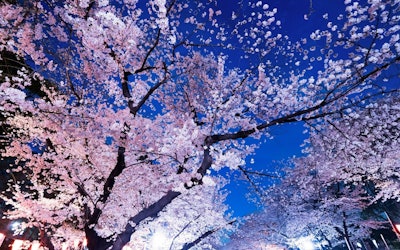
Nighttime Cherry Blossom Viewing at Ueno Park, Hirosaki Park, and Takada Park in 2026 This video, titled "4K Japan's Top 3 Nighttime Cherry Blossom Spots|Ueno Park|Hirosaki Park|Takada Park|Famous Nighttime Cherry Blossom Locations|Sakura|Hanami|Cherry Blossom Evening" (4K 日本三大夜桜 上野公園 弘前公園 高田公園 Top3 Night cherry Blossom 夜桜の名所 sakura hanami 花見 Cherry blossom evening), was uploaded by "Discover Nippon." The video features plenty of beautiful 4K images showing the fantastic scenery of Ueno Park, Hirosaki Park, and Takada Park, which are known as the Top 3 Nighttime Cherry Blossom Spots in Japan. This article provides sightseeing information on the 2026 cherry blossom events at Ueno Park, Hirosaki Park, and Takada Park. First, be sure to check out the video to enjoy the fantastic views of the beautiful cherry blossoms in full bloom. After seeing this you'll definitely want to visit these spots in person! When Is the Best Time to See Cherry Blossoms at Ueno Park in 2026? Highlights and Festival Dates Photo:Cherry blossoms at night in Ueno Park, Taito, Tokyo Ueno Park, introduced at 0:19 in the video, is located in Taito, Tokyo, and is the first urban park in Japan, making it a place with a long history. Officially named "Ueno Onshi Park," Ueno Park has been selected as one of the "Top 100 Historical Parks in Japan" and is also home to Ueno Zoo, museums, art galleries, and cafes such as Starbucks. The park has also been selected as one of "Japan's Top 100 Cherry Blossom Spots" and attracts a total of approximately 4 million visitors during the cherry blossom viewing season when all sorts of vendors and food stalls line its paths. In Ueno Park, there are approximately 800 cherry trees of 50 species, and visitors can enjoy cherry blossom viewing for around two full months. The most popular cherry blossom viewing spots are Sakura-dori (さくら通り), Shinobazu Pond (不忍池), and Kiyomizu Kannon-do Temple, an Important Cultural Property. The 77th Ueno Cherry Blossom Festival (うえの桜まつり) will be held from March 14 to April 5, 2026. During the festival, approximately 800 "bonbori" (Japanese paper lamps) will be lit to create a fantastic illuminated scene. The bonbori light-up will run from March 20 (Fri, public holiday) to April 19 (Sun), 2026, from sunset until around 8:00 p.m. Ueno Park is just a two-minute walk from Ueno Station on all lines, and a one-minute walk from Keisei Ueno Station off the Keisei Main Line. When Is the Best Time to See Cherry Blossoms at Hirosaki Park in 2026? Special Highlights You Won't Want to Miss Photo:Cherry blossoms at night at Hirosaki Park, Hirosaki, Aomori Hirosaki Park, located in Hirosaki, Aomori, is introduced at 3:02 in the video. The highlights of Hirosaki Park include Hirosaki Castle's keep and three turrets, which have been designated as Important Cultural Properties by the Japanese government. Hirosaki Park is home to approximately 2,600 cherry trees of 52 varieties that bloom each year. The most famous is the large weeping cherry tree (Shidarezakura), which was planted in 1914. The 2026 Hirosaki Cherry Blossom Festival (弘前さくらまつり), where you can enjoy nighttime cherry blossoms, will be held from April 17 (Fri) to May 5 (Tue, public holiday), 2026 — a total of 19 days. In response to the recent trend of earlier blooming, the festival will begin earlier than usual this year (dates are subject to change depending on blooming conditions). Special nighttime illumination of the cherry blossoms will take place every evening throughout the festival, and various events are also planned, including boat tours on Hirosaki Park's middle moat. Please note that 2026 is a particularly significant year for Hirosaki Castle. As part of ongoing stone wall repair work, the castle keep is scheduled to be moved back to its original foundation from July 2026 — its first relocation in approximately seven years. As a result, public access to the interior of the keep was suspended on November 23, 2025, and visitors will not be able to enter the keep during the 2026 cherry blossom festival. That said, the stunning springtime view of cherry blossoms, the castle keep, and the Tsugaru Fuji (Mt. Iwakisan) remains as breathtaking as ever. There is also a reservation-only "cherry blossom viewing party," which is popular because it allows visitors to enjoy Tsugaru's local cuisine while viewing the cherry blossoms, with no need to bring anything along. It is a 20-minute walk from JR Hirosaki Station, and there is a parking lot nearby. When Is the 2026 Kanoukai Held at Takada Park? Nighttime Cherry Blossoms and the Three-Story Turret Photo:Cherry blossoms at night at Takada Castle Site Park, Joetsu, Niigata At 5:19 in the video, Takada Park is introduced. As of April 1, 2020, the name of this park was changed to "Takada Castle Site Park" (高田城址公園). Takada Castle Site Park (Takada Park) in Joetsu, Niigata, is a large approximately 50-hectare park that includes the restored three-story turret of Takada Castle, the Municipal Museum (renovated into a Museum of History), and sports facilities. You can also check out live cameras of Takada Castle Site Park on the "Gurutto Shinetsu" (ぐるっと信越, ※Japanese only) website. In addition to cherry blossoms, the park is also famous for its beautiful lotus flowers. Takada Castle Site Park (Takada Park) is home to approximately 4,000 Somei Yoshino (Yoshino cherry) trees illuminated by bonbori lanterns, creating a breathtaking nighttime spectacle. The 101st Takada Castle Site Park Kanoukai (Cherry Blossom Viewing Festival) will be held from April 3 (Fri) to April 19 (Sun), 2026. Nighttime illumination will also take place during the event (6:00 p.m. – 9:00 p.m., extended until 10:00 p.m. during peak bloom). Various events are also planned, including stage performances, a local product fair, and a photo contest. (Please check the official website for details.) To get to Takada Park, it is a 15-minute walk from Takada Station on the Echigo Tokimeki Railway, or approximately a 10-minute drive from Joetsu-Takada IC on the Joshinetsu Expressway. A parking lot is available. Japan's Top 3 Nighttime Cherry Blossom Spots in 2026: Ueno Park, Hirosaki Park & Takada Park This video introduces the Top 3 Nighttime Cherry Blossom Spots of Japan in stunning detail. Enjoy the spectacular nighttime views of cherry blossoms lit up and glowing in beautiful shades of pink. Each of the three spots has its own unique charm — be sure to visit during the 2026 cherry blossom season! 【Official Website】Ueno Park/Ueno Onshi Park Official Website - Tokyo Metropolitan Government, Bureau of Construction https://www.kensetsu.metro.tokyo.lg.jp/jimusho/toubuk/ueno/en_index.html 【Official Website】Hirosaki Park https://www.hirosakipark.jp/en/ -
 Video article 3:50
This Endless Pink Cherry Blossom Tunnel Will Leave You Breathless! Introducing Attractions and Useful Information About the Popular Tourist Spot "Nicchu Line Weeping Cherry Blossom Path" in Kitakata, Fukushima Prefecture!
Travel- 844 plays
- YouTube
Nicchu Line Weeping Cherry Blossom Path in Fukushima Prefecture! This video, titled "[4K Video] 2017 Kitakata Weeping Cherry Blossom Tree Path Kitakata-shi, Fukushima" (【4K映像】2017喜多方しだれ桜並木), is a movie showing the beautiful weeping cherry blossoms at a promenade in Fukushima, in full bloom. The Nicchu Line Weeping Cherry Blossom Path ranks #1 for "Famous Cherry Blossom Viewing Spots That Japanese People Want to Visit the Most," #1 for "Most Popular Cherry Blossom Viewing Spot in the Tohoku region"(東北地方, Tohokuchiho), is "The Cherry Blossom Viewing Spot in the Tohoku Region That People Want to Visit the Most," and is a breathtaking sight that should definitely be on your bucket list. What is "Kitakata Shidare-zakura Namiki" in Fukushima Prefecture? When is the best time to see them? Photo:A woman enjoying a row of cherry blossom trees The Japanese National Railways Nicchu Line used to pass through Kitakata, Fukushima Prefecture in the Tohoku region, but is now discontinued. The ruins of the Japanese National Railway's Nicchu Line, which was abandoned in 1984 was subsequently transformed into the "Nicchu Railway Line Memorial Cycling Pedestrians' Path" (日中線記念自転車歩行者道, Nitchusenkinenjitenshahokoshado). More than 1,000 cherry blossom trees are planted along the 3-kilometer promenade! In spring, beautiful cherry trees are in full bloom, and you can enjoy the sight of a tunnel of cherry blossoms as shown in the video. The best time to visit "Kitakata Shidare-zakura Namiki" is from mid to late April. Highlights of the "Kitakata Shidare-zakura Namiki" and the 2024 "Kitakata Cherry Blossom Festival Source :YouTube screenshot Every year in Kitakata, a project called "Hospitality with Flowers Kitakata" is held, and street stalls pop up along the promenade in the tourism season. You can see this at 0:43 in the video. It is wonderful to visit not only during the cherry blossom season, but also during the blizzard of cherry blossoms just before they fall. The "Kitakata Cherry Blossom Festival" will be held from April 7 to 26, 2024, when the weeping cherry trees are at their best, and there will be various events such as a walking event and a market featuring local products, in addition to the illumination of the cherry blossoms at night. There is also a steam locomotive midway through the promenade, as you can see from 2:00 in the video. This steam locomotive used to run on the Nicchu Line. The contrast between the pink weeping cherry blossoms and the black steam locomotive is perfect, so be sure to get a photo for your Instagram. Because the Nicchu Line Weeping Cherry Blossom Path in Fukushima is a promenade, it cannot be used for parties. Summary of the Nicchu Line Weeping Cherry Blossom Path in Fukushima Photo:Yoshino cherry trees・Nicchu Line steam locomotive There are many places in Japan where you can view cherry blossoms, such as weeping cherry blossoms or Yoshino cherry blossoms, burst into bloom. Among them, the Nicchu Line Weeping Cherry Blossom Path is a place that will have you thinking "I'm glad I came here." Be sure to check the bloom forecast on the news or bloom forecast websites and visit the Nicchu Line Weeping Cherry Blossom Path when the cherry blossoms are in full bloom! ◆Fukushima Prefecture Nicchu Line Weeping Cherry Blossom Path|General Information◆ 【Address】Jioshikirihigashi, Kitakata, Fukushima: Jisuwa,etc. 【Blooming Period】The middle to the end of April 【Night Cherry Blossom Lighting】 Cherry blossoms are lit up at night.For details, please visit the Kitakata Cherry Blossom Festival website. 【Access】A five-minute walk off the Banetsusai Line from Kitakata Station 【Parking】Available: Kitakata Commercial High School Ruins Temporary Tourism Parking Spot, etc. (Free) 【Bathrooms】Inside Kitakata Plaza, etc. 【Official Website】Nicchu Line Weeping Cherry Blossom Path – Kitakata Tourism and Local Products Association http://www.kitakata-kanko.jp/category/detail.php?id=104 -
Video article 1:01
The Cherry Blossom Blizzard at Ueno Park - One of the Most Famous Hanami Spots in Tokyo! The Ueno Cherry Blossom Festival in Taito City Boasts Approximately 1,200 Cherry Trees in Full Bloom!
Travel Festivals & Events- 512 plays
- YouTube
Cherry Blossom Blizzard at Ueno Park! This video is titled "Beautiful Japanese scenery,Cherry blossoms blizzard in Ueno Park." It introduces the cherry blossom blizzard at Ueno Park in Taito, Tokyo. It's produced by sandabee. In this video, we see the cherry trees standing in rows at Ueno Park along Sakura Dori, a street famous for the statue of Saigo Takamori, in full bloom. The cherry blossom petals fall like a snowstorm, dyeing the surrounding area pink. The beautiful video of Japan in the spring is filled with the applause and cheers of many tourists. It's a must-see! Photo:Ueno Station Ueno Park is one of the most popular hanami sites in Japan and is just a two-minute walk from Ueno Station on foot. The park has a long history and was designated the first public park in Japan in 1873. Officially called "Ueno Onshi Park," Ueno Park has many popular attractions including Tokyo National Museum, Ueno Zoo, where pandas attract many tourists, The National Museum of Western Art, which was designated a World Heritage Site for its Le Corbusier architecture, and more. The park is popular among people for its historical, cultural, artistic, and natural views. The verdant park has around 1,200 cherry trees and many people visit every spring, when the cherry blossoms come into bloom. Recently, the park has attracted increasing numbers of overseas tourists as well. Ueno Park's cherry blossom viewing season and event "Ueno Cherry Blossom Festival" dates and attractions ©r_abe01 Modifying Since about 40 species of both early and late blooming cherry trees, including Yoshino cherries, are planted in Ueno Park, you can enjoy hanami for around two months, from March until the end of April. The Annual Ueno Cherry Blossom Festival is organized when the Yoshino cherries are at their best and the park makes for one of the best hanami spots in Tokyo. The Ueno Cherry Blossom Festival is usually held between late March and early April.The Ueno Cherry Blossom Festival in 2024 is scheduled from March 16th to April 7th. During the festival, you can enjoy the scenery of illuminated cherry blossoms at night, stage events, stalls, and sales of hanami bento are held, which is crowded with many people. Ueno Park is of course lined with many stalls and a large number of tourists enjoy hanami parties while sitting on picnic blankets. You can enjoy viewing the beautiful cherry blossoms while eating delicious food at a hanami party with friends! Information on the Ueno Cherry Blossom Festival Photo:Shinobazu and Cherry Blossoms at Ueno Park The best place to see the cherry blossoms in Ueno Park is from the Sakura Dori (さくら通り, Sakura-dori) Street and the Shinobazu Pond boat ramp to the Ueno Park Open-Air Stage. You can also enjoy the wonderful view of cherry blossoms reflecting off the pond's surface while on a boat ride. During the Ueno Cherry Blossom Festival, events including the antique market are also held. Beside the stalls, Ueno Park has many restaurants and cafes to enjoy delicious food while viewing cherry blossoms as well. As the area around Ueno Station has many restaurants where takeout options are available, you can spend a whole day here enjoying tourist spots in the area and the view of the cherry blossoms. Although Ueno Park has parking lots, they are often full by early morning during the cherry blossom season. That being said, the best way to visit the park is by public transportation. Summary of the Ueno Cherry Blossom Festival The Ueno Cherry Blossom Festival in Ueno Park is a festival in Japan's spring that everyone should visit at least once. Since Ueno Park is one of the most popular hanami spots, you may need to save a place to have a hanami party during the flowering season when many tourists are gathering. You don't need to worry about restrooms since there are plenty throughout the park. If you're lucky, you can see the instagrammable, mystic view of the surrounding landscape dyed pink by the falling cherry blossoms. Experience the beauty of Japan's cherry blossoms with the video! ◆Ueno Park◆ 【Address】3-chome Ikenohata, Taito-ku, Tokyo. 【Access】A two-minute walk from JR/Tokyo Metro Ginza Line/Hibiya Line Ueno Station, and a one-minute walk from Keisei Ueno Station on the Keisei Line 【Hours】5 a.m. – 11 p.m. 【Telephone】(+081) 03-3828-5644 -
Video article 3:32
Osaka Mint's "Cherry Blossom Passage" is a springtime tradition in Osaka. Cherry blossoms at the Mint Bureau! Introducing the best time to see and highlights of the cherry blossoms.
Nature Travel- 97 plays
- YouTube
Sakura no Toorinuke – The Cherry Blossom Passage at Japan Mint in 2022: Video Introduction This video, titled "Cherry Blossom Passage at the Japan Mint Bureau in 2022 (Filmed in April, 2022)"|(【おうちで通り抜け】令和4年造幣局「桜の通り抜け」(2022年4月撮影)), was uploaded by "Japan Mint." In April 2022, the Japan Mint Bureau in Osaka "Sakura no Toorinuke," an annual cherry blossom viewing event, for the first time in 3 years. This video was created so that those who could not come to the event could still enjoy the cherry blossoms. Enjoy this video showing the lovely cherry blossoms at the Japan Mint Bureau in Osaka! A Brief Introduction to Osaka, Japan Osaka, located in central Japan, is known for its delicious street food and exciting nightlife culture, as well as famous tourist attractions like Dotonbori, Shinsekai, and Universal Studios Japan. Being located 2.5 hours south of Tokyo via bullet train, the weather is also generally a bit warmer than Tokyo's. Many people often ask whether Tokyo or Osaka is better to visit, but it really depends on what you're looking for. Osaka is considered to have nicer people and fun nightlife activities, such as clubbing and bar hopping, and while Tokyo still has this, the culture is not as rich. Tokyo tends to be on the sharper side of things and offers a wide range of tourist attractions due to its sheer size. How the Japan Mint Bureau Become a Famous Cherry Blossom Spot in Osaka Photo:Japan Mint Bureau, Osaka Sakura no Toorinuke, a passage of cherry blossoms at the Japan Mint Bureau in Osaka, is a popular cherry blossom viewing spot that attracts many visitors every year. In April 2019, more than 580,000 people visited the event in one week! The area where the Japan Mint Bureau is now located has long been known as a scenic spot for cherry blossoms in Osaka. During the Edo period (1603-1868 A.D.), cherry trees were collected and grown at the storehouse mansion of the Todo Clan, a samurai clan that ruled under the Tokugawa Shogunate. In the Meiji Period (1868-1912), those cherry trees were transplanted at the Japan Mint Bureau in Osaka. In 1883, the cherry blossoms, which could only be viewed by employees of the Japan Mint Bureau, were opened to the public for a few days during peak bloom at the behest of the then Mint Bureau Director. The event came to be known as Sakura no Toorinuke (桜の通り抜け, lit 'Cherry Blossom Passage'). The cherry blossom viewing area is limited to one week in mid-April, and visitors can view the cherry blossoms on a 560-meter-long one-way path along the riverside from the South Gate to the North Gate on the Japan Mint Bureau's premises. Hanami (cherry blossom viewing) along the Japan Mint Bureau's "Cherry Blossom Passage" has become a springtime tradition in Osaka. Japan Mint Bureau Cherry Blossoms in 2023. Illumination Events and Other Cherry Blossom Information Photo:Cherry blossoms at the Japan Mint Bureau, Osaka As of 2023, the Osaka Mint has 339 cherry trees of 140 species. Most of them are satozakura (East Asian Cherries) cultivated for ornamental purposes, and are most beautiful later into the cherry blossom season. Among the 140 varieties of cherry trees, there are rare varieties such as Benitemari, Otemari, and Kotemari, which bloom in dense clusters like temari, and Yoroizakura, which has white flowers. New varieties are added every year as well. [Video] 1:19 - Gyosho, a New Variety Added in 2022 [Video] 2:15 - Iyokiku, a New Variety Added in 2022 Every year, the Japan Mint Bureau in Osaka picks one species of flower and crowns it the "Flower of the Year." Be sure to keep an eye out for it when you visit! [Video] 0:21 - Fukurokuju (福禄寿), the 2022 Flower of the Year Every year, the cherry blossom passage at the Japan Mint Bureau in Osaka is lit up at sunset with paper lanterns and gas lamps giving it a relaxing atmosphere. Information for the 2023 illumination event has yet to be announced, so be sure to check the Japan Mint Bureau official website before visiting. [Video] 2:51 - The Cherry Blossom Light Up When is the best time to visit the Osaka Mint "Cherry Blossom Passage" in 2024? How to apply? Photo:Sakura no Toorinuke, Japan Mint Bureau, Osaka The best time to view the cherry blossoms at the Japan Mint Bureau in Osaka is from early to mid-April. The Sakura no Toorinuke cherry blossom passage is held for one week only during this period when the cherry blossoms are in full bloom. The blooming of the cherry blossoms is predicted based on past blooms, as well as weather and temperature. The date and time of the event is announced around mid-March each year based on the cherry blossom forecast. Following 2022, advance application was required for 2023. Advance applications must be made via the Internet, through the dedicated Cherry Blossom Passage application website. In 2024, advance application via the Internet will also be required (first-come-first-served basis). The event will be held for one week from early to mid-April. As soon as the date is determined, it will be announced on the Mint's official website. The application period is scheduled to begin around mid-March, so please check back. Pick Up a Coin Set or Medal to Commemorate Your Trip to the Japan Mint Bureau Cherry Blossom Passage Coin sets and souvenir medals produced by the Japan Mint Bureau in Osaka are also available for purchase. The coin set consists of six unused coins, ranging from 1 yen to 500 yen, manufactured in the same year, and a nameplate with the year of manufacture. Proof coinage sets, in which the coins' surfaces are finished with a special technique to create a mirror-like finish, are also available. The nameplate of the 2022 proof currency set and the commemorative medal (gold, silver, and copper) for cherry blossom passing through were designed with the "Flower of the Year" Fukurokuju.On the front of the nameplate of the currency set, the letters "Cherry Blossom Pass Through" and illustrations of cherry blossoms, and on the back, the year of manufacture and the Tora of the Oriental zodiac are written.The cover case was designed by Fukurokuju, the flower of the year. 2023 is the design of Shogetsu, the flower of the year.It depicts a beautiful fairy who lives through the moon against the backdrop of a checkered pattern. I'm looking forward to seeing what the design will be like in 2024!Let's wait for the official announcement of the design and purchase method. Tourist Attractions Near the Japan Mint Bureau in Osaka In addition to being a great spot for viewing cherry blossoms, the Japan Mint Bureau is also very conveniently located. Osaka Tenmangu Shrine is a 10-minute walk from the Japan Mint Bureau, and Osaka Castle can be reached in under 30 minutes by foot or by bus. Located just down the road from the Mint Bureau is the Mint Museum, where visitors can learn about the production of Japanese coinage, which is also free of charge. If you're looking for things to do in Osaka in spring, definitely consider adding the Japan Mint Bureau to your itinerary. Spring in Japan Spring in Japan means cherry blossoms, and in Japan, the cherry blossoms are appreciated with "Hanami," the Japanese word for "cherry blossom viewing." Whether it be cherry blossom parties with friends or simply enjoying them on their own, spring in Japan almost completely revolves around the cherry blossoms and their bloom season. It's not uncommon to see people enjoying picnics outside at parks with cherry blossoms and there are often festivals and other events held to celebrate their arrival each spring as well. If you're in Japan during spring, be sure to participate in these events for yourself and experience a significant part of Japanese culture! Summary of Cherry Blossoms at Osaka Mint Bureau Photo:Sakura no Toorinuke, Japan Mint Bureau, Osaka The Cherry Blossom Passage at the Japan Mint Bureau in Osaka is a springtime tradition in Osaka that is looked forward to by many people, including both local residents and tourists. Every year, new varieties of cherry blossoms are introduced and the design of the souvenir coin set is updated, making the cherry blossom passage an exciting event. The voluminous double-flowered cherry blossoms are great for taking Instagram photos as well! Check out all of the amazing cherry blossoms at the Japan Mint Bureau in Osaka! [Official Website] Japan Mint Sakura no Toorinuke, Osaka [TripAdvisor] Japan Mint Sakura no Toorinuke, Osaka -
Video article 15:24
Spring Is a Wonderful Time of Year When the Whole of Kyoto Is Bathed in the Brilliant Colors of Cherry Blossoms! Explore Some of Kyoto’s Most Popular Cherry Blossom Viewing Locations!
Travel- 122 plays
- YouTube
Introducing Some of the Best Cherry Blossom View Locations in Kyoto! This video, titled "4K JAPAN, Cherry Blossoms in Kyoto, Kyoto, Sightseeing, Travel, Hanami, Full Bloom, Sewaritei, Kiyomizudera, Arashiyama, Gion Shirakawa, Kyoto Botanical Gardens, Heian Jingu Shrine, Okazaki Canal, Byodoin, Kamogawa, Sakura" (4K JAPAN 京都の桜 Cherry blossoms Kyoto 京都 観光 旅行花見 満開 背割堤 清水寺 嵐山 祇園白川 京都植物園 平安神宮 岡崎疏水 平等院 鴨川 sakura), was uploaded by "Discover Nippon." It condenses the beautiful scenery of Kyoto into one video. As you can see from the video, there are many cherry blossom viewing spots in Kyoto, so get out there and see them for yourself! Explore Some of Kyoto’s Most Popular Cherry Blossom Locations! One of the most popular cherry blossom viewing spots in Kyoto is Kiyomizudera, a temple and World Heritage Site known for the "Stage of Kiyomizu," its three-story pagoda, and Hojo Pond. The temple grounds can be seen from 7:33 in the video. At Kiyomizu-ji Temple, "Night Special Visits" are held three times a year.Spring, when cherry blossoms are at their best, is from March 23rd to March 31st, 2024.The opening time of the gate has been extended until 21:30, so please enjoy the collaboration between fantastic cherry blossoms and historical buildings. Photo:Cherry blossoms and Tatsumi Bridge in Gion Shirakawa, Kyoto The Gion Shirakawa Sakura Light-up is held at Gion Tatsumi Bridge in the Instagrammable Gion Shirakawa area, there are about 43 weeping cherry trees in "Gion Tsubashi.""Gion Shirakawa Sakura Light Up" will be held at the best time to see the cherry blossoms.2024 will be lit up from March 22nd to 31st from 18:00 to 22:00, so please enjoy the fantastic night cherry blossoms that emerge in Kyoto's tasteful streets. If you want to enjoy an unusual experience during the cherry blossom season, go to the gagaku performance of the Heian Jingu Shrine's Kanzakura Tea Ceremony and the Red Shidare Concert, which you can see from the video 6:15. "Heian Shrine" where you can enjoy cherry blossoms while enjoying matcha." The Kanzakura Tea Ceremony will be held from March 31st to April 11th, 2024.The Red Shidare Concert, which will be held in the illuminated cherry blossoms, will be held from April 3rd to the 7th, 2024. 4:46 is a popular cherry blossom viewing spot where you can also see Okazaki Sosu and Lake Biwa Sosu on Instagram. Photo:Cherry blossoms along the bank of the Kamo River, Kyoto Also consider checking out the "Flower Corridor" on the Kamo Riverbank between Shichijo Bridge (七条大橋) and Sanjo Bridge (三条大橋), as well as Kamo River Park in Kamogawa, and Nakaragi no Michi between Kitayama Bridge (北山大橋) and Kitaoji Bridge (北大路橋). The Kyoto Botanical Garden located near Nakaragi no Michi features beautiful red tulips and is a must-see. On the other side of the Iwashimizu Hachimangu Shrine, there is a tunnel of cherry blossom trees along the Yodogawa River Park's Sewaritei Bank. This is shown at 2:53 in the video. At the Sewaritei Cherry Blossom Festival, you can enjoy cherry blossom viewing under roughly 1,500 cherry trees of various types, including Someiyoshino and Yamazakura. Be sure not to miss the Sakura-deai Visitor Center and the observation tower that were built on the bank in 2017. Photo:Cherry blossoms at Togetsukyo Bridge, Kyoto In the cherry blossom forests of Hirano Shrine and Haradani-en Garden, you can see rare varieties of cherry blossoms, including some with yellow or green petals. You can also see the cherry blossoms at Nakanoshima Park and Togetsukyo Bridge in Arashiyama along the Oigawa River, which can be seen at 9:37 in the video. There are also many other places in Kyoto that are perfect for walking around cherry blossoms and cherry blossom viewing, including Daigoji Temple, Byodoin's Phoenix Hall, and Hieizan Enryakuji Temple. Summary of Cherry Blossoms in Kyoto There are many cherry blossom viewing spots in Kyoto, from well-known landmarks to hidden gems. Be sure to check the cherry blossom forecast before your trip to Kyoto to see the cherry blossoms when they're in full bloom. -
Video article 1:40
Enjoy the Cherry Blossoms at Goryokaku, a Popular Sightseeing Spot in Hakodate, Hokkaido! The Cherry Blossoms at This Historical Spot Are Exceptionally Beautiful!
Travel- 46 plays
- YouTube
北海道函館市の人気観光スポット「五稜郭」の桜紹介まとめ こちらの動画は「nippon.com」が公開した「Hakodate’s Cherry Blossoms Spring 2018 | nippon.com」です。 こちらの記事では、北海道函館市にある五稜郭の桜や箱館山からの夜景を紹介致します。 歴史ある日本の桜の名所と、古くから美しいと評価される夜景を、是非動画をご覧ください。 北海道函館市の人気観光スポット・五稜郭の歴史 五稜郭は、江戸時代末期に現在の函館市の中心地に建造されました。 もともとは外国船から箱館港を守るために建造されたようですが、戊辰戦争最後の戦場「箱館戦争」で旧幕府軍に占領され、木材不足のために一部が解体されて陸軍の訓練所として利用されるなどの紆余曲折がありました。 その後、1914年に五稜郭公園として一般開放され、現在は函館を代表する観光スポットとなっています。 1952年には北海道唯一の国指定特別史跡となりました。 「五稜郭」の桜の見頃や見どころ 五稜郭は函館市の桜の名所としても非常に有名で、ソメイヨシノを中心に1,600本もの桜があり、毎年桜の季節になると函館市民や観光客で大いに賑わいます。 五稜郭公園の桜の見どころは、お堀の外周の遊歩道。桜を見上げながらゆっくりと散策を楽しめます。桜を見ながらゆっくりと休憩ができるカフェ「自家焙煎コーヒー ピーベリー」もおすすめです。 また、五稜郭タワーの高さ約90mにあるガラス張りの展望台から見下ろす桜も人気で、五稜郭の星型を桜が彩る風景は一見の価値あり。 五稜郭の桜の見頃は、例年4月下旬から5月上旬にかけて。2024年の函館市の桜開花予想によると、2024年は例年よりも早く4月27日頃に見頃を迎えるようです。 隣接する五稜郭タワーの展望台からその景色を見下ろすと、星形の城郭に沿って綺麗な桜のピンク色を見ることが出来ます。 是非、地上と展望台の両方から五稜郭の桜を楽しんでみてはいかがでしょうか。 北海道函館市で夜景を楽しむ 昼間に桜を楽しんだ後は、箱館山で美しい函館市街の夜景を楽しむことが出来ます。 箱館山の山頂からは、海に挟まれた函館の街が光のアーチを作り、海岸線を縁取っています。 函館の夜景は古くから世界三大夜景と言われ、最近でも旅行ガイド「ミシュラン・グリーンガイド・ジャポン」で三ツ星を獲得する美しい景色です。 何度見てもまた行きたくなるような特別な魅力があります。 北海道函館市の人気観光スポット五稜郭紹介まとめ 北海道函館市にある五稜郭公園の桜と箱館山からの夜景について紹介させて頂きました。 どちらも日本が誇る非常に美しく素晴らしい景色です。 是非動画をご覧になって頂き、北海道旅行の際は実際に足を運んでいただければと思います。 -
Video article 2:38
Gorgeous Scenery and Only 30 Minutes Away From the Center of Tokyo! Beautiful, Fluttering Cherry Blossoms, and Colorful Tulips in Tachikawa's Showa Kinen Park!
Travel- 299 plays
- YouTube
Showa Kinen Park - A Breathtaking Park on the Outskirts of Tokyo, Harboring Gracefully Falling Cherry Blossoms and Vibrant Tulips in the Spring! The video “[4K] fluttering cherry blossoms and tulips, Showa Kinen Park -Cherry Blossoms and Tulips-([4K]桜吹雪とチューリップ 昭和記念公園 - Cherry Blossoms and Tulip -)” made by “AQUA Geo Graphic” showcases falling cherry blossoms and tulips of Showa Kinen Park during spring. The beautiful 4K photos look like a painting. Enjoy the colorful scenery of pink cherry blossoms, and red, yellow, and purple tulips that fill your screen. About Showa Kinen Park Photo:Image of Showa Kinen Park Showa Kinen Park is located between Tachikawa city and Akishima city of Tokyo in the Kanto region. The former U.S. Tachikawa military base was remodeled into the park to commemorate the 50th anniversary of Emperor Showa. There are many different facilities as well! Currently, there is the Rainbow pool, Children’s forest, Japanese Garden, The National Museum of Bonsai, an open Field and more. The park itself is a little over 450 square acres and is a place of recreation and relaxation for many people during the weekend and even throughout the work week. The 4 Seasons of Showa Kinen Park Photo:Showa Kinen Park Tulips Due to Showa Kinen Park's myriad of flower species such as tulips and cherry blossoms, visitors can feel all four seasons regardless of the weather. As shown in the video, Showa Kinen Park is the most colorful in spring, with blooming tulips and cherry blossoms. The beauty of its colorful red, white, yellow, blue and purple tulips in full bloom are sure to leave you speechless. You can see it from the start of the video to about 0:37 seconds in. Cherry trees and tulips in the park bloom at the same time. The cherry blossoms falling onto the tulip garden, makes for some of the most beautiful scenery you can find. You can see this at 0:28 seconds into the video. What is the best time to see cherry blossoms and tulips in Showa Memorial Park? There are about 1,500 cherry trees including the awesome Yoshino cherryand other cherry blossoms bloom, and the number of cherry blossoms is about 1,500. It is one of the best cherry blossom attractions in Tokyo during the full bloom season. The cherry blossom viewing season is usually from late March to early April.2023 was in full bloom around the end of March earlier than usual.On the website of Showa Memorial Park, the blooming status is sent from time to time, so if you plan to go see the cherry blossoms in 2024, please check them out in advance. Events at Showa Kinen Park Photo:Illuminated Christmas lights at Showa Kinen Park In addition to the tulips and fluttering cherry blossoms at Showa Kinen Park, there are other many other recommendations as well. In early spring, rape flowers and Japanese yellow roses are in full bloom. In autumn, foliage, ginkgoes and cosmos are in bloom. In the winter, we recommend seeing the daffodils as well as the Japanese Garden. Also, in winter months, there is an illumination that lights up the nearby streams. There are playgrounds, cafeterias, Dog Run in the park. You can also take great pictures of your sightseeing, or romantic pictures of your date and upload them to Instagram as well. Showa Kinen Park has many events and locations to visit all year round. For example, many people visit Showa Kinen Park for its Barbecue Garden in the spring and pool during summer. There are periodic events such as “Niku Fes” or the Meat festival as well. In recent years, Showa Kinen Park has held a qualifying race for the Hakone relay race that takes place on New Years. Summary of Showa Kinen Park Source :YouTube screenshot This time, we have introduced to you the tulips and fluttering cherry blossoms of Showa Kinen Park. There is also a parking lot that is easily accessed, and is only a 2 to 3 minute walk from the nearest station, Nishi Tachikawa Station on JR Oume line. It is also a government run location so the admission fee is reasonable which makes it a popular spot among families with children. We hope you were able to fully enjoy spring at Showa Kinen Park through this video. We hope you decide to visit in the future! ◆Showa Kinen Park Information◆ 【Address】3173 Midoricho Tachikawa city Tokyo 190-0014 【Access】About a 15 minutes walk from Tachikawa Station through the JR Chuo line, or a 2 minutes’ walk from Nishitachikawa Station through the JR Oume line 【Entrance fee】Adults 450 yen (as of January in 2020) 【Operating Hours】9:30 to 17:00 【Parking】available 【Telephone No】042-528-1751 【Official Website】 Showa Kinen Park Official Website | A national park representative of Japan, a city oasis full of “flowers” and ”green” events. https://www.showakinen-koen.jp/guide-english/schedule-english/ -
Video article 6:19
What Are Kakunodate Bukeyashiki Street and Hinokinai River Cherry Blossom Promenade? 2026 Kakunodate Cherry Blossom Festival: Dates, Best Time to Visit & Access Guide
Travel- 834 plays
- YouTube
Why Is Tohoku's Akita Considered One of the World's Greatest Cherry Blossom Destinations? This video, titled "KAKUNODATE|A Famous Cherry Blossom Spot in Tohoku|Bukeyashiki Street and Hinokinai River Bank, Akita|4K UHD Cherry Blossoms, Akita Tohoku Japan" (KAKUNODATE 東北の桜名所 秋田・角館武家屋敷通りと桧木内川堤の桜並木 4K UHD Cherry Blossoms, Akita Tohoku Japan), was uploaded by "Japan Videography." Cherry blossoms are now a popular flower all over the world, but many of them were selectively bred in Japan and have been designated as protected species. The Yoshino Cherry, which came to be in the Edo period (1603 to 1868), is exported the most around the world and many people enjoy viewing it during the blooming season because of its beauty. Japan is said to be a mecca for cherry blossom fans around the world, which means that Japan's cherry blossom viewing spots are some of the best in the world. This is a 4K video showcasing the breathtaking weeping cherry trees along Kakunodate's Bukeyashiki (武家屋敷, Samurai Residence) Street — said to be the most beautiful row of weeping cherries in Japan — as well as the Yoshino Cherries along the Hinokinai River in Akita Prefecture. Enjoy the beautiful footage of the entire area dyed in shades of pink. What Is the History Behind Kakunodate's Bukeyashiki Street? Source :YouTube screenshot As you can see from 0:39 in the video, Bukeyashiki Street in Kakunodate is a sightseeing destination in Semboku, Akita. Within a roughly 2 km radius, samurai residences from the Edo period stand side by side, and each spring, magnificent weeping cherry trees burst into bloom against the stylish black-boarded fences, filling Bukeyashiki Street with color. Bukeyashiki Street in Kakunodate is known as "the Little Kyoto of Michinoku" and has been designated a National Important Preservation District for Groups of Historic Buildings. Every year during the cherry blossom season, visitors from both Japan and abroad flock here to admire the gorgeous contrast between the delicate weeping cherries and the stately samurai residences. Kakunodate is a historical castle town that has thrived since the Edo period. Akita was ruled by the Satake clan, and the Kakunodate of today was once the domain of Satake Yoshichika, the first deputy of the Satake Kita family of Kakunodate, whose birthplace still retains its former appearance today. The history of Kakunodate as a cherry blossom destination traces back approximately 400 years, when the wife of Yoshiaki, the second-generation head of the Satake Kita family, is said to have brought three weeping cherry sapling from Kyoto upon her arrival as a bride and planted them in the residence garden. Those three trees became the origin of what is now a magnificent promenade of approximately 400 cherry trees stretching from Bukeyashiki Street all the way to the banks of the Hinokinai River. Of these, 162 weeping cherry trees have been designated as National Natural Monuments, and the area has also been selected as one of Japan's Top 100 Cherry Blossom Sites. You can see the weeping cherries filling Bukeyashiki Street from 1:26 in the video. What Makes the Yoshino Cherries Along Hinokinai Riverbank So Special? Source :YouTube screenshot The Hinokinai Riverbank, shown from 3:04 in the video, is a bank built along the Hinokinai River that runs behind Bukeyashiki Street. Unlike the weeping cherries on Bukeyashiki Street, the trees planted here are Yoshino Cherries (Somei Yoshino). The Yoshino Cherries along the Hinokinai Riverbank were first planted in 1934 to commemorate the birth of the 125th Emperor of Japan — known today as the Emperor Emeritus (上皇陛下). Designated as a National Site of Scenic Beauty and one of Japan's Top 100 Cherry Blossom Sites, the promenade stretches for approximately 2 km in a breathtaking tunnel of blossoms. Another highlight unique to this spot is the view of the Akita Shinkansen "Komachi" passing alongside the cherry-lined riverbank — a scene that has become a beloved photo opportunity for visitors. The 2026 cherry blossom season is the perfect time to visit this historically significant promenade and experience its timeless beauty for yourself. When Is the 2026 Kakunodate Cherry Blossom Festival and What Is the Best Time to Visit? Photo:Cherry blossom tunnel, Akita Prefecture Both Kakunodate's Bukeyashiki Street and the Yoshino Cherries along Hinokinai Riverbank are typically at their best from mid-April to early May. During peak bloom, the "Kakunodate Cherry Blossom Festival" is held, offering daytime hanami (flower viewing), spectacular illuminated night cherry blossom viewing, food stalls, and live stage performances — drawing crowds of visitors from across the country and beyond. In 2026, the festival is scheduled to run from Wednesday, April 15 to Tuesday, May 5 (a national holiday), with the possibility of a pre-opening event depending on blooming conditions. If you are visiting during this season, be sure to enjoy local gourmet experiences such as sweetfish fishing, an oyakodon rice bowl made with Akita's prized Hinai Jidori chicken, silky Inaniwa Udon noodles, and exquisitely crafted Japanese sweets. A visit to the Kakunodate Birch Textile Museum is also highly recommended. There are also shops nearby that offer full kimono rental sets, so strolling through the cherry blossom promenade by rickshaw in traditional Japanese dress is a wonderfully elegant way to take in the scenery. How Do You Get to Kakunodate's Bukeyashiki Street and Hinokinai River Cherry Blossom Promenade? Source :YouTube screenshot The cherry blossom promenades along Bukeyashiki Street in Kakunodate and the Hinokinai Riverbank in Akita have been designated a National Site of Scenic Beauty. As Akita is located in the northern part of Honshu, cherry blossoms bloom later here than in the Kanto region — with mid-April onward serving as a general guide for the 2026 bloom season. A live camera is set up on Bukeyashiki Street, allowing you to check the current blooming status online before your visit. Bukeyashiki Street is approximately a 20-minute walk from JR Kakunodate Station. By car, it is about 40 minutes from the Omagari IC on the Akita Expressway, or approximately 80 minutes from the Morioka IC on the Tohoku Expressway. Note that Bukeyashiki Street is closed to vehicles during the festival period, and surrounding roads can become heavily congested, so the use of public transportation is strongly recommended. Paid parking is available nearby (approximately 400 spaces, ¥500 per day for standard vehicles), with free temporary parking lots also provided during the festival. Please check the official website for the latest information on nearby attractions and traffic regulations. 【Official Website】Live Camera https://www.city.semboku.akita.jp/en/ 【Tripadvisor】Hinokinai River https://www.tripadvisor.com/Attraction_Review-g1022324-d15296391-Reviews-Hinokinai_Kawa_Tustusmi-Semboku_Akita_Prefecture_Tohoku.html -
Video article 3:19
Chidorigafuchi's “Cherry Blossom Festival in Chiyoda” is a cherry blossom viewing spot in Tokyo's Chiyoda Ward that attracts 1.3 million visitors! The beautiful cherry blossoms illuminated by lights are a spectacular spot to visit at least once!
Travel- 439 plays
- YouTube
Tokyo's Famous Cherry Blossom Spot, Chidorigafuchi If you're wondering where you can enjoy the beauty of Japan's 4 seasons, then look no further than Chidorigafuchi! When people think about visiting Tokyo, they probably think of gourmet food, shopping, and theme parks. But they're missing out, because while Tokyo may be the big city, there's still plenty of nature to be seen there. This video was created by “Japan Explorers.” It introduces cherry blossom viewing at night in Chidorigafuchi, Tokyo. The video is called “Chidorigafuchi Cherry Blossom [8k](千鳥ヶ淵の夜桜 ライトアップ Chidorigafuchi Cherry Blossom [8K]).” This article provides historical information about Chidorigafuchi, located in Tokyo's Chiyoda Ward, as well as information on the lit up cherry blossoms during the "Chiyoda Cherry Blossom Festival." It also explains the history of the cherry blossoms. The video demonstrates the beauty of the cherry blossoms as they light up under the night sky with high resolution 8K quality. It's amazing that you can find such a beautiful place in the middle of Tokyo. Please enjoy article and be sure to follow along with the video showcasing beautiful cherry blossoms. Chidorigafuchi, a famous sightseeing spot in Tokyo Photo:Cherry blossoms at the Imperial Palace, Chidorigafuchi Chidorigafuchi in Chiyoda, Tokyo is a moat northwest of the Imperial Palace. There is an event called the “Chiyoda Cherry Blossom Festival” where the cherry blossoms are lit up at night in the spring. We recommend taking a look at the breathtaking cherry blossoms reflecting off the surface of the water. Chidorigafuchi is a moat made after the opening of Edo in 1603. The moat was constructed as an expansion of the former Edo Castle. To create it, they blocked the river using earthen bridges at Hanzomon gate and Tayasumon gate. It used to be connected to the moat bordering Daikancho street, but it was reclaimed for road construction in 1900, and it became a separate moat. Hanzo moat is next to Chidorigafuchi park. There is a boat dock in the Chidorigafuchi green way, and you can enjoy the view of cherry blossoms from the boat. We recommend taking a boat ride to avoid the crowds. The nearest stations are Hanzomon station and Kudange subway station. It is only a 5-minute walk from both stations. There are no parking spots near Chidorigafuchi green way, so we recommend taking public transportation to Chidorigafuchi. Most poeple probably think of Tokyo tower and Tokyo Sky Tree when they think of tourist spots in Tokyo, but Chidorigafuchi is an amazing place for sightseeing. There's also Nippon Budokan and the British Embassy in the area as well. What is the best time and place to see cherry blossoms at Chidorigafuchi? Photo:Cherry blossoms lit up in Chidorigafuchi Yasukuni-dori Street and Chidorigabuchi are known as the most popular cherry blossom spots in Tokyo, attracting about 1.3 million visitors from home and abroad every year. Cherry blossoms in Chidorigabuchi are at their best from late March to early April.You can see beautiful cherry blossoms in full bloom in white and pink, and by the time they are past their full bloom, the "zero cherry blossoms" that have fallen on the water surface create another tasteful scene. On the Chidorigabuchi Green Road in spring, where 260 cherry trees bloom beautifully, you will be able to see plenty of cherry blossoms that you can see. There are about 330 cherry trees on the Kitanomaru side of the park and about 260 Someiyoshino and Yamazakura cherry trees along the Chidorigafuchi Greenway avenue. All these cherry blossoms turn the area around the moat pink. The Chiyoda Cherry Blossom Festival is held every year according to the bloom conditions. The night light up as “Chiyoda Cherry Blossom” entertains you with the fantastic view of cherry blossoms. Parties and securing spaces is banned at Chiyoda Cherry Blossom Festival. There are also no street markets and the number of bathrooms is limited. We recommend viewing the beautiful, illuminated cherry blossoms from the Chidorigafuchi greenway in the spring. In the video at 0:42, you can see an amazing view of the cherry blossoms lit up. It's truly a sight unlike any other. Be sure to take some pictures to commemorate your trip and to post on Instagram! Information about the cherry blossoms in Chidorigafuchi, Chiyoda, Tokyo. The best time to see cherry blossoms is from late March to early April. The types of cherry blossoms are Someiyoshino, Oshima-zakura, and Shidare-zakura. The Chiyoda Cherry Blossom Festival is held based on the bloom forecast, so be sure to check the official website if you're planning to come to the festival. Summary of Cherry Blossoms at Chidorigafuchi, Chiyoda, Tokyo ©r_abe01 Modifying Be sure to check out the video if you're curious about the cherry blossoms in Chidorigafuchi, Chiyoda, Tokyo. As you can see in the video, Chidorigafuchi's cherry blossoms are quite the spectacle. Enjoy the beautiful night light up of the cherry blossoms at Chidorigafuchi. If you want to relax in an oasis in the city or enjoy the Japanese springtime tradition of hanami, this is the place to be! Be sure to watch the video to see the beautiful cherry blossoms! -
Video article 2:57
Ryokusuien in Fukushima Prefecture Is Home to Many Beautiful Flowers. Like a Scene From a Fairytale; Don’t Miss the Splendid Scenery of Cherry Blossoms Blooming All Around You!
Travel- 414 plays
- YouTube
Video introduction of “Shikinosato Ryokusuien” in Koriyama City, Fukushima Prefecture This video「四季の里 緑水苑の春(福島県 郡山市・本宮市)」is about a beautiful Japanese garden located in Ryokusuien (Koriyama city/Motomiya city Fukushima). You can see beautiful weeping cherry blossoms during this 3-minute video clip. You can see the majestic figure of Mount Adatara which has a bit of snow left on it at 0:03 in the video. Please enjoy watching the beautiful spring scenery in Japan in the video. What Can You Explore at Ryokusuien in Fukushima? Photo:Spring at Ryokusuien Ryokusuien is a popular Japanese garden that is built along Gohyaku river between Kikutamachi Horiuchi in Koriyama city and Iwane in Motomiya city. One of the most attractive things to enjoy is walking around and seeing the beautiful seasonal flowers and hearing the calm rivers flowing. Especially in spring, when cherry blossoms bloom, tourists are enchanted by breathtaking scenery all around. When are the cherry blossoms and autumn leaves at Shikinosato Ryokusuien? Photo:Spring at Ryokusuien About 2.500 cherry trees bloom in early spring at Shikinosato Ryokusuien, and the best time to view the cherry blossoms is usually from mid to late April. There are also many kinds of flowers blooming such as plums, peach trees, forsythias, rose bays, moss pinks, daffodils, skunk cabbages and irises, and more. The best time to view the autumn foliage of about 200 trees in Shikinosato Ryokusuien is from early to mid-November; in 2023, the best time to view the foliage was in mid-November, later than usual. Stroll through the cherry blossom viewing spots where you can enjoy scenery of all four seasons. It really calms the spirits. Take a Trip to Ryokusuien! Source :YouTube screenshot We recommend taking a walk around Hana no Teien (the flower garden). On the way, you can see various kinds of trees and stones such as Suikinkutsu(stone pot), Keikaboku (fossil tree trunks), Ushi no Ki (a tree shaped like a cow), Kame no Ishi (a stone shaped like a turtle) and Azumaya(Chickee). When Fall comes, Imoni (outdoor food festival) is held in the barbecue area. Don't worry about bringing meat, vegetables, rice balls, etc. You can buy them there. It's also a great location for those who have pets to bring with them to the dog park. Summary of Ryokusuien in Fukushima Source :YouTube screenshot We introduced you to a video of the spring scenery at Ryokusuien in Fukushima. As you can see, it is surrounded by cherry blossoms which makes it a great place to take Instagram photos. We would recommend checking when the cherry blossoms are in full bloom before visiting to get the best experience. ◆Ryokusuien - A Village of Four Seasons◆ 【Address】Koriyama city Kikuta MachiHorinouchi Akatumae 71 to Motomiya Iwane Kawahara 208-1 【Access】About a 15-minute by car from Tohoku Expressway/Koriyama IC ・Hongu 【Admission fee】 Adults 500 yen Students(elementary/junior high) 300 yen (May 1st to July 20th) Adults 300 yen Students (elementary/junior high) 200 yen (April 1st to April 30th, July 21st to December 31st) 【Visiting hours】Spring/Summer: 8:30 am to 5:00 pm Fall/Winter:8:30 am to 4 pm 【Parking】ordinary vehicles 200, fully equipped accomodations, and 10 large buses (free) 【 Phone】024-959-6764 【Official Website】Shiki no Sato Ryokusuien Kikutamachi Koriyama, Fukushima http://ryokusuien.com/ -
Video article 18:16
Kansai Plum Blossom Guide: 8 Must-See Spots in Hyogo, Wakayama, Nara, Kyoto, and Mie Best Viewing Seasons and Highlights
Nature Travel- 95 plays
- YouTube
Hyogo, Wakayama, Nara, Kyoto, and Mie|8 Must-See Plum Blossom Spots in Kansai and Nearby Sightseeing Ideas. The flower that signals the arrival of spring earlier than any other is the plum blossom. It begins blooming a little ahead of cherry blossoms, and with its soft, drifting fragrance and red-and-white hues, it lets you feel the very moment when the season turns. In this article, we focus on eight plum blossom spots in Hyogo, Wakayama, Nara, Kyoto, and Mie featured in a YouTube video. We explain each site’s highlights, origins, and unique characteristics in detail, and we also introduce nearby attractions worth adding to your itinerary. Where Did Plum Blossom Viewing Begin? Was It Really the Star Before Cherry Blossoms? Photo: Plum blossoms Today, “hanami” usually means cherry blossom viewing. However, during the Nara period, the true “star flower” was the plum blossom. In the Manyoshu, poems that include the character for “plum” are said to outnumber those mentioning “cherry blossoms,” showing how deeply people of the time were moved by plums.There is also a record that in Tenpyo 2 (730), a “Plum Blossom Banquet” was held in Dazaifu, where attendees composed poems inspired by plum blossoms.Back then, plum blossoms were not so much a flower that had long been part of Japan, but rather a new and admired flower introduced from China. As time went on, flower viewing as a leisure activity shifted its focus to cherry blossoms, while plums continued to be cherished for their fragrance, association with learning, and auspicious symbolism.With their red-and-white colors symbolizing good fortune, and their ability to bloom after enduring winter, plum blossoms have blended naturally into everyday life as a lucky motif.They are dazzling at full bloom, and when the petals begin to fall, there are moments that can even evoke the swirl of falling cherry blossoms. Plum blossoms feel like flowers that quietly show us the entrance to spring. When Is the Best Time to See Plum Blossoms in Kansai? A Quick Guide to Bloom Timing Broadly speaking, the plum blossom season in Kansai runs from late January to late March.That said, even within Kansai, the timing can shift easily depending on coastal versus inland areas, mountain valleys, and elevation, so the peak period can be tricky to predict. A Simple Guide From First Bloom to Peak Season Wakayama (Minabe): Easy to plan for early in the season. The grove typically opens from late January, with peak viewing around mid-February.Kyoto (city areas): From February through March. The Tenmangu Shrine Plum Blossom Festival (late February) is also a seasonal cue.Nara (Tsukigase and Gojo): Mainly mid-February through March. Tsukigase spreads across a gorge with around 10,000 trees.Hyogo (Kobe and the foothills of Mt. Rokko): In some years the plum blossom season doesn't really take off until March. The Hokura Plum Grove is usually at its best from the middle of March.Mie (Inabe and Suzuka): Late February through March. Suzuka no Mori Garden is especially known for its nighttime atmosphere. 1. Hokura Plum Grove (Kobe, Hyogo)|A “Reward” of Plum Blossoms Overlooking the City and Sea Photo: Hokura Plum Grove, Kobe, Hyogo You can see the scene at Hokura Plum Grove (00:45).Hokura Plum Grove was created in 1975 on Mt. Hokura in Higashinada Ward, Kobe, out of a desire to bring back the former Okamoto plum groves. With about 100 white and red plum trees, its biggest draw is the view framed by the cityscape and the sea.The highlight is the moment when the view suddenly opens up after the climb. The fragrance seems to bring spring ahead of time, and even the slope beneath your feet becomes part of a “small journey.” Many visitors enjoy a quiet walk rather than a picnic-style party, but on popular days it can feel a bit like people are claiming spots. Comfortable walking shoes are a good idea. Nearby attractions (Kobe, Hyogo) After visiting Hokura Plum Grove, stopping by the nearby Hokura Shrine before heading back down the mountain is a natural next step. Okamoto Plum Grove Park has around 200 trees and a wide variety of cultivars. It is close to the station and great for “plum-hopping.” After descending, taking a café break or strolling around the Hankyu Okamoto Station area is a pleasant way to settle into the afterglow of your hike. If you want to add a more classic sightseeing touch, consider visiting the Nada sake breweries, which are easy to reach from Higashinada. You can learn at the visitor facilities and pick out souvenirs as well. Basic information Best season: From mid-March onward (varies by year) Access: About a 40-minute walk from Hankyu “Okamoto Station” (approximate)Admission: Free(transportation and nearby facilities not included) Official website: https://www.city.kobe.lg.jp/b07715/kuyakusho/higashinadaku/shoukai/shoukai/ume.html 2. Minabe Plum Grove (Minabe Town, Wakayama)|A Vast Plum Grove Known as “A Million at a Glance, Fragrance for Ten Miles” Photo: Minabe Plum Grove, Minabe Town, Wakayama You can see the scene at Minabe Plum Grove (02:21).Minabe Plum Grove is one of Japan’s largest, often described as “a million blossoms at a glance, fragrance for ten miles.” As you walk through the aromatic air, it feels like you can hear spring drawing closer. The grove typically opens from late January to early March, with peak viewing around mid-February.Minabe Town is also known as a major plum-producing region, where plums are closely tied not only to tourism but also to everyday life and local work. Here, words like umeboshi and traditional plum processing feel less like a simple local specialty and more like something you can experience as living culture. Nearby attractions (Wakayama) Around Minabe Plum Grove, there are plenty of easy detours where you can experience what it means to be in a plum-producing region. Pairing your walk with shopping for plum products or visiting related facilities helps the scenery linger as “flavor memories,” too. If you have more time, heading toward Shirahama to add a coastal walk with dramatic views, or a day-use soak in Shirahama Onsen, can elevate the trip into a truly satisfying spring getaway. Basic information Location: Banre area, Minabe Town, Hidaka District, Wakayama Prefecture Hours: 8:00–17:00 (during the open season) Admission: Adults 500 yen, elementary and junior high school students 200 yen (approximate) Access: About 5–6 minutes by car from Minabe IC (approximate) Parking: Paid Official website: https://minabebairin.com 3. Ano Plum Grove (Gojo City, Nara)|A Story of 20,000 Trees Inspired by Yoshino Photo: Ano Plum Grove, Gojo City, Nara You can see the scene at Ano Plum Grove (04:09).Ano Plum Grove spreads across the hills of Nishiyoshino, Gojo City, Nara Prefecture, with around 20,000 plum trees.What makes it special is the way the viewing areas are named “Hitome Senbon,” “Mikaeri Senbon,” and “Oku no Senbon,” echoing the famous cherry blossom zones of Mt. Yoshino. You can feel the ambition to create a spring experience with plums that can stand alongside Yoshino’s blossoms.Allow about three hours to explore the area. If you take your time, pausing at viewpoints and breathing in the fragrance rather than rushing, the scenery stays with you long after you leave. Nearby attractions (Nara) One of the best parts of Ano Plum Grove is how you can layer a sense of history onto the plum scenery. If you visit the nearby former Ano Imperial Palace site (Hori Family Residence), you will gain a better sense of this area’s background, which makes the plum landscape even more memorable. On the way back, stopping by Gojo Shinmachi Street to stroll through an Edo-period townscape and take a break with something sweet connects nature and town walking, adding density to your day. Basic information Location: Kitazogi, Nishiyoshino-cho, Gojo City, Nara Prefecture Best season: Late February to early March (approximate) Inquiry: 0747-33-0301 (local) Official website: https://www.city.gojo.lg.jp/soshiki/nishiyoshino/1/2015.html 4. Tsukigase Plum Valley (Nara City, Nara)|A “Spring Panorama” of Gorge, Lake, and 10,000 Trees Photo: Tsukigase Plum Valley, Nara City, Nara You can see the scene at Tsukigase Plum Valley (05:43). Tsukigase Plum Valley is one of Japan’s leading plum blossom destinations, with more than 10,000 trees stretching along the gorge of the Satsukigawa (Nabari River). It was designated a National Scenic Spot in 1922.Peak season is around mid-February through March. The fragrance lingers as if pooling in the gorge, and the scenery seems to loosen and open up the more you walk, a signature charm of Tsukigase.And this is a place that goes beyond being simply “photogenic.” It is said that plum trees were first planted in the precincts of Shinpukuji Temple in the Kamakura period, and the area later drew poets and scholars. That depth of time gives the landscape a quiet sense of presence. Nearby attractions (Nara City, Nara) Because Tsukigase Plum Valley is best enjoyed on foot along the gorge, the perfect nearby plan is one that warms you up and neatly rounds out the day. After your walk, soak and unwind at Ume no Sato Tsukigase Onsen to melt away the chill and the fatigue that tends to build up in this season. If you have extra time, stopping by a nearby roadside station to pick out local foods and souvenirs adds another small pleasure to the trip home.. Basic information Access: About 80 minutes by bus from JR Nara Station or Kintetsu Nara Station (approximate) Best season: Mid-February to March (approximate) Official website: https://www.city.nara.lg.jp/sightseeing/naraharu/112100.html 5. Kitano Tenmangu Shrine (Kyoto City, Kyoto)|Plum Blossoms, Learning, and the Legend of the “Flying Plum” Photo: Plum Garden “Hana no Niwa” at Kitano Tenmangu Shrine, Kyoto You can see the scene at Kitano Tenmangu Shrine (08:13).Kitano Tenmangu Shrine is a Tenmangu shrine associated with Sugawara no Michizane and is affectionately known as “Tenjin-san.” It has a deep connection with plum blossoms, and the plum tree in front of the main hall is said to be a special tree that carries on the plum Michizane loved.Visiting amid the fragrance of plum blossoms offers a calm, centering stillness that goes beyond prayers for academic success.During plum season, many visitors also come to receive goshuin stamps, and the atmosphere on the grounds feels even more like a springtime event. As the opening period, program details, and fees for the plum garden vary by year, it is best to check the official announcement shortly before your visit. Nearby attractions (Kyoto City, Kyoto) The area around Kitano Tenmangu Shrine makes it easy to build a classic “Kyoto highlights” itinerary, even for first-time visitors. After visiting the plum garden and paying your respects, consider heading to Kinkakuji or Ryoanji to experience Kyoto’s iconic scenery and quiet beauty in a single day. If you would rather slow down, stroll around the Kamishichiken and Nishijin neighborhoods. Adding a break for wagashi sweets or a light meal helps keep the day relaxed rather than rushed. Basic information Location: Kamigyo Ward, Kyoto City (Kitano Tenmangu Shrine)Plum garden and program details: Periods and fees vary by year (check official announcements)Official website: https://kitanotenmangu.or.jp/guidance/baien/ 6. Jonangu Shrine (Kyoto City, Kyoto)|A Garden Where Weeping Plums and Camellias Overlap in Spring Photo: Weeping plums and fallen camellias at Jonangu Shrine, Kyoto You can see the scene at Jonangu Shrine (09:51).Jonangu Shrine was founded to the south of Kyoto at the time of the Heian capital’s establishment and has long been revered as a major shrine for protection against misfortune.In spring, it is famous for the “Weeping Plum and Camellia Festival,” where about 150 weeping plum trees and around 400 camellias can be enjoyed at the same time. As the blossoms begin to fall, the “carpet of petals” covering the ground is another highlight.Nighttime cherry blossoms are wonderful, too, but Jonangu feels best enjoyed in daylight, when you can slowly appreciate the textures of the flowers. To avoid crowds, visiting right after opening or on weekdays is generally more comfortable. Nearby attractions (Kyoto City, Kyoto) After Jonangu Shrine, linking your trip to the Fushimi area makes the sightseeing plan easy to organize. Fushimi is known as a sake-brewing district. Combining a stroll through the brewery townscape with museum visits adds cultural depth to a flower-viewing outing. If you have time, Fushimi Inari Taisha is also a great option. With a mix of worship and walking, even a half-day outing can feel well-rounded, with “seeing, walking, and tasting” all covered. Basic information Weeping Plum and Camellia Festival: Feb 18 to Mar 22 (varies by year)Visiting hours: 9:00–16:30 (last admission 16:00)Admission fee: Adults 1,000 yen, elementary school students 600 yen (varies by period and category)Official website: https://www.jonangu.com/shidareume.html 7. Inabe City Plum Grove Park (Inabe City, Mie)|A “Color Patchwork” of Mountains and Plum Blossoms Photo: Inabe City Plum Grove Park, Inabe City, Mie You can see the scene at Inabe City Plum Grove Park (11:45).Inabe City Plum Grove Park is a well-known plum blossom spot located within the Inabe City Agricultural Park in Mie Prefecture. During the plum festival period, an admission fee is charged, and opening hours are generally from 9:00 to 16:00.The sight of colors spreading across the slopes looks especially crisp on clear days, and some visitors may immediately think of great photo opportunities.That said, this feels less like a place made solely for photographs and more like a place to take in the entire landscape from the observation decks. While enjoying sheer scale, like counting cherry trees, can be fun, Inabe’s appeal is how clearly you can see differences in varieties through color, with highlights scattered throughout the park. Nearby attractions (Inabe City, Mie) After Inabe City Plum Grove Park, adding a relaxing detour in the Ageki area can boost overall satisfaction. There are facilities where you can enjoy hot springs, saunas, and meals, which is perfect for the chilly plum blossom season. If you have extra time, a short stroll through Ageki’s shopping streets before heading home is also recommended. It is a pleasant way to soak up “just a little more” local atmosphere at the end of your trip. Basic information Location: 717 Kanae, Fujiwara-cho, Inabe City, Mie PrefectureHours: 9:00–16:00Admission fee: Adults 500 yen (approximate, during the plum festival period)Official event information: Updated as neededOfficial website: https://www.kankomie.or.jp/event/11313 8. Suzuka no Mori Garden (Suzuka City, Mie)|A “Weeping Plum Chandelier” Floating in the Night Photo: Suzuka no Mori Garden, Suzuka City, Mie You can see the scene at Suzuka no Mori Garden (14:27).Suzuka no Mori Garden is a research and cultivation farm for weeping plum trees operated by the Akatsuka Botanical Garden Group. The garden has about 200 notable trees, and it is striking how clearly the purpose of preserving and passing down pruning and training techniques is stated.The signature highlights are the trees known as “Heaven’s Dragon” and “Earth’s Dragon,” estimated to be more than 100 years old. They are especially admired as ancient specimens of Kureha weeping plums.And this is a place where nighttime can be the main event. During the illumination period, the garden stays open until 20:30 (last admission 20:00), and watching the blossoms glow against the darkness creates a fantastical atmosphere distinct from nighttime cherry blossoms.Dress warmly. On windy days, it can feel much colder than you might expect. Nearby attractions (Mie Prefecture) One of the best things about Suzuka no Mori Garden is how easy it is to plan nearby sightseeing around your preferred style of trip. If you want to add a quiet, reflective moment, visiting Tsubaki Grand Shrine is a great option, with forest air that helps you reset. For family trips, pairing the outing with Suzuka Circuit makes planning easier by adding a major attraction. If you spend the evening out for the illuminations, ending the day by warming up in the Yunoyama Onsen area leaves a clean, satisfying afterglow. Basic information Location: 151-2 Yamamoto-cho, Suzuka City, Mie Prefecture Open period: Feb 21 to late March (planned, varies by year) Fee: 700–2,000 yen (varies depending on bloom conditions) Access: Approximate travel times available from Kintetsu Yokkaichi Station, JR Yokkaichi Station, Kintetsu Komono Station, and others Official website: https://www.akatsuka.gr.jp/group/suzuka/index.html Conclusion|Plum Blossoms in Kansai Become a “Spring Story,” Including the Journey Itself Plum blossom destinations in Kansai each have completely different expressions, even though they all feature the same flower. Overlooking the sea and city (Hokura Plum Grove, Kobe, Hyogo) Enveloped by fragrance on a grand scale (Minabe Plum Grove, Minabe Town, Wakayama) A story inspired by Yoshino (Ano Plum Grove, Gojo City, Nara) Walking through a scenic gorge (Tsukigase Plum Valley, Nara City, Nara) The bond between learning and plums (Kitano Tenmangu Shrine, Kyoto City, Kyoto) Overlapping seasons in a garden (Jonangu Shrine, Kyoto City, Kyoto) A mountain panorama of colors (Inabe City Plum Grove Park, Inabe City, Mie) A fantasy that comes alive at night (Suzuka no Mori Garden, Suzuka City, Mie) For travel planning, Kyoto is easy to organize as day trips centered on temples and shrines, while in Nara, the time spent walking itself adds to the satisfaction of the journey. In Mie, combining a car or tour makes travel much more comfortable, and the flexibility to change destinations depending on fees and bloom conditions is a major advantage.Lastly, because flowering forecasts can fluctuate from place to place, checking official bloom updates once before departure will help you travel with peace of mind. .caption-heading-2 { font-weight: bold; font-size: 1.7rem; margin-bottom: 15px; max-width: 800px; margin-left: auto; margin-right: auto; margin-top: 60px; } .mod-article-caption .caption-text { margin-bottom: 40px; } .caption-information-table { background-color: #efefef; margin-top: -20px; margin-bottom: 50px; padding: 20px; border-radius: 8px; width: 90%; margin-left: auto; margin-right: auto; } .caption-information-table.blue { background-color: #fffaef; } .caption-information-table .title { font-weight: bold; font-size: 1.7rem; } @media screen and (max-width: 1024px) { .caption-information-table { width: 95%; padding: 30px 15px 30px 15px; } } .caption-heading-table .caption-text li { line-height: 2.5rem; margin-top: 1.3rem; } .mod-article-caption .caption-heading { position: relative; border-left: 5px solid #ff1300; padding-left: 10px; margin-top: 60px; } .mod-article-caption .caption-text { margin-bottom: 50px; } .mod-article-caption .caption-heading-table { width: 95%; padding: 30px 15px 1px 15px; margin-left: auto; margin-right: auto; } .caption-heading-table ul{ counter-reset: listnum; /* カウンターをリセット */ list-style: none; /* 標準のスタイルは消す */ font-size: 1.5rem !important; margin-bottom: 15px; } .caption-heading-table ul.list-style-number-jp>li{ margin-left: 1.1em; text-indent: -1.1em; font-weight: bold; } .caption-heading-table ul.list-style-number-jp>li::before{ counter-increment: listnum; /* counter-resetと同じ文字列 */ content: counter(listnum); /* カウントした数に応じて番号を表示 */ content: counter(listnum) ". "; } /*.list-style-dot { list-style: "↓"; }*/ .list-style-dot>li::before{ content:"↓ "; } .list-style-dot>li { padding-left: 1.8rem; margin-left: 1.1em; text-indent: -1.1em; line-height: 2rem !important; margin-top: 1rem !important; } .separation_line { border-width: 0 0 8px; border-style: solid; border-image: url('data:image/svg+xml,') 0 0 100% repeat; width: 216px; margin:auto; margin-bottom: 50px; } .line-height-text { line-height: 3.7rem !important; } .readMoreContainer { position: relative; height: auto; max-height: 300px; overflow: hidden; transition: max-height 0.6s; } .readMoreContainer::after { content: ""; position: absolute; top: 0; left: 0; z-index: 0; display: block; width: 100%; height: 100%; transition: 1s; background: linear-gradient(to bottom, transparent 40%, #efefef 100%); pointer-events: none; } .readMoreContainer.show:after { z-index: -1; opacity: 0; } .readMoreBtn { display: block; margin: 0 auto; padding: 8px 40px; border: 0; color: #ffffff; background-color: #ff1300; cursor: pointer; border-radius: 5px; margin-bottom: 20px; } .readMoreBtn:hover { opacity:0.7; } -
Video article 11:05
Explore Some of the Most Popular Nighttime Cherry Blossom Viewing Spots in Tokyo! Cherry Blossoms Lit up at Night Create a Fantastical Atmosphere You Can’t Experience in the Daytime!
Travel Things to Do Festivals & Events- 146 plays
- YouTube
Nighttime Cherry Blossom Viewing in Tokyo! This video, titled "[4K] Cherry Blossoms at Night in Tokyo, Tokyo Sightseeing, Tokyo Midtown, Nakameguro, Meguro River, Ueno Park, Chidorigafuchi, Tokyo Hanami, Japan Trip" ([4K]東京の夜桜 Cherry blossom evening in Tokyo 東京観光,東京ミッドタウン,中目黒,目黒川,上野公園,千鳥ヶ淵,東京花見, Japan Trip), was uploaded by "Discover Nippon." It introduces popular places to enjoy nighttime cherry blossom viewing in Tokyo. There are many spots in Tokyo where you can enjoy viewing wonderful cherry blossoms at night, so if you find a spot that interests you after watching the video, be sure to give it a visit! Introducing the dates of Tokyo's night cherry blossom attractions and cherry blossom festival events Photo:Cherry blossoms at night at Ueno Park, Tokyo At the Ueno Cherry Blossom Festival in Ueno Park, shown at 6:19 in the video, The Ueno Cherry Blossom Festival is usually held from late March to early April.2024 is scheduled from March 17 to April 9.During the festival, about 1,200 cherry blossoms at the park and Ueno Zoo are lit up, and there are stage events, fireworks lunch boxes, and stalls. There are also dances at the Kiyomizu Hall, a flower market, and an antique fair during the cherry blossom festival. The cherry blossoms in Ueno Park have been loved by the people of Japan since the Edo period (1603-1868 A.D.) and have been selected as one of the Top 100 Cherry Blossom Sites in Japan. The Nakameguro Cherry Blossom Festival held along the Meguro River, which can be seen at 4:01 in the video, is decorated with bonbori lanterns will be held for two days on March 30th and 31st in 2024.It is decorated with boneless lanterns that illuminate about 800 Somayoshino trees, showing a superb view of Instagram. These areas are lit up at night, creating a fantastic contrast to the daytime scenery. Be sure to take the Meguro River Cherry Blossom Cruise and enjoy the fantastic illumination of the cherry blossoms at night. The Chiyoda Cherry Blossom Festival is held at Chidorigafuchi on the west side of the Imperial Palace and around the British Embassy. The schedule is usually from late March to early April.The event will be held from March 22nd to April 2nd in 2024. Approximately 260 cherry trees can be seen in bloom at the boat ramp and other locations, creating a spectacular view. Photo:Tokyo Midtown cherry blossom light up Also, at the 200-meter Sakura-dori Avenue in front of Garden Terrace in Tokyo Midtown, shown at 0:30 in the video, a popular event called "MIDTOWN BLOSSOM" is held when the cherry blossoms are in full bloom. "MIDTOWN BLOSSOM 2024" will be scheduled from March 15 to April 14, 2024."BLOSSOM CAF É," which allows you to enjoy lighting up cherry blossoms and enjoy stylish cherry blossom viewing in the city center, will appear in Midtown Garden for a limited period of time. Another place to check out is the nighttime cherry blossom viewing at ARK Hills in Roppongi Hills, which can be seen at 1:43 in the video. Arc Hills Sakura Festival 2023 will be held from March 31st to April 2nd It was held at Ark Karajan Square.The Arc Hills Cherry Blossom Festival 2024 will be held from April 5th to 7th. Fantastic cherry blossoms lit up about 1km.During the period, concerts and other events, workshops such as making goods, and gourmet stalls will also be held.Please check the official website for details of 2024. Summary of Tokyo’s Nighttime Cherry Blossom Viewing There are many places to view the cherry blossoms at night in Tokyo, from popular spots to hidden gems. In addition, there are many restaurants and cafes in Tokyo that serve delicious meals, and many food stalls where you can buy drinks and gourmet food during the night cherry blossom season. When exploring the night cherry blossoms in Tokyo, be sure to look up the best forms of transportation. In addition, you could also consider booking a hotel so you can go sightseeing at your leisure. -
Video article 3:31
The Beautiful Sight of 1,200 Brilliant Hydrangeas in Full Bloom! Take a Moment to Relax and Enjoy the Nature, History, and Culture of Sendai, Miyagi!
Nature- 389 plays
- YouTube
Video introduction to Shifukuji Temple, a hydrangea temple in Sendai City, Miyagi Prefecture This time, we introduce a video titled "[4K]Ajisai Temple: 1200 hydrangea flowers in the shifukuji temple, Miyagi Japan".([4K]Ajisai Temple 仙台のあじさい寺・資福寺に咲く1200株の紫陽花 hydrangea flower in the shifukuji temple, Miyagi Japan) The video shows the precincts of Shifukuji Temple in full bloom with hydrangeas at their best. What is Sendai Hydrangea Temple "Shifukuji"? Highlights and history Shifukuji Temple, also known as the Hydrangea Temple (あじさい寺, Ajisai-dera), is located in Kitayama, Aoba Ward, Sendai, Miyagi Prefecture in the Tohoku region of Japan (Miyagi-ken Sendai-shi Aoba-ku Kitayama). The temple is formally known as the Shiunzan Shifukuji Zen Temple (慈雲山 資福禅寺, Shiunzan Shifukuji-zen-dera) of the Myoshinji Sect of the Rinzai school of Buddhism (臨済宗妙心寺派, Rinzai-shu Myoshinji-ha). As suggested by the name "Hydrangea Temple," Shifukuji Temple is known for its more than 1,200 bunches of blooming hydrangeas. The temple is a popular sightseeing destination in Sendai. An especially popular and Insta-worthy spot is the hydrangea-lined path leading to the sanmon gate. This can be seen at 0:56 in the video. Shifukuji Temple (Hydrangea Temple) has a long and rich history. It was originally constructed in Takahata Town, Yamagata Prefecture (山形県高畠町, Yamagata-ken Takahata-machi) in the Tohoku region of Japan. During the Warring States period (1467~1615), Kosai Soitsu (虎哉宗乙, Kosai Soitsu) became the chief priest of the temple. After Kosai became the educator of Sendai’s feudal lord Date Masamune (伊達政宗, Date Masamune), the temple was moved to Sendai. The ruins of the former Shifukuji Temple can still be found in Takahata Town, along with the graves of Date Masamune’s ancestors and Endo Motonobu (遠藤基信, Endo Motonobu), one of the Date clan’s chief vassals. Shifukuji Temple is also known for the statue of Ninomiya Sontoku (二宮金次郎, Ninomiya Sontoku). When is the best time to see hydrangeas at Shifukuji Temple? Sendai Hydrangea Temple "Shifukuji" has about 1,200 hydrangea plants in its precincts. The best time to view them is usually from mid-June to early July. The best time to view them depends on the weather, so please check the weather information website for the blooming conditions. Access to Sendai’s Hydrangea Temple Photo:Shifukuji・Hydrangeas Parking spaces are available behind the Main Hall of Shifukuji Temple. However, as the roads leading to the temple are narrow, we recommend that visitors take public transportation such as buses. The peak viewing season for the hydrangeas is late June, and many events, such as matcha-tasting at Shoshoin (小書院, Shoshoin), are held. However, as many visitors congregate during this time, it can be difficult to find a free parking space. In addition, a zen meditation session is held on the 1st of every month. This is also a popular event that draws many visitors. What is the language of flowers for the hydrangea variety? Photo:Shifukuji・Hydrangeas Hydrangeas bloom during Japan's rainy season, and appear in shades of white, purple, blue and red from May to July, growing to about 1m to 2m. In Japan, they symbolize both a young girl’s love or persevering love, as well as the opposing meaning of capriciousness and betrayal. The latter meaning is thought to be derived from the fact that the flowers' color changes depending on the quality of the soil. The colorful cluster which is frequently mistaken for flowers is actually the calyx of the hydrangea, with the flower petals hidden in the middle of the cluster. This is where pollination occurs and seeds are formed. The hydrangea is native to Japan, China, Taiwan and South America. They are deciduous shrubs of the Hydrangeacae family, and are also known as the Western hydrangea. The various species of hydrangea include the hydrangea macrophylla f. macrophylla, hydrangea quercifolia, hydrangea serrata, as well as the hydrangea macrophylla f. normalis. Recommended for beginner growers? How to grow "Hydrangea Photo:A potted Hydrangea The cultivation and care of hydrangeas is fairly simple, making it great plant even for beginners at gardening. For potting, first cut 2 centimeters off the stem of the hydrangea. Place the cut stem in water for about 30 minutes. In the meantime, place a net at the bottom of the pot, then fill the pot with Kanuma soil or Akadama soil and then moisten it. Next, create an opening to insert the cut stem. In about one month’s time, roots will grow. After the roots have grown sufficiently, transfer the shrub to a large pot. Place the pot in a place with plenty of sunlight, water the shrub frequently, and the hydrangea will grow healthily. View Hydrangeas at Sendai's Hydrangea Temple! Photo:Shifukuji・Hydrangeas How about it? Revitalize yourself and enjoy the sight of colorful hydrangea at the Hydrangea Temple! Furthermore, besides the hydrangea season, during other times of the year, you can enjoy the majestic bamboo forest as well! There is even a goshuin (commemorative seal stamp) available. This can be seen at 1:50 in the video. ◆Shifukuji Temple Overview of Facilities◆ 【Address】〒981-0931 Miyagi Prefecture Sendai City Aoba Ward Kitayama 1-13-1 【Access】12 minutes walking from Kita-Sendai Station on the JR Senzan Line (仙山線 北仙台駅, Senzan-sen Kita-sendai-eki) 【Parking】Free, with around 50 spots available 【Telephone No.】022-234-5730 【Tripadvisor】Shifukuji Temple https://www.tripadvisor.jp/Attraction_Review-g298249-d14920878-Reviews-Shifuku_ji_Temple-Sendai_Miyagi_Prefecture_Tohoku.html -
Video article 5:59
Gyoda City Was the First City in Saitama Prefecture to Be Recognized as a Japanese Heritage Site. Journey to the Charming City Where You Can Enjoy Quaint Scenery With Tabi Shoes and Historical Architecture!
Local PR Travel- 75 plays
- YouTube
埼玉県内初の日本遺産に認定され行田市紹介動画について こちらの動画は「GyodaCity,Saitama,Japan」が公開した『「行田市日本遺産推進協議会」観光PR movie』です。 埼玉県行田市は文化庁が地域の文化や伝統・歴史を一体化して認定した日本遺産にも選ばれ、お城や歴史的建築物・古墳が多数残る街。 それでは日本遺産の埼玉県行田市を見ていきましょう! 埼玉県行田市で日本遺産を観光!忍城址は見逃せない! 写真:埼玉県行田市・忍城址 埼玉県行田市のシンボルとなっているのが忍城址(おしじょうし)。 忍城は、史上最大の水攻めにも耐えた城です。 敷地内は春の桜・秋のホテイアオイが有名。 鎧着付け体験や商工忍城時代まつりといったイベントも多く行われています。 忍城址は多く市民、観光客にも愛され、日本遺産の中心的な場所です。 埼玉県行田市の日本遺産を巡る!足袋が有名な街! 写真:地下足袋 埼玉県行田市は足袋の生産が昔から盛んでした。 毎年、日本で唯一の足袋コレが行われ、足袋作り体験や足袋とくらしの博物館を巡る旅行も楽しいでしょう。 埼玉県行田市には現在も足袋を保管するための足袋蔵が80個ほど残り、飲食店やギャラリーとして営業しています。 観光の際には足袋蔵を訪れてみてはどうでしょうか。 グルメがいっぱい!埼玉県行田市のグルメスポットを巡る旅 画像引用 :YouTube screenshot 埼玉県行田市はご当地グルメが豊富です。 その中でも有名なのがフライ。 フライとは小麦粉をフライパンで焼く、薄いお好み焼きのような食べ物です。 他にもジャガイモに野菜・おからを混ぜて小判状にして揚げたゼリーフライは埼玉県行田市の名物。 埼玉県行田市のグルメスポットを巡る観光もおすすめです。 埼玉県行田市で日本遺産を体感!歴史と自然に触れる観光旅行 写真:田んぼアート 埼玉県行田市の日本遺産を語る上で忘れていけないのがさきたま古墳公園。 ここには東日本最大の古墳があります。 また、毎年5月に行われる、「さきたま火祭り」はインスタ映えすると評判。 古代蓮の里も景勝地として多くの観光客が訪れます。 田んぼアートも毎年行われて、絶景の景色が味わえると人気です。 埼玉県行田市紹介まとめ 今回は日本遺産にも登録されている埼玉県行田市の動画を紹介しました。 埼玉県行田市は上野東京ラインを使うことで東京駅から約1時間とアクセスがよく、気軽に訪れるエリアです。 皆さんも埼玉県行田市周辺の観光を楽しんでみてはどうでしょうか。 -
Video article 6:09
Tokyo and Kyoto Are the Two Major Sightseeing Destinations in Japan That You Can't Pass up on! Introducing Fascinating Sights in Beautiful 4K Video!
Travel- 372 plays
- YouTube
日本の二大人気観光地「東京」と「京都」を紹介した動画について こちらの動画は「Mark Ledford」が公開した「6 Minutes in Japan: Tokyo & Kyoto - 4k」です。 訪日観光をご予定の方は是非この動画をチェックして、観光コースの参考にしてください。 日本の人気観光地「東京」を紹介 東京と言えば世界有数のビッグイベント、東京オリンピックが2021年に開催されます。 残念ながらチケットが手に入らなかった方も、周辺エリアを散策するだけでもオリンピックの雰囲気が味わえます。 日本の人気観光地「京都」を紹介 京都での寺社仏閣巡りなら伏見稲荷大社は外せません。 千本鳥居を通り抜ける異世界体験は、京都観光の最高の思い出となるでしょう。 嵐山へ訪れた際には人力車も体験しましょう。 京都駅には徒歩圏内に新しいホテルが次々に開業して居ます。 ホテル内でもお土産ショッピングや、老舗京都料理店のグルメが味わえます。 日本の二大人気観光地「東京」と「京都」を紹介まとめ こちらの動画は美しい映像を軽快な音楽とともに楽します。 日本の二大観光スポットである「東京」と「京都」。 あなたはどちらの観光スポットを選びますか? -
Video article 14:46
A Journey Through the Fascinating City of Himeji, Hyogo! Feel the History and Culture of Japan at the Historic "Himeji Castle," a World Heritage Site!
Local PR Travel- 249 plays
- YouTube
An Introduction To Himeji, Hyogo This video, titled "Himeji Film Commission・Himeji City Promotion Video 2018" (姫路フィルムコミッション・姫路市内PR動画2018), was published by "himejifilmcomission". This video highlights the charms of Himeji, Hyogo. A popular tourist destination in Himeji, Hyogo, once called "Harima no Kuni," is Himeji Castle. The castle, famous as a World Heritage Site, can be seen at 0:58 in the video. There are many other fascinating destinations in the city that give you a taste of Japanese history and culture, so definitely check them out. Highlights of Himeji Castle, a major tourist destination in Himeji City, Hyogo Prefecture Photo:Himeji Castle after restoration Himeji Castle, also known as "Shirasagijo" (白鷺城, lit. "White Heron Castle") is characterized by its beautiful, brilliantly white citadel. Himeji Castle, which attracts attention as the pinnacle of historical castle architecture, was registered as a World Heritage Site in 1993. When you visit the historic Himeji Castle, be sure not to miss the Shachihoko displayed on the roofed passages. You can also see the Shachihokogawara (Shachihoko made of earthenware) at Shiromidai Park, shown at 3:13 in the video. The remains of the samurai residences of the Edo Period (A.D. 1603-1868) located on the west side of the castle have been transformed into the Japanese garden, Kokoen. During cherry blossom season, there are many cherry blossom festivals held and many people come to see the beautiful scenery. At a tea house, you can experience traditional Japanese tea ceremony and enjoy delicious traditional Japanese sweets. Highly Recommended Tourist Destinations in Himeji City, Hyogo Photo:Hyogo Prefecture, Himeji City Museum of Art Himeji Castle is not the only tourist site in Himeji! The Hyogo Prefectural Museum of History and the Himeji City Museum of Art, which can be viewed at 3:33 of the video, are two spots we highly recommend checking out. Some other places you don't want to overlook during your trip include Taiyo Park, which is home to replicas of world landmarks, and the Japan Toy Museum which holds a collection of more than 70,000 toys and dolls. It can be seen at 8:15 in the video. Himeji Central Park, a popular amusement facility for children, is another must-see destination. You can check it out at 7:43 in the video. Himeji Central Park also has a drive-thru safari, the only one in the Kansai region that you can enter with your own car! Crossing over to the islands of the Seto Inland Sea, you can also enjoy swimming, water sports, and even hot springs. There are also tourist sites, such as fishing spots and you can even hand-fish for sweetfish. We also recommend going sightseeing during events like the "Parade of Portable Shrines" during the Nada no Kenka Festival, and the Ceremony of Exorcise Evil at Engyoji Temple. These can be seen from 10:28 in the video. Popular Gourmet Food and Souvenirs in Himeji, Hyogo Photo:Hyogo Prefecture, Himeji Oden As mentioned at 11:37 in the video, Himeji, also known as a gourmet town, offers tons of delicious food, such as "Hinepon" (a type of roasted chicken), Himeji Oden, and Ekisoba. As a seaside town, it also offers fresh seafood, including mackerel and eel, as well as blue crab. You can also try other delicious gourmet foods, such as Himeji Wagyu beef and Japanese sake. We recommend "Himeji Hariko" and Myochin Hibashi Wind Chimes (明珍火箸風鈴, Myochin Hibashi Furin) if you're looking for souvenirs. Summary of Popular Tourist Destinations in Himeji City, Hyogo Photo:Himeji Castle What makes Himeji so appealing (besides all of the amazing sightseeing attractions) is that it has the Shinkansen (bullet train), making it easily accessible. Plan a beautiful trip to Himeji Castle, where you can experience a spectacular view from the heights and other fascinating sites in the area! 【Official Website】Himeji City, Hyogo. Himeji City Office, Official Website https://www.city.himeji.lg.jp/