-
Article
-
Local PR
-
Region
-
Season
-
Tag
Articles
-
 Video article 3:25
Take a Trip To Enjoy Japan's Autumn Atmosphere! Introducing Places of Natural Beauty With Beautiful Autumn Foliage, and the Traditional Culture of the Tohoku Region!
Local PR Travel- 93 plays
- YouTube
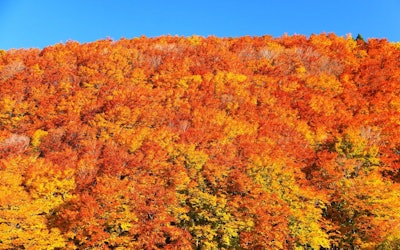
Introducing Japan's Tohoku Region During Fall This video, titled "Autumn Colors in Tohoku, Japan 4K (Ultra HD) - 東北の秋," was uploaded by "TOHOKU JAPAN." Please enjoy this three-and-a-half-minute-long video that features an abundance of beautiful fall landscapes to enjoy in Japan's Tohoku region. Sightseeing in Miyagi Prefecture During Autumn Photo:The heart-kanji-shaped lake at Entsu-in Temple, Miyagi Prefecture The video starts off with a landscape of Matsushima, Miyazaki. There is a hidden spot called Kamiwarizaki on the ocean side. We also recommend spending some time relaxing around Akiu Great Falls (秋保大滝, Akiu Otaki). Sendai's Kokeshi Dolls, a traditional handicraft that can be seen from 0:24, are produced in Miyagi Prefecture. Consider checking them out when looking for souvenirs Sightseeing in Fukushima Prefecture During Autumn Photo:Bandai-Azuma Skyline, Fukushima Prefecture The Bandai Azuma Skyline, which can be seen from 1:01, is a great place to enjoy a drive. Enjoy a refreshing time appreciating the view of Mt. Azuma-kofuji. You can enjoy beautiful seasonal sceneries in Natsugawa Valley and Goshikinuma Ponds. We also recommend stopping by the historic Shingu Kumano Shrine. There is a traditional event in Fukushima called Sukagawa Taimatsu Akashi (須賀川松明あかし). Sightseeing in Akita Prefecture During Autumn Photo:Hachimantai Aspite Line, Akita Prefecture The Hachimantai Aspite Line and Ryokan Onuma, where you'll find Fukenoyu Onsen (0:18), are perfect for sightseeing. From 1:21, you can see Nyuto Onsen as well. It is a popular hot spring where you can enjoy traditional Japanese scenery. Be sure to visit Dakigaeri Valley and Mikaeri Falls, which are located in the interior of Akita, and the gorgeous Lake Tajiri. Sightseeing in Yamagata Prefecture During Autumn Photo:Yamagata Prefecture, Katakai-Numa Stop by Yamadera, one of the most picturesque places in Yamagata Prefecture, and enjoy the spectacular natural scenery that only autumn can offer. Katakai-Numa in Zao is also an excellent place to observe the autumn colors. Yamagata Prefecture is also home to the richly flowing Mogami River, where you can enjoy relaxing sightseeing. Sightseeing in Iwate Prefecture During Autumn Photo:Genbikei Gorge, Iwate Prefecture In Iwate, enjoy sightseeing along the coastline while appreciating the spectacular view of Jodogahama Beach. Genbikei Gorge, with its refreshing stream and autumn colors, which can be seen from 1:31, is absolutely brilliant. Nambu tekki (ironware), a traditional craft of Iwate, makes for great souvenirs. Sightseeing in Aomori Prefecture During Autumn Photo:The Hakkoda Mountains, Aomori Prefecture When it comes to places to see fall leaves in Aomori, the Hakkoda Mountains take the cake. Take the ropeway to the top of the mountain and enjoy the autumn scenery to your heart's content. You can also walk along the popular sightseeing site, Oirase Gorge and view the gorgeous sea at Hotokegaura. Trying the delicious Oma tuna, a local specialty shown at 1:59, is something we highly recommend when touring Aomori. Summary of Japan's Tohoku Region During Autumn Photo:Autumn foliage on the Hakkoda Mountains This video shows various sightseeing spots where you can experience the beauty of autumn in Japan in just three and a half minutes. We hope you found your next sightseeing location in the Tohoku region! Be sure to visit them the next time you're sightseeing in Japan! -
 Video article 3:18
Shimizu-no-Sato in Misato, Akita: With Its Sea of Lavender, and Having Been Selected as One of the “Top 100 Waters of Japan,” You Won’t Be Able To Resist Visiting This Beautiful, Nature-Filled Tourist Destination!
Local PR Travel- 162 plays
- YouTube
About Misato, Akita Prefecture “The Promotional Video for Misato, Akita Prefecture(秋田県美郷町プロモーションビデオ)” produced by “Misato Hall” is a video introducing popular sightseeing spots in Misato, Akita Prefecture in Japan's Tohoku Region. Misato is a tourist destination in Japan that has plenty of perfect spots for Instagram, and for enjoying the beautiful scenery. It is a town with an estimated population of about 20,000 (As of May 2015). This is a must-see spot for those who want to get outside and relax! This article introduces the recommended sightseeing spots and famous places to visit in Misato, Akita Prefecture. Enjoy One of the "Top 100 Waters of Japan" in Misato, Akita Prefecture Photo:Niteko Shimizu, Rokugo Yūsui Spring There are 126 springs around Misato, Akita Prefecture, and there are many places where you can see beautiful springs. Misato formerly know as Rokugō (六郷町, Rokugō-machi), has been called "The Home of a Hundred Springs" since ancient times. The fresh water gushing out of the pool and the trees surrounding it are full of greenery. In the slow-moving countryside, the natural sound of flowing spring water soothes people's hearts. Some famous spring water spots in Misato are: "Rokugo Yusui Spring," "Kogane Shimizu (Shimizu no Sato)," "Fuji Shimizu," "Niteko Shimizu," "Hatachiya-Shimizu," "Odaidokoro Shimizu," and "Meisui Ichiba Yūtaro." These are listed under "Japan's 100 Exquisite Well-conserved Waters," "100 Selected Best Water Spots," "100 Best Water Source Forests," "100 Restorative Waters," and "100 Best Promenades for Walking." You can also see the beautiful fish “Ibaratomiyo” (Harizakko), that lives in the beautiful clear spring water. This video introduces famous springs in Misato, Akita Prefecture, starting at 0:39. Popular Sightseeing Spots in “Shimizu No Sato,” Misato, Akita Prefecture Photo:Lavender field Misato, Akita Prefecture, a highly recommended place for sightseeing, is full of spots where you can enjoy beautiful, natural scenery and history. Misato's lavender farm is a superb sightseeing spot that represents Misato. From here you can see the lavender blooming across a vast expanse of land. The best time to enjoy the beautiful scenery here is mid-June to mid-July every year. The contrast between white lavender and purple lavender is beautiful. You can see this in the video from 1:25. Matsunamiki, introduced in the video from 1:51, is a pine tree lined avenue that has been selected as one of the 100 most beautiful tree streets in Japan and is a great place to enjoy natural scenery. Also the Sakamoto Tōgaku Residence, introduced at 2:11, is the mansion of an innovator from the Meiji Period. You can really feel the history here. There are plenty of other spots that we recommend, where you can feel the rich culture and history of Japan! There's: "Ōu Sanroku," "Ōdaino-hiroba," "Senboku Plain," "Suwa Shrine," "Misato Lodging Facilities, Wakuasu," "Michi-no-eki Karinosato Sennan," "Ichirizuka," "Taiko arched bridge," "Rokugo Onsen Attaka-Yama," "Misato Tourism Association," "Senhata hot spring," and many more! Popular Events in Shimizu No Sato, Misato, Akita Prefecture Photo:Rokugo no Kamakura We also recommend participating in events and other festivals in Misato, Akita Prefecture. "Rokugo no Kamakura" is a traditional event that has been designated as an important intangible folk culture asset. It is a new year event that has lasted more than 700 years, and it is held every year from February 11th to the 15th. There are other events held in Misato, such as "Shimizu Festival," the river festival "Funekko Nagashi," and the "The All-Prefecture singing competition." Rice is another thing in Misato, Akita Prefecture that we recommend. The rice grown with the exquisite clean water tastes excellent. It's introduced at 2:36 in the video. Summary of Misato, Akita Prefecture The Promotional video for Misato, Akita Prefecture, produced by "Misato Hall," is a promotional video filled with the attractions in Misato, Akita prefecture. In this video, you can see the various sights that were introduced in this article. Be sure to visit and find your favorite spot! There is a lot of culture and history to be seen in the nature-filled town of Misato in Akita Prefecture. If you're feeling tired from your work or whatever else life is throwing at you, consider making a trip to Misato, Akita Prefecture, and experiencing the rich nature that will heal both your body and soul! 【Tripadvisor】Misato https://www.tripadvisor.com/Tourism-g1121579-Misato_cho_Higashiusuki_gun_Miyazaki_Prefecture_Kyushu-Vacations.html -
Video article 2:26
The Samurai Spirit Remains in Fukushima, Tochigi, and Ibaraki! There Are So Many Spots in Japan Where the Spirit of Japan's Warriors and Samurai Still Lives On!
Local PR- 61 plays
- YouTube
福島・栃木・茨城の観光「ダイヤモンド・ルート」の紹介動画 こちらの動画は「Diamond Route Japan」が公開した「【4K】SAMURAI Spirits : Diamond Route Japan 2019 - Fukushima, Tochigi, Ibaraki |」です。 動画の舞台である福島・栃木・茨城は、武士の精神が今も息づく地域です。 こちらの動画では侍や武士といったモチーフだけではなく、日本芸能も登場しています。 現代においても国内外問わず熱中させてくれる侍と武士、そして日本芸能。 日本芸能、そして舞台芸術を融合させた「剣伎衆かむゐ」 動画で演舞しているのは、パフォーマンス集団「剣伎衆(けんぎしゅう)かむゐ」。 武道など日本文化とダンスパフォーマンスを融合させた演技が特徴です。 武士と侍の精神 戦国時代に活躍した侍。 そして侍といえば武士道、というのが海外から見た日本のイメージです。 「道」とは宇宙や物事の道理・本質を表す言葉が起源です。 転じて、道という概念は日本古来の信仰である神道へと変化し、武士道などさまざまな形へ変化させていきました。 戦国時代に始まったこの精神は現代の武道や日本芸能にも浸透しています。 日本芸能として残る能 また、代々世襲制で継承している日本芸能もあります。 戦国時代に開花した能です。 こうした日本芸能は、文化の発展に寄与した人物が人間国宝として数えられます。 福島・栃木・茨城の観光「ダイヤモンド・ルート」紹介まとめ 福島・栃木・茨城は、武士道精神が今もなお強く残る地域です。 日本の伝統、そして和の心を知りたい方は是非、福島・栃木・茨城へ足を運んでみてはいかがですか。 -
Video article 13:42
Feel the Charm of Japan's Four Seasons in Inawashiro, Fukushima! Eat, Play, Learn... You'll Be Amazed at the Beautiful Scenes That Fukushima Has to Offer!
Local PR Travel- 66 plays
- YouTube
福島県猪苗代湖はどんなところ? こちらの動画は「公式チャンネル猪苗代町」が公開した「猪苗代観光プロモーションビデオ」です。 猪苗代湖は東北地方の南端を占める福島県のほぼ中央に位置し、日本では4番目の広さを誇る湖です。 夏は湖水浴や釣りや遊覧船観光・ボート遊びなど自然の中のマリンスポーツ、花火大会などで多くの旅行客を魅了する人気観光エリアです。 また猪苗代湖周辺には磐梯山や源泉が湧く温泉ホテルも多く、1年を通じて観光が楽しめます。 今回はそんな福島県猪苗代湖の絶景スポットを動画と共にお楽しみください。 福島県猪苗代湖へのアクセスとイベント情報 猪苗代湖周辺には日本の自然豊かな磐梯山があり様々なイベントが楽しめます。 6月に山開きするとキャンプや7月には磐梯まつりが開催され、冬はスキーなどのウィンタースポーツを楽しむことができます。 夏になると湖畔のキャンプや釣り、ボート、遊覧船観光などのアクティビティ、花火大会や自然を楽しみながら走るハーフマラソンなどのイベントが目白押しです。 福島県猪苗代湖へのアクセスはJR猪苗代湖駅からバスで約15分。自動車は磐越自動車道猪苗代磐越高原ICより約3分です。 日本有数の自然豊かな観光地福島県猪苗代湖周辺の花鳥風月 猪苗代湖観光では日本でも珍しい白鳥を始めとした貴重な野鳥の生態を観察することもできます。 湖畔のカフェやキャンプ場でもさまざまな野鳥や桜、紅葉などを楽しむことができますが、アクアマリンいなわしろカワセミ水族館ではカワセミを始めとした猪苗代湖周辺の生態系の資料を閲覧することができる穴場スポットです。 湖畔の自然の中をゆっくりと観光ウォーキングするのなら湘南エリアトレッキングルートがおすすめです。 猪苗代湖の名前の由来と歴史文化 猪苗代湖の名前の由来には諸説ありますが、稲作と深い関係があることは確かなようです。 磐梯山は活火山で大規模な噴火によって猪苗代湖が現出したとされています。 そして今から約1万2000年前頃にはすでに湖畔に先住民が住んでいた痕跡があり、磐梯山の厳しい自然や気候は日本の先住民に豊かな実りをもたらせていたことでしょう。 猪苗代湖は観光だけではなく学術的にも重要なエリアなのです。 科学者野口英世のふるさと 日本が誇る世界的な医学博士の一人が野口英世です。 彼は明治9年に猪苗代町で生まれました。小さい頃は清作と名付けられ、農家の跡取りとして大事に育てられましたが、重度のやけどを負い手が不自由になり医師の道を志します。 その後黄熱病をはじめとする数々の病原体を発見し、その功績を記録した野口英世記念館は日本の医学の歴史にとっても重要な資料館です。 日本の自然が満喫できる観光情報 猪苗代湖はインスタ映えする自然景勝地の宝庫です。 ・磐梯山 ・天鏡閣 ・南ヶ丘牧場 ・西久保彼岸獅子(舞の奉納は毎年春の彼岸頃) ・達沢不動滝 ・福島県迎賓館 ・中津川渓谷 ・世界のガラス館 などの代表的な人気スポットがあります。 猪苗代湖で満喫するグルメ情報 猪苗代湖を有する福島県はグルメの聖地でもあります。 福島産の名産品といえばお米、桃などの農作物、そば、そして日本酒です。 道の駅やカフェ、ホテルのレストラン、猪苗代駅周辺の居酒屋などでは美味しい福島の海と山の幸を堪能することができます。 福島観光のおすすめ景観地猪苗代湖の魅力紹介まとめ 福島県は東北と首都圏を結ぶ重要な地域です。 その福島県のほぼ中央に位置する猪苗代湖は一年を通じて四季折々の自然豊かな景色、そして美味しいグルメとイベントで多くの観光客を魅了します。 そんな風光明媚な猪苗代湖の魅力を高画質な動画でも御覧ください。 -
Video article 2:58
Tsuruoka City, Yamagata Prefecture - A Town Full of Natural Beauty Nestled in Dewa Sanzan! Tourist Spots, Popular Festivals, and Local Dining; Enjoy the Charm of the Popular Sightseeing Spot Where You Can Get a Taste of Japanese Culture!
Local PR Travel Things to Do- 134 plays
- YouTube
Introducing Tsuruoka City, Yamagata Prefecture This video is a sightseeing PR video of Tsuruoka City, in Yamagata Prefecture in Japan's Tohoku region, produced by the "Tsuruoka City Tourism Federation." Dewa Sanzan (The Three Mountains of Dewa) refers to the three mountains Mt. Haguro, Mt. Gassan and Mt. Yudono, and has a history of being a mountain for Shugendo (Japanese mountain asceticism) until the Edo period (1603 to 1868 AD). In the Tsuruoka City area, a town with superb views of Dewa Sanzan, there are many tourist attractions where you can get a taste of Japanese culture. This video introduces foreign tourists traveling around Tsuruoka City, Yamagata Prefecture, as they explore Dewa Sanzan, Kamo Aquarium, Food Culture, Castle Town Culture, and Hot Springs. Please enjoy the video on the charms of Tsuruoka City. Things to Do Near Tsuruoka City, Yamagata Prefecture Photo:Daihokan Tsuruoka City, located on the Sea of Japan side of Yamagata Prefecture, flourished as a castle town of the Shonai Domain during the Edo period. The walking route of Tsuruoka Park (鶴岡公園, Tsuruoka koen), where lays the ruins of Tsurugaoka Castle (鶴ヶ岡城, Tsuruokajyo), and Daihoji Castle (大法寺城跡, Daihoujijo), allows you to experience the castle town culture of Toji. There are also famous places in the city such as Ideha Shrine (出羽神社, Ideha jinja), Yudonosan Shrine (湯殿山神社, Yudonosan jinja), Zenpo Temple (善寳寺, Zenpoji), and Itsukushima Shrine (厳島神社, Itsukushima jinja). The Haguro Mountain (羽黒山, Hagurosan) five-storied Pagoda of Dewa Miyama Shrine (出羽三山神社, Dewa Miyama jinja) is a tourist attraction registered as a national treasure. You can see footage overflowing with ancient Japanese culture, at 0:58 in the video. Tsuruoka City Kamo Aquarium (加茂水族館, Kamo suizokukan), known as the world's largest jellyfish aquarium, is a popular hole in the wall spot. Tsuruoka City Kamo Aquarium is introduced at 0:40 in the video. Take a look at the beautiful jellyfish. In addition, the scenic Midagahara Marshland (弥陀ヶ原湿原, Midagahara shitsugen) and Atsumi Hot springs (あつみ温泉, Atsumi Onsen) are 2 more popular tourist attractions. Enjoy Traditional Japanese Culture in Tsuruoka City Source :YouTube screenshot If you're going to Tsuruoka City, then you're looking for a one of a kind experience. At the Togashi Candle Store, you can easily experience Japanese culture through the painting experience of Tsuruoka City's famous painted candles. This is shown at 0:31 of the video, so enjoy the painting experience. The Tsuruoka Tenjin Festival held in May and the Oiyasa Festival held in August are bustling with lively music. By participating in these events, you can enjoy traditional Japanese culture. Footage of one of the festivals can be seen at 1:06 in the video. Dining in Tsuruoka City, Yamagata Prefecture Photo:Dadacha soybeans In Tsuruoka City, there are many locations where you can enjoy Japanese food culture to your hearts content. We recommend Tsuruoka Ramen, which fresh, local ingredients from the sea and mountains of Tsuruoka City. Speaking of Tsuruoka City's specialties, they also have delicious dadacha soybeans! Dadacha beans grown in the climate of Yamagata Prefecture can be purchased at sightseeing spots, such as a direct market or a roadside station. Summary of Tsuruoka City, Yamagata Prefecture The video introduced here is full of the charms of Tsuruoka City. Places like Dewa Sanzan, with its beautiful natural scenery, sightseeing spots around the city, and delicious local cuisine dotted throughout the city. There are a lot of places that we couldn't cover in this article, so be sure to check out the video for a more in depth look at what Tsuruoka City has to offer. We hope you enjoy your trip to Tsuruoka City! -
Video article 5:45
Enjoy the Spectacular Scenery, Created by the Power of Nature That Can Only Be Found in Higashimatsushima, Miyagi Prefecture! From Blue Impulse to Oysters, Higashi-Matsushima Has Something for Everyone!
Local PR Travel- 168 plays
- YouTube
Introducing the Superb Landscapes and Experiences of Higashimatsushima YouTube screenshot, "The charm of Higashimatsushima!! A promotional video of tourism and products" (東松島の魅力をおとどけ!観光物産のPR動画), was created by “Higashimatsushima tourism and products association” (東松島観光物産協会). It shows the superb landscapes and experiences of Higashimatsushima, Miyagi Prefecture, in Japan's Tohoku region. Higashimatsushima in Miyagi Prefecture is located to the east of “Matsushima,” which is known as one of the 3 most scenic spots in Japan. It offers a wide variety of sightseeing spots, experiences, and events that allow you to enjoy the powerful panoramic view. This article provides recommendations for places to see and things to do in the Higashimatsushima area of Miyagi Prefecture, as well as travel tips. We're sure you'll find something in Higashimatsushima that catches your eye! About Higashimatsushima Photo:Matsushima Higashimatsushima city is located to the north east of Sendai city in Miyagi Prefecture, between Matsushima city and Ishinomaki city. It is relatively warm for the Tohoku region, and the population is 39,950 (as of May, 2019). Access to Higashimatsushima City is available from Sendai Airport or JR East Sendai Station by car or train. The nearest station convenient for sightseeing is “Nobiru Station” on JR Sengoku line. The closest station to the site is the JR Sengoku Line Nobiru Station, and it is recommended that visitors take a taxi or rent a car. Where to Find the Beautiful Sunsets Shown in the Video Photo:Sagakei Otomegahama in Okumatsushima Higashimatsushima is home to one of Japan's famous "4 Amazing Views," where you can enjoy the spectacular view of the islands in Matsushima Bay. That is, "Otakamori" in Miyato island (宮戸島, Miyatojima), which is introduced at 0:45 in the video. It's an amazing sight, and because the islands are viewed from the mountain peak people say it resembles a miniature garden. The ever-changing evening view from the "Otakamori" is wonderful, and on a clear day, you can enjoy a panoramic view that will make you forget about time. Next, at 1:09 in the video, we're shown that you can take a fishing boat or a sightseeing boat to visit the small islands nearby. Saga Valley (嵯峨渓, Sagakei) is one of the three major valleys in Japan, along with Yaba Valley (耶馬渓, Yabakei) in Oita Prefecture and Geibi Valley (猊鼻渓, Geibikei) in Iwate Prefecture. There are several small islands such as Ashika island (アシカ島, Ashikajima), Megane cape (メガネ崎, Meganezaki), Misago island (みさご島, Misagojima), and Meoto island (夫婦島, Meotojima), which were created by the rough waves of the Pacific Ocean over a long period of time, and Byoubu rock (屏風岩, Byoubuiwa), which is a dynamic rock formation eroded by rough waves, wind, and rain. Enjoy the Cuisine of Higashimatsushima, Miyagi Prefecture Photo:Fresh oyster dishes There are seven fishing ports in Higashimatsushima city, so there's no shortage of quality seafood. Particularly well known is the nori (seaweed), which has been presented to the imperial family many times, and the oysters, which grow large and rich in flavor in just a year thanks to the abundance of food available. Nori is processed into a variety of products such as dried seaweed, grilled seaweed, seasoned seaweed, Udon noodles, dressings, and more. Oysters are shipped from Higashimatsushima to other fisheries across Japan as seed oysters. Therefore, it is called the hometown of oysters. There are many places where oysters are processed and seed oysters are grown. They are shown from 1:43 in the video. After sightseeing, enjoy fresh seafood and delicious gourmet dishes such as "Higashimatsushima Nori Udon," which is a type of udon noodles with a seaweed flavor. Enjoy the Sights and Experiences Unique to Higashimatsushima, Miyagi Prefecture! Photo:Blue Impulse There are about 70 shell-mounds along the coast of the rich Matsushima sea. Among them, “Satohama shell mound”(里浜貝塚, Satohamakaizuka) in Miyatojima in Higashimatsushima city is one of the biggest in Japan. “The Historical Museum of the Jomon Village Okumatsushima” displays excavated articles from “Satohamakaizuka”. We recommend that you try your hand at making a fire or other Jomon experiences when you visit. You can see this at 2:56 in the video. You can also experience popular activities utilizing the rich nature of Higashimatsushima. Board a fishing boat, try your hand at cage fishing or sea kayaking and enjoy the natural beauty of Higashimatsushima's marine activities. Higashi Matsushima is also home to the Japanese Air Self-Defense Force's Matsushima Base, which is home to Blue Impulse, the only squadron of the Air Self-Defense Force whose mission is to fly exhibitions. Exercises over the base are a familiar sight, and if you call in advance, you can tour the inside of the base. In August, the "Air Festival" (航空祭, Koukusai) event is held. It features the skilled acrobatics of Blue Impulse. The heart-shaped smoke art that colors the skies of Higashimatsushima City is definitely Instagram-worthy. Fans from all over Japan come to the event. Be sure not to miss it!. You can check it out at 3:49 in the video. The "Higashi-Matsushima City Naruseryuto Fireworks Festival," which has been held more than 90 times, the "Higashi-Matsushima Summer Festival," which includes a show by Blue Impulse, a drum and fife parade by children, and the "Yatsutaka Mikoshi (portable shrine)," which is crowded with people who want to experience local culture, all take place during the summer. These festivals are shown from 4:19 in the video. Other Things to See in Higashimatsushima There are still many more tourist spots in Higashimatsushima that weren't introduced in the video. They are: Otakamori observatory (大高森展望台, Otakamoritenboudai), KIBOCHA (a Disaster prevention facility), Higashimatsushima city 3.11 Disaster Recovery Memorial Museum, Yamoto Kaihin Ryokuchi (矢本海浜緑地), The Historical Museum of Jomon Village OkuMatsushima, Tsukihama coast (月浜海岸, Tsukihamakaigan), Nobiru coast (野蒜海岸, Nobirukaigan), Old Nobiru Station, and Rikuzen Otsuka Station. There are also a number of hot spring inns and hotels, so you don't have to worry about lodging for overnight trips. Summary of Sightseeing in Higashimatsushima YouTube screenshot, "The charm of Higashimatsushima!! A promotional video of tourism and products," introduces the unique appeal of Higashimatsushima. Watch this video to discover the good balance of scenery, experiences, and food, all packed inside Higashimatsuyama. In this article, we followed along with the video to show you how to get to Higashimatsushima, as well as its food, sights and activities. We hope that through this article, you'll be inspired to visit Higashimatsushima, a little-known tourist destination in Japan's Tohoku region. 【Official Website】Higashimatsushima City Hall website https://translate.google.co.jp/translate?hl=ja&sl=ja&tl=en&u=//www.city.Higashimatsushima.miyagi.jp/ 【Tripadvisor】 Higashimatsushima city https://www.tripadvisor.com/Tourism-g1023416-Higashimatsushima_Miyagi_Prefecture_Tohoku-Vacations.html -
Video article 6:37
Shimogo in Aizu, Fukushima Prefecture, Spins a Tale of Past and Present. Here You'll Find Traditions Handed Down by the Ancestors of Japan and a Traditional Japanese Spirit That Protects the Town
Local PR- 218 plays
- YouTube
Shimogo in Aizu, Fukushima This video, titled "Shimogo Promotion Video" (下郷町プロモーションビデオ), was uploaded by "ShimogoKanko." Shimogo is located in the center of Fukushima in Japan's Tohoku region. The area was known as Aizu until the Edo period (1603-1868) and it's a sightseeing spot with many charms. In Shimosato, there's a mountain in the direction of the rising sun where the gods are said to rest. You'll also find Kannon-numa Forest Park at the foot of the mountain, which can be seen from 2:39 in the video. You can enjoy the natural scenery of the four seasons nurtured by the harsh climate of Aizu, and in fall, the area around the swamp is decorated with the colorful, beautiful autumn foliage. This article will provide information on recommended sightseeing destinations in Shimogo, where the blessings of Japan's rich natural environment, scenery, history, and culture are intertwined, alongside the video. A Tour That Connects the Past and Present Photo:Ouchi-juku in autumn, Shimogo, Fukushima The history of Aizu was a series of turbulent events that were swallowed up by the swell of Japan's modernization. It's said that after the Meiji Restoration, the Aizu clansmen were forced to move to an undeveloped area called Nakatsuma, where they established Minami Aizu. The traditions such as the Hange Festival and Ouchijuku Snow Festival shown from 3:18 in the video, were handed down from their ancestors. Shimogo is a town where ancient Japanese culture and traditions remain and where the present meets the past. Fukushima is best visited during winter as the snowfall in the region creates beautiful landscapes. There is an event called "Mizuki-no-hana-dango" (みずきの花団子) during Little New Year. It is an event to pray for health and longevity and colorful dumplings are stuck into the branches of trees that haven’t yet sprouted. This is a unique Japanese custom in Aizu to enjoy the long winter. This can be seen from 3:33 in the video. Sightseeing Information for Shimogo Photo:Shimogo, Fukushima, To-no-Hetsuri The beautiful scenery of the nature-rich town of Shimogo has always amazed the tourists who come to see it. To-no-Hetsuri, a marvelous landscape created by the Aga River (阿賀川, Agagawa), is a photogenic spot that you don't want to overlook when sightseeing in Aizu. Also, the buckwheat fields of Sarugaku Plateau is a place where Aizu clansmen lived through the turbulent times of Japan from the end of the Edo period to the Showa period. These can be seen at 2:12 in the video. The Aizu Line is a popular line with direct access to the Tokyo metropolitan area and is full of peaceful views. From 2:07 in the video, you can see mountain cherries in Toaka, and at 3:51the Nakayama Snow, Moon, and Fire Festival, where igloos and lights decorate a snowy Aizu. There are many popular sightseeing spots in Shimogo, Fukushima, including a snowshoe experience which is filled with the wisdom of Fukushima's ancestors who have lived through the harsh winters. The Food Culture of Shimogo, Fukushima Photo:Minamiaizu's local cuisine, Shingoro The Aga River, a quiet, clear stream flowing through Shimogo, is an important river that nurtures abundant life and is necessary for preserving the local culinary culture of Aizu. Upstream, there are many hot spring hotels and inns where you can enjoy a steamy atmosphere. You can relax at hot springs such as Yunokami Onsen after a long day of sightseeing. Fukushima is also famous for rice production. Shingoro is a local delicacy of Shimogo. It's made by rolling up a special type of rice, sticking it on a skewer, coating it with Junen (a kind of egoma) miso, and grilling it over charcoal. At the roadside station and Shimogo Town Local Products Center, you can find a different kinds of souvenirs of local food, such as soba noodles and local sake. Summary of Shimogo, Fukushima Photo:Shimogo, Fukushima The spirits and thoughts of the Aizu clansmen who lived through the turbulent times in Japanese history can still be found in Shimogo. The ancient traditions are kept alive by the people who love their town. The Shingo Furusato Festival, Shingoro, and Hana-dango during Little New Year are designed to heal the hearts of tourists, and to keep the healing alive, they will be passed on to the future. Please enjoy the attractions of Shimogo, Aizu, Fukushima, a town with beautiful, traditional Japanese scenery, by watching this video. 【Official Website】Aizu Shimogo Town, Fukushima Prefecture Town Hall Website https://www.town.shimogo.fukushima.jp/ 【Tripadvisor】Shimogo Town https://www.tripadvisor.com/Attractions-g1120990-Activities-Shimogo_machi_Minamiaizu_gun_Fukushima_Prefecture_Tohoku.html -
Video article 4:15
There's More to Morioka Than Just Chilled Noodles and Wanko Soba! Lots to See and Do, and Some of Japan's Top Tourist Attractions in Iwate Prefecture!
Local PR Travel- 53 plays
- YouTube
岩手県盛岡の観光地は魅力がたくさん こちらの動画は「webmorioka」が公開した「MORIOKA(long ver.)」です。 動画では日本の岩手県盛岡の観光スポットを様々な角度からご紹介しています。 盛岡観光で訪れるべき名所 岩手県盛岡には日本でも有数の名所が多く存在します。 石川啄木の出身地であることから「啄木詩の道」や、レンガ作りが美しい「岩手銀行赤レンガ館」、盛岡で最も古いレンガ作りの「旧石井県令邸」など多くの景勝地があります。 盛岡駅から20分ほどの場所には日本の天然記念物として指定された石割桜もあります。 樹齢は300年を超え、日本の樹木のなかでも最も有名なものの一つです。 また盛岡駅のそばにはマリオスという商業施設があり、展望室から岩手の景観を一望できる穴場のスポットです。 ホテルだけでなく、ショッピングや焼肉といったグルメもあるので、デートとしても便利でしょう。 盛岡駅からは観光地を循環するバスも定期的に運行しており、観光ルートをたどってくれるので、旅行の際には利用するのをおすすめします。 周辺には盛岡城址公園があります。 多くの自然が残り、春には桜が満開になります。 気候も穏やかなので花見には観光客が大勢訪れます。 盛岡の自然を満喫するために散策の際は多めに時間を確保しておきましょう。 人気観光スポット岩手県盛岡市で楽しめるアクティビティ 日本の中で川下りのアクティビティが行える場所はいくつかありますが、盛岡でもボートを利用して川下りのアクティビティが楽しめます。 夏には800以上の装飾されたボートが競う大会も開催され、盛岡の一大イベントにもなっています。 人気観光スポット岩手県盛岡市で楽しめる盛岡の行事 岩手の中で盛岡は様々な行事が行われています。 特に酒買地蔵尊例大祭の神輿は日本文化の一つとして一見の価値があるので動画の1:40の中でご覧ください。 インスタ映え間違いなしです。 人気観光スポット岩手県盛岡市の文化を伝える施設 岩手県盛岡の文化を伝える施設としてもりおか町家物語館があります。 こちらでは日本の伝統工芸を広めるための工房などが敷設されており、南部鉄器を始めとした様々な岩手の伝統工芸にふれる事ができ、さまざまな情報が満載です。 人気観光スポット岩手県盛岡観光で楽しむご当地グルメ 日本のなかでも岩手エリアのご当地グルメは非常に有名です。 盛岡せんべいや「わんこそば」、盛岡冷麺など挙げればきりがありません。 特にわんこそばは日本のグルメの中でも特徴的なもので、少量のそばが入ったお椀を何十杯と食べていくエンターテインメント性に富んだ人気グルメです。 人気観光スポット岩手県盛岡市の観光をもっと楽しむ 盛岡観光で訪れるイベントとして、盛岡競馬場での競馬観戦や、盛岡さんさ踊りなどもあります。 息のあった踊りは圧巻です。 8月に行われる盛岡さんさ踊りでは3000人の演奏者が同時に太鼓の演奏をして、世界一の記録となりました。 また、毎年夏のイベントとして盛岡市の花火も人気です。 1万発以上の花火が上がる景色は絶景です。 人気観光スポット岩手県盛岡市紹介まとめ 盛岡には多くのパワースポットを持つ盛岡八幡宮や五百羅漢堂がある報恩寺など、歴史ある神社仏閣がたくさんあります。 日本の神様へお参りをして盛岡観光を安全に過ごせるように祈願しましょう。 グルメやイベントが盛りだくさんの盛岡の魅力をたくさん知ってください! -
Video article 2:46
Superb Seasonal Views and Hot Springs! With Red Autumn Leaves in the Fall and Pure White Snow in the Winter, the Many Different Faces of Akita Prefecture's Towada Hachimantai National Park Make It One of Japan's Most Scenic Places to Visit!
Local PR Travel- 290 plays
- YouTube
Enjoy the Natural Scenery of Tohoku at Towada-Hachimantai National Park! If you're thinking about visiting Japan's Tohoku region but aren't quite sure where to go, then this is the video for you! Akita Prefecture (秋田県, Akitaken) is the epitome of natural scenic beauty! Let's take a look at what it has to offer. The video "Towada-Hachimantai National Park, Japan 4K (Ultra HD)," created by "National Parks of Japan," is a promotional video for Towada-Hachimantai National Park, a tourist site rich in nature, stretched over a vast area in Aomori Prefecture (青森県, Aomoriken), Iwate Prefecture (岩手県, Iwateken), and Akita Prefecture. Beautiful natural scenery, various onsen spots… the video is filled with the charms of Towada-Hachimantai National Park. This video will surely leave you craving to travel to Towada-Hachimantai National Park! This article will provide relevant information about attractions at Towada-Hachimantai National Park, where you can indulge in the nature of Japan, along with the contents of the video. Towada-Hachimantai National Park Photo:Aerial view of Lake Towada Towada-Hachimantai National Park, a tourist site in Japan, offers numerous spots where you can enjoy the amazing natural environment. Mt. Hakkoda (八甲田山, Hakkodasan), introduced at the beginning of the video was selected as one of the "100 Famous Japanese Mountains," and is a signature scenic site in Akita Prefecture. The view of Mt. Hakkoda from Hakkoda Ropeway is a must-see, particularly in the autumn when the autumn leaves decorate the mountain in beautiful colors. Besides that, the Hakkoda area also provides places where tourists can see peculiar views, such as Japanese beech forests, Lake Jigokunuma (地獄沼, Jigokunuma), and more. You can see the Mt. Hakkoda covered in autumn leaves in the video as well. It makes a great backdrop for photos as well. Be sure to take some pictures and post them on your Instagram! We recommend stopping by Lake Towada (十和田湖, Towadako) when you visit Towada-Hachimantai National Park as well. If the weather is nice, you can witness an entrancing view of the sky and clouds reflecting off of the surface of the water. It's a famous sight in the Tohoku Region (東北地方, Tohokuchiho). In addition, the lake is well known for kokanee fishing and canoeing, and many people visit there to indulge in these activities. This can be seen at 0:12 in the video. There are many places where you enjoy the natural landscape around the national park such as Towada Gold Line, Kakkonda Valley (葛根田渓谷, Kakkondakeikoku), Mt. Iwate (岩手山, Iwatesan), the Snow Monsters of Mt. Hakkoda, Oirase Stream (奥入瀬渓流, Oirasekeiryu), and so forth. The video introduces many of these sites where you can witness the breathtaking nature of Towada-Hachimantai National Park. Hot Springs at Towada-Hachimantai National Park Photo:Tamagawa Hot Springs in autumn Towada-Hachimantai National Park is, as we mentioned rich in nature, and also has a variety of natural hot springs in the area. Tamagawa Onsen is the best strong-acid spring in Japan, located at the foot of Mt. Akitayakeyama (秋田焼山, Akitayakeyama). It is an onsen for recuperation, making it a rare onsen worldwide. It is also notable for its abundant water supply. Its spring is effective at fighting high blood pressure, arteriosclerosis, women’s diseases, neuralgia, dermatitis, asthma, and more. It takes a while to get used to the water as it is a strong-acid spring, but we recommend giving it a try, especially if you're feeling fatigued. In addition, the national park is home to other onsen spots such as Kamanoyu Onsen, Amihari Onsen (Video 0:40), Kunimi Onsen (0:47), Tsuta Onsen (0:58), Nyuto Onsen (乳頭温泉郷, Nyuto Onsenkyo) (1:02, 1:39), and more. Other Sightseeing Locations at Towada-Hachimantai National Park Source :YouTube screenshot "Hirakasa Naked Pilgrimage" (平笠裸参り, Hirakasahadakamairi), introduced at 1:10 in the video, is a female-led festival where people in white clothing walk roughly 8 km from Miyata Shrine (宮田神社, Miyatajinja) in Hirakasa to Yasaka Shrine (八坂神社, Yasakajinja) in Obuke to pray for health, family security, and fertility. We recommend trying the local cuisine when you visit Towada-Hachimantai National Park as well. Kiritanpo Hot Pot (きりたんぽ鍋, Kiritanponabe), a local specialty of Akita, is shown at 1:45 in the video. You can indulge in superb seasonal views, including autumn leaves in the Fall and snow corridors in the winter, at Hachimantai Aspite Line, a highland-road introduced at 1:49. There are many more places to visit, such as Dragon Eye Lake Kagaminuma (ドラゴンアイ・鏡沼, Dragon Eye・Kagaminuma) where you can see the mystical scenery resembling a dragon’s eye, Towada Shrine (十和田神社, Towadajinja), Lake Suirennuma (睡蓮沼, Suirennuma), Lake Tsutanuma (蔦沼, Tsutanuma), Lake Onuma (大沼, Onuma), and more! Summary of Towada-Hachimantai National Park So, what did you think of Towada-Hachimantai National Park? There are a number of attractive sightseeing locations at Towada-Hachimantai National Park that we couldn’t cover in the article, so be sure to check out the video! Towada-Hachimantai National Park, is a popular tourist destination in Akita. Enjoying the rich natural landscapes of Japan as well as the various hot springs in the area, will surely make for a fulfilling vacation. ◆Towada-Hachimantai National Park◆ 【Access】About 170 minutes from Aomori Station by bus, about 110 minutes from Morioka Station by bus 【Parking】Charged parking area nearby 【Telephone No】Tohoku Region Environment Administration Office 022-722-2870 【Official Website】Towada-Hachimantai National Park https://www.env.go.jp/en/nature/nps/park/towada/index.html 【Tripadvisor】Towada-Hachimantai National Park https://www.tripadvisor.com/Tourism-g319096-Towada_Hachimantai_National_Park_Tohoku-Vacations.html -
Video article 2:16
Lake Inawashiro - A Breathtaking Color Makeover of Autumn Leaves, and All You Need to Know to Fully Explore One of the Top Tourist Destinations in Fukushima Prefecture!
Local PR Travel- 388 plays
- YouTube
An introduction to Inawashiro Lake This video, titled "Lake of the Heart - Lake Inawashiro in Autumn" ([Lake of the Heart] 猪苗代湖PRムービー「秋編」 Lake Inawashiro in Autumn), was released by Koriyama City. It's a promotional video that focuses on the natural environment of Inawashiro Lake during the peak of its autumn foliage. Lake Inawashiro is the 4th largest lake in Japan, extending over the three municipalities of Aizuwakamatsu, Koriyama and Inawashiro. Nicknamed "Heavenly Mirror Lake" (天鏡湖, Tenkyoko), the lake boasts stunningly clear water, and its beautiful natural environments make it a year-round retreat. The view of Lake Inawashiro with its splendid display of autumn colors can be seen in the video as well. Enjoy the beauty of this destination during the autumn season! Popular Outdoor Activities Around Lake Inawashiro Source :YouTube screenshot A cruising tour navigates tourists through the diverse natural landscapes around the lake. Cruising on a turtle or swan-shaped boat will definitely be a highlight of your trip. The video starts with the swan boat elegantly swimming across the lake. A variety of outdoor activities are offered in the lakeside area including camping, and fishing, as well as row or pedal boats, and the auto campsite, "Lake Inawashiro Mobilage" caters to visitors who want to spend their holidays in the great outdoors. The Lake Inawashiro Area Photo:Autumn at Mt. Adatara Lake Inawashiro is also home to some popular sightseeing destinations as well. Mt. Adatara and Mt. Bandai (Both mountains being on the list of "One hundred famous mountains of Japan") offer a splendid overlook of Lake Inawashiro from their high elevation. As the hometown of the Nobel-prize laureate bacteriologist Noguchi Hideyo, Inawashiro-cho founded the Memorial Hall where visitors can learn about his life and achievements. Although not well known, Lake Hibara and Oguni-numa Pond are two attractive destinations for history buffs. Onsen & Local Dishes - Authentic Japanese Experiences Around Lake Inawashiro Source :YouTube screenshot There are some onsen (hot spring) hotels located in the area as well, many of which have a day pass admission plan as well. Spending a night at an onsen hotel helps you to fully appreciate the charms of the location. "Michi-no-Eki (Roadside Station) Inawashiro" is a good place to try the local dishes such as Soba or Kamameshi (a type of Japanese pilaf cooked with local "Aizu" chicken). The soba making process is demonstrated from 1:26 and you can see the flowering buckwheat field at 1:03 in the video. Taking a break at one of the lakeside cafes gives you a moment of peace with the fine view of Lake Inawashiro and Mt. Bandai. The Beauty of Lake Inawashiro Awaits You! Lake Inawashiro is a popular destination in Fukushima Prefecture, and its autumn landscapes displayed in the video are sure to make you want to drop by for a visit. Lake Inawashiro is the perfect destination for appreciating Japan's natural beauty. 【Official Website】Inawashiro-cho, Fukushima Prefecture http://translate.google.co.jp/translate?hl=ja&sl=ja&tl=en&u=http%3A%2F%2Fwww.town.inawashiro.fukushima.jp%2F 【Official Website】Inawashiro Tourist Information https://bandaisan.or.jp/ib/en/?welcome=hide -
Video article 2:59
Aomori in the long-awaited spring after a harsh winter! Don't miss this beautiful 3-minute video that condenses the best spots in popular sightseeing spots!
Local PR- 94 plays
- YouTube
春の青森県おすすめ観光スポットの紹介動画 こちらの動画は「AOMORI JAPAN」が公開した「Aomori Scenery of Spring Japan 4K (Ultra HD) - 青森」です。 青森県といえばりんごが思い浮かべるかもしれませんが、山も海など絶景の人気スポットが多くあります。 春の青森県に焦点を当てた動画をメインに、青森の観光スポットを動画と共にご紹介します。 青森県の歴史観光スポットは? 青森県の歴史スポットといえば、動画の2:04からご覧になれる三内丸山遺跡が有名。 また、弘前城は観光ランキングでも上位に入る名所。 以前は津軽海峡を青函連絡船が行き来して北海道と本州を繋ぎ、人やモノを運んだ経緯がありましたが、現在は青函トンネルがとって代わりました。 春の青森県、桜の名所はココ! 本州最北に位置する青森県で桜が開花するのは、およそ4月中旬に入ってから。 青森県の桜の名所といえば、まず弘前城が人気です。 そして日本の道百選にも選ばれている十和田市官公庁街は、動画の1:01から紹介されています。 幼い太宰治が遊んだ芦野公園。 動画では0:18から芦野公園駅で満開の桜の下を走る「走れメロス号」がご覧になれます。他にも、0:47から紹介される岩木川河川公園も桜スポットのひとつ。 町の中心部から5分の場所にあり、イベント時には市民が集まります。 厳しい気候が生み出した青森県のおすすめ自然風景 青森県といえば八甲田山。 日本百名山の八甲田山は動画では0:05と0:56からご覧になれます。 また、温泉水が溜まってできた地獄沼の紹介は0:54と1:11からです。 1:54からご覧になれるのは世界遺産・白神山地。 白神山地には青池という景勝地があり、インスタ映えすること必至。 また一風変わった観光名所に、田んぼアートの田舎館村があります。 景勝地の宝庫、青森県の海岸の魅力 青森県の海岸には美しい景観が広がります。 2:11から紹介されるのは森山海岸。 2:27からは日本の二大名岬のひとつ権現崎(ごんげんざき)、2:35からは黄金崎の棚田がご覧になれます。 他にも本州最北端の岬である龍飛崎など青森県には多くの自然が楽しめる観光名所があります。 青森県の伝統工芸と食文化 地域の工芸品や文化に触れられるのも青森観光の醍醐味。 動画では津軽びいどろの工房、津軽打刃物が紹介されています。 また、青森は津軽三味線でも有名ですね。 食文化も豊かで、郷土料理には古くから津軽地方に伝わる津軽そば、八戸市エリア周辺に伝わるせんべい汁、いちご煮、マグロ丼が有名です。 春の青森県紹介まとめ 美しい景色と伝統文化が盛りだくさんの青森県。 動画でも青森県の外せない観光地が多く紹介されているので、ぜひご覧になってみてください。 -
Video article 4:44
Fukushima Oze - A Plateau Brimming With Natural Scenery! Embark on a Journey Through the Beautiful Scenery of Japan's Four Seasons!
Local PR Things to Do- 167 plays
- YouTube
About the Fukushima Oze Introductory Video This video, titled "OZE.jp Fukushima Oze PR Movie," was released by "PrefFukushima." "Fukushima Oze," introduced in the video, is the nickname for the route and area leading to Oze from the Fukushima Prefecture side. Oze National Park is a vast area of natural marshlands that spans four prefectures: Fukushima prefecture, Gunma prefecture, Niigata prefecture, and Tochigi prefecture. Oze is famous for Ozegahara, a marshland on the Gunma side, but the route that enters Oze from the Fukushima prefecture side is called Fukushima Oze, and it has also been gaining popularity as a sightseeing route full of natural scenery. In this video, you can see two women trekking the mountain while traveling around Fukushima Oze. Hiking at Fukushima Oze Photo:Lake Ozenuma, Fukushima Prefecture Walking along the promenade of Fukushima Oze Route, you can enjoy the natural scenery of Japan's four seasons. Take a shuttle bus to Numayama Pass, the starting point of the Oze Route, and then proceed to the Oe Marsh, which can be seen from 1:15 in the video. You'll also find seasonal alpine plants, such as skunk cabbage and day lilies, blooming in the Oze Highlands and around Lake Ozenuma in the spring, creating a magnificent view, as shown at 0:51 in the video. Sightseeing Locations at Fukushima Oze Photo:Ozegahara seen from Hiuchigatake, Fukushima Prefecture There is a fishing pond full of char in Hinoemata, a village where you can enjoy fishing surrounded by nature. We definitely recommend stopping by Sanjo Falls, one of the Top 100 Waterfalls in Japan. In Oze, be sure to drop by famous places, such as Hashiba no Banba and Seirou-zukuri Itakura (セイロウ造り板倉), a famous place in Nushiri-daira. Hinoemata Shrine also has a stage where you can see traditional Hinoemata Kabuki. The area around Hiuchigatake, one of the 100 Famous Japanese Mountains, that can be seen from 1:34 in the video, is another recommended sightseeing route. Visit the summit of Hiuchigatake from Lake Miike via Hirosawa Tashiro and Kumazawa Tashiro. After sightseeing in Oze, you can head over to Hiuchi no Yu (燧の湯), a hot spring at the foot of Mt. Hiuchigatake. There is also an open-air outdoors bath, so you can spend an excellent time bathing while gazing at the vast nature. Events and Gourmet Food in Oze Photo:Shrine at Mini Oze Park, Fukushima Prefecture The "Fukushima Oze-Hinoemata Mountain Festival" is held every year at Fukushima Oze. There are hiking tours, outdoor events, stage shows and workshops, and markets where you can shop for outdoor goods, so we recommend lining up your trip to visit Fukushima Oze at the time of this event. If you're looking to enjoy delicious food in Oze, we recommend Aizu's famous mountain dish, "Tachi-soba." At Mini Oze Park, you can buy a mysterious dessert called "salamander gelato" (サンショウウオジェラート). Summary of Fukushima Oze Photo:Fukushima Oze, Fukushima Prefecture Oze, with its abundance of nature, is closed in the winter due to the cold weather, but is a great tourist attraction for hiking in the warmer months. In addition to beautiful natural spots like the ones shown in the video, there are also spots where you can enjoy traditional performing arts and local cuisine, so be sure to check it out! -
Video article 3:00
The “Obama Montsuki Festival” in Nihonmatsu City, Fukushima Prefecture: A Festival of Bravery, Where You Can Feel the Power of the Local Residents! Check Out the Attraction of This Traditional Japanese Festival, Along With Its History, and Highlights!
Festivals & Events Local PR Travel- 254 plays
- YouTube
The Obama Montsuki Festival in Nihonmatsu City, Fukushima Prefecture This is a video titled “【Official】Obama Montsuki Festival 2018" (【公式】小浜の紋付祭り2018), that introduces the Obama Montsuki Festival, a traditional Japanese festival in Fukushima Prefecture, created by Matsurism. The Obama Montsuki Festival is a traditional Japanese festival passed down in Nihonmatsu City, Fukushima Prefecture in the Tohoku region. In this article we'll introduce the charm, schedule, and highlights of the traditional Japanese event that has been passed down for generations in Fukushima prefecture. Be sure to follow along with the video, as it has a lot of interesting scenes that you won't be able to see in the article! The History of the Obama Montsuki Festival in Nihonmatsu City, Fukushima Prefecture Source :YouTube screenshot The Obama Montsuki Festival is a traditional Japanese festival held in Nihonmatsu City, Fukushima Prefecture, during the consecutive holidays in October, and is an annual festival of the Shiomatsu Shrine tradition in the Obama district of former Iwashiro town (岩代町, Iwashiro-Cho). It is said that the festival started with a parade of decorated Mikoshi (portable shrines) praying for recovery from the local famine that occurred in the Edo Period (1603 to 1868 AD). The name "Obama Montsuki Festival" comes from the men wearing montsuki hakama (a formal Japanese attire of men with their family crest). The Obama Montsuki Festival, a unique festival with 230 years of history, where festival participants dress in Montsuki Hakama, is definitely a festival that we recommend to tourists looking to see traditional Japanese festivals. The Schedule for the Obama Montsuki Festival in Nihonmatsu City, Fukushima Prefecture! Source :YouTube screenshot At the Obama Montsuki Festival, traditional floats, called “Taikodai,” are prepared from 4 towns. The Ujiko of each town play the Japanese flute and drums while wearing the formal Montsuki Hakama, and walking around the town with traditional floats. The parade of the floats is introduced at 0:26 in the video, and you can hear the sound of beautiful music resonating throughout the city. The Obama Montsuki Festival is held every year on the first day of the consecutive holidays in October. It starts with the evening festival “Yoi-matsuri,” followed by the main festival the next day, and the “Ato-matsuri” on the last day. The main festival is regarded as the most important event at the Shiomatsu Shrine annual festival. At the evening festival “Yoi-matsuri,” there's the Taikodai, and the main festival has a Mikoshi parade, Montsuki Festival, and lantern festival. On the last day of the “Ato-matsuri,” there are lively events such as the water festival, and there's also a chorus. How to Enjoy the Obama Montsuki Festival in Nihonmatsu City, Fukushima Prefecture The Obama Montsuki Festival is held on a three-day holiday schedule including the October Sports Day. Prior to this schedule, a traditional festival called the "Nihonmatsu Lantern Festival," is held in early October. The Lantern Festival is a lively festival where seven Taikodai, decorated with lanterns, parade through the city. Summary of Obama Montsuki Festival in Nihonmatsu City, Fukushima Prefecture Source :YouTube screenshot During the Obama Montsuki Festival, there are food stands along the roadside, so you can enjoy delicious Japanese festival food and the local Fukushima cuisine. Be sure to take some pictures of your visit to the festival. They'll look great on Instagram! In the video, the local people talk about how the Obama Montsuki Festival is a festival made possible by the local residents working together, and about how lively it is. In Japanese festivals, it's common for people to wear Yukata or Happi coats, but at the Obama Montsuki Festival in Nihonmatsu City, Fukushima, men participate while wearing Montsuki Hakama. Be sure to watch the video to see the sights of this rare festival! 【Official Website】Nihonmatsu City Hall Official Website https://www.city.nihonmatsu.lg.jp/page/page002466.html 【Nihonmatsu tourism association 】Obama Montsuki Festival http://www.nihonmatsu-kanko.jp/?page_id=2441 -
Video article 4:24
Zao Ropeway Autumn Leaves in Yamagata, 800m Shifts the Peak
Travel Nature Local PR- 6 plays
- YouTube
■Contents Introduction Why Zao's Autumn Colour Changes With an 800-Metre Difference in Elevation Juhyo Kogen Station Sits at 1,331 m, Jizo Sancho Station at 1,661 m An Autumn Where the Colour at Your Feet and the Colour Overhead Are Out of Step When Zao Ropeway's Autumn Leaves Reach Their Peak The Colour Moves From the Summit Down to the Hot Spring Village A Gradient of Yellow, Orange, Red and Brick Typical Peak Timing by Elevation How to Check This Year's Colour Before You Go Riding to the Summit on Two Connected Sections The Sanroku Line and the Sancho Line Make Up the Two Sections Juhyo Kogen Station, the Transfer Point The Gondolas Used on the Sancho Line Autumn Slopes Filling the Window Hyakumannin Terrace, a Short Walk From Juhyo Kogen Station Hyakumannin Terrace, Just Steps From Juhyo Kogen Station What You Actually See From Hyakumannin Terrace You Cannot Drive to Zao Terrace, So the Ropeway Is How You Get There Zao Jizo and the Summit Views at Jizo Sancho Station Jizo Sancho Station at 1,661 m Why There Is a Jizo Statue at the Summit The Weather Decides What You See Walking the Official Courses at Iroha Numa and Kanshodaira Trekking Courses for Beginners and General Walkers Iroha Numa, a Wetland Dotted With Dozens of Ponds What to Bring Before You Walk Guided Custom Trekking Fares, Operating Hours and Ticket Rules Fares by Section and Fare Categories Operating Hours and the Last Ride Up Luggage and Pets Discounts and Group Travel Ticket Refunds The Three Ropeway Systems at Zao Onsen and How They Differ Choosing Among the Three Systems by Where You Want to Go What to Wear and What the Weather Does Up the Mountain The Higher You Go, the Colder It Gets Dress in Layers You Can Adjust Service Can Be Suspended by Weather. Bring Rain Gear Too Getting to Zao Ropeway, and Where to Park By Bus From Yamagata Station Driving There, and Parking Coming From the Sendai Area A One-Day Model Course for Zao's Autumn Colour From Morning to Evening A Soak in Zao Onsen on the Way Back Where Okama Is, and How to Reach It Frequently Asked Questions About Zao Ropeway's Autumn Leaves Q1. How long does it take to reach the summit? Q2. Is the foliage still worth seeing in rain or fog? Q3. Can you see the autumn leaves and the juhyo at the same time? Q4. Is a round trip only as far as Juhyo Kogen Station worth it for the foliage? In Summary, Going to See the Gap an 800-Metre Climb Creates Show more Introduction At the Zao Ropeway in Yamagata City, the autumn colour begins high on the summit and takes about a month to work its way down to the hot spring village. The Tohoku region occupies the northern part of Honshu, Japan's main island, and Yamagata Prefecture sits near its centre. Zao Onsen lies in the mountains on the edge of Yamagata City, the prefectural capital. The Zao Ropeway climbs from there towards the summit, spanning about 800 metres between base and top, and the autumn colour works its way down from the summit in late September to the hot spring village around late October, reaching the highest elevations first. This guide covers when each elevation band peaks, fares and operating hours, the trekking courses on the mountain, the differences between the three ropeway systems at Zao Onsen, and how to get there from Yamagata Station. By the end, you may well find yourself wanting to see Zao's autumn colour for yourself. Why Zao's Autumn Colour Changes With an 800-Metre Difference in Elevation When people plan a trip to see autumn leaves, most start by searching the name of the spot alongside the words "best time to see". At Zao, though, that search returns more than one answer. Visit the same mountain on the same day, and the colour is at a different stage above your head than it is at your feet. Photo: Yamagata City, Yamagata / A Zao Ropeway gondola spanning a climb of about 800 metres Juhyo Kogen Station Sits at 1,331 m, Jizo Sancho Station at 1,661 m The Zao Ropeway runs from Zao Sanroku Station via Juhyo Kogen Station up to Jizo Sancho Station. Juhyo Kogen Station, the transfer point, stands at 1,331 metres, and Jizo Sancho Station, the upper terminus, at 1,661 metres. In terms of vertical rise, the Sanroku Line climbs 464 metres and the Sancho Line 329 metres, which comes to roughly 800 metres for the two sections combined. That is more height than the 634-metre Tokyo Skytree, covered by changing gondolas once. An Autumn Where the Colour at Your Feet and the Colour Overhead Are Out of Step An 800-metre difference in elevation brings a substantial difference in temperature. That is why Zao's foliage does not turn all at once, but descends in order from the summit to the hot spring village. Arrive on the right day in October and you can see bare branches at the summit, peak colour on the middle slopes, and green still holding on down in the village. Three layers at once. Seeing the beginning and the end of autumn on a single mountain is the most interesting thing about a Zao autumn. When Zao Ropeway's Autumn Leaves Reach Their Peak So which elevation will be at its best on the day you go? Here is the order in which the colour comes down, from Jizo Sancho Station to the Zao Onsen village, with dates attached. Photo: Zao mountain range / Slopes that turn colour from the summit downwards The Colour Moves From the Summit Down to the Hot Spring Village Colour appears first around Jizo Sancho Station. It starts there in late September, works its way slowly down the mountain, and reaches the area around Zao Sanroku Station by late October. At the lower elevations it varies by year, and some colour can linger into early November. The whole journey down takes about a month, with the higher ground peaking first from late September through late October. How quickly it moves, however, shifts considerably with the weather that year. In 2025, for instance, the area around the summit of Mt. Jizo had already lost its leaves by 21 October. Once your dates are set, check this year's conditions using the methods below. A Gradient of Yellow, Orange, Red and Brick Zao's autumn colour is described as yellow and orange, red and brick, because several colours mix together across the slope rather than the hillside turning a single shade. Japanese beech and a range of other trees each change at their own pace, which leaves the slope mottled. And you get to look down on that gradient from directly above. The way the colours layer and spread is nothing like looking up at foliage from the ground. That single fact is why the ropeway is inseparable from autumn at Zao. Typical Peak Timing by Elevation Usual timings are as follows. Around Jizo Sancho Station 【Elevation】1,661 m 【Usual peak】Colour starts in late September, peaking around early October Around Juhyo Kogen Station, Iroha Numa and Kanshodaira 【Elevation】1,331 m 【Usual peak】Early to mid October Zao Onsen village and around Zao Sanroku Station 【Elevation】The base area, where the hot spring village sits 【Usual peak】Around late October Please treat the above as typical timings. They shift by location and by year, so check the official website before you set out. 【Reference】Yamagata City Tourism Association How to Check This Year's Colour Before You Go Colour comes earlier or later depending on the weather that year. That is where the live camera near the summit comes in. You can see the colour and the sky on screen, so try opening it on the morning you leave. The Yamagata City Tourism Association's "Web Yamagata Juni Kagetsu" also updates its foliage information regularly. Zao Ropeway's official Facebook and Instagram accounts post updates on alpine flowers in bloom, so you can find out what is flowering up on the mountain as well. One more thing to look forward to on the day. Riding to the Summit on Two Connected Sections Once you have settled on when to go, the next question is the ride itself. The Zao Ropeway looks like a single line but is actually made up of two sections, and that distinction matters when you are choosing your destination at the ticket machine. Photo: Juhyo Kogen Station / The sign at the mid-mountain station where the two sections connect The Sanroku Line and the Sancho Line Make Up the Two Sections Zao Sanroku Station to Juhyo Kogen Station is the Sanroku Line; Juhyo Kogen Station to Jizo Sancho Station is the Sancho Line. The ride takes 7 minutes on the Sanroku Line and 10 minutes on the Sancho Line. Together, that is 17 minutes one way for a whole mountain's worth of height. Juhyo Kogen Station, the Transfer Point Take the Sanroku Line and you arrive first at Juhyo Kogen Station. From there you change to the Sancho Line for Jizo Sancho Station. You can also get off at Juhyo Kogen Station and go no further. Fares are listed separately for each station, so how high you go is yours to decide based on the time and energy you have that day. The Gondolas Used on the Sancho Line The Sancho Line uses a type of gondola called a Funitel, whose defining feature is that the two ropes are set further apart than the width of the cabin. The name is a French coinage combining Funiculaire, meaning funicular railway, and Téléphérique, meaning aerial ropeway. Very few installations in Japan use this system, and Zao was the second in the country, after Hakone Ropeway. Because the ropes sit further apart, there is less sway when passing towers and in strong wind, and you can take in the view from your seat. There is also no step or gap between the platform and the cabin, so boarding takes no particular care. Autumn Slopes Filling the Window The doors close, the gondola starts moving, and the slope opens up right outside the window. A band of yellow shading into orange runs on below your eye line, filling the view with foliage. Plenty of passengers keep a camera raised the whole way, and the 17-minute ride turns into viewing time in its own right.(0:52) On the way down, the same window shows something else. Where the slope breaks, the roofs of the hot spring village appear. Going up you watch the mountainside come towards you; coming down you look out over a town falling away behind. The same 17 minutes leave two quite different impressions.(3:13) And partway up, there is a place to sit down and take it all in. Hyakumannin Terrace, a Short Walk From Juhyo Kogen Station Step off at Juhyo Kogen Station, walk a short way, and you come out somewhere with benches and chairs lined up facing the slope. This is Hyakumannin Terrace. Photo: Hyakumannin Terrace / Benches and chairs arranged to face the slope Hyakumannin Terrace, Just Steps From Juhyo Kogen Station Hyakumannin Terrace is one of the Zao Terrace facilities maintained by Zao Ropeway. It sits just a short walk from Juhyo Kogen Station, the upper end of the Sanroku Line, close enough that you can head straight there from the platform without changing into hiking boots. Covered benches sit alongside chairs angled towards the slope, so you can pick your spot to suit the day: under the roof when the sun is strong, out on the chairs when there is no wind.(1:59) What You Actually See From Hyakumannin Terrace The terrace faces downhill. Closest to you are the trees in colour; beyond them the ski slopes fall away in a gentle sweep; and furthest out, the buildings of Zao Onsen sit small in the distance. Because you are looking down from 1,331 metres, the whole slope fits into a single view. The scenery that streamed past the gondola window is now yours to follow end to end from a seat. Foliage at this height usually peaks between early and mid October. It is the band that turns just as the colour at the summit is finishing, so if you are visiting in the middle of the month, spending your time here gives you a denser display than riding straight through to the top. All it asks is that you sit down and look ahead, which means families with small children and anyone who finds long walks difficult get exactly the same view as everyone else. The slope also makes an easy backdrop for portraits, and if you are after an Instagram-worthy shot, these front-row chairs are the place to take it. You Cannot Drive to Zao Terrace, So the Ropeway Is How You Get There Zao Terrace cannot be reached directly by car. Visitors take the Zao Ropeway instead, which means the view from here is something only gondola passengers get to receive. Even if you drive as far as Zao Onsen, you park at the base station and continue by gondola. Parking is covered in the access section later in this guide. Zao Jizo and the Summit Views at Jizo Sancho Station From Juhyo Kogen Station, one more section. Change to the Sancho Line and you arrive at the upper terminus, Jizo Sancho Station. The moment the doors open, the cold on your face tells you the height has changed. Photo: Jizo Sancho Station / Zao Jizo, visible in full outside the snow season Jizo Sancho Station at 1,661 m The highlights listed for this station are the Zao Natural Botanical Garden on Sanpo Kojin Yama, the Zao Jizo statue, and the trailheads for Mt. Jizo, Mt. Kumano and Mt. Karita. In other words, this station is both a place to look at the view and the entrance to the Zao mountain range on foot. Climbers with full gear and visitors out for a gentle stroll around the station step out of the same door. It is a mountain station through and through. Why There Is a Jizo Statue at the Summit Zao Jizo is enshrined about 100 metres from Jizo Sancho Station. Jizo is a figure of Buddhist devotion, enshrined across Japan as a protector of travellers and children. This particular statue was created in 1775. It is a seated figure 2.34 metres tall, carved from andesite, and is said to have taken 37 years to complete. Zao was long a centre of mountain worship, and the statue was placed at the summit as part of that tradition. After it was built, fewer people were lost on the mountain, and it came to be known as the Jizo that wards off misfortune. Kannon and Fudo Myoo stand to either side, and festivals are still held every year on 24 May and 24 September for protection from calamity and the granting of wishes. In winter the body disappears beneath the snow, and photographs from that season show only the upper half rising above the snowfield. During the autumn season you can take it in from the base to the crown of the head. For anyone who has only seen the winter pictures, the full height comes as a surprise. The Weather Decides What You See At 1,661 metres, you are at the height where clouds pass through. It can be clear at the base and misty at the summit, with the distant peaks softening until only the outline of the ridge remains. On the same day, what you see here and what you see from Hyakumannin Terrace can differ sharply. Jizo Sancho Station stands above the treeline, so nothing blocks the view, but when cloud moves in the whole scene turns white. Hyakumannin Terrace, surrounded by trees, keeps the foliage in front of you visible even in mist. For distant views, head for the summit; to be sure of seeing colour, stop at Juhyo Kogen Station. There is also a summit terrace at Jizo Sancho Station, with views across the Zao mountain range on a clear day. Plan to swap which station you linger at depending on the weather, and you will have somewhere worth being either way. Walking the Official Courses at Iroha Numa and Kanshodaira There are also proper paths to walk up on the mountain. They start from two places: Jizo Sancho Station, and the top of the Utopia Summer Lift, which you reach by transferring at Juhyo Kogen Station. Distances and times are published, so you can pick one that suits how you feel that day. Photo: Iroha Numa / A wooden boardwalk crossing the wetland Trekking Courses for Beginners and General Walkers The official trekking pages list the following six courses for beginners and general walkers, alongside others aimed at strong walkers. Beginner 【Iroha Numa Course】1.0 km on foot, about 1.0 hour 【Zao Natural Botanical Garden Loop】0.4 km on foot, about 0.5 hour 【Shigi no Yachi Numa Loop】2.0 km on foot, about 1.0 hour 【Mt. Jizo Loop】2.0 km on foot, about 1.5 hours General 【Zao Natural Botanical Garden and Mt. Jizo Loop】2.4 km on foot, about 2.0 hours 【Kanshodaira Loop】2.5 km on foot, about 1.5 hours The times are averages for an adult male. The Zao Natural Botanical Garden and Mt. Jizo courses start from Jizo Sancho Station. The Iroha Numa and Kanshodaira courses begin at the top of the Utopia Summer Lift, reached by transferring at Juhyo Kogen Station. Shigi no Yachi Numa lies on the Zao Onsen village side. Iroha Numa, a Wetland Dotted With Dozens of Ponds The easiest of them to walk is the Iroha Numa course. To get there, stay off the Sancho Line at Juhyo Kogen Station and head for the Utopia Summer Lift beside it instead. The top of the lift is the entrance to Kanshodaira, and following the signs from there brings you to Iroha Numa. Iroha Numa is a subalpine wetland scattered with several dozen ponds of varying size. The walk covers 1.0 kilometre and takes about 1.0 hour. A wooden boardwalk and a rest area cross the marsh, letting you walk out over the water. Beech woods spread out on either side of the path, and once the leaves are down, it is all pale trunks and open sky. The same path hands the lead role to something different depending on when you come.(2:20) What to Bring Before You Walk What you want is footwear and clothing suited to trekking, plus rain gear, since mountain weather changes easily even on courses that are mostly boardwalk. Crossing the mountain is treated differently. Visitors doing so are asked to fill in a climbing registration card at the summit station, which means riding up on a one-way ticket and walking back down is something to prepare for as a climb rather than a stroll. Guided Custom Trekking Walking an unfamiliar mountain with a guide is another option. Custom trekking starts at 15,000 yen for one guide, is available year-round, and must be booked at least five days in advance. Bookings go through the Zao Trekking Desk within the Zao Onsen Tourism Association. Learning the names of the flowers and trees as you go changes how much you notice in the same hour. Fares, Operating Hours and Ticket Rules Ride all the way to the summit, or stop partway? What decides it is the fare for each section and the time of the last service. The numbers you will need on the day are gathered here. All prices in this article are in Japanese yen. Photo: Zao Sanroku Station / The base-side gateway, where tickets are sold Fares by Section and Fare Categories Fares depend on how high you go. To Jizo Sancho Station (1,661 m) 【Adult】One way 2,200 yen / Round trip 4,400 yen 【Child】One way 1,100 yen / Round trip 2,200 yen To Juhyo Kogen Station (1,331 m) 【Adult】One way 1,200 yen / Round trip 2,200 yen 【Child】One way 600 yen / Round trip 1,100 yen Utopia Summer Lift 【Adult】One way 400 yen / Round trip 800 yen 【Child】One way 200 yen / Round trip 400 yen Fares are subject to change, so please check the official website before you set out. 【Reference】Zao Ropeway fares and operating information The categories are adult for junior high school age and above, child for elementary school age, and infant for pre-school age. If you plan to ride with a pre-school child, staff at the Zao Sanroku Station window can confirm how it is handled on the day. Operating Hours and the Last Ride Up Operating hours are 8:30 to 17:00 on the Sanroku Line and 8:45 to 16:45 on the Sancho Line, and the last upward departure for a return trip to Jizo Sancho Station leaves Zao Sanroku Station at 16:00. If you are heading to the summit, that 16:00 becomes the turning point of your day. The last downward times are posted at the station too, so a glance before you board means you can stop watching the clock up on the mountain. Extra runs operate at busy times. Luggage and Pets There are set rates for travelling with large items too. Luggage costs 400 yen per section for items up to 30 kilograms. Anything that will not sit on your lap is treated as a hand-carried item at 300 yen per section, with one set of skis or a snowboard carried free. If you leave items at the station, short-term storage costs 400 yen per item per day, rising to 600 yen a day from the sixth day. Pets may ride at the child fare during the period treated as the summer season, provided small breeds are placed entirely inside a hard case or similar carrier. Pets cannot ride during the winter season. Which period the autumn foliage season falls into varies by year, so if you want to bring one up with you, check the current arrangement on the official website. Assistance dogs, including guide dogs, hearing dogs and service dogs, ride free under Japan's Act on Assistance Dogs for Physically Disabled Persons. Discounts and Group Travel A 50 percent discount applies to holders of a physical disability certificate. Holders of a rehabilitation certificate and their carers also receive 50 percent off, with the carer discount applying where the company recognises that assistance is required. If you hold a certificate issued outside Japan, an enquiry before you travel will clarify how it is treated on the day. Group travel requires a reservation for parties of 20 or more, made by phone to Zao Sanroku Station (the number is listed in the facility information at the end of this article). The group discount applies to four sections for 20 people or more: 400 yen off the standard fare, 600 yen off the student fare, and 400 yen off the child fare for kindergarten children, with accompanying teachers riding free. Ticket Refunds The refund fee is 100 yen per ticket. Reservations are described only for group travel; individual visitors buy tickets at the window on the day. The Three Ropeway Systems at Zao Onsen and How They Differ Search for "ropeway" at Zao Onsen and three similarly named services come up. An aerial ropeway, or sakudo in Japanese, is the general term for a vehicle that carries cabins suspended from cables strung through the air, and it covers both ropeways and gondola lifts. All three have their own boarding points and their own destinations, so working backwards from where you want to go is the quickest way to sort them out. Note that the Zao Chuo Ropeway and the Zao Sky Cable are both operated by Zao Kanko Kaihatsu Co., Ltd. Photo: Zao Onsen / A hot spring village where bathhouses and inns line the slope Choosing Among the Three Systems by Where You Want to Go The first is the Zao Ropeway covered in this guide. Operated by Zao Ropeway Co., Ltd., it runs from Zao Sanroku Station via Juhyo Kogen Station to Jizo Sancho Station. This is the one to take for Hyakumannin Terrace, Zao Jizo, Iroha Numa and Kanshodaira. The second is the Zao Chuo Ropeway, which links Onsen Station and Torikabuto Station in 7 minutes 30 seconds. A large 101-passenger gondola covers a vertical rise of 524 metres, with the Zao Onsen townscape and the Yamagata Basin in view on the way up. A one-minute walk from Torikabuto Station brings you to Torikabuto Observatory, where Zao Daikokuten is enshrined. The third is the Zao Sky Cable. Four-passenger gondolas connect Uenodai Station and Chuo Kogen Station in about 8 minutes. Dokko Numa, the pond known for its emerald-green water, lies in this Chuo Kogen area, and Zao Daigongen stands in front of the station. Three deities have long been enshrined at Zao: Zao Jizo, Zao Daikokuten and Zao Daigongen. Each of the three ropeway systems leads to one of them, and some visitors ride all three specifically to complete the Zao Sandaijin pilgrimage. Zao Ropeway 【Boarding point】Zao Sanroku Station 【Main highlights】Hyakumannin Terrace, Zao Jizo, Zao Natural Botanical Garden, Iroha Numa, Kanshodaira 【Fare】Adult round trip 4,400 yen to Jizo Sancho Station / 2,200 yen to Juhyo Kogen Station Zao Chuo Ropeway 【Boarding point】Onsen Station 【Main highlights】Torikabuto Observatory, Zao Daikokuten, views over the Yamagata Basin 【Fare】Adult round trip 2,400 yen / Child round trip 1,200 yen Zao Sky Cable 【Boarding point】Uenodai Station 【Main highlights】Chuo Kogen, Dokko Numa, Zao Daigongen 【Fare】Adult round trip 2,400 yen / Child round trip 1,200 yen The Zao Chuo Ropeway and the Zao Sky Cable share a fare table, with one-way tickets at 1,300 yen for adults and 650 yen for children. These two can be closed for parts of the year, so if you are building an autumn plan around them, look up whether they are running that day. Fares and operating status are subject to change, so please check the official website before you set out. 【Reference】Zao Chuo Ropeway and Zao Sky Cable What to Wear and What the Weather Does Up the Mountain The summit, and the hot spring village down at the base. Even on the same day, the two feel notably different, and whether you bring an extra layer decides how long you can comfortably stay up there. The Higher You Go, the Colder It Gets Air temperature is generally said to fall by about 0.6°C for every 100 metres of elevation gained. On elevation alone, 800 metres works out to a difference of roughly 5°C, which is the background to why the Zao Onsen bus terminal and Jizo Sancho Station feel so unlike each other. Actual temperatures and how they feel also shift considerably with the weather, the wind and the sunshine on any given day. Checking the forecast for the summit area of Mt. Zao, rather than for central Yamagata City, makes it easier to settle on what to wear. Dress in Layers You Can Adjust If the temperature differs between top and bottom, clothing you can add and remove becomes a real ally. A mid-layer over a shirt, plus a windproof outer layer. Those two pieces handle the swing between a cool summit and a warm base. On the mountain in October, gloves and a knit hat make a noticeable difference to your hands and ears. If you plan to walk a trekking course, comfortable walking shoes are worth bringing too. Service Can Be Suspended by Weather. Bring Rain Gear Too Zao Ropeway sometimes suspends operations depending on weather conditions. You can check the status for the day on the operating information page of the official website before you leave. The official trekking information lists rain gear among the things to bring, and mountain weather does change easily. Pack a folding rain jacket or poncho and a sudden shower stops being a problem. Getting to Zao Ropeway, and Where to Park Zao Onsen is reachable from Yamagata Station on a single bus. With no transfers to make, the journey stays easy even on days when you are carrying a lot. Photo: Zao Onsen Bus Terminal / The hub where buses from Yamagata Station arrive By Bus From Yamagata Station The starting point is Yamagata Station, a stop on the Yamagata Shinkansen. The Shinkansen is Japan's high-speed rail network, and the ride from Tokyo Station to Yamagata Station takes roughly two and a half to three hours. Visitors arriving from overseas usually travel from a Tokyo airport to Tokyo Station or Ueno Station and transfer to the Shinkansen there. From Yamagata Station, Yamako Bus route Z90 runs from bus stop 1 in front of the station to the Zao Onsen bus terminal in about 37 minutes. From the bus terminal to Zao Sanroku Station is a walk of roughly 10 to 15 minutes, up a slope lined with public bathhouses and souvenir shops, through steam that carries the smell of sulphur. It makes the distance feel about right. Route Z91 to the Zao Karita summit leaves from the same stop and also calls at Zao Ropeway Mae, beyond the bus terminal, which is worth timing your day around if you are carrying a lot. Fares and the timetable for the day are available on the Yamako Bus website, and it is worth checking how fares are paid and whether IC transit cards are accepted at the same time, so that all you have to do on the day is get on. Driving There, and Parking By car, allow about 35 minutes from the Yamagata Zao interchange on the Yamagata Expressway, or about 25 minutes from the Yamagata Kaminoyama interchange on the Tohoku Chuo Expressway. Parking is on the Yokokura ski slope side, where Zao Ropeway Car Parks 1, 2 and 3 provide 200 spaces. How charges are handled varies by season, so looking up what is open and what it costs on the official Zao Onsen website before you leave tells you what to expect on arrival. Visitors from overseas who plan to rent a car need a driving licence that is valid in Japan. In most countries and regions that means an International Driving Permit issued under the Geneva Convention, while Switzerland, Germany, France, Belgium, Monaco and Taiwan, among others, are covered by a system in which a Japanese translation is attached to the home-country licence. Which applies to your licence can be confirmed with the National Police Agency's guidance or with the rental company before you travel. Note also that Japan drives on the left. In early November, at the tail end of the foliage season, snow and icy road surfaces are possible up the mountain, so check at the booking stage whether you can choose a car fitted with winter tyres. Coming From the Sendai Area The Sendai to Yamagata Zao express bus is reservation-only and runs in winter only. Travelling from the Sendai area in autumn therefore means going via Yamagata Station and changing to route Z90. A One-Day Model Course for Zao's Autumn Colour Here is everything above laid out across a single day, morning to evening. The journey there is covered in the previous section, so this is about how to structure your time once you arrive. Photo: Zao Onsen / A public bathhouse known for its strongly acidic waters From Morning to Evening Arrive at Zao Sanroku Station early in the morning and ride straight through to the summit. The Sancho Line starts running at 8:45. At Jizo Sancho Station, visit Zao Jizo and walk the paths around the station, and if the weather holds, continue to the Zao Natural Botanical Garden. Around midday, come back down to Juhyo Kogen Station and sit at Hyakumannin Terrace to take in the slope. If you still have energy, transfer to the Utopia Summer Lift and loop the Iroha Numa course, which takes about an hour. With the last ride up at 16:00, leave yourself room in the afternoon for the descent. Once you are back at Zao Sanroku Station, walk down to the hot spring village. The days are short at this time of year, so finishing your moving around while it is still light keeps the last stretch enjoyable. A Soak in Zao Onsen on the Way Back What waits at the end of a day on foot is Zao Onsen. An onsen is a bathing facility using hot water or mineral water that rises from the ground. Zao Onsen is said to have been discovered some 1,900 years ago, and in the Edo period the village thrived as the western trailhead for the Zao Gongen pilgrimage. People walking the mountain and then soaking in the water is a pattern that goes back centuries. The water is a strongly acidic sulphur spring with a pH of 1.25 to 1.6. Source temperatures run from 45°C to 66°C, and the flow reaches roughly 5,700 litres a minute. It has long been known as the water that makes you beautiful. The Zao Onsen village has three public bathhouses, three foot baths and five day-use hot spring facilities, so a round of bathing is open to visitors who are not staying overnight. Public bathhouses are shared baths used by local residents as well, and a foot bath is an outdoor facility where you soak only your feet. After a day of walking, a foot bath does a lot of good. The three public bathhouses, Kami-yu, Shimo-yu and Kawara-yu, are open from 6:00 to 22:00 year-round. The Zao Onsen Tourism Association lists admission at 300 yen for adults and 100 yen for children. All three are unstaffed, and you pay into a box at the entrance before going in. Because the water is strongly acidic, visitors are advised to remove metal jewellery before bathing. Please also note that many hot spring facilities in Japan do not admit bathers with tattoos. Check with each facility about their policy. Opening hours and prices are subject to change, so please check the Zao Onsen Tourism Association website before you set out. Where Okama Is, and How to Reach It The other name that often comes up alongside Zao is Okama, a crater lake formed by water collecting in a volcanic crater and one of the landscapes Zao is known for. The Zao mountain range straddles Yamagata and Miyagi prefectures, and Okama lies on the Miyagi side. It is not directly connected to any of the Zao Ropeway stations. The walking route described on Zao Ropeway's official website is the Mt. Kumano Komakusa Viewing Course, covering the Mt. Kumano and Okama area, at 5.0 kilometres and 4.0 hours one way for strong walkers. That is a generous distance to fold into a single day of leaf viewing. To reach Okama, the usual approach is from the Zao Karita summit side. Yamako Bus route Z91, mentioned in the previous section, connects Yamagata Station and the Zao Karita summit daily from 1 August to 25 October. Services are limited, so confirm the timetable for the day before building your plan around it. Frequently Asked Questions About Zao Ropeway's Autumn Leaves Finally, here are the questions most likely to remain before you travel. Q1. How long does it take to reach the summit? The ride is about 17 minutes each way in total. To that you add the transfer at Juhyo Kogen Station and however long you spend at the summit. If you are taking photographs and walking to the Jizo statue and back, allowing 30 minutes to an hour up there leaves room to enjoy it. Counting the return journey, around two hours from leaving the base station to getting back is a reasonable estimate. Q2. Is the foliage still worth seeing in rain or fog? On a foggy day, the colour of the nearby trees reads deeper and richer. Leaves wet with rain reflect less light, so reds and oranges settle into darker, denser tones. If the distant view is what you are after, checking the operating information and the weather on the official website before you set out makes it easier to switch plans. Q3. Can you see the autumn leaves and the juhyo at the same time? They belong to different seasons. Juhyo, sometimes called snow monsters in English, are trees encased in thick layers of snow and ice, and they are one of the things Zao is famous for. Since severe winter conditions are what create them, they are a winter sight rather than an autumn one. The name Juhyo Kogen Station leads some visitors to expect a winter scene, but what waits there in autumn is foliage and wetland. Q4. Is a round trip only as far as Juhyo Kogen Station worth it for the foliage? A round trip to Juhyo Kogen Station gives you plenty of autumn colour. The fare is 2,200 yen for an adult return, exactly half the 4,400 yen to Jizo Sancho Station, and Hyakumannin Terrace is a short walk from the station, so you can keep costs down and still spend the day looking out over the slope from a seat. Going all the way to the summit adds places to visit, including Zao Jizo and the Zao Natural Botanical Garden, so choose according to your time, your energy and your budget. In Summary, Going to See the Gap an 800-Metre Climb Creates With Zao Ropeway's autumn leaves, the plan is decided not by "when is the peak" but by "whose peak do I want to see". A difference of roughly 800 metres in elevation carries the autumn front from the summit down to the hot spring village over about a month. For colour at the summit, aim for late September to early October. To walk the wetlands and forest at Iroha Numa and Kanshodaira, early to mid October. To see the hot spring village itself turn colour, around late October. And if you want all three, the ropeway, a vehicle that moves you between elevation bands, is the answer in itself. Once you know which view you are after, all that is left is to check how far the colour has come this year. Open the live camera and the Yamagata City Tourism Association's foliage updates, and take a look at where Zao stands right now. Zao Ropeway (Zao Sanroku Station) Basic information 【Address】229-3 Zao Onsen, Yamagata City, Yamagata Prefecture 【Telephone】023-694-9518 【Operating hours】 Sanroku Line 8:30-17:00 Sancho Line 8:45-16:45 ※As of August 2026 【Last ride up】 16:00 from Zao Sanroku Station (return trip to Jizo Sancho Station) 【Other】 Service may be suspended due to weather; extra runs operate at busy times Group travel requires a reservation for 20 or more (call Zao Sanroku Station) Ticket refund fee is 100 yen per ticket Access 【Train and bus】 Yamagata Shinkansen to Yamagata Station ↓ Yamako Bus route Z90 (bus stop 1 in front of the station), about 37 minutes Zao Onsen Bus Terminal ↓ About a 10 to 15 minute walk Zao Ropeway, Zao Sanroku Station 【Car】 Yamagata Expressway about 35 minutes from Yamagata Zao IC Tohoku Chuo Expressway about 25 minutes from Yamagata Kaminoyama IC 【Parking】 Zao Ropeway Car Parks 1, 2 and 3 on the Yokokura ski slope side 200 spaces 【Bus enquiries】 Yamagata Kotsu Bus Information Centre 023-632-7272 【Trekking enquiries】 Custom trekking From 15,000 yen for one guide / year-round / book at least five days ahead Bookings Zao Trekking Desk, Zao Onsen Tourism Association 023-694-9328 Journey times, fares, parking capacity and charges are all subject to change, so please check the official website before you set out. 【Official Website】https://zaoropeway.co.jp/summer/en.php .text-bold { font-weight: bold; } .caption-heading-2 { font-weight: bold; font-size: 1.7rem; margin-bottom: 15px; max-width: 800px; margin-left: auto; margin-right: auto; } .mod-article-caption .caption-text { margin-bottom: 50px; } .caption-information-table { background-color: #efefef; margin-top: -20px; margin-bottom: 50px; padding: 20px; border-radius: 8px; width: 90%; margin-left: auto; margin-right: auto; } .caption-information-table .title { font-weight: bold; font-size: 1.7rem; } @media screen and (max-width: 1024px) { .caption-information-table { width: 95%; padding: 30px 15px 30px 15px; } } .caption-heading-table .caption-text li { line-height: 2.5rem; margin-top: 1.3rem; } .mod-article-caption .caption-heading { position: relative; border-left: 5px solid #ff1300; padding-left: 10px; margin-top: 60px; } .mod-article-caption .caption-heading-table { width: 95%; padding: 30px 15px 1px 15px; margin-left: auto; margin-right: auto; } .caption-heading-table ul { counter-reset: listnum; list-style: none; font-size: 1.5rem !important; margin-bottom: 15px; } .caption-heading-table ul.list-style-number-jp>li { margin-left: 1.1em; text-indent: -1.1em; font-weight: bold; } .caption-heading-table ul.list-style-number-jp>li::before { counter-increment: listnum; content: counter(listnum) ". "; } .list-style-dot>li::before { content:"\2193 "; } .list-style-dot>li { padding-left: 1.8rem; margin-left: 1.1em; text-indent: -1.1em; line-height: 2rem !important; margin-top: 1rem !important; } .readMoreContainer { position: relative; height: auto; max-height: 300px; overflow: hidden; transition: all 0.5s; } .readMoreContainer.show { max-height: none; } .readMoreBtn { display: block; margin: 10px auto 20px; padding: 8px 24px; border: 1px solid #999; border-radius: 20px; background: #fff; cursor: pointer; font-size: 1.4rem; } const readmore = document.querySelectorAll('.readMoreInner'); Array.from(readmore).forEach(function(more){ const btn = more.querySelector('.readMoreBtn'); const content = more.querySelector('.readMoreContainer'); btn.addEventListener('click', () => { if(!content.classList.contains('show')){ content.style.maxHeight = content.scrollHeight + 'px'; content.classList.add('show'); btn.innerText = 'Close'; } else { content.style.maxHeight = '300px'; content.classList.remove('show'); btn.innerText = 'Show more'; window.location.href = "#readMoreBlock"; } }); });