-
Article
-
Local PR
-
Tokyo
-
Season
-
Tag
Articles
-
 Video article 2:38
Located in the Western Part of the Tokyo Metropolis, Hachioji Is Home to the World Famous Mt. Takao. A Mixture of Great Foods, Sightseeing and History That Offers Endless Fun!
Local PR Travel- 313 plays
- YouTube
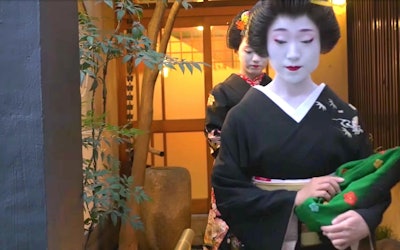
About Hachioji's Promotional Tourism Video The video, titled "Hachioji Promotional Video 'Colorful Life'" (八王子市シティプロモーション動画「Colorful Life」), was uploaded by "HachiojiCityOffice." It captures the various charms of Hachioji. Being a part of the Greater Tokyo metropolitan area, Hachioji features many shopping districts such as "CELEO," a mall that is attached to the station. But being the closest hiking destination from Tokyo is what makes it popular among the city dwellers who day trip up there to get some fresh air. Hosting as many as 23 university campuses, Hachioji is also known as a college town. There are many historical and cultural sites where one can be exposed to Japanese culture and tradition as well. In this article, we'll introduce popular tourist spots in Hachioji alongside the video. The video includes a powerful image of a basketball game that the local team, "Tokyo Hachioji Bee Trains," is playing in. It also showcases the natural scenery that makes Hachioji a popular day-trip destination for local Tokyoites. Take a Hike and View Hachioji From the Summit of Mt. Takao Source :YouTube screenshot Hachioji is a popular natural recreational area in Tokyo. From 0:06, the video captures refreshing images of Hachioji's natural environment such as the "Takatsuki paddy field zone" (the largest agricultural zone in the Tokyo metropolitan area), or the stunning rows of Ginkgo trees. Mt. Takao is the most popular natural attraction in Hachioji. The 2,000 ft. tall mountain debuts at 0:32. Awarded 3 stars by the Michelin Green Guide, it is the most visited mountain in the world, with 2.6 million visitors annually. There's also a chair lift and cable-car that can take you halfway up the mountain, which makes it suitable for casual climbers as well. Climbers can enjoy a beautiful view and magnificent autumn colors, as well as the get an overlook of the city of Tokyo. Source :YouTube screenshot Introduced from 1:09 is "Takaosan Beer Mount," a renowned beer garden where we you can enjoy a stunning night view from up high. It even offers a view of the urban core of Tokyo or Yokohama on clear days. The open air beer garden and breathtaking view are sure to get you in the spirit for some spirits! The temple introduced at 2:03 is Mt. Takao Yakuoin, which is said to be a very spiritual site. The statue found by the cable-car stop is of Saburo Kitajima, a well-known Japanese enka singer who lives in Hachioji. The statue is popular among Instagrammers! Hachioji’s Gastro Culture! Source :YouTube screenshot Don't forget to explore the foodie attractions during your trip to Hachioji. The video introduces some recommended restaurants and local dishes as well. Spotlighted from 0:39 is a bakery "Boule Beurre Boulangerie". The specialties here are the butter-rich croissants or pain au fruit with walnuts. Photo:Hachioji Ramen Hachioji Ramen is a great choice for lunch as well! Its distinguishing features are the simple soy sauce-based soup and the chopped onion topping. There are also many different Hachioji Ramen specialty restaurants around the train station. The most celebrated ramen restaurant is "Goemon" located by the JR Chuo Line Nishihachioji Station, which is introduced at 0:55. The image is sure to make your mouth water. Other hidden gems throughout the city include "Nameko-jiru" (Miso-soup with Nameko mushrooms) of Shiroyama Chaya, a tea-house that sits on the summit of Shiroyama, the Konnyaku of the long standing shop "Nakano-Ya," or the old-fashioned izakaya "Shimura Hall"'s Satsuma-age (deep fried fish paste). "Hachioji Neapolitan," a favorite among the locals, is also a must-try. In 2019, the breakout TV celebrity Roland opened his bubble tea store "The Pearl" in Hachioji. Hachioji also features farmers' markets such as "FIO" (FIO野菜直売所) or "Juke Juke" (ジュークジューク) to provide a direct sale of locally grown organic vegetables. Japanese History and Culture in Hachioji Source :YouTube screenshot There are many cultural or historic sites and events in Hachioji. The Hachioji Festival in August is the city's primary event. The parade floats, gorgeous Mikoshi (portable shrines) carried around the city, and the Lion Dance performance are the highlights of the festival that attract many visitors from the Kanto area. Some other notable cultural or historic sites/events are: Hachioji Kuruma Ningyo (a traditional puppet theater), Hachioji Geisha, Hachioji Firework Festival, Tokyo Fuji Art Museum, Mt. Takao Trick Art Museum, Musashi Imperial Graveyard, Takaosan Yakuoin Yukiji Temple, Hachioji Castle, Takiyama Castle, Nakamachi Kurobei (black wall) district (a remnant of old geisha district), and the Okuda silkscreen factory. The rows of ginkgo trees shown in the video from 0:53 were planted by the Imperial Household Agency in 1929 to commemorate the completion of the Musashi Imperial Graveyard. The annual Ginkgo Festival is held in November along the Koshu Kaido Road where the stunning ginkgo trees are lined up. A Summary on the Introduction of Hachioji Photo:Hachioji, Minamiasa River cherry blossoms The Hachioji promotional video captures the charm of the city that's a hometown to many different Japanese musicians, comedians, and TV personalities. Featuring Mt. Takao that captures the attentions of instagrammers, Hachioji is a great destination for a wide range of travelers. Having turned 100 years old in 2018, Hachioji is a city loved by many people. We definitely recommend giving it a visit! 【Tripadvisor】Hachioji https://www.tripadvisor.com/Tourism-g1060898-Hachioji_Tokyo_Prefecture_Kanto-Vacations.html -
 Video article 1:33
Ichigaya, Chiyoda-ku, Tokyo, with its easy access to transportation and fulfilling neighborhood environment, is full of attractions that attract people! Go to popular spots in Tokyo that you must not miss when enjoying the history of the city!
Local PR- 183 plays
- YouTube
Video introduction of "Popular Spots around Ichigaya Station" in Chiyoda-ku, Tokyo This article features a video by "Tokyo Promotion Channel," titled "Tokyo Ichigaya Promotion." Ichigaya Station, as seen in the video, is a station of the East Japan Railway Company (JR East), Tokyo Metro, and the Tokyo Metropolitan Bureau of Transportation (Toei Subway) in the Chiyoda (千代田区, Chiyoda-Ku) and Shinjuku wards (新宿区, Shinjuku-Ku) of Tokyo. The station name "Ichigaya" can be spelled in a variety of ways in Kanji. The JR East and Tokyo Metro stations spell Ichigaya "市ケ谷" (with a big "ケ" (ga)) but Toei Subway station spells it "市ヶ谷" (with a small "ヶ"). Both are pronounced the same. It is located in Gobancho (五番町, Goban-Cho), Chiyoda for JR East, Ichigaya-Tamachi (市谷田町, Ichigaya-Tamachi) 1-chome, Shinjuku for Tokyo Metro, and Kudan-Minami (九段南, Kudan-Minami) 4-chome, Chiyoda for Toei Subway. In this article, we'll introduce Ichigaya Station and its surrounding tourist spots. Popular Sightseeing Locations Around Ichigaya Station Photo:Akasaka Akasaka-Rikyu, a state guesthouse in Ichigaya, Tokyo In the Ichigaya area around Ichigaya Station, the north side is a historic high-end residential district, while the south side is lined with universities, schools, and offices that attract many young people. Ichigaya is bounded by and around Yasukuni-dori, Gaien-higashi-dori, Okubo-dori and Ushigome-chuo-dori (Ichigaya, Akebonobashi, Ushigome-yanagicho and Ushigome-kagurazaka railroad stations) and corresponds to the northern part of the section of Yasukuni-dori from Gaien-higashi-dori to Gaien-nishi-dori. In Ichigaya, there are many popular facilities and sightseeing spots for people of all ages. These include Akasaka Palace, the Ministry of Defense, the Ground Self-Defense Force Ichigaya Base, the Tokyo District Court, Sotobori Park, the Shinjuku Historical Museum, Sainenji Temple, Oiwa Inari Tamiya Shrine, Tokaido Yotsuya Kaidan, the Tokyo Toy Museum, and Fire Museum Tokyo. Other Sightseeing Spots Around Ichigaya Station Photo:Chidorigafuchi in Ichigaya, Tokyo ・Chidorigafuchi [0:22~] Chidorigafuchi is a moat that was created by blocking off the Tsubonesawa River, (局沢川, Tsubonesawa-Gawa) with earthen bridges at Hanzomon Gate and Tayasumon Gate during the expansion of Edo Castle after the opening of Edo. The moat is located on the northwest side of the Imperial Palace and is famous as one of the best flower viewing spots in Tokyo as it is full of beautiful cherry blossoms in spring. ・Fukuju Shrine [0:33~] Fukuju Shrine is a small shrine built by an Edo period bannerman in a corner surrounded by offices and houses. Although the deity, origin, and the year of its founding aren't known, it's still a popular spot in the community. ・Takatoro (Jotomyo-dai) Stone Lantern [0:42~] Takatoro (Jotomyo-dai) was built in 1871 along Yasukuni-dori in Chiyoda, Tokyo. At the time of its construction, it served as a lighthouse as it was very close to the sea. To the people of Tokyo at the time of its construction, it was a tower to show the power of the newly formed government of the Emperor, and is now sometimes called New Edo Tower. ・Nihon Ki-in [1:05~] Nihon Ki-in is located in Gobancho, Chiyoda, Tokyo, in front of Ichigaya Station. It's the headquarters of the Japanese Go community, and is a place where the traditional culture of Go has been inherited and cultivated since ancients times, and is a place where many professionals are trained. Summary of Ichigaya, a Popular Spot in Tokyo Photo:Ichigaya Station, Tokyo Ichigaya has long been famous as a high-end residential area. Because of its convenience, it's always full of people who wish to live there. Ichigaya Station is home to many prominent buildings in Japan and offers easy access to major cities in Tokyo. Ichigaya is a safe and appealing place to be, so be sure to explore the area when visiting Tokyo! 【Official Website】Chiyoda, Tokyo Official Website https://www.city.chiyoda.lg.jp/ -
Video article 2:44
Enjoy the Wilderness of Tokyo’s Akiruno City! Healing Scenery, Full of Greenery and Plenty of Negative Ions!
Local PR- 521 plays
- YouTube
An Oasis in Tokyo "Akiruno City Tourism PR Video" The video “[4K] Akiruno city-the unknown Tokyo / JAPAN / Akiruno City Sightseeing PR Video([4K] Akiruno city - the unknown Tokyo/ JAPAN / あきる野市観光PR動画)" released by "NAKAJI" mainly focuses on recommended sightseeing spots such as the natural scenery of the Kanto region and the city of Akiruno in Tokyo. If you watch the video, you'll be surprised by the natural beauty of greenery that you couldn't possibly attribute to Tokyo. Akiruno is recommended as a place to relax and get away from the crowds. This article introduces sightseeing spots in Akiruno where you can enjoy nature, history, culture and delicious food. More About Akiruno, Tokyo Source :YouTube screenshot Akiruno, Tokyo is a place rich with nature, about 40 to 50 km west of central Tokyo. With a population of about 80,600 (March, 2020), the climate is colder than in central Tokyo, and the altitude is high, so the area is not so hot in the summer. Akigawa and Itsukaichi merged in 1995 to form Akiruno. The name of the city is derived from the fact that "Akiru Shrine" was located in the former town of Itsukaichi. It is a recommended travel destination for those who are tired of urban life, and has places such as instagram spots and stylish cafes that can be seen in the video. Photo:Yozawa River Speaking of Akiruno's symbol, the clear stream Akigawa, the largest tributary of the Tama River, definitely comes to mind. It flows about 20 km from Hinohara Village to Akiruno, and the surrounding scenery is superb. You can see various landscapes depending on the season, such as fresh greenery in the spring and autumn leaves in the fall. In addition, Ishibune Bridge in the Akigawa Valley is one of the places to see when you go to Akiruno. It is a must-go-to location for checking out the scenery of the river and the autumn leaves that you can see from the top of Ishibune Bridge. The lush nature of Akigawa and the surrounding area can be seen at 0:12 in this video. Akiruno is also famous for Shiroyama. Shiroyama in the Togura district, is a mountain that used to be called "Togura Castle". From the top of Shiroyama, if the weather is nice, you can see the city center, and you will be impressed by the superb view. Since the altitude is not high and it is a gentle mountain trail, it is also a recommended route for beginners climbing and hiking. In addition, "Yamasaki no Oukashi," "Itsukaichi Basin," "Otake Limestone Cave," and "Akirudai Park" are other recommended scenic spots. Information About Recommended Sightseeing Spots in Akiruno, Tokyo Source :YouTube screenshot One of the recommended spots when visiting Akiruno is Seotonoyu. Seotonoyu, located near the Akigawa Valley, is a popular hot spring facility surrounded by greenery. The quality of the hot spring is highly talked about, and its modern interior is also very popular. It is a must-visit place when visiting Akiruno. Other recommended sightseeing spots include Kotoku Temple, Daihigan Temple, Ryushuin Temple, Fukazawa Small Art Museum, Akigawabashi River Park Barbecue Land, and Tokyo Summerland. Also, if you want to enjoy gourmet food in Akiruno, we recommend Kurochaya, where you can eat exquisite Japanese food. Cuisine using river fish such as sweetfish and the famous Tama Yuzu cider are popular. You can also enjoy the atmosphere at an old house. There is also a place in the garden where you can view the bamboo forest. The video also introduces plenty of these local gourmets from 1:37. Akigawa corn, norabou greens and Akigawa pears are also popular foods in Akiruno. Summary of Akiruno Photo:Akiruno・Autumn Colors at Ishibune Bridge "[4K] Akiruno city-the unknown Tokyo / JAPAN / Akiruno sightseeing PR video" is a video introducing recommended sightseeing spots in Akiruno, Tokyo. In addition to the ones introduced in this article, there are also traditional events such as Ninomiya Shrine Fall Festival (Ginger Festival), Shoichiiiwabashiri Shrine Festival (Ina Festival), and Akiru Shrine Festival (Itsukaichi Festival). Akiruno is full of nature. It has access from the city center, and it is a hidden healing location. Why not give it a visit? 【Official Website】Akiruno-shi, Tokyo https://www.city.akiruno.tokyo.jp/ 【Tripadvisor】Akiruno-shi https://www.tripadvisor.com/Tourism-g1060923-Akiruno_Tokyo_Prefecture_Kanto-Vacations.html -
Video article 1:59
The Izu Islands' Niijima Island is a paradise with spectacular scenery that is hard to miss!Tokyo's Niijima Village is a resort area only 35 minutes from central Tokyo
Local PR Travel- 619 plays
- YouTube
Niijima, Izu Islands, Niijima Village, Tokyo - Video Introduction The video “Niijima - The other Side of Tokyo : 80 Days Travel” created by “TokyoStreetView - Japan The Beautiful,” is a promotional video that introduces the beautiful "Niijima," in the Izu islands. Many people might not have heard the “Niijima” before. Although Niijima is part of Tokyo, it has a warm climate all year round. The beaches are reminiscent of one's you'd find in Hawaii. There are so many things to see in Niijima, so sit back, relax, and enjoy the views. This article will talk about some scenic locations on Niijima, full of nature, and great for taking Instagram photos. The video is only 2 minutes long, but there's no shortage of things to see. Popular Tourist Spots in Niijima Photo:Aerial view of Niijima Niijima, in the Izu islands, is located south of Japan's main island, Honshu. Niijima village is actually part of Tokyo. Unlike the big city Tokyo, Niijima is an island overflowing with nature, beautiful beaches, and ocean. Niijima attracts a lot of tourists, and it is also a popular surf spot, with the world championships occasionally being held there. Check out the video from 0:11 to see how beautiful Niijima's ocean is. You can also visit the historical temples and enjoy swimming in the ocean. You'll have no regrets after your visit to Niijima. Niijima can be accessed by either ferry or plane. If you would like to spend some quality time on the ferry, we recommend taking the ferry from either Tokyo Takeshiba Pier, or the one from Shimoda Port in Shimoda, Shizuoka. If you would like to save travel time however, we recommend you fly from Tokyo Chofu Airport. By high speed jet ferry, it takes about 2 hours and 20 minutes. Large passenger ships take about 10 hours and 35 minutes. From Shimoda Port, it will take 2 hours and 40 minutes. The flight time from Chofu Airport is just 35 minutes. Niijima tours are available with different plans. If you're looking to spend a couple nights in Niijima, be sure to check the tour packages to see which package fits your plan. Sightseeing Spots at Niijima Photo:Habushiura Beach There are so many different tourist spots around Niijima: beautiful scenic ocean views, relaxing hot springs, and an observatory where you can see a panoramic view of Niijima. If you would like to enjoy the beaches, we recommend “Mamashita Beach,” “Habushiura Beach,” “Honsonmae Beach,” “Kurone Beach,” “Wada Beach,” and “Wakagomaehama Beach.” If you want to relax in the hot springs, we recommend “Yunohama Hot Springs,” or “Mamashita Hot Springs.” For scenic views, try visiting “Ishiyama Observatory,” and “Fujimitoge Observatory.” Fujimitoge Observatory offers an all inclusive view of the ocean, mountain, and the city. At Ishiyama Observatory, you can look over Shikinejima and other islands. Besides these popular tourist spots, there's Daisan Oji Shrine and Miyahara Sakagura where you can experience Japanese culture. There are also popular activities such as “Dolphin spotting.” From 0:08 in the video, you will see many different places and activities you can enjoy in Niijima. Be sure not to miss out on all it has to offer! When you visit Niijima, don't forget to try the fresh seafood as well! There are so many restaurants to have lunch and dinner at on Niijima. Popular gourmet food of the Izu islands includes, “Kusaya,” “Shima Sushi,” and Red Squid Yakisoba.” Summary of Izu Islands' Niijima How did you enjoy the video of the beautiful "Niijima," located in the Izu Islands? There are fun events and festivals throughout the year in Niijima, such as the “Niijima Triathlon,” “Niijima Open Water Swimming,” Niijima O-Odori (dancing event),” the “Islanders Festival,” “Niijima Aquathlon,” the “Niijima International Glass Art Festival and the “Jusan Shrine Festival.” You'll be surprised such a beautiful island is only 30 minutes away from the large city Tokyo. It will be an unforgettable trip. 【Official Website】Tokyo Niijima Village. Village Office Website https://www.niijima.com/ 【Official Website】Niijima Tourism Association - Niijima Tourism and Accommodation Information https://niijima-info.jp/ -
Video article 5:30
Minato, Tokyo: History, Culture, Nature, and Shopping, All in One Place. Learn All There Is to Know About This Beautiful City.
Local PR- 280 plays
- YouTube
Minato City’s Tourist Locations! The video "【Minato City World Promotion Video】be touched~ Have a moving experience (Japanese/ Long Version/ 5 minutes) ver. 1"(【港区ワールドプロモーション映像】be touched ~心動かされる体験を~(日本語/ロングバーション/5分)ver.1), produced by the Minato ward office, films people giving high fives in various tourist spots throughout Minato city, Tokyo. Minato city, which is one of the most popular areas in Tokyo, has a lot of sightseeing spots and attractions. In the video, we will be introducing all of our recommended sightseeing spots around Minato city. If you watch the video, you're sure to find something that catches your eye! Touring Around Minato City Photo:Shiodome Italian Town Minato city in Tokyo, faces the Tokyo bay, and its residents’ income is ranked number 1 in Japan. It has some of the most affluent residential neighborhoods in Japan, such as Minami-Aoyama, Shirokanedai, Azabu, Roppongi, Akasaka, Mita, and Takanawa. Many high-rise apartments continue to be built here, and it is known as a high class, celebrity area. Roppongi is very popular among foreign tourists for its many restaurants and being one of the famous nightlife areas of Tokyo. However, if you go down an alley, you'll see the old downtown atmosphere, one of the reasons Minato city is so popular. A Look at the Tourist Spots Introduced in the Video Photo:Ginkgo Trees at Jingu Gaien As you can see in the video from 0:26, we start with Zojoji Temple and Shiba Park, then North Aoyama / South Aoyama area of Omotesando, and finally, the Chichibunomiya Rugby Stadium that was crowded with fans during the Rugby World Cup. Here we can see the rows of Jingu Gaien ginkgo trees turning yellow in the autumn. The interactions at Taro Okamoto Memorial Museum, jazz clubs, the Embassy of Afghanistan in Azabudai, and the Higashimachi Elementary School can also be seen in the video. It's an attractive spot where you can feel the history and nature of Japan in the midst of a big city. Around 0:59 in the video, you can see the Azabujuban, taiyaki shop Naniwaya Sohonten, the oden restaurant Fukushimaya, the soba restaurant Sarashina Horii, and the dried goods store Mamegen Honten. From there, we see the kimono art store Sunaga, the Akasaka Hikawa Shrine which becomes very lively during traditional festivals, and the Reception Hall of Akasaka Palace. Following this, we see Suntory Hall, a conclave of music, and Akasaka Sacas, where you can enjoy restaurants serving delicious lunches and cafes. From 1:35 you can see the beautiful Japanese gardens of Hinokicho Park, and the very Instagrammable Tokyo Midtown and Roppongi Hills are always popular with young people dressed up in costumes on Halloween. The beautifully illuminated night view of Roppongi Keyaki Zaka Way is another great spot we recommend. You can also pick up some souvenirs at one of the popular shopping spots. The very popular hotel, Grand Hyatt, comes into view at 2:09, and attractive places such as the National Art Center of Tokyo, the magnificent Tokyo Tower, Atago Shrine, Toranomon Hills, Andaz Tokyo, and Caretta Shiodome are also introduced in the video. On top of that, there's Shimbashi SL Square, the shamisen maker "Ishimuraya," and the long-established Edo hyougu (scroll mountings) artisan, Yuyama Shunpodo. As is introduced from 2:18, there are many great restaurants in which you can enjoy cuisine from all over the world. There's Chinese cuisine, Sushi, Japanese cuisine, Daily Japanese cuisine, Italian cuisine, Indian curry, and more. Try to find your favorite restaurant! After Keio University, which is one of the Tokyo's "Big 6 Universities," you can see the Australian embassy, and the popular communal bathhouse, Manzaiyu. Tourist spots such as the Tokyo Metropolitan Teien Art Museum and the Matsuoka Museum are a couple of hidden gems. The camera moves from National Museum of Nature and Science to Meiji Gakuin University in Shirokanedai, then a very busy Sengakuji during a religious festival, the daifuku confectionary shop Matsushimaya, then continues on to Maxell Aqua Park in Shinagawa. In addition, you can see people high fiving each other at Konan Ryokusui Park, Shibaura Canal, the Kyu-Shiba-rikyu Gardens, Takeshiba Pier, and the Odaiba Marine Park. Summary Minato City's Tourist Spots Photo:The Fantastic illumination of Keyakizaka Street and Tokyo Tower All of the appealing tourist spots of Minato city have been condensed into this 5 and a half minute video. Be sure to check out each of the tourist routes and events that appear in the video; and go on a trip to find your favorite out of all the great places we have introduced! 【Official Website】Minato Ward, Tokyo City Office Homepage https://www.city.minato.tokyo.jp/ 【Tripadvisor】Minato-ku https://www.tripadvisor.com/Tourism-g1066451-Minato_Tokyo_Tokyo_Prefecture_Kanto-Vacations.html -
Video article 1:52
Hachijojima, Hachijo-cho, Tokyo, is an island with a spectacular view where you can enjoy a tropical mood! Enjoy the beautiful nature of the Izu Islands with morning market food, fishing and diving! Hachijo-jima Island was a sightseeing spot full of attractions!
Local PR Travel Nature- 208 plays
- YouTube
Hachijo-cho, Tokyo, Izu Islands, "Hachijojima" Video Introduction This video, titled "Hachijojima - The Other Side of Tokyo : 80Days Travel," is an introductory video on the scenery of Hachijo-jima (Hachijo Island), an island in the Izu Islands of Tokyo. The video was produced by “TokyoStreetView - Japan The Beautiful.” Most people think of Okinawa when it comes to tropical resorts in Japan, but there's a sightseeing destination in Tokyo where you can enjoy that same tropical resort atmosphere. In this article, we'll introduce Hachijo-jima, a resort near the city, as well as some sight seeing information about the area. The video shows some of the amazing scenery of Hachijo-jima, located in the Izu Islands. Can you believe this place is part of Tokyo? Hachijo-Jima: An Island Rich in Nature, Created by an Active Volcano Photo:Hachijo-jima The Izu Islands are located at the southern end of Tokyo and connected to the Pacific Ocean. They consist of about 100 different islands of all different sizes. Among the Izu islands, Hachijo-jima is especially popular as a sightseeing destination, thanks to its beautiful natural scenery and subtropical climate. Izu Islands' Hachijo-jima is the second largest inhabited island among the "Izu Seven." Hachijo-jima’s Nishiyama, also called “Hachijo Fuji,” is an active volcano but the volcanic activity has settled down since the Edo Period (1603-1868). The beautiful natural scenery that the volcano created is definitely worth checking out. Sightseeing on Hachijo-Jima! Source :YouTube screenshot There are many travelers who visit Hachijo-jima to enjoy swimming, fishing, and diving. At 0:24 in the video, scenes of sea turtles swimming elegantly in the beautifully clear sea are shown. Thanks to that subtropical climate we mentioned earlier, you can enjoy diving year round at Hachijo-jima. If you want to enjoy some marine activities, we recommend checking out the crystal clear waters of Sokodo Beach! The beautiful, natural scenery is popular among travelers for taking Instagram photos. Recommended Sightseeing Locations on Hachijo-Jima Source :YouTube screenshot Hachijo-jima's untouched tropical forests allow you to enjoy walking around sightseeing, while taking in the island's history. After hiking, it's time for a dip at some hidden hot springs! Miharashi no Yu and Ashiyu Kirameki, are two places you can relax and rid yourself of fatigue while taking in the ocean views. The footbath, Ashiyu Kirameki, can be seen at 1:07 in the video. When visiting Hachijo-jima, you've got to try the local specialty "Shima Sushi." The Hachijo Morning Market is held on the third Saturday every month. We recommend matching up your schedule with some of the events on the Island if possible. Summary of Izu Islands' Hachijo-Jima Hachijo-jima can be accessed by ferry or airplane. There is a regular ferry service from Tokyo that makes one round-trip per day, and the journey is approximately 11 hours long. If you use the airplane from Haneda airport to Hachijo-jima airport, you can get to Hachijo-jima in just 45 minutes. Hachijo-jima is a beautiful island where you can enjoy a wonderful time away from the hustle and bustle of the city, in the midst of nature. We hope we've piqued your interest in visiting Hachijo-jima! 【Tripadvisor】Hachijo-jima https://www.tripadvisor.com/Tourism-g1122052-Hachijo_jima_Hachijo_machi_Tokyo_Prefecture_Kanto-Vacations.html -
Video article 14:40
Introducing the Charms of Shinjuku, Tokyo, the Largest City in Japan. Check Out Tourist Attractions of Shinjuku, the Nightless City Where History, Culture, Past, Present and Future All Intersect!
Local PR Travel- 83 plays
- YouTube
日本一の大都会「新宿」紹介動画について こちらの動画は「一般社団法人新宿観光振興協会 Shinjuku Convention & Visitors Bureau」が公開した「SHINJUKU 9Stories【English】」です。 新宿には数多くの観光スポットがあります。 映画、ランチやディナーなどのグルメ、ショッピング、文化や歴史の散策など新宿にきて揃わないものはないと言われるほどディープな大都市「新宿」の魅力をたっぷりとご紹介します。 日本一の大都会「新宿」の人気スポット まず、新宿といえば高層ビル群。 西新軸エリアには未来的なデザインがオシャレな東京モード学園を始めとした数多くの高層ビルが見られます。 そして西新宿一帯は東京でも一二を争うシティホテルの激戦地! 世界的にも有名なホテルが数多く軒を連ねています。 「新宿」の日本一とは? また、新宿には数多くの日本一が存在します。動画でも頻繁に新宿の日本一が登場していましたが皆さん気づきました? 一つ目は日本一乗降客数が多いと言われるJR新宿駅。 毎日300万人以上の人が新宿を利用しています。 二つ目の日本一は不夜城歌舞伎町。 新宿ゴールデン街やゴジラヘッドのある映画館など、毎日朝まで多くの観光客で賑わうスポットです。 しかし、歌舞伎町には喧騒ばかりではありません。 実は花園神社を始めとした多くの神社仏閣があることでも有名です。 毎年11月になると花園神社では人気のお祭り、酉の市が開催されます。 三つ目の日本一はアジア最大とも言われているゲイタウン新宿二丁目です。 お値段はとてもリーズナブル! 女性が安心して遊べる上にディープな魅力に溢れた街。 そしてグルメも充実している新宿イチオシの観光スポットです。 四つ目の日本一が新宿伊勢丹! ここは何が日本一かというとデパートの年間売上が毎年日本一なのです。 まさにショッピングの殿堂ですね。 新宿には他にも高島屋や小田急をはじめとした高級百貨店やブティックがひしめき合っています。 代々木方面にはスポーツの聖地、東京体育館や神宮球場、秩父宮ラグビー場を有する明治神宮外苑、新宿二丁目と三丁目、広大な新宿御苑と緑もたっぷり!大都会の真ん中で森林浴が楽しめるのです。 日本一の大都会「新宿」紹介まとめ 新宿で歴史や文化を感じたい人は新宿三丁目周辺がおすすめスポットです。 落語小屋や能楽堂、美術館、新宿ピカデリーなどの映画館などが楽しめます。 新宿では古くから伝わる伝統のお祭りも開催され、日本の古き良き時代も感じることのできる街です。 歴史と現代が交錯する大都会新宿の魅力を動画でご堪能ください。 -
Video article 3:54
Autumn Foliage & Ginkgo Trees at Hikarigaoka Park 2025 | Best Viewing Times, Access & Illumination Complete Guide
Nature Travel Local PR- 305 plays
- YouTube
Ginkgo Trees and Autumn Foliage at Hikarigaoka Park: Video Introduction This video, titled "Autumn Foliage in Tokyo, 2014" (東京の紅葉 Autumn Foliage in Tokyo 2014), was uploaded by "AQUA Geo Graphic." It introduces the mystical scenery of autumn in Japan accompanied by the sun and the wind, with lovely piano music. When Is the Best Time to See Hikarigaoka Park's Ginkgo Trees? What Makes the "Yellow Tunnel" So Special? Photo:A row of ginkgo trees Hikarigaoka Park, located in Tokyo's Nerima Ward, is the fourth largest park in the 23 wards of Tokyo, covering approximately 600,000 square meters. The park is home to about 2,000 ginkgo and zelkova trees, creating stunning autumn foliage displays. The highlight is the approximately 200-meter-long ginkgo tree-lined avenue featuring 40 magnificent trees, each over 130 years old with trunk circumferences of around 2 meters. These historic ginkgo trees were transplanted in 1985 from in front of the former Tokyo Metropolitan Government building in Yurakucho, and have become a beloved symbol of Hikarigaoka Park for local residents. The best time to view the ginkgo trees at Hikarigaoka Park is typically from early to mid-November. The Instagram-worthy "yellow tunnel" is created when the ginkgo leaves turn a brilliant golden color, forming an enchanting space like an arch of light. The "yellow carpet" of fallen ginkgo leaves can be enjoyed from late November to early December. When Is the Best Time to See Autumn Foliage at Hikarigaoka Park's Keyaki Field? Where Can You View It? Photo:Hikarigaoka Park, Nerima, Tokyo After passing through the ginkgo trees and crossing Futago Bridge, you'll be welcomed by the silver Arch of Light, an art installation at Keyaki Field. Here, you're sure to be captivated by the autumn colors of the zelkova trees. The reddish leaves of the zelkova trees are what makes autumn in Japan so delightful. The best time to view the autumn foliage at Keyaki Field is typically from mid-November to mid-December. The collaboration of yellow ginkgos and red zelkovas creates a luxurious scene unique to Hikarigaoka Park. With just an 8-minute walk from Hikarigaoka Station on the Toei Subway Oedo Line, the park's excellent accessibility makes it perfect for weekend outings. Experience autumn in Japan to the fullest with this spectacular display. [Video] 0:51 - The Autumn Colors of Japan's Zelkova Trees How Can You Enjoy Autumn Reflections on the Water at Hikarigaoka Park? What Are the Best Photography Spots? Photo:A duck swimming on a pond One way to enjoy the autumn leaves at Hikarigaoka Park is to take some time to observe the leaves as they fall onto the surface of the pond. Although falling leaves often evoke a sense of melancholy, the red and yellow leaves floating on the surface of the pond in Hikarigaoka Park create a very emotional scene, captivating onlookers. The water surface displays a vivid contrast of ginkgo and zelkova leaves, enhanced by the elegant sight of ducks swimming gracefully—creating a uniquely late-autumn atmosphere. While creating memories of late autumn, don't forget to look down at the brilliant leaves drifting across the pond in addition to looking up at the colorful foliage. You may even capture some breathtaking photos as well... [Video] 1:51 - Fallen Leaves on the Surface of the Water What Is the "Boundary Line Between Yellow and Red" at Hikarigaoka Park? Why not slowly walk along the boundary between yellow and red? There's a special carpet that can only be seen at certain times when the fallen leaves and wind align perfectly. While the yellow and red avenues, each covered with their own color, are exciting enough in themselves, when you discover the boundary line, you'll likely recall childhood feelings and want to slowly trace along it—such is the landscape that unfolds before you. The gradation created by the yellow ginkgos and red zelkovas is truly miraculous art produced by nature. This boundary line shows a different expression each day depending on wind direction and the timing of fallen leaves, offering new discoveries with every visit. [Video] 2:25 - A Boundary of Red and Yellow Leaves When Can You See the Autumn Foliage Gradation at Hikarigaoka Park? Photo:A tunnel of autumn foliage When is the best time to view the autumn colors? Perhaps the answer is simply the moment that you visit. In the video, you can see the beautiful gradation of green, yellow, and red colors. At Hikarigaoka Park, from late October to early December, you can observe the gradual color changes from green to yellow, and yellow to red. For those who want to experience the exquisite atmosphere where not all colors have changed, early November is recommended. During this time, leaves that are still green, leaves shining golden, and leaves dyed bright red coexist, allowing you to enjoy nature's gradation art. [Video] 2:58 - The Changing of the Leaves to Various Colors When Is Hikarigaoka Park's Illumination Event Held? What Are the Highlights of "Nerima Hikarigaoka Hikari Pageant Festa"? The "Nerima Hikarigaoka Hikari Pageant Festa 2025&26" has been confirmed for 2025. Celebrating its 13th anniversary, this festival of light and art will once again illuminate Hikarigaoka during the year-end and New Year season. The street tree illumination along the ginkgo tree-lined "Fureai no Michi" avenue will be lit from November 29, 2025 (Sat) to January 25, 2026 (Sun), daily from 4:00 PM to 10:00 PM. Approximately 150,000 LEDs will fantastically illuminate 24 trees and the "Water Fall Flow" light arch. For about two months, you can enjoy an enchanting space enveloped in light every evening. The main event, a festival of light and art, will be held on December 20 (Sat) and 21 (Sun), 2025, centered around Keyaki Field. The X'mas Stage will be held simultaneously on the same dates, featuring plenty of attractions including light displays, candle art, music and dance stages, and exhibition stages. In the new year, the New Year Stage will be held on January 10 (Sat) and 11 (Sun), 2026, at Fureai no Michi, with special events planned to celebrate the new year. Last year (2024), approximately 200,000 visitors enjoyed the events during both periods. Please be sure to take warm clothing and enjoy a magical, heartwarming time. For detailed programs and event information, please check the official website. 【Official Website】Nerima Hikarigaoka Hikari Pageant Festa 2025&26 https://hpf.beyond-japan.net/ How Do You Access Hikarigaoka Park? Is Parking Available? Hikarigaoka Park, the largest park in Nerima Ward at approximately 600,000 square meters, features a grassy plaza built on gently sloping hills dotted with cherry blossoms and zelkova trees, providing delightful scenery in all four seasons. The park also has a wealth of playground equipment, a bird sanctuary for bird watching, and day camping and barbecue areas, making it a popular recreational spot beloved by people of all ages in the surrounding area. In this article, we introduced the large ginkgo trees, ginkgo tree-lined avenue, and Keyaki Field as hidden gems for autumn foliage viewing at Hikarigaoka Park. The area is also easily accessible by train: just an 8-minute walk from Hikarigaoka Station on the Toei Subway Oedo Line, or a 15-minute walk from Narimasu Station on the Tobu Tojo Line and Subway Narimasu Station on the Tokyo Metro Fukutoshin and Yurakucho Lines. During autumn foliage season, weekends (especially from 12:00 PM to 2:00 PM) can be crowded, so we recommend using public transportation. This is a highly recommended spot in Tokyo's Nerima Ward that you should definitely visit on weekends. On November 23, 2025 (Sun/Holiday), the "Hikarigaoka Park Festa" is scheduled to be held, providing an excellent opportunity to enjoy both autumn foliage and events simultaneously. ◆Hikarigaoka Park◆ Address: Hikarigaoka 2-chome and 4-chome, Asahicho 2-chome, Nerima-ku; Akatsuka-shinmachi 3-chome, Itabashi-ku For inquiries: Hikarigaoka Park Service Center (TEL: 03-3977-7638) Parking: Available (Paid - expect congestion during autumn foliage season) Access: An 8-minute walk from Hikarigaoka Station (E38) on the Toei Subway Oedo Line; a 15-minute walk from Narimasu Station on the Tobu Tojo Line, Subway Narimasu (F02) on the Tokyo Metro Fukutoshin Line, and Subway Narimasu (Y02) on the Tokyo Metro Yurakucho Line Best viewing period: Ginkgo tree-lined avenue - early to mid-November; Keyaki Field - mid-November to mid-December 【Official Website】Hikarigaoka Park - Let's go to the park! https://www.tokyo-park.or.jp/park/format/index023.html 【TripAdvisor】Hikarigaoka Park https://www.tripadvisor.com/Attraction_Review-g1066453-d4889941-Reviews-Hikarigaoka_Park-Nerima_Tokyo_Tokyo_Prefecture_Kanto.html -
Video article 6:26
[2025] When is the Best Time to View Autumn Leaves at Mt. Takao in Hachioji, Tokyo? Complete Guide Including Crowd Information, Recommended Routes, and Bear Sighting Updates [Latest Information]
Travel Nature Local PR- 61 plays
- YouTube
Mt. Takao – A Mountain Surrounded by Nature, Just an Hour From the Heart of Tokyo Photo:Mt. Takao, Hachioji, Tokyo Mt. Takao is a 599-meter-tall mountain located in Hachioji, Tokyo. It was designated as Meiji no Mori Takao Quasi-National Park and in 2020 became the first mountain in Tokyo to be recognized by the Agency for Cultural Affairs as a "Japan Heritage Site" as "Mt. Takao – A Mountain Full of Spirituality ~The Tale of the Mulberry Capital, Spun From People's Prayers~." Takao Yakuoin Temple, one of the three main temples of the Chizan sect of Shingon Buddhism, is located halfway up Mt. Takao, and various events are held at the temple throughout the year, including a Setsubun Festival, Spring Festival, Autumn Festival, festivals with bonfires, and more. You can view the autumn leaves at Yakuo-in from 1:54 in the video. Photo:Yakuoin Temple, Mt. Takao Near Mt. Takao Cable Car Station, there is a monkey garden, a wildflower garden, and the Mt. Takao Beer Garden, where visitors can enjoy a refreshing beer in the summer. The beautiful autumn scenery visible from the cable car can be seen from 0:54 in the video. As it's located just one hour from central Tokyo, visitors can easily enjoy mountain climbing and hiking in the area throughout the year. In 2007, Mt. Takao was awarded the highest ranking of three stars in the Michelin Guide, along with Mt. Fuji, making it well known worldwide, and it is currently the most climbed mountain in the world, attracting approximately 3 million climbers annually. When Is the Best Time to View the Autumn Leaves on Mt. Takao? [Updated Information for 2025] Photo:Autumn leaves on Mt. Takao, Hachioji, Tokyo Surrounded by abundant nature, the autumn leaves of Mt. Takao begin to change color from around the end of October, and are usually at their best from mid-November to early December. This is slightly later than in central Tokyo. The autumn colors of the maple and beech trees turn Mt. Takao brilliant shades of red and yellow, but the best time to see the leaves is usually near the foot of the mountain in mid-November, and near the summit in late November. The autumn foliage near the summit can be seen from 5:27 in the video. Source :Hachioji's local information portal site, Hachinavi During the peak foliage viewing season, the cable cars and lifts are often crowded, and you may have to wait an hour or more for a ride. The trail leading to the summit is also congested with climbers, and it's sometimes difficult to advance. The 2025 "Mt. Takao Maple Festival" will be held from October 25 to December 14. At the event plaza, performances by students from Hachioji City and other events will be held. Also, on weekdays during the festival, visitors can get a raffle ticket when they spend 1,000 yen or more at member stores of the Takao-san Shopping Association. 599 people will win prizes. What Are the Recommended Courses and Tips for Viewing the Autumn Leaves on Mt. Takao? [Updated Information for 2025] Source :Hachioji's local information portal site, Hachinavi There are several trails on Mt. Takao that lead to the summit. The main trails and routes on Mt. Takao are as follows: ・Trail 1 (Omotesando Trail): Total length: 3.8 km ・Trail 2 (Kasumidai Loop Trail): Total length: 900 m ・Trail 3 (Katsura Forest Trail): Total length: 2.4 km ・Trail 4 (Suspension Bridge Trail): Total length: 1.5 km ・Trail 5 (Summit Loop Trail): Total length: 900 m ・Trail 6 (Biwa Waterfall Trail): Total length: 3.3 km ・Inariyama Trail (Ridgeline Trail): Total length: 3.1 km Below, we'll introduce the features of each course and recommended points of interest for viewing the autumn leaves. Source :Hachioji's local information portal site, Hachinavi Trail 1 (Omotesando Trail) This is the most popular route for climbing Mt. It is also paved, making it a friendly route for beginners. Kasumidai Observatory, the Buddhist Stupa, Yakuoin Temple, and the summit of Mt. Takao are points of interest for viewing the autumn leaves. Trail 2 (Kasumidai Loop Trail) It takes about 30 minutes to go around the area near Mt. Takao Cable Car Station on the cable car. The wildflower garden is a point of interest for viewing the autumn leaves. Trail 3 (Katsura Forest Trail) This course is located on the south side of Trail 1 and has relatively fewer hikers than other trails, allowing visitors to take their time and enjoy the natural surroundings. It's not recommended for viewing the autumn leaves, as there are many evergreen trees. Photo:The suspension bridge on Mt. Takao, Hachioji Tokyo Trail 4 (Suspension Bridge Trail) Located on the north side of Trail 1, Trail 4 is popular for its suspension bridge (Miyama Bridge), the only suspension bridge on Mt. Takao. Many deciduous trees lose their leaves during the winter season, and the yellowing of dogtooth vines and beech trees can be enjoyed during autumn. The autumn leaves at the suspension bridge on Trail 4 can be viewed from 3:10 in the video. Trail 5 (Summit Loop Trail) This course circles the area just below the summit of Mount Takao and takes about 30 minutes to complete. Almost all trails, including Trails 1, 3, 4, 6, and the Inariyama Trail, are connected to Trail 5. The course has few changes in elevation, allowing visitors to enjoy the autumn leaves at a leisurely pace. Trail 6 (Biwa Waterfall Trail) This trail is also called the "water trail" because of the waterfalls and rivers along its creeks. Biwa Falls has long been used for water ablutions by Shugendo practitioners. The trail is not very well maintained, and footing is poor in some places, so we do not recommend hiking with light equipment. Because this trail takes you through an overgrown forest, you will not be able to see the autumn leaves. Inariyama Trail (Ridgeline Trail) This course passes through the south side of Mt. Takao and includes some steep ascents, making it a genuine mountain climbing experience. It takes only 90 minutes to reach the summit, and you can enjoy viewing the various autumn colors from the foot of the mountain to the summit. How to Avoid Crowds When Climbing Mt. Takao Mt. Takao is very popular and can get especially crowded on weekends and during the autumn foliage season. To avoid the crowds, we recommend starting your hike early on a weekday. The number of climbers increases significantly after 10 a.m., so it's best to arrive at the station or trailhead by around 8 a.m. Also, instead of the crowded Trail No. 1 or using the cable car, try taking less congested routes such as Trail No. 4 or the Inariyama Trail. If you're driving, note that parking lots often fill up by the morning, so using public transportation or arriving early is a safer choice. Plan ahead and enjoy the nature of Mt. Takao in peace. How to Access Mt. Takao? Photo:Takaosanguchi Station, Hachioji Tokyo [Access via Train] Keio Line: From Shinjuku Station to Takao-yamaguchi Station, approx. 50 min. JR Chuo Line: From Shinjuku Station to Takao Station: 44 min (special rapid), 58 min (rapid); from JR Takao Station, transfer to Keio Line to reach Takao-yamaguchi Station, approx. 3 min. [Access via Car] Take the Chuo Expressway via Hachioji Junction, get off at the Mt. Takao Interchange on the Ken-O Expressway, and drive approximately 5 minutes towards Shinjuku. There are several pay parking lots around the foot of Mt. Takao, but please note that they become very crowded during the high season for viewing the autumn leaves. What Are the Points of Interest Near Mt. Takao During Autumn Foliage Season? [Updated Information for 2025] Mt. Takao features a variety of popular tourist attractions in addition to hiking, so consider stopping by some of them on your way home after a day of mountain climbing. [Hot Spring Facilities Near Mount Takao] Keio Takaosan Onsen Gokurakuyu is a recommended day spa located next to Keio Takao-yamaguchi Station on Mt. Takao. Opened in 2015, this relatively new spa facility offers seven different types of baths, including an outdoor bath with natural hot spring water, as well as a sauna and a micro-bubbling cypress bath. Source :Hachioji's local information portal site, Hachinavi Address: 2229-7 Takao-machi, Hachioji City, Tokyo, 193-0844 Admission Fee: Weekdays - Adults ¥1,100, Children ¥550 / Weekends & Peak Season - Adults ¥1,300, Children ¥650 (Peak Season: December 29 - January 3, Golden Week, Obon, November 1-30, etc.) Spring Quality: Simple alkaline hot spring Hours: 8 AM - 10:45 PM (Open year-round) Telephone: 042-663-4126 Parking: Available (Up to 110 standard vehicles. Free parking for 3 hours for hot spring users) Official Website: Keio Takaosan Onsen Gokurakuyu Official Website Access: Located near Takao-yamaguchi Station on the Keio Line [Soba Restaurants Near Mt. Takao] More than 20 soba noodle shops line the streets from the foot of Mt. Takao to the summit of the mountain. To relieve the fatigue of worshippers visiting Takao Yakuoin Temple, one store began serving soba noodles topped with grated yam, which is believed to nourish and strengthen the body, about 100 years ago in 1924. Gonsuke Source :Hachioji's local information portal site, Hachinavi With private rooms, large and medium-sized halls, Gonsuke is a restaurant that can be used for a variety of occasions. Gonsuke's specialty is its authentic Irori-yaki course featuring carefully selected ingredients grilled over an irori (a traditional Japanese open hearth). A shuttle bus service is available from Takao-yamaguchi Station, so definitely consider dropping in for a delicious meal on your way home from mountain climbing. Address: 4068 Minami Asakawa-cho, Hachioji-shi, Tokyo Access: A 5-minute drive from Takao-yamaguchi Station on the Keio Takao Line Parking: Available (70 vehicles) Hours: 11:00 AM 10:00 PM Closures: None Official Website: Gonsuke Official Website [Ukai Toriyama] Source :Hachioji's local information portal site, Hachinavi Source :Hachioji's local information portal site, Hachinavi At Ukai Toriyama, located in inner Takao, a 10-minute drive from Takao-Yamaguchi Station, you can enjoy authentic food charcoal-grilled over an irori. Visitors can enjoy a meal in an atmosphere not often found in Tokyo, with buildings in the Gassho-zukuri style relocated from Gokayama, and an 8,000 sq m Japanese garden. This restaurant has also been featured in a variety of popular Japanese TV shows. Address: 3426 Minami-asakawa-machi Hachioji City, Tokyo 193-0846 Access: A 10-minute drive from Takao-yamaguchi Station on the Keio-Takao Line Parking: Available Hours: Weekdays 11:30 AM - 3:00 PM / 5:00 PM - 9:30 PM Weekends 11:00 AM - 9:00 PM Closures: Tuesdays (varies by season), Year-end and New Years holidays Official Website: Ukai Toriyama Official Website TAKAO 599 MUSEUM Source :Hachioji's local information portal site, Hachinavi A facility where visitors can learn about the history of Mt. Takao and the ecosystems of its flora and fauna. Visitors can learn about Mt. Takao through specimens of insects and animals that live in the mountain, as well as through fossilized animal specimens. Admission is free, so definitely stop in for a visit. Address: 2435-3 Takao, Hachioji, Tokyo 193-0844 Telephone: 042-665-6688 Business Days: Open year-round ※Possible closures due to maintenance Hours: [April - November] 8:00 AM - 5:00 PM / [December - March] 8:00 AM - 4:00 PM Admission Fee: Free Access: An approximately 4-minute walk from Takao-yamaguchi Station on the Keio Electric Railway (Keio Line) Official Website: TAKAO 599 MUSEUM Official Website Summary of Autumn Foliage Information for Mt. Takao ~Don't Forget Bear Safety Precautions~ Mount Takao, which can be reached in less than an hour from Tokyo, offers a colorful landscape of red and yellow leaves during autumn. Enjoy a pleasant dose of negative ions in this popular spot surrounded by nature that you wouldn't expect to find in Tokyo. [Bear Sighting Information and Safety Measures on Mt. Takao] In recent years, sightings of Asian black bears (Tsuki-no-wa-guma) have been reported around Mt. Takao. According to "TOKYO Kuma-ppu" (Tokyo Bear Map) provided by the Tokyo Metropolitan Government Bureau of Environment, sightings have been confirmed in the Mt. Takao area. The autumn foliage season (October to November) is also when bears are most active before hibernation. Please observe the following safety measures when hiking: ・Carry bear bells or radios to make noise and signal your presence to wildlife ・Avoid hiking alone during early morning or dusk; travel in groups whenever possible ・Check the latest sighting information on "TOKYO Kuma-ppu" before your visit ・Exercise extra caution on less crowded routes (Trail 6, Oku-Takao areas) ・Always take your trash with you to avoid attracting bears While there have been no reported bear attacks on humans at Mt. Takao in the past three years, proper preparation is essential for a safe visit. By taking appropriate precautions, you can fully enjoy the beautiful autumn foliage and rich natural environment. -
Video article 0:30
Chofu - A City Full of Tourist Attractions - Experience Fireworks, Cherry Blossoms, Rose Gardens and More at a Town in Tokyo Where Japan's Four Seasons Shine!
Travel Things to Do Festivals & Events Nature Local PR- 95 plays
- YouTube
Introducing a beautiful video packed with the charms of Chofu City, Tokyo. This video, titled "「Feel Short Ver.」The Promotion Video of Chofu City, Tokyo" (「Feel short ver.」東京都調布市のプロモーション映像 The promotion video of Chofu City, Tokyo), was uploaded by "Chofu City Video Library - ChofuCity" (調布市動画ライブラリーChofuCity). Chofu is conveniently located about 15 minutes by train from Shinjuku, a popular shopping and entertainment district, yet it is known as a city rich in nature. There are many spots where visitors can enjoy natural beauty, such as rows of cherry blossom trees, autumn foliage, and rose gardens. This promotional video is packed with popular attractions and photo spots in Chofu. Chofu - Rows of Cherry Trees, Dazzling Fireworks, and Many More Attractive Events Photo:Cherry blossoms along the Nogawa River, Chofu, Tokyo Chofu has beautiful seasonal scenery and popular events that attract many visitors from both inside and outside the city. Along both banks of the Nogawa River, which runs from the northwest to the southeast of the city, there is a bicycle path where visitors can see beautiful rows of cherry trees in spring; although cancelled from 2020 to 2022, there is an annual one-night-only event where the cherry trees are lit up at night, creating a magical scene. The city is also known as "Eiga no Machi Chofu" (映画のまち調布, 'Chofu, the City of Movies'), as there are two major film studios and more than 40 film production companies gathered in Chofu. The Chofu City Fireworks Festival held on the banks of the Tama River is a popular summer event. [Video] 0:12 - Chofu City Fireworks Festival Autumn Leaves and a Daruma Market at Jindaiji Temple. Enjoy Sightseeing Around Chofu Photo:Cherry blossoms at Jindaiji Temple, Chofu, Tokyo The "Yakuyoke Ganzan Daishi Festival" (厄除元三大師大祭) is the biggest event at Jindaiji Temple, and is held on March 3 and 4 every year. [Video] 0:12 - Scenes from the Yakuyoke Ganzan Daishi Festival The Jindaiji Temple Daruma Doll Market, held in conjunction with the Daishi Festival, is one of the three major daruma markets in Japan. About 300 Daruma stores, with dolls of all sizes, are displayed in various locations. The Jindaiji Summer Evening Party (深大寺夕涼みの会, Jindaiji Yusuzumi no Kai ) is a summer event where visitors can stroll around Jindaiji Temple in yukata (light cotton kimono), play traditional games, experience zazen (zen meditation), and enjoy a variety of stalls (canceled in 2020 and 2021). [Video] 0:09 - Jindaiji Summer Evening Party The famous "Jindaiji Soba" is a popular food in this area with 400-years of history. It's said that the name "Jindaiji Soba" originated when soba noodles made from the rich spring water were served at the temple, and many soba restaurants line the streets around the temple. In the fall, beautiful autumn leaves can be seen at Jindaiji Temple and the adjacent Jindai Botanical Gardens, and many people come to enjoy the autumn foliage in Tokyo. [Video] 0:16 - Autumn Foliage at Jindai Botanical Gardens Enjoy the Beauty of Nature at Jindai Botanical Gardens and Saneatsu Park Photo:A rose garden at Jindai Botanical Gardens, Chofu, Tokyo The Rose Garden at the Jindai Botanical Gardens was awarded the World Rose Convention's "Award of Garden Excellence" in 2009. The best time to see the roses is in spring and fall. It is one of the largest botanical parks in Tokyo, covering an area of about 480,000m2. The spacious park is home to 100,000 plants of approximately 4,800 species, allowing visitors to enjoy a variety of plants, trees, and flowers throughout Japan's four seasons. [Video] 0:06 - The Rose Garden at Jindai Botanical Gardens Saneatsu Park is a park on the site of Saneatsu Mushanokoji's house. The 5,000m2 park is filled with lush greenery, and carp and wild birds can be viewed in the pond. [Video] 0:24 - Saneatsu Park In addition, there's Fudatenjin Shrine, which has the oldest koma-inu (guardian lion-dogs) in Chofu and a 500-year-old sacred tree, and Kokuryo Shrine, which has a large 400~500-year-old wisteria tree. The area offers picturesque views of nature for visitors to enjoy. Unique Spots for Tours and Hands-on Experiences At the Chofu Aerospace Center, where JAXA's research and development facilities are located, visitors can tour exhibition rooms in the three zones: aviation, space, and fundamental technology, and experience a simulated flight in a futuristic spaceplane. Also, at Mayo Terrace, a Kewpie Mayonnaise facility where visitors can enjoy learning about various information and topics related to mayonnaise, and even try making mayonnaise by hand. There are also a variety of sports-related facilities in the area. The Musashino Forest Sport Plaza, adjacent to Tokyo Stadium, has a gymnasium that can accommodate up to 10,000 people. Top-level competitions, concerts, and other events are held here. Summary of the Attractions of Chofu, a City Where You Can Also Meet the Characters From GeGeGe no Kitaro Photo:Kitaro Teahouse, Jindaiji Temple, Chofu, Tokyo Shigeru Mizuki, the creator of "GeGeGe no Kitaro" is an honorary citizen of Chofu. Kitaro's characters can be seen throughout the city and are popular among instagrammers. Kitaro Square, located between Chofu Station and Nishi-Chofu Station, and the Tenjin-dori shopping street near Chofu Station, known as Kitaro Road, are also lined with monuments of the various characters. In addition, visitors can enjoy the world of "GeGeGe no Kitaro" at the Kitaro Teahouse in front of the Jindaiji Temple gate, where there is a cafe and store. Chofu is only a 15-minute train ride from Shinjuku, and despite its proximity to the city center, it's rich in nature, making it a comfortable place to live. The city offers a wide variety of sightseeing attractions and unique facilities where you can casually stop by to enjoy the seasonal expressions, tasteful temples and shrines, and characters of GeGeGe no Kitaro that can be seen throughout the city. The beauty of Chofu, including its atmospheric scenery, events, and various other attractions, can be viewed in this short video. Be sure to check it out! 【Official Website】Chofu, Tokyo - City Hall Website https://www.city.chofu.tokyo.jp/ 【TripAdvisor】Chofu https://www.tripadvisor.com/Tourism-g1060905-Chofu_Tokyo_Prefecture_Kanto-Vacations.html