-
Article
-
Living Things
-
Region
-
Season
-
Tag
Articles
-
 Video article 1:46
The Nihondaira Zoo in Shizuoka City, Shizuoka Prefecture, is celebrating its 50th anniversary! Let's go and meet "Futa-kun," a red panda who has taken the world by storm with his dignified human-like standing posture!
Living Things- 113 plays
- YouTube
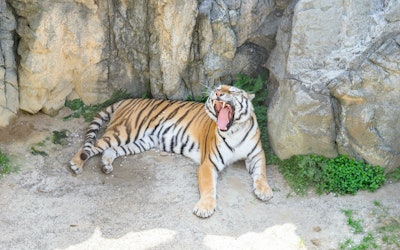
The Nihondaira Zoo Located in Shizuoka City, Shizuoka! This video, titled "[Nihondaira Zoo] Grand Opening:Promotional Video" ([日本平動物園]グランドオープン:プロモーションビデオ), was released by "Nihondaira Zoo." The Nihondaira Zoo opened in Shizuoka City, Shizuoka Prefecture around 1965. In the renovation project completed in 2013, "Wild Animal House 299," "Flying Megadome," the petting zoo, and other fun facilities were developed, and the zoo opened with the theme of "a zoo of surprise, excitement, and dreams" where visitors could learn about the relationship between animals and people through behavioral exhibits and interaction with animals. The new logo of Nihondaira Zoo is based on the characteristic shape of the zoo. In this article we'll introduce the new Nihondaira zoo promotional video in beautiful 4K resolution. The History of the Nihondaira Zoo Photo:Asian Elephants at Nihondaira Zoo The Nihondaira Zoo started as a project to commemorate the 80th anniversary of Shizuoka City’s municipal administration in 1965 and the current model of the zoo began in 1969. In 2007, a redevelopment project for the entire zoo was started and in the spring of 2013 the new Nihondaira Zoo had its grand opening. In recent years, many zoos have been focusing on behavioral exhibits. This is to minimize the stress on animals as much as possible by creating enclosures that match the ecology and living habitats of the animals. At Nihondaira Zoo, there are also events such as the "Night Zoo" to exhibit the behavior of nocturnal animals. In the video, you'll see facilities where you can view the ecology of red pandas from 0:20, tigers from 0:33, polar bears from 0:38, as well as elephants and various other animals from 0:55. The former Emberson House, which is adjacent to the Nihondaira Zoo, has also been designated a Tangible Cultural Property of Shizuoka City. The Role of Zoos in Japan Photo:Giant Anteater Most people probably have the perception that a zoo is an amusement park. However, the real role of the zoo is for researchers around the world to share information, study animal behavior, and spread and share information about animals to avoid extinction. They are research institutes that provide education by allowing children to interact with animals to learn the importance of life. As a matter of fact, many wild animals are on the verge of extinction due to the recent extreme weather conditions and overfishing happening around the globe. Public zoos and aquariums around the world are collaborating to launch species conservation projects and collaborating with universities to conduct animal research day in and day out, such as sex identification via DNA and breeding cycles through hormone analysis. The Nihondaira Zoo is also in charge of registering the pedigree of domestic animals living in Japan. In the species conservation project, has the best breeding record in Japan, especially for giant anteaters. The breeding journal of the giant anteater has received attention from other zoos as the longest dissertation in Japan.br> The park, which covers an area of 13 hectares, also has a treatment facility where injured and sick wild birds and animals are housed until they can finally be released back into the wild. In this way, they also provide physical therapy services for animals. The Facilities of Nihondaira Zoo Photo:Red Panda The zoo is of course a fun and valuable place to interact with rare animals. Let's take a look at the renovated facilities of the Nihondaira Zoo. First off, you can meet fierce beasts such as the lion at "Wild Animal House 299," and see rare birds at "Flying Megadome." You can also see the popular "Futa-kun" who is kept at the "Red Panda House," as well as pet rabbits and capybaras at the petting zoo. The "Orangutan House" is a place where you can meet cute orangutans with their gentle gestures, which can be seen from 1:13 in the video. Besides that, there are specialized exhibition corners, such as the "Herbivore Huts," exhibits for nocturnal and tropical birds, "The Castle of the Mysterious Forest," the "Reptile House," and the "Penguin House," as well as the general exhibition corner where you can meet giraffes, elephants, and gorillas. In addition, there is an amusement park with a "roller slider," and a restaurant where you can buy souvenirs and enjoy lunch. It's crowded with parents and children every day! Summary the Nihondaira Zoo Located in Shizuoka City, Shizuoka Source :YouTube screenshot If you're headed to Shizuoka, be sure to stop by the Nihondaira Zoo where you can enjoy the behavioral exhibits of various animals! You might be able to discover an unexpected side of the animals that you didn't know existed. ◆Nihondaira Zoo|Facility Overview◆ 【Address】1767-6 Ikeda, Suruga-ku, Shizuoka City, Shizuoka Prefecture 【Access】A 10 minute bus ride from JR East Shizuoka Station, then a 5 minute walk after getting off at the zoo entrance (動物園入口, Doubutsu-en Iriguchi) 【Hours】9:00 AM - 4:30 PM (Entrance open until 16:00) 【Admission Fee】General Admission (High school+): ¥620, Elementary|Jr. High School students: ¥150 【Closures】Every Monday (or the following day if it is a national holiday or observed holiday), from the end of the year to New Year's Day 【Parking】4 parking lots available 【Telephone】054-262-3251 【Official Website】Shizuoka Municipal Nihondaira Zoo|A behavioral exhibition that can be observed from various angles up close and also a sacred place for red pandas https://www.nhdzoo.jp/english/ 【Tripadvisor】Nihondaira Zoo https://www.tripadvisor.com/Attraction_Review-g298124-d1403957-Reviews-Nihondaira_Zoo-Shizuoka_Shizuoka_Prefecture_Tokai_Chubu.html -
 Video article 2:41
Kakegawa Flower and Bird Park in Kakegawa City, Shizuoka Prefecture, where you can come in contact with lovely birds and beautiful flowers and plants all year round. Spend a relaxing time at this theme park of flowers and birds!
Living Things- 277 plays
- YouTube
Kakegawa Bird & Flower Park, a theme park of flowers and birds in Kakegawa City, Shizuoka Prefecture, video introduction This video, titled "Kakegawa Kachouen, a theme park for flowers and birds" (花と鳥のテーマパーク 掛川花鳥園), was released by "Default Name" (デフォルトの名前). It features Kakegawa Kachouen in Kakegawa City (掛川市, Kakegawa-Shi), Shizuoka Prefecture. Kakegawa Kachouen is a theme park of flowers and birds. The park has a water lily pond and other ponds, as well as a pasture where you can enjoy flowers and plants all year round. The facility is fully equipped with heating and air-conditioning, including the greenhouse you can see at 0:19 in the video. It's cool in summer and warm in winter. The park is barrier-free for all visitors to enjoy with peace of mind. In this article, you can see inside of Kakegawa Kachouen to fully enjoy its many appealing features. A Closer Look at Kakegawa Kachouen in Kakegawa City, Shizuoka Prefecture Photo:Owls at Kakegawa Kachouen, Shizuoka Prefecture Kakegawa Kachouen was opened on September 20, 2003, in Kakegawa City, Shizuoka Prefecture. Kakegawa Kachouen is a barrier-free facility for everyone to enjoy, based on a theme of "interaction with flowers and birds." In the park, you can see birds, such as ducks, swans, owls, and shoebills, as well as rare plants such as water lilies, Amazon water lilies, and angel's trumpets (brugmansia). The nearest station to Kakegawa Kachouen is Kakegawa Station off the Tokaido Shinkansen Line. From the station it takes only 10 minutes to get to the park via bus, so it's very convenient. The Birds You Can See at Kakegawa Kachouen in Kakegawa City, Shizuoka Prefecture Photo:Emus at Kakegawa Kachouen, Shizuoka Prefecture At Kakegawa Kachouen in Kakegawa City, Shizuoka Prefecture, you can interact with many different types of birds. There are many birds flying around freely at Kakegawa Kachouen, so you can even enjoy just walking around. There's also an outdoor emu farm and indoor area where visitors can interact with birds, such as Indian peafowl, Hartlaub's turaco, greater flamingos, and giant toucan. Also popular are the bird shows (free of charge), which can be seen from 0:42 in the video, and daily events, such as bird feeding (paid), owl holding (paid), and penguin lap-sitting (paid). Interacting with the Harris' Hawk is really exciting! The emu farm outside is another very popular attraction. This can be seen from 2:23 in the video. Many bird species that are rarely seen in Japan are kept here, so visitors can fully enjoy themselves all day long. Flowers and Plants Found at Kakegawa Kachouen in Kakegawa City, Shizuoka Prefecture Photo:Daffodils While the birds at Kakegawa Kachouen are of course very popular, the flowers and plants growing in the garden are also very pretty. Some tropical flowers, such as Ivy geranium, Aeschynanthus, Indian mallow, and impatiens (Touch-me-nots), can be seen in the greenhouse. There are also many narcissus plants in the garden to welcome visitors. You can see flowers all year round in the large greenhouse in Kakegawa Kachouen, and, as you can see at 1:28 in the video, you can enjoy a buffet under the flowers in full bloom. Summary of Kakegawa Kachouen in Kakegawa City, Shizuoka Prefecture Photo:Kakegawa Kachouen Just by watching the video it's easy to tell the Kakegawa Kachouen is a great place to relax amongst nature. The colorful plants and flowers and cute birds are also great for taking Instagram pics. On the official website of Kakegawa Kachouen, there's a blog with tips for visiting the park. Kakegawa Kachouen also sells souvenirs, so be sure to check them out! ◆ Kakegawa Kachouen Facility Overview◆ 【Address】1517 Minamisaigou, Kakegawa city, Shizuoka prefecture 【Access】10 minutes by bus from Kakegawa Station off the Tokaido Shinkansen Line 【Admission Fee】Adults (junior high school students and older): 1,300 yen. Elementary school students: 600 yen. Annual passport: 5,200 yen for Adults (junior high school students and older) and 2,400 yen for Elementary school students. 【Hours】Weekdays (Mon-Fri) 9:00~16:30 (last admission 16:00), Weekends and Holidays (Sat, Sun, and Holidays) 9:00~17:00 (last admission 16:30) 【Closures】None. Open all year around. 【Parking】Parking lot available. 【Telephone】0537-62-6363 【Official Website】[Kakegawa Kachouen] A theme park where you can enjoy interacting with flowers and birds https://k-hana-tori.com/eng 【Tripadvisor】Kakegawa Kachouen https://www.tripadvisor.com/Attraction_Review-g1019667-d1410207-Reviews-Kakegawa_Kachouen-Kakegawa_Shizuoka_Prefecture_Tokai_Chubu.html -
Video article 2:26
Capybara Open-Air Bath at Izu Shaboten Zoological Park 2025 | Capybara with Orange on Head So Adorable! Complete Guide to Schedule & Highlights
Living Things Things to Do Travel- 4.68K plays
- YouTube
Video introduction of the original capybara open-air bath at Izu Shaboten Zoological Park in Ito City, Shizuoka Prefecture. This video, titled "Capybara with mandarin orange on head in the open-air bath☆みかんを頭にのせるカピバラ 伊豆シャボテン動物公園【元祖カピバラの露天風呂】," was released by "HIRO@sea." The video shows capybaras enjoying a relaxing soak in an open-air bath. The capybaras can be found at the Izu Shaboten Zoo, in Futo, Ito City, Shizuoka Prefecture in Japan's Tokai Region. Just like humans, the capybara enjoy a warm bath. The water is filled with yuzu, a type of citrus fruit. You can see the capybara with a yuzu on its head at 1:46 in the video! In this article, we'll introduce the Izu Shaboten Zoo and its open-air capybara bath. What is Izu Shaboten Zoological Park? When is the original capybara open-air bath held? Photo:Izu Shaboten Zoo The Izu Shaboten Zoological Park is a theme park in Futo, Ito City, Shizuoka Prefecture, where visitors can enjoy cacti and animals. The zoo opened in October 1959 (Showa 34), and the 200,000-square-meter park features greenhouses with cacti and succulents from around the world, as well as approximately 140 species of animals and birds, including kangaroos, capybaras, anteaters, squirrel monkeys, red pandas, chimpanzees, ponies, wild birds, the ever-popular motionless shoebill stork, flamingos, peacocks, and fennec foxes. The cacti are divided into five sections: the South American Pavilion, the African Pavilion, the Madagascar Pavilion, the Mexico Pavilion, and the Forest Cactus Pavilion. There are edible cacti available for tasting as well. In October 2016, the official name was changed from the former "Izu Shaboten Park" to "Izu Shaboten Zoological Park." A little to the east of Izu Shaboten Zoological Park, in the coastal area, you can find Izu Granpal Park, Izu Kogen Tabi no Eki Granpal Port, New York Lamp Museum & Flower Garden, and the Izu Oceanic Park Diving Center as part of the Izu Shaboten Zoological Park Group. Izu Shaboten Zoological Park also features life-size replicas of ancient American civilization sculptures, and the entire Izu Shaboten Zoological Park Group offers a wide range of attractions, from animals and plants to artifacts, park golf, the "Ship-shaped 3D Maze KAiZOKU," "Zip Line 風KAZE," "Water Balloons," and more. There's also "Wan Wan Park," a dog run where you can enjoy taking your pet dog, and the "Izu Kogen Grand Illumination," an experiential illumination event—so many facilities that you could never experience them all in a single day. Nearby, the official hotels "Petit Hotel Izu Shaboten Village" and "Glamping Izu Shaboten Village" can be found. You can fully enjoy your Izu Shaboten experience with an overnight stay at either one of these locations. What is the capybara open-air bath? When can you see the original capybara hot spring? Photo:Open-air capybara bath First, let us introduce what kind of animal the "capybara" featured in the video is. Capybaras are members of the Caviidae family of rodents, native to South America, inhabiting areas from Panama to northeastern Argentina. They are large animals, measuring 106-134 centimeters in length, and are characterized by their gentle nature and friendly disposition toward humans. They have a habit of living in groups of 10 to 20 individuals. You can see multiple capybaras soaking in the hot spring together from 0:07 in the video. The "Original Capybara Open-Air Bath" shown in the video is a historic event that began at Izu Shaboten Zoological Park in 1982, marking its 43rd anniversary in the 2025-2026 season. It started when zookeepers were cleaning the exhibit with warm water, and the capybaras gathered and put their hands and feet in the puddles, which led to the preparation of a large bath for them. Now, it has become a winter tradition of Izu. Nowadays, many zoos across Japan offer capybara hot springs, but the originator is none other than Izu Shaboten Zoological Park. At Izu Shaboten Zoological Park, the capybara mascot character "Capyba" will also welcome you. The 2025-2026 season is held from November 22, 2025 (Saturday) to April 5, 2026 (Sunday). On weekdays, it is held once a day from 13:30 to 14:30, and on weekends, holidays, winter vacation period (December 20, 2025 to January 12, 2026), and spring vacation period (March 20 to April 5), it is held twice a day from 10:30 to 11:30 and 13:30 to 14:30. On weekends and holidays, various "special baths" such as "yuzu bath," "autumn leaves (momiji) bath," "rose bath," and "apple bath" are also offered. How to access Izu Shaboten Zoological Park? What are the operating hours and admission fees? Source :【Official Website】Izu Shaboten Zoo Due to the coronavirus pandemic in 2020, when social distancing was required, the "Forest Animal Restaurant GIBBONTEI" at Izu Shaboten Zoological Park seated capybara and red panda plush toys alongside customers to ensure social distancing. The adorable sight of the plush toys sitting in the restaurant chairs became a major topic at the time and was featured extensively on TV news. These plush toys and calendars can be purchased at the gift shop within Izu Shaboten Zoological Park. Many Izu Shaboten goods are also available at the official online shop (mail order) "IZU SHABOTEN HONPO," so please take a look! Please enjoy a moment of relaxation by watching this "Original Capybara Open-Air Bath" video. ◆Izu Shaboten Zoological Park Facilities Overview◆ 【Address】1317-13 Futo, Ito City, Shizuoka Prefecture 【Access】From JR Atami Station, take the Ito Line to JR Ito Station, then take the Tokai Bus bound for Shaboten Park (approximately 35 minutes). From Izu Kogen Station on the Izukyu Line, take the Tokai Bus for approximately 20 minutes or a taxi for approximately 10 minutes. 【Admission Fee】Weekdays: Adults (junior high school and above) 2,700 yen, Elementary school students 1,300 yen, Children (4 years and older) 700 yen Weekends/Holidays/Peak Season: Adults (junior high school and above) 2,800 yen, Elementary school students 1,400 yen, Children (4 years and older) 700 yen Group discounts, senior discounts, disability discounts, coupon discounts, and ticket discounts available. 【Hours】9:30-17:00 (last admission 15:30) *Subject to change depending on the season 【Closures】Open year-round 【Avg. Time Spent Here】2+ Hours 【Parking】400 regular car spaces, 18 bus spaces (Regular car: 500 yen, Bus: 1,000 yen) 【Capybara Open-Air Bath Period】November 22, 2025 (Saturday) - April 5, 2026 (Sunday) 【Official Website】Izu Shaboten Zoological Park https://izushaboten.com/lang/index.html 【Tripadvisor】Izu Shaboten Zoo https://www.tripadvisor.com/Attraction_Review-g298123-d1196864-Reviews-Izu_Shaboten_Zoo-Ito_Shizuoka_Prefecture_Tokai_Chubu.html -
Video article 4:17
Diving at Hatsushima Island in Atami, Shizuoka Prefecture! An island where you can see dolphins just 1.5 hours from Tokyo! A resort island where you can enjoy scuba diving and snorkeling!
Things to Do Travel Living Things- 158 plays
- YouTube
Scuba Diving Video Introduction to "Hatsushima" in Atami City, Shizuoka Prefecture, where you can meet dolphins. This video, titled "Scuba Diving Diving with Dolphins on Hatsushima" (スキューバダイビング 初島でイルカとダイビング), was uploaded by "Sazanami Marine Diving School." Hatsushima is known as a marine resort that can be visited on a day trip. It takes about 40 minutes from Tokyo to Atami by Shinkansen, and about 30 minutes by boat from Atami Port to Hatsushima. Dolphins on Hatsushima Photo:Dolphins on Hatsushima Scuba diving on Hatsushima can be enjoyed throughout the year, regardless of the season. Starting in around 2018, two southern bottlenose dolphins took up residence on Hatsushima, becoming very popular among scuba divers. Various stores now offer one-day tours of Hatsushima where you can dive with the dolphins. However, the two dolphins disappeared from the island in the summer of 2020 and were no longer seen. Some divers who had been looking forward to seeing the dolphins were disappointed. Luckily, in 2022, the two dolphins returned to Hatsushima, leading to many people expressing their joy online. Being able to meet friendly wild dolphins in the ocean is an incredible experience! In the video, you can see how the dolphins swim from up close. Scuba Diving on Hatsushima! Things to Keep In Mind When Swimming With Dolphins Photo:Dolphins on Hatsushima Once it became known that two friendly dolphins were living around Hatsushima, recreational scuba diving, experience diving, etc., became incredibly popular. One spot where you can dive with the dolphins is Nishimato (ニシマト). When swimming with dolphins, you may be tempted to try and pet them, but there are rules to keep in mind when scuba diving. -Do not chase the dolphins -No lights or strobes -Do not bring objects that beep or ring -Do not touch the dolphins Please keep these rules in mind when scuba diving in order to protect the dolphins The Waters Surrouding Hatsushima – Transparency, Temperature, Etc. Water temperature and transparency are the main things to keep in mind when diving on Hatsushima. The Hatsushima Diving Center updates the sea conditions almost daily on their Facebook page. The water temperature in early June is approximately 19 to 21 degrees Celsius (66-70°F). The transparency of course depends on the weather and sea conditions, but it's generally around 12 to 15 meters. The Various Marine Life Near Hatsushima Photo:Bullhead sharks on Hatsushima Dolphins aren't the only thing to look forward to when scuba diving on Hatsushima. At the diving spot Futatsune, you can see a variety of sea creatures, including large schools of knifefish and grunts, as well as angel sharks, guitarfish, and bullhead sharks. The area is also home to many microorganisms, including Izu's very popular harlequin shrimp, the warty frogfish, and the harlequin ghost pipefish. Cute creatures such as the painted frogfish, the spotfin frogfish, and the pikachu nudibranch also inhabit the area, adding to the fun of scuba diving. Beginner-Level Scuba Diving Experience Fees on Hatsushima After watching the video, you might be looking to try scuba diving. The good news is you don't need to have a license! During the diving experiences on Hatsushima, you'll be briefed on how to handle diving equipment, basic techniques, such as breathing techniques, and pressure equalization before you dive, so you can enjoy safely scuba diving with an instructor. The video creator, Sazanami Marine Diving School, offers a course called "Hatsushima Day Trip Experience Diving with Transportation from Shibuya" (渋谷から送迎付き初島日帰り体験ダイビング). Fee: 23,000 yen (tax included) (Included in the fee: transportation from Shibuya to the dive site, rental of a set of diving equipment, one experience dive, a local facility fee, and consumption tax) Being able to scuba dive with transportation from Tokyo makes it super convenient. It's a great way to experience the waters of Hatsushima! Scuba Diving Is Even More Fun With a License! Photo:Scuba diving Scuba diving is a marine activity in which you carry a tank filled with air on your back for breathing and enjoy the underwater world. With a license, you can dive not only on Hatsushima, but also at other diving spots around the world. With a license, you can enjoy diving freely without an instructor. Diving as a sport or profession, such as technical diving, free diving, and commercial diving, is also possible with a license. Scuba diving is a marine activity that even beginners can experience. However, if you're afraid of suddenly being underwater, you can also start from the beach; this is called a beach dive. Also, if you record information such as where you dived and the sea conditions in a log book, your instructor can give you advice on the best dive sites for your level. How to Get to Hatsushima The only way to get to Hatsushima is via ferry from Atami Port. The high-speed ferries head to and from Hatsushima 10 times a day. The ferries take 30 minutes to reach Hatsushima from Atami Port. Their fees are as follows: Atami/Hatsushima Ferry Fees Adults (Round trip): 2,800 yen Adults (One way): 1,400 yen Children (Round trip): 1,400 yen Children (One way): 700 yen For information about ferry schedules, please check out the official website for Hatsushima. Other Things to Do on Hatsushima Because Hatsushima is rather small there isn't a ton of other attractions on the island. However, Because Atami is only 30 minutes from Hatsushima via ferry, we'll introduce some things to do near Atami Port as well. Sarutobi (Hatsushima) Sarutobi is an adventure park with where visitors put on a harness and enjoy a massive jungle gym full of ziplines and nets. You can spend an hour walking through the tree tops! Hours: Hours vary by day. Please check the official website for more information. Closed: Most Thursdays. Please check the official website for more information. Admission Fee: Admission Fee: Adults (junior high school students and older): 1,900 yen, Children (Ages 5 through elementary school): 1,500 yen Atami Castle (Atami Port) Atami Castle is a popular tourist attraction in Atami, Shizuoka. Atami Castle is not actually a historic castle, and was built as recently as 1959. Located atop a small mountain, visitors can enjoy spectacular views of Atami from the top of the castle. Hours: 9:00 am - 5:00 pm (Last entry 4:30 pm) Admission Fee: Adults: 1,100 yen, Elementary and junior high school students: 600 yen, Children ages 3-6: 450 yen ※Discounts are available for those that buy a combined ticket for Atami Castle and Atami Trick Art Museum. Atami Trick Art Museum (Atami Port) The Atami Trick Art Museum is full of illusory artworks meant to trick visitors into seeing something that isn't real. There are a lot of fun works inside the museum and you can enjoy taking pictures and solving how each of them works. Hours: 9:00 am - 5:00 pm (4:30 pm) Admission Fee: Adults: 1,100 yen, Elementary and junior high school students: 600 yen, Children ages 3-6: 450 yen ※Discounts are available for those that buy a combined ticket for Atami Castle and Atami Trick Art Museum. Summary of Hatsushima, a Scuba Diving and Resort Spot in Shizuoka Prefecture Photo:Hatsushima, Shizuoka Prefecture Hatsushima is the most popular resort within close proximity to the Tokyo metropolitan area, and is a place where you can enjoy scuba diving with dolphins. Although you're not guaranteed to be able to meet the dolphins, you can still see a wide variety of unique marine life in the waters surrounding Hatsushima! 【TripAdvisor】Hatsushima