-
Article
-
Local PR
-
Kanto
-
Season
-
Tag
Articles
-
 Video article 6:30
Iwafune in Tochigi City Has Been Attracting More and More Attention Overseas as the Setting of a Famous Anime! History, Tradition, and Outdoor Activities... Introducing the Many Charms of Iwafune, Tochigi!
Travel Local PR- 127 plays
- YouTube
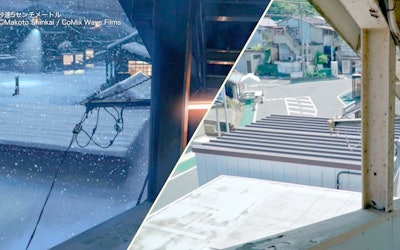
An Introduction to Iwafune, Tochigi This video, titled "Tochigi City Iwafune Area PR Video: Nature" (栃木市岩舟地域PR動画 自然編), was released by "Tochigi City, Tochigi Prefecture" (栃木県栃木市). Iwafune in Tochigi City has such rich history that even Murahi Shrine, a shrine in Iwafune, appears in the Manyoshu, a collection of ancient Japanese poetry, and it has been used as a filming location for movies and TV dramas for years. It is a town with both scenic beauty and cultural aspects. In 2007, Iwafune was used as the setting for the animation "5 Centimeters per Second," and it is becoming increasingly popular as a sacred place among overseas anime fans. In 2014, the town was merged into Tochigi City and the former Iwafune was abolished. The address used to be Iwafune, Shimotsuga County (下都賀郡, Shimotsuga-Gun), Tochigi, but is now Iwafune, Tochigi City. Sightseeing Locations in Iwafune, Tochigi Source :YouTube screenshot Let's take a look at some sightseeing destinations in Iwafune, Tochigi shown in the video. ・Mikamoyama Park [1:00~] The park is home to Mikamo Garden, Boken no Mori (冒険の森, Adventure Forest), and Wanpaku Park. Visitors can take the special "Flower Train" (フラワートレイン) through the park as well. ・Koushouji Temple [1:20~] The park is filled with cherry blossoms in the spring and red spider lilies in the fall. ・Iwafune Sports Park [1:32~] This is also a famous cherry blossom viewing spot that attracts many visitors. ・Daijiji Temple [1:47~] This is a historic temple with beautiful autumn leaves. The temple has become internationally famous for the research books of former Ambassador Reischauer (the United States Ambassador to Japan). ・Tochigi Flower Center [2:12~] Approximately 1,200 species of plants grow here, and you can enjoy seasonal flowers. ・Mt. Iwafune Cliff Stage [3:08~] This is a large, outdoor, live stage. Summary of Popular Sightseeing Locations in Iwafune, Tochigi Source :YouTube screenshot Iwafune in Tochigi City is a part of the "Kanto Fureai Trail" which connects the Tokyo metropolitan area. The area between Tochigi Station and Iwafune Station has been designated "Ryosen-wo-tadoru-Michi" (lit. The Path Along the Ridgeline). The population of Iwafune, Tochigi, is approximately 17,575 (as of 2014), and the main industries are agriculture and tourism. When the ears of rice turn golden in the fall, you can see breathtakingly beautiful rural scenery, and there are also many grape farms and other orchards where you can enjoy fruit-filled lunches and desserts. Outdoor activities are also popular in the area, and hiking, trails with panoramic views, and rocky trails can be found at Iwafune Nature Park and Mt. Iwafune in Tochigi City. For more information about Iwafune, Tochigi, please visit the official website of Tochigi City. 【Official Website】TOCHIGI CITY Official Website | Tochigi City, Tochigi Prefecture https://www.city.tochigi.lg.jp/ 【Tripadvisor】Tochigi https://www.tripadvisor.com/Tourism-g424927-Tochigi_Tochigi_Prefecture_Kanto-Vacations.html -
 Video article 16:12
Kawagoe - A City in Saitama Prefecture Full Of Fascinating Sights! Only an Hour From Tokyo, There's a Whole World of Retro Cityscapes To Explore Here!
Travel Local PR- 380 plays
- YouTube
Introducing a Video Full Of the Charms of Kawagoe, Saitama This video, titled "JOURNEY THROUGH SPACE-TIME~ Kawagoe City Promotion Movie" (【日本語】時空を超える旅~JOURNEY THROUGH SPACE-TIME~ Kawagoe City Promotion Movie), was uploaded by "kawagoecitychannel" (kawagoecitychannel 川越市チャンネル). Kawagoe, Saitama, located in Japan's Kanto region is referred to as "Little Edo" (Ancient Tokyo) and there are many places where you can experience traditional Japanese culture. When the woman in the video, wearing a unique kimono, steps into the streets of Kawagoe, it's as if she's stepped back in time to a Japan that existed hundreds of years ago! Kawagoe, located in the southern part of Saitama, is a popular tourist spot that can be reached from Tokyo in 30 minutes. Enjoy viewing the charms of Kawagoe. Kawagoe - The Host of the Tokyo Olympics Golfing Event! Photo:Golf During the 2020 Tokyo Olympics and Paralympics, various sport events are scheduled to be held at venues around Japan and the number of tourists is expected to rise. The golfing events will be held at the Kasumigaseki Country Club in Kawagoe, Saitama which can be seen from 0:23 in the video. Kasumigaseki Country Club is full of natural scenery and has hosted many international golf tournaments in the past. Players from all over the world can enjoy the fresh breeze as they play golf. The Charms of Kawagoe Photo:Honmaru Goten, Kawagoe Castle, Saitama Prefecture The route around Kawagoe Castle's Inner Palace and the castle town is popular among tourists. First, enjoy sightseeing at Kawagoe Castle and Kawagoe Kita-in Temple, shown at 8:26 in the video. The shopping street Taisho Roman Yume Dori and Kashiya Yokocho are lined with shops selling Instagrammable traditional crafts and local food from Kawagoe. When going sightseeing here, you can stop by a kimono studio and find one to wear around town. This can be seen at from 2:58 in the video. There are also rickshaws and bikes, which can be seen from 5:05. Other highlights of Kawagoe include the retro bus (6:16) and the lantern studio (6:25)! The Popular Kawagoe Festival Photo:Kawagoe Festival floats, Saitama Prefecture As you can see from 10:53 in the video, the Kawagoe Festival is an annual fall festival of Kawagoe Hikawa Shrine held every October. On the day of the festival, Kawagoe is decorated with traditional Japanese lanterns, and floats and the music echoes through the air. At the end of the festival, you can see a large display of fireworks in the starry sky. Enjoy the festival by wandering the streets and temples in kimono/yukata and eating eel kabayaki, the local specialty of Kawagoe. Summary of Kawagoe, a Charming Town in Saitama Prefecture Photo:Little Edo in Kawagoe, Saitama Prefecture Kawagoe, Saitama, just an hour from Tokyo, is full of amazing sightseeing destinations and delicious food. Be sure to check out the video and go sightseeing in Kawagoe! 【Official Website】Kawagoe City, Saitama Prefecture City Hall Website https://www.city.kawagoe.saitama.jp/foreignlanguage/index.html 【Tripadvisor】Kawagoe City https://www.tripadvisor.com/Tourism-g298177-Kawagoe_Saitama_Prefecture_Kanto-Vacations.html -
Video article 3:54
Autumn Foliage & Ginkgo Trees at Hikarigaoka Park 2025 | Best Viewing Times, Access & Illumination Complete Guide
Nature Travel Local PR- 245 plays
- YouTube
Ginkgo Trees and Autumn Foliage at Hikarigaoka Park: Video Introduction This video, titled "Autumn Foliage in Tokyo, 2014" (東京の紅葉 Autumn Foliage in Tokyo 2014), was uploaded by "AQUA Geo Graphic." It introduces the mystical scenery of autumn in Japan accompanied by the sun and the wind, with lovely piano music. When Is the Best Time to See Hikarigaoka Park's Ginkgo Trees? What Makes the "Yellow Tunnel" So Special? Photo:A row of ginkgo trees Hikarigaoka Park, located in Tokyo's Nerima Ward, is the fourth largest park in the 23 wards of Tokyo, covering approximately 600,000 square meters. The park is home to about 2,000 ginkgo and zelkova trees, creating stunning autumn foliage displays. The highlight is the approximately 200-meter-long ginkgo tree-lined avenue featuring 40 magnificent trees, each over 130 years old with trunk circumferences of around 2 meters. These historic ginkgo trees were transplanted in 1985 from in front of the former Tokyo Metropolitan Government building in Yurakucho, and have become a beloved symbol of Hikarigaoka Park for local residents. The best time to view the ginkgo trees at Hikarigaoka Park is typically from early to mid-November. The Instagram-worthy "yellow tunnel" is created when the ginkgo leaves turn a brilliant golden color, forming an enchanting space like an arch of light. The "yellow carpet" of fallen ginkgo leaves can be enjoyed from late November to early December. When Is the Best Time to See Autumn Foliage at Hikarigaoka Park's Keyaki Field? Where Can You View It? Photo:Hikarigaoka Park, Nerima, Tokyo After passing through the ginkgo trees and crossing Futago Bridge, you'll be welcomed by the silver Arch of Light, an art installation at Keyaki Field. Here, you're sure to be captivated by the autumn colors of the zelkova trees. The reddish leaves of the zelkova trees are what makes autumn in Japan so delightful. The best time to view the autumn foliage at Keyaki Field is typically from mid-November to mid-December. The collaboration of yellow ginkgos and red zelkovas creates a luxurious scene unique to Hikarigaoka Park. With just an 8-minute walk from Hikarigaoka Station on the Toei Subway Oedo Line, the park's excellent accessibility makes it perfect for weekend outings. Experience autumn in Japan to the fullest with this spectacular display. [Video] 0:51 - The Autumn Colors of Japan's Zelkova Trees How Can You Enjoy Autumn Reflections on the Water at Hikarigaoka Park? What Are the Best Photography Spots? Photo:A duck swimming on a pond One way to enjoy the autumn leaves at Hikarigaoka Park is to take some time to observe the leaves as they fall onto the surface of the pond. Although falling leaves often evoke a sense of melancholy, the red and yellow leaves floating on the surface of the pond in Hikarigaoka Park create a very emotional scene, captivating onlookers. The water surface displays a vivid contrast of ginkgo and zelkova leaves, enhanced by the elegant sight of ducks swimming gracefully—creating a uniquely late-autumn atmosphere. While creating memories of late autumn, don't forget to look down at the brilliant leaves drifting across the pond in addition to looking up at the colorful foliage. You may even capture some breathtaking photos as well... [Video] 1:51 - Fallen Leaves on the Surface of the Water What Is the "Boundary Line Between Yellow and Red" at Hikarigaoka Park? Why not slowly walk along the boundary between yellow and red? There's a special carpet that can only be seen at certain times when the fallen leaves and wind align perfectly. While the yellow and red avenues, each covered with their own color, are exciting enough in themselves, when you discover the boundary line, you'll likely recall childhood feelings and want to slowly trace along it—such is the landscape that unfolds before you. The gradation created by the yellow ginkgos and red zelkovas is truly miraculous art produced by nature. This boundary line shows a different expression each day depending on wind direction and the timing of fallen leaves, offering new discoveries with every visit. [Video] 2:25 - A Boundary of Red and Yellow Leaves When Can You See the Autumn Foliage Gradation at Hikarigaoka Park? Photo:A tunnel of autumn foliage When is the best time to view the autumn colors? Perhaps the answer is simply the moment that you visit. In the video, you can see the beautiful gradation of green, yellow, and red colors. At Hikarigaoka Park, from late October to early December, you can observe the gradual color changes from green to yellow, and yellow to red. For those who want to experience the exquisite atmosphere where not all colors have changed, early November is recommended. During this time, leaves that are still green, leaves shining golden, and leaves dyed bright red coexist, allowing you to enjoy nature's gradation art. [Video] 2:58 - The Changing of the Leaves to Various Colors When Is Hikarigaoka Park's Illumination Event Held? What Are the Highlights of "Nerima Hikarigaoka Hikari Pageant Festa"? The "Nerima Hikarigaoka Hikari Pageant Festa 2025&26" has been confirmed for 2025. Celebrating its 13th anniversary, this festival of light and art will once again illuminate Hikarigaoka during the year-end and New Year season. The street tree illumination along the ginkgo tree-lined "Fureai no Michi" avenue will be lit from November 29, 2025 (Sat) to January 25, 2026 (Sun), daily from 4:00 PM to 10:00 PM. Approximately 150,000 LEDs will fantastically illuminate 24 trees and the "Water Fall Flow" light arch. For about two months, you can enjoy an enchanting space enveloped in light every evening. The main event, a festival of light and art, will be held on December 20 (Sat) and 21 (Sun), 2025, centered around Keyaki Field. The X'mas Stage will be held simultaneously on the same dates, featuring plenty of attractions including light displays, candle art, music and dance stages, and exhibition stages. In the new year, the New Year Stage will be held on January 10 (Sat) and 11 (Sun), 2026, at Fureai no Michi, with special events planned to celebrate the new year. Last year (2024), approximately 200,000 visitors enjoyed the events during both periods. Please be sure to take warm clothing and enjoy a magical, heartwarming time. For detailed programs and event information, please check the official website. 【Official Website】Nerima Hikarigaoka Hikari Pageant Festa 2025&26 https://hpf.beyond-japan.net/ How Do You Access Hikarigaoka Park? Is Parking Available? Hikarigaoka Park, the largest park in Nerima Ward at approximately 600,000 square meters, features a grassy plaza built on gently sloping hills dotted with cherry blossoms and zelkova trees, providing delightful scenery in all four seasons. The park also has a wealth of playground equipment, a bird sanctuary for bird watching, and day camping and barbecue areas, making it a popular recreational spot beloved by people of all ages in the surrounding area. In this article, we introduced the large ginkgo trees, ginkgo tree-lined avenue, and Keyaki Field as hidden gems for autumn foliage viewing at Hikarigaoka Park. The area is also easily accessible by train: just an 8-minute walk from Hikarigaoka Station on the Toei Subway Oedo Line, or a 15-minute walk from Narimasu Station on the Tobu Tojo Line and Subway Narimasu Station on the Tokyo Metro Fukutoshin and Yurakucho Lines. During autumn foliage season, weekends (especially from 12:00 PM to 2:00 PM) can be crowded, so we recommend using public transportation. This is a highly recommended spot in Tokyo's Nerima Ward that you should definitely visit on weekends. On November 23, 2025 (Sun/Holiday), the "Hikarigaoka Park Festa" is scheduled to be held, providing an excellent opportunity to enjoy both autumn foliage and events simultaneously. ◆Hikarigaoka Park◆ Address: Hikarigaoka 2-chome and 4-chome, Asahicho 2-chome, Nerima-ku; Akatsuka-shinmachi 3-chome, Itabashi-ku For inquiries: Hikarigaoka Park Service Center (TEL: 03-3977-7638) Parking: Available (Paid - expect congestion during autumn foliage season) Access: An 8-minute walk from Hikarigaoka Station (E38) on the Toei Subway Oedo Line; a 15-minute walk from Narimasu Station on the Tobu Tojo Line, Subway Narimasu (F02) on the Tokyo Metro Fukutoshin Line, and Subway Narimasu (Y02) on the Tokyo Metro Yurakucho Line Best viewing period: Ginkgo tree-lined avenue - early to mid-November; Keyaki Field - mid-November to mid-December 【Official Website】Hikarigaoka Park - Let's go to the park! https://www.tokyo-park.or.jp/park/format/index023.html 【TripAdvisor】Hikarigaoka Park https://www.tripadvisor.com/Attraction_Review-g1066453-d4889941-Reviews-Hikarigaoka_Park-Nerima_Tokyo_Tokyo_Prefecture_Kanto.html -
Video article 6:26
[2025] When is the Best Time to View Autumn Leaves at Mt. Takao in Hachioji, Tokyo? Complete Guide Including Crowd Information, Recommended Routes, and Bear Sighting Updates [Latest Information]
Travel Nature Local PR- 26 plays
- YouTube
Mt. Takao – A Mountain Surrounded by Nature, Just an Hour From the Heart of Tokyo Photo:Mt. Takao, Hachioji, Tokyo Mt. Takao is a 599-meter-tall mountain located in Hachioji, Tokyo. It was designated as Meiji no Mori Takao Quasi-National Park and in 2020 became the first mountain in Tokyo to be recognized by the Agency for Cultural Affairs as a "Japan Heritage Site" as "Mt. Takao – A Mountain Full of Spirituality ~The Tale of the Mulberry Capital, Spun From People's Prayers~." Takao Yakuoin Temple, one of the three main temples of the Chizan sect of Shingon Buddhism, is located halfway up Mt. Takao, and various events are held at the temple throughout the year, including a Setsubun Festival, Spring Festival, Autumn Festival, festivals with bonfires, and more. You can view the autumn leaves at Yakuo-in from 1:54 in the video. Photo:Yakuoin Temple, Mt. Takao Near Mt. Takao Cable Car Station, there is a monkey garden, a wildflower garden, and the Mt. Takao Beer Garden, where visitors can enjoy a refreshing beer in the summer. The beautiful autumn scenery visible from the cable car can be seen from 0:54 in the video. As it's located just one hour from central Tokyo, visitors can easily enjoy mountain climbing and hiking in the area throughout the year. In 2007, Mt. Takao was awarded the highest ranking of three stars in the Michelin Guide, along with Mt. Fuji, making it well known worldwide, and it is currently the most climbed mountain in the world, attracting approximately 3 million climbers annually. When Is the Best Time to View the Autumn Leaves on Mt. Takao? [Updated Information for 2025] Photo:Autumn leaves on Mt. Takao, Hachioji, Tokyo Surrounded by abundant nature, the autumn leaves of Mt. Takao begin to change color from around the end of October, and are usually at their best from mid-November to early December. This is slightly later than in central Tokyo. The autumn colors of the maple and beech trees turn Mt. Takao brilliant shades of red and yellow, but the best time to see the leaves is usually near the foot of the mountain in mid-November, and near the summit in late November. The autumn foliage near the summit can be seen from 5:27 in the video. Source :Hachioji's local information portal site, Hachinavi During the peak foliage viewing season, the cable cars and lifts are often crowded, and you may have to wait an hour or more for a ride. The trail leading to the summit is also congested with climbers, and it's sometimes difficult to advance. The 2025 "Mt. Takao Maple Festival" will be held from October 25 to December 14. At the event plaza, performances by students from Hachioji City and other events will be held. Also, on weekdays during the festival, visitors can get a raffle ticket when they spend 1,000 yen or more at member stores of the Takao-san Shopping Association. 599 people will win prizes. What Are the Recommended Courses and Tips for Viewing the Autumn Leaves on Mt. Takao? [Updated Information for 2025] Source :Hachioji's local information portal site, Hachinavi There are several trails on Mt. Takao that lead to the summit. The main trails and routes on Mt. Takao are as follows: ・Trail 1 (Omotesando Trail): Total length: 3.8 km ・Trail 2 (Kasumidai Loop Trail): Total length: 900 m ・Trail 3 (Katsura Forest Trail): Total length: 2.4 km ・Trail 4 (Suspension Bridge Trail): Total length: 1.5 km ・Trail 5 (Summit Loop Trail): Total length: 900 m ・Trail 6 (Biwa Waterfall Trail): Total length: 3.3 km ・Inariyama Trail (Ridgeline Trail): Total length: 3.1 km Below, we'll introduce the features of each course and recommended points of interest for viewing the autumn leaves. Source :Hachioji's local information portal site, Hachinavi Trail 1 (Omotesando Trail) This is the most popular route for climbing Mt. It is also paved, making it a friendly route for beginners. Kasumidai Observatory, the Buddhist Stupa, Yakuoin Temple, and the summit of Mt. Takao are points of interest for viewing the autumn leaves. Trail 2 (Kasumidai Loop Trail) It takes about 30 minutes to go around the area near Mt. Takao Cable Car Station on the cable car. The wildflower garden is a point of interest for viewing the autumn leaves. Trail 3 (Katsura Forest Trail) This course is located on the south side of Trail 1 and has relatively fewer hikers than other trails, allowing visitors to take their time and enjoy the natural surroundings. It's not recommended for viewing the autumn leaves, as there are many evergreen trees. Photo:The suspension bridge on Mt. Takao, Hachioji Tokyo Trail 4 (Suspension Bridge Trail) Located on the north side of Trail 1, Trail 4 is popular for its suspension bridge (Miyama Bridge), the only suspension bridge on Mt. Takao. Many deciduous trees lose their leaves during the winter season, and the yellowing of dogtooth vines and beech trees can be enjoyed during autumn. The autumn leaves at the suspension bridge on Trail 4 can be viewed from 3:10 in the video. Trail 5 (Summit Loop Trail) This course circles the area just below the summit of Mount Takao and takes about 30 minutes to complete. Almost all trails, including Trails 1, 3, 4, 6, and the Inariyama Trail, are connected to Trail 5. The course has few changes in elevation, allowing visitors to enjoy the autumn leaves at a leisurely pace. Trail 6 (Biwa Waterfall Trail) This trail is also called the "water trail" because of the waterfalls and rivers along its creeks. Biwa Falls has long been used for water ablutions by Shugendo practitioners. The trail is not very well maintained, and footing is poor in some places, so we do not recommend hiking with light equipment. Because this trail takes you through an overgrown forest, you will not be able to see the autumn leaves. Inariyama Trail (Ridgeline Trail) This course passes through the south side of Mt. Takao and includes some steep ascents, making it a genuine mountain climbing experience. It takes only 90 minutes to reach the summit, and you can enjoy viewing the various autumn colors from the foot of the mountain to the summit. How to Avoid Crowds When Climbing Mt. Takao Mt. Takao is very popular and can get especially crowded on weekends and during the autumn foliage season. To avoid the crowds, we recommend starting your hike early on a weekday. The number of climbers increases significantly after 10 a.m., so it's best to arrive at the station or trailhead by around 8 a.m. Also, instead of the crowded Trail No. 1 or using the cable car, try taking less congested routes such as Trail No. 4 or the Inariyama Trail. If you're driving, note that parking lots often fill up by the morning, so using public transportation or arriving early is a safer choice. Plan ahead and enjoy the nature of Mt. Takao in peace. How to Access Mt. Takao? Photo:Takaosanguchi Station, Hachioji Tokyo [Access via Train] Keio Line: From Shinjuku Station to Takao-yamaguchi Station, approx. 50 min. JR Chuo Line: From Shinjuku Station to Takao Station: 44 min (special rapid), 58 min (rapid); from JR Takao Station, transfer to Keio Line to reach Takao-yamaguchi Station, approx. 3 min. [Access via Car] Take the Chuo Expressway via Hachioji Junction, get off at the Mt. Takao Interchange on the Ken-O Expressway, and drive approximately 5 minutes towards Shinjuku. There are several pay parking lots around the foot of Mt. Takao, but please note that they become very crowded during the high season for viewing the autumn leaves. What Are the Points of Interest Near Mt. Takao During Autumn Foliage Season? [Updated Information for 2025] Mt. Takao features a variety of popular tourist attractions in addition to hiking, so consider stopping by some of them on your way home after a day of mountain climbing. [Hot Spring Facilities Near Mount Takao] Keio Takaosan Onsen Gokurakuyu is a recommended day spa located next to Keio Takao-yamaguchi Station on Mt. Takao. Opened in 2015, this relatively new spa facility offers seven different types of baths, including an outdoor bath with natural hot spring water, as well as a sauna and a micro-bubbling cypress bath. Source :Hachioji's local information portal site, Hachinavi Address: 2229-7 Takao-machi, Hachioji City, Tokyo, 193-0844 Admission Fee: Weekdays - Adults ¥1,100, Children ¥550 / Weekends & Peak Season - Adults ¥1,300, Children ¥650 (Peak Season: December 29 - January 3, Golden Week, Obon, November 1-30, etc.) Spring Quality: Simple alkaline hot spring Hours: 8 AM - 10:45 PM (Open year-round) Telephone: 042-663-4126 Parking: Available (Up to 110 standard vehicles. Free parking for 3 hours for hot spring users) Official Website: Keio Takaosan Onsen Gokurakuyu Official Website Access: Located near Takao-yamaguchi Station on the Keio Line [Soba Restaurants Near Mt. Takao] More than 20 soba noodle shops line the streets from the foot of Mt. Takao to the summit of the mountain. To relieve the fatigue of worshippers visiting Takao Yakuoin Temple, one store began serving soba noodles topped with grated yam, which is believed to nourish and strengthen the body, about 100 years ago in 1924. Gonsuke Source :Hachioji's local information portal site, Hachinavi With private rooms, large and medium-sized halls, Gonsuke is a restaurant that can be used for a variety of occasions. Gonsuke's specialty is its authentic Irori-yaki course featuring carefully selected ingredients grilled over an irori (a traditional Japanese open hearth). A shuttle bus service is available from Takao-yamaguchi Station, so definitely consider dropping in for a delicious meal on your way home from mountain climbing. Address: 4068 Minami Asakawa-cho, Hachioji-shi, Tokyo Access: A 5-minute drive from Takao-yamaguchi Station on the Keio Takao Line Parking: Available (70 vehicles) Hours: 11:00 AM 10:00 PM Closures: None Official Website: Gonsuke Official Website [Ukai Toriyama] Source :Hachioji's local information portal site, Hachinavi Source :Hachioji's local information portal site, Hachinavi At Ukai Toriyama, located in inner Takao, a 10-minute drive from Takao-Yamaguchi Station, you can enjoy authentic food charcoal-grilled over an irori. Visitors can enjoy a meal in an atmosphere not often found in Tokyo, with buildings in the Gassho-zukuri style relocated from Gokayama, and an 8,000 sq m Japanese garden. This restaurant has also been featured in a variety of popular Japanese TV shows. Address: 3426 Minami-asakawa-machi Hachioji City, Tokyo 193-0846 Access: A 10-minute drive from Takao-yamaguchi Station on the Keio-Takao Line Parking: Available Hours: Weekdays 11:30 AM - 3:00 PM / 5:00 PM - 9:30 PM Weekends 11:00 AM - 9:00 PM Closures: Tuesdays (varies by season), Year-end and New Years holidays Official Website: Ukai Toriyama Official Website TAKAO 599 MUSEUM Source :Hachioji's local information portal site, Hachinavi A facility where visitors can learn about the history of Mt. Takao and the ecosystems of its flora and fauna. Visitors can learn about Mt. Takao through specimens of insects and animals that live in the mountain, as well as through fossilized animal specimens. Admission is free, so definitely stop in for a visit. Address: 2435-3 Takao, Hachioji, Tokyo 193-0844 Telephone: 042-665-6688 Business Days: Open year-round ※Possible closures due to maintenance Hours: [April - November] 8:00 AM - 5:00 PM / [December - March] 8:00 AM - 4:00 PM Admission Fee: Free Access: An approximately 4-minute walk from Takao-yamaguchi Station on the Keio Electric Railway (Keio Line) Official Website: TAKAO 599 MUSEUM Official Website Summary of Autumn Foliage Information for Mt. Takao ~Don't Forget Bear Safety Precautions~ Mount Takao, which can be reached in less than an hour from Tokyo, offers a colorful landscape of red and yellow leaves during autumn. Enjoy a pleasant dose of negative ions in this popular spot surrounded by nature that you wouldn't expect to find in Tokyo. [Bear Sighting Information and Safety Measures on Mt. Takao] In recent years, sightings of Asian black bears (Tsuki-no-wa-guma) have been reported around Mt. Takao. According to "TOKYO Kuma-ppu" (Tokyo Bear Map) provided by the Tokyo Metropolitan Government Bureau of Environment, sightings have been confirmed in the Mt. Takao area. The autumn foliage season (October to November) is also when bears are most active before hibernation. Please observe the following safety measures when hiking: ・Carry bear bells or radios to make noise and signal your presence to wildlife ・Avoid hiking alone during early morning or dusk; travel in groups whenever possible ・Check the latest sighting information on "TOKYO Kuma-ppu" before your visit ・Exercise extra caution on less crowded routes (Trail 6, Oku-Takao areas) ・Always take your trash with you to avoid attracting bears While there have been no reported bear attacks on humans at Mt. Takao in the past three years, proper preparation is essential for a safe visit. By taking appropriate precautions, you can fully enjoy the beautiful autumn foliage and rich natural environment. -
Video article 0:30
Chofu - A City Full of Tourist Attractions - Experience Fireworks, Cherry Blossoms, Rose Gardens and More at a Town in Tokyo Where Japan's Four Seasons Shine!
Travel Things to Do Festivals & Events Nature Local PR- 82 plays
- YouTube
Introducing a beautiful video packed with the charms of Chofu City, Tokyo. This video, titled "「Feel Short Ver.」The Promotion Video of Chofu City, Tokyo" (「Feel short ver.」東京都調布市のプロモーション映像 The promotion video of Chofu City, Tokyo), was uploaded by "Chofu City Video Library - ChofuCity" (調布市動画ライブラリーChofuCity). Chofu is conveniently located about 15 minutes by train from Shinjuku, a popular shopping and entertainment district, yet it is known as a city rich in nature. There are many spots where visitors can enjoy natural beauty, such as rows of cherry blossom trees, autumn foliage, and rose gardens. This promotional video is packed with popular attractions and photo spots in Chofu. Chofu - Rows of Cherry Trees, Dazzling Fireworks, and Many More Attractive Events Photo:Cherry blossoms along the Nogawa River, Chofu, Tokyo Chofu has beautiful seasonal scenery and popular events that attract many visitors from both inside and outside the city. Along both banks of the Nogawa River, which runs from the northwest to the southeast of the city, there is a bicycle path where visitors can see beautiful rows of cherry trees in spring; although cancelled from 2020 to 2022, there is an annual one-night-only event where the cherry trees are lit up at night, creating a magical scene. The city is also known as "Eiga no Machi Chofu" (映画のまち調布, 'Chofu, the City of Movies'), as there are two major film studios and more than 40 film production companies gathered in Chofu. The Chofu City Fireworks Festival held on the banks of the Tama River is a popular summer event. [Video] 0:12 - Chofu City Fireworks Festival Autumn Leaves and a Daruma Market at Jindaiji Temple. Enjoy Sightseeing Around Chofu Photo:Cherry blossoms at Jindaiji Temple, Chofu, Tokyo The "Yakuyoke Ganzan Daishi Festival" (厄除元三大師大祭) is the biggest event at Jindaiji Temple, and is held on March 3 and 4 every year. [Video] 0:12 - Scenes from the Yakuyoke Ganzan Daishi Festival The Jindaiji Temple Daruma Doll Market, held in conjunction with the Daishi Festival, is one of the three major daruma markets in Japan. About 300 Daruma stores, with dolls of all sizes, are displayed in various locations. The Jindaiji Summer Evening Party (深大寺夕涼みの会, Jindaiji Yusuzumi no Kai ) is a summer event where visitors can stroll around Jindaiji Temple in yukata (light cotton kimono), play traditional games, experience zazen (zen meditation), and enjoy a variety of stalls (canceled in 2020 and 2021). [Video] 0:09 - Jindaiji Summer Evening Party The famous "Jindaiji Soba" is a popular food in this area with 400-years of history. It's said that the name "Jindaiji Soba" originated when soba noodles made from the rich spring water were served at the temple, and many soba restaurants line the streets around the temple. In the fall, beautiful autumn leaves can be seen at Jindaiji Temple and the adjacent Jindai Botanical Gardens, and many people come to enjoy the autumn foliage in Tokyo. [Video] 0:16 - Autumn Foliage at Jindai Botanical Gardens Enjoy the Beauty of Nature at Jindai Botanical Gardens and Saneatsu Park Photo:A rose garden at Jindai Botanical Gardens, Chofu, Tokyo The Rose Garden at the Jindai Botanical Gardens was awarded the World Rose Convention's "Award of Garden Excellence" in 2009. The best time to see the roses is in spring and fall. It is one of the largest botanical parks in Tokyo, covering an area of about 480,000m2. The spacious park is home to 100,000 plants of approximately 4,800 species, allowing visitors to enjoy a variety of plants, trees, and flowers throughout Japan's four seasons. [Video] 0:06 - The Rose Garden at Jindai Botanical Gardens Saneatsu Park is a park on the site of Saneatsu Mushanokoji's house. The 5,000m2 park is filled with lush greenery, and carp and wild birds can be viewed in the pond. [Video] 0:24 - Saneatsu Park In addition, there's Fudatenjin Shrine, which has the oldest koma-inu (guardian lion-dogs) in Chofu and a 500-year-old sacred tree, and Kokuryo Shrine, which has a large 400~500-year-old wisteria tree. The area offers picturesque views of nature for visitors to enjoy. Unique Spots for Tours and Hands-on Experiences At the Chofu Aerospace Center, where JAXA's research and development facilities are located, visitors can tour exhibition rooms in the three zones: aviation, space, and fundamental technology, and experience a simulated flight in a futuristic spaceplane. Also, at Mayo Terrace, a Kewpie Mayonnaise facility where visitors can enjoy learning about various information and topics related to mayonnaise, and even try making mayonnaise by hand. There are also a variety of sports-related facilities in the area. The Musashino Forest Sport Plaza, adjacent to Tokyo Stadium, has a gymnasium that can accommodate up to 10,000 people. Top-level competitions, concerts, and other events are held here. Summary of the Attractions of Chofu, a City Where You Can Also Meet the Characters From GeGeGe no Kitaro Photo:Kitaro Teahouse, Jindaiji Temple, Chofu, Tokyo Shigeru Mizuki, the creator of "GeGeGe no Kitaro" is an honorary citizen of Chofu. Kitaro's characters can be seen throughout the city and are popular among instagrammers. Kitaro Square, located between Chofu Station and Nishi-Chofu Station, and the Tenjin-dori shopping street near Chofu Station, known as Kitaro Road, are also lined with monuments of the various characters. In addition, visitors can enjoy the world of "GeGeGe no Kitaro" at the Kitaro Teahouse in front of the Jindaiji Temple gate, where there is a cafe and store. Chofu is only a 15-minute train ride from Shinjuku, and despite its proximity to the city center, it's rich in nature, making it a comfortable place to live. The city offers a wide variety of sightseeing attractions and unique facilities where you can casually stop by to enjoy the seasonal expressions, tasteful temples and shrines, and characters of GeGeGe no Kitaro that can be seen throughout the city. The beauty of Chofu, including its atmospheric scenery, events, and various other attractions, can be viewed in this short video. Be sure to check it out! 【Official Website】Chofu, Tokyo - City Hall Website https://www.city.chofu.tokyo.jp/ 【TripAdvisor】Chofu https://www.tripadvisor.com/Tourism-g1060905-Chofu_Tokyo_Prefecture_Kanto-Vacations.html