• Poster
  • Image
  • Share
  • Region
  • Tag

Community Posts

開智国際日本語学校(Kaichi International School of Japanese)
Nov. 8, 2021
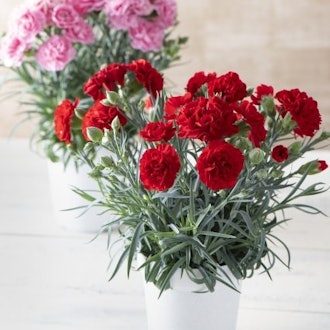
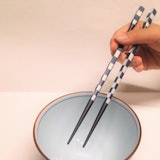
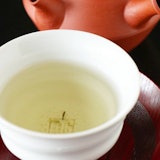
[English/Japanese] In this issue, I would like to introduce you to some of the things that you should not do in Japan. There are things that you may have done without knowing it, but that even foreigners are not allowed to do. How many of Japan's unique cultures do you know? Gift Giving Etiquette There are two numbers that are frowned upon in Japan: 4 and 9. 4 is pronounced "shi" and 9 is pronounced "ku" in Japanese. "Shi" means "death" and "9" means "suffering", so anything with "ku" and "shi" in it is frowned upon in many situations. For example, "comb" is not allowed to be sent as a gift because it has a bad meaning. In addition to this, there are a few other gifts that should not be sent. For example, a plant in a pot should not be sent to a person in the hospital. A plant in a pot has roots. This is because it can be taken to mean that the plant will have roots in the hospital, meaning that the illness will last longer. If you want to give flowers to someone who is in the hospital, use cut flowers instead of potted plants. However, even cut flowers such as chrysanthemums, which are used for funerals, are considered rude, so be careful. Also, do not send a handkerchief as a wedding gift. Why is this? Because handkerchiefs are associated with tears. Other items that can be broken, such as china and mirrors, are also considered bad luck. Similarly, for housewarming gifts, lighters and ashtrays should not be sent because they remind people of fire. These are just a few examples. If you are going to give a gift to a Japanese person, you need to find out beforehand if it would be a rude gift. Dining Manners Your country also has various manners for eating. I have heard manners such as never using your left hand when eating curry from Nepalese students at our school. So, what kind of manners do we have in Japan for eating? In Japan, we use chopsticks when we eat. Chopsticks are difficult to use, but their manners are also complicated. For example, the worst thing you can do is to use two chopsticks to hold your food. The reason why this is not allowed is because it is the same act as placing the bones of a deceased person in an urn at a Buddhist funeral. *Not talking about chopsticks, but putting the right collar of the kimono on top of the left collar is the same as wearing the kimono of the deceased, so you have to be careful. ) There are many other manners of chopsticks that should not be practiced, such as "stabbing chopsticks" and "yose-chopsticks". In addition to chopsticks, it is also bad manners to eat rice without holding the bowl, or to put your elbows on the table. However, if you think about it too much, it will be difficult to eat a good meal. I recommend that you learn at least the minimum manners for eating, and then gradually get used to them. Superstitions How many superstitions do you know about in Japan? The first one is the "north pillow". The first one is "north pillow", which means that you should not sleep with your pillow in the north, because it is related to Buddhism and there is a theory that putting your pillow in the north means death. Second, don't cut your nails at night. There is a superstition that if you cut your nails at night, you will die before your parents do. One reason is that nails are the place where a person's "soul" is located, so they must be taken care of. Another reason is that in the days when there was little light, cutting nails at night would cause injury. The third is "don't whistle at night." In Japan, there is a saying that whistling attracts spiritual things. This spirituality includes not only good things, but also bad things, so there is a theory that it is dangerous to whistle at night, when spirituality is more active. The three I've mentioned so far are all things you shouldn't do, but I'll end with a superstition that has a good meaning. The last superstition that has a good meaning is "If a pillar of tea stands, good luck will come. A pillar of tea means that the stems of the tea in the teacup stand up like a pillar when the tea is made. For Japanese people, a "pillar" has a powerful impression as something that supports a house. A recent popular manga often features a "pillar [Hahira]” For this reason, the tea pillar is known as a good omen. Incidentally, I have heard from Mongolian students that there is a superstition that if a pillar of tea stands, relatives will come to your house. In different countries, superstitions have completely different meanings, don't they? I hope you now have a better understanding of manners. In the next article, I will introduce manners at leisure facilities. This time, I will introduce "what not to do in Japan". Even if you don't know it, there are things that you can't forgive because you're a foreigner. How many unique cultures do you know of Japan? Gift etiquette There are figures that are hated in Japan. 4 and 9. 4 is pronounced as Japanese, "shi" and 9 as "ku". Since "shi" means "death" and "9" means "suffering", things with "ku" and "shi" in the words are disliked in various situations. For example, "comb" is a gift that has a bad meaning, so it is not allowed to be sent. There are a few other gifts you shouldn't send. For example, plants in pots should not be sent to people who are in the hospital. The plant in the pot has roots. This is because it is taken as the meaning of being rooted in a hospital, that is, the meaning of prolonged illness. If you want to give flowers to someone who is in the hospital, cut flowers instead of potted plants. However, be careful not to use cut flowers such as "chrysanthemums" used for funerals, as they will be rude. Also, if it is a wedding gift, do not send a handkerchief. Why? Because handkerchiefs are associated with tears. In addition, crackable objects such as pottery and mirrors are also considered unlucky. In the case of housewarming, lighters and ashtrays should not be sent because they are reminiscent of fire. These are just a few. If you are going to give something to Japan someone, you need to research it in advance to see if it will be a rude gift. Dining etiquette Your country also has various dining etiquette. I have heard from Nepalese students at our school that they never use their left hand when eating curry. So, what kind of dining etiquette is there in Japan? In Japan, chopsticks are used when eating. Chopsticks are difficult to use, but their manners are also complicated. For example, the last thing you should do is hold one food with chopsticks for two people. The reason why this should not be done is because it is the same act as placing the bones of a deceased person in an urn at a Buddhist funeral. * I'm not talking about chopsticks, but you have to be careful if the collar of the kimono is in front of the right, because it will be the same as the kimono worn by the deceased. In addition to this, there are many other acts that should not be done, such as "embroidery chopsticks" to embroider food and "chopsticks" to pull plates together. It is also bad manners to eat rice without holding a bowl in addition to chopsticks, or to elbow yourself on the table. However, if you think about it too much, it will be difficult to eat delicious rice. We recommend that you learn the minimum manners of your meals and gradually get used to them. superstition How many superstitions do you know about Japan? Here are some of them. The first is the "North Pillow". There is a theory that you should not sleep with a pillow in the north, which is related to Buddhism, and that placing a pillow in the north means "death". The second is "do not cut your nails at night." There is a superstition that if you cut your nails at night, you will die faster than your parents. There is a theory about this, but there is a teaching that nails must be cherished because they are the place where the person's "soul" is, and there are reasons that in an era when there was little light, cutting nails at night would injure you. The third is "Do not whistle at night." There is a Japan tradition that whistling attracts spiritual things. There is a theory that this spiritual thing contains not only good things, but also bad things, so whistling is dangerous at night when spiritual things are active. The three things I've introduced so far are all things you shouldn't do, but here are some good and meaningful superstitions at the end. It is "good luck comes when the tea pillar stands". A tea pillar is a tea stalk that stands like a pillar in a teacup when tea is brewed. For Japan people, "pillars" have a powerful impression as they support the house. Recently, popular manga often have "pillars." Therefore, tea pillars are known as auspicious. By the way, I have heard from Mongolian students that there is a superstition that "relatives come to the house when the tea pillar is erected." Different countries have completely different meanings of superstition. Do you understand manners? Next time, we will introduce manners at leisure facilities.
View More
  • Japan
  • Traditional Japanese Food
  • Japanese heart/Wabisabi
  • Life in Japan
  • Japanese-language school
  • International students
  • Etiquette
開智国際日本語学校(Kaichi International School of Japanese)
Oct. 18, 2021
[English/Japanese] Things that surprised foreign students when they came to Japan. ~Fashion Foreigners who come to Japan for the first time both tourists and international students often wonder what kind of fashion they should wear during their stay in Japan. Therefore, I would like to introduce some episodes about Japanese fashion. Japanese who don't wear well-fitting clothes What surprises foreigners who travel to Japan in summer is that Japanese people wear oversized clothes even in summer. Foreigners, especially Westerners, tend to wear T-shirts or running clothes on top and short pants on the bottom. So why do Japanese people wear oversized clothes? It has to do with the heat and humidity of the Japanese summer. Summer in Japan is humid and hot. Therefore, wearing tight-fitting clothes can cause skin problems due to steaminess. Oversized clothes are chosen because they are well ventilated and functional, which helps to eliminate steaminess. Foreigners who enjoy summer vacations in Japan sometimes develop skin problems after a while and rush to buy new clothes. If you are coming to Japan in the summer, be sure to keep this in mind when choosing your clothes. he Aesthetics of Hiding In summer, more and more female students at Japanese language schools wear revealing clothes, but this is mostly the first-year students. However, this is mostly the case for first-year students second-year students, like Japanese, do not expose their skin as much. So why do Japanese people not expose their skin so much even in summer? In Japan, showing skin or anything that is considered "sexy" in other countries is often seen as "vulgar". For this reason, Japanese women seem to be childish to foreigners. In Japan, there has always been an "aesthetic of concealment," which means not showing everything to others so that they can imagine your beauty. Also, in Japan, there is a culture of "kawaii," or childishness, which gives a good impression. This trend is slowly changing these days, but it still persists. The Unique Fashion of High School Girls One thing that has nothing to do with the "hidden aesthetic" is the fashion of high school girls. Most high school girls in Japan wear a uniform designated by the school. Most Japanese high school girls wear school uniforms, and they are passionate about how to make their uniforms look cute. A typical example is the length of the skirt. They wear short skirts even in the middle of winter in order to make their legs look longer and more beautiful. I heard a male exchange student say, "This is great because we don't have high school students like that in my country! Be careful not to look too much or you will get caught by the police. They also like brand-name items, and even high school students sometimes have high-brand purses and bags. Some of these items are given to them as gifts by their boyfriends, but they also work hard and have part-time jobs to buy them. That is how desperate Japanese high school girls are for fashion. What do you think? I will continue to introduce Japanese fashion in my next article. I will not be able to talk next week due to circumstances. What surprised international students when they came to Japan. ~Fashion~ Foreigners both tourists and international students who come to Japan for the first time often wonder what kind of fashion they should wear during their stay Japan So, from this time, I will introduce some episodes about the fashion of Japan people. Japan people who don't wear fitted clothes What surprises foreigners who come to Japan trip in the summer is that Japan wear oversized clothes even in summer. Foreigners, especially Westerners, often wear T-shirts and running shirts on the top and short pants on the bottom. So why do Japan people wear oversizes? It is related to the "sultry heat" of the summer in Japan. Summer in Japan is humid and sultry. Therefore, if you wear fitted clothes, it will get stuffy and may cause skin problems. Oversized clothes are also chosen for their airiness and functionality, which helps relieve stuffiness. Foreigners who are enjoying a summer vacation in Japan may have skin problems after a while, and may rush to buy new clothes. When you come to Japan in the summer, keep that in mind when choosing clothes. Aesthetics to hide In Japanese schools, more and more girls wear clothes that reveal their skin in the summer. However, this is often the first year of students. Second-year students will no longer expose their skin as well as Japan. So why don't Japan people get much exposure even in summer? In Japan, exposing the skin and what is called "sexy" in foreign countries are often considered "vulgar". Therefore, Japan women seem to feel young from the perspective of foreigners. The Japan has long been called "aesthetics that hide." "Hiding aesthetics" is the idea of letting others imagine beauty by not showing everything. There is also a culture in Japan where young people make a good impression of being cute. This trend has been changing little by little in recent years, but it still persists. Unique fashion of schoolgirls What has nothing to do with "hiding aesthetics" is the fashion of high school girls. Most of the high school students in Japan wear school-designated uniforms. High school girls are passionate about how to make their uniforms look cute. A typical example is the length of the skirt. To make my legs look longer and prettier, I wear skirts short, even in the middle of winter. From male international students, it's the best because there are no such high school students in my country! I've heard you talking. Be careful because if you look at it too much, the police will grab you. They also like branded things, and even high school students sometimes have high-brand wallets and bags. Some of these are gifts from lovers, but not only that, but sometimes you work hard part-time to buy them. So much so that we can say that Japan schoolgirls are desperate for fashion. How was it? Next time, we will continue to introduce Japan fashion. * We will be closed next week due to circumstances.
View More
  • Japan
  • Life in Japan
  • Japanese-language school
  • International students
  • Study abroad
  • Girl
  • Fashion
開智国際日本語学校(Kaichi International School of Japanese)
Oct. 11, 2021
[English/Japanese] Continuing from last week, I would like to introduce some of the behaviors and conversations that international students find strange when communicating with Japanese people. Shy Japanese? International students often tell me that many Japanese people are shy. When I ask them why, they say that many Japanese do not express their opinions clearly, do not make eye contact, and are shy about dancing or singing in public. Do you think that Japanese people are really shy? In Japan, modesty and mutual respect have long been regarded as virtues. For this reason, I think many Japanese people are careful to avoid doing anything that might draw attention to themselves. However, there is one situation where shy Japanese people can act boldly. One of them is hot springs. International students often say that it is strange that Japanese people are so shy that they show their nakedness to others and take a bath together. They also say the same thing about Japanese people who cosplay at anime events. When it comes to hot springs, the reason given is that it is a part of Japanese culture that they have grown accustomed to, so few Japanese question it. Also, cosplaying is a way to "be someone else," and many people are open to it. ✌ In your country, what kind of poses do you take when taking photos? When you take photos at your Japanese language school, you can discover the differences between countries. For example, male students from Nepal and Bangladesh "wear sunglasses and put their hands in their pockets and hold them at an angle," while female students from Asian countries who like Korean culture "make a heart with their index finger and thumb overlapping. And most Japanese teachers make the "peace sign". There are many theories as to why Japanese people make the peace sign. Some foreign students think that Japanese people are boring when it comes to posing for photos. However, for shy Japanese who feel embarrassed to be true, it may be a relief to have a standard pose. Different Personalities in Different Regions When people talk about the personality of the Japanese, they are often referring to the Japanese living in the Tokyo area. So, are Japanese people in other areas the same as in Tokyo? Osaka is famous for being different from the typical Japanese character. Osaka has prospered as a city of commerce and is home to many people who like to talk and make people laugh. For this reason, I often hear foreign students who have visited Osaka for the first time or who have talked with people from Osaka say that they do not feel like Japanese. Also, being located in the southernmost part of Japan, Okinawa has a large number of people who love to dance and sing. Just like the climate, the people in Okinawa are warm and cheerful. On the other hand, people in colder areas such as Tohoku are more humble and less talkative than those in Tokyo. Even in the same region of Japan, the atmosphere of the people differs depending on the region, so please try talking to Japanese people in different regions. Over the past two weeks, I have introduced the personality and behavior of Japanese people. International students who have just arrived in Japan often have misunderstandings about the behavior of Japanese people. In order to reduce such misunderstandings, Japanese language schools offer classes on Japanese culture as well as on the character of Japanese people. Please come and observe our classes. Continuing from last week, I would like to introduce the actions and conversations that international students thought "Japan people are strange" when communicating with Japan people. Shy Japan? International students often say that many Japan people are shy. When asked why, they say, "I don't express my opinion clearly," "I don't make eye contact," and "I am shy about dancing or singing in public." Do you think Japan people are really shy? It has long been a virtue for Japan to be humble and to give in. Therefore, I think there are many people who are careful not to do anything that attracts Japan attention of themselves. But why would such a shy Japan do such a thing? There are also situations where I have doubts. It is a hot spring. International students often tell me that it is strange to show others their nakedness and take a bath together, even though they are Japan shy. There are also similar opinions about Japan people who cosplay at anime events. When it comes to hot springs, the reason is that few people have doubts about them because they are familiar with Japan Japan culture. Also, cosplay is about "becoming a different you," and many people open up. ✌ What kind of pose do you take when taking photos in your country? Taking photos at Japanese schools allows you to discover differences between countries. Male students from Nepal and Bangladesh "put their hands in their pockets with sunglasses and hold them diagonally," while Asian female students who like Korean culture "put their index fingers and thumbs on top of each other to make a heart." And Japan teachers mostly make a "peace sign". There are theories as to why Japan people do pieces. Some international students find it boring to pose for photos of Japan people. However, for shy Japan who find photography embarrassing, it may be reassuring to have a standard pose. Personality varies by region When talking about the personality of Japan people, most of them are aimed at "Japan people living in the suburbs of Tokyo". So, are Japan people in other regions the same as in Tokyo? Osaka is famous for being different from the typical Japan personality. Osaka is a thriving city of business, and there are many people who like to talk and want to make people laugh. For this reason, I often hear from international students who visit Osaka for the first time or who have spoken with people from Osaka that they are not like Japan people. Also, Okinawa, which is located in the southernmost part of the Japan, has many people who love to dance and sing. Like the climate, the people are warm and cheerful people live here. On the other hand, there is an image that in cold regions such as Tohoku, there are even more humble people and fewer words than in Tokyo. Even in the same Japan, the atmosphere of people differs depending on the region, so please try talking to Japan people from various regions. Over the course of two weeks, we introduced the personalities and behaviors of Japan people. International students who have just arrived at Japan often misunderstand the behavior of Japan others. In Japanese schools, in order to reduce such misunderstandings, the Japan culture and the personality of the Japan person are also dealt with in class. Please come and observe the class.
View More
  • Life in Japan
  • Japanese-language school
  • International students
  • Photography
  • Hot springs
  • Cosplay
  • Kansai region
  • Tohoku region
  • Okinawa area
  • Japanese heart/Wabisabi
開智国際日本語学校(Kaichi International School of Japanese)
Oct. 4, 2021
[English/Japanese] Things that Surprised International Students When They Came to Japan: Japanese People's Personalities 1 When I asked international students, "What kind of people did you think the Japanese people were when you were in your home country? " I asked them. They replied, "I thought Japanese people were polite, kind, and serious. But now it's a little different. They replied. So, what do international students think about Japanese people when they come to Japan? This time, I would like to talk about some of the behaviors and conversations that international students find strange when communicating with Japanese people. Social Etiquette This is a story about a Bangladeshi student. There is a Japanese person who I became friends with during break time at my part-time job. I was very happy because I had never made Japanese friends before. The Japanese person said, "Let's have dinner sometime. I was so happy that I asked him when he wanted to eat. Where do you want to eat? I asked. But the Japanese guy laughed and said he would check his schedule and that was the end of the conversation. I waited, wondering when. I waited and waited, but there was no answer at all. I wondered why. If you are Japanese, you may understand this story. When Japanese people say, "Let's eat dinner sometime," it does not mean that they really want to eat. This conversation is a kind of greeting. However, in most cases, it is not a lie from the Japanese to the foreign student, because it is often said when the conversation was enjoyable. It also implies that you might really want to have dinner together when you get to know each other better or when the timing is right. If someone says, "Let's have dinner sometime. If you are asked, "Let's have dinner sometime," you can say, "Sounds good. or "I would like to introduce you to some restaurants in my country, so please let me know when you are free. I'd like to introduce you to some restaurants in my country. What is your blood type? I often get asked by international students, "Why do Japanese people often ask me my blood type? Why is that? There are many international students who do not know their blood type. They also say that almost no one asks people their blood type in everyday conversation. In Japan, "blood type fortune-telling" and "blood type personality tests," which are not common in other countries, are often featured in morning information programs and women's magazines. Type A is serious, Type B is self-centered, Type O is sketchy, and Type AB is mysterious, to name a few of the blood type characteristics that Japanese people believe in. Some Japanese people don't want people to know that their blood type is B because they have a bad impression of it. When I tell this story, the foreign students burst into laughter. You may think it is ridiculous to judge people by their blood type, but it is true that for some Japanese people, it is used as a basis for judging others. If you are asked your blood type by a Japanese person, you may want to reply, "I don't know. Japanese people are quick to apologize A Mongolian student said to me, "Japanese people are quick to apologize. It's strange that they apologize even if it's not their fault. " Japanese people use the word "Sumimasen" a lot in their daily lives. The word "Sumimasen" is mainly used to apologize, but it is also used when you want to thank someone or call out to someone. However, this is not the only reason why Japanese people apologize more often than other countries. It is often said that the reason why Japanese people apologize so often is that they are a nation that is careful not to cause trouble to others. When foreigners see Japanese people apologizing, they think that Japanese people are polite, but at the same time, they sometimes feel as if they are running away from solving problems. However, if you get a job at a Japanese company or work part-time serving customers, you may have problems if you cannot apologize like a Japanese person. There are books on how to apologize, and even movies about it in japan. If you want to work in Japan, learn not only the Japanese language but also how to apologize. What do you think? In the next article, I will continue to tell you about Japanese people's behavior and conversation that international students find strange! What surprised international students when they came to Japan ~ Personalities of Japan people 1 ~ When I asked international students, "What kind of people did you think Japan people were when you were in your country?" they replied, "I thought they were polite, kind, and serious. But now it's a little different." I answer. So, what do international students who come to Japan think about Japan people? This time, we will focus on the behaviors and conversations that international students think "Japan people are strange" when communicating with Japan people. Social Dictatorship The story of a Bangladeshi student. There are Japan people with whom I became friends a little during breaks at my part-time job. It was my first time to have Japan friends, and I was very happy. The Japan said, "Let's eat next time." I was so glad that when to eat? Where to eat? I asked. But the Japan laughed and said, "I'll check the schedule," and that was the end of the story. I wonder when? I was waiting, but there was no reply at all. Why? I think Japan people will understand this story. The Japan person's "Let's eat next time" does not really want to eat. This conversation is like a greeting. However, I often say it when I enjoyed having a conversation, so I have no intention of being rude to international students. And it also means that you might really eat together when you get to know each other more or when the timing is right. If someone says, "Let's eat next time," you say, "That's great." or "I would like to introduce you to a store in my country, so please let me know when you have free time." What is your blood type? International students sometimes ask me, "Why do Japan people often ask me about my blood type?" There are many international students who do not know their blood type. He also says that very few people ask people about their blood type in everyday conversations. In Japan, "blood type fortune telling" and "blood type personality diagnosis", which are not often found in other countries, are often covered in morning information programs and women's magazines. The characteristics of blood types that Japan believe in are that type A is serious, type B is self-centered, type O is rough, type AB is mysterious, etc. Some people who are Japan and have a blood type B don't want others to know because they have a bad impression. When I tell this story, the international students burst out laughing. You may think it's silly to judge people by their blood type, but it's also true that some Japan people use it as a factor in their judgment. When someone Japan you ask you about your blood type, it might be a good idea to answer, "I don't know." Japan people who apologize immediately A Mongolian student told me, "Japan people apologize immediately, and it's strange to apologize even if you're not bad." I have been told. Japan people often use the word "sumimasen" in their daily lives. "Sumimasen" is mainly used to apologize, but it is also used when you want to thank or call out. But that's not all Japan it's true that people apologize more than in other countries. One of the reasons why Japan people frequently apologize is the national trait of being careful not to cause trouble to others. Seeing Japan apologize can also make Japan feel like a foreigner is running away from solving problems, while others think they are polite. However, if you get a job at a Japan company or serve customers part-time Japan problems may arise if you cannot apologize like a person. There are also bookstores on how to apologize, movies about it, etc. If you work in Japan Japanese learn how to apologize as well as the . How was it? Next time, I will tell you about the behavior and conversations of Japan international students who think it is strange!
View More
  • Japan
  • Life in Japan
  • Japanese-language school
  • International students
  • Study abroad
開智国際日本語学校(Kaichi International School of Japanese)
Sep. 27, 2021
[English/Japanese] Things that Surprised Foreign Students When They Came to Japan - Love 2 In this article, I will introduce Japanese people's views on love. 1 The process of becoming a lover In your country, what is the difference between a friend and a lover? In Japan, there are several processes to change from a friend to a lover. In most cases, if you find someone you like, you first ask him/her out on a date. After a few dates, you tell them, "Please be my girlfriend. And if the person says yes, you're in, you become lovers. When I tell this story, some international students say, "This is like asking for marriage! About 30 years ago, many students would write letters asking for a girlfriend, but nowadays, students are confessing their love through social networking sites. It's a bit tedious, but if you want a Japanese lover, try to be aware of this process. 2 Don't feed the fish you catch? I often hear from foreigners that Japanese people are cold to their lovers. Are Japanese people really cold to their lovers? Japanese people are not very good at expressing their feelings straightforwardly, not just to their lovers. For this reason, it is said that they don't often say "I love you" to their lovers. In addition, since they want to have an equal relationship with their lovers, many men and women do not pay more for a meal, but rather split the bill. Also, working people are basically busy, so it is said that they date only once a week. If you just listen to this story, it sounds cold, doesn't it? Japanese people have their own unique expressions of affection. For example, many couples want to feel that they are always together by having a pair of things because they are too busy to see their lover very often. There are many couples who go out to buy a pair of rings, especially when they have just become lovers. I often hear Europe and America students say, "It's strange to wear a pair of rings when you're not engaged." You and your girlfriend or boyfriend should discuss and decide which culture you want to go with. 3 Special events for lovers There are several special events for lovers. There are several special events for lovers, such as each other's birthday, the anniversary of their relationship, Valentine's Day, etc. Among them, Christmas is the one that surprises foreigners. In Japan, Christmas has a strong image of being an event to spend with lovers rather than a family event. Perhaps because of this, around November, people say, "Christmas is only a month away. If I don't get a girlfriend soon, it will be a very lonely Christmas. " Also, In Japanese TV dramas and movies, Christmas is always portrayed as a romantic scene. It is also an important event to introduce your lover to your family. For Japanese people, introducing your lover to your family is when you are willing to marry him/her, so you carefully choose the clothes and souvenirs you will wear on that day. On the other hand, in many other countries, letting your family meet you often does not have such a heavy meaning. Therefore, asking your Japanese lover to "meet your family" may cause misunderstandings between you. Some of them may say, "I don't want to get married yet!" and you may be rejected, so be careful! In this article, I introduced some of the Japanese views on love. Talking about love is one of the most popular topics in class. Please enroll in a Japanese language school and talk about it with people from various countries. What surprised international students when they came to Japan ~ Love 2 ~ This time, I will introduce Japan people's views on love. 1 The process of becoming a lover What is the difference between a friend and a lover in your country? In Japan there are several processes to turn from a friend to a lover. Most of the time, if someone interests you, the first thing you do is ask them out on a date. You go on a few dates, and then tell them, "Please be my lover." And if you get the OK from the other person, you will become lovers. When I talk about this, some international students say, "It's like when I ask you to get married!" About 30 years ago, many students wrote letters asking them to become lovers. By the way, recent students have confessed on SNS. It's a bit troublesome, but if you want to have a lover Japan, please be aware of this process. 2 Do you feed the fish you catch? Japan often hear from foreigners that people are cold to their lovers. Is Japan person really cold to his lover? Japan people are not limited to lovers, and there are few people who tell their feelings straight. Therefore, it is said that they do not often say "I love you" to their lovers in words. Also, since they want their lovers to have an equal relationship, neither men nor women pay too much when eating, and many people split it. Also, working people are basically busy, so it is said that they go on dates about once a week. Hearing this story alone makes you feel cold. Japan person has a Japan person-like expression of affection. For example, there are many couples who are too busy to see their lovers very often, so having a pair makes them feel "always together". Especially many couples who are new to lovers go to buy a pair of rings. I often hear from students in Europe and the United States, "Pair rings are weird even though they are not engaged." Let's decide which culture to go with after a lot of discussion with your lover. 3 Special events between lovers There are several special events between lovers. Each other's birthdays, dating anniversaries, Valentine's Day... Among them, it is Christmas that surprises foreigners. In Japan, Christmas has a strong image of being an event to spend with loved ones rather than an event to spend with a family. Perhaps because of this, around November, "Christmas is only one month away, and if you don't make a lover quickly, it will be a very lonely Christmas." And a person without a lover begins to get impatient. Even in Japan dramas and movie love stories, Christmas is depicted as a romantic scene. It is also an important event to introduce your lover to your family. For Japan, introducing a lover to a family member is when they are thinking about marrying that lover, so carefully choose the clothes and souvenirs to wear that day. On the other hand, in many other countries, it often doesn't make such a heavy sense to let you see your family. Therefore, if you ask Japan lover to "meet your family", there is a possibility that you will misunderstand each other. Some of them may say, "I don't want to get married yet!" and be touched, so be careful. This time, we introduced some of the views of Japan people in love. Talking about love is one of the most exciting topics in class. Let's enroll in Japanese school and talk with people from various countries.
View More
  • Japan
  • Life in Japan
  • Japanese-language school
  • Events
  • International students
開智国際日本語学校(Kaichi International School of Japanese)
Sep. 20, 2021
[English/Japanese] Things that Surprised International Students When They Came to Japan - Love 1 Some international students have Japanese lover boyfriends or girlfriends. There are also students who have found someone of the opposite sex they like and ask how to appeal to them. In this article, I would like to introduce some episodes of love that have actually happened to international students. I followed a beautiful woman... A male student was approached by a woman at a train station. She was very beautiful and they had a nice conversation, so the student promised to meet her next time. Later, the woman contacted the student and invited him to her house. The student was very excited to enter the house. And found several of her friends there. The woman told him that they were in the same business. The male student was invited to join the business, but he properly refused. Basically, Japanese women do not actively approach strangers. Also, don't immediately go to a stranger's house, even if the person is a woman. When I gave lady first to a Japanese woman There is a story about a Western student who gave a female employee ”ladies first” treatment, and the female staff mistakenly thought that the student liked her. In the old days in Japan, women were taught to walk three steps behind men. That is why Japanese women were rarely treated kindly by men. Today, this has changed considerably. However, we do not have ”ladies first” culture like in the West. Therefore, if you do something to a Japanese woman, such as holding the door open for her, she may think, "Maybe that foreigner likes me. " and this may lead to trouble. Treating women well is a good thing, so you may want to proactively introduce yourself to them about your own culture to clear up any misunderstandings. Sudden improvement in Japanese language skills! Sometimes there are students who suddenly become fluent in Japanese. When I talk to such students, they often tell me that they have found a Japanese lover or someone they are slightly attracted to. It is said that the best way to improve your language skills is to get a girlfriend or boyfriend from the country where you are studying. Of course, there are people whose only love interest is someone from their own country. It is very important to "like" something related to Japan. I hope you can find as many "likes" as possible. In this article, I introduced an episode that actually happened. Next time, I would like to introduce the Japanese view of love. What surprised international students when they came to Japan ~ Love 1 ~ There are international students who can have Japan lovers. There are also students who have a favorite opposite sex and ask for advice on how to appeal to them. This time, I would like to introduce an episode about an actual relationship with an international student of the opposite sex. If you follow a beautiful woman... A male international student was approached by a woman at the train station. She was a very beautiful woman, we talked a lot, and I made an appointment to see her next. After that, I was contacted by a woman, and the student who was invited to the woman's house was excited, and when I entered the house, I found several female friends. I heard that they were colleagues in the same business. A male student was offered a job in business, but he refused. Basically, Japan women don't actively talk to strangers. Also, don't go to the house of someone you don't know much about, even if they're women. If you give Japan women lady first There is a story about a Western student who was mistaken for liking a fellow worker female at her part-time job when she responded to her as a lady first. In the old Japan, there was a teaching that a woman should walk three steps behind a man. That's why Japan women were less treated kindly by men. A lot has changed now. However, there is no lady-first culture like in the West. Therefore, if a woman Japan acts like waiting for a woman to open the door, she may mistakenly think that "that foreigner may like me," and that may cause trouble. It's good to treat women with care, so you may want to actively introduce your country's culture and clear up any misunderstandings. Sudden increase in Japanese power! Sometimes there are students who suddenly become good at Japanese. When I talk to such students, they often say that they have Japan girlfriends or people who are a little worried. It is said that the shortcut to improving language is to make a lover of the country. Of course, there may be people who only have a love interest from their own country. It is very important to "like" something related to Japan. I hope you can find as many "likes" as possible. This time, we introduced an episode that actually happened. Next time, I would like to introduce Japan people's views on love.
View More
  • Japan
  • Life in Japan
  • Japanese-language school
  • Contemporary culture
  • International students
開智国際日本語学校(Kaichi International School of Japanese)
Aug. 31, 2021
[English/Japanese] Continuing from the previous article, I would like to introduce the public transportation system in Japan. Are trains and buses quiet in Japan? I often hear from international students that they are surprised at how quiet buses are in Japan. In Japan, it is against etiquette to talk loudly or make phone calls on the train or bus. Therefore, when you see people on the train, most of them are operating their phones or reading books. Also, you may see women dozing off because it is not only quiet but also safe. However, there is one sight that surprises foreigners, even among Japanese people who are said to have good manners. That is, there are women who wear makeup on the train. I've heard many people say that they stared at the dexterity of these women as they applied their makeup on the train. It would be interesting to look around and see what they are doing when you get on the train or bus. The hellish commuter rush Compared to people in other countries, the Japanese are a nation of people who keep their distance from each other. However, on the train during commuting, you will see scenes that make this hard to believe. In Tokyo, from about 7:30 to 9:00 in the morning, the train occupancy rate is about 180%. The boarding rate is the ratio of the number of people actually on board to the capacity. When the ratio is 100%, all the seats are occupied. When it is 180%, the train is so crowded that people standing in the train have a hard time just keeping both feet on the ground. In this crowded train, fights often break out. Everyone is irritated and it is a dangerous train. I have heard that some foreign tourists ride the train on purpose to experience this commuter rush. This is not something that I would ever recommend doing, so please do not do this. Do you ride the bus from the front? Do you ride from the back? Did you know that the way to get on a train is the same for all trains, but the way to get on a bus is different depending on the bus? Basically, buses have a front door and a back door. Some ride from the front, while others ride from the back. Also, some buses have a flat rate and you pay at the beginning, while others have different rates based on the number of bus stops you pass. The system differs from bus to bus, so when you get on a bus, ask the bus driver how to get on, or watch other people before you get on the bus. By the way, when you want to get off, listen to the announcement saying the name of the bus stop and press the button. This is the same for all buses, so don't worry. Forgotten items will be returned. What should you do if you have forgotten your luggage on the train? If you notice that you forget something right away, tell the station staff right away the train you were on and where you were sitting. If you are lucky, you may be able to get it from a station staff member at another station. If you notice it after a while, go to the Lost and Found Center. Lost-and-found centers are located at major stations, as well as the last and first stations. Tell the station staff what you lost and when you lost it there. Lost and found items taken to the Lost and Found Center may be given to the police station after a certain period of time. If you have forgotten something on the train, you can almost always find it if you take care of it as soon as possible. I hope you were able to learn about trains and buses in Japan. Our school has a dormitory on the upper floor of the building. Since you don't have to take the commuter train and you don't have to pay for the train, you can concentrate on your studies from morning. Please come and visit the dormitory. This time, as in the previous article, I introduce Japan's public transportation system. Are trains and buses quiet in Japan? I often hear from international students that they were very surprised by how quiet buses are in Japan. In Japan, speaking loudly or making phone calls on trains and buses is considered bad manners. For that reason, when you look at people on the train, most are using their smartphones or reading books. Because it is not only quiet but also safe, you may also see women dozing off. However, even among Japanese people, who are said to have good manners, there is a sight that surprises foreigners: women putting on makeup on the train. I often hear people say they found themselves staring at how skillfully these women applied makeup on the swaying train. If you ride a train or bus, try looking around to see what people are doing; it might be interesting. The hellish commuter rush Japanese people tend to keep their distance from others compared to people in other countries. Yet on commuting trains you can see scenes that make that hard to believe. In Tokyo, trains from about 7:30 to 9:00 in the morning reach an occupancy rate of around 180%. Occupancy rate shows the ratio of actual passengers to capacity. When the rate is 100%, all seats are filled. At 180%, standing passengers find it hard just to keep both feet on the floor because of the crowd. In such crowded trains, fights sometimes break out. Everyone is irritated, and the train can be dangerous. I have heard some foreign tourists deliberately ride the train to experience this commuter crush. This is something I absolutely cannot recommend, so do not do it. Do you board the bus from the front or the back? While boarding procedures are the same for all trains, they vary by bus. Buses generally have front and rear doors. Some allow boarding from the front, others from the rear. Some use a flat fare you pay when boarding, while others charge based on how many stops you pass. Because systems differ, when you board a bus ask the driver how to get on or watch how others do it. By the way, when you want to get off, listen for the announcement of the stop name and press the button. This is the same on all buses, so you can relax. Lost items are returned What should you do if you leave luggage on a train? If you notice immediately, tell station staff which train you were on and where you sat. With luck, staff at another station may recover it. If you notice later, go to the Lost and Found Center. Lost-and-found centers are at major stations and at terminal or originating stations. Tell staff what you lost and when you lost it. Items sent to the Lost and Found Center may be handed over to the police after a certain period. If you act quickly after leaving something on a train, you will almost always be able to find it. Did you learn about trains and buses in Japan? Our school has a dormitory on the upper floors of the building. You won't need to take commuter trains or pay train fares, so you can focus on studying from the morning. Please come visit the dormitory.
View More
  • Japanese-language school
  • Japan
  • International students
  • Etiquette
  • Train
  • Life in Japan
開智国際日本語学校(Kaichi International School of Japanese)
Aug. 17, 2021
[English/日本語] The Tokyo Olympics is over and the Paralympics will soon begin. At the closing ceremony of the Olympics, it was impressive to see athletes from different countries communicating with each other. In this article, I would like to introduce the unique way Japanese people communicate. Japanese people who don't "hug" but suddenly touch their bodies: a tap on the shoulder I often hear from international students that they were surprised by a sudden tap on the shoulder from a Japanese person. Japanese people do not hug and generally keep more distance from others than people in some other countries. However, we often tap someone on the shoulder when we speak to them. We also pat small children on the head to show that they are "cute" or "good." Lovers may do this as well. In some countries, it is absolutely forbidden to pat a child's head. For Japanese people, patting a head is a sign of affection. If it makes you uncomfortable, be sure to tell the person. Aizuchi At Japanese language schools, we often guide students who do not give many aizuchi during class. Do you know what aizuchi is? Aizuchi is a way of communicating by nodding your head to show you are listening closely to what someone is saying. That is why Japanese people use a lot of aizuchi in conversation. In some countries, people tilt their heads to the side to mean "yes" when making an aizuchi. However, that gesture means "I don't understand" to Japanese people. Learning Japanese grammar and kanji is very important, but if you do not learn communication habits like aizuchi as well, misunderstandings can arise, so be careful. What is the meaning of tongue clicking? Tongue-clicking is a problem that occurs in the classroom about as often as aizuchi. In Japan, people click their tongues to express sarcasm or dissatisfaction toward others. Tongue clicks that others can hear are considered bad manners and can cause trouble even among Japanese people. Depending on a foreign student's country, tongue-clicking may have no particular meaning or may be done only toward oneself. Teachers at Japanese language schools are used to this kind of situation, so they lightly warn students, but if you click your tongue at a part-time job, you could be fired. When you come to Japan, be careful not to click your tongue. While studying abroad, your small gestures can often lead to misunderstandings. If you are misunderstood, polish your Japanese so you can explain yourself properly. At our school, we teach not only the Japanese language but also manners in class. We support you so you can live as an international student with peace of mind, so please consider enrolling in our school. The Tokyo Olympics is over and the Paralympics will soon begin. The closing ceremony of the Olympics left an impression with athletes communicating across national borders. This time, I will introduce the distinctive ways Japanese people communicate. Japanese people who do not hug but suddenly touch others: the act of tapping the shoulder I often hear from international students that they were surprised when a Japanese person suddenly tapped their shoulder. Japanese people do not hug, and compared with other countries they tend to keep a greater distance from strangers. Still, they often tap someone on the shoulder when speaking to them. They also stroke a small child's head to convey feelings of “cute” or “good child.” This action is sometimes done to lovers as well. In some students’ home countries, stroking a child’s head is absolutely forbidden. For Japanese people, stroking the head is one form of expressing affection. If it makes you feel uncomfortable, be sure to tell the other person. Aizuchi At Japanese language schools, teachers often instruct students who do not give aizuchi during class. Do you know what aizuchi are? Aizuchi are the small responses you give while listening, such as nodding your head vertically to show “I am listening carefully to what you are saying.” That is why Japanese people insert many aizuchi in conversation. In some countries, people tilt their heads sideways to mean “yes” when giving an aizuchi. However, that gesture comes across to Japanese people as “I don’t understand.” Studying Japanese grammar and kanji is very important, but if you do not learn communication behaviors like aizuchi at the same time, misunderstandings can occur, so be careful. What does tongue-clicking mean? Tongue-clicking is a problem that happens in the classroom almost as often as issues with aizuchi. In Japan, people click their tongues to show sarcasm or dissatisfaction toward someone. Tongue clicks that others can hear are regarded as bad manners and can cause trouble even among Japanese people. In some countries, tongue-clicking may be meaningless or may be directed only at oneself. Teachers at Japanese language schools are accustomed to this and give students gentle warnings, but if you click your tongue at your part-time job, you might lose your position. When you come to Japan, take care not to click your tongue. While studying abroad, your small gestures often cause misunderstandings. If you are misunderstood, improve your Japanese so you can explain yourself properly. At our school, we teach manners as well as the language during lessons. We support you so you can enjoy your study-abroad life with peace of mind, so please consider applying to our school.
View More
  • Japanese-language school
  • International students
  • Study abroad
  • Etiquette
開智国際日本語学校(Kaichi International School of Japanese)
Jul. 12, 2021
[English/日本語] Things that Surprised International Students When They Came to Japan: Shops 1 For two consecutive weeks, I have been describing life in the city, and this time I would like to introduce the "shops" within it. Shops across Japan are known for their polite customer service, and customers themselves are famous for forming neat lines at the register. Here I will share, based on stories from our students, the kinds of troubles international students encounter when they come to Japan and do their shopping for the first time. Convenience stores are a bit expensive but convenient. Is this juice? Or is it alcohol? There are about 7,800 convenience stores in Tokyo. In other words, the city is full of convenience stores. Most are open 24 hours a day, so international students often say, "They’re convenient because they’re open even when I come home late from my part-time job," and "I don’t feel scared walking alone at night because the stores are well lit." When international students enter a convenience store for the first time, they are often surprised by the sheer number of products. Many tell us they’re impressed by the variety of drinks. However, there are many stories of people who bought what looked like a nicely packaged juice only to find it was alcohol. Because of such troubles, the kanji for "alcohol" is usually not taught at the beginner level, but at our school we teach it right after students arrive in the country. Please be careful. Do you buy too much? 100-yen stores Did you know there are stores where every item sells for 100 yen plus tax? Not as common as convenience stores, there are nearly 800 of these 100-yen shops in Tokyo. These stores, commonly called "100-yen shops," sell daily necessities like dishes and cleaning supplies, and even food. So when students begin living in Japan and need household items, they go to these 100-yen shops to buy them. Not only are the items cheap, but they also come in many designs, and once people visit a 100-yen shop they often end up returning again and again to buy things they don’t really need. I often hear stories of newly arrived students who have spent a lot of money at 100-yen shops. You need money until your part-time job starts, so shop carefully. A room full of stuffed animals! Be careful not to get too carried away at the game center. Like 100-yen shops, game arcades are places where people tend to spend a lot of money. Some study-abroad students get hooked on crane games and spend a lot on them. Before they know it, their rooms are covered in stuffed animals won from crane games. Because of this, students often end up throwing away the stuffed animals as trash when they move, crying because they have too much luggage. Life abroad is often lonely, and many students find comfort in stuffed animals. Enjoy them, but try not to collect too many. Have you learned about Japanese shops? We will continue introducing shops in the next article. By the way, our school has a convenience store and a 100-yen shop just a few meters from the student dormitory. Even if you’ve just arrived in Japan, you can quickly get everything you need. At first you can learn how to shop with a teacher, so you can start your new life with peace of mind. 留学生が日本に来て驚いたこと ~お店編①~ 2週連続で街の様子についてお伝えしてきましたが、今回はその街の中にある「お店」についてご紹介します。日本のお店はどこも接客が丁寧で、お客さん自身もレジで並ぶときにきれいな行列を作ることで有名です。ここでは留学生が初めて日本に来て買い物をするときにどんなトラブルを起こしてしまうか、本校の学生の話を元にみなさんにお伝えします。 少し高いけれど便利なコンビニ これはジュース?お酒? 東京にはコンビニが7800件ほどあります。つまり街の中はコンビニだらけ。ほとんどのコンビニが24時間営業なため、留学生からは、「深夜にアルバイトから帰ってきても開いているので、便利です。」や「夜一人で歩いていても明るいので怖くないです。」という話をよく聞きます。また、留学生が初めてコンビニに入ったときに商品の多さにとても驚くそうです。その中でも飲み物の多さに感動したという話をよく聞きます。しかし、きれいなパッケージのジュースだと思い買って帰ったら、お酒だったという話はとても多いです。このようなトラブルが多いため、普通「酒」という漢字は初級では学びませんが、本校では入国してすぐ教えるようにしています。みなさんも気をつけてくださいね。 ついつい買いすぎてしまう? 100円均一のお店 すべての商品が100円(+消費税)で買えるお店があるのをご存知ですか。コンビニほどではありませんが、この100円均一のお店も東京に800件近くあります。この100円均一のお店、通称「100円ショップ」は生活に必要なもの(食器や掃除用具など)や食品もあります。そのため、日本に住み始めて生活用品が必要になったとき、学生たちはこの100円ショップに買いに行きます。安いだけではなく、デザインも様々で一度100円ショップに行ってしまうと、何度も通って必要のないものまで買ってしまう人も多くいます。特に入国したての学生が100円ショップでお金を散財してしまった話をよく聞きます。アルバイトが始まるまではお金が必要なときです。買い物は慎重にしましょうね。 気がついたらぬいぐるみだらけの部屋に!ゲームセンターはまりすぎに注意。 100円ショップと同じように、ついついお金を使ってしまう「ゲームセンター」。その中でも「クレーンゲーム」にはまりすぎて、お金をたくさん使ってしまう留学生がいます。さらに、気がつくと部屋中がクレーンゲームのぬいぐるみだらけに。そのせいで学生たちは引っ越しの時に、荷物が多すぎて泣く泣くゴミとしてぬいぐるみを捨てることがよくあります。留学生活は孤独を感じることが多く、ぬいぐるみに癒されている学生も少なくありません。ぬいぐるみは増やしすぎないように楽しみましょうね。 日本のお店について知ることができましたか?次回も引き続きお店について紹介していく予定です。ちなみに、本校は学校(学生寮)から数メートルのところにコンビニと100円ショップがあります。入国したばかりでもすぐ必要なものが揃えることができます。買い物の仕方は最初は先生とすることができるので安心して新生活がスタートできますよ。
View More
  • Japan
  • Life in Japan
  • Japanese-language school
  • International students
  • Study abroad
  • Etiquette
  • Convenience store
  • Games
  • 100-yen shop
開智国際日本語学校(Kaichi International School of Japanese)
Jul. 5, 2021
What international students were surprised to learn when they first came to Japan. The City 2 Continuing from the previous article, I would like to introduce the "city" this time as well. Free pocket tissues? In Japan, pocket tissues are handed out in front of train stations every day. Many foreigners are said to be surprised to see this scene. The reason for their surprise is that these pocket tissues are all free. If you look closely at the pocket tissues you receive, you will see company advertisements on them. Thanks to those ads, you can get them for free. Sometimes small snacks or cosmetic samples are handed out too. Pocket tissues are handy to keep in your bag, so be brave and take them. Feeling like a king? Many foreign tourists are impressed when taxi doors open automatically as they get in. Japanese taxi drivers are also famous for their excellent customer service. However, taxis are more expensive than in other countries, so check your wallet before using one. Do you ride your bicycle on the sidewalk? On the roadway? Roads in Japan are known for being narrow. Kei cars, which are easy to drive on such narrow roads, look like toy cars to foreigners. In addition, bicycles are sometimes ridden on both the roadway and the sidewalk, so the rules for bicycles can be hard to understand. International students are often stopped by the police and fined because they do not understand the bicycle rules. As a general rule, bicycles should be ridden on the road. There are some exceptions where riding on the sidewalk is allowed. Be sure to check the traffic rules carefully before you ride. Have you learned about Japanese cities? At our school, we hold a traffic rules seminar every six months. To live safely in Japan, let’s make sure to learn the traffic rules.
View More
  • Japan
  • Japanese-language school
  • Life in Japan
  • International students
  • Study abroad
  • Etiquette
  • Bicycle
開智国際日本語学校(Kaichi International School of Japanese)
Jun. 28, 2021
[English/日本語] Things that Surprised International Students When They Came to Japan: The City 1 I wrote in my previous blog that there is no trash on the streets in Japan, but there are many other things that are unique to Japan. This time, I would like to introduce some of them. A city full of vending machines Japan is famous for its large number of vending machines. Not only in number, but also in variety. For example, there are vending machines at train stations that sell books, bananas, and other items. I have also heard many stories of people being surprised when a vending machine says "Hello" to them as they walk by. These days, some vending machines have digital images to help you choose a drink, and some even allow you to sign up for a subscription. It is a little more expensive than buying at a store, but it is very convenient, so try to use it. How to ride an escalator Of course, you have escalators in your country, but in Japan, there is an unspoken rule about escalators. In Tokyo, ride on the left side of the escalator, and in Osaka, ride on the right side. This is not an official rule or manner, but for some reason it is the way it is. Of course, there are manners. For example, you may see people walking up the escalator, but this is very bad manners and dangerous, so don't do it! WiFi spots are scarce! Compared to a few years ago, the number of free WiFi spots has been increasing, but compared to other developed countries, there are still very few WiFi spots in Japan. Of course you can use it in convenience stores and fast food restaurants, but be aware that it is often not available in small stores. It is recommended that you check out WiFi spots ahead of time when sightseeing. You too can become a collector. Manholes are art. In many parts of Japan, there are manholes that are designed in the image of the local area. Manhole designs have become so popular that some towns have made them into "manhole cards" and handed them out. Recently, manholes with various anime characters, including Pokemon, have appeared, and some places have become famous as tourist spots. When you are sightseeing in Japan, you are likely to look at the stores and scenery, but please take a look down there as well. (The photo is a manhole in Hachioji. Please come and see it.) What do you think? I plan to tell you more about the city in my next article. Look forward to it! 留学生が日本に来て驚いたこと ~街の様子編①~ 日本の街にゴミが落ちていないのは前回のブログで書きましたが、他にも日本ならでは様子が街の中には多くあります。今回はそのうちのいくつかを紹介します。 自動販売機だらけの街 日本は自動販売機がとても多いことで有名です。多いのは数だけではなく、種類も。例えば、本やバナナなどを売っている自動販売機が駅に設置されていたりします。また、歩いていると「こんにちは」と自動販売機に話しかけられてびっくりしたという話もよく聞きます。最近ではデジタル映像で飲み物を選ぶものや、サブスクの契約ができるものもあります。お店で買うよりも少し高くはありますが、とても便利なので利用してみてくださいね。 エスカレーター 暗黙のルール みなさんの国にはもちろんエスカレーターがあると思いますが、日本にはエスカレーターの暗黙のルールがあります。それは、東京では乗るときに左側に、大阪で乗るときに右側にのることです。これは正式なルールやマナーではありませんが、なぜかこのようになっています。もちろんマナーはあります。例えば、みんながたっていないほうを歩いてのぼっていく人達を見ることがあると思いますが、これはとてもマナーが悪く危険なのでやめましょうね。 WiFiスポットが少ない! 数年前と比べると無料のWiFiスポットは増えてきていますが、他の先進国と比べると日本のWiFiスポットはまだまだ少ないという問題があります。コンビニやファストフード店ではもちろん使えますが、小さな店などは使えないことが多いので気を付けましょう。観光をするときには先にWiFiスポットを調べておくことをおすすめします。 あなたもコレクターになる マンホールはアートだ 日本各地ではその土地をイメージしたデザインになっているマンホールがあります。マンホールのデザインはとても人気があり、街ではそれを「マンホールカード」というカードにして配っていることもあります。最近ではポケモンをはじめとする、いろいろなアニメのキャラクターが描かれているマンホールも登場し、観光スポットとしても有名になっている場所もあります。日本での観光中、お店や景色を見ることが多いと思いますが、ぜひ下も見てみてくださいね。(※写真は八王子のマンホールです。ぜひ見に来てくださいね!) いかがでしたか?次回も街の様子についてお伝えする予定です。お楽しみに!
View More
  • Study abroad
  • International students
  • Japanese-language school
  • Etiquette
  • Life in Japan
開智国際日本語学校(Kaichi International School of Japanese)
Jun. 21, 2021
[English / Japanese] Things that Surprised International Students When They Came to Japan: Trash Japanese cities are famous around the world for their cleanliness and the lack of litter on the streets. Why is that? Japan has many rules about garbage. These rules often cause problems between foreign students and local residents. In this article, I will introduce the rules about garbage. No trash cans! Japanese people who take their trash home One thing that frustrates foreign tourists in Japan is the lack of trash cans. Where do you throw away the tissue you used to blow your nose, or the candy wrapper after a snack? Japanese people put small trash in a pocket in their bag and dispose of it at home. Many people with young children also carry plastic bags for trash in their bags. Some shopping malls and convenience stores have public trash cans anyone can use. When sightseeing, it might be a good idea to note where you can throw away trash. How many types of trash should I separate? How to separate garbage When you first start living in Japan, one of the first confusions is how to separate garbage. Let’s look at the separation rules in Hachioji, Tokyo. Combustible trash, non-combustible trash, hazardous waste, plastic containers and packaging, magazines, paper packs, newspapers, cardboard, empty bottles, empty cans, PET bottles, used cloth, oversized waste… New international students are surprised by how many categories there are. Each category also has rules. For example, you cannot throw away PET bottles as they are. The cap and label must be disposed of as plastic waste, while the bottle must be washed and crushed and put in the PET bottle collection. Also, you should not throw away garbage every day but on designated days at designated locations. In some areas you must also follow a set time for disposal. The rules vary by municipality. For example, in Hachioji you must buy designated garbage bags at supermarkets. What do you think? There are so many rules for garbage disposal, aren’t there? In fact, separation rules are so complicated that even Japanese people make mistakes. Many foreign students who do not understand the rules and dispose of trash carelessly end up in disputes with other residents and sometimes have to move. To avoid this, first get a garbage calendar from the city office and follow it. If you are unsure, ask a Japanese person. They are usually willing to kindly teach international students who are making an effort to sort their trash. Did you learn about the garbage rules? By the way, our school requires students to live in the school dormitory for six months. During that time, the school teaches about garbage. If you do not know how to dispose of or separate garbage, you can email the teacher in charge. By learning about garbage for six months, you can avoid trouble even after graduating. If you can separate garbage naturally, your life as an international student will go more smoothly. What surprised international students when they came to Japan — Garbage edition — Japanese cities are famous worldwide for being clean and for streets without litter. Why is that? Japan has many rules regarding garbage. These rules often cause international students to have frequent disputes with residents. This time, I will introduce the rules about garbage. There are no trash cans! Japanese people take their trash home A problem for foreign tourists coming to Japan is that there are few trash cans. Where do you throw away a tissue you used to blow your nose or a candy wrapper you put in your mouth when you were a little hungry? Japanese people put small pieces of trash into a pocket in their bag and take them home to throw away. Also, people with small children often carry a plastic bag for trash in their bag. Some shopping malls and convenience stores provide trash cans anyone can use. When sightseeing, it might be good to check in advance where trash can be thrown away. How many categories should you separate into? Garbage sorting methods One of the first things that confuses people when they start living in Japan is garbage sorting. Let’s look at Hachioji City, Tokyo’s sorting categories. Combustible garbage, non-combustible garbage, hazardous garbage, container and packaging plastics, magazines, paper packs, newspapers, cardboard, empty bottles, empty cans, PET bottles, old cloth, bulky waste… Students who have just arrived in Japan are surprised by the many types of sorting. Each category has rules. For example, you must not throw away PET bottles as they are. Caps and labels are plastic waste; bottles must be washed, crushed, and placed in PET bottle collection. Furthermore, you should not throw away garbage every day; you must bring it to the designated place on the designated day. Depending on where you live, the time for disposal may also be set. And the rules change depending on the municipality. For example, Hachioji requires you to buy designated garbage bags at supermarkets. How is it? There are too many rules for garbage disposal, aren’t there? In fact, garbage sorting is so complex that even Japanese people make mistakes. Many international students who do not understand the sorting rules and throw away garbage arbitrarily end up in fights with other residents and have to move out. To prevent this, first get a garbage calendar at city hall and throw away garbage according to it. If you do not understand, you may ask a Japanese person. I think they will kindly teach international students who are trying to sort their garbage. Were you able to learn about the garbage rules? By the way, this school requires students to live in the school dormitory for six months. During that time, the school gives guidance about garbage. If you do not know how to throw away or sort garbage, you can email the teacher in charge to ask. By thoroughly learning about garbage for six months, you can avoid troubles even after graduating. If you can naturally sort garbage, your study abroad life will go well.
View More
  • International students
  • Study abroad
  • Japanese-language school
  • Etiquette
  • Life in Japan
開智国際日本語学校(Kaichi International School of Japanese)
Jun. 14, 2021
[English/Japanese] Things that Surprised International Students When They First Came to Japan: Public Safety Japan is known as one of the safest countries in the world. You can often get your wallet back if you drop it, and although it depends on the area, it is usually safe to walk alone at night. This safety has given rise to some unique customs that sometimes trouble international students. In this article, I will introduce several of them. Handkerchiefs on the Table: Japanese People Reserving Seats with Their Belongings In Japan, you may find a handkerchief or even a bag left on a food-court table, and no one sits there. Even when the place is crowded, people avoid taking that seat. Why is this? Japanese people sometimes place their belongings to save a seat. One student said, “I was surprised to see people leave bags with valuables in them.” Small items like handkerchiefs can be easy to miss, so if you sit down by mistake you might cause trouble. Be sure to check before you sit. Children Walking to School Alone: Be Careful About Approaching Them One student wrote about being surprised to see a small child walking alone with a large bag. Many elementary-school children in Japan walk to school by themselves. Some are as young as six and ride the train alone. Some international students, fond of children, may ask a child walking alone, “Are you okay by yourself?” or say, “You’re so cute!” But doing this can lead to a report to the police, so if you see a child walking alone, just watch over them quietly. Can I Take These Vegetables?: Unattended Vegetable Stands In Japanese fields you sometimes find small unmanned huts selling vegetables. When you pay, you put money in a box inside the hut. International students seeing these huts for the first time are often impressed that the money box is left out in the open. Many students use these unmanned stands because they offer fresh vegetables cheaper than supermarkets. Some students mistakenly take vegetables discarded in fields or nuts from park trees, thinking they are free to take them, and end up detained by the police. Plants grown outdoors belong to someone, so do not take them. Twice in One Day!: International Students and Police Stops A police officer in Japan will often stop and question people on the street who seem suspicious. These checks help prevent crime. International students are frequently questioned, especially male students, sometimes twice in one day. During questioning, officers may ask if you carry your residence card and which school you attend. Even when you go to the nearby convenience store, be sure to carry your residence card. What did you think? Even in Japan, which is considered a safe country, there is still a risk of becoming involved in crime. Don’t be overly complacent; stay alert during your study abroad. By the way, when you enroll at our school, we get to know the neighborhood by visiting the local police box, taking part in community events, and volunteering. Building good relations with neighbors is important for a smooth life as an international student. When you come to Japan, greet the people you see every day with a cheerful hello. Things That Surprised International Students When They Came to Japan — Public Safety Edition Japan is known as one of the safest countries in the world. You can often get your wallet back if you lose it, and although it depends on the area, it is usually safe to walk alone at night. This safety has produced unique customs that sometimes confuse international students. Here are a few examples. Handkerchiefs on the Table: Japanese People Reserving Seats with Their Belongings In Japan, you may find a handkerchief or a bag left on a food-court table, and no one will sit there. Even when it is crowded, customers will not take that seat. Why is that? Japanese people sometimes leave their belongings to reserve seats. I heard a student say, “I was surprised to see people leave bags containing valuables.” Small items like handkerchiefs may go unnoticed, so if you sit there by mistake it could cause trouble. Check before you sit. Children Walking to School Alone: Be Careful About Approaching Them Once a student wrote about being shocked to see a small child carrying a large bag walking alone. Many elementary-school students in Japan commute alone. Some six-year-olds even take the train by themselves. Some international students who like children may kindly ask a child walking alone, “Are you okay by yourself?” or say, “You’re so cute,” but this can lead to a police report, so it’s best to watch over the child quietly. Can I Take These Vegetables?: Unattended Vegetable Sales In Japan’s fields you sometimes find small unmanned stalls selling vegetables. When you pay, you put the money into a box inside the stall. International students seeing these stalls for the first time are often moved by the fact that the money box is left out in the open. Many students use these unmanned markets because they offer fresher, cheaper vegetables than supermarkets. Some students mistakenly take discarded vegetables from fields or nuts from park trees, thinking they are free to take, and end up being detained by police. Plants grown outdoors all have owners, so please do not take them. Stopped Twice in One Day!: International Students and Police Questioning A police stop is when an officer stops someone on the street they find suspicious and asks questions. These stops often help prevent crime. International students are frequently stopped; in particular, male students may be stopped twice in one day. During these stops, you’ll be asked if you carry your residence card and which school you attend. Even when going to the nearby convenience store, carry your residence card. How was it? Even in Japan, considered a safe country, there is a risk of being involved in crime. Don’t be too complacent and stay careful during your study abroad. At our school, upon enrollment we visit the local police box, participate in community events and volunteer so local people remember us. Building good relations with neighbors is essential for a smooth student life. When you come to Japan, greet the people you see every day with a cheerful hello.
View More
  • International students
  • Study abroad
  • Japanese-language school
  • Life in Japan
  • Etiquette
開智国際日本語学校(Kaichi International School of Japanese)
Jun. 7, 2021
[English/Japanese] Things that Surprised Foreign Students When They First Arrived in Japan - Toilets Have you ever heard the story that the first thing that surprises foreigners when they arrive at a Japanese airport is the toilet? Many people are said to be puzzled when they first encounter a toilet lid that opens automatically or a warm toilet seat. In this article, I would like to introduce some stories about toilets. Which button should I press? How to use a high-function toilet. The most common question I get from international students is how to use a high-function toilet. High-tech toilets simply have so many buttons that people do not know which one to press and end up stuck inside. It is especially problematic if they cannot find the most important button, the flush. Some toilets have an easy-to-understand English button labeled “流す FLASH,” while others show only the Chinese characters “大” and “小.” The “大” button flushes with more water, and the “小” button flushes with less. Some toilets even have a button to call staff if someone feels ill. In women’s restrooms, there is sometimes a button to mask bathroom sounds. Before locking the door, be sure you know where the flush button is, and if you are unsure, ask a Japanese person nearby. Where do you throw away toilet paper? Let’s keep good manners. The biggest trouble at Japanese language schools is how to dispose of used toilet paper. Many students do not know that it is acceptable to flush toilet paper down the toilet in Japan. In some countries, people throw it in a trash can inside or outside the toilet. Doing that in Japan is considered bad manners, so please be careful. Also, toilet use differs by religion. At our school, a conflict once arose when roommates disagreed—one used water and the other used paper. If you plan to live with students of other religions, talk with them carefully. Where do you dry your hands? Japanese people with handkerchiefs In your country, what do you use to dry your hands after washing them in the bathroom? In Japan, many shops do not provide towels or paper for drying hands. That is because Japanese people usually carry a handkerchief. From early childhood, students are expected to bring tissues and a handkerchief to school. As a result, department stores sell handkerchiefs in many designs, and even 100-yen shops stock them, so consider carrying one with you. Has your idea about toilets changed? Most toilets in Japan are free to use, so feel free to use them. Incidentally, our school has created posters in several languages with students that explain how to use the restroom. We also offer consultations about roommates before and after moving into dormitories. We hope more restrooms that are easy for people from all countries to use will appear! Things that Surprised International Students When They Came to Japan — Toilets Have you ever heard the story that the first thing foreigners notice at a Japanese airport is the toilet? Many people are bewildered by an automatically opening toilet lid or a warm toilet seat when they first encounter them. Here I introduce some stories related to toilets. Which button should I press? How to use a high-tech toilet. The question I hear most often from international students is how to use a high-tech toilet. High-tech toilets have many buttons, and students often do not know which to press, so they end up struggling inside. It is especially difficult when they cannot find the flush button. Some toilets have a clear English label like “流す FLASH,” while others show only the kanji “大” and “小.” “大” is for a larger flush and “小” for a smaller one. You may sometimes see a button to call staff if someone feels unwell. There are even buttons in women’s restrooms to mask the sound of using the toilet. Before locking the door, check where the flush button is, and ask a nearby Japanese person if you are unsure. Where do you throw away toilet paper? Observe manners. The biggest source of trouble at Japanese language schools is how to dispose of used toilet paper. Many students do not know that it is fine to flush toilet paper in Japan. In some countries, people place used paper in a trash bin inside or outside the toilet. Doing that in Japan is considered bad manners, so please be careful. Also, toilet customs vary by religion. At our school, a dispute once occurred when roommates—one preferring water, the other paper—clashed. If you will live with students of other faiths, discuss this carefully in advance. Where do you dry your hands? Japanese people who carry handkerchiefs What do people in your country use to dry their hands after washing in the bathroom? In Japan, many shops do not provide towels or paper for drying hands because people usually carry a handkerchief. From a young age, students are expected to bring tissues and a handkerchief to school. That is why department stores sell handkerchiefs in various designs and 100-yen shops carry them too—so please try carrying one. Has your toilet common sense changed? Most toilets in Japan are free, so use them with peace of mind. By the way, our school has prepared multilingual posters with students explaining toilet use and posts them. We also provide consultations about roommates before and after moving into dorms. We hope more toilets that are easy for people from any country to use will increase!
View More
  • International students
  • Study abroad
  • Japanese-language school
  • Life in Japan
  • Etiquette
開智国際日本語学校(Kaichi International School of Japanese)
Jun. 2, 2021
Things that Surprised International Students When They Came to Japan: Food For international students, the first challenge they face upon arriving in Japan is food. This article introduces Japanese food. What is this? Foods I saw for the first time in a Japanese supermarket 1. Mushrooms and seaweed A Mongolian student once asked me about mushrooms. Mongolian cuisine is mainly meat-based and they eat very few vegetables. In particular, they have no custom of eating mushrooms and was surprised to see mushrooms for the first time in Japan. Besides mushrooms, international students often ask about seaweed. That Mongolian student loved trying new things. After I showed her how to prepare mushrooms and seaweed, she lost 20 kilograms (about 44 lb) in one year. She gained confidence and now takes selfies every day. Lured by the smell… A tale of gaining weight because the food is too delicious. 1. Ramen Ramen is the thing male students most often get hooked on after arriving in Japan. Some who once said, "It's strange that Japanese people would wait in line just to eat," find themselves standing in those lines after six months. Many also stockpile cup ramen in their rooms because it's cheap and quick. However, some ramen broths are made with pork or beef, so if you cannot eat those for religious reasons, ask the shop staff. One of our students even called a cup-ramen company to check. Try to learn the kanji for pork and beef (豚, 牛) early on. 2. Bread By contrast, bread is what female students tend to get hooked on. Although Japan is famous for rice, its per-capita bread consumption is high by global standards. There are many bakeries in town, and people are often tempted to buy bread by the smell. Convenience stores sell a wide variety of breads at reasonable prices—often in the 100-yen range. Sweet buns and pastries are especially popular among female students, and I often see them eating these for breakfast and lunch. However, because they can be high in calories, some students say they have gained weight because of bread. Too expensive to buy! Beware of vitamin deficiency 1. Fruits Students from every country say in unison, "Fruit is expensive!" Because of this, they eat less fruit than they did at home, and many catch colds or suffer skin problems from vitamin deficiencies. For this reason, many students ask their families back home to send vitamin supplements. Consider including supplements on your packing list before coming to Japan. I hope this article helps you prepare for your arrival in Japan. By the way, our school has a supermarket a one-minute walk from the dormitory. Also, in Hachioji, where our school is located, you can find the famous Hachioji Ramen and a bakery that often has long lines. If you ever visit Hachioji, be sure to stop by!
View More
  • Studying
  • International students
  • Life in Japan
  • Japanese-language school
  • Study abroad
  • Ramen
  • Bread
  • Tokyo
  • Hachioji
開智国際日本語学校(Kaichi International School of Japanese)
May. 31, 2021
Nice to meet you! We are Kaichi International School of Japanese. In this page, we will introduce our school and provide information about what prospective international students want to know. Connect your study in Japan to your career! There are five reasons why you should choose Kaichi International School of Japanese KISJ. 1 We offer educational opportunities that match your objectives. 2 Located in Tokyo, the capital of Japan, with excellent transport access. 3 Fully furnished dormitory in the school building. 4 Privilege of recommendation to our group university, Kaichi International University. 5 Approved as a satisfactory school by the Tokyo Immigration Bureau of Japan. In Japan, where the population is aging and the birth rate is declining, many companies are seeking talented young global human resources. In this context, the employment rate for foreign talent is increasing every year. Would you like to take a step that will change your life? Please feel free to contact us for more information. Nice to meet you! We are Kaichi International School of Japanese. On this page, we plan to introduce our school and share information that prospective students want to know. Turn your study in Japan into a career! Five reasons to choose Kaichi International School of Japanese. 1 We provide learning tailored to your goals. 2 We are located in Tokyo, Japan’s capital, with outstanding transport access. 3 We offer a fully furnished dormitory in the school building. 4 Our affiliated school is Kaichi International University. 5 Certified as an appropriate school by the Ministry of Justice. In Japan, where the birth rate is falling and the population is aging, many companies are seeking excellent young global talent. As a result, the employment rate for foreign workers is rising year by year. Ready to take a step that could change your life? Please feel free to consult with us first.
View More
  • Studying
  • International students
  • Life in Japan
  • Japanese-language school
  • Tokyo
  • Hachioji
  • Study abroad

Recommended Articles