-
Article
-
Channel
-
Region
-
Season
-
Tag
Articles
-
 Video article 3:13
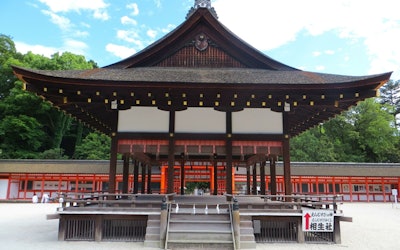
Shimogamo-jinja Shrine in Kyoto City, Kyoto Prefecture, has many attractions, including the famous Tadasunomori forest, which is a power spot! Enjoy the solemn atmosphere of the shrine grounds in this video!
Art & Architecture- 144 plays
- YouTube
Video introduction of highlights of Shimogamo-jinja Shrine in Kyoto City, Kyoto Prefecture This video, titled "Kyoto Shimogamo Shrine Kyoto Japan" (京都・下鴨神社 Kyoto Japan), was released by "Kyoto 4K Video KYOTO VIDEOS" (京都・下鴨神社 Kyoto Japan). It showcases the beautiful scenery of Shimogamo Shrine, a World Heritage Site in Kyoto. The majestic atmosphere of the grounds is great for taking Instagram pictures! The historic Shimogamo Shrine has been selected as a World Heritage Site under "Historic Monuments of Ancient Kyoto" by UNESCO. A Closer Look at Kyoto's Shimogamo Shrine Photo:Romon Gate, Shimogamo Shrine, Kyoto Formally known as Kamo-mioya Shrine, Shimogamo Shrine is located in Kyoto City's Sakyo Ward. Kamo-betsurai Shrine (Kamigamo Shrine) and Shimogamo Shrine are ancient shrines that originate from the deity that descended upon Mt. Mikage during the reign of Emperor Jimmu. There is a record detailing the repair of the tamagaki (a fence surrounding a shrine) in 148 BC, and it is believed that it was built sometime during this period. Tamayori-hime is enshrined in the eastern hall, and Kamotake-tsunumi is enshrined in the western hall. Highlights of Kyoto's Shimogamo Shrine Photo:Sazare-Ishi at Shimogamo Shrine, Kyoto Tadasu no Mori, the shrine's forest, offers a gorgeous view of nature during late spring/early summer and the autumn foliage is breathtaking during the fall. Near the tower gate, there are landmarks, such as Aioi-sha Shrine and "Sazare-Ishi" which can be seen from 0:38 in the video. Be sure to take a look at the red bridge over the Mitarashi River near the main hall, as well as the Korin plum blossoms, and Koto Shrine, where the 12 animals of the zodiac are enshrined. It's also said that Shimogamo Shrine brings good luck in relationships and marriage. If you're looking for souvenirs, be sure to check out the amulets, shuin stamps, and ema (small wooden plaques on which Shinto worshippers write their prayers or wishes), and don't forget to draw a fortune slip! Fun and Exciting Events Held at Kyoto's Shimogamo Shrine! Photo:The Aoi Matsuri at Shimogamo Shrine, Kyoto When it comes to events at Shimogamo Shrine, the Aoi Matsuri (Aoi Matsuri) in May is by far the most popular and well known festival. The Aoi Matsuri is one of the three major festivals of Kyoto, with an elegant procession that recreates the customs of the imperial court and makes its way from the Kyoto Imperial Palace to Shimogamo Shrine and Kamigamo Shrine. During the festival, a yabusame (horseback archery) ritual is also held in Tadasu-no-Mori. Mitarashi-sha (Inouesha), shown from 2:22 in the video, is said to be the birthplace of Mitarashi dango, and an event called the Mitarashi Festival is held in the summer. Also, there are times when a light festival by teamlab, is held on the grounds of the shrine and in Tadasu-no-Mori. There are also a variety of other events, such as Kemari Hajime and Hina Nagashi. Summary of Kyoto's Shimogamo Shrine Photo:Shimogamo Shrine, Kyoto Shimogamo Shrine, with its quaint atmosphere, is one of the most popular spots in Kyoto and is ideal for those traveling alone. If you're lucky, you may even get the chance to see a wedding ceremony on the shrine grounds. If you're going on a sightseeing trip around Kyoto, be sure to stop by Shimogamo Shrine! ◆Shimogamo Shrine|Facility Overview◆ 【Address】59 Shimogamo Izumikawa-cho, Sakyo-ku, Kyoto City, Kyoto Prefecture 【Access】A 12-minute walk from Keihan Demachiyanagi Station, take the City Bus from Kyoto Station and it's a short walk from the Tadasu-no-Mori-mae/Shimogamo-jinjya-mae bus stops. 【Hours】6:30 - 17:00 【Admission fee】Free 【Parking】Available 【Telephone】075-781-0010 【Official Website】Shimogamo Shrine|Kamo-mioya Shrine https://www.shimogamo-jinja.or.jp/english/ 【Tripadvisor】Shimogamo Shrine https://www.tripadvisor.com/Attraction_Review-g298564-d1198391-Reviews-Shimogamo_Jinja-Kyoto_Kyoto_Prefecture_Kinki.html -
 Video article 3:29
The Aoi Festival - Enjoy the Sacred Ceremony Known as One of the Three Major Festivals of Kyoto! An Elegant, Yet Mysterious Atmosphere, as If You've Been Transported Back in Time, Spreads Throughout Kyoto in the Spring!
Festivals & Events History- 254 plays
- YouTube
Introducing the Aoi Festival! This "Skyscape" produced video "[Kyoto / Aoi Matsuri 2017] EOS 5D Mark IV 4K Saiodai and Shimogamo Shrine / Headquarters Kyoto Aoi Matsuri Festival(【京都・葵祭2017】EOS 5D Mark IV 4K 斎王代と下鴨神社・社頭の儀 Kyoto Aoi Matsuri Festival), shows the Kyoto Aoi Festival which is held in the Kansai region in Kyoto during the fresh green season. The Aoi Festival consists of three ceremonies: the Miyagi ceremony (宮中の儀, Kyuchu no gi), Roadside ceremony (路頭の儀, Roto no gi), and the Shrine ceremony (社頭の儀, Shatōnogi). Unfortunately, the Miyagi ceremony is not currently being held. The video shows the sacred shrine ceremony in detail. Watch the videos to discover the mysterious and beautiful traditions of Japan. What Kind of Event Is the Aoi Festival Photo:The Tower Gate of Shimogamo Shrine The Aoi Festival is a festival of the World Cultural Heritage sites, Kamigamo Shrine (上賀茂神社, Kamigamo Jinja) (Kamobetsu Raijin Shrine) and Shimogamo Shrine (下鴨神社, Shimogamo Jinja) (Kamo Miso Shrine), and is also called the Kita Festival (北祭, Kita Matsuri) or Kamo Festival (賀茂祭, Kamo Matsuri). The two shrines have been worshipped in Japan since before the Heian period (794 AD to 1185 AD), as Kyoto's number one shrine. The Aoi Festival introduced in this video is counted as one of the three major festivals of Kyoto, along with the Gion Festival and the Festival of the Ages. In addition, the Kyoto Gozan bonfire is added to the three major festivals of Kyoto, causing them to sometimes be referred to as Kyoto's four major events. The Aoi Matsuri is one of the oldest festivals in Japan, and it is mentioned in the "Rivalry of the Carriages" in the Aoi chapter of The Tale of Genji (源氏物語, Genji Monogatari). Let's Check Out Japan's Aoi Festival! Photo:Aoi Festival The roadside ritual of the Aoi Festival is a Heian picture scroll procession that follows a route from the Kyoto Imperial Palace to Kamigamo Shrine. At 0:28 in the video, we see the Saiin of the Aoi Festival, dressed in the "Jūnihitoe," a twelve-layered ceremonial kimono. At the Aoi Festival, there is also a royal envoy and ladies wearing special kimono, and they will travel along the streets with horses and oxen. Participants in the Aoi Matsuri parade decorate their hair with wilder ginger from the Futaba-Aoi plant. After the ceremony in front of the shrine's main building, the procession is filmed in a line from Shimogamo Shrine to the main hall of Kamigamo Shrine. This can be seen at 2:16 in the video. What are the dates and highlights of the Aoi Matsuri? If you are going sightseeing in Kyoto for the Aoi Festival, I recommend May.Kamo horse racing ceremony on May 1st during Golden Week, andYabusameShinto ritual on May 3rd.On May 4th, many Shinto rituals will be held, such as "Saiyo Daigyokei no gi" to purify oneself in the Mitarai River in the precincts, and on May 5th, "Awari Shinto ritual to shoot arrows to ward off evil spirits." And the main event, "Roadside Ceremony," will be held on May 15th.The tour of about 500 people dressed in bright Heian costumes is worth seeing.It is scheduled to depart from Kyoto Imperial Palace at 10:30 on May 15th and arrive at Shimogamo Shrine and Kamigamo Shrine at around 15:30. If you want to see the Aoi Festival up close, you may want to use the paid seats. Around the pilgrimage route there are many famous restaurants such as Saruya, and Yoshinobu Tsuruya, so you can enjoy Kyoto's gourmet cuisine for lunch or buy some souvenirs. Summary of the Aoi Festival Photo: Kamigamo Shrine The video introduced here captures an elegant scene that's as if you've traveled back in time to the Heian period (794 AD to 1185 AD). The Aoi Festival is one of the most famous festivals in Japan, so be sure not to miss it! To get to Kamobetsurai Shrine (Shimogamo Shrine and Kamigamo Shrine), it takes 30 minutes from JR East Kyoto Station by Kyoto City Bus or by car, or a 20-minute walk from Kitaoji Station on the Karasuma Subway Line. There is a parking lot, but traffic is restricted during the Aoi Festival, so we recommend using a Kyoto city bus or train. You can enjoy Kamigamo Shrine not just during the Aoi Festival, but year round as well! Some recommended spots are: “Tachisuna” imitating Kamiyama in front of Nino Torii, “Jokē-en,” a beautiful garden, "Saio Sakura" named after the priestess of the Aoi Festival, "Shinmasha" where you can see the village Hakuba, The Hosono, Maiden (Hashido), Tamabashi, and Romon, all important cultural properties, the Ominata River, the Mitarai River, used for purifying the objects and people in rituals, the Kamiyama spring, Kataoka Shrine, Motomiya Shrine, Kifune Shrine, Kamoyamaguchi Shrine, Kamoyamaguchi Shrine, Shingu Shrine, the Katayama Lion Shrine, Ota Shrine, the wishing stone, the "Kamizen wedding ceremony" (wedding ceremony before the gods), and more. There are hotels and inns near Kamigamo Shrine, so we recommend an overnight stay. Be sure to visit Shimogamo Shrine and Kamigamo Shrine, which are also famous power spots. ◆Kamigamo Shrine Facility Overview◆ 【Address】 339 Kamigamo Motoyama, Kita-ku, Kyoto, Kyoto 603-8047, Japan 【Access】About 30 minutes by car from R East Kyoto Station 【Hours】5: 30-17: 00 【Closures】Open all year round 【Parking】Available (Charge) 【Telephone No】075-781-0011 【Entrance fee】 General admission free, 500 yen for special visits 【Official Website】Aoi Festival 2019 | Kyoto Sightseeing Information KYOTOdesign https://kyoto-design.jp/spot?no_cat=1&en_ver=1&mode_s=1&s= 【Official Website】Kamigamo Shrine (Kamo-wake-ikazuchi Shrine) https://www.kamigamojinja.jp/english/ 【Tripadvisor】Aoi Festival https://www.tripadvisor.com/Attraction_Review-g298564-d8820145-Reviews-Aoi_Matsuri-Kyoto_Kyoto_Prefecture_Kinki.html -
Video article 1:18
Nagashibina at Shimogamo Shrine in Kyoto City, Kyoto Prefecture: 2026 Event Information | History and Nagashibina Locations Across Japan
Festivals & Events Traditional Culture Life & Business- 181 plays
- YouTube
Video introduction of "Nagashi Hina" at Shimogamo-jinja Shrine in Kyoto City, Kyoto Prefecture This video, titled "[Past Video] Kyoto Nagashibina at Shimogamo Shrine (Filmed in Sakyo, Kyoto, March 3, 2017)" (【過去動画】下鴨神社「京の流しびな」(2017年3月3日撮影 京都市左京区)), was uploaded by "Kyoto Shimbun" (京都新聞). The Nagashibina at Shimogamo Shrine, held annually on March 3rd and scheduled for 2026 as well, is a representative traditional event of Kyoto. In early spring, when the cold still lingers, the serene atmosphere above the Mitarashi River and the plum tree buds herald the arrival of spring. Watch the video to see hina dolls dressed in junihitoe (twelve-layered kimono), male dolls in traditional court attire, and even mascot characters. Made of Japanese paper and placed on sandawara (vessels woven from straw), the dolls are floated down the Mitarashi River at Shimogamo Shrine's Nagashibina ceremony. What is Nagashibina? What is the History Behind the Roots of Hinamatsuri? Photo: Nagashibina at Shimogamo Shrine (Kamo Mioya Shrine), Kyoto Kamo Mioya Shrine in Kyoto, a World Heritage Site, is commonly known as "Shimogamo Shrine." The Nagashibina at Shimogamo Shrine, held every March, is a traditional event said to be the roots of Hinamatsuri. Tracing its history, the event originated from "Joshi no Sekku" (Seasonal Festival of the First Snake), one of the five seasonal festivals introduced from China. March 3rd corresponds to the second of the five seasonal festivals, "Joshi no Sekku." On this day in ancient China, there was a custom of purifying the body by the waterside and holding banquets to ward off misfortune. These ancient Chinese sekku rituals combined with Japanese beliefs in misogiharai (purification rituals), and the custom of praying for good health by floating purified hitogata (paper dolls) down rivers, are believed to have evolved into the modern Nagashibina. These "hitogata" are also considered the origins of modern hina dolls. The practice of purifying katashiro (substitute forms) and placing them on boats to float out to the sea at Suma is even mentioned in "The Tale of Genji," written in the mid-Heian period. When is Nagashibina at Shimogamo Shrine 2026? What Kind of Event is It? Photo: A Nagashibina doll at Shimogamo Shrine (Kamo Mioya Shrine), Kyoto Let us introduce the Nagashibina at Shimogamo Shrine 2026. The couple dressed in Heian period costumes as the hina dolls are selected from couples planning to marry through public recruitment. [Video] 0:25 - Hina Dolls Selected Through Public Recruitment The event is scheduled for March 3, 2026 (Tuesday). Registration begins at 10:00 AM, the junihitoe dressing ceremony is open to viewing from 10:30 AM, and the Nagashibina ritual begins around 11:00 AM. Please check the official website for detailed information. The Nagashibina ceremony takes place along the Mitarashi River, which flows in front of Mitarashi Shrine (Mitarashi-sha) and Inoue Shrine (Inoue-sha), auxiliary shrines within the precincts. Hina dolls made of Japanese paper are placed in sandawara and floated down the river to pray for children's good health and safety. Highlights include the public viewing of the junihitoe dressing ceremony, as well as seeing the human-portrayed hina dolls wearing the magnificent twelve-layered kimono and the male dolls in court attire. The Nagashibina ceremony scenes evoke the historical elegance characteristic of ancient Kyoto. The ceremony is free to observe. Nagashibina dolls are available for a fee (small: 1,000 yen, large: 1,500 yen, including hina arare rice crackers). [Video] 1:02 - Many Nagashibina Dolls Floating on the River Surface On the day of the event, amazake (sweet sake) is also served—a welcome treat during the chilly season. Where Can You See Nagashibina Events Across Japan? Photo: Nagashibina Hinamatsuri In addition to Shimogamo Shrine in Kyoto, Nagashibina ceremonies and events are held throughout Japan. Here are some examples: ●Hina Nagashi at Awashima Shrine, Wakayama Prefecture Following purification by the shrine priest, hina dolls dedicated from throughout Japan, along with katashiro paper with written wishes, are floated out to sea. Known as "Hina Nagashi," this ceremony uses three white wooden boats. Usually held on March 3. ●Edo Nagashibina by Edo Nagashibina Promotion Association, Tokyo This "Edo Nagashibina" event is held to pass on traditional customs to children and to wish for a bright future. Please check the website for details. ●Yose no Nagashibina by Yose Nagashibina Executive Committee, Yose, Tottori Prefecture An event where dolls are floated down the Sendai River on the lunar calendar's March 3rd to pray for good health and safety. Designated as an Intangible Folk Cultural Property of Tottori Prefecture in 1985 as "Yose no Nagashibina." ●Heike Hina Nagashi Ceremony at Akama Shrine, Shimonoseki City, Yamaguchi Prefecture This "Heike Hina Nagashi Ceremony" is held every March to comfort the spirits of Emperor Antoku and the Heike clan who perished young in the Battle of Dan-no-ura. How to Visit Nagashibina at Shimogamo Shrine 2026? Summary Regardless of era or region, "Nagashibina" has always embodied wishes for good health and bright futures for children. Throughout Japan, purification dolls are modeled after oneself, symbolizing the washing away of impurities in water to achieve purification. This event is held in March when plum blossoms perfume the spring air. While the ceremonies and customs held in various regions have evolved slightly in each locality, the underlying sentiment has remained unchanged from ancient times to the present. Why not experience Nagashibina at Shimogamo Shrine while enjoying tourism and events in various locations at the beginning of spring 2026? 【Official Website】Shimogamo Shrine|Kamo Mioya Shrine 【TripAdvisor】Shimogamo Shrine