-
Article
-
Festivals & Events
-
Niigata
-
Season
-
Tag
Articles
-
 Video article 3:21
The video shows the power of the Shirane Kite Festival held in Niigata City, Niigata Prefecture! The rules and how to enjoy the 300-year-old historical and heroic battle are also explained!
Festivals & Events Traditional Culture Travel- 148 plays
- YouTube
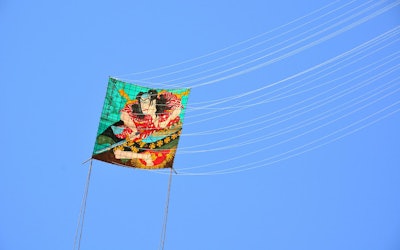
Video Introduction of "Shirane Kite Battle" in Niigata City, Niigata Prefecture This video, titled "Shirane Kite Battle 2022, June 5, 2022|Giant Kites Dancing in the Sky|Otaka group vs. Kenshin group, Yakusha group vs. Isshin Tasuke group|Japanese Shirone Giant Kite Battle" (空に舞う大凧を撮ってきた・白根大凧合戦2022・令和4年6月5日 大高組VS謙信組 役者組VS一心太助組), was uploaded by "pikineko【photographer】." The Shirone Giant Kite Battle is held every year in early June in Shirone, Niigata and in Nishi-shirone, Niigata, in Japan's Koshin'etsu Region. Thirteen groups of kites, divided into Eastern and Western forces, crash their kites into one another and compete for victory or defeat in this heroic festival. It's a popular event for taking photos. The video shows the competition between the East Army's Otaka and Yakusha groups and the West Army's Kenshin and Isshin Tasuke groups. The sight of these giant kites fighting in the air is very exciting to watch. Be sure to check out the video before reading along to see how the history and tradition of the Shirone Giant Kite Battle has been passed down from generation to generation. A Brief Introduction to Kites in Japan Kites, called "tako" (凧) in Japanese, are said to have been introduced to Japan by the Heian Period (794 - 1185). They are made by affixing Japanese paper to a bamboo frame, and often come in a rectangular shape, although some regions of Japan have hexagonal kites, etc. Japanese kites are often decorated with traditional imagery, such as samurai. In the past, kites were incredibly popular in Japan, to the point that they were a common cause of damage to residences. Even today, they can be enjoyed at a wide variety of Japanese festivals and other events. Why Is the Shirone Giant Kite Battle Held? A Look at the History of the Event Photo:Shirone Giant Kite Battle The Shirone Giant Kite Battle, held in Shirone, Niigata, is a tradition with 300 years of history. It's a well-known festival that signals the arrival of early summer in Niigata. The origin of the Shirone Giant Kite Battle dates back to the middle-Edo period (1603-1868 AD). It began when people on the Shirone side of the Nakanokuchi River flew kites to celebrate the completion of the Nakanokuchi River embankment repair work. However, the kites fell on the Nishishirone side, the other side of the river, resulting in damage to some fields. People on the Nishishirone side, angered by this, began to fly their own kites in an attempt to knock down the kites of the Shirone side. This story is said to be how the event started. Like festivals in other parts of Japan, the Shirone Giant Kite Battle is also symbolic in nature. Kites are flown high to celebrate the birth children and to wish that prayers for a bountiful harvest will reach the heavens. Shirone Giant Kite Battle Rules and How Winners Are Decided Photo:A giant kite The Shirone Giant Kite Battle is divided into six groups from the east (Shirone side) and seven groups from the west (Nishishirone side) across the Nakanokuchi River. The kites are flown from both banks, and pitted against each other until the other kite's rope is broken. The kite that remains standing is the winner. The kites used in the Shirone Kite Battle are as large as 44 square meters (~470 square feet) and weigh a whopping 50 kg (110 lbs.). The Eastern side flies their kite low in the sky, while the Western side crosses the rope of their kite over the Eastern side's kite and slams it headlong into the river water. They continue fighting like this until one of the ropes is broken. If the rope is broken, the winner is awarded with one point. If the rope is not broken within the set time limit, the match is a draw, and both sides receive half a point. If the kites separate from each other before a rope is broken, the match is deemed "nakiwakare" (泣き別れ, A tearful parting) and there is no winner. These are the basic rules for scoring and determining winners and losers in the kite battle, but in reality, several kites may become tangled up together, as several pairs fly their kites at the same time. Since the method of determining winners and losers changes depending on the situation, spectators are kept on the edge of their seats as they await the outcome of the battle. The ranking of each pair is determined by their performance during the festival, which in turn determines the winning side. Shirone Giant Kite Battle 2023 Schedule and Attractions to See During the Festival Photo:Fireworks The Shirone Giant Kite Battle, which was shortened in duration in recent years, was held normally in 2022, but because the other events were canceled, many tourists were not able to enjoy the festival to the fullest. Luckily, it was been announced that the 2023 festival will be held for five days from June 1 to 5, with the previously canceled children's kite competition on May 31 and the citywide parade on June 1. In addition, a fireworks display is expected to be held as well, which will be a major event that will liven up the kite battle. In previous years, the event was held on Saturday during the festival period, and in case of rain, it is held on the following Sunday. Shirone Kite Museum: Learn More About the Exciting Shirone Giant Kite Battle The Shirone Kite Museum in Minami, Niigata, is one of the world's largest kite museums, where visitors can learn about kites and kite battles. You're sure to be captivated by the museum's collection of rare kites from all across Japan and around the world on display here. A full-size kite, like the ones used in kite battle, greets visitors at the entrance! You can also see the materials used to make the kites in the exhibition area. Inside the museum, visitors can experience what it's like to watch a kite battle through pictures and videos on the walls. If you can't make it to the actual event, we recommend checking this out. Visitors can also participate in a kite-making experience, after which, they'll have their very own kite that they can try flying in the wind tunnel laboratory. It's a great way to commemorate a trip to the area and will make you feel like a kid again. Incidentally, it's a great experience for kids as well. If the weather is nice, you can also fly your kite outside. Furthermore, at the souvenir corner, you can buy a kite with your desired design and name on it, which is popular as a gift. A temporary parking lot is available during the Shirone Giant Kite Battle, and free shuttle buses run from the parking lot to the venue. How to Get to the Shirone Giant Kite Battle Venue The Shirone Giant Kite Battle is located somewhat far from Niigata, but the easiest way to reach the event venue if you're coming from Niigata Station is via bus. There are buses scheduled on both weekends and weekdays that you can take to Shirone. You can opt to get off at at the Go no Machi (五の町) bus stop which takes you within a couple minutes' walk of the event venue (~1 hr. 15 minutes), or take a bus to the Shirone Kite Museum, enjoy a tour of the museum, and then take a free shuttle bus to the event venue from there (~1 hr. 30 mins). Either route with cost you 660 yen. Summary of the Shirone Giant Kite Battle The giant kites soar through the sky and engage in an exciting battle. It's a must-see event and allows visitors to experience a rich aspect of Japanese culture. The battle will be even more lively this year, as food stalls, etc. are back as of 2022. If you love festivals and want to see giant kites made with Niigata's traditional kite-making techniques, or if the sight of a kite battle gets your blood pumping, be sure to plan a trip to Niigata in June. Watching the powerful Shirone Giant Kite Battle is sure to be an unforgettable experience! -
 Video article 4:06
Japan's Top 3 Nighttime Cherry Blossom Spots 2026: Latest Info & Best Viewing Times at Ueno Park, Hirosaki Park & Takada Park
Travel Festivals & Events Nature- 564 plays
- YouTube
Nighttime Cherry Blossom Viewing at Ueno Park, Hirosaki Park, and Takada Park in 2026 This video, titled "4K Japan's Top 3 Nighttime Cherry Blossom Spots|Ueno Park|Hirosaki Park|Takada Park|Famous Nighttime Cherry Blossom Locations|Sakura|Hanami|Cherry Blossom Evening" (4K 日本三大夜桜 上野公園 弘前公園 高田公園 Top3 Night cherry Blossom 夜桜の名所 sakura hanami 花見 Cherry blossom evening), was uploaded by "Discover Nippon." The video features plenty of beautiful 4K images showing the fantastic scenery of Ueno Park, Hirosaki Park, and Takada Park, which are known as the Top 3 Nighttime Cherry Blossom Spots in Japan. This article provides sightseeing information on the 2026 cherry blossom events at Ueno Park, Hirosaki Park, and Takada Park. First, be sure to check out the video to enjoy the fantastic views of the beautiful cherry blossoms in full bloom. After seeing this you'll definitely want to visit these spots in person! When Is the Best Time to See Cherry Blossoms at Ueno Park in 2026? Highlights and Festival Dates Photo:Cherry blossoms at night in Ueno Park, Taito, Tokyo Ueno Park, introduced at 0:19 in the video, is located in Taito, Tokyo, and is the first urban park in Japan, making it a place with a long history. Officially named "Ueno Onshi Park," Ueno Park has been selected as one of the "Top 100 Historical Parks in Japan" and is also home to Ueno Zoo, museums, art galleries, and cafes such as Starbucks. The park has also been selected as one of "Japan's Top 100 Cherry Blossom Spots" and attracts a total of approximately 4 million visitors during the cherry blossom viewing season when all sorts of vendors and food stalls line its paths. In Ueno Park, there are approximately 800 cherry trees of 50 species, and visitors can enjoy cherry blossom viewing for around two full months. The most popular cherry blossom viewing spots are Sakura-dori (さくら通り), Shinobazu Pond (不忍池), and Kiyomizu Kannon-do Temple, an Important Cultural Property. The 77th Ueno Cherry Blossom Festival (うえの桜まつり) will be held from March 14 to April 5, 2026. During the festival, approximately 800 "bonbori" (Japanese paper lamps) will be lit to create a fantastic illuminated scene. The bonbori light-up will run from March 20 (Fri, public holiday) to April 19 (Sun), 2026, from sunset until around 8:00 p.m. Ueno Park is just a two-minute walk from Ueno Station on all lines, and a one-minute walk from Keisei Ueno Station off the Keisei Main Line. When Is the Best Time to See Cherry Blossoms at Hirosaki Park in 2026? Special Highlights You Won't Want to Miss Photo:Cherry blossoms at night at Hirosaki Park, Hirosaki, Aomori Hirosaki Park, located in Hirosaki, Aomori, is introduced at 3:02 in the video. The highlights of Hirosaki Park include Hirosaki Castle's keep and three turrets, which have been designated as Important Cultural Properties by the Japanese government. Hirosaki Park is home to approximately 2,600 cherry trees of 52 varieties that bloom each year. The most famous is the large weeping cherry tree (Shidarezakura), which was planted in 1914. The 2026 Hirosaki Cherry Blossom Festival (弘前さくらまつり), where you can enjoy nighttime cherry blossoms, will be held from April 17 (Fri) to May 5 (Tue, public holiday), 2026 — a total of 19 days. In response to the recent trend of earlier blooming, the festival will begin earlier than usual this year (dates are subject to change depending on blooming conditions). Special nighttime illumination of the cherry blossoms will take place every evening throughout the festival, and various events are also planned, including boat tours on Hirosaki Park's middle moat. Please note that 2026 is a particularly significant year for Hirosaki Castle. As part of ongoing stone wall repair work, the castle keep is scheduled to be moved back to its original foundation from July 2026 — its first relocation in approximately seven years. As a result, public access to the interior of the keep was suspended on November 23, 2025, and visitors will not be able to enter the keep during the 2026 cherry blossom festival. That said, the stunning springtime view of cherry blossoms, the castle keep, and the Tsugaru Fuji (Mt. Iwakisan) remains as breathtaking as ever. There is also a reservation-only "cherry blossom viewing party," which is popular because it allows visitors to enjoy Tsugaru's local cuisine while viewing the cherry blossoms, with no need to bring anything along. It is a 20-minute walk from JR Hirosaki Station, and there is a parking lot nearby. When Is the 2026 Kanoukai Held at Takada Park? Nighttime Cherry Blossoms and the Three-Story Turret Photo:Cherry blossoms at night at Takada Castle Site Park, Joetsu, Niigata At 5:19 in the video, Takada Park is introduced. As of April 1, 2020, the name of this park was changed to "Takada Castle Site Park" (高田城址公園). Takada Castle Site Park (Takada Park) in Joetsu, Niigata, is a large approximately 50-hectare park that includes the restored three-story turret of Takada Castle, the Municipal Museum (renovated into a Museum of History), and sports facilities. You can also check out live cameras of Takada Castle Site Park on the "Gurutto Shinetsu" (ぐるっと信越, ※Japanese only) website. In addition to cherry blossoms, the park is also famous for its beautiful lotus flowers. Takada Castle Site Park (Takada Park) is home to approximately 4,000 Somei Yoshino (Yoshino cherry) trees illuminated by bonbori lanterns, creating a breathtaking nighttime spectacle. The 101st Takada Castle Site Park Kanoukai (Cherry Blossom Viewing Festival) will be held from April 3 (Fri) to April 19 (Sun), 2026. Nighttime illumination will also take place during the event (6:00 p.m. – 9:00 p.m., extended until 10:00 p.m. during peak bloom). Various events are also planned, including stage performances, a local product fair, and a photo contest. (Please check the official website for details.) To get to Takada Park, it is a 15-minute walk from Takada Station on the Echigo Tokimeki Railway, or approximately a 10-minute drive from Joetsu-Takada IC on the Joshinetsu Expressway. A parking lot is available. Japan's Top 3 Nighttime Cherry Blossom Spots in 2026: Ueno Park, Hirosaki Park & Takada Park This video introduces the Top 3 Nighttime Cherry Blossom Spots of Japan in stunning detail. Enjoy the spectacular nighttime views of cherry blossoms lit up and glowing in beautiful shades of pink. Each of the three spots has its own unique charm — be sure to visit during the 2026 cherry blossom season! 【Official Website】Ueno Park/Ueno Onshi Park Official Website - Tokyo Metropolitan Government, Bureau of Construction https://www.kensetsu.metro.tokyo.lg.jp/jimusho/toubuk/ueno/en_index.html 【Official Website】Hirosaki Park https://www.hirosakipark.jp/en/