• 投稿者
  • 画像
  • シェア
  • 地域
  • タグ

みんなのSNS投稿

開智国際日本語学校(Kaichi International School of Japanese)
2021年11月8日
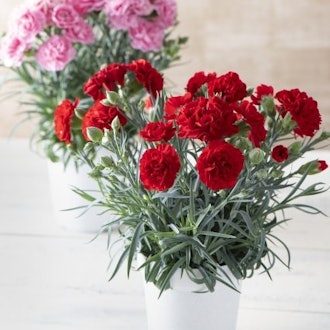
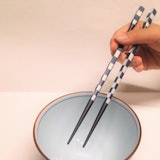
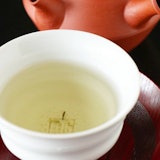
[English/日本語] In this issue, I would like to introduce you to some of the things that you should not do in Japan. There are things that you may have done without knowing it, but that even foreigners are not allowed to do. How many of Japan's unique cultures do you know? Gift Giving Etiquette There are two numbers that are frowned upon in Japan: 4 and 9. 4 is pronounced "shi" and 9 is pronounced "ku" in Japanese. "Shi" means "death" and "9" means "suffering", so anything with "ku" and "shi" in it is frowned upon in many situations. For example, "comb" is not allowed to be sent as a gift because it has a bad meaning. In addition to this, there are a few other gifts that should not be sent. For example, a plant in a pot should not be sent to a person in the hospital. A plant in a pot has roots. This is because it can be taken to mean that the plant will have roots in the hospital, meaning that the illness will last longer. If you want to give flowers to someone who is in the hospital, use cut flowers instead of potted plants. However, even cut flowers such as chrysanthemums, which are used for funerals, are considered rude, so be careful. Also, do not send a handkerchief as a wedding gift. Why is this? Because handkerchiefs are associated with tears. Other items that can be broken, such as china and mirrors, are also considered bad luck. Similarly, for housewarming gifts, lighters and ashtrays should not be sent because they remind people of fire. These are just a few examples. If you are going to give a gift to a Japanese person, you need to find out beforehand if it would be a rude gift. Dining Manners Your country also has various manners for eating. I have heard manners such as never using your left hand when eating curry from Nepalese students at our school. So, what kind of manners do we have in Japan for eating? In Japan, we use chopsticks when we eat. Chopsticks are difficult to use, but their manners are also complicated. For example, the worst thing you can do is to use two chopsticks to hold your food. The reason why this is not allowed is because it is the same act as placing the bones of a deceased person in an urn at a Buddhist funeral. *Not talking about chopsticks, but putting the right collar of the kimono on top of the left collar is the same as wearing the kimono of the deceased, so you have to be careful. ) There are many other manners of chopsticks that should not be practiced, such as "stabbing chopsticks" and "yose-chopsticks". In addition to chopsticks, it is also bad manners to eat rice without holding the bowl, or to put your elbows on the table. However, if you think about it too much, it will be difficult to eat a good meal. I recommend that you learn at least the minimum manners for eating, and then gradually get used to them. Superstitions How many superstitions do you know about in Japan? The first one is the "north pillow". The first one is "north pillow", which means that you should not sleep with your pillow in the north, because it is related to Buddhism and there is a theory that putting your pillow in the north means death. Second, don't cut your nails at night. There is a superstition that if you cut your nails at night, you will die before your parents do. One reason is that nails are the place where a person's "soul" is located, so they must be taken care of. Another reason is that in the days when there was little light, cutting nails at night would cause injury. The third is "don't whistle at night." In Japan, there is a saying that whistling attracts spiritual things. This spirituality includes not only good things, but also bad things, so there is a theory that it is dangerous to whistle at night, when spirituality is more active. The three I've mentioned so far are all things you shouldn't do, but I'll end with a superstition that has a good meaning. The last superstition that has a good meaning is "If a pillar of tea stands, good luck will come. A pillar of tea means that the stems of the tea in the teacup stand up like a pillar when the tea is made. For Japanese people, a "pillar" has a powerful impression as something that supports a house. A recent popular manga often features a "pillar [Hahira]” For this reason, the tea pillar is known as a good omen. Incidentally, I have heard from Mongolian students that there is a superstition that if a pillar of tea stands, relatives will come to your house. In different countries, superstitions have completely different meanings, don't they? I hope you now have a better understanding of manners. In the next article, I will introduce manners at leisure facilities. 今回は「日本でしてはいけないこと」を紹介します。 知らずにしてしまったことでも、外国人だからと許されないようなことがあります。 日本の独特な文化をあなたはいくつ知っていますか? 贈り物のマナー 日本では嫌われている数字があります。 4と9です。 4は日本語で「し」9は「く」と発音します。 「し」は「死(死ぬ)」、「9」は「苦(苦しむ)」を意味する言葉のため、色々な場面でこの「く」と「し」が言葉の中にはいっている物は嫌われています。例えば、贈り物で「櫛(くし)」は悪い意味になってしまうので、送ってはいけないことになっています。 これ以外にも送ってはいけないプレゼントがいくつかあります。 例えば、入院中の人に鉢に入った植物は送ってはいけないことになっています。 鉢に入った植物は根があります。 これは病院に根をはる意味、つまり病気が長引くという意味にとらえられてしまうからです。 入院中の人に花をプレゼントしたい人は鉢植えではなく切り花にしましょう。 ただ、切り花でもお葬式に使う「菊」などは失礼になるので気を付けましょう。 また、結婚の祝いの場合は、ハンカチを送ってはいけません。 これはなぜでしょうか。 ハンカチは涙を連想させるものだからです。 その他にも陶器や鏡のような割れるものも縁起が悪いこととされています。 同じようなもので、新築祝いの場合はライターや灰皿は火事を連想させるので送ってはいけません。 これらの例はほんの一部です。 もし、日本人に何かプレゼントをする場合は、事前に失礼なプレゼントにならないか調べておく必要があります。 食事のマナー みなさんの国もいろいろな食事のマナーがありますよね。 本校にいるネパールの学生からは、カレーを食べるときに左手は絶対に使ってはいないなどのマナーを聞いたことがあります。 では、日本ではどのような食事のマナーがあるでしょうか。 日本では食事の際に箸を使います。 箸は使い方が難しいですが、そのマナーも複雑です。 例えば、一番してはいけないのは、1つの食べ物を2人の箸で持つこと「拾い箸」です。 これがなぜいけないかというと、仏式の葬儀で亡くなった方の骨を骨壺におさめるときと同じ行為だからです。 (※箸の話ではありませんが、着物の襟を右が前にすることも、亡くなった人が着る着物と同じになってしまうので、気を付けなければいけません。 )箸のマナーはこれ以外にも食べ物を刺す「刺し箸」、お皿を寄せる「寄せ箸」などやってはいけない行為が多くあります。 また、箸以外にも茶碗を持たずにご飯を食べることや、テーブルにひじをつくことなどもマナー違反です。 しかし、あまり考えすぎるとおいしいご飯が食べにくくなってしまいますよね。 食事のマナーは最低限ものだけ覚えて、あとは少しずつ慣れていくことをおすすめします。 迷信 みなさんは日本の迷信をいくつ知っていますか? これからそのいくつかを紹介をします。 1つ目は「北枕」です。 枕を北に置いて寝てはいけないということで、これは仏教が関係しており、北に枕をおくことが「死」を意味するからという説があります。 2つ目は「夜に爪を切らない」ということです。 夜に爪を切ると親よりも早く死んでしまうという迷信があります。 これは所説ありますが、爪はその人の「魂」がある場所なので大切にしなければいけないという教えや、明りが少なかった時代に、夜爪を切ると怪我をするからという理由などがあります。 3つ目は「夜に口笛を吹いてはいけない」です。 日本では口笛を吹くと霊的なものを呼び寄せてしまうという言い伝えがあります。 この霊的なものはいいものだけではなく、悪いものも含まれるので、霊的なものが活発になる夜は口笛を吹くと危険だという説があります。 ここまでに紹介した3つはしてはいけないことばかりでしたが、最後に良い意味のある迷信を紹介します。 それは「茶柱が立つと幸運が訪れる」です。 茶柱というのは、お茶を入れたときに湯呑に入ったお茶の茎が柱のように立っていることをいいます。 日本人にとって「柱」というものは家などを支えるものとして、力強い印象があります。 (最近人気のある漫画にもよく「柱(はしら)」が出てきますね。 )そのため、茶柱は縁起のいいものとして知られています。 ちなみにモンゴルの学生からは「茶柱が立つと親戚が家に来る」という迷信があるのを聞いたことがあります。 国が違えば迷信の意味もまったく違いますね。 マナーについて理解していただけましたか? 次回はレジャー施設でのマナーについてご紹介します。
さらに表示
  • 日本
  • 和食・日本食
  • 和の心・わびさび
  • 日本の生活
  • 日本語学校
  • 留学生
  • 礼儀作法
開智国際日本語学校(Kaichi International School of Japanese)
2021年10月18日
[English/日本語] Things that surprised foreign students when they came to Japan. ~Fashion Foreigners who come to Japan for the first time both tourists and international students often wonder what kind of fashion they should wear during their stay in Japan. Therefore, I would like to introduce some episodes about Japanese fashion. Japanese who don't wear well-fitting clothes What surprises foreigners who travel to Japan in summer is that Japanese people wear oversized clothes even in summer. Foreigners, especially Westerners, tend to wear T-shirts or running clothes on top and short pants on the bottom. So why do Japanese people wear oversized clothes? It has to do with the heat and humidity of the Japanese summer. Summer in Japan is humid and hot. Therefore, wearing tight-fitting clothes can cause skin problems due to steaminess. Oversized clothes are chosen because they are well ventilated and functional, which helps to eliminate steaminess. Foreigners who enjoy summer vacations in Japan sometimes develop skin problems after a while and rush to buy new clothes. If you are coming to Japan in the summer, be sure to keep this in mind when choosing your clothes. he Aesthetics of Hiding In summer, more and more female students at Japanese language schools wear revealing clothes, but this is mostly the first-year students. However, this is mostly the case for first-year students second-year students, like Japanese, do not expose their skin as much. So why do Japanese people not expose their skin so much even in summer? In Japan, showing skin or anything that is considered "sexy" in other countries is often seen as "vulgar". For this reason, Japanese women seem to be childish to foreigners. In Japan, there has always been an "aesthetic of concealment," which means not showing everything to others so that they can imagine your beauty. Also, in Japan, there is a culture of "kawaii," or childishness, which gives a good impression. This trend is slowly changing these days, but it still persists. The Unique Fashion of High School Girls One thing that has nothing to do with the "hidden aesthetic" is the fashion of high school girls. Most high school girls in Japan wear a uniform designated by the school. Most Japanese high school girls wear school uniforms, and they are passionate about how to make their uniforms look cute. A typical example is the length of the skirt. They wear short skirts even in the middle of winter in order to make their legs look longer and more beautiful. I heard a male exchange student say, "This is great because we don't have high school students like that in my country! Be careful not to look too much or you will get caught by the police. They also like brand-name items, and even high school students sometimes have high-brand purses and bags. Some of these items are given to them as gifts by their boyfriends, but they also work hard and have part-time jobs to buy them. That is how desperate Japanese high school girls are for fashion. What do you think? I will continue to introduce Japanese fashion in my next article. I will not be able to talk next week due to circumstances. 留学生が日本に来て驚いたこと。 ~ファッション編~ 日本に初めて来る外国人(旅行者も留学生も)は日本滞在中にどのようなファッションをすればいいのか悩むことが多いそうです。 そこで、今回から日本人のファッションについていくつかのエピソードを紹介します。 フィットした服を着ない日本人 夏に日本旅行に来た外国人が驚くのは、日本人が夏でもオーバーサイズの服を着ていることです。 外国人、特に欧米系は、上はTシャツやランニング来て、下は短いパンツをはくことが多いです。 では、なぜ日本人はオーバーサイズを着るのでしょうか。 それは、日本の夏の「蒸し暑さ」に関係します。 日本の夏は湿度が高く、蒸し暑いです。 その為、フィットした服を着ると蒸れてしまい、皮膚トラブルを起こすことがあります。 オーバーサイズの服は風通しもよく、蒸れを解消させてくれる機能的な面でも選ばれています。 日本で夏のバカンスを楽しんでいる外国人は、しばらくたつと皮膚トラブルを起こすことがあり、急いで服を買いなおすこともあるそうです。 夏に日本に来る際はその点に注意して洋服選びをしましょう。 隠す美学 日本語学校では夏になると肌を露出させた服を着る女子学生が増えます。 しかし、これは1年目の学生が多いです。 2年目の学生たちは日本人同様に肌を露出させなくなります。 では、なぜ日本人は夏でもあまり露出をしないのでしょう。 日本では肌を出すことや、外国で「セクシー」と言われるものは、「下品」だととらえられてしまうことが多いです。 そのため、日本人女性は外国人から見ると幼く感じるようです。 日本は昔から「隠す美学」というものがあります。 「隠す美学」とは、他人にすべてを見せないことによって、美しさを想像させることです。 また、日本では「かわいい」という、幼いことが好印象だという文化もあります。 このような傾向は、最近は少しずつ変わってきてはいますが、まだ根強く残っています。 女子高生の独特なファッション 「隠す美学」とは関係ないのが、女子高生のファッションです。 日本の高校生はほとんどが学校指定の制服を着ています。 女子高生たちは自分たちの制服をいかにかわいく見せるかに情熱を注いでいます。 代表的なのはスカートの丈です。 足を長くきれいに見せるために、真冬でもスカートを短く履いています。 男子留学生からは、自分の国ではそのような高校生がいないので、最高だ! と話しているのを聞いたことがあります。 あまり見すぎると警察につかまってしまうので注意しましょうね。 また、ブランド物が好きで、高校生でもハイブランドのお財布やバッグを持っていることもあります。 これは恋人からのプレゼントされたものもありますが、それだけではなく、購入するために一生懸命アルバイトをしていることもあります。 それだけ、日本の女子高生はファッションのために必死になっていると言えます。 いかがでしたか? 次回も引き続き日本のファッションについて紹介します。 ※来週は事情によりお休みします。
さらに表示
  • 日本
  • 日本の生活
  • 日本語学校
  • 留学生
  • 留学
  • 女の子
  • ファッション
開智国際日本語学校(Kaichi International School of Japanese)
2021年10月11日
[English/日本語] Continuing from last week, I would like to introduce some of the behaviors and conversations that international students find strange when communicating with Japanese people. Shy Japanese? International students often tell me that many Japanese people are shy. When I ask them why, they say that many Japanese do not express their opinions clearly, do not make eye contact, and are shy about dancing or singing in public. Do you think that Japanese people are really shy? In Japan, modesty and mutual respect have long been regarded as virtues. For this reason, I think many Japanese people are careful to avoid doing anything that might draw attention to themselves. However, there is one situation where shy Japanese people can act boldly. One of them is hot springs. International students often say that it is strange that Japanese people are so shy that they show their nakedness to others and take a bath together. They also say the same thing about Japanese people who cosplay at anime events. When it comes to hot springs, the reason given is that it is a part of Japanese culture that they have grown accustomed to, so few Japanese question it. Also, cosplaying is a way to "be someone else," and many people are open to it. ✌ In your country, what kind of poses do you take when taking photos? When you take photos at your Japanese language school, you can discover the differences between countries. For example, male students from Nepal and Bangladesh "wear sunglasses and put their hands in their pockets and hold them at an angle," while female students from Asian countries who like Korean culture "make a heart with their index finger and thumb overlapping. And most Japanese teachers make the "peace sign". There are many theories as to why Japanese people make the peace sign. Some foreign students think that Japanese people are boring when it comes to posing for photos. However, for shy Japanese who feel embarrassed to be true, it may be a relief to have a standard pose. Different Personalities in Different Regions When people talk about the personality of the Japanese, they are often referring to the Japanese living in the Tokyo area. So, are Japanese people in other areas the same as in Tokyo? Osaka is famous for being different from the typical Japanese character. Osaka has prospered as a city of commerce and is home to many people who like to talk and make people laugh. For this reason, I often hear foreign students who have visited Osaka for the first time or who have talked with people from Osaka say that they do not feel like Japanese. Also, being located in the southernmost part of Japan, Okinawa has a large number of people who love to dance and sing. Just like the climate, the people in Okinawa are warm and cheerful. On the other hand, people in colder areas such as Tohoku are more humble and less talkative than those in Tokyo. Even in the same region of Japan, the atmosphere of the people differs depending on the region, so please try talking to Japanese people in different regions. Over the past two weeks, I have introduced the personality and behavior of Japanese people. International students who have just arrived in Japan often have misunderstandings about the behavior of Japanese people. In order to reduce such misunderstandings, Japanese language schools offer classes on Japanese culture as well as on the character of Japanese people. Please come and observe our classes. 先週から引き続き、留学生が日本人とコミュニケーションをとる時に「日本人って変だな。」と思った行動や会話を紹介します。 シャイな日本人? 留学生からよく日本人はシャイな人が多いと言われます。 理由を聞くと「はっきりと意見を言わない」「目を合わせない」「人前でダンスしたり、歌ったりを恥ずかしがる」などです。 あなたは、日本人は本当にシャイだと思いますか。 日本は昔から謙虚であることや譲り合うことが美徳とされてきました。 そのため、自分が注目されるような行為をなるべくしないように気を付けている日本人も多いと思います。 ただ、そんなシャイな日本人がなぜそんなことをするの? と疑問を持ってしまう場面もあります。 それは温泉です。 留学生からは日本人はシャイなのに、他人に裸を見せて、一緒にお風呂に入るなんておかしいとよく言われます。 また、アニメのイベントなどでコスプレをする日本人に対しても同様な意見があります。 温泉に関して言うと、日本の文化として慣れ親しんできたものだから疑問を持つ日本人はほとんどいないという理由があげられます。 また、コスプレは「別の自分になる」ことで、オープンになる人も多くいるそうです。 ✌ みなさんの国では写真を撮るときに、どのようなポーズをとりますか? 日本語学校で写真を撮ると、国による違いを発見することができます。 ネパールやバングラデシュの男子学生は「サングラスでポケットに手を入れて斜めにかまえる」、韓国文化が好きなアジアの女子学生は「人差し指と親指を重ねてハートを作る」などです。 そして、日本人の教師たちはほとんどが「ピースサイン」をします。 日本人がピースをする理由は所説あります。 留学生からすると日本人の写真のポージングに関して、つまらないと思う人もいるそうです。 ただ、写真が恥ずかしいと思うシャイな日本人にとっては、定番のポーズがあるのは安心するのかもしれませんね。 地域によって違う性格 日本人の性格について語る場合、その多くは「東京近郊に住んでいる日本人」を対象にしている場合が多いです。 では、他の地域の日本人は東京と同じでしょうか。 典型的な日本人の性格と違うとして有名なのは「大阪」です。 大阪は商売の街として栄えており、話すのが好きな人や人を笑わせたいと思っている人達が多く住んでいます。 そのため、大阪に初めて訪れた留学生や、大阪出身の人と話した留学生からは「日本人っぽくない」という話を聞くことがよくあります。 また、日本の一番南に位置する沖縄は、踊ったり歌ったりすることが大好きな人がとても多いです。 気候と同様に人柄もあたたかく、陽気な人達が多く住んでいます。 また、その反対に東北など寒い地域は東京よりもさらに謙虚で口数が少ない人が多いイメージがあります。 同じ日本でも地域によって、人の雰囲気も違うので、ぜひ色々な地域の日本人と話してみてくださいね。 2週にわたって、日本人の性格や行動について紹介しました。 日本に来てすぐの留学生は日本人の行動などで誤解をしてしまうことが多くあります。 日本語学校では、その誤解を少なくするように、日本の文化と一緒に日本人の性格なども授業内で取り扱います。 ぜひ、一度授業を見学しに来てくださいね。
さらに表示
  • 日本の生活
  • 日本語学校
  • 留学生
  • 写真
  • 温泉
  • コスプレ
  • 関西地方
  • 東北地方
  • 沖縄地方
  • 和の心・わびさび
開智国際日本語学校(Kaichi International School of Japanese)
2021年10月4日
[English/日本語] Things that Surprised International Students When They Came to Japan: Japanese People's Personalities 1 When I asked international students, "What kind of people did you think the Japanese people were when you were in your home country? " I asked them. They replied, "I thought Japanese people were polite, kind, and serious. But now it's a little different. They replied. So, what do international students think about Japanese people when they come to Japan? This time, I would like to talk about some of the behaviors and conversations that international students find strange when communicating with Japanese people. Social Etiquette This is a story about a Bangladeshi student. There is a Japanese person who I became friends with during break time at my part-time job. I was very happy because I had never made Japanese friends before. The Japanese person said, "Let's have dinner sometime. I was so happy that I asked him when he wanted to eat. Where do you want to eat? I asked. But the Japanese guy laughed and said he would check his schedule and that was the end of the conversation. I waited, wondering when. I waited and waited, but there was no answer at all. I wondered why. If you are Japanese, you may understand this story. When Japanese people say, "Let's eat dinner sometime," it does not mean that they really want to eat. This conversation is a kind of greeting. However, in most cases, it is not a lie from the Japanese to the foreign student, because it is often said when the conversation was enjoyable. It also implies that you might really want to have dinner together when you get to know each other better or when the timing is right. If someone says, "Let's have dinner sometime. If you are asked, "Let's have dinner sometime," you can say, "Sounds good. or "I would like to introduce you to some restaurants in my country, so please let me know when you are free. I'd like to introduce you to some restaurants in my country. What is your blood type? I often get asked by international students, "Why do Japanese people often ask me my blood type? Why is that? There are many international students who do not know their blood type. They also say that almost no one asks people their blood type in everyday conversation. In Japan, "blood type fortune-telling" and "blood type personality tests," which are not common in other countries, are often featured in morning information programs and women's magazines. Type A is serious, Type B is self-centered, Type O is sketchy, and Type AB is mysterious, to name a few of the blood type characteristics that Japanese people believe in. Some Japanese people don't want people to know that their blood type is B because they have a bad impression of it. When I tell this story, the foreign students burst into laughter. You may think it is ridiculous to judge people by their blood type, but it is true that for some Japanese people, it is used as a basis for judging others. If you are asked your blood type by a Japanese person, you may want to reply, "I don't know. Japanese people are quick to apologize A Mongolian student said to me, "Japanese people are quick to apologize. It's strange that they apologize even if it's not their fault. " Japanese people use the word "Sumimasen" a lot in their daily lives. The word "Sumimasen" is mainly used to apologize, but it is also used when you want to thank someone or call out to someone. However, this is not the only reason why Japanese people apologize more often than other countries. It is often said that the reason why Japanese people apologize so often is that they are a nation that is careful not to cause trouble to others. When foreigners see Japanese people apologizing, they think that Japanese people are polite, but at the same time, they sometimes feel as if they are running away from solving problems. However, if you get a job at a Japanese company or work part-time serving customers, you may have problems if you cannot apologize like a Japanese person. There are books on how to apologize, and even movies about it in japan. If you want to work in Japan, learn not only the Japanese language but also how to apologize. What do you think? In the next article, I will continue to tell you about Japanese people's behavior and conversation that international students find strange! 留学生が日本に来て驚いたこと~日本人の性格編①~ 留学生に「国にいるときに、日本人はどんな人達だと思っていましたか?」と聞くと、「礼儀正しい、親切、真面目だと思っていました。 でも今は少し違います。」 と答えます。 では、日本に来た留学生は日本人対してどう思っているのでしょう。 今回は留学生が日本人とコミュニケーションをとる時に「日本人って変だな。」と思った行動や会話などを中心に紹介します。 社交辞令 あるバングラデシュの学生の話。 アルバイト先の休憩時間で少し仲良くなった日本人がいます。 日本人の友達が初めてでとてもうれしかったです。 その日本人が「今度、ご飯食べよう」と言ってくれました。 私はとてもうれしかったので、いつ食べますか? どこで食べますか? と聞きました。 でもその日本人は笑って、「予定を調べる」と言って話はそれで終わりました。 私はいつかな? と思って待っていましたが、全然返事がありません。 どうしてでしょうか? この話は日本人のならわかると思います。 日本人の「今度、ご飯食べよう」は本当に食べたいと思っているわけではありません。 この会話はあいさつのようなものです。 ただ、会話をして楽しかったときに言う場合が多いので、留学生に対して失礼なことをしようという気持ちはまったくありません。 そして、もっと仲が良くなったときやタイミングが合ったときに本当に一緒に食事をするかもしれないという意味も含まれています。 もし、「今度、ご飯を食べよう。」と言われたときは、「いいですね。」 や「私の国のお店を紹介したいので、暇なとき教えてください。」などの返事をするといいかもしれません。 あなたの血液型は何? 留学生から「日本人に血液型をよく聞かれるけれど、どうしてですか?」と質問されることがあります。 留学生で自分の血液型を知らない人は少なくありません。 また、普段の会話の中で人に血液型を聞く人はほとんどいないと言います。 日本では他の国にはあまりない「血液型占い」や「血液型性格診断」などが朝の情報番組や女性誌でよくとりあげられています。 日本人が信じている血液型の特徴をあげると、A型は真面目、B型は自己中心的、O型は大雑把、AB型はミステリアスなどです。 日本人で自分の血液型がB型の人は、悪い印象を持たれているから人に知られたくないという人もいます。 この話をすると留学生からは爆笑がおこります。 血液型で人を判断するのは馬鹿らしいと思うかもしれませんが、一部の日本人にとってはそれを相手の判断材料にする人がいるのも事実です。 あなたが日本人に血液型を聞かれたときは「知らないんです。」と答えるのがいいかもしれませんね。 すぐ謝る日本人 モンゴルの学生から「日本人はすぐに謝ります。自分が悪くなくても謝るのは変です。」 と言われたことがあります。 日本人は「すみません」という言葉を日常生活で多用します。 「すみません」は主に謝罪の時に使いますが、その他にも感謝したい時や呼びかける際にも使います。 しかし、それだけではなく日本人が他の国と比べて謝罪が多いのは確かです。 日本人が頻繁に謝罪する理由としてよく言われるのが『他人に迷惑をかけないように気をつかう国民性』があげられます。 日本人が謝罪する様子を見て、日本人は礼儀正しいと外国人に思われる一方、問題解決をすることから逃げているように感じると言われることもあります。 ただ、日本の企業に就職した場合やアルバイトで接客をする場合は日本人のような謝罪ができないと問題が起きてしまうことがあります。 謝罪の仕方の本屋、それを題材にした映画などもあります。 日本で働く場合は日本語だけではなく謝罪の方法も学びましょう。 いかがでしたか? 次回も留学生が変だと思う日本人の行動や会話などについてお伝えまします!
さらに表示
  • 日本
  • 日本の生活
  • 日本語学校
  • 留学生
  • 留学
開智国際日本語学校(Kaichi International School of Japanese)
2021年9月27日
[English/日本語] Things that Surprised Foreign Students When They Came to Japan - Love 2 In this article, I will introduce Japanese people's views on love. 1 The process of becoming a lover In your country, what is the difference between a friend and a lover? In Japan, there are several processes to change from a friend to a lover. In most cases, if you find someone you like, you first ask him/her out on a date. After a few dates, you tell them, "Please be my girlfriend. And if the person says yes, you're in, you become lovers. When I tell this story, some international students say, "This is like asking for marriage! About 30 years ago, many students would write letters asking for a girlfriend, but nowadays, students are confessing their love through social networking sites. It's a bit tedious, but if you want a Japanese lover, try to be aware of this process. 2 Don't feed the fish you catch? I often hear from foreigners that Japanese people are cold to their lovers. Are Japanese people really cold to their lovers? Japanese people are not very good at expressing their feelings straightforwardly, not just to their lovers. For this reason, it is said that they don't often say "I love you" to their lovers. In addition, since they want to have an equal relationship with their lovers, many men and women do not pay more for a meal, but rather split the bill. Also, working people are basically busy, so it is said that they date only once a week. If you just listen to this story, it sounds cold, doesn't it? Japanese people have their own unique expressions of affection. For example, many couples want to feel that they are always together by having a pair of things because they are too busy to see their lover very often. There are many couples who go out to buy a pair of rings, especially when they have just become lovers. I often hear Europe and America students say, "It's strange to wear a pair of rings when you're not engaged." You and your girlfriend or boyfriend should discuss and decide which culture you want to go with. 3 Special events for lovers There are several special events for lovers. There are several special events for lovers, such as each other's birthday, the anniversary of their relationship, Valentine's Day, etc. Among them, Christmas is the one that surprises foreigners. In Japan, Christmas has a strong image of being an event to spend with lovers rather than a family event. Perhaps because of this, around November, people say, "Christmas is only a month away. If I don't get a girlfriend soon, it will be a very lonely Christmas. " Also, In Japanese TV dramas and movies, Christmas is always portrayed as a romantic scene. It is also an important event to introduce your lover to your family. For Japanese people, introducing your lover to your family is when you are willing to marry him/her, so you carefully choose the clothes and souvenirs you will wear on that day. On the other hand, in many other countries, letting your family meet you often does not have such a heavy meaning. Therefore, asking your Japanese lover to "meet your family" may cause misunderstandings between you. Some of them may say, "I don't want to get married yet!" and you may be rejected, so be careful! In this article, I introduced some of the Japanese views on love. Talking about love is one of the most popular topics in class. Please enroll in a Japanese language school and talk about it with people from various countries. 留学生が日本に来て驚いたこと~恋愛編②~ 今回は日本人の恋愛観について紹介します。 ①恋人になるまでのプロセス みなさんの国では友達と恋人と何が違いますか? 日本では友達から恋人に変わるためにはいくつかのプロセスがあります。 ほとんどの場合、気になる人がいたら、まずはデートに誘います。 何回かデートをして、その後「私と恋人になってください。」と相手に伝えます。 そして、相手からOKがもらえれば恋人同士になります。 この話をすると、留学生の中には「結婚をお願いするときみたい!」と言う人もいます。 30年くらい前は、学生の場合、「恋人になってください」という手紙を書く人が多くいました。 ちなみに、最近の学生はSNSで告白しているそうです。 少し面倒ですが、日本人の恋人がほしい人はこのプロセスを意識してみてくださいね。 ②釣った魚にエサはやらない? 日本人は恋人に冷たいという話を外国人からよく聞きます。 日本人は本当に恋人に冷たいのでしょうか。 日本人は恋人に限らず、自分の気持ちをストレートに伝える人が少ないです。 そのため、恋人に対しても「愛している」と言葉であまり伝えないと言われています。 また、恋人には対等な関係を望むので、男性でも女性でも食事の際にどちらかが多めに払うことはなく、割り勘にする人も多いです。 また、社会人は基本的に忙しいので、デートは1週間に1回程度だと言われています。 この話だけ聞くと冷たく感じますよね。 日本人は日本人らしい愛情表現があります。 例えば、忙しくて恋人とあまり会えないため、ペアのものを持つことで「いつも一緒にいる」と感じたいと思うカップルが多くいます。 特に恋人になりたてで、ペアの指輪を買いに行くカップルは多いです。 欧米の学生から「婚約していないのにペアの指輪は変です。」という意見をよく聞きます。 どちらの文化に合わせるか、恋人とよく話し合って決めましょうね。 ③恋人同士の特別なイベント 恋人同士の特別なイベントがいくつかあります。 お互いの誕生日、付き合った記念日、バレンタイン…。 その中で外国人に驚かれるのはクリスマスです。 日本ではクリスマスは家族で過ごすイベントというよりも、恋人と過ごすイベントというイメージが強くあります。 そのせいか、11月ごろになると、「クリスマスまであと1か月。早く恋人を作らないと、とてもさみしいクリスマスになってしまう。」 と恋人のいない人は焦り始めます。 日本のドラマや映画のラブストーリーでも、クリスマスはロマンチックなシーンとして描かれています。 恋人を家族に紹介するのも大切なイベントです。 日本人にとって恋人を家族に紹介することは、その恋人と結婚をしてもいいと考えているときにするため、その日に着ていく服やお土産を慎重に選びます。 一方、他の多くの国では、家族に会わせることはそんなに重い意味がない場合が多いです。 そのため、日本人の恋人に「家族に会って」というと、お互いに勘違いが起こる可能性があります。 中には「まだ結婚したくない!」と言われてふられてしまうこともあるので、気を付けましょうね。 今回は日本人の恋愛観の一部を紹介しました。 恋愛についての話は授業でとても盛り上がるトピックの一つです。 ぜひ、日本語学校に入学して色々な国の人と語り合いましょう。
さらに表示
  • 日本
  • 日本の生活
  • 日本語学校
  • イベント
  • 留学生
開智国際日本語学校(Kaichi International School of Japanese)
2021年9月20日
[English/日本語] Things that Surprised International Students When They Came to Japan - Love 1 Some international students have Japanese lover boyfriends or girlfriends. There are also students who have found someone of the opposite sex they like and ask how to appeal to them. In this article, I would like to introduce some episodes of love that have actually happened to international students. I followed a beautiful woman... A male student was approached by a woman at a train station. She was very beautiful and they had a nice conversation, so the student promised to meet her next time. Later, the woman contacted the student and invited him to her house. The student was very excited to enter the house. And found several of her friends there. The woman told him that they were in the same business. The male student was invited to join the business, but he properly refused. Basically, Japanese women do not actively approach strangers. Also, don't immediately go to a stranger's house, even if the person is a woman. When I gave lady first to a Japanese woman There is a story about a Western student who gave a female employee ”ladies first” treatment, and the female staff mistakenly thought that the student liked her. In the old days in Japan, women were taught to walk three steps behind men. That is why Japanese women were rarely treated kindly by men. Today, this has changed considerably. However, we do not have ”ladies first” culture like in the West. Therefore, if you do something to a Japanese woman, such as holding the door open for her, she may think, "Maybe that foreigner likes me. " and this may lead to trouble. Treating women well is a good thing, so you may want to proactively introduce yourself to them about your own culture to clear up any misunderstandings. Sudden improvement in Japanese language skills! Sometimes there are students who suddenly become fluent in Japanese. When I talk to such students, they often tell me that they have found a Japanese lover or someone they are slightly attracted to. It is said that the best way to improve your language skills is to get a girlfriend or boyfriend from the country where you are studying. Of course, there are people whose only love interest is someone from their own country. It is very important to "like" something related to Japan. I hope you can find as many "likes" as possible. In this article, I introduced an episode that actually happened. Next time, I would like to introduce the Japanese view of love. 留学生が日本に来て驚いたこと~恋愛編①~ 留学生の中で日本人の恋人ができる人がいます。 また、好きな異性ができて、どうやってアピールしたらいいか相談をもちかける学生もいます。 今回は留学生が実際にあった異性との関係についてのエピソードを紹介します。 きれいな女性についていったら… ある男子留学生が駅で女性に声をかけられました。 とてもきれいな女性で、話もはずみ、次に会う約束をしました。 その後、女性から連絡があり、女性の家に招待された学生がうきうきしながら、家の中に入ってみると、女性の友だちが数人いました。 話を聞くと同じビジネスの仲間だったそうです。 男子学生はビジネスに勧誘されましたが、きちんと断ったそうです。 日本人の女性は基本的に自分から知らない人に積極的に声はかけません。 また、相手が女性でもあまり知らない人の家にはすぐに行かないようにしましょう。 日本人の女性にレディファーストをしたら ある欧米の学生がアルバイト先の仲間(女性)に、レディファーストの対応をしたら、好きだと勘違いされてしまったという話があります。 昔の日本では、女性は男性の後ろを3歩下がって歩きなさいという教えがありました。 それだけ、日本人の女性は男性からやさしくされることは少なかったのです。 現在はだいぶ変わりました。 しかし、欧米のようなレディファーストの文化はありません。 そのため、女性のためにドアを開けて待っていたりするような行為を日本人女性にすると、「あの外国人は私のことを好きなのかもしれない。」と勘違いして、それが原因でトラブルが起きることがあります。 女性を大切に扱うことはいいことなので、自分から積極的に自国の文化について紹介して、誤解を解いてもいいかもしれません。 突然の日本語力の向上! ときどき急に日本語が上手になる学生がいます。 そんな学生に話を聞くと、日本人の恋人や少し気になる人ができたということがよくあります。 語学はその国の恋人を作ることが上達への近道と言われています。 もちろん恋愛対象が自分の国の人しかいない人もいるでしょう。 日本に関係する何かを「好き」になることは、とても大切なことです。 みなさんも「好き」を1つでも多く見つけられるといいですね。 今回は実際に起きたエピソードを紹介しました。 次回は日本人の恋愛観について紹介したいと思います。
さらに表示
  • 日本
  • 日本の生活
  • 日本語学校
  • 現代文化
  • 留学生
開智国際日本語学校(Kaichi International School of Japanese)
2021年8月31日
[English/日本語] Continuing from the previous article, I would like to introduce the public transportation system in Japan. Are trains and buses quiet in Japan? I often hear from international students that they are surprised at how quiet buses are in Japan. In Japan, it is against etiquette to talk loudly or make phone calls on the train or bus. Therefore, when you see people on the train, most of them are operating their phones or reading books. Also, you may see women dozing off because it is not only quiet but also safe. However, there is one sight that surprises foreigners, even among Japanese people who are said to have good manners. That is, there are women who wear makeup on the train. I've heard many people say that they stared at the dexterity of these women as they applied their makeup on the train. It would be interesting to look around and see what they are doing when you get on the train or bus. The hellish commuter rush Compared to people in other countries, the Japanese are a nation of people who keep their distance from each other. However, on the train during commuting, you will see scenes that make this hard to believe. In Tokyo, from about 7:30 to 9:00 in the morning, the train occupancy rate is about 180%. The boarding rate is the ratio of the number of people actually on board to the capacity. When the ratio is 100%, all the seats are occupied when it is 180%, the train is so crowded that people standing in the train have a hard time just keeping both feet on the ground. In this crowded train, fights often break out. Everyone is irritated and it is a dangerous train. I have heard that some foreign tourists ride the train on purpose to experience this commuter rush. This is not something that I would ever recommend doing, so please do not do this. Do you ride the bus from the front? Do you ride from the back? Did you know that the way to get on a train is the same for all trains, but the way to get on a bus is different depending on the bus? Basically, buses have a front door and a back door. Some ride from the front, while others ride from the back. Also, some buses have a flat rate and you pay at the beginning, while others have different rates based on the number of bus stops you pass. The system differs from bus to bus, so when you get on a bus, ask the bus driver how to get on, or watch other people before you get on the bus. By the way, when you want to get off, listen to the announcement saying the name of the bus stop and press the button. This is the same for all buses, so don't worry. Forgotten items will be returned. What should you do if you have forgotten your luggage on the train? If you notice that you forget something right away, tell the station staff right away the train you were on and where you were sitting. If you are lucky, you may be able to get it from a station staff member at another station. If you notice it after a while, go to the Lost and Found Center. Lost-and-found centers are located at major stations, as well as the last and first stations. Tell the station staff what you lost and when you lost it there. Lost and found items taken to the Lost and Found Center may be given to the police station after a certain period of time. If you have forgotten something on the train, you can almost always find it if you take care of it as soon as possible. I hope you were able to learn about trains and buses in Japan. Our school has a dormitory on the upper floor of the building. Since you don't have to take the commuter train and you don't have to pay for the train, you can concentrate on your studies from morning. Please come and visit the dormitory. 今回も前回に引き続き、日本の公共交通機関について紹介します。 日本の電車やバスは静か? 留学生から日本のバスがとても静かで驚いたという話をよく聞きます。日本では電車やバスの中では大きな声で話しをしたり電話をかけたりすることはマナー違反になります。そのため、電車に乗っている人を見ると、ほとんどの人がスマホを操作したり、本を読んだりしています。また、静かなだけではなく、治安もよいので居眠りをしている女性を見ることもあります。しかし、マナーが良いと言われている日本人でも、外国人を驚かせてしまう光景があります。それは、電車の中で化粧をしている女性がいるということです。揺れる車内でも上手に化粧をする女性を見て、その器用さついじっと見てしまったという話しもよく聞きます。ぜひ、電車やバスに乗ったら周りを見渡して、何をしているのか観察してみると面白いかもしれませんね。 地獄のような通勤ラッシュ 日本人は他の国の人と比べて、人と人との距離をとる国です。しかし、通勤時の電車ではそのことが信じられない光景を見ることができます。東京では朝の7時半くらいから9時くらいの電車は、乗車率が180%くらいになります。乗車率とは、定員に対して実際に乗車している人数の割合を表すことです。乗車率が100%の場合、座席が全て埋まっている状態を指します。180%の場合、電車内に立っている人たちは両足が地面についているだけでも大変なほど混雑しています。この混雑した電車では、しばしば喧嘩が起きることもあります。みんながイラついていて危険な電車です。外国人観光客の中にはこの通勤ラッシュを経験してみたいと、わざと乗る人もいると聞いたことがあります。このようなことは決しておすすめできるようなことではないので、絶対にしないでください。 バスは前から乗る?後ろから乗る? 電車の乗り方はすべての電車で同じですが、バスの乗り方はバスのよって違うことはご存知ですか。バスには基本的に前の扉と後ろの扉があります。前から乗るタイプもあれば、後ろから乗るタイプもあります。また、一律の料金があり、最初にお金を払うバスもあれば、通り過ぎたバス停の数で料金が異なるバスもあります。バスによってシステムが違うので、バスに乗るときはバスの運転手に乗り方を聞くか、他の人の様子を見てバスに乗りましょう。ちなみに、降りたいときは、バス停の名前を言っているアナウンスを聞いてボタンを押します。これはすべてのバスで同じなので安心してくださいね。 忘れ物が戻ってくる 電車内に、荷物を忘れてしまった場合はどうしたらよいでしょうか。忘れ物にすぐ気がついた場合は、自分が乗っていた電車と座っていた場所をすぐに駅員に伝えましょう。運がよければ、他の駅の駅員によって、もらうことができます。時間がたって気がついた人は、電車の忘れ物センターまで行きましょう。忘れ物センターは大きな駅や終点・始発の駅などにあります。そこで、いつ、何を落としたか駅員に伝えてください。忘れ物センターへ運ばれた忘れ物は、一定期間をすぎると警察署に渡されることがあります。電車で忘れ物をしてしまった場合は早めに対処すれば、ほとんどの場合見つけることができますよ。 日本の電車やバスについて学ぶことができましたか。本校は、校舎の上の階に寮があります。通勤電車に乗らず、電車代もかからないので、朝から勉強に集中して取り組むことができます。ぜひ、寮の見学も来てくださいね。
さらに表示
  • 日本語学校
  • 日本
  • 留学生
  • 礼儀作法
  • 電車
  • 日本の生活
開智国際日本語学校(Kaichi International School of Japanese)
2021年8月17日
[English/日本語] The Tokyo Olympics is over and the Paralympics will soon begin. At the closing ceremony of the Olympics, it was impressive to see the athletes from different countries communicating with each other. In this article, I would like to introduce the unique way Japanese people communicate. Japanese people who don't ”hug ” but suddenly touch their bodies: a tap on the shoulder I often hear from international students that they were surprised by a sudden tap on the shoulder by a Japanese person. Japanese people don't hug, and they tend to be more distant from others than other countries. However, we often tap people on the shoulder when we talk to them. When talking to people, however, we often tap them on the shoulder, or pat small children on the head to express our feelings of "cute" or "good". This act can also be done to a lover. In some countries, it is absolutely forbidden to pat a child's head. Nodding your head is an expression of affection for Japanese people. If you feel uncomfortable about it, make sure to let the person know about it. Aizuchi At Japanese language schools, we often give guidance to students who don't make a lot of aizuchi during class. Do you know what an aizuchi is? Aizuchi is a method of communication in which you shake your head to indicate that you are listening to what someone is saying, and that you are listening carefully. This is why Japanese people tend to use a lot of aizuchi in their conversations. In some countries, people bend their heads to the side to say "yes" when making an aizuchi. However, this action means "I don't understand" to Japanese people. Learning Japanese grammar and kanji is very important, but if you don't learn communication like aizuchi together, it can lead to misunderstandings, so be careful. What is the meaning of a tongue lashing? Tongue-lashing are a problem that occurs as often in the classroom as aizuchi. In Japan, tongue lashing is used to express sarcasm or frustration with others. Tongue-lashing that can be heard by others are considered bad manners and can cause problems even among Japanese people. Depending on the country of the foreign student, tongue lashing may have no particular meaning, or it may be directed only at oneself. eachers at Japanese language schools are used to this kind of situation, so they give light warnings to their students, but if you use your tongue at your part-time job, you may be fired. When you come to Japan, be careful not to use tongue lashing. While studying abroad, your small gestures can often lead to misunderstandings. If you are misunderstood, polish your Japanese skills so that you can explain yourself properly. At our school, we teach not only Japanese language but also manners in our classes. We will support you so that you can live your life as an international student with peace of mind, so please consider enrolling in our school. 東京オリンピックが終わり、もうすぐパラリンピックが始まります。オリンピックの閉会式では各国の選手たちが国をこえてコミュニケーションをとっている姿が印象的でした。今回は日本人の独特なコミュニケーションの取り方についてご紹介します。 ハグはしないのに突然体を触る日本人 肩をたたくという行為 日本人に突然肩をたたかれてびっくりしたという話を留学生からよく聞きます。日本人はハグはしませんし、他の国と比べても他人との距離を遠くとる国民性があります。しかし、人に話しかけるときに肩をたたくことがよくあります。また、小さい子どもに対して、「かわいい」「いい子」という気持ちを伝えるために頭をなでることもあります。またこの行為は恋人にすることもあります。学生の国によっては、子供の頭をなでることは絶対にしてはいけないことがあります。頭をなでるのは日本人にとっては愛情表現の一つです。もし、嫌な気持ちになってしまう場合は、きちんと相手にそのことを伝えましょう。 あいづち 日本語学校では、授業中にあいづちを打たない学生に対して指導することが多いです。あいづちは何か知っていますか?あいづちとは人の話を聞いているときに、首を縦に振って、「あなたの話をよく聞いています」ということを表すコミュニケーションの方法です。それだけ日本人は会話へのあいづちを多く打ちます。国によってはあいづちを打つときに「yes」という意味で首を横に曲げることがあります。しかし、この行為は日本人にとって「わかりません」という意味になってしまいます。日本語の文法や漢字を学ぶことはとても大事ですが、あいづちのようなコミュニケーションも一緒に学ばないと誤解を生むことがあるので注意しましょう。 舌打ちの意味は? あいづちと同じくらい教室でしばしば起こる問題として「舌打ち」があります。日本では、相手への嫌味や不満を表すときに舌打ちをします。人に聞こえる舌打ちはマナー違反とされ、日本人同士でもトラブルの原因となります。留学生の国によっては舌打ちは特に意味のないものであったり、自分に向けてのみされるものであったりします。日本語学校の教師はこのような状況になれているので、学生に軽く注意をしますが、舌打ちをアルバイト先でしてしまうと、首になりかねません。日本に来たら舌打ちはしないように気を付けましょう。 留学中はあなたの小さなしぐさが誤解を生んでしまうことがよくあります。もし、誤解されてしまったら、きちんと説明できるように、日本語力も磨きましょう。本校では日本語の勉強だけではなく、マナーについても授業中に指導しています。留学生活を安心して送れるようにサポートしていますので、ぜひ入学を検討してみてくださいね。
さらに表示
  • 日本語学校
  • 留学生
  • 留学
  • 礼儀作法
開智国際日本語学校(Kaichi International School of Japanese)
2021年7月12日
[English/日本語] Things that Surprised International Students When They Came to Japan: Shops 1 For two consecutive weeks, I have been telling you about the city, but this time I would like to introduce you to the "stores" in the city. All stores in Japan are famous for their courteous service, and the customers themselves are known to form beautiful lines when waiting in line at the cash register. Here I would like to share with you what kind of problems international students encounter when they come to Japan for the first time and shop, based on the stories of our students. Convenience stores are a bit expensive but convenient. Is this juice? Or is it alcohol? There are about 7,800 convenience stores in Tokyo. In other words, the city is full of convenience stores. Most of them open 24 hours a day, so international students often say things like, "It's convenient because they are open even when I come home from my part-time job late at night.” and "I don't feel scared when I walk alone late at night because the stores are well-lit. ” Also, when international students enter a convenience store for the first time, they are surprised at the large number of products. I often hear that they are impressed by the variety of drinks. However, there are many stories of people who bought what they thought was a beautifully packaged juice, only to find out that it was alcohol. Because of this kind of trouble, the Chinese character for "liquor" is not usually taught at the beginner level, but at our school, it is taught immediately after entering the country. Please be careful, everyone. Do you buy too much? 100-yen stores Did you know that there are stores where all items are sold for 100 yen excluding tax? Although not as common as convenience stores, there are nearly 800 of these 100-yen stores in Tokyo. These 100-yen stores, commonly known as "100-yen stores," offer daily necessities dishes, cleaning supplies, etc. and even food. Therefore, when students start living in Japan and need daily necessities, they go to these 100-yen stores to buy them. Not only are they inexpensive, but they also come in a variety of designs, and once they have been to a 100 yen store, many of them end up going back again and again to buy things they don't need. I often hear stories of students, especially those who have just arrived in Japan, who have spent a lot of money at 100 yen stores. This is the time when you need money until you start your part-time job. Be careful when shopping. A room full of stuffed animals! Be careful not to get too carried away at the game center. Just like 100-yen stores, game arcades are a place where people tend to spend a lot of money. Some study abroad students get addicted to "crane games" and spend a lot of money on them. And before they know it, their room is covered with stuffed animals from the crane game. Because of this, students often throw away their stuffed animals as trash when they move out, crying because they have too much luggage. Students often feel lonely when studying abroad, and many of them find comfort in their stuffed animals. Try not to have too many stuffed animals, and enjoy them! Did you get to know about Japanese stores? We will continue to introduce stores in the next article. By the way, our school has a convenience store and a 100 yen store just a few meters away from the school student dormitory. Even if you have just arrived in Japan, you can get everything you need quickly. You can learn how to shop with your teacher at first, so you can start your new life with peace of mind. 留学生が日本に来て驚いたこと ~お店編①~ 2週連続で街の様子についてお伝えしてきましたが、今回はその街の中にある「お店」についてご紹介します。日本のお店はどこも接客が丁寧で、お客さん自身もレジで並ぶときにきれいな行列を作ることで有名です。ここでは留学生が初めて日本に来て買い物をするときにどんなトラブルを起こしてしまうか、本校の学生の話を元にみなさんにお伝えします。 少し高いけれど便利なコンビニ これはジュース?お酒? 東京にはコンビニが7800件ほどあります。つまり街の中はコンビニだらけ。ほとんどのコンビニが24時間営業なため、留学生からは、「深夜にアルバイトから帰ってきても開いているので、便利です。」や「夜一人で歩いていても明るいので怖くないです。」という話をよく聞きます。また、留学生が初めてコンビニに入ったときに商品の多さにとても驚くそうです。その中でも飲み物の多さに感動したという話をよく聞きます。しかし、きれいなパッケージのジュースだと思い買って帰ったら、お酒だったという話はとても多いです。このようなトラブルが多いため、普通「酒」という漢字は初級では学びませんが、本校では入国してすぐ教えるようにしています。みなさんも気をつけてくださいね。 ついつい買いすぎてしまう? 100円均一のお店 すべての商品が100円(+消費税)で買えるお店があるのをご存知ですか。コンビニほどではありませんが、この100円均一のお店も東京に800件近くあります。この100円均一のお店、通称「100円ショップ」は生活に必要なもの(食器や掃除用具など)や食品もあります。そのため、日本に住み始めて生活用品が必要になったとき、学生たちはこの100円ショップに買いに行きます。安いだけではなく、デザインも様々で一度100円ショップに行ってしまうと、何度も通って必要のないものまで買ってしまう人も多くいます。特に入国したての学生が100円ショップでお金を散財してしまった話をよく聞きます。アルバイトが始まるまではお金が必要なときです。買い物は慎重にしましょうね。 気がついたらぬいぐるみだらけの部屋に!ゲームセンターはまりすぎに注意。 100円ショップと同じように、ついついお金を使ってしまう「ゲームセンター」。その中でも「クレーンゲーム」にはまりすぎて、お金をたくさん使ってしまう留学生がいます。さらに、気がつくと部屋中がクレーンゲームのぬいぐるみだらけに。そのせいで学生たちは引っ越しの時に、荷物が多すぎて泣く泣くゴミとしてぬいぐるみを捨てることがよくあります。留学生活は孤独を感じることが多く、ぬいぐるみに癒されている学生も少なくありません。ぬいぐるみは増やしすぎないように楽しみましょうね。 日本のお店について知ることができましたか?次回も引き続きお店について紹介していく予定です。ちなみに、本校は学校(学生寮)から数メートルのところにコンビニと100円ショップがあります。入国したばかりでもすぐ必要なものが揃えることができます。買い物の仕方は最初は先生とすることができるので安心して新生活がスタートできますよ。
さらに表示
  • 日本
  • 日本の生活
  • 日本語学校
  • 留学生
  • 留学
  • 礼儀作法
  • コンビニ
  • ゲーム
  • 100均
開智国際日本語学校(Kaichi International School of Japanese)
2021年7月5日
[English/日本語] What international students were surprised to learn when they first came to Japan. The City 2 Continuing from the previous article, I would like to introduce the "city" this time as well. Free pocket tissues? In Japan, pocket tissues are distributed in front of train stations every day. It is said that many foreigners are surprised when they see this scene. The reason why they are so surprised is because these pocket tissues are all free. If you look closely at the pocket tissues you receive, you will see advertisements for companies. Thanks to this advertisement, you can get them for free. Sometimes, they give out small snacks or cosmetic samples. Pocket tissues are handy to keep in your bag, so be brave and accept them. Feeling like a king? Many foreign tourists are impressed by the automatic opening of the doors when they get into a cab. Also, Japanese cab drivers are famous for their excellent customer service. However, cabs are more expensive than in other countries, so consult with your wallet before using a cab. Do you ride your bicycle on the sidewalk? On the roadway? Roads in Japan are known to be narrow. Light cars, which are easy to drive on such narrow roads, look like toy cars to foreigners. In addition, bicycles are sometimes ridden on both the roadway and sidewalk, making it difficult for them to understand the rules for bicycles. International students often get stopped by the police and pay fines because they do not understand the bicycle rules. As a general rule, bicycles are to be ridden on the road. There are some exceptions where bicycles can be ridden on the sidewalk. Be sure to check the traffic rules carefully before you ride. Have you learned about Japanese cities? At our school, we hold a traffic rules seminar every six months. In order to live safely in Japan, let's make sure to learn the traffic rules. 留学生が日本に来て驚いたこと ~街の様子編②~ 今回も前回に引き続き街の様子について紹介します。 ティッシュが無料!? 日本では駅前で日常的にポケットティッシュが配られています。この光景を見て驚く外国人は多いそうです。なぜ驚くかというとこのポケットティッシュはすべて無料だからです。もらったポケットティッシュをよく見ると、会社の広告がついています。この広告のおかげで無料でもらうことができます。時々、小さなお菓子や化粧品のサンプルなども配られていることがあります。ポケットティッシュはかばんに入れておくと役に立つことがあるので、ぜひ勇気を出して受け取ってみてくださいね。 まるで王様気分? タクシーを乗るときに自動にドアが開いて感動する外国人観光客が多くいます。また、日本のタクシー運転手は接客が素晴らしいことでも有名です。ただ、他の国と比べるとタクシーの料金は高めになっているので、移動でタクシーを使う際にはお財布と相談してからにしましょう。 自転車は歩道?車道? 日本の道はとにかく狭いことで有名です。その狭い道でも運転しやすい「軽自動」は外国人から見るとおもちゃの車見えると言われています。また、自転車が車道と歩道のどちらにも走っていることがあり、自転車のルールがわかりにくいことがあります。留学生は自転車のルールがわからず、警察にとめられ罰金を払うことが多いです。ちなみに、自転車は車道を走ることが原則とされています。(例外として歩道が認められる場合もあります。)交通ルールをよく確かめてから運転するようにしましょう。 いかがでしたか。本校では、半年に1回交通ルールに関する講習を行っています。日本で安全に暮らすために、ルールをしっかりと学びましょう。
さらに表示
  • 日本
  • 日本語学校
  • 日本の生活
  • 留学生
  • 留学
  • 礼儀作法
  • 自転車
開智国際日本語学校(Kaichi International School of Japanese)
2021年6月28日
[English/日本語] Things that Surprised International Students When They Came to Japan: The City 1 I wrote in my previous blog that there is no trash on the streets in Japan, but there are many other things that are unique to Japan. This time, I would like to introduce some of them. A city full of vending machines Japan is famous for its large number of vending machines. Not only in number, but also in variety. For example, there are vending machines at train stations that sell books, bananas, and other items. I have also heard many stories of people being surprised when a vending machine says "Hello" to them as they walk by. These days, some vending machines have digital images to help you choose a drink, and some even allow you to sign up for a subscription. It is a little more expensive than buying at a store, but it is very convenient, so try to use it. How to ride an escalator Of course, you have escalators in your country, but in Japan, there is an unspoken rule about escalators. In Tokyo, ride on the left side of the escalator, and in Osaka, ride on the right side. This is not an official rule or manner, but for some reason it is the way it is. Of course, there are manners. For example, you may see people walking up the escalator, but this is very bad manners and dangerous, so don't do it! WiFi spots are scarce! Compared to a few years ago, the number of free WiFi spots has been increasing, but compared to other developed countries, there are still very few WiFi spots in Japan. Of course you can use it in convenience stores and fast food restaurants, but be aware that it is often not available in small stores. It is recommended that you check out WiFi spots ahead of time when sightseeing. You too can become a collector. Manholes are art. In many parts of Japan, there are manholes that are designed in the image of the local area. Manhole designs have become so popular that some towns have made them into "manhole cards" and handed them out. Recently, manholes with various anime characters, including Pokemon, have appeared, and some places have become famous as tourist spots. When you are sightseeing in Japan, you are likely to look at the stores and scenery, but please take a look down there as well. (The photo is a manhole in Hachioji. Please come and see it.) What do you think? I plan to tell you more about the city in my next article. Look forward to it! 留学生が日本に来て驚いたこと ~街の様子編①~ 日本の街にゴミが落ちていないのは前回のブログで書きましたが、他にも日本ならでは様子が街の中には多くあります。今回はそのうちのいくつかを紹介します。 自動販売機だらけの街 日本は自動販売機がとても多いことで有名です。多いのは数だけではなく、種類も。例えば、本やバナナなどを売っている自動販売機が駅に設置されていたりします。また、歩いていると「こんにちは」と自動販売機に話しかけられてびっくりしたという話もよく聞きます。最近ではデジタル映像で飲み物を選ぶものや、サブスクの契約ができるものもあります。お店で買うよりも少し高くはありますが、とても便利なので利用してみてくださいね。 エスカレーター 暗黙のルール みなさんの国にはもちろんエスカレーターがあると思いますが、日本にはエスカレーターの暗黙のルールがあります。それは、東京では乗るときに左側に、大阪で乗るときに右側にのることです。これは正式なルールやマナーではありませんが、なぜかこのようになっています。もちろんマナーはあります。例えば、みんながたっていないほうを歩いてのぼっていく人達を見ることがあると思いますが、これはとてもマナーが悪く危険なのでやめましょうね。 WiFiスポットが少ない! 数年前と比べると無料のWiFiスポットは増えてきていますが、他の先進国と比べると日本のWiFiスポットはまだまだ少ないという問題があります。コンビニやファストフード店ではもちろん使えますが、小さな店などは使えないことが多いので気を付けましょう。観光をするときには先にWiFiスポットを調べておくことをおすすめします。 あなたもコレクターになる マンホールはアートだ 日本各地ではその土地をイメージしたデザインになっているマンホールがあります。マンホールのデザインはとても人気があり、街ではそれを「マンホールカード」というカードにして配っていることもあります。最近ではポケモンをはじめとする、いろいろなアニメのキャラクターが描かれているマンホールも登場し、観光スポットとしても有名になっている場所もあります。日本での観光中、お店や景色を見ることが多いと思いますが、ぜひ下も見てみてくださいね。(※写真は八王子のマンホールです。ぜひ見に来てくださいね!) いかがでしたか?次回も街の様子についてお伝えする予定です。お楽しみに!
さらに表示
  • 留学
  • 留学生
  • 日本語学校
  • 礼儀作法
  • 日本の生活
開智国際日本語学校(Kaichi International School of Japanese)
2021年6月21日
[English/日本語] Things that Surprised International Students When They Came to Japan: Trash Japanese cities are famous around the world for their cleanliness and lack of litter on the streets. Why is that? In Japan, there are many rules regarding garbage. In addition, foreign students often get into trouble with residents because of this. In this article, I will introduce the rules regarding garbage. No trash cans! Japanese who take their trash home One of the most annoying things for foreign tourists when they come to Japan is that there are no trash cans. Where should you throw away the tissue you blew your nose with, or the candy wrapper you put in your mouth when you got hungry? When Japanese people have small trash, they put it in a pocket in their bag and throw it away when they get home. Also, many people with small children carry plastic bags for garbage in their bags. Some shopping malls and convenience stores have trash cans that anyone can throw away. When sightseeing, it might be a good idea to check the places where garbage can be thrown away with you. How many kinds of garbage should I separate? How to separate garbage When you first start living in Japan, one of the first things that confuses you is how to separate garbage. Let's take a look at the garbage separation in Hachioji City, Tokyo. Combustible trash, non-combustible trash, toxic trash, plastic containers and wrapping, magazines, paper packs, newspapers, cardboard, empty bottles, empty cans, plastic bottles, used cloth, oversize trash.... International students who have just arrived in Japan are surprised by the many types of garbage separation. Also, there are rules for each type of garbage. For example, PET bottles should not be thrown away as they are. The cap and label must be disposed of as plastic waste, while the bottle must be washed and crushed to become plastic bottle garbage. Furthermore, garbage should not be thrown away every day, but on the designated day of the week at the designated place. Depending on where you live, you may also have a set time to throw it away. And the rules change depending on the local government. For example, in Hachioji City, you have to buy the designated garbage bags at the supermarket. What do you think? There are so many rules for garbage disposal, aren't there? In fact, garbage separation is so complicated that even Japanese people make mistakes. Many foreign students who don't understand the rules of trash separation and throw away their trash randomly get into fights with other residents and have to move out. To prevent this from happening, first get a garbage calendar from the city hall and dispose of your garbage according to it. If you are not sure, you can ask a Japanese person. I'm sure he or she will be kind enough to help international students who are making an effort to sort out their garbage. Were you able to learn about the rules of garbage? By the way, our school requires us to live in the school dormitory for six months. And during that time, the school will teach you about garbage. If you don't know how to throw away or separate garbage, you can ask the teacher in charge by e-mail. By learning about garbage for six months, you will be able to stay trouble-free even after you graduate from school. If you are able to separate garbage naturally, you will be able to live well as an international student. 留学生が日本に来て驚いたこと ~ゴミ編~ 日本の街はきれいなことと、道にゴミが落ちていないことで世界でも有名です。それはなぜでしょうか。日本にはゴミに関するルールが多くあります。また、それが原因で留学生は頻繁に住民トラブルを起こします。今回はゴミに関するルールについて紹介します。 ゴミ箱がない!ゴミを持ち帰る日本人 外国人旅行客が日本に来て困ることは「ゴミ箱がない」ということです。鼻をかんだティッシュ、小腹がすいて口に入れた飴の包み紙などどこに捨てればいいでしょう。日本人は小さなゴミが出た場合、鞄の中のポケットに入れて家に帰って捨てます。また、小さな子供がいる人の場合、鞄の中にゴミ用のビニール袋を入れている人も多くいます。ショッピングモールやコンビニでは誰でも捨てられるゴミ箱を置いていることもあります。観光をするときはゴミが捨てられる場所を一緒にチェックしておくといいかもしれませんね。 何種類に分ければいいの?ゴミの分別方法 日本に住み始めて最初に混乱するのはゴミの分別です。東京都八王子市の分別を見てみましょう。可燃ごみ・不燃ごみ・有害ごみ・容器包装プラスチック・雑誌・紙パック・新聞・段ボール・空きビン・空き缶・ペットボトル・古布・粗大ごみ…。日本に来たばかりの留学生たちは分別の種類の多さにびっくりしてしまいます。また、各分別にもルールがあります。例えば、ペットボトルもそのまま捨ててはいけません。キャップとラベルはプラスチックごみ、ボトルは中を洗ってつぶしてペットボトルゴミになります。さらに、ゴミは毎日捨ててはいけません、決められた曜日に決められた場所に捨てます。また、住む場所によっては捨てる時間も決められていることがあります。そして自治体によってそのルールが変わります。例えば八王子市は指定されたゴミ袋をスーパーで買わなければなりません。どうですか?ゴミ捨てのルールが多すぎますよね。実はゴミの分別は日本人でも間違えてしまうくらい複雑なのです。ゴミの分別のルールがわからず、適当に捨ててしまった留学生が他の住民と喧嘩になり、引っ越しをしなければならなくなることは多くあります。そうならないために、まず市役所でゴミのカレンダーをもらい、それに従ってゴミを捨てましょう。そしてわからなくなったら日本人に聞いてもいいです。ゴミを分別しようと努力をしている留学生には丁寧に教えてくれると思いますよ。 ゴミのルールについて知ることはできましたか?ちなみに、本校は半年間、学校の寮に住まなければなりません。そして、その間に学校でゴミの指導を行います。ゴミ捨て方や分別方法がわからない場合は担当の教師にメールで質問することができます。半年間しっかりとゴミについて学ぶことで学校を卒業したあとでもトラブルなく過ごすことができます。ゴミの分別が自然にできるようになると留学生活もうまくいくようになりますよ。
さらに表示
  • 留学生
  • 留学
  • 日本語学校
  • 礼儀作法
  • 日本の生活
開智国際日本語学校(Kaichi International School of Japanese)
2021年6月14日
留学生が日本に来て驚いたこと ~治安編~ 日本は世界の中でも治安のいい国として知られています。財布を落としても戻ってくることが多く、もちろん場所にもよりますが、夜一人で歩いても安全です。また、この治安の良さから生まれた独特な文化があり、留学生がしばしば困ってしまうことがあります。今回はいくつかを紹介します。 テーブルの上にハンカチ:荷物で席を確保する日本人 日本ではフードコートに行くとテーブルの上にハンカチが置いてあったり、時にはバッグが置いてあったりします。そして、そのテーブルには誰も座っていません。人が込んでいても、お客さんは誰もその席に座ろうとしません。なぜでしょうか。 日本人は自分の席を確保するときに自分の荷物を置くことがあります。学生からは「貴重品が入ったバッグをそのまま置く人を見てびっくりした」という話を聞いたことがあります。ハンカチなどは置いてあることに気が付かないことがあるので、間違えて座ってしまった場合にトラブルになるかもしれません。確認してから座るようにしましょう。 一人で通学する子ども:声かけ注意! 以前、小さな子供が大きな荷物を背負って一人で歩いている様子を見てびっくりしたという作文を書いた学生がいました。日本の小学生は1人で通学する子が多くいます。中には6歳くらいの子が一人で電車に乗って通学する場合もあります。留学生の中には子どもが好きで、1人で歩いている子に「一人で大丈夫?」「かわいいね」など善意で声をかける人がいますが、警察に通報されてしまうこともあるので、1人で歩いている子がいてもそっと見守るだけにしましょうね。 この野菜はもらっていいの?:野菜の無人販売 日本の畑には時々誰もいない小さな小屋があり、そこに野菜が売られていることがあります。お金を払うときは、小屋の中にある箱にお金を入れます。その小屋を初めて見た留学生は、お金の箱が外に置いてあることに感動していました。無人販売所はスーパーで買うよりも安くて新鮮な野菜が手に入るので利用している学生も多くいます。 また、学生の中には畑に捨てられている野菜や、公園になっている木の実をもらっていいものと勘違いしてとってしまい、警察に捕まってしまう場合があります。外で育てられている植物などはすべて持ち主がいるので、とらないでくださいね。 1日に2回も!留学生と職務質問 職務質問とは、警察官が路上で怪しいと思った人を呼び止めて質問をすることです。この職務質問のおかげで犯罪を未然に防げることが多くあります。留学生は職務質問を受けることが多く、特に男子学生場合、1日に2回も受けることも。職務質問では在留カードを携帯しているか、学校はどこの学校かなどを聞かれます。近所のコンビニに行く時でも在留カードを持って出かけるようにしましょう。 いかがでしたか?治安がいいとされている日本でも、もちろん犯罪に巻き込まれてしまう危険もあります。安心しすぎないように、気を付けながら留学生活を送ってくださいね。ちなみに、本校では入学すると近所の交番に挨拶にいったり、地域の行事やボランティアに参加したりして、街の人たちから顔をおぼえてもらうようにしています。近所とのいい関係を築くことは留学生活を円滑に営むために必要なことです。日本に来たら毎日顔を合わせる人には元気なあいさつをしましょうね。
さらに表示
  • 留学生
  • 留学
  • 日本語学校
  • 日本の生活
  • 礼儀作法
開智国際日本語学校(Kaichi International School of Japanese)
2021年6月7日
[English/日本語] Things that Surprised Foreign Students When They First Arrived in Japan - Toilets Have you ever heard the story that the first thing that surprises foreigners when they arrive at a Japanese airport is the toilet? It is said that many people are confused when they first encounter a toilet lid that opens automatically or a warm toilet seat. In this article, I would like to introduce some stories about toilets. Which button should I press? How to use a high-function toilet. The most common question I get from international students is how to use a high-function toilet. There are so many buttons on a high-function toilet, and they don't know which button to press, so they get stuck in the toilet. It's especially hard to find the most important button, the water flush button. Some toilets have easy-to-understand buttons that say "流す FLASH" in English, while others have only the Chinese characters for "大" and "小" written on them. The "大" button is for flushing more water, and the "小" button is for flushing less. There is also a button for people who are sick to call the clerk. In women's restrooms, there is even a button to mute the sound in the toilet. Before locking the door, make sure you know where the "flush" button is, and if you are not sure, ask a Japanese person nearby. Where do you throw away toilet paper? Let's keep good manners. The most common problem at Japanese language schools is how to dispose of used toilet paper. Many students do not know that it is okay to flush toilet paper down the toilet in Japan. In some countries, you can throw it in a trash can inside or outside the toilet. If you do this in Japan, it will be a breach of etiquette. Please be careful. Also, the use of toilets differs depending on the religion. In our school, we once had a quarrel between a student who used water and a student who used paper in the bathroom because they became roommates. If you are planning to live with students of other religions, please talk to them carefully. Where do you wipe your hands? Japanese with a handkerchief In your country, what do you use to wipe your hands after washing them in the bathroom? In Japan, there are many stores that do not have towels or paper to wipe your hands. This is because Japanese people usually carry a handkerchief with them. In Japan, from the time you are a small child, it is a rule to bring a tissue and a handkerchief to school. For this reason, department stores sell handkerchiefs of various designs, and even 100 yen stores sell them, so why not carry them with you? Have you changed your common sense about toilets? Most toilets in Japan are free of charge, so please feel free to use them. Incidentally, our school has created posters in various languages with students on how to use the restroom. In addition, you can consult with us about roommates before and after you move into the dormitory. Hopefully we'll have more restrooms that are easy to use for people from all countries! 留学生が日本に来て驚いたこと ~トイレ編~ 日本の空港に到着して外国人が最初に驚くのがトイレだという話を聞いたことはありませんか。自動で開くトイレの蓋、あたたかい便座に初めて出会い、とまどってしまう人も多いそうです。今回はトイレにまつわる話について紹介します。 どのボタンを押せばいいの?高機能トイレの使い方。 留学生から一番多く聞かれるのは高機能トイレの使い方についてです。高機能トイレはとにかくボタンが多く、どのボタンを押せばいいかわからないのでトイレの中で困ってしまうそうです。特に一番大切な水を流すボタンを見つけられないのは大変ですよね。トイレによっては「流す FLASH」と英語表記がしてあるわかりやすいボタンもあれば、「大」「小」という漢字だけ書いてあるところもあります。ちなみに「大」は多く水を流したい場合、「小」は少なく流したい場合に押します。具合が悪くなった人が店員を呼び出すボタンがあるトイレも時々みることがあります。また、女子トイレにはトイレで用をたしている音を消すためのボタンまであります。鍵をしめる前にまずは「流す」ボタンを確かめて、わからない場合は近くの日本人に聞きましょう。 トイレットペーパーを捨てる場所はどこ?マナーを守ろう。 日本語学校で一番トラブルになることは使用済みトイレットペーパーの捨て方です。日本のトイレでトイレットペーパーを水に流してもいいことを知らない学生が多くいます。国によっては、トイレの中や外においてあるゴミ箱に捨てるところもありますよね。日本でこれをしてしまうと、マナー違反になってしまいます。気をつけてくださいね。また、トイレの使い方は宗教によって異なります。本校でも以前、トイレで水を使う学生と紙を使う学生がルームメイトになり、喧嘩をしてしまったことがあります。他の宗教の学生と住む予定の人はよく話しておきましょう。 どこで手をふくの?ハンカチを持つ日本人 みなさんの国ではトイレで手を洗ったあとは何で手をふきますか?日本では手をふくためのタオルや紙がないお店がとても多いです。それは日本人が普段からハンカチを持ち歩いているからです。日本では小さな子どものときから学校の持ち物として「ティッシュ」と「ハンカチ」を持って行くのが決まりになっています。そのため、デパートではいろいろなデザインのハンカチが売っています。100円均一のお店でも売っているので、ぜひ持ち歩いてみてくださいね。 あなたのトイレの常識がかわりましたか?日本のトイレはほとんどが無料なので安心して使ってくださいね。ちなみに、本校では、トイレの使い方について各国語のポスターを学生たちと作成し、掲示してあります。また、入寮前や入寮後にもルームメイトについての相談にものることができます。どんな国の人でも使いやすいトイレが増えるといいいですね!
さらに表示
  • 留学生
  • 留学
  • 日本語学校
  • 日本の生活
  • 礼儀作法
開智国際日本語学校(Kaichi International School of Japanese)
2021年6月2日
[English/日本語] Things that Surprised International Students When They Came to Japan: Food For international students, the first problem they encounter when they arrive in Japan is food. In this article, we will introduce Japanese food. What is this? Food I saw for the first time in a Japanese supermarket 1Mushrooms and seaweed I was once asked about mushrooms by a Mongolian student. The Mongolian diet is basically meat-based and they eat very few vegetables. Among other things, they do not have the custom of eating mushrooms and were surprised to see mushrooms for the first time in Japan. In addition to mushrooms, foreign students often ask me questions about seaweed. I taught her how to cook mushrooms and seaweed, and she lost 44 pounds in a year! Now she has confidence in herself and does selfie every day. I was attracted by the smell.... The story of gaining weight from eating too much delicious food. 1 Ramen The number one thing that male students get addicted to when they come to Japan is ramen. Seeing the lines at popular ramen restaurants, some students may say, "It's strange that Japanese people want to wait in line to eat ramen," but after six months in Japan, they are standing in line for it. There are also many students who stock a lot of cup ramen in their rooms because it is cheap and quick to eat. However, some ramen soups are made with pork or beef, so if you are not allowed to eat ramen due to religious beliefs, please ask the store owner. One of our students even called a cup ramen company to ask about it. Let's learn the kanji for "pig(豚)" and "cow(牛)" as soon as possible. 2 Bread The number one thing that female students get addicted to when they come to Japan is bread. Although Japan is famous for its rice diet, bread consumption is one of the highest in the world. In fact, there are many bakeries in the city, and many people are drawn to the smell of bread and buy it. Also, convenience stores sell a wide variety of breads, all reasonably priced in the 100 yen range! Sweet breads are especially popular among female students, and I often see them eating them for breakfast and lunch. The sweet breads are especially popular among female students, and I often see them eating them for breakfast and lunch. Too expensive to buy! Beware of vitamin deficiency 1 Fruits Students from all countries say, "Fruit is expensive! ". Because of this, students eat less fruit than they did in their home countries, and many of them catch colds or have skin problems due to vitamin deficiency. For this reason, many students ask their families in their home countries to send them vitamin supplements. Please consider supplements as part of your luggage list before you come to Japan. I hope this article will help you prepare for your arrival in Japan. By the way, our school has a supermarket within a minute's walk from the dormitory. Also, in Hachioji, where our school is located, there is the famous Hachioji Ramen and a bakery with a long line of customers. If you are ever in Hachioji, be sure to stop by! 留学生が日本に来て驚いたこと ~食べ物編~ 留学生にとって日本に来て一番初めにぶつかる問題は食事です。そこで今回は日本の食べ物について紹介します。 これ何?日本のスーパーで初めて見た食べ物 ①きのこ・海藻 モンゴルの学生から「きのこ」について聞かれたことがあります。モンゴルの食生活は基本的に肉が中心で野菜はほとんど食べないそうです。中でもきのこを食べる習慣がなく、日本で初めて見たきのこにおどろいたそうです。留学生からの質問はきのこの他にも海藻について質問されることもとても多いです。そのモンゴルの学生は何でも挑戦するのが好きな女の子で、きのこや海藻の調理方法を教えたところ、1年で20キロ痩せました!今では自分に自信がついて毎日セルフィ―をしているとか。 においにつられて…。おいしすぎて太ってしまった話。 ①ラーメン 男子学生が日本に来てハマってしまうもの1位はラーメンです。人気ラーメン店の行列を見て、「日本人は行列を作ってまで食事をしたいなんて変だ」と言っていた学生も、来日して半年たてばその行列に並んでしまうほど。また、安くてすぐ食べられるということでカップラーメンを部屋に大量にストックする学生も多くいます。ただ、ラーメンのスープには豚や牛を使っている場合があるので、宗教上食べられない人はお店の人に聞きましょう。本校の学生でカップラーメンの会社に電話して聞いた学生もいます。「豚」「牛」という漢字は早めに覚えましょうね。 ②パン 反対に女子学生が日本に来てハマってしまうもの1位はパンです。米食で有名な日本ですが、世界の中でもパンの消費は上位にあります。事実、街の中にパン屋さんは多くあり、そのにおいにつられてついつい買ってしまう人も多いです。また、コンビニには豊富な種類のパンが売っており、値段も100円代とリーズナブルなものばかり!特に甘いパンは女子学生に人気があり、朝と昼に食べている姿をよく見かけます。ただし、カロリーが高いので、パンのせいで太ってしまったという声もちらほら。 高すぎて買えない!ビタミン不足に注意 ①フルーツ どの国の学生も声をそろえて言うのは、「フルーツが高い!」ということ。そのため、国にいたときより食べる回数が減り、ビタミン不足から風邪をひいてしまったり、肌トラブルを起こす学生が多くいます。このことから国の家族にビタミンのサプリメントを送ってもらっている学生も多いです。日本に来る前に荷物のリストとしてサプリメントも検討してみてくださいね。 いかがでしたか?みなさんが日本に来る前の準備や心構えとしてこの記事がお役に立てればうれしいです。 ちなみに本校は寮から徒歩1分にスーパーがあります。また、本校がある八王子には有名な「八王子ラーメン」や行列のできるパン屋さんがあります。八王子に来た際にはぜひ寄ってみてくださいね!
さらに表示
  • 勉強
  • 留学生
  • 日本の生活
  • 日本語学校
  • 留学
  • ラーメン
  • パン
  • 東京都
  • 八王子市
開智国際日本語学校(Kaichi International School of Japanese)
2021年5月31日
Nice to meet you! We are Kaichi International School of Japanese. In this page, we will introduce our school and provide information about what prospective international students want to know. Connect your study in Japan to your career! There are five reasons why you should choose Kaichi International School of JapaneseKISJ. 1 We offer educational opportunities that match your objectives. 2 Located in Tokyo, the capital of Japan, with easily accessible. 3 Fully furnished dormitory in the school building. 4 Privilege for recommendation for our group university, Kaichi International University. 5Approved as “a satisfactory school” by Tokyo Immigration Bureau of Japan. In Japan with aging population and declining rate of birth, many companies are looking for talented young global human resources. In this context, the employment rate of foreign human resources is increasing every year. Would you like to take a step that will change your life? Please feel free to contact us for more information. はじめまして!私たちは開智国際日本語学校です。このページでは学校の紹介や留学予定者の知りたいことについて情報を発信する予定です。 日本留学をキャリアにつなげよう!開智国際日本語学校を選ぶべき5つの理由。 ①目的にあった学習を提供。 ②日本首都である東京にあり、交通アクセスも抜群。 ③学校のビルに家具付きの寮を完備。 ④系列校に開智国際大学。 ⑤法務省が適正校に認定。 少子高齢化が進む日本では、多くの企業が優れた若いグローバル人材を求めています。その中で外国人人材の雇用率は年々上昇しています。 人生を変える一歩を踏み出しませんか?まずはお気軽にご相談ください。
さらに表示
  • 勉強
  • 留学生
  • 日本の生活
  • 日本語学校
  • 東京都
  • 八王子市
  • 留学

あなたへのおすすめ