-
Article
-
Nature
-
Region
-
Season
-
Tag
Articles
-
 Video article 3:43
Nabegataki Falls - A Beautiful Travel Destination Surrounded by Nature in Kumamoto Prefecture
Nature Travel- 616 plays
- YouTube
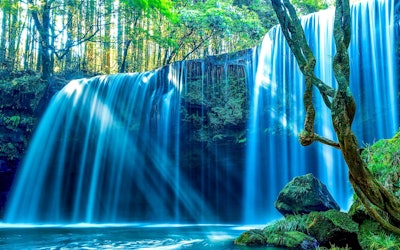
A Look at the Breathtaking Nabegataki Falls This video, titled "Nabegataki [8K]" (Nabegataki 鍋ケ滝 [8K]), was uploaded by "Japan Explorers." It introduces the beautiful waterfall, Nabegataki Falls, in Kumamoto Prefecture while showcasing the natural beauty of Japan. Nabegataki Falls, located in Oguni, Aso, Kumamoto in Japan's Kyushu region, was actually featured in a commercial for Soukenbicha Tea's Namacha, starring actress Nanako Matsushima, and quickly became well known for its beauty. Even within Aso Geopark, which is recognized as a UNESCO Global Geopark, the spectacular view of Nabegataki Falls is full of natural beauty. Check out the beautiful scenery showcasing the waterfall in this quick. 4 minute video! Highlights of Nabegataki Falls in Kumamoto Photo:Nabegataki Falls, Kumamoto Nabegataki Falls, located in the town of Oguni, is about a 20-minute drive from Kurokawa Onsen, a hot spring resort in Kumamoto Prefecture, and is maintained as Nabegataki Park. The most unique feature of Nabegataki Falls is that visitors can view the waterfall from behind, and see its curtain-like appearance in all of its beauty (video 1:34). Because of this, it's a popular travel destination among tourists looking to explore the nature of Japan. It's said that the same pyroclastic flow from a huge eruption approximately 90,000 years ago, which created the Aso Caldera, created the unique features of Nabegataki Falls as well. Nabegataki Falls is a relatively small waterfall measuring 20 meters wide with a drop of about 10 meters, but the way the water cascades from the top of the waterfall creates a beautiful view that resembles a curtain of water. Another unique characteristic of Nabegataki Falls is how the surrounding greenery gives it a faint glow, making it popular amongst photographers and instagrammers alike. Photo:Nabigataki Falls illuminated, Aso, Kumamoto Furthermore, in the spring, Nabegataki Falls is lit up for a limited time, and visitors can enjoy fantastic views of the waterfall while it's illuminated. There are also stairs on the path leading to Nabegataki Falls, and heart-shaped stones are hidden in the stone pavement along the way, so be sure to keep an eye out for these as well. Enjoy Delicious Food, Sweets, and Sightseeing Spots Around Nabegataki Falls! In addition to Nabegataki Falls, there are a myriad of sightseeing spots around the area that visitors can enjoy. First, there's "Sora Iro no Tane," famously known as "the small bakery in the forest." The bread here is hot and fresh even in the cold, and the cream buns are popular for their hearty and satisfying texture. Next is a soba restaurant called "Waremokou" on the route to Nabegataki Falls. The restaurant is full of delicious dishes and features famous Kumamoto beef and soba. After enjoying the beautiful scenery of Nabegataki, visitors can enjoy beautiful paintings at the Sakamoto Zenzo Museum of Art, a museum covered entirely with tatami mats. Enjoy the abstract paintings of Zenzo Sakamoto a famous Japanese painter. Summary of Nabegataki Falls in Kumamoto Prefecture As you can see, Nabegataki Falls, located in Oguni, Aso, Kumamoto, is loved by many people as one of the most beautiful spots in Japan, and has now become very popular among young people, particularly instagrammers and photographers. This video, shot in 8K, shows the beautiful scenery of Nabegataki Falls in such detail that it's almost like looking at the real thing. Now that you've seen a video on it, consider checking out Nabegataki Falls, one of the most beautiful spots in Japan, and explore all of the natural beauty for yourself. 【Tripadvisor】Nabegataki Falls https://www.tripadvisor.com/Attraction_Review-g1121535-d1960940-Reviews-Nabegataki_Falls-Oguni_machi_Aso_gun_Kumamoto_Prefecture_Kyushu.html -
 Video article 2:01
Enjoy the Breathtaking Views and Natural Beauty of Shikoku Karst! Spanning Ehime and Kochi Prefectures, Shikoku Karst Is a Refreshing Corridor in the Sky That Is a Must-See When Traveling To Shikoku!
Travel Nature- 201 plays
- YouTube
Introducing Shikoku Karst! This video, titled "[4K]天空のカルスト「四国カルスト」 Shikoku Karst Mountain in the Sky," was released by "AQUA Geo Graphic." Shikoku Karst, which stretches along the border of Ehime and Kochi prefectures, is known as the "Road to the Skies" (天空の道, tenkuu no michi or the "Corridor in the Sky" (天空の回廊, tenkuu no kairo), and has been selected as one of the three major karst formations of Japan (Akiyoshidai (秋吉台) in Yamaguchi Prefecture, Hiraodai (平尾台) in Fukuoka Prefecture, and Shikoku Karst (四国カルスト)). Shikoku Karst is a scenic location ideal for going on sightseeing drives. A Closer Look at Shikoku Karst, a Scenic Sightseeing Destination Photo:Shikoku Karst, Ehime & Kochi Prefectures Shikoku Karst is located at an elevation of about 1,400 meters above sea level and is approximately 25 kilometers wide from east to west, offering a panoramic view of the surrounding mountains, including Mt. Ishizuchi. Shikoku Karst, a karst plateau, is dotted with limestone rocks exposed on the surface of the earth due to erosion, and is popular for its beautiful scenery that makes it a popular destination for instagrammers. Part of Shikoku Karst is a grazing area. You can see cows grazing in the vast landscape at 0:42 in the video. National Route 383 (四国カルスト公園縦断線, Shikoku Karst Park Traverse) offers extraordinary scenery, including dairy cows and giant windmills. Enjoying Your Trip to Shikoku Karst Photo:The Mezurudaira Camping Ground at Shikoku Karst, Ehime & Kochi Prefectures Shikoku Karst, known as the "Karst of the Skies" and the "Switzerland of Japan," is beautiful in all four seasons. Particularly elegant is the silver grass in autumn, shown at 1:30 in the video. In the summer, we recommend pitching a tent and staying overnight at the Mezurudaira Camping Ground and stargazing under the beautiful night sky. If you aren't able to bring your own camping gear then we recommend staying at "Tenguso" (高原ふれあいの家 天狗荘) on "Forest Therapy Road" (森林セラピーロード). Tenguso also serves an excellent lunch, so be sure to make a reservation. The Godan Highlands (五段高原), Mezurudaira (姫鶴平), Onogahara (大野ヶ原), and the Tengu Forest (天狗の森) of Tengu Highland Forest (天狗高原自然林) in Shikoku Karst are all ideal for hiking. On the roadside, you can see pretty flowers, such as Japanese ligularia, bamboo lily, morning star lily, and more, so be sure to keep an eye out for them. Summary of Shikoku Karst Photo:Shikoku Karst, Ehime & Kochi Prefectures This introductory video for Shikoku Karst shows a spectacular view of the natural scenery and landscapes of Japan. In addition, while many people visit Shikoku Karst by car, it's also possible to visit by bike. Keep in mind, however, that depending on the season, roads may be closed, so we recommend checking live cameras before visiting. Also, make sure to research transportation access, weather, and temperatures before your trip so you'll be fully prepared! 【Official Website】Shikoku Karst – A Place of Scenic Beauty https://www.visitehimejapan.com/en/see-and-do/6614 【Tripadvisor】Shikoku Karst https://www.tripadvisor.com/Attraction_Review-g1121435-d1383884-Reviews-Shikoku_Karst-Kumakogen_cho_Kamiukena_gun_Ehime_Prefecture_Shikoku.html -
Video article 4:40
The Nikko-Nasu Area - Shrines, Hot Springs, and More at These Travel Destinations in Tochigi, Japan
Local PR Travel Nature- 58 plays
- YouTube
Nikko-Nasu, Tochigi: Video Introduction This video, titled "[Summer] Tochigi Japan in 8K - Nikko, Nasu / Tochigi" ([Summer]Tochigi Japan in 8K - 日光・那須/栃木), was uploaded by "Genuine Encounters Tochigi" (本物の出会い栃木). It's a promotional video that introduces Nikko and Nasu in Tochigi Prefecture in Japan's Kanto region. Please take a look at the beautiful footage of Nikko and Nasu, which is filled with the charms of the area. The Nikko-Nasu Area The Nikko-Nasu area is located in the northern part of Tochigi Prefecture and is a tourist destination blessed with abundant natural beauty, including plateaus and mountains. There are many wonderful sightseeing spots in Japan, and Nikko and Nasu are among the most attractive tourist destinations in Japan. There are hot springs all over the area as well, so staying at a hot spring hotel is highly recommended. Families with children can also enjoy the area's theme parks and places for interacting with animals. Kinugawa Onsen, Kegon Falls, and Other Popular Sightseeing Spots in Nikko, Tochigi Photo:Akechidaira Ropeway, Nikko, Tochigi The video begins by showing a magnificent verdant green landscape. This is Nikko's Akechidaira Observatory. This is followed by the beautiful Kegon Falls. Nikko has many waterfalls, among which Kegon Falls is the most famous. In the video, you can see an aerial view of Kegon Falls and Ryuokyo Gorge. The road with a series of sharp curves is called 'Irohazaka.' The road itself has a total of 48 curves, making it quite scenic when viewed from above. [Video] 0:10 - Kegon Falls [Video] 0:14 - Irohazaka [Video] 1:28 - Ryuokyo Gorge Kinugawa Onsen is the most famous hot spring in Nikko. It is a clear, colorless, tasteless, odorless, alkaline simple hot spring that is gentle on the skin and safe for everyone from children to the elderly. At Kinuko no Yu, you can also enjoy a footbath. [Video] 0:35 - Kinugawa Onsen/Kinuko no Yu Nikko Toshogu Shrine, a Historical Tourist Attraction in Tochigi, Japan Photo:Nikko Toshogu Shrine, a World Heritage Site in Tochigi Prefecture Nikko Toshogu Shrine is a World Heritage Site home to numerous National Treasures and Important Cultural Properties. Built in 1617, the shrine is dedicated to Tokugawa Ieyasu, the first Shogun of the Tokugawa Shogunate. The five-story pagoda, unusual to find at a shrine, is decorated on all four sides with animals of the twelve signs of the Chinese zodiac. The "see no evil, hear no evil, speak no evil" monkey sculpture is also famous. Among other things, the representative power spot, Yomeimon Gate, also called "Nipporimon," is a must-see for its intricate carvings, which one could look at all day long and not get tired of it. [Video] 1:17 - Nikko Toshogu Shrine Nasu Highland, the Killing Stone, Nasu Highland Park, and Other Sightseeing Spots in Nasu, Tochigi Photo:A farm and blue skies in the Nasu Highlands In the video, tourist spots in Nasu are shown one after another, including Nasu Highland, the Killing Stone, and Shika no Yu, the oldest hot spring in Tochigi. In addition, there are many family-friendly spots in Nasu, such as Nasu Highland Park, a leisure land surrounded by nature, Nasu Animal Kingdom, where you can enjoy interacting with animals, and Nasu World Monkey Park. Nasu Highland is also beautiful. At Nasu Heisei no Mori Forest, viewing the beautiful autumn leaves makes for a relaxing stroll. Going down to the foot of the mountain, you can also visit Sessho-seki (the Killing Stone) and Nasu Onsen Shrine. Yuba, Nasu Wagyu, and Other Local Delicacies One of the most enjoyable parts of traveling is tasting the local cuisine. We recommend trying Jingo-yaki from Nasu, yuba and soba noodles from Nikko, and Nasu Wagyu beef steaks grilled over a powerful flame! Check them out in the video. [Video] 1:00 - Jingo-yaki (Miyajima Tsuribori-en (みやじま釣堀園)) [Video] 2:13 - Nasu Wagyu Beef (Teppan Steak Kiku (鉄板ステーキ きく)) [Video] 3:39 - Yuba Cuisine (Nikko Yubamaki Zen (日光湯波巻き 全)) Lake Chuzenji and Mt. Chausu – Two Places with Enchantingly Beautiful Scenery Photo:Autumn leaves at Lake Chuzenji, Nikko National Park, Tochigi The video moves from Nasu Highland and the mysterious skyline of Senjogahara to Lake Chuzenji. Located at the entrance to Oku-Nikko, Lake Chuzenji is a lake located inside Nikko National Park. Riding the Nasu Ropeway, the majestic scenery of Nasu unfolds below you, and since the ropeway takes you up to the 8th station, Mt. Chausu is a great place for families to enjoy hiking. Mashiko Ware – A Unique Pottery With a Rustic Feel Mashiko Ware has been produced in Tochigi Prefecture since the Edo period (1603-1867). It's characterized by its rustic appearance and has many fans. The video shows a craftsman spinning a potter's wheel. Dokutsu Sake Brewery, Kita Onsen Ryokan, Nasu Shrine... Nikko & Nasu, 2 Historical Towns Dokutsu Sake Brewery (Shimazaki Sake Brewery) uses a former wartime factory as a sake brewery. The inside of Dokutsu is kept out of the light and the temperature is as low as 10 degrees Celsius, making it suitable for storing local sake and wine. In the Nikko and Nasu areas, there are many other places of historical interest, such as Kita Onsen Ryokan, where you can bathe with tengu masks, Nasu Shrine, Oya History Museum, and Ashio Copper Mine. Tochigi is also known as a town of historical storehouses. Nikko and Nasu Promotional Video Summary Photo:Kinugawa Onsen While it's easy to visit on a day trip after a drive, we recommend staying overnight in the Nikko and Nasu areas, which offer plenty to see and do. In Kinugawa Onsen, there are many tasteful inns such as Kaniyu (加仁湯), Sanraku (山楽), Nanaeyae (七重八重), and Wakatake no Sho (若竹の庄). For the best deals, you can also look for hotels where with coupons. There is a rusk shop in Nasu that has good reviews, so consider stopping by if you're looking for souvenirs. In addition to standard tourist attractions such as Kegon Falls, Momijidani Suspension Bridge, and Senjogahara, British Embassy Villa Memorial Park and Italian Embassy Villa Memorial Park are great for photography! Be sure to visit them. Nikko and Nasu are home to magnificent and beautiful natural landscapes that seem to go on forever. We hope that people around the world will discover the charm of the Nikko and Nasu areas. 【TripAdvisor】Nasu https://www.tripadvisor.com/Tourism-g1121057-Nasu_machi_Nasu_gun_Tochigi_Prefecture_Kanto-Vacations.html -
Video article 2:27
Iheya Island - A Tropical Travel Destination in Okinawa!
Local PR Travel Nature- 376 plays
- YouTube
This Introductory Video of Iheya Island, Okinawa, Shows the Incredibly Beautiful, Dreamlike Scenery of the Island This introductory video, "The Mystic 'Iheya Island'" (神秘の島「伊平屋島」) was produced by the Iheya Island Tourist Association using aerial drone footage. You'll see the incredibly beautiful scenery of the isolated Iheya Island, in Okinawa. Iheya Island is a remote island with breathtakingly clear, pristine waters and nature. It is even famous in Okinawa, one of Japan's most popular tourist resorts. In this article, you'll find recommendations for places to see and things to do around Iheya Island, Okinawa. The video shows aerial photos of the emerald green coral reefs and the natural mountains of Iheya Island in Okinawa. You'll be astonished watching the video and realizing that such beauty exists in Japan. All About Iheya Island, Okinawa Photo:Iheya Island's sandy beach and sea Iheya Island is located 117 km north of Naha on the main island of Okinawa, a part of Japan's southwestern archipelago. It is also north of the main island of Okinawa, 41.1 km from Nakijinson Kamiunten harbor, a ferry depot in the northernmost inhabited island of Okinawa. At southern end of Iheya Island, there is Izena Island. Iheya Island is a mysterious island where the original landscape of Okinawa has been preserved, and many legends and gods continue to live on. Iheya Island (Area: 20.66km2 Perimeter: 34.23km) is a long, thin island connected to Noho Island (Area: 1.06km2 Perimeter: 4.8km) by the Noho bridge and as of July, 2009, has a population of 1,405. To get to Iheya Island, you can take a bus or car from Naha Airport on the main island of Okinawa to Unten Port in Nakijin Village where the ferry dock is located. An 80-minute ride on the ferry takes you to Iheya Island. As there are only two ferry services a day, and a day trip is difficult, we recommend spending at least one night on Iheya Island. Local transportation is either rental cars, taxis, the island's community bus, or rental bicycles, as well as the ferry that takes you to Iheya Island. It's also possible to bring your own car onto the ferry as well. If the weather is good, we recommend renting a bicycle to see the island and enjoy the natural scenery. Touristic Information to Enjoy Iheya's Beautiful Emerald Green Sea Photo:Sea turtle The brilliant emerald-green sea shown in the video is so beautiful that you might feel like you're dreaming. The sea is transparent up to 50 meters and the view of a small boat casting its shadow on the seafloor is fantastic. You can see this amazing scenery from 1:12 in the video. The sea of Iheya Island is comparably beautiful to that of popular Yaeyama Island and Miyako Island. In these beautiful waters, you can enjoy coral reefs, marine life, snorkeling, diving, sea kayaking and other marine sports, as well as fishing to your heart's content. The beaches which are worth visiting on Iheya Island are ‘Kumaya beach’ for fishing, and ‘Suga-hama’ and ‘Yonesaki-kaigan’ for enjoying beautiful scenery. Because there are only two ferries a day and no large tourist facilities, there are very few tourists in Okinawa, so you can enjoy the sea to your heart's content, as it is a lesser-known beach in Okinawa. White sandy beaches with endless blue skies and seas await you. Enjoy the Sights and Sounds of Iheya Island Photo:Hiramatsu Starting at 1:31 in the video, the sights of Iheya Island, with its unspoiled nature and culture, are introduced. One of the must-see spots is “Kumaya Cave” which is said to be the southernmost place related to a legend about Amaterasu Omikami. Japan has a lot of places where the “Amano Iwato legend” allegedly took place. The natural light that floods the cave is so magical and Instagram-worthy. It's also a popular power spot not to be missed when visiting Iheya Island. At 1:46 in the video, “Nento hiramatsu” is also a popular touristic spot on Iheya Island and visitors will be overwhelmed when they see the branches of the “Ryukyu matsu” looming over them. We also recommend visiting the Iheya Lighthouse from which you can overlook the whole of Iheya Island. This can be seen in the video from 1:51. You can enjoy a spectacular view of nature with 200-meter-high mountains and blue waters. There are also plenty of other places with beautiful scenery as well. From 1:58 on the video, “Yahe Rock” is a historical place and said to be the ruins of an old castle that protected the island from the Nakijin army. The sunset seen through the rocky mountains quite the spectacle as well. If you're looking for something good to eat, be sure to try the fresh seafood dishes on Iheya Island. As it's surrounded by the sea, it has some of the freshest seafood you can get! After a day of fishing, a seaside BBQ with the fish you caught will make for an unforgettable experience. Mozuku seaweed and local sea salt from Iheya Island make for great souvenirs as well. Other Tourist Attractions at Iheya Island There are even more tourist destinations on Iheya Island that weren't shown in the video! “Kuba mountain at Tana”, “Tiger head Rock”, “Yagurabaka”, “Iheya History and Folklore Museum” and “Kami asagi” are also places we recommend visiting. If you prefer joining activities or events, "Iheya Village Trail," "Iheya Moonlight marathon," "Iheya Festival," "Iheya Scarecrow Festival," and “Iheya New Year Trim Marathon” are some things that might interest you. Of course, there are also hotels and inns on Iheya Island, so you can stay overnight for sightseeing. Wrap-Up Photo: Iheya Island from a plane The video, "The Mystic 'Iheya Island'" (神秘の島「伊平屋島」), introduces the beautiful, clear sea and the splendid natural scenery of Iheya Island, one of Japan’s remote islands. Sometimes the waves are so calm, and you can see the seafloor so clearly, that it's as if there's no water at all. Be sure to check this out in the video! In this article, we introduced you to Iheya Island's attractions, marine activities, and food, as well as how to access it. There are also agriculture and fishing experiences, as well as home-stay accommodations where you can interact with the islanders and experience Japan's original landscape and nature. Take a trip to the remote Iheya Island, forget about your troubles, and get away from the hustle and bustle of everyday life. 【Tripadvisor】Iheya Island https://www.tripadvisor.com/Attraction_Review-g1121620-d1373491-Reviews-Iheyajima_Island-Iheya_son_Shimajiri_gun_Okinawa_Prefecture.html -
Video article 1:30
Beautiful terraced rice fields leading to the Sea of Japan! The spectacular view of Shiromai Senmaida in Wajima City, Ishikawa Prefecture, on the Noto Peninsula is a representative sightseeing spot of Okunoto, designated as a national cultural asset and place of scenic beauty!
Nature Travel- 481 plays
- YouTube
Video introduction of "Shiromai Senmaida" in Wajima City, Ishikawa Prefecture This video, “Ishikawa Shiroyone Senmaida - 白米千枚田 - 4K Ultra HD”, was created by “TokyoStreetView - Japan The Beautiful.” It shows the exquisite view of the Shiroyone Senmaida Rice Terraces dyed in brilliant shades of green. The rice terraces are located in Wajima City (輪島市, Wajima-shi), of Ishikawa Prefecture. The Shiroyone Senmaida Rice Terraces are located in Shiroyone, Wajima City, Ishikawa Prefecture in the Hokuriku region (北陸地方, Hokuriku chiho) of Japan. The view of the rice terraces changes with the seasons, making it a popular sightseeing area. In this article, we'll introduce the history and appeal of the Shiroyone Senmaida Rice Terraces, as well as information for visitors. The rice terraces are considered the epitome of Japanese agriculture, as well as the definitive landscape of Japan. Enjoy exploring the rice terraces shown in the article. Be sure to follow along with the video as well! The Shiroyone Senmaida Rice Terraces Photo:Ishikawa Shiroyone Senmaida The Shiroyone Senmaida Rice Terraces can be found on Noto Peninsula in Ishikawa Prefecture. The rice terraces are said to have been created nearly 400 years ago. There are around 1,004 paddy fields arranged on the steep slopes, each about 20 squares meters in size and in a variety of shapes. The view of the rice terraces descending into the Sea of Japan can be seen at 0:05 in the video. The Shiroyane Senmaida Rice Terraces are designated not only as a national "Place of Scenic Beauty," but also as one of "Japan's Top 100 Terraced Rice Paddies." In addition, the rice terraces are also a "Globally Important Agricultural Heritage System," known as "Noto's Satoyama and Satoumi." As farming machinery is too large for the paddy fields, the traditional hand-farming method "Nawashiroda" (苗代田) is used. The paddy fields all belong to certain owners who are in charge of their maintenance. Every year, the Shiroyone Senmaida Planting and Harvesting Event is held, with the owners and volunteers working together to plant and harvest rice by hand. Photo:Ishikawa Shiroyone Senmaida As you can see in the video, you can enjoy the summer view of the refreshingly green rice terraces. However, the rice terraces change with the seasons, making it a gorgeous view all throughout the year. In the spring, water soaks the paddy fields for rice planting, causing the terraces to sparkle and reflect the blue sky. In autumn, the rice has grown and the terraces turn a beautiful golden-yellow. During the peak rice-harvesting season, there are even wedding ceremonies held at the rice terraces. In winter, the sight of snow covering the rice terraces is absolutely beautiful, and you can also enjoy the illumination along Aze Street, "Aze no Kirameki" (あぜのきらめき, Aze-no-kirameki). The official mascot "Senren-chan" occasionally participates in events as well. The Shiroyone Senmaida Rice Terraces can be accessed through public transport. The rice terraces are a 5-minute walk from the Shiroyone Senmaida bus station, which is 2 and a half hours by bus from Kanazawa station (金沢駅, Kanazawa-eki) in Ishikawa Prefecture. For visitors travelling by personal or rental car, there is a parking area available at the roadside station "Senmaida Pocket Park." The address is- Ishikawa Prefecture, Wajima City, Shiroyanecho 99-5 (石川県輪島市白米町99-5, Ishikawa-ken Wajima-shi Shiroyane-cho 99-5). Summary of Ishikawa Prefecture’s Shiroyone Senmaida Rice Terraces Photo:Aze no Kirameki illumination In this video, “Ishikawa Shiroyone Senmaida - 白米千枚田 - 4K Ultra HD,” you can enjoy the beautiful view of the rice terraces. The sight of the rice terraces and the sea, dyed red by the setting sun, is breathtaking. Furthermore, at the roadside station “Senmaida Pocket Park,” onigiri made from rice harvested at the rice terraces, as well as various related souvenirs, are also available. In Noto Peninsula, there are many other sightseeing areas such as the Kamogaura Promenade (鴨ヶ浦遊歩道, Kamogaura yuhodo), Makaki no Sato Seiho (間垣の里 西保, Aidagaki-no-sato seiho), Elephant Nose Lookout (ゾウゾウ鼻展望台, Zozo-hana tenboudai), Oketaki Falls (桶滝, Oketaki), as well as Nametaki Falls (男女滝, Nametaki). Of course, you can enjoy fresh seafood as well. If you happen to be visiting Kanazawa City, besides the nearby attractions, why not try making a trip to Noto Peninsula as well? It'll definitely be a trip to remember! 【Tripadvisor】Shiroyone Senmaida Rice Terraces https://www.tripadvisor.jp/Attraction_Review-g1021242-d1384989-Reviews-Shiroyone_Semmaida-Wajima_Ishikawa_Prefecture_Hokuriku_Chubu.html -
Video article 3:17
Plum Blossoms at Osaka Castle Park – When to Visit, and More
Nature Travel- 281 plays
- YouTube
-
Video article 1:28
Sasaguri Kyudai Forest – Like Something You'd See in a Ghibli Movie! Discover One of the Most Scenic Spots in Fukuoka Prefecture, Plus Access Information and More!
Nature Travel- 478 plays
- YouTube
The Bald Cypresses of Sasaguri Kyudai Forest: Video Introduction This video, titled "Giant Conical Trees in a Pond "Bald Cypresses" in Sasaguri, Fukuoka" (view 池に浮かぶ円錐の巨木 福岡県篠栗町の「ラクウショウ」), was uploaded by "SankeiNews." Sasaguri Kyudai Forest is located at the western edge of the Kyushu University Forest in Sasaguri, Fukuoka, in Japan's Kyushu Region. Approximately 50 species of evergreen broad-leaved trees and 40 species of deciduous broad-leaved trees grow in this lush 42-acre forest. The mysterious beauty of the bald cypresses floating on the surface of the water in Sasaguri Kyudai Forest has become a hot topic in Japan, attracting a constant stream of visitors from all across the country. Please take a look at the video below to see the mystical view of Sasaguri Kyudai Forest created by the bald cypresses. [Video] 0:37 - Sasaguri Kyudai Forest An Introduction to Kyushu University Kyushu University, often abbreviated to "Kyudai," is a Japanese university in Fukuoka Prefecture. It is one of the top universities in Japan according to various sources, including the Times Higher Education Japan University Rankings, where it currently ranks 6th. While most courses at Kyushu University are taught in Japanese and will require a JLPT N1 certificate to qualify for, the university also teaches a number of courses in English, and accepts students with an IELTS score of 6.0 or greater. In order to study abroad at Kyushu University, you must be enrolled as a degree student at one of Kyushu University's partner institutions, and be nominated by your home university as a candidate. Kyushu University's graduate school programs have differing requirements in each department, but enrolling in graduate school at Kyushu University requires students pass an entrance exam that is regarded as one of the most difficult in Japan. What is Sasaguri Kyudai Forest? Photo:Sasaguri Kyudai Forest, Sasaguri, Fukuoka Sasaguri Kyudai Forest is located at the western edge of Kyushu University Forest in Sasaguri, Fukuoka, and is jointly managed and operated by Kyushu University and the town of Sasaguri. There is also a walking trail and the area has been open to the public since 2010. The vast 42-acre Sasaguri Kyudai Forest is home to about 50 species of evergreen broad-leaved trees, including itajii and Japanese blue oaks, and around 40 species of deciduous broad-leaved trees, including jolcham oaks and Japanese wax trees. The most eye-catching of all are the giant bald cypress trees. More than a dozen conical trunks can be seen standing in a corner of Kamata Pond. The bald cypress is characterized by its aerial roots. The aerial roots protruding from the ground supply oxygen to the submerged roots. In Japanese, the bald cypress is called "Rakusho" (ラクウショウ), but another name for the tree, which is native to North America, is "numasugi" meaning "swamp cedar." As this name suggests, it prefers places such as swamps and wetlands. The bald cypresses at Sasaguri Kyudai Forest were planted from seedlings in 1977 by Kyushu University to study the tree. The trees are currently around 20 meters tall, but can grow as tall as 40 meters in their natural habitat. The tree's appearance also changes with the seasons, with bright green leaves in the summer and autumn colors in the fall. There's a 2km-long promenade around Kamata Pond in the center of Sasaguri Kyudai Forest, which has been certified as a "forest therapy base" by the Forestry Agency of Japan for its pleasant atmosphere which is great for forest bathing. The Habitat and Characteristics of the Bald Cypress, and How It Differs From the Dawn Redwood Photo:Dawn redwoods The bald cypress is a deciduous coniferous tree of the cypress family (Cupressaceae) native to North America. The name bald cypress comes from their historical tendency to be among the first trees in the American South to lose their leaves in the fall. The bald cypress is characterized by its ability to grow in swampy areas, as evidenced by its other name, "numasugi" (ヌマスギ, lit "swamp cedar"). Another characteristic of the bald cypress, which grows very fast, is that when it becomes an old tree, it grows aerial roots that serve to supply oxygen to its submerged roots. The bald cypress is easily mistaken for the dawn redwood, which has a similar leaf shape, but the difference is obvious when looking at the way the leaves are attached. The bald cypress' leaves are attached to the branches in opposite directions, while the dawn redwood's leaves are attached to the same part of the branch in pairs. [Video] 0:42 - The Roots of the Bald Cypress The Waterfront Forest at Sasaguri Kyudai Forest + the Best Times to See the Bald Cypresses Photo:Bald cypresses at Sasaguri Kyudai Forest, Sasaguri, Fukuoka The 2km-long promenade around Kamata Pond at Sasaguri Kyudai Forest is dotted with attractions, including five plazas. Among them, the Waterfront Forest offers a mysterious view that makes you feel as if you have wandered into the world of Ghibli, and has become a popular spot on Japanese Instagram. This spectacular view can be seen when the water level of Kamata Pond is high. The best time to see the water level rise is from early spring to around the end of Japan's rainy season (June-mid-July). In contrast, the water level is low from summer to fall, but during this period, you can see the aerial roots of the bald cypresses. The best time to see the autumn leaves is mid-November, when the falling leaves decorate the area around the trees in place of the water. Sasaguri Kyudai Forest – Directions and Nearest Station Here is how to get to Sasaguri Kyudai Forest. If you go by train, the nearest station is Kadomatsu Station. Take the JR Fukuhoku Yutaka Line rapid train bound for Nogata at Hakata Station (platform 8), get off at Kadomatsu Station, and take a taxi to the Sasaguri Kyudai Forest south exit parking lot (篠栗九大の森南口駐車場, Sasaguri Kyudai no Mori Minami-guchi Chushajo), which takes about 10 minutes. The train ride from Hakata Station takes about 17 minutes, or 4 stops if you take the rapid train. The fare is 280 yen. If you take a bus, the nearest station is Kasuya Police Station. Take a highway bus bound for "Iizuka/Tagawa" from Tenjin Expressway BT bus stop #1 and get off at "Kasuya Keisatsu Sho-mae" (粕谷警察署前). Go straight for about 300m east on the sidewalk with the bus stop, turn left and keep going straight until you see the information board for "Sasaguri Kyudai Forest", follow the sign and you will arrive at Sasaguri Kyudai Forest in about 15 minutes on foot from "Kasuya Keisatsu Sho-mae". The bus ride from Tenjin to "Kasuya Keisatsu Sho-mae" takes about 35 minutes and costs 510 yen. If you're going by car, the shortest route to the waterfront forest is via the "North Exit Parking Lot." Directions are as follows: Exit the expressway at the "Fukuoka IC" and go straight for about 2 km in the direction of Iizuka (飯塚). Then turn left at the "Wadabashi Signal," go about 50m, turn left again, go straight for about 300m, then turn right and go uphill. Continue straight and you will arrive at the South Exit Parking Lot of Sasaguri Kyudai Forest. Go straight for about 200m from the South Exit Parking Lot, then turn right and walk about 300m through the forest to reach the North Exit Parking Lot. Although you can get there by car, we recommend using public transportation to avoid traffic congestion caused by the increase in the number of tourists to Sasaguri Kyudai Forest. Summary of the Bald Cypresess of Sasaguri Kyudai Forest Sasaguri Kyudai Forest is a photogenic spot that is rapidly gaining popularity. However, it's become so popular that many tourists visit the forest. As a result, the forest is experiencing problems, such as traffic congestion, and destruction of the forest due to violations of etiquette, such as barbecuing, littering, and taking photos in restricted areas. They've even considered closing the area to allow the forest to recover.... To prevent this from happening, please follow the rules and manners, and enjoy the cypresses of Sasaguri Kyudai Forest, one of the best healing spaces in Fukuoka. [TripAdvisor] Sasaguri Kyudai Forest -
Video article 2:15
Virgin Forests and Autumn Leaves at Shirakoma Pond, Nagano
Nature Travel- 862 plays
- YouTube
Autumn Leaves at Shirakoma Pond, Nagano, Japan: Video Introduction Photo:Autumn leaves at Shirakoma Pond, Nagano Prefecture This video, titled "[4K] Mysteriously Spectacular Views|Autumn Leaves at Shirakoma Pond - (shot on BMPCC6K)" ([4K] 神秘の絶景 天空の湖 白駒池の紅葉 - Autumn Leaves at Shirakoma Pond - (shot on BMPCC6K)), was uploaded by "AQUA Geo Graphic." Shirakoma Pond in Nagano Prefecture is known for its beautiful autumn foliage. The reflection of the colorful trees on the surface of the lake is so beautiful you'd only expect to see it in a painting. Shirakoma Pond is blessed with abundant nature, and is a popular location for hiking as well. The pond is a popular tourist spot that attracts many visitors throughout the year because of its wonderful scenery that changes with the seasons, especially during autumn. Enjoy the beautiful contrast of between the green, yellow, and fiery red autumn leaves reflected on the mirror-like surface of the lake in this 2-minute long 4K video. Where is Shirakoma Pond? Location of the Pond in Nagano Famous for Its Autumn Leaves Photo:Shirakoma Pond from Takami-ishi, Nagano Prefecture Shirakoma Pond is located in the eastern part of Nagano Prefecture, on the border between the towns of Koumi and Sakuho. Located on the Yachiho Highland (Yachiho Kogen) at an elevation of 2,115m (~6,900 ft), Shirakoma Pond is the highest and largest natural lake in Japan. The pond is also known for its extremely high transparency, allowing visitors to see as deep as 5.8 meters below the surface. Shirakoma Pond is easily accessible despite its location on the Yachiho Highland. With a well-maintained promenade, it's becoming a popular tourist attraction. When to See Autumn Leaves at Shirakoma Pond – Best Season and Photo Spots Photo:Autumn leaves at Shirakoma Pond, Nagano Prefecture The area surrounding Shirakoma Pond is known as one of Japan's three largest virgin forests, and during autumn, when the leaves change color, the virgin forest, filled with azaleas, birch trees, and maples, changes color to brilliant shades of red and yellow. Every year, the area is crowded with tourists who come to view the autumn foliage. If you're planning to visit Shirakoma Pond, autumn is definitely the best season to come so you can see the beauty of the autumn leaves. In the high elevation areas of Japan's Chubu region, the best time to view the autumn leaves is from late September at the earliest, and from early October on an average year. Since the forecast for autumn leaves at elevations above 2,000m is said to be largely unchanged, the best time to view the autumn foliage at Shirakoma Pond in 2023 is expected to be from late September to mid-October. During autumn, when the leaves are in season, Shirakoma Pond is crowded tourists. If you're looking to take photos, there are two great spots in front of the mountain lodges "Shirakoma-so" (白駒荘) and "Seitai-so" (青苔荘) that overlook the lakeside area. The two lodges, situated on opposite sides of Shirakoma Pond, are well known for their sunrises and sunsets which can be photographed together with the pond in the foreground. Hiking at Shirakoma Pond! Photo:The moss forest around Shirakoma Pond, Nagano Prefecture There are several hiking trails around Shirakoma Pond that can be enjoyed even by beginner hikers. We recommend the route from Shirakoma Pond (白駒池) to Takami-ishi (高見石), which has a minimal elevation change and can be easily hiked. The hike takes about 2 hours and departs from the Shirakoma Pond parking lot. The hike proceeds along a trail on which hikers can admire the beautiful mosses growing in the area. Once you reach a fork in the road, head toward Takami-ishi Lodge (高見石小屋). After hiking up behind Takami-ishi Lodge, you'll arrive at Takami-ishi. From Takami-ishi, you can enjoy a spectacular view of Japan's Northern and Central Alps and Shirakoma Pond. After admiring the view, descend from Takami-ishi toward Shirakoma Pond. Follow the boardwalk circling the mystical Shirakoma Pond before returning to the parking lot to end the hike. Although the trail around Shirakoma Pond is well maintained, it becomes slippery when it rains. When visiting Takami-ishi, a series of rock formations, in particular, extreme care should be taken to avoid injury or accidents. Please be prepared to wear comfortable walking shoes and clothes that are easy to move in, and check the weather before you go out. Additionally, because the area around Shirakoma Pond is mountainous, temperatures can vary greatly. Please bring warm clothes to adjust for the temperature changes. After enjoying hiking in the magnificent nature of Nagano, we recommend taking a breather at one of the hot spring resorts in the area. The Shirakoma Pond area is dotted with facilities where you can enjoy hot springs and take in the beautiful scenery. It's a great way to relax after a nice day of hiking. Camping at Shirakoma Pond Photo:The tent campsite at Takami-ishi Lodge, Nagano Prefecture In addition to hiking and viewing the autumn leaves at Shirakoma Pond, there are also a few locations where you can enjoy camping. Seitai-so Seitai-so, the mountain lodge mentioned earlier, has a tent site located right next to it where you can set up a tent right by the lake. The tent site is available year-round and you can even enjoy a beautiful starry sky with a view of the pond frozen over in the winter. Keep in mind that the tent site is reservation only and all garbage must be taken with you when you leave. Lodge Hours: 7:00 am - 7:00 pm. ※Hours may vary by season. Fee: The tent site is free of charge. General lodging starts at 5,500 yen/person for adults. Takami-ishi Another campsite is the Takami-ishi Tent Site, located beside Takami-ishi Lodge. Unlike the tent site at Seitai-so, Takami-ishi does not accept reservations, and is open to campers on a first-come, first-served basis. Additionally, the owners of the lodge provide commentary about the stars at night on the terrace, and invite guests to join them to listen. While not located directly next to Shirakoma Pond, it's only about 10 minutes from the pond by car. Lodge Hours: 10:00 am - 2:00 pm Fee: Tent site: 600 yen/person. General lodging starts at 5,500 yen/ person. Both of the above facilities also having standard accommodations as well, so if you want to stay the night and enjoy the starry skies and autumn leaves, but don't want to stay in a tent, you can always book a room in the lodges. Parking and Crowding at Shirakoma Pond During the Autumn Foliage Season Photo:Autumn leaves at Shirakoma Pond, Nagano Prefecture To get to Shirakoma Pond, it's best to use the parking lot on Route 299. It takes about 15 minutes to reach the pond on foot from the parking lot. That being said, because it's a famous spot for viewing the autumn leaves, more than 180,000 people visit Shirakoma Pond during the autumn foliage season, and the parking lot becomes incredibly crowded, especially on weekends. At the same time, many cars are entering and exiting the parking lot, resulting in heavy traffic congestion on the surrounding roads. The most crowded hours at Shirakoma Pond are between 10:00 am to 2:00 pm on weekdays, and 9:00 am to 2:00 pm on weekends and holidays. If you visit Shirakoma Pond to see the autumn leaves on a weekday, it may be better to go between 6:00 am and 9:00 am. On weekends and holidays, it might be smoother to go between 6:00 am and 8:00 am. However, in the past, there have been some reports that the parking lots were full as early as 9:00 am, so be sure to check the real-time parking conditions when visiting. For real-time information on congestion around Shirakoma Pond, you'll have the most luck using X(Twitter). Look up "白駒池" (Shirakoma Pond) in the X(Twitter) search box to check the latest tweets. It's also recommended that you check live cameras installed at the Shirakoma Pond parking lot. Access the official website of the Shirakoma Pond toll parking lot to view the live camera, which is updated every 5 minutes. This is useful for checking the status of the parking lot and the weather in real time. Although it is convenient to drive to Shirakoma Pond during the fall foliage season, you may want to consider using public transportation if you're trying to avoid crowds and traffic jams. Summary of Autumn Leaves at Shirakoma Pond Photo:Autumn leaves at Shirakoma Pond, Nagano Prefecture Shirakoma Pond, located in Nagano Prefecture and famous for its autumn foliage, is the highest natural lake in Japan at 2,115 meters above sea level. During the fall foliage season, the azaleas and birch trees change color beautifully, creating a picturesque landscape. The Shirakoma Pond area is also famous for its "moss forest," which is home to 485 species of moss. The best time to see the mosses is from mid-June to the end of July, after Japan's rainy season, and visitors can enjoy the moss forest until early November every year. We invite you to experience the mysterious beauty of Shirakoma Pond as expressed in the video. 【TripAdvisor】Shirakoma Pond -
Video article 1:51
Shirahama Beach - Discover the Beauty of Shimoda, Shizuoka at Izu's Largest Swimming Beach! The Bright Red Torii Gate Perched on the Cliffs Makes for Some Amazing Scenery!
Nature Travel- 467 plays
- YouTube
Shirahama Beach, Izu, Shimoda City, Shizuoka Prefecture, Japan The video this time is titled "Shirahama Beach - Shizuoka - 白浜 - 4K Ultra HD." It introduces the beautiful Izu-Shirahama Beach in Shimoda City, Shizuoka prefecture. When the weather is nice, Shirahama Beach glows a beautiful emerald green, making it very popular with surfers and tourists alike. The 700-meter-long white sand beach is one of the largest on Izu Peninsula. Enjoy making lasting memories at one of the most beautiful beaches in Japan! Don't forget to bring your camera either; There's plenty of great places to take pictures for your Instagram! Shirahama Beach, Shizuoka Photo:Shizuoka prefecture・Shirahama Beach Shirahama Beach, located in Shizuoka prefecture in Japan's Tokai region, is separated into 2 swimming areas: the Shirahama Central Beach section and the Shirahama Ohama Beach section. Shirahama Ohama Beach is the largest beach in the Izu peninsula area. Shirahama Beach becomes very lively during the summer with the Shirahama Fireworks festival being held there as well. Many young people looking to party gather here and the atmosphere becomes very different than that of the afternoon. The Red Torii Arch at Shirahama Beach Photo:Shizuoka prefecture・Ikona Hime No Mikoto Shrine The torii arch on the coastline, which can be seen at 0:30 in the video, is actually Ikona Hime No Mikoto Shrine, the oldest shrine in Izu. It is commonly called Shirahama Jinja Shrine. The contrast of the bright red beach torii and the emerald green sea is breathtaking. The goddess Ikona, who is the wife of Mishima Daimyojin, is enshrined as the main deity of Ikona Hime No Mikoto Shrine, and is believed to be the goddess of women. If you visit the shrine, it will bring good luck in marriage and increase your romance abilities! The large rock facing the sea is called Daimyojin Rock and is known as a power spot. In addition, at the bottom of the cliff behind the main building, there is a spot called Ogama, which is a sea-eroded cave into which sea water flows. Summary of Shirahama Beach Photo:Shirahama Beach in Shimoda City, Shizuoka Prefecture The Izu area of Shizuoka Prefecture is dotted with hotels, inns, guest houses, cottages, camping sites, and other accommodations. There are also many restaurants where you can enjoy excellent food. If you're looking to hit up some beaches to soak up some sun, don't miss out on Shirahama Beach! Shirahama beach is a 13-minute bus ride from Izukyu Shimoda Station, and there are paid parking lots in the area as well. Shirahama beaches, named after their characteristic white sand (白浜, shirahama, lit. "white sand"), can be found in places other than Shizuoka prefecture as well, including Wakayama prefecture, Chiba prefecture, and Kanagawa prefecture. Japan has a lot of beaches with beautiful sand and great views, so get ready for some fun in the sun! 【Tripadvisor】Shirahama Central Beach https://www.tripadvisor.com/Attraction_Review-g1019670-d1313436-Reviews-Shirahama_Beach-Shimoda_Shizuoka_Prefecture_Tokai_Chubu.html -
Video article 1:39
Baikamo – Flowers That Bloom Only in the Clearest Water. Beautiful Underwater Images of the Summertime Flower
Nature Travel- 254 plays
- YouTube
Baikamo Blooming on the Takimi River in Hyogo Prefecture: Video Introduction This video, titled "Baikamo|A Flower Only Found in Japan [Shinonsen] 4K" (バイカモ 日本固有種 【新温泉町】4k), was uploaded by "e production.com" (e映像制作.com). Have you ever heard of the plant baikamo? In this article, we'll introduce an underwater flower that blooms in the Takimi River in Shinonsen, Hyogo. Be sure to check out the video to see the beautiful baikamo blooming in the clear stream. Baikamo – A Look at the Flower Blooming on the Takimi River in Hyogo, Japan Source :YouTube screenshot From the beginning of the video, you can see baikamo growing as birds chirp and the gentle sound of the river plays in the background. The video is very striking, as if it were shot from a bird's eye view. The location shown in the video is Baikamo Park. There are not many areas in Japan where baikamo can be found in such abundance. Baikamo is a plant that grows in tall mountains where the water is very cold, so it's rare to see it growing in clusters. Unfortunately, the baikamo colony on the Takimi River began to shrink in size around 2017, and as of 2022, not many baikamo can be seen anymore. Baikamo, a Flower that Blooms Under Water Photo:Baikamo Baikamo is a species endemic to Japan. The baikamo, which blooms along the Takimi River in Shinonsen, belongs to the buttercup family, Ranunculaceae, and has the scientific name of Ranunculus Kazusensis Makino. In floriography (the language of flowers) its meaning is "Happiness will come." Just as the language of flowers suggests, the small, pretty flowers blooming on the surface of the water make people happy just by looking at them. There is also a type of baikamo called ginkgo baikamo, which can be seen in some areas of Japan. This flower blooms from early summer to early fall, with white flowers 1-2 cm in diameter. The flowers resemble plum blossoms, and because of this, baikamo is often written with the kanji 梅花藻 (梅, Bai "Plum"; 花 ka "Flower"; 藻 mo "Algae"). It's a perennial flower that grows underwater and is characterized by its evergreen nature. It is also edible as a wild plant. Where Can Baikamo Be Found in Japan? Photo:The Jizo River, Awai, Shiga The baikamo featured in this video can be seen in Japan's Kinki region, such as the Jizo River in Awai, Shiga, and Kamikawa, Hyogo. Other locations include Echizen, Fukui; Mishima Baikamo Park (三島梅花藻公園), Shizuoka; Chokeiji Temple (長慶寺) in Tsuru, Yamanashi; and the Shimizu River in Konan, Fukushima. There is also a baikamo colony in Eniwa, Hokkaido. Summary of Baikamo, an Aquatic Plant That Blooms Only in Clear Streams Baikamo is an aquatic plant that blooms only in clear streams rich in nature. It's a pity that the number of baikamo has been decreasing due to various climate and environmental changes. However, there is good news from the Shimizu River in Tamba, Hyogo. The number of baikamo had been rapidly decreasing due to the decrease in water flow caused by the proliferation of weeds, but thanks to preservation activities by local residents, the baikamo population has been restored. It would be nice to see baikamo blooming beautifully again in the Takimi River like in the video. 【TripAdvisor】Baikamo Park https://www.tripadvisor.com/Attraction_Review-g1121310-d8368832-Reviews-Baikamo_Park-Shinonsen_cho_Mikata_gun_Hyogo_Prefecture_Kinki.html -
Video article 3:07
This clarity and beauty is CG! At Monet's Pond, a very popular tourist spot in Seki City, Gifu Prefecture, a beautiful, colorful scene like a painting spread out before my eyes!
Nature Living Things Travel- 9.4K plays
- YouTube
Video Introduction of "Monet's Pond," a popular tourist attraction in Seki City, Gifu Prefecture This video is titled "[4K Ultra HD] Monet's Pond - The pond, such as Monet paintings (Shot on RED EPIC)([ 4K Ultra HD ] モネの池 The pond,such as Monet paintings (Shot on RED EPIC))". Many of you may be surprised by the beauty of it. This video introduces Monet's pond, a popular tourist destination in Seki (関市, Seki shi), Gifu Prefecture, in Japan's Tokai Region. The beautiful spring in Gifu Prefecture is said to be visited by many tourists from both Tokyo and Osaka. It can be enjoyed in the video and images in this article. A variety of colorful water lilies can be seen in the spring, including yellow water lilies and more in just a 3-minute video. What Is Monet's Pond? Photo:Gold carp Monet's pond is an officially unnamed pond about the size of a tennis court, formed from the spring water around Nemichi Shrine (根道神社, Nemichi jinja) in the mountains. It was popularized through TV programs and word of mouth as the real life version of "Water Lilies" by the famous French painter Claude Monet. The beautiful Monet's Pond, has colored carp (錦鯉, Nishikigoi) swimming through its transparent waters and is great for taking Instagram photos. There are koi whose head patterns look like heart symbols in the pond, as well as gold carp for good luck. The History of Monet's Pond In 1999, the nearby flower seedling producers weeded and some carp were brought in by locals. It's purpose was not sightseeing, so it was mere chance that such natural beauty came to be. Golden Week in 2016 even attracted 3,000 tourists per day! Highlights and Recommended Seasons for Visiting Monet's Pond Photo:Monet's Pond The best time to visit Monet's Pond to experience its full beauty is during the fall when you can enjoy the magnificent view of the autumn leaves reflecting off the pond's surface. This can be seen from 1:10 in the video. We also recommend going in early May when the spring greenery is fresh or in the winter to see the beautiful snowscape. As the appearance will change considerably depending on the weather, we recommend avoiding rainy days and going at night. Access to Monet's pond is about 35 minutes from the Mino IC on the Tokai Hokuriku Expressway. You can also go to Gifu Prefecture through a sightseeing bus tour around Monet's pond and other surrounding areas. Sightseeing at Monet's Pond Photo:Grilled sweetfish Around Monet's Pond you'll find shops selling the famous "chimaki" (a dumpling wrapped in bamboo leaf), so be sure to give it a try if you get the chance! We also recommend trying the specialty eel or sweetfish (ayu cuisine) lunch in Seki. When visiting Monet's pond, you can visit the Gifu Prefecture Hundred Year Park, Kasuga Shrine, Asakurayama Promenade, Kifune Shrine, Kaore Valley, Takaga Valley, Seki Blacksmithing Tradition Museum, Koka Shrine, Horado Enku Memorial Hall, Roadside Station "Rusten Hola Do," and more. The Itadori Hydrangea Festival is held in early summer in Seki, so be sure to visit Flower Park Itatori when the hydrangeas are at their best. Summary of Monet's Pond This time, we introduced a 4K video of Monet's Pond, a pond as beautiful as beautiful as an impressionist painting. Monet's Pond is perfect for those who want to enjoy the charming scenic beauty of nature, as well as photography lovers. Book a hotel in Seki and set out on a sightseeing trip to enjoy the amazing views in the area. If you like the artistic scenery of Monet's Pond, we recommend visiting Monet's Garden in Kitagawa, Kochi Prefecture. The landscape of Monet's Pond changes depending on the weather. We recommend that you check the weather forecast on the day you plan your sightseeing trip so that you aren't disappointed because you weren't able to see it at its most beautiful. ◆Monet's Pond◆ 【Address】〒501-2901 1643-17 Itadori Kamigase, Seki City, Gifu Prefecture 【Access】About 35 minutes from Tokai Hokuriku Expressway Mino IC 【Closures】None 【Average time spent here】1-2 hours 【Parking】Available. Up to 200 standard vehicles 【Telephone No】0581-57-2111 【Admission fee】None 【Notes】Feeding the fish is prohibited The transparency of the pond changes depending on the weather. 【Tripadvisor】Monet's Pond https://www.tripadvisor.com/Attraction_Review-g1019693-d12479612-Reviews-Monet_s_Pond-Seki_Gifu_Prefecture_Tokai_Chubu.html -
Video article 2:12
Video of "Wokuzure Suisenkyo" in Kyonan Town, Chiba Prefecture, including the best time to see the pretty daffodils blooming by the lake and the "Suisen Festival" on the Ezuki Suisen Road in Chiba Prefecture.
Nature Travel- 237 plays
- YouTube
Video Introduction of "Wokuzure Suisenkyo" in Kyonan Town, Chiba Prefecture This video, titled [HD] Chiba Prefecture, Kyonan 'Okuzure Suisenkyo' Daffodil Garden | Famous Flower Spot in Peak Season" ([HD]千葉県・鋸南町「をくづれ水仙郷」Daffodil Garden 花の名所 花見頃), was uploaded by "Discover Nippon." Kyonan, located on the Boso Peninsula in Chiba prefecture, is home to two famous daffodil spots - Okuzure Suisenkyo, (lit. Okuzure Narcissus Township) and Ezuki Narcissus Road, (江月水仙ロード), earning it a place as one of the "Top 3 Daffodil Colonies in Japan." The name "Okuzure" (をくずれ, sometimes romanized as "wokuzure") uses an unconventional spelling and is said to come from a dialectical pronunciation of local place name "Okuzure" (大崩, おくずれ, romanized as "okuzure"). Okuzure Suisenkyo, is a colony of daffodils stretching from Sakuma Dam's lakeside to the Okuzure area. Nurtured by an abundance of natural light, the gorgeous sight of the pretty, white daffodils blooming along the river makes this a superb sightseeing location. Between late December and late January (the peak of the daffodil season) a yearly "Daffodil Festival" (水仙まつり, suisen matsuri) is held at Okuzure Suisenkyo, At night there are illuminations, giving the festival a different atmosphere compared to daytime. Be sure to take a look at the mystical scenes produced by the daffodils blooming along the lakeside in the video. [Video] 0:00 - Sakuma Dam Lakeside Area Daffodils What Makes Okuzure Suisenkyo, Special? When to Visit? Photo:Daffodils at Okuzure Suisenkyo The town of Kyonan in Chiba Prefecture is listed alongside Awaji Island (淡路島, awaji-shima) of Hyogo and Fukui's Echizen Coast (越前海岸, echizen kaigan) as one of the "Top 3 Daffodil Colonies in Japan." Encompassing around 2.2 kilometers of land, the space between Sakuma Dam and the Okuzure area is known as Okuzure Suisenkyo, and is best visited between late December and late January, when the area is covered in daffodils as far as the eye can see. With every rice paddy in the area being of the terraced variety, the embankments that make up this beautiful scenery and the slopes at the mountain's foot provide rich soil for some 60 million daffodils over a vast area of approximately 12 acres. During the peak season at Okuzure Suisenkyo, from mid-December to mid-January, a direct delivery service is offered to ship daffodils nationwide so that people can enjoy the elegant flowers and fragrance of daffodils at home. In January of each year, when the daffodils are at their best, Okuzure Suisenkyo, and Ezuki Narcissus Road play host to the Daffodil Festival, complete with illuminations. [Video] 0:00 - Sakuma Dam Lakeside Area Daffodils [Video] 2:07 - Sakuma Dam Lakeside Ezuki Narcissus Road, a Popular Hiking Trail + Daffodil Festival Illuminations, Events, and More! Source :YouTube screenshot Minamiboso is known for its warm climate, as expressed by an old saying "You don't need a single piece of underwear once you crest Mt. Nokogiri." Even during fierce winters with their westerly winds (westerlies in Japan bring cold air from Siberia over the country), thanks to a distribution of high pressures in the west and low pressure to the east inland, temperatures in the area remain relatively mild. Thanks to these weather conditions, daffodils from Kyonan are deeply scented and grow very tall. Okuzure Suisenkyo, and Ezuki Narcissus Road are popular daffodil spots in Kyonan. Okuzure Suisenkyo is a 2.2-km area stretching from the Sakuma Dam area to the Okuzure area. Ezuki Narcissus Road refers to a road in the Ezuki area fringed for 3 kilometers on both sides by daffodils. A 30–40 minute walk each direction, the road is a popular hiking trail. Enjoy a stroll accompanied by a lovely view and the welcoming scent of the daffodils blooming along the road. Each year in January, just as the daffodils begin to bloom, the Daffodil Festival is held at Okuzure Suisenkyo, and Ezuki Narcissus Road, attracting large numbers of tourists. During the daffodil festival a variety of activities are available, including "mochitsuki" (a Japanese tradition of pounding rice into a stretchy, sticky confection known as "mochi"), vegetable stores open, and events, such as stamp rallies, take place as well. At the shops lining the road, visitors can purchase daffodils in addition to the vegetables for sale. Sakuma Dam Park located on Ezuki Narcissus Road is the stage for a light show at night-time, and the daffodils appear to rise up out of the night, making for an ethereal spectacle. [Video] 1:47 - Daffodils and Illuminations Enjoy Cherry Blossoms in Spring at Sakuma Dam Lake Park Photo:Kawazu cherry blossoms at Sakuma Dam Lake Park Located on the shores of Sakuma Dam's reservoir lake, Sakuma Dam Lake Park (佐久間ダム湖親水公園, sakuma damuko shinsui koen) is known not only for its daffodils, but for its cherry blossoms too. Between early February and early March the Yoritomo cherry blossoms (also known as Kawazu sakura) bloom, followed by Yoshino cherries from late March to early April, and multi-layered cherry blossoms (八重桜, yae-zakura) from mid to late April, with a "Yoritomo Cherry Blossom Festival" (頼朝桜まつり, Yoritomo Sakura Matsuri) and "Cherry Blossom Festival" (桜まつり, Sakura Matsuri) being held accordingly. Be sure to enjoy mountain dyed pink by the beautiful cherry blossoms in spring. In the vicinity of Sakuma Dam, the daffodils start to bloom as early as December, and as the season comes to an end in February the early-blooming Yoritomo cherry blossoms begin to flower, making it possible to experience a rare duet of daffodils and cherry blossoms. You can enjoy flowers at Sakuma Dam Lake Park at their best from winter, when the daffodils bloom, right through the cherry blossom season in the spring. Okuzure Suisenkyo, Chiba Prefecture: Roundup The "Daffodil Festival," held at one of the "Top 3 Daffodil Colonies in Japan," Okuzure Suisenkyo, and Ezuki Narcissus Road, have highlights aplenty, offering not only gorgeous views of daffodils, but also illuminations, and a variety of other events. A field of daffodils stretching as far as the eye can see would make a pretty good phone background to keep as a reminder of this year's winter. Don't you think? 【TripAdvisor】Narcissus Road -
Video article 3:56
Lake Ozenuma Summer Hiking! Trek Through the Beautiful Daylilies of Lake Ozenuma, a Famous Place for Flowers at Oze National Park in Fukushima, Japan!
Nature Travel- 119 plays
- YouTube
The Daylilies of the Oe wetlands at Lake Ozenuma: Video Introduction This video, titled "Lake Ozenuma in Summer and Hiking Through the Daylilies of Oe Marsh|Daylilies at Lake Ozenuma|A Famous Place for Flowers" (夏の尾瀬沼とニッコウキスゲの大江湿原ハイキング 尾瀬沼のカンゾウ 花の名所 花見頃), was uploaded by "Discover Nippon." Daylilies are a common seasonal flower during summer in Japan, and Oe Marsh is famous for its spectacular view of the flowers. [Video] 0:21 - Oe Marsh The video shows the yellow daylilies swaying in the summer breeze and the beautiful scenery of various highland plants surrounding the marshland and Lake Ozenuma. Be sure to enjoy the beautiful video showing the lush greenery and brilliantly blooming flowers in this 4-minute video. [Video] 0:28 - Highland Plants [Video] 2:07 - Daylilies Oe Marsh – A Popular Attraction at Oze National Park Photo:Daylilies at Oe Marsh Oze National Park is a famous landmark in Japan and is home to Oe Marsh, an attraction known for its beautiful flowers. Oe Marsh lies around the Oe River near the village of Hinoemata, Fukushima and is known for the beautiful daylilies that bloom there. If you go down river, you'll find Lake Ozenuma, which is surrounded by a promenade for visitors to enjoy a relaxing stroll around it. It's an especially popular attraction during the summer months. What Are Daylilies? Facts and Interesting Information About the Famous Flower of Oze National Park Photo:Daylilies The daylilies of Oze National Park are characterized by their dark orange-yellow petals, of which it has six. The best time to see the daylilies at Oze National Park is from late June to August, as they grow at high elevations in the mountains, where temperatures can vary greatly. In Japanese, the daylilies at Oze National Park are called Nikkokisuge (ニッコウキスゲ, 'Nikko Daylilies'), which comes from the fact that there are many colonies of them that can be found growing in Nikko, Tochigi. Other than Oe Marsh, these daylilies can be found at Senjogahara Marshland and in the Kirifuri Highlands of Nikko, Tochigi, where the name originated, as well as in Nagano Prefecture, which is home to the Kirigamine Highlands and Kurumayama Highlands, where the flowers can be found growing in colonies. What makes the flowers so special is the vivid color of their petals. The flower is known to bloom in the morning and close in the evening, and it's almost as if it puts all of its energy into blooming to show you its brilliant beauty. Other Flowers to See at Oe Marsh, a Famous Spot for Flowers in Oze National Park! Photo:Daylilies at Oe Marsh Oe Marsh in Fukushima Prefecture is one of the most famous flower viewing spots in Oze National Park. Oe Marshland is famous for its flowers in summer, but there's a lot more to see than daylilies. Here we'll introduce the best time to view the different flowers around the Oe River from spring to summer, together with the meanings of each flower in Japanese culture. Daylilies A short-lived flower that blooms in the morning and withers in the evening. The bright color of the flower is its distinguishing feature. Best time to see it: Mid-July to late July Language of Flowers: Something new each day Photo:Skunk cabbage Skunk Cabbage At first glance, skunk cabbage looks like a large white flower, but the white part is actually not a petal, but rather a type of leaf called a bract. The white leaves have a strong presence, and the stick-like part of the leaf is surrounded by a flower that looks like an ear. It's popular for its dignified appearance. Best time to see it: Mid-May to early June Language of Flowers: Beautiful memories Photo:Cottongrass at Lake Ozenuma Hare's-Tail Cottongrass In June, small yellow petals bloom from this flower, and by the end of June, they turn into fluffy, white, round heads. The lovely cotton grass blooms all over Oze National Park. Best time to see it: Late June to mid-July Language of Flowers: Wavering thoughts ※The above information is based on the usual flower viewing times for Oze National Park as a whole. The blooming time and best time to see the flowers may vary with the climate of a given year and the altitude of the area the flower is growing, so please view this information only as a reference, not as a guarantee. Let's Go Hiking in Oze – Lake Ozenuma to Oe Marsh: A Walking Course Recommendation for Enjoying the Splendid Scenery of Oze National Park Photo:Lake Ozenuma hiking trails Oze National Park, which boasts a vast area, has a number of hiking courses, some of which are quite advanced and will require an overnight stay at a mountain lodge. We recommend a one-day course that begins at Numayama Pass on the Fukushima Prefecture side of the mountain, passes through Oe Marsh, and returns to Numayama Pass after stopping at Lake Ozenuma. It's a 4.35-mile hike, and the wooden boardwalk is well maintained, making it ideal for hiking beginners and those who want to enjoy a casual hike to see the views in Oze National Park. Oze National Park Day Trip Hiking Course Numayama Pass → Oe Marsh → Lake Ozenuma → Oe Marsh → Numayama Pass Near Lake Ozenuma, there is a famous photo spot as well as the Ozenuma Visitor Center where you can get information about the nature of Lake Ozenuma and Oze National Park by experts on the area. How to Get to Oze National Park From Tokyo How you decide to travel to Oze National Park will depend on which hiking course you plan on using. For the hiking course we listed above, the best way to reach Numayama Pass is as follows. Take the train from Tokyo Station to Aizukogen-Ozeguchi Station (210 mins), then take a bus to Numayama Pass (120 mins). This route will take about 6 hours in total and there will be a couple transfers depending on the line you use. Most trains will take you to Kitasenju Station and from there will be a straight shot to Aizukogen-Ozeguchi Station via the Tobu Line's Limited Express Revaty. Oze National Park From Tokyo Station Tokyo Station → Aizukogen-Ozeguchi Station → Numayama Pass ※The bus from Aizukogen-Ozeguchi Station to Numayama Pass is not in operation from November to March. ※Oike to Numayama Pass is closed from November to mid-May. If you're hiking at a trail starting at Hatomachi Pass or Oshimizu, you can use one of the two following routes. Take the shinkansen from Tokyo station to Jomo Kogen Station (60 mins), and from there take a bus to Togura (戸倉) (120 mins), and from Togura, take a bus to Hatomachi Pass (25 mins). Tokyo Station → Kogen Station → Togura → Hatomachi Pass ※The bus from Togura to Hatomachi Pass is not in operation from November to April. Take the shinkansen from Tokyo station to Jomo Kogen Station (60 mins), and from there take a bus to Togura (戸倉) (120 mins), and from Togura, take a bus to Oshimizu (20 mins). Tokyo Station → Kogen Station → Togura → Oshimizu ※The bus from Togura to Oshimizu is not in operation from November to April. Summary of Summer at Lake Ozenuma and Oe Marsh Currently, there are more than 900 species of alpine plants that inhabit Oze National Park, making it a very unique place to visit in Japan. In order to protect the scenery of Oze National Park, we ask that you please do not leave trash behind or step foot into the wetland area. In the summer, vast mountains and lovely flowers await you in Oze National Park. Whether you're a serious climber or visiting for a casual nature walk, be sure to stop visit! 【TripAdvisor】Oe Marsh -
Video article 1:05
Amanohashidate, Miyazu City, Kyoto, Japan, winter spectacular sightseeing video!Aerial video that makes you feel as if you are flying in the sky! Go on a trip to enjoy the dignified and clear winter air!
Nature Travel- 1.37K plays
- YouTube
Video introduction of Amanohashidate Viewland with snowy scenery in Miyazu City, Kyoto Prefecture, Japan This video, titled "A Snowy Amanohashidate Viewland" (天橋立ビューランド 雪景色) was uploaded by "Amanohashidate Viewland" (天橋立ビューランド). This video captures the peaceful and serene atmosphere of Amanohashidate, as if viewed from the perspective of a flying bird. The clear, crisp winter air adds to the beauty of the scenery. Amanohashidate is a charming destination in every season, and this video showcases the special allure of winter. We hope you enjoy it. Amanohashidate One of the Three Views of Japan, and Hiryukan Photo:Mata-nozoki Amanohashidate, located in Miyazu, Kyoto, in the Kanto region of Japan, is known as one of the Japan's "Three Views of Japan," along with Matsushima (Miyagi Prefecture) and Miyajima (Hiroshima Prefecture). Amanohashidate is a sandbar created by the accumulation of sand on a spit, and it's approximately 3.6km long and 20-170m wide. It’s covered with a whopping 8,000 pine trees, which thrive due to the repeated ebb and flow of the tides. The natural beauty of Amanohashidate is truly breathtaking and is often compared to works of art. Although there are many sandbars in Japan, none are as impressive as Amanohashidate. [Video] 0:45 - Amanohashidate in Winter as Seen From the Sky (The Aso Inland Sea and Miyazu Bay) Amanohashidate became popular for its unique viewing method. Called "Mata-nozoki," if you bend over and look back at the land bridge between your legs at Amanohashidate Viewland it's as though the sky and sea are flipped. The sandbar is said to resemble a dragon dancing in the sky, hence its nickname "Hiryu-kan" (飛龍観, lit "View of the Flying Dragon"). Amanohashidate Viewland is an amusement park located at the top of Mt. Monju, with a viewing platform that allows visitors to see Amanohashidate from the South. The park has various attractions such as a Ferris Wheel and a cycle monorail, and is popular with people of all ages. It's also a popular spot for tourists to take Instagram photos. Amanohashidate Winter Sightseeing Spots Photo:Hiryukan at Amanohashidate, Kyoto One of the top winter attractions at Amanohashidate is "Gensetsu no Hiryu-kan." [Video] 0:52 - Aerial Footage of Gensetsu no Hiryu-kan The upside-down viewing at Amanohashidate, which appears as if the sky and earth have reversed and a dragon is rising to the heavens, is referred to as Hiryu-kan. During the winter when it snows, this phenomenon is called "Gensetsu no Hiryu-kan" (幻雪の飛龍観, lit. Magical Snow View of the Flying Dragon). When Amanohashidate is covered in snow, Hiryu-kan takes on an even more fantastical appearance, resembling a white dragon. However, this breathtaking view can only be seen when it's snowing as even the sun's rays melt the snow. One winter tourist attraction in the Amanohashidate area is the Kyoto Tango Railway. "Ke-arashi," another popular winter phenomenon, is a natural phenomenon that occurs when the air near the water's surface rapidly cools during the cold early morning. Therefore, if the conditions are not perfect, it cannot be seen. However, the sight of mist rising up from the surface of the water from the Kyoto Tango Railway is breathtaking. This line crosses the bridge over the Yura River, which is approximately 550m wide. It's definitely worth waking up early to see it, so if you visit Miyazu definitely consider setting your alarm, as it's also great for taking Instagram photos. Things to Keep in Mind When Traveling to Amanohashidate in Winter To access Amanohashidate by public transportation, you can take the Sanyo Main Line from Osaka Station and arrive in about 2-3 hours. On the other hand, if you're driving to Amanohashidate in the winter, it's necessary to use winter tires even if it is not snowing at the time of your departure. One thing to be particularly careful of when driving in the winter is icy road conditions. Even if the surface melts and becomes wet as the temperature and sun rise, there can still be ice underneath, which can cause you to lose control of your vehicle. When driving in low temperatures and when snow is falling during the winter months, drivers should take extra precautions, such as keeping a safe distance from other vehicles. It may also be a good idea to carry tire chains and shovels in the case of an emergency. When Is the Best Season to Visit Amanohashidate? Photo:Spring at Amanohashidate Amanohashidate has different attractions in each of Japan's 4 seasons. ・Spring Cherry blossoms are a hallmark of Japanese spring, and Amanohashidate is no exception. From Amanohashidate Viewland on top of Mt. Monju (130 meters high), the unique views of Hiryu-kan, combined with cherry blossoms, the sea, and pine forests, create a view that is beyond words. ・Summer Looking up at the beautiful Amanohashidate while enjoying a seaside swim is the ultimate summer activity. Tango Yura Beach (丹後由良海水浴場, Tango Yura Kaisui Yokujo) at Amanohashidate is a popular beach for families. The water is also clean, and after enjoying the calm waves, you can relax in the shade of the pine trees. On the way back from the beach, it's also worth visiting the hot spring "Chie no Yu" in Amanohashidate. ・Autumn The autumn leaves around Amanohashidate start to change color in late October, and the best time to view them is from late November to early December. It's expected to be quite crowded when the autumn leaves are in season. One recommended activity is "Park & Cruise" in Miyazu Bay. It's a convenient sightseeing boat that is a 3-minute walk from the Roadside Station's multi-level car parking lot to Miyazu Pier. The sightseeing boat is convenient for those arriving by car and goes via Amanohashidate to Ichinomiya, where Kasamatsu Park (overlooking Amanohashidate) is located. The boat is available during the autumn foliage season and can also be used to avoid the crowds. ・Winter As previously mentioned, Amanohashidate becomes even more charming during winter. You can enjoy the ethereal snowy scenery and fantastic views. Amanohashidate and the surrounding spots and activities have different charms in spring, summer, fall, and winter. Discover your favorite season by visiting Amanohashidate for yourself! Summary of Winter Sightseeing at Amanohashidate The scenic Amanohashidate is a popular tourist attraction with many famous temples in the surrounding area. There are regular hotels and hot spring hotels that offer seasonal plans to suit your needs. The region is also known for its delicious food. Visitors are advised to make reservations early for their preferred season to fully enjoy their trip to Amanohashidate in Miyazu, Kyoto. 【TripAdvisor】Amanohashidate -
Video article 6:52
Video of "Heisenji Hakusan Shrine" in Katsuyama City, Fukui Prefecture, known as a moss temple, and its mysterious appearance is a sanctuary itself! What is the best time to see the beautiful green moss and its charm?
Nature Travel Art & Architecture- 399 plays
- YouTube
Video introduction of "Heisenji Hakusan Shrine" in Katsuyama City, Fukui Prefecture This video, titled "【Fukui/Famous Tourist Attractions】Heisenji Hakusan Shrine - A Temple Covered in Moss - Heisenji Hakusan Shrine in FUKUI, JAPAN -" (【福井/観光名所】平泉寺白山神社/青苔が広がる苔の宮 - Heisenji Hakusan Jinja in FUKUI, JAPAN -), was uploaded by "channel WASABI." This video shows you the charms and history of Heisenji Hakusan Shrine with a video tour through its moss-covered cobblestone paths. Please enjoy the 7-minute video showing the solemn atmosphere of Heisenji Hakusan Shrine. Heisenji Hakusan Shrine: The History of the Shrine & the Deities Worshipped There Photo:Heisenji Hakusan Shrine, Katsuyama, Fukui Heisenji Hakusan Shrine is located in Katsuyama, Fukui, in Japan's Koshinetsu region. Its history dates back to 717 AD, during the Nara Period (710-794 AD). The shrine is the predecessor of Heisenji Temple and was founded by the monk Taicho Taishi. Later, it became a branch temple of Enryakuji Temple on Mt. Hieizan, and as the base of mountain worship in the Echizen Province, it boasted such prosperity that it had 48 shrines, 36 halls, and 6,000 monasteries. However, it was burned down during a civil rebellion in the Sengoku Period (1467-1615 AD). Moreover, Heisenji was banned during the Meiji Period as part of an order to separate Shintoism and Buddhism. Later, Hakusan Shrine was built on the site and became the current "Heisenji Hakusan Shrine." Located within the specially designated Hakusan National Park area, the site is a well-known tourist attraction in Fukui Prefecture, and is designated as a National Historic Site under "Former Precincts of Hakusan Heisenji Temple." Heisenji Hakusan Shrine is dedicated to the oldest goddess of well-being for couples, Izanami no Mikoto. In Japanese mythology, she is the creator of the Japanese continent and other gods in Japan and is considered the greatest god among them. It is believed that she blesses the well-being of couples, families, and future generations. In this vast area, many ruins have been discovered, though only a few have been studied. As researchers dig deeper, they discover more and more artifacts, such as cobbles and items from the schools of monks from medieval Japan. It's believed that there are still many more hidden treasures beneath the ground. The Best Seasons to Visit to See the Beautiful Mossy Temple Photo:Heisenji Hakusan Shrine, Katsuyama, Fukui Heisenji Hakusan Shrine is famous as a moss temple. From the cedar grove, to the boundary stones along the approach to the shrine, to the stone pavement leading to the hall of worship, the spacious shrine grounds are covered in beautiful green moss. The best time to view the approximately 100 varieties of moss is during Japan's rainy season from June to July. During this season, when the mosses are even more beautiful, it can feel as if you've wandered into another world. Spring brings fresh greenery, while in early summer the heavenly water-laden mosses shine even brighter. Autumn brings colorful foliage, and winter brings snowy landscapes. The contrast of the four seasons at Heisenji Hakusan Shrine is so incredible that it's hard to believe such beauty was created by nature. Heisenji Hakusan Shrine is the northern center of worship for Mt. Hakusan and is a popular power spot. If someone is available at the shrine office, have a goshuin stamp put directly into your stamp book if you're collecting them. Beautiful Echizen washi (Japanese paper) is used for the goshuin stamps. Attractions at Heisenji Hakusan Shrine Photo:Heisenji Hakusan Shrine, Katsuyama, Fukui There is much more to see at Heisenji Hakusan Shrine than just moss, and while the time required for a visit varies depending on how you choose to tour the grounds, it generally takes between 30 minutes and 2 hours. You can request a guide up to 7 days in advance, so you can plan your visit in accordance with your travel itinerary. Here are some of the highlights of the shrine. The Cobblestone Paths Leading to the Garden The cobblestone paths at Heisenji Hakusan Shrine are included in the list of Top 100 Roads in Japan. It's said that about 1,000 years ago, ascetic monks carried stones from the Kuzuryu River to make them. [Video] 0:30 - The Cobblestone Path Leading to the First Torii Gate The Second Torii Gate The second torii gate of Heisenji Hakusan Shrine has quietly watched years of history unfold before its eyes, with visitors such as Minamoto no Yoshinaka praying for victory in battle, or Minamoto no Yoshitsune and Benkei passing through the gates. The second torii gate also has an unusual shape with a roof over it. Mitarashi Pond This spring was discovered by the great Buddhist monk Taicho Daishi on his way to Mt. Hakusan. Legend says that a goddess appeared before him and instructed him to ascend to Mt Hakusan. [Video] 1:48 - Mitarashi Pond Surrounded by Dense Greenery The Giant Cedar of Wakamiya Hachiman Near Wakamiya Hachiman is a massive, majestic 450-year-old cedar tree. It is one of the seven cedars that survived the burning of Heisenji Hakusan Shrine during the Sengoku Period. The Main Shrine Pavilion of Heisenji Hakusan Shrine In 1795 AD during the Edo Period (1603-1868), Shigetomi Matsudaira, the samurai in charge of the Echizen province (today known as northern Fukui Prefecture), rebuilt the main pavilion of Heisenji Hakusan Shrine. The door of this shrine opens only once every 33 years, and the next time the door is scheduled to open is in 2025. On the door, there are spectacular sculptures of mythical creatures, including Kirin and Dragons. The best way to get to Heisenji Hakusan Shrine is by car. It has a parking lot that can accommodate 30 standard vehicles and it costs 300 yen to park, in order to fund maintenance of the historical landmark. Things to Do Near Heisenji Hakusan Shrine Heisenji Hakusan Shrine is located a short distance from the city of Katsuyama, where there are a number of things to see and do. Below we'll introduce a few of them. Echizen Daibutsu A 17-meter-tall Buddha statue. Taller than the Great Buddha of Nara at Todaiji Temple, it features 2 smaller Buddhist statues on each side of it, and Seidaiji Temple, where the Echizen Daibutsu is located, houses 1,281 Buddha statues. The temple is also home to a 5-story pagoda. Hours: 8:00 am - 5:00 pm (9:00 am - 4:00 pm during winter) Admission Fee: Adults: 500 yen, Elementary, middle, and high school students: 300 yen. Discounts are available for groups of 15 or more. Katsuyama Castle Museum Katsuyama Castle was built during the Warring States Period (1467-1615 AD) in present-day Katsuyama, Fukui. During the Edo period (1603-1867), it was used as the headquarters of the Katsuyama Clan. The castle museum features swords, guns, armor, etc., with hundreds of years of history to explore. Hours: 9:30 am - 4:30 pm (Admission until 4:00 pm). Closed on Wednesdays Admission Fee: Adults: 700 yen, Children (Elementary, middle, and high school students): 280 yen. Discounts available for groups of 20 or more. Yume Ole Katsuyama Textile Factory Memorial Hall Once a textile factory, the building was repurposed into a museum and now acts as a place where visitors can learn about spinning and weaving machines and techniques used in the past. There are also hands-on experiences available where visitors can make their own coasters, etc. from silkworm cocoons. Hours: 9 :00 am - 5:00 pm. Closed on Wednesdays (If Wednesday is a holiday, closed the following day). Admission Fee: General admission: Free. Hand weaving coaster experience: 600 yen. Hand-woven hemp yarn coaster experience: 800 yen. Mayu dama (cocoon ball) craft experience: 600 yen. High loom weaving experience: 1,500 yen Fukui Prefectural Dinosaur Museum As one of the leading dinosaur museums in the world, the Fukui Prefectural Dinosaur Museum is filled with a variety of dinosaur skeletons and fossils of plants and animals, and also features animatronic robots showing how the dinosaurs would have moved. Hours: 9:00 am - 5:00 pm (Admission until 4:30 pm) Admission Fee: Adults: 730 yen, High school and college students: 420 yen, Elementary school and middle school students: 260 yen, Young children and seniors: Free. Discounts are available for groups of 30 or more. Summary of Heisenji Hakusan Shrine The dense trees, carpets of moss, and cobblestone approaches steeped in history make Heisenji Hakusan Shrine a one-of-a-kind tourist attraction. Enjoy a trip to the mystical shrine and experience the slow flow of time. There are many nearby tourist attractions in the surrounding area to check out as well. Stay at a hotel and enjoy the charms of Fukui to your heart's content! 【TripAdvisor】Heisenji Hakusan Shrine -
Video article 2:53
Is Tojinbo in Sakai City, Fukui Prefecture, a sacred place for suspense drama fans? The power spot on the precipitous cliff with a spectacular view is a thrilling experience!
Nature Travel- 238 plays
- YouTube
Tojinbo" in Sakai City, Fukui Prefecture Video Introduction Tojinbo, in Fukui prefecture, located in Japan's Hokuriku region, is a series of vertical cliffs created by the rough waves of the Japan Sea. It is a rare type of sea cliff which can only been seen in 3 other places in the world. This video, titled "(4K) Aerial Drone Footage / Flown in Tojinbo in Sakai City, Fukui Prefecture" (【4K】福井県坂井市 東尋坊で飛ばしてみた / ドローン空撮), was produced by "Mattsu." The video shows the exposed rock face and jagged landscape of Tojinbo via aerial drone footage. The geological composition of the cliffs of Tojinbo is made up of pyroxene andesite and some of the cliffs tallest points are approximately 25m tall. Its strangely shaped pillars extend for 1km and it has been designated a Natural National Monument and Scenic Spot, and is also a part of the specially protected area of Echizen-Kaga Kaigan Quasi-National Park. It is also one of the world's 3 most geologically rare scenic spots, and therefore it is well known around the world. The origin of the name Tojinbo is said to have come from the name of a monk "Tojinbo" who lived long ago and was affiliated with Heisenji Temple and lost his life after being thrown off the cliff in a romantic tangle. After Tojinbo was thrown into the sea; another monk, his rival in love, was also pulled into the rough waves and tempestuous weather continued for 49 days. Or so the legend goes anyways... It is also famous for being used as a film location for climactic scenes in which the culprit tries to throw him or herself into the sea after making a confession in suspenseful TV dramas or movies. Tourist Attractions Around Tojinbo Photo:Tojinbo, Fukui Prefecture The Tojinbo cliffs, which is a rare rock formation even outside of Japan, is a famous place that even many Japanese would like to visit at least once. In order to preserve Tojinbo's amazing view there are no safety features such as fences installed there. You are able to walk around Tojinbo freely, however, please watch your step. The recommended tourist sites around Tojinbo are, Tojinbo Tower, Echizen Matsushima Aquarium, the caravan campsite Kyukamura Echizen Mikuni, Echizen Matsushima, Minato-machi Mikuni, Shibamasa World, and the Araiso Shoreline Esplanade. Also, if you take the Tojinbo/Oshima sightseeing boat tour, you will be able to see the cliff face from the ocean and will be able to enjoy all of the Instagrammable locations such as Lion Rock and Candle Rock. In addition, the Mikuni Fireworks Festival is held near Tojinbo in the summer and every year many tourists flock to see this event. Tojinbo's Famous Hot Springs and Gourmet Food! Photo:A crab dish When you the town Mikuni, in Sakai city, Fukui prefecture, that Tojinbo is in, try to stay at the Mikuni Kanko Hotel. Japan's Hokuriku region is famous for Echizen crab and the crab dishes made from Fukui's freshly caught crab are absolutely delectable! You should also definitely go to the nationally famous, Mikuni hot springs. Relax and rid yourself of stress by sightseeing in Tojinbo, eating delicious seafood and relaxing in the hot springs- All at the Mikuni Kanko Hotel. Summary of Tojinbo in Fukui Prefecture Source :YouTube screenshot One of the world's most beautiful sights! Directions (access by public transportation such as bus), parking, events and other information about Tojinbo in Fukui prefecture, can be seen on the Mikuni hot springs official website "Mikuni Marugoto Navi." Now that you've seen the beautifully taken drone footage, it’s time to see it in person! Tojinbo|Sakai City Tourist Spots|Sakai Tabinavi, the official tourism guide to Sakai City, Fukui Prefecture https://kanko-sakai.com/spot/k001/ 【Tripadvisor】Tojinbo https://www.tripadvisor.com/Attraction_Review-g1021160-d1385002-Reviews-Tojimbo_Cliff-Sakai_Fukui_Prefecture_Hokuriku_Chubu.html -
Video article 3:36
Feel the arrival of spring with the red and white plum blossoms reflected on the lakeside at the Roukaku Plum Garden in Shinshu-Shinmachi, Nagano City, Nagano Prefecture, and enjoy the Japanese spring with the fragrance of the flowers in full bloom on the 1,000 plum trees!
Nature- 165 plays
- YouTube
長野県信州新町の「ろうかく梅園」について こちらの動画は「haruyuki onoue」が公開した「信州新町のろうかく梅園2019・4K」です。 こちらの動画では長野県信州新町の「ろうかく梅園」をご紹介します。 4Kで撮影された「ろうかく梅園」の梅の花の映像は非常に美しいのでぜひ御覧ください。 「ろうかく湖」は信州新町の犀川の中に作られた人工の湖です。 その「ろうかく湖」に架かる橋を渡ると長野県が誇る名所信州新町の「ろうかく梅園」が見えます。 4ヘクタールの梅園では竜峡小梅という品種の梅を生産しています。 満開の梅は紅白のコントラストが絶景です。 更に、夏には花火大会が行われるなど四季折々のイベントが行われています。 楼閣梅園の梅の見頃 信州新町「ろうかく梅園」の開花状況は長野市のホームページにて確認できます。 例年の見頃は3月下旬から4月頃上旬になります。 また、長野県には同様に伊那梅園という梅園もあり、こちらは2万坪に38種類もの梅が7,000本が植えられ、「ろうかく梅園」と並んでお花見の名所となっています。 こちらの梅園は標高850mの高地にあり、平地にある梅よりも遅い開花時期で鑑賞することができます。 梅肉エキスなどの梅に関するお土産も販売しています。 6月〜7月には梅の実を収穫する体験も行っているので様々な時期に訪れても楽しめます。 信州新町「ろうかく梅園」でジンギスカンを食べよう! 4月の初旬には「ろうかく梅園花祭り」が行われます。 花まつりの中で人気のグルメが信州新町名物のジンギスカンです。 焼肉や農産物・特産品なども販売されるのでお花見に合わせてこれらを楽しむのもおすすめです。 「ろうかく梅園」の花まつり期間中ではジンギスカンセットも販売されており、ござ・ガス・コンロ・鉄板などを貸し出ししているので手ぶらでジンギスカンを堪能しながら梅の景色を楽しむことができます。 信州新町は古くから羊の飼育をしており、そのためジンギスカン料理も有名になりました。 信州新町のジンギスカンはあらかじめお肉を漬け込んでおくのが特徴で、お店ごとに異なる味付けを比べてみるのも楽しいかもしれません。 「ろうかく梅園」へのアクセス 「ろうかく梅園」へのアクセスは長野方面から国道19号で信州新町川中島バス営業所先を左折して1分の場所にあります。 無料駐車場があるのでそちらを利用しましょう。 長野ICからは車で40分、新幹線では北陸新幹線長野駅からバスで45分、その後徒歩で10分ほど。 また周辺には善光寺や戸隠神社奥社などの歴史ある穴場スポットもありますよ。 長野県信州新町の「ろうかく梅園」紹介まとめ 長野県信州新町のろうかく梅園は全国にある梅の景勝地でもランキング上位の観光地です。 温暖な気候の春のはじまりに紅白それぞれの特徴を備えた梅とジンギスカンを楽しんでください! -
Video article 3:03
Hatchohama Beach in Kyotango, Kyoto! A Popular Surfing Spot via Powerful Aerial Footage!
Nature Travel Things to Do- 211 plays
- YouTube
Aerial video introduction of “Hatchohama Surfer” in Kyotango City, Kyoto Prefecture This video, titled "Drone Aerial View of Surfers in Hamazume and Hatchohama, Kyotango 4K" (京丹後市浜詰・八丁浜のサーファーをドローン4K空撮。Drone aerial view of surfers in Hamazume and Hatchohama, Kyotango City), was uploaded by "Office WADA." Hatchohama Beach (Hatchohama Seaside Park) – A Beach Overlooking the Sea of Japan Photo:Hatchohama Beach in Kyotango, Kyoto Overlooking the beautiful Sea of Japan, Hatchohama Beach is a popular spot for families with children, as they can play on the multipurpose grass playground and in the park. Hatchohama Beach is open from July to August, but fishing and other activities can be enjoyed in other seasons as well. Hatchohama Beach is also known as a surfing spot, with good waves in winter. Buses to the beach are available from Amino Station. If you're drive your own car, two parking lots are available at Hatchohama Seaside Park, but please note that they are closed outside of business hours (8:00 AM - 6:00 PM). Located nearby is Obama Beach, where visitors can enjoy the sea of Kyoto. In the video, you can see the entirety of Hatchohama Beach via aerial footage. [Video] 0:13 - Hatchohama Beach Hatchohama Beach Is a Popular Surfing Spot! Photo:Sunset at Hatchohama, Kyotango, Kyoto As we mentioned previously, Hatchohama Beach is a popular spot for surfers. It's especially popular in the fall and winter, when surfing is at its best. There are also websites with live cameras of the area, so you can check wave information in advance. It may prevent you from visiting during bad weather or when the waves aren't so good for surfing. In the video, you can see many surfers having fun catching waves. [Video] 0:50 – Surfers Also popular is Hamazume Beach (Yuhigaura Beach), where beautiful sunsets can be seen. The sunset over the ocean is famous in review websites, and the reddish hue of the ocean is said to be truly spectacular. It's a perfect spot for those any photographers or instagrammers. Summer Fireworks at Hatchohama Beach – A Must See Event Photo:A fireworks show The Asamogawa Minazuki Festival and Noryo Fireworks Festival held at Hatchohama Beach at the end of July are big summer events that both the town and tourists come to see. During the daytime, the mikoshi parade is held, and the highlight of the festival is the parade over the water, where the voices of the float carriers echo through the air and many people gather to watch. At night, the Noryo Fireworks Festival is held from the bank of the Asamogawa Fishing Port. You can also view the powerful fireworks from Hatchohama Beach. In May, the Self-Defense Forces also hold an event called Kyogamisaki Air Festa. This event includes an exhibition of Self-Defense Forces equipment and a program in which airplanes fly over the venue. There are also performances by a music band and a hands-on corner. This is an opportunity to experience the activities of Japan's Self-Defense Forces, which you wouldn't normally have the chance to see. Summary of Hatchohama Beach (Hatchohama Seaside Park) Hatchohama Beach can be enjoyed by day-trip tourists, but we suggest that you take advantage of opportunities like summer vacation to plan a relaxing overnight stay. There are hotels, cottages, and campgrounds in the area. For those who want to enjoy not only swimming but also the surrounding sightseeing spots and nighttime events, we recommend staying overnight. Enjoy a visit to the sea in Kyoto and make your summer vacation a memorable one. The beautiful scenery is sure to satisfy people of all ages. If you still haven't yet, be sure to check out the aerial video of Kyotango's beaches! 【Official Website】Hatchohama Beach – Visit Kyotango, Kyoto's Getaway|Kyotango City Tourism Association https://visitkyotango.com/things-to-do-spot/hachohama-beach/ 【TripAdvisor】Hatchohama Beach – Obama Beach https://www.tripadvisor.com/Attraction_Review-g1023401-d1424604-Reviews-Hacchohama_Kobama_Beach-Kyotango_Kyoto_Prefecture_Kinki.html -
Video article 5:41
Explore Shinonome No Sato, One of the Largest Hydrangea Gardens in Japan, via Video! Go for a Leisurely Stroll and Enjoy the 4 Seasons of Japan at This Garden in Kagoshima!
Nature Travel- 89 plays
- YouTube
Hydrangeas at Shinonome no Sato: Video Introduction This video, titled "Hydrangeas at Shinonome no Sato (Izumi, Kagoshima) [4K]"(紫陽花(アジサイ) 東雲の里(鹿児島県出水市) 【4K】) was uploaded by "Doronpi." Shinonome no Sato was created by taking advantage of the rolling hills of the mountain. This video shows what it's like to take a stroll through the garden while viewing the different varieites of hydrangeas. The video also features bird's eye views, so you can see what Shinonome no Sato is like from the skies, with hydrangeas extending as far as the eye can see. It's a beautiful scene that can only be seen during the rainy season in Japan. You can really feel the radiance of the hydrangeas as the flow in the sunlight in this 4K video. Be sure to take your time to viewing the hydrangeas Shinonome no Sato in the video, before reading along. A Beautiful Hydrangea Garden Made From Scratch: An Introduction to Shinonome no Sato Photo:Shinonome no Sato, Izumi, Kagoshima Shinonome no Sato is a garden located in Izumi, Kagoshima, in Japan's Kyushu region. The owner of the garden cleared a desolate mountainside, and opened the garden in 1995. The garden is a large area of about 40,000 tsubo (~32.5 acres) that takes advantage of the rolling hills of the mountain, and is planted with hydrangeas and other flowers and trees that reflect the four seasons of Japan. The Hydrangea Festival held in June attracts many tourists each year. The hydrangea blooming on both sides of the promenade are highly praised for being within arms' length. The owner of the garden is also a potter and there is a corner in the park where he exhibits his ceramic works. The works can be purchased as well, so if you're looking for a new coffee cup or souvenirs, you're sure to find something among his one-of-a-kind works. Hydrangea Bloom Periods and the Best Time to Visit Shinonome no Sato Photo:Hydrangeas at Shinonome no Sato, Izumi, Kagoshima The Hydrangea Festival at Shinonome no Sato is generally held from early June to coincide with the blooming of the hydrangeas. It is scheduled to take place from late May to late June 2025.The festival features 100,000 hydrangeas of 160 varieties, making it one of the most populated hydrangea spots in Japan. This is a rare event where visitors can see many different varieties of hydrangeas blooming in a variety of colors all at once. Usually, admission to Shinonome no Sato is free, but during the Hydrangea Festival and Autumn Leaves Festival, there's a 500 yen admission fee for junior high school students and older (free for elementary school students and younger). Shinonome no Sato is well known for its hydrangeas and spacious grounds that allow visitors can stroll around at their leisure. Enjoy Tasty Soba Noodles at Shinonome no Sato Within the spacious grounds of Shinonome no Sato is Nama Soba Kusanoi, a soba restaurant selling delicious, handmade soba noodles. The owner is very particular about the seeds used to make the soba, making it a popular place to eat. Dishes made by the owner owner of Shinonome no Sato, are decorated with seasonal flowers and plants. It's well known for its tasteful appearance highlighting the seasons as well as its flavor. A café menu including cake sets is also available, making it a great place to take a break after a stroll through the garden. The architecture, which is in the style of a traditional Japanese residence, is carefully decorated and furnished to provide a relaxing atmosphere. Eating delicious soba and viewing the beautiful hydrangeas makes it a place that will stimulate all five of your senses. Experience the 4 Seasons of Japan at Shinonome no Sato Photo:Weeping cherry blossoms In addition to the hydrangeas in June, Shinonome no Sato also features a variety of seasonal views: in April, there's colorful weeping cherry blossoms, and in November, guests can enjoy the beauty of autumn as the leaves change color. A visit to Shinonome no Sato is a great way to get away from the hustle and bustle of the city and recharge in nature. Things to Do Near Shinonome no Sato Shinonome no Sato is located 25 minutes from the city of Izumi by car. Because of this, there isn't much to do in the immediate area surrounding the hydrangea garden. That being said, if you make your way back to Izumi, there are a few places we recommend checking out. Izumi-Fumoto Samurai Residences & the Izumi Historical Museum The samurai residences in Izumi were built some 400 years ago and today the area remains one of the largest samurai villages in Japan. Visitors to the Izumi-Fumoto Samurai Residences can enjoy learning about the history of the area and the Satsuma Domain, while seeing samurai armor and weapons and learning how people lived back then. There is also an ox carriage tour that takes you on a 25-minute-long tour of the area. Located right next to the Izumi-Fumoto Samurai Residences, the Izumi Historical Museum features a variety of exhibits with which to learn about the history of Izumi and the Satsuma Domain, including exhibits on traditional Japanese archery practiced by samurai, and the historical significance of Izumi. Hours: 9:00 am - 5:00 pm (Last entry 4:30 pm) Admission Fee: High school students and older: 510 yen (460 yen) Elementary and junior high school students: 300 yen (260 yen) ※Brackets indicate prices for groups of 20 or more. Izumi Crane Museum and Park As the largest crane migration grounds in Japan, each year Izumi sees more than 10,000 cranes between October and December, which migrate there all the way from Serbia. At the museum, visitors can learn about different varieties of cranes and see what they look like in their natural habitats. Hours: 9:00 am - 5:00 pm (Last entry 4:30 pm). Closed: Every Monday from April to October (or the following day if Monday is a national holiday) Admission Fee: Adults: 330 yen (260 yen), University and High school students: 220 yen (170 yen), Middle and elementary school students: 110 yen (80 yen) ※Brackets indicate prices for groups of 20 or more. Summary of Shinonome no Sato Known for its hydrangeas, Shinonome no Sato is highly rated on Google Maps reviews as a place to enjoy beautiful scenery and food. It's a healing spot where seasonal flowers and plants gently greet visitors. The expansive grounds are perfect for those looking to take a leisurely stroll and forget about the passage of time. If you've got the time, drop by to enjoy the flowers, the delicious food, and handmade ceramics! ◆Shinonome no Sato◆ 【Address】2881 Kami-Okawauchi, Izumi City, Kagoshima Prefecture 【Admission】Junior high school students and older: 500 yen, Elementary school students and younger: free ※Admission is free outside of the Hydrangea Festival and Autumn Leaves Festival event periods 【Hours】9:30 am - 4:30 pm 【Access】From Fukuoka: Minami-Kyushu Expressway Tsunaki IC→National Route 3→National Route 447→Shinonome no Sato From the Kyushu Longitudinal Expressway→Kurino IC→Route 267→Route 447→Shinonome no Sato 【Parking】Available 【Official Website】Welcome to the Website of Shinonome no Sato|Izumi City 【TripAdvisor】Shinonome no Sato -
Video article 0:53
Mt. Norikura: At an Altitude of Nearly 10,000 Feet, Boasting 60-Foot-Tall Snow Walls and Autumnal Leaves, Its a Great Place to Enjoy Nature in Every Season in Nagano and Gifu Prefectures!
Nature Travel- 230 plays
- Vimeo
Norikura-dake" in Nagano and Gifu Prefectures, Introduction of mountain climbing video This video, titled “Mt. Norikura in one minute” (乗鞍岳登山を一分でまとめてみました。), was created by “odenkuuuuuuun.” It introduces Mt. Norikura, a part of the Hida Mountains, or Northern Alps. Mt. Norikura is one of "Japan’s Top 100 Famous Mountains," and stretches through Nagano Prefecture’s Matsumoto City to Gifu Prefecture’s Takayama City. The video summarizes "odenkuuuuuuun's" climb of Mt. Norikura in September. Although the video is only 54 seconds long, it’s brimming with the allure of Mt. Norikura. Matsumoto Prefecture・Gifu Prefecture’s Mt. Norikura Photo:Summit of Mt. Norikura Mt. Norikura is a complex volcano encompassing 7 lakes and 8 plains. The highest of its 23 peaks is Kengamine Peak, at a height of 10,000 feet. The mountain was chosen as one of "Japan’s Top 100 Famous Mountains," and its popularity extends to foreign visitors as well. Its most recent eruption is said to be the Mt. Ebisu eruption over 2000 years ago. The mountain lies in the Hida Mountains. At the top of the mountain is the Norikura Shrine (乗鞍神宮, Norikura jingu), which has been a place of worship since long ago. This can be seen from 0:47 in the video. In the Shinshu Province, the mountain is also known as “Asahidake,” due to it being the first mountain touched by the light of the morning sun. (朝日, Asahi "Morning sun," 岳, dake "Mountain/Peak"). The starting point of the trail is Tatami-daira, which is 8,800 feet above sea level, and it takes about 1.5 hours to reach the summit, depending on which trail you take, making it an easy climb even for beginners. However, at an altitude of 10,000 feet, the weather can be quite unpredictable, and the temperature is low year round, so you'll need to wear warm clothes. Mt. Norikura’s popular trekking courses include the route from Tatamidaira to Kodamadake to Kengamine (approximately one and a half hours), and the route from the Norikura Kogen highlands to the peak of Mt. Norikura (approximately five hours and forty minutes). There are hiking courses available as well. Behind Tatamidaira is a national park where alpine flora and fauna are blooming, and visitors can enjoy the beautiful sight of the flower gardens while strolling around the lake or through the promenade. Autumn at Mt. Norikura provides stunning views of autumn leaves. The peak viewing period is from mid-September to early October. During the summer season, July to September, buses begin operating early in the morning, enabling visitors to be able to enjoy the sunrise from the 10,000 ft. tall mountain peak. It's great for taking pictures. Be sure to post them on your Instagram! On Mt. Norikura, there are a few mountain huts, so climbs with overnight stays are also possible. Many of these huts are fully-equipped with facilities such as baths, so visitors can feel as if they're resting at a hotel or ryokan. For the sake of nature preservation, access to Mt. Norikura by personal vehicles is limited, so you will need to use a tourist bus, shuttle bus, or taxi to get there. As the entrance of private cars is prohibited, of course, the usage of the Tsurugaike Parking Lot is not permitted. Visitors can head to Mt. Norikura from the Honokidaira Bus Terminal or the Hirayu Onsen Bus Terminal. The bus terminals can be found at Hirayu Onsen of the Okuhida Onsen Village. Roads leading to Mt. Norikura include the Norikura Skyline (乗鞍スカイライン, Norikura sukairain) from Gifu Prefecture, as well as the Norikura Eco Line from Nagano Prefecture. Travelling on road bikes or bicycles is also possible. Cycling events are held as well, such as the “Mountain Cycling in Norikura,” and the “Norikura Skyline・Cycling Hill Climb. Sightseeing Around Mt. Norikura Photo:Mt. Norikura Snow Wall Norikura Kogen highland’s Norikura Skyline is open from mid-May to mid-June, visitors can view the snow wall "Yuki no Kairo" (雪の回廊, yuki no kairo) as well. At its highest, the snow wall can reach up to 60 feet, towering over the Norikura Skyline. Visitors can even walk amongst this magnificent sight. As seen from 0:17, snow remains on Mt. Norikura even in September, and summer skiing, where visitors climb the mountain on their own and ski at the peak, is also possible. Of course, in winter, ski resorts are opened as well, and visitors can enjoy winter sports such as skiing and snowboarding. Mt. Norikura also boasts the 50-meter “Sanbon Falls (三本滝, Sanbon-daki), which is counted among "Japan’s top 100 waterfalls." It has been a place of worship since olden times, and it is said that ascetics come to practice discipline at this waterfall. The “Starry Sky Observation Event” at Tatamidaira is also popular. Visitors can gaze up at the night sky full of stars while listening to the guide’s explanation of the sights. Summary of Mt. Norikura What'd you think of this article about Mt. Norikura? From the video, you can see the mountain from the view of a mountain climber, but you don't need to be a mountain climber to enjoy the natural beauty of Mt. Norikura. Although only 54 seconds long, the video is full of the sights and sounds of Mt. Norikura, so definitely check it out! 【Official Website】Mt. Norikura, Norikura Skyline Official Site https://norikuradake.jp/en.html 【Tripadvisor】Mt. Norikura https://www.tripadvisor.com/Attraction_Review-g298102-d2318270-Reviews-Mt_Norikura-Chubu.html -
Video article 2:44
Yuni Garden in Yuni Town, Hokkaido is famous for its kochia! Aerial video of the best time to visit and seasonal flower attractions.
Nature Travel- 395 plays
- YouTube
Hokkaido Yuni Town "Yuni Garden" Video Introduction Photo:Kochia at Yuni Garden, Yuni, Yubari, Hokkaido This video, titled "Yuni Garden 'Kochia' 2021" (2021 ゆにガーデン「コキア」), was uploaded by "Yuni Garden Official Channel" (ゆにガーデン公式チャンネル). In the video, you can see approximately 32,000 kochia (summer cypress) plants dyed in their autumn colors at Yuni Garden, an English-style garden in Yuni, Hokkaido, in Northern Japan. Enjoy the aerial video showing the neat fields of kochia, and other gardens in the area. Yuni Garden Facility Information Photo:Kochia at Yuni Garden, Yuni, Yubari, Hokkaido Yuni Garden, located in Yuni, Hokkaido, is an English-style garden with a vast area of approximately 34.5 acres. The garden is home to a rose garden, fragrance garden, and other themed gardens, and the 32,000 kochia plants make it one of the most numerous kochia spots in Hokkaido! It takes about one hour to walk around the park, and visitors can enjoy the scenery in every season! [Video] 0:58 - The English-style Yuni Garden The Best Season to Visit Yuni Garden Photo:Kochia at Yuni Garden, Yuni, Yubari, Hokkaido At Yuni Garden, visitors can enjoy many types of flowers, but the main attraction is the kochia (summer cypress). The Kochia Hill is home to 32,000 kochia plants. Kochia is an annual plant with a lovely, fluffy appearance. What makes kochia such a nice plant is that it changes with the seasons. The best time to see the kochia at Yuni Garden is from August to October: from early August to early September, the kochia is fresh and green, and from mid-September, the leaves begin to turn from green to a vivid red. Both the green and red kochia are very photogenic, and are sure to be a hit on Instagram! [Video] 2:05 - The Colorful Kochia at Yuni Garden Chery Blossoms and Other Seasonal Flowers at Yuni Garden Photo:Roses at Yuni Garden, Yuni, Yubari, Hokkaido In addition to kochia, a variety of other flowers can be enjoyed at Yuni Garden. Here are some of the flowers that can be enjoyed during the different seasons at Yuni Garden. ● Spring (late April to May) In late April, the glory of the snow flowers, which herald the arrival of spring, begin to bloom, followed by a variety of cherry blossoms in early May. In the White Garden, visitors can enjoy cherry blossoms and wood anemone. Additionally, guests can enjoy peach blossoms, crab apples, rape blossoms, and tulips decorating the flower beds. ● Summer (June to August) From June, Moroccan toadflax spreads over the hills, and lupinu, peonies, and other early summer flowers brightly decorate the garden. In the Rose Garden, roses are in full bloom and the air is filled with their sweet fragrance. In early July, approximately 400 hydrangeas begin to bloom in "Hydrangea Alley," and in late July, scarlet sage and lilies are in full bloom. ● Autumn (September to October) In September, autumn roses, cosmos, Japanese anemone, Thunberg's bushclover, meadow saffron, and rose of Sharon can be seen. The leaves on the maple trees also change to brilliant colors during this time. The blooming conditions can vary from year to year due to climatic conditions and other factors. The official website is constantly updated with the blooming conditions, so be sure to check out the current blooming conditions before visiting! Enjoy Lunch at a Restaurant or Café at Yuni Garden Photo:Yuni Garden, Yuni, Yubari, Hokkaido Yuni Garden is also home to restaurants and cafes with which you can enjoy the local flavors of Yuni and its gardens. The restaurant "Chive" is a buffet restaurant where you can enjoy a healthy buffet. It has approximately 40 dishes using plenty of colorful vegetables, and has good reviews. Enjoy tea time on the open terrace of the cafeteria "Basil" while taking in the natural surroundings! The ice cream here is especially popular. "Jingisukan House" is a hands-on farm where you can enjoy fresh lamb Jingisukan. Keep in mind that it requires a reservation of at least 10 people. Enjoy a lunch of fresh vegetables in the nature-filled Yuni Garden! Things to Do Near Yuni Garden Photo:Yuni, Hokkaido Yuni, the town where Yuni Garden is located, is a relatively small town with not a lot to do, but there are definitely some things to check out if you're looking to get off the beaten path and explore some lesser-known areas of Japan. Kitanaganuma Ski Area During the winter months, Kitanaganuma Ski Area is a small ski resort that opens where locals gather to enjoy some light skiing together with friends and family. The ski resort has 3 lifts: the first lift being an alpine course, the second being the main skiing hill, and the third lift being a family course. There is also a sledding area for kids. At the lodge, you can take a break and enjoy some curry, beef bowls, or some noodle dishes like ramen, udon, and soba. Hours: 9:00 am - 8:30 pm (winter only) ※Ski season starts around the end of December. Pricing (1-day Pass): Adults: 1,800 yen, Children: 900 yen Laugh Tale Campground (由仁町見立の沢キャンプ場 LAUGH TALE) Laugh Tale is a new campground that opened in 2022. It's not the largest campground, but if you're just looking to get out and enjoy some time outdoors during the summer months, it's definitely not a bad option. You can throw up a tent and enjoy camping with friends, family, or even solo, and the campground also has firewood available for campfires. There is also a barbecue corner that can be rented out for 3 hours, and a dog run available for those coming with dogs. Hours: The campground opens around early May and ends in late October. Pricing: [Campground] Junior high school students and older: 500 yen, Elementary school students and younger: Free [Barbecue Area] 450 yen per person. Comes with a barbecue and chairs ※Charcoal sold separately (350 yen/1 kg) Yuni Garden is approximately 50 minutes east of Sapporo by car and 1.5 hours by train, making it a nice place for a day trip if you're in or around Sapporo. Summary of Yuni Garden, Hokkaido Photo:Kochia at Yuni Garden, Yuni, Yubari, Hokkaido Kochia changes with the seasons, with green and red kochia able to be seen in various seasons. Elaborate events such as live music, painting exhibitions, and orienteering are also held at Yuni Garden from time to time. In addition, the 1st and 11th are "Doggy Day," and guests can enjoy a walk through the gardens with their dogs. Yuni Garden is approximately 50 minutes from Sapporo by car, and 35 minutes from New Chitose Airport by car! Please visit Yuni Garden, where you can enjoy a different floral landscape each time you visit. 【Official Website】Yuni Garden, Yuni, Hokkaido 【TripAdvisor】Yuni Garden -
Video article 1:26
Chichibu Sea of Clouds" is rapidly gaining popularity! A fantastic video of the night view and sea of clouds in Chichibu City, Saitama Prefecture. 1 minute and 26 seconds later, your common sense will be overturned!
Nature Travel- 552 plays
- YouTube
Chichibu Cloud Sea and Night View" Video Introduction in Chichibu, Saitama Prefecture This video, titled "Chichibu Sea of Clouds/Time Lapse Video(4K-ProRes)2016.11.21" (秩父雲海 / Sea of Clouds - JAPNA タイムラプス動画 (4K-ProRes) 2016.11.21), was released by HASHIZUKA DESIGN STUDIO. The sea of clouds is a mysterious phenomenon in which a thick fog is generated near the surface of the earth, creating what looks like a sea of clouds when viewed from a high altitude. In Japan, Takeda Castle in Hyogo prefecture and Hoshino Resorts Tomamu in Hokkaido are famous for this, but did you know that this phenomenon also occurs in Chichibu, Saitama, a place close to Tokyo? This video introduces a colorful night view and the wondrous scenery of the sea of clouds in Chichibu city in 1 minute and 26 seconds. The beauty of Chichibu's sea of clouds is beyond imagination! Get ready to have everything you thought you knew about the beauty of nature thrown out the window! The Chichibu Sea of Clouds - Popularity, Forecasts, and the Conditions To See It Photo:Chichibu sea of clouds The Chichibu sea of clouds, which can be seen in Saitama Prefecture, is rapidly increasing in its popularity online. It's in a good location, about 90 minutes from Tokyo, and has become widely talked about for its amazing night views popular among instagrammers. It's so popular that, in recent years, tours with the theme "Sea of Clouds" are being held as well. As you can see from 0:32 in the video, what makes Chichibu's Sea of Clouds special is that the fog fills the Chichibu basin, covering the city. The lights of the factories and residential areas in the city of Chichibu, gives a faint color to the sea of clouds, creating a fantastic view. The conditions for seeing the Chichibu sea of clouds are as follows. ◇Season: Spring and Autumn - High probability in April and November ◇Time: Dawn-Early morning ◇Weather: If it was raining (or snowing) the day before, and sunny on the day of ◇Wind speed: If wind speed is 1m (~2.2 mph) or less and very weak ◇Humidity: If the humidity is very high, around 100% With these conditions in mind, it's extremely difficult to stare at the weather forecast and information sites of Saitama Prefecture hoping for the day to finally come. If you still want to witness some of the best moments of the Chichibu Sea of Clouds, we recommend the sea of clouds forecast on Twitter. They transmit the probability of the sea of clouds occurring in Chichibu and are proud of their reliable accuracy rate. In addition, you can check the current state of the sea of clouds with the "Chichibu Sea of Clouds Live Camera" on the Chichibu Official Website, so you see the beautiful sea of clouds whenever it occurs. That being said, nothing beats actually experiencing the Chichibu Sea of Clouds in person. In the next paragraph, we'll introduce some recommended viewing locations. Chichibu Muse Park - Stay Overnight and Enjoy the Sea of Clouds! Photo:Chichibu Muse Park Chichibu Muse Park is the best place for those looking to see the Chichibu Sea of Clouds. Chichibu Muse Park is a park managed by Saitama Prefecture and the Chichibu Municipal Government and is a popular tourist destination that is also known for firefly viewing. There are two observatories in the park, the "Observatory" and "The Hill of Departure." The video was taken from the observatory in Chichibu Muse Park at an altitude of 363m. The H-shaped structure that can be seen from 0:52 is Chichibu Bridge. Chichibu Muse Park is a park operated by Saitama Prefecture and Chichibu City, and is a popular tourist attraction known for its fireflies. The fantastic sea of clouds can be seen from the park's two observatories, Tabidachi no Oka (The Hill of Adventures) and the 363-meter-tall observation deck. The early morning hours in November, when the sea of clouds is at its peak, can be crowded, but if you stay at the PICA Chichibu lodging facility in the park, you should have no problem seeing it. Here, you can enjoy the Chichibu Sea of Clouds while camping under the starry sky. There's free parking and it's only 20 minutes from Seibu Chichibu Station. Transportation access is also very convenient. Summary of the Chichibu Sea of Clouds Photo:Chichibu Sea of Clouds Here we introduced the Chichibu Sea of Clouds, the conditions for it to occur, recommended viewing locations, and more! In the city of Chichibu, you can also see the Chichibu Sea of Clouds at Minoyama Park, which is one of the best night views in Japan, as well as Hitsujiyama Park, from which you can enjoy the view from the same height as the sea of clouds. You can also see the sea of clouds from Mitsumine Shrine, a known power spot. Every place for viewing the Chichibu Sea of Clouds has its own charm, but night view of Chichibu Muse Park, shown in the video, is absolutely breathtaking. Be sure to check out the video to see a serene view of Chichibu's sea of clouds. -
Video article 3:25
Sightseeing video of Tashirodaira Marsh, Aomori City, Aomori Prefecture! The contrast between cotton grass and the Milky Way is beautiful! Take a trip to taste the charm of the oldest marshland in the Hakkouda mountain range!
Nature Travel- 159 plays
- YouTube
Tashirodaira Marsh, Aomori City, Aomori Prefecture, Japan Video Introduction This video, titled "Time Lapse #129|Mt. Hakkoda|Tashirotai Marsh|A Marsh of Rhododendrons and Cottongrass|4K" (Time Lapse #129 Mt.Hakkoda Tashirotai ツツジとワタスゲの湿原 八甲田・田代平 4K), was uploaded by "aomorigonta." Tashirotai Marsh is a high-elevation marsh located in Aomori City, Aomori Prefecture, in Japan's Tohoku region. The video shows the beautifully blooming cottongrass and azaleas in early summer, as well as the beautiful Milky Way in the night sky, and other breathtaking views that are sure to captivate. Be sure to check it out before reading along. Tashirotai Marsh – Discover the Beautiful, Natural Scenery of Aomori, Japan Photo:Ryujin-numa at Tashirotai Onsen Tashirotai Marsh is located at the northern end of Towada-Hachimantai National Park in Aomori City, Aomori Prefecture, and is a high-elevation marsh designated as a Natural Monument. Tashirotai Marsh was formed from a caldera lake that was created by volcanic activity in the Hakkoda Mountain Range approximately 2 million years ago, and is located at a relatively low elevation at 560 meters above sea level. Furthermore, Tashirotai Marsh is the largest and oldest of all the marshlands in the Hakkoda mountain range. Ryujin-numa (Ryujin Marsh), located at the entrance to Tashirotai Marsh, is filled with emerald green water, and its mysterious scenery has made it a popular spot among both tourists and the people of Aomori Prefecture. Tashirotai Marsh – Autumn Leaves & Other Seasonal Views Photo:Rhododendrons in the Hakkoda Mountains, Aomori A variety of alpine plants can be seen in Tashirotai Marsh, and from June to July, cottongrass and azaleas bloom, providing beautiful scenery. In summer, zenteika and eleorchis bloom, and the yellow flowers of kinkoka are especially popular. The yellow flowers bloom all over the area and are a must-see, especially if you're a photographer or instagrammer. From late September to mid-October, it's a popular spot for tourists to view the colorful autumn leaves, and the entire marshland changes to a golden hue, fascinating visitors. Tashirotai Marsh has a 1,600-meter-long walking trail that takes about one hour to complete. Visitors can enjoy the beautiful nature and fresh air in the summer and fall. The Tashirotai Marshland Course – Journey Through Nature in the Hakkoda Mountains Photo:Autumn leaves at Tashirotai Onsen, Hakkoda Mountains The Tashirotai Marshland Course is a recommended way to enjoy the nature of the Hakkoda Mountain Range, and starts from Aomori City. Driving along the driving route through the foot of the majestic Hakkoda Mountains, visitors can enjoy viewing the marshlands scattered throughout the Hakkoda Mountain Range. During the summer, visitors can enjoy the blooming flowers and the greenery of the Hakkoda Mountain Range, and in the fall, the autumn leaves add color and beauty to the natural scenery. It's a course we definitely recommend trying if you have the chance. The highlight of the Tashirotai Marshland Course is the natural beauty of the marshland, which changes with the seasons. Tashirotai Marsh is a diverse wetland with a variety of aquatic plants and offers a wide range of natural attractions, from alpine flora to the mysterious marshes created by the melting snow of the Hakkoda Mountains. There are also a number of delicious restaurants and footbaths along the driving route. The course is 88.2 km long and takes 3 hours and 38 minutes to complete. We urge you to visit Aomori and take your time to enjoy the seasonal natural beauty of the Hakkoda Mountains. Summary of Tashirotai Marsh Around Tashirotai Marsh, you'll find Hakkoda Onsen, where you can relax in hot springs after a long day of hiking/walking. There's also lodging facilities, such as the Hakkoda Hotel, so if you like the outdoors, consider planning a trip to enjoy the natural beauty of the Hakkoda Mountain Range. Before visiting, you can also check live cameras that provide video of Aomori Prefecture Route 40 (青森県道40号線, Aomori Kendo Yon-juu Go-sen) to see the weather and traffic conditions. Parking is available for those coming by car. When sightseeing in Aomori, consider stopping by Tashirotai Marsh to experience the natural attractions of the Hakkoda Mountain Range. 【TripAdvisor】Tashirotai Marsh https://www.tripadvisor.com/Attraction_Review-g298241-d1721841-Reviews-Tashirotai_Wetland-Aomori_Aomori_Prefecture_Tohoku.html -
Video article 3:26
Autumn leaves and dynamic giant stones and strange rocks in Hatonosu Valley, Nishitama-gun, Tokyo! Sightseeing in Okutama in video and autumn foliage spots.
Nature Travel- 413 plays
- YouTube
Autumn Foliage Video Introduction of "Hatonosu Valley" in Okutama, Nishitama-gun, Tokyo This video, titled "[4K Ultra HD] Okutama|Autumn leaves in Hatonosu Valley, Tokyo (3-axis gimbal stabilizer)" ([ 4K Ultra HD ]奥多摩 鳩ノ巣渓谷の紅葉 Hatonosu Valley,Okutama,Tokyo (3-axis gimbal stabilizer)), was uploaded by "AQUA Geo Graphic." Hatonosu Valley, upstream of the Tama River, is located in Okutama, Tokyo. Despite its location in Tokyo, this sightseeing spot is rich in nature. The video, which captures the autumn leaves, dynamic boulders, and oddly shaped rocks in Hatonosu Valley, Okutama, along with the sound of the mountain stream, is sure to provide a relaxing experience. It's 3 minutes and 25 seconds long, and is full of beautiful natural scenery. Recommended Things to Do in Okutama Photo:Okutama, Tokyo Located on the western edge of Tokyo, Okutama is a tourist destination with easy access from central Tokyo, despite the fact that 94% of the town is covered by forest, leaving plenty of nature for visitors to enjoy. In addition to its natural scenery, the town offers a wide range of outdoor activities, such as camping, fishing, mountain climbing, and hiking. Because of Okutama's rich natural environment, beautiful autumn foliage can be seen in the fall, as shown in the video. Visitors can enjoy mountain climbing and hiking while viewing the autumn leaves in the rich valleys and giant boulders of the upper reaches of the Tama River. You can also enjoy camping and fishing while listening to the murmuring water of the valley. The paved mountain pass is also popular for scenic drives, offering beautiful scenery throughout Japan's four seasons. When to See the Autumn Leaves in Okutama The autumn leaves can be seen in Okutama every year from late October to mid-November. We recommend checking out the live cameras if you're looking to take photos of autumn leaves. Live video footage of Okutama is available on YouTube 24 hours a day, 365 days a year. If you want to visit during autumn to see the leaves, be sure to check these out. The Best Places to View the Autumn Leaves in Okutama Photo:Autumn leaves in Akigawa Valley, Tokyo The most recommended places for viewing the autumn leaves in Okutama are Lake Okutama and the valleys in the upper reaches of the Tama River. Here we'll introduce so of the recommended spots in Akigawa Valley, Mitake Gorge, Hikawa Gorge, Hatonosu Valley, and Lake Okutama. ・Akigawa Valley The Akigawa Valley is full of natural attractions, such as waterfalls and large boulders. When the autumn leaves are in season, the contrast between the large river and the brightly colored autumn leaves is simply exquisite. In addition, the view of the valley from Ishibune Bridge, a red suspension bridge for pedestrians, which is located near a hot spring facility called Seoto no Yu (瀬音の湯), is superb. Photo:Mitake Gorge ・Mitake Gorge Mitake Gorge is said to be the most beautiful valley in Chichibu-Tama-Kai National Park. A promenade has been well maintained, and the upper reaches of the Tama River valley can be viewed from this spot alongside the autumn leaves. ・Hikawa Gorge Like Mitake Gorge, Hikawa Gorge is another easy-to-visit destination that you don't want to miss. Located just 3 minutes from Okutama Station, Hikawa Gorge has well-maintained walking trails and a hiking course that can be completed in about 2 hours, even without full-fledged hiking equipment. Visitors can enjoy the autumn leaves in a relaxed atmosphere here. Photo:Hatonosu Valley, Okutama, Tokyo ・Hatonosu Valley Hatonosu Valley, introduced in the video, boasts the largest number of boulders among the valleys in the Okutama area. The powerful view of the autumn leaves and giant rocks seen from Hatonosu Kobashi Bridge, a suspension bridge over the valley, is especially breathtaking, and makes for great photos. [Video] 1:55 - Hatonosu Kobashi Bridge ・Lake Okutama Lake Okutama is the most famous lake in Okutama. This beautiful lake was artificially created as a result of the construction of the Ogouchi Dam and has been selected as one of the 100 most beautiful dammed lakes in Japan. The sight of the mountains with autumn leaves on the shores of the beautiful blue lake is exceptional! If you want to enjoy the autumn leaves in Okutama, this is a must-visit spot. Summary of Autumn Sightseeing in Okutama Although this article focuses on sightseeing and viewing the autumn leaves of Okutama, Okutama has a wide range of attractions. The Nippara Limestone Caves on the way to Lake Okutama are cool and refreshing with a year-round temperature of 11°C. It's a tourist attraction that can be visited even on rainy days. Okutama Shuyu Road around Lake Okutama is beautifully maintained and is ideal for going on drives, as there are parking lots throughout the area. There are also many delicious restaurants in the area, where visitors can enjoy lunch while viewing the natural scenery, or try exquisite Kurobuta pork dishes. Furthermore, there are many inns and hotels around Lake Okutama, making it a recommended tourist destination for those looking to enjoy a relaxing overnight stay instead of just a day trip. Come and experience the charms of Okutama! 【TripAdvisor】Hatonosu Valley https://www.tripadvisor.com/Attraction_Review-g1121131-d3667798-Reviews-Hatonosu_Valley-Okutama_machi_Nishitama_gun_Tokyo_Prefecture_Kanto.html 【TripAdvisor】Okutama https://www.tripadvisor.com/Tourism-g1121131-Okutama_machi_Nishitama_gun_Tokyo_Prefecture_Kanto-Vacations.html